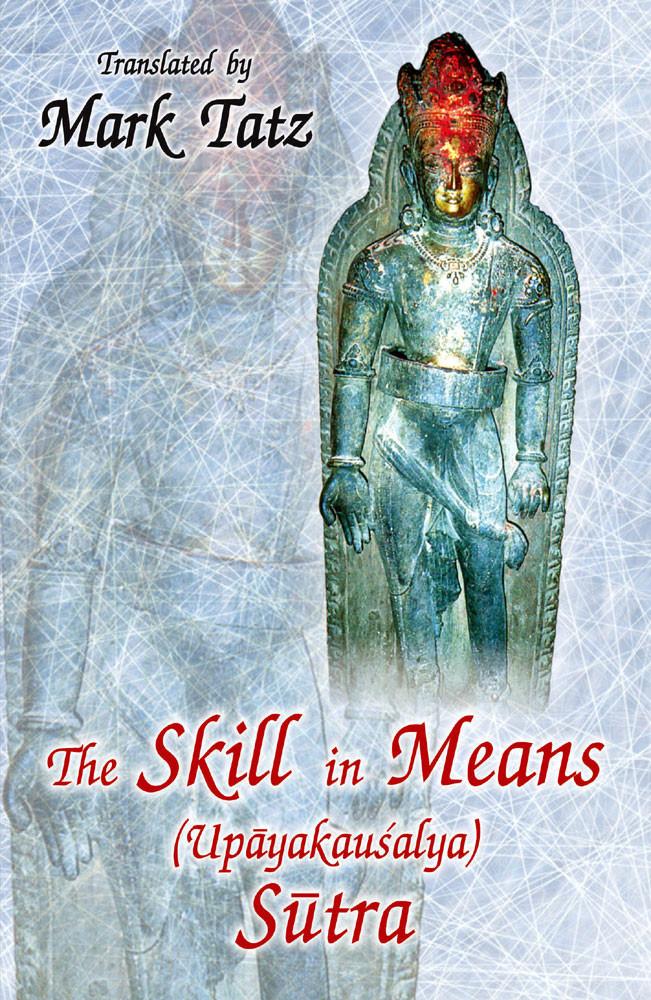
The Skill in Means (Upāyakauśalya) Sūtra
From Bodhicitta
< Books
Books/The Skill in Means (Upāyakauśalya) Sūtra| 🤓 Admin Zone 🛠️ hidden to non-admins | |
The Skill in Means (Upāyakauśalya) Sūtra
Book
- A Buddha Within: The Tathāgatagarbhasūtra
- A Few Good Men
- A New Translation of the Sanskrit Bhadracarī with Introduction and Notes
- A Treasury of Mahāyāna Sūtras
- Abiding in Good and Noble Deportment
- Affirmation in Negation: A Study of the Tathāgatagarbha Theory in the Light of the Bodhisattva Practices
- Annotated Translation of the Daśabhūmika-sūtra
- Appendix to the New Edition of the Bodhicaryāvatāra
- Ascertaining the Vinaya: Upāli's Questions: Vinayaviniścayopāliparipṛcchā (Erdene-Ochir, B.)
- Bodhisatvapiṭaka (Bibliotheca Polyglotta)
- Buddha Pronounces the Sūtra of the Great Cundī Dhāraṇī
- Caturdharmikasūtra (Tseng, V.)
- Chapter on Entering the Inconceivable Liberated State of Samantabhadra's Practices and Vows
- Creatures: Saṅgharakṣita and the Shape-Shifting Nāga
- Describing the Benefits of Producing Representations of the Thus-Gone One: Tathāgatapratibimbapratiṣṭhānuśaṃsasaṃvarṇana (Teleki, K.)
- Dialogue With Bodhisattva Infinite Wisdom
- Inspiring Determination: Adhyāśayasaṃcodana (Dorje, Lama Sherab)
- Mahāvaipulya Sūtra of the Tathāgata Store
- Marici-Dharani
- Myōhō-renge-kyō
- On Entering into the Inconceivable State of Emancipation by the Practice and Vows of the Bodhisattva Samantabhadra of the Mahavaipulya Buddha Avatamsaka Sutra
- On the Pāramitā of Ingenuity
- Saddharma-Puṇḍarīka or the Lotus of the True Law (1963)
- Sarvadharmāpravṛttinirdeśa (Braarvig, J.)
- Saṅgharakṣita-avadāna (Hiraoka)
- Scripture of the Lotus Blossom of the Fine Dharma
- Siṃhaparipṛcchāsūtra (Tseng, V.)
- Teaching How All Phenomena Are without Origin: Sarvadharmāpravṛttinirdeśa (Hinkle, T.)
- The Absorption of the Miraculous Ascertainment of Peace: Praśāntaviniścayaprātihāryasamādhi (Hinkle, T.)
- The Application of Mindfulness of the Sacred Dharma: Saddharmasmṛtyupasthāna (Doctor, T.)
- The Array of Virtues of Mañjuśrī's Buddha Realm: Mañjuśrībuddhakṣetraguṇavyūha (Hinkle, T.)
- The Avalokinī Sūtra: Avalokinīsūtra (Collet-Cassart, B.)
- The Bhaiṣajyaguru-Sūtra and the Buddhism of Gilgit
- The Bodhisattva Path: Based on the Ugraparipṛcchā, a Mahāyāna Sūtra
- The Buddhist Feminine Ideal
- The Definitive Vinaya
- The Detailed Account of the Previous Aspirations of the Blessed Bhaiṣajyaguruvaiḍūryaprabha: Bhagavānbhaiṣajyaguruvaiḍūryaprabhasya pūrvapraṇidhānaviśeṣavistāra (Krug, A.)
- The Dhâranî of Tchundi
- The Dhāraṇī of the Jewel Torch: Ratnolkādhāraṇī (Jackson, D.)
- The Diamond Cutter of Doubts: A Commentary on The Diamond Sūtra (Vajracchedikā-prajñā-pāramitā Sūtra) By Ch'an Master Han Shan
- The Diamond Prajna Paramita Sutra
- The Diamond Prajna-Paramita Sutra
- The Diamond Sutra (Chin-Kang-Ching), or Prajna-Paramita
- The Diamond Sutra (Conze)
- The Diamond Sutra (Hsüan Hua)
- The Diamond Sutra (Wai-tao and Goddard)
- The Diamond Sutra and The Sutra of Hui Neng
- The Diamond Sutra: The Perfection of Wisdom
- The Diamond Sutra: Transforming the Way We Perceive the World
- The Diamond Sutra: Translated from Kumarajiva's Chinese Version
- The Diamond That Cuts Through Illusion
- The Essentials of the Dharma Blossom Sutra
- The Exalted Mahāyāna Sūtra on the Wisdom Gone Beyond Called The Vajra Cutter
- The Final Leaves of the Pravrajyāvastu Portion of the Vinayavastu Manuscript Found Near Gilgit: Part 1 Saṃgharakṣitāvadāna
- The Flower Ornament Scripture: A Translation of The Avatamsaka Sutra
- The Fortunate Aeon: How the Thousand Buddhas Become Enlightened
- The Giving Rise of the Ten Kinds of Mind of the Bodhisattva
- The Good Eon: Bhadrakalpika (Doctor, T.)
- The Great Vows of Samantabhadra
- The Healing Buddha (1979)
- The Healing Buddha (1989)
- The Holy Teaching of Vimalakīrti
- The Hymn of the Life and Vows of Samantabhadra
- The Jewel Cloud: Ratnamegha (Doctor, T.)
- The Khotanese Bhadracaryādeśanā
- The Khotanese Śūraṅgamasamādhisūtra
- The King of Glorious Sutras called the Exalted Sublime Golden Light
- The King of Samādhis Sūtra: Samādhirājasūtra (Roberts, P.)
- The Lalita-Vistara, or Memoirs of the Early Life of Śákya Siñha (English)
- The Lankavatara Sutra (1966)
- The Lankavatara Sutra: A Zen Text
- The Laṅkāvatāra Sūtra (1978)
- The Laṅkāvatāra Sūtra (2003)
- The Legend of Saṃgharakṣita
- The Lion's Roar of Queen Śrīmālā
- The Lotus Sutra (2016) (BDK)
- The Lotus Sutra (Watson)
- The Lotus Sutra: A Contemporary Translation of a Buddhist Classic
- The Lotus Sutra: The Sutra of the Lotus Flower of the Wonderful Dharma
- The Lotus of the Wonderful Law or The Lotus Gospel (2005)
- The Mahayana Mahaparinirvana-sutra (3 vols.)
- The Manuscript of the Vajracchedikā Found at Gilgit
- The Miraculous Play of Mañjuśrī: Mañjuśrīvikrīḍita (Braarvig, J.)
- The Origins and Early History of the Mahāratnakūṭa Tradition of Mahāyāna Buddhism with a Study of the Ratnarāśisūtra and Related Materials
- The Perfection of Wisdom (Jamieson)
- The Perfection of Wisdom in Eight Thousand Lines (1994) (South Asia Books)
- The Perfection of Wisdom in Eight Thousand Lines (1994) (Sri Satguru Publications)
- The Perfection of Wisdom in Eight Thousand Lines (Four Seasons Foundation)
- The Play in Full: Lalitavistara (Doctor, A.)
- The Pratyutpanna Samādhi Sutra: The Śūraṅgama Samādhi Sutra
- The Precious Discourse on the Blessed One’s Extensive Wisdom That Leads to Infinite Certainty: Niṣṭhāgatabhagavajjñānavaipulyasūtraratnānanta (Doctor, A.)
- The Prediction of Mañjuśrī's Attainment of Buddhahood
- The Questions of Rāṣṭrapāla (1): Rāṣṭrapālaparipṛcchā (Brockhausen, K.)
- The Questions of Sāgaramati: Sāgaramatiparipṛcchā (Hinkle, T.)
- The Questions of the Nāga King Sāgara (1): Sāgaranāgarājaparipṛcchā (Hinkle, T.)
- The Questions of the Nāga King Sāgara (2): Sāgaranāgarājaparipṛcchā (Ewing, B.)
- The Questions of the Nāga King Sāgara (3): Sāgaranāgarājaparipṛcchā (Gyaltsen, Kalsang)
- The Range of the Bodhisattva: A Study of an Early Mahāyānasūtra - Āryasatyakaparivarta
- The Rice Seedling Sutra
- The Rice Seedling: Śālistamba (Raktrul, 6th)
- The Scripture of Master of Medicine, Beryl Radiance Tathāgata and The Sutra of the Girl Candrottarā
- The Seal of Engagement in Awakening the Power of Faith: Śraddhābalādhānāvatāramudrā (Beer, Z.)
- The Shurangama Sutra - Volume Eight
- The Shurangama Sutra - Volume Five
- The Shurangama Sutra - Volume Four
- The Shurangama Sutra - Volume One
- The Shurangama Sutra - Volume Seven
- The Shurangama Sutra - Volume Six
- The Shurangama Sutra - Volume Three
- The Shurangama Sutra - Volume Two
- The Shurangama Sutra: Sutra Text and Supplements
- The Skill in Means (Upāyakauśalya) Sūtra
- The Sky as a Mahāyāna Symbol of Emptiness and Generous Fullness: A Study and Translation of the Gaganagañjaparipṛcchā: Volume 1: Introduction
- The Sky as a Mahāyāna Symbol of Emptiness and Generous Fullness: A Study and Translation of the Gaganagañjaparipṛcchā: Volume 2: Edition and Translation
- The Stem Array: Gaṇḍavyūha (Roberts, P.)
- The Story of Saṅgharakṣita (Stories 23–25)
- The Story of a Wretched Pig: Sūkarika-avadāna
- The Strength of the Elephant: Hastikakṣya (Forgues, G.)
- The Sutra of Queen Śrīmālā of the Lion's Roar and the Vimalakīrti Sutra
- The Sutra of the Householder Uncouth
- The Sutra of the Lord of Healing
- The Sutra of the Master of Healing
- The Sūtra of the Golden Light
- The Sūtra of the Young Rice Plant (Śālistambasūtra)
- The Tale of King Udayana of Vatsa
- The Ten Bhūmis: Daśabhūmika (Roberts, P.)
- The Ten Grounds Sutra
- The Threefold Lotus Sūtra
- The True Lion's Roar of Queen Śrīmālā
- The Ugraparipṛcchā, the Mahāratnakūṭasūtra and Early Mahāyāna Buddhism
- The Vajradhvajapariṇāmanā: An Edition and Translation of the Tibetan Version
- The Vimalakirti Nirdesa Sutra
- The Vimalakīrti Sūtra (Watson)
- The Voice of the Buddha
- The Vow to Live the Life of Samanta-bhadra
- The Vows of Bodhisattva Samantabhadra Sutra
- The White Lotus of the Good Dharma: Saddharmapuṇḍarīka (Roberts, P.)
- The Ākāśagarbha Sūtra: Ākāśagarbhasūtra (Tenzin, Jampa, et al)
- The Śālistamba Sūtra
- The Śālistamba Sūtra and Its Indian Commentaries, Volume I
- The Śūraṅgama Sūtra: A New Translation
- Vagrakkhedikâ, The Diamond-Cutter
- Vaipulya Sūtra of Śrīmālā's Lion's Roar That Reveals the Great Skillful Means of the One Vehicle
- Vajra-chhedika, the "Kin Kong King," or Diamond Sutra
- Vajracchedikā Prajñāpāramitā (Conze)
- Vajracchedikā Prajñāpāramitā (English)
- Vimalakīrti's Discourse on Emancipation
- Vimalakīrti-Nirdeśa-Sūtra: Translated from the Chinese
- Vimalakīrtinirdeśasūtra (Joshi and Prāsādika)
- Śāntideva and the Mādhyamika: The Prajñāpāramitā-Pariccheda of the Bodhicaryāvatāra
Please note that many items in our library are simply pages that represent a detailed library catalog entry and citation of someone else's work, presentation, or performance. Read our General Disclaimer for more information. You can find more information about this item on the publisher website.
_S%C5%ABtra-front.jpg)
Description
This rare sutra, ancient but timely, has long been treated with circumspection because of its liberal attitude toward sexuality and other ethical concerns. One of the original statements of the early Mahayana School, it is here collated from Chinese and Tibetan translations, and from passages that remain in the original Sanskrit. Originally part of a larger sutra on the six perfections that included the well-known perfection of Wisdom sutra, the Skill-in-Means sutra explicates the other five perfections of the bodhisattva. The translator has traced its source to verses of the Ratnagunasamcaya-gatha that have no counterpart in the Perfection of Wisdom. The Skill in Means is also found as part of the Ratnakuta collection of sutras, under the title "The Question of Jnanottara."
In Part One, this Sutra establishes the liberal, even anti-monastic observance of Bodhisattva ethics, especially in matters of sexual involvement, introducing 'skill in means' into the fabric of Buddhist ethical life. Parts Two and Three constitute a reinterpretation of the life of the Buddha, demonstrating his motivation by 'skill in means'; this is a primary source for the Buddhology of the Mahayana. The older and newer versions are translated side by side; extant Sanskrit passages are included. An introduction places the text in historical and literary prospective. There are copious notes, indexes and a bibliography. (Source: Motilal Banarsidass)
In Part One, this Sutra establishes the liberal, even anti-monastic observance of Bodhisattva ethics, especially in matters of sexual involvement, introducing 'skill in means' into the fabric of Buddhist ethical life. Parts Two and Three constitute a reinterpretation of the life of the Buddha, demonstrating his motivation by 'skill in means'; this is a primary source for the Buddhology of the Mahayana. The older and newer versions are translated side by side; extant Sanskrit passages are included. An introduction places the text in historical and literary prospective. There are copious notes, indexes and a bibliography. (Source: Motilal Banarsidass)
Citation
Tatz, Mark, trans. The Skill in Means (Upāyakauśalya) Sūtra. Delhi: Motilal Banarsidass, 2001.
Publisher Link
Table of contents
- Introduction1
- The Skill in Means of Bodhisattvas23
- The Skill in Means of Śākyamuni51
- The Ten Karmic Connections71
- Notes to the Translation91
- Bibliography and Abbreviations113
- Index of Proper Names123
- Index of Technical Terms125
Interconnections
1 Full translation of

Upāyakauśalyasūtra. (T. Thabs la mkhas pa'i mdo; C. Dasheng fangbian hui; J. Daijō hōben'e; K. Taesǔng pangp'yǒn hoe 大乘方便會). In Sanskrit, "Skillful Means Sūtra," an early Mahāyāna sūtra included in the Ratnakūṭasūtra collection, where it is also known as the Jñānottarabodhisattvaparipṛcchā. (In addition to the recension embedded in the 410 CE Chinese translation of the Ratnakūṭa, as transcribed above, there are also two other Chinese translations, one made in 285 CE, the other c. 980.) The first part of the sūtra extols the virtues of the practice of "skillful means" (upāyakauśalya), generally understood in this context to refer to the dedication of the merit from a virtuous deed, such as offerings made for the welfare and ultimate enlightenment of all beings. The sūtra goes on to explain how apparently nonvirtuous acts, such as sexual misconduct, become virtues when performed by a bodhisattva with skillful means, noting, "Something that sends other sentient beings to hell sends the bodhisattva who is skilled in means to rebirth in the world of Brahmā." Also recounted is the famous story of the Buddha's previous life as a ship captain, when he kills a potential murderer in order to save others' lives. In the second part of the sūtra, the Buddha recounts the events of his life (see Baxiang), from his entry into his mother's womb to his decision to teach the dharma as instances of his skillful means; none of these events are presented as the consequences of his own past nonvirtuous actions or indeed of any fault whatsoever on his part. For example, after his enlightenment, the Buddha has no hesitation to teach the dharma; nonetheless, he compels the god Brahmā to descend from his heaven to implore the Buddha to teach. He forces this act so that beings who worship Brahmā will have faith in the Buddha and so that the myriad forms of the god Brahmā will generate bodhicitta. The sūtra concludes with a discussion of ten cases in the life of the Buddha in which he apparently undergoes suffering (such as a headache, backache, and being pierced by a thorn) that had previously been ascribed to his nonvirtuous deeds in a past life; in each case, these are instead explained as being examples of the Buddha's skillful means. (Source: "Upāyakauśalyasūtra." In The Princeton Dictionary of Buddhism, 943. Princeton University Press, 2014. http://www.jstor.org/stable/j.ctt46n41q.27.)