| 🤓 Admin Zone 🛠️ hidden to non-admins | |
आर्योपायकौशल्यनाममहायानसूत्र
Upāyakauśalyasūtra
འཕགས་པ་ཐབས་མཁས་པ་ཞེས་བྱ་བ་ཐེག་པ་ཆེན་པོའི་མདོ།
'phags pa thabs mkhas pa zhes bya ba theg pa chen po'i mdo
The Sūtra on Skill in Means (84000)
Text
Please note that many items in our library are simply pages that represent a detailed library catalog entry and citation of someone else's work, presentation, or performance. Read our General Disclaimer for more information.


Description
Upāyakauśalyasūtra. (T. Thabs la mkhas pa'i mdo; C. Dasheng fangbian hui; J. Daijō hōben'e; K. Taesǔng pangp'yǒn hoe 大乘方便會). In Sanskrit, "Skillful Means Sūtra," an early Mahāyāna sūtra included in the Ratnakūṭasūtra collection, where it is also known as the Jñānottarabodhisattvaparipṛcchā. (In addition to the recension embedded in the 410 CE Chinese translation of the Ratnakūṭa, as transcribed above, there are also two other Chinese translations, one made in 285 CE, the other c. 980.) The first part of the sūtra extols the virtues of the practice of "skillful means" (upāyakauśalya), generally understood in this context to refer to the dedication of the merit from a virtuous deed, such as offerings made for the welfare and ultimate enlightenment of all beings. The sūtra goes on to explain how apparently nonvirtuous acts, such as sexual misconduct, become virtues when performed by a bodhisattva with skillful means, noting, "Something that sends other sentient beings to hell sends the bodhisattva who is skilled in means to rebirth in the world of Brahmā." Also recounted is the famous story of the Buddha's previous life as a ship captain, when he kills a potential murderer in order to save others' lives. In the second part of the sūtra, the Buddha recounts the events of his life (see Baxiang), from his entry into his mother's womb to his decision to teach the dharma as instances of his skillful means; none of these events are presented as the consequences of his own past nonvirtuous actions or indeed of any fault whatsoever on his part. For example, after his enlightenment, the Buddha has no hesitation to teach the dharma; nonetheless, he compels the god Brahmā to descend from his heaven to implore the Buddha to teach. He forces this act so that beings who worship Brahmā will have faith in the Buddha and so that the myriad forms of the god Brahmā will generate bodhicitta. The sūtra concludes with a discussion of ten cases in the life of the Buddha in which he apparently undergoes suffering (such as a headache, backache, and being pierced by a thorn) that had previously been ascribed to his nonvirtuous deeds in a past life; in each case, these are instead explained as being examples of the Buddha's skillful means. (Source: "Upāyakauśalyasūtra." In The Princeton Dictionary of Buddhism, 943. Princeton University Press, 2014. http://www.jstor.org/stable/j.ctt46n41q.27.)
Quoted in the aligned translations
Reference
Upāyakauśalyasūtra [आर्योपायकौशल्यनाममहायानसूत्र]. 'phags pa thabs mkhas pa zhes bya ba theg pa chen po'i mdo [འཕགས་པ་ཐབས་མཁས་པ་ཞེས་བྱ་བ་ཐེག་པ་ཆེན་པོའི་མདོ།]. [The Sūtra on Skill in Means (84000)]. Translated by 'gos chos grub, Nandi, Dharmarakṣa, Dānapāla. Kangyur, RKTSK 261 http://www.rkts.org/cat.php?id=261&typ=1.
Interconnections
3 Full translations

Contains 22 of the 49 Sūtras of the Mahāratnakūṭa (or "Treasury") Sūtra, many translated for the first time in a Western language

This is the Buddhist Association of the United States's English translation of the Upāyakauśalyasūtra from the Chinese edition of Nandi. It is found in the Ratnakūṭa, T310(38), 11.
_S%C5%ABtra-front.jpg)
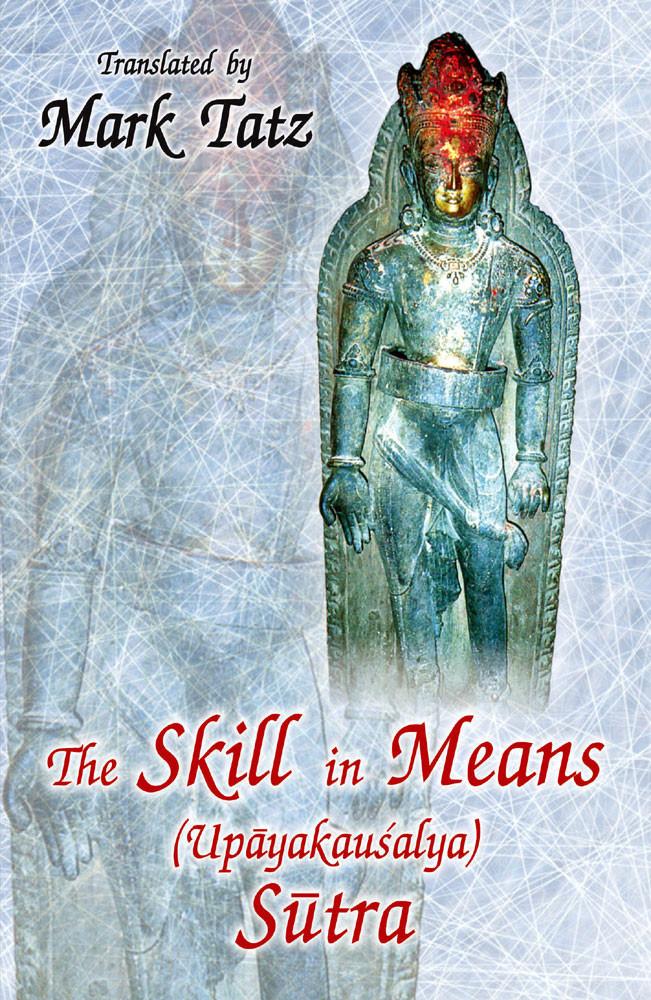
An English translation of the Upāyakauśalyasūtra by Mark Tatz. The older and newer versions are translated side by side; There are copious notes, indexes, and a bibliography.
1 Related
-front.jpg)
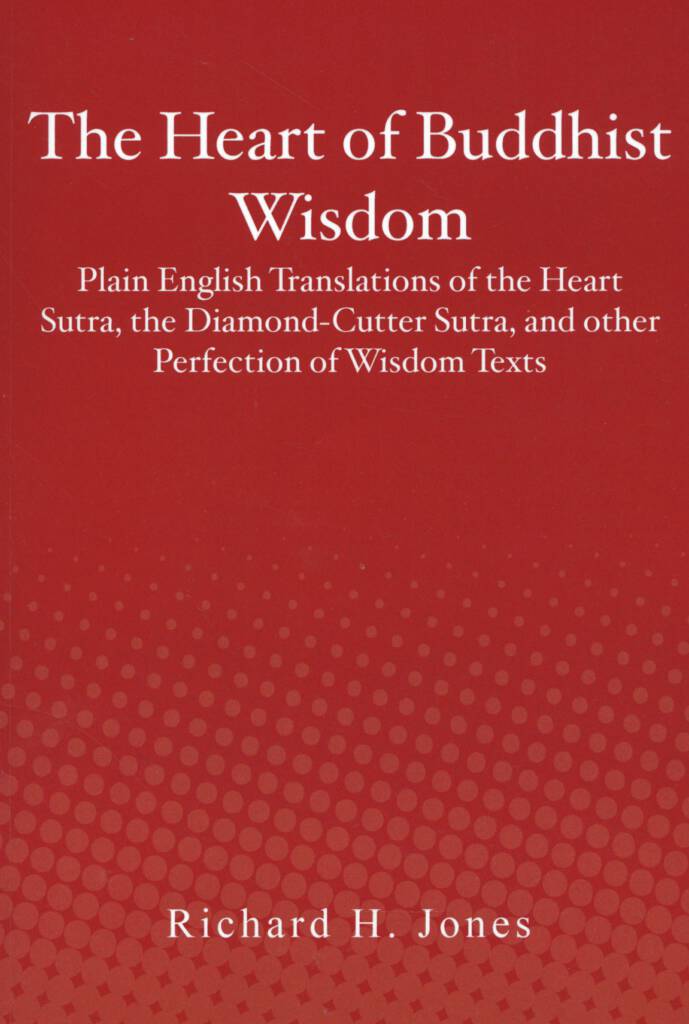
This book consists of revised selections from the 1975 edition of Edward Conze's The Large Sutra on Perfect Wisdom and his 1973 edition of The Perfection of Wisdom.
4 A topic of
Contains 22 of the 49 Sūtras of the Mahāratnakūṭa (or "Treasury") Sūtra, many translated for the first time in a Western language
This is the Buddhist Association of the United States's English translation of the Upāyakauśalyasūtra from the Chinese edition of Nandi. It is found in the Ratnakūṭa, T310(38), 11.
This book consists of revised selections from the 1975 edition of Edward Conze's The Large Sutra on Perfect Wisdom and his 1973 edition of The Perfection of Wisdom.
An English translation of the Upāyakauśalyasūtra by Mark Tatz. The older and newer versions are translated side by side; There are copious notes, indexes, and a bibliography.