| 🤓 Admin Zone 🛠️ hidden to non-admins | |
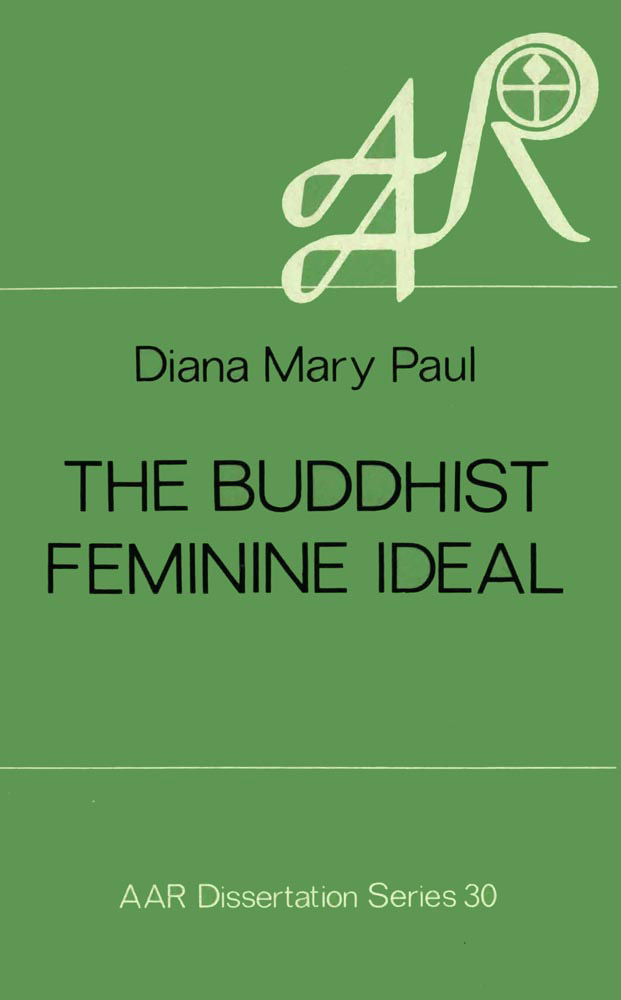
The Buddhist Feminine Ideal: Queen Śrīmālā and the Tathāgatagarbha
Book
- A Few Good Men
- A Treasury of Mahāyāna Sūtras
- Abiding in Good and Noble Deportment
- Appendix to the New Edition of the Bodhicaryāvatāra
- Buddha Pronounces the Sūtra of the Great Cundī Dhāraṇī
- Chapter on Entering the Inconceivable Liberated State of Samantabhadra's Practices and Vows
- Dialogue With Bodhisattva Infinite Wisdom
- Mahāvaipulya Sūtra of the Tathāgata Store
- Myōhō-renge-kyō
- On Entering into the Inconceivable State of Emancipation by the Practice and Vows of the Bodhisattva Samantabhadra of the Mahavaipulya Buddha Avatamsaka Sutra
- On the Pāramitā of Ingenuity
- Scripture of the Lotus Blossom of the Fine Dharma
- The Buddhist Feminine Ideal
- The Definitive Vinaya
- The Dhâranî of Tchundi
- The Diamond Cutter of Doubts: A Commentary on The Diamond Sūtra (Vajracchedikā-prajñā-pāramitā Sūtra) By Ch'an Master Han Shan
- The Diamond Prajna Paramita Sutra
- The Diamond Prajna-Paramita Sutra
- The Diamond Sutra (Chin-Kang-Ching), or Prajna-Paramita
- The Diamond Sutra (Hsüan Hua)
- The Diamond Sutra (Wai-tao and Goddard)
- The Diamond Sutra and The Sutra of Hui Neng
- The Diamond Sutra: The Perfection of Wisdom
- The Diamond Sutra: Translated from Kumarajiva's Chinese Version
- The Diamond That Cuts Through Illusion
- The Essentials of the Dharma Blossom Sutra
- The Flower Ornament Scripture: A Translation of The Avatamsaka Sutra
- The Giving Rise of the Ten Kinds of Mind of the Bodhisattva
- The Great Vows of Samantabhadra
- The Healing Buddha (1979)
- The Healing Buddha (1989)
- The Lankavatara Sutra: A Zen Text
- The Lion's Roar of Queen Śrīmālā
- The Lotus Sutra (2016) (BDK)
- The Lotus Sutra (Watson)
- The Lotus Sutra: A Contemporary Translation of a Buddhist Classic
- The Lotus Sutra: The Sutra of the Lotus Flower of the Wonderful Dharma
- The Lotus of the Wonderful Law or The Lotus Gospel (2005)
- The Mahayana Mahaparinirvana-sutra (3 vols.)
- The Pratyutpanna Samādhi Sutra: The Śūraṅgama Samādhi Sutra
- The Prediction of Mañjuśrī's Attainment of Buddhahood
- The Scripture of Master of Medicine, Beryl Radiance Tathāgata and The Sutra of the Girl Candrottarā
- The Shurangama Sutra - Volume Eight
- The Shurangama Sutra - Volume Five
- The Shurangama Sutra - Volume Four
- The Shurangama Sutra - Volume One
- The Shurangama Sutra - Volume Seven
- The Shurangama Sutra - Volume Six
- The Shurangama Sutra - Volume Three
- The Shurangama Sutra - Volume Two
- The Shurangama Sutra: Sutra Text and Supplements
- The Skill in Means (Upāyakauśalya) Sūtra
- The Sky as a Mahāyāna Symbol of Emptiness and Generous Fullness: A Study and Translation of the Gaganagañjaparipṛcchā: Volume 2: Edition and Translation
- The Sutra of Queen Śrīmālā of the Lion's Roar and the Vimalakīrti Sutra
- The Sutra of the Lord of Healing
- The Sutra of the Master of Healing
- The Tale of King Udayana of Vatsa
- The Threefold Lotus Sūtra
- The True Lion's Roar of Queen Śrīmālā
- The Vimalakirti Nirdesa Sutra
- The Vimalakīrti Sūtra (Watson)
- The Vow to Live the Life of Samanta-bhadra
- The Vows of Bodhisattva Samantabhadra Sutra
- The Śūraṅgama Sūtra: A New Translation
- Vaipulya Sūtra of Śrīmālā's Lion's Roar That Reveals the Great Skillful Means of the One Vehicle
- Vajra-chhedika, the "Kin Kong King," or Diamond Sutra
- Vimalakīrti's Discourse on Emancipation
- Vimalakīrti-Nirdeśa-Sūtra: Translated from the Chinese
Please note that many items in our library are simply pages that represent a detailed library catalog entry and citation of someone else's work, presentation, or performance. Read our General Disclaimer for more information.

Description
This book contains many valuable contributions. It places the Śrīmālādevīsūtra in the early development of the Mahāyāna and includes surveys of earlier translations of key terms and an overview of tathāgathagarbha theory. Paul points out the key role that the bodhisattvas play for sentient beings as guides in the transition from ordinary being to buddha. The Śrīmālā, although it affirms that all beings share the same buddha-nature and emphatically embraces the idea of a Single Vehicle, nevertheless asserts that śrāvakas and pratyekabuddhas cannot comprehend the needed steps to shed adventitious stains and reveal the intrinsic purity of mind; only bodhisattvas can. Paul notes that while the Lotus Sūtra proclaimed the universal salvation via the Single Vehicle, and the Tathāgathagarbhasūtra proclaimed universal buddha-nature, it was the Śrīmālā that first combined those concepts. (Alex Gardner, 2018)
Citation
Paul, Diana Mary. The Buddhist Feminine Ideal: Queen Śrīmālā and the Tathāgatagarbha. American Academy of Religion Dissertation Series 30. Missoula, MT: Scholars Press, 1980.
Table of contents
- Introduction1
- Chapter I: Historical Overview9
- Chapter II: Tathāgatagarbha47
- Chapter III: Tathāgatagarbha Thought in the Śrīmālādevī-Siṁhanāda Sūtra: Part I89
- Chapter IV: Tathāgatagarbha Thought in the Śrīmālādevī-Siṁhanāda Sūtra: Part II105
- Concluding Remarks137
- Chapter V: The Teaching of Queen Śrīmālā Who Had the Lion's Roar: A Comprehensive Text That Teaches the
Skillful Means of the One Vehicle141- Chapter 1: The Merits of the Tathāgata's True Doctrine141
- Chapter 2: The Ten Ordinational Vows147
- Chapter 3: The Three Vows151
- Chapter 4: The Acceptance155
- Chapter 5: Ekayāna165
- Chapter 6: The Unlimited Noble Truths183
- Chapter 7: The Tathāgatagarbha187
- Chapter 8: The Dharma-Body191
- Chapter 9: The Underlying Truth: The Meaning of Emptiness197
- Chapter 10: The One (Noble) "Truth"203
- Chapter 11: The One Refuge207
- Chapter 12: The Contrary Truths209
- Chapter 13: The Inherently Pure215
- Chapter 14: The True Sons (of the Tathāgata)221
- Chapter 15: Śrīmālā225
- Appendix I: Methodology231
- Appendix II: Bibliography241
Interconnections
1 Full translation of

One of the more prominent sūtra sources for the Ratnagotravibhāga, this text tells of the story of Śrīmālādevī taking up the Buddhist path at the behest of her royal parents based on a prophecy of the Buddha. It includes mention of important concepts related to the teachings on buddha-nature, such as the single vehicle and the four perfections, or transcendent characteristics, of the dharmakāya. It also mentions the notion that buddha-nature, which is equated with mind's luminous nature, is empty of adventitious stains but not empty of its limitless inseparable qualities. In his commentary on the Ratnagotravibhāga, Asaṅga quotes this sūtra more than any other source text. In particular, it is considered a source for the fifth of the seven vajra topics, enlightenment.
1 Based on dissertation

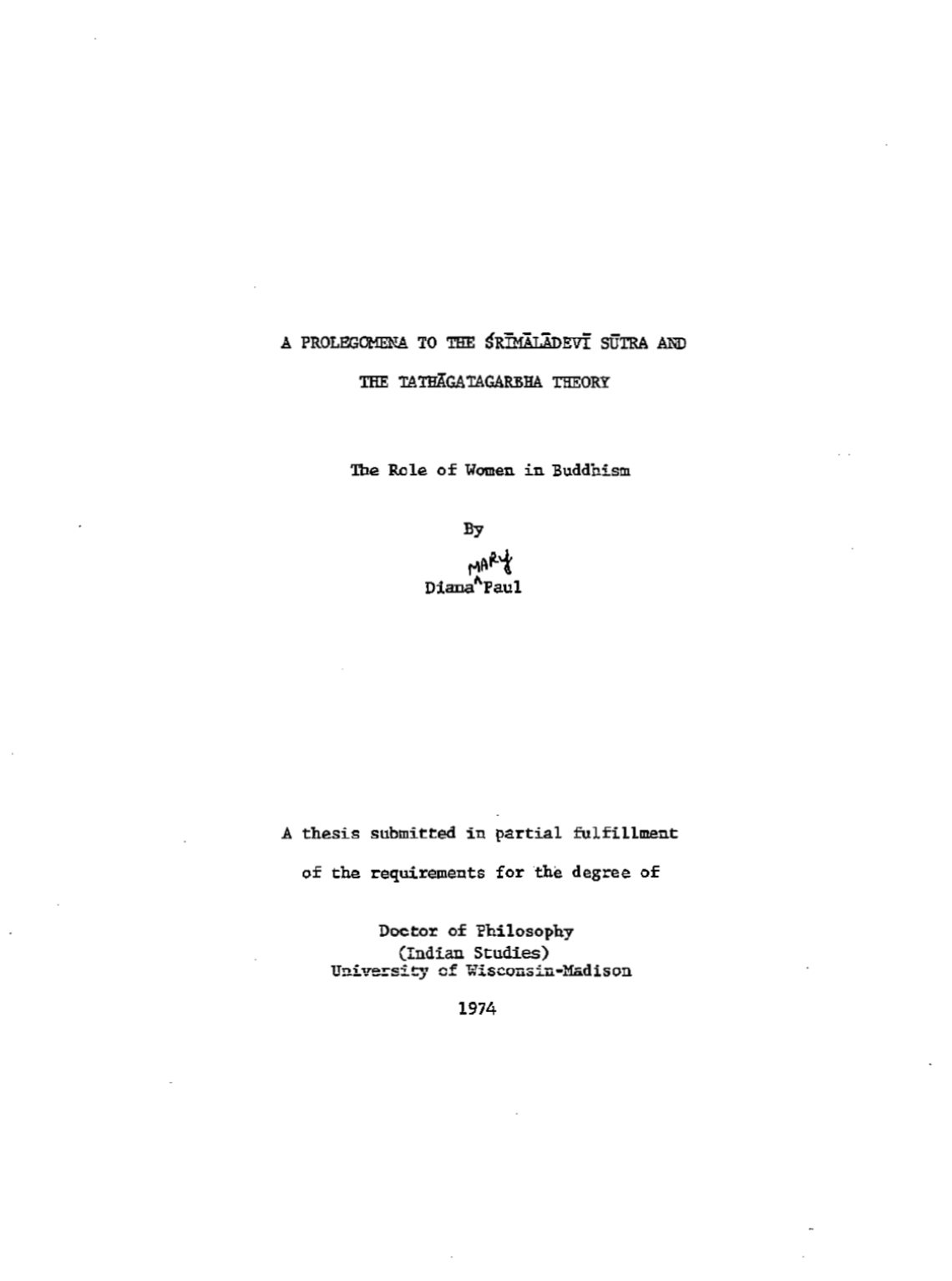
This dissertation is a study and English translation of the Śrīmālādevīsūtra by Diana Paul from the Chinese editions by Guṇabhadra (T353) and Bodhiruci (T310(48)).
1 Scholarship on
One of the more prominent sūtra sources for the Ratnagotravibhāga, this text tells of the story of Śrīmālādevī taking up the Buddhist path at the behest of her royal parents based on a prophecy of the Buddha. It includes mention of important concepts related to the teachings on buddha-nature, such as the single vehicle and the four perfections, or transcendent characteristics, of the dharmakāya. It also mentions the notion that buddha-nature, which is equated with mind's luminous nature, is empty of adventitious stains but not empty of its limitless inseparable qualities. In his commentary on the Ratnagotravibhāga, Asaṅga quotes this sūtra more than any other source text. In particular, it is considered a source for the fifth of the seven vajra topics, enlightenment.