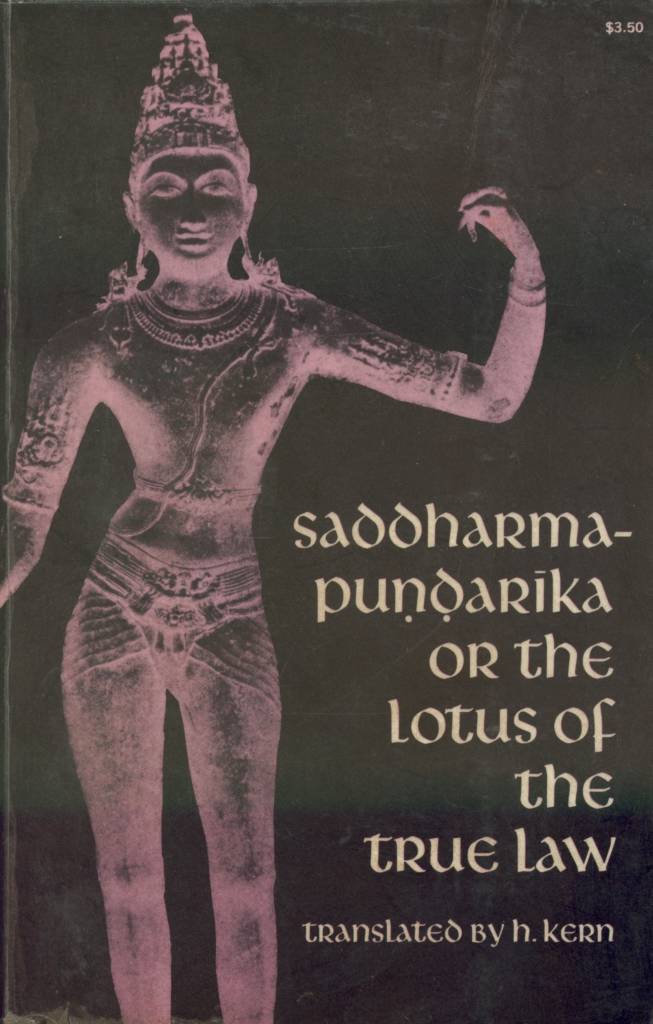
Saddharma-Puṇḍarīka or the Lotus of the True Law (1963)
| 🤓 Admin Zone 🛠️ hidden to non-admins | |
- A Few Good Men
- A New Translation of the Sanskrit Bhadracarī with Introduction and Notes
- Affirmation in Negation: A Study of the Tathāgatagarbha Theory in the Light of the Bodhisattva Practices
- Annotated Translation of the Daśabhūmika-sūtra
- Caturdharmikasūtra (Tseng, V.)
- Saddharma-Puṇḍarīka or the Lotus of the True Law (1963)
- Sarvadharmāpravṛttinirdeśa (Braarvig, J.)
- Saṅgharakṣita-avadāna (Hiraoka)
- Scripture of the Lotus Blossom of the Fine Dharma
- Siṃhaparipṛcchāsūtra (Tseng, V.)
- The Bhaiṣajyaguru-Sūtra and the Buddhism of Gilgit
- The Diamond Sutra (Conze)
- The Diamond Sutra: The Perfection of Wisdom
- The Diamond Sutra: Transforming the Way We Perceive the World
- The Final Leaves of the Pravrajyāvastu Portion of the Vinayavastu Manuscript Found Near Gilgit: Part 1 Saṃgharakṣitāvadāna
- The Hymn of the Life and Vows of Samantabhadra
- The Khotanese Bhadracaryādeśanā
- The Khotanese Śūraṅgamasamādhisūtra
- The Lalita-Vistara, or Memoirs of the Early Life of Śákya Siñha (English)
- The Lankavatara Sutra (1966)
- The Laṅkāvatāra Sūtra (1978)
- The Laṅkāvatāra Sūtra (2003)
- The Manuscript of the Vajracchedikā Found at Gilgit
- The Perfection of Wisdom (Jamieson)
- The Perfection of Wisdom in Eight Thousand Lines (1994) (South Asia Books)
- The Perfection of Wisdom in Eight Thousand Lines (1994) (Sri Satguru Publications)
- The Perfection of Wisdom in Eight Thousand Lines (Four Seasons Foundation)
- The Skill in Means (Upāyakauśalya) Sūtra
- The Story of Saṅgharakṣita (Stories 23–25)
- The Story of a Wretched Pig: Sūkarika-avadāna
- The Sūtra of the Golden Light
- The Sūtra of the Young Rice Plant (Śālistambasūtra)
- The Ten Grounds Sutra
- Vajracchedikā Prajñāpāramitā (Conze)
- Vajracchedikā Prajñāpāramitā (English)
- Vimalakīrtinirdeśasūtra (Joshi and Prāsādika)

Description
Kern presents the original Buddhist scriptures in their chaptered format, as they begin with the Shakyamuni Buddha lapsing into a deep meditative consciousness. During this state, he perceives a vast ray of light, that shine upon and give light to other buddha-fields far to the East. Following this momentous display, we are given the lessons of early Buddhism, how the spiritual path of the bodhisattva allows for the attainment of the status of Buddha and complete enlightenment.
We also hear of various parables and moral teachings, of those who petition the Buddhas with questions or requests for spiritual guidance. Mythological tales, such as the creation and discovery of the Magic City with its symbolic treasures, are also related. The later chapters, which expound further upon the immortal nature of the Buddha character, and the timeless wisdom that he espouses, count among the finest explanations of the Buddhist faith ever written.
H. Kern renders the stories and spiritual lessons in superb English, with utmost care taken not to misinterpret or dilute the guidance. (Source Accessed Jan 5, 2022)
- INTRODUCTIONix
- CHAPTER 1. Introductory1
- CHAPTER 2. Skilfulness30
- CHAPTER 3. A Parable60
- CHAPTER 4. Disposition98
- CHAPTER 5. On Plants118
- CHAPTER 6. Announcement of Future Destiny142
- CHAPTER 7. Ancient Devotion153
- CHAPTER 8. Announcement of the Future Destiny of the Five Hundred Monks191
- CHAPTER 9. Annpuncement of the Future Destiny of Ananda, Rahula, and the Two Thousand Monks205
- CHAPTER 10. The Preacher213
- CHAPTER 11. Apparition of a Stūpa227
- CHAPTER 12. Exertion255
- CHAPTER 13. Peaceful Life262
- CHAPTER 14. Issuing of Bodhisattvas from the Gaps of the Earth281
- CHAPTER 15. Duration of Life of the Tathāgata298
- CHAPTER 16. Of Piety311
- CHAPTER 17. Indication of the Meritoriousness of Joyful Acceptance328
- CHAPTER 18. The Advantages of a Religious Preacher336
- CHAPTER 19. Sadāparibhūta354
- CHAPTER 20. Conception of the Transcendent Power of the Tathāgatas363
- CHAPTER 21. Spells370
- CHAPTER 22. Ancient Devotion of Bhaishagyarāga376
- CHAPTER 23. Gadgadsvara393
- CHAPTER 24. The All-Sided One406
- CHAPTER 25. Ancient Devotion419
- CHAPTER 26. Encouragement of Samantabhadra431
- CHAPTER 27. The Period440
- Index443