Timeline: Difference between revisions
From Bodhicitta
((by SublimeText.Mediawiker)) |
((by SublimeText.Mediawiker)) |
||
| Line 20: | Line 20: | ||
|?TmlnDate | |?TmlnDate | ||
|?TmlnDescription | |?TmlnDescription | ||
|?TmlnDescriptionTib | |||
|?TmlnTextTitle | |?TmlnTextTitle | ||
|named args=true | |named args=true | ||
Revision as of 16:46, 14 October 2025
Timeline
The Commentaries of the Bodhicaryāvatāra

According to Buddhist sūtras and Jātaka tales, Buddha Śākyamuni is said to have cultivated the first thought of awakening in the presence of Buddha Dīpaṃkara.

The scriptures of the Theravāda tradition assert that the historical Buddha Śākyamuni became a brahmin called Jotipāla and generated bodhicitta in the presence of Buddha Kassapa.
The Mahāvastu of the Lokottaravādin school mentions the term bodhicitta and the wish to attain the unsurpassed perfect state of enlightenment for the benefit of all sentient beings.
The Perfection of Wisdom in Eight Thousand Lines mentions the term bodhicitta in the statement "Train so that one does not have pride in possessing bodhicitta."
The Stem Array Sūtra, which is part of the greater Multitude of Buddhas Sūtra, and many other Mahāyāna sūtras teaching bodhicitta begin to spread.
Aśvaghoṣa is said to have written The Awakening of Mahāyāna Faith and two practice instructions: A Heap of Lotus-like Words on the Cultivation of Conventional Bodhicitta and A Lamp of Jewel-like Words on the Cultivation of Ultimate Bodhicitta.
Fragments of The Multitude of Buddhas Sūtra are translated into Chinese by the translator Lokakṣema.
Nāgārjuna composes homilies such as The Precious Garland, which teach relative bodhicitta, and scholastic and hymnic corpuses including The Root Verses on the Middle Way, The Praise of the Sphere of Reality, and The Commentary on Bodhicitta, which teach ultimate bodhicitta. He is also credited with a text entitled The Ritual for Generating Bodhicitta, and the Chinese tradition attributes a text called A Treatise on Bodhicitta to him.
Āryadeva, the chief disciple of Nāgārjuna, composes The Four Hundred Verses on Yogic Practices of the Bodhisattva.
Maitreya composes The Ornament of Direct Realization, which presents the famous definition of bodhicitta—"Cittotpāda is the wish to attain the perfect full enlightenment for the sake of others"—and The Ornament of Mahāyāna Sūtras, both of which present relative bodhicitta. He also composes The Ultimate Continuum of Mahāyāna, which expounds ultimate bodhicitta.
Asaṅga composes the five sets of Stages including The Stages of Yoga Practices, part of which is his Stages of a Bodhisattva, a detailed treatment of bodhicitta.
Calling Witness with a Hundred Prostrations and The Basket's Display, containing messages on bodhicitta and compassion, are said to have reached Tibet during Lha Thothori Nyantsen's reign.
Dharmakṣema translates The Stages of a Bodhisattva for the first time into Chinese, followed by two other translations by Guṇabhadra in the mid-fifth century and Xuanzang in 648.
Bhāvaviveka composes his Verses on the Heart of the Middle Way, in which he says "Bodhicitta is the seed of the buddhas."
Candrakīrti composes his Introduction to the Middle Way, containing ten chapters based on the development of bodhicitta.
Śāntideva authors his famous works The Way of the Bodhisattva and The Compendium of Training.
Mañjuśrīmitra, Padmasambhava, and other masters compose treatises on ultimate bodhicitta such as The Garland of Views: The King of Pith Instructions and Liquid Gold in Stone: The Cultivation of Bodhicitta.
Numerous Mahāyāna sūtras, tantras, and commentarial treatises teaching bodhicitta, including The Way of the Bodhisattva, The Compendium of Training, The Stages of a Bodhisattva, The Ornament of Mahāyāna Sūtras, and The Stages of Meditation, are translated into Tibetan by translators such as Kawa Peltsek and Yeshe De, making the Nyingma school of early translations flourish.
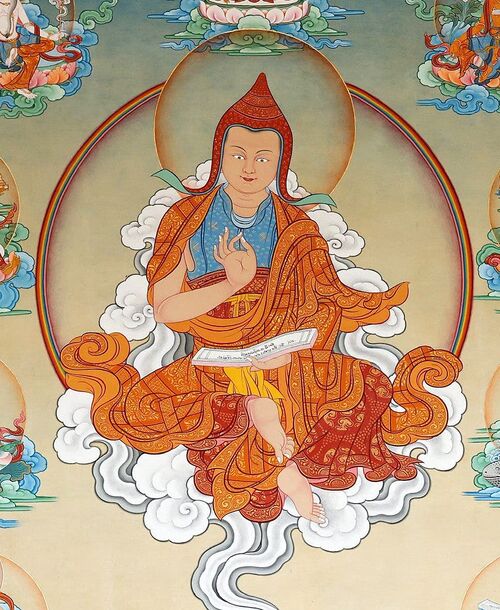
Śāntideva is one of the most well-known and revered Indian Buddhist teachers, and his life and works continue to move and inspire new generations of practitioners, lay and monastic, to cultivate the mind of enlightenment in order to benefit other sentient beings. His writings, which include The Way of the Bodhisattva (Bodhicaryāvatāra) and The Compendium of Training (Śikṣāsamuccya), were immensely influential not only in India but also in the development of the Tibetan religious tradition.

Buddhist translation activity and other major Dharma projects begin to decline due to the fall of the Yarlung dynasty.
A renowned Indian Madhyamaka master belonging to Candrakīrti's lineage.
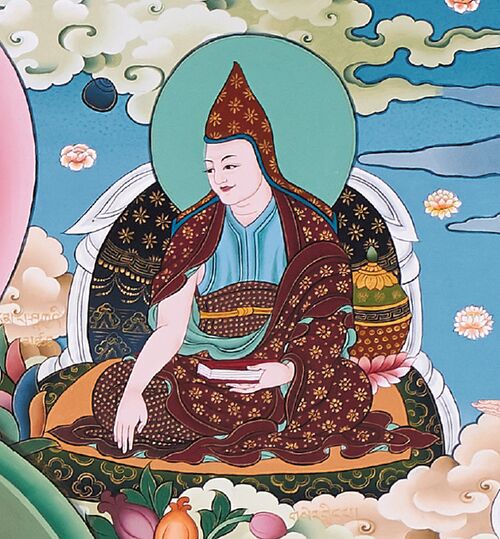
The most important of Atiśa's teachers. In Tibetan, he is known simply as Serlingpa.
Dānapāla translates the First Stages of Meditation by Kamalaśīla into Chinese, entitled Guǎng Shì Pútí Xīn Lùn.
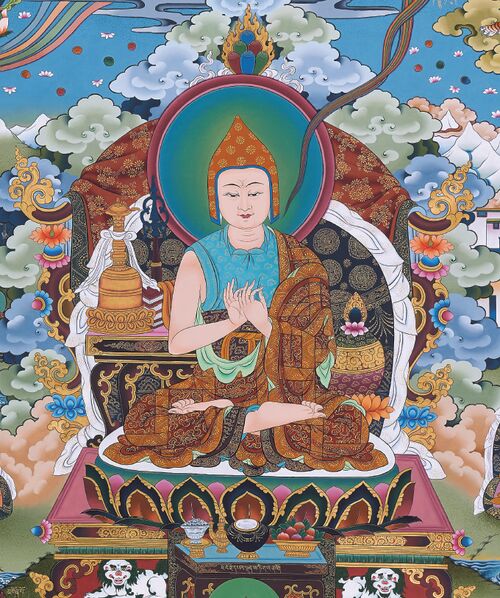
A great Indian master and scholar and one of the main teachers at the famous university of Vikramaśilā. He was a strict follower of the monastic rule and was acclaimed for the purity of his teaching. He spent the last ten years of his life in Tibet, and his Tibetan disciples founded the Kadampa school.
Prajñākaramati, a master of Vikramaśīla, writes the first extensive Indian commentary on Śāntideva's Way of the Bodhisattva entitled Bodhicaryāvatārapañjikā.
Dānapāla translates The Commentary on Bodhicitta, attributed to Nāgārjuna, into Chinese, entitled Pútíxīn lí xiāng lùn.
Rinchen Zangpo, one of the pioneer translators of the Later Diffusion period, revises the translation of The Way of the Bodhisattva, translates many texts, and spreads the teachings on bodhicitta.
Atiśa Dīpaṃkara trains in bodhicitta under his masters Bodhibhadra, Nāropa, Dharmarakṣita, and Suvarṇadvīpa Dharmakīrti.
The Kālacakra teachings reach Tibet, and the teachings are passed down through the Ra and Dro lines.
Drokmi Śākya Yeshe travels to India, studies under Gayādhara and Vīravajra, and pioneers the teachings on The Path and Result (Lamdre) in Tibet.
Marpa Chökyi Lodrö travels to India, trains under Nāropa, Maitrīpa, and others, and on his return to Tibet starts the Marpa Kagyu school, focusing mainly on the secret mantra teachings.
Atiśa Dīpaṃkara arrives in Tibet, where he would later compose The Lamp for the Path to Enlightenment and The Bodhisattva Garland of Gems and propagate the bodhicitta teachings from the Profound View and Vast Conduct traditions in a unified single transmission.
This commentary, whose author is unknown, is an explanation of meaning (don 'grel), written with the help of the Śikṣāsamuccaya. It begins with an explanation of Nāgārjuna's verses of homage to the Buddha in the Mūlamadhyamakakārikā. The second and third chapters are merged into one in this commentary. Therefore, there are only nine chapters in total. The eighth chapter is on wisdom instead of the ninth, and the ninth chapter is on dedication. Some chapters are explained quite elaborately and some are summarized. The Dedication Chapter is mentioned, but there is no commentary on it, the reason being that it is easy to understand.
An Indian scholastic who lived in the eleventh century and was the author or translator of numerous works, including a commentary to Śāntideva's Bodhisattvacaryāvatāra.
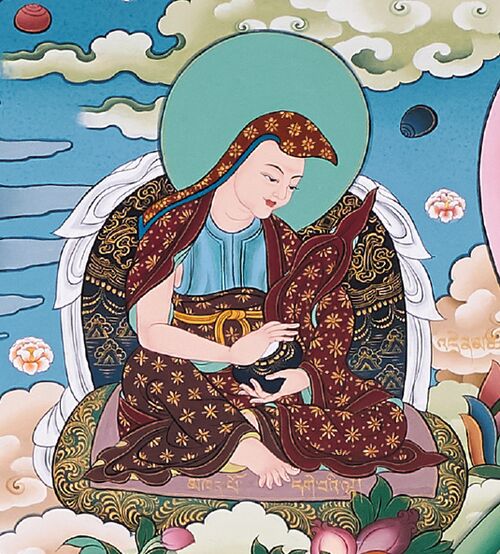
According to Fredrik Liland, nothing further is known about Kalyāṇadeva (Dge ba'i lha), aside from being the author of the Bodhisattvacaryāvatārasaṃskāra. But his commentary is thought to be not as exhaustive and rich of citations as Prajñākaramati’s Pañjikā.
An eleventh-century scholar from Vikramaśīla, known for producing works on sūtra. According to Karl Brunnhölzl, he likely also authored Mahāyānottaratantraśāstraṭippanī (A Commentary on the Meaning of the Words of the "Uttaratantra"). He is not to be confused with a second Vairocanarakṣita, known also as Vairocanavajra, who lived about a century later and spent time in Tibet in the mid-12th century and who was more focused on tantra and mahāmudrā.
This is a commentary by an unknown author on The Wisdom and Dedication Chapters. It explains the verses by making frequent references to various sūtras. In this commentary, chapter 8 is on wisdom, and chapter 9 is on dedication. This title is also referred to as the Bodhisattvacaryāvatāravivṛtti.
This commentary, whose author is unknown, explains The Wisdom Chapter verse by verse, with more emphasis on the difficult points.
Dromtön Gyalwe Jungne establishes Reting Monastery and launches the Kadam tradition with seven divinity-dharmas.
Ngok Lekpai Sherab founds Sangpu Neutok, which later becomes a major center for bodhicitta study and practice.
The Kadampa masters Potowa Rinchen Sal, Chenngawa Tsultrim Bar, Puchungwa Zhönu Gyaltsen, and others widely propagate the stages of path (lamrim) and mind training (lojong) teachings. Potowa composes The Teaching in Similes, and Dölpa Sherab Gyatso compiles The Blue Compendium based on Potowa's teachings.
Ngok Loden Sherab translates The Ornament of Direct Realization and many other texts and also improves earlier translations of The Way of the Bodhisattva, The Compendium of Training, etc., thereby expanding and enhancing the literature on bodhicitta.
Rabzhi Chökyi Shenyen, Patsap Nyima Drakpa, Marpa Chökyi Lodrö, Khu Dodebar, et al. produce different translations of The Commentary on Bodhicitta attributed to Nāgārjuna.
Khyungpo Naljor receives teachings from Niguma and Sukhasiddhi and spreads the Niguma teachings in Tibet, leading to the founding of the Shangpa Kagyu school.
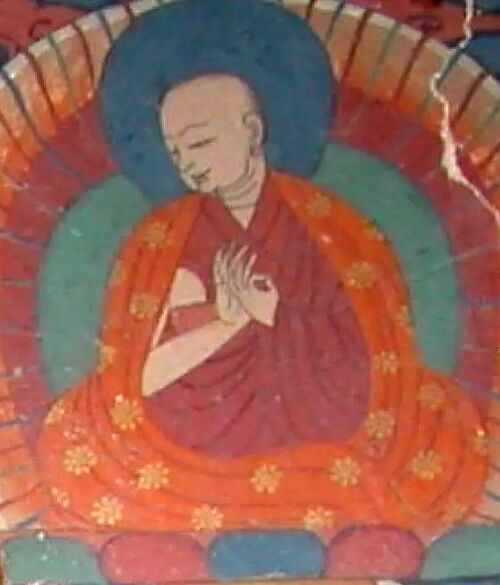
The sixth abbot of Sangpu Neutok, a Kadam monastery founded in 1073 by Ngok Lekpai Sherab. Among his students are included the First Karmapa, Düsum Khenpa, and the Sakya hierarch Sönam Tsemo.
An important student of Lama Khyung Rinchen Drak, Gangpa Sheu Lodrö Jangchup, Lhaje Dawe Özer, and Lhopa Könchok Pal. A teacher of Chapa Chökyi Senge, Karmapa Düsum Khenpa, Pakdru Dorje Gyalpo, Chokro Chökyi Gyaltsen, Zhangbal Tsepa, Kyikhar Lhakhangba, and so forth.
A disciple of Latö Könchok Khar, he became the abbot of Nering.
Machik Labdrön propagates the Severence, or Chöd, teachings, and Padampa Sangye teaches the Pacification, or Zhije, teachings, both of which promote bodhicitta.
Gampopa Sonam Rinchen establishes Daklha Gampo and also around this time composes his Jewel Ornament of Liberation.
Sachen Kunga Nyingpo is said to have received the instructions on Parting from the Four Attachments from Mañjuśrī.
Pakmodrupa Dorje Gyalpo, based in Phakdru Densatil, composes several works on bodhicitta, including his Commentary on the Bodhisattva Vows in Twenty Verses, his own Entering the Way of the Bodhisattva, and The Great Pearl Garland on Bodhicitta.
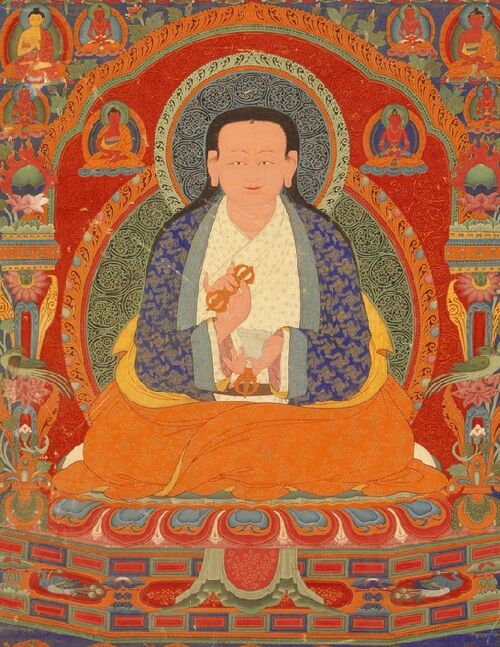
The son of Sachen Kunga Nyingpo, he was the second of the five founding patriarchs of the Sakya tradition.
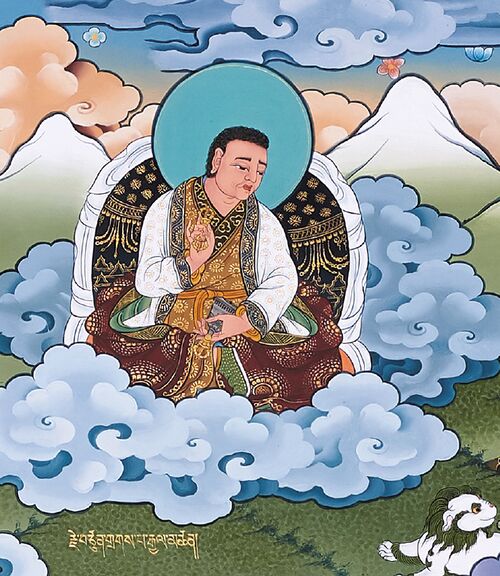
The third of the five men credited with founding the Sakya order. He was also the Fifth Sakya Trizin, or throne holder, from the Khön family.
A student of Chapa Chökyi Senge, Nyangdrenpa Chökyi Yeshe, and Khamo Zeupa. A teacher of Drotön Dudtsi Drak and Madunpa.
Tumton Lodro Drakpa establishes Narthang Monastery, which later became a major center for the study and practice of the Kadam tradition.
Born in Tsang in 1127, he was a student of Sharawa Yönten Drak (1070–1141) and his disciple Tumtön Lodrö Drakpa (1106–1166) of the Kadampa tradition. In 1153 he assisted his master Lodrö Drakpa in establishing Nartang Monastery in Tsang.
Gyamarwa Jangchub Drak, Chapa Chökyi Senge, Tsangnakpa Tsöndru Senge, and many other scholars at Sangpu Neutok carry out extensive teaching, discussion, and writing on bodhicitta.
A twelfth to thirteenth-century Indian scholar that, like his teacher Śākyaśrībhadra, was active in Tibet.
Jigten Sumgön establishes Drikung Thil Monastery. Around this time he also composes The Fivefold Mahāmudrā, and his disciple Sherab Jungne puts together The Single Intent of Dharma.
Sakya Sonam Tsemo composes his Commentary on The Way of the Bodhisattva, and his younger brother, Drakpa Gyaltsen, writes several works on bodhicitta.
Tsangpa Gyare founds Druk Monastery, thereby launching the Drukpa Kagyu tradition. This leads to the spread of bodhicitta study and practice through the followers of the Upper, Lower, and Middle Drukpa traditions.
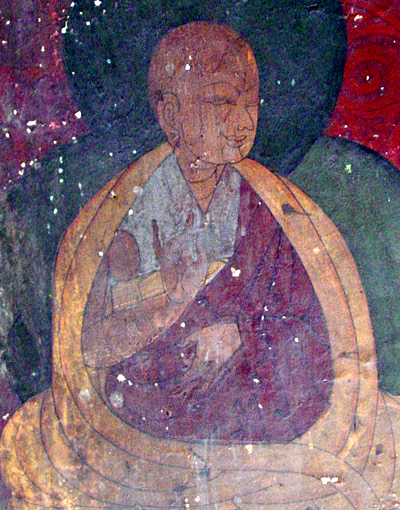
Born in the Kyo (Skyod) clan at Tanakyang (Rta nag yang) in central Tibet in 1219. He studied the complete Kadam traditions under the guidance of the sixth abbot, Sangye Gompa Senge Kyap (1179–1250), and the seventh abbot of Nartang Monastery (Snar thang dgon), Chim Namkha Drak (1210–1285).
Sakya Paṇḍita Kunga Gyaltsen composes his
Distinguishing the Three Vows, Clarification of the Sage's Intent, Ritual for Bodhisattva Vow in the Middle Way School, and many other texts related to bodhicitta theory and practice.
In the second half of 13th century, numerous scholars at Narthang, including Chim Namkha Drakpa, his student Kyotön Mönlam Tsultrim, and his student Chomden Rikpai Raldri promote the teachings on bodhicitta.
A student of Khenpo Drakpa Bum, Khenchen Dewa Pal, Lopön Tukje Palzang, Lopön Chöden Palzang, etc. A teacher of Joden Khenpo Sönam Drakpa, Butön Rinchen Drup, Zhangtön Sönam Drak, etc.
Chögyal Pakpa administers the bodhisattva vow to over 70,000 people at Chumik. He also serves as the tutor of Kubilai Khan.
A direct student of Sakya Paṇḍita Kunga Gyaltsen (1182–1251), from whom he received detailed teachings on the Bodhicaryāvatāra. He wrote a commentary on the Bodhicaryāvatāra as a synopsis of the teachings he had received from Sakya Paṇḍita.
A student of Könchok Jungne. He had a student named Sengewa Gyalwe Dorje.
A student of Kyitön Shakya Bum, Chokden Lekpai Lodrö, Jangsem Gyalwa Yeshe, and Rongpa Sherap Senge. A teacher of Dölpopa and Longchenpa.
Deemed one of the greatest of all the Tibetan Vinaya commentators. Born in the early thirteenth century in Mon Tsona, which is presently in the north of Tawang in the state of Arunachal Pradesh, India.
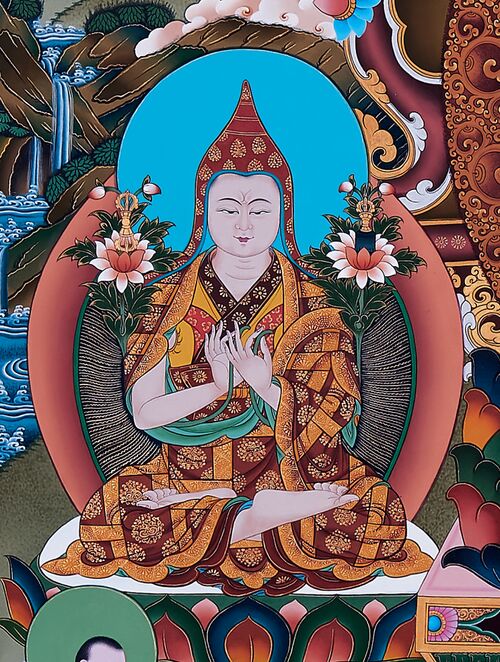
Born to a family associated with a monastery named Shapme Gomne (Shab smad sgom gnas) in the Tropu (Khro phu) area of Tsang. A teacher of many prominent masters of his time, such as the fifth abbot of Jonang; Chokle Namgyal (1306–1386); Chunyi Sarma Drakpa Sherap (1310–1370); the Second Gankar Lama, Rinchen Zangpo (1317–1383); Drakpa Gyaltsen, who succeeded him as abbot of Zhalu (1365–1448), etc.
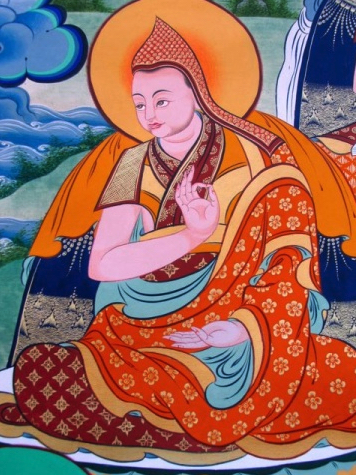

Born in a small place called Puljung Drakya in Sakya. He was a student of Rinchen Tashi Pembar, Rinchen Palzang, Rinchen Dorje, Künga Gyaltsen, Zhönu Gyaltsen, Yangsem Rinchen, Namkha Sangye, Sönam Drakpa, Rinchen Sönam Drakpa, and Sher Bum. He was a teacher of Drogön Palden Yeshe, Rendawa Zhönu Lodrö, Jamyang Donyo Gyaltsen, Nyakpuwa Sonam Zangpo, Gyalwa Rinchen, Jangchup Tsemo, Buddhaśrī, Tsültrim Palwa, Sangye Rinchen Gyaltsen, Namkhai Naljor, and Sabzang Pakpa Zhönu Lodrö.
Tokme Zangpo is born. His main legacies are his commentaries on The Way of the Bodhisattva called An Ocean of Good Explanation, his Commentary on The Seven Point Mind Training, and his own famous work The Thirty-Seven Practices of a Bodhisattva.
One of Dölpopa’s fourteen major disciples. A Sanskrit scholar, he completed a new translation of the Kālacakra Tantra and the Vimalaprabhā. Dölpopa personally selected Lodrö Pal as his successor and the fifth holder of the monastic seat of Jonang Monastery. Lodrö Pal also made important new additions to the art and architecture of the Jonang stūpa.
A student of Kyotön Mönlam Tsültrim, the eighth abbot of Nartang.
A Kadam scholar from Sangpu Neutok Monastery who was known for his expertise in the Five Treatises of Maitreya. He was a contemporary of both Dölpopa and Butön and a teacher of the Sakya scholar Yakde Paṇchen and the Third Karmapa, Rangjung Dorje.
A teacher of Rinchen Zangpo, the second Gangkar Lama, (b.1317 – d.1383).
Longchen Rabjam is born. He goes on to compose The Seven Great Treasuries, The Trilogy on Self-liberation, The Trilogy on Relaxation, and other works. He also systematizes Dzogchen thought.
A prolific author, although many of his writings were never printed. Most famously, he was the author of the genealogy Gyalrap Salwai Melong (Rgyal rabs sal ba'i me long), commonly translated as The Clear Mirror: A Royal Genealogy. He wrote on various tantric subjects, particularly the Kālacakra Tantra, and composed a commentary on Śāntideva's Bodhicaryāvatāra.
The Third Karmapa, Rangjung Dorje, composes several works on ultimate bodhicitta in the context of Mahāyāna and Vajrayāna systems.
Dölpopa Sherab Gyaltsen composes The Mountain Dharma: The Ocean of Definitive Teachings and also other works related to relative bodhicitta (The Training of a Bodhisattva) and ultimate bodhicitta (The Practices of a Bodhisattva), and promotes the Jonang school.
A student of Chim Lobzang Drakpa and Zhönu Senge. A teacher of Nyendrak Zangpo, Khenchen Drupa Sherap, Nyakpuwa Sönam Wangchuk, Ritröpa Sönam Gyatso, and Tsongkhapa Lobzang Drakpa.
Butön Rinchen Drup completes his scholarly commentary on The Way of the Bodhisattva called Rays of Moonlight that Clarify Bodhicitta.
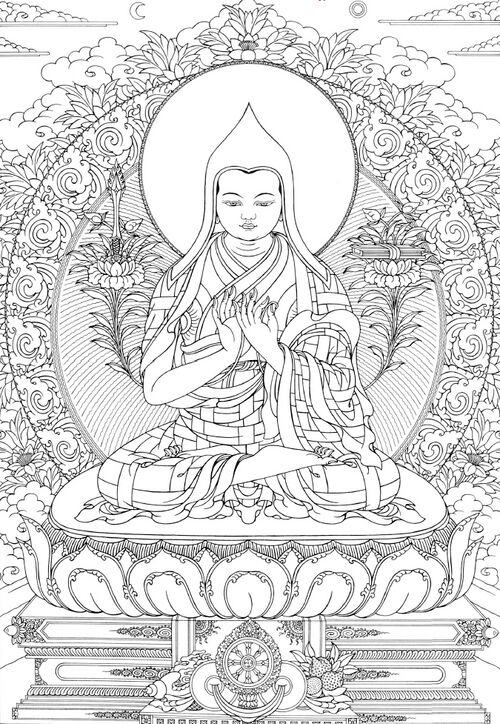
Born in the Tsongkha region of Amdo, Tibet. He studied with more than fifty different Buddhist scholars in Utsang. He was the founder of the Geluk order of Tibetan Buddhism.
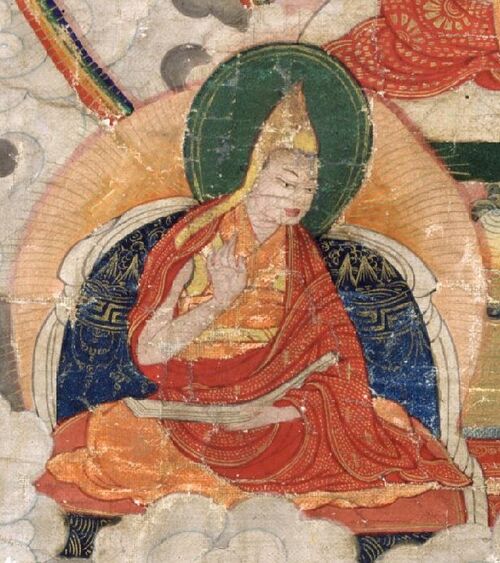
Born in either 1362 or 1364 in a place called Rinang, in Nyangto, Tsang. He was a student of Rinchen Gyaltsen, Rinchen Dorje, Rendawa Zhönu Lodrö, and Tsongkhapa Lobzang Drakpa.
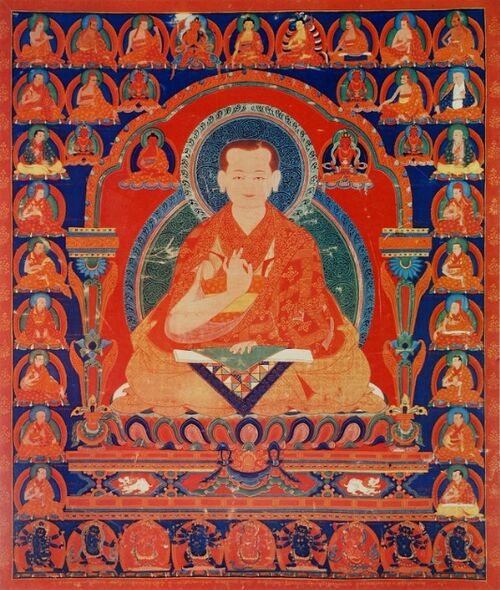
The second in the line of great Sakya masters known as the six ornaments of Tibet. Among these teachers he is particularly revered for his mastery of the Buddhist sūtras. Rongtön studied and taught at Sangpu Neutok Monastery. He founded Penpo Nalendra Monastery in 1436.
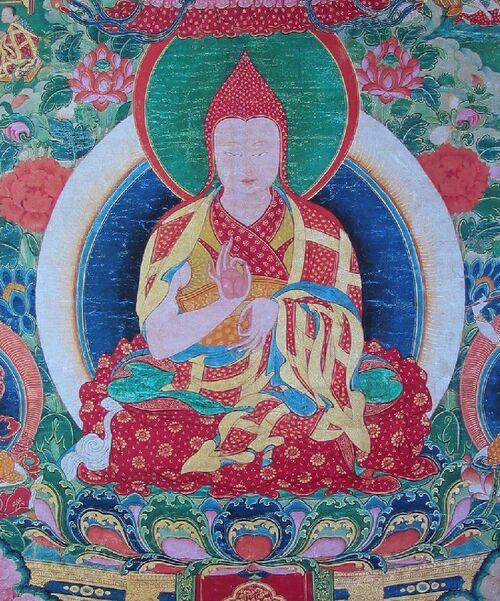
The twenty-third abbot of Bo dong E Monastery. His collected works, said to number thirty-six titles, include his huge encyclopedic work Denyi Dupa (De nyid 'dus pa). He was also a teacher of Gendün Drup (the First Dalai Lama) and Khedrup Gelek Palzang, both students of Tsongkhapa.
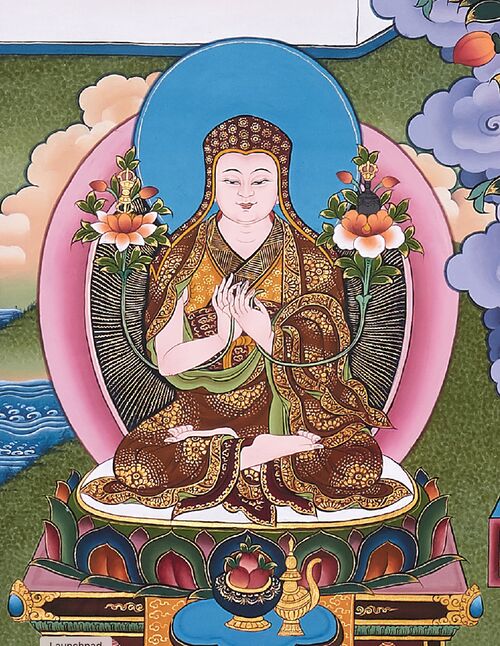
Born in 1382 at Sakya Monastery in Tibet. A student of Palden Tsultrim, Sharchen Yeshe Gyaltsen, Buddhaśrī, Sabzang Pakpa Zhönu Lodrö, Künga Gyaltsen, Kyapchok Palzang, and Tashi Rinchen. A teacher of the Eighth Ngor Khenchen, Muchen Sangye Rinchen, etc.
Rongtön Sheja Kunrik composes many works on bodhicitta, including his commentary on Kamalaśīla's trilogy on The Stages of Meditation.
Tsongkhapa Lobzang Drakpa finishes writing The Great Treatise on the Stages of the Path to Englightenment at Reting.
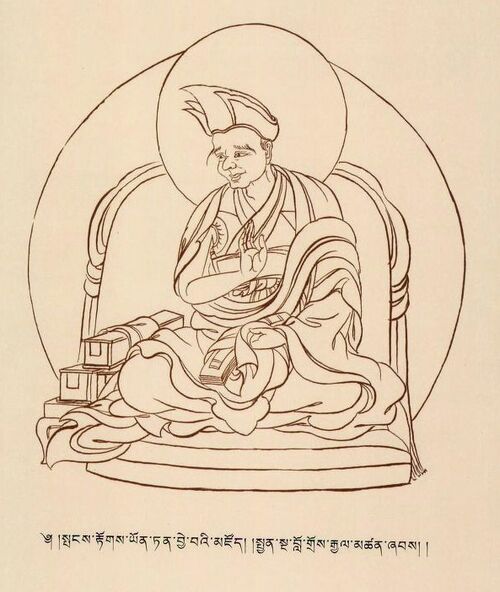
Chenga Lodrö Gyaltsen, one of the principal students of Khedrubje, was an early Geluk scholar-adept. He was educated in the classical scholastic curriculum and gained a reputation as a learned scholar at an early age.
Tsongkhapa Lobzang Drakpa founds Ganden Monastery, the first and main seat of the Gelukpa school.
Bodong Paṇchen Chokle Namgyal composes many works related to bodhicitta, including Brilliant Conduct: A Commentary on Entering into the Conduct of the Bodhisattva and commentaries on The Ornament of Direct Realization and The Introduction to the Middle Way.
Gyaltsap Je Dharma Rinchen composes his commentary on The Way of the Bodhisattva, entitled Entryway for the Heirs of the Conqueror, following the teachings he received from Tsongkhapa.
Śākya Chokden writes his queries on Sapaṇ's Distinguishing the Three Vows, entitled The Golden Key of Elegant Sayings, and other works on the relative bodhicitta (An Elucidation of the Three Meanings: A Detailed Commentary on the Eight Verses of Training the Mind) and ultimate bodhicitta (The Condensed Essence of Madhyamaka: A Commentary on the Explanation of Ultimate Bodhicitta).
Gorampa Sönam Senge writes The Exegesis on Distinguishing Three Vows and also many other works on bodhicitta.
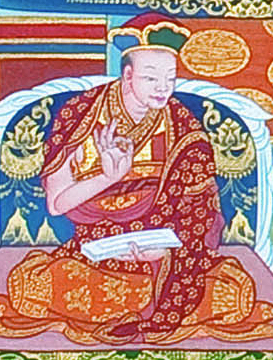
A prominent sixteenth-century Kagyu scholar whose best-known composition was the Chöjung Khepai Gatön (Chos 'byung khas pa'i dga' ston), or Scholars Feast, a history of Buddhism in India and Tibet, as well as the history of the Karma Kagyu tradition. He is also famous for a massive commentary (975 folios) on the Bodhicaryāvatāra, which is still the standard for Karma Kagyu commentaries.
The Eighth Karmapa, Mikyö Dorje, is born. He later writes many works on bodhicitta, including commentaries, pith instructions, and practice manuals.
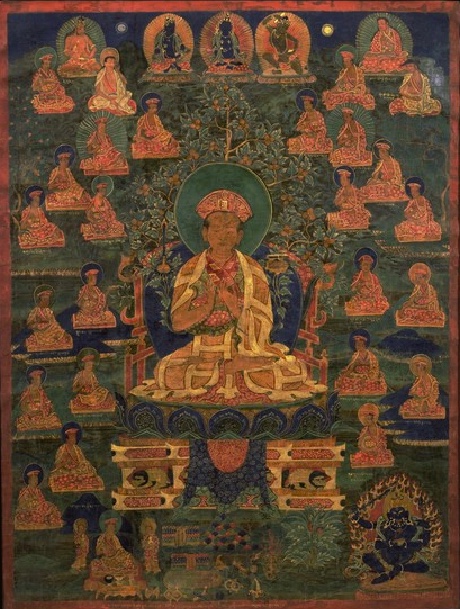
One of those rare renaissance men. The breadth of his scholarship and learning invites comparison with the Fifth Dalai Lama. He systematized the teaching of the Drukpa sect.
Pawo Tsuklak Trengwa completes his extensive commentary on The Way of the Bodhisattva, called Essence of the Boundlessly Vast and Deep Ocean of Teachings of the Great Vehicle.
Drukchen Pema Karpo composes his commentary on The Way of the Bodhisattva (Torch for the Path of the Middle Way), The Ornament of the Three Vows, and many other works related to bodhicitta.
A student of the the Fifth Tatsak Jedrung, Ngawang Chökyi Wangchuk, and the Fifth Dalai Lama, Ngawang Lobzang Gyatso.
Paṇchen Lobzang Chökyi Gyaltsen composes many works on the stages of the path, mind training, mahāmudrā, and bodhicitta practice.
Jamyang Zhepa Ngawang Tsöndru composes texts on stages of the path and many other writings, and in 1709 establishes Labrang Tashikhyil.
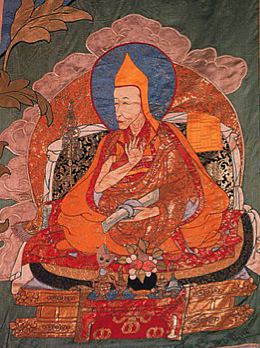
A student of Lobzang Yeshe, Lobzang Namgyal, Purbuchok Ngawang Jampa, Palden Yeshe, Ngawang Namkha Zangpo, Tösamling Chöje Tseten Namgyal, Dukhorwa Yönten Dargye, and Dukhorwa Yeshe Pal. A teacher of The Eighth Dalai Lama, Jampal Gyatso.
Jigme Lingpa is born, and he goes on to compose The Treasury of Precious Qualities and many other works.
Changya Rolpai Dorje writes several works on the cultivation of bodhicitta, mind training, stages of the path, and bodhisattva vows and precepts.
A renowned Gelukpa scholar from the Bora region of Amdo.
A master born in Khal Kha (Mongolia). His teachers included Lobzang Gelek Tenzin, Tsewang Kyapchok, Sönam Gyatso, and Chökyi Dorje. His students included Kalzang Yeshe, Lobzang Tenzin Paljor, Lobzang Yönten, and Sönam Gyatso.
Gungtang Könchok Tenpai Drönme writes many works on the meditation and practice of bodhicitta, stages of the path, and also many commentaries.
The secretary of the Third Jamyang Zhepa and a highly respected scholar based at Labrang Tashikhyil. A student of Kagyurwa Chenpo Könchok Palzin; The Third Jamyang Zhepa, Tupten Jigme Gyatso; Tsampa Lobzang Könchok; Könchok Gyaltsen, etc. A teacher of The Third Tranye, Ngawang Tupten Gyatso; The Fourth Jamyang Zhepa, Kalzang Tupten Wangchuk; The Fourth Amdo Zhamar, Gendun Tenzin Gyatso, etc.
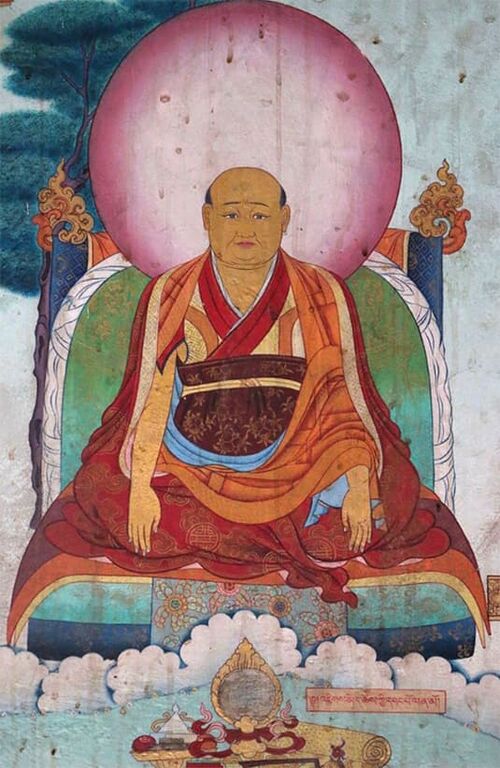
The author of the famed Words of My Perfect Teacher (Kun bzang bla ma'i zhal lung), he was among the most significant transmitters of the Longchen Nyingtik practice lineage in the nineteenth century.
Patrul Rinpoche Ogyen Jigme Chökyi Wangpo is born. He later becomes an incomparable promoter of bodhicitta, teaches The Way of the Bodhisattva over a hundred times, and composes The Words of My Perfect Teacher and many other works.
Great Dzogchen yogi and practitioner of the Ratna Lingpa (Rat+na gling pa) transmissions. A disciple of Drupwang Tsoknyi and rebirth of both Lingje Repa (Gling rje ras pa) and Guru Thugse Gyalwa Chogyang (Guru thugs sras rgyal ba mchog dbyangs).
A direct disciple of Nyakla Pema Dudul (1816–1872).
A student of Tenpai Nyima and Ngakchen Palden Drakpa. A teacher of Sengchen Lobzang Tenzin Paljor, Lachiwa Lobzang Chökyi Gyatso, and Lhachö Khentri Drupwang Tulku Lobzang Tsöndru Gyatso.

A student of The Fourth Dzogchen Drubwang, Mingyur Namkhai Dorje; Orgyen Tenzin Norbu; and Toru Khenpo Kalden Gyatso. A teacher of Minyak Apal, Lakla Sönam Chödrup, Geshe Apal, Ngorpa Pönlop Loter Wangpo, Batur Khenpo Tupten Chöpel, and Jampal Dewai Nyima.
A nineteenth-century scholar from Drepung Loseling, who wrote a polemical work to refute Mipam Gyatso (1846-1912) on topics such as Madhyamaka philosophy and emptiness.
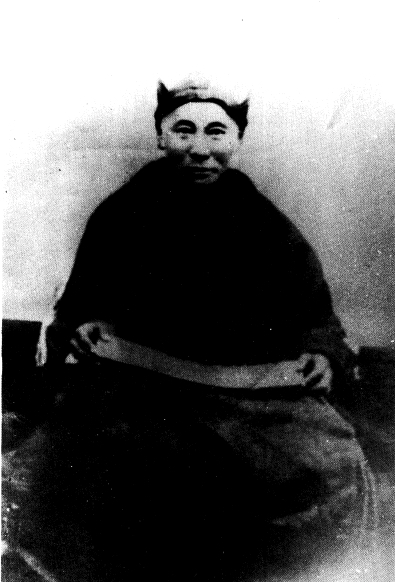
A well-known scholar of the Geluk tradition from Labrang Tashikhyil in Amdo. The place of his birth was Pari (Dpa' ri). He was a teacher of the 13th Dalai Lama and a close friend of the Shamarpa (Zhwa dmar pa). He famously criticized Mipam Rinpoche's commentary to the ninth chapter of the Bodhicaryāvātara, The Ketaka Gem.
A headmaster of Kumbum Dünkhor Dratsang (Sku 'bum dus 'khor grwa tshang) and Kumbum Menpa Dratsang (Sku 'bum sman pa grwa tshang). Born in Tsongön Harge (Mtsho sngon har ge). A student of Shingza Paṇḍita Lobzang Tenpai Wangchuk and Nyakya Lharampa. A teacher of Yangkya Zhapdrung Ngawang Lobzang Tsultrim Puntsok.
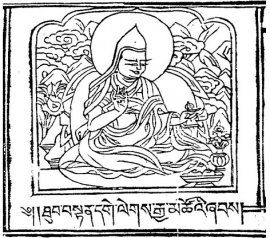
One of the greatest scholar-practitioners of the Jonang tradition. Based largely at Dzamtang, he was considered the reincarnation of various masters, including the Indian saint Candrakīrti, the siddha Nāropa, and two famous early Jonang lamas, Tāranātha and Kunga Drölchok.
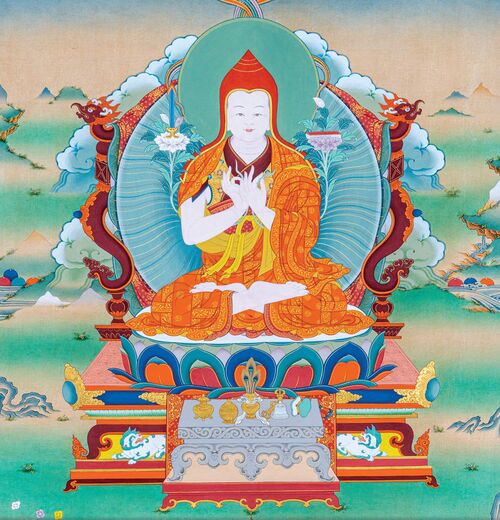
A prolific author who brought philosophical study, including debate, to the Nyingma tradition. Based in Kham during a period of great intersectarian exchange, he trained the Kagyu lama Jamgön Kongtrul Lodrö Taye and the Sakya lama Jamyang Khyentse Wangpo, among others.
Ju Mipham Namgyal Gyatso is born. In his life, he writes many commentaries, pith instructions, and other treatises amounting to thirty volumes.
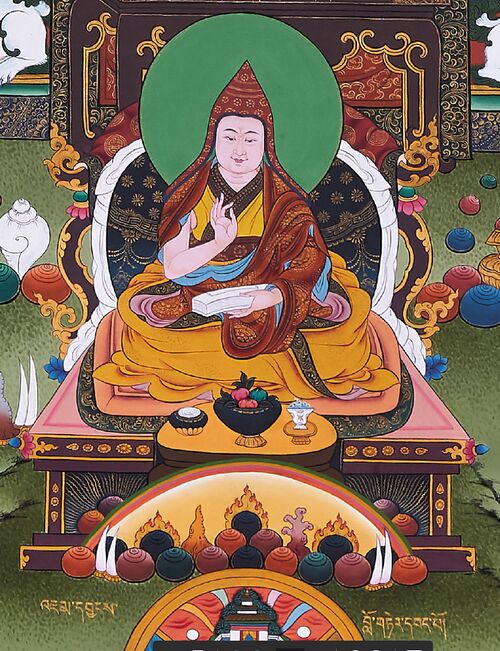
An important Rime Sakya master of Ngor Thartse Monastery and a student of Jamyang Khyentse Wangpo and Lungtok Tenpai Nyima. A teacher of Jamyang Khyentse Chökyi Lodrö, Zhenpen Chökyi Nangwa, and Mipam Gyatso.
The Rime movement spreads in Kham through masters such as Jamyang Khyentse Wangpo, Kongtrul Lodrö Taye, Patrul Ogyen Jigme Chökyi Wangpo, and others.
A student of the First Gyatrul, Dongak Tenzin; the Third Karma Kuchen; and Dongak Chökyi Nyima.
Kongtrul Lodrö Taye compiles The Treasury of Precious Instructions, which contains the instructions belonging to the eight pioneering meditative traditions of Tibetan Buddhism.
Also known as Kilung khen (Kiḥlung khen), he had a student named Khenpo Ngakga (Mkhan po ngag dga') and also wrote an explanation of pariṇāmanā, transfer of merit.
Kongtrul Lodrö Taye composes Highway to Great Awakening: A Ritual for Cultivating Bodhicitta in the Profound View Tradition and many other texts on bodhicitta.
Jamyang Khyentse Wangpo composes his Noble Path of the Bodhisattva: The Ritual for Cultivating Bodhicitta and the Bodhisattva Vow according to the Vast Tradition of Mahāyāna and numerous other works on mind training, stages of the path, and the lineage of bodhicitta transmission.
A student of Jamgön Kongtrul, Patrul Rinpoche, Mipam Gyatso, etc. A teacher of Mewa Khenchen Sönam Gönpo.
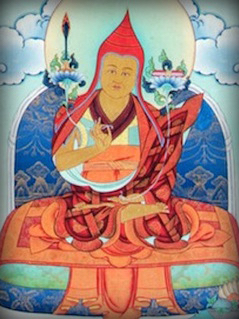
A prominent lineage holder of the Longchen Nyingtik. He was the eldest son of Dudjom Lingpa. He renovated Dodrubchen Monastery, the seat of his line established by his previous incarnation, spending the last decades of his life in near-seclusion in a hermitage nearby.
A scholar from Drepung, and a student of Gegen Dorje Bum, Drungsar Lama Lobzang Palden Tsultrim, Gyalrong Lama Könchok Zangpo, and Künga Nyendrak Gyatso. A teacher of Rahor Tülku Jamyang Drupai Wangpo, Jampa Tutop, Nyengön Tülku Dongak Chökyi Gyatso, and so on.
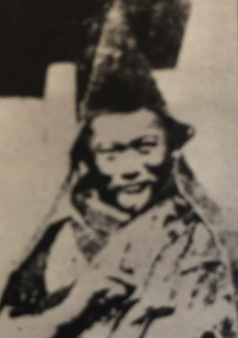
A teacher of Ngawang Puntsok Döndrup and The Second Dzongsar Khyentse, Jamyang Chökyi Lodrö.
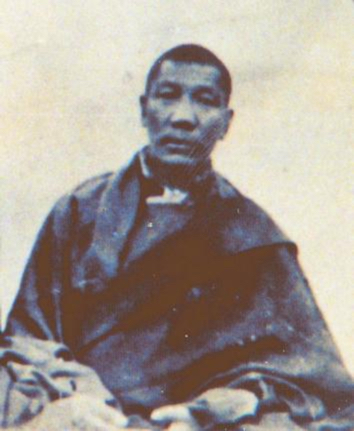
A disciple of Orgyen Tendzin Norbu, he was the nineteenth abbot of Dzogchen's Śrī Siṃha college, the founder and first abbot of Dzongsar's Khamshe monastic college, and the teacher of countless Nyingma, Sakya, and Kagyu lamas. He and his disciples are said to have established nearly one hundred study centers, emphasizing the study of thirteen Indian root texts.
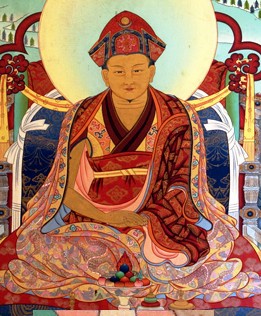
A remarkable master who lived at the end of the nineteenth and the beginning of the twentieth century. He wrote The Great Medicine that Conquers Clinging to the Notion of Reality (Byang chub kyi sems bsgom pa'i rim pa bdag 'dzin 'joms pa'i sman chen). He was a disciple of the greatest luminaries of the nineteenth century, including Jamyang Khyentse Wangpo, Jamgön Kongtrul Lodrö Thaye, and Lama Mipam Rinpoche.
Khenpo Zhenga, or Zhenphen Chökyi Nangwa, who wrote commentaries on the thirteen great treatises of India, is born.
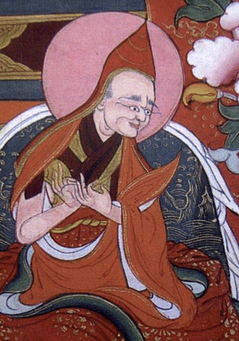
One of Patrul Rinpoche's main students and his principal biographer. He was also an important student of Mipam Rinpoche and the author of a famous commentary to his Beacon of Certainty (Nges shes sgron me). He is best known, however, for his commentary to the Bodhicaryāvatāra, based almost entirely on the teachings he received from Patrul Rinpoche. He was the first khenpo appointed to the shedra of Kathok Monastery, a position he passed on to Khenpo Ngawang Palzang, a.k.a. Khenpo Ngakchung.
A student of Khenchen Pema Tsewang Gyatso. A teacher of The Fifth Druktrül, Pema Tutop Dorje; The Fourth Tertön Wangchen Gyepai Dorje; Jikme Yeshe Nyingpo, and so forth.

A prolific author of the Palyul tradition.
He was known as a master of both sūtra and tantra, mainly focused in the Sakya tradition. He was also a specialist in astrology, skilled at drawing charts. He strictly observed the Vinaya, not eating after noon.

A student of Mipam Gyatso.
The Russian scholar Ivan P. Minayev edits the Sanskrit text of The Way of the Bodhisattva (see Minayev's edition) and publishes it through the Russian Imperial Academy of Sciences, making it the first publication of the text outside Asia.

A renowned scholar born in Chisa in the Amdo Rebgong region. A student of Dzong Ngon Lodoe Tshang, Tsang Geshe Tshang, Zhwamar Pandita, Jampa Lobsang, Dzoge Lobsang Gyatsho, Horchen Yeshe Gyatsho, etc. He was an important holder of Tsongkhapa's transmission of the Whisper Lineage (Snyan rgyud). His primary students were Tulku Jamyang Thinle Wangpo, Dzongkar Jigme Sherab Dagpa, Tulku Jigme Thinle Lhundup, Nangso Kukey, and Khaso Chogtrul.

Teacher of His Holiness the 14th Dalai Lama, especially influential for the Bodhicaryāvatāra.
Wrote an interlinear commentary (mchan 'grel) on the Bodhicaryāvatāra.
The British scholar Cecil Bendall edits the Sanskrit text of The Compendium of Training (see Çikshāsamuccaya: A Compendium of Buddhistic Teaching) and publishes it through the Russian Imperial Academy of Sciences.
Louis de la Vallée Poussin finishes the first translation of The Way of the Bodhisattva into a European Language: Bodhicaryāvatāra: Introduction à la pratique des futurs bouddhas. This translation into French was followed by five other translations into French in the 20th century.
Lionel D. Barnett produces the first English translation of The Way of the Bodhisattva, titled The Path of Light, although he wrote only an abridged version.
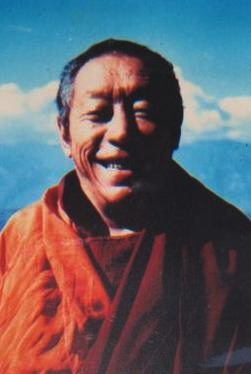
A student of The Fourth Dodrupchen, Jikme Trinle Palbar; Adro Ngawang Norbu; Khenchen Lhagang; Lingla Tupten Trinle Gyatso, etc. A teacher of The Tenth Tingkyé Gönjang, Orgyen Jikme Trinle Kunkhyap; Minling Khotrul; Gyalse Tulku, etc.
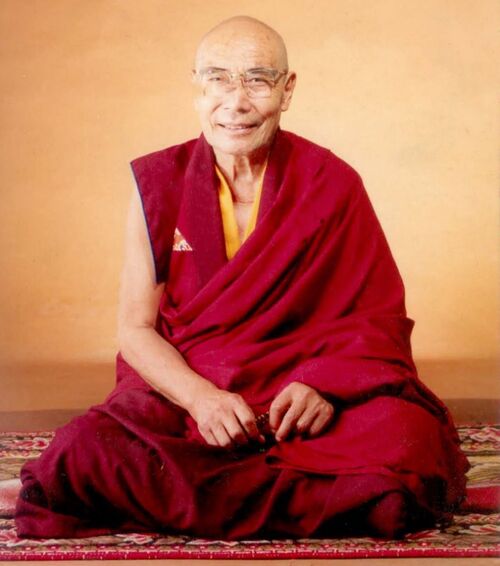
Celebrated contemporary Sakya scholar who held the office of abbot of Dzongsar Monastery.
The Japanese scholar Ekai Kawaguchi translates The Way of the Bodhisattva into Japanese, titled 入菩薩行_河口慧海, Nyūbosatsugyō.
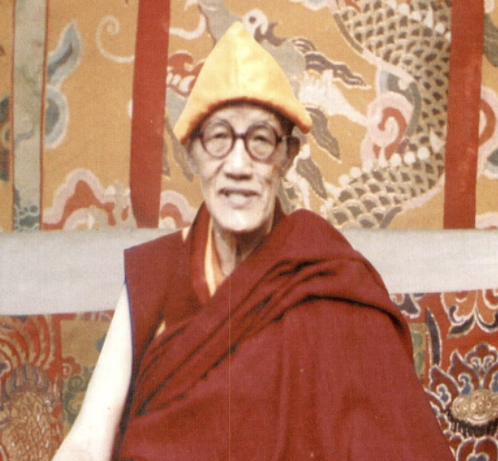
A student of the Second Pabongkha, Dechen Nyingpo, and Tenzin Trinle Kunkhyen.
The British scholar W.H.D. Rouse completes the English translation of The Compendium of Training that Cecil Bendall started in 1902 — Śikshā-samuccaya: A Compendium of Buddhist Doctrine.
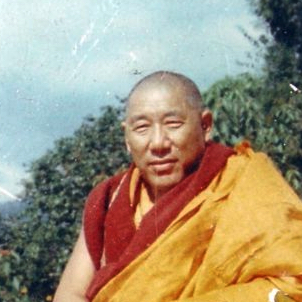
A student of Drakyap Lodrö Gyaltsen and Khenchen Appey.
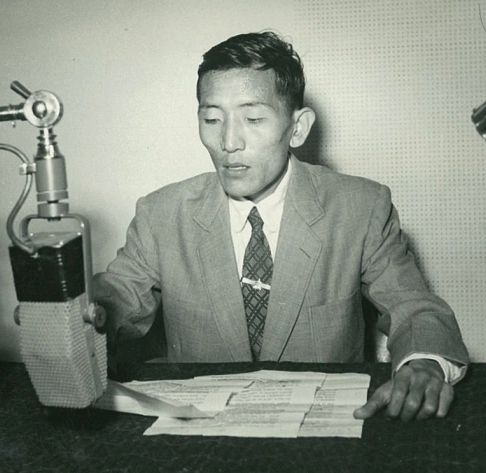
A student of Gendun Chöpel and The Third Trijang, Lobzang Yeshe Tenzin Gyatso.
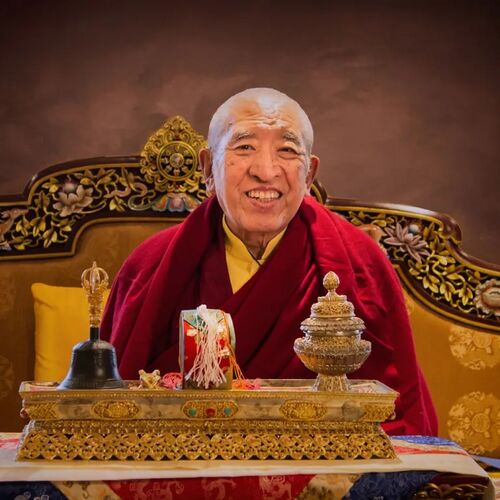
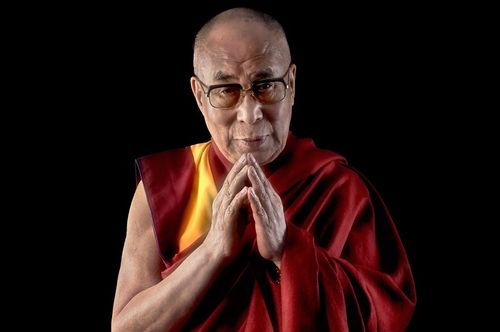
The spiritual leader of Tibet. He was born on July 6, 1935 to a farming family in a small hamlet located in Taktser, Amdo, northeastern Tibet. At the age of two, the child, then named Lhamo Dhondup, was recognized as the reincarnation of the previous 13th Dalai Lama, Thubten Gyatso. The Dalai Lamas are believed to be manifestations of Avalokiteśvara, or Chenrezig, the Bodhisattva of Compassion and the patron saint of Tibet.
Japanese scholar Unrai Wogihara makes a critical edition of The Stages of a Bodhisattva (see Bodhisattvabhumi, Wogihara Edition), and this was followed by an edition made by the Indian scholar Nalinaksha Dutt in 1960 (see Bodhisattvabhūmiḥ, Dutt Edition).
His Holiness the Fourteenth Dalai Lama leaves Tibet, after which he receives teachings on bodhicitta from Khunu Lama Tenzin Gyaltsen and vigorously promotes bodhicitta study and practice in many parts of the world.
A student of Khenpo Zhenga Zhenpen Chökyi Nangwa and Chökyi Özer. A teacher of Khyenrab Senge, the 4th abbot of Khamshe Dargye Ling.
The Royal Government of Bhutan includes The Thirty-Seven Practices of a Bodhisattva as a high school textbook.
A prolific modern scholar from the Drikung Kagyu tradition and an author of many articles and books on Tibetan history, culture, language, and Buddhist philosophy, presently living in Lhasa, Tibet.
Marion Leonidas Matics produces the first full translation of The Way of the Bodhisattva in English, titled Entering the Path of Enlightenment.
Ken Mcleod translates Chekawa Yeshe Dorje's Seven Points of Mind Training and Kongtrul Lodrö Taye's commentary on it in 1972 for the first time as A Direct Path to Enlightenment. This was followed by many other translations of the text.
Geshe Ngawang Dhargyey, Alexander Berzin, et al. translate The Thirty-Seven Practices of a Bodhisattva (see The Thirty-Seven Practices of All Buddhas' Sons and The Prayer of the Virtuous Beginning, Middle, and End) into English, followed by many others.
The 69th Je Khenpo of Bhutan, Gedun Rinchen, authors works on taking refuge, the cultivation of bodhicitta, the three vows, the ritual for the bodhisattva vows, and writes several commentaries.
Helmut Eimer creates a critical edition of A Lamp for the Path to Enlightenment by Atiśa (Bodhipathapradīpa: Ein Lehrgedicht des Atiśa (Dīpaṃkaraśrījñāna) in der Tibetischen Überlieferung) and translates it into German.
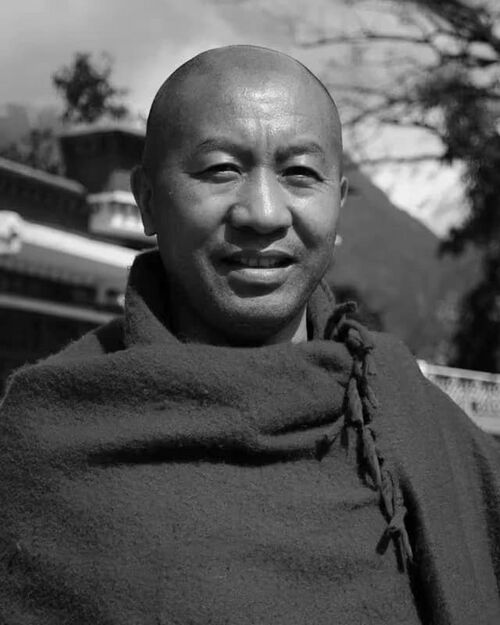
An eminent scholar, also known as Jampal, Chagaptsang ('Jam dpal, cha 'gab tshang). He has as also written on Tibetan language and literature.
Sakya Khenpo Kunga Wangchuk writes his Commentary on Entering into the Conduct of the Bodhisattva, Commentary on The Heart of the Middle Way, Commentary on the Seven Points of Mind Training, and many other works on bodhicitta.
Christian Lindtner translates The Commentary on Bodhicitta (See Lindtner's translation in Nāgārjuniana), which is also translated by Thubten Jinpa in 2007 as A Commentary on the Awakening Mind.
Richard Sherburne translates A Lamp for the Path to Enlightenment into English (see A Lamp for the Path and Commentary), and this was followed by other translations.
Parmananda Sharma produces a complete translation of Kamalaśīla's Stages of Meditation, titled Bhāvanākrama of Kamalaśila.
Padmakara Translation Group revises its 1997 English translation of The Way of the Bodhisattva, which includes significant translation choices made for the new version.
Charles Goodman produces the latest translation of The Compendium of Training, titled The Training Anthology of Śāntideva.
Artemus B. Engle produces a full translation of The Stages of a Bodhisattva, called The Bodhisattva Path to Unsurpassed Enlightenment.
Tsadra Foundation and Shechen Monastery host The Bodhicitta Conference and also a panel on bodhicitta at the academic conference of The International Association of Tibetan Studies.