Spyod 'jug rnam bshad theg chen chos kyi rgya mtsho
From Bodhicitta
< Texts
(Redirected from Spyod 'jug rnam bshad theg chen chos kyi rgya mtsho)Texts/Spyod 'jug rnam bshad theg chen chos kyi rgya mtsho
| 🤓 Admin Zone 🛠️ hidden to non-admins | |
བྱང་ཆུབ་སེམས་དཔའི་སྤྱོད་པ་ལ་འཇུག་པའི་རྣམ་པར་བཤད་པ་ཐེག་ཆེན་ཆོས་ཀྱི་རྒྱ་མཚོ་ཟབ་རྒྱས་མཐའ་ཡས་པའི་སྙིང་པོ།
byang chub sems dpa'i spyod pa la 'jug pa'i rnam par bshad pa theg chen chos kyi rgya mtsho zab rgyas mtha' yas pa'i snying po
Essence of the Boundlessly Vast and Deep Ocean of Teachings of the Great Vehicle: A Detailed Explanation of Entering into the Conduct of the Bodhisattva
Text
Please note that many items in our library are simply pages that represent a detailed library catalog entry and citation of someone else's work, presentation, or performance. Read our General Disclaimer for more information.


Description
This is a meaning commentary (don 'grel) with a topical outline (sa bcad). It has (1) a topical outline, (2) full verses related to the topic, and (3) complete explanations of the verses.
Type of Commentary: A commentary with topical outlines
Length: 968
Tradition: Kagyu
More about this text:
"In the Karma Kagyü school, Pawo Rinpoche's commentary on The Entrance to the Bodhisattva's Way of Life is considered both the standard commentary on this text and—together with the Eighth Karmapa's Chariot of the Tagbo Siddhas—the standard presentation of Madhyamaka, especially in its Consequentialist approach. Since the Second Pawo Rinpoche was a disciple of the Eighth Karmapa, his commentary preserves many of the Centrist pith instructions of Karmapa Mikyö Dorje. Of all the commentaries on Shantideva's text, it is by far the most voluminous (975 folios). However, not only its length distinguishes it from other Tibetan commentaries. First, in terms of its scriptural sources, there is an unparalleled abundance of at times extensive quotes from the sutras to support the main points of the commentary. It is the only commentary that gives synopses of the relevant passages from the major Indian commentaries for each topic of the text. In addition, it quotes a number of the earliest Tibetan commentaries, such as those written by the Sakya master Sabsang Mati Panchen Jamyang Lodrö (1294–1376) and the Kadampa master Tsonaba Chenbo Sherab Sangbo (fourteenth century)." (Source: Karl Brunnhölzl, The Center of the Sunlit Sky, 613–14, Shambhala Publications, 2004)Reference
Pawo Rinpoche, 2nd (དཔའ་བོ་གཙུག་ལག་ཕྲེང་བ་). byang chub sems dpa'i spyod pa la 'jug pa'i rnam par bshad pa theg chen chos kyi rgya mtsho zab rgyas mtha' yas pa'i snying po [བྱང་ཆུབ་སེམས་དཔའི་སྤྱོད་པ་ལ་འཇུག་པའི་རྣམ་པར་བཤད་པ་ཐེག་ཆེན་ཆོས་ཀྱི་རྒྱ་མཚོ་ཟབ་རྒྱས་མཐའ་ཡས་པའི་སྙིང་པོ།]. [Essence of the Boundlessly Vast and Deep Ocean of Teachings of the Great Vehicle: A Detailed Explanation of Entering into the Conduct of the Bodhisattva].
Recensions
| Tibetan | Pawo Rinpoche, 2nd, (Gtsug lag phreng ba). བྱང་ཆུབ་སེམས་དཔའི་སྤྱོད་པ་ལ་འཇུག་པའི་རྣམ་པར་བཤད་པ་ཐེག་ཆེན་ཆོས་ཀྱི་རྒྱ་མཚོ་ཟབ་རྒྱས་མཐའ་ཡས་པའི་སྙིང་པོ། (Byang chub sems dpa'i spyod pa la 'jug pa'i rnam par bshad pa theg chen chos kyi rgya mtsho zab rgyas mtha' yas pa'i snying po).
|
|---|

Interconnections
1 Classical commentary of

An "Introduction to Bodhisattva Practice," the Bodhisattvacaryāvatāra is a poem about the path of a bodhisattva, in ten chapters, written by the Indian Buddhist Śāntideva (fl. c. 685–763). One of the masterpieces of world literature, it is a core text of Mahāyāna Buddhism and continues to be taught, studied, and commented upon in many languages and by many traditions around the world. The main subject of the text is bodhicitta, the altruistic aspiration for enlightenment, and the path and practices of the bodhisattva, the six perfections (pāramitās). The text forms the basis of many contemporary discussions of Buddhist ethics and philosophy.
3 Partial translations

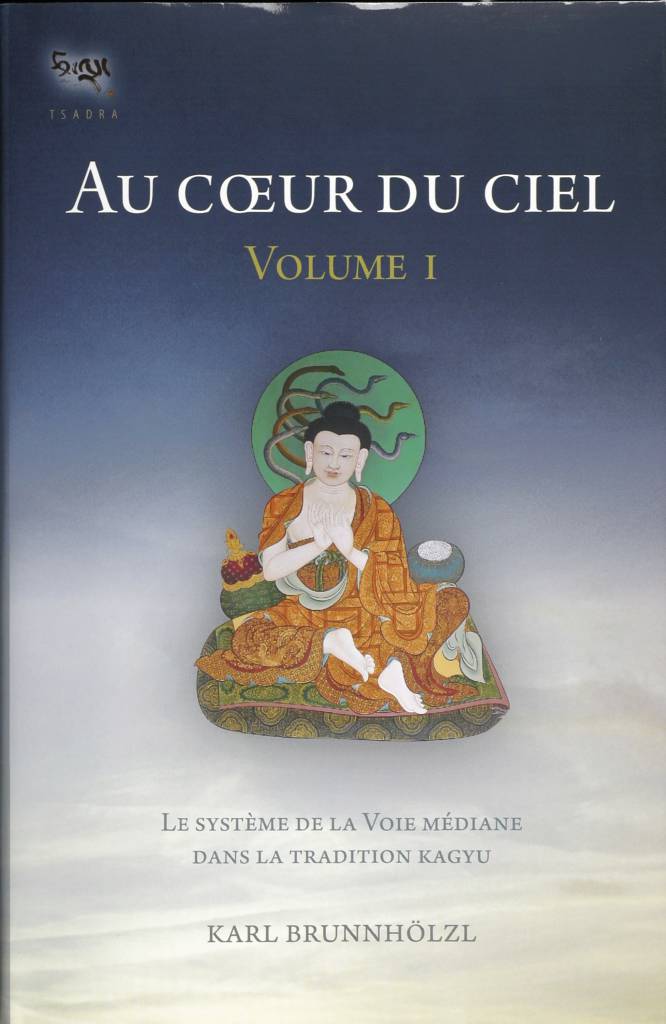
Voie d'accès au réel par le raisonnement analytique et l'expérience directe de la vacuité, le Madhyamaka permet à tout un chacun d'évincer la souffrance et de réveiller la sagesse innée qui dort en lui. Au cœur du ciel rend justice à ce splendide enseignement du Bouddha en montrant que la philosophie de la Voie médiane, souvent jugée impénétrable et trop intellectuelle, loin de nous enfermer dans des raisonnements arides, nous propose des outils à la fois pratiques et puissants pour nous aider à gérer nos difficultés quotidiennes. Karl Brunnhölzl, le traducteur, médecin et tibétologue, offre au chercheur comme au pratiquant un véritable manuel d'étude et de pratique de cette philosophie morale, entièrement fondée sur l'infrangible unité de la connaissance directe de la vacuité et des pratiques de la compassion. (Source: Padmakara)

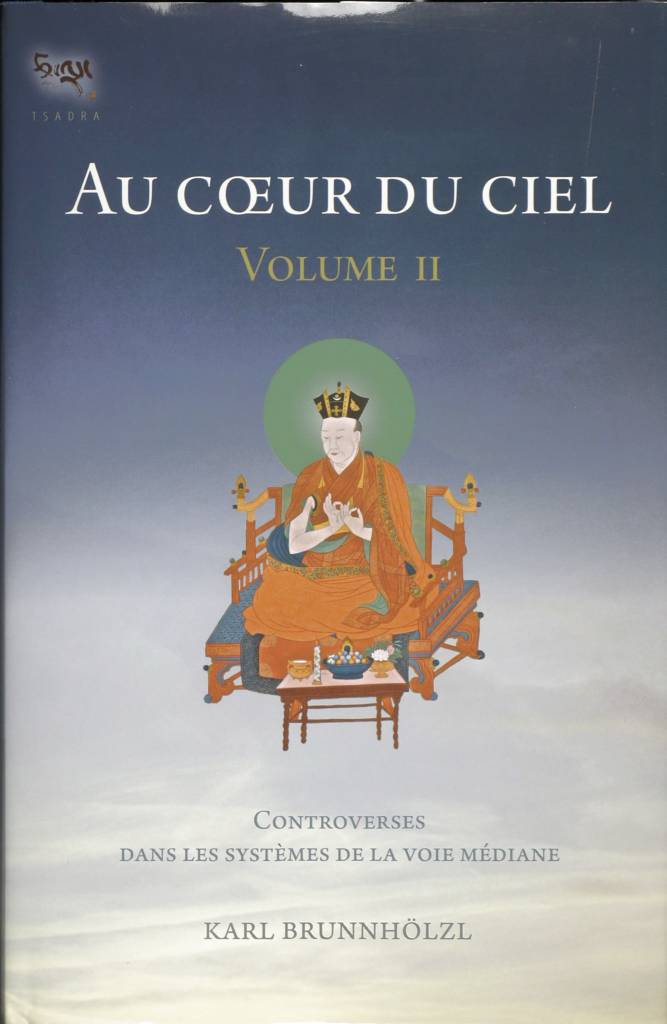
Ce deuxième volume nous plonge au cœur des grands débats qui ont entraîné des divergences doctrinales au sein de ce système philosophique. Qu’est-ce qui distingue vraiment les Prāsangikas des Svātantrikas ? Réfutent-ils un objet différent ? Qu’est-ce que le courant shentong au Tibet ? Le troisième cycle des enseignements du Bouddha est-il de sens provisoire ou définitif ? Y a-t-il trois véhicules ou un seul ? Quelles sont les différences majeures entre Jé Tsongkhapa (1357-1419) et Mikyeu Dorjé (1507-1554) ? Pour répondre à ces questions, l’auteur traduit et explique les subtilités de la pensée du VIIIe Karmapa tout en nous donnant un formidable aperçu de l’exégèse qui anime l’école kagyupa, dont on a parfois minimisé les qualités d’érudition et de formation à l’étude des grands traités de logique et de philosophie. (Source: Padmakara)

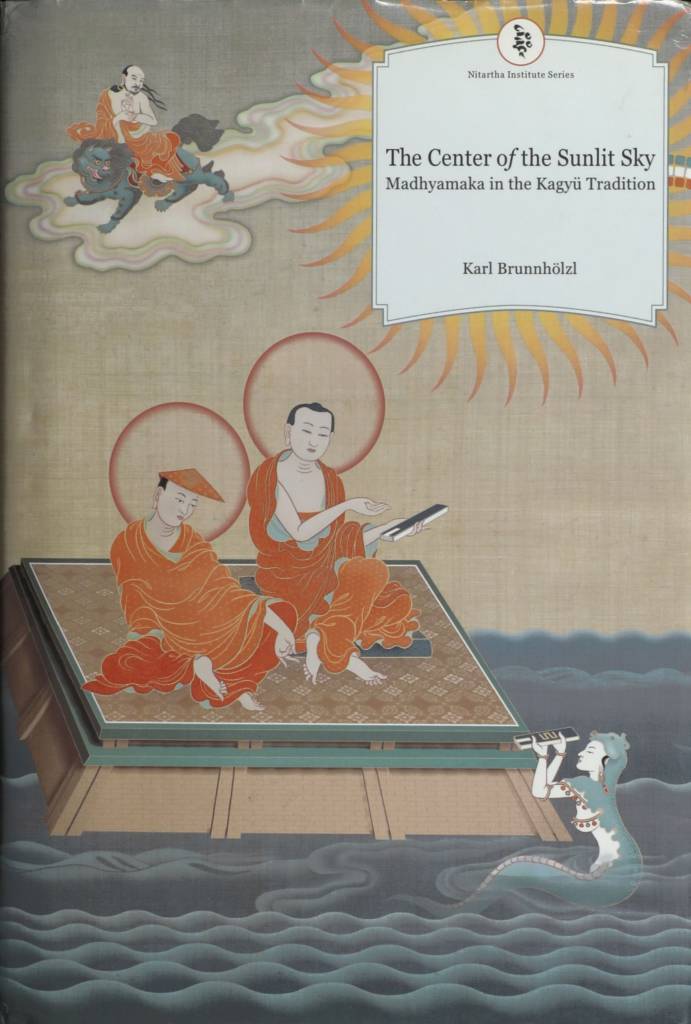
This book provides a general presentation of Madhyamaka in the Kagyü tradition and consists of a brief introduction to the Bodhicaryavatara and a translation of the Second Pawo Rinpche's commentary on its ninth chapter (on knowledge).
1 Related

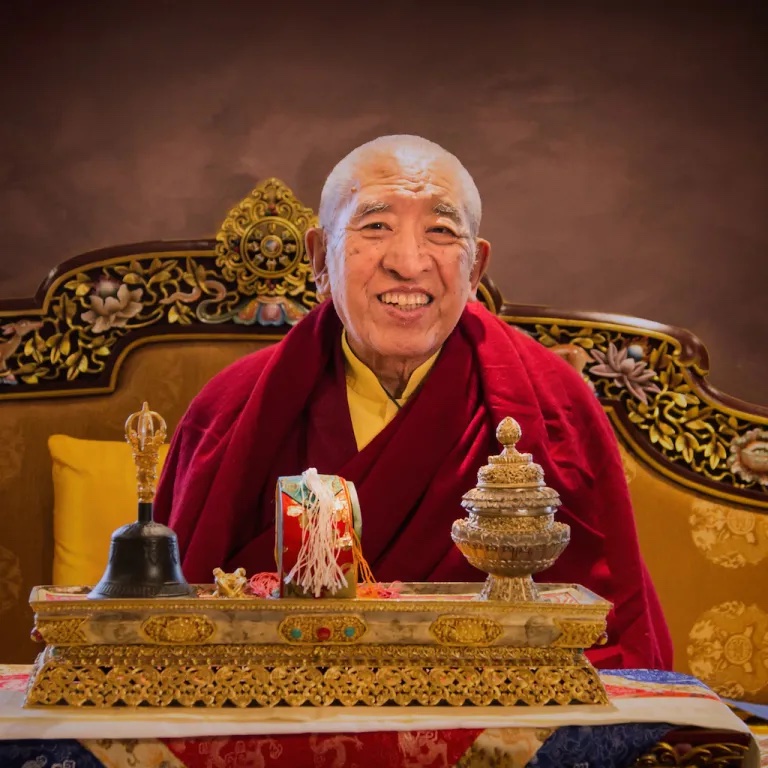
This commentary is designed for beginners and is mainly based on Pawo Tsuklak Trengwa's extensive commentary. The topical outlines and the root verses are provided at the appropriate junctions within the commentary for the reader's convenience.
3 A topic of
Voie d'accès au réel par le raisonnement analytique et l'expérience directe de la vacuité, le Madhyamaka permet à tout un chacun d'évincer la souffrance et de réveiller la sagesse innée qui dort en lui. Au cœur du ciel rend justice à ce splendide enseignement du Bouddha en montrant que la philosophie de la Voie médiane, souvent jugée impénétrable et trop intellectuelle, loin de nous enfermer dans des raisonnements arides, nous propose des outils à la fois pratiques et puissants pour nous aider à gérer nos difficultés quotidiennes. Karl Brunnhölzl, le traducteur, médecin et tibétologue, offre au chercheur comme au pratiquant un véritable manuel d'étude et de pratique de cette philosophie morale, entièrement fondée sur l'infrangible unité de la connaissance directe de la vacuité et des pratiques de la compassion. (Source: Padmakara)
Ce deuxième volume nous plonge au cœur des grands débats qui ont entraîné des divergences doctrinales au sein de ce système philosophique. Qu’est-ce qui distingue vraiment les Prāsangikas des Svātantrikas ? Réfutent-ils un objet différent ? Qu’est-ce que le courant shentong au Tibet ? Le troisième cycle des enseignements du Bouddha est-il de sens provisoire ou définitif ? Y a-t-il trois véhicules ou un seul ? Quelles sont les différences majeures entre Jé Tsongkhapa (1357-1419) et Mikyeu Dorjé (1507-1554) ? Pour répondre à ces questions, l’auteur traduit et explique les subtilités de la pensée du VIIIe Karmapa tout en nous donnant un formidable aperçu de l’exégèse qui anime l’école kagyupa, dont on a parfois minimisé les qualités d’érudition et de formation à l’étude des grands traités de logique et de philosophie. (Source: Padmakara)
This book provides a general presentation of Madhyamaka in the Kagyü tradition and consists of a brief introduction to the Bodhicaryavatara and a translation of the Second Pawo Rinpche's commentary on its ninth chapter (on knowledge).