| 🤓 Admin Zone 🛠️ hidden to non-admins | |


Description
Recensions
| Tibetan | Tsong kha pa. ལམ་རིམ་ཆེན་མོ། (Lam rim chen mo).
|
|---|


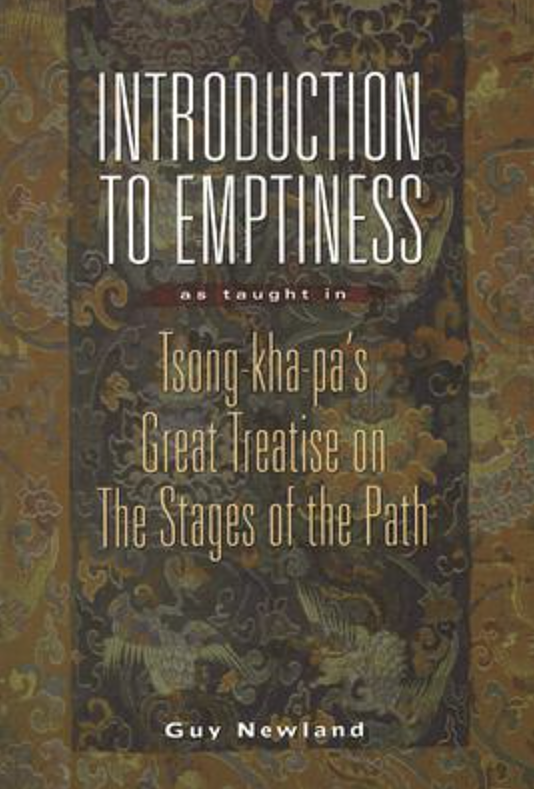
Tsong-kha-pa took great pains to base his insights on classical Indian Buddhist literature, illustrating his points with classical citations as well as with sayings of the masters of the earlier Kadampa tradition. In this way the text demonstrates clearly how Tibetan Buddhism carefully preserved and developed the Indian Buddhist traditions.
This first of three volumes covers all the practices that are prerequisite for developing the spirit of enlightenment (bodhicitta). (Source: Shambhala Publications)
Tsong-kha-pa took great pains to base his insights on classical Indian Buddhist literature, illustrating his points with classical citations as well as with sayings of the masters of the earlier Kadampa tradition. In this way the text demonstrates clearly how Tibetan Buddhism carefully preserved and developed the Indian Buddhist traditions.
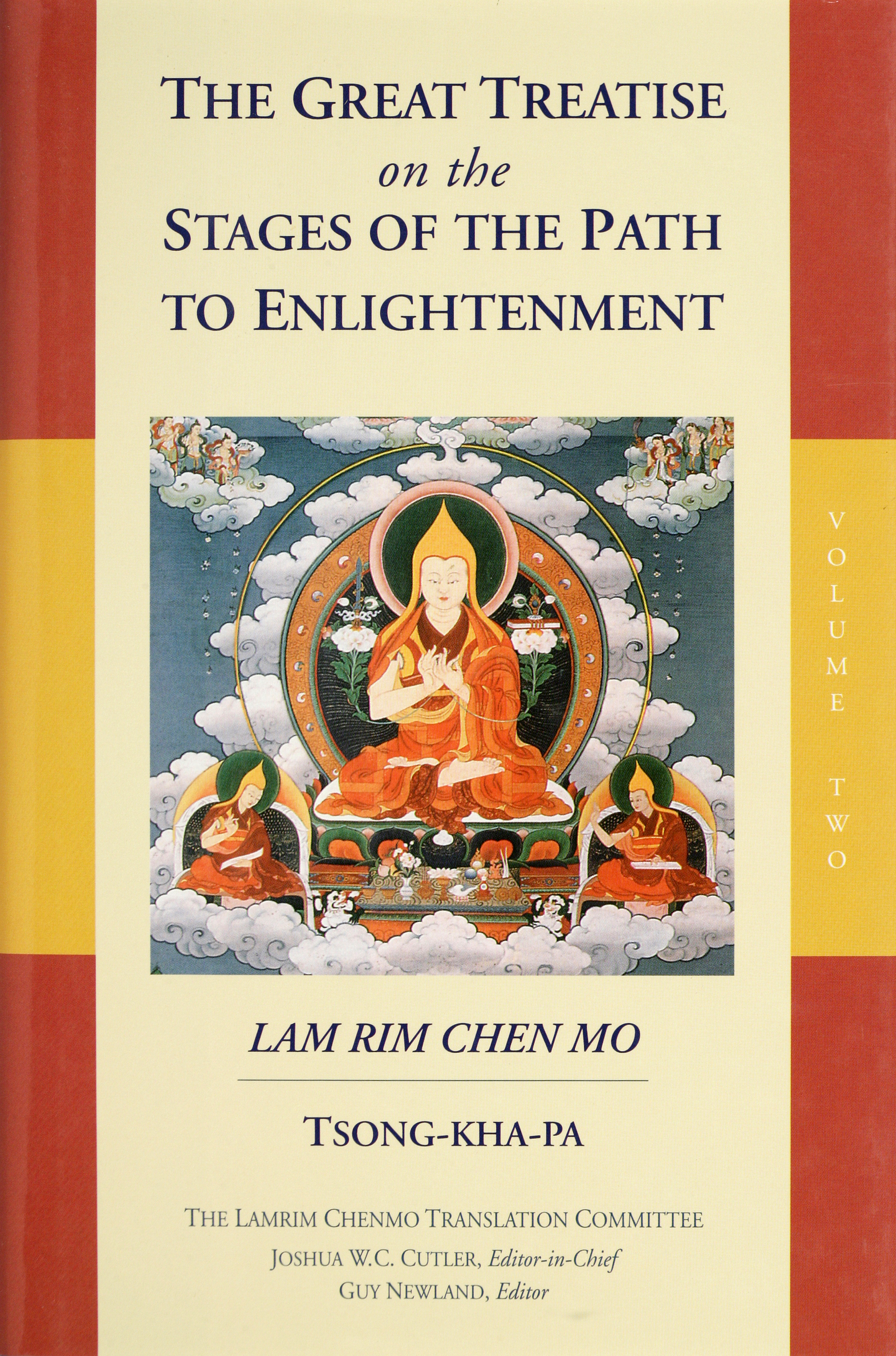
This second of three volumes covers the deeds of the bodhisattvas, as well as how to train in the six perfections. (Source: Shambhala Publications)
Tsong-kha-pa took great pains to base his insights on classical Indian Buddhist literature, illustrating his points with classical citations as well as with sayings of the masters of the earlier Kadampa tradition. In this way the text demonstrates clearly how Tibetan Buddhism carefully preserved and developed the Indian Buddhist traditions.
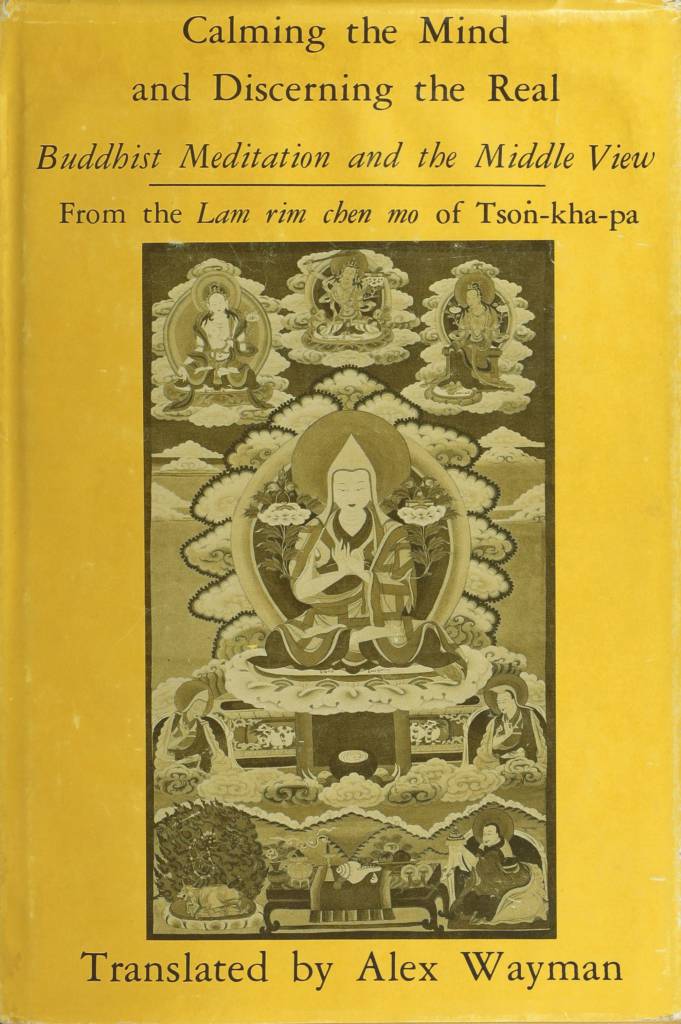
This third and final volume contains a presentation of the two most important topics in the work: meditative serenity (śamatha) and supramundane insight into the nature of reality (vipaśyanā). (Source: Shambhala Publications)


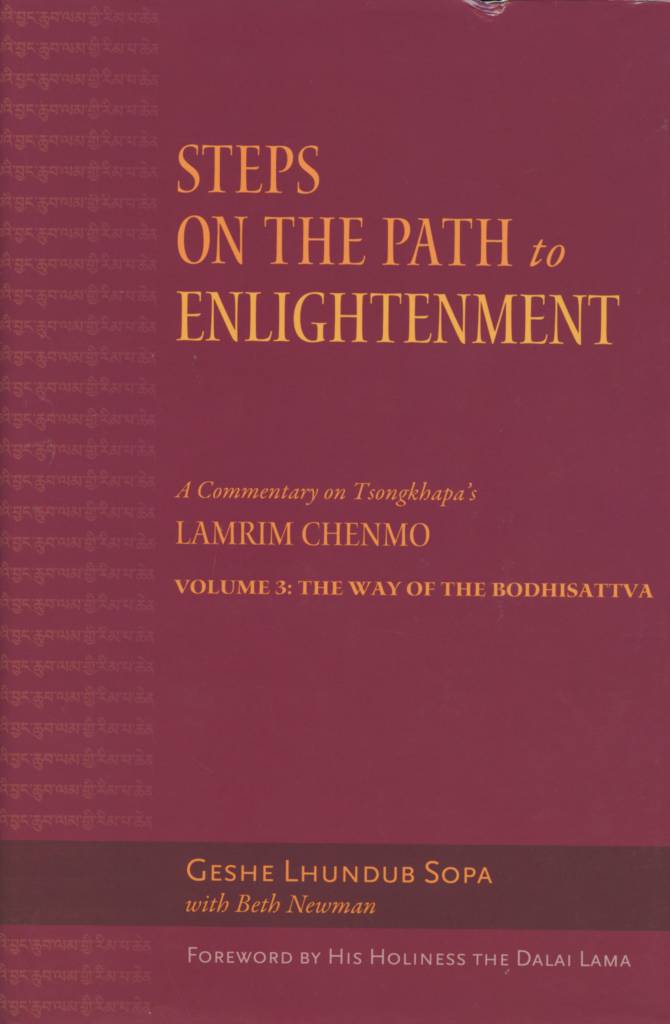
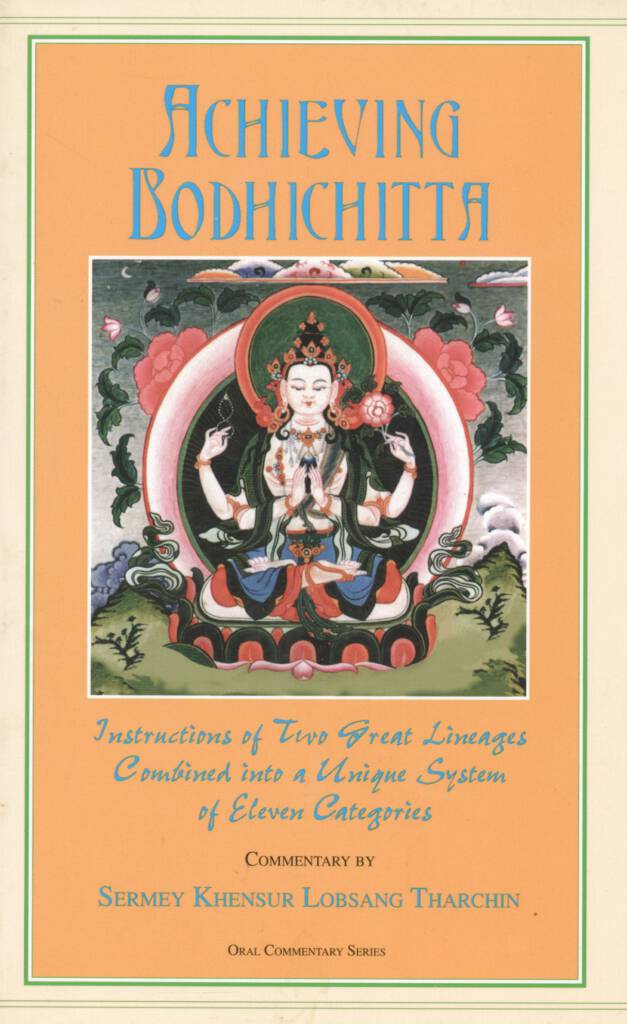
It begins with an explanation of what distinguishes the Mahayana practitioner from other Buddhists and goes on to describe the nature of bodhichitta. Geshe Sopa then provides a detailed commentary on the two methods to develop this awakening attitude: the techniques of sevenfold cause-and-effect and exchanging self and other.
While bodhichitta's significance in Mahayana Buddhism is universally known, Geshe Sopa illustrates how bodhichitta can motivate a devoted practitioner toward complete enlightenment and how this is accomplished through the performance of the bodhisattva perfections. Whether engaged in a scholarly study or personal practice of the Lamrim Chenmo, Geshe Sopa's guiding voice leads readers to a deeper understanding and appreciation of the bodhisattva way. (Source: Wisdom Publications)


Drawing from the sutras and great Buddhist classics, the Path to Enlightenment combines the intellectual rigour of Tibetan scholars with a clear and easy to understand presentation of the progressive stages of spiritual development. It covers the full breadth and depth of Tibetan Buddhist philosophy with clear explanations of how to put it into practice.
The Path to Enlightenment is an anthology of Geshe Acharya Thubten Loden’s teachings drawn primarily from Je Tsong Khapa's Great Exposition of the Stages of the Path and Phabongkha Rinpoche's Liberation in the Palm of Your Hand. It also includes a translation and explanation of the Mind Training in Seven Points by Geshe Chekawa and a complete presentation of the Bodhisattva vows.
The Path to Enlightenment includes full colour plates, 26 line drawings, a comprehensive English, Tibetan and Sanskrit glossary, a page numbered outline and an 82 page appendix of quotations.
“The book will go a long way towards making the essential instructions of Tibetan Buddhism accessible to a wider readership…” – His Holiness the Dalai Lama
Hardcover, 1097 pages, 4 colour photos, 26 original line illustrations. (Source Accessed Sep 9, 2024)
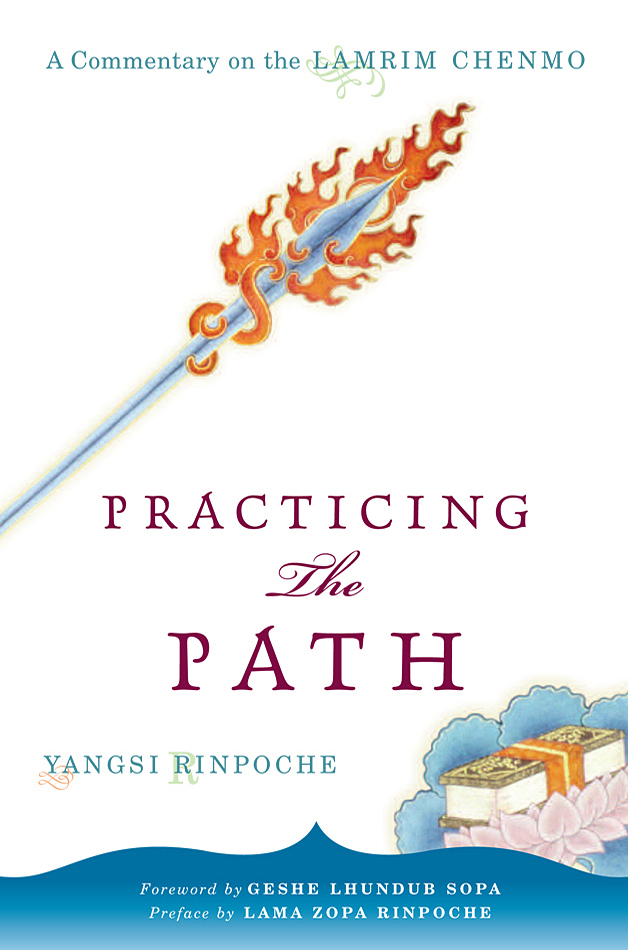
This book is composed of teachings from Yangsi Rinpoche's commentary on Lama Tsongkhapa's Lamrin Chenmo given Feburary-April, 2000 at Tushita Meditation Center in Dharamsala, India.
(Source: Wisdom Publications)

-front.jpg)
Drawing from the sutras and great Buddhist classics, the Path to Enlightenment combines the intellectual rigour of Tibetan scholars with a clear and easy to understand presentation of the progressive stages of spiritual development. It covers the full breadth and depth of Tibetan Buddhist philosophy with clear explanations of how to put it into practice.
The Path to Enlightenment is an anthology of Geshe Acharya Thubten Loden’s teachings drawn primarily from Je Tsong Khapa's Great Exposition of the Stages of the Path and Phabongkha Rinpoche's Liberation in the Palm of Your Hand. It also includes a translation and explanation of the Mind Training in Seven Points by Geshe Chekawa and a complete presentation of the Bodhisattva vows.
The Path to Enlightenment includes full colour plates, 26 line drawings, a comprehensive English, Tibetan and Sanskrit glossary, a page numbered outline and an 82 page appendix of quotations.
“The book will go a long way towards making the essential instructions of Tibetan Buddhism accessible to a wider readership…” – His Holiness the Dalai Lama
Hardcover, 1097 pages, 4 colour photos, 26 original line illustrations. (Source Accessed Sep 9, 2024)It begins with an explanation of what distinguishes the Mahayana practitioner from other Buddhists and goes on to describe the nature of bodhichitta. Geshe Sopa then provides a detailed commentary on the two methods to develop this awakening attitude: the techniques of sevenfold cause-and-effect and exchanging self and other.
While bodhichitta's significance in Mahayana Buddhism is universally known, Geshe Sopa illustrates how bodhichitta can motivate a devoted practitioner toward complete enlightenment and how this is accomplished through the performance of the bodhisattva perfections. Whether engaged in a scholarly study or personal practice of the Lamrim Chenmo, Geshe Sopa's guiding voice leads readers to a deeper understanding and appreciation of the bodhisattva way. (Source: Wisdom Publications)Tsong-kha-pa took great pains to base his insights on classical Indian Buddhist literature, illustrating his points with classical citations as well as with sayings of the masters of the earlier Kadampa tradition. In this way the text demonstrates clearly how Tibetan Buddhism carefully preserved and developed the Indian Buddhist traditions.
This first of three volumes covers all the practices that are prerequisite for developing the spirit of enlightenment (bodhicitta). (Source: Shambhala Publications)Tsong-kha-pa took great pains to base his insights on classical Indian Buddhist literature, illustrating his points with classical citations as well as with sayings of the masters of the earlier Kadampa tradition. In this way the text demonstrates clearly how Tibetan Buddhism carefully preserved and developed the Indian Buddhist traditions.
This second of three volumes covers the deeds of the bodhisattvas, as well as how to train in the six perfections. (Source: Shambhala Publications)Tsong-kha-pa took great pains to base his insights on classical Indian Buddhist literature, illustrating his points with classical citations as well as with sayings of the masters of the earlier Kadampa tradition. In this way the text demonstrates clearly how Tibetan Buddhism carefully preserved and developed the Indian Buddhist traditions.
This third and final volume contains a presentation of the two most important topics in the work: meditative serenity (śamatha) and supramundane insight into the nature of reality (vipaśyanā). (Source: Shambhala Publications)