| 🤓 Admin Zone 🛠️ hidden to non-admins | |


Description


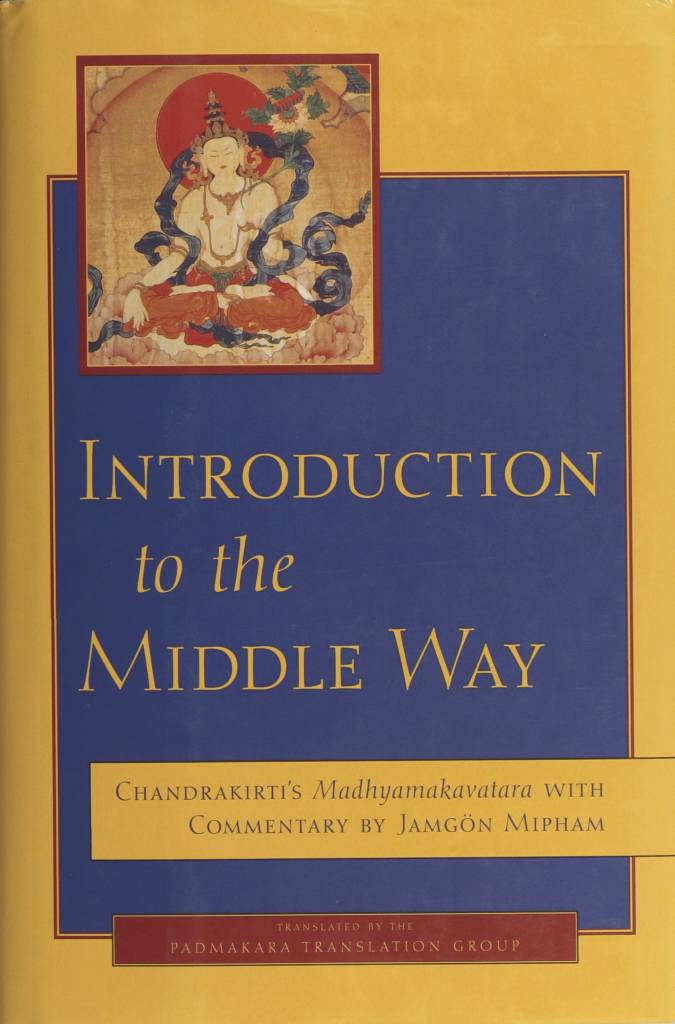
This book includes a verse translation of the Madhyamakavatara by the renowned seventh-century Indian master Chandrakirti, an extremely influential text of Mahayana Buddhism, followed by an exhaustive logical explanation of its meaning by the modern Tibetan master Jamgön Mipham, composed approximately twelve centuries later. Chandrakirti's work is an introduction to the Madhyamika teachings of Nagarjuna, which are themselves a systematization of the Prajnaparamita, or "Perfection of Wisdom" literature, the sutras on the crucial but elusive concept of emptiness.
Chandrakirti's work has been accepted throughout Tibetan Buddhism as the highest expression of the Buddhist view on the sutra level. With Jamgön Mipham's commentary, it is a definitive presentation of the wisdom of emptiness, a central theme of Buddhist teachings. This book is a core study text for both academic students and practitioners of Mahayana and Vajrayana Buddhism. (Source: Shambhala Publications).jpg)
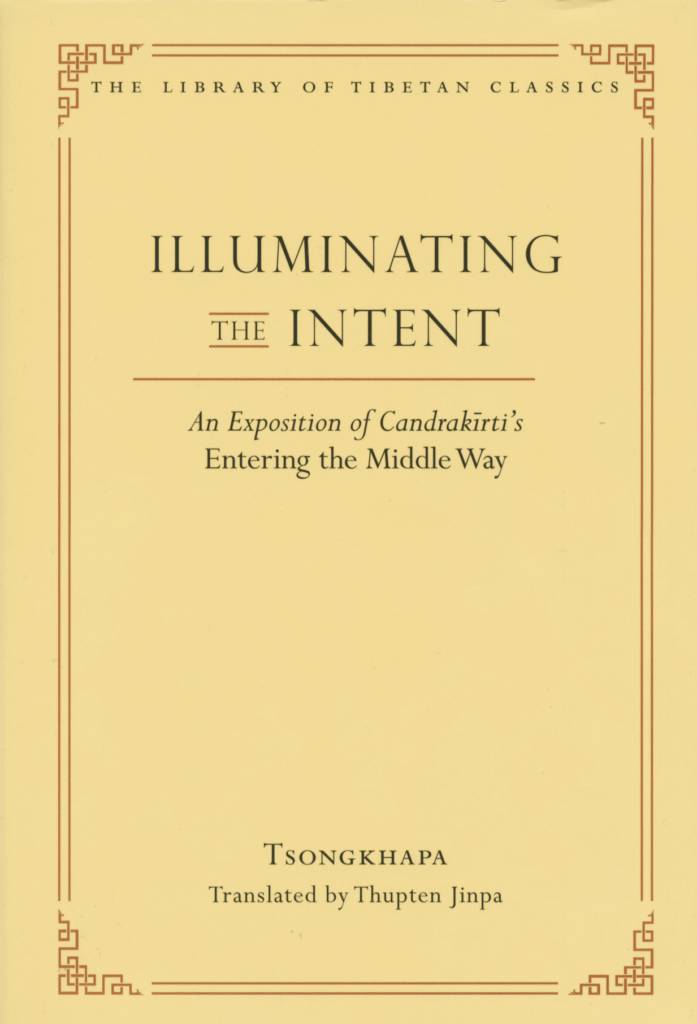
Written as a supplement to Nagarjuna’s Fundamental Verses on the Middle Way, Candrakīrti’s text integrates the central insight of Nagarjuna’s thought—the rejection of any metaphysical notion of intrinsic existence—with the well-known Mahayana framework of the ten levels of the bodhisattva, and it became the most studied presentation of Madhyamaka thought in Tibet.
Completed the year before the author’s death, Tsongkhapa’s exposition of Candrakīrti's text is recognized by the Tibetan tradition as the final standpoint of Tsongkhapa on many philosophical questions, particularly the clear distinctions it draws between the standpoints of the Madhyamaka and Cittamatra schools.
Written in exemplary Tibetan, Tsongkhapa’s work presents a wonderful marriage of rigorous Madhyamaka philosophical analysis with a detailed and subtle account of the progressively advancing mental states and spiritual maturity realized by sincere Madhyamaka practitioners. (Source: Thupten Jinpa, Illuminating the Intent, 2021)

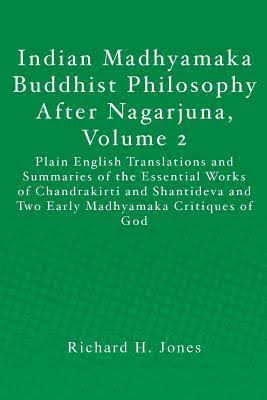
The Middle Way, or Madhyamaka, school of Indian Buddhist philosophy is known for its explication of emptiness (śūnyatā), and after Nāgārjuna—the second-century founder of the school—its most well-known defender is Candrakīrti (seventh century). Until recently, the Madhyamakāvatāra, one of Candrakīrti’s major works, was known primarily through its Tibetan translation, but with the publication of the Sanskrit verses from a manuscript discovered at the Potala Palace in Lhasa, we can now access Candrakīrti’s words in their original language.
Chapter 6 of the Madhyamakāvatāra, “Turned Toward” (abhimukhī), is roughly two thirds of the entire work, and it explicates the perfection of wisdom. As such, it contains Candrakīrti’s most detailed discussions of distinctively Madhyamaka teachings, defending Madhyamaka against accusations of nihilism and maintaining it has no thesis of its own. Answering objections from other Indian schools, both within and outside the Buddhist fold, he denies the ultimate reality of any and all existents, whether external or internal, and even of emptiness itself. While denying ultimates, he leaves conventionalities, arising dependently free of any absolute, to the world to confirm or deny.
The three main sections of chapter 6 are on the selflessness of phenomena, the selflessness of persons, and the varieties of emptiness. The first section is organized around the fourfold refutation of origination—from self, other, both, and neither—that begins Nāgārjuna’s root treatise of the Madhyamaka school. Candrakīrti takes up, in turn, Abhidharma realism, assertions of God or of Ātman, and Cārvāka materialism, but his main opponent is the Yogācāra school, which he calls Vijñānavāda. In his second section, he addresses Buddhist personalists (pudgalavāda) of the Saṃmatīya school, deploying his distinctive sevenfold analysis of a chariot and its parts.
All 226 verses of Candrakīrti’s chapter appear here in Sanskrit and in translation, accompanied by the authors’ clear distillation of Candrakīrti’s own commentary. (Source: Wisdom Publications)
-front.jpg)
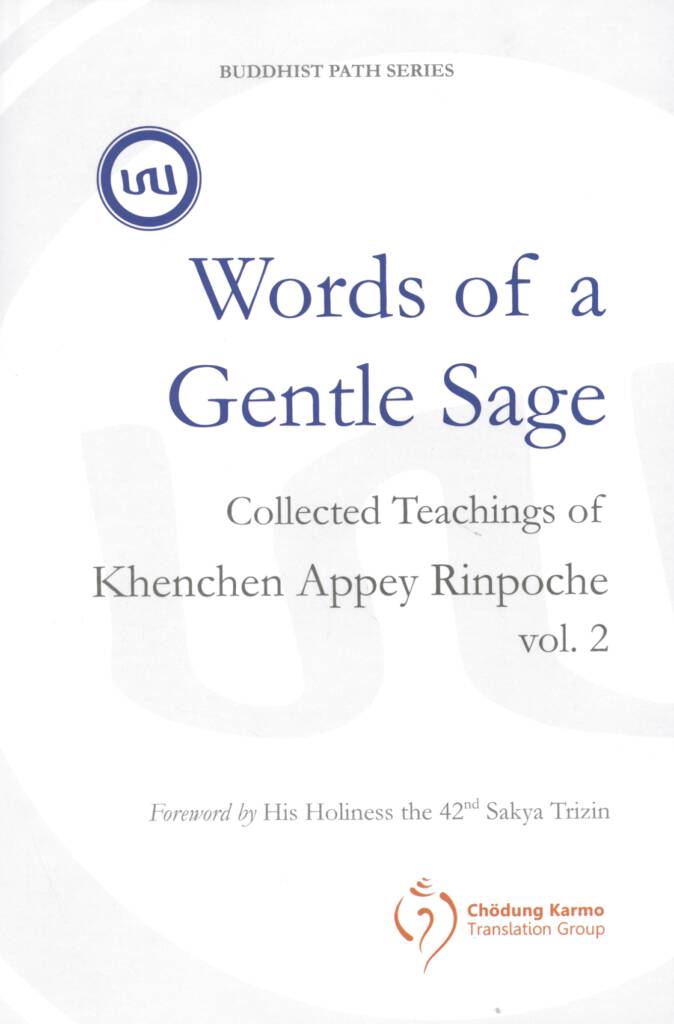
1) A commentary to inspire faith, based on verses in praise of the Buddha’s immeasurable qualities from Sakya Paṇḍita's Clarifying the Sage's Intent.
2) Oral instructions based on Candrakīrti's Entering the Middle Way, offering a practical understanding of the Mahāyāna path as a whole.
3) A commentary on the first three chapters of Śāntideva's Way of the Bodhisattva, which includes an explanation of the ritual for the bodhicitta vow.
4) A rarely given explanation of Gorampa's profound teaching on dependent arising according to the four philosophical schools of Indian Buddhism, entitled Illumination of Saṃsāra and Nirvāṇa.
5) A detailed commentary on Samantabhadra's Noble Aspirations to Sublime Conduct, as the supreme means of dedication.
(Source: Chödung Karmo Translation Group)1) A commentary to inspire faith, based on verses in praise of the Buddha’s immeasurable qualities from Sakya Paṇḍita's Clarifying the Sage's Intent.
2) Oral instructions based on Candrakīrti's Entering the Middle Way, offering a practical understanding of the Mahāyāna path as a whole.
3) A commentary on the first three chapters of Śāntideva's Way of the Bodhisattva, which includes an explanation of the ritual for the bodhicitta vow.
4) A rarely given explanation of Gorampa's profound teaching on dependent arising according to the four philosophical schools of Indian Buddhism, entitled Illumination of Saṃsāra and Nirvāṇa.
5) A detailed commentary on Samantabhadra's Noble Aspirations to Sublime Conduct, as the supreme means of dedication.
(Source: Chödung Karmo Translation Group)The Middle Way, or Madhyamaka, school of Indian Buddhist philosophy is known for its explication of emptiness (śūnyatā), and after Nāgārjuna—the second-century founder of the school—its most well-known defender is Candrakīrti (seventh century). Until recently, the Madhyamakāvatāra, one of Candrakīrti’s major works, was known primarily through its Tibetan translation, but with the publication of the Sanskrit verses from a manuscript discovered at the Potala Palace in Lhasa, we can now access Candrakīrti’s words in their original language.
Chapter 6 of the Madhyamakāvatāra, “Turned Toward” (abhimukhī), is roughly two thirds of the entire work, and it explicates the perfection of wisdom. As such, it contains Candrakīrti’s most detailed discussions of distinctively Madhyamaka teachings, defending Madhyamaka against accusations of nihilism and maintaining it has no thesis of its own. Answering objections from other Indian schools, both within and outside the Buddhist fold, he denies the ultimate reality of any and all existents, whether external or internal, and even of emptiness itself. While denying ultimates, he leaves conventionalities, arising dependently free of any absolute, to the world to confirm or deny.
The three main sections of chapter 6 are on the selflessness of phenomena, the selflessness of persons, and the varieties of emptiness. The first section is organized around the fourfold refutation of origination—from self, other, both, and neither—that begins Nāgārjuna’s root treatise of the Madhyamaka school. Candrakīrti takes up, in turn, Abhidharma realism, assertions of God or of Ātman, and Cārvāka materialism, but his main opponent is the Yogācāra school, which he calls Vijñānavāda. In his second section, he addresses Buddhist personalists (pudgalavāda) of the Saṃmatīya school, deploying his distinctive sevenfold analysis of a chariot and its parts.
All 226 verses of Candrakīrti’s chapter appear here in Sanskrit and in translation, accompanied by the authors’ clear distillation of Candrakīrti’s own commentary. (Source: Wisdom Publications)Written as a supplement to Nagarjuna’s Fundamental Verses on the Middle Way, Candrakīrti’s text integrates the central insight of Nagarjuna’s thought—the rejection of any metaphysical notion of intrinsic existence—with the well-known Mahayana framework of the ten levels of the bodhisattva, and it became the most studied presentation of Madhyamaka thought in Tibet.
Completed the year before the author’s death, Tsongkhapa’s exposition of Candrakīrti's text is recognized by the Tibetan tradition as the final standpoint of Tsongkhapa on many philosophical questions, particularly the clear distinctions it draws between the standpoints of the Madhyamaka and Cittamatra schools.
Written in exemplary Tibetan, Tsongkhapa’s work presents a wonderful marriage of rigorous Madhyamaka philosophical analysis with a detailed and subtle account of the progressively advancing mental states and spiritual maturity realized by sincere Madhyamaka practitioners. (Source: Thupten Jinpa, Illuminating the Intent, 2021)
Written as a supplement to Nagarjuna's Fundamental Verses on the Middle Way, Candrakirti's text integrates the central insight of Nagarjuna's thought—the rejection of any metaphysical notion of intrinsic existence—with the well-known Mahayana framework of the ten levels of the bodhisattva, and it became the most studied presentation of Madhyamaka thought in Tibet.
Completed the year before the author's death, Tsongkhapa's exposition of Candrakirti's text is recognized by the Tibetan tradition as the final standpoint of Tsongkhapa on many philosophical questions, particularly the clear distinctions it draws between the standpoints of the Madhyamaka and Cittamatra schools.
Written in exemplary Tibetan, Tsongkhapa's work presents a wonderful marriage of rigorous Madhyamaka philosophical analysis with a detailed and subtle account of the progressively advancing mental states and spiritual maturity realized by sincere Madhyamaka practitioners.
The work remains the principal textbook for the study of Indian Madhyamaka philosophy in many Tibetan monastic colleges, and it is a principal source for many Tibetan teachers seeking to convey the intricacies of Madhyamaka philosophy to non-Tibetan audiences.
Though it is often cited and well known, this is the first full translation of this key work in a Western language. (Source: Wisdom Publications)This book includes a verse translation of the Madhyamakavatara by the renowned seventh-century Indian master Chandrakirti, an extremely influential text of Mahayana Buddhism, followed by an exhaustive logical explanation of its meaning by the modern Tibetan master Jamgön Mipham, composed approximately twelve centuries later. Chandrakirti's work is an introduction to the Madhyamika teachings of Nagarjuna, which are themselves a systematization of the Prajnaparamita, or "Perfection of Wisdom" literature, the sutras on the crucial but elusive concept of emptiness.
Chandrakirti's work has been accepted throughout Tibetan Buddhism as the highest expression of the Buddhist view on the sutra level. With Jamgön Mipham's commentary, it is a definitive presentation of the wisdom of emptiness, a central theme of Buddhist teachings. This book is a core study text for both academic students and practitioners of Mahayana and Vajrayana Buddhism. (Source: Shambhala Publications)
1) A commentary to inspire faith, based on verses in praise of the Buddha’s immeasurable qualities from Sakya Paṇḍita's Clarifying the Sage's Intent.
2) Oral instructions based on Candrakīrti's Entering the Middle Way, offering a practical understanding of the Mahāyāna path as a whole.
3) A commentary on the first three chapters of Śāntideva's Way of the Bodhisattva, which includes an explanation of the ritual for the bodhicitta vow.
4) A rarely given explanation of Gorampa's profound teaching on dependent arising according to the four philosophical schools of Indian Buddhism, entitled Illumination of Saṃsāra and Nirvāṇa.
5) A detailed commentary on Samantabhadra's Noble Aspirations to Sublime Conduct, as the supreme means of dedication.
(Source: Chödung Karmo Translation Group)