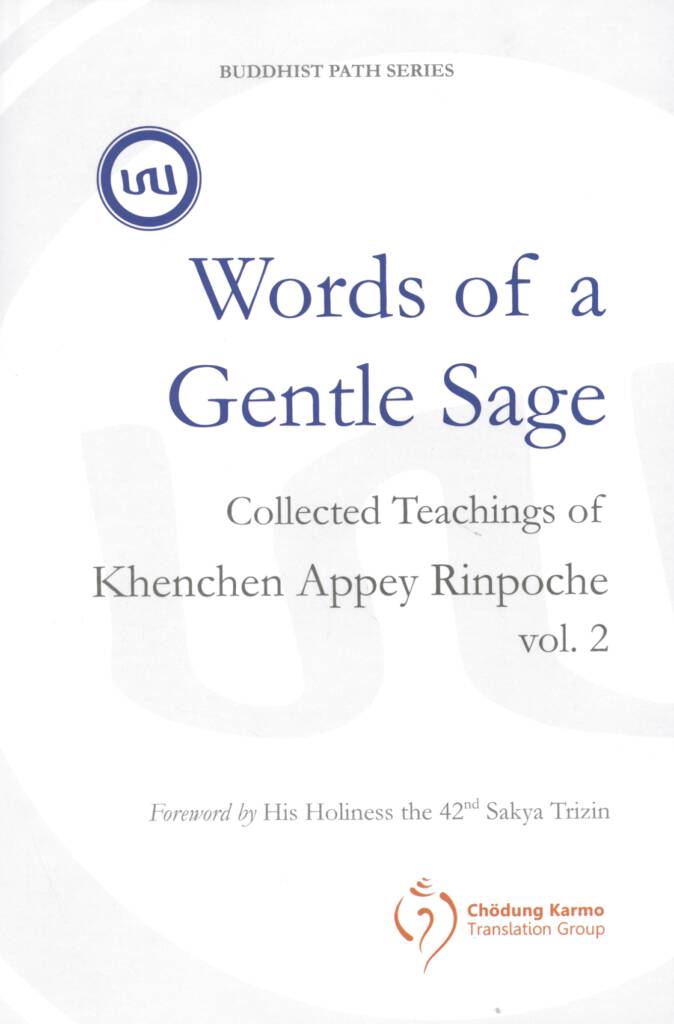
Words of a Gentle Sage - Vol. 2 (Appey 2022)
| 🤓 Admin Zone 🛠️ hidden to non-admins | |
-front.jpg)
Description
1) A commentary to inspire faith, based on verses in praise of the Buddha’s immeasurable qualities from Sakya Paṇḍita's Clarifying the Sage's Intent.
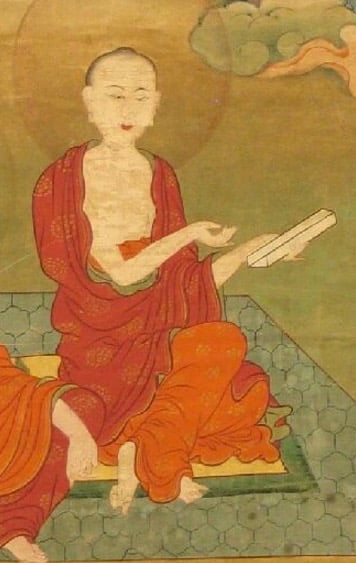
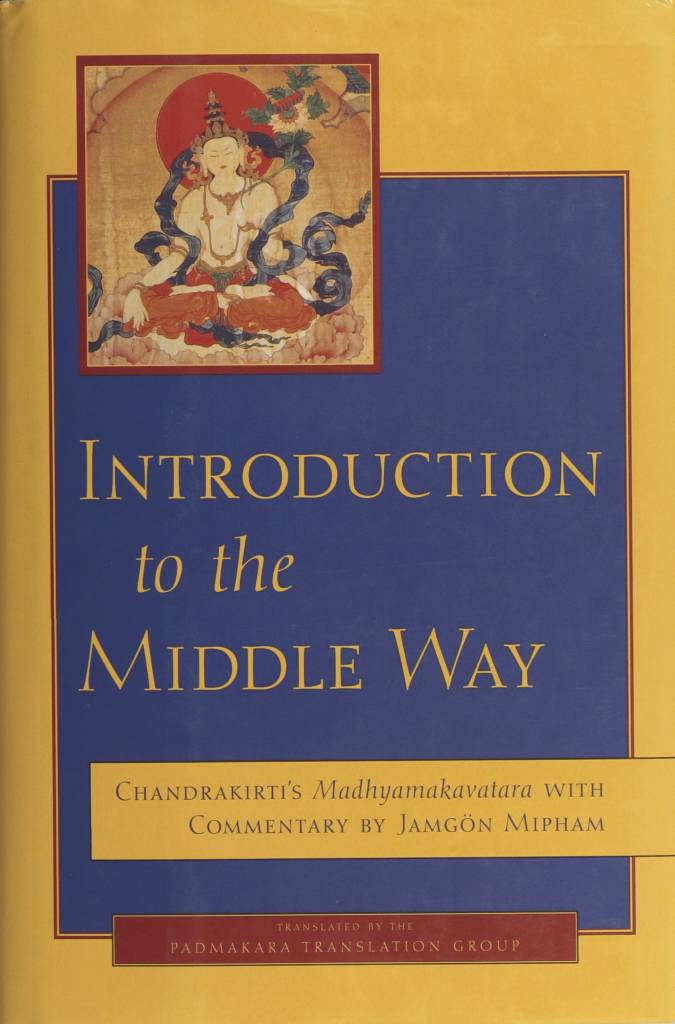
2) Oral instructions based on Candrakīrti's Entering the Middle Way, offering a practical understanding of the Mahāyāna path as a whole.
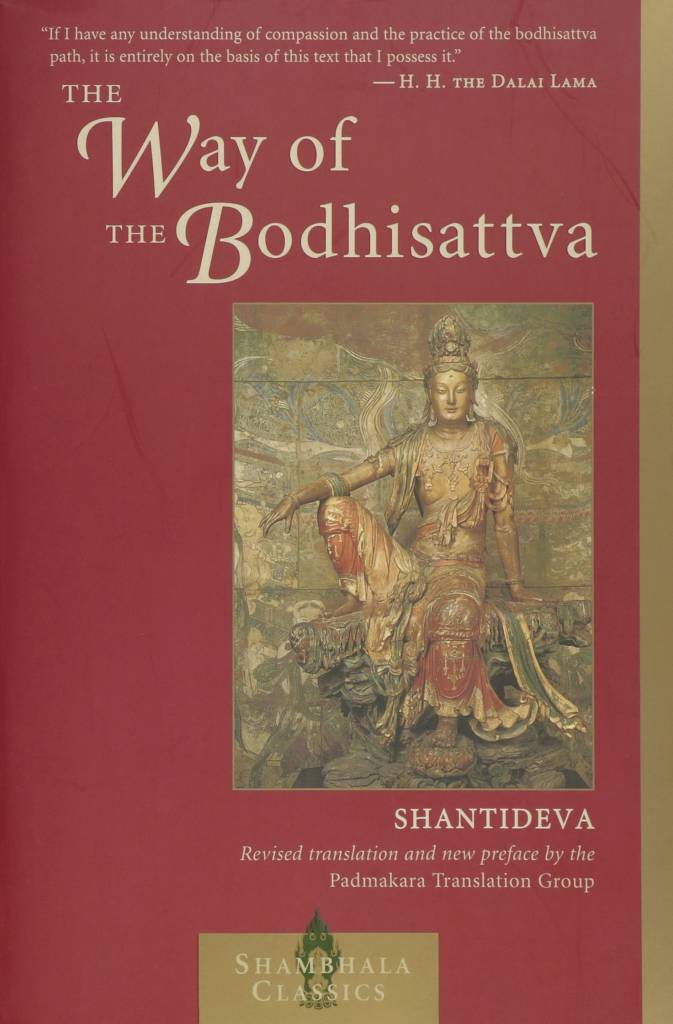
3) A commentary on the first three chapters of Śāntideva's Way of the Bodhisattva, which includes an explanation of the ritual for the bodhicitta vow.
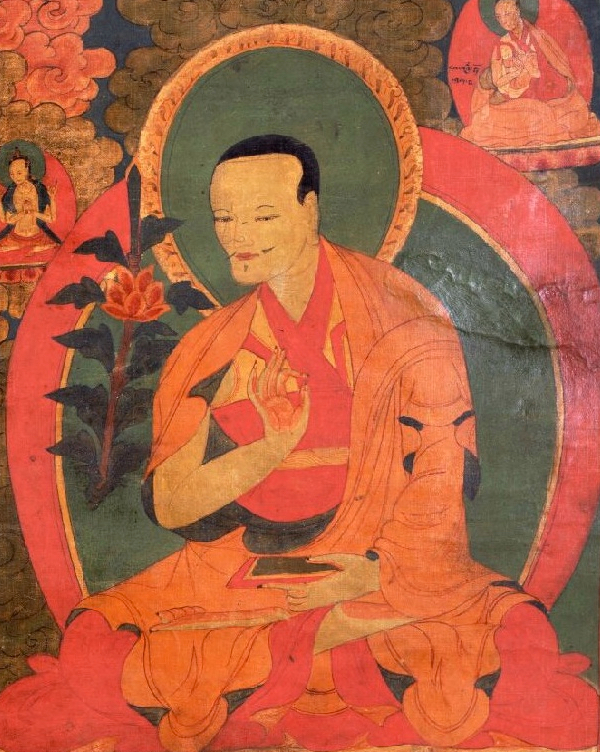
4) A rarely given explanation of Gorampa's profound teaching on dependent arising according to the four philosophical schools of Indian Buddhism, entitled Illumination of Saṃsāra and Nirvāṇa.
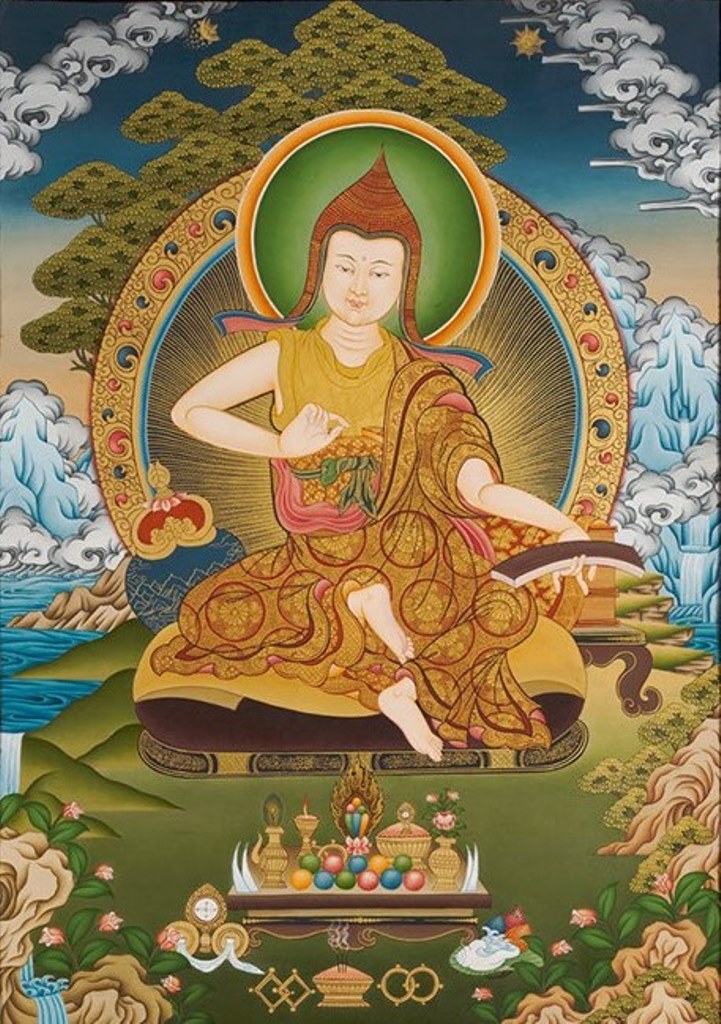
5) A detailed commentary on Samantabhadra's Noble Aspirations to Sublime Conduct, as the supreme means of dedication.
- Foreword by His Holiness Ratna Vajra Sakya, the 42nd Sakya Trizin vii
- Introduction and Acknowledgements ix
- In Praise of the Buddha: A Commentary on Maitreya's and Sakya Pandita's Verses from Clarifying the Sage's Intent 1
- Cultivating the Middle Way: Oral Instructions Based on Candrakīrti's Entering the Middle Way 55
- The Birth of a Bodhisattva: A Commentary on Śāntideva's The Way of the Bodhisattva, Chapters 1-3 101
- Vast and Profound: A Commentary on Gorampa Sönam Sengé's Illumination of Samsara and Nirvana 217
- The Aspirations of Samantabhadra: A Commentary on the King of Prayers Entitled The Noble Aspirations to Sublime Conduct 303
- Endnotes393
- Glossary421
- Bibliography447

The King of Aspiration Prayers: Samantabhadra’s “Aspiration to Good Actions” (Zangchö Mönlam) from the Gaṇḍavyūha chapter of the Avataṃsaka Sūtra. Many translations of this text exist as it is regularly chanted around the world in many different traditions. For an example, see Lotsawa House.
Bhadracarīpranidhāna. (T. Bzang po spyod pa'i smon lam; C. Puxian pusa xingyuan zan; J. Fugen bosatsu gyōgansan; K. Pohyǒn posal haengwǒn ch'an 普賢菩薩行願讚). In Sanskrit, "Vows of Good Conduct," the last section of the Gaṇḍavyūha in the Avataṃsakasūtra and one of the most beloved texts in all of Mahāyāna Buddhism; also known as the Samantabhadracarīpraṇidhānarāja. The Bhadracarīpraṇidhāna focuses on the ten great vows (praṇidhāna) taken by Samantabhadra to realize and gain access to the dharmadhātu, which thereby enable him to benefit sentient beings. The ten vows are: (1) to pay homage to all the buddhas, (2) to praise the tathāgatas, (3) to make unlimited offerings, (4) to repent from one's transgressions in order to remove karmic hindrances (cf. karmāvaraṇa), (5) to take delight in others' merit, (6) to request the buddhas to turn the wheel of dharma (dharmacakrapravartana), (7) to request the buddhas to continue living in the world, (8) always to follow the teachings of the Buddha, (9) always to comply with the needs of sentient beings, and (10) to transfer all merit to sentient beings for their spiritual edification. The text ends with a stanza wishing that sentient beings still immersed in evil be reborn in the Pure Land of Amitābha. The text was translated into Chinese in 754 by Amoghavajra (705–774). Other Chinese recensions appear in the Wenshushili fayuan jing ("Scripture on the Vows made by Mañjuśrī"), translated in 420 by Buddhabhadra (359–429), which corresponds to the verse section from Ru busiyi jietuo jingjie Puxian xingyuan pin, the last roll of the forty-roll recension of the Huayan jing translated by Prajña in 798. (There is no corresponding version in either the sixty- or the eighty-roll translations of the
Huajan jing.) The verses are also called the "Précis of the Huayan jing (Lüe Huayan jing), because they are believed to constitute the core teachings of the Avataṃsakasūtra. In the main Chinese recension by Amoghavajra, the text consists of sixty-two stanzas, each consisting of quatrains with lines seven Sinographs in length, thus giving a total number of 1,736 Sinographs. In addition to the sixty-two core stanzas, Amoghavajra's version adds ten more stanzas of the Bada pusa zan ("Eulogy to the Eight Great Bodhisattvas") from the Badapusa mantuluo jing ("Scripture of the Maṇḍalas of the Eight Great Bodhisattvas") . . . Buddhabhadra's version consists of forty-four stanzas with 880 Sinographs, each stanza consisting of a quatrain with lines five Sinographs in length. Prajña's version contains fifty-two stanzas with each quatrain consisting of lines seven Sinographs in length. There are five commentaries on the text attributed to eminent Indian exegetes, including Nāgārjuna, Dignāga, and Vasubandhu, which are extant only in Tibetan translation. In the Tibetan tradition, the prayer is called the "king of prayers" (smon lam gyi rgyal po). It is incorporated into many liturgies; the opening verses of the prayer are commonly incorporated into a Tibetan's daily recitation. (Source: "Bhadracarīpraṇidhāna." In The Princeton Dictionary of Buddhism, 106. Princeton University Press, 2014. http://www.jstor.org/stable/j.ctt46n41q.27.)
The King of Aspiration Prayers: Samantabhadra’s “Aspiration to Good Actions” (Zangchö Mönlam) from the Gaṇḍavyūha chapter of the Avataṃsaka Sūtra. Many translations of this text exist as it is regularly chanted around the world in many different traditions. For an example, see Lotsawa House.
Bhadracarīpranidhāna. (T. Bzang po spyod pa'i smon lam; C. Puxian pusa xingyuan zan; J. Fugen bosatsu gyōgansan; K. Pohyǒn posal haengwǒn ch'an 普賢菩薩行願讚). In Sanskrit, "Vows of Good Conduct," the last section of the Gaṇḍavyūha in the Avataṃsakasūtra and one of the most beloved texts in all of Mahāyāna Buddhism; also known as the Samantabhadracarīpraṇidhānarāja. The Bhadracarīpraṇidhāna focuses on the ten great vows (praṇidhāna) taken by Samantabhadra to realize and gain access to the dharmadhātu, which thereby enable him to benefit sentient beings. The ten vows are: (1) to pay homage to all the buddhas, (2) to praise the tathāgatas, (3) to make unlimited offerings, (4) to repent from one's transgressions in order to remove karmic hindrances (cf. karmāvaraṇa), (5) to take delight in others' merit, (6) to request the buddhas to turn the wheel of dharma (dharmacakrapravartana), (7) to request the buddhas to continue living in the world, (8) always to follow the teachings of the Buddha, (9) always to comply with the needs of sentient beings, and (10) to transfer all merit to sentient beings for their spiritual edification. The text ends with a stanza wishing that sentient beings still immersed in evil be reborn in the Pure Land of Amitābha. The text was translated into Chinese in 754 by Amoghavajra (705–774). Other Chinese recensions appear in the Wenshushili fayuan jing ("Scripture on the Vows made by Mañjuśrī"), translated in 420 by Buddhabhadra (359–429), which corresponds to the verse section from Ru busiyi jietuo jingjie Puxian xingyuan pin, the last roll of the forty-roll recension of the Huayan jing translated by Prajña in 798. (There is no corresponding version in either the sixty- or the eighty-roll translations of the
Huajan jing.) The verses are also called the "Précis of the Huayan jing (Lüe Huayan jing), because they are believed to constitute the core teachings of the Avataṃsakasūtra. In the main Chinese recension by Amoghavajra, the text consists of sixty-two stanzas, each consisting of quatrains with lines seven Sinographs in length, thus giving a total number of 1,736 Sinographs. In addition to the sixty-two core stanzas, Amoghavajra's version adds ten more stanzas of the Bada pusa zan ("Eulogy to the Eight Great Bodhisattvas") from the Badapusa mantuluo jing ("Scripture of the Maṇḍalas of the Eight Great Bodhisattvas") . . . Buddhabhadra's version consists of forty-four stanzas with 880 Sinographs, each stanza consisting of a quatrain with lines five Sinographs in length. Prajña's version contains fifty-two stanzas with each quatrain consisting of lines seven Sinographs in length. There are five commentaries on the text attributed to eminent Indian exegetes, including Nāgārjuna, Dignāga, and Vasubandhu, which are extant only in Tibetan translation. In the Tibetan tradition, the prayer is called the "king of prayers" (smon lam gyi rgyal po). It is incorporated into many liturgies; the opening verses of the prayer are commonly incorporated into a Tibetan's daily recitation. (Source: "Bhadracarīpraṇidhāna." In The Princeton Dictionary of Buddhism, 106. Princeton University Press, 2014. http://www.jstor.org/stable/j.ctt46n41q.27.)


The King of Aspiration Prayers: Samantabhadra’s “Aspiration to Good Actions” (Zangchö Mönlam) from the Gaṇḍavyūha chapter of the Avataṃsaka Sūtra. Many translations of this text exist as it is regularly chanted around the world in many different traditions. For an example, see Lotsawa House.
Bhadracarīpranidhāna. (T. Bzang po spyod pa'i smon lam; C. Puxian pusa xingyuan zan; J. Fugen bosatsu gyōgansan; K. Pohyǒn posal haengwǒn ch'an 普賢菩薩行願讚). In Sanskrit, "Vows of Good Conduct," the last section of the Gaṇḍavyūha in the Avataṃsakasūtra and one of the most beloved texts in all of Mahāyāna Buddhism; also known as the Samantabhadracarīpraṇidhānarāja. The Bhadracarīpraṇidhāna focuses on the ten great vows (praṇidhāna) taken by Samantabhadra to realize and gain access to the dharmadhātu, which thereby enable him to benefit sentient beings. The ten vows are: (1) to pay homage to all the buddhas, (2) to praise the tathāgatas, (3) to make unlimited offerings, (4) to repent from one's transgressions in order to remove karmic hindrances (cf. karmāvaraṇa), (5) to take delight in others' merit, (6) to request the buddhas to turn the wheel of dharma (dharmacakrapravartana), (7) to request the buddhas to continue living in the world, (8) always to follow the teachings of the Buddha, (9) always to comply with the needs of sentient beings, and (10) to transfer all merit to sentient beings for their spiritual edification. The text ends with a stanza wishing that sentient beings still immersed in evil be reborn in the Pure Land of Amitābha. The text was translated into Chinese in 754 by Amoghavajra (705–774). Other Chinese recensions appear in the Wenshushili fayuan jing ("Scripture on the Vows made by Mañjuśrī"), translated in 420 by Buddhabhadra (359–429), which corresponds to the verse section from Ru busiyi jietuo jingjie Puxian xingyuan pin, the last roll of the forty-roll recension of the Huayan jing translated by Prajña in 798. (There is no corresponding version in either the sixty- or the eighty-roll translations of the
Huajan jing.) The verses are also called the "Précis of the Huayan jing (Lüe Huayan jing), because they are believed to constitute the core teachings of the Avataṃsakasūtra. In the main Chinese recension by Amoghavajra, the text consists of sixty-two stanzas, each consisting of quatrains with lines seven Sinographs in length, thus giving a total number of 1,736 Sinographs. In addition to the sixty-two core stanzas, Amoghavajra's version adds ten more stanzas of the Bada pusa zan ("Eulogy to the Eight Great Bodhisattvas") from the Badapusa mantuluo jing ("Scripture of the Maṇḍalas of the Eight Great Bodhisattvas") . . . Buddhabhadra's version consists of forty-four stanzas with 880 Sinographs, each stanza consisting of a quatrain with lines five Sinographs in length. Prajña's version contains fifty-two stanzas with each quatrain consisting of lines seven Sinographs in length. There are five commentaries on the text attributed to eminent Indian exegetes, including Nāgārjuna, Dignāga, and Vasubandhu, which are extant only in Tibetan translation. In the Tibetan tradition, the prayer is called the "king of prayers" (smon lam gyi rgyal po). It is incorporated into many liturgies; the opening verses of the prayer are commonly incorporated into a Tibetan's daily recitation. (Source: "Bhadracarīpraṇidhāna." In The Princeton Dictionary of Buddhism, 106. Princeton University Press, 2014. http://www.jstor.org/stable/j.ctt46n41q.27.)-front.jpg)

This book includes a verse translation of the Madhyamakavatara by the renowned seventh-century Indian master Chandrakirti, an extremely influential text of Mahayana Buddhism, followed by an exhaustive logical explanation of its meaning by the modern Tibetan master Jamgön Mipham, composed approximately twelve centuries later. Chandrakirti's work is an introduction to the Madhyamika teachings of Nagarjuna, which are themselves a systematization of the Prajnaparamita, or "Perfection of Wisdom" literature, the sutras on the crucial but elusive concept of emptiness.
Chandrakirti's work has been accepted throughout Tibetan Buddhism as the highest expression of the Buddhist view on the sutra level. With Jamgön Mipham's commentary, it is a definitive presentation of the wisdom of emptiness, a central theme of Buddhist teachings. This book is a core study text for both academic students and practitioners of Mahayana and Vajrayana Buddhism. (Source: Shambhala Publications)