Dbu ma la 'jug pa'i rnam bshad dgongs pa rab gsal
| 🤓 Admin Zone 🛠️ hidden to non-admins | |


Description
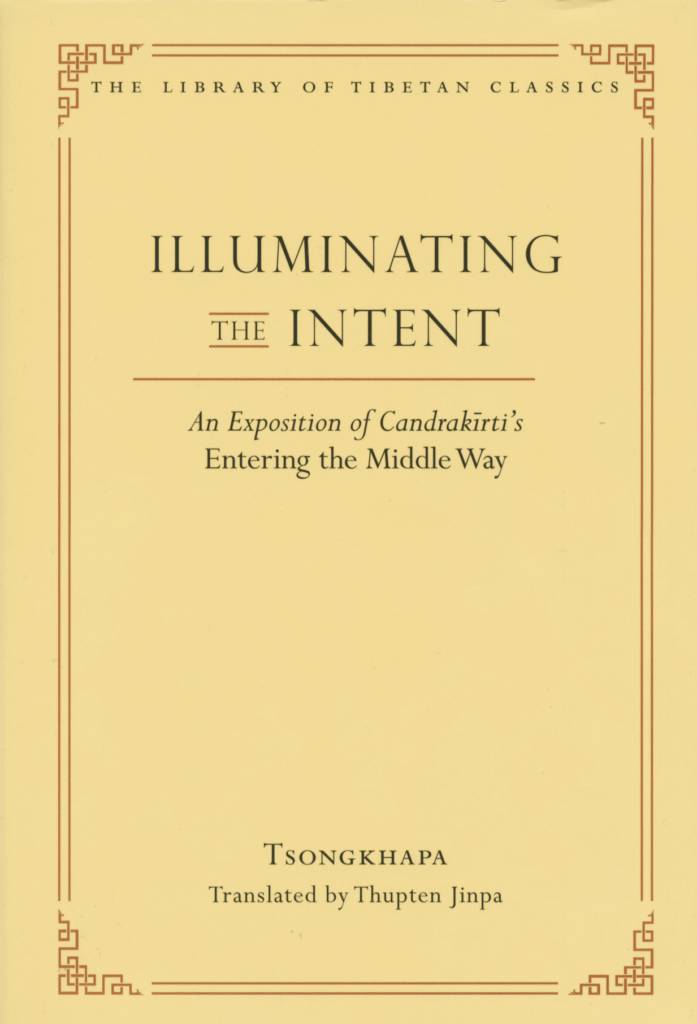
Written as a supplement to Nagarjuna’s Fundamental Verses on the Middle Way, Candrakīrti’s text integrates the central insight of Nagarjuna’s thought—the rejection of any metaphysical notion of intrinsic existence—with the well-known Mahayana framework of the ten levels of the bodhisattva, and it became the most studied presentation of Madhyamaka thought in Tibet.
Completed the year before the author’s death, Tsongkhapa’s exposition of Candrakīrti's text is recognized by the Tibetan tradition as the final standpoint of Tsongkhapa on many philosophical questions, particularly the clear distinctions it draws between the standpoints of the Madhyamaka and Cittamatra schools.
Written in exemplary Tibetan, Tsongkhapa’s work presents a wonderful marriage of rigorous Madhyamaka philosophical analysis with a detailed and subtle account of the progressively advancing mental states and spiritual maturity realized by sincere Madhyamaka practitioners. (Source: Thupten Jinpa, Illuminating the Intent, 2021)
Recensions
| Tibetan | Tsong kha pa. དབུ་མ་ལ་འཇུག་པའི་རྣམ་བཤད་དགོངས་པ་རབ་གསལ།, (Dbu ma la 'jug pa'i rnam bshad dgongs pa rab gsal).
|
|---|


Written as a supplement to Nagarjuna's Fundamental Verses on the Middle Way, Candrakirti's text integrates the central insight of Nagarjuna's thought—the rejection of any metaphysical notion of intrinsic existence—with the well-known Mahayana framework of the ten levels of the bodhisattva, and it became the most studied presentation of Madhyamaka thought in Tibet.
Completed the year before the author's death, Tsongkhapa's exposition of Candrakirti's text is recognized by the Tibetan tradition as the final standpoint of Tsongkhapa on many philosophical questions, particularly the clear distinctions it draws between the standpoints of the Madhyamaka and Cittamatra schools.
Written in exemplary Tibetan, Tsongkhapa's work presents a wonderful marriage of rigorous Madhyamaka philosophical analysis with a detailed and subtle account of the progressively advancing mental states and spiritual maturity realized by sincere Madhyamaka practitioners.
The work remains the principal textbook for the study of Indian Madhyamaka philosophy in many Tibetan monastic colleges, and it is a principal source for many Tibetan teachers seeking to convey the intricacies of Madhyamaka philosophy to non-Tibetan audiences.
Though it is often cited and well known, this is the first full translation of this key work in a Western language. (Source: Wisdom Publications)


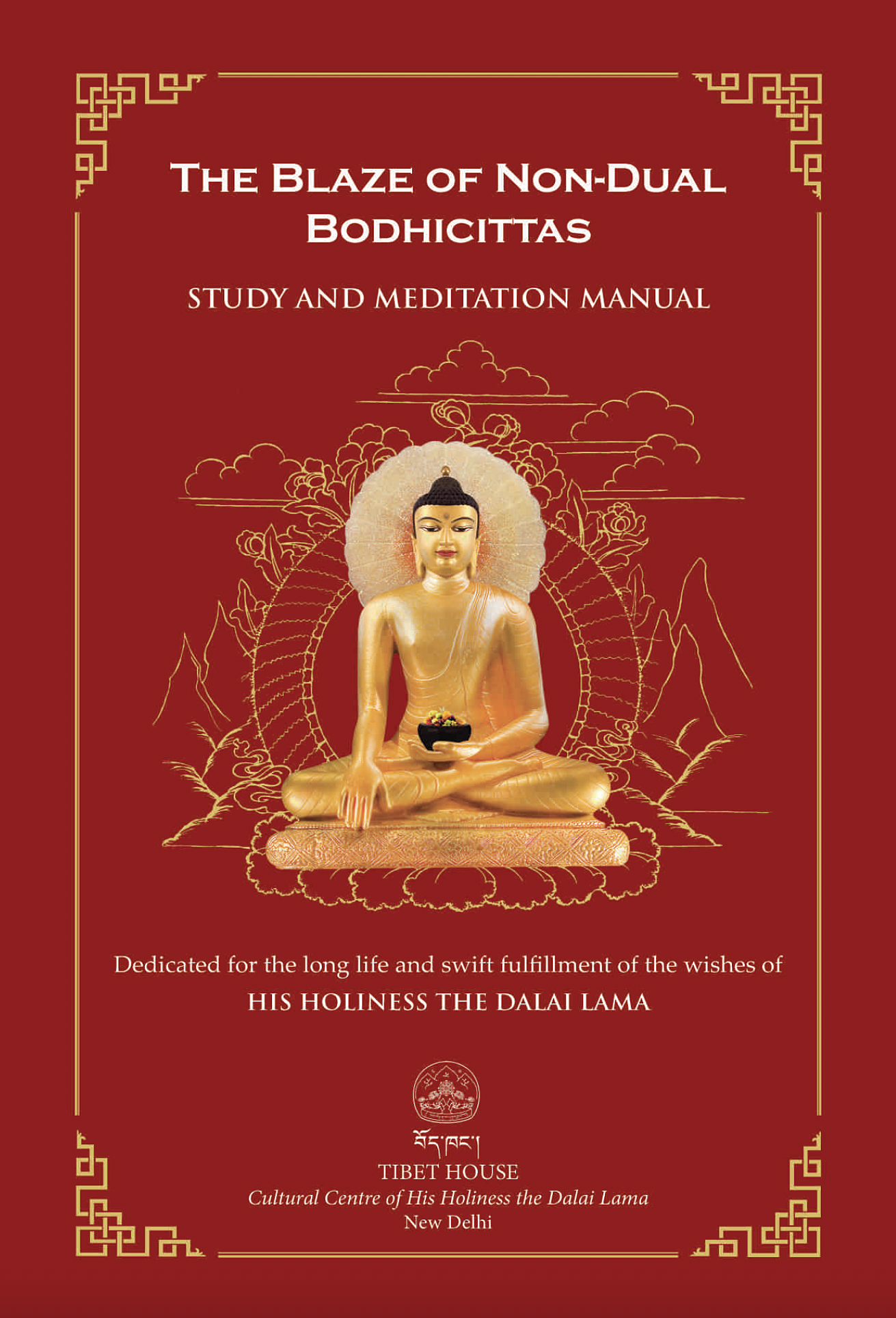
The book is divided into five parts:
I. Daily Recitation and Practice
II. Selected Texts for Study, Reflection and Meditation
III. Additional Prayers, Vows and Commitments
IV. Daily Dedication Prayers
V. Appendix
Part I and Part IV serve as a useful guide for all, who have an inclination towards dharma practice, but do not know how to start and design a daily practice session. It is also useful for those seekers who might be misguided and surmise that dharma practice comprises only of mantra recitation and so forth, thereby missing its essence.
Part II helps strengthen the practitioner’s dharma practice on the basis of selected compositions of great scholars and yogis. The actual breakthrough in the mental transformation happens through changes in the thought process, for which study and reflection are the cornerstones. Any of these profound texts and short extracts may be selected for study, reflection or meditation, on an on-going basis.
Part III reinforces and rejuvenates dharma practice and to that end, may be undertaken on a regular or occasional basis.
Part V introduces the reader to meditation practices, both shamatha (calm abiding) and vipasyana (special insight), including meditation on the breath, as well as methods to cultivate Bodhicitta and the wisdom of emptiness. While there are many texts on the wisdom of emptiness, the meditation included here is designed for all those who are not thoroughly introduced to this subject and still want to familiarise and habituate themselves with the wisdom of emptiness.
Brief notes, Endnotes and Glossary have been added to help the readers unfold the meanings of the texts with ease. (preface, xiv–xv)Written as a supplement to Nagarjuna's Fundamental Verses on the Middle Way, Candrakirti's text integrates the central insight of Nagarjuna's thought—the rejection of any metaphysical notion of intrinsic existence—with the well-known Mahayana framework of the ten levels of the bodhisattva, and it became the most studied presentation of Madhyamaka thought in Tibet.
Completed the year before the author's death, Tsongkhapa's exposition of Candrakirti's text is recognized by the Tibetan tradition as the final standpoint of Tsongkhapa on many philosophical questions, particularly the clear distinctions it draws between the standpoints of the Madhyamaka and Cittamatra schools.
Written in exemplary Tibetan, Tsongkhapa's work presents a wonderful marriage of rigorous Madhyamaka philosophical analysis with a detailed and subtle account of the progressively advancing mental states and spiritual maturity realized by sincere Madhyamaka practitioners.
The work remains the principal textbook for the study of Indian Madhyamaka philosophy in many Tibetan monastic colleges, and it is a principal source for many Tibetan teachers seeking to convey the intricacies of Madhyamaka philosophy to non-Tibetan audiences.
Though it is often cited and well known, this is the first full translation of this key work in a Western language. (Source: Wisdom Publications)