| 🤓 Admin Zone 🛠️ hidden to non-admins | |
བེའུ་བུམ་སྔོན་པོ།
be'u bum sngon po
Blue Compendium
Text
Please note that many items in our library are simply pages that represent a detailed library catalog entry and citation of someone else's work, presentation, or performance. Read our General Disclaimer for more information.

Description
The Blue Compendium contains lamrim instructions from the lineage of Dromtönpa and Potowa. These early teachers did not commit their instructions to writing. However, a tradition of written lamrim and tenrim as well as lojong ("mind training") works emerged within the next two generations of Kadampa teachers. This development went hand in hand with a transition from individual instructions for selected disciples (Ikog chos) to public teachings for a wider audience (tshogs chos). It can therefore be viewed as an attempt to preserve the teaching in an authentic form while at the same time making it accessible to a larger public. It is in this context that the Blue Compendium was composed, not long after its sister text, the Dharma Exemplified: A Heap of Jewels (Dpe chos rin chen spungs pa), which stems from the same generation and teaching lineage. Tradition regards these two works as the seminal treatises of their genre, and they have been described as complementing each other, containing the meaning and the examples, respectively, of the lamrim teachings. Both were composed in the early twelfth century by disciples of Potowa following his death in order to preserve his teachings. (Stages of the Buddha's Teachings: Three Key Texts, translator's introduction, 6)
Reference
Dol pa shes rab rgya mtsho (དོལ་པ་ཤེས་རབ་རྒྱ་མཚོ་). be'u bum sngon po [བེའུ་བུམ་སྔོན་པོ།]. [Blue Compendium].
Interconnections
1 Full translations

The "Stages of the Teachings," or tenrim, genre of Tibetan spiritual writing expounds the Mahayana Buddhist teachings as a systematic progression, from the practices required at the start of the bodhisattva's career to the final perfect awakening of buddhahood. The texts in the present volume each exerted seminal influence in the Tibetan Buddhist tradition. The first text, The Blue Compendium, presents the instructions of the Kadam teacher Potowa (1027/31-1105) as recorded by his student Dölpa (1059-1131). This verse work is followed by Gampopa's (1079-1153) revered Ornament of Precious Liberation, which, with its extensive quotations from the Indian scriptures, remains the most authoritative text on the path to enlightenment within the Kagyü school. The final selection is Clarifying the Sage's Intent, a masterwork by the preeminent sage of the Sakya tradition, Sakya Pandita (1182-1251). (Source: Wisdom Publications)
Another version of Holmes's translation of Gampopa's Ornament of Precious Liberation is found in Ornament of Precious Liberation (Holmes).
2 A topic of

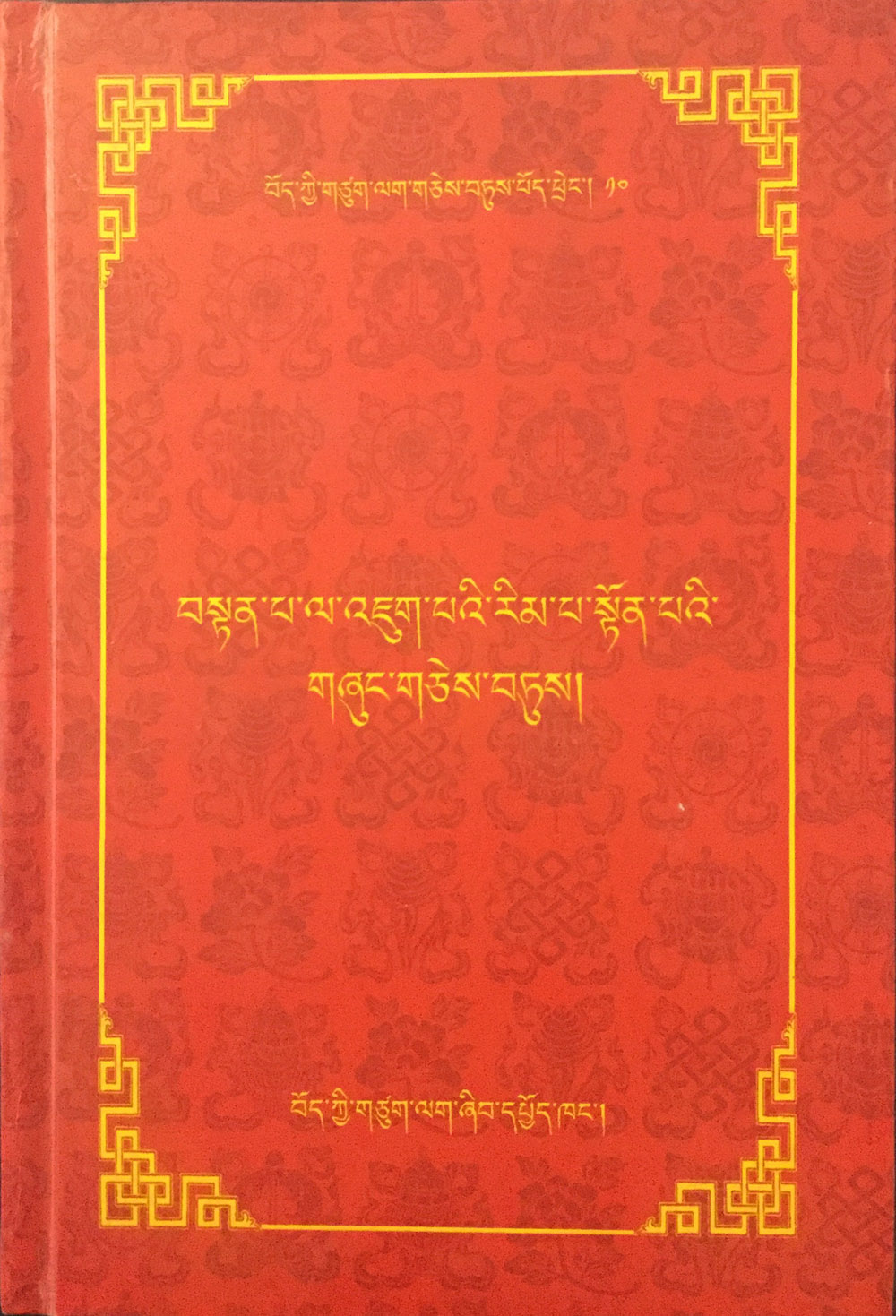
glang ri ba thub bstan sbyin pa. Bstan pa la 'jug pa'i rim pa ston pa'i gzhung. bod kyi gtsug lag gces btus, 10. bod kyi gtsug lag zhib dpyod khang, 2009.
གླང་རི་བ་ཐུབ་བསྟན་སྦྱིན་པ། བསྟན་པ་ལ་འཇུག་པའི་རིམ་པ་སྟོན་པའི་གཞུང་། བོད་ཀྱི་གཙུག་ལག་གཅེས་བཏུས། ༡༠ བོད་ཀྱི་གཙུག་ལག་ཞིབ་དཔྱོད་ཁང་།
Thupten Jinpa. Stages of the Doctrine: 3 Works. Tibetan Classics Series, 10. New Delhi: Institute of Tibetan Classics, 2009.The "Stages of the Teachings," or tenrim, genre of Tibetan spiritual writing expounds the Mahayana Buddhist teachings as a systematic progression, from the practices required at the start of the bodhisattva's career to the final perfect awakening of buddhahood. The texts in the present volume each exerted seminal influence in the Tibetan Buddhist tradition. The first text, The Blue Compendium, presents the instructions of the Kadam teacher Potowa (1027/31-1105) as recorded by his student Dölpa (1059-1131). This verse work is followed by Gampopa's (1079-1153) revered Ornament of Precious Liberation, which, with its extensive quotations from the Indian scriptures, remains the most authoritative text on the path to enlightenment within the Kagyü school. The final selection is Clarifying the Sage's Intent, a masterwork by the preeminent sage of the Sakya tradition, Sakya Pandita (1182-1251). (Source: Wisdom Publications)
Another version of Holmes's translation of Gampopa's Ornament of Precious Liberation is found in Ornament of Precious Liberation (Holmes).