| 🤓 Admin Zone 🛠️ hidden to non-admins | |
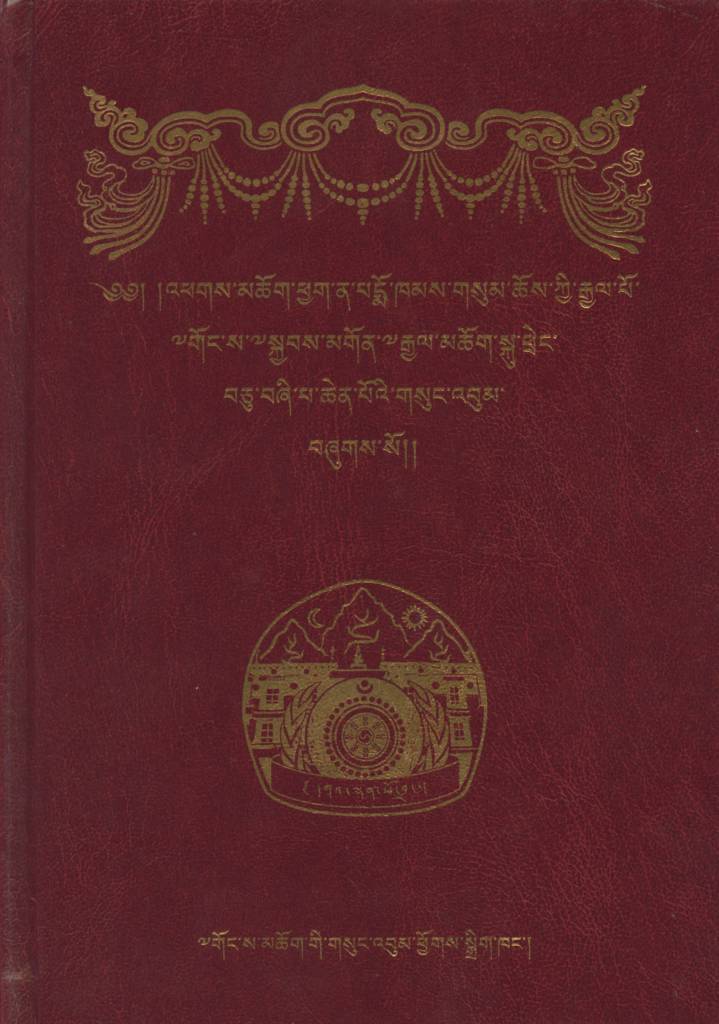
སྡོམ་གསུམ་རབ་དབྱེ།
sdom gsum rab dbye
Distinguishing the Three Vows
Text
Please note that many items in our library are simply pages that represent a detailed library catalog entry and citation of someone else's work, presentation, or performance. Read our General Disclaimer for more information.

Description
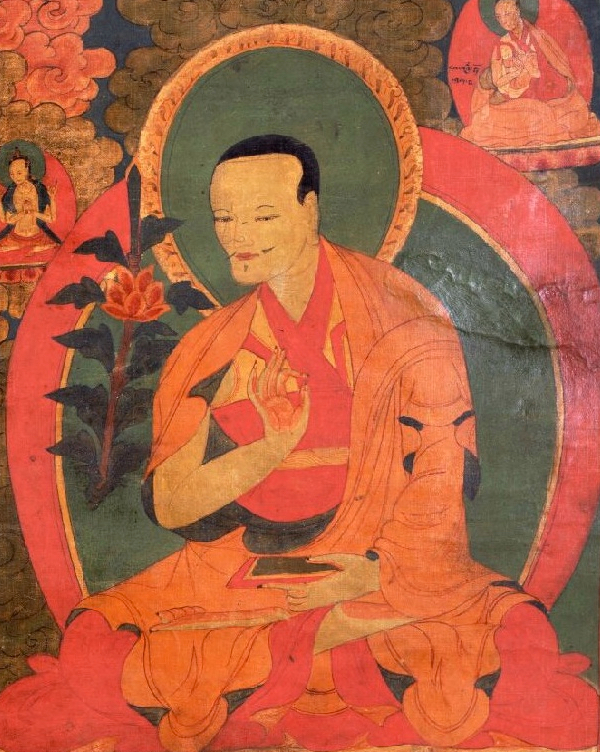
Written circa 1232 when the author was about fifty years old, it is an expansive treatise on the three vows pertaining to the three vehicles of Buddhism that is one of Sakya Paṇḍita's most important and influential works. Nevertheless, it was controversial in its time for the criticism the author levels against the philosophical positions of various scholars and schools of thought.
Reference
Sa skya paN+Di ta (ས་སྐྱ་པཎྜི་ཏ་). sdom gsum rab dbye [སྡོམ་གསུམ་རབ་དབྱེ།]. [Distinguishing the Three Vows].
Recensions
| Tibetan | Sa skya paN+Di ta. སྡོམ་གསུམ་རབ་དབྱེ།, (Sdom gsum rab dbye).
|
|---|

Citations of Related Scholarship
Interconnections
1 Full translations

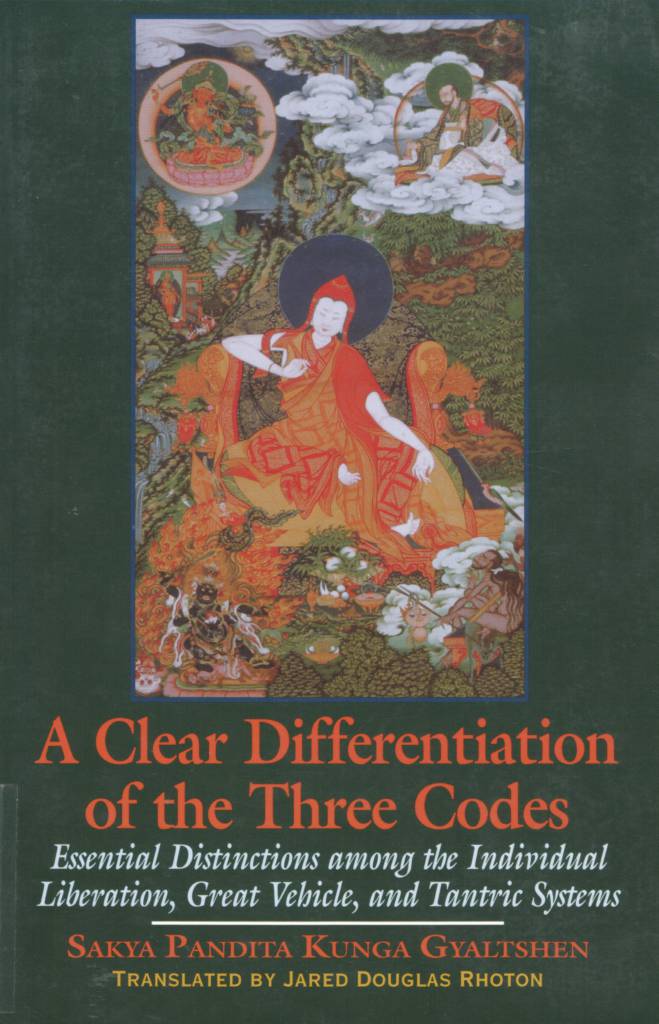
A Clear Differentiation of the Three Codes presents the first English translation of the sDom gsum rab dbye, one of the most famous and controversial doctrinal treatises of Tibetan Buddhism. Written by Sakya Pandita Kunga Gyaltshen (1182–1251), a founder of the Sakya school and one of Tibet’s most learned sages, The Three Codes strongly influenced subsequent religious and intellectual traditions in Tibet—and sparked a number of long-lasting doctrinal and philosophical disputes, some of which persist today.
In The Three Codes, Sakya Pandita discusses the Hinayana, Mahayana, and Tantric vows of Buddhist conduct, which often diverge and contradict each other. He criticizes, on at least one point or another, later practitioners of almost every lineage, including the Kadampa, Kagyupa, and Nyingmapa, for contradicting the original teachings of their own traditions. (Source: SUNY Press)
2 Classical commentaries

Go rams pa bsod nams seng ge. sdom pa gsum gyi rab tu dbye ba'i kha skong gzhi lam 'bras gsum gsal bar byed pa'i legs bshad 'od kyi snang ba [སྡོམ་པ་གསུམ་གྱི་རབ་ཏུ་དབྱེ་བའི་ཁ་སྐོང་གཞི་ལམ་འབྲས་གསུམ་གསལ་བར་བྱེད་པའི་ལེགས་བཤད་འོད་ཀྱི་སྣང་བ།].
Gorampa Sönam Senge's detailed commentary on Sakya Paṇḍita's Distinguishing the Three Vows (Sdom gsum rab dbye). It was written in the Female Water-Sheep year (1463), during the month of Chaitra, at the temple of Kyemo Tsel (skyed mo tshal) in Dreg-yul Dzongkar ('bras yul rdzong dkar).
1 Modern commentaries

A set of short texts compiled from H.H. the 14th Dalai Lama's teachings on three main texts: 1) A Lamp for the Path to Enlightenment (Bodhipathapradīpa, བྱང་ཆུབ་ལམ་གྱི་སྒྲོན་མ།, byang chub lam gyi sgron ma), Elucidating the Sage's Intent (ཐུབ་པའི་དགོངས་པ་རབ་ཏུ་གསལ་བ།, thub pa'i dgongs pa rab tu gsal ba), and Distinguishing the Three Vows (སྡོམ་གསུམ་རབ་དབྱེ།, sdom gsum rab dbye). Created by the Centre for Compilation and Editing of His Holiness The 14th Dalai Lama's Writings and Discourses. Edited by Sogan Tulku Pema Lodoe and others.
1 Scholarship

Fujita, Kōkan. "One Aspect of the Acceptance of the Bodhisattva-śīla in Tibet." (In Japanese.) Indogaku Bukkyōgaku Kenkyū (Journal of Indian and Buddhist Studies) 36, no. 2 (1988): 108–15. https://www.jstage.jst.go.jp/article/ibk1952/36/2/36_2_878/_pdf/-char/en.
1 Related

While his best-known work on the bodhicitta vow is A Clear Differentiation of the Three Codes (Sdom gsum rab dbye), which is still widely studied in the Sakya tradition, the SKCG is unique in its advocacy for a clear differentiation between two textual traditions of the ritual for taking the bodhicitta vow—namely, the Cittamātra tradition and the Madhyamaka tradition. This notion—and, in particular, Sakya Paṇḍita's presentation—has had a lasting impact up to the present day for members of the Sakya school as well as followers of other schools. Source: Bella Chao, "Sakya Paṇḍita’s Ritual for Generating the Mind According to the Madhyamaka Tradition (dbu ma lugs kyi sems bskyed kyi cho ga)." MA thesis (Centre for Buddhist Studies at Rangjung Yeshe Institute, Kathmandu University, 2023), 2.
1 A topic of
A set of short texts compiled from H.H. the 14th Dalai Lama's teachings on three main texts: 1) A Lamp for the Path to Enlightenment (Bodhipathapradīpa, བྱང་ཆུབ་ལམ་གྱི་སྒྲོན་མ།, byang chub lam gyi sgron ma), Elucidating the Sage's Intent (ཐུབ་པའི་དགོངས་པ་རབ་ཏུ་གསལ་བ།, thub pa'i dgongs pa rab tu gsal ba), and Distinguishing the Three Vows (སྡོམ་གསུམ་རབ་དབྱེ།, sdom gsum rab dbye). Created by the Centre for Compilation and Editing of His Holiness The 14th Dalai Lama's Writings and Discourses. Edited by Sogan Tulku Pema Lodoe and others.