| 🤓 Admin Zone 🛠️ hidden to non-admins | |
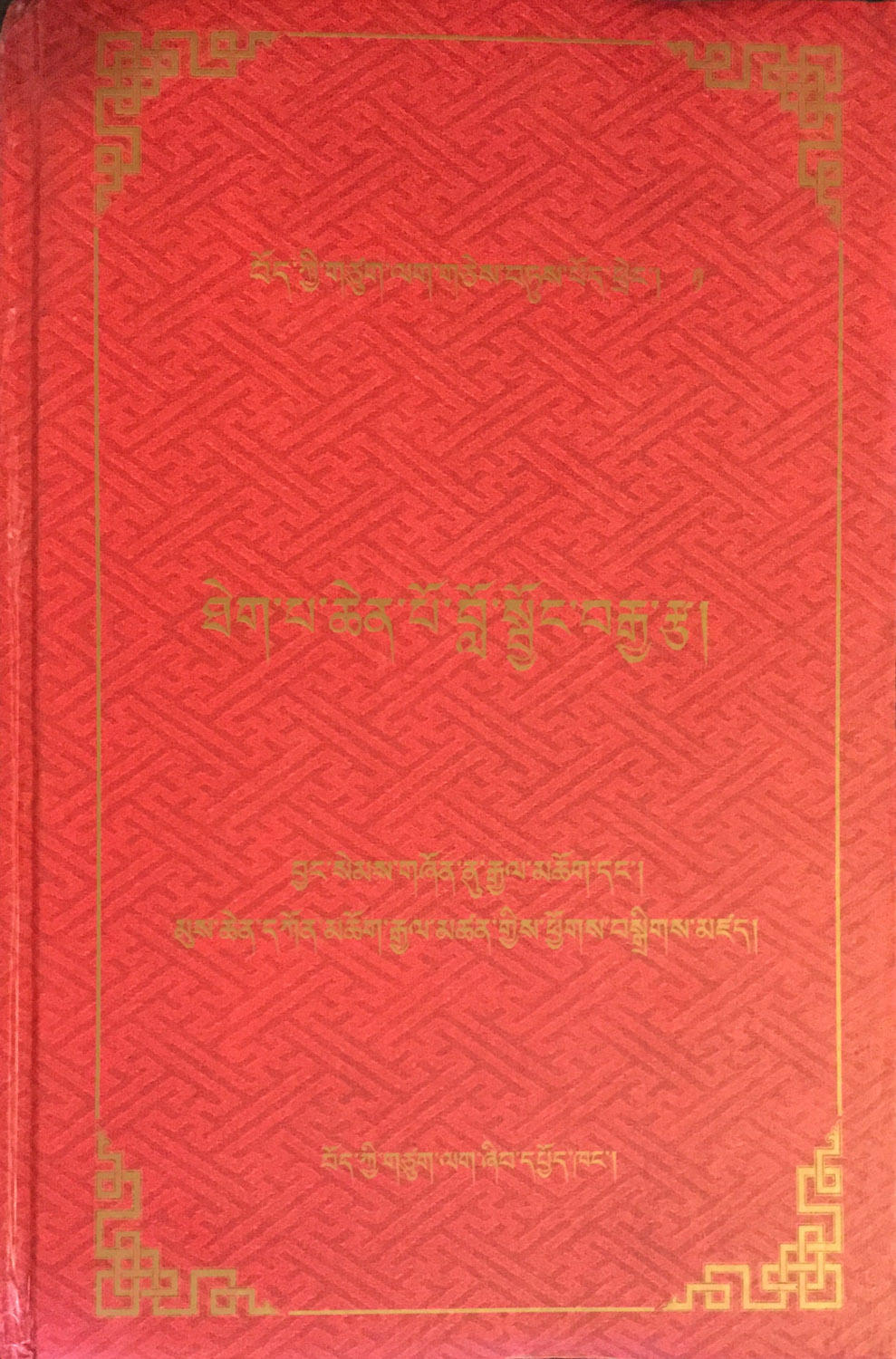
ཞེན་པ་བཞི་བྲལ་གྱི་གདམས་ངག།
zhen pa bzhi bral gyi gdams ngag
Root Lines of "Parting from the Four Clingings"
Text
Please note that many items in our library are simply pages that represent a detailed library catalog entry and citation of someone else's work, presentation, or performance. Read our General Disclaimer for more information.


Description
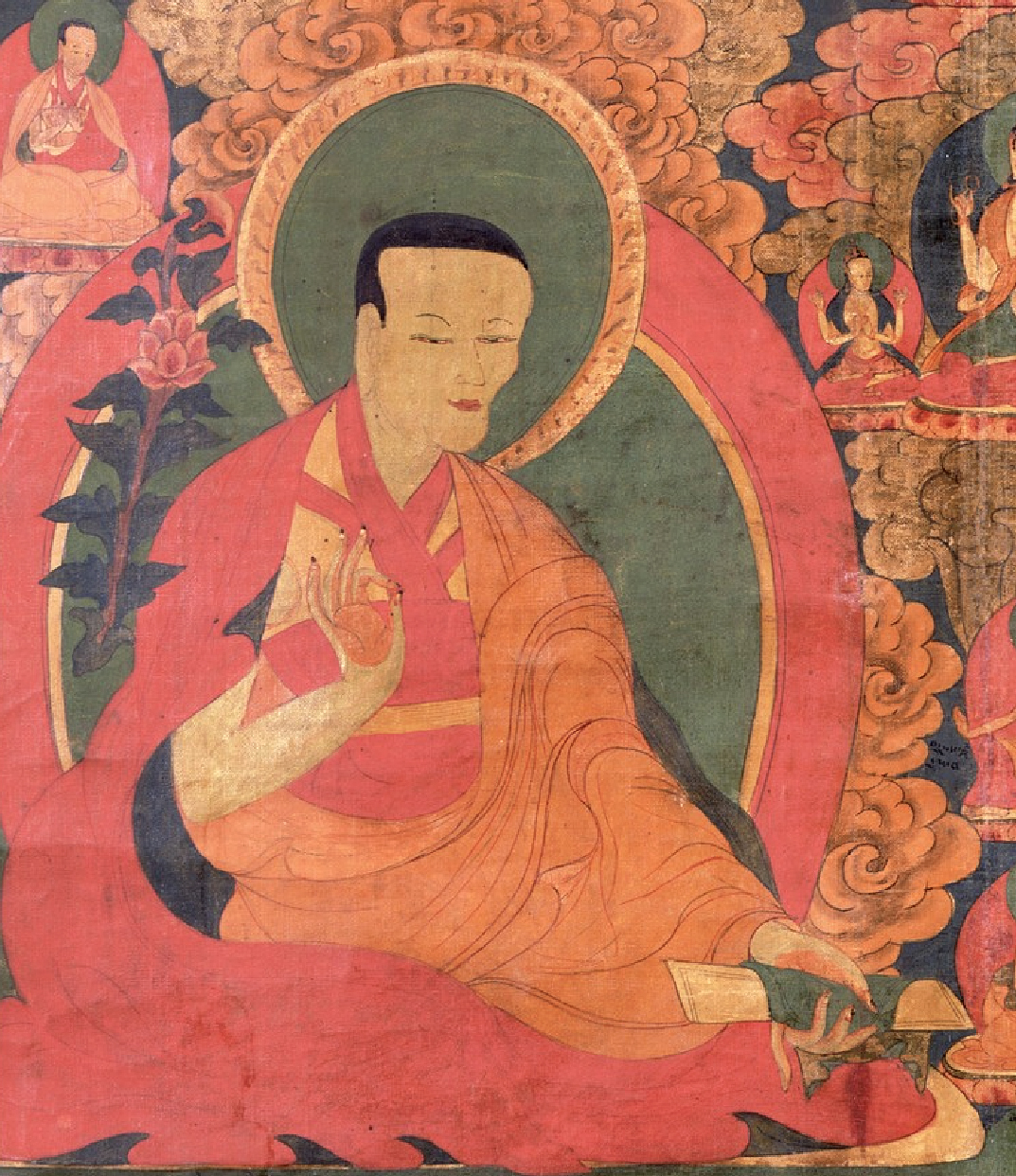
As explicitly mentioned in this brief text, the four lines that present the core instruction of the practice of parting from the four clingings is traditionally recognized as a revelation from Mañjuśrī, the buddha of wisdom. Jamgön Amé, in his Lineages of the Sakya Family (Sa skya'i gdung rabs, p. 26), identifies Sachen Kunga Nyingpo as the "great Sakyapa," who experienced this vision of Mañjuśrī and received the revelation. Interestingly, Nupa Rikzin Drak . . . identifies Drakpa Gyaltsen as the origin of this instruction. The explanations of the origin of this instruction may have been added on by an editor or by Könchok Gyaltsen . . . who was himself an important member of the Sakya school. The four root lines of Parting from the Four Clingings appear in volume 4 of the Collected Works of Drakpa Gyaltsen, p. 297b. (Thupten Jinpa, Mind Training: The Great Collection, 649n1010)
Reference
zhen pa bzhi bral gyi gdams ngag [ཞེན་པ་བཞི་བྲལ་གྱི་གདམས་ངག།]. [Root Lines of "Parting from the Four Clingings"].
Interconnections
1 Recensions

A collection of mind training texts compiled by Zhönu Gyalchok and Müchen Sempa Chenpo Könchok Gyaltsen; critically edited by the Institute of Tibetan Classics.
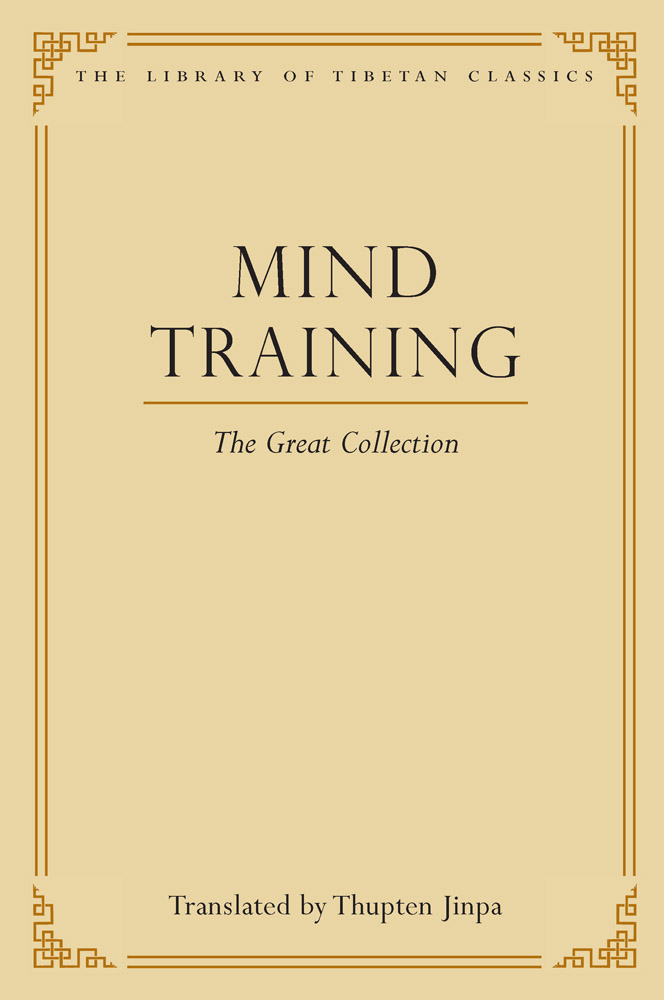
Compiled in the fifteenth century, Mind Training: The Great Collection is the earliest anthology of a special genre of Tibetan literature known as "mind training," or lojong in Tibetan. The principal focus of these texts is the systematic cultivation of such altruistic thoughts and emotions as compassion, love, forbearance, and perseverance.
The mind-training teachings are highly revered by the Tibetan people for their pragmatism and down-to-earth advice on coping with the various challenges and hardships that unavoidably characterize everyday human existence. The volume contains forty-four individual texts, including the most important works of the mind training cycle, such as Serlingpa's well-known Leveling Out All Preconceptions, Atisha's Bodhisattva’s Jewel Garland, Langri Thangpa's Eight Verses on Training the Mind, and Chekawa's Seven-Point Mind Training together with the earliest commentaries on these seminal texts. (Source Accessed Apr 30, 2025)1 Full translations

Compiled in the fifteenth century, Mind Training: The Great Collection is the earliest anthology of a special genre of Tibetan literature known as “mind training,” or lojong in Tibetan. The principal focus of these texts is the systematic cultivation of such altruistic thoughts and emotions as compassion, love, forbearance, and perseverance. The mind-training teachings are highly revered by the Tibetan people for their pragmatism and down-to-earth advice on coping with the various challenges and hardships that unavoidably characterize everyday human existence.
The volume contains forty-four individual texts, including the most important works of the mind training cycle, such as Serlingpa's well-known Leveling Out All Preconceptions, Atisha's Bodhisattva's Jewel Garland, Langri Thangpa's Eight Verses on Training the Mind, and Chekawa's Seven-Point Mind Training together with the earliest commentaries on these seminal texts. An accurate and lyrical translation of these texts, many of which are in metered verse, marks an important contribution to the world's literary heritage, enriching its spiritual resources. (Source: Wisdom Publications)
1 Member of

Theg pa chen po blo sbyong rgya rtsa
Compiled by Shonu Gyalchok (ca. fourteenth-fifteenth centuries) and Konchok Gyaltsen (1388-1469)
Compiled in the fifteenth century, Mind Training: The Great Collection (Theg pa chen po blo sbyong rgya rtsa) represents the earliest anthology of a special genre of Tibetan spiritual literature known simply as "mind training" or lojong in Tibetan. Tibetans revere the mind training tradition for its pragmatic and down-to-earth advice, especially the teachings on "transforming adversities into favorable opportunities." This volume contains forty-three individual texts, including the most important works of the mind training cycle, such as Serlingpa's Leveling out All Conceptions, Atisa's Bodhisattva's Jewel Garland, Langri Thangpa's Eight Verses on Mind Training, and Chekawa's Seven-Point Mind Training, together with the earliest commentaries on these seminal texts as well as other independent works. These texts expound the systematic cultivation of such altruistic thoughts and emotions as compassion, love, forbearance, and perseverance. Central to this discipline are the diverse practices for combating our habitual self-centeredness and the afflictive emotions and way of being that arise from it. (Source: Mind Training: The Great Collection translated by Thupten Jinpa)