| 🤓 Admin Zone 🛠️ hidden to non-admins | |


Description
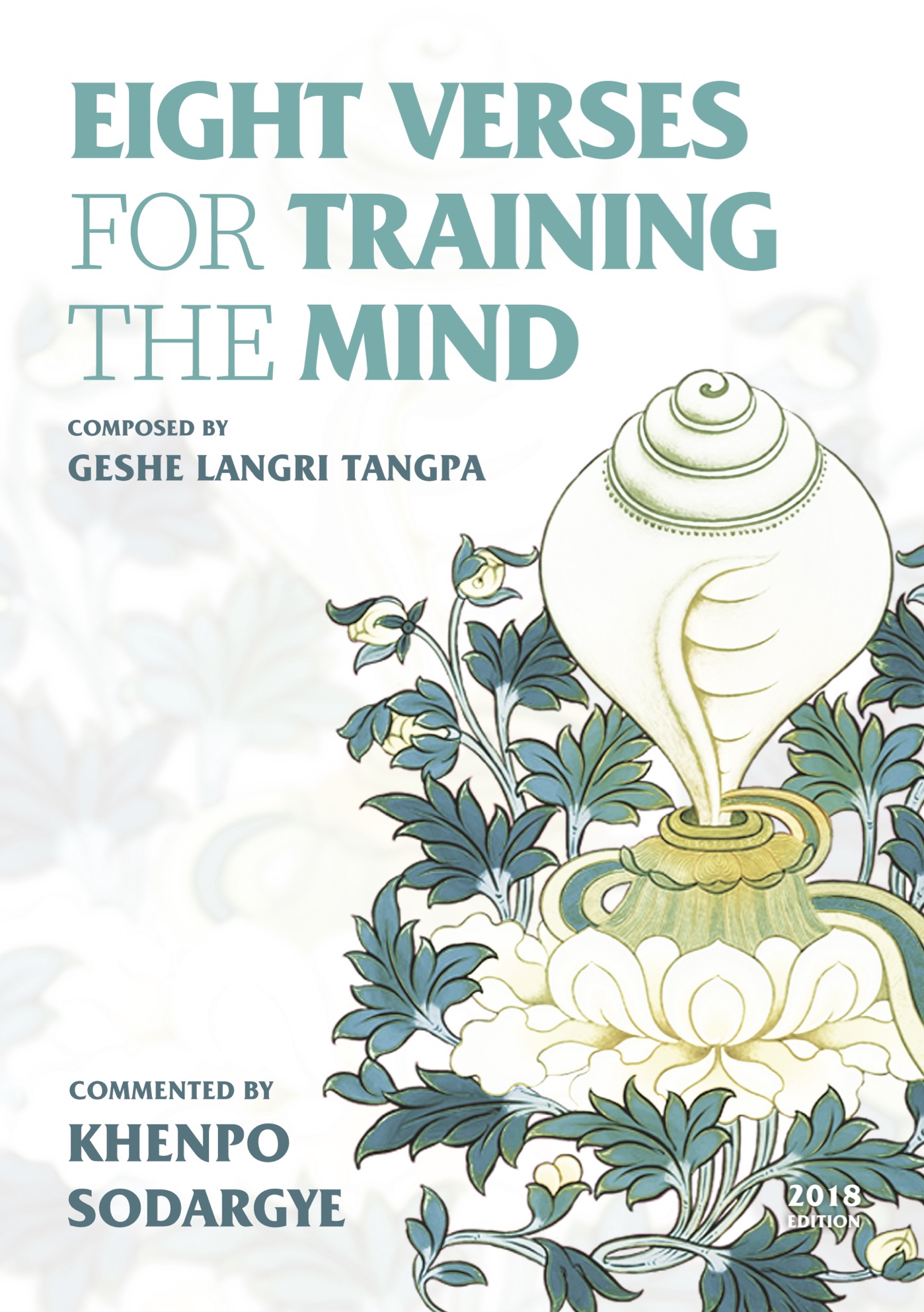
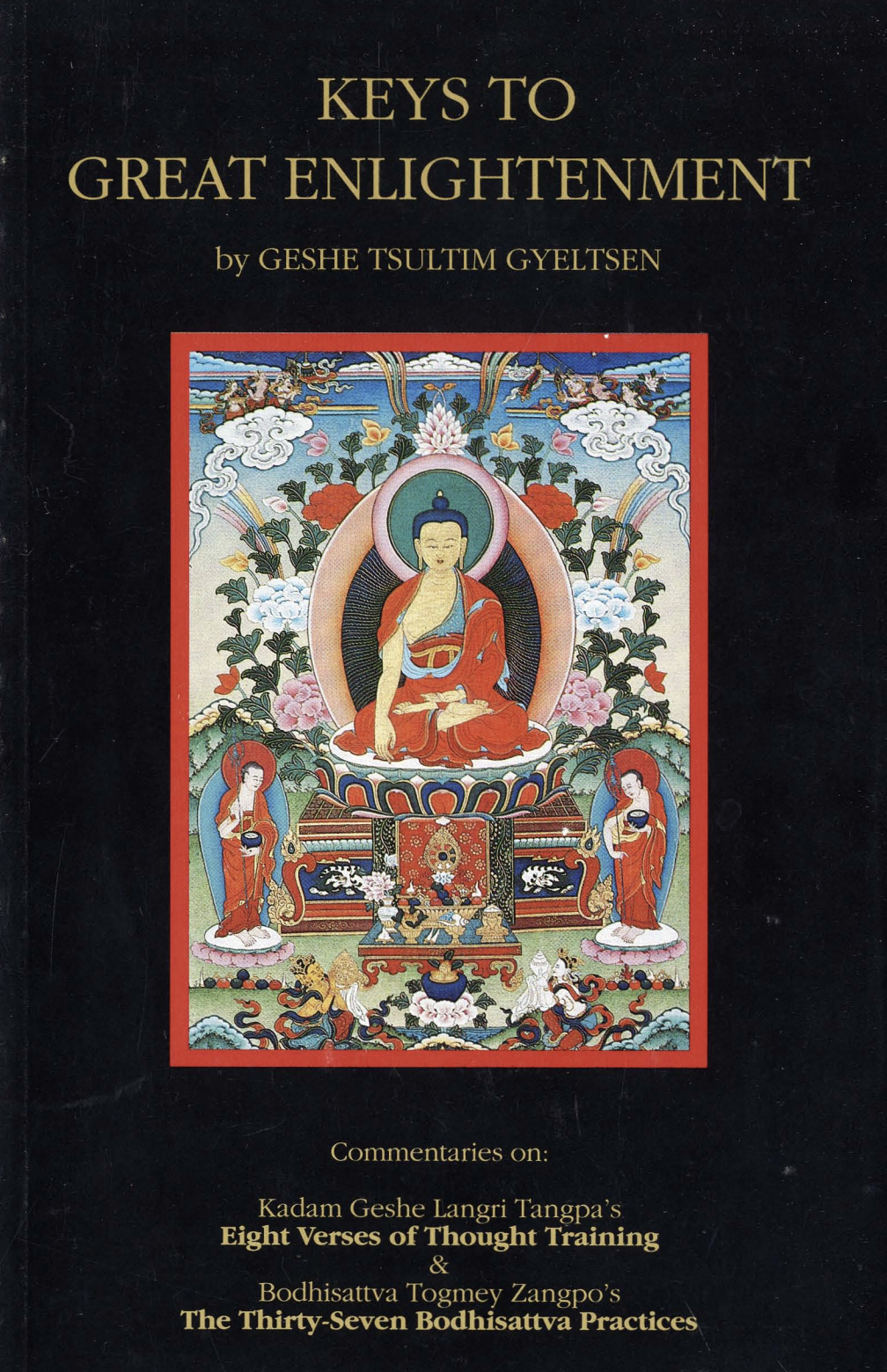
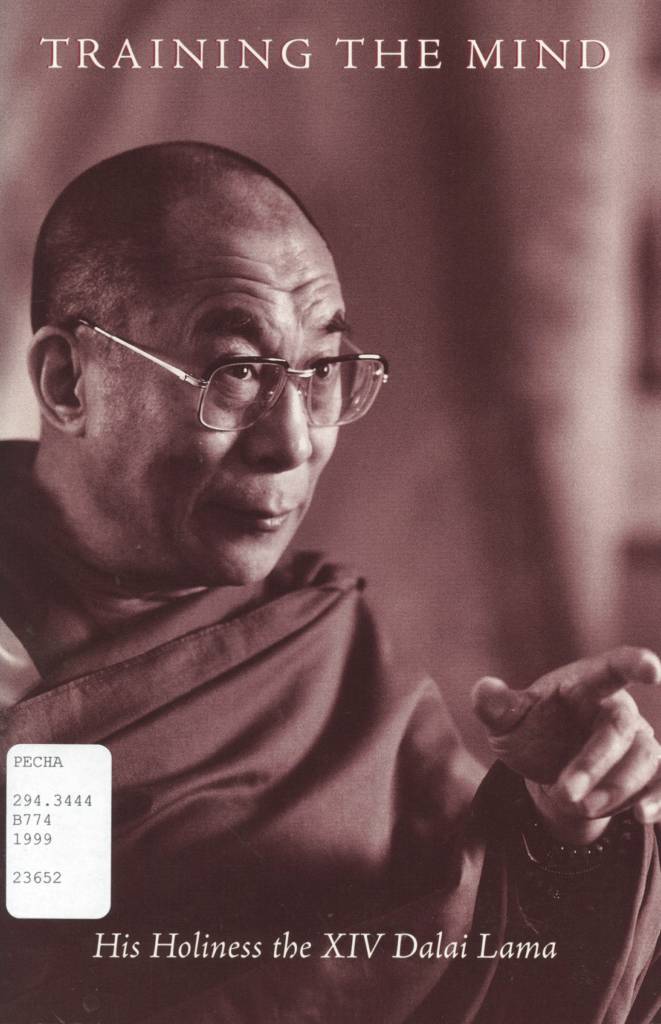
cultivating the awakening mind of compassion, wisdom, and love. This eight-verse lojong enshrines the very heart of Dharma, revealing the true essence of the Mahayana path to liberation. Even a single line of this practice can be seen as encapsulating the entire teaching of the Buddha. For even a single statement of this mind training practice has the incredible power to help us subdue our self-oriented behavior and mental afflictions. The fundamental theme of mind training practice is the profound reorientation of our basic attitude, both toward our own self and toward our fellow human beings, as well as toward the events around us. The goal of mind training practice is the radical transformation of our thoughts, attitudes, and habits. Presently, we tend to cherish the welfare of our own self at the expense of all others. However, the mind training teaching challenges us to reverse this process. This involves a deep understanding of others as true friends, and the recognition that our
true enemy lies inside of ourselves, not outside. Source Accessed Jan 30, 2025)
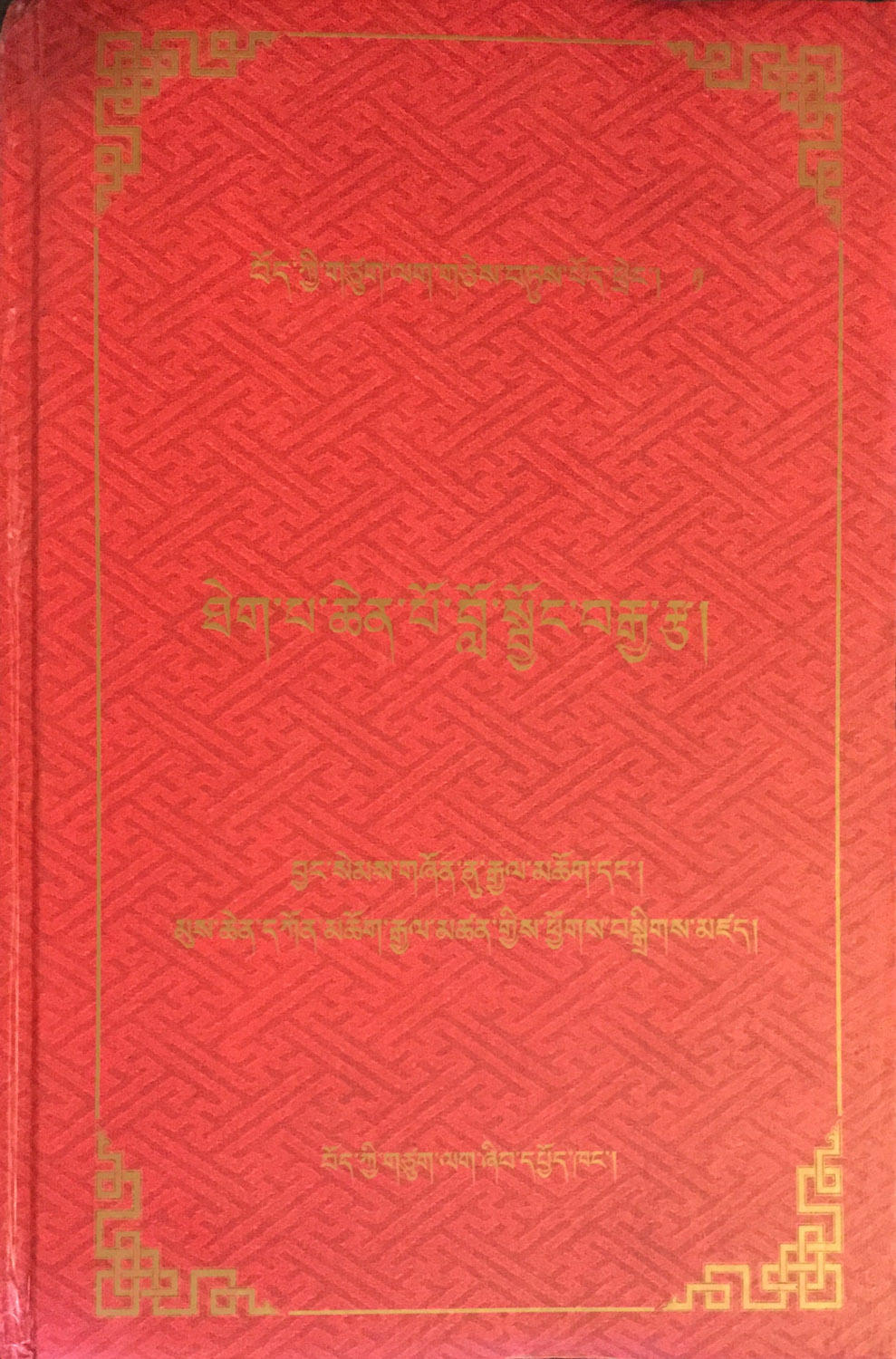
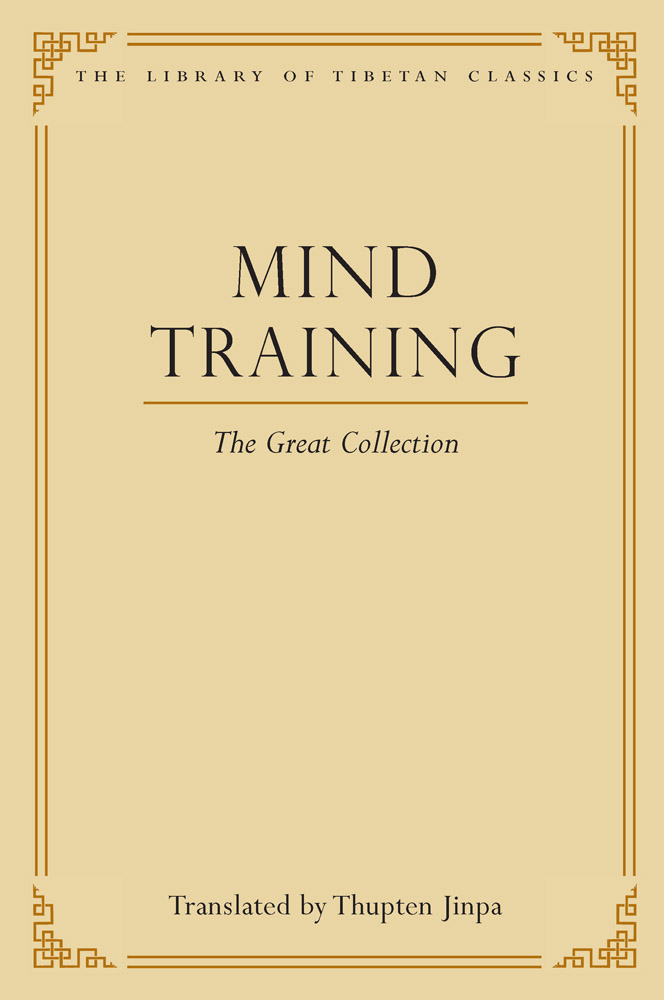
Compiled in the fifteenth century, Mind Training: The Great Collection is the earliest anthology of a special genre of Tibetan literature known as "mind training," or lojong in Tibetan. The principal focus of these texts is the systematic cultivation of such altruistic thoughts and emotions as compassion, love, forbearance, and perseverance.
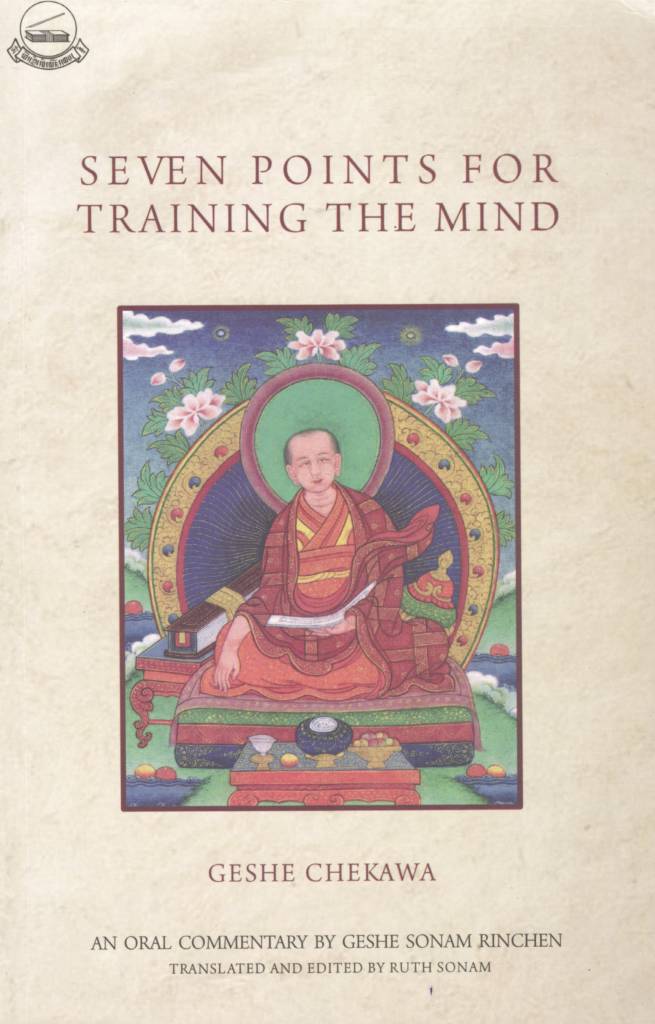
The mind-training teachings are highly revered by the Tibetan people for their pragmatism and down-to-earth advice on coping with the various challenges and hardships that unavoidably characterize everyday human existence. The volume contains forty-four individual texts, including the most important works of the mind training cycle, such as Serlingpa's well-known Leveling Out All Preconceptions, Atisha's Bodhisattva’s Jewel Garland, Langri Thangpa's Eight Verses on Training the Mind, and Chekawa's Seven-Point Mind Training together with the earliest commentaries on these seminal texts. (Source Accessed Apr 30, 2025)
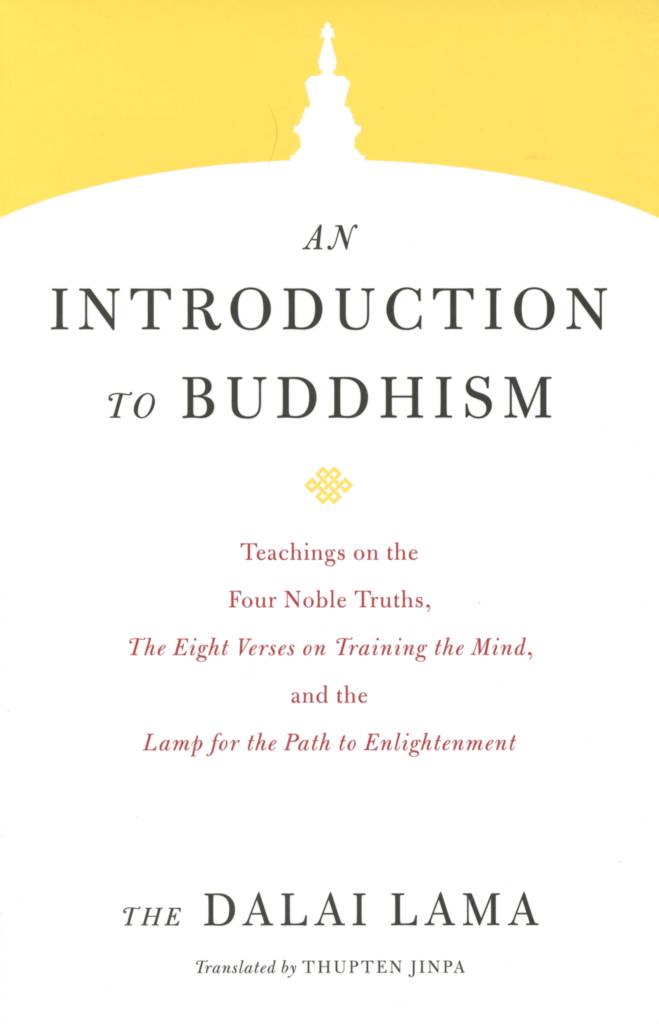
-front.jpeg)
-front.jpg)

-front.jpg)
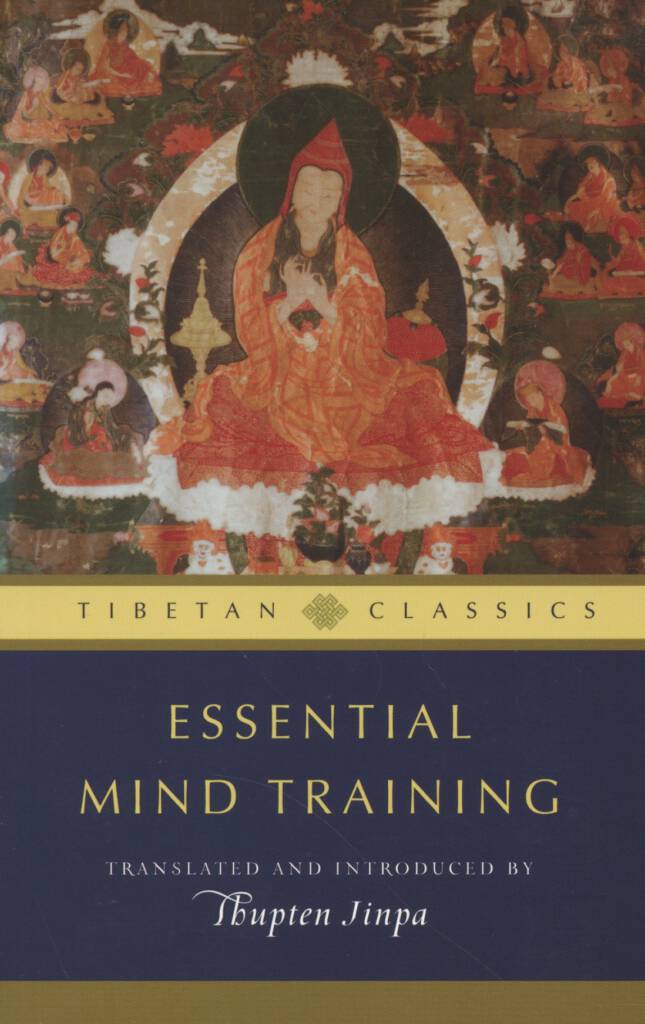
This volume contains eighteen individual works selected from Mind Training: The Great Collection, the earliest compilation of mind-training (lojong) literature. The first volume of the historic Tibetan Classics series, Essential Mind Training includes both lesser-known and renowned classics such as Eight Verses on Mind Training and The Seven-Point Mind Training. These texts offer methods for practicing the golden rule of learning to love your neighbor as yourself and are full of practical and down-to-earth advice.
The techniques explained here, by enhancing our capacity for compassion, love, and perseverance, can give us the freedom to embrace the world. (Source: Wisdom Publications)


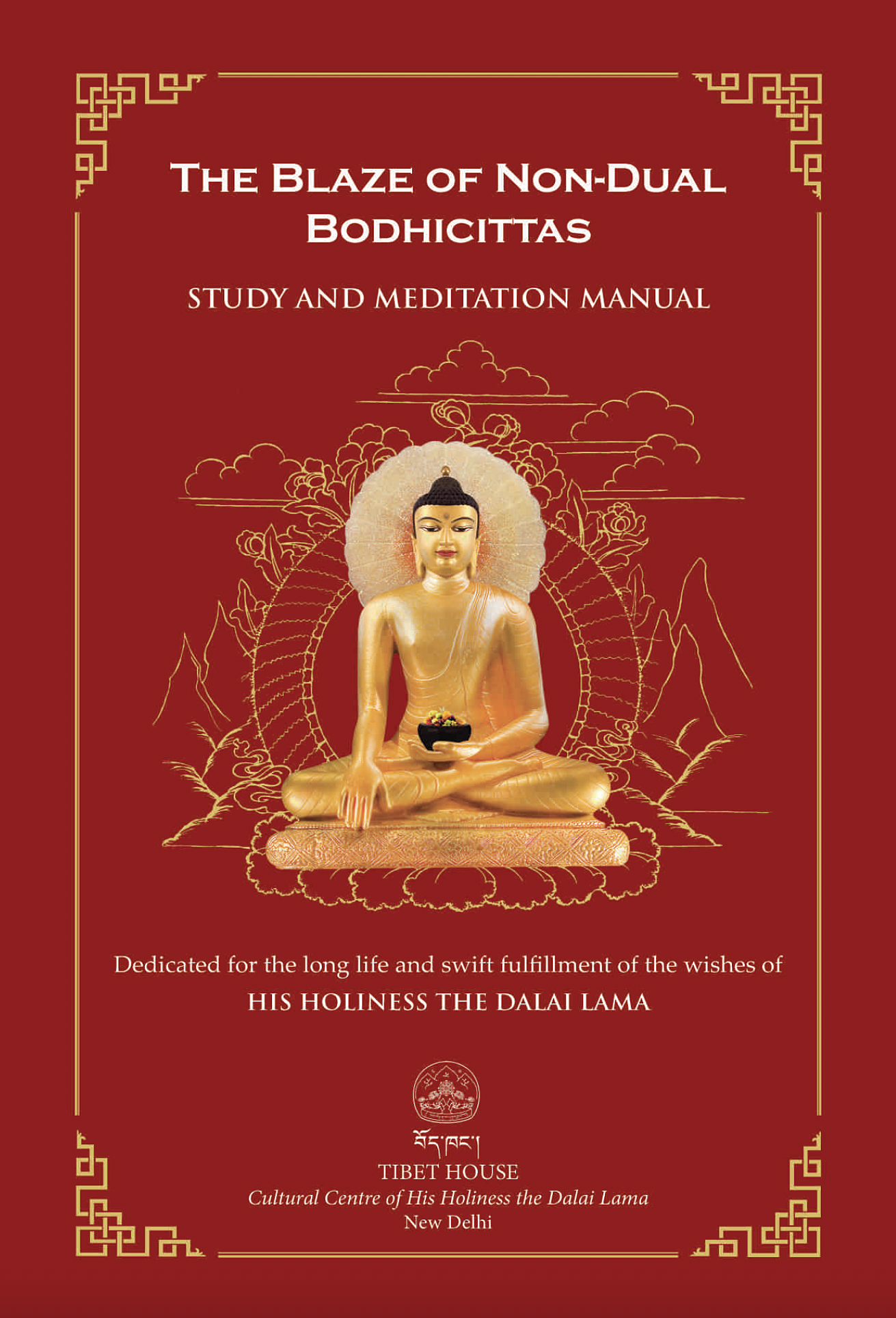
The book is divided into five parts:
I. Daily Recitation and Practice
II. Selected Texts for Study, Reflection and Meditation
III. Additional Prayers, Vows and Commitments
IV. Daily Dedication Prayers
V. Appendix
Part I and Part IV serve as a useful guide for all, who have an inclination towards dharma practice, but do not know how to start and design a daily practice session. It is also useful for those seekers who might be misguided and surmise that dharma practice comprises only of mantra recitation and so forth, thereby missing its essence.
Part II helps strengthen the practitioner’s dharma practice on the basis of selected compositions of great scholars and yogis. The actual breakthrough in the mental transformation happens through changes in the thought process, for which study and reflection are the cornerstones. Any of these profound texts and short extracts may be selected for study, reflection or meditation, on an on-going basis.
Part III reinforces and rejuvenates dharma practice and to that end, may be undertaken on a regular or occasional basis.
Part V introduces the reader to meditation practices, both shamatha (calm abiding) and vipasyana (special insight), including meditation on the breath, as well as methods to cultivate Bodhicitta and the wisdom of emptiness. While there are many texts on the wisdom of emptiness, the meditation included here is designed for all those who are not thoroughly introduced to this subject and still want to familiarise and habituate themselves with the wisdom of emptiness.
Brief notes, Endnotes and Glossary have been added to help the readers unfold the meanings of the texts with ease. (preface, xiv–xv)

Compiled by Shonu Gyalchok (ca. fourteenth-fifteenth centuries) and Konchok Gyaltsen (1388-1469)
Compiled in the fifteenth century, Mind Training: The Great Collection (Theg pa chen po blo sbyong rgya rtsa) represents the earliest anthology of a special genre of Tibetan spiritual literature known simply as "mind training" or lojong in Tibetan. Tibetans revere the mind training tradition for its pragmatic and down-to-earth advice, especially the teachings on "transforming adversities into favorable opportunities." This volume contains forty-three individual texts, including the most important works of the mind training cycle, such as Serlingpa's Leveling out All Conceptions, Atisa's Bodhisattva's Jewel Garland, Langri Thangpa's Eight Verses on Mind Training, and Chekawa's Seven-Point Mind Training, together with the earliest commentaries on these seminal texts as well as other independent works. These texts expound the systematic cultivation of such altruistic thoughts and emotions as compassion, love, forbearance, and perseverance. Central to this discipline are the diverse practices for combating our habitual self-centeredness and the afflictive emotions and way of being that arise from it. (Source: Mind Training: The Great Collection translated by Thupten Jinpa)
Event was hosted by Sangchen Norbu Ling (Spain) with translations into Spanish, French and German. Sakya Friends team was authorized to translate the teachings in Sakya Friends ZOOM into Chinese, Vietnamese, Nepali, Mongolian, Hungarian, Russian, Italian and Portuguese.
Teaching was based on the text by Geshe Langri Tangpa (1054–1123): https://www.lotsawahouse.org/tibetan-...
ABOUT ASANGA VAJRA RINPOCHE
His Eminence Khöndung Asanga Vajra Rinpoche is one the heirs of the Throne of Sakya (one of the four main schools of Tibetan Buddhism) and will become His Holiness the Sakya Trizin (throne-holder of Sakya School of Tibetan Buddhism) in future.

- Note the dating discrepancy between the title page of the video and the caption.


Event was hosted by Sangchen Norbu Ling (Spain) with translations into Spanish, French and German. Sakya Friends team was authorized to translate the teachings in Sakya Friends ZOOM into Chinese, Vietnamese, Nepali, Mongolian, Hungarian, Russian, Italian and Portuguese.
Teaching was based on the text by Geshe Langri Tangpa (1054–1123): https://www.lotsawahouse.org/tibetan-...
ABOUT ASANGA VAJRA RINPOCHE
His Eminence Khöndung Asanga Vajra Rinpoche is one the heirs of the Throne of Sakya (one of the four main schools of Tibetan Buddhism) and will become His Holiness the Sakya Trizin (throne-holder of Sakya School of Tibetan Buddhism) in future.- Note the dating discrepancy between the title page of the video and the caption.

The book is divided into five parts:
I. Daily Recitation and Practice
II. Selected Texts for Study, Reflection and Meditation
III. Additional Prayers, Vows and Commitments
IV. Daily Dedication Prayers
V. Appendix
Part I and Part IV serve as a useful guide for all, who have an inclination towards dharma practice, but do not know how to start and design a daily practice session. It is also useful for those seekers who might be misguided and surmise that dharma practice comprises only of mantra recitation and so forth, thereby missing its essence.
Part II helps strengthen the practitioner’s dharma practice on the basis of selected compositions of great scholars and yogis. The actual breakthrough in the mental transformation happens through changes in the thought process, for which study and reflection are the cornerstones. Any of these profound texts and short extracts may be selected for study, reflection or meditation, on an on-going basis.
Part III reinforces and rejuvenates dharma practice and to that end, may be undertaken on a regular or occasional basis.
Part V introduces the reader to meditation practices, both shamatha (calm abiding) and vipasyana (special insight), including meditation on the breath, as well as methods to cultivate Bodhicitta and the wisdom of emptiness. While there are many texts on the wisdom of emptiness, the meditation included here is designed for all those who are not thoroughly introduced to this subject and still want to familiarise and habituate themselves with the wisdom of emptiness.
Brief notes, Endnotes and Glossary have been added to help the readers unfold the meanings of the texts with ease. (preface, xiv–xv)