| 🤓 Admin Zone 🛠️ hidden to non-admins | |
- A Buddhist 'good life' Theory: Śāntideva's Bodhicaryāvatāra
- A Critical Study of Ācārya Śāntideva's Bodhicaryāvatāra
- A Critical Study of Ācārya Śāntideva's Bodhicaryāvatāra (diss)
- A Flash of Lightning in the Dark of Night
- A Nirvana that Is Burning in Hell: Pain and Flourishing in Mahayana Buddhist Moral Thought
- A Note on Mahāyāna Buddhism and the Bodhicaryāvatāra
- A Role for Primordial Wisdom in the Buddhist Free Will Controversy
- A Short Presentation of Śāntideva's Bodhicaryāvatāra
- A Study of the Ṡikṣasamuccaya of Āchārya Shāntideva
- Akṣayamati's Bodhisattvacaryāvatāra as Found in the Tibetan Manuscripts from Dūn-huáng
- Altruism and Reality (1998)
- Altruism in the Charnel Ground: Śāntideva and Parfit on Anātman, Reductionism and Benevolence
- An Inquiry into the Relationship between the Śikṣāsamuccaya and the Bodhi(sattva)caryāvatāra
- An Introduction to Buddhist Ethics
- Anger: The Seven Deadly Sins
- Aspekte der Schulung in der Laufbahn eines Bodhisattva
- Aspekte der Schulung in der Laufbahn eines Bodhisattva-Review by de Jong
- Becoming Bodhisattvas
- Bhadracaryāvidhi in the Śikṣāsamuccaya Chapt. 16
- Bile & Bodhisattvas: Śāntideva on Justified Anger
- Blasphemie und Sakrileg im Buddhismus in Geschichte und Gegenwart mit besonderer Berücksichtigung des Verses Bodhicaryāvatāra 6.64
- Bodhi(sattva)caryāvatāra als Lehrschrift und Vorhaben: Zum Thema Ritual, Religion, Philosophie und Mystik im Buddhismus
- Bodhi(sattva)caryāvatāra and Śikṣāsamuccaya
- Bodhicaryāvatāra (Weeraratne)
- Bodhicaryāvatāra and Bodhicaryāvatāra-Pañjikā (Malalasekera)
- Bodhicaryāvatāra: Governing the Bodhisattvas Way of Life
- Bodhicitta: Cultivating the Compassionate Mind of Enlightenment
- Bodhisattvacaryāvatāra: Exposition de la pratique des bodhisattvas
- Bodies and Embodiment in the Bodhicaryāvatāra
- Buddha Mind - Christ Mind
- Buddhist Ethics (2003)
- Buddhist Ethics in the Context of Conventional Truth: Path and Transformation
- Buddhist Texts Through the Ages
- Built on Emptiness: Śūnyatā as a Basis for Mahāyāna Ethics, With References to Śāntideva’s Bodhicaryāvatāra
- Camino al Despertar
- Can We Kill Illusory People? Some Philosophical Reflections on Bodhi(sattva)caryāvatāra 9:11-13ab
- Comparative Confession: A Comparative Study of Confession in the Writings of Tertullian, Cassian, and Śāntideva
- Compassion in Mahayana Buddhism
- Compassion in Our Day: Learning from Shantideva
- Consequences of Compassion
- Consequences of Compassion: An Interpretation and Defense of Buddhist Ethics-Review by Meyers
- Consequentialism, Agent-Neutrality, and Mahāyāna Ethics
- Consequentialism, Particularism, and the Emptiness of Persons: A Response to Vishnu Sridharan
- Cooking Living Beings: The Transformative Effects of Encounters with Bodhisattva Bodies
- Courageous Compassion
- Cultivating Bodhicitta: Wisdom and Compassion in Śāntideva's Introduction to the Awakened Life
- Das 7. Kapitel über die Tatkraft in Śāntidevas Bodhicaryāvatāra
- Das Ritual der Entschlussfassung im Bodhicaryāvatāra (Kap. II und III)
- Demandingness, Self-Interest and Benevolence in Santideva's Introduction to the Practice of Awakening (Bodhicaryavatara)
- Did Śāntideva Destroy the Bodhisattva Path?
- Die "Vollkommenheiten" im BCA und seinen tibetischen Kommentaren
- Does "Buddhist Ethics" Exist?
- Does Anātman Rationally Entail Altruism? On Bodhicaryāvatāra 8:101-103
- Drops of Nectar: Khenpo Kunpal's Commentary on Shantideva's Entering the Conduct of the Bodhisattvas
- Emptiness and Moral Perfection
- Epitome of the Bodhicaryāvatāra with Its Pañjikā, Chap. IX
- Ethical Revaluation in the Thought of Śāntideva
- Ethics (Garfield)
- Ethics and the Subversion of Conceptual Reification in Lévinas and Śāntideva
- Ethics in Indian and Tibetan Buddhism
- Ethics in Schopenhauer and Buddhism
- Ethics in the Śikṣāsamuccaya: A Study in Mahāyāna Morality
- Exchanging Self and Other
- Experience and Morality: Buddhist Ethics as Moral Phenomenology
- Extreme Giving: The Vessantara Jātaka and Shantideva's A Guide to the Bodhisattva Way of Life
- Facts or Fictions: Reconsidering Śāntideva's Names, Life, and Works
- Features of Śraddhā in the Śikṣāsamuccaya
- Following in the Buddha's Footsteps
- For the Benefit of All Beings
- Freedom from Responsibility: Agent-Neutral Consequentialism and the Bodhisattva Ideal
- From Madhyamaka to Consequentialism: A Road Map
- From Sickness to Empathy: How Śāntideva and Jesus's Healing of the Man Blind from Birth Might Help Us Understand the Ongoing Pandemic
- General Introduction: Śāntideva and His World
- Gleichheit und Mitgefühl: Prajñākaramatis Kommentar zu Bodhicaryāvatāra VIII. 89-108
- Healing Anger
- Healing Anger: The Power of Patience from a Buddhist Perspective-Review by Naga
- Hume as a Western Mādhyamika: The Case from Ethics
- In Praise of Great Compassion
- Innate Human Connectivity and Śāntideva's Cultivation of Compassion
- Internal and External Opposition to the Bodhisattva's Gift of His Body
- La légende de Śāntideva
- Madhyamaka Ethics
- Mapping the Bodhicaryāvatāra
- Mental Purification (Blo sbyong): A Native Tibetan Genre of Religious Literature
- MindFulness in Santideva's Siksasamuccaya
- Mindfulness and Ethics: Attention, Virtue and Perfection
- Mindfulness and Moral Transformation: Awakening to Others in Śāntideva's Ethics
- Moderation or the Middle Way: Two Approaches to Anger
- Moonpaths: Ethics and Emptiness
- Moral Pluralism, Skillful Means, and Environmental Ethics
- Moral Theory in Śāntideva's Śikṣāsamuccaya
- Moral Theory in Śāntideva's Śikṣāsamuccaya-Review by Osto
- Moral Theory in Śāntideva's Śikṣāsamuccaya: Cultivating the Fruits of Virtue-Review by Goodman
- Nichtselbst, Leerheit und Altruistische Ethik im Bodhicaryāvatāra (Lecture Transcript)
- Nichtselbst, Leerheit und Altruistische Ethik im Bodhicaryāvatāra (Official Publication)
- No Time to Lose
- Notes on the Deśanā-ritual in the Bodhicaryāvatāra: Evidence of Its Revision
- Notes on the Interpretation of Bodhi(sattva)caryāvatāra V.104–106
- Of the Progresse of the Bodhisattva
- Of the Progresse of the Bodhisattva: The Bodhisattvamārga in the Śikṣāsamuccaya
- On Akṣayamati's Bodhisattvacaryāvatāra
- On Altruism and Rebirth: Philosophical Comments on Bodhicaryāvatāra 8: 97-8
- On Another Sūtrasamuccaya
- On the Classification of Śāntideva's Ethics in the Bodhicaryāvatāra
- On the Pariṇāmanā Chapter of the Bodhicaryāvatāra
- One Aspect of the Acceptance of the Bodhisattva-śīla in Tibet
- Patience and Perspective
- Patience: A Guide to Shantideva's Sixth Chapter (Zopa 2020)
- Peaceful Heart
- Perfecting Patience
- Plant Seed, Pull Weed
- Prajñākaramati on Śāntideva's Case Against Anger: A Translation of Bodhicaryāvatāra-pañjikā VI.1-69
- Prolegomena to an English Translation of the Sūtrasamuccaya
- Puṇya and Pāp in Public Health: Everyday Religion, Material Culture, and Avenues of Buddhist Activism in Urban Kathmandu
- Readings of Śāntideva's Guide to Bodhisattva Practice
- Readings of Śāntideva's Guide to Bodhisattva Practice-Review by Harris
- Reason and Knowledge on the Path: A Protreptic Reading of the Guide
- Reason, Irrationality and Akrasia (Weakness of the Will) in Buddhism: Reflections upon Śāntideva's Arguments with Himself
- Relocation of the Verses on "The Equality of Self and Others" in the Bodhicaryāvatāra
- Remarks on an Instance of Intertextuality in the Eleventh Chapter of the Śikṣāsamuccaya and the Phrase Tṛṇagulmauṣadhivanaspati in Buddhist Sūtra Literature
- René Girard, Śāntideva, and the Emptiness of Desire
- Reply to Paul Williams
- Resentment and Reality: Buddhism on Moral Responsibility
- Response to Mark Siderits' Review
- Santideva (Indian Antiquary, Vol. 42, 1913)
- Santideva's Bodhicaryāvatāra
- Santideva, un mistico del Buddhismo
- Seeing Sentient Beings: Śāntideva's Moral Phenomenology
- Self-Sceptical Ethics and Selfless Morality: A Historical and Cross-Cultural Overview
- Selfhood and the Metaphysics of Altruism
- Selfless Ethics: The Equality of Non-Existence
- Selflessness and Normativity: Śāntideva and Emptiness Ethics
- Seven Important Points (Marmasthāna) in the Śikṣāsamuccaya
- Shantideva (Nariman)
- Shantideva's Bodhicaryavatara: An Internal Pilgrimage to Universal Peace and Compassion
- Spinoza through the Prism of Later 'East-West' Exchanges: Analogues of Buddhist Themes in the Ethics and the Works of Early Spinozists
- Stoics and Bodhisattvas: Spiritual Exercise and Faith in Two Philosophical Traditions
- The Absence of Self and the Removal of Pain: How Śāntideva Destroyed the Bodhisattva Path
- The Awakening Mind (Tsering 2008)
- The Bodhi-caryâvatāra and Its Monastic Aspects: On the Problem of Representation
- The Bodhisattva Guide
- The Bodhisattva Path: Śāntideva's Bodhicaryāvatāra
- The Bodhisattva and the Ideal of Moral Wisdom in Śāntideva's Śikṣāsamuccaya
- The Case of the Vanishing Poet: New Light on Śāntideva and the Śikṣā-samuccaya
- The Changing Way of the Bodhisattva: Superheroes, Saints, and Social Workers
- The Circle of Compassion: An Interpretive Study of Karuṇā in Indian Buddhist Literature
- The Compassionate Gift of Vice: Śāntideva on Gifts, Altruism, and Poverty
- The Concept of Bodhicitta in Santideva's Bodhicaryavatara
- The Concept of Bodhicitta in Śāntideva's Bodhicaryāvatāra (Diss)
- The Concept of Bodhicitta in Śāntideva's Bodhicaryāvatāra-Review by Edelglass
- The Concept of Bodhicitta in Śāntideva's Bodhicaryāvatāra-Review by Tatz
- The Connection between Ontology and Ethics in Madhyamaka Thought
- The Contrasts between the Bodhisattvayāna and the Śrāvakayāna in the Śikṣāsamuccaya's Theory of Bodhicitta
- The Ethics of Mahāyāna Buddhism in the Bodhicaryāvatāra
- The Ethics of Śaṅkara and Śāntideva
- The Ethics of Śaṅkara and Śāntideva-Review by Abramson
- The Ethics of Śaṅkara and Śāntideva-Review by Javanaud
- The Ethics of Śaṅkara and Śāntideva-Review by O'Leary
- The Literature of the Madhyamaka School of Philosophy in India
- The Masters and Poets of the Mahāyāna
- The Metaphysical Basis of Śāntideva's Ethics
- The Path of the Bodhisattva
- The Reality of Altruism: Reconstructing Śāntideva, A Review of Altruism and Reality: Studies in the Philosophy of the Bodhicāryāvatāra, by Paul Williams
- The Relationship between Morality and the Body in Monastic Training according to the Śikṣāsamuccaya
- The Self and the Other in Bodhicaryāvatāra: Part 1
- The Self and the Suffering Other: Levinas and Śāntideva on the Ethics of Compassion
- The Selfless Removal of Pain: A Critical Glance at Śāntideva's Argument in Bodhicaryāvatāra 8: 101–3
- The Training Anthology of Śāntideva
- The Transmission of the Bodhicaryāvatāra: The History, Diffusion, and Influence of a Mahāyāna Buddhist Text
- The Triskandha, Practice in Three Parts: Study of an Early Mahāyāna Buddhist Ritual
- The Way of the Bodhisattva: An Introduction and Commentary to Shantideva's The Way of Life of the Bodhisattva
- The Way of the Translators: Three Recent Translations of Śāntideva's Bodhicaryāvatāra
- The Śāntideva Passage: Bodhicaryāvatāra VIII.90–103
- Theory and Comparison in the Discussion of Buddhist Ethics
- Traces of Consequentialism and Non-Consequentialism in Bodhisattva Ethics
- Uncommon Happiness
- Uses of the Illusion of Agency: Why Some Buddhists Should Believe in Free Will
- Verses by Śāntideva in the Śikṣāsamuccaya: A New English Translation
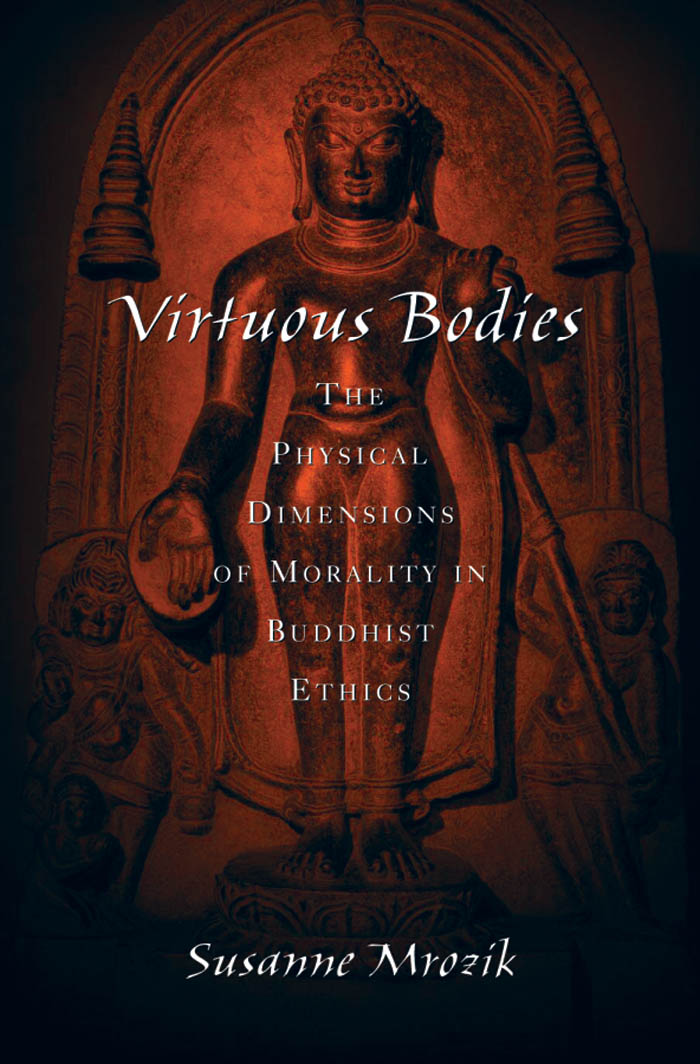
- Virtuous Bodies
- Waking into Compassion: The Three Ālambana of Karuṇā
- What Is It Like to Be a Bodhisattva? Moral Phenomenology in Śāntideva's Bodhicaryāvatāra
- What Would a Sage Do?
- Where Does the Cetanic Break Take Place? Weakness of Will in Śāntideva’s Bodhicaryāvatāra
- Why War? Why Not Peace? Santideva's Answer to Einstein's Famous Question to Freud
- Śikṣāsamuccaya (Anthology of Instruction)
- Śikṣāsamuccaya et Sūtrasamuccaya
- Śāntideva (Internet Encyclopedia of Philosophy)
- Śāntideva (Karen Lang)
- Śāntideva (Potter, Kalupahana, and Sweet)
- Śāntideva (Stanford Encyclopedia of Philosophy)
- Śāntideva and Bodhicaryāvatāra
- Śāntideva and Kant: An East-West Comparative Study in Ethics
- Śāntideva and an Ethic of Radical Compassion
- Śāntideva and the Mādhyamika: The Prajñāpāramitā-Pariccheda of the Bodhicaryāvatāra
- Śāntideva as a Mantracarin
- Śāntideva on Developing the Thought of Awakening
- Śāntideva's Ethics of Impartial Compassion
- Śāntideva's Impartialist Ethics
- Śāntideva's Statement about Confession
- Śāntideva, Virtue, and Consequentialism
- Śāntideva, il Bodhicaryāvatāra e le kārikā del Śikṣāsamuccaya
- Śāntideva, il Bodhicaryāvatāra e le kārikā del Śikṣāsamuccaya-Review by Pāsādika
- Śāntideva: Mystique Bouddhiste des VIIe et VIIIe siècles
- Śāntideva: Mystique Bouddhiste des VIIe et VIIIe siècles-Review by Cabezón
- Śāntideva: The Author and His Project
- Śāntidevas Bodhicaryāvatāra: Das Weiterwirken des Werkes dargestellt anhand der Überlieferungsgeschichte des Textes und seiner Kommentare

Description
Mrozik chooses The Compendium of Training because it quotes from over one hundred Buddhist scriptures, allowing her to reveal a broader Buddhist interest in the ethical significance of bodies. The text is a training manual for bodhisattvas, especially monastic bodhisattvas. In it, bodies function as markers of, and conditions for, one's own ethical development. Most strikingly, bodies also function as instruments for the ethical development of others. When living beings come into contact with the virtuous bodies of bodhisattvas, they are transformed physically and morally for the better.
Virtuous Bodies explores both the centrality of bodies to the bodhisattva ideal and the corporeal specificity of that ideal. Arguing that the bodhisattva ideal is an embodied ethical ideal, Mrozik poses an array of fascinating questions: What does virtue look like? What kinds of physical features constitute virtuous bodies? What kinds of bodies have virtuous effects on others? Drawing on a range of contemporary theorists, this book engages in a feminist hermeneutics of recovery and suspicion in order to explore the ethical resources Buddhism offers to scholars and religious practitioners interested in the embodied nature of ethical ideals. (Source: Oxford University Press)
- 1. Introduction to the Compendium of Training3
- 2. The Vital Points of the Bodhisattva Discipline19
- 3. Ripening Living Beings37
- 4. Virtuous Bodies: A Physiomoral Discourse on Bodies61
- 5. Foul Bodies: An Ascetic Discourse on Bodies83
- 6. Revisioning Virtue113
- Notes131
- Bibliography163
- Index177