| 🤓 Admin Zone 🛠️ hidden to non-admins | |
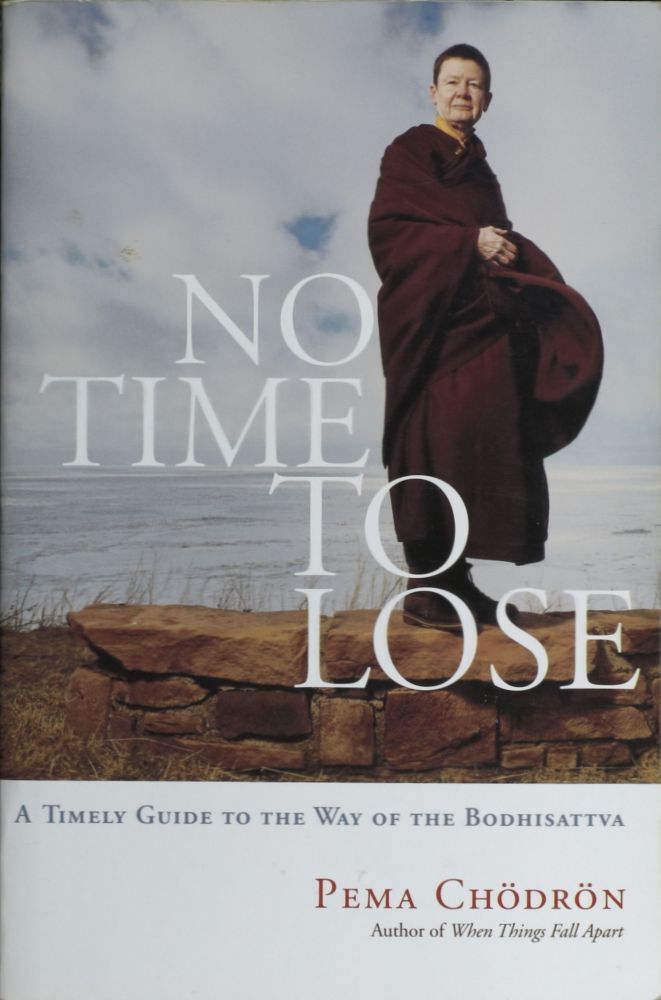
No Time to Lose: A Timely Guide to the Way of the Bodhisattva
Book
See Timeline of BCA Translations
- A Fearless Heart
- A Few Good Men
- A Flash of Lightning in the Dark of Night
- A Great Commentary on Shantideva's Guide to the Bodhisattva's Way of Life, Vol. 1
- A Guide to the Bodhisattva Way of Life
- A Guide to the Bodhisattva's Way of Life (1985)
- A Guide to the Bodhisattva's Way of Life (1999)
- A Guide to the Bodhisattva's Way of Life of Shantideva (2002)
- A Mahāyāna Liturgy
- A Study of the Wisdom Chapter (Prajñāpāramitā Pariccheda) of the Bodhicaryāvatārapañjikā of Prajñākaramati
- Altruism and Reality (1998)
- An Intoxication of Mouse Venom: Reading the Guide, Chapter 9
- Anger: The Seven Deadly Sins
- Appendix B: Excerpt from A Lamp Completely Illuminating the Profound Reality of Interdependence
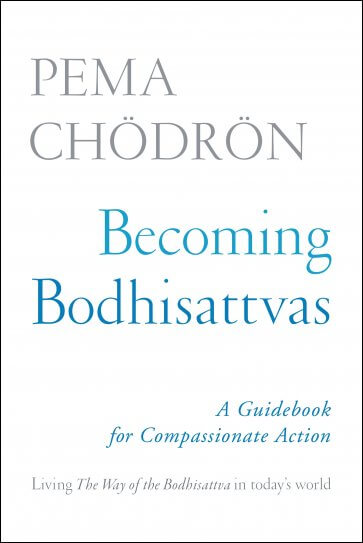
- Becoming Bodhisattvas
- Bhadracaryāvidhi in the Śikṣāsamuccaya Chapt. 16
- Bile & Bodhisattvas: Śāntideva on Justified Anger
- Bodhicaryāvatāra 9:2 as a Focus for Tibetan Interpretations of the Two Truths in the Prāsangika Mādhyamika
- Bodhicaryāvatāra and Tibetan Mind Training (Lojong)
- Bodhicaryāvatāra para Parama Pāvana Dalāi Lāmā Jī ka viśesha pravacana
- Bodhicaryāvatāra with Commentary (O'Sullivan)
- Bodhicitta (Ringu Tulku)
- Bodhicitta: Cultivating the Compassionate Mind of Enlightenment
- Bodhisattva e Prajñāpāramitā nel Bodhicaryāvatāra di Śāntideva
- Bodhisattvacaryāvatāra: Entering the Way of the Bodhisattvas (2022, Khenpo Gawang and Wiener)
- Bodhisattvacaryāvatāra: Exposition de la pratique des bodhisattvas
- Buddha Mind - Christ Mind
- Buddhist Ethics (2003)
- Can We Kill Illusory People? Some Philosophical Reflections on Bodhi(sattva)caryāvatāra 9:11-13ab
- Comparative Confession: A Comparative Study of Confession in the Writings of Tertullian, Cassian, and Śāntideva
- Compassion and Equality
- Comprendre la vacuité
- Courageous Compassion
- Das 7. Kapitel über die Tatkraft in Śāntidevas Bodhicaryāvatāra
- Das Ritual der Entschlussfassung im Bodhicaryāvatāra (Kap. II und III)
- Demandingness, Self-Interest and Benevolence in Santideva's Introduction to the Practice of Awakening (Bodhicaryavatara)
- Die Aufnahme des Erleuchtungsgeistes: Eine Übersetzung von Prajñākaramatis Bodhicaryāvatārapañjikā 3.1-19
- Discourses on Bodhicharyāvatāra
- Drops of Nectar: Khenpo Kunpal's Commentary on Shantideva's Entering the Conduct of the Bodhisattvas
- Engaging in Bodhisattva Behavior
- Engaging in the Bodhisattva Deeds
- Engaging in the Conduct of the Bodhisattvas
- Entering the Way of the Bodhisattva: A New Translation and Contemporary Guide
- Epitome of the Bodhicaryāvatāra with Its Pañjikā, Chap. IX
- Ethical Revaluation in the Thought of Śāntideva
- Exchanging Self and Other
- Features of Śraddhā in the Śikṣāsamuccaya
- Fierce Devotion to all Beings: The Role of Emotions in Śāntideva’s Introduction to the Way of the Bodhisattva (Bodhicaryāvatāra)
- Following in the Buddha's Footsteps
- For the Benefit of All Beings
- From Sickness to Empathy: How Śāntideva and Jesus's Healing of the Man Blind from Birth Might Help Us Understand the Ongoing Pandemic
- From the Profound View of the Ultimate to Everyday Practice: Tokme Zangpo's Integration of Śāntideva's Teachings into Mind Training
- Gleichheit und Mitgefühl: Prajñākaramatis Kommentar zu Bodhicaryāvatāra VIII. 89-108
- Guide to the Bodhisattva's Way of Life (Bodhicaryavatara): A Commentary by Geshe Tenzin Zopa
- Guide to the Good Life
- Healing Anger
- Healing Anger: The Power of Patience from a Buddhist Perspective-Review by Naga
- How to Be a Bodhisattva: Introduction to the Practice of the Bodhisattva Path (The Bodhicaryāvatāra)
- In Praise of Great Compassion
- Indian Madhyamaka Buddhist Philosophy after Nagarjuna, Vol. 2
- Innate Human Connectivity and Śāntideva's Cultivation of Compassion
- Introduction to Gzhan gyis brtsad pa'i lan mdor bsdus pa rigs lam rab gsal de nyid snang byed: An Answer to Blo-bzang-rab-gsal's Refutation of the Author's 'Sher le nor bu ke ta ka' and Its Defence, the Brgal lan nyin byed snang ba
- L'opalescent joyau
- Le commentaire de Mi-pham au chapitre IX du Bodhicaryāvatāra de Śāntideva: Échos modernes d'une controverse du XVème siècle
- Mapping the Bodhicaryāvatāra
- Mental Purification (Blo sbyong): A Native Tibetan Genre of Religious Literature
- Mi pham and the Philosophical Controversies of the Nineteenth Century
- Mindfulness and Ethics: Attention, Virtue and Perfection
- Mindfulness and Moral Transformation: Awakening to Others in Śāntideva's Ethics
- Mipham's Dialectics and the Debates on Emptiness
- Moderation or the Middle Way: Two Approaches to Anger
- No Time to Lose
- On the Pariṇāmanā Chapter of the Bodhicaryāvatāra
- One Aspect of the Acceptance of the Bodhisattva-śīla in Tibet
- Patience and Perspective
- Patience: A Guide to Shantideva's Sixth Chapter (Zopa 2020)
- Peaceful Heart
- Perfecting Patience
- Perfecting Wisdom
- Performing Text as Practice: Rdza Dpal sprul's Practice Manual on the Bodhi(sattva)caryāvatāra
- Plant Seed, Pull Weed
- Polemics in Indo-Tibetan Scholasticism - A Late 19th-Century Debate Between 'Ju Mi pham and Dpa' ris Rab gsal
- Practicing Wisdom
- Prajñākaramati on Śāntideva's Case Against Anger: A Translation of Bodhicaryāvatāra-pañjikā VI.1-69
- Readings of Śāntideva's Guide to Bodhisattva Practice
- Readings of Śāntideva's Guide to Bodhisattva Practice-Review by Harris
- René Girard, Śāntideva, and the Emptiness of Desire
- Ritual Structure and Material Culture in the Guide to Bodhisattva Practice
- Seeing from All Sides
- Self-Protection through Mindfulness, Śāntideva
- Shantideva and Friends
- Shantideva's Bodhicaryavatara: An Internal Pilgrimage to Universal Peace and Compassion
- Shantideva's Guide to the Bodhisattva's Way Of Life: An Oral Explanation of Chapter 4
- Shantideva's Guide to the Bodhisattva's Way Of Life: An Oral Explanation of Chapter 5
- Shantideva's Guide to the Bodhisattva's Way Of Life: An Oral Explanation of Chapter 6
- Shantideva's Guide to the Bodhisattva's Way Of Life: An Oral Explanation of Chapter 7
- Shantideva's Guide to the Bodhisattva's Way Of Life: An Oral Explanation of Chapter 8
- Shantideva's Guide to the Bodhisattva's Way of Life: An Oral Explanation of Chapter 1
- Shantideva's Guide to the Bodhisattva's Way of Life: An Oral Explanation of Chapter 2
- Shantideva's Guide to the Bodhisattva's Way of Life: An Oral Explanation of Chapter 3
- Studies in the Philosophy of the Bodhicaryāvatāra (2000)
- Suffering Made Sufferable: Śāntideva, Dzongkaba, and Modern Therapeutic Approaches to Suffering's Silver Lining
- Sur l'océan du Mahayana
- Sāntideva, The Bodhicaryāvatāra, Chapter 8 (verses 89-140)
- Tant que durera l'espace
- The Awakening Mind (Tsering 2008)
- The Beautiful Way of Life
- The Bodhicittotpādasamādanāvidhi by Jitari
- The Bodhisattva Doctrine in Buddhist Sanskrit Literature
- The Bodhisattva Guide
- The Buddhist Roots of Secular Compassion Training: A Comparative Study of Compassion Cultivation in Indian and Tibetan Mahāyāna Sources with the Contemporary Secular Program of Compassion Cultivation Training (CCT)
- The Case of 'Ju Mi pham (1846–1912) and Dpa' ris Rab gsal (1840–1912): A Study in Dgag lan Debate
- The Center of the Sunlit Sky
- The Circle of Compassion: An Interpretive Study of Karuṇā in Indian Buddhist Literature
- The Concept of Bodhicitta in Santideva's Bodhicaryavatara
- The Concept of Bodhicitta in Śāntideva's Bodhicaryāvatāra (Diss)
- The Concept of Bodhicitta in Śāntideva's Bodhicaryāvatāra-Review by Edelglass
- The Concept of Bodhicitta in Śāntideva's Bodhicaryāvatāra-Review by Tatz
- The Endlessly Fascinating Cry
- The Entrance for the Children of the Conquerors
- The Middle Way of the Bodhisattva
- The Nectar of Manjushri's Speech
- The Profound Reality of Interdependence
- The Profound Reality of Interdependence-Review by Bouthillette
- The Reflexive Nature of Awareness (1998)
- The Resolve to Become a Buddha
- The Role of Solitude (viveka) in the Eighth Chapter (Dhyānapāramitā) of the Bodhicaryāvatāra
- The Transmission of the Bodhicaryāvatāra: The History, Diffusion, and Influence of a Mahāyāna Buddhist Text
- The Triskandha, Practice in Three Parts: Study of an Early Mahāyāna Buddhist Ritual
- The Way of Awakening
- The Way of the Bodhisattva (1997)
- The Way of the Bodhisattva (2006)
- The Wisdom Chapter
- The Śāntideva Passage: Bodhicaryāvatāra VIII.90–103
- Transcendent Wisdom (1988)
- Transcendent Wisdom (2009)
- Uncommon Happiness
- Virtuous Bodies
- What Would a Sage Do?
- Wisdom: Two Buddhist Commentaries
- Śāntideva (Internet Encyclopedia of Philosophy)
- Śāntideva and the Moral Psychology of Fear
- Śāntideva and the Mādhyamika: The Prajñāpāramitā-Pariccheda of the Bodhicaryāvatāra
- Śāntideva on Developing the Thought of Awakening
- Śāntideva's Statement about Confession
Please note that many items in our library are simply pages that represent a detailed library catalog entry and citation of someone else's work, presentation, or performance. Read our General Disclaimer for more information.

Description
In No Time to Lose Chödrön reveals the traditional Buddhist teachings that guide her own life: those of The Way of the Bodhisattva (Bodhicharyavatara), a text written by the eighth-century sage Shantideva. This treasured Buddhist work is remarkably relevant for our times, describing the steps we can take to cultivate courage, caring, and joy—the key to healing ourselves and our troubled world. Chödrön offers us a highly practical and engaging commentary on this essential text, explaining how its profound teachings can be applied to our daily lives.
Full of illuminating stories and practical exercises, this fresh and accessible guide shows us that the path of the bodhisattva is open to each and every one of us. Pema Chödrön urges us to embark on this transformative path today, writing, "There is no time to lose—but not to worry, we can do it." (Source: Shambhala Publications)
Citation
Chödrön, Pema. No Time to Lose: A Timely Guide to the Way of the Bodhisattva. Edited by Helen Berliner. Boston: Shambhala Publications, 2007.
Table of contents
- People Like Us Can Make a Differenceix
- Developing a Clear Intention1
- Preparing the Ground25
- Transcending Hesitation53
- Using Our Intelligence75
- Taming the Mind103
- The Three Disciplines129
- Working with Anger159
- Specific Situations for Practicing Patience189
- Enthusiasm225
- Heartbreak with Samsara269
- Dissolving the Barriers303
- Dedication341
- Acknowledgments363
- Appendix: Study Guidelines365
- Glossary367
- Bibliography371
- Index375
Interconnections
1 Full translation of

An "Introduction to Bodhisattva Practice," the Bodhisattvacaryāvatāra is a poem about the path of a bodhisattva, in ten chapters, written by the Indian Buddhist Śāntideva (fl. c. 685–763). One of the masterpieces of world literature, it is a core text of Mahāyāna Buddhism and continues to be taught, studied, and commented upon in many languages and by many traditions around the world. The main subject of the text is bodhicitta, the altruistic aspiration for enlightenment, and the path and practices of the bodhisattva, the six perfections (pāramitās). The text forms the basis of many contemporary discussions of Buddhist ethics and philosophy.
1 Other editions

Pema Chödrön presents Shantideva's Bodhicaryāvatāra verse-by-verse, offering both illuminating stories and practical exercises to enrich the text.
1 Teaching based on
An "Introduction to Bodhisattva Practice," the Bodhisattvacaryāvatāra is a poem about the path of a bodhisattva, in ten chapters, written by the Indian Buddhist Śāntideva (fl. c. 685–763). One of the masterpieces of world literature, it is a core text of Mahāyāna Buddhism and continues to be taught, studied, and commented upon in many languages and by many traditions around the world. The main subject of the text is bodhicitta, the altruistic aspiration for enlightenment, and the path and practices of the bodhisattva, the six perfections (pāramitās). The text forms the basis of many contemporary discussions of Buddhist ethics and philosophy.