| 🤓 Admin Zone 🛠️ hidden to non-admins | |
- A Buddhist 'good life' Theory: Śāntideva's Bodhicaryāvatāra
- A Fearless Heart
- A Few Good Men
- A Flash of Lightning in the Dark of Night
- A Great Commentary on Shantideva's Guide to the Bodhisattva's Way of Life, Vol. 1
- A Guide to the Bodhisattva Way of Life
- A Guide to the Bodhisattva's Way of Life (1985)
- A Guide to the Bodhisattva's Way of Life (1999)
- A Guide to the Bodhisattva's Way of Life of Shantideva (2002)
- A Mahāyāna Liturgy
- A Note on Mahāyāna Buddhism and the Bodhicaryāvatāra
- A Response to John Pettit
- A Role for Primordial Wisdom in the Buddhist Free Will Controversy
- A Selfless Response to an Illusory World: A Comparative Study of Śāntideva and Śaṅkara
- A Study of the Wisdom Chapter (Prajñāpāramitā Pariccheda) of the Bodhicaryāvatārapañjikā of Prajñākaramati
- Altruism and Reality (1998)
- Altruism and Reality-Review by Franco
- Altruism and Reality-Review by Pettit
- Altruism in the Charnel Ground: Śāntideva and Parfit on Anātman, Reductionism and Benevolence
- An Argument for Cittamātra: Reflections on Bodhicaryāvatāra 9:28 (Tib. 27) cd
- An Intoxication of Mouse Venom: Reading the Guide, Chapter 9
- Appendix B: Excerpt from A Lamp Completely Illuminating the Profound Reality of Interdependence
- Atiśa's Introduction to the Two Truths, and Its Sources
- Becoming Bodhisattvas
- Blasphemie und Sakrileg im Buddhismus in Geschichte und Gegenwart mit besonderer Berücksichtigung des Verses Bodhicaryāvatāra 6.64
- Bodhi(sattva)caryāvatāra als Lehrschrift und Vorhaben: Zum Thema Ritual, Religion, Philosophie und Mystik im Buddhismus
- Bodhicaryāvatāra 9:2 as a Focus for Tibetan Interpretations of the Two Truths in the Prāsangika Mādhyamika
- Bodhicaryāvatāra and Bodhicaryāvatāra-Pañjikā (Malalasekera)
- Bodhicaryāvatāra para Parama Pāvana Dalāi Lāmā Jī ka viśesha pravacana
- Bodhicaryāvatāra with Commentary (O'Sullivan)
- Bodhicaryāvatāra: Governing the Bodhisattvas Way of Life
- Bodhicitta (Ringu Tulku)
- Bodhicitta: Cultivating the Compassionate Mind of Enlightenment
- Bodhisattva e Prajñāpāramitā nel Bodhicaryāvatāra di Śāntideva
- Bodhisattvacaryāvatāra: Entering the Way of the Bodhisattvas (2022, Khenpo Gawang and Wiener)
- Buddha Mind - Christ Mind
- Buddhist Ethics (2003)
- Buddhist Ethics in the Context of Conventional Truth: Path and Transformation
- Buddhist Mereological Analysis in the Milindapañhā, Vasubandhu's Twenty Verses, and Śāntideva's Bodhicaryāvatāra
- Buddhist Texts Through the Ages
- Built on Emptiness: Śūnyatā as a Basis for Mahāyāna Ethics, With References to Śāntideva’s Bodhicaryāvatāra
- Can We Kill Illusory People? Some Philosophical Reflections on Bodhi(sattva)caryāvatāra 9:11-13ab
- Compassion as a Matter of Fact: The Argument from No-Self to Selflessness in Śāntideva's Śikṣāsamuccaya
- Compassion in Mahayana Buddhism
- Compassion in Our Day: Learning from Shantideva
- Comprendre la vacuité
- Consequentialism, Agent-Neutrality, and Mahāyāna Ethics
- Consequentialism, Particularism, and the Emptiness of Persons: A Response to Vishnu Sridharan
- Courageous Compassion
- Critique of Self in the Early and Later Versions of the Bodhi(sattva)caryāvatāra
- Cultivating Bodhicitta: Wisdom and Compassion in Śāntideva's Introduction to the Awakened Life
- Das Ritual der Entschlussfassung im Bodhicaryāvatāra (Kap. II und III)
- Demandingness, Self-Interest and Benevolence in Santideva's Introduction to the Practice of Awakening (Bodhicaryavatara)
- Did Śāntideva Destroy the Bodhisattva Path?
- Die Aufnahme des Erleuchtungsgeistes: Eine Übersetzung von Prajñākaramatis Bodhicaryāvatārapañjikā 3.1-19
- Die Lehre von Satyadvaya in 'Ju Mi phams Nor bu ke ta ka
- Die zwei Wahrheiten
- Die zwei Wirklichkeiten
- Discourses on Bodhicharyāvatāra
- Does "Buddhist Ethics" Exist?
- Does Anātman Rationally Entail Altruism? On Bodhicaryāvatāra 8:101-103
- Drops of Nectar: Khenpo Kunpal's Commentary on Shantideva's Entering the Conduct of the Bodhisattvas
- Emptiness and Moral Perfection
- Engaging in Bodhisattva Behavior
- Engaging in the Bodhisattva Deeds
- Engaging in the Conduct of the Bodhisattvas
- Entering the Way of the Bodhisattva: A New Translation and Contemporary Guide
- Epitome of the Bodhicaryāvatāra with Its Pañjikā, Chap. IX
- Ethical Revaluation in the Thought of Śāntideva
- Ethics (Garfield)
- Ethics and the Subversion of Conceptual Reification in Lévinas and Śāntideva
- Ethics in Indian and Tibetan Buddhism
- Ethics in Schopenhauer and Buddhism
- Experience and Morality: Buddhist Ethics as Moral Phenomenology
- Following in the Buddha's Footsteps
- For the Benefit of All Beings
- Freedom from Responsibility: Agent-Neutral Consequentialism and the Bodhisattva Ideal
- From Madhyamaka to Consequentialism: A Road Map
- Guide to the Bodhisattva's Way of Life (Bodhicaryavatara): A Commentary by Geshe Tenzin Zopa
- Guide to the Good Life
- Healing Anger
- How to Be a Bodhisattva: Introduction to the Practice of the Bodhisattva Path (The Bodhicaryāvatāra)
- Hume as a Western Mādhyamika: The Case from Ethics
- Identifying the Object of Negation: On Bodhicaryāvatāra 9:140 (Tib. 139)
- In Praise of Great Compassion
- Indian Madhyamaka Buddhist Philosophy after Nagarjuna, Vol. 2
- Innate Human Connectivity and Śāntideva's Cultivation of Compassion
- Introduction to Gzhan gyis brtsad pa'i lan mdor bsdus pa rigs lam rab gsal de nyid snang byed: An Answer to Blo-bzang-rab-gsal's Refutation of the Author's 'Sher le nor bu ke ta ka' and Its Defence, the Brgal lan nyin byed snang ba
- L'opalescent joyau
- La conception de la realité dans L'Entrèe dans la voie de l'illumination de Santideva
- Le commentaire de Mi-pham au chapitre IX du Bodhicaryāvatāra de Śāntideva: Échos modernes d'une controverse du XVème siècle
- Madhyamaka Ethics
- Making and Remaking the Ultimate in Early Tibetan Readings of Śāntideva
- Mi pham and the Philosophical Controversies of the Nineteenth Century
- Mindfulness and Moral Transformation: Awakening to Others in Śāntideva's Ethics
- Mipham's Dialectics and the Debates on Emptiness
- Mādhyamika: Bodhicaryāvatāra
- Nichtselbst, Leerheit und Altruistische Ethik im Bodhicaryāvatāra (Lecture Transcript)
- Nichtselbst, Leerheit und Altruistische Ethik im Bodhicaryāvatāra (Official Publication)
- No Time to Lose
- Nyubosatsugyō-ron kaisetsu saisho no Shyāntidēva rikai
- On Altruism and Rebirth: Philosophical Comments on Bodhicaryāvatāra 8: 97-8
- On Philosophical View of the Bodhisattvacaryāvatāra
- On Prakṛtinirvāṇa-Prakṛtinirvṛta in the Bodhicaryāvatāra: A Study in the Indo-Tibetan Commentarial Tradition
- On the Classification of Śāntideva's Ethics in the Bodhicaryāvatāra
- On Śāntideva's Position in the History of Mādhyamika Philosophy
- Patience: A Guide to Shantideva's Sixth Chapter (Zopa 2020)
- Peaceful Heart
- Perfecting Patience
- Perfecting Wisdom
- Performing Text as Practice: Rdza Dpal sprul's Practice Manual on the Bodhi(sattva)caryāvatāra
- Polemics in Indo-Tibetan Scholasticism - A Late 19th-Century Debate Between 'Ju Mi pham and Dpa' ris Rab gsal
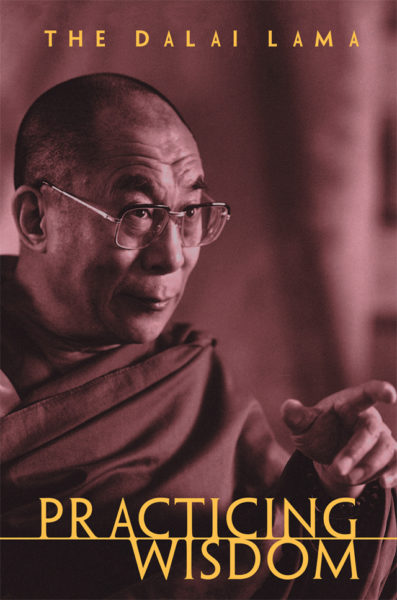
- Practicing Wisdom
- Readings of Śāntideva's Guide to Bodhisattva Practice
- Readings of Śāntideva's Guide to Bodhisattva Practice-Review by Harris
- Readings on Yogācāra Buddhism
- Reason and Knowledge on the Path: A Protreptic Reading of the Guide
- Reason, Irrationality and Akrasia (Weakness of the Will) in Buddhism: Reflections upon Śāntideva's Arguments with Himself
- Remarks on the Philosophical Standpoint of the Anonymous Commentary, Bodhisattvacaryāvatāravyākhyāna(-pañjikā)
- Reply to Paul Williams
- Resentment and Reality: Buddhism on Moral Responsibility
- Response to Mark Siderits' Review
- Seeing Sentient Beings: Śāntideva's Moral Phenomenology
- Seeing from All Sides
- Self-Sceptical Ethics and Selfless Morality: A Historical and Cross-Cultural Overview
- Selfhood and the Metaphysics of Altruism
- Selfless Ethics: The Equality of Non-Existence
- Selflessness and Normativity: Śāntideva and Emptiness Ethics
- Shantideva and Bodhicaryavatara: A Close Reading
- Shantideva and Friends
- Shantideva's Bodhicaryavatara: An Internal Pilgrimage to Universal Peace and Compassion
- Shantideva's Bodhisattvacharyavatara: The Way of the Bodhisattva
- Ninth Chapter Analysis
- Shantideva's Guide to the Bodhisattva's Way Of Life: An Oral Explanation of Chapter 4
- Shantideva's Guide to the Bodhisattva's Way Of Life: An Oral Explanation of Chapter 5
- Shantideva's Guide to the Bodhisattva's Way Of Life: An Oral Explanation of Chapter 6
- Shantideva's Guide to the Bodhisattva's Way Of Life: An Oral Explanation of Chapter 7
- Shantideva's Guide to the Bodhisattva's Way Of Life: An Oral Explanation of Chapter 8
- Shantideva's Guide to the Bodhisattva's Way of Life: An Oral Explanation of Chapter 1
- Shantideva's Guide to the Bodhisattva's Way of Life: An Oral Explanation of Chapter 2
- Shantideva's Guide to the Bodhisattva's Way of Life: An Oral Explanation of Chapter 3
- Spinoza through the Prism of Later 'East-West' Exchanges: Analogues of Buddhist Themes in the Ethics and the Works of Early Spinozists
- Stoics and Bodhisattvas: Spiritual Exercise and Faith in Two Philosophical Traditions
- Studies in the Philosophy of the Bodhicaryāvatāra (2000)
- Sur l'océan du Mahayana
- Sāntideva, The Bodhicaryāvatāra, Chapter 8 (verses 89-140)
- Tant que durera l'espace
- The Absence of Self and the Removal of Pain: How Śāntideva Destroyed the Bodhisattva Path
- The Awakening Mind (Tsering 2008)
- The Beautiful Way of Life
- The Bodhicittotpādasamādanāvidhi by Jitari
- The Bodhisattva Guide
- The Bodhisattva Path: Śāntideva's Bodhicaryāvatāra
- The Bodhisattva and the Ideal of Moral Wisdom in Śāntideva's Śikṣāsamuccaya
- The Buddhist Roots of Secular Compassion Training: A Comparative Study of Compassion Cultivation in Indian and Tibetan Mahāyāna Sources with the Contemporary Secular Program of Compassion Cultivation Training (CCT)
- The Case of 'Ju Mi pham (1846–1912) and Dpa' ris Rab gsal (1840–1912): A Study in Dgag lan Debate
- The Center of the Sunlit Sky
- The Circle of Compassion: An Interpretive Study of Karuṇā in Indian Buddhist Literature
- The Compassionate Gift of Vice: Śāntideva on Gifts, Altruism, and Poverty
- The Concept of Bodhicitta in Santideva's Bodhicaryavatara
- The Concept of Bodhicitta in Śāntideva's Bodhicaryāvatāra (Diss)
- The Connection between Ontology and Ethics in Madhyamaka Thought
- The Elusive Buddhist Self: Preliminary Reflections on Its Denial
- The Endlessly Fascinating Cry
- The Entrance for the Children of the Conquerors
- The Ethics of Mahāyāna Buddhism in the Bodhicaryāvatāra
- The Ethics of Śaṅkara and Śāntideva
- The Ethics of Śaṅkara and Śāntideva-Review by Abramson
- The Ethics of Śaṅkara and Śāntideva-Review by Javanaud
- The Ethics of Śaṅkara and Śāntideva-Review by O'Leary
- The Meaning of Sugata in the Bodhicaryāvatārapañjikā
- The Metaphysical Basis of Śāntideva's Ethics
- The Middle Way of the Bodhisattva
- The Nectar of Manjushri's Speech
- The Philosophical Basis of Worship in the Works of Śāntideva
- The Profound Reality of Interdependence
- The Profound Reality of Interdependence-Review by Bouthillette
- The Reality of Altruism: Reconstructing Śāntideva, A Review of Altruism and Reality: Studies in the Philosophy of the Bodhicāryāvatāra, by Paul Williams
- The Reflexive Nature of Awareness (1998)
- The Resolve to Become a Buddha
- The Self and the Other in Bodhicaryāvatāra: Part 1
- The Self and the Suffering Other: Levinas and Śāntideva on the Ethics of Compassion
- The Selfless Removal of Pain: A Critical Glance at Śāntideva's Argument in Bodhicaryāvatāra 8: 101–3
- The Transmission of the Bodhicaryāvatāra: The History, Diffusion, and Influence of a Mahāyāna Buddhist Text
- The Way of Awakening
- The Way of the Bodhisattva (1997)
- The Way of the Bodhisattva (2006)
- The Wisdom Chapter
- The Śāntideva Passage: Bodhicaryāvatāra VIII.90–103
- Theory and Comparison in the Discussion of Buddhist Ethics
- Traces of Consequentialism and Non-Consequentialism in Bodhisattva Ethics
- Transcendent Wisdom (1988)
- Transcendent Wisdom (2009)
- Two Kinds of Saṃvṛtis in the Bodhicaryāvatārapañjikā IX 3-8
- Uncommon Happiness
- Uses of the Illusion of Agency: Why Some Buddhists Should Believe in Free Will
- Waking into Compassion: The Three Ālambana of Karuṇā
- What Is It Like to Be a Bodhisattva? Moral Phenomenology in Śāntideva's Bodhicaryāvatāra
- Where Does the Cetanic Break Take Place? Weakness of Will in Śāntideva’s Bodhicaryāvatāra
- Why War? Why Not Peace? Santideva's Answer to Einstein's Famous Question to Freud
- Wisdom: Two Buddhist Commentaries
- Zu einer zentralen philosophischen Kontroverse mit den "orthodoxen" Philosophen
- Zum Konzept der Leerheit im BCA
- Śāntideva (Internet Encyclopedia of Philosophy)
- Śāntideva (Karen Lang)
- Śāntideva (Potter, Kalupahana, and Sweet)
- Śāntideva (Stanford Encyclopedia of Philosophy)
- Śāntideva and Kant: An East-West Comparative Study in Ethics
- Śāntideva and an Ethic of Radical Compassion
- Śāntideva and the Mādhyamika: The Prajñāpāramitā-Pariccheda of the Bodhicaryāvatāra
- Śāntideva in the History of Mādhyamika Philosophy
- Śāntideva on Developing the Thought of Awakening
- Śāntideva's Attitude towards Vijñāna Theory
- Śāntideva's Criticism of Vijñānavāda and Bodhicitta
- Śāntideva's Critique of 'I' or Self in the Early and Later Recensions of the Bodhi(sattva)caryāvatāra
- Śāntideva's Ethics of Impartial Compassion
- Śāntideva's Impartialist Ethics
- Śāntideva, Virtue, and Consequentialism
- Śāntideva: Mystique Bouddhiste des VIIe et VIIIe siècles
- Śāntideva: Mystique Bouddhiste des VIIe et VIIIe siècles-Review by Cabezón

Description
Shantideva says in his Guide to the Bodhisattva Way of Life: "All branches of the Buddha's teachings are taught for the sake of wisdom. If you wish to bring an end to suffering, you must develop wisdom.” Shantideva’s ninth chapter is revered in Tibetan Buddhist circles as one of the most authoritative expositions of the Buddha's core insight, and all other Buddhist practices are means to support the generation of this wisdom within the practitioner. In Practicing Wisdom, the Dalai Lama reaffirms his reputation as a great scholar, communicator, and embodiment of the Buddha’s Way by illuminating Shantideva’s verses, drawing on contrasting commentaries from the Nyingma and Gelug lineages, and leading the reader through the stages of insight up to the highest view of emptiness. These teachings, delivered in southern France in 1993, have been masterfully translated, edited, and annotated by Geshe Thupten Jinpa, the Dalai Lama’s primary translator and founder of the Institute of Tibetan Classics. (Source: Wisdom Publications)
- Editor's PrefaceVII
- 1. Introduction1
- 2. The Buddhist Context5
- 3. The Two Truths16
- Verses 1-4ab
- 4. Critiquing the Buddhist Realists31
- Verses 4cd-15ab
- 5. The Mind-Only Viewpoint46
- Verses 15cd-39
- 6. The Authenticity of the Mahayana62
- Verses 40-43
- 7. Emptiness According to the Middle Way School75
- Verses 44-59
- 8. The Nature and Existence of Self93
- Verses 60-77
- 9. The Nature of Phenomena109
- Verses 78-105
- 10. Countering Objections127
- Verses 106-15
- 11. Key Arguments Refuting Intrinsic Existence142
- Verses 116-67
- 12. Generating the Awakening Mind161
- Notes167
- Bibliography of Texts Cited169
- Index173