Timeline of BCA Translations: Difference between revisions

From Bodhicitta
(VSCode edit)
(VSCode edit)
Line 16: Line 16:
|?Translator
|?Translator
|?BcaAuthor
|?BcaAuthor
|?Editor
|?Pubdate
|?Pubdate
|?Description
|?Description

Revision as of 21:23, 26 January 2026

Timeline of Translations
The Bodhicaryāvatāra in Western Languages


1907
Red Horizontal Vajra.png
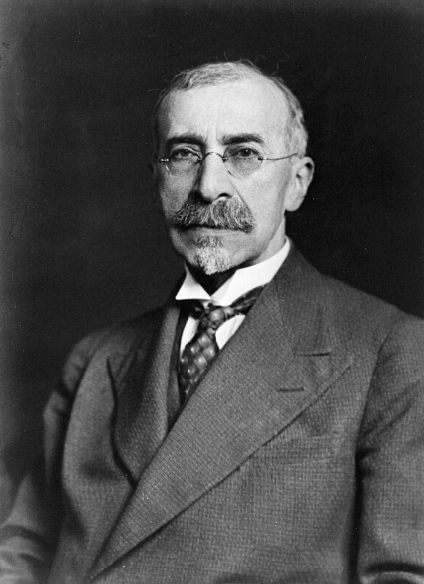
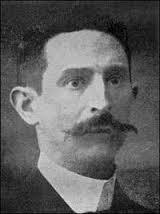
Śāntideva  ·  Louis de La Vallée Poussin
La Vallée Poussin Louis Bablio.jpg
Translation of the Bodhicaryāvatāra from Sanskrit to French by Louis de la Vallée Poussin, published in 1907.
Separator narrow.png
1909
Red Horizontal Vajra.png
Lionel D. Barnett  ·  Śāntideva
Barnett Lionel SOAS special collections copy.jpg
The following pages contain an abridged translation of the original Sanskrit of the Bodhicharyāvatāra, based upon two editions, that contained in vol. ii. of the Journal of the Buddhist Text Society (Calcutta, 1894) and that published with Pranjākara-mati's commentary by Professor L. de la Vallée Poussin in the Bibliotheca Indica.[1] I have omitted a good deal of the text where it seemed needlessly prolix, and the whole of the scholastic disputation which makes up the bulk of the ninth chapter. But I hope that even in this curtailed form my translation will enable readers to understand and fairly appreciate the fervent devotion and brotherly love which make this little book, in spite of its errors, a lasting monument of true religious emotion, " an everlasting possession." (Barnett, introduction, 35–36)
Notes
  1. I have much pleasure in acknowledging my debt of gratitude to Professor Poussin's masterly French translation of the text published in the Revue d'Histoire et de Littérature Religieuses, vols. x.-xii. (1905-1907) under the title Bodhicaryāvatāra: Introduction à la Pratique des futurs Bouddhas.
Separator narrow.png
1920
Red Horizontal Vajra.png
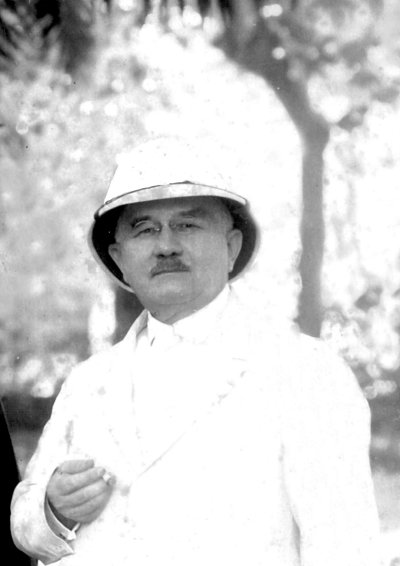
Śāntideva  ·  Louis Finot
Louis Finot Wikipedia.jpg
Le Bodhicaryâvatâra que nous avons rendu par La Marche à la Lumière est un poème bouddhique écrit en sanscrit. Son auteur Śāntideva né aux environs du VIIe siècle est un docteur bouddhiste fortement inspiré par l’école Madhyamaka ou « voie du milieu » dont le fondateur historique est le célèbre Nagarjuna. Loin d’être un exposé aride rempli de syllogismes, son poème, admirablement écrit, est empreint d’une sensibilité toute humaine, traitant sans vaine rhétorique de thèmes éternels : le déchirement des séparations, les déchéances de la maladie et de la vieillesse, l’effroi devant la mort et le terrible mystère qui est au-delà du tombeau. L’ego n’ayant rien perdu de ses appétits, les anathèmes de Śāntideva sont et resteront toujours d’une brûlante actualité. Un classique de la spiritualité bouddhique. (Source: back cover of 1987 edition)
Separator narrow.png
1921
Red Horizontal Vajra.png
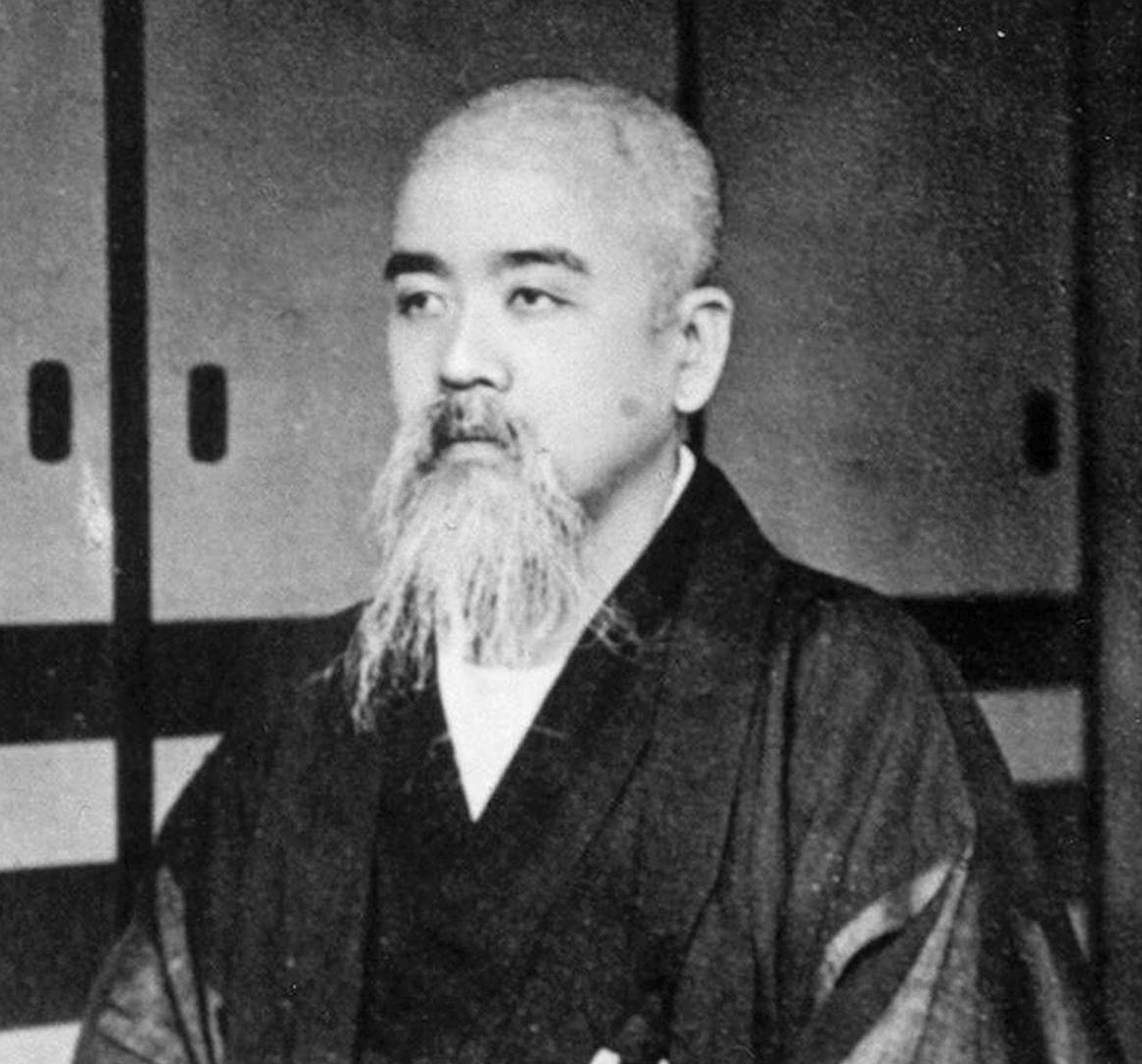
Śāntideva  ·  Ekai Kawaguchi
Kawaguchi Ekai.jpg
Original Title: 入菩薩行_河口慧海 Nyu bosatsu gyo, trans. by KAWAGUCHI Ekai Description: Kawaguchi Ekai's 1921 Japanese translation of Śāntideva's Bodhisattvacaryāvatāra.
Separator narrow.png
1923
Red Horizontal Vajra.png
Śāntideva  ·  Richard Schmidt
Schmidt Richard Yoga Vidya.jpg
Der südindische Königssohn Shântideva studierte an der Klosterschule in Nandala und bekam dort wegen seiner Trägheit von Mönchsbrüdern den Spitznamen „Isst, schläft, scheißt“. Im 8. Jahrhundert hielt er eine tiefe und alle Zuhörer überraschende Dharma-Rede, das hier vorliegende Bodhicaryâvatâra. Darin erläutert er, wie ein Bodhisattva sein Leben gestalten sollte. Zwei Meditationsmethoden können helfen, sich anderen Menschen zuzuwenden: die Übung der Gleichheit des Anderen und des Selbst (parâtmasamatâ) und die Übung des Austauschens des Anderen und des Selbst (parâtmaparivartana). (Source Accessed Mar 17, 2021)
Separator narrow.png
1925
Red Horizontal Vajra.png
Śāntideva  ·  Giuseppe Tucci
Tucci Giuseppe Mussolini.jpg
«Verranno tempi» si fa dire al Buddha in alcuni testi mahāyānici «in cui sempre più breve si farà la nostra vita. E tutti gli uomini invasati da una tragica follia di odio e di distruzione correranno l'un contro l'altro per vilipendersi, battersi, uccidersi. Ed ogni bastone ed ogni ramoscello si tramuterà in spada tagliente nelle loro mani omicide, ine a che, scomparsa ogni creatura, avrà termine quest'evo cosmico in cui abbiamo la triste ventura di vivere» . [...] Ma quando un decadimento fatale sembrava aver spento nelle conscienze ogni scintilla divina, ecco balzar fuori dallo stesso contagio il profeta, che con la parola e l'esempio suscita redentori entusiasmi. [...] Il Cammino verso la luce (Bodhicaryāvatāra) è la celebrazione del Bodhisattva, di questa santa creatura che il buddhismo mahāyānico ha glorificato, e quindi è opera d'amore. [...] Un amore per tutte le creature, uomini ed animali, ché la demarcazione recisa che noi occidenatli siamo abituati a fare fra uomini e bestie è ignota all'indiano. Uomini e bestie, dei e demoni sono ugualmente vittime del dolore, aggiogati dal peccato ad un indefinito travaglio nel giro delle esistenze, e ugualmente si preparano la propria sofferenza o la propria felicità, in virtù di quella ferrea legge del karman, che è per così dire la forza motrice di tutto quanto il creato. Il mondo soffre di un multiforme dolore, e questo dolore za, che è brama di piaceri, sete di potenza, orgoglio, desiderio di primeggiare, insofferenza dell'alttrui prosperità, gioia dell'altrui male, odio, rabbia. Distrutte le passioni è distrutto il dolore; e siccome questo dolore è sempre tale, sia in me che negli altri esso deve essere combattuto, per il fatto stesso che è dolore, in me e negli altri. [...] Allora non più il serpe dell'invidia si anniderà nell'animo nostro, né l'odio del nostro cuore traboccherà in parole acerbe contro i nostri nemici o armerà ai loro danni la nostra destra; ma solo carità, pietà, misericordia, amore governeranno il nostro spirito rasserenato. (Dallo scritto di Giuseppe Tucci) (Source Accessed Dec 9, 2021)
Separator narrow.png
1929
Red Horizontal Vajra.png
Śāntideva  ·  Boris Vladimirtsov  ·  Chökyi Özer (Nom-un gerel)
Vladimirtsov Boris.jpg
Mongolian translation of the Bodhicaryāvatāra by Chos kyi 'od zer (fl. 1305–1321), edited by Boris Vladimirtsov.
Separator narrow.png
1947
Red Horizontal Vajra.png
Śāntideva  ·  Sujitkumar Mukhopadhyaya
Translated from Sanskrit. Includes bibliographical references. In Bengali.
Separator narrow.png
1955
Red Horizontal Vajra.png
Śāntideva  ·  Śāntibhikṣu Śāstrī
Classical work with Hindi translation and exhaustive introduction on the doctrines of Mahayana Buddhism. Includes bibliographical references (pages 1-2 (third group) and indexes. Sanskrit text with Hindi translation; introductory matter in Hindi.
Separator narrow.png
1958
Red Horizontal Vajra.png
Śāntideva  ·  Enshō Kanakura
Japanese translation of the Bodhicaryāvatāra by Enshō Kanakura, published 1958.
Separator narrow.png
1959
Red Horizontal Vajra.png
Lionel D. Barnett
Barnett Lionel SOAS special collections copy.jpg
The following pages contain an abridged translation of the original Sanskrit of the Bodhicharyāvatāra, based upon two editions, that contained in vol. ii. of the Journal of the Buddhist Text Society (Calcutta, 1894) and that published with Pranjākara-mati's commentary by Professor L. de la Vallée Poussin in the Bibliotheca Indica.[1] I have omitted a good deal of the text where it seemed needlessly prolix, and the whole of the scholastic disputation which makes up the bulk of the ninth chapter. But I hope that even in this curtailed form my translation will enable readers to understand and fairly appreciate the fervent devotion and brotherly love which make this little book, in spite of its errors, a lasting monument of true religious emotion, " an everlasting possession." (Barnett, introduction, 35–36)
Notes
  1. I have much pleasure in acknowledging my debt of gratitude to Professor Poussin's masterly French translation of the text published in the Revue d'Histoire et de Littérature Religieuses, vols. x.-xii. (1905-1907) under the title Bodhicaryāvatāra: Introduction à la Pratique des futurs Bouddhas.
Separator narrow.png
1970
Red Horizontal Vajra.png
Marion Matics  ·  Śāntideva
Entering the Path of Enlightenment contains the first complete English translation of the Sanskrit Bodhicaryāvatāra. In this beautiful and moving classic of Mahāyāna Buddhism, Śāntideva, a monk at the famed Buddhist center of Nālānda in India, describes the Bodhisattva Vow—one of the major concepts of Buddhist belief. In order to render the Bodhicaryāvatāra accessible to student and layman as well as specialist and scholar, Marion L. Matics divides the book into three parts: a guide which explains and interprets the Bodhicaryāvatāra and places it within the framework of the evolving history of Buddhist thought, the lucid translation itself, and appendices containing all the necessary tools for a thorough understanding of this celebrated work. (Source: back cover)
Separator narrow.png
1980
Red Horizontal Vajra.png
Śāntideva  ·  Ria Kloppenborg
Kloppenborg Ria.jpg
Beschrijving van het religieuze ideaal van het Mahayana-boeddhisme, het leven van de bodhisattva, volgens de ideeën van Santideva, een filosoof uit de 7e eeuw. Description of the religious ideal of Mahayana Buddhism, the life of the bodhisattva, according to the ideas of Śāntideva, a philosopher of the 7th century. (Source Accessed Dec 1, 2021)
Separator narrow.png
1981
Red Horizontal Vajra.png
Śāntideva  ·  Ernst Steinkellner
Steinkellner Ernst ÖAW.jpg
Eine der wichtigsten Quellen zum Verständnis des Mahāyāna (>Großes Fahrzeug<), wunderbar klar und von poetischer Kraft.

Mit dieser Neuübertragung gelingt es Ernst Steinkellner, daß das Werk des buddhistischen Mönchs Sāntideva aus dem 7. Jahrhundert uns unmittelbar anspricht.

»Wenn du das Selbst liebst, darfst du dich selbst nicht lieben. Wenn du das Selbst schützen mußt, darfst du es nicht schützen. (Source: back cover)

Separator narrow.png
1981
Red Horizontal Vajra.png
Śāntideva  ·  Nāgārjuna  ·  Christian Lindtner
Lindtner Chr. Jesus is Buddha.jpg
A Danish translation of Nāgārjuna's Suhṛllekha and Śāntideva's Bodhicaryāvatāra by Christian Lindtner.
Separator narrow.png
1981
Red Horizontal Vajra.png
Śāntideva  ·  Jogamuni Bajrācārya
Newari and Sanskrit; prefatory matter in Newari.
Separator narrow.png
1982
Red Horizontal Vajra.png
Amalia Pezzali
A translation of the Bodhicaryāvatāra and the Śikṣāsamuccayakārikā from Sanskrit to Italian by Amalia Pezzali. Published by Editrice Missionaria Italiana, 1982.
Separator narrow.png
1982
Red Horizontal Vajra.png
Śāntideva  ·  Linnart Mäll
Mäll Linnart.jpg
An Estonian translation of Śāntideva's Bodhicaryāvatāra by Linnart Mäll.
Separator narrow.png
1983
Red Horizontal Vajra.png
Raniero Gnoli
Gnoli Raniero Arch Digest.jpg
A compilation of fourteen Sanskrit Buddhist texts translated into Italian. Edited by Raniero Gnoli. The texts include the Pratītyasamutpādasūtra, Śālistambasūtra, Vajracchedikāsūtra, Śūraṅgamasamādhisūtra, Vimalakīrtinirdeśasūtra, Mūlamadhyamakakārikā, Prasannapadā, Prajñāpāramitāpiṇḍārtha, Bodhicaryāvatāra, Jātakamāla, Śatapañcāśatka, Prajñāpāramitāstotra, Guhyasamājatantra, and the Tattvajñānasaṃsiddhi.
Separator narrow.png
1985
Red Horizontal Vajra.png
Śāntideva  ·  Stephen Batchelor
Batchelor Stephen InsightLA.jpg
Shantideva's Bodhisattvacaryavatara (A Guide to the Bodhisattva's Way of Life) holds a unique place in Mahayana Buddhism akin to that of the Dhammapada in Hinayana Buddhism and the Bhagavadgita in Hinduism. In combining those rare qualities of scholastic precision, spiritual depth and poetical beauty, its appeal extends to a wide audience of Buddhists and non-Buddhists alike. Composed in India during the eighth century of the Christian era, it has since been an inspiration to millions of people throughout the world. This present translation is based upon a 12th century Tibetan commentary as orally explained by the Ven. Geshe Ngawang Dhargyey. The ninth chapter on wisdom has been expanded for this edition with relevant commentarial passages. (Source: back cover)
Separator narrow.png
1985
Red Horizontal Vajra.png
Śāntideva  ·  Anne Ansermet
Ansermet Anne DorjeShugden.jpg
French translation of the Bodhicaryāvatāra by Anne Ansermet (1985)
Separator narrow.png
1986
Red Horizontal Vajra.png
Prajñākaramati  ·  Śāntideva  ·  Divyavajra Vajrācārya
Divyavajra Vajrācārya.jpg
In Sanskrit; translation and commentary in Newari; prefatory matter in English and Newari. Title on added t.p.: Bodhicharyāvatāra.
Note 78 in Fredrik Liland's Master's thesis, "The Transmission of the Bodhicaryāvatāra: The History, Diffusion, and Influence of a Mahāyāna Buddhist Text," reads "Recently V. Divyavajra (1986) published what seems to be a Sanskrit edition with Newari translations of the BCA and the BCAP. This has not been available to me so far, but would indeed be of interest in further work on the BCANew." (see p. 26)
Separator narrow.png
1987
Red Horizontal Vajra.png
Louis Finot  ·  Śāntideva
Louis Finot Wikipedia.jpg
Le Bodhicaryâvatâra que nous avons rendu par La Marche à la Lumière est un poème bouddhique écrit en sanscrit. Son auteur Śāntideva né aux environs du VIIe siècle est un docteur bouddhiste fortement inspiré par l’école Madhyamaka ou « voie du milieu » dont le fondateur historique est le célèbre Nagarjuna. Loin d’être un exposé aride rempli de syllogismes, son poème, admirablement écrit, est empreint d’une sensibilité toute humaine, traitant sans vaine rhétorique de thèmes éternels : le déchirement des séparations, les déchéances de la maladie et de la vieillesse, l’effroi devant la mort et le terrible mystère qui est au-delà du tombeau. L’ego n’ayant rien perdu de ses appétits, les anathèmes de Śāntideva sont et resteront toujours d’une brûlante actualité. Un classique de la spiritualité bouddhique. (Source: back cover)
Separator narrow.png
1988
Red Horizontal Vajra.png
Śāntideva  ·  Swami Dvārikādāsa Śāstrī
Text and commentary in Sanskrit; translation of the text in Hindi; prefatory matter in Hindi and Sanskrit.
Separator narrow.png
1989
Red Horizontal Vajra.png
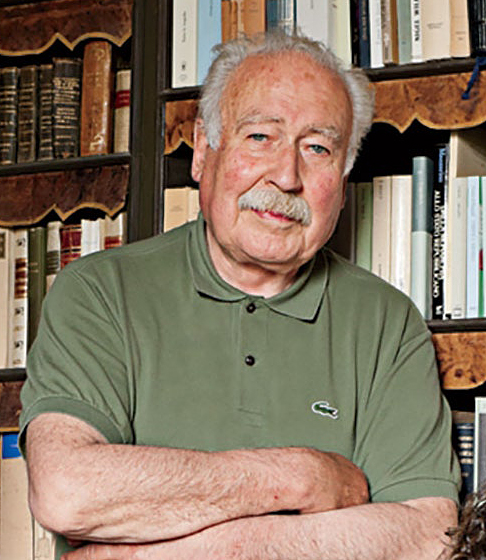
Śāntideva  ·  Ram Shankar Tripathi
Tripathi Ram Facebook.jpg
Classical verse treatise, with Sanskrit and Tibetan text, and Hindi explanation about Bodhisattva stages according to Mahayana Buddhism.
Separator narrow.png
1990
Red Horizontal Vajra.png
Śāntideva  ·  Parmananda Sharma
Sharma Parmananda Khari Bholi.jpg
A translation of Śāntidēva's Bodhicharyāvatāra by Parmananda Sharma. Contains the original Sanskrit text with English translation and exposition based on Prajñākarmati's Pañjikā. This text has also been re-translated by Parmananda Sharma in Discourses on Bodhicharyāvatāra. That translation is not based on Prajnākaramati's Panjikā but is based on the on His Holiness the Dalai Lama’s discourses on Bodhicharyāvatāra given to the Himalayan devotees from Lahaul, Spiti, Kinnaur and the Tibetan residents at Kullu-Manali, Himachal Pradesh in 1981.
Separator narrow.png
1992
Red Horizontal Vajra.png
Śāntideva  ·  Chökyi Özer (Nom-un gerel)
Vladimirtsov Boris.jpg
This volume presents the Mongolian translation of Śāntideva's Bodhicaryāvatāra ("The Way of the Bodhisattva"), translated by the Tibetan scholar Chos kyi 'od zer. Edited by the eminent Russian Mongolist Boris Yakovlevich Vladimirtsov (1884–1931), this edition contains the Mongolian script text of this foundational Mahāyāna Buddhist treatise on the bodhisattva path. Originally published as Volume XXVIII of the Bibliotheca Buddhica series by the USSR Academy of Sciences in Leningrad (1929–1930), this Motilal Banarsidass edition is a reprint of that scholarly work. The Bibliotheca Buddhica series, founded in 1897 in St. Petersburg by Sergei Oldenburg, is a collection of Buddhist original texts in Sanskrit, Tibetan, Uiguric, Turkish, and Mongolian, making rare Buddhist manuscripts accessible to scholars.

Sources:

Separator narrow.png
1992
Red Horizontal Vajra.png
Śāntideva  ·  Padmakara Translation Group
Padmakara logo2.png
Le Bodhicaryavatara, ou La Marche vers l'Eveil, admirable poème composé par le saint indien Shantideva, expose l'entrée dans la pratique des bodhisattvas, voie de la compassion et de la vacuité que suivent ces héros de l'Eveil qui, se détournant du samsara, font le vu de délivrer les êtres de la souffrance et de l'ignorance. Shantideva y décrit l'aspiration à l'Eveil, sa mise en uvre et les bienfaits qui en découlent. (Source: Padmakara)
Separator narrow.png
1993
Red Horizontal Vajra.png
Jampa Tegchok  ·  Thubten Sherab
Tegchok Jampa.jpg
Bodhicaryāvatarā Commentary by Geshe Jampa Tegchok with the Outline from Gyaltsab Je’s Commentary
Separator narrow.png
1993
Red Horizontal Vajra.png
Śāntideva  ·  Dokushō Villalba
Villalba Dokushō Wikipedia.jpg
El maestro zen Dokushô Villalba presenta en este libro la traducción del Bodhicaryavatara, una de las obras más importantes del monje budista indio Santideva, escrita originalmente en sánscrito probablemente a principios del siglo VIII. La Marcha hacia la luz es un canto épico destinado a despertar en los seres humanos la energía emocional y la motivación necesarias para emprender el camino que va desde la oscuridad de la inconsciencia a la luz del Bien supremo. Este es el camino enseñado por el Budismo Mahayana que tiene su más clara manifestación en el héroe espiritual que es el bodisatva. El poema de Santideva va dirigido sobre todo al corazón, aunque no está exento de lógica y dialéctica, pues todo lo que se necesita para emprender esta Marcha es la energía emocional correctamente canalizada por la motivación justa. El ser humano se mueve por aquello que le emociona, y así Santideva recurre en sus versos a imágenes cargadas de tintes trágicos, dramáticos, líricos y poéticos para transmitir su enseñanza. La comprensión intelectual no basta: es la emoción la energía que hace que los conceptos y comprensiones intelectuales adquieran vida y calor. Y tanto más necesaria es esta energía emocional cuando se trata de emprender la Marcha definitiva, la que libera de la esclavitud de las pasiones conduciendo hasta la liberación y la iluminación de la existencia humana, para la cual este texto de Santideva constituye una esplendorosa guía. (Source Accessed Mar 22, 2021)
Separator narrow.png
1993
Red Horizontal Vajra.png
Śāntideva  ·  Geshe Lobsang Tengye  ·  Tenzin Trinley  ·  Vajra Yogini Institute
Vajrayogini Institute logo.jpg
Very famous, both in India and in Tibet, the Bodhicharyavatara of Shantidéva (7th century) is a marvelous poem which presents the method applied by the "Sons of Buddha" to generate the mind of enlightenment, to train in the six transcendent perfections, and attain enlightenment. This edition (carried out on the occasion of the teaching of His Holiness the Dalai Lama on the 9th chapter of the root text concerning wisdom, at the Vajra Yogini Institute in November 1993) includes the full translation of the original verses as well as the detailed commentary given in 1985 by Geshé Lobsang Tengyé. Translated from Tibetan by Tenzin Trinley. French translation by the Vajra Yogini Institute. (Source: Editions Vajra Yogini)
Separator narrow.png
1993
Red Horizontal Vajra.png
Śāntideva  ·  Rāmanivāsa Tivārī
A translation of the Bodhicaryāvatāra from Sanskrit to Hindi.
Separator narrow.png
1993
Red Horizontal Vajra.png
Śāntideva  ·  Georges Driessens
Vivre en héros pour l'eveil est un des classiques de la tradition du Grand Vehicule indien. Son auteur, Shantideva (685-763), l'un des derniers tres grands maītres bouddhistes de l'Inde, y déploie d'une manière inégalée l'exposé des méthodes pour ériger dans le coeur de chacun deux piliers flamboyants: la compassion universelle et la sagesse du non-so1, supports de 1'infinie activité des Héros pour l'éveil et des Éveillés. Ce texte - qui paraīt avoir été écrit à l'intention de l'homme d'aujourd'hui, tant l'acuité de la description de ses états d'espirit, de ses peurs, des passions et perturbations qui l'agitent y est grande- fut, au cours des siècles, l'enseignement de prédilection des aspirants à la plénitude et une source intarissable d'inspiration. Alors que le bouddhisme se diffuse en Occident, il reste un recueil d'instructions chéri par de nombreux maītres contemporains de toutes obédiences. (Source: back cover)
Separator narrow.png
1993
Red Horizontal Vajra.png
Śāntideva  ·  Jukka Halso
Airaksinen Pekka.jpg
A classic work that has been the masterpiece of both Mahāyāna and Vajrayāna Buddhist practitioners for centuries. Its author was an Indian learned monk from the University of Nālanda, Śāntideva. The work is poetic and provides practical instructions for the journey towards enlightenment and a happier, more balanced life. (Source Accessed Mar 19, 2021)
Separator narrow.png
1995
Red Horizontal Vajra.png
Śāntideva  ·  Isidro Gordi
Gordi Isidro.jpg
Es la primera traducción al castellano basada en fuentes originales de una de las joyas del pensamiento de la humanidad, el Bodhicharyavatara o Guía a la forma de vida del Bodhisatva. Ocupa un lugar preponderante en el Budismo Mahayana, al igual que el Dhammapada en el Budismo Hinayana o la Biblia en el Cristianismo. Sus versos constituyen objetos de reflexión que pueden servir tanto a budistas como a no budistas. Aunque fue compuesto en el siglo ocho por el erudito indio, Shantideva, la mayoría de sus versos reflejan momentos de nuestra ajetreada vida y leerlos proporcionará un respiro, una percepción de nuestra existencia radicalmente diferente. La versión de este texto corre a cargo de Isidro Gordi, quien ha recibido directamente de uno de sus Maestros, Gueshe Tamding Gyatso, tanto la Transmisión Oral del texto raíz como el comentario verso a verso de esta obra capital. (Source Accessed Mar 19, 2021)
Separator narrow.png
1996
Red Horizontal Vajra.png
Śāntideva  ·  Kate Crosby  ·  Andrew Skilton
Crosby Kate King's College London.jpg
This translation of Śāntideva's Bodhicaryāvatāra was an important contribution to the field in the 1990s and was translated primarily from the Sanskrit text with reference to Louis de la Vallée Poussin's critical edition of the Bodhicaryāvatārapañjikā, Prajñākaramati's commentary on the root text. Along with the general introduction and translator's introduction, each chapter also has an introduction giving an overview of the chapter with content of interest and some 50 pages of notes, making it a useful contribution to the study of Śāntideva and the text. See Gomez's critique of the translation in his article "The Way of the Translators: Three Recent Translations of Śāntideva's Bodhicaryāvatāra (1999)".
Written in India in the early 8th century AD, Śāntideva's Bodhicaryāvatāra addresses the profound desire to become a Buddha and rescue all beings from suffering. The person who acts upon such a desire is a Bodhisattva. Śāntideva not only makes plain what the Bodhisattva must do and become, he also invokes the powerful feelings of aspiration that underlie such a commitment, employing language which has inspired Buddhists ever since it first appeared. Indeed, his book has long been regarded as one of the most popular accounts of the Buddhist's spiritual path. Important as a manual of training among Mahāyāna Buddhists, especially in the Tibetan Buddhist tradition, this text continues to be used as the basis for teaching by modern Buddhist teachers. This new translation from the original language provides detailed annotations explaining allusions and technical references. Also, the Introduction both serve to locate Śāntideva's work in its proper context, and for the first time explain its structure. (Source: Oxford University Press)
Separator narrow.png
1997
Red Horizontal Vajra.png
Śāntideva  ·  B. Alan Wallace  ·  Vesna Wallace
Wallace Alan Facebook.jpg
In the whole of the Tibetan Buddhist tradition, there is no single treatise more deeply revered or widely practiced than A Guide to the Bodhisattva Way of Life. Composed in the eighth century by the Indian Bodhisattva Santideva, it became an instant classic in the curricula of the Buddhist monastic universities of India, and its renown has grown ever since. Santideva presents methods to harmonize one's life with the Bodhisattva ideal and inspires the reader to cultivate the perfections of the Bodhisattva: generosity, ethics, patience, zeal, meditative concentration, and wisdom. (Source: Shambhala Publications)
Separator narrow.png
1997
Red Horizontal Vajra.png
Śāntideva  ·  Helena Blankleder  ·  Wulstan Fletcher  ·  Padmakara Translation Group
Blankleder Helena Tsadra.jpg
The Way of the Bodhisattva (or Bodhicharyavatara, literally "An Entry into the Activities of Enlightenment") is one of the great classics of Mahayana Buddhism. Presented in the form of a personal meditation in verse, it outlines the path of the bodhisattvas—those beings who, turning aside from the sufferings of the world of samsara, nevertheless renounce the peace of individual salvation and vow to work for the deliverance of all beings, and to attain enlightenment for their sake.
      Originally written in India in Sanskrit, the text first appeared in Tibetan translation soon after its composition in the eighth century. The fact that it has been expounded, studied, and practiced in Tibet in an unbroken tradition lends the Tibetan version of this classic a particular authority. The present translation has therefore been rendered from the Tibetan, following a commentary by the Nyingma master Kunzang Pelden, renowned for its thoroughness, clarity, and accessibility.
      Shantideva begins with a celebration of the mind of enlightenment, explaining in detail how this is cultivated. There are chapters devoted to the transcendent perfections of patience, heroic perseverance, meditation, and wisdom. The teaching on meditation culminates in the profound practices of equality and exchange of self and other. The celebrated ninth chapter presents the direct realization of emptiness, the perfection of wisdom, as explained in the Madhyamika, or "Middle Way" tradition. Throughout the verses of this text, Shantideva is able to communicate the qualities of precision, contemplative experience, and lyrical beauty, which have served to inspire generations of spiritual aspirants. (Source: back cover)
Separator narrow.png
1999
Red Horizontal Vajra.png
Śāntideva  ·  Stephen Batchelor
Batchelor Stephen InsightLA.jpg
Shantideva's Bodhisattvacaryavatara (A Guide to the Bodhisattva's Way of Life) holds a unique place in Mahayana Buddhism akin to that of the Dhammapada in Hinayana Buddhism and the Bhagavadgita in Hinduism. In combining those rare qualities of scholastic precision, spiritual depth and poetical beauty, its appeal extends to a wide audience of Buddhists and non-Buddhists alike. Composed in India during the eighth century of the Christian era, it has since been an inspiration to millions of people throughout the world. This present translation is based upon a 12th century Tibetan commentary as orally explained by the Ven. Geshe Ngawang Dhargyey. The ninth chapter on wisdom has been expanded for this edition with relevant commentarial passages. (Source: back cover)
Separator narrow.png
2002
Red Horizontal Vajra.png
Thrangu Rinpoche  ·  Śāntideva  ·  Thomas Doctor  ·  Ken Holmes  ·  Marion Matics
Doctor Thomas 84000.jpg
One of the foremost texts of the Mahayana tradition is Shantideva's A Guide to the Bodhisattva's Way of Life. The book consists of ten chapters which deals with Benefits of Awaking Mind; The Confession of Negative Deeds; The Full Acceptance of Awakened Mind; Conscientiousness; Guarding Alertness; The Perfection of Patience; The Perfection of Enthusiasm; The Perfection of Meditation; The Perfection of Wisdom; and Dedication. The book also contains notes, glossaries and bibliographies. (Source Accessed Jan 20, 2021)
Separator narrow.png
2003
Red Horizontal Vajra.png
Śāntideva  ·  Tone Lie Bøttinger  ·  Kåre A. Lie
Stabell Tone Gleditsch.jpg
Norwegian translation of the BCA
Separator narrow.png
2004
Red Horizontal Vajra.png
Śāntideva  ·  Jobst Koss
Shantidevas Lebensführung im Geiste der Erleuchtung aus dem achten Jahrhundert gehört noch heute zu den meistgelesenen buddhistischen Werken. Der Dalai Lama betont immer wieder, dass es genügt, diesen einen Text zu studieren, um den Weg zur Erleuchtung zu gehen. Bisher gab es auf Deutsch nur eine sprachlich sehr antiquierte und inhaltlich nicht immer richtige Übersetzung vom Anfang des 20. Jahrhunderts. Die vorliegende Neuübersetzung aus dem Tibetischen von Jobst Koss macht das Buch endlich einem breiten Publikum zugänglich. In eindringlichen Versen von größter poetischer Schönheit wird in zehn Kapiteln beschrieben, wie man sich in den buddhistischen Tugenden üben und somit ein Leben im Geiste der Erleuchtung führen kann. Weisheit, die nie an Aktualität verliert. (Source Accessed Jan 8, 2021)
Separator narrow.png
2005
Red Horizontal Vajra.png
Aśvaghoṣa  ·  Candrakīrti  ·  Śāntideva  ·  Mātṛceṭa  ·  Nāgārjuna  ·  Vasubandhu  ·  Āryaśūra  ·  Jacob Ensink
Ensink Jacob.jpg
Anthology of representative sutra and philosophical texts from Mahayana Buddhism. The author was Professor of Sanskrit, Pali and Cultures of South Asia. Both traditional types of texts, those on monastic discipline and those containing the teachings of the Buddha, are discussed. In addition to 'words of the Buddha' and anonymous fragments from the best-known sutras, texts have been recorded by, among others, Ashvaghosha, Shantideva, Aryashura, Nagarjuna, Candrakirti, Vasubandhu and Matrcena.
Separator narrow.png
2005
Red Horizontal Vajra.png
Pema Chödrön
Chodron Pema Tricycle.jpg
In No Time to Lose Chödrön reveals the traditional Buddhist teachings that guide her own life: those of The Way of the Bodhisattva (Bodhicharyavatara), a text written by the eighth-century sage Shantideva. This treasured Buddhist work is remarkably relevant for our times, describing the steps we can take to cultivate courage, caring, and joy—the key to healing ourselves and our troubled world. Chödrön offers us a highly practical and engaging commentary on this essential text, explaining how its profound teachings can be applied to our daily lives. Full of illuminating stories and practical exercises, this fresh and accessible guide shows us that the path of the bodhisattva is open to each and every one of us. Pema Chödrön urges us to embark on this transformative path today, writing, "There is no time to lose—but not to worry, we can do it." (Source: Shambhala Publications)
Separator narrow.png
2005
Red Horizontal Vajra.png
Śāntideva  ·  Richard Schmidt
Schmidt Richard Yoga Vidya.jpg
Der südindische Königssohn Shântideva studierte an der Klosterschule in Nandala und bekam dort wegen seiner Trägheit von Mönchsbrüdern den Spitznamen „Isst, schläft, scheißt“. Im 8. Jahrhundert hielt er eine tiefe und alle Zuhörer überraschende Dharma-Rede, das hier vorliegende Bodhicaryâvatâra. Darin erläutert er, wie ein Bodhisattva sein Leben gestalten sollte. Zwei Meditationsmethoden können helfen, sich anderen Menschen zuzuwenden: die Übung der Gleichheit des Anderen und des Selbst (parâtmasamatâ) und die Übung des Austauschens des Anderen und des Selbst (parâtmaparivartana). (Source Accessed Mar 17, 2021)
Separator narrow.png
2005
Red Horizontal Vajra.png
Śāntideva  ·  Diego Hangartner
Hangartner Diego personal website.jpg
This original translation of one of the most important texts of Buddhism, authorized by the Dalai Lama, reveals the work of the king's son and monk Shantideva from the 8th century in all its linguistic power and philosophical depth. It describes in an exemplary way the career and work of a Bodhisattva, a person who devotes all his strength to the welfare of all living beings. (Source: Droemer Knaur Publishing Group)
Separator narrow.png
2005
Red Horizontal Vajra.png
Śāntideva  ·  Alexander Berzin
Berzin Alexander Wikipedia.jpeg
Engaging in Bodhisattva Behavior(sPyod-'jug, Bodhisattvacharya-avatara) by Shantideva is [a] text translated from Tibetan by Alexander Berzin, 2005. It was composed by the teacher Shantideva (first half of the eighth century C.E.). It was translated into Tibetan, edited, and settled upon from a Kashmiri manuscript by the learned Indian master Sarvajna-deva and the editor-translator monk Peltseg (early ninth century C. E.). It was then corrected in accordance with a Magadha edition and commentary, retranslated and settled upon by the learned Indian master Dharma-shribhadra and the editor-translator monks Rinchen-zangpo (958 – 1051) and Shakya-lodro. Then, at a later time, it was further corrected, retranslated, and finalized by the learned Indian master Sumati-kirtiand the editor-translator monk Loden-sherab (1059 – 1109). (Source Accessed Apr 15, 2021)
Separator narrow.png
2006
Red Horizontal Vajra.png
Śāntideva  ·  Chodrung-ma Kunga Chodron  ·  Venerable Khenpo Kalsang Gyaltsen
Chodron Kunga bhiksuniordination.jpg
This is a translation of the root text of Śāntideva's Way of the Bodhisattva (Bodhicaryāvatāra, བྱང་ཆུབ་སེམས་དཔའི་སྤྱོད་པ་ལ་འཇུག་པ།) presented with Tibetan text and English on facing pages which accompanies the second volume in the set, which is A Commentary on Shantideva's Engaging in the Conduct of the Bodhisattvas by the great Sakya master Sazang Mati Panchen (b.1294 - d.1376) ས་བཟང་མ་ཏི་པཎ་ཆེན་བློ་གྲོས་རྒྱལ་མཚན།.
Separator narrow.png
2006
Red Horizontal Vajra.png
Śāntideva  ·  Helena Blankleder  ·  Wulstan Fletcher  ·  Padmakara Translation Group
Blankleder Helena Tsadra.jpg
Treasured by Buddhists of all traditions, The Way of the Bodhisattva (Bodhicharyavatara) is a guide to cultivating the mind of enlightenment, and to generating the qualities of love, compassion, generosity, and patience. This text has been studied, practiced, and expounded upon in an unbroken tradition for centuries, first in India, and later in Tibet. Presented in the form of a personal meditation in verse, it outlines the path of the Bodhisattvas—those who renounce the peace of individual enlightenment and vow to work for the liberation of all beings and to attain buddhahood for their sake. This version, translated from the Tibetan, is a revision by the translators of the 1997 edition. Included are a foreword by His Holiness the Dalai Lama, a new translator's preface, a thorough introduction, a note on the translation, and three appendices of commentary by the Nyingma master Kunzang Pelden. (Source: Shambhala Publications)
Separator narrow.png
2006
Red Horizontal Vajra.png
Śāntideva  ·  Radu Claudiu Canahai
Canahai Radu Claudiu.jpg
Intrarea pe calea iluminǎri (Bodhicaryāvatāra) reprezintǔ unul din textele clasice ale buddhismului Mahāyāna, redactat în sec. VIII de Śāntideva, un cǎlugǎr de la faimoasa universitate monahalǎ de la Nālandā, India. Valoarea textului constǎ în primul rând în forma poeticǎ a expunerii sale. Perspectiva filosoficǎ este adoptatǎ doar ca punct de referinţǎ pentru o analizǎ a vieţii umane în formele sale concrete; textul, foarte impresionant sub aspect emoţional şi stilistic, relevǎ absurdul, caracterul artificial, tragedia iminentǎ a tot ceea ce înseamnǎ existenţǎ umanǎ.
      Mesajul este totuşi unul optimist; prin compasiunea celor deja iluminaţi se oferǎ oricǎrei fiinţe, oricât ar fi ea de decǎzutǎ, şansa de a se elibera din ciclul existenţei prin cultivarea "gǎndului iluminǎrii". (Source: back cover)
Separator narrow.png
2007
Red Horizontal Vajra.png
Śāntideva  ·  Christian Bruyat  ·  Patrick Carré  ·  Padmakara Translation Group
Christian Bruyat.jpg
« Le Bodhicaryâvatâra est le guide essentiel de tous ceux qui s’entraînent sur la voie des bodhisattvas. Il contient des explications claires et des instructions pratiques, appuyées par des raisonnements d’une force inoubliable, dont les pratiquants bouddhistes font usage depuis des générations pour renoncer à leurs vieilles habitudes et transformer à fond leur existence à mesure que les qualités extraordinaires de l’esprit d’Éveil prennent racine en eux. »
      Cette nouvelle traduction de La Marche vers l ’Éveil de Shântideva (VIIIe-IXe siècles) a été réalisée à partir du tibétain d’après l’interprétation et les explications détaillées du khenpo Kunzang Palden, disciple de Patrul Rinpoché et héritier d’une tradition millénaire de commentaire de ce texte. Ces explications, traduites intégralement en français, font l’objet des trois volumes des Perles d ’ambroisie parues aux éditions Padmakara en 2006 et 2007. (Source: back cover)
Separator narrow.png
2007
Red Horizontal Vajra.png
Pema Chödrön
Chodron Pema Tricycle.jpg
In No Time to Lose Chödrön reveals the traditional Buddhist teachings that guide her own life: those of The Way of the Bodhisattva (Bodhicharyavatara), a text written by the eighth-century sage Shantideva. This treasured Buddhist work is remarkably relevant for our times, describing the steps we can take to cultivate courage, caring, and joy—the key to healing ourselves and our troubled world. Chödrön offers us a highly practical and engaging commentary on this essential text, explaining how its profound teachings can be applied to our daily lives. Full of illuminating stories and practical exercises, this fresh and accessible guide shows us that the path of the bodhisattva is open to each and every one of us. Pema Chödrön urges us to embark on this transformative path today, writing, "There is no time to lose—but not to worry, we can do it." (Source: Shambhala Publications)
Separator narrow.png
2008
Red Horizontal Vajra.png
Śāntideva  ·  Joanna Janiszewska-Rain
Janiszewska-Rain, Joanna-LinkedIn.jpg
Polish translation of the Bodhicaryāvatāra by Joanna Janiszewska-Rain, originally translated by Vesna and Alan Wallace for Snow Lion Publications, 1997.
Separator narrow.png
2008
Red Horizontal Vajra.png
Śāntideva  ·  Helena Blankleder  ·  Wulstan Fletcher  ·  Padmakara Translation Group
Blankleder Helena Tsadra.jpg
THIS IS MERELY A REPRINT OF THE 2006 version in SMALL hardbound format.

Treasured by Buddhists of all traditions, The Way of the Bodhisattva (Bodhicharyavatara) is a guide to cultivating the mind of enlightenment, and to generating the qualities of love, compassion, generosity, and patience. This text has been studied, practiced, and expounded upon in an unbroken tradition for centuries, first in India, and later in Tibet. Presented in the form of a personal meditation in verse, it outlines the path of the Bodhisattvas—those who renounce the peace of individual enlightenment and vow to work for the liberation of all beings and to attain buddhahood for their sake.

This version, translated from the Tibetan, is a revision by the translators of the 1997 edition. Included are a foreword by His Holiness the Dalai Lama, a new translator's preface, a thorough introduction, a note on the translation, and three appendices of commentary by the Nyingma master Kunzang Pelden. (Source: Shambhala Publications)
Separator narrow.png
2008
Red Horizontal Vajra.png
Padmakara Translation Group  ·  María Jesús Hervás
Padmakara logo2.png
This translation was completed by María Jesús Hervás of the Spanish branch of Padmakara Translation Group in 2008. It mirrors the English book in form and content, reproducing the table of contents in the same order with notes and all.

Description from Ediciones Dharma:

La práctica del bodisatva (o Bodisatvacharyavatara, literalmente «La aplicación de la práctica del bodisatva») es uno de los grandes clásicos del budismo mahayana.

Presentada en la forma de una meditación personal en verso, expone el camino de los bodisatvas, esos seres que, habiéndose alejado de la futilidad del samsara y sus sufrimientos, renuncian sin embargo a la paz de una liberación individual y se comprometen a trabajar para la liberación de todos los seres y a obtener la Iluminación suprema para su beneficio.

Shantideva, uno de los autores budistas indios más influyentes de la tradición mahayana, empieza su obra elogiando la mente de la Iluminación y explica en detalle cómo se cultiva. Hay capítulos sobre las perfecciones transcendentales de la paciencia, la diligencia, la meditación y la sabiduría.

Las enseñanzas sobre la meditación culminan con la profunda práctica de igualarse y cambiarse uno mismo por los demás. El célebre capítulo noveno expone las enseñanzas sobre la vacuidad, la perfección de la sabiduría, tal como se explican en el Madyamaka, o tradición del “Camino medio”. Mediante los versos de este texto, Shantideva ha sido capaz de inspirar a generación tras generación de practicantes.

Este texto, escrito originalmente en India en sánscrito, apareció por primera vez traducido al tibetano poco después de su composición en el siglo VIII y ha sido explicado, estudiado y practicado en Tíbet en una tradición ininterrumpida hasta nuestros días. En la actualidad sigue teniendo plena vigencia y es enormemente apreciado por los budistas de todas las tradiciones. (Ediciones Dharma. Source Accessed May 13, 2025)
Separator narrow.png
2010
Red Horizontal Vajra.png
Geshe Tenzin Zopa
Zopa Geshe Tezin Langritangpa.jpg
Kyabje Lama Zopa Rinpoche said it best: "Buddhas are born from Bodhisattvas; Bodhisattvas are born from bodhicitta." The Guide to the Bodhisattva’s Way of Life or in Sanskrit, Bodhicaryāvatāra, is the most celebrated and spectacular exposition on the mighty altruistic intention and conduct of the Bodhisattva.

To embark on the reading, let alone the study of, the Bodhicaryāvatāra takes guts. Its 914 verses challenge every fibre in your body, every corner or your mind and when you complete the book, it leaves you feeling embarrassed at having your innermost thoughts and deeds spread out on a page in front of you. Yet, hope is a little brighter because the possibilities are infinite.

Like a captain on a ship built for the high seas, Geshe Tenzin Zopa skilfully steers us through the turbulent waters of our minds, spotlighting our flaws, praising our efforts, showing the way by his explanations on the verses. When the brutal honesty of this text gets too much, Geshela steadfastly keeps us afloat by sharing his personal encounters and finally brings us to shore, soggy and whip-lashed but holding a glow in the heart – one that is inspired to take the first baby-step in the Bodhisattva’s way of life. Such is the kindness of Gurus. (Huei, editor's note, 2–3)

Separator narrow.png
2012
Red Horizontal Vajra.png
Śāntideva  ·  Luis Óscar Gómez
Gomez Luis.jpg
El Bodhicaryavatara ha inspirado a muchos, comenzando con una gran popularidad en la India y culminando con una apreciación extraordinaria entre estudiosos y practicantes del budismo en Occidente. Fue una de las obras indias más influyentes entre los budistas tibetanos y mongoles, y ganó popularidad rápidamente en todo el mundo desde que se dio a conocer en los primeros estudios europeos de la segunda mitad del siglo XIX. En tiempos más recientes se ha convertido en una de las obras más comentadas tanto por los estudiosos del budismo en Occidente, China y Japón, como por los maestros tibetanos que hoy diseminan las tradiciones budistas en el mundo entero. Esta primera traducción directa del sánscrito al castellano del Bodhicaryavatara ha tenido en cuenta los estudios más recientes y las versiones tibetanas y china, y se completa con un valioso y extenso estudio realizado por Luis O. Gómez Rodríguez, profesor emérito de Asian Languages and Cultures, Religious Studies, & Psycology en la University of Michigan y actual profesor investigador en el Centro de Estudios de Asia de El Colegio de México. (Source: Ediciones Siruela)
Separator narrow.png
2013
Red Horizontal Vajra.png
Śāntideva  ·  Alan Murillo
Murillo Alan Casa Tibet Mexico.jpg
El Camino de vida del bodisatva es una de las obras clásicas de la literatura budista mahayana, el gran vehículo. Su propósito esencial es el cultivo de una profunda y poderosa mentalidad conocida en sánscrito como bodhichita, la mente, actitud o pensamiento (citta) del despertar (bodhi), la mente que se orienta hacia la iluminación. El héroe o prototipo humano de esta tradición es el bodisatva, un ser (sattva) que ha despertado una extraordinaria mentalidad altruista: la determinación de lograr la iluminación en beneficio de todos los seres. (Source Accessed Apr 6, 2021)
Separator narrow.png
2013
Red Horizontal Vajra.png
Śāntideva  ·  Candida Bastos  ·  Padmakara Translation Group  ·  Manoel Vidal
Bastos Candida Facebook.jpg
Portuguese translation of the revised edition of the English translation of the Bodhicaryāvatāra made by the Padmakara Translation Group.
Separator narrow.png
2015
Red Horizontal Vajra.png
René Feusi  ·  Śāntideva
Feusi Rene Wisdom Publications.jpg
The most enduring and widely read spiritual work to emerge from Buddhism’s classical age in India is surely Shantideva's Bodhisattva Way of Life. Among its many fans is the Dalai Lama, who quotes from it frequently. Here much-loved monk and meditator Rene Feusi distills Shantideva's masterpiece verse by verse. Reflecting both the lyricism of the original verses and their wealth of inspiring reflections on the virtues to be cultivated by bodhisattvas, The Beautiful Way of Life is a brilliant condensation of a masterpiece and a lucid entryway into timeless insights. Feusi also provides tips for using the verses in a series of guided contemplations. (Source: Wisdom Publications)
Separator narrow.png
2016
Red Horizontal Vajra.png
Thrangu Rinpoche  ·  Stephen Batchelor  ·  Thomas Doctor  ·  Ken Holmes  ·  Alexander Berzin  ·  Katia Holmes
Batchelor Stephen InsightLA.jpg
The Bodhisattva's Way of Life is one of the most dearly beloved Buddhist texts which has been taught and often quoted by the Dalai Lama as well as many other great Tibetan masters. Because of its relevance to modern times, his text has been translated into a dozen languages. The Bodhisattva's Way of Life was written by the eighth century Indian Bodhisattva, Shantideva, and is a comprehensive outline of everything one needs to know to be a Bodhisattva. A Bodhisattva is someone who decides to work towards achieving enlightenment and to not give up this task until all other sentient beings are liberated. The Bodhisattva's Way of Life begins by explaining how and why to make offerings to the Three Jewels and how take the bodhisattva vow (which is still being done this way 1,400 years later). The book also covers how to develop compassion towards those we like and also those who want to harm us. It explains the need to develop selflessness and how to actually do this, as well as how to develop patience with those people and things that obstruct us. It also describes how we should carry ourself in a peaceful and pleasing way to others and how to develop diligence and how to practice meditation. The famous ninth chapter, finally, explains how we should understand emptiness of all phenomena. This edition of The Bodhisattva's Way of Life is unique because it combines both a translation of the root text with each verse or set of verses followed by a lucid and relevant commentary by Thrangu Rinpoche. Khenchen Thrangu Rinpoche is very well suited for this task, being a renowned Buddhist scholar who has had three decades of experience teaching students in centers across Asia, Europe, and North America. (Source: back cover)
Separator narrow.png
2016
Red Horizontal Vajra.png
Śāntideva  ·  Gyaltsap Je Dharma Rinchen  ·  Ven. Fedor Stracke
Stracke Ven Fedor FPMT.jpg
This is a translation of the Bodhisattvacharyavatara by Shantideva and of the commentary named Entrance for the Children of the Conquerors written by the great Gyaltsab Je, (whose commentaries are like, totally great:)). Both texts are ancient texts, the first being composed in the 8th century and the second late 13th or early 14th century, with styles of expression and scholarly standards different to modern time treatises. There were already many translations of the Bodhisattvacharyavatara, and when I told my kind and incomparable teacher Lama Lundrub that I was translating it, his memorable reaction was, "Oh no, not another translation." But I was translating mainly the commentary, and needed verses to insert in the commentary. There is a synergy between the commentary and the root text, in that the commentatry usually incorporates all the syllables into the explanation. The root verse is the basic explanation, like the skeleton, which is then elaborated and elongated by the commentary, the meat. Similar to the skeleton being present in the body, the words of the root text should all be present in the commentary. It is like this in the Tibetan, and should be like that in the English, but I was not able to yet to do this in a complete manner. It is on the to do list.

While there were many translations of the root text published, I had not seen one I liked. Many seem to have been translated without relying on a good commentary, and seem to have quite a few mistakes. The verses are often also translated much more flowery and poetic, and the verses are often also fuller, then what appears to my mind when I read the Tibetan.

In my view a translation of a root text should be as much as possible a mirror image in the target language of the source language, while avoiding the traps of a literal translation only. Being restricted to 9 syllables per line, and the target audience being having a lot of merit, the verses in a root text often ended up as cryptic, incomplete sentences.

It is the job of the word commentary, such as the commentary by Gyaltsab Je, to fill in the gaps, and it is not the job of the translator to do that in-text. This brings me to the commentary, which is written in a particular scholarly style using repetitions, often with difficult double negatives, and very long sentences, which were seen as a sign of good writing, and works in the Tibetan, but it does not work for the western reader, and so I took some liberties there. I did not translated the commentary literally, like a computer program would do, but tried to keep in mind my target audience and read ability. Therefore I would say it is an accurate but not a literal translation.

My translating style is however to first err on the side of caution and being literal, to avoid mistakes, and then, in repeated editions, edge myself to the middle without loosing the meaning, by improving style, expression and read ability. This process is not yet finalized. But no matter how much good will one may have, it is still a translation of an ancient text, written by a great great scholar, whose target audience was not necessarily the modern reader accustomed to receiving information in 140 characters.

Gyaltsab Je sometimes packs a lot of profound information into a few paragraphs, information that actually will take years to understand, such as the explanations of the ninth chapter, and some explanations are very sophisticated, such as the explanation of the homage. However, the benefit is derived from making the mental effort to understand, and the mind, being clear and knowing, has the ability to understand new things it did not understand before. . Since one can become omniscient, there is nothing one cannot understand over time. And the very difficult points one can always leave to return to later.

One aspect of the commentary that one soon notices is that it is outlined in a very detailed manner, and to help finding one’s way through the text there is a mind map and a leveled outline at the back of each chapter. (Stracke, translator's foreword, 7–8)
Separator narrow.png
2017
Red Horizontal Vajra.png
Śāntideva  ·  Luis Óscar Gómez
Gomez Luis.jpg
Among the treatises of late Indian Buddhism, none is more beloved than the Introduction to the Practice of the Bodhisattva Path (Bodhicharyavatara) by the eighth-century monk Shantideva. It was the subject of numerous commentaries in India and became especially important in Tibet. Despite its length, it was commonly memorized, and almost all discussions of the bodhisattva contain verses from it.
      As is true of so many Indian works, almost nothing can be said with certainty about its author. Only two works by him survive; the other is an anthology of sutra passages titled the Compendium for Training (Shikshasamucchaya), organized around the elements of a bodhisattva's practice. An entertaining story about the origins of the text presented here has also been passed down.
      According to the legends, Shantideva was of royal birth but renounced the world before his investiture as king, as the Buddha had done. He was ordained and entered Nalanda, a monastery in north India renowned as a great center of learning. However, he remained for the most part in his cell and became known as an indolent monk, earning the nickname bhusuku, which meant that he was engaged in only three activities: eating, sleeping, and defecating. In order to humiliate him, one day his fellow monks challenged him to recite scriptures before the assembly, preparing a throne for him to sit on. Shantideva agreed, but asked whether the monks wished to hear him recite a well-known scripture or something new. They opted for something new, and he recited the Introduction to the Practice of the Bodhisattva Path. He eventually reached the thirty-fourth stanza of the ninth chapter—the chapter on wisdom—which reads, "When one no longer apprehends an entity that one could conceive as not existing, then all being has lost its ground. How could it appear before the mind again?" At that point, he began to rise into the air, making it difficult for everyone to hear how the recitation ended (and thus there are two recensions of the text, of different lengths).
      There are of course a great many expositions and extolments of the bodhisattva in the Mahayana sutras, commentaries, treatises, and poems. We have seen an example of the bodhisattva’s extreme charity in the Shibi Jataka (p. 100), which describes King Shibi cutting the flesh from his own body to save the life of a dove. Poetic evocations of the bodhisattva’s various virtues appear in the Avatamsaka Sutra. But what sets Shantideva's work apart from these other classics is its humanity. To vow "I will free all beings in the universe from suffering" is a noble but insane sentiment. How could a single person ever possibly do that? Shantideva's text, written largely in the first person, represents the most powerful attempt in Indian Buddhist literature to take the profound difficulties of the bodhisattva's vow seriously, treating it not simply as words spoken in a prayer but as the guiding principle of the ordinary activities of one's life. Particularly famous are his arguments for patience in the sixth chapter, his argument for "the exchange of self and other" at the end of the eighth chapter, and the prayer that concludes the work, which is often recited alone.
      Because of its remarkable appeal, all of the text is presented here—except for some highly technical sections of the ninth chapter, which remain difficult to grasp, just as they were for those who watched Shantideva disappear into the sky. (Gómez, preliminary remarks, 395)
Separator narrow.png
2018
Red Horizontal Vajra.png
Pema Chödrön
Chodron Pema Tricycle.jpg
The Way of the Bodhisattva has long been treasured as an indispensable guide to enlightened living, offering a window into the greatest potential within us all. Written in the eighth century by the scholar and saint Shantideva, it presents a comprehensive view of the Mahayana Buddhist tradition’s highest ideal—to commit oneself to the life of a bodhisattva warrior, a person who is wholeheartedly dedicated to the freedom and common good of all beings. And it has inspired many of the tradition’s greatest teachers, providing a remarkable source of insight on the means by which we may heal ourselves and our troubled world. These essential teachings present the core of the Buddhist path, from cultivating deep-seated confidence to infusing one’s life with selflessness, joyfulness, kindness, and compassion. Pema Chödrön here invites you to journey more deeply into this liberating way of life, presenting Shantideva’s text verse-by-verse and offering both illuminating stories and practical exercises to enrich the text and bring its timeless teachings to life in our world today. (Source: Shambhala Publications)
Separator narrow.png
2018
Red Horizontal Vajra.png
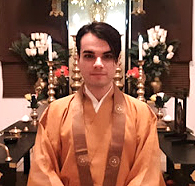
Śāntideva  ·  (Myoren) Alvin R. Montañez Schilansky
Myoren Pure Land of Serene Light.jpg
El Camino del Bodhisattva, en sánscrito, El Bodhicaryavatara, es uno del los textos budistas indios más influenciantes en todo el Budismo Mahayana. Su autor, Shantideva (685–763), fue uno de los más grandes eruditos de Nalanda y uno de los santos más queridos por todos los budistas. Todo esto se debe a la gran compasión y la enorme influencia que tiene El Camino del Bodhisattva en los corazones de millones de budistas en todo el mundo.

El Camino del Bodhisattva es considerado un manual para Bodhisattvas: seres que postergan su Iluminación hasta salvar a todos los seres sintientes del océano del nacimiento y la muerte del Samsara - la existencia cíclica.

Este libro presenta una nueva traducción al español con un estudio de sus enseñanzas en práctica.

El traductor de esta obra, Myoren, es sacerdote budista Tendai y autor de numerosos libros sobre Budismo y espiritualidad, y te presenta El Camino del Bodhisattva de Shantideva, en un lenguaje reverente y sencillo, para que puedas aplicar sus enseñanzas en tu vida diaria. (Source: back cover)
Separator narrow.png
2019
Red Horizontal Vajra.png
Perry Schmidt-Leukel  ·  Cynthia Peck-Kubaczek  ·  Ernst Steinkellner
Steinkellner Ernst ÖAW.jpg
The Bodhicaryavatara ("Entering the Course towards Awakening") is an Indian Mahayana Buddhist companion to the path of a Bodhisattva, someone motivated by the altruistic "spirit of awakening". Unlike many other Buddhist scriptures, much of this text is written in the very touching form of personal reflections. Despite its late composition (7th-8th cent. CE), the Bodhicaryavatara quickly gained widespread recognition and high appraisal in various parts of the Buddhist world and even beyond. Today it is one of the most widely translated Buddhist texts. The 14th Dalai Lama has emphasized the special impact of this scripture on his own spirituality, and a number of Western scholars have praised it as a true gem among the world’s religious classics. After many commentaries by Buddhist scholars throughout the centuries, this is the first commentary from a Christian perspective, exploring the deep resonances between the "spirit of awakening" and the "spirit of Christ". (Source: Peeters Publishers)
Separator narrow.png
2019
Red Horizontal Vajra.png
Chodrung-ma Kunga Chodron  ·  Venerable Khenpo Kalsang Gyaltsen
Chodron Kunga bhiksuniordination.jpg
This volume contains an English translation of a famous commentary by the great Sakya scholar Sazang Mati Panchen, which provides both a concise overview of Buddhist philosophy, and a clear verse-by-verse commentary. A foreword by His Holiness Sakya Trizin guides the reader to the heart of the work, which is the development of the resolve to cultivate wisdom and compassion in order to attain enlightenment for the benefit of all beings. (Adapted from Source Nov 10, 2021)
Separator narrow.png
2019
Red Horizontal Vajra.png
Sönam Tsemo  ·  Śāntideva  ·  Adrian O'Sullivan
OSullivan Adrian Sakya Buddhist Center LA CA.jpg
The 8th century Indian master Santideva's classic guide to the Buddhist path, the Bodhicaryavatara or 'Entering the Bodhisattva Conduct', is to this day one of the most popular and important works of the Mahayana Buddhist tradition. Presented here in a new English translation, it is supplemented with a detailed commentary composed by Sonam Tsemo (1142-1182), one of the most celebrated masters of the Sakya school in Tibet. The commentary shines a brilliant light on Santideva's great work, clarifying every detail and resolving every difficult point. Translated into English from Tibetan for the first time, the commentary is an invaluable aid for all who wish for a full and deep understanding of the Bodhicaryavatara. (Source Accessed Jan 27, 2021)
Separator narrow.png
2020
Red Horizontal Vajra.png
Vanja Brkljač  ·  Mihajlo Pažanin
Brkljač Vanja.png
Croatian translation of the Bodhicaryāvatāra. The following is a translation from the preface using Claude.ai:

Guide to the Bodhisattva's Way of Life is a work composed in the eighth century by the Buddhist monk Shantideva. From the time it appeared until today, it has occupied an irreplaceable place in all Mahayana Buddhist schools, while in Tibet itself it enjoys a reputation comparable to the importance of the New Testament for all Christians. As its name suggests, Shantideva explained in it, in an inspired and concise manner, how a bodhisattva should behave and act, placing special emphasis on the development of bodhicitta – the mind of wisdom and compassion. It was precisely based on this text that numerous systems for developing the 'awakened mind' appeared throughout history, which are taught, studied, and practiced to this day.

The first version of the translation of this text into Croatian was made back in 2002, on the occasion of His Holiness the Dalai Lama's visit to Croatia, who then joyfully received it as a gift. That first Croatian version was based on Stephen Batchelor's English translation from Tibetan, published by the Library of Tibetan Works and Archives from Dharamsala.

However, over the years it became clear that the existing Croatian translation needed to be thoroughly refreshed with numerous corrections and new interpretations: this is a text that contains so many different levels of interpretation that even the Tibetans themselves have been adapting it to their own language for centuries. If we limit ourselves to just the most significant European languages, today there are at least six English translations of this text, five French and four German, as well as a significant number of translations of its commentaries.

Batchelor based his translation on the commentary of the fourteenth-century Tibetan teacher Thogme Zangpo, Ocean of Good Explanations. Seeking to make reading easier and provide context for the most demanding ninth chapter, he presented it in the form of an extended prose dialogue, although the original text was written, like the rest of the work, in concise verse form. Wishing to convey to readers something of the pithy style of Shantideva's expression and provide the possibility of additional understanding of the complexity of the ninth chapter, we have included in the Croatian translation verses from two additional English translations: that of Vesna and Alan Wallace and that of the Padmakara translation group. The Wallaces' translation relies on both the Sanskrit and Tibetan originals, while Padmakara's represents an extremely meticulous reading of the Tibetan original. The reader will therefore be able to compare three versions of translations of the same verses, thus obtaining three different keys to understanding them.
Separator narrow.png
2021
Red Horizontal Vajra.png
Śāntideva  ·  David Karma Choephel
Choephel David.jpeg
This is a fresh translation to, and commentary on, Entering the Way of the Bodhisattva, perhaps the most renowned and thorough articulation of the bodhisattva path. Written by the eighth-century Indian monk Shantideva, Entering the Way of the Bodhisattva is a guide to becoming a bodhisattva, someone who is dedicated to achieving enlightenment in order to benefit all beings. Accomplished translator Khenpo David Karma Choephel translates and interprets Shantideva's text with contemporary sensibilities in mind, providing necessary context and practical advice.

After presenting the full translation, Khenpo David Karma Choephel then introduces readers to the text, explaining the key points of each chapter with clarity and wisdom. Combining a uniquely poetic translation with detailed analysis, this book is a comprehensive guide to developing oneself in service of others. Teachings that have been at the heart of Mahayana practice for centuries are given new life, and the supporting commentary makes the text accessible and applicable to practitioners. Readers interested in the bodhisattva path will find this a comprehensive resource filled with captivating verse and incisive interpretations. (Source: Shambhala Publications)

Separator narrow.png
2021
Red Horizontal Vajra.png
The Fourth Drukchen Pema Karpo  ·  Śāntideva  ·  Tony Duff
Tony Duff.jpg
This book is in two parts. The first part is the complete text of Entering the Conduct of a Bodhisatva, a very famous text composed by the Indian Buddhist master Śhāntideva [8th century CE]. The second part is an excellent Tibetan commentary to Śhāntideva's text entitled Entering the Conduct of a Bodhisatva with an Interspersed Commentary Called "A Lamp for the Path of the Middle Way", composed by the Tibetan Buddhist master Padma Karpo [1527–1592 CE]. (Duff, introduction, v)
Separator narrow.png
2022
Red Horizontal Vajra.png
Śāntideva  ·  Khenpo Gawang  ·  Gerry Wiener
KhenpoGawang PemaKarpo.jpg
The Bodhisattvacharyavatara is the most respected and well know text that teaches how to train the mind of a bodhisattva. The author, Shantideva, was born in the south of India sometime around the early part of the 8th century and became one of the great scholar practitioners of Nalanda University. This first version of the text was translated from Sanskrit into Tibetan in the late 8th century by the great Nyingmapa translator, Kawa Peltsek together with the Indian pandit, Sarvajnadeva. The Dunhuang Bodhisattvacharyavatara manuscripts are over 1000 years old. We examined three manuscripts, each written in a different hand, made spelling corrections, and then combined the manuscripts into one complete text. The combined manuscript has 9 chapters and approximately 700 stanzas or shlokas. The Tibetan is included with this translation. (Source: Amazon)
Separator narrow.png
2023
Red Horizontal Vajra.png
Khenpo Zhenga  ·  Śāntideva  ·  Khenpo Gawang  ·  Gerry Wiener
KhenpoGawang PemaKarpo.jpg
Khenpo Shenga's (Gzhan phan chos kyi snang ba, 1871-1927) annotated commentaries form the core of the present curriculum in many Buddhist colleges throughout the Himalayan region. It is said that he was able to teach texts such as Bodhicharyavatara entirely from memory. Foreward by Alak Zenkar Rinpoche.
Separator narrow.png
2025
Red Horizontal Vajra.png
Douglas Duckworth
Douglas Duckworth square-Official.jpg
This longest commentary on the first eight chapters of the Chonjuk or Way of the Bodhisattva (Bodhicaryāvatāra) was funded by Tsadra Foundation as part of an effort to support research and translation on Śāntideva and the concept of Bodhicitta. The book, both in Tibetan and in its English translation by Douglas Duckworth, is remarkable for the way it shows how the poetry of the original root text is embedded in a vast Buddhist textual multiverse, interconnecting sutras and commentaries, traditions and ideas.

Śāntideva's Way of the Bodhisattva (Bodhicaryāvatāra) is without a doubt one of the greatest masterpieces of Indian Buddhism and the single most influential text on Mahāyāna ethical theory. Since it was composed in around the eighth century, it has continuously animated the living tradition, especially in Tibet but now in the West as well, as more translations have become available. Its poetic evocations of the spirit of awakening allow readers to enter the mind of the bodhisattva.

Its longest commentary in any language is the one translated here, by the nineteenth-century master Minyak Kunzang Sönam. It came to be known as the Great Hūṃ because it fills the entirety of the third or hūṃ volume of the author's collected works. Citing hundreds of sūtras, he shows how Śāntideva's verses are beautifully integrated within, and express, the Buddhist textual universe. In particular, he ties Śāntideva's verses with the Anthology of Training, the thematic collection of scriptural citations also compiled by Śāntideva, creating a detailed tapestry of Mahāyāna thought and practice. This volume presents Kunzang Sönam’s commentary on the first eight chapters, detailing the generation of the spirit of awakening, the cultivation of positive qualities, and the practice of meditation. Embedded in the commentary is a fresh translation of Śāntideva’s verses, making this an unparalleled guide to appreciating their layers of meaning and applying them in one’s practice and life. (Source: Wisdom Publications)


Separator narrow.png