| 🤓 Admin Zone 🛠️ hidden to non-admins | |

Description
- All phenomena that arise from causes,
The Tathāgata has taught their cause,
And that which is their cessation,
Thus has proclaimed the Great Renunciant.
The Buddha then explains that this dependent arising is the dharmakāya, and that whoever sees dependent arising sees the Buddha. He concludes the sūtra by saying that one should place these verses inside stūpas to attain the merit of Brahmā. (Source: 84000: Translating the Words of the Buddha)


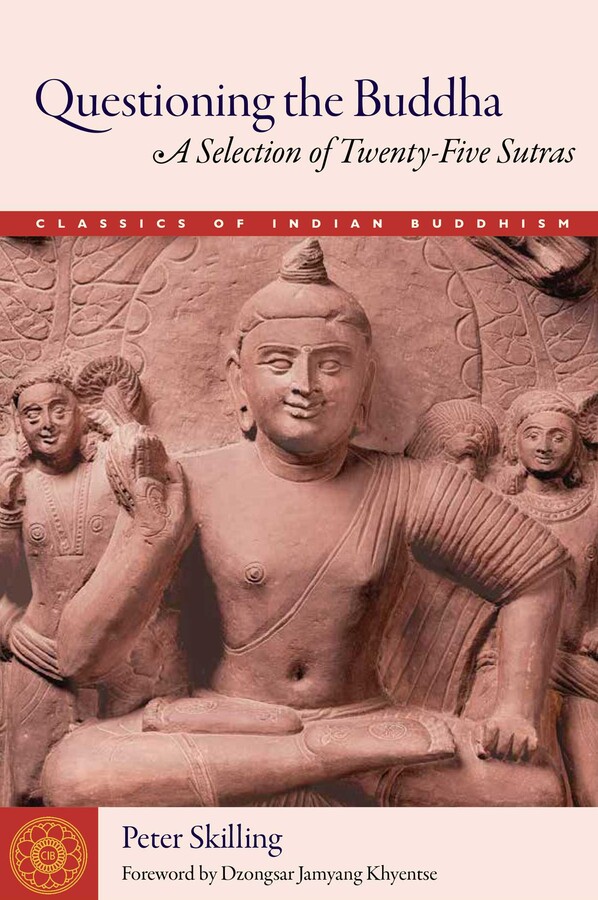
Peter Skilling, an authority on early Buddhist epigraphy, archaeology, and textual traditions, has been immersed in the Buddhist scriptures of diverse traditions for nearly half a century. In this volume, he draws on his deep and extensive research to render these ancient teachings in a fresh and precise language. His introduction is a fascinating history of the Buddhist sutras, including the transition from oral to written form, the rise of Mahayana literature, the transmission to Tibet, the development of canons, and a look at some of the pioneers of sutra study in the West.
Sutras included in this volume are: Four Dharmas Not to Be Taken for Granted; The Benefits of Giving; The Exposition of Four Dharmas; The Merit of the Three Refuges; Four Dharmas Never to Be Abandoned; Advice for Bodhisatva Dharmaketu; Advice for Bodhisatva Jayamati; Sūtra Comparing Bodhicitta to Gold; Bodhisatva Maitreya’s Question about the Gift of the Dharma; Four Summaries of the Dharma Spoken to the Nāga King Sāgara; The Stanza of Dependent Arising; The Heart Formula of Dependent Arising; Prediction of the Boy Brahmaśrī’s Future Buddhahood; Kṣemavatī’s Prediction to Future Buddhahood; The City Beggar Woman; An Old Woman’s Questions about Birth and Death; The Questions of Śrīmatī the Brahman Woman; The Questions of the Laywoman Gaṅgottarā; Brahmā Sahāṃpati’s Question; Advice to King Prasenajit; Passage to the Next Life; Instructions for King Bimbisāra; Instructions for King Udayana; Buddhas as Rare as a Grain of Golden Sand; and Predictions on the Eve of the Great Final Nirvāṇa. (Source: Wisdom Experience)
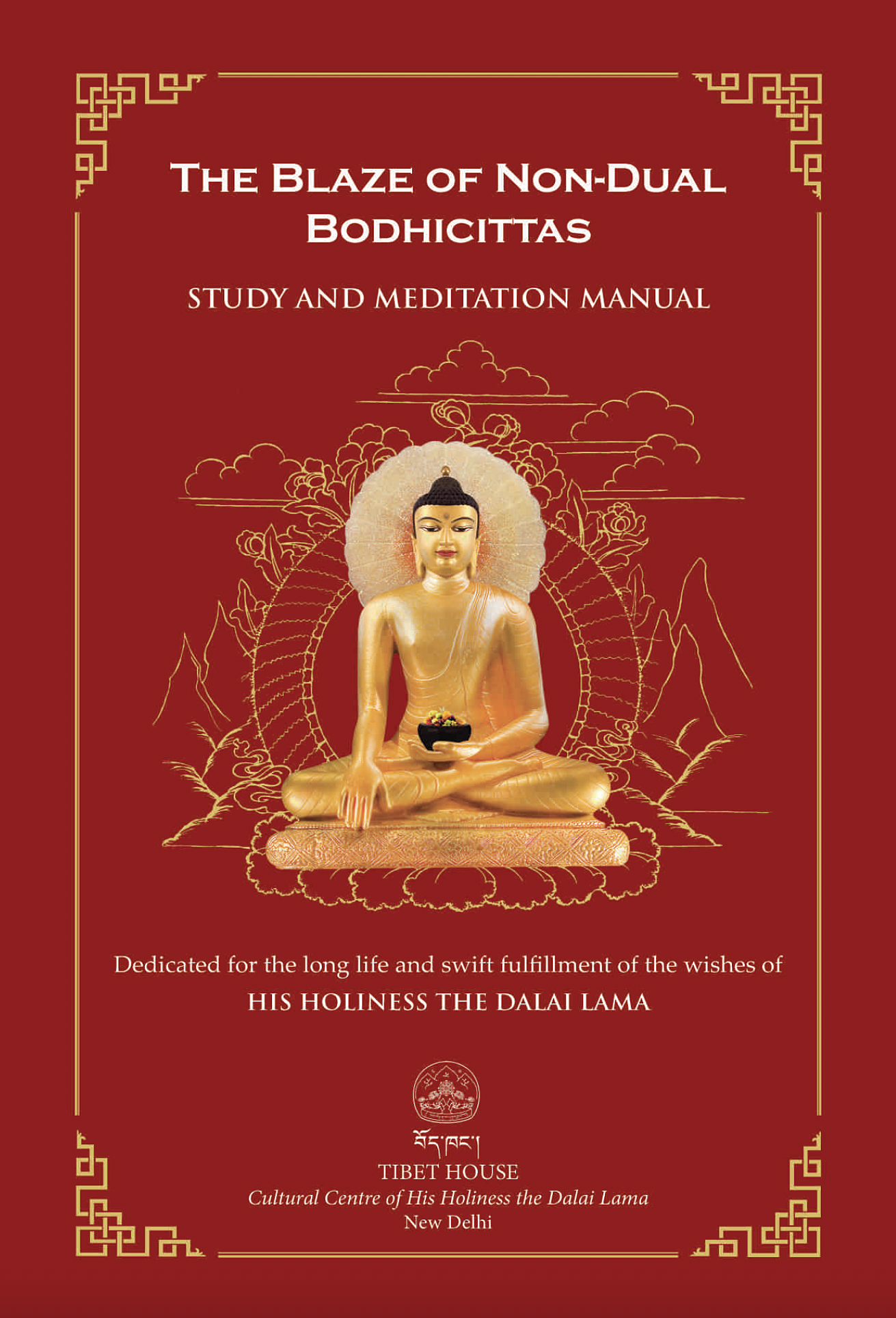
The book is divided into five parts:
I. Daily Recitation and Practice
II. Selected Texts for Study, Reflection and Meditation
III. Additional Prayers, Vows and Commitments
IV. Daily Dedication Prayers
V. Appendix
Part I and Part IV serve as a useful guide for all, who have an inclination towards dharma practice, but do not know how to start and design a daily practice session. It is also useful for those seekers who might be misguided and surmise that dharma practice comprises only of mantra recitation and so forth, thereby missing its essence.
Part II helps strengthen the practitioner’s dharma practice on the basis of selected compositions of great scholars and yogis. The actual breakthrough in the mental transformation happens through changes in the thought process, for which study and reflection are the cornerstones. Any of these profound texts and short extracts may be selected for study, reflection or meditation, on an on-going basis.
Part III reinforces and rejuvenates dharma practice and to that end, may be undertaken on a regular or occasional basis.
Part V introduces the reader to meditation practices, both shamatha (calm abiding) and vipasyana (special insight), including meditation on the breath, as well as methods to cultivate Bodhicitta and the wisdom of emptiness. While there are many texts on the wisdom of emptiness, the meditation included here is designed for all those who are not thoroughly introduced to this subject and still want to familiarise and habituate themselves with the wisdom of emptiness.
Brief notes, Endnotes and Glossary have been added to help the readers unfold the meanings of the texts with ease. (preface, xiv–xv)
- All phenomena that arise from causes,
The Tathāgata has taught their cause,
And that which is their cessation,
Thus has proclaimed the Great Renunciant.
Peter Skilling, an authority on early Buddhist epigraphy, archaeology, and textual traditions, has been immersed in the Buddhist scriptures of diverse traditions for nearly half a century. In this volume, he draws on his deep and extensive research to render these ancient teachings in a fresh and precise language. His introduction is a fascinating history of the Buddhist sutras, including the transition from oral to written form, the rise of Mahayana literature, the transmission to Tibet, the development of canons, and a look at some of the pioneers of sutra study in the West.
Sutras included in this volume are: Four Dharmas Not to Be Taken for Granted; The Benefits of Giving; The Exposition of Four Dharmas; The Merit of the Three Refuges; Four Dharmas Never to Be Abandoned; Advice for Bodhisatva Dharmaketu; Advice for Bodhisatva Jayamati; Sūtra Comparing Bodhicitta to Gold; Bodhisatva Maitreya’s Question about the Gift of the Dharma; Four Summaries of the Dharma Spoken to the Nāga King Sāgara; The Stanza of Dependent Arising; The Heart Formula of Dependent Arising; Prediction of the Boy Brahmaśrī’s Future Buddhahood; Kṣemavatī’s Prediction to Future Buddhahood; The City Beggar Woman; An Old Woman’s Questions about Birth and Death; The Questions of Śrīmatī the Brahman Woman; The Questions of the Laywoman Gaṅgottarā; Brahmā Sahāṃpati’s Question; Advice to King Prasenajit; Passage to the Next Life; Instructions for King Bimbisāra; Instructions for King Udayana; Buddhas as Rare as a Grain of Golden Sand; and Predictions on the Eve of the Great Final Nirvāṇa. (Source: Wisdom Experience)
- All phenomena that arise from causes,
The Tathāgata has taught their cause,
And that which is their cessation,
Thus has proclaimed the Great Renunciant.