Śālistambasūtra

From Bodhicitta
< TextsTexts/Śālistambasūtra

🤓 Admin Zone 🛠️ hidden to non-admins
आर्यशालिस्तम्बनाममहायानसूत्र
Śālistambasūtra
འཕགས་པ་སཱ་ལུའི་ལྗང་པ་ཞེས་བྱ་བ་ཐེག་པ་ཆེན་པོའི་མདོ།
'phags pa sA lu'i ljang pa zhes bya ba theg pa chen po'i mdo
The Noble Mahāyāna Sūtra "The Rice Seedling" (84000)
Text


Please note that many items in our library are simply pages that represent a detailed library catalog entry and citation of someone else's work, presentation, or performance. Read our General Disclaimer for more information.

Description

In this sūtra, at the request of venerable Śāriputra, the bodhisattva mahāsattva Maitreya elucidates a very brief teaching on dependent arising that the Buddha had given earlier that day while gazing at a rice seedling. The text discusses outer and inner causation and its conditions, describes in detail the twelvefold cycle by which inner dependent arising gives rise to successive lives, and explains how understanding the very nature of that process can lead to freedom from it. (Source: 84000)
Quoted in the aligned translations
Reference
Interconnections
All 29Books 20Articles 9
4 Recensions
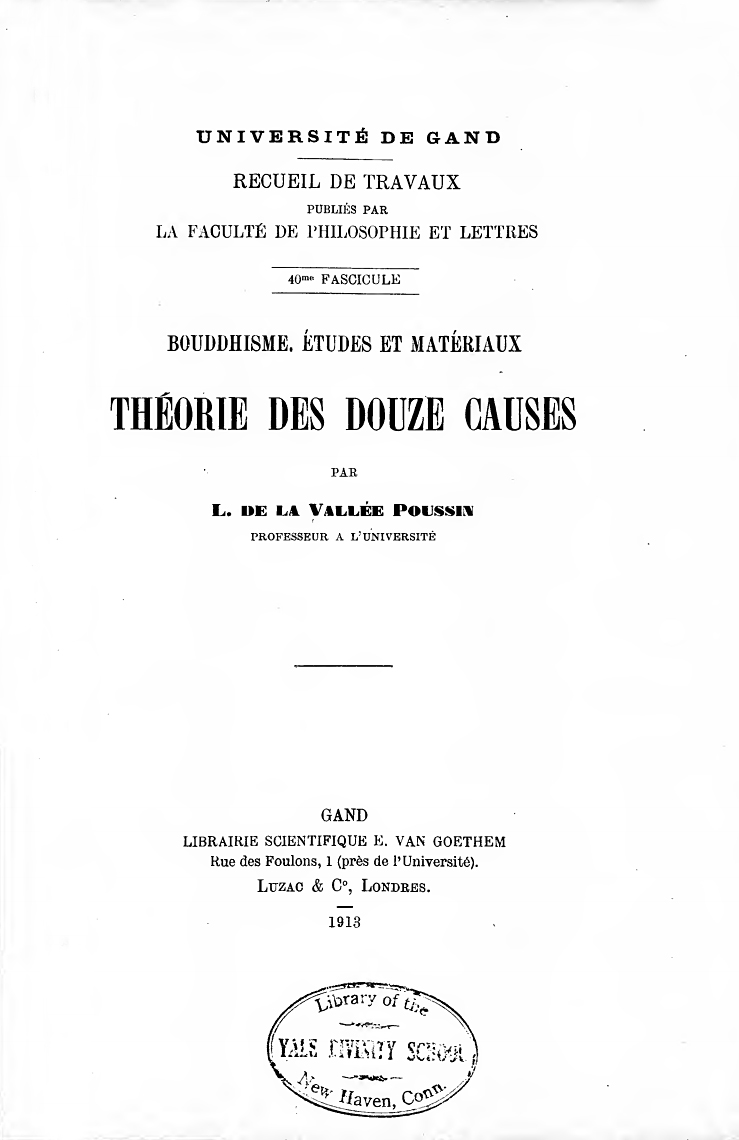
Bouddhisme etudes et materiaux theorie des douze causes-front.jpg
Books1913About this item
La Vallée Poussin, Louis de, ed. Bouddhisme, études et matériaux: Théorie des douze causes. Recueil de travaux publiés par la faculté de philosophie et lettres de l'Université de Gand 40. Ghent, Belgium: E. Van Goethem, 1913.
La Vallée Poussin Louis Bablio.jpg
Articles1913About this item
Contains the transliterated Tibetan text of the Śālistambasūtra and a reconstruction of the Sanskrit original on the basis of the numerous fragments.
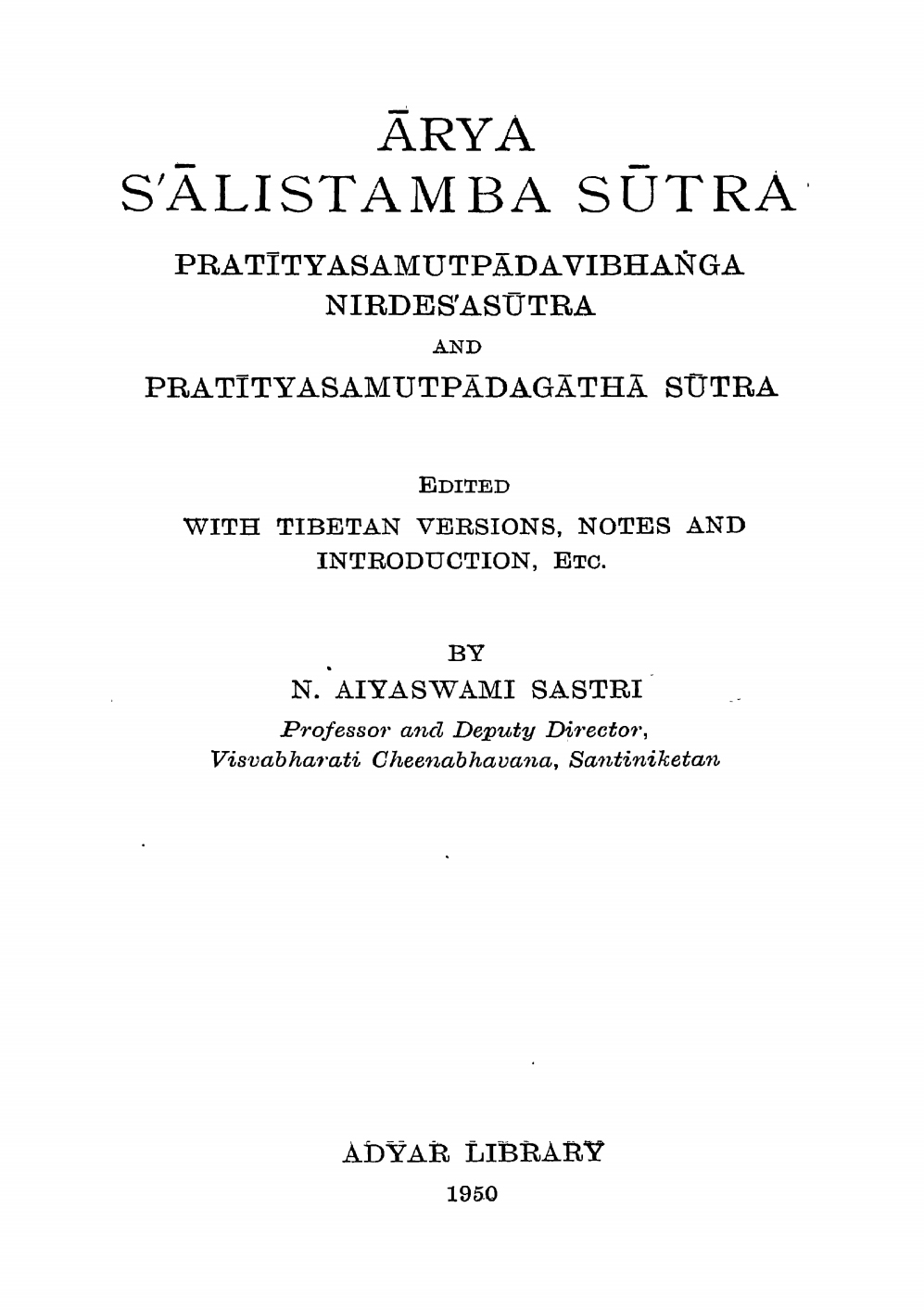
Arya Salistamba Sutra Pratityasamutpadavibhanga Nirdesasutra and Pratityasamutpadagatha Sutra-front.jpg
Books1950About this item
The publication of the Śālistamba Sūtra along with other two Sūtras was planned long ago and commenced in October 1943 through the Bulletin and continued to appear through the issues of the Bulletin till May 1949. The acute paper shortage at the time of commencement, in 1943 did not allow the printing of sufficient number of copies to issue the work as a separate volume, though the entire body of the book, omitting of course the Introduction, etc., appeared in the Bulletin. In pursuance of the plan to issue the book separately, the whole matter had to be reprinted. In so reprinting, the main change I have introduced is the replacement of the reconstructed text of the Vibhaṅga Sūtra by the original one which escaped my notice at that time. I must apologize to my readers that no attempt was made to translate into English any of the texts, although I have given in the Introduction a short summary of the contents of the Śālistamba Sūtra. I have discussed there in full all such topics that would interest the scholars in the present context. Some information from epigraphical records in regard to the Buddha's worship and image are also culled in the Additional Notes (pp, 31-33). The Tibetan text which is presented in this volume is reproduced from the xylograph copy of the Kanjur collection in Narthang Edition preserved in the Adyar Library. Since no Peking Edition of the collection was available to me, I was not able to consult that edition in preparing my Tibetan text. Full particulars about the Chinese translations are supplied in the Introduction, IV. Index of the Tibetan-Sanskrit words is intended to cover only the authentic terms thus the terms from the last Sūtra are left unrecorded in the Index. I have likewise also prepared a Chinese Index of such technical terms, Since the facility for printing Chinese characters is not available at present, I have deferred it for a future occasion. (N. A. Sastri, preface, v–vi)
9 Full translations
Soutra du Diamant-front.jpg
Books2001About this item
A French translation of the Diamond Sūtra and other Mahāyāna sūtras by Philippe Cornu and Patrick Carré.
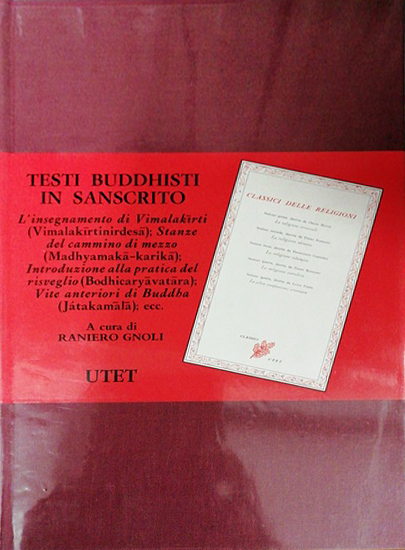
Testi Buddhisti in Sanscrito-front.jpg
Books1983About this item
A compilation of fourteen Sanskrit Buddhist texts translated into Italian, including the Bodhicaryāvatāra. Edited by Raniero Gnoli.
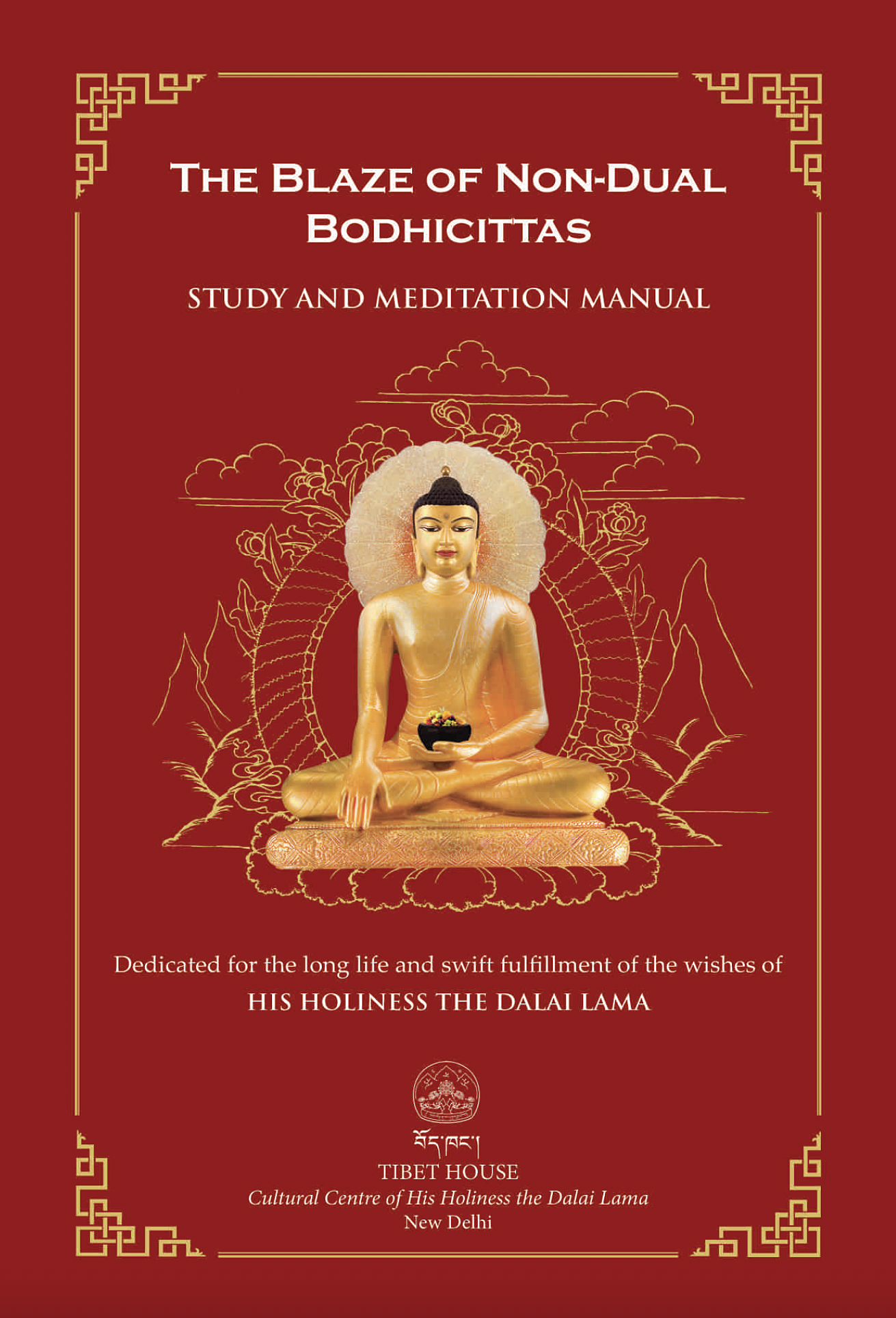
The Blaze of Non-Dual Bodhicittas-front.png
Books2019About this item
The initial idea for this study, reflection and meditation manual took seed in 2004, when I first started to translate for His Holiness the Dalai Lama. I found many of the Nalanda texts frequently taught by His Holiness to be very useful; it occurred to me that a compilation of these in the English language would greatly benefit many seekers who might otherwise lack the opportunity to access them. It is only now, after many years of sharing the working drafts of this manual at Tibet House in New Delhi, as well as in many other places that the idea has finally come to fruition.

The book is divided into five parts:

I. Daily Recitation and Practice
II. Selected Texts for Study, Reflection and Meditation
III. Additional Prayers, Vows and Commitments
IV. Daily Dedication Prayers
V. Appendix

Part I and Part IV serve as a useful guide for all, who have an inclination towards dharma practice, but do not know how to start and design a daily practice session. It is also useful for those seekers who might be misguided and surmise that dharma practice comprises only of mantra recitation and so forth, thereby missing its essence.

Part II helps strengthen the practitioner’s dharma practice on the basis of selected compositions of great scholars and yogis. The actual breakthrough in the mental transformation happens through changes in the thought process, for which study and reflection are the cornerstones. Any of these profound texts and short extracts may be selected for study, reflection or meditation, on an on-going basis.

Part III reinforces and rejuvenates dharma practice and to that end, may be undertaken on a regular or occasional basis.

Part V introduces the reader to meditation practices, both shamatha (calm abiding) and vipasyana (special insight), including meditation on the breath, as well as methods to cultivate Bodhicitta and the wisdom of emptiness. While there are many texts on the wisdom of emptiness, the meditation included here is designed for all those who are not thoroughly introduced to this subject and still want to familiarise and habituate themselves with the wisdom of emptiness.

Brief notes, Endnotes and Glossary have been added to help the readers unfold the meanings of the texts with ease. (preface, xiv–xv)
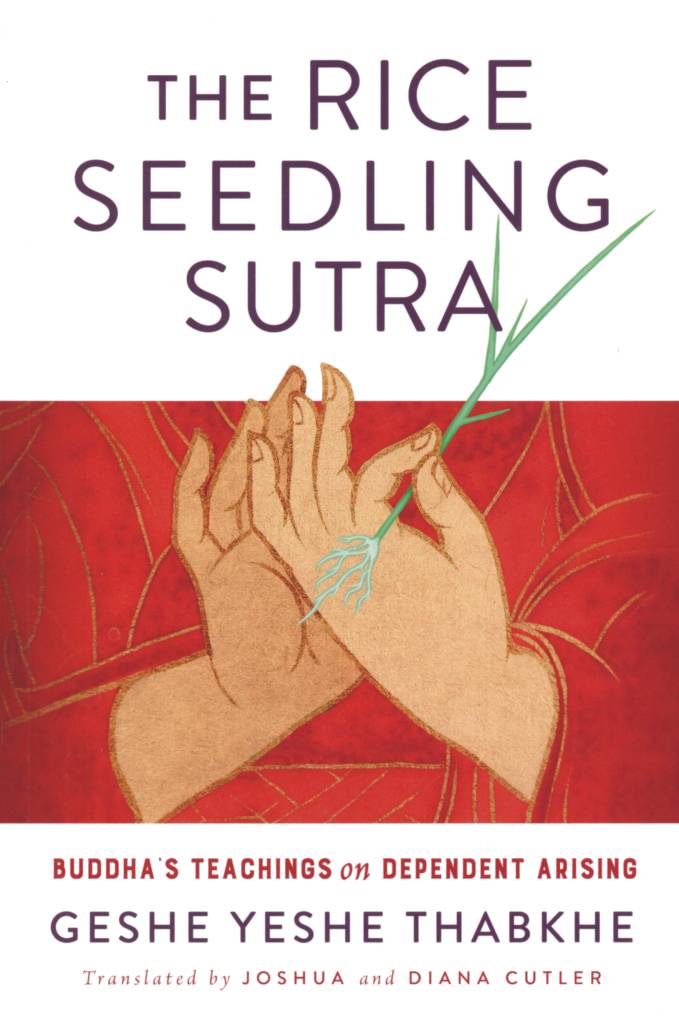
The Rice Seedling Sutra-front.jpg
Books2020About this item
Geshe Yeshe Thabkhe explores dependent arising, and the corollary teaching of emptiness, through the Rice Seeding Sūtra (Śālistambasūtra) and others.
The Rice Seedling Śālistamba 84000-front.jpg
Books2020About this item
An English translation of the Śālistambasūtra from the Tibetan by the Dharmasāgara Translation Group. Published by 84000: Translating the Words of the Buddha.
The Salistamba Sutra And Its Indian Commentaries Vol 1-front.jpg
Books1995About this item
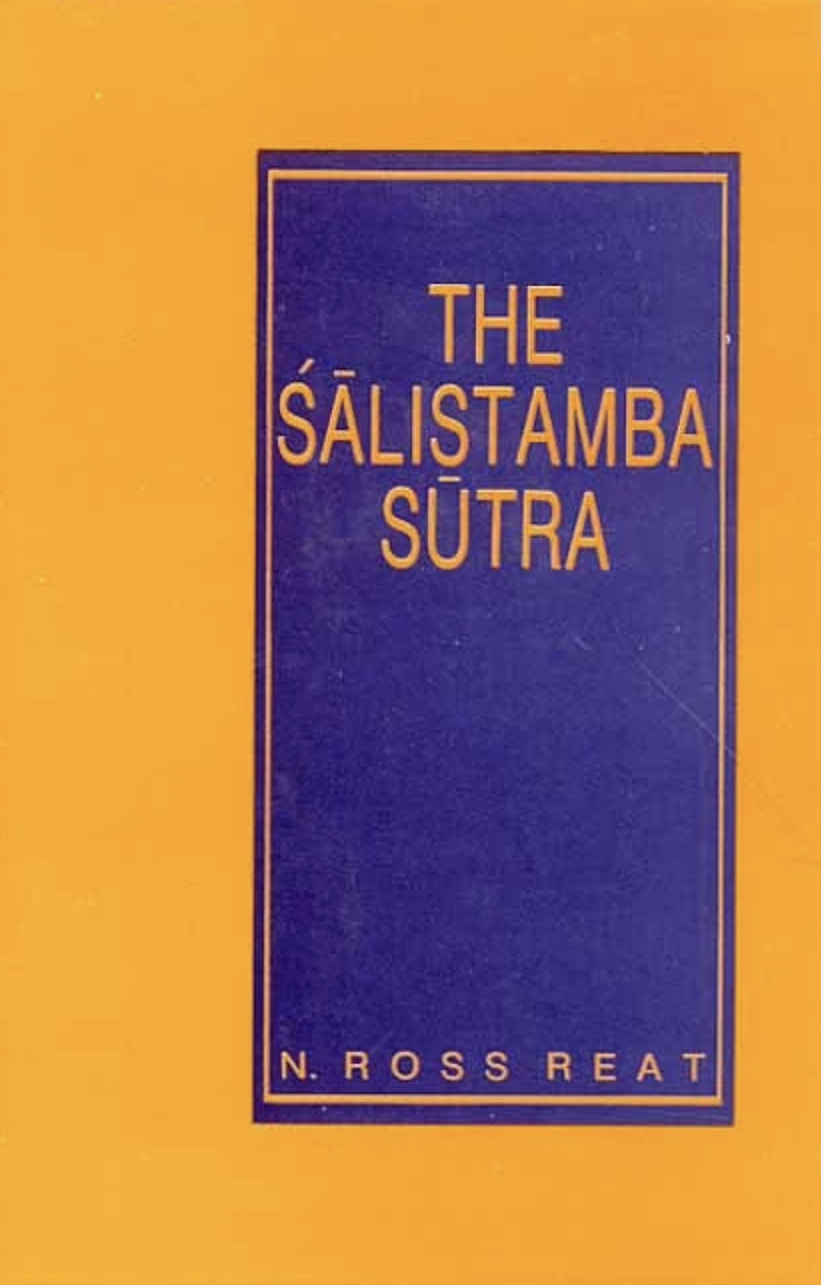
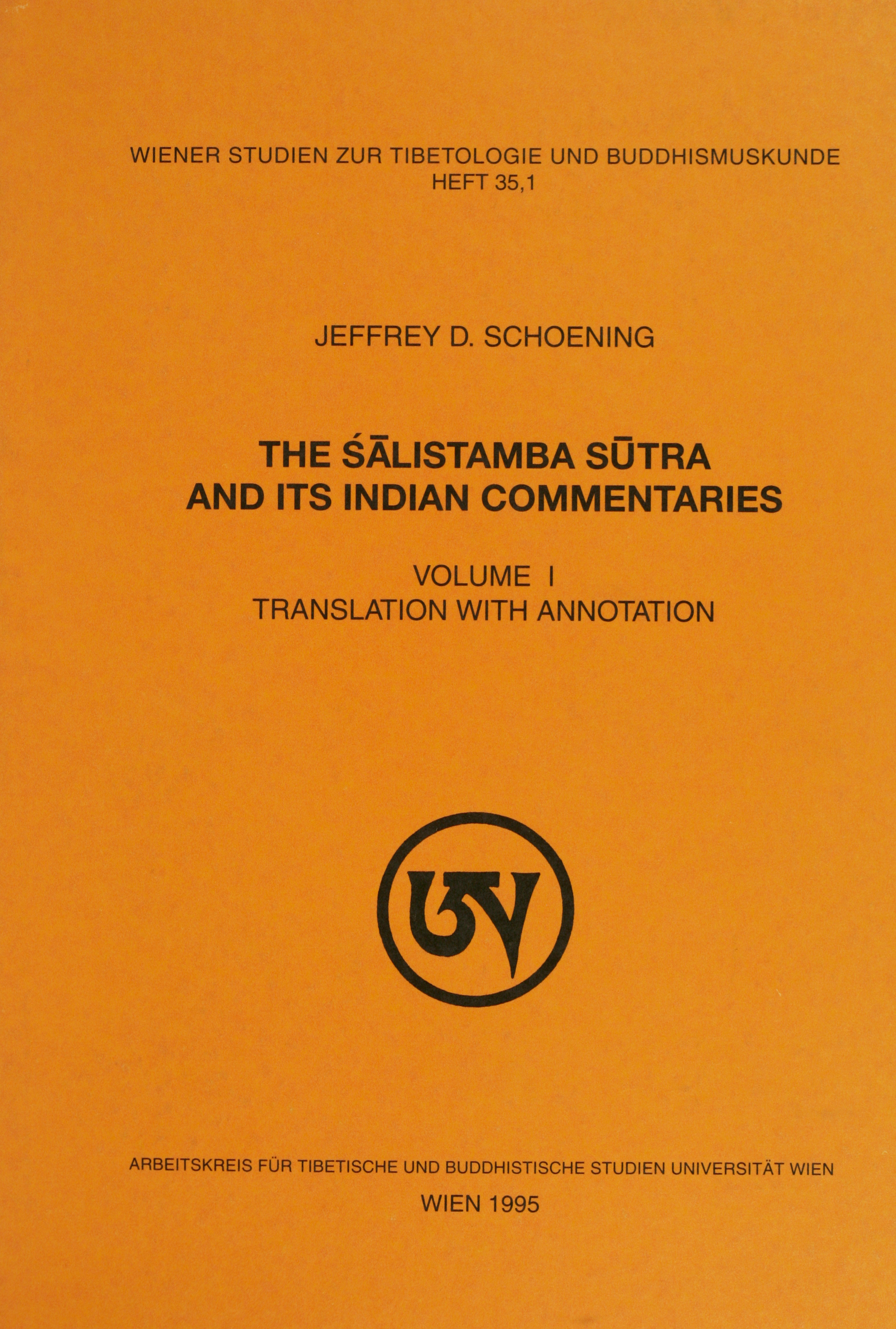
An English translation of the Śālistambasūtra by Jeffrey D. Schoening. Includes a translation of Kamalaśīla's Śālistambaṭīkā and the Śālistambakakārikā attributed to Nāgārjuna.
The Salistamba Sutra And Its Indian Commentaries Vol II-front.jpg
Books1995About this item
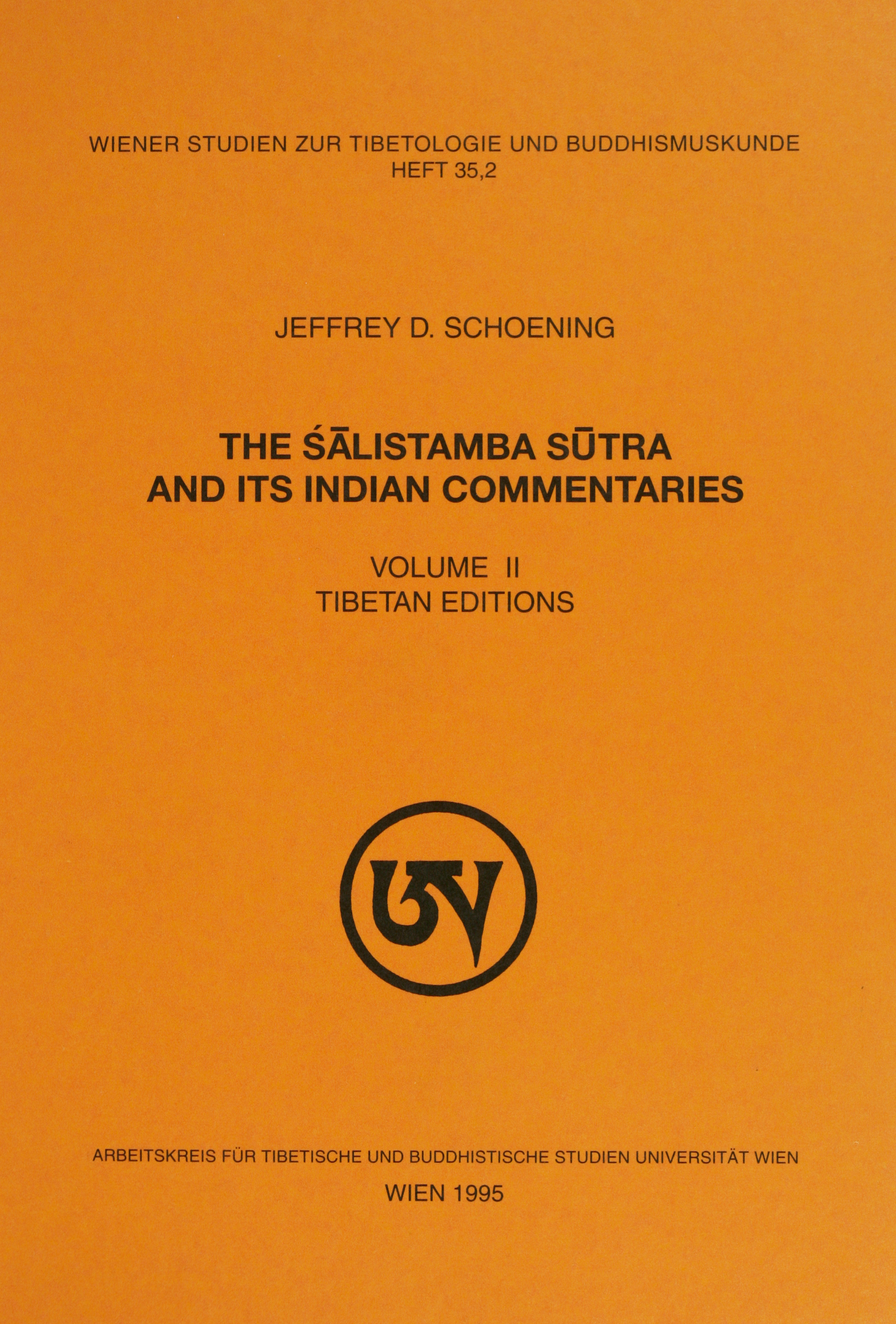
Volume two of a study and translation of the Śālistambasūtra by Jeffrey D. Schoening. This volume includes the relevant Tibetan texts.
14 A topic of
Bouddhisme etudes et materiaux theorie des douze causes-front.jpg
Books1913About this item
La Vallée Poussin, Louis de, ed. Bouddhisme, études et matériaux: Théorie des douze causes. Recueil de travaux publiés par la faculté de philosophie et lettres de l'Université de Gand 40. Ghent, Belgium: E. Van Goethem, 1913.
La Vallée Poussin Louis Bablio.jpg
Articles1913About this item
Contains the transliterated Tibetan text of the Śālistambasūtra and a reconstruction of the Sanskrit original on the basis of the numerous fragments.
Soutra du Diamant-front.jpg
Books2001About this item
A French translation of the Diamond Sūtra and other Mahāyāna sūtras by Philippe Cornu and Patrick Carré.
Testi Buddhisti in Sanscrito-front.jpg
Books1983About this item
A compilation of fourteen Sanskrit Buddhist texts translated into Italian, including the Bodhicaryāvatāra. Edited by Raniero Gnoli.
The Blaze of Non-Dual Bodhicittas-front.png
Books2019About this item
The initial idea for this study, reflection and meditation manual took seed in 2004, when I first started to translate for His Holiness the Dalai Lama. I found many of the Nalanda texts frequently taught by His Holiness to be very useful; it occurred to me that a compilation of these in the English language would greatly benefit many seekers who might otherwise lack the opportunity to access them. It is only now, after many years of sharing the working drafts of this manual at Tibet House in New Delhi, as well as in many other places that the idea has finally come to fruition.

The book is divided into five parts:

I. Daily Recitation and Practice
II. Selected Texts for Study, Reflection and Meditation
III. Additional Prayers, Vows and Commitments
IV. Daily Dedication Prayers
V. Appendix

Part I and Part IV serve as a useful guide for all, who have an inclination towards dharma practice, but do not know how to start and design a daily practice session. It is also useful for those seekers who might be misguided and surmise that dharma practice comprises only of mantra recitation and so forth, thereby missing its essence.

Part II helps strengthen the practitioner’s dharma practice on the basis of selected compositions of great scholars and yogis. The actual breakthrough in the mental transformation happens through changes in the thought process, for which study and reflection are the cornerstones. Any of these profound texts and short extracts may be selected for study, reflection or meditation, on an on-going basis.

Part III reinforces and rejuvenates dharma practice and to that end, may be undertaken on a regular or occasional basis.

Part V introduces the reader to meditation practices, both shamatha (calm abiding) and vipasyana (special insight), including meditation on the breath, as well as methods to cultivate Bodhicitta and the wisdom of emptiness. While there are many texts on the wisdom of emptiness, the meditation included here is designed for all those who are not thoroughly introduced to this subject and still want to familiarise and habituate themselves with the wisdom of emptiness.

Brief notes, Endnotes and Glossary have been added to help the readers unfold the meanings of the texts with ease. (preface, xiv–xv)
The Rice Seedling Sutra-front.jpg
Books2020About this item
Geshe Yeshe Thabkhe explores dependent arising, and the corollary teaching of emptiness, through the Rice Seeding Sūtra (Śālistambasūtra) and others.
The Rice Seedling Śālistamba 84000-front.jpg
Books2020About this item
An English translation of the Śālistambasūtra from the Tibetan by the Dharmasāgara Translation Group. Published by 84000: Translating the Words of the Buddha.
The Salistamba Sutra And Its Indian Commentaries Vol 1-front.jpg
Books1995About this item
An English translation of the Śālistambasūtra by Jeffrey D. Schoening. Includes a translation of Kamalaśīla's Śālistambaṭīkā and the Śālistambakakārikā attributed to Nāgārjuna.
The Salistamba Sutra And Its Indian Commentaries Vol II-front.jpg
Books1995About this item
Volume two of a study and translation of the Śālistambasūtra by Jeffrey D. Schoening. This volume includes the relevant Tibetan texts.
Arya Salistamba Sutra Pratityasamutpadavibhanga Nirdesasutra and Pratityasamutpadagatha Sutra-front.jpg
Books1950About this item
The publication of the Śālistamba Sūtra along with other two Sūtras was planned long ago and commenced in October 1943 through the Bulletin and continued to appear through the issues of the Bulletin till May 1949. The acute paper shortage at the time of commencement, in 1943 did not allow the printing of sufficient number of copies to issue the work as a separate volume, though the entire body of the book, omitting of course the Introduction, etc., appeared in the Bulletin. In pursuance of the plan to issue the book separately, the whole matter had to be reprinted. In so reprinting, the main change I have introduced is the replacement of the reconstructed text of the Vibhaṅga Sūtra by the original one which escaped my notice at that time. I must apologize to my readers that no attempt was made to translate into English any of the texts, although I have given in the Introduction a short summary of the contents of the Śālistamba Sūtra. I have discussed there in full all such topics that would interest the scholars in the present context. Some information from epigraphical records in regard to the Buddha's worship and image are also culled in the Additional Notes (pp, 31-33). The Tibetan text which is presented in this volume is reproduced from the xylograph copy of the Kanjur collection in Narthang Edition preserved in the Adyar Library. Since no Peking Edition of the collection was available to me, I was not able to consult that edition in preparing my Tibetan text. Full particulars about the Chinese translations are supplied in the Introduction, IV. Index of the Tibetan-Sanskrit words is intended to cover only the authentic terms thus the terms from the last Sūtra are left unrecorded in the Index. I have likewise also prepared a Chinese Index of such technical terms, Since the facility for printing Chinese characters is not available at present, I have deferred it for a future occasion. (N. A. Sastri, preface, v–vi)