No edit summary |
No edit summary |
||
| Line 27: | Line 27: | ||
}}{{AddResSection | }}{{AddResSection | ||
|header=Recommended Videos Related to Chapter 6 | |header=Recommended Videos Related to Chapter 6 | ||
|tiles= | |tiles=Engaging in the Bodhisattva's Deeds - Chapter 6 Verses 1–7: Teaching by Geshe Lhundub Sopa (Part 1 of 9);Shantideva's Engaging in the Bodhisattva's Deeds: The Defects of Anger: Teaching by Venerable Thubten Chodron (Part 56);Shantideva's Guide to the Bodhisattva's Way of Life by Don Handrick, Ch. 6 (Part 1 of 9);Shantideva's Guide to the Bodhisattva's Way of Life by Ringu Tulku Rinpoche: Lesson 6. Patience | ||
}}{{AddResSection | }}{{AddResSection | ||
|header=Explore All Resources Related to Chapter 6 | |header=Explore All Resources Related to Chapter 6 | ||
Revision as of 13:36, 3 March 2026
- Chapter 1 - The Excellence and Benefits of Bodhicitta
- Chapter 10 - Dedication
- Chapter 2 - Confession of Negativity
- Chapter 3 - Taking Hold of Bodhicitta
- Chapter 4 - Conscientiousness
- Chapter 5 - Vigilant Introspection
- Chapter 6 - Patience
- Chapter 7 - Diligence
- Chapter 8 - Meditative Concentration
- Chapter 9 - Wisdom
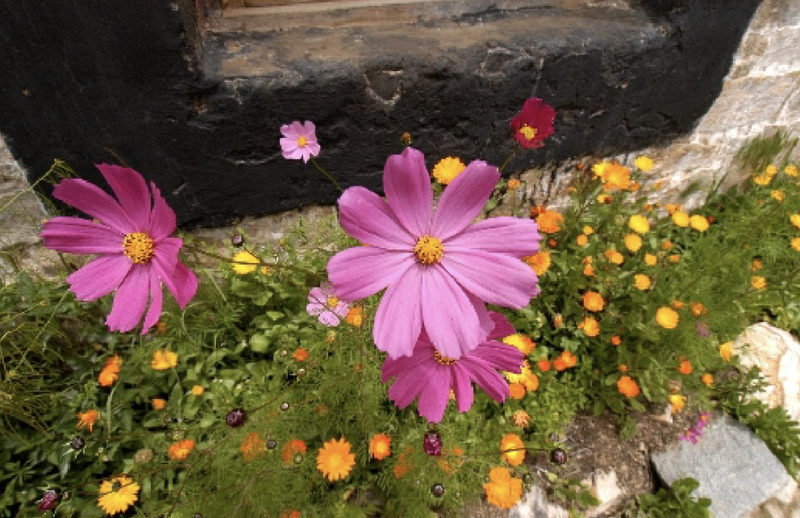
In chapter 6 Śāntideva presents the topic of patience as the antidote to the most destructive emotion of anger. The chapter consists of verses on overcoming anger, cultivating patience, and respecting all sentient beings. Anger, according to Śāntideva, is never justified and is an emotion wholly destructive of positively accumulated karma. As this is the case, Śāntideva instructs through rational argument why the spiritual aspirant should see enemies not as objects worthy of anger or retaliation but as beings caught in the grips of their own afflictive emotions.
Concise Summary of Essential Points
With a strong grounding in ethical discipline, and with our minds guarded by mindfulness and vigilant introspection, Śāntideva now moves on to another essential factor in protecting ourselves from the harm caused by our own internal negative emotions—the practice of patience.
Chapters 4 to 6 cover the second major section of the Bodhicaryāvatāra, which deals with how to prevent the bodhicitta which we have developed from declining. As the structure of the text unfolds, Śāntideva combines this structure of progressive development of bodhicitta with the main practices on the bodhisattva’s path, that of the six perfections (pāramitās).
The first two of the perfections, generosity and ethical discipline, are discussed earlier in chapters 1 to 5. From chapter 6 onward, Śāntideva devotes each of the next four chapters (from chapter 6 to chapter 9) to how to train in the remaining four perfections of patience, diligence, meditative absorption, and wisdom.
Chapter 6 is devoted to the perfection of patience (kṣānti pāramitā) and the identification and methods of overcoming the direct antagonist of patience, anger. The reason that Śāntideva devotes such a long chapter to overcoming anger is that it is the mental factor that most clearly prevents us from developing the mind of enlightenment, bodhicitta. If we have angry thoughts toward others running through our minds, then how will we be able to develop the wish to attain the highest state of perfection in order to benefit all beings? This is impossible. Therefore, Śāntideva stresses the vital importance of the cultivation of patience.
As Śāntideva clearly puts it in one of the opening verses, there is no mental state worse than anger, and there is no greater positive practice than that of developing patience in the face of challenging circumstances.
No evil is there similar to anger, No austerity to be compared with patience. Steep yourself, therefore, in patience, In various ways, insistently.
Page(s) 77
Blankleder, Helena, and Wulstan Fletcher (Padmakara Translation Group), trans. The Way of the Bodhisattva: A Translation of the Bodhicharyāvatāra. By Śāntideva. Rev. ed. Shambhala Classics. Boston: Shambhala Publications, 2006.
ཞེ་སྡང་ལྟ་བུའི་སྡིག་པ་མེད། །
བཟོད་པ་ལྟ་བུའི་དཀའ་ཐུབ་མེད། ། དེ་བས་བཟོད་ལ་ནན་ཏན་དུ། །
སྣ་ཚོགས་ཚུལ་གྱིས་བསྒོམ་པར་བྱ། །zhe sdang lta bu'i sdig pa med/_/
bzod pa lta bu'i dka' thub med/_/ de bas bzod la nan tan du/_/
sna tshogs tshul gyis bsgom par bya/_/Patience is the third of the perfections and an essential building block in the bodhisattva path. Without patience, we will quickly destroy all the good we have done through all our other virtuous practices.
The Pain of Anger
What is it that acts in opposition to patience and disturbs our mental calm and balance? It is anger in all its forms, says Śāntideva.
Those tormented by the pain of anger, Never know tranquillity of mind— Strangers they will be to every pleasure; They will neither sleep nor feel secure.
Page(s) 77
Blankleder, Helena, and Wulstan Fletcher (Padmakara Translation Group), trans. The Way of the Bodhisattva: A Translation of the Bodhicharyāvatāra. By Śāntideva. Rev. ed. Shambhala Classics. Boston: Shambhala Publications, 2006.
ཞེ་སྡང་ཟུག་རྔུའི་སེམས་འཆང་ན། །
ཡིད་ནི་ཞི་བ་ཉམས་མི་མྱོང་། ། དགའ་དང་བདེ་བའང་མི་འཐོབ་ལ། །
གཉིད་མི་འོང་ཞིང་བརྟན་མེད་འགྱུར། །zhe sdang zug rngu'i sems 'chang na/_/
yid ni zhi ba nyams mi myong /_/ dga' dang bde ba'ang mi 'thob la/_/
gnyid mi 'ong zhing brtan med 'gyur/_/States of mind such as irritation, obstinacy, belligerence, and resentment are all different shades of anger. With these constantly arising, our minds are turbulent and cannot find even temporary peace. We can never really feel at ease, we are constantly on edge, and finding restorative sleep will be impossible. When anger is present, there will always be mental suffering.
But how can we cope with anger? How can we avoid it? And how can we confront it and eventually destroy it? In this chapter Śāntideva argues that there is hope, and he reveals to us the tools that we can use to take on anger and eventually vanquish it.
The first line of defense in stopping anger from arising is to prevent unhappy states of mind from taking hold of us. Maintaining a cheerful state of mind and making sure that we do not become despondent are vital methods in preventing anger.
In the following famous verse from this chapter, Śāntideva speaks to this point and encourages us with a very pragmatic way to think when unwanted circumstances arise.
If there’s a remedy when trouble strikes, What reason is there for dejection? And if there is no help for it, What use is there in being glum?
Page(s) 78
Blankleder, Helena, and Wulstan Fletcher (Padmakara Translation Group), trans. The Way of the Bodhisattva: A Translation of the Bodhicharyāvatāra. By Śāntideva. Rev. ed. Shambhala Classics. Boston: Shambhala Publications, 2006.
གལ་ཏེ་བཅོས་སུ་ཡོད་ན་ནི། །
དེ་ལ་མི་དགར་ཅི་ཞིག་ཡོད། ། གལ་ཏེ་བཅོས་སུ་མེད་ན་ནི། །
དེ་ལ་མི་དགའ་བྱས་ཅི་ཕན། །gal te bcos su yod na ni/_/
de la mi dgar ci zhig yod/_/ gal te bcos su med na ni/_/
de la mi dga' byas ci phan/_/According to Śāntideva, when we encounter difficulties, we should never feel a sense of dejection and apathy. There is no reason to get upset. If there is something that can be done to change the situation, what need is there to worry? he asks. Just act. And if there is nothing that can be done to remedy a situation, then why worry? If there is really nothing to do, then what reason could there be for feeling despondent? Such a pragmatic approach runs counter to how we actually live our lives. In such circumstances, we typically become paralyzed with doubt and feel downcast by constant problems, which cause us tremendous mental unhappiness.
Three Different Kinds of Patience
The sixth chapter is arranged according to the methods to practice three different kinds of patience: (1) patience in the face of our own suffering, (2) patience in developing certainty in regard to the teachings, and (3) patience in the face of harm.
Patience in the face of Our Own Suffering
Śāntideva points out that once we have taken birth in samsara under the sway of karma and mental afflictions, then all states of existence will be characterized by suffering. The causes for happiness will be few, and therefore he implores us to find ways to prevent our minds from being provoked to anger by difficult circumstances. We need to be resilient in spite of what comes our way.
He reminds us that there is nothing that cannot become easier with practice and familiarity.
There’s nothing that does not grow light Through habit and familiarity. Putting up with little cares I’ll train myself to bear with great adversity!
Page(s) 79
Blankleder, Helena, and Wulstan Fletcher (Padmakara Translation Group), trans. The Way of the Bodhisattva: A Translation of the Bodhicharyāvatāra. By Śāntideva. Rev. ed. Shambhala Classics. Boston: Shambhala Publications, 2006.
གོམས་ན་སླ་བར་མི་འགྱུར་བའི། །
དངོས་དེ་གང་ཡང་ཡོད་མ་ཡིན། ། དེ་བས་གནོད་པ་ཆུང་གོམས་པས། །
གནོད་པ་ཆེན་པོའང་བཟོད་པར་བྱོས། །goms na sla bar mi 'gyur ba'i/_/
dngos de gang yang yod ma yin/_/ de bas gnod pa chung goms pas/_/
gnod pa chen po'ang bzod par byos/_/If we are able to train to withstand smaller injuries and worries, then in the future we will be able to bear much greater difficulty and suffering.
Patience in Developing Certainty in regard to the Teachings
In the next section of the chapter, Śāntideva discusses how to develop patience in relation to the Dharma. In practicing the Dharma, we will have to endure many hardships, and we must learn to have forbearance with these difficulties. Particularly, we may face problems in relation to others getting angry at us, and at this crucial time when we must protect our bodhicitta and implement the teachings, patience is vital.
In particular, Śāntideva seeks to show us how all phenomena, and especially our suffering, do not come about causelessly but arise due to the operation of specific causes. If the things that happen to us are not causeless but instead happen to us because of a network of conditions, then, as he has mentioned above, there will be no reason to get upset. If we stop creating the causes of unwanted suffering, then the results will cease to come to us, and there will be no reason to get angry.
All things, then, depend on other things, And these likewise depend; they are not independent. Knowing this, we will not be annoyed At things that are like magical appearances.
Page(s) 81
Blankleder, Helena, and Wulstan Fletcher (Padmakara Translation Group), trans. The Way of the Bodhisattva: A Translation of the Bodhicharyāvatāra. By Śāntideva. Rev. ed. Shambhala Classics. Boston: Shambhala Publications, 2006.
དེ་ལྟར་ཐམས་ཅད་གཞན་གྱི་དབང་། །
དེ་ཡི་དབང་གིས་དེ་དབང་མེད། ། དེ་ལྟར་ཤེས་ནས་སྤྲུལ་ལྟ་བུའི། །
དངོས་པོ་ཀུན་ལ་ཁྲོ་མི་འགྱུར། །de ltar thams cad gzhan gyi dbang /_/
de yi dbang gis de dbang med/_/ de ltar shes nas sprul lta bu'i/_/
dngos po kun la khro mi 'gyur/_/Śāntideva encourages us to see that all things are dependent on their causes and that the solid existence of all things is an illusion. All things are essentially like a mirage. In the case of anger, both the one getting angry and the object of that anger are like apparitions, and because of this there is no valid reason to get angry.
Patience in the face of Harm
Everyone wants to be happy and to not experience suffering. Unfortunately, this is not usually how life turns out for us. Not knowing the way things are, we engage in actions that either directly or inadvertently bring us suffering.
If things could be according to their wish, No suffering would ever come To anyone of all embodied beings, For none of them wants pain of any kind.
Page(s) 82
Blankleder, Helena, and Wulstan Fletcher (Padmakara Translation Group), trans. The Way of the Bodhisattva: A Translation of the Bodhicharyāvatāra. By Śāntideva. Rev. ed. Shambhala Classics. Boston: Shambhala Publications, 2006.
གལ་ཏེ་རང་དགས་འགྲུབ་འགྱུར་ན། །
འགའ་ཡང་སྡུག་བསྔལ་མི་འདོད་པས། ། ལུས་ཅན་དག་ནི་ཐམས་ཅད་ཀྱང་། །
སུ་ལའང་སྡུག་བསྔལ་འབྱུང་མི་འགྱུར། །gal te rang dgas 'grub 'gyur na/_/
'ga' yang sdug bsngal mi 'dod pas/_/ lus can dag ni thams cad kyang /_/
su la'ang sdug bsngal 'byung mi 'gyur/_/We may pursue what we think is happiness by chasing power and money. We may even bring physical harm to ourselves in pursuit of our goals, and we are often prepared to win at others' expense. If this is our own situation, then it is not surprising that we will meet others who will, in the pursuit of their own happiness, deliberately or accidentally bring harm to us. Śāntideva reminds us of the importance of being able to withstand and make light of this harm. He advises us to understand that in these moments the other person is overcome by temporary afflictions and that they are not normally this way. Therefore, he asks, why should we have hard feelings toward them?
And if their faults are fleeting and contingent, If living beings are by nature mild, It’s likewise senseless to resent them— As well be angry at the sky when it is full of smoke!
Page(s) 83
Blankleder, Helena, and Wulstan Fletcher (Padmakara Translation Group), trans. The Way of the Bodhisattva: A Translation of the Bodhicharyāvatāra. By Śāntideva. Rev. ed. Shambhala Classics. Boston: Shambhala Publications, 2006.
འོན་ཏེ་སྐྱོན་འདི་གློ་བུར་ལ། །
སེམས་ཅན་རང་བཞིན་དེས་པ་* ངེས་པ་ in the source text. ནའང་། ། འོ་ནའང་ཁྲོ་བར་མི་རིགས་ཏེ། །
མཁའ་ལ་དུད་འཐུལ་བཀོན་པ་བཞིན། །on te skyon 'di glo bur la/_/
sems can rang bzhin des pa * nges pa [ in the source text.] na'ang /_/ 'o na'ang khro bar mi rigs te/_/
mkha' la dud 'thul bkon pa bzhin/_/He counsels us to learn to bear any suffering they bring and also relates in the following verses how, from a Buddhist perspective, the causes of the harm we receive now lie in actions that we ourselves performed in the past. In fact, it is our own karma that creates these ripening results, and so we should look inside for the cause and not outside.
Patience in the face of Slander
At times, in life, we may be treated with contempt or become subject to abuse. People may spread unfair rumors and gossip about us, and we may be tempted to respond with anger. But Śāntideva points out that no amount of verbal abuse or name-calling can actually harm the body or the mind.
Scorn and hostile words,
And comments that I do not like to hear—
My body is not harmed by them.
What reason do you have, O mind, for your resentment?[p.85]The Way of the Bodhisattva (2006)
Blankleder, Helena, and Wulstan Fletcher (Padmakara Translation Group), trans. The Way of the Bodhisattva: A Translation of the Bodhicharyāvatāra. By Śāntideva. Rev. ed. Shambhala Classics. Boston: Shambhala Publications, 2006.
Page(s) 84
Blankleder, Helena, and Wulstan Fletcher (Padmakara Translation Group), trans. The Way of the Bodhisattva: A Translation of the Bodhicharyāvatāra. By Śāntideva. Rev. ed. Shambhala Classics. Boston: Shambhala Publications, 2006.
བརྙས་དང་ཚིག་རྩུབ་སྨྲ་བ་དང་། །
མི་སྙན་པ་ཡི་ཚིག་དེ་ཡིས། །
ལུས་ལ་[p.54]Byang chub sems dpa'i spyod pa la 'jug pa rtsa ba dang 'grel pa (1990)
Slob dpon zhi ba lha and Mkhan po kun dpal. Byang chub sems dpa'i spyod pa la 'jug pa rtsa ba dang 'grel pa. Khreng tu'u: Si khron mi rigs dpe skrun khang, 1990. 
brnyas dang tshig rtsub smra ba dang /_/
mi snyan pa yi tshig de yis/_/
lus la [p.54]Byang chub sems dpa'i spyod pa la 'jug pa rtsa ba dang 'grel pa (1990)
Slob dpon zhi ba lha and Mkhan po kun dpal. Byang chub sems dpa'i spyod pa la 'jug pa rtsa ba dang 'grel pa. Khreng tu'u: Si khron mi rigs dpe skrun khang, 1990.
Such words are reminiscent of the childhood phrase "Sticks and stones may hurt my bones, but calling names won't harm me." But here Śāntideva takes the meaning a step further and uses such words as a reason to encourage us to not become resentful or angry.
The second half of the chapter is devoted to a detailed explanation of the different kinds of patience that are required in situations where anger and resentment may arise. For instance, when others mistreat our loved ones, it is easy for anger to arise. But anger and irritation may also arise when people do positive and helpful things for those whom we consider to be our enemies. Both of these situations are likely to increase our resentment, and yet both situations are worthy of our patience.
Likewise, we may feel anger arise inside of us when others act as obstacles to us getting what we want. We will never feel irritation when they obstruct our enemies, but as soon as we see them helping our foes, or something happens to prevent harm befalling an enemy, immediately we feel upset. But what, Śāntideva asks us, is the use of these kinds of thoughts?
If unhappiness befalls your enemies, Why should this be cause for your rejoicing? The wishes of your mind alone, Will not in fact contrive their injury.
Page(s) 89
Blankleder, Helena, and Wulstan Fletcher (Padmakara Translation Group), trans. The Way of the Bodhisattva: A Translation of the Bodhicharyāvatāra. By Śāntideva. Rev. ed. Shambhala Classics. Boston: Shambhala Publications, 2006.
བམ་པོ་གཉིས་པའོ། གལ་ཏེ་དགྲ་ཞིག་མི་དགའ་ནའང་། །
དེ་ལ་ཁྱོད་དགར་ཅི་ཞིག་ཡོད། ། ཁྱོད་ཀྱི་ཡིད་སྨོན་ཙམ་གྱིས་ནི། །
དེ་ལ་གནོད་པའི་རྒྱུར་མི་འགྱུར། །bam po gnyis pa'o/_gal te dgra zhig mi dga' na'ang /_/
de la khyod dgar ci zhig yod/_/ khyod kyi yid smon tsam gyis ni/_/
de la gnod pa'i rgyur mi 'gyur/_/Even if we are misguided enough to wish the other person harm, our thoughts can never contrive to create that suffering for the other.
Respect for Other Beings
The last part of the chapter ends with Śāntideva urging us to have reverence and respect for other beings, whether they interact with us positively or negatively. He argues that it is they who actually offer up to us the opportunity to be able to put the training of patience into practice. Therefore, he argues, we must hold them in a place of reverence and consider them to be on par with the buddhas and the teachings of the Dharma.
Thanks to those whose minds are full of malice I engender patience in myself. They therefore are the causes of my patience, Fit for veneration, like the Dharma.
Page(s) 93
Blankleder, Helena, and Wulstan Fletcher (Padmakara Translation Group), trans. The Way of the Bodhisattva: A Translation of the Bodhicharyāvatāra. By Śāntideva. Rev. ed. Shambhala Classics. Boston: Shambhala Publications, 2006.
དེ་བས་རབ་ཏུ་སྡང་སེམས་ལ། །
བརྟེན་ནས་བཟོད་པ་སྐྱེ་བས་ན། ། དེ་ཉིད་བཟོད་པའི་རྒྱུ་ཡིན་པས། །
དམ་པའི་ཆོས་བཞིན་མཆོད་པར་འོས། །de bas rab tu sdang sems la/_/
brten nas bzod pa skye bas na/_/ de nyid bzod pa'i rgyu yin pas/_/
dam pa'i chos bzhin mchod par 'os/_/For most of us, who are quick to vilify anyone who dares to harm us even in the smallest of ways, this way of thinking may seem completely alien. Our culture often praises righteous retaliation and vengeance. And yet here Śāntideva turns the whole situation, and our reaction to it, on its head. He suggests that anyone who is hostile to us should instead be honored almost on the level of a guru, for they have come to aid us on the path to enlightenment. Indeed, he presents the opportunity for an incredible transformation of our minds and our experience of everything that happens to us.
In conclusion, Śāntideva vows that it will be his life's work to implement these practices and ways of transforming the mind, practices which delight the buddhas and bring about our own welfare as well.
This very thing is pleasing to the Buddhas’ hearts And perfectly secures the welfare of myself. This will drive away the sorrows of the world, And therefore it will be my constant work.
Page(s) 95
Blankleder, Helena, and Wulstan Fletcher (Padmakara Translation Group), trans. The Way of the Bodhisattva: A Translation of the Bodhicharyāvatāra. By Śāntideva. Rev. ed. Shambhala Classics. Boston: Shambhala Publications, 2006.
འདི་ཉིད་དེ་བཞིན་[p.64]Byang chub sems dpa'i spyod pa la 'jug pa rtsa ba dang 'grel pa (1990)
Slob dpon zhi ba lha and Mkhan po kun dpal. Byang chub sems dpa'i spyod pa la 'jug pa rtsa ba dang 'grel pa. Khreng tu'u: Si khron mi rigs dpe skrun khang, 1990.
རང་དོན་ཡང་དག་སྒྲུབ་པའང་འདི་ཉིད་དོ། ། འཇིག་རྟེན་སྡུག་བསྔལ་སེལ་བའང་འདི་ཉིད་དེ། །
དེ་ལྟས་བདག་གིས་རྟག་ཏུ་འདི་ཉིད་བྱ། །di nyid de bzhin [p.64]Byang chub sems dpa'i spyod pa la 'jug pa rtsa ba dang 'grel pa (1990)
Slob dpon zhi ba lha and Mkhan po kun dpal. Byang chub sems dpa'i spyod pa la 'jug pa rtsa ba dang 'grel pa. Khreng tu'u: Si khron mi rigs dpe skrun khang, 1990.
rang don yang dag sgrub pa'ang 'di nyid do/_/ 'jig rten sdug bsngal sel ba'ang 'di nyid de/_/
de ltas bdag gis rtag tu 'di nyid bya/_/Notes
Additional resources
Learn About Śāntideva's Texts
The Way of the Bodhisattva
The Compendium of Training
Recommended Texts Related to Chapter 6
Recommended Books Related to Chapter 6
Throughout this transcript, Rimpoche uses the English translation by Stephen Batchelor, published by the Library of Tibetan Works and Archives. Since Rimpoche frequently makes reference to Tibetan words and phrasing, the Tibetan translation of the Sanskrit original is included in Wylie transliteration in the Appendix.
Rimpoche did not introduce a traditional extensive outline in giving this teaching. For those interested, an outline of this sort may be found in Geshe Kelsang Gyatso's Meaningful to Behold. The headings, subheadings and footnotes in this present volume have been added by the editor for ease of reference, and to help delineate changes of topic. A brief bibliography is included. For a glossary, see the transcript on Chapters One through Three in this series.
The transcription of these teachings from recordings was done by Hartmut Sagolla. (Anne Warren, acknowledgements, i–ii)Recommended Articles Related to Chapter 6
Recommended Dissertations Related to Chapter 6
Recommended Videos Related to Chapter 6
References:
- A Guide to the Bodhisattva's Way of Life - translated by Stephen Batchelor
- The Entrance for the Children of the Conquerors: A Commentary on the Introduction to the Actions of Bodhisattvas by Gyaltsab Rinpoche (Source Accessed Nov 9, 2021)
Guide to the Bodhisattva’s Way of Life (Bodhicaryāvatāra), one of the great classics of Indian Buddhist literature, was written by the distinguished eighth-century scholar Shantideva. This revered text is widely regarded as the most authentic and comprehensive guide for the spiritual practitioner dedicated to the enlightenment of all sentient beings. His Holiness the Dalai Lama cites this work as one of the greatest influences in his life and repeatedly stresses the benefits of studying it.
We all know how incredibly destructive anger can be in the world, and the unrest it creates in our minds can become a major obstacle to our spiritual progress. Addressing this harmful state requires the practice of patience, a mind that can remain undisturbed in even the most challenging situations. In the sixth chapter of his text, Master Shantideva skillfully reveals the methods to cultivate the strength of patience as a powerful antidote to overcome the inflamed mind of anger and remove this impediment to our progress on the path of awakening for the benefit of all beings. (Source Accessed Oct 4, 2021)Lesson 6. Patience
Online Course hosted by The Buddhist Society - Thursday 6th May 2021 during lockdown
Ringu Tulku Rinpoche will analyse the Bodhicaryāvatāra, often translated as A Guide to the Bodhisattva's Way of Life, an 8th-century masterpiece from Indian scholar and yogi Shantideva. In each of the ten lessons, H.E. Ringu Tulku Rinpoche will focus on one of the ten chapters of the Bodhicaryāvatāra.
The Bodhicaryāvatāra is regarded as one of the most important Tibetan Buddhist texts and is studied extensively by Tibetan Buddhist practitioners everywhere. Rinpoche delivers his understanding of the text in a way that makes it fully accessible to anyone who is looking for support and help in these times.
Course Outline
Lesson 1. The Excellence of Bodhicitta - Thursday 18th February at 12pm
Lesson 2. Confession - Thursday 25th February at 12pm
Lesson 3. Taking Hold of Bodhicitta - Thursday 11th March at 12pm
Lesson 4. Carefulness - Thursday 25th March at 12pm
Lesson 5. Vigilance - Thursday 22nd April at 12pm
Lesson 6. Patience - Thursday 6th May at 12pm
Lesson 7. Diligence - Thursday 20th May at 12pm
Lesson 8. Meditation - Thursday 3rd June at 12pm
Lesson 9. Wisdom - Thursday 17th June at 12pm

