| 🤓 Admin Zone 🛠️ hidden to non-admins | |


Description


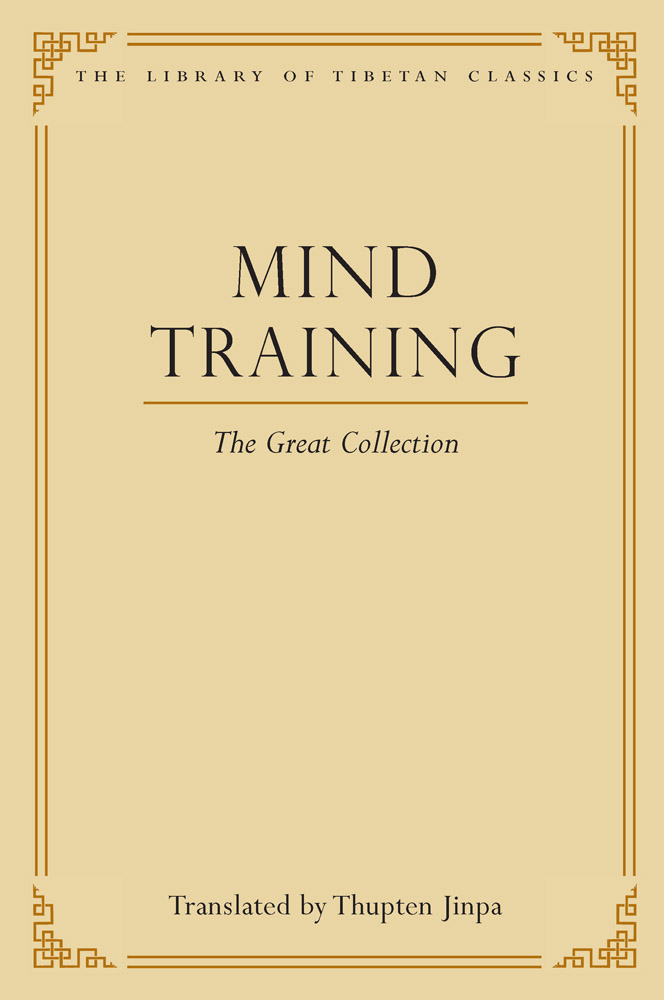
Compiled in the fifteenth century, Mind Training: The Great Collection is the earliest anthology of a special genre of Tibetan literature known as "mind training," or lojong in Tibetan. The principal focus of these texts is the systematic cultivation of such altruistic thoughts and emotions as compassion, love, forbearance, and perseverance.
The mind-training teachings are highly revered by the Tibetan people for their pragmatism and down-to-earth advice on coping with the various challenges and hardships that unavoidably characterize everyday human existence. The volume contains forty-four individual texts, including the most important works of the mind training cycle, such as Serlingpa's well-known Leveling Out All Preconceptions, Atisha's Bodhisattva’s Jewel Garland, Langri Thangpa's Eight Verses on Training the Mind, and Chekawa's Seven-Point Mind Training together with the earliest commentaries on these seminal texts. (Source Accessed Apr 30, 2025)_-_front.jpg)

The text itself describes very clearly how to do a particular meditation to develop bodhicitta and all the commitments in both thought and deed that need to be observed to make this practice effective. (Source: Translator's Introduction)


-front.jpg)
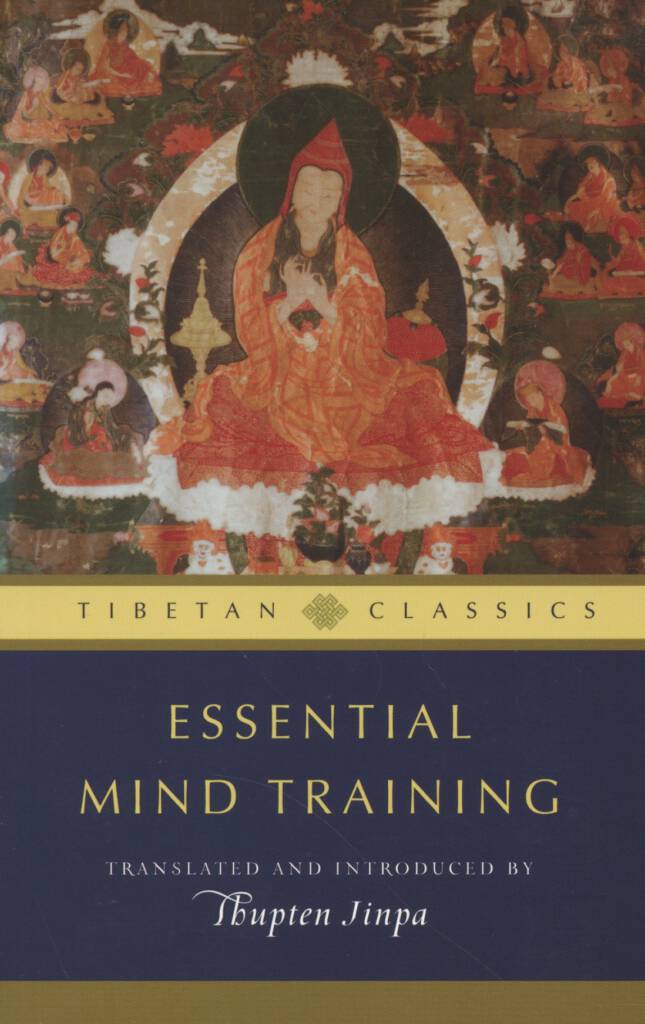
This volume contains eighteen individual works selected from Mind Training: The Great Collection, the earliest compilation of mind-training (lojong) literature. The first volume of the historic Tibetan Classics series, Essential Mind Training includes both lesser-known and renowned classics such as Eight Verses on Mind Training and The Seven-Point Mind Training. These texts offer methods for practicing the golden rule of learning to love your neighbor as yourself and are full of practical and down-to-earth advice.
The techniques explained here, by enhancing our capacity for compassion, love, and perseverance, can give us the freedom to embrace the world. (Source: Wisdom Publications)


Drawing from the sutras and great Buddhist classics, the Path to Enlightenment combines the intellectual rigour of Tibetan scholars with a clear and easy to understand presentation of the progressive stages of spiritual development. It covers the full breadth and depth of Tibetan Buddhist philosophy with clear explanations of how to put it into practice.
The Path to Enlightenment is an anthology of Geshe Acharya Thubten Loden’s teachings drawn primarily from Je Tsong Khapa's Great Exposition of the Stages of the Path and Phabongkha Rinpoche's Liberation in the Palm of Your Hand. It also includes a translation and explanation of the Mind Training in Seven Points by Geshe Chekawa and a complete presentation of the Bodhisattva vows.
The Path to Enlightenment includes full colour plates, 26 line drawings, a comprehensive English, Tibetan and Sanskrit glossary, a page numbered outline and an 82 page appendix of quotations.
“The book will go a long way towards making the essential instructions of Tibetan Buddhism accessible to a wider readership…” – His Holiness the Dalai Lama
Hardcover, 1097 pages, 4 colour photos, 26 original line illustrations. (Source Accessed Sep 9, 2024)

The book is divided into five parts:
I. Daily Recitation and Practice
II. Selected Texts for Study, Reflection and Meditation
III. Additional Prayers, Vows and Commitments
IV. Daily Dedication Prayers
V. Appendix
Part I and Part IV serve as a useful guide for all, who have an inclination towards dharma practice, but do not know how to start and design a daily practice session. It is also useful for those seekers who might be misguided and surmise that dharma practice comprises only of mantra recitation and so forth, thereby missing its essence.
Part II helps strengthen the practitioner’s dharma practice on the basis of selected compositions of great scholars and yogis. The actual breakthrough in the mental transformation happens through changes in the thought process, for which study and reflection are the cornerstones. Any of these profound texts and short extracts may be selected for study, reflection or meditation, on an on-going basis.
Part III reinforces and rejuvenates dharma practice and to that end, may be undertaken on a regular or occasional basis.
Part V introduces the reader to meditation practices, both shamatha (calm abiding) and vipasyana (special insight), including meditation on the breath, as well as methods to cultivate Bodhicitta and the wisdom of emptiness. While there are many texts on the wisdom of emptiness, the meditation included here is designed for all those who are not thoroughly introduced to this subject and still want to familiarise and habituate themselves with the wisdom of emptiness.
Brief notes, Endnotes and Glossary have been added to help the readers unfold the meanings of the texts with ease. (preface, xiv–xv)-front.jpg)


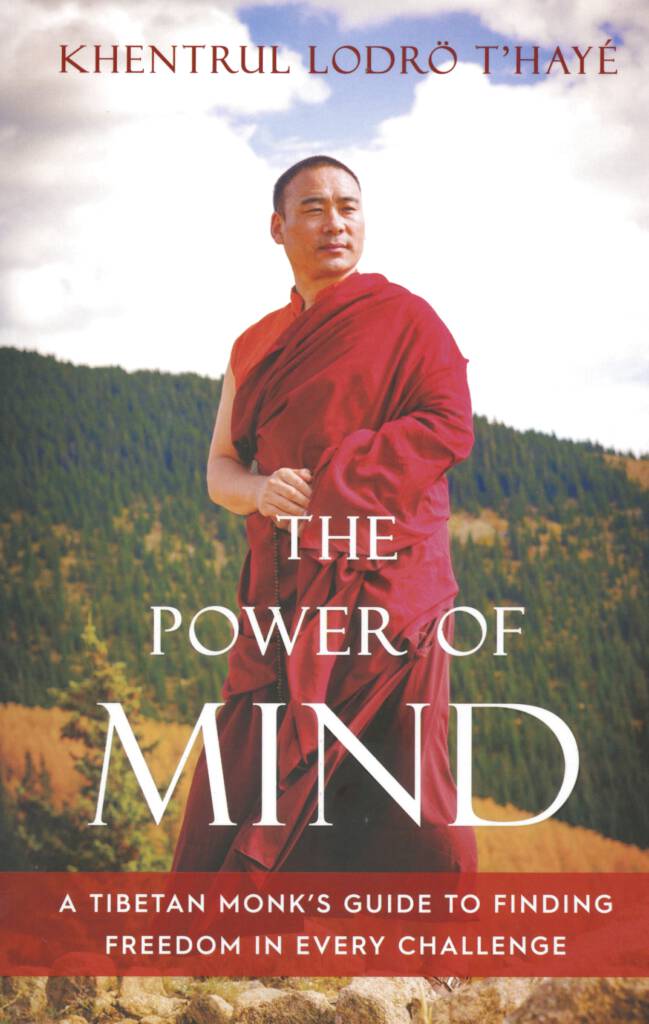
We’ve all heard platitudes about cultivating love and compassion, but how can we really develop these qualities in ourselves and—crucially—share them in our world? The Power of Mind provides a proven path.
Khentrul Rinpoche teaches that regardless of what’s unfolding in our lives, our route to freedom lies in our minds—and how we work with them. A thousand years ago, the Indian saint Atisha endured great hardship to bring the Buddha’s teachings to Tibet, where they flourished. This book introduces a primary text that emerged—the Seven Key Points of Mind Training. (Source: Shambhala Publications)

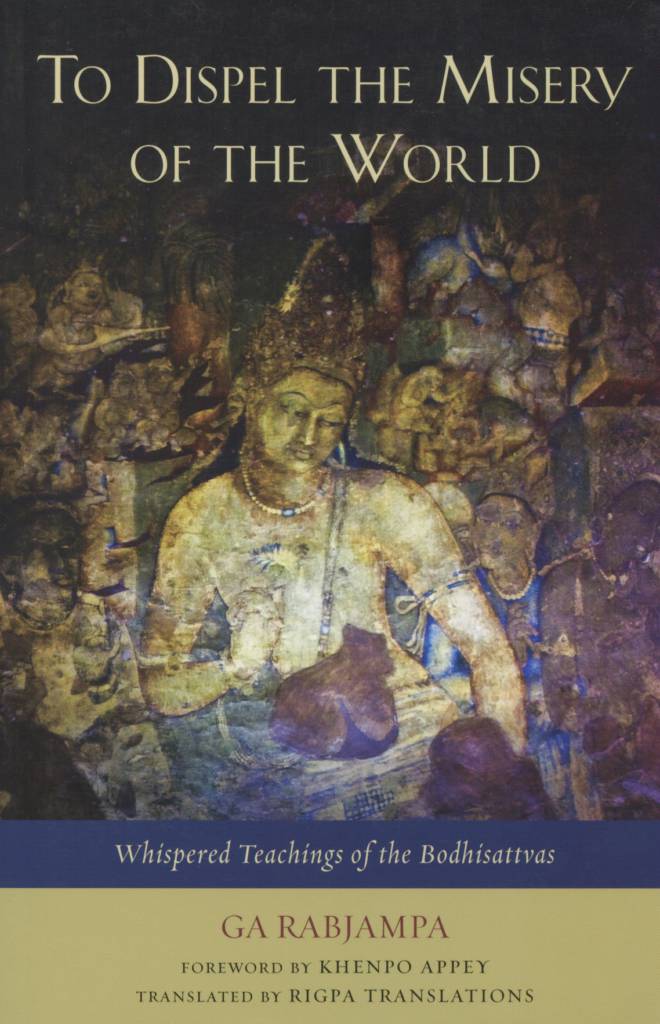
This short book contains a wealth of advice for those wanting to become more fully human. When we are disconnected from others we flounder; only by recognizing the profound interdependence of all beings do we flourish and grow. The famous Seven-Point Mind Training, in just a few pages of one-line instructions, provides direct and powerful advice for breaking through the chronic barriers that separate us from those around us. It is easy to see why it is one of the most cherished texts in all of Tibetan Buddhism.
Ga Rabjampa, an influential master of the fifteenth century, here uses the Seven-Point Mind Training as the basis for illuminating the essential teachings on Buddhism, giving special attention to the practices of giving and taking (tonglen) and of transforming adversity into opportunities for spiritual growth. (Source: Wisdom Publications)-front.jpg)


- Preliminaries, the basis for practice;
- The main practice: training in bodhicitta;
- The transformation of adversity into the path of awakening;
- The presentation of the condensed practice of a single lifetime;
- The measure of mind training;
- The commitments of mind training; and the precepts of mind training.


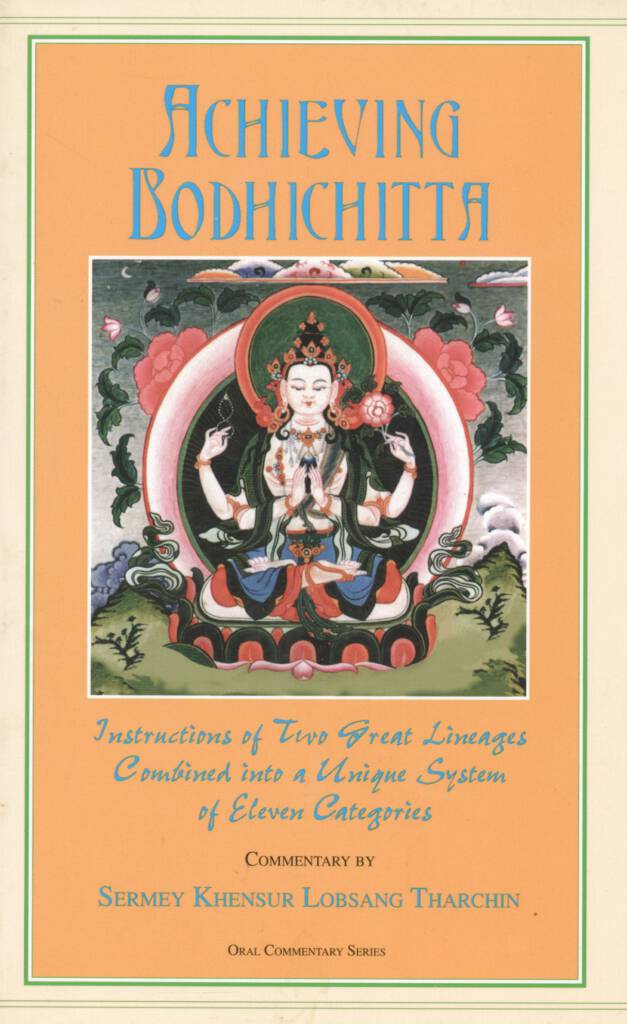
The first if these, Pith Instructions on a Single Mindfulness could be viewed as a commentary on on the aphorism in the Seven-Point Mind Training "Guard the two at the cost of your life".
The second translation is of Atisha's Pith Instructions on the Middle Way, presenting the Madhyamaka view expounded by Nagarjuna. This corresponds to the first aphorism on the cultivation of ultimate bodhichitta, namley, "Regard phenomena as if they were dreams".
The third additional translation is Atisha's Essential, Synthesized Practical Instructions on Connate Union. These practical instructions may be seen as a commentary on the aphorism " Examine the unborn nature of awareness".
-front.jpg)
These 59 instructions on Mind Training are short, easily memorized and then will pop into our mind in the many situations of our daily life helping us to make decisions that will produce positive karma for us and others.
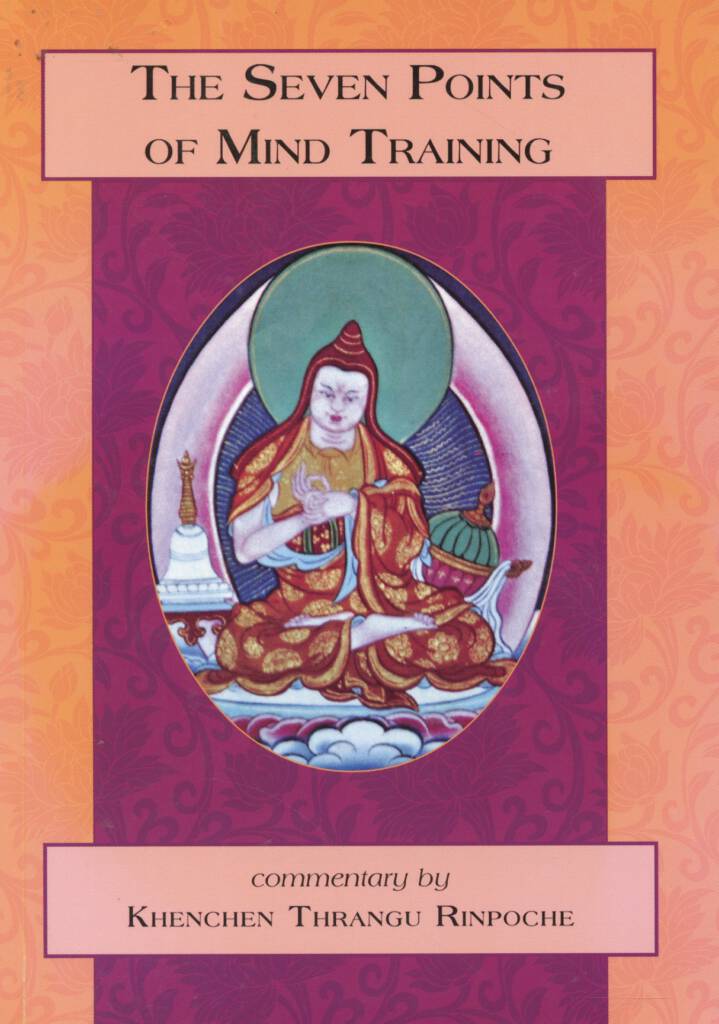
The Seven Points of Mind Training is a method of developing a relative universal compassion for all sentient beings or bodhichitta practice which was brought to Tibet by the great Atisha. This practice is very effective in working with emotions. One usually learns a number of instructions and every time the situation where the solution is one of these instructions, one thinks of the instruction and changes one's behavior.
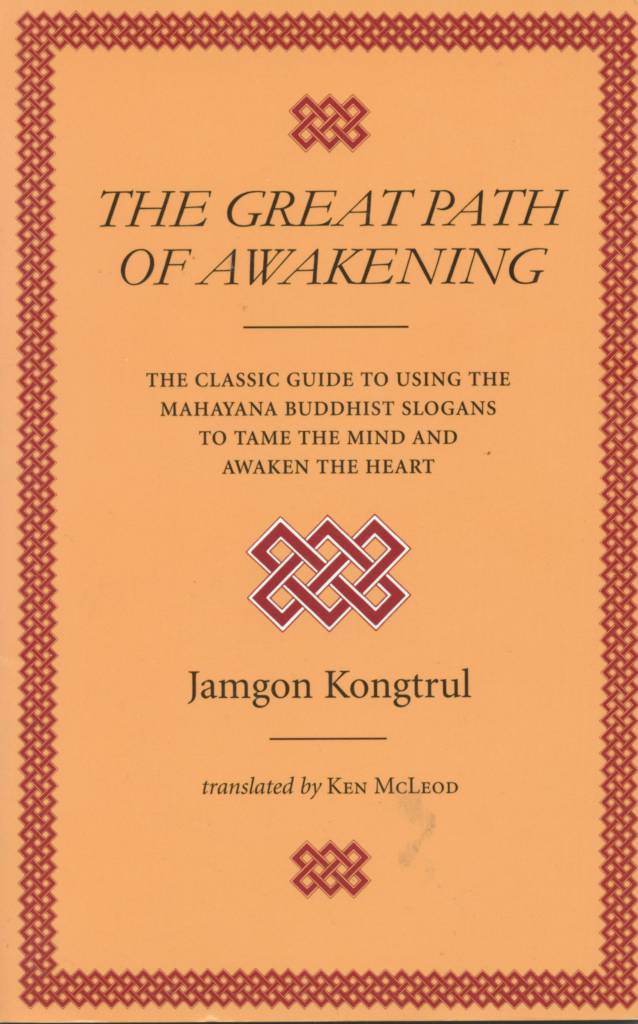
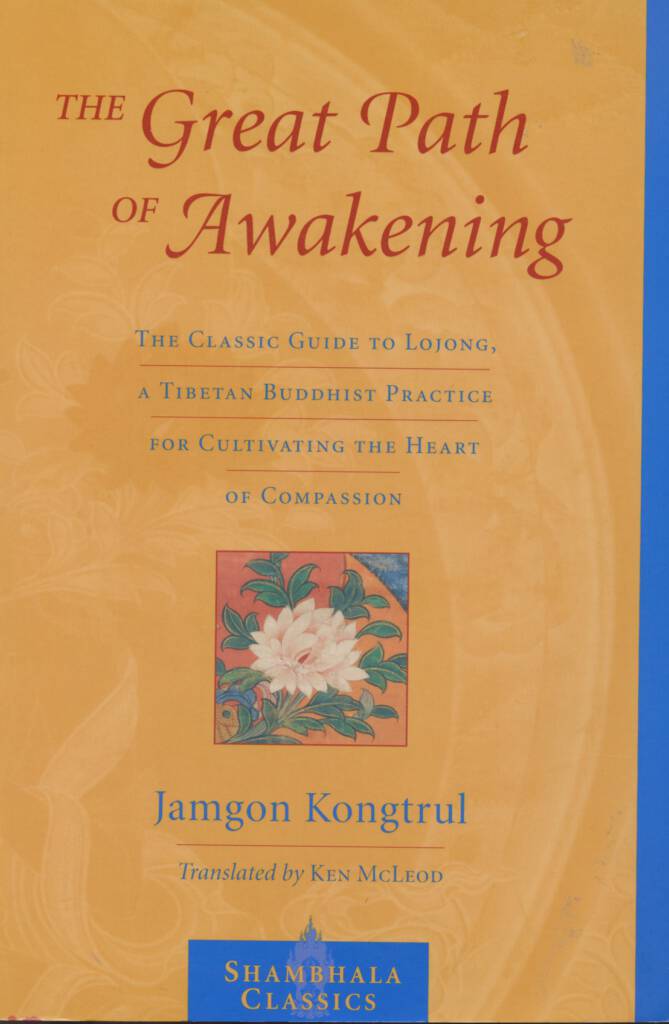
These short instructions are sometimes a little cryptic and Thrangu Rinpoche clearly explains these Seven Points which are presented in Jamgon Kongtrul Lodrö Thaye’s classic text, The Great Path of Awakening. In Rinpoche’s view, the combination of Mahamudra and Mind Training is an excellent balance of ultimate and relative bodhichitta practice that together offer a swift path to full realization. (Source: Namo Buddha Publications)
The text itself describes very clearly how to do a particular meditation to develop bodhicitta and all the commitments in both thought and deed that need to be observed to make this practice effective. (Source: Translator's Introduction)

On the video Rinpoche explained the condensed meaning of each line of this most widely studied Tibetan Buddhist text: https://www.lotsawahouse.org/tibetan-masters/geshe-chekhawa-yeshe-dorje/seven-points-mind-training.
ABOUT THE TEXT:
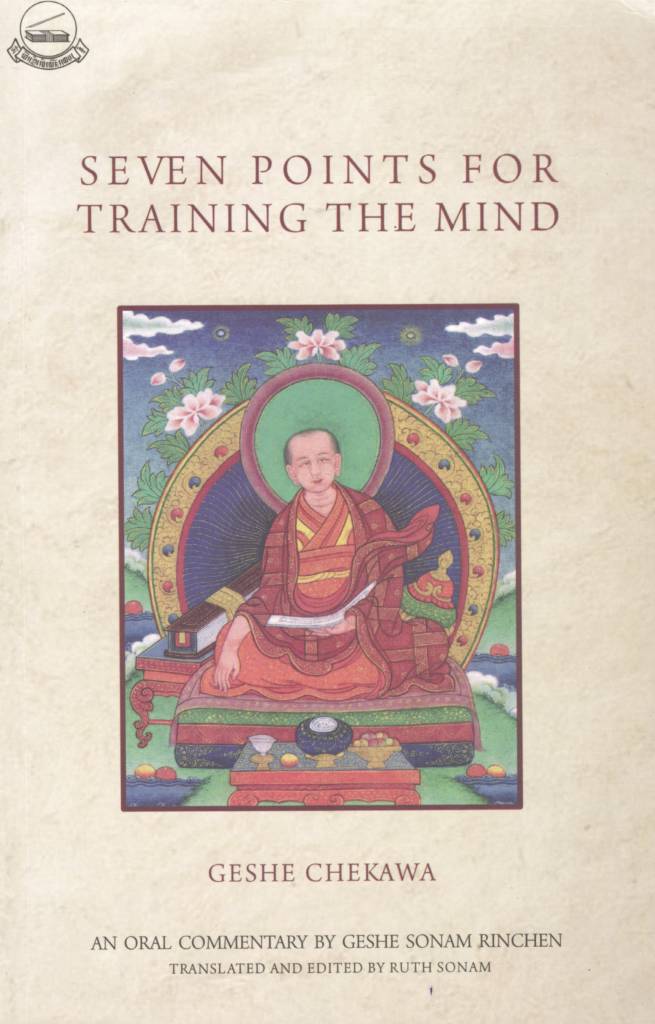
The Seven Points of Mind Training is a quintessential instruction on putting Mahāyāna – the "Great Vehicle" of Buddha's Path – into our daily life. It was brought to Tibet by Atiśa (982—1054). This teaching was not intended for beginners or public sharing, therefore firstly it was given only orally from guru to disciple. Later, Atiśa's teaching was written down by Geshe Chekawa (1102–1176) and became popular in all Tibetan Buddhist schools. By practicing it one can ultimately become a bodhisattva and reach the enlightenment. This text also helps us to reexamine our relationships – to family, friends, enemies, and strangers – and transform our reactions and attitudes according to a bodhisattva's way of life. The Seven Points of Mind Training provides practical tools of applying for our spiritual growth in any circumstances, however hard they may be. Since its lines are very condensed, oral instructions on this text from a guru are very valuable.
ABOUT RINPOCHE:
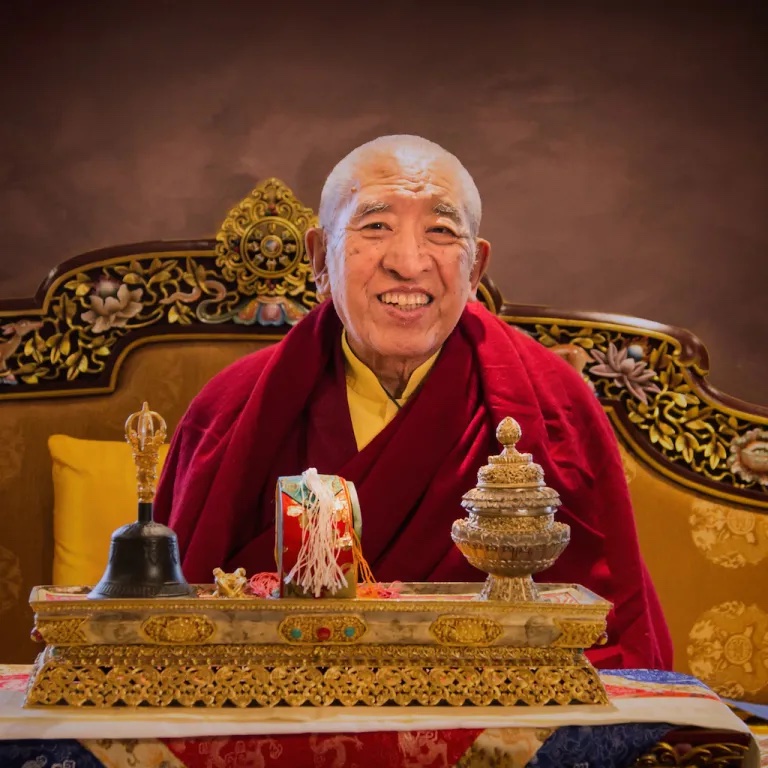
His Eminence Khöndung Asanga Vajra Rinpoche is one the heirs of the Sakya Throne and will become His Holiness the Sakya Trizin (throne-holder of Sakya School of Tibetan Buddhism) in the future.
-front.jpg)

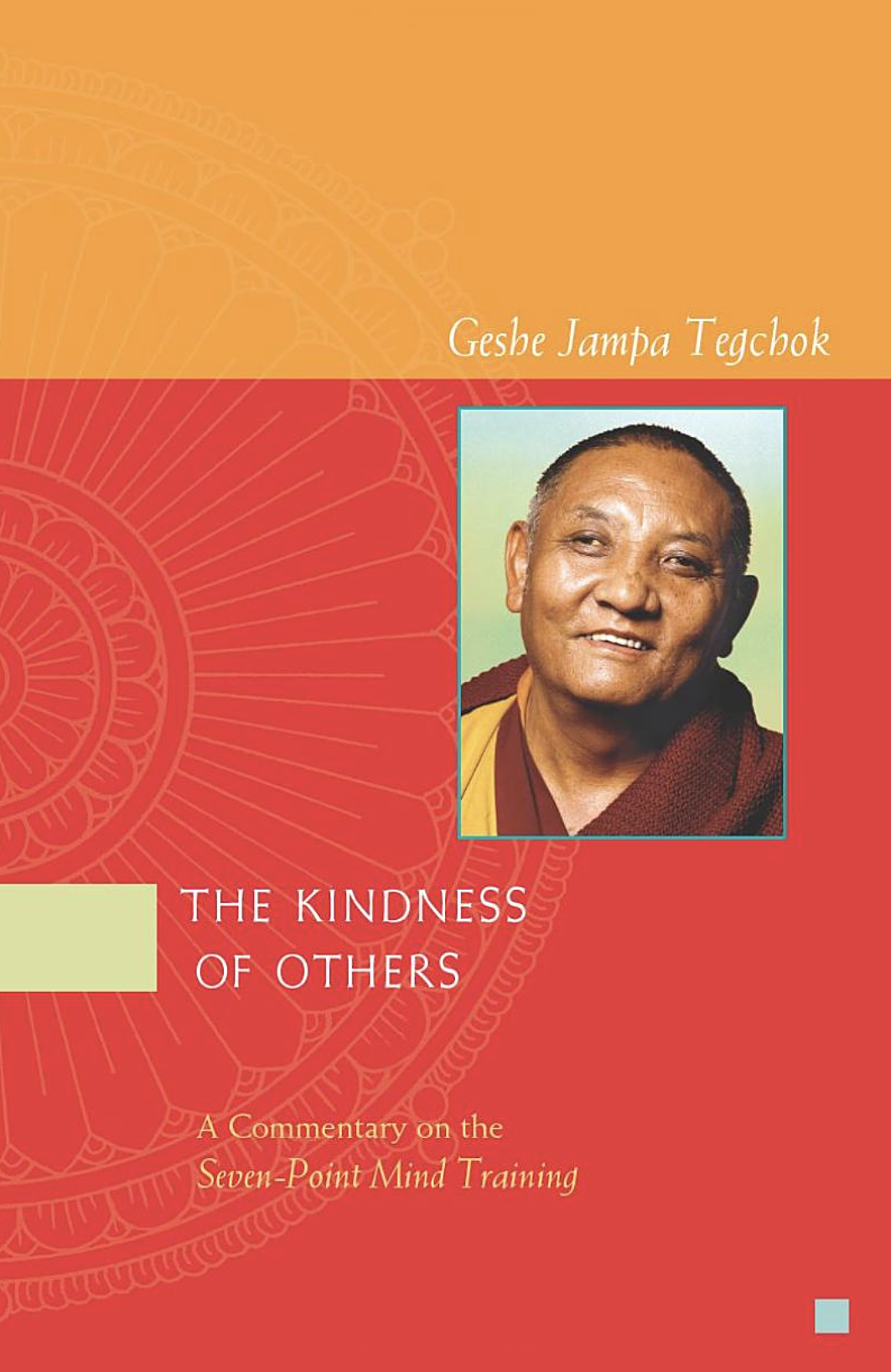
One special feature of the mind training teachings is the advice to transform adversity into advantage. So, not only do these instructions help us open out towards other beings, but they also help us transform whatever difficulties come our way into something valuable.
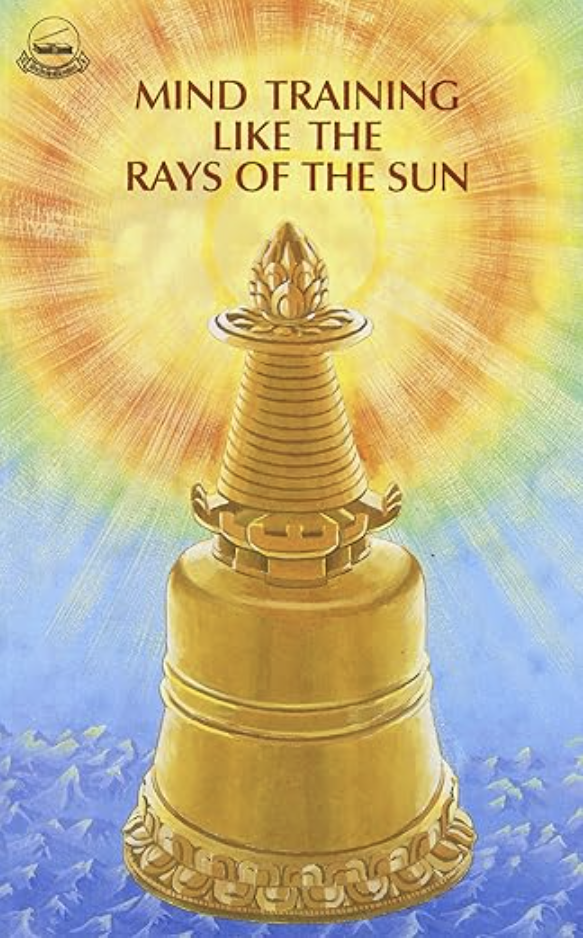
The Mind Training Like the Rays of the Sun exemplifies Tsong-khapa's presentation of mind training. The author, Nam-kha Pel, as he mentions in his introduction, received the lineage of the explanation of the Seven Point Mind Training, which is the fundamental text here, from various sources including Je Rinpoche, his principal teacher. What is distinctive about this presentation is that he has managed to combine both the mind training instructions as they are recorded in Geshey Che-ka-wa's text with the pattern of the Stages of the Path. (Source: Back Cover)
Thrangu Rinpoche clearly explains these Seven Points which are presented in Jamgon Kongtrul Lodrö Thaye’s classic text, The Great Path of Awakening. In Rinpoche’s view, the combination of Mahamudra and Mind Training is an excellent balance of ultimate and relative bodhichitta practice that together offer a swift path to full realization.
Translated by Erik Pema Kunsang, this seminar has nine talks.
We’ve all heard platitudes about cultivating love and compassion, but how can we really develop these qualities in ourselves and—crucially—share them in our world? The Power of Mind provides a proven path.
Khentrul Rinpoche teaches that regardless of what’s unfolding in our lives, our route to freedom lies in our minds—and how we work with them. A thousand years ago, the Indian saint Atisha endured great hardship to bring the Buddha’s teachings to Tibet, where they flourished. This book introduces a primary text that emerged—the Seven Key Points of Mind Training. (Source: Shambhala Publications)
Help us transform the problems in these degenerate times
Into factors supporting our progress to enlightenment
In this way they are similar to a diamond, the sun, and a medicinal tree
POINT 1: GROUNDWORK
First, do the groundwork.
1. Remember how precious this human life is for spiritual development
2. How everything is transient and that death can come at any time
3. How cause and effect is infallible

These include:
1. Explaining the preliminary teachings;
2. Training in bodhicitta;
3. Transforming adverse conditions into the path [of enlightenment];
4. The presentation of the condensed practice of a single lifetime;
5. The extent of proficiency in mind training;
6. The pledges of mind training;
7. The precepts of mind training.

Drawing from the sutras and great Buddhist classics, the Path to Enlightenment combines the intellectual rigour of Tibetan scholars with a clear and easy to understand presentation of the progressive stages of spiritual development. It covers the full breadth and depth of Tibetan Buddhist philosophy with clear explanations of how to put it into practice.
The Path to Enlightenment is an anthology of Geshe Acharya Thubten Loden’s teachings drawn primarily from Je Tsong Khapa's Great Exposition of the Stages of the Path and Phabongkha Rinpoche's Liberation in the Palm of Your Hand. It also includes a translation and explanation of the Mind Training in Seven Points by Geshe Chekawa and a complete presentation of the Bodhisattva vows.
The Path to Enlightenment includes full colour plates, 26 line drawings, a comprehensive English, Tibetan and Sanskrit glossary, a page numbered outline and an 82 page appendix of quotations.
“The book will go a long way towards making the essential instructions of Tibetan Buddhism accessible to a wider readership…” – His Holiness the Dalai Lama
Hardcover, 1097 pages, 4 colour photos, 26 original line illustrations. (Source Accessed Sep 9, 2024)


The text itself describes very clearly how to do a particular meditation to develop bodhicitta and all the commitments in both thought and deed that need to be observed to make this practice effective. (Source: Translator's Introduction)
On the video Rinpoche explained the condensed meaning of each line of this most widely studied Tibetan Buddhist text: https://www.lotsawahouse.org/tibetan-masters/geshe-chekhawa-yeshe-dorje/seven-points-mind-training.
ABOUT THE TEXT:
The Seven Points of Mind Training is a quintessential instruction on putting Mahāyāna – the "Great Vehicle" of Buddha's Path – into our daily life. It was brought to Tibet by Atiśa (982—1054). This teaching was not intended for beginners or public sharing, therefore firstly it was given only orally from guru to disciple. Later, Atiśa's teaching was written down by Geshe Chekawa (1102–1176) and became popular in all Tibetan Buddhist schools. By practicing it one can ultimately become a bodhisattva and reach the enlightenment. This text also helps us to reexamine our relationships – to family, friends, enemies, and strangers – and transform our reactions and attitudes according to a bodhisattva's way of life. The Seven Points of Mind Training provides practical tools of applying for our spiritual growth in any circumstances, however hard they may be. Since its lines are very condensed, oral instructions on this text from a guru are very valuable.
ABOUT RINPOCHE:
His Eminence Khöndung Asanga Vajra Rinpoche is one the heirs of the Sakya Throne and will become His Holiness the Sakya Trizin (throne-holder of Sakya School of Tibetan Buddhism) in the future.
- Preliminaries, the basis for practice;
- The main practice: training in bodhicitta;
- The transformation of adversity into the path of awakening;
- The presentation of the condensed practice of a single lifetime;
- The measure of mind training;
- The commitments of mind training; and the precepts of mind training.
These include:
1. Explaining the preliminary teachings;
2. Training in bodhicitta;
3. Transforming adverse conditions into the path [of enlightenment];
4. The presentation of the condensed practice of a single lifetime;
5. The extent of proficiency in mind training;
6. The pledges of mind training;
7. The precepts of mind training.


-redo-front.jpg)
One special feature of the mind training teachings is the advice to transform adversity into advantage. So, not only do these instructions help us open out towards other beings, but they also help us transform whatever difficulties come our way into something valuable.
The Mind Training Like the Rays of the Sun exemplifies Tsong-khapa's presentation of mind training. The author, Nam-kha Pel, as he mentions in his introduction, received the lineage of the explanation of the Seven Point Mind Training, which is the fundamental text here, from various sources including Je Rinpoche, his principal teacher. What is distinctive about this presentation is that he has managed to combine both the mind training instructions as they are recorded in Geshey Che-ka-wa's text with the pattern of the Stages of the Path. (Source: Back Cover)Drawing from the sutras and great Buddhist classics, the Path to Enlightenment combines the intellectual rigour of Tibetan scholars with a clear and easy to understand presentation of the progressive stages of spiritual development. It covers the full breadth and depth of Tibetan Buddhist philosophy with clear explanations of how to put it into practice.
The Path to Enlightenment is an anthology of Geshe Acharya Thubten Loden’s teachings drawn primarily from Je Tsong Khapa's Great Exposition of the Stages of the Path and Phabongkha Rinpoche's Liberation in the Palm of Your Hand. It also includes a translation and explanation of the Mind Training in Seven Points by Geshe Chekawa and a complete presentation of the Bodhisattva vows.
The Path to Enlightenment includes full colour plates, 26 line drawings, a comprehensive English, Tibetan and Sanskrit glossary, a page numbered outline and an 82 page appendix of quotations.
“The book will go a long way towards making the essential instructions of Tibetan Buddhism accessible to a wider readership…” – His Holiness the Dalai Lama
Hardcover, 1097 pages, 4 colour photos, 26 original line illustrations. (Source Accessed Sep 9, 2024)Thrangu Rinpoche clearly explains these Seven Points which are presented in Jamgon Kongtrul Lodrö Thaye’s classic text, The Great Path of Awakening. In Rinpoche’s view, the combination of Mahamudra and Mind Training is an excellent balance of ultimate and relative bodhichitta practice that together offer a swift path to full realization.
Translated by Erik Pema Kunsang, this seminar has nine talks.The first if these, Pith Instructions on a Single Mindfulness could be viewed as a commentary on on the aphorism in the Seven-Point Mind Training "Guard the two at the cost of your life".
The second translation is of Atisha's Pith Instructions on the Middle Way, presenting the Madhyamaka view expounded by Nagarjuna. This corresponds to the first aphorism on the cultivation of ultimate bodhichitta, namley, "Regard phenomena as if they were dreams".
The third additional translation is Atisha's Essential, Synthesized Practical Instructions on Connate Union. These practical instructions may be seen as a commentary on the aphorism " Examine the unborn nature of awareness".The book is divided into five parts:
I. Daily Recitation and Practice
II. Selected Texts for Study, Reflection and Meditation
III. Additional Prayers, Vows and Commitments
IV. Daily Dedication Prayers
V. Appendix
Part I and Part IV serve as a useful guide for all, who have an inclination towards dharma practice, but do not know how to start and design a daily practice session. It is also useful for those seekers who might be misguided and surmise that dharma practice comprises only of mantra recitation and so forth, thereby missing its essence.
Part II helps strengthen the practitioner’s dharma practice on the basis of selected compositions of great scholars and yogis. The actual breakthrough in the mental transformation happens through changes in the thought process, for which study and reflection are the cornerstones. Any of these profound texts and short extracts may be selected for study, reflection or meditation, on an on-going basis.
Part III reinforces and rejuvenates dharma practice and to that end, may be undertaken on a regular or occasional basis.
Part V introduces the reader to meditation practices, both shamatha (calm abiding) and vipasyana (special insight), including meditation on the breath, as well as methods to cultivate Bodhicitta and the wisdom of emptiness. While there are many texts on the wisdom of emptiness, the meditation included here is designed for all those who are not thoroughly introduced to this subject and still want to familiarise and habituate themselves with the wisdom of emptiness.
Brief notes, Endnotes and Glossary have been added to help the readers unfold the meanings of the texts with ease. (preface, xiv–xv)We’ve all heard platitudes about cultivating love and compassion, but how can we really develop these qualities in ourselves and—crucially—share them in our world? The Power of Mind provides a proven path.
Khentrul Rinpoche teaches that regardless of what’s unfolding in our lives, our route to freedom lies in our minds—and how we work with them. A thousand years ago, the Indian saint Atisha endured great hardship to bring the Buddha’s teachings to Tibet, where they flourished. This book introduces a primary text that emerged—the Seven Key Points of Mind Training. (Source: Shambhala Publications)These 59 instructions on Mind Training are short, easily memorized and then will pop into our mind in the many situations of our daily life helping us to make decisions that will produce positive karma for us and others.
The Seven Points of Mind Training is a method of developing a relative universal compassion for all sentient beings or bodhichitta practice which was brought to Tibet by the great Atisha. This practice is very effective in working with emotions. One usually learns a number of instructions and every time the situation where the solution is one of these instructions, one thinks of the instruction and changes one's behavior.
These short instructions are sometimes a little cryptic and Thrangu Rinpoche clearly explains these Seven Points which are presented in Jamgon Kongtrul Lodrö Thaye’s classic text, The Great Path of Awakening. In Rinpoche’s view, the combination of Mahamudra and Mind Training is an excellent balance of ultimate and relative bodhichitta practice that together offer a swift path to full realization. (Source: Namo Buddha Publications)This short book contains a wealth of advice for those wanting to become more fully human. When we are disconnected from others we flounder; only by recognizing the profound interdependence of all beings do we flourish and grow. The famous Seven-Point Mind Training, in just a few pages of one-line instructions, provides direct and powerful advice for breaking through the chronic barriers that separate us from those around us. It is easy to see why it is one of the most cherished texts in all of Tibetan Buddhism.
Ga Rabjampa, an influential master of the fifteenth century, here uses the Seven-Point Mind Training as the basis for illuminating the essential teachings on Buddhism, giving special attention to the practices of giving and taking (tonglen) and of transforming adversity into opportunities for spiritual growth. (Source: Wisdom Publications)Help us transform the problems in these degenerate times
Into factors supporting our progress to enlightenment
In this way they are similar to a diamond, the sun, and a medicinal tree
POINT 1: GROUNDWORK
First, do the groundwork.
1. Remember how precious this human life is for spiritual development
2. How everything is transient and that death can come at any time
3. How cause and effect is infallible