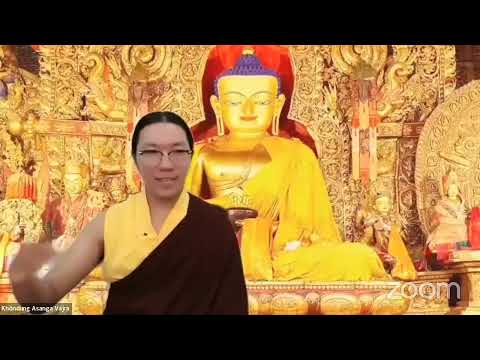
On November, 5, 2022 H.E. Khöndung Asanga Vajra Rinpoche bestowed teaching on
The Seven Points of Mind Training. Event was organized and translated into 12 languages by Sakya Friends.
On the video Rinpoche explained the condensed meaning of each line of this most widely studied Tibetan Buddhist text: https://www.lotsawahouse.org/tibetan-masters/geshe-chekhawa-yeshe-dorje/seven-points-mind-training.
ABOUT THE TEXT:
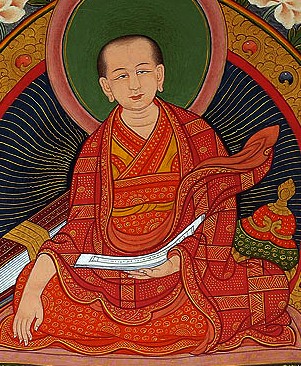
The Seven Points of Mind Training is a quintessential instruction on putting Mahāyāna – the "Great Vehicle" of Buddha's Path – into our daily life. It was brought to Tibet by Atiśa (982—1054). This teaching was not intended for beginners or public sharing, therefore firstly it was given only orally from guru to disciple. Later, Atiśa's teaching was written down by Geshe Chekawa (1102–1176) and became popular in all Tibetan Buddhist schools. By practicing it one can ultimately become a bodhisattva and reach the enlightenment. This text also helps us to reexamine our relationships – to family, friends, enemies, and strangers – and transform our reactions and attitudes according to a bodhisattva's way of life. The Seven Points of Mind Training provides practical tools of applying for our spiritual growth in any circumstances, however hard they may be. Since its lines are very condensed, oral instructions on this text from a guru are very valuable.
ABOUT RINPOCHE:
His Eminence Khöndung Asanga Vajra Rinpoche is one the heirs of the Sakya Throne and will become His Holiness the Sakya Trizin (throne-holder of Sakya School of Tibetan Buddhism) in the future.
In 2005, at the age of five, Asanga Rinpoche left his family in the USA to study at the Tharlam Monastery in Nepal. In 2011, at the age of twelve, Asanga Vajra Rinpoche achieved a perfect score during the day-long Vajrakilya Puja exam in Rajpur, India. Asanga Rinpoche continues to study at the Sapan's (Sakya Pandita’s) College of Five Sciences in India. At the same time, Rinpoche is already giving profound teachings on
sūtra and
tantra.
༈ བློ་སྦྱོང་དོན་བདུན་མར་གྲགས་པ་ནི། ཉིན་རེའི་འཚོ་བའི་ཁྲོད་ཐེག་པ་ཆེན་པོའི་ལམ་ཉམས་སུ་ལེན་ཚུལ་བསྟན་པའི་སྙིང་པོའི་གདམས་ངག་ཅིག་ཡིན། འདི་ཉིད་ཐོག་མར་བོད་དུ་འཆད་པ་པོ་མཉམ་མེད་ཇོ་བོ་རྗེ་(༩༨༢—༡༠༥༤)ཡིན་པ་དང་། སྔ་མོའི་དུས་སུ་གདམས་པ་འདི་ཉིད་སློབ་མ་བྱེ་བྲག་པ་ལ་ཆིག་བརྒྱུད་ཙམ་མ་གཏོགས་ཚོགས་ཆོས་སུ་གནང་སྲོལ་མེད། ཕྱིས་སུ་དགེ་བཤེས་འཆད་ཁ་བས་ཡིག་གེར་བྲིས་པས། བོད་ཀྱི་ཆོས་བརྒྱུད་ཡོངས་ལ་དར་ཁྱབ་ཤིན་ཏུ་ཆེན་པོར་གྱུར། གདམས་པ་འདི་ལ་བརྟེན་ནས་མཐར་འབྲས་ངེས་ལེགས་མངོན་དུ་གྱུར་བ་མ་ཟད། གནས་སྐབས་ཚེ་འདིར་ཡང་དགྲ་གཉེན་བར་གསུམ་ཡོངས་ལ་དག་སྣང་དང་བྱམས་བརྩེའི་སྒོ་ནས་རང་བློ་ཆོས་དང་མཐུན་ཅིང་། ཚེ་འདིའི་རྐྱེན་ངན་ཐ་དག་བྱང་ཆུབ་ཀྱི་ལམ་དུ་བསྒྱུར་ཐུབ། གདམས་འདི་ཡི་རྩ་ཚིག་རྣམས་ཚིགས་བསྡུས་ཤིང་དོན་ཤིན་ཏུ་ཟབ་པས། ཉམས་མྱོང་དང་ལྡན་པའི་བླ་མའི་མན་ངག་ལ་ངེས་པར་བརྟེན་དགོས།
༈ ༸སྐྱབས་རྗེ་འཁོན་གདུང་ཨ་སངྒ་བཛྲ་རིན་པོ་ཆེ་མཆོག་ནི་འབྱུང་འགྱུར་ས་སྐྱ་ཁྲི་འཛིན་གྱི་འོས་སྤྲུལ་ལས་གཅིག་ཡིན། སྤྱི་ལོ་༡༩༩༩ ཟླ་བ་༤ ཚེས་༠༡ ཉིན་བྱང་ཨ་རིར་སྐུ་འཁྲུངས། གུང་ལོ་ལྔ་པའི་ཐོག་བལ་ཡུལ་ཐར་ལམ་དགོན་པར་བྱོན་ནས་ནས་བསླབ་པ་སློབ་གཉེར་གནང་འགོ་བརྩམས། དགུང་ལོ་བཅུ་གཉིས་ཐོག་རྒྱ་གར་རྒྱལ་ས་སྡེ་ར་སྡུན་གྱི་ས་གནས་ར་ཛ་པུར་དུ་རྡོ་རྗེ་ཕུར་པའི་གྲུབ་མཚམས་ཀྱི་རྒྱུགས་སྤྲོད་ལ་ཞུགས། རྒྱུགས་འབྲས་ཨང་རིམ་དང་པོ་ཐོབ། ད་ལྟ་རྒྱ་གར་ས་པཎ་བཤད་གྲྭར་མུ་མཐུད་སློབ་གཉེར་གནང་ཞིང་། ཞོར་དུ་དད་ལྡན་མི་དམངས་རྣམས་ལ་མདོ་སྔགས་ཀྱི་གསུང་ཆོས་ཀྱང་ཟབ་རྒྱས་བཀའ་དྲིན་བསྐྱངས་དང་སྐྱོང་བཞིན་པ་ནི་སྐུ་ཡི་རྣམ་ཐར་མདོ་ཙམ་མོ།།