| 🤓 Admin Zone 🛠️ hidden to non-admins | |


Description
-front.jpg)


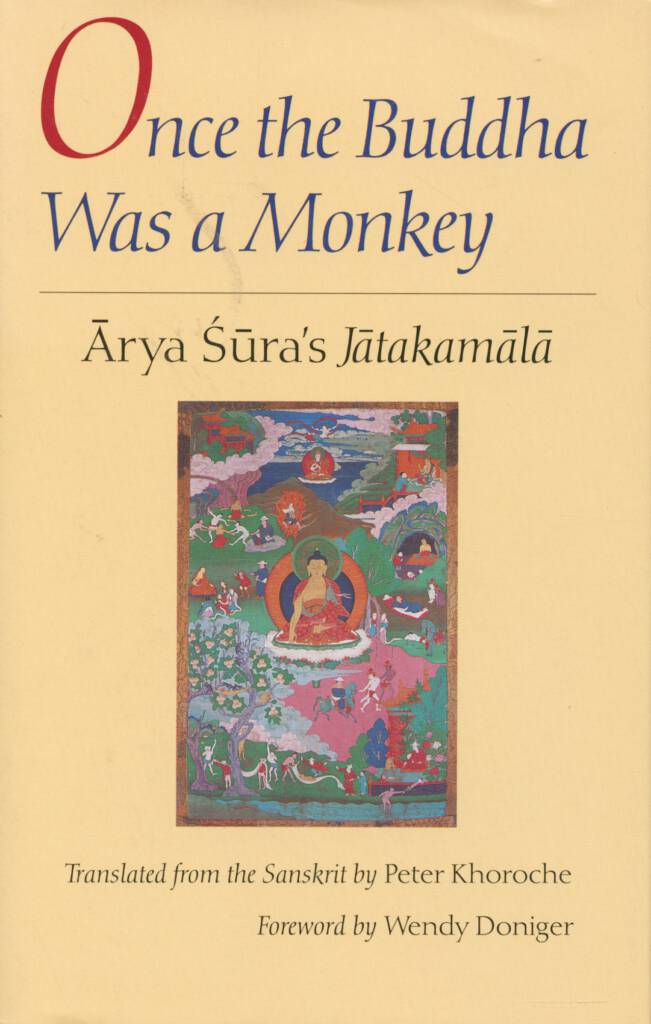
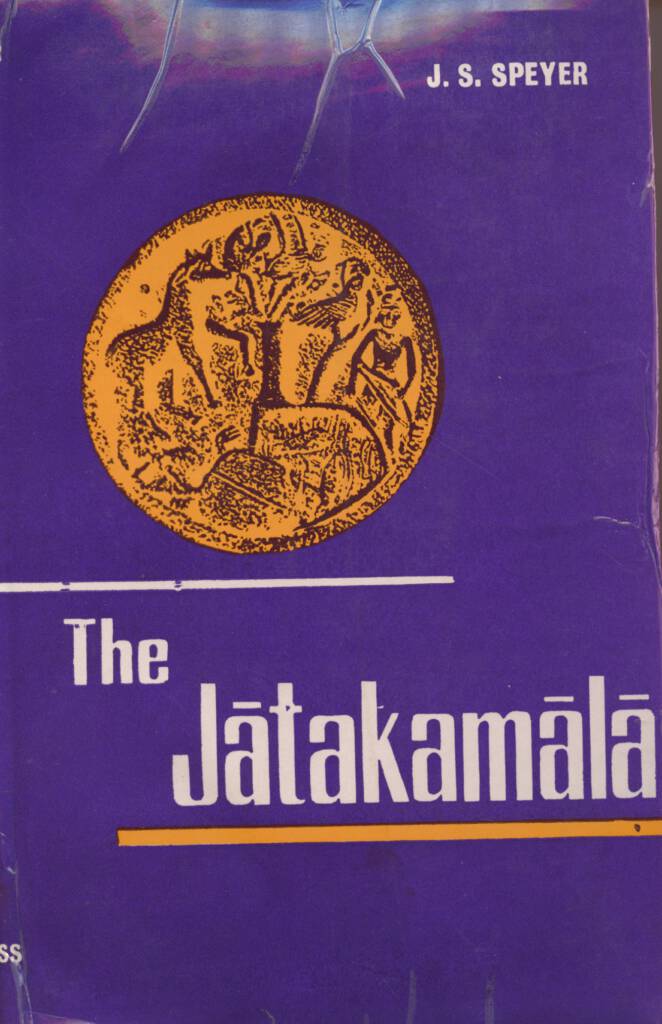
Written most probably in the fourth century A.D., the Jatakamala is generally considered the masterpiece of Buddhist literature in Sanskrit. In elegant, courtly style, Arya Sura retells thirty-four traditional stories about the Buddha in his previous incarnations, human and animal. Whether as a king, a brahmin, a monkey, or a hare, the Great One is shown in assiduous pursuit of virtue and compassion. Though primarily intended as exemplary tales illustrating the Buddhist virtues, these stories also provide a vivid picture of life at a high point in ancient Indian culture—city life in ordinary households or at the royal court, and country life against a backdrop of mountain, desert, and jungle.
Fresh study of the Sanskrit manuscripts, now scattered in libraries all over the world, has enabled Peter Khoroche to make this new translation faithful to the original in both style and content. His explanatory notes will assist student and general reader alike in appreciating this classic from an ancient and exotic civilization. (Source: The University of Chicago Press)

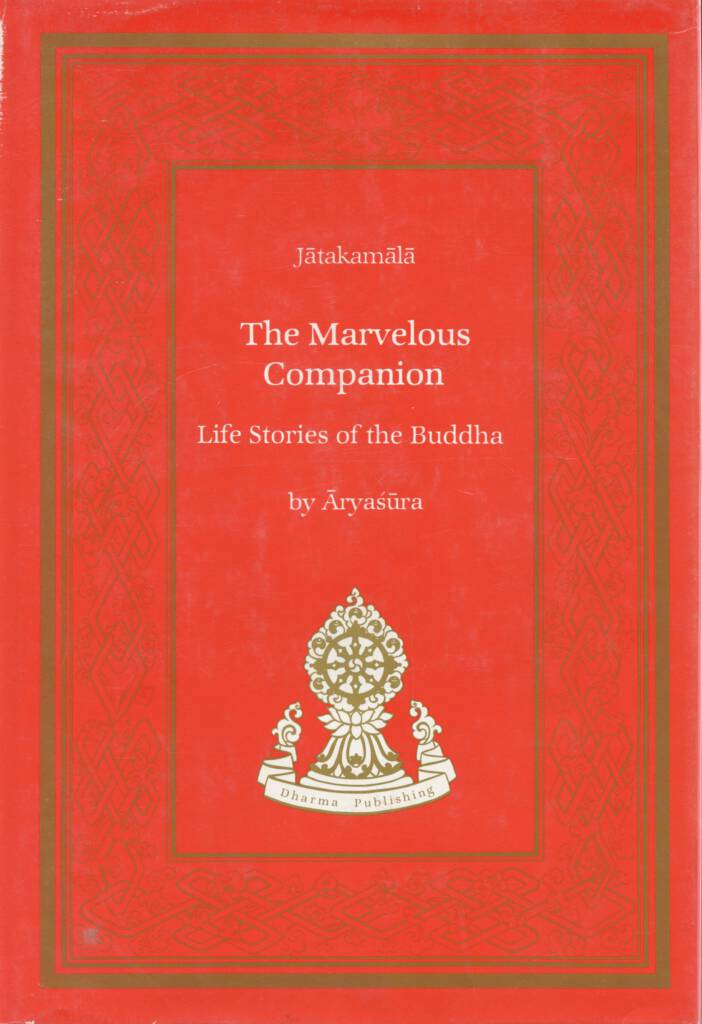
This particular collection of Jatakas, retold by a renowned Buddhist master and poet, enriches understanding of karma and conveys attitudes and actions that develop perfect compassion. The Jatakas can serve as occasions to reflect upon the moral choices in our lives and open our eyes to the reality of karma, helping us develop the insight and discipline we need to acknowledge and change destructive patterns of behavior. This work is dedicated to Western Dharma students with the wish that the teachings it conveys will illuminate their understanding of karma, the indomitable strength of virtue, and the enlightening power of Bodhisattva compassion.
With 34 line drawings by Rosalyn White, working to the directions of Tarthang Tulku. A glossary of Sanskrit terms round out the presentation. Its language is highly accessible and relatable.
(Source: Dharma Publishing)


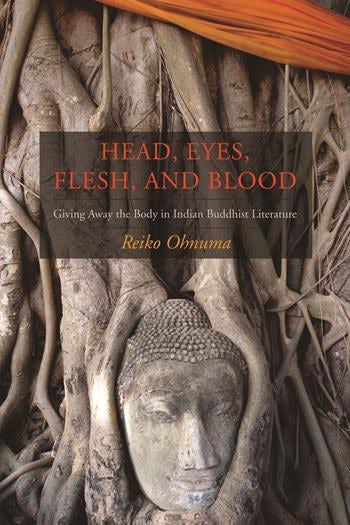
Whether he takes the form of king, prince, ascetic, elephant, hare, serpent, or god, the bodhisattva repeatedly gives his body or parts of his flesh to others. He leaps into fires, drowns himself in the ocean, rips out his tusks, gouges out his eyes, and lets mosquitoes drink from his blood, always out of selflessness and compassion and to achieve the highest state of Buddhahood.
Ohnuma places these stories into a discrete subgenre of South Asian Buddhist literature and approaches them like case studies, analyzing their plots, characterizations, and rhetoric. She then relates the theme of the Buddha's bodily self-sacrifice to major conceptual discourses in the history of Buddhism and South Asian religions, such as the categories of the gift, the body (both ordinary and extraordinary), kingship, sacrifice, ritual offering, and death.
Head, Eyes, Flesh, and Blood reveals a very sophisticated and influential perception of the body in South Asian Buddhist literature and highlights the way in which these stories have provided an important cultural resource for Buddhists. Combined with her rich and careful translations of classic texts, Ohnuma introduces a whole new understanding of a vital concept in Buddhists studies. (Source: Columbia University Press)

- This is a creative retelling of a story from the traditional Jātakamāla and not an exact translation of the text.

- This is a creative retelling of a story from the traditional Jātakamāla and not an exact translation of the text.

- This is a creative retelling of a story from the traditional Jātakamāla and not an exact translation of the text.

- This is a creative retelling of a story from the traditional Jātakamāla and not an exact translation of the text.

- This is a creative retelling of a story from the traditional Jātakamāla and not an exact translation of the text.

- This is a creative retelling of a story from the traditional Jātakamāla and not an exact translation of the text.

- This is a creative retelling of a story from the traditional Jātakamāla and not an exact translation of the text.
Whether he takes the form of king, prince, ascetic, elephant, hare, serpent, or god, the bodhisattva repeatedly gives his body or parts of his flesh to others. He leaps into fires, drowns himself in the ocean, rips out his tusks, gouges out his eyes, and lets mosquitoes drink from his blood, always out of selflessness and compassion and to achieve the highest state of Buddhahood.
Ohnuma places these stories into a discrete subgenre of South Asian Buddhist literature and approaches them like case studies, analyzing their plots, characterizations, and rhetoric. She then relates the theme of the Buddha's bodily self-sacrifice to major conceptual discourses in the history of Buddhism and South Asian religions, such as the categories of the gift, the body (both ordinary and extraordinary), kingship, sacrifice, ritual offering, and death.
Head, Eyes, Flesh, and Blood reveals a very sophisticated and influential perception of the body in South Asian Buddhist literature and highlights the way in which these stories have provided an important cultural resource for Buddhists. Combined with her rich and careful translations of classic texts, Ohnuma introduces a whole new understanding of a vital concept in Buddhists studies. (Source: Columbia University Press)
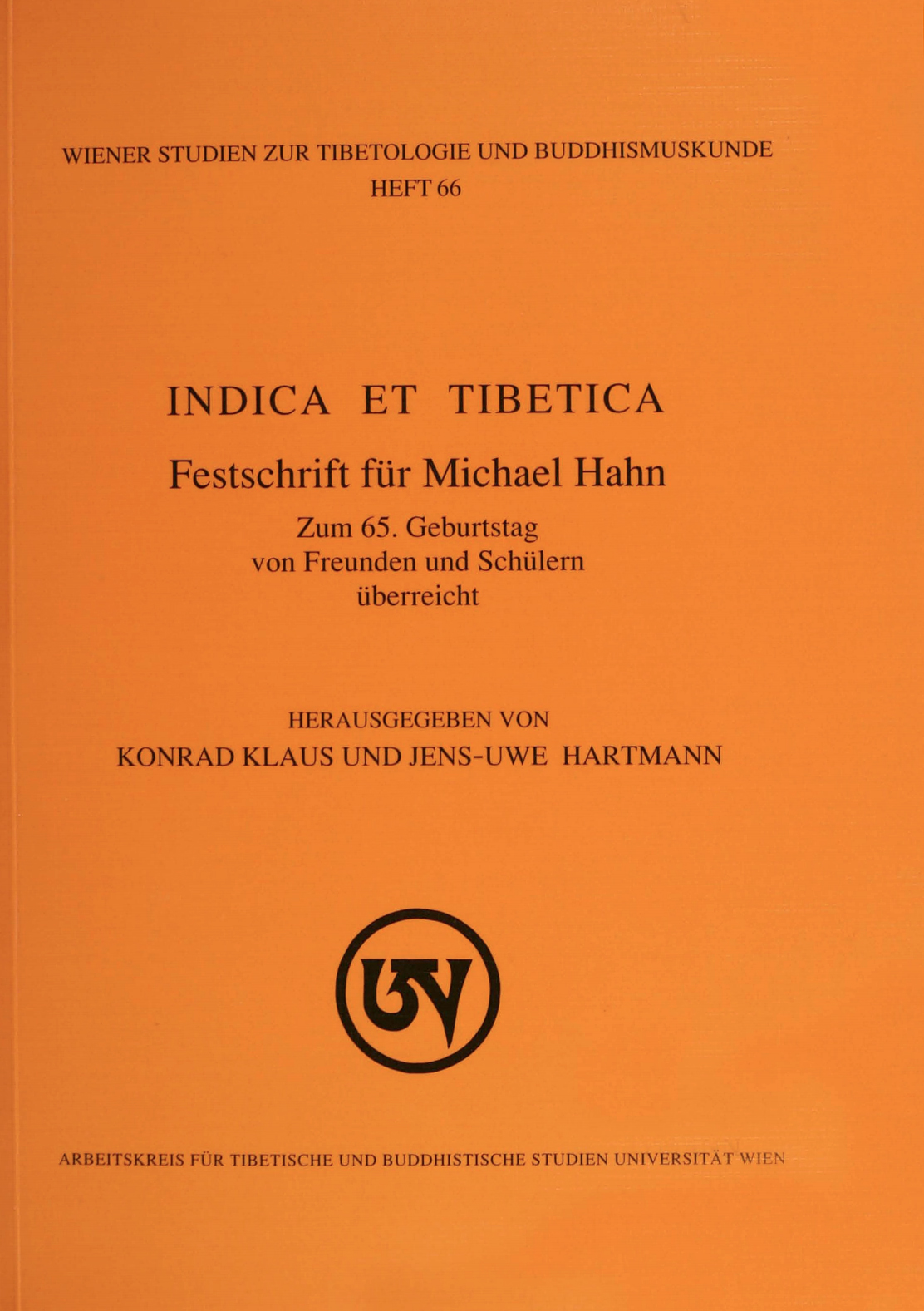
In jener Zeit in Nepal haben wir den Jubilar als äußerst kenntnisreichen und anregenden Gelehrten kennengelemt, der nicht müde wurde, uns Jüngeren, noch ganz am Anfang Stehenden etwas von der Faszination zu vermitteln, die ihm aus der Beschäftigung mit seinen Forschungsgegenständen erwuchs. Gleichzeitig verstand er es, durch seine offene und aufgeschlossene, Alters- und Wissensunterschiede ignorierende Art die Wurzeln für eine dauerhafte Freundschaft zu legen. Dafür und für all das, was wir seither an Anregung und Förderung von ihm erfahren haben, sind wir dankbar, und wir freuen uns, ihm mit dem vorliegenden Band wenigstens einen kleinen Teil jener Dankesschuld abstatten zu können.
Wir haben davon abgesehen, den Band in einen engeren thematischen Rahmen zu stellen, etwa durch die Forderung nach einem Bezug zu Nepal oder die Beschränkung auf Beiträge zu den engeren Forschungsgebieten des Jubilars. Michael Hahn ist mit Kollegen aus vie len Bereichen unseres Faches in alter Welt verbunden, und selbst die Arbeiten seiner Schüler umfassen ein so weites Spektrum, daß uns eine thematische Öffnung sinnvoll und notwendig erschien, um niemanden seiner zahlreichen Freunde und Schüler von vomherein von der Mitwirkung an dem Band auszuschließen.
Unser besonderer Dank gilt Herrn Dr. Helmut Eimer für sein sorgfaltiges Korrekturlesen. Herrn Peter Wyzlic, M. A., haben wir dafür zu danken, daß er stets mit Rat und Tat zur Seite stand, wenn es um die Lösung von Font-Problemen ging, insbesondere von solchen mit chinesischen und griechischen Zeichensätzen. Herr Prof. Dr. Ernst Steinkellner schlug uns vor, als seinen Beitrag zu der Festschrift den Band in die renommierte Reihe der Wiener Studien zur Tibetologie und Buddhismuskunde aufzunehmen, und diesem Vorschlag sind wir sehr gerne gefolgt. So danken wir ihm und den jetzigen Herausgebern, Frau Dr. Birgit Kellner, Herrn PD Dr. Helmut Krasser und Herrn Prof. Dr. Helmut Tauscher, fur die Veröffentlichung des Bandes in ihrer Reihe. (Die Herausgeber, preface, 7–8)
Written most probably in the fourth century A.D., the Jatakamala is generally considered the masterpiece of Buddhist literature in Sanskrit. In elegant, courtly style, Arya Sura retells thirty-four traditional stories about the Buddha in his previous incarnations, human and animal. Whether as a king, a brahmin, a monkey, or a hare, the Great One is shown in assiduous pursuit of virtue and compassion. Though primarily intended as exemplary tales illustrating the Buddhist virtues, these stories also provide a vivid picture of life at a high point in ancient Indian culture—city life in ordinary households or at the royal court, and country life against a backdrop of mountain, desert, and jungle.
Fresh study of the Sanskrit manuscripts, now scattered in libraries all over the world, has enabled Peter Khoroche to make this new translation faithful to the original in both style and content. His explanatory notes will assist student and general reader alike in appreciating this classic from an ancient and exotic civilization. (Source: The University of Chicago Press)
This particular collection of Jatakas, retold by a renowned Buddhist master and poet, enriches understanding of karma and conveys attitudes and actions that develop perfect compassion. The Jatakas can serve as occasions to reflect upon the moral choices in our lives and open our eyes to the reality of karma, helping us develop the insight and discipline we need to acknowledge and change destructive patterns of behavior. This work is dedicated to Western Dharma students with the wish that the teachings it conveys will illuminate their understanding of karma, the indomitable strength of virtue, and the enlightening power of Bodhisattva compassion.
With 34 line drawings by Rosalyn White, working to the directions of Tarthang Tulku. A glossary of Sanskrit terms round out the presentation. Its language is highly accessible and relatable.
(Source: Dharma Publishing)