Practice: Difference between revisions
((by SublimeText.Mediawiker)) |
(VSCode edit) |
||
| (513 intermediate revisions by 6 users not shown) | |||
| Line 1: | Line 1: | ||
<div class="d-none">{{# | <div class="d-none">{{#widget:RemoveBodyPaddingX}}{{RemoveFirstHeading}}__NOTOC____NOEDITSECTION__</div>{{#widget:CustomExpandLinks}} | ||
{{KeyPageHeader | |||
|title=Practice | |||
|subtitle=Practice wisdom and compassion as a way of life | |||
}}{{ReadingTime}} | |||
{{PanelTransparent | |||
|bg-image=Avalokiteshvara Red HAR.jpg | |||
|image-side=left | |||
|bg-position=50% 50% | |||
|imgClasses=rounded-lg tsdwiki-depth-1 | |||
|classes=my-5 | |||
|header=Introduction | |||
|text=The application of bodhicitta in practice is central to the Mahāyāna pursuit of full enlightenment for the sake of all sentient beings. According to Mahāyāna masters, bodhicitta is a prerequisite for a practice or path to qualify as a Mahāyāna path leading to the state of a fully awakened buddha. Only when the practice is motivated or informed by bodhicitta (བྱང་ཆུབ་སེམས་ཀྱི་རྩིས་ཟིན་པ་) can it be considered as a bona fide part of the Mahāyāna path. Thus, the masters strongly recommend the cultivation of the altruistic thought of bodhicitta before beginning any project or activity. This is because, in the Buddhist system, the moral value of an action is determined by the quality of intention or the state of the mind. | |||
Buddhist masters teach that mind can be in any of the three states: | |||
#A virtuous state with positive thoughts and emotions, such as thirst for knowledge, devotion, compassion, love, etc. | |||
#A nonvirtuous state with negative thoughts and emotions, such as arrogance, hatred, jealousy, etc. | |||
#A neutral state with neither positive nor negative states of mind. | |||
Furthermore, the virtuous mind can be of three types: | |||
#An inferior mind wishing happiness and well-being in this mundane world. | |||
#A middling mind wishing a higher state of lasting happiness, fulfillment, and freedom beyond the ordinary world. | |||
#A superior mind wishing a higher state of lasting happiness for all sentient beings. | |||
This last superior mind is bodhicitta and the one recommended by the Mahāyāna masters before beginning any project or activity. | |||
<div class="mw-collapsible mw-collapsed mb-4" data-expandtext="expand..." data-collapsetext="collapse"> | |||
Khunu Lama Tenzin Gyaltsen, a twentieth-century teacher of bodhicitta, thus writes in ''The Jewel Lamp: A Praise of Bodhicitta'' (''བྱང་ཆུབ་སེམས་ཀྱི་བསྟོད་པ་རིན་ཆེན་སྒྲོན་མ།''): | |||
{{QuoteCite | |||
|quote-text=Should one launch something, launch with bodhicitta. | |||
Should one think of something, think of bodhicitta. | |||
Should one analyze something, analyze with bodhicitta. | |||
Should one examine something, examine with bodhicitta. (v. 98)<ref>''brtsam na byang chub sems las brtsam''// ''bsam na byang chub sems nyid bsam''// ''dpyad na byang chub sems su dpyad''// ''brtag na byang chub sems la brtag''//. Khunu Lama Tenzin Gyaltsen, ''Byang chub sems kyi bstod pa rin chen sgron ma'' (Dharamsala: Dga' ldan pho brang, 2018), 29, http://purl.bdrc.io/resource/MW8LS66303.</ref> | |||
}} | |||
Patrul Rinpoche, a paragon of bodhicitta practice in nineteenth-century Tibet, also proclaimed in his ''Aspiration to Generate Bodhicitta'' (''བསྐལ་མང་གོང་ནས་སོགས།''): | |||
{{QuoteCite | |||
|quote-text=If present, this alone is sufficient for reaching buddhahood. | |||
If this is absent, one is handicapped in reaching buddhahood. | |||
May I generate this pure thought of awakening, | |||
The unmistaken seed of buddhahood. (v. 6)<ref> ཡོད་ན་སངས་རྒྱས་སྒྲུབ་ལ་དེས་ཆོག་ཅིང། །མེད་ན་སངས་རྒྱས་སྒྲུབ་ལ་ཐབས་ཆགས་པ། །སངས་རྒྱས་འགྲུབ་པའི་ས་བོན་མ་ནོར་བ། །རྣམ་དག་བྱང་ཆུབ་སེམས་མཆོག་བསྐྱེད་པར་ཤོག (''yod na sangs rgyas sgrub la des chog cing''/ /''med na sangs rgyas sgrub la thabs chags pa''/ /''sangs rgyas 'grub pa'i sa bon ma nor ba''/ /''rnam dag byang chub sems mchog bskyed par shog''). See Patrul Rinpoche, ''Bskal mang gong nas sogs'', in Gsung 'bum o rgyan 'jigs med chos kyi dbang po (Chengdu: Si khron mi rigs dpe skrun khang, 2003), 8: 356, http://purl.bdrc.io/resource/MW24829_B101CB.</ref> | |||
}} | |||
In the beginning, a practitioner must cultivate the mind (''cittotpāda'') of awakening through a concerted effort by taking the bodhisattva vow repeatedly, engaging in the various contemplative techniques, receiving teachings on bodhicitta and bodhisattva practices, and utilizing other methods. Gradually, one would become accustomed to thinking of bodhicitta, which would also become stronger and constant. When bodhicitta naturally arises without effort, a person is said to have formally become a bodhisattva. Thus, Jigme Lingpa said: | |||
{{QuoteCite | |||
|quote-text=It is more important to have the supreme mind naturally arise than to consciously cultivate it.<ref>Jigme Lingpa, ''Yon tan rin po che'i mdzod kyi rgya cher 'grel pa bden gnyis shing rta rgyu mtshan nyid kyi theg pa'i skor'', in Gsung 'bum 'jigs med gling pa (Gangtok, Sikkim: Sonam T. Kazi, 1970–75), 1: 246b, http://purl.bdrc.io/resource/MW1KG10193_E90C9C.</ref> | |||
}} | |||
However, a beginner must make a contrived effort to generate bodhicitta, firstly by cultivating the aspiring bodhicitta and then by engaging in the practice of engaged bodhicitta. Śāntideva presents the distinction between the two in the following verses from his text ''The Way of the Bodhisattva'' (''Bodhicaryāvatāra''): | |||
{{PullBcaVerses|1.15}} | |||
{{PullBcaVerses|1.16}} | |||
One must first have the thought to take all sentient beings to the state of the Buddha just as one must first have the thought to go to Bodh Gaya before one starts the journey. Having generated the strong motivation to take all sentient beings to buddhahood, one must then engage in the actual paths and practices which lead them to the goal. The bodhisattva road consists of a long and arduous practice of the six perfections: giving, discipline, patience, effort, meditation and wisdom. These six topics cover the entire range of practices a person must take up as a bodhisattva to reach buddhahood. They also include the practice of both relative bodhicitta, or the moral mental resolve to take all sentient beings to the state of full awakening, and ultimate bodhicitta, which is the deep understanding and experience of the ultimate nature of all things. | |||
<references/> | |||
</div> | </div> | ||
<div class="row justify-content-center my-lg-4">{{Tile | |||
|wrapper-classes=col-md-8 mb-3 | |||
|image=TKP-Pawo-Print-6TKP10751.web .jpg | |||
|bgPosition=50% 50% | |||
|header=Bodhicitta in Practice | |||
|text=Cultivating bodhicitta involves reflection, meditation, ethical conduct, and guidance from qualified teachers, and is formalized through the bodhisattva vow. | |||
|label=read more <i class="fa-sharp-duotone fa-solid fa-arrow-up-right fa-sm"></i> | |||
|page=Practice/Bodhicitta in Practice | |||
|min-height=145px | |||
}}</div> | |||
}} | |||
</div> | {{VerticalSpacer|5}} | ||
{{PanelLargerText | |||
|bg-image=File:Lotus bud for bodhicitta practice page.jpg | |||
|classes=mx-0 | |||
|bg-position=50% 50%; | |||
|header=Generating Bodhicitta - The Mind of Awakening | |||
|offset=col-md-4 p-0 order-md-last | |||
|text=Generating bodhicitta—the awakening mind—forms the foundation of the bodhisattva path. This transformative practice begins with recognizing the precious rarity of human existence and cultivating unwavering faith in enlightenment's possibility. Through developing immeasurable compassion for all suffering beings and finding guidance from an authentic spiritual teacher, practitioners prepare to undertake the profound bodhisattva vow. The formal ceremony involves purification through the seven-limb prayer, mind training through the four immeasurables, and the actual taking of vows to dedicate one's life to liberating all sentient beings from suffering. | |||
<div class="row justify-content-center mt-4">{{MiniTile | |||
|wrapperclasses=mw-customtoggle-genbodhic | |||
|classes=pr-3 | |||
|styles=height: 40px !important; border: 1px solid #BA1B1D; | |||
|image=none | |||
|text=<i class="fa-sharp-duotone fa-solid fa-person-hiking fa-fw mx-1" style="--fa-primary-color: #8e3c40; --fa-secondary-color: #8e3c40;"></i> Start the Journey <i class="fa-sharp-duotone fa-solid fa-expand-wide ml-1 fa-sm align-baseline" style="--fa-primary-color: #8e3c40; --fa-secondary-color: #8e3c40;"></i> | |||
}}</div> | |||
<div class="mw-collapsible mw-collapsed py-3 mb-4 text-center practice-essay-links mx-3" id="mw-customcollapsible-genbodhic"> | |||
* [[Practice/Bodhicitta_in_Practice#Generating_Bodhicitta:_The_Bodhisattva_Vow|<i class="fa-sharp-duotone fa-solid fa-angle-right fa-xs align-baseline"></i>Generating Bodhicitta: The Bodhisattva Vow]] | |||
** [[Practice/Bodhicitta_in_Practice#Physical_Support|<i class="fa-sharp-duotone fa-solid fa-angle-right fa-xs align-baseline"></i>Physical Support]] | |||
** [[Practice/Bodhicitta_in_Practice#Mental_Support|<i class="fa-sharp-duotone fa-solid fa-angle-right fa-xs align-baseline"></i>Mental Support]] | |||
** [[Practice/Bodhicitta_in_Practice#Preceptorial_Support|<i class="fa-sharp-duotone fa-solid fa-angle-right fa-xs align-baseline"></i>Preceptorial Support]] | |||
** [[Practice/Bodhicitta_in_Practice#The_Procedure_for_Taking_the_Vow|<i class="fa-sharp-duotone fa-solid fa-angle-right fa-xs align-baseline"></i>The Procedure for Taking the Vow]] | |||
*** [[Practice/Bodhicitta_in_Practice#The_Seven-Limb_Prayer|<i class="fa-sharp-duotone fa-solid fa-angle-right fa-xs align-baseline"></i>The Seven-Limb Prayer]] | |||
*** [[Practice/Bodhicitta_in_Practice#Mind_Training|<i class="fa-sharp-duotone fa-solid fa-angle-right fa-xs align-baseline"></i>Mind Training]] | |||
*** [[Practice/Bodhicitta_in_Practice#The_Actual_Taking_of_the_Bodhisattva_Vow|<i class="fa-sharp-duotone fa-solid fa-angle-right fa-xs align-baseline"></i>The Actual Taking of the Bodhisattva Vow]] | |||
*** [[Practice/Bodhicitta_in_Practice#Concluding_Procedures|<i class="fa-sharp-duotone fa-solid fa-angle-right fa-xs align-baseline"></i>Concluding Procedures]] | |||
</div> | |||
}} | |||
{{VerticalSpacer|5}} | |||
{{PanelTransparent | |||
|bg-image=File:Lotus opening.jpg | |||
|imgClasses=rounded-lg tsdwiki-depth-1 | |||
|image-side=left | |||
|classes=my-5 | |||
|header=Protecting Bodhicitta - Training on the Path | |||
|text=Once bodhicitta is generated and the practitioner takes the bodhisattva vow, this mind of awakening must be vigilantly protected through precise moral discipline. This commitment entails three interconnected practices: avoiding harmful actions that corrupt the awakened mind, actively cultivating virtue through the six perfections, and dedicating oneself completely to benefiting all beings. The bodhisattva navigates specific precepts—from fundamental prohibitions against deception and abandoning beings to detailed guidelines governing speech, conduct, and intention. When transgressions occur, immediate confession and remediation through powerful purification practices restore the practitioner's spiritual integrity, ensuring the precious bodhicitta remains luminous and effective in its compassionate mission. | |||
The | <div class="row justify-content-center mt-4">{{MiniTile | ||
|wrapperclasses=mw-customtoggle-probodhic | |||
|classes=pr-3 | |||
|styles=height: 40px !important; border: 1px solid #BA1B1D; | |||
|image=none | |||
|text=<i class="fa-sharp-duotone fa-solid fa-shield-heart fa-fw mx-1" style="--fa-primary-color: #8e3c40; --fa-secondary-color: #8e3c40;"></i> Safeguard Your Awakened Heart <i class="fa-sharp-duotone fa-solid fa-expand-wide ml-1 fa-sm align-baseline" style="--fa-primary-color: #8e3c40; --fa-secondary-color: #8e3c40;"></i> | |||
}}</div> | |||
<div class="mw-collapsible mw-collapsed py-3 mb-4 text-center practice-essay-links mx-3" id="mw-customcollapsible-probodhic"> | |||
* [[Practice/Bodhicitta_in_Practice#Protecting_Bodhicitta:_The_Bodhisattva_Precepts|<i class="fa-sharp-duotone fa-solid fa-angle-right fa-xs align-baseline"></i>Protecting Bodhicitta: The Bodhisattva Precepts]] | |||
** [[Practice/Bodhicitta_in_Practice#The_Discipline_of_Abstaining_from_Misdeeds|<i class="fa-sharp-duotone fa-solid fa-angle-right fa-xs align-baseline"></i>The Discipline of Abstaining from Misdeeds]] | |||
*** [[Practice/Bodhicitta_in_Practice#Precepts_for_Aspiring_Bodhicitta|<i class="fa-sharp-duotone fa-solid fa-angle-right fa-xs align-baseline"></i>Precepts for Aspiring Bodhicitta]] | |||
*** [[Practice/Bodhicitta_in_Practice#Precepts_for_Engaged_Bodhicitta|<i class="fa-sharp-duotone fa-solid fa-angle-right fa-xs align-baseline"></i>Precepts for Engaged Bodhicitta]] | |||
*** [[Practice/Bodhicitta_in_Practice#Precepts_for_Both_Aspiring_and_Engaged_Bodhicitta|<i class="fa-sharp-duotone fa-solid fa-angle-right fa-xs align-baseline"></i>Precepts for Both Aspiring and Engaged Bodhicitta]] | |||
*** [[Practice/Bodhicitta_in_Practice#Minor_Downfalls|<i class="fa-sharp-duotone fa-solid fa-angle-right fa-xs align-baseline"></i>Minor Downfalls]] | |||
*** [[Practice/Bodhicitta_in_Practice#Making_Amends|<i class="fa-sharp-duotone fa-solid fa-angle-right fa-xs align-baseline"></i>Making Amends]] | |||
** [[Practice/Bodhicitta_in_Practice#The_Discipline_of_Gathering_Virtue|<i class="fa-sharp-duotone fa-solid fa-angle-right fa-xs align-baseline"></i>The Discipline of Gathering Virtue]] | |||
** [[Practice/Bodhicitta_in_Practice#The_Discipline_of_Benefitting_Sentient_Beings|<i class="fa-sharp-duotone fa-solid fa-angle-right fa-xs align-baseline"></i>The Discipline of Benefitting Sentient Beings]] | |||
*** [[Practice/Bodhicitta_in_Practice#Gift_Giving|<i class="fa-sharp-duotone fa-solid fa-angle-right fa-xs align-baseline"></i>Gift Giving]] | |||
*** [[Practice/Bodhicitta_in_Practice#Sweet_Words|<i class="fa-sharp-duotone fa-solid fa-angle-right fa-xs align-baseline"></i>Sweet Words]] | |||
*** [[Practice/Bodhicitta_in_Practice#Purposeful_Practice|<i class="fa-sharp-duotone fa-solid fa-angle-right fa-xs align-baseline"></i>Purposeful Practice]] | |||
*** [[Practice/Bodhicitta_in_Practice#Consistent_Engagement|<i class="fa-sharp-duotone fa-solid fa-angle-right fa-xs align-baseline"></i>Consistent Engagement]] | |||
** [[Practice/Bodhicitta_in_Practice#The_Four_Bodhisattva_Actions|<i class="fa-sharp-duotone fa-solid fa-angle-right fa-xs align-baseline"></i>The Four Bodhisattva Actions]] | |||
</div> | |||
}} | |||
{{VerticalSpacer|5}} | |||
{{PanelLargerText | |||
|bg-image=File:Lotus for practice section cropped.jpg | |||
|classes=mx-0 rounded-lg tsdwiki-depth-1 | |||
|header=Enhancing Bodhicitta - Progressing on the Path | |||
|offset=col-md-4 p-0 order-md-last | |||
|text=Enhancing bodhicitta represents the crucial next phase in bodhisattva practice—transforming initial compassionate intention into unwavering spiritual power. This enhancement involves intensive practices that dissolve the artificial boundary between self and others. Through profound meditation techniques like ''tonglen'' (giving and taking), contemplating all beings as one's mother across countless lifetimes, and cultivating the four immeasurable thoughts of loving-kindness, compassion, joy, and equanimity, practitioners systematically dismantle self-centered thinking. The goal is radical: completely exchanging self-cherishing for other-cherishing, recognizing that genuine happiness emerges only through dedicating oneself entirely to alleviating universal suffering and nurturing the enlightenment of all sentient beings. | |||
<div class="row justify-content-center mt-4">{{MiniTile | |||
|wrapperclasses=mw-customtoggle-enhbodhic | |||
|classes=pr-3 | |||
|styles=height: 40px !important; border: 1px solid #BA1B1D; | |||
|image=none | |||
|text=<i class="fa-sharp-duotone fa-solid fa-raindrops fa-fw mx-1" style="--fa-primary-color: #8e3c40; --fa-secondary-color: #8e3c40;"></i> Expand Your Awakened Heart <i class="fa-sharp-duotone fa-solid fa-expand-wide ml-1 fa-sm align-baseline" style="--fa-primary-color: #8e3c40; --fa-secondary-color: #8e3c40;"></i> | |||
}}</div> | |||
<div class="mw-collapsible mw-collapsed py-3 mb-4 text-center practice-essay-links mx-3" id="mw-customcollapsible-enhbodhic"> | |||
* [[Practice/Bodhicitta_in_Practice#Enhancing_Bodhicitta:_The_Bodhisattva_Practices|<i class="fa-sharp-duotone fa-solid fa-angle-right fa-xs align-baseline"></i>Enhancing Bodhicitta: The Bodhisattva Practices]] | |||
** [[Practice/Bodhicitta_in_Practice#Enhancing_Aspiring_Bodhicitta|<i class="fa-sharp-duotone fa-solid fa-angle-right fa-xs align-baseline"></i>Enhancing Aspiring Bodhicitta]] | |||
*** [[Practice/Bodhicitta_in_Practice#The_Equality_between_Self_and_Others|<i class="fa-sharp-duotone fa-solid fa-angle-right fa-xs align-baseline"></i>The Equality between Self and Others]] | |||
*** [[Practice/Bodhicitta_in_Practice#The_Exchange_between_Self_and_Others|<i class="fa-sharp-duotone fa-solid fa-angle-right fa-xs align-baseline"></i>The Exchange between Self and Others]] | |||
*** [[Practice/Bodhicitta_in_Practice#Tonglen:_The_Practice_of_Exchange|<i class="fa-sharp-duotone fa-solid fa-angle-right fa-xs align-baseline"></i>Tonglen: The Practice of Exchange]] | |||
*** [[Practice/Bodhicitta_in_Practice#Seven-Point_Instructions_of_Cause_and_Effect|<i class="fa-sharp-duotone fa-solid fa-angle-right fa-xs align-baseline"></i>Seven-Point Instructions of Cause and Effect]] | |||
*** [[Practice/Bodhicitta_in_Practice#Four_Immeasurable_Thoughts|<i class="fa-sharp-duotone fa-solid fa-angle-right fa-xs align-baseline"></i>Four Immeasurable Thoughts]] | |||
*** [[Practice/Bodhicitta_in_Practice#Compassion|<i class="fa-sharp-duotone fa-solid fa-angle-right fa-xs align-baseline"></i>Compassion]] | |||
** [[Practice/Bodhicitta_in_Practice#Enhancing_Engaged_Bodhicitta|<i class="fa-sharp-duotone fa-solid fa-angle-right fa-xs align-baseline"></i>Enhancing Engaged Bodhicitta]] | |||
*** [[Practice/Bodhicitta_in_Practice#The_Practice_of_the_Six_Perfections|<i class="fa-sharp-duotone fa-solid fa-angle-right fa-xs align-baseline"></i>The Practice of the Six Perfections]] | |||
</div> | |||
}} | }} | ||
{{VerticalSpacer|4}} | |||
<h2 class="d-none">Living Traditions of Practice</h2> | |||
{{KeyPageHeader | |||
|title=Living Traditions of Practice | |||
|subtitle= | |||
|style=font-size: 2.0em | |||
}} | |||
{{PanelTransparent | |||
|bg-image=Patrul Rinpoche (Shechen mural).jpg | |||
|bg-position=50% 36% | |||
|imgClasses=rounded-lg tsdwiki-depth-1 | |||
|image-side=left | |||
|classes=my-5 | |||
|header=Patrul Rinpoche <br> <small><em></em></small> | |||
|text=In nineteenth-century Tibet, the ''Bodhicaryāvatāra'' was largely confined to major monastic centers, known primarily to scholarly elites. Patrul Rinpoche Orgyen Jigme Chökyi Wangpo (དཔལ་སྤྲུལ་རིན་པོ་ཆེ་ཨོ་རྒྱན་འཇིགས་མེད་ཆོས་ཀྱི་དབང་པོ་, 1808–1887) transformed this reality, teaching Śāntideva's classic text over one hundred times throughout eastern Tibet and making it accessible to monastics and laypeople alike. So profound was his influence that contemporaries regarded him as an emanation of Śāntideva himself. Rather than composing a full commentary, Patrul created practical guides—including his ''Step-by-Step Practice Manual'' and distinctive "three opportunities" method—that emphasized direct application over scholarly analysis, with bodhicitta as the foundation of all practice. His revolutionary approach democratized access to these teachings, establishing networks of study centers and inspiring a remarkable lineage of disciples including Ju Mipham and Khenpo Kunpal, whose commentaries sparked important philosophical debates and preserved his oral tradition. Living with radical simplicity, carrying only the ''Bodhicaryāvatāra'' and one other text as his daily prayers, Patrul Rinpoche ensured that Śāntideva's words became not merely an object of study but a living practice tradition that continues to flourish today. | |||
<div class="row tsdwiki-border-b-redfade justify-content-center">{{MiniTile | |||
|wrapperclasses=col-md-6 mb-4 | |||
|classes=pr-3 | |||
|styles=margin-bottom: 0px !important; | |||
|link=Living_Traditions_of_Practice:_Patrul_Rinpoche | |||
|image=none | |||
|text=<i class="fa-sharp-duotone fa-solid fa-book-open-reader fa-fw mx-1" style="--fa-primary-color: #8e3c40; --fa-secondary-color: #8e3c40;"></i>Learn More about Patrul Rinpoche <i class="fa-sharp fa-solid fa-caret-right ml-1 fa-sm align-baseline carnelian"></i> | |||
}} | |||
</div> | |||
}} | |||
{{VerticalSpacer|5}} | |||
{{PanelTransparent | |||
|bg-image=Khunu Lama Sharpened.jpg | |||
|bg-position=50% 36% | |||
|imgClasses=rounded-lg tsdwiki-depth-1 | |||
|image-side=right | |||
|classes=my-5 | |||
|header=Khunu Lama Tenzin Gyaltsen <br> <small><em></em></small> | |||
|text=In modern times, few people have been more influential in the spread of Buddhism and the teaching of bodhicitta than His Holiness the Fourteenth Dalai Lama. Yet the Dalai Lama points to Khunu Lama as the teacher who most profoundly shaped his understanding of bodhicitta and ''The Way of the Bodhisattva''. Khunu Lama Tenzin Gyaltsen (ཁུ་ནུ་བླ་མ་བསྟན་འཛིན་རྒྱལ་མཚན་, 1894/1895—1977) stands as one of the most influential yet humble Buddhist masters of the modern era, whose profound teachings on bodhicitta—the compassionate aspiration for enlightenment—shaped an entire generation of practitioners. The Dalai Lama called him the "Shantideva of our time," recognizing his extraordinary embodiment of compassion and wisdom. A teacher of His Holiness the Dalai Lama, especially for the ''Bodhicaryāvatāra'', for which he held Patrul Rinpoche's lineage, Khunu Lama's teachings were particularly sought after by the young Dalai Lama for clarifying complex philosophical concepts. Revered by many as the very embodiment of altruism, his masterwork ''The Jewel Lamp: A Praise of Bodhicitta'' continues to inspire practitioners worldwide, cementing his legacy as a bridge between traditional wisdom and contemporary understanding. | |||
<div class="row tsdwiki-border-b-redfade justify-content-center">{{MiniTile | |||
|wrapperclasses=col-md-6 mb-4 | |||
|classes=pr-3 | |||
|styles=margin-bottom: 0px !important; | |||
|link=Living_Traditions_of_Practice:_Khunu_Lama_Tenzin_Gyaltsen | |||
|image=none | |||
|text=<i class="fa-sharp-duotone fa-solid fa-book-open-reader fa-fw mx-1" style="--fa-primary-color: #8e3c40; --fa-secondary-color: #8e3c40;"></i>Learn More about Khunu Lama Rinpoche <i class="fa-sharp fa-solid fa-caret-right ml-1 fa-sm align-baseline carnelian"></i> | |||
}} | |||
</div> | |||
}} | |||
{{VerticalSpacer|5}} | |||
The | {{PanelTransparent | ||
|bg-image=File:2023-12-31-Dalai Lama.jpg | |||
|bg-position=50% 36% | |||
|imgClasses=rounded-lg tsdwiki-depth-1 | |||
|image-side=left | |||
|classes=my-5 | |||
|header=The Fourteenth Dalai Lama, Tenzin Gyatso <br> <small><em></em></small> | |||
|text=His Holiness the Fourteenth Dalai Lama, Tenzin Gyatso (བསྟན་འཛིན་རྒྱ་མཚོ་, born 1935), has done more than perhaps anyone else to spread the teachings of bodhicitta worldwide, carrying forward a precious lineage that flows from Patrul Rinpoche through Khunu Lama directly to him. As perhaps the most recognized Buddhist teacher in the modern world, he received the transmission of Śāntideva's ''Bodhicaryāvatāra'' from Khunu Lama—who himself held Patrul Rinpoche's lineage—and has stated that "if I have any understanding of compassion and the bodhisattva path, it all comes from studying this text." Following the Chinese occupation of Tibet in 1959 and his escape to India, His Holiness has taught the ''Bodhicaryāvatāra'' extensively to audiences numbering in the tens of thousands across continents, making these profound teachings accessible to millions worldwide. He has also championed Khunu Lama's masterwork ''The Jewel Lamp'', teaching it repeatedly. His Holiness continues to demonstrate through his life and global teachings how bodhicitta offers humanity's most profound response to suffering and the surest path to genuine flourishing in our interconnected world. | |||
<div class="row tsdwiki-border-b-redfade justify-content-center">{{MiniTile | |||
|wrapperclasses=col-md-6 mb-4 | |||
|classes=pr-3 | |||
|styles=margin-bottom: 0px !important; | |||
|link=Living_Traditions_of_Practice:_His_Holiness_the_14th_Dalai_Lama,_Tenzin_Gyatso | |||
|image=none | |||
|text=<i class="fa-sharp-duotone fa-solid fa-book-open-reader fa-fw mx-1" style="--fa-primary-color: #8e3c40; --fa-secondary-color: #8e3c40;"></i>Learn More about The 14th Dalai Lama <i class="fa-sharp fa-solid fa-caret-right ml-1 fa-sm align-baseline carnelian"></i> | |||
}} | |||
</div> | |||
}} | |||
{{VerticalSpacer|5}} | |||
From | {{PanelTransparent | ||
|bg-image=File:Bryn Celli Ddu - Umgebung 1 Kühe (1).jpg | |||
|bg-position=35% 36% | |||
|imgClasses=rounded-lg tsdwiki-depth-1 | |||
|image-side=right | |||
|classes=my-5 | |||
|header=From Bodhicitta to the Bowl <br> <small><em></em></small> | |||
|text=Bodhicitta rests on a foundational recognition that all beings equally wish to be free from suffering and to find happiness. This recognition lies at the heart of practices such as equalizing and exchanging self and other, ''tonglen'', and the cultivation of the four immeasurables, all of which train the practitioner to extend compassion ever more widely, gradually dissolving the boundaries between those we care for and those we overlook. As this compassion deepens, practitioners may find themselves drawn to reflect on aspects of daily life that had not previously seemed to carry ethical weight—including, perhaps, the most ordinary choice of all: what we eat. The question of diet has a long and nuanced history within Buddhism, shaped by cultural context, monastic vinaya, and Mahāyāna philosophy. The materials gathered here represent a range of perspectives on how the boundless compassion that bodhicitta aspires to might inform the choices of daily life. They are offered not as prescription but as an invitation to reflect on what the teachings on bodhicitta, taken to their logical conclusion, clearly imply. | |||
<div class="row tsdwiki-border-b-redfade justify-content-center">{{MiniTile | |||
|wrapperclasses=col-md-6 mb-4 | |||
|classes=pr-3 | |||
|styles=margin-bottom: 0px !important; | |||
|link=Living_Traditions_of_Practice:_Bodhicitta_and_Vegetarianism | |||
|image=none | |||
|text=<i class="fa-sharp-duotone fa-solid fa-book-open-reader fa-fw mx-1" style="--fa-primary-color: #8e3c40; --fa-secondary-color: #8e3c40;"></i> Extending the Circle of Compassion <i class="fa-sharp fa-solid fa-caret-right ml-1 fa-sm align-baseline carnelian"></i> | |||
}} | |||
</div> | |||
}} | }} | ||
<div class="row | {{VerticalSpacer|5}} | ||
<div class="mx-0 rounded-xl offwhite-bg shadow overflow-hidden"> | |||
<div class="p-3 p-md-4 p-lg-5"> | |||
<h2 class="pt-0 mt-0">More Resources</h2> | |||
<div class="text-article mb-5"> | |||
Delve deeper here with more resources for your practice. | |||
</div> | |||
<div class="row">{{Tile | |||
|wrapper-classes=col-md-6 mb-3 mb-md-4 | |||
|min-height=156px | |||
|image=Shantideva (floating).jpg | |||
|header=Recitation Guide for The Way of the Bodhisattva | |||
|text=A Method for Reciting the Text ''Engaging in Bodhisattva Conducts: A Stream of Blessings'', by Dam tshig rdo rje (Mkhan po chos rje) | |||
|label=Guide | |||
|page=Practice/Recitation Guide for The Way of the Bodhisattva | |||
}}{{Tile | |||
|wrapper-classes=col-md-6 mb-3 mb-md-4 | |||
|min-height=156px | |||
|image=7700 (Avalokiteshvara-standing)-cropped.jpg | |||
|header=The Way of the Bodhisattva Illuminated: Stories The Way of the Bodhisattva | |||
|text=Stories for young and old from the tradition Buddhist texts. | |||
|label=Guide | |||
|page=Practice/The_Way_of_the_Bodhisattva_Illuminated:_Stories_and_Recitation_Guide | |||
}}</div> | |||
<div class="row justify-content-center"> | |||
{{Tile | {{Tile | ||
|wrapper-classes=col-6 | |min-height=174px | ||
|image= | |wrapper-classes=col-md-6 mb-4 mw-customtoggle-practice | ||
|header= | |image=Nyoirin-Kannon'1-2.jpg | ||
|text= | |header=The Practices of the Bodhisattva | ||
|label= | |text=Explore the practices of the bodhisattva expounded by Śāntideva. | ||
| | |text-lines=4 | ||
|label=Click to expand | |||
|extracontent= | |||
<div class="row mw-collapsible mw-collapsed py-3" id="mw-customcollapsible-practice"> | |||
<div class="col-12"><div class="h5">Generating Bodhicitta</div></div> | |||
{{MiniTile | |||
|image=Labun-hang-limboo-5GQXdm557ag-unsplash.jpg | |||
|link=Explore/Preliminary Practices | |||
|text=Preliminary Practices | |||
}} | |||
{{MiniTile | |||
|image=Kuan Yin.jpg | |||
|link=Explore/The Bodhisattva Vow | |||
|text=The Bodhisattva Vow | |||
}} | |||
<div class="col-12"><div class="h5">Protecting Bodhicitta</div></div> | |||
{{MiniTile | |||
|image=Evgeny-nelmin-z2yZHp0iZEE-unsplash.jpg | |||
|link=Explore/Cultivating Discipline | |||
|text=Cultivating Discipline | |||
}} | |||
{{MiniTile | |||
|image=Shantideva-bust.jpg | |||
|link=Explore/Cultivating Patience | |||
|text=Cultivating Patience | |||
}} | |||
<div class="col-12"><div class="h5">Perfecting Bodhicitta</div></div> | |||
{{MiniTile | |||
|image=Evgeny-nelmin-z2yZHp0iZEE-unsplash.jpg | |||
|link=Explore/Cultivating Diligence | |||
|text=Cultivating Diligence | |||
}} | |||
{{MiniTile | |||
|image=Shantideva-bust.jpg | |||
|link=Explore/Cultivating Concentration | |||
|text=Cultivating Concentration | |||
}} | |||
{{MiniTile | |||
|image=Patrick-connor-klopf-ZNMcI9DtSWQ-unsplash.jpg | |||
|link=Explore/Cultivating Wisdom | |||
|text=Cultivating Wisdom | |||
}} | |||
<div class="col-12"><div class="h5">Dedication of Merit</div></div> | |||
{{MiniTile | |||
|image=Raimond-klavins-rZECP7TGlPg-unsplash.jpg | |||
|link=Explore/Dedication of Merit | |||
|text=Dedication of Merit | |||
}} | |||
</div> | |||
}}{{Tile | |||
|min-height=174px | |||
|wrapper-classes=col-md-6 mb-4 mw-customtoggle-siksa | |||
|image=Will-pagel-VGM6S9uAjY8-unsplash.jpg | |||
|header=The Training of the Bodhisattva | |||
|text=Explore the training of the Bodhisattva path as laid out by Śāntideva in the ''Śikṣāsamuccaya''. | |||
|label=Click to expand | |||
|extracontent= | |||
<div class="row mw-collapsible mw-collapsed py-3" id="mw-customcollapsible-siksa"> | |||
{{MiniTile | |||
|image=Will-pagel-VGM6S9uAjY8-unsplash.jpg | |||
|link=Explore/Training | |||
|text=Śāntideva's Approach to the Bodhisattva Training | |||
}} | |||
{{MiniTile | |||
|image=Rob-king--W74 FdLx I-unsplash.jpg | |||
|link=Explore/Training: Giving | |||
|text=Training: Giving | |||
}} | |||
{{MiniTile | |||
|image=Raimond-klavins-QwNgn9CZM38-unsplash.jpg | |||
|link=Explore/Training: Protecting | |||
|text=Training: Protecting | |||
}} | |||
{{MiniTile | |||
|image=Raimond-klavins-rZECP7TGlPg-unsplash.jpg | |||
|link=Explore/Training: Purifying | |||
|text=Training: Purifying | |||
}} | |||
{{MiniTile | |||
|image=Steffen-b-qDZ-Xd8dX6w-unsplash.jpg | |||
|link=Explore/Training: Increasing | |||
|text=Training: Increasing | |||
}} | |||
</div> | |||
}} | }} | ||
</div> | </div> | ||
<div class="row justify-content-center"> | |||
{{RelatedButton | |||
|link=Śāntideva | |||
|imagefile=Kuan Yin.jpg | |||
|text=Śāntideva | |||
|label=Person | |||
|label-right=<i class="fa-duotone fa-arrow-up-right ml-1"></i> | |||
|wrapperclasses=w-100 m-0 | |||
|container-classes=col-sm-6 col-md-4 col-lg-3 pb-4 | |||
}} | |||
{{RelatedButton | {{RelatedButton | ||
|link=Books/The Way of the Bodhisattva (2006) | |link=Books/The Way of the Bodhisattva (2006) | ||
| Line 190: | Line 402: | ||
|label=Book | |label=Book | ||
|label-right=<i class="fa-duotone fa-arrow-up-right ml-1"></i> | |label-right=<i class="fa-duotone fa-arrow-up-right ml-1"></i> | ||
|wrapperclasses= | |wrapperclasses=w-100 m-0 | ||
|container-classes=col-sm-6 col-md-4 col-lg-3 pb-4 | |||
}} | }} | ||
{{RelatedButton | {{RelatedButton | ||
|link=Books/Bodhicaryâvatâra: La marche vers l'éveil (1992) | |link=Books/Bodhicaryâvatâra: La marche vers l'éveil (1992) | ||
|text=Bodhicaryâvatâra: La marche vers l'éveil (1992) | |text=Bodhicaryâvatâra: La marche vers l'éveil (1992) | ||
|label=Book | |label=Book | ||
|label-right=<i class="fa-duotone fa-arrow-up-right ml-1"></i> | |label-right=<i class="fa-duotone fa-arrow-up-right ml-1"></i> | ||
|wrapperclasses= | |wrapperclasses=w-100 m-0 | ||
|container-classes=col-sm-6 col-md-4 col-lg-3 pb-4 | |||
}} | }} | ||
</div> | </div> | ||
</div> | |||
</div> | |||
{{VerticalSpacer|5}} | |||
<div class="px-3"> | |||
<div class="h3">The Other Doorways</div> | |||
<div class="row justify-content-center"> | |||
{{HomeTile | |||
|wrapperclasses=col-sm-6 col-lg-4 line-12 mb-4 | |||
|image=Patrick-connor-klopf-ZNMcI9DtSWQ-unsplash-cropped.jpg | |||
|bgPosition=50% 50% | |||
|header=Discover | |||
|description=Begin here. Discover the basics of bodhicitta, its meaning and purpose, and learn about the main concepts of the Mahayana path. Get to know the people and texts on this website, and find key resources for beginners. | |||
|bottomrightlabel=step through <i class="fa-sharp-duotone fa-solid fa-angles-right fa-sm"></i> | |||
|tilelink=Discover | |||
}}{{HomeTile | |||
|wrapperclasses=col-sm-6 col-lg-4 line-12 mb-4 | |||
|image=Jeremy-bezanger-ls94iFAQerE-unsplash-skyCropped-flipped.jpg | |||
|bgPosition=50% 0% | |||
|header=Explore | |||
|description=The understanding and practice of bodhicitta depends on the knowledge of the stories, key concepts, texts, and people associated with it. Explore bodhicitta, the desire to seek the ultimate happiness for all sentient beings. | |||
|bottomrightlabel=step through <i class="fa-sharp-duotone fa-solid fa-angles-right fa-sm"></i> | |||
|tilelink=Explore | |||
}}{{HomeTile | |||
|wrapperclasses=col-sm-6 col-lg-4 line-12 mb-4 | |||
|image=Pecha library cabinet.jpg | |||
|bgPosition=50% 50% | |||
|header=Study | |||
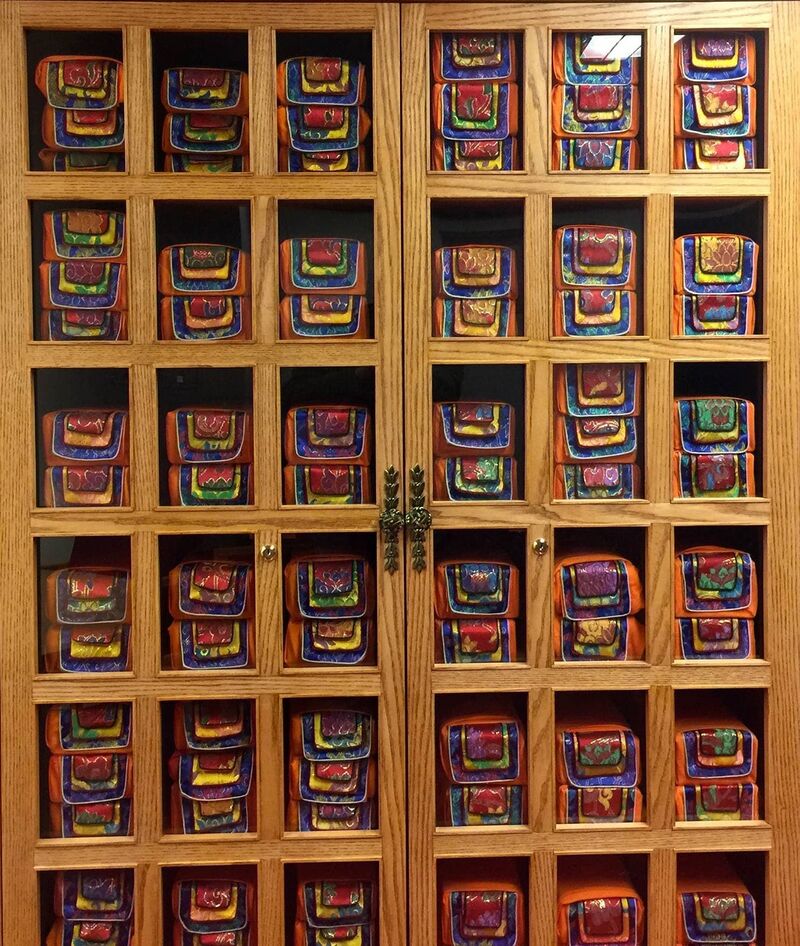
|description=Delve deeper into the study of bodhicitta and its associated theory, practice, and traditions by reading the core texts, the most popular of which is ''The Way of the Bodhisattva'' by Śāntideva. | |||
|bottomrightlabel=step through <i class="fa-sharp-duotone fa-solid fa-angles-right fa-sm"></i> | |||
|tilelink=Study | |||
}} | |||
</div> | |||
</div> | |||
{{#set: | |||
|Classification=Doorway | |||
|TileLabel=Doorway | |||
|Title=Practice | |||
|AllTopics=Bodhicitta; Awakening Heart; Mahayana Practice; Compassion and Wisdom; Bodhisattva Path; Altruism; Bodhisattva Vow; Seven-Limb Prayer; Four Immeasurables; Moral Discipline; Six Perfections; Paramitas; Tonglen; Giving and Taking; Other-Cherishing; Patrul Rinpoche; Khunu Lama Tenzin Gyaltsen; 14th Dalai Lama; Shantideva; Bodhicaryavatara; The Way of the Bodhisattva; Jewel Lamp: A Praise of Bodhicitta; Step-by-Step Practice Manual; Mind Training; Lojong; Buddhist Ethics; Intention; Virtuous Mind; Mental States; Enlightenment; Spiritual Teacher; Purification; Confession; Universal Suffering; Interconnectedness | |||
|Description=What use is a powerful medicine if one does not take it to cure the illness? say Buddhist masters. Learn how to put bodhicitta into practice in order to bring the highest good – perfect enlightenment – to all sentient beings. | |||
|People=Bodhicitta Editorial Team | |||
|FrontCoverImg=File:Avalokiteshvara Red HAR.jpg | |||
}}[[Category:Doorway Pages]] | |||
Latest revision as of 16:35, 13 August 2026
Introduction
The application of bodhicitta in practice is central to the Mahāyāna pursuit of full enlightenment for the sake of all sentient beings. According to Mahāyāna masters, bodhicitta is a prerequisite for a practice or path to qualify as a Mahāyāna path leading to the state of a fully awakened buddha. Only when the practice is motivated or informed by bodhicitta (བྱང་ཆུབ་སེམས་ཀྱི་རྩིས་ཟིན་པ་) can it be considered as a bona fide part of the Mahāyāna path. Thus, the masters strongly recommend the cultivation of the altruistic thought of bodhicitta before beginning any project or activity. This is because, in the Buddhist system, the moral value of an action is determined by the quality of intention or the state of the mind.
Buddhist masters teach that mind can be in any of the three states:
- A virtuous state with positive thoughts and emotions, such as thirst for knowledge, devotion, compassion, love, etc.
- A nonvirtuous state with negative thoughts and emotions, such as arrogance, hatred, jealousy, etc.
- A neutral state with neither positive nor negative states of mind.
Furthermore, the virtuous mind can be of three types:
- An inferior mind wishing happiness and well-being in this mundane world.
- A middling mind wishing a higher state of lasting happiness, fulfillment, and freedom beyond the ordinary world.
- A superior mind wishing a higher state of lasting happiness for all sentient beings.
This last superior mind is bodhicitta and the one recommended by the Mahāyāna masters before beginning any project or activity.
Khunu Lama Tenzin Gyaltsen, a twentieth-century teacher of bodhicitta, thus writes in The Jewel Lamp: A Praise of Bodhicitta (བྱང་ཆུབ་སེམས་ཀྱི་བསྟོད་པ་རིན་ཆེན་སྒྲོན་མ།):
Should one launch something, launch with bodhicitta. Should one think of something, think of bodhicitta. Should one analyze something, analyze with bodhicitta. Should one examine something, examine with bodhicitta. (v. 98)[1]
Patrul Rinpoche, a paragon of bodhicitta practice in nineteenth-century Tibet, also proclaimed in his Aspiration to Generate Bodhicitta (བསྐལ་མང་གོང་ནས་སོགས།):
If present, this alone is sufficient for reaching buddhahood. If this is absent, one is handicapped in reaching buddhahood. May I generate this pure thought of awakening, The unmistaken seed of buddhahood. (v. 6)[2]
In the beginning, a practitioner must cultivate the mind (cittotpāda) of awakening through a concerted effort by taking the bodhisattva vow repeatedly, engaging in the various contemplative techniques, receiving teachings on bodhicitta and bodhisattva practices, and utilizing other methods. Gradually, one would become accustomed to thinking of bodhicitta, which would also become stronger and constant. When bodhicitta naturally arises without effort, a person is said to have formally become a bodhisattva. Thus, Jigme Lingpa said:
It is more important to have the supreme mind naturally arise than to consciously cultivate it.[3]
However, a beginner must make a contrived effort to generate bodhicitta, firstly by cultivating the aspiring bodhicitta and then by engaging in the practice of engaged bodhicitta. Śāntideva presents the distinction between the two in the following verses from his text The Way of the Bodhisattva (Bodhicaryāvatāra):
Bodhichitta, the awakened mind, Is known in brief to have two aspects: First, aspiring, bodhichitta in intention; Then active bodhichitta, practical engagement.
Page(s) 33
Blankleder, Helena, and Wulstan Fletcher (Padmakara Translation Group), trans. The Way of the Bodhisattva: A Translation of the Bodhicharyāvatāra. By Śāntideva. Rev. ed. Shambhala Classics. Boston: Shambhala Publications, 2006.
བྱང་ཆུབ་སེམས་དེ་མདོར་བསྡུས་ན། །
རྣམ་པ་གཉིས་སུ་ཤེས་བྱ་སྟེ། ། བྱང་ཆུབ་སྨོན་པའི་སེམས་དང་ནི། །
བྱང་ཆུབ་འཇུག་པ་ཉིད་ཡིན་ནོ། །byang chub sems de mdor bsdus na/_/
rnam pa gnyis su shes bya ste/_/ byang chub smon pa'i sems dang ni/_/
byang chub 'jug pa nyid yin no/_/As corresponding to the wish to go And then to setting out, The wise should understand respectively The difference that divides these two.
Page(s) 33
Blankleder, Helena, and Wulstan Fletcher (Padmakara Translation Group), trans. The Way of the Bodhisattva: A Translation of the Bodhicharyāvatāra. By Śāntideva. Rev. ed. Shambhala Classics. Boston: Shambhala Publications, 2006.
འགྲོ་བར་འདོད་དང་འགྲོ་བ་ཡི། །
བྱེ་བྲག་ཇི་ལྟར་ཤེས་པ་ལྟར། ། དེ་བཞིན་མཁས་པས་འདི་གཉིས་ཀྱི། །
བྱེ་བྲག་རིམ་བཞིན་ཤེས་པར་བྱ། །gro bar 'dod dang 'gro ba yi/_/
bye brag ji ltar shes pa ltar/_/ de bzhin mkhas pas 'di gnyis kyi/_/
bye brag rim bzhin shes par bya/_/One must first have the thought to take all sentient beings to the state of the Buddha just as one must first have the thought to go to Bodh Gaya before one starts the journey. Having generated the strong motivation to take all sentient beings to buddhahood, one must then engage in the actual paths and practices which lead them to the goal. The bodhisattva road consists of a long and arduous practice of the six perfections: giving, discipline, patience, effort, meditation and wisdom. These six topics cover the entire range of practices a person must take up as a bodhisattva to reach buddhahood. They also include the practice of both relative bodhicitta, or the moral mental resolve to take all sentient beings to the state of full awakening, and ultimate bodhicitta, which is the deep understanding and experience of the ultimate nature of all things.
- ↑ brtsam na byang chub sems las brtsam// bsam na byang chub sems nyid bsam// dpyad na byang chub sems su dpyad// brtag na byang chub sems la brtag//. Khunu Lama Tenzin Gyaltsen, Byang chub sems kyi bstod pa rin chen sgron ma (Dharamsala: Dga' ldan pho brang, 2018), 29, http://purl.bdrc.io/resource/MW8LS66303.
- ↑ ཡོད་ན་སངས་རྒྱས་སྒྲུབ་ལ་དེས་ཆོག་ཅིང། །མེད་ན་སངས་རྒྱས་སྒྲུབ་ལ་ཐབས་ཆགས་པ། །སངས་རྒྱས་འགྲུབ་པའི་ས་བོན་མ་ནོར་བ། །རྣམ་དག་བྱང་ཆུབ་སེམས་མཆོག་བསྐྱེད་པར་ཤོག (yod na sangs rgyas sgrub la des chog cing/ /med na sangs rgyas sgrub la thabs chags pa/ /sangs rgyas 'grub pa'i sa bon ma nor ba/ /rnam dag byang chub sems mchog bskyed par shog). See Patrul Rinpoche, Bskal mang gong nas sogs, in Gsung 'bum o rgyan 'jigs med chos kyi dbang po (Chengdu: Si khron mi rigs dpe skrun khang, 2003), 8: 356, http://purl.bdrc.io/resource/MW24829_B101CB.
- ↑ Jigme Lingpa, Yon tan rin po che'i mdzod kyi rgya cher 'grel pa bden gnyis shing rta rgyu mtshan nyid kyi theg pa'i skor, in Gsung 'bum 'jigs med gling pa (Gangtok, Sikkim: Sonam T. Kazi, 1970–75), 1: 246b, http://purl.bdrc.io/resource/MW1KG10193_E90C9C.
Generating Bodhicitta - The Mind of Awakening
Generating bodhicitta—the awakening mind—forms the foundation of the bodhisattva path. This transformative practice begins with recognizing the precious rarity of human existence and cultivating unwavering faith in enlightenment's possibility. Through developing immeasurable compassion for all suffering beings and finding guidance from an authentic spiritual teacher, practitioners prepare to undertake the profound bodhisattva vow. The formal ceremony involves purification through the seven-limb prayer, mind training through the four immeasurables, and the actual taking of vows to dedicate one's life to liberating all sentient beings from suffering.
Protecting Bodhicitta - Training on the Path
Once bodhicitta is generated and the practitioner takes the bodhisattva vow, this mind of awakening must be vigilantly protected through precise moral discipline. This commitment entails three interconnected practices: avoiding harmful actions that corrupt the awakened mind, actively cultivating virtue through the six perfections, and dedicating oneself completely to benefiting all beings. The bodhisattva navigates specific precepts—from fundamental prohibitions against deception and abandoning beings to detailed guidelines governing speech, conduct, and intention. When transgressions occur, immediate confession and remediation through powerful purification practices restore the practitioner's spiritual integrity, ensuring the precious bodhicitta remains luminous and effective in its compassionate mission.
Enhancing Bodhicitta - Progressing on the Path
Enhancing bodhicitta represents the crucial next phase in bodhisattva practice—transforming initial compassionate intention into unwavering spiritual power. This enhancement involves intensive practices that dissolve the artificial boundary between self and others. Through profound meditation techniques like tonglen (giving and taking), contemplating all beings as one's mother across countless lifetimes, and cultivating the four immeasurable thoughts of loving-kindness, compassion, joy, and equanimity, practitioners systematically dismantle self-centered thinking. The goal is radical: completely exchanging self-cherishing for other-cherishing, recognizing that genuine happiness emerges only through dedicating oneself entirely to alleviating universal suffering and nurturing the enlightenment of all sentient beings.
Living Traditions of Practice
Patrul Rinpoche
In nineteenth-century Tibet, the Bodhicaryāvatāra was largely confined to major monastic centers, known primarily to scholarly elites. Patrul Rinpoche Orgyen Jigme Chökyi Wangpo (དཔལ་སྤྲུལ་རིན་པོ་ཆེ་ཨོ་རྒྱན་འཇིགས་མེད་ཆོས་ཀྱི་དབང་པོ་, 1808–1887) transformed this reality, teaching Śāntideva's classic text over one hundred times throughout eastern Tibet and making it accessible to monastics and laypeople alike. So profound was his influence that contemporaries regarded him as an emanation of Śāntideva himself. Rather than composing a full commentary, Patrul created practical guides—including his Step-by-Step Practice Manual and distinctive "three opportunities" method—that emphasized direct application over scholarly analysis, with bodhicitta as the foundation of all practice. His revolutionary approach democratized access to these teachings, establishing networks of study centers and inspiring a remarkable lineage of disciples including Ju Mipham and Khenpo Kunpal, whose commentaries sparked important philosophical debates and preserved his oral tradition. Living with radical simplicity, carrying only the Bodhicaryāvatāra and one other text as his daily prayers, Patrul Rinpoche ensured that Śāntideva's words became not merely an object of study but a living practice tradition that continues to flourish today.
Khunu Lama Tenzin Gyaltsen
In modern times, few people have been more influential in the spread of Buddhism and the teaching of bodhicitta than His Holiness the Fourteenth Dalai Lama. Yet the Dalai Lama points to Khunu Lama as the teacher who most profoundly shaped his understanding of bodhicitta and The Way of the Bodhisattva. Khunu Lama Tenzin Gyaltsen (ཁུ་ནུ་བླ་མ་བསྟན་འཛིན་རྒྱལ་མཚན་, 1894/1895—1977) stands as one of the most influential yet humble Buddhist masters of the modern era, whose profound teachings on bodhicitta—the compassionate aspiration for enlightenment—shaped an entire generation of practitioners. The Dalai Lama called him the "Shantideva of our time," recognizing his extraordinary embodiment of compassion and wisdom. A teacher of His Holiness the Dalai Lama, especially for the Bodhicaryāvatāra, for which he held Patrul Rinpoche's lineage, Khunu Lama's teachings were particularly sought after by the young Dalai Lama for clarifying complex philosophical concepts. Revered by many as the very embodiment of altruism, his masterwork The Jewel Lamp: A Praise of Bodhicitta continues to inspire practitioners worldwide, cementing his legacy as a bridge between traditional wisdom and contemporary understanding.
The Fourteenth Dalai Lama, Tenzin Gyatso
His Holiness the Fourteenth Dalai Lama, Tenzin Gyatso (བསྟན་འཛིན་རྒྱ་མཚོ་, born 1935), has done more than perhaps anyone else to spread the teachings of bodhicitta worldwide, carrying forward a precious lineage that flows from Patrul Rinpoche through Khunu Lama directly to him. As perhaps the most recognized Buddhist teacher in the modern world, he received the transmission of Śāntideva's Bodhicaryāvatāra from Khunu Lama—who himself held Patrul Rinpoche's lineage—and has stated that "if I have any understanding of compassion and the bodhisattva path, it all comes from studying this text." Following the Chinese occupation of Tibet in 1959 and his escape to India, His Holiness has taught the Bodhicaryāvatāra extensively to audiences numbering in the tens of thousands across continents, making these profound teachings accessible to millions worldwide. He has also championed Khunu Lama's masterwork The Jewel Lamp, teaching it repeatedly. His Holiness continues to demonstrate through his life and global teachings how bodhicitta offers humanity's most profound response to suffering and the surest path to genuine flourishing in our interconnected world.
From Bodhicitta to the Bowl
Bodhicitta rests on a foundational recognition that all beings equally wish to be free from suffering and to find happiness. This recognition lies at the heart of practices such as equalizing and exchanging self and other, tonglen, and the cultivation of the four immeasurables, all of which train the practitioner to extend compassion ever more widely, gradually dissolving the boundaries between those we care for and those we overlook. As this compassion deepens, practitioners may find themselves drawn to reflect on aspects of daily life that had not previously seemed to carry ethical weight—including, perhaps, the most ordinary choice of all: what we eat. The question of diet has a long and nuanced history within Buddhism, shaped by cultural context, monastic vinaya, and Mahāyāna philosophy. The materials gathered here represent a range of perspectives on how the boundless compassion that bodhicitta aspires to might inform the choices of daily life. They are offered not as prescription but as an invitation to reflect on what the teachings on bodhicitta, taken to their logical conclusion, clearly imply.
More Resources
Delve deeper here with more resources for your practice.