- [[<span class="smw-highlighter" data-type="4" data-state="inline" data-title="Warning" title="Some use of "|]]
- "
- In your query was not closed by a matching "
- "
- [[.">Some use of "" in your query was not closed by a matching "".|]]
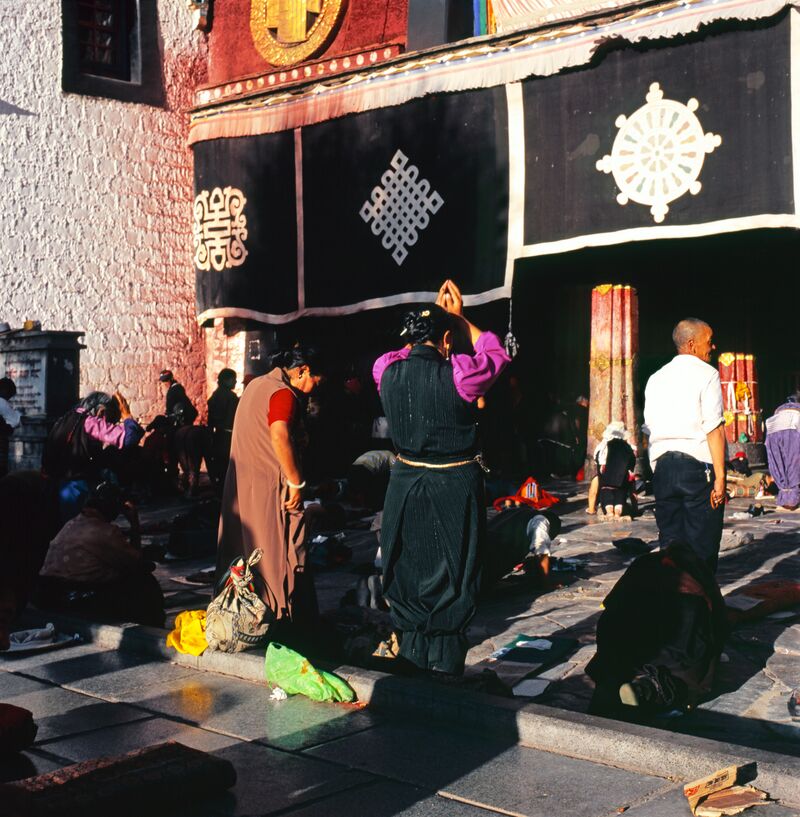
The seventh chapter of the Bodhicaryāvatāra is devoted to the perfection of diligence (vīryapāramitā). It is also the first of the three chapters that fall under the heading perfecting bodhicitta, under which Śāntideva details the practice of the latter three perfections intended to further develop and intensify bodhicitta.
In classic Indian literature the Sanskrit term vīrya often references a type of virility, or prowess, and is strongly associated with masculinity. However, in the context of Buddhist literature and its Tibetan equivalent (brtson 'grus), rather than machismo, this term is associated with a type of enthusiasm, particularly in regards to virtue. Commonly translated as diligence, Śāntideva likens it to the wind that is needed to sail this human boat in search of merit. He defines diligence as "taking joy in virtuous ways" and, thus according to his presentation in the Bodhicaryāvatāra, it is an enthusiastic attitude with a tenacious interest in righteous pursuits- one that is completely devoid of the various forms of laziness.
Thus with patience I will strive with diligence. For in such diligence enlightenment is found. If no wind blows, then nothing stirs, And neither is there merit without diligence.
Page(s) 97
Blankleder, Helena, and Wulstan Fletcher (Padmakara Translation Group), trans. The Way of the Bodhisattva: A Translation of the Bodhicharyāvatāra. By Śāntideva. Rev. ed. Shambhala Classics. Boston: Shambhala Publications, 2006.
༈ དེ་ལྟར་བཟོད་པས་བརྩོན་འགྲུས་བརྩམ། །
འདི་ལྟར་བརྩོན་ལ་བྱང་ཆུབ་གནས། ། རླུང་མེད་གཡོ་བ་མེད་པ་བཞིན། །
བསོད་ནམས་བརྩོན་འགྲུས་མེད་མི་འབྱུང་། །de ltar bzod pas brtson 'grus brtsam/_/
'di ltar brtson la byang chub gnas/_/ rlung med g.yo ba med pa bzhin/_/
bsod nams brtson 'grus med mi 'byung /_/Diligence means joy in virtuous ways.83The Tibetan word translated here as ‟diligence” is brtson ʼgrus, a rendering of the Sanskrit vīrya. While expressing a sense of strong endeavor, the Tibetan, according to Shāntideva, suggests a sense of joy and enthusiasm, features that are brought out powerfully in the course of the present chapter. The Sanskrit term carries with it a sense of indomitable strength and courage, and is connected with our words ‟virile,” ‟virago,” as well as ‟virtue.‚”The general sense is one of great courage and perseverance: fearlessness in the face of adversity. Its contraries have been defined as laziness, An inclination for unwholesomeness, Defeatism and self-contempt.
Page(s) 97
Blankleder, Helena, and Wulstan Fletcher (Padmakara Translation Group), trans. The Way of the Bodhisattva: A Translation of the Bodhicharyāvatāra. By Śāntideva. Rev. ed. Shambhala Classics. Boston: Shambhala Publications, 2006.
Śāntideva's presentation of diligence in the Bodhicaryāvatāra includes a lengthy discussion of its antithesis, laziness.
A taste for idle pleasure And a craving for repose and sleep, No qualms about the sorrows of saṃsāra: Laziness indeed is born from these.
Page(s) 97
Blankleder, Helena, and Wulstan Fletcher (Padmakara Translation Group), trans. The Way of the Bodhisattva: A Translation of the Bodhicharyāvatāra. By Śāntideva. Rev. ed. Shambhala Classics. Boston: Shambhala Publications, 2006.
སྙོམ་ལས་བདེ་བའི་རོ་མྱང་དང་། །
གཉིད་ལ་བརྟེན་པའི་སྲེད་པ་ཡིས། ། འཁོར་བའི་སྡུག་བསྔལ་མི་སྐྱོ་ལས། །
ལེ་ལོ་ཉེ་བར་སྐྱེ་བར་འགྱུར། །snyom las bde ba'i ro myangs dang /_/
gnyid la brten pa'i sred pa yis/_/ 'khor ba'i sdug bsngal mi skyo las/_/
le lo nye bar skye bar 'gyur/_/As well as the factors that support, or reinforce, diligence, which are the four forces (dpung bzhi) of aspiration (mos pa), steadfastness (brtan pa), joy (dga' ba), and moderation (dor ba). And, the two powers (stobs gnyis), which are earnest application (lhur len pa) and mastery (dbang bsgyur ba).
The forces that secure the good of beings, Are aspiration, steadfastness, relinquishment, and joy. Aspiration grows through fear of suffering And contemplation of the benefits to be attained.
Page(s) 101
Blankleder, Helena, and Wulstan Fletcher (Padmakara Translation Group), trans. The Way of the Bodhisattva: A Translation of the Bodhicharyāvatāra. By Śāntideva. Rev. ed. Shambhala Classics. Boston: Shambhala Publications, 2006.
སེམས་ཅན་དོན་བསྒྲུབ་བྱ་ཕྱིར་དཔུང་། །
མོས་བརྟན་དགའ་དང་དོར་བ་ཡིན། ། མོས་པ་སྡུག་བསྔལ་འཇིགས་པ་དང་། །
དེ་ཡི་ཕན་ཡོན་བསམ་པས་བསྐྱེད། །sems can don bsgrub bya phyir dpung /_/
mos brtan dga' dang dor ba yin/_/ mos pa sdug bsngal 'jigs pa dang /_/
de yi phan yon bsams pas bskyed/_/Therefore leaving everything that is adverse to it,
I’ll labor to increase my diligence,
Through aspiration and self-confidence, relinquishment and joy,
By strength of earnest application and exertion of control.[p.102]The Way of the Bodhisattva (2006)
Blankleder, Helena, and Wulstan Fletcher (Padmakara Translation Group), trans. The Way of the Bodhisattva: A Translation of the Bodhicharyāvatāra. By Śāntideva. Rev. ed. Shambhala Classics. Boston: Shambhala Publications, 2006.
Page(s) 101
Blankleder, Helena, and Wulstan Fletcher (Padmakara Translation Group), trans. The Way of the Bodhisattva: A Translation of the Bodhicharyāvatāra. By Śāntideva. Rev. ed. Shambhala Classics. Boston: Shambhala Publications, 2006.
དེ་ལྟར་མི་མཐུན་ཕྱོགས་སྤངས་ཏེ། །
མོས་དང་ང་རྒྱལ་དགའ་དང་དོར། ། ལྷུར་ལེན་དབང་སྒྱུར་སྟོབས་ཀྱིས་ནི། །
བརྩོན་འགྲུས་སྤེལ་ཕྱིར་འབད་པར་བྱ། །de ltar mi mthun phyogs spangs te/_/
mos dang nga rgyal dga' dang dor/_/ lhur len dbang sgyur stobs kyis ni/_/
brtson 'grus spel phyir 'bad par bya/_/William Edelglass explains the implication of this latter verse, stating,
