7.31

From Bodhicitta

Bodhicaryāvatāra · Verse 7.31


Sources:    

Sanskrit §No information about the source used.

छन्दस्थामरतिमुक्तिबलं सत्त्वार्थसिद्धये। छन्दं दुःखभयात्कुर्यादनुशंसांश्च भावयन्॥

 
Chanted Verse
Recitation by Professor Kashinath Nyaupane
31

To benefit all sentient beings one needs an army consisting of zeal, pride, joy, and renunciation. Zeal arises from fear of suffering, and by meditation on the benefits of virtue.

Standard Tibetan §Padmakara used the 1990 edition printed by si khron mi rigs dpe skrun khang: Byang chub sems dpa'i spyod pa la 'jug pa rtsa ba dang 'grel pa (1990). Also found in Derge Tengyur D3871, dbu ma, vol. 105, la 1b1–40a7.

སེམས་ཅན་དོན་བསྒྲུབ་བྱ་ཕྱིར་དཔུང་། །

མོས་བརྟན་དགའ་དང་དོར་བ་ཡིན། ། མོས་པ་སྡུག་བསྔལ་འཇིགས་པ་དང་། །

དེ་ཡི་ཕན་ཡོན་བསམ་པས་བསྐྱེད། །

 
Chanted Verse
Recitation by Lopen Karma Phuntsho
31

The forces that secure the good of beings,

Are aspiration, steadfastness, relinquishment, and joy. Aspiration grows through fear of suffering

And contemplation of the benefits to be attained.

Standard Tibetan §Padmakara used the 1990 edition printed by si khron mi rigs dpe skrun khang: Byang chub sems dpa'i spyod pa la 'jug pa rtsa ba dang 'grel pa (1990). Also found in Derge Tengyur D3871, dbu ma, vol. 105, la 1b1–40a7. - Other translations

Pour réaliser le bien des êtres [il faut] une armée

Composée d’aspiration, de fermeté, de joie et de renoncement. L’aspiration naît de la peur des souffrances

Et de l’évocation des bienfaits.

Para lograr el beneficio de los seres,

las fuerzas son: aspiración, firmeza, alegría y desistir. La aspiración se desarrolla con el miedo al sufrimiento

y reflexionando sobre los beneficios que se obtendrán.

La Práctica del Bodisatva-front.jpg
Padmakara Spain 2008

The armies for accomplishing the purpose of sentient beings

Are belief, stability, joy and relinquishment. Belief is generated by reflecting on its benefits

And the fears of suffering.

Forces to accomplish beings' welfare are:

Motivation, stability, joy, and setting aside. Motivation is fear of suffering.

Its benefit is developed by thinking.

shift + scroll / swipe
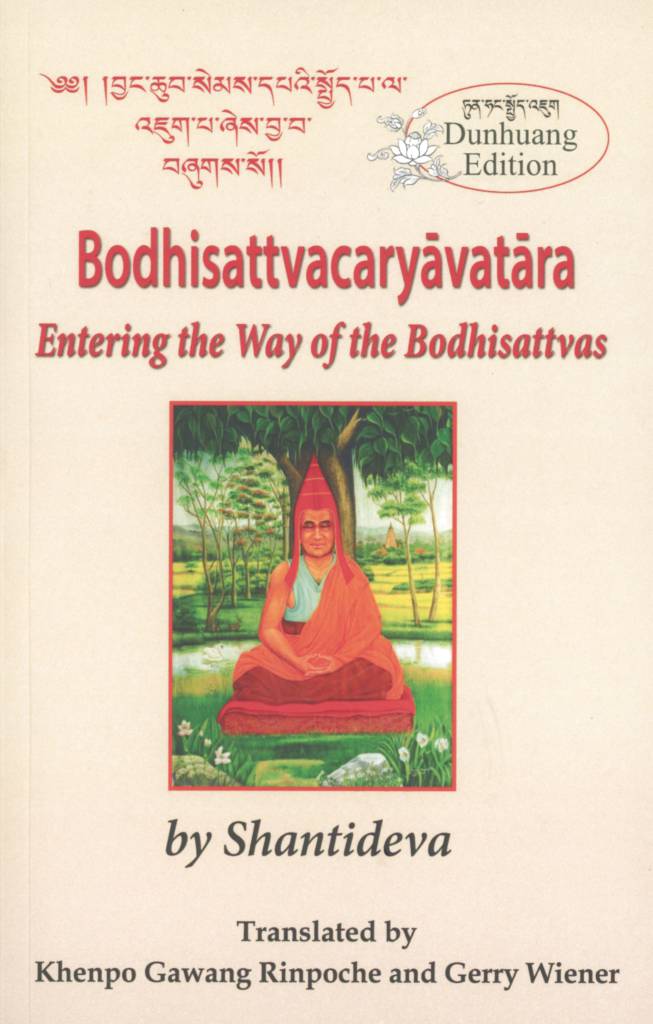
Dūnhuáng §This version is extracted from the book Bodhisattvacaryāvatāra: Entering the Way of the Bodhisattvas (2022, Khenpo Gawang and Wiener), a translation of an edition of the text created from three Dūnhuáng manuscripts. A description and sample pages of these can be found on the Early Tibet Blog. Scans of the actual manuscripts themselves can be found at http://idp.bl.uk

སེམས་ཅན་དོན་ནི་འགྲུབ་བྱ་ན། །

མོས་བརྟན་དགའ་དང་རིགས་དཔུང་བསྐྱེད། ། མོས་པ་སྡུག་བསྔལ་འཇིགས་པ་དང་། །

དེ་ཡི་ཕན་ཡོན་བསམ་བས་བསྐྱེད། །

alt verse 6.17 tm data
This version differs from it's counterparts.

In order to accomplish the benefit of sentient beings,

One gives rise to the troops: Devoted interest, stabilization, joy, and appropriate behavior. One gives rise to devoted interest by contemplating

The fear of suffering and the benefits of having devoted interest.

Tsadra Critical Edition §This text was created by comparing four versions of the text from Derge, Cone, Narthang, and Peking Tengyurs from BDRC scans, along with Dunhuang manuscripts IOL Tib J 628, 629, and 630. When Tibetan readings were problematic, the Sanskrit texts from GRETIL and LTB (Oslo) were consulted.

སེམས་ཅན་དོན་གྲུབ་བྱ་ཕྱིར་དཔུང་། །

མོས་བརྟན་དགའ་དང་དོར་བ་ཡིན། །112ཏུན་ཧོང་ཀ་དང་ཁ་༴ ‘སེམས་ཅན་དོན་ནི་འགྲུབ་བྱ་ན། །མོས་བརྟན་དགའ་དང་རིགས་དཔུང་བསྐྱེད། །’ མོས་པ་སྡུག་བསྔལ་འཇིགས་པ་དང་། །

དེ་ཡི་ཕན་ཡོན་བསམ་པས་བསྐྱེད། །

[edit]
Sazang Mati (1294 - 1376)
A Commentary on Shantideva's Engaging in the Conduct of the Bodhisattvas (citation)Gyaltsen, Lama Kalsang, and Ani Kunga Chodron, trans. A Commentary on Shantideva's Engaging in the Conduct of the Bodhisattvas Written by Sazang Mati Panchen: Known as An Extremely Clear Illumination of the Meaning of the Text. Walden, NY: Tsechen Kunchab Ling, 2019. Bilingual Edition

(གཉིས་པ་)གསུམ་པགཉེན་པོ་ལའང་གཉིས་ལས།

3. How to strengthen the antidote 1.2.3

This has two sections:

1. Overview,

2. Detailed explanation.
1.2.3

(དང་པོ་)མདོར་བསྟན་ནི།

1. Overview 1.2.3.1

སེམས་ཅན་དོན་བསྒྲུབ་བྱ་ཕྱིར་དཔུང་། །

མོས་བརྟན་དགའ་དང་དོར་བ་ཡིན། ། མོས་པ་སྡུག་བསྔལ་འཇིགས་པ་དང་། །

དེ་ཡི་ཕན་ཡོན་བསམ་པས་བསྐྱེད། །

sems can don bsgrub bya phyir dpung /_/

mos brtan dga' dang dor ba yin/_/ mos pa sdug bsngal 'jigs pa dang /_/

de yi phan yon bsams pas bskyed/_/

Forces to accomplish beings' welfare are:

Motivation, stability, joy, and setting aside. Motivation is fear of suffering.

Its benefit is developed by thinking.

རྒྱལ་པོ་ཆེན་པོ་རྣམས་ཀྱང་དཔུང་གི་ཚོགས་ཡན་ལག་བཞི་དང་ལྡན་པས་དོན་སྒྲུབ་པ་བཞིན་དུ། བྱང་ཆུབ་སེམས་དཔའ་རྣམས་ཀྱིས་ཀྱང་སེམས་ཅན་ཐམས་ཅད་ལ་ཕན་པ་དང་བདེ་བའི་དོན་རྒྱ་ཆེན་པོ་བསྒྲུབ་པར་བྱ་བའི་ཕྱིར་དུ་དཔུ༵ང་ཚོགས་ཆོས་བཞི་དང་ལྡན་པའི་སྒོ་ནས་བརྩོན་འགྲུས་ཀྱི་སྟོབས་བསྐྱེད་པར་བྱ་སྟེ། དགེ་བའི་ཆོས་རྩོམ་པར་འདོད་པའི་མོས་པ་དང༌། བརྩམས་པ་བཞིན་མཐར་ཕྱིན་པར་བྱེད་པའི་བརྟན་པ་དང༌། དམ་པའི་ཆོས་ལ་སྤྲོ་བས་འཇུག་པའི་དགའ་བ་དང༌། མི་ནུས་ན་རེ་ཞིག་ངལ་གསོ་བ་དོར་བའི་དཔུང་རྣམས་ཡི༵ན་ནོ། །

Just as kings and great rulers are able to accomplish their goals by possessing four types of military forces, likewise, Bodhisattvas must develop the power of diligence through possessing the four forces of Dharma in order to accomplish the great goal of benefit and happiness for all sentient beings. These four forces are: motivation that wishes to begin virtuous Dharmas; stability that accomplishes the activities that have been begun; joy that delightedly wishes to engage in the Dharma; and setting aside for the time being in order to refresh if the activity cannot be accomplished.

དེ་ལ་ཐོག་མར་འདུན་པའི་དཔུང་ནི་དེ་མེད་ན་འཁོར་བར་སྡུག་བསྔལ་སྣ་ཚོགས་འབྱུང་བས་འཇིགས་པ་ད༵ང༌། དེ་ཡོད་ན་བདེ་བ་ཡི་ཕན་ཡོན་དཔག་ཏུ་མེད་པ་འགྲུབ་པ་ཡང་དང་[p.-226]རབ་གསལ་སྣང་བ་
ཡང་དུ་བསམས་པས་བསྐྱེ༵ད་པར་བྱ་ཞིང༌།

To explain this further, initially if the force of motivation is absent, many fears of the suffering of samsara will arise. If the force of motivation is present, limitless beneficial happiness will be accomplished. Repeatedly recall this and generate that force.
Gyaltsap Je (1364 - 1432)
The Entrance for the Children of the Conquerors (citation)Stracke, Fedor, trans. The Entrance for the Children of the Conquerors: A Commentary on the Introduction to the Actions of Bodhisattvas. By Gyaltsab Rinpoche. N.p.: Happy Monks Publication, 2016. https://happymonkspublication.org/product/bodhisattvacharyavatara-chapter-1-10-commentary/. Bilingual Edition

གཉིས་པ་བརྩོན་འགྲུས་ཀྱི་སྟོབས་སྤེལ་བ་ལ་གསུམ།

Increasing the Antidote, the Power of Enthusiasm 1.1.2.2

དང་པོ་ལ་གཉིས།

Increasing the Powers That Are the Conducive Conditions for Enthusiasm 1.1.2.2.1

དང་པོ་ནི།

A Short Presentation by Way of Identifying the Four Powers 1.1.2.2.1.1

སེམས་ཅན་དོན་བསྒྲུབ་བྱ་ཕྱིར་དཔུང་། །

མོས་བརྟན་དགའ་དང་དོར་བ་ཡིན། ། མོས་པ་སྡུག་བསྔལ་འཇིགས་པ་དང་། །

དེ་ཡི་ཕན་ཡོན་བསམ་པས་བསྐྱེད། །
sems can don bsgrub bya phyir dpung /_/

mos brtan dga' dang dor ba yin/_/ mos pa sdug bsngal 'jigs pa dang /_/

de yi phan yon bsams pas bskyed/_/

The armies for accomplishing the purpose of sentient beings

Are belief, stability, joy and relinquishment. Belief is generated by reflecting on its benefits

And the fears of suffering.

སེམས་ཅན་གྱི་དོན་འགྲུབ་པར་བྱ་བའི་ཕྱིར་དུ་བརྩོན་འགྲུས་ཀྱི་མི་མཐུན་ཕྱོགས་འཇོམས་པའི་དཔུང་ཚོགས་བསྐྱེད་པ་ནི། རྒྱལ་པོ་དཔུང་ཚོགས་བཞིས་གཞན་སྡེ་འཇོམས་པ་ལྟར་

Regarding the generation of the armies that destroy the opposing factors of enthusiasm so as to achieve the purpose of sentient beings: Similar to the king's four armies destroying his opponents, the four powers are the conducive conditions for enthusiasm.

ལས་འབྲས་བསམས་ནས་འདོར་ལེན་བྱེད་པ་ལ་འདུན་པ་བསྐྱེད་པ་མོས་པའི་སྟོབས་དང་། མ་བརྟགས་པར་ཅི་རུང་རུང་དུ་མི་འཇུག་ལ་བརྟགས་ནས་ཞུགས་པ་མཐར་འབྱིན་པ་བརྟན་པའི་སྟོབས་དང་། བྱིས་པ་རྩེད་མོ་ལ་འཇུག་པ་ལྟར་འཕྲོ་མི་གཅོད་ཅིང་ངོམས་པ་མེད་པར་བརྩོན་འགྲུས་རྩོམ་པ་དགའ་བའི་སྟོབས་དང་། བརྩོན་འགྲུས་བརྩམས་པས་ལུས་སེམས་དུབ་ན་ངལ་གསོས་ཏེ་སོས་མ་ཐག་རྩོམ་པ་དོར་བའི་སྟོབས་དང་བཞི་ནི་བརྩོན་འགྲུས་ཀྱི་མཐུན་རྐྱེན་ཡིན་ནོ། །

They are:

a) Belief that is aspiration regarding the practice of adapting and abandoning, generated through contemplating karmic cause and effect. b) Stability that does not start something without investigation, and which finishes what was started.[p.16]The Entrance for the Children of the Conquerors
Stracke, Fedor, trans. The Entrance for the Children of the Conquerors: A Commentary on the Introduction to the Actions of Bodhisattvas. By Gyaltsab Rinpoche. N.p.: Happy Monks Publication, 2016. https://happymonkspublication.org/product/bodhisattvacharyavatara-chapter-1-10-commentary/.
c) Joy that engages in effort without satisfaction, but with uninterrupted joy, like a child engaged in play. d) Relinquishment that takes a break when body and mind are tired through the practice of enthusiastic effort, only to start straight away again once refreshed.

མོས་པའི་སྟོབས་ལ་མཚོན་ཏེ་བཤད་ན་མོས་པའི་སྟོབས་ནི་འཁོར་བའི་སྡུག་བསྔལ་གྱིས་འཇིགས་པ་དང་། མོས་པ་དེའི་ཕན་ཡོན་བསམ་པས་བསྐྱེད་པར་[p.274]Spyod 'jug rtsa 'grel (Mtsho sngon mi rigs dpe skrun khang 2001)
Śāntideva, and Rgyal tshab rje dar ma rin chen. Spyod 'jug rtsa 'grel and Byang chub sems dpa'i spyod pa la 'jug pa'i rnam bshad rgyal sras 'jug ngogs. Xining: Mtsho sngon mi rigs dpe skrun khang, 2001
བྱའོ། །

Explaining them by taking the power of belief as an example, they are generated by contemplating the fears of the suffering of cyclic existence and the benefits of the respective power, i.e., here belief.

དེ་ལྟར་དགེ་བའི་ཆོས་སྒྲུབ་ནུས་སུ་མཐོང་ཡང་མི་འཇུག་པ་དང་། བདག་གིས་ག་ལ་ནུས་སྙམ་དུ་ཞུམ་པའི་མི་མཐུན་ཕྱོགས་སྤངས་ཏེ་མཐུན་རྐྱེན་མོས་པ་དང་། ང་རྒྱལ་ཏེ་བརྟན་པ་དང་། དགའ་བ་དང་། དོར་བའི་སྟོབས་བཞི་བསྐྱེད་ལ་དངོས་གཞི་དྲན་ཤེས་ཀྱིས་བརྩོན་འགྲུས་ལྷུར་ལེན་པ་དེང་།

Giving up the opposing factors of not engaging in virtuous dharmas through seeing that one is able to, or the discouragement of thinking, 'I am not able to do this', one generates the conducive conditions of the four powers of belief, the pride of stability, joy and relinquishment.

རྗེས་ལུས་སེམས་ལ་དབང་སྒྱུར་བའི་སྟོབས་ཀྱིས་ནི་བརྩོན་འགྲུས་གོང་ནས་གོང་དུ་སྤེལ་བའི་ཕྱིར་དུ་འབད་པར་བྱའོ། །

Then, during the actual practice one diligently practices enthusiasm with mindfulness and introspection, and through the power of subsequently gaining control over body and mind one increases enthusiasm further and further. Strive in such a way.
Minyak Kunzang Sönam (1823 - 1905)
The Great Hūṃ (citation)Duckworth, Douglas, trans. The Great Hūṃ: A Commentary on Śāntideva's Way of the Bodhisattva. By Minyak Kunzang Sönam. New York, NY: Wisdom Publications, 2025. Bilingual Edition

དེའི་མཐུན་ཕྱོགས་སྒྲུབ་པ།

Accomplishing the concordant factors of diligence 7.1.2.3

དང་པོ་ནི།

Concise demonstration 7.1.2.3.1

སེམས་ཅན་དོན་བསྒྲུབ་བྱ་ཕྱིར་དཔུང་། །

མོས་བརྟན་དགའ་དང་དོར་བ་ཡིན། ། མོས་པ་སྡུག་བསྔལ་འཇིགས་པ་དང་། །

དེ་ཡི་ཕན་ཡོན་བསམ་པས་བསྐྱེད། །

To accomplish the welfare of sentient beings,

there are the forces of interest, stability, joy, and casting off. Interest is developed through a fear of suffering

and by reflecting on its benefits. (7.31)

འཇིག་རྟེན་ན་རྒྱལ་པོ་ཆེན་པོ་རྣམས་དཔུང་ཚོགས་ཡན་ལག་བཞི་དང་ལྡན་པའི་སྒོ་ནས་གཞན་སྡེ་འཇོམས་ཤིང་རང་གིས་འདོད་པའི་དོན་སྒྲུབ་པར་བྱེད་པ་བཞིན་དུ་བྱང་ཆུབ་སེམས་དཔའ་རྣམས་ཀྱང་བརྩོན་འགྲུས་ཀྱི་མི་མཐུན་ཕྱོགས་འཇོམས་པ་དང་སེམས་ཅན་གྱི་དོན་འགྲུབ་པར་བྱ་བའི་ཕྱིར་དུ་དཔུང་ཚོགས་བཞི་དང་ལྡན་པའི་གཉེན་པོ་བརྩོན་འགྲུས་ཀྱི་སྟོབས་བསྐྱེད་པར་བྱ་བ་ལ། ལས་འབྲས་བསམ་སྟེ་དེའི་བླང་དོར་ཚུལ་བཞིན་དུ་བྱེད་པ་ལ་འདུན་པ་བསྐྱེད་པ་མོས་པའི་སྟོབས་མ་བརྟགས་པར་ཅི་རུང་རུང་ལ་མི་འཇུག་ལ་བརྟགས་ནས་ཞུགས་ཤིང་བརྩམས་པ་དེ་མཐར་ཕྱིན་པར་བྱེད་པ་བརྟན་པའི་སྟོབས། བྱིས་པ་རྩེད་མོ་ལ་འཇུག་པ་ལྟར་འཕྲོ་མི་གཅོད་པར་ངོམས་པ་མེད་པར་སྤྲོ་བཞིན་དུ་དམ་པའི་ལས་ལ་བརྩོན་འགྲུས་རྩོམ་པ་དགའ་བའི་སྟོབས། བརྩོན་འགྲུས་བརྩམས་པས་ལེགས་པར་ཟིན་པ་དེ་དོར་བའམ་ལུས་སེམས་དུབ་པས་མི་ནུས་ན་རེ་ཞིག་ངལ་བསོས་ཏེ་སོས་མ་ཐག་ནས་སླར་རྩོམ་པ་དོར་བའི་སྟོབས་དང་བཞི་ནི་བརྩོན་འགྲུས་ཀྱི་མཐུན་རྐྱེན་ཡིན་ནོ། །

Kings in the world destroy the opposing side and accomplish their desired goals with a fourfold battalion. Similarly, in order to destroy the discordant factors of diligence and accomplish the welfare of sentient beings, bodhisattvas cultivate the power of diligence, the antidote with four forces. The force of interest is to cultivate an aspiration to follow properly what to accept and reject after contemplating karmic causality. The force of stability is to complete the tasks that one has commenced, which are initiated after investigating them, without engaging in just anything without investigation. The force of joy is to foster diligence in sacred actions with enthusiasm—uninterruptedly and insatiably—like a child playing a game. The force of casting off is either to cast off things that you have completed with diligence or to rest for a bit when your mind and body are tired and unable to complete a task, while taking it on again immediately after resting. These four powers are conducive conditions for diligence.

དེ་ལྟར་བཞི་ལས་མོས་པའི་སྟོབས་བསྐྱེད་ཚུལ་ནི། མོས་པ་སྟེ་འདུན་པའི་སྟོབས་ནི་མི་དགེ་བའི་འབྲས་བུ་འཁོར་བའི་སྡུག་བསྔལ་སྣ་ཚོགས་པ་བསམ་པས་འཇིགས་པ་དང༌། མདོ་རྒྱན་ལས།

How the power of interest among the four forces is developed is like this: interest, the power of aspiration, comes from being frightened upon reflecting on the various sufferings in cyclic existence that are the results of[p.627]The Great Hum
Duckworth, Douglas, trans. The Great Hūṃ: A Commentary on Śāntideva's Way of the Bodhisattva. By Minyak Kunzang Sönam. New York, NY: Wisdom Publications, 2025.
vicious deeds. The Ornament of the Mahāyāna Sūtras speaks of ten benefits of interest:

བསོད་ནམས་ཆེ་དང་འགྱོད་པ་མེད། ། ཡིད་བདེ་བ་དང་བདེ་བ་ཆེ། །

Great merit, no regrets,
mental ease, and great happiness . . .1187See Maitreya, Ornament of the Mahāyāna Sūtras, 11.7–8, 12b.

ཞེས་མོས་པའི་ཕན་ཡོན་བཅུ་གསུངས་པ་དང༌། འདིར་དགེ་བའི་ཕྱོགས་ཐམས་ཅད་ཀྱི་རྩ་བ་ཡིན་པར་གསུངས་པ་སོགས་མོས་པ་དེ་ཡི་ཕན་ཡོན་རྣམས་ཡང་ཡང་ལེགས་པར་བསམ་པས་འདུན་པ་བསྐྱེད་པར་བྱའོ། །བི་བྷཱུ་ཏིས། ཚིགས་བཅད་འདི་སྐབས་སུ་མ་བབས་པས་གཞན་གྱིས་བཅུག་པ་ཡིན་ཏེ། བརྩོན་འགྲུས་ཀྱི་མི་མཐུན་ཕྱོགས་སྤངས་ནས་བརྩོན་འགྲུས་འཕེལ་ཕྱིར་དཔུང་བཞི་ལ་འབད་པར་བྱ་ཞེས་པའི་མདོར་བསྟན་གྱི་དོན་ནི་ཚིགས་བཅད་འོག་མས་སྟོན་པས་འདི་མི་དགོས་པའི་ཕྱིར་ཞེས་སོགས་གསུངས་ལ། འགྲེལ་པ་གཞན་ཐམས་ཅད་ཀྱིས་ནི་ཚིགས་བཅད་སྔ་ཕྱི་གཉིས་ཀ་མདོར་བསྟན་གྱི་གཞུང་དུ་བཀྲལ་ལོ། །འོན་ཀྱང་ཡང་ཟློས་བྱས་པ་ལྟ་བུ་ཞིག་འདུག་ལ། བུ་སྟོན་གྱིས་ཀྱང་སྔར་གྱི་སྒྱིད་ལུག་མེད་དང་སོགས་ཀྱི་ཚིགས་བཅད་དང་འདིའི་ཚིགས་བཅད་གཉིས་པོ་མེད་ན་གཞུང་འབྲེལ་ཆགས་ཤིང་མཛེས་པ་ཞིག་འབྱུང་ཞེས་གསུངས་ལ། བོད་འགྲེལ་ཁ་ཅིག་ཏུ་འདིའི་ཚིགས་བཅད་སྔ་ཕྱི་གཉིས་པོ་གོང་འོག་བསྣོར་ནས་བཤད་པའང་ཡོད་པར་གསུངས་སོ། །

Here, interest is said to be the root of all virtuous factors. You should cultivate aspiration by reflecting again and again upon the benefits of interest. Vibhūticandra said that this verse was added by someone else because it is not on the topic. It is not needed because the next verse shows the short summary, saying that after rejecting the discordant factors of diligence, one should strive in the four forces in order to develop diligence.1188See Vibhūticandra, Clarifying Distinctions, 239a. All the other commentaries describe both this verse and the next one as a short summary of the text. Yet this seems to make it repetitive. Butön said that the text would be connected and beautiful without these two verses—this one and “Without despondency . . .” (7.16).1189Butön, Moonlight Illuminating the Spirit of Awakening, 380. There are some Tibetan commentaries that also explain these two verses with their places switched.
Kunzang Palden (1862 - 1943)
The Nectar of Manjushri's Speech (citation)Blankleder, Helena, and Wulstan Fletcher (Padmakara Translation Group), trans. The Nectar of Manjushri's Speech: A Detailed Commentary on Shantideva's Way of the Bodhisattva. By Kunzang Pelden. Boston: Shambhala Publications, 2007. Bilingual Edition

སེམས་ཅན་དོན་བསྒྲུབ་བྱ་ཕྱིར་དཔུང་། །

མོས་བརྟན་དགའ་དང་དོར་བ་ཡིན། ། མོས་པ་སྡུག་བསྔལ་འཇིགས་པ་དང་། །

དེ་ཡི་ཕན་ཡོན་བསམ་པས་བསྐྱེད། །

sems can don bsgrub bya phyir dpung /_/

mos brtan dga' dang dor ba yin/_/ mos pa sdug bsngal 'jigs pa dang /_/

de yi phan yon bsams pas bskyed/_/

དེ་ལྟ་ནའང་སེམས་ཅན་གྱི་དོན་བསྒྲུབ་མི་ནུས་སོ་སྙམ་ན། དཔེར་ན་འཁོར་ལོས་བསྒྱུར་བའི་རྒྱལ་པོའི་བུས་དཔུང་ཚོགས་ཡན་ལག་བཞི་ལ་བརྟེན་ནས་གཞན་དགེ་བ་ལ་འགོད་པར་བྱེད་པ་ལྟར་ཆོས་[p.497]Byang chub sems dpa'i spyod pa la 'jug pa rtsa ba dang 'grel pa (1990)
Slob dpon zhi ba lha and Mkhan po kun dpal. Byang chub sems dpa'i spyod pa la 'jug pa rtsa ba dang 'grel pa. Khreng tu'u: Si khron mi rigs dpe skrun khang, 1990. Buda by BDRC Logo.jpg
ཀྱི་འཁོར་ལོས་བསྒྱུར་བའི་སངས་རྒྱས་ཀྱིས་རྒྱལ་སྲས་བྱང་ཆུབ་སེམས་དཔའ་རྣམས་ལ་སེམས་ཅན་རྣམས་ཀྱི་དོན་འགྲུབ་པར་བྱ་བའི་ཕྱིར་དཔུང་ཚོགས་བཞི་གནང་སྟེ། གང་ཞེ་ན། མོས་པའི་དང་བརྟན་པའི་དང་དགའ་བའི་དང་དོར་བ་ཡི་དཔུང་དང་བཞི་ཡིན་ལ། དེ་དག་རྩ་བ་མོས་པ་ལ་བརྟེན་ནས་འབྱུང་ལ་མོས་པ་དེ་གང་ལས་འབྱུང་ན་མི་དགེ་བའི་འབྲས་བུ་སྡུག་བསྔལ་གྱི་རྣམ་གྲངས་ལ་འཇིགས་ཤིང་སྐྲག་པ་དང་དེ་ལས་ཐར་པའི་ཕན་ཡོན་ནམ་མོས་པ་དེ་ཡི་ཕན་ཡོན་ལ་ཡང་དང་ཡང་དུ་བསམ་ཞིང་བསྒོམ་པས་བསྐྱེད་པར་བྱ་དགོས་སོ། །

The forces that secure the good of beings,

Are aspiration, steadfastness, relinquishment, and joy. Aspiration grows through fear of suffering

And contemplation of the benefits to be attained.

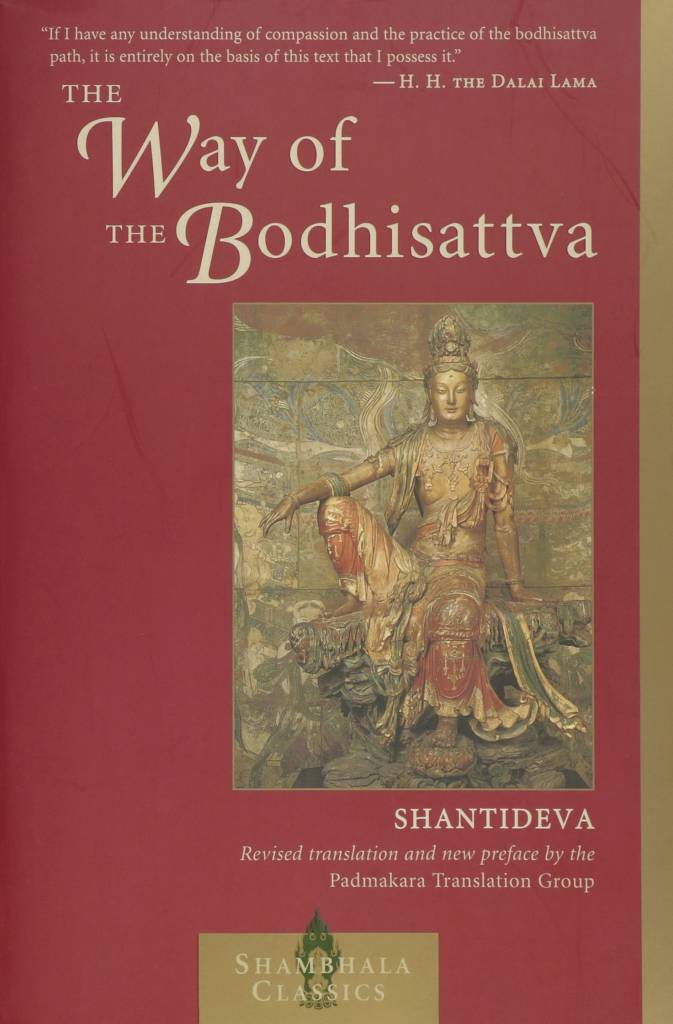
Even so, we may still consider ourselves unequal to the task of accomplishing the welfare of all beings. But, for example, just as the son of a chakravartin, who turns the wheel of power, is able to establish others in virtue by relying on his four armies, in the same way, the Buddha, who turns the wheel of Dharma, has given to his Bodhisattva children four forces also, so that they too can accomplish the welfare of beings. These four forces are aspiration, steadfastness, joyfulness, and relinquishment (the ability to let go or desist). The latter three derive from the first, namely, aspiration, which is their root. Aspiration is based on fear of suffering (the result of negative action), and it is to be cultivated through reflecting on the benefits of liberation and the advantages of aspiring to this.


[edit]
[edit]