The Written Works of Śāntideva (Phuntsho 2025)
From Bodhicitta
< BooksBooks/The Written Works of Śāntideva (Phuntsho 2025)
| 🤓 Admin Zone 🛠️ hidden to non-admins | |
The Written Works of Śāntideva
Book
Please note that many items in our library are simply pages that represent a detailed library catalog entry and citation of someone else's work, presentation, or performance. Read our General Disclaimer for more information.
-front.jpg)
Description
Collected in one book for the first time in the modern era: The Bodhisattvacaryāvatāra, or The Way of the Bodhisattva (BCA), and The Śikṣāsamuccaya, or The Compendium of Training. Available for free as a PDF online at Bodhicitta.org
This "Tsadra Critical Edition" was created for the Bodhicitta Resource Project by comparing four versions of the text from Derge, Cone, Narthang, and Peking Tengyurs from BDRC scans, along with Dunhuang manuscripts IOL Tib J 628, 629, and 630. When Tibetan readings were problematic, the Sanskrit texts from GRETIL and LTB (Oslo) were consulted.
The book includes an extensive introduction in English covering the life of Śāntideva with reference to special sources, the history and legacy of his texts and teachings, as well as research on the history and origins of the Śikṣāsamuccaya.
Also available in a limited "deluxe" edition with box.Citation
Phuntsho, Karma, ed. རྒྱལ་སྲས་ཞི་བ་ལྷའི་གསུང་རྩོམ་བཞུགས་སོ།། The Written Works of Śāntideva. Tsadra Foundation Bodhicitta Project. Bhutan: Loden Foundation, 2026.
Table of contents
- སྔོན་གླེང་། v
- Preface xi
- INTRODUCTION 1
- Śāntideva: The Author 1
- Buddhism as a Science of Mind and Art of Inner Transformation 2
- Wisdom and Compassion as a Way of Life 3
- Śāntideva’s Main Works 5
- The Way of the Bodhisattva 5
- The Compendium of Training 6
- Śāntideva’s Legacy through the Centuries 7
- ཁུངས་གཏུགས་མ་དཔེའི་གཙོ་བོ། 13
- Main Source Manuscripts 13
- ༄༅། །ཞི་བ་ལྷའི་ལོ་རྒྱུས་དང་སྤྱོད་འཇུག་བཤད་ཐབས། 23
- ༄༅། །ཞི་བ་ལྷའི་རྣམ་ཐར། 39
- ༄༅། །བྱང་ཆུབ་སེམས་དཔའི་སྤྱོད་པ་ལ་འཇུག་པ། 43
- དང་པོ། བྲོད་པ་བསྐྱེད་པ་ཕན་ཡོན་གྱིི་ལེའུ། 43
- གཉིས་པ། སྡིག་པ་བཤགས་པའི་ལེའུ། 49
- གསུམ་པ། བྱང་སེམས་ཡོངས་སུ་བཟུང་བའི་ལེའུ། 59
- བཞི་པ། བག་ཡོད་ཀྱི་ལེའུ། 64
- ལྔ་པ། ཤེས་བཞིན་གྱིི་ལེའུ། 72
- དྲུག་པ། བཟོད་པའི་ལེའུ། 87
- བདུན་པ། བརྩོན་འགྲུས་ཀྱི་ལེའུ། 104
- བརྒྱད་པ། བསམ་གཏན་གྱིི་ལེའུ། 115
- དགུ་པ། ཤེས་རབ་ཀྱི་ལེའུ། 140
- བཅུ་པ། བསྔོ་བའི་ལེའུ། 162
- ༄༅། །བསླབ་པ་ཀུན་ལས་བཏུས་པའི་ཚིག་ལེའུར་བྱས་པ། 173
- ༄༅། །བསླབ་པ་ཀུན་ལས་བཏུས་པ། 177
- དང་པོ། སྦྱིན་པའི་ཕ་རོལ་ཏུ་ཕྱིན་པའི་ལེའུ། 177
- གཉིས་པ། དམ་པའི་ཆོས་ཡོངས་སུ་བཟུང་བའི་ལེའུ། 234
- གསུམ་པ། ཆོས་སྨྲ་བ་ལ་སོགས་པ་བསྲུང་བའི་ལེའུ། 251
- བཞི་པ། གནོད་པ་ཆེན་པོ་བཤད་པའི་ལེའུ། 269
- ལྔ་པ། གནོད་པ་རྣམ་པར་སྤང་བའི་ལེའུ། 322
- དྲུག་པ། ལུས་བསྲུང་བའི་ལེའུ། 342
- བདུན་པ། ལོངས་སྤྱོད་དང་བསོད་ནམས་བསྲུང་བའི་ལེའུ། 375
- བརྒྱད་པ། སྡིག་པ་སྦྱང་བའི་ལེའུ། 396
- དགུ་པ། བཟོད་པའི་ལེའུ། 424
- བཅུ་པ། བརྩོན་འགྲུས་ཀྱི་ལེའུ། 439
- བཅུ་གཅིག་པ། དགོན་པར་གནས་པར་བརྗོད་པའི་ལེའུ།445
- བཅུ་གཉིས་པ། སེམས་ཡོངས་སུ་སྦྱང་བའི་ལེའུ། 458
- བཅུ་གསུམ་པ། དྲན་པ་ཉེ་བར་གཞག་པའི་ལེའུ། 493
- བཅུ་བཞི་པ། ལུས་ཡོངས་སུ་དག་པའི་ལེའུ། 506
- བཅོ་ལྔ་པ། ལོངས་སྤྱོད་དང་བསོད་ནམས་དག་པའི་ལེའུ། 539
- བཅུ་དྲུག་པ། གསུམ་ཆར་གྱིིས་འཕེལ་བ་བརྗོད་པའི་ལེའུ། 546
- བཅུ་བདུན་པ། ཕྱག་འཚལ་བ་ལ་སོགས་པའི་ཕན་ཡོན་གྱིི་ལེའུ། 575
- བཅོ་བརྒྱད་པ། དཀོན་མཆོག་གསུམ་རྗེས་སུ་དྲན་པའི་ལེའུ། 593
- བཅུ་དགུ་པ། བསོད་ནམས་སྤེེལ་བ་བཤད་པའི་ལེའུ། 633
- ༄༅། །དེ་བཞིན་གཤེགས་པའི་སྙིང་པོ་ཡི་གེ་བརྒྱ་པའི་སྲུང་བ་དང་སྡིག་པ་བཤགས་པའི་ཆོ་ག། 651
- The History of The Compendium of Training 653
- The Origins of The Compendium of Training 653
- Spread and Influence in India 662
- Translations and Spread Beyond India 664
- Transmission in Tibet 666
- Transmission and Study Beyond Tibet 671
Interconnections
2 Recension of

An "Introduction to Bodhisattva Practice," the Bodhisattvacaryāvatāra is a poem about the path of a bodhisattva, in ten chapters, written by the Indian Buddhist Śāntideva (fl. c. 685–763). One of the masterpieces of world literature, it is a core text of Mahāyāna Buddhism and continues to be taught, studied, and commented upon in many languages and by many traditions around the world. The main subject of the text is bodhicitta, the altruistic aspiration for enlightenment, and the path and practices of the bodhisattva, the six perfections (pāramitās). The text forms the basis of many contemporary discussions of Buddhist ethics and philosophy.
Śikṣāsamuccaya (T. Bslab pa kun las btus pa; C. Dasheng ji pusa xue lun; J. Daijōjū bosatsugakuron; K. Taesǔng chip posal hak non 大乘集菩薩學論). In Sanskrit, "Compendium of Training," a work by the eighth-century Indian Mahāyāna master Śāntideva. It consists of twenty-seven stanzas on the motivation and practice of the bodhisattva, including bodhicitta, the six perfections (pāramitā), the worship of buddhas and bodhisattvas, the benefits of renunciation, and the peace derived from the knowledge of emptiness (śūnyatā). The topic of each of the stanzas receives elaboration in the form of a prose commentary by the author as well as in illustrative passages, often quite extensive, drawn from a wide variety of Mahāyāna sūtras. Some ninety-seven texts are cited in all, many of which have been lost in their original Sanskrit, making the Śikṣāsamuccaya an especially important source for the textual history of Indian Buddhism. These citations also offer a window into which sūtras were known to a Mahāyāna author in eighth-century India. The digest of passages that Śāntideva provides was repeatedly drawn upon by Tibetan authors in their citations of sūtras. Although Śāntideva's Bodhicaryāvatāra and Śikṣāsamuccaya both deal with similar topics, the precise relation between the two texts is unclear. Several of the author's verses appear in both texts and some of the sūtra passages from the Śikṣāsamuccaya also appear in the Bodhicaryāvatāra. One passage in the Bodhicaryāvatāra also refers readers to the Śikṣāsamuccaya, but this line does not occur in the Dunhuang manuscript of the text and may be a later interpolation. (Source: "Śikṣāsamuccaya." In The Princeton Dictionary of Buddhism, 821. Princeton University Press, 2014. http://www.jstor.org/stable/j.ctt46n41q.27.)
2 Scholarship on
An "Introduction to Bodhisattva Practice," the Bodhisattvacaryāvatāra is a poem about the path of a bodhisattva, in ten chapters, written by the Indian Buddhist Śāntideva (fl. c. 685–763). One of the masterpieces of world literature, it is a core text of Mahāyāna Buddhism and continues to be taught, studied, and commented upon in many languages and by many traditions around the world. The main subject of the text is bodhicitta, the altruistic aspiration for enlightenment, and the path and practices of the bodhisattva, the six perfections (pāramitās). The text forms the basis of many contemporary discussions of Buddhist ethics and philosophy.
Śikṣāsamuccaya (T. Bslab pa kun las btus pa; C. Dasheng ji pusa xue lun; J. Daijōjū bosatsugakuron; K. Taesǔng chip posal hak non 大乘集菩薩學論). In Sanskrit, "Compendium of Training," a work by the eighth-century Indian Mahāyāna master Śāntideva. It consists of twenty-seven stanzas on the motivation and practice of the bodhisattva, including bodhicitta, the six perfections (pāramitā), the worship of buddhas and bodhisattvas, the benefits of renunciation, and the peace derived from the knowledge of emptiness (śūnyatā). The topic of each of the stanzas receives elaboration in the form of a prose commentary by the author as well as in illustrative passages, often quite extensive, drawn from a wide variety of Mahāyāna sūtras. Some ninety-seven texts are cited in all, many of which have been lost in their original Sanskrit, making the Śikṣāsamuccaya an especially important source for the textual history of Indian Buddhism. These citations also offer a window into which sūtras were known to a Mahāyāna author in eighth-century India. The digest of passages that Śāntideva provides was repeatedly drawn upon by Tibetan authors in their citations of sūtras. Although Śāntideva's Bodhicaryāvatāra and Śikṣāsamuccaya both deal with similar topics, the precise relation between the two texts is unclear. Several of the author's verses appear in both texts and some of the sūtra passages from the Śikṣāsamuccaya also appear in the Bodhicaryāvatāra. One passage in the Bodhicaryāvatāra also refers readers to the Śikṣāsamuccaya, but this line does not occur in the Dunhuang manuscript of the text and may be a later interpolation. (Source: "Śikṣāsamuccaya." In The Princeton Dictionary of Buddhism, 821. Princeton University Press, 2014. http://www.jstor.org/stable/j.ctt46n41q.27.)
1 Related

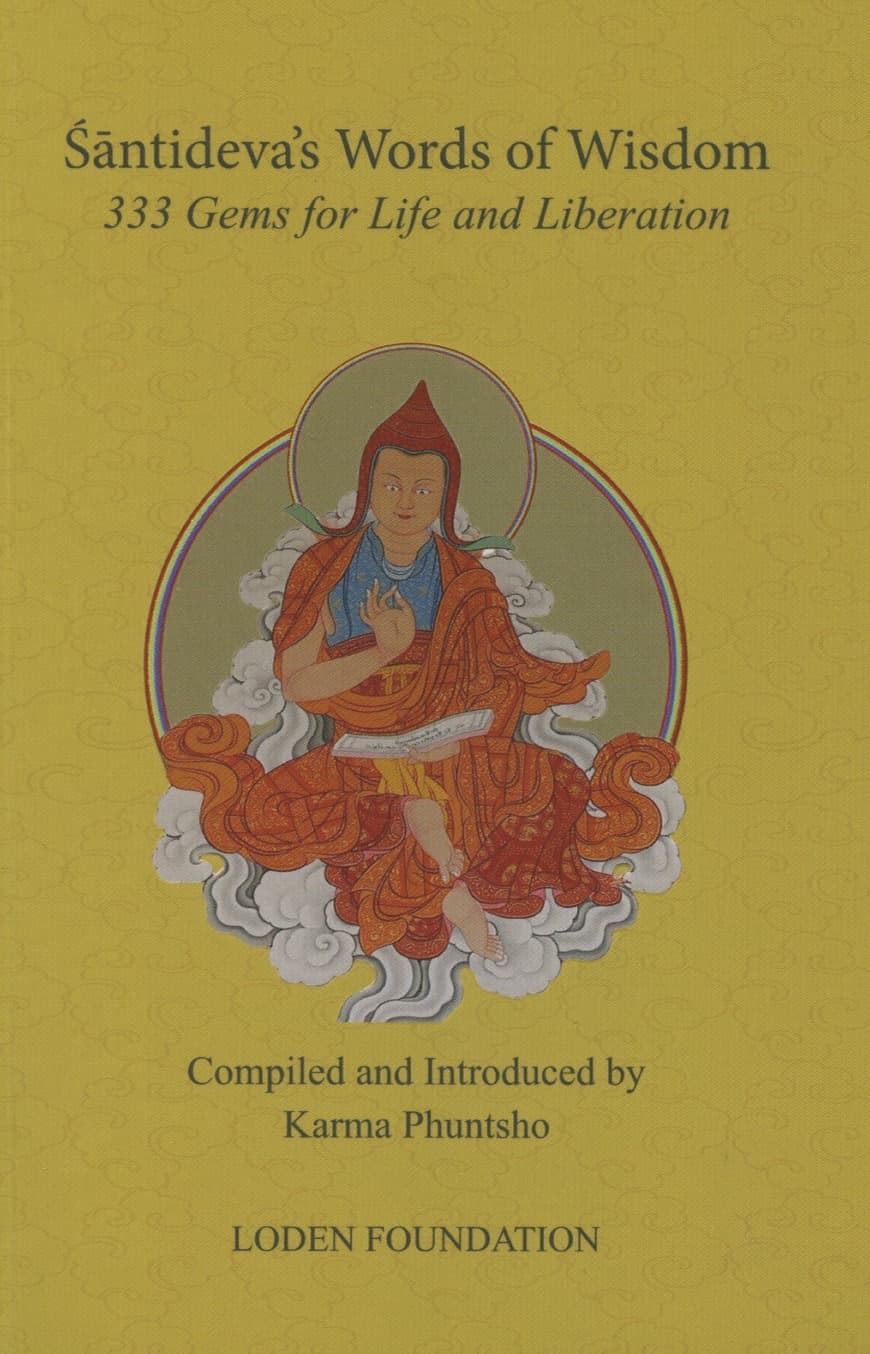
A collection of inspirational quotations from Santideva's writings most of which are from The Way of the Bodhisattva. The quotations are arranged thematically in eleven categories symbolizing the eleven sublime levels of enlightenment in Mahāyāna Buddhism.