- [[<span class="smw-highlighter" data-type="4" data-state="inline" data-title="Warning" title="Some use of "|]]
- "
- In your query was not closed by a matching "
- "
- [[.">Some use of "" in your query was not closed by a matching "".|]]
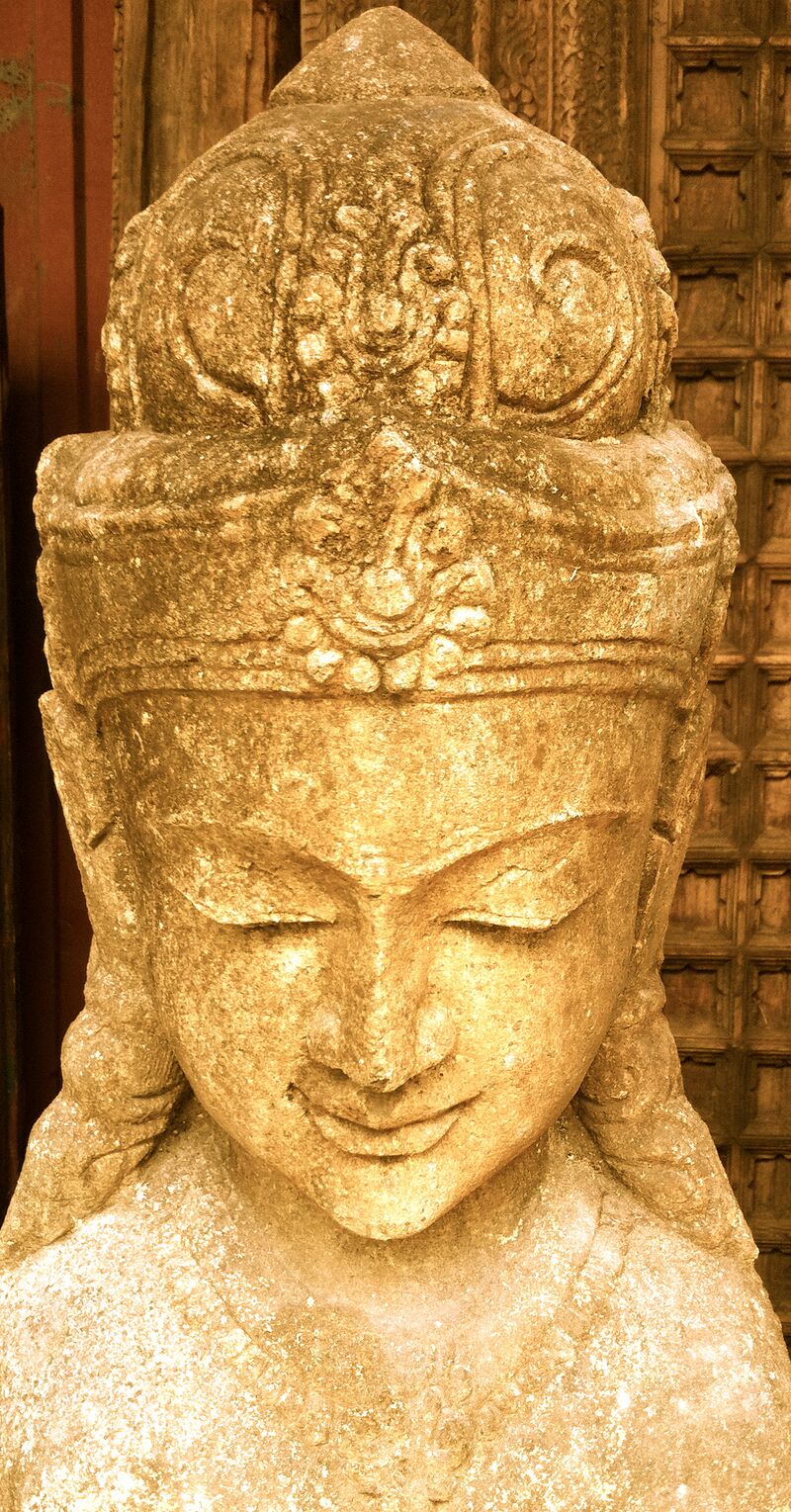
In the eighth chapter of the Bodhicaryāvatāra Śāntideva presents a series of contemplative practices intended to counteract the rigid fixation with self-centered pursuits associated with the notions of I and mine. However, in order to engage with those practices one must first free themselves from the deeply ingrained tendencies toward distraction by cultivating its antithesis, concentration. While this section of the text is often referred to as the Meditation Chapter, much of Śāntideva's discussion revolves around the need to distance oneself from the sources of distraction and to reimagine our relationship with the world around us. Furthermore, in the Tibetan tradition, sections of this chapter became strongly associated with the mind training, or lojong, instructions of the Kadam school, especially the practice of tonglen.
The chapter on meditative concentration begins with a declaration of the defects of distraction and the reasons we need to develop stable concentration. The introductory verses include an often cited verse describing śamatha (zhi gnas) and vipaśyanā (lhag mthong) that reference the ability to rest peacefully and the clarity of vision, or insight, that ensues from that serene state, which are the two basic modalities into which the wide variety of Buddhist meditation practices can be broadly subsumed. However, there is very little in the chapter in terms of instructions on the practice of sitting meditation, with which these two are typically associated. For the most part Śāntideva's presentation of meditative concentration is divided into its causes and the actual contemplations that are prescribed. Among the causes are the abandonment of worldly ties and discursive thoughts, craving in particular. However, both sections are concluded with odes to the conducive nature of solitude.
Cultivating diligence as just described, In concentration I will place my mind. For those whose minds are slack and wandering Are caught between the fangs of the afflictions.
Page(s) 109
Blankleder, Helena, and Wulstan Fletcher (Padmakara Translation Group), trans. The Way of the Bodhisattva: A Translation of the Bodhicharyāvatāra. By Śāntideva. Rev. ed. Shambhala Classics. Boston: Shambhala Publications, 2006.
༈ དེ་ལྟར་བརྩོན་འགྲུས་བསྐྱེད་ནས་ནི། །
ཡིད་ནི་ཏིང་ངེ་འཛིན་ལ་བཞག ། སེམས་ནི་རྣམ་པར་གཡེངས་པའི་མི། །
ཉོན་མོངས་མཆེ་བའི་ཕྲག་ན་གནས། །!_de ltar brtson 'grus bskyed nas ni/_/
yid ni ting nge 'dzin la bzhag_/ sems ni rnam par g.yengs pa'i mi/_/
nyon mongs mche ba'i phrag na gnas/_/In solitude, the mind and body Are not troubled by distraction. Therefore leave this worldly life And totally abandon mental wandering.
Page(s) 109
Blankleder, Helena, and Wulstan Fletcher (Padmakara Translation Group), trans. The Way of the Bodhisattva: A Translation of the Bodhicharyāvatāra. By Śāntideva. Rev. ed. Shambhala Classics. Boston: Shambhala Publications, 2006.
ལུས་དང་སེམས་ནི་དབེན་པ་ཡིས། །
རྣམ་པར་གཡེང་བ་མི་འབྱུང་ངོ་། ། དེ་བས་འཇིག་རྟེན་སྤང་བྱ་ཞིང་། །
རྣམ་པར་རྟོག་པ་ཡོངས་སུ་དོར། །lus dang sems ni dben pa yis/_/
rnam par g.yeng ba mi 'byung ngo /_/ de bas 'jig rten spang bya zhing /_/
rnam par rtog pa yongs su dor/_/Penetrative insight joined with calm abiding
Utterly eradicates afflicted states.
Knowing this, first search for calm abiding,
Found by people who are happy to be free from worldly ties.[p.109]The Way of the Bodhisattva (2006)
Blankleder, Helena, and Wulstan Fletcher (Padmakara Translation Group), trans. The Way of the Bodhisattva: A Translation of the Bodhicharyāvatāra. By Śāntideva. Rev. ed. Shambhala Classics. Boston: Shambhala Publications, 2006.
Page(s) 109
Blankleder, Helena, and Wulstan Fletcher (Padmakara Translation Group), trans. The Way of the Bodhisattva: A Translation of the Bodhicharyāvatāra. By Śāntideva. Rev. ed. Shambhala Classics. Boston: Shambhala Publications, 2006.
ཞི་གནས་རབ་ཏུ་ལྡན་པའི་ལྷག་མཐོང་གིས། །
ཉོན་མོངས་རྣམ་པར་འཇོམས་པར་ཤེས་བྱས་ནས། ། ཐོག་མར་ཞི་གནས་བཙལ་བྱ་དེ་ཡང་ནི། །
འཇིག་རྟེན་ཆགས་པ་མེད་ལ་མངོན་དགས་འགྲུབ། །zhi gnas rab tu ldan pa'i lhag mthong gis/_/
nyon mongs rnam par 'joms par shes byas nas/_/ thog mar zhi gnas btsal bya de yang ni/_/
'jig rten chags pa med la mngon dgas 'grub/_/Reflecting in such ways as these Upon the excellence of solitude, Pacify completely all discursiveness And cultivate the mind of bodhichitta.
Page(s) 122
Blankleder, Helena, and Wulstan Fletcher (Padmakara Translation Group), trans. The Way of the Bodhisattva: A Translation of the Bodhicharyāvatāra. By Śāntideva. Rev. ed. Shambhala Classics. Boston: Shambhala Publications, 2006.
དེ་ལ་སོགས་པའི་རྣམ་པ་ཡིས། །
དབེན་པའི་ཡོན་ཏན་བསམ་[p.89]Byang chub sems dpa'i spyod pa la 'jug pa rtsa ba dang 'grel pa (1990)
Slob dpon zhi ba lha and Mkhan po kun dpal. Byang chub sems dpa'i spyod pa la 'jug pa rtsa ba dang 'grel pa. Khreng tu'u: Si khron mi rigs dpe skrun khang, 1990. 
de la sogs pa'i rnam pa yis/_/
dben pa'i yon tan bsams [p.89]Byang chub sems dpa'i spyod pa la 'jug pa rtsa ba dang 'grel pa (1990)
Slob dpon zhi ba lha and Mkhan po kun dpal. Byang chub sems dpa'i spyod pa la 'jug pa rtsa ba dang 'grel pa. Khreng tu'u: Si khron mi rigs dpe skrun khang, 1990.
Much of the first half of the chapter consists of series of contemplations intended to counteract desire for the female form, which are geared solely toward an audience of celibate monks. Though this subject matter and its treatment is somewhat controversial in this day and age, nevertheless, this section of the text is emblematic of Śāntideva's instructions on concentration, which are presented as a means for becoming free of worldly distractions, rather than what we might ordinarily consider to be typical meditation instructions. As Roger Jackson explains,
Equalizing and Exchanging Oneself and Others
In latter half of the eighth chapter of the Bodhicaryāvatāra Śāntideva presents a set of contemplative practices that utilize our deep seated sense of self as a means to actually uproot our fixation with the notions of I and mine in order to further develop bodhicitta. These practices involve contemplating the equality of self and other (bdag dang gzhan du mnyam pa) and then enacting the imaginary exchange of self and other (bdag dang gzhan du brje bya ba). The former is essentially an acknowledgement that all beings are equal in their desire for happiness and their aversion to suffering. By habituating oneself to this understanding, Śāntideva reasons that one should think about others with equal consideration as they would for themselves.
Strive at first to meditate Upon the sameness of yourself and others.97See appendix 2. In joy and sorrow all are equal; Thus be guardian of all, as of yourself.
Page(s) 122
Blankleder, Helena, and Wulstan Fletcher (Padmakara Translation Group), trans. The Way of the Bodhisattva: A Translation of the Bodhicharyāvatāra. By Śāntideva. Rev. ed. Shambhala Classics. Boston: Shambhala Publications, 2006.
བདག་དང་གཞན་དུ་མཉམ་པ་ནི། །
དང་པོ་ཉིད་དུ་འབད་དེ་བསྒོམ། ། བདེ་དང་སྡུག་བསྔལ་མཉམ་པས་ན། །
ཐམས་ཅད་བདག་བཞིན་བསྲུང་བར་བྱ། །bdag dang gzhan du mnyam pa ni/_/
dang po nyid du 'bad de bsgom/_/ bde dang sdug bsngal mnyam pas na/_/
thams cad bdag bzhin bsrung bar bya/_/Therefore just as I defend myself From even slight disparagement, In just the same way with regard to others, I should likewise have a mind protective and compassionate.
Page(s) 125
Blankleder, Helena, and Wulstan Fletcher (Padmakara Translation Group), trans. The Way of the Bodhisattva: A Translation of the Bodhicharyāvatāra. By Śāntideva. Rev. ed. Shambhala Classics. Boston: Shambhala Publications, 2006.
དེ་བས་ཇི་ལྟར་ཆུང་ངུ་ན། །
མི་སྙན་ལས་ཀྱང་བདག་བསྲུང་བ། ། དེ་བཞིན་གཞན་ལ་བསྲུང་སེམས་དང་། །
སྙིང་རྗེའི་སེམས་ནི་དེ་ལྟར་བྱ། །de bas ji ltar chung ngu na/_/
mi snyan las kyang bdag bsrung ba/_/ de bzhin gzhan la bsrung sems dang /_/
snying rje'i sems ni de ltar bya/_/In the latter practice, the exchange of self and other, this sense of equality is taken a step further with the practitioner imagining that they actually exchange places or identities with other individuals of lower, equal, or higher status in order to view their own self from the perspective of others. The main exercise is then to critically assess oneself through the lens of envy, rivalry, or prideful contempt, depending on the status of the subject of the exchange.
Those desiring speedily to be A refuge for themselves and others Should make the interchange of "I” and "other,” And thus embrace a sacred mystery.
Page(s) 126
Blankleder, Helena, and Wulstan Fletcher (Padmakara Translation Group), trans. The Way of the Bodhisattva: A Translation of the Bodhicharyāvatāra. By Śāntideva. Rev. ed. Shambhala Classics. Boston: Shambhala Publications, 2006.
གང་ཞིག་བདག་དང་གཞན་རྣམས་ནི། །
མྱུར་དུ་བསྐྱབ་པར་འདོད་པ་དེས། ། བདག་དང་གཞན་དུ་བརྗེ་བྱ་བ། །
གསང་བའི་དམ་པ་སྤྱད་པར་བྱ། །gang zhig bdag dang gzhan rnams ni/_/
myur du bskyab par 'dod pa des/_/ bdag dang gzhan du brje bya ba/_/
gsang ba'i dam pa spyad par bya/_/Take others—lower, higher, equal—as yourself,103Compare the sentiments of this and the following stanzas with stanza 12 of the same chapter. Also see appendix 2 for a full explanation. Identify yourself as "other.” Then, without another thought, Immerse yourself in envy, pride, and rivalry.
Page(s) 129
Blankleder, Helena, and Wulstan Fletcher (Padmakara Translation Group), trans. The Way of the Bodhisattva: A Translation of the Bodhicharyāvatāra. By Śāntideva. Rev. ed. Shambhala Classics. Boston: Shambhala Publications, 2006.
དམན་སོགས་བདག་ཏུ་བྱས་པ་དང་། །
གཞན་ཉིད་དུ་ནི་བདག་བྱས་ནས། ། རྣམ་རྟོག་མེད་པའི་སེམས་ཀྱིས་སུ། །
ཕྲག་དོག་འགྲན་དང་ང་རྒྱལ་བསྒོམ། །dman sogs bdag tu byas pa dang /_/
gzhan nyid du ni bdag byas nas/_/ rnam rtog med pa'i sems kyis su/_/
phrag dog 'gran dang nga rgyal bsgom/_/Tonglen
Kadam
The above instructions, especially the exchange of self and other, would have a profound influence on the Tibetan Kadam school and their propagation of the teachings introduced by Atiśa that came to be known collectively under the banner of mind training, lojong (blo sbyong). Certain passages from the Bodhicaryāvatāra are often highlighted as a potential source of tonglen (gtong len), the practice of giving happiness and taking suffering. For example,
If I do not interchange My happiness for others’ pain, Enlightenment will never be attained, And even in saṃsāra, joy will fly from me.
Page(s) 128
Blankleder, Helena, and Wulstan Fletcher (Padmakara Translation Group), trans. The Way of the Bodhisattva: A Translation of the Bodhicharyāvatāra. By Śāntideva. Rev. ed. Shambhala Classics. Boston: Shambhala Publications, 2006.
བདག་བདེ་གཞན་གྱི་སྡུག་བསྔལ་དག །
ཡང་དག་བརྗེ་བར་མ་བྱས་ན། ། སངས་རྒྱས་ཉིད་དུ་མི་འགྲུབ་ཅིང་། །
འཁོར་བ་ན་ཡང་བདེ་བ་མེད། །bdag bde gzhan gyi sdug bsngal dag_/
yang dag brje bar ma byas na/_/ sangs rgyas nyid du mi 'grub cing /_/
'khor ba na yang bde ba med/_/Though the specifics of these two are quite distinct in practice, they share a similar theoretical basis and there is considerable overlap in the circumstances surrounding their propagation. As Thupten Jinpa, referring to the Bodhicaryāvatāra as the Guide, explains,

