Bodhicaryāvatāra · Verse 8.2


Sources:    

Sanskrit §No information about the source used.

कायचित्तविवेकेन विक्षेपस्य न संभवः। तस्माल्लोकं परित्यज्य वितर्कान् परिवर्जयेत्॥

 
Chanted Verse
Recitation by Professor Kashinath Nyaupane
2

Distraction is not possible in one whose body and mind are withdrawn. Therefore, one should renounce the world and abandon the inner discourse of desire.

Standard Tibetan §Padmakara used the 1990 edition printed by si khron mi rigs dpe skrun khang: Byang chub sems dpa'i spyod pa la 'jug pa rtsa ba dang 'grel pa (1990). Also found in Derge Tengyur D3871, dbu ma, vol. 105, la 1b1–40a7.

ལུས་དང་སེམས་ནི་དབེན་པ་ཡིས། །

རྣམ་པར་གཡེང་བ་མི་འབྱུང་ངོ་། ། དེ་བས་འཇིག་རྟེན་སྤང་བྱ་ཞིང་། །

རྣམ་པར་རྟོག་པ་ཡོངས་སུ་དོར། །

 
Chanted Verse
Recitation by Lopen Karma Phuntsho
2

In solitude, the mind and body

Are not troubled by distraction. Therefore leave this worldly life

And totally abandon mental wandering.

Standard Tibetan §Padmakara used the 1990 edition printed by si khron mi rigs dpe skrun khang: Byang chub sems dpa'i spyod pa la 'jug pa rtsa ba dang 'grel pa (1990). Also found in Derge Tengyur D3871, dbu ma, vol. 105, la 1b1–40a7. - Other translations

Quand le corps et l’esprit sont isolés,

La distraction est impossible. Il faut donc renoncer au monde

Et s’affranchir des pensées.

En la soledad, el cuerpo y la mente

no tendrán distracciones. Por lo tanto, dejaré la vida mundana

y abandonaré por completo las distracciones mentales.

La Práctica del Bodisatva-front.jpg
Padmakara Spain 2008

Through physical and mental isolation Mental wandering does not arise.

Through this, one should abandon the transitory world And perfectly destroy the conceptualizing mind.

For those who seek to isolate their body and mind,

The distraction of objects will not occur. Therefore, discard this mundane world,

And completely remove all conceptual thoughts.

shift + scroll / swipe
Tsadra Critical Edition §This text was created by comparing four versions of the text from Derge, Cone, Narthang, and Peking Tengyurs from BDRC scans, along with Dunhuang manuscripts IOL Tib J 628, 629, and 630. When Tibetan readings were problematic, the Sanskrit texts from GRETIL and LTB (Oslo) were consulted.

ལུས་དང་སེམས་ནི་དབེན་པ་ཡིས། །

རྣམ་པར་[p.105-1-23a]གཡེང་བ་མི་འབྱུང་ངོ་། ། དེ་བས་འཇིག་རྟེན་125སྣར་ཐང་དང་པེ་ཅིང་༴ ‘སྡུག་བསྔལ་’སྤང་བྱ་ཞིང་། །

རྣམ་པར་རྟོག་པ་ཡོངས་སུ་དོར། །

[edit]
Sazang Mati (1294 - 1376)
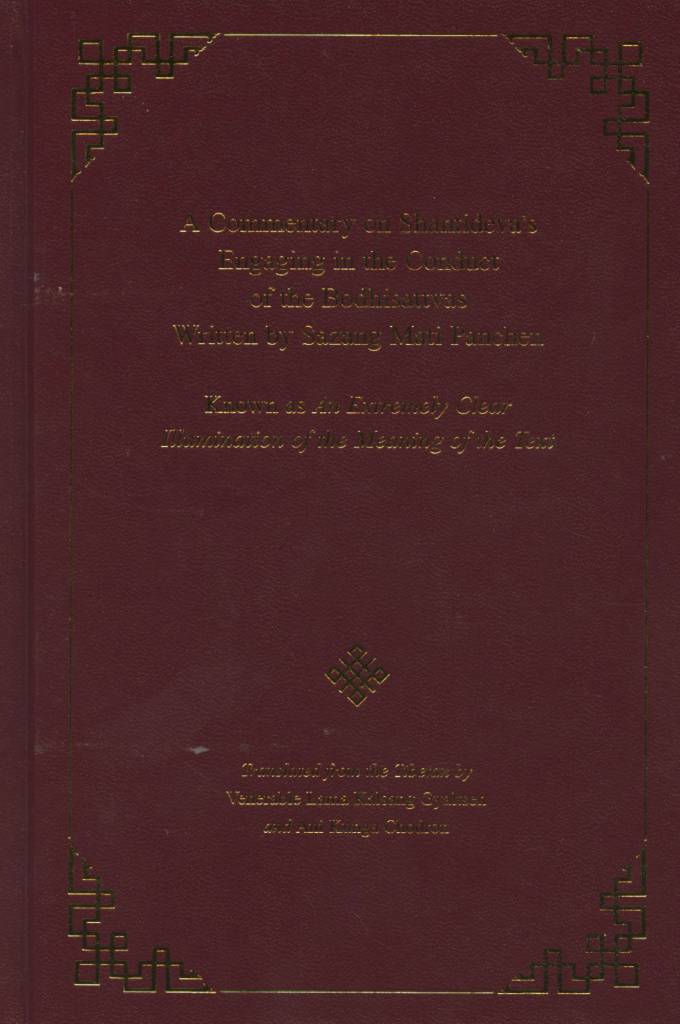
A Commentary on Shantideva's Engaging in the Conduct of the Bodhisattvas (citation)Gyaltsen, Lama Kalsang, and Ani Kunga Chodron, trans. A Commentary on Shantideva's Engaging in the Conduct of the Bodhisattvas Written by Sazang Mati Panchen: Known as An Extremely Clear Illumination of the Meaning of the Text. Walden, NY: Tsechen Kunchab Ling, 2019. Bilingual Edition

ལུས་དང་སེམས་ནི་དབེན་པ་ཡིས། །

རྣམ་པར་གཡེང་བ་མི་འབྱུང་ངོ་། ། དེ་བས་འཇིག་རྟེན་སྤང་བྱ་ཞིང་། །

རྣམ་པར་རྟོག་པ་ཡོངས་སུ་དོར། །

lus dang sems ni dben pa yis/_/

rnam par g.yeng ba mi 'byung ngo /_/ de bas 'jig rten spang bya zhing /_/

rnam par rtog pa yongs su dor/_/

For those who seek to isolate their body and mind,

The distraction of objects will not occur. Therefore, discard this mundane world,

And completely remove all conceptual thoughts.

འོ་ན་རྣམ་གཡེང་ཇི་ལྟར་སྤང་སྙམ་ན། སྐྱེ་བོ་མང་པོ་དང་འགྲོགས་པ་སྤངས་ཏེ་ལུས་དབེན་པར་གནས་པ་དང༌། འདོད་པ་ལ་འདུན་པ་ལ་སོགས་པའི་རྣམ་པར་རྟོག་པ་སྤངས་ཏེ་སེམས་ནི་དབེན་པར་གནས་པ་ཡི༵ས་ཕྱི་ནང་གི་རྣམ་པར་གཡེང་བ་ཐམས་ཅད་མི་འབྱུང་ངོ༵༌། །ཉོན་མོངས་པ་སྤོང་པ་ལ་རྣམ་གཡེང་སྤང་དགོས་ཤིང་དེ་ལའང་དབེན་པ་བསྟེན་དགོས་པ་དེ་བས་ན། (ཇོ་བོས་)

One may wonder, “How can I overcome distractions?” The body dwells in isolation by abandoning association with many beings. The mind also dwells in isolation by abandoning conceptual thoughts such as inclination toward desire, etc. Through this, external and internal distractions will not occur. In order to abandon defilements, distractions must be abandoned, which depends upon isolation. Therefore, the Lord said:

བྱ་བ་འཇིག་རྟེན་དག་ལ་ཕར་བལྟས་བས། །

བྱས་པ་ཐམས་ཅད་དོན་མེད་སྡུག་བསྔལ་རྒྱུ། ། ཅི་ལ་བསམས་ཀྱང་ཕན་པར་མི་འགྱུར་བས། །

རང་གི་ཡིད་ལ་ལྟ་བ་གཅེས་པར་གྱིས། །

Looking at worldly activities.
All that is done is meaningless and the cause of suffering.
They will never be beneficial by any means,
Therefore cherish looking at one's own awareness.

ཞེས་པ་ལྟར་ལུས་དབེན་པའི་དོན་དུ་གཉེན་བཤེས་དང་འགྲོགས་པ་ལ་སོགས་པ་འཇིག་རྟེན་གྱི་བྱ་བ་སྙིང་བོ་མེད་པ་རྣམས་ལ་ཆགས་པ་སྤང་བར་བྱ་ཞི༵ང༌།

As this explains, in order to isolate the body, associate with spiritual teachers and abandon attachment to essenceless worldly activities.

རྣམ་རྟོག་མ་རིག་ཆེན་པོ་སྟེ། །

འཁོར་བའི་རྒྱ་མཚོར་ལྟུང་བྱེད་ཡིན། ། མི་རྟོག་ཏིང་འཛིན་ལ་གནས་ན། །

མཁའ་བཞིན་དྲི་མ་མེད་པར་འགྱུར། །

Conceptual thought is great ignorance,
Causer offalling into the ocean of samsara.
If one abides in non-conceptual samadhi,
One becomes stainless like space.

ཞེས་པ་ལྟར་སེམས་དབེན་པའི་དོན་དུ་རྣམ་པར་རྟོག་པ་མཐའ་དག་ཡོངས་སུ་དོ༵ར་ནས་མི་རྟོག་པའི་ཏིང་[p.-244]རབ་གསལ་སྣང་བ་
ངེ་འཛིན་བསྒོམ་པ་ལ་འབད་པར་བྱའོ། །

As this explains, in order to isolate the mind, completely discard all conceptual thoughts and exert oneself in the samadhi of non-conceptual thought.[p.268]A Commentary on Shantideva's Engaging in the Conduct of the Bodhisattvas
Gyaltsen, Lama Kalsang, and Ani Kunga Chodron, trans. A Commentary on Shantideva's Engaging in the Conduct of the Bodhisattvas Written by Sazang Mati Panchen: Known as An Extremely Clear Illumination of the Meaning of the Text. Walden, NY: Tsechen Kunchab Ling, 2019. First edition published by The Yeshe Dorje Foundation in 2006.
Gyaltsap Je (1364 - 1432)
The Entrance for the Children of the Conquerors (citation)Stracke, Fedor, trans. The Entrance for the Children of the Conquerors: A Commentary on the Introduction to the Actions of Bodhisattvas. By Gyaltsab Rinpoche. N.p.: Happy Monks Publication, 2016. https://happymonkspublication.org/product/bodhisattvacharyavatara-chapter-1-10-commentary/. Bilingual Edition

གསུམ་པ་ཐུན་མོང་དང་ཐུན་མོང་མ་ཡིན་པའི་ཞི་གནས་ཀྱིས་བསྡུས་པའི་བསམ་གཏན་ལ་སློབ་ཚུལ་ལ་གཉིས།

The Way of Training in the Mental Stabilizations Contained in the Common and Uncommon Types of Calm Abiding1This is the third subheading of the outline “Training in the Remaining Four Perfections,” which initiates chapter six. 1

དང་པོ་ལ་གསུམ།

Explaining the Text of the Chapter 1.1

དང་པོ་ལ་གཉིས།

Advice to Meditate on Mental Stabilization 1.1.1

དང་པོ་ནི།

The Reason for the Need to Achieve Calm Abiding 1.1.1.1

ལུས་དང་སེམས་ནི་དབེན་པ་ཡིས། ། རྣམ་པར་གཡེང་བ་མི་འབྱུང་ངོ་། །

lus dang sems ni dben pa yis/_/ rnam par g.yeng ba mi 'byung ngo /_/

Through physical and mental isolation Mental wandering does not arise.

སྔར་བཤད་པ་དེ་ལྟར་དགེ་བ་ལ་སྤྲོ་བའི་བརྩོན་འགྲུས་བསྐྱེད་ནས་ནི། ཡིད་ནི་ཏིང་ངེ་འཛིན་ལ་གཞག་པར་བྱ་སྟེ་བྱིང་རྒོད་ཀྱིས་སེམས་ནི་རྣམ་པར་གཡེང་བའི་མི་ཉོན་མོངས་པ་གཅན་གཟན་གདུག་པ་དང་འདྲ་བའི་མཆེ་བའི་ཕྲག་ན་གནས་ཏེ། དེས་ནི་མྱུར་དུ་འཇོམས་པས་སོ། །

Having generated enthusiasm that delights in virtue as explained before, one should place the mind in concentration, because a person whose mind is distracted by mental sinking and excitement abides in a cave of the fangs of a malevolent animal, and will be quickly destroyed by them.

རྣམ་གཡེང་ཇི་[p.290]Spyod 'jug rtsa 'grel (Mtsho sngon mi rigs dpe skrun khang 2001)
Śāntideva, and Rgyal tshab rje dar ma rin chen. Spyod 'jug rtsa 'grel and Byang chub sems dpa'i spyod pa la 'jug pa'i rnam bshad rgyal sras 'jug ngogs. Xining: Mtsho sngon mi rigs dpe skrun khang, 2001
ལྟར་སྤང་ཞེ་ན་ལུས་དང་སེམས་ནི་འདུ་འཛི་དང་འདོད་པའི་རྣམ་རྟོག་སོགས་ཀྱིས་དབེན་པ་ཡིས་ཏིང་ངེ་འཛིན་གྱི་མི་མཐུན་ཕྱོགས་རྣམ་པར་གཡེང་བ་མི་འབྱུང་ངོ༌། །

If it is asked, “How does one abandon mental wandering?” Through isolating body and mind from distraction and desirous thoughts, one will not develop mental wandering, the opposing factor to concentration.

གཉིས་པ་ནི།

The Advice to Abandon the Opposing Factors to Calm Abiding 1.1.1.2

དེ་བས་འཇིག་རྟེན་སྤང་བྱ་ཞིང་། ། རྣམ་པར་རྟོག་པ་ཡོངས་སུ་དོར། །
de bas 'jig rten spang bya zhing /_/ rnam par rtog pa yongs su dor/_/

Through this, one should abandon the transitory world And perfectly destroy the conceptualizing mind.

དེ་བས་ན་ལུས་དབེན་པའི་ཐབས་འཇིག་རྟེན་པའི་གཉེན་བཤེས་སོགས་དང་འགྲོགས་པའི་འདུ་འཛི་སོགས་སྤང་བར་བྱ་ཞིང་། སེམས་དབེན་པའི་ཐབས་འདོད་པའི་ཡོན་ཏན་ལ་རྣམ་པར་རྟོག་པ་སོགས་ཡོངས་སུ་དོར་བར་བྱའོ། །

Hence, through the method of physical isolation one abandons distractions such as meeting with worldly friends, relatives and so forth. Through the method of isolating the mind, one perfectly destroys thoughts for desire objects.

མདོ་ལས་

From a sutra:

སེམས་རྣམ་པརགཡེངས་པ་རྣམས་ལ་ནི་འཇིག་རྟེན་པའི་བསམ་གཏན་སྐྱེ་བ་ཡང་དཀོན་ན། བླ་ན་མེད་པའི་བྱང་ཆུབ་ལྟ་ཅི་སྨོས་དེ་བས་ན་བླ་ན་མེད་པའི་བྱང་ཆུབ་མ་ཐོབ་ཀྱི་བར་དུ་སེམས་མི་གཡེང་བར་བྱའོ། །

If it is rare for a distracted mind to even attain a worldly mental stabilization, then what need is there to mention complete enlightenment. Therefore, one should not let one’s mind be distracted until the attainment of complete enlightenment.[p.2]The Entrance for the Children of the Conquerors
Stracke, Fedor, trans. The Entrance for the Children of the Conquerors: A Commentary on the Introduction to the Actions of Bodhisattvas. By Gyaltsab Rinpoche. N.p.: Happy Monks Publication, 2016. https://happymonkspublication.org/product/bodhisattvacharyavatara-chapter-1-10-commentary/.

ཞེས་གསུངས་སོ། །

Minyak Kunzang Sönam (1823 - 1905)
The Great Hūṃ (citation)Duckworth, Douglas, trans. The Great Hūṃ: A Commentary on Śāntideva's Way of the Bodhisattva. By Minyak Kunzang Sönam. New York, NY: Wisdom Publications, 2025. Bilingual Edition

བསམ་གཏན་གྱི་མི་མཐུན་ཕྱོགས་སྤོང་བ།

The removal of factors discordant with meditative concentration 8.1.2

དང་པོ་ནི།

Concise demonstration 8.1.2

ལུས་དང་སེམས་ནི་དབེན་པ་ཡིས། །

རྣམ་པར་གཡེང་བ་མི་འབྱུང་ངོ་། ། དེ་བས་འཇིག་རྟེན་སྤང་བྱ་ཞིང་། །

རྣམ་པར་རྟོག་པ་ཡོངས་སུ་དོར། །
Distractions do not arise

for a body and mind in solitude; therefore one should relinquish the world

and let go of thoughts. (8.2)

འོ་ན་རྣམ་གཡེང་ཇི་ལྟར་སྤོང་ཞེ་ན། སྐྱེ་བོ་མང་། པོ་དང་འགྲོགས་འདྲིས་བྱེད་པ་སོགས་འཇིག་རྟེན་པའི་འདུ་འཛི་སྤངས་ཏེ་ལུས་དབེན་པར་གནས་པ་དང་འདོད་པ་ལ་འདུན་པའི་འདོད་ཆགས་སོགས་ཕྱིན་ཅི་ལོག་གི་རྣམ་རྟོག་སྤངས་ཏེ་སེམས་ནི་དབེན་པར་གནས་པ་ཡིས་ཏིང་ངེ་འཛིན་གྱི་མི་མཐུན་ཕྱོགས་ཀྱི་འདུ་འཛིའི་རྣམ་གཡེང་དང་ནང་རྣམ་རྟོག་གི་རྣམ་པར་གཡེང་བ་གང་ཡང་མི་འབྱུང་ངོ༌། །

You might think, “How do I avoid distractions?” You should relinquish worldly commotion, such as large crowds and befriending many people, and remain in physical solitude. Let go of perverse thoughts, such as attachment that longs for desired things, and remain in mental solitude. Thereby distracting internal thoughts and distracting worldly affairs that are discordant factors of meditative stabilization will not come about at all.

ཉོན་མོངས་སྤོང་བ་ལ་ཏིང་ངེ་འཛིན་སྒོམ་དགོས་དེ་ལ་རྣམ་གཡེང་སྤོང་དགོས་དེ་ལ་ལུས་སེམས་དབེན་པ་བསྟེན་དགོས་པའི་རྒྱུ་མཚན་དེ་ལྟ་བས་ན་ལུས་དབེན་པའི་ཐབས་སུ་གཉེན་བཤེས་འཁོར་གཡོག་སོགས་དང་འབྲེལ་འདྲིས་བྱེད་པའི་འཇིག་རྟེན་པའི་འདུ་འཛི་སྤང་བར་བྱ་ཞིང་སེམས་དབེན་པའི་ཐབས་སུ་འདོད་པའི་ཡོན་ཏན་ལ་ཆགས་ཤིང་ཞེན་པ་དང་མི་འདོད་པ་ལ་རྒྱབ་ཀྱིས་ཕྱོགས་པའི་ཞེ་སྡང་སོགས་ཕྱིན་ཅི་ལོག་གི་རྣམ་པར་རྟོག་པ་མཐའ་དག་ཡོངས་སུ་དོར་ནས་ལུས་དང་སེམས་གཉིས་ཀ་དབེན་པའི་ཐབས་བརྟེན་པར་བྱའོ། །བསླབ་བཏུས་སུ།

You should relinquish afflictions and cultivate meditative stabilization. For this you need to avoid distractions. Since you need to rely on physical and mental solitude for this reason, you should relinquish the worldly commotion of making relationships with friends, family, associates, and workers as a method for physical solitude. As a method for mental solitude you should completely get rid of all perverse thoughts, such as craving and attachment to desired things, as well as getting angered and turning away from what you don’t like. Thereby you will gain stability in the methods for both physical and mental solitude. The Anthology of Training says:

ཕྱི་རོལ་གཡོ་བ་བཟློག་པ་ཡིས། ། སེམས་ནི་ཞི་ལས་གཡོ་མི་འགྱུར། །

By turning away from external movement
the mind does not waver from tranquility.1252Śāntideva, Anthology of Training Verses v. 9cd, 2a; English trans. in Goodman, The Training Anthology of Śāntideva, lxxiv.

ཞེས་དང༌། ཐེག་ཆེན་ལམ་གྱི་སྒྲུབ་ཐབས་བསྡུས་པ་ལས་ཀྱང༌།

Also, the Concisely Worded Method to Accomplish the Mahāyāna Path says:

ལས་དང་པོ་ཡི་གང་ཟག་གིས། །

ལུས་དབེན་པ་ལ་མ་བརྟེན་པར། ། སེམས་དབེན་རྙེད་པར་དཀའ་བའི་ཕྱིར། ། འདྲེ་སྤངས་ནགས་སུ་གནས་པར་བྱ། ། འདྲེས་པས་འདྲིས་ཤིང་ཆགས་པར་བྱེན། ། དེ་ཡིས་འཁོར་བའི་འཁོར་ལོ་སྐོར། ། དེ་ལྟར་འདྲི་བ་སྤང་བ་ལ། །

རྟག་ཏུ་བག་དང་ལྡན་པར་བྱ། །ཞེས་གསུངས། །

Since it is difficult for a beginner
to find mental solitude
without relying on physical solitude,
they should reject associations and stay in the wilderness.
Being attached and habituated to companionship[p.676]The Great Hum
Duckworth, Douglas, trans. The Great Hūṃ: A Commentary on Śāntideva's Way of the Bodhisattva. By Minyak Kunzang Sönam. New York, NY: Wisdom Publications, 2025.

is what spins the wheel of cyclic existence.
So one should give up these associations and
always be conscientious.1253Atiśa, Concisely Worded Method to Accomplish the Mahāyāna Path, 301b.

Kunzang Palden (1862 - 1943)
The Nectar of Manjushri's Speech (citation)Blankleder, Helena, and Wulstan Fletcher (Padmakara Translation Group), trans. The Nectar of Manjushri's Speech: A Detailed Commentary on Shantideva's Way of the Bodhisattva. By Kunzang Pelden. Boston: Shambhala Publications, 2007. Bilingual Edition

གཉིས་པ་༼བསམ་གཏན་འགྲུབ་པའི་རྒྱུ་ཚོགས་བཤད་པ་༽ལ།

A Full Explanation of Conditions Conducive to Meditative Concentration 2

དང་པོ་༼མདོར་བསྟན་པ་༽ནི།[p.523]Byang chub sems dpa'i spyod pa la 'jug pa rtsa ba dang 'grel pa (1990)
Slob dpon zhi ba lha and Mkhan po kun dpal. Byang chub sems dpa'i spyod pa la 'jug pa rtsa ba dang 'grel pa. Khreng tu'u: Si khron mi rigs dpe skrun khang, 1990. Buda by BDRC Logo.jpg

A Brief Summary 2.1.

ལུས་དང་སེམས་ནི་དབེན་པ་ཡིས། །

རྣམ་པར་གཡེང་བ་མི་འབྱུང་ངོ་། ། དེ་བས་འཇིག་རྟེན་སྤང་བྱ་ཞིང་། །

རྣམ་པར་རྟོག་པ་ཡོངས་སུ་དོར། །

lus dang sems ni dben pa yis/_/

rnam par g.yeng ba mi 'byung ngo /_/ de bas 'jig rten spang bya zhing /_/

rnam par rtog pa yongs su dor/_/

འོ་ན་རྣམ་གཡེངས་དེ་ཇི་ལྟར་སྤོང་ན། རང་ཉིད་སྐྱེ་བོ་མང་པོ་དང་འགྲོགས་པ་སྤངས་ཏེ། ལུས་ཕན་ཚུན་འདུ་འཛི་ལས་དབེན་པ་དང༌། འདོད་པ་ལ་འདུན་པ་སོགས་སྤངས་ཏེ་སེམས་ནི་དུས་གསུམ་གྱི་རྟོག་པ་ལས་དབེན་པ་གནས་པ་ཡིས་ཕྱི་ནང་གི་རྣམ་པར་གཡེང་བ་ཐམས་ཅད་མི་འབྱུང་ངོ༌། །

In solitude, the mind and body

Are not troubled by distraction. Therefore leave this worldly life

And totally abandon mental wandering.

How are we to rid ourselves of distraction? We must renounce the company of many people and retreat far from the bustle of worldly affairs. Giving up all hankering for the objects of our desires, we should keep ourselves far from thoughts related to the events of the past, present, and future. It is by such means that all manner of outer and inner distractions are prevented from manifesting.

ཉོན་མོངས་སྤང་པ་ལ་རྣམ་གཡེངས་སྤང་དགོས་ཤིང་དེ་ལའང་བསྲིང་བ་གཉིས་ལྡན་གྱི་དབེན་པ་ལ་བསྟེན་དགོས་པ་དེ་བས་ན་ལུས་དབེན་པའི་དོན་དུ་སྙིང་པོ་མེད་པའི་འཇིག་རྟེན་གྱི་བྱ་བ་འདུ་འཛི་ལ་ཆགས་པ་སྤང་བར་བྱ་ཞིང་སེམས་དབེན་པའི་དོན་དུ་ཡུལ་ལ་རྣམ་པར་རྟོག་པ་མཐའ་དག་ཡོངས་སུ་དོར་ནས་ཏིང་ངེ་འཛིན་བསྒོམ་དགོས་ལ་དེ་ཡང་གྲོགས་གཅིག་ཙམ་ཡོད་ཀྱང་ཏིང་ངེ་འཛིན་གྱི་བར་དུ་གཅོད་པས་ན་ཏིང་ངེ་འཛིན་ངེས་པར་བསྒོམ་འདོད་པ་ཡིན་ན་རང་ཉིད་གྲོགས་མེད་གཅིག་པུར་དབེན་པར་གནས་དགོས་སོ། །

If we want to give up the afflictions, we must give up distractions, and in order to do this, we must have recourse to solitude, which means to distance ourselves from two kinds of object. On the physical level, we must relinquish all attachment to the affairs and meaningless doings of the world. On the mental level, we must completely put a stop to the mind’s wandering toward the objects of the senses, and we should train ourselves in concentration. And for this, it is necessary to be alone. For the company of even one person will result in obstacles to concentration. If we really want to train in concentration, we must stay in solitude, alone, and without our friends.


[edit]
[edit]