8.131

From Bodhicitta

Bodhicaryāvatāra · Verse 8.131


Sources:    

Sanskrit §No information about the source used.

न नाम साध्यं बुद्धत्वं संसारेऽपि कुतः सुखम्। स्वसुखस्यान्यदुःखेन परिवर्तमकुर्वतः॥

 
Chanted Verse
Recitation by Professor Kashinath Nyaupane
131

Whoever fails to replace his own pleasure with the suffering of others will not reach, of course, the station of the awakened, but neither will he know happiness even in this cycle of transmigration.

Standard Tibetan §Padmakara used the 1990 edition printed by si khron mi rigs dpe skrun khang: Byang chub sems dpa'i spyod pa la 'jug pa rtsa ba dang 'grel pa (1990). Also found in Derge Tengyur D3871, dbu ma, vol. 105, la 1b1–40a7.

བདག་བདེ་གཞན་གྱི་སྡུག་བསྔལ་དག །

ཡང་དག་བརྗེ་བར་མ་བྱས་ན། ། སངས་རྒྱས་ཉིད་དུ་མི་འགྲུབ་ཅིང་། །

འཁོར་བ་ན་ཡང་བདེ་བ་མེད། །

 
Chanted Verse
Recitation by Lopen Karma Phuntsho
131

If I do not interchange

My happiness for others’ pain, Enlightenment will never be attained,

And even in saṃsāra, joy will fly from me.

Standard Tibetan §Padmakara used the 1990 edition printed by si khron mi rigs dpe skrun khang: Byang chub sems dpa'i spyod pa la 'jug pa rtsa ba dang 'grel pa (1990). Also found in Derge Tengyur D3871, dbu ma, vol. 105, la 1b1–40a7. - Other translations

Si je n’échange pas authentiquement

La souffrance des autres contre mon bonheur, Je n’accomplirai pas la bouddhéité

Et ne serai pas même heureux dans le samsâra.

Si no cambio mi felicidad

por el sufrimiento de los demás, no lograré la budeidad

y ni siquiera en el samsara la felicidad.[p.147]La Práctica del Bodisatva
Hervás, María Jesús (Padmakara Translation Group, Spain), trans. La Práctica del Bodisatva: Una Traducción del Bodicharyavatara de Shantideva. Translated from the 2006 English translation of Helena Blankleder and Wulstan Fletcher. Novelda, Alicante, Spain: Ediciones Dharma, 2008.

La Práctica del Bodisatva-front.jpg
Padmakara Spain 2008

If one does not perfectly exchange

One’s happiness for the suffering of others One will not achieve enlightenment

And one will also lack happiness in cyclic existence.[p.40]The Entrance for the Children of the Conquerors
Stracke, Fedor, trans. The Entrance for the Children of the Conquerors: A Commentary on the Introduction to the Actions of Bodhisattvas. By Gyaltsab Rinpoche. N.p.: Happy Monks Publication, 2016. https://happymonkspublication.org/product/bodhisattvacharyavatara-chapter-1-10-commentary/.

If one’s own happiness

Is not completely exchanged for others’ suffering, Attaining Buddhahood is impossible;

Even in samsara, happiness will not be found.

shift + scroll / swipe
Dūnhuáng §This version is extracted from the book Bodhisattvacaryāvatāra: Entering the Way of the Bodhisattvas (2022, Khenpo Gawang and Wiener), a translation of an edition of the text created from three Dūnhuáng manuscripts. A description and sample pages of these can be found on the Early Tibet Blog. Scans of the actual manuscripts themselves can be found at http://idp.bl.uk

བདག་བདེ་གཞན་གྱི་སྡུག་བསྔལ་དག །

ཡང་དག་བརྗེ་བ་མ་བྱས་ན། ། སངས་རྒྱས་ཉིད་དུ་མི་འགྲུབ་ཅིང་། །

འཁོར་བ་ན་ཡང་བདེ་བ་མེད། །

alt verse 6.61 tm data
This version differs from it's counterparts.

If I do not genuinely exchange my happiness

For the suffering of others, I will not accomplish enlightenment,

And even within samsara, I won’t obtain happiness.

Tsadra Critical Edition §This text was created by comparing four versions of the text from Derge, Cone, Narthang, and Peking Tengyurs from BDRC scans, along with Dunhuang manuscripts IOL Tib J 628, 629, and 630. When Tibetan readings were problematic, the Sanskrit texts from GRETIL and LTB (Oslo) were consulted.

བདག་བདེ་གཞན་གྱི་སྡུག་བསྔལ་དག །

ཡང་དག་བརྗེ་བ་མ་བྱས་ན། ། སངས་རྒྱས་ཉིད་དུ་མི་འགྲུབ་ཅིང་། །

འཁོར་བ་ན་ཡང་བདེ་བ་མེད། །

[edit]
Sazang Mati (1294 - 1376)
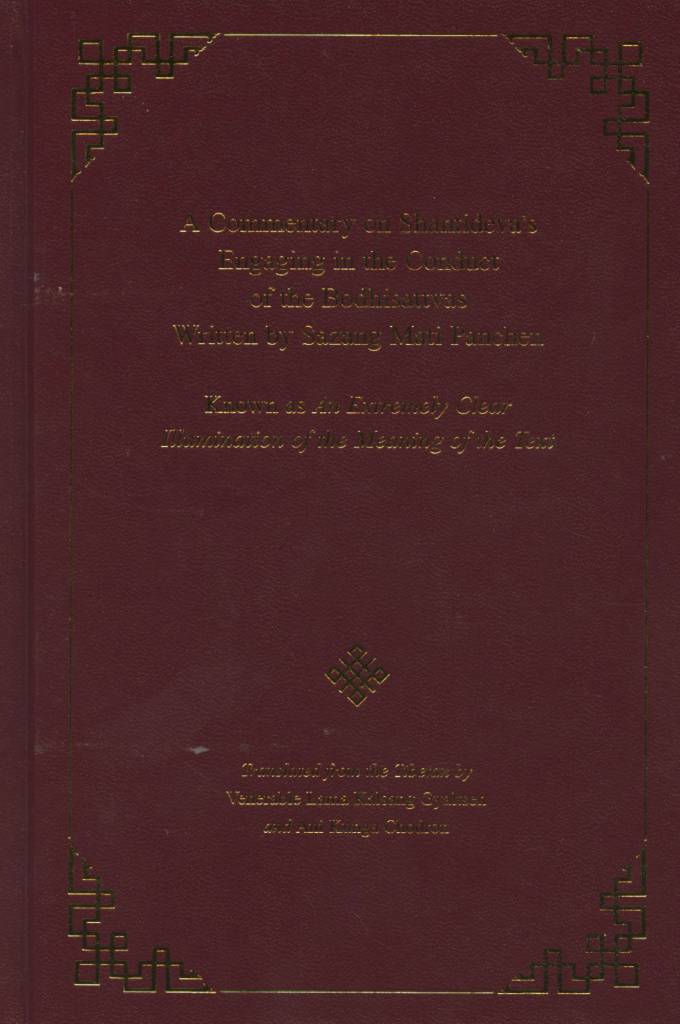
A Commentary on Shantideva's Engaging in the Conduct of the Bodhisattvas (citation)Gyaltsen, Lama Kalsang, and Ani Kunga Chodron, trans. A Commentary on Shantideva's Engaging in the Conduct of the Bodhisattvas Written by Sazang Mati Panchen: Known as An Extremely Clear Illumination of the Meaning of the Text. Walden, NY: Tsechen Kunchab Ling, 2019. Bilingual Edition

(བཞི་པ་)མ་བརྗེས་པའི་ཉེས་དམིགས་ནི།

4. Consequences of not exchanging 1.2.3.2.1.2.2.4

བདག་བདེ་གཞན་གྱི་སྡུག་བསྔལ་དག །

ཡང་དག་བརྗེ་བར་མ་བྱས་ན། ། སངས་རྒྱས་ཉིད་དུ་མི་འགྲུབ་ཅིང་། །

འཁོར་བ་ན་ཡང་བདེ་བ་མེད། །

bdag bde gzhan gyi sdug bsngal dag_/

yang dag brje bar ma byas na/_/ sangs rgyas nyid du mi 'grub cing /_/

'khor ba na yang bde ba med/_/

If one’s own happiness

Is not completely exchanged for others’ suffering, Attaining Buddhahood is impossible;

Even in samsara, happiness will not be found.

བདག་གི་བདེ་བ་གཞན་ལ་གཏོང་བ་དང་གཞན་གྱི་སྡུག་བསྔལ་བདག་གིར་ལེན་པའི་ཚུལ་གྱིས་དེ་ད༵ག་ཡང་དག་པར་བརྗེ་བར་མ་བྱས་ན༵་མཐར་ཐུག་སངས་རྒྱས་ཉིད་དུ་མི་འགྲུབ་པ་ལྟ་ཞོག་ཅི༵ང༌། གནས་སྐབས་འཁོར་བ་ན་ཡང་ལྷ་དང་མིའི་བདེ་བ་ཕུན་སུམ་ཚོགས་པ་མྱོང་བ་མེ༵ད་དོ། །

Without complete exchange through the system of giving one’s own happiness to others, and taking others’ suffering upon oneself, even the temporary success and happiness of gods and humans in samsara will not be experienced, needless to mention ultimately attaining Buddhahood.
Gyaltsap Je (1364 - 1432)
The Entrance for the Children of the Conquerors (citation)Stracke, Fedor, trans. The Entrance for the Children of the Conquerors: A Commentary on the Introduction to the Actions of Bodhisattvas. By Gyaltsab Rinpoche. N.p.: Happy Monks Publication, 2016. https://happymonkspublication.org/product/bodhisattvacharyavatara-chapter-1-10-commentary/. Bilingual Edition

གཉིས་པ་ལ་བཞི།

It Is Appropriate to Abandon Self-cherishing 1.1.3.2.2.1.1.3.2

དང་པོ་ནི།

The Unseen Faults 1.1.3.2.2.1.1.3.2.1

བདག་བདེ་གཞན་གྱི་སྡུག་བསྔལ་དག །

ཡང་དག་བརྗེ་བར་མ་བྱས་ན། ། སངས་རྒྱས་ཉིད་དུ་མི་འགྲུབ་ཅིང་། །

འཁོར་བ་ན་ཡང་བདེ་བ་མེད། །
bdag bde gzhan gyi sdug bsngal dag_/

yang dag brje bar ma byas na/_/ sangs rgyas nyid du mi 'grub cing /_/

'khor ba na yang bde ba med/_/

If one does not perfectly exchange

One’s happiness for the suffering of others One will not achieve enlightenment

And one will also lack happiness in cyclic existence.[p.40]The Entrance for the Children of the Conquerors
Stracke, Fedor, trans. The Entrance for the Children of the Conquerors: A Commentary on the Introduction to the Actions of Bodhisattvas. By Gyaltsab Rinpoche. N.p.: Happy Monks Publication, 2016. https://happymonkspublication.org/product/bodhisattvacharyavatara-chapter-1-10-commentary/.

བདག་གི་བདེ་བ་དང་གཞན་གྱི་སྡུག་བསྔལ་དག་ཡང་དག་བརྗེ་བ་སྟེ་སྔར་རང་གི་བདེ་བ་ཆེད་དུ་སྒྲུབ་ཅིང་སྡུག་བསྔལ་ཆེད་དུ་སེལ་བ་དེ་ལས་ལྡོག་ནས་གཞན་གཅེས་པར་གཟུང་སྟེ། དེའི་བདེ་བ་ཆེད་དུ་སྒྲུབ་ཅིང་སྡུག་བསྔལ་འབད་པས་སེལ་བ་མ་བྱས་ན་རང་ཉིད་སངས་རྒྱས་ཉིད་དུ་མི་འགྲུབ་ཅིང་

If one does not exchange perfectly the happiness of self for the suffering of others and reverse from the initial attitude of working for the happiness of self and eliminating the suffering of self, by cherishing other, i.e., working for their happiness and striving with effort to eliminate their suffering, then one will not achieve enlightenment.

དེ་མ་གྲུབ་ཀྱང་ས་འཁོར་བར་གནས་པས་ཆོག་མོད་སྙམ་ན་འཁོར་བ་ན་ཡང་ཕུན་སུམ་ཚོགས་[p.327]Spyod 'jug rtsa 'grel (Mtsho sngon mi rigs dpe skrun khang 2001)
Śāntideva, and Rgyal tshab rje dar ma rin chen. Spyod 'jug rtsa 'grel and Byang chub sems dpa'i spyod pa la 'jug pa'i rnam bshad rgyal sras 'jug ngogs. Xining: Mtsho sngon mi rigs dpe skrun khang, 2001
པའི་བདེ་བ་མེད་དོ། །

One may think, ‘Even if I do not achieve enlightenment and remain in cyclic existence that would be ok’, but one will also lack perfect happiness in cyclic existence.
Minyak Kunzang Sönam (1823 - 1905)
The Great Hūṃ (citation)Duckworth, Douglas, trans. The Great Hūṃ: A Commentary on Śāntideva's Way of the Bodhisattva. By Minyak Kunzang Sönam. New York, NY: Wisdom Publications, 2025. Bilingual Edition

རང་གཙོ་བོར་བྱས་ནས་གཅེས་པར་བཟུང་སྟེ་བདག་གཞན་མ་བརྗེས་པའི་ཉེས་དམིགས་ལ། མ་མཐོང་བ་ཕྱི་མའི་ཉེས་དམིགས་ནི

On the problems of cherishing yourself foremost and not exchanging yourself with others, next it shows the problems in the future, those that are not evident:

བདག་བདེ་གཞན་གྱི་སྡུག་བསྔལ་དག །

ཡང་དག་བརྗེ་བར་མ་བྱས་ན། ། སངས་རྒྱས་ཉིད་དུ་མི་འགྲུབ་ཅིང་། །

འཁོར་བ་ན་ཡང་བདེ་བ་མེད། །
If I do not genuinely exchange

my happiness with others’ suffering, I will not achieve buddhahood,

nor even happiness in cyclic existence. (8.131)

བདག་གཅེས་འཛིན་ལ་དགྲུར་བལྟས་ནས་བདག་གི་བདེ་བ་ལ་ཆེད་ཆེར་བྱེད་པ་འགོག་ཅིང་གཞན་གཅེས་འཛིན་ལ་ཡོན་ཏན་དུ་བལྟས་ནས་གཞན་གྱི་སྡུག་བསྔལ་ཡལ་བར་འདོར་བ་བཀག་ནས་དེ་སེལ་བ་ལ་ཆེད་ཆེར་བྱེད་པའི་སྒོ་ནས་བདག་གི་བདེ་བ་དང་གཞན་གྱི་སྡུག་བསྔལ་དག་ཡང་དག་པར་བརྗེ་བར་མ་བྱས་པར་བདག་གཅེས་པར་བཟུང་ན་རང་ཉིད་རྫོགས་པའི་སངས་རྒྱས་ཉིད་དུ་ནམ་ཡང་མི་འགྲུབ་ཅིང་སྟེ་འགྲུབ་མི་སྲིད་ལ།

When I see self-cherishing as an enemy, I stop the excessive pursuit of my own happiness. When I see the cherishing of others as a virtue, I stop disregarding others’ suffering and prioritize its removal. In this way, if I do not genuinely exchange my own happiness for the suffering of others and cherish myself, then I will never become a perfect buddha; it will be impossible.

དེ་མ་གྲུབ་ཀྱང་སྲིད་པའི་བདེ་བ་ལ་སྤྱད་ནས་བསྡད་པས་ཆོག་མོད་སྙམ་ན་འཁོར་བ་ན་ཡང་ཕུན་སུམ་ཚོགས་པའི་བདེ་བ་ཡོད་ཡེ་མེད་དེ་སྲིད་པའི་རང་བཞིན་སྡུག་བསྔལ་ལས་མ་འདས་པས་སོ་ཞེས་འཆད་དགོས་ལ། ཡང་བདག་གི་བདེ་བ་རྒྱུར་བཅས་གཞན་ལ་ཕར་གཏོང་ཞིང་གཞན་གྱི་སྡུག་བསྔལ་རྒྱུར་བཅས་རང་ལ་ཚུར་ལེན་པའི་ཚུལ་གྱིས་ཡང་དག་པར་བརྗེ་བར་མ་བྱས་ན་སངས་རྒྱས་ཉིད་དུ་མི་འགྲུབ་ཅེས་བཤད་ཀྱང་ཆོག་མོད། འོན་ཀྱང་བདེ་སྡུག་བརྗེ་ཚུལ་དངོས་ནི་སྔ་མ་ལྟར་ཡིན་ལ་གོང་དུ་ཡང་བཤད་ཟིན་དོ། །

One might think, “Even though I will not become a buddha, it is fine if I just remain content in cyclic existence.” Even in cyclic existence there will be no abundant happiness at all because the nature of this existence is not beyond suffering. This is how it should be explained. Alternatively it is fine to explain it like this: If I do not genuinely make the exchange—by giving to others my own happiness along with its causes and taking on myself the suffering of others along with its causes—then I will not become a buddha. Yet the actual way to exchange happiness and suffering is the former one, as was already described above.

ཡང་བདག་གཞན་བརྗེ་བར་མ་བྱས་ན་མཐར་ཐུག་སངས་རྒྱས་ཉིད་དུ་མི་འགྲུབ་པར་མ་ཟད་གནས་སྐབས་འཁོར་བ་ན་ཡང་ལྷ་མིའི་བདེ་སྐྱིད་ཕུན་སུམ་ཚོགས་པ་ཐོབ་པའང་མེད་ཅེས་བཤད་ཀྱང་ཆོག་ལ་དེ་ལྟར་འཆད་པ་ནི་བདག་གཞན་མ་བརྗེས་ན་གཞན་དོན་དུ་སངས་རྒྱས་མི་འགྲུབ་པར་མ་ཟད་རང་དོན་དུ་མཐོ་རིས་ཀྱི་བདེ་བ་རྒྱ་ཆེ་ཞིང་རྒྱུན་མི་འཆད་པའང་མི་འཐོབ་ཅེས་པའི་དོན་ཏེ་དེ་ནི་སངས་རྒྱས་འགྲུབ་པ་ལ་བདག་གཞན་བརྗེ་བ་འདི་དགོས་ཀྱང་མཐོ་རིས་ཀྱི་བདེ་བ་ཕུན་སུམ་ཚོགས་པ་ཁྱད་པར་ཅན་སྒྲུབ་པ་ལ་དེ་མི་དགོས་སྙམ་པའི་དོགས་པ་གཅོད་པའང་ཡིན་པར་གསུངས་སོ། །

Also, it can be explained like this: If I do not exchange self and other, not only will I not become a buddha but I will not even achieve the abundant happiness of the gods and humans in cyclic existence. Explained in this way, it means that, without exchanging yourself and others, not only will you not accomplish the benefit of others in becoming a buddha but you will not accomplish your own benefit of vast and uninterrupted happiness in the higher realms. Thus this is said to eliminate the qualm of thinking that you[p.788]The Great Hum
Duckworth, Douglas, trans. The Great Hūṃ: A Commentary on Śāntideva's Way of the Bodhisattva. By Minyak Kunzang Sönam. New York, NY: Wisdom Publications, 2025.
only need to exchange self and others to become a buddha but that it is not necessary to do so in order to gain the distinctive abundance of happiness in the higher realms.

བདག་གཞན་བརྗེ་བའི་སྒོ་ནས་བྱང་ཆུབ་ཀྱི་སེམས་མ་བཟུང་ན་སངས་རྒྱས་མི་འཐོབ་པ་ནི། བྱང་ཆུབ་སེམས་འགྲེལ་ལས།

The Commentary on the Spirit of Awakening says that one will not become a buddha without upholding the spirit of awakening by means of exchanging self and other:

བྱང་ཆུབ་སེམས་ནི་མ་བཟུང་བར། །

སངས་རྒྱས་ནམ་ཡང་མི་མཐོང་ཞིང་། ། འཁོར་བར་བདག་གཞན་དོན་སྒྲུབ་པའི། །

ཐབས་ནི་གཞན་དག་ཡོད་མ་ཡིན། །ཞེས་སོ། །

Without upholding the spirit of awakening,
one will never see the Buddha;
to achieve the welfare of oneself and others in cyclic existence
there is no other method.

Kunzang Palden (1862 - 1943)
The Nectar of Manjushri's Speech (citation)Blankleder, Helena, and Wulstan Fletcher (Padmakara Translation Group), trans. The Nectar of Manjushri's Speech: A Detailed Commentary on Shantideva's Way of the Bodhisattva. By Kunzang Pelden. Boston: Shambhala Publications, 2007. Bilingual Edition

བདག་བདེ་གཞན་གྱི་སྡུག་བསྔལ་དག །

ཡང་དག་བརྗེ་བར་མ་བྱས་ན། ། སངས་རྒྱས་ཉིད་དུ་མི་འགྲུབ་ཅིང་། །

འཁོར་བ་ན་ཡང་བདེ་བ་མེད། །

bdag bde gzhan gyi sdug bsngal dag_/

yang dag brje bar ma byas na/_/ sangs rgyas nyid du mi 'grub cing /_/

'khor ba na yang bde ba med/_/

བདག་གི་བདེ་བ་གཞན་ལ་གཏོང་བ་དང་གཞན་གྱི་སྡུག་བསྔལ་བདག་གིར་ལེན་པའི་ཚུལ་གྱིས་དེ་དག་ཡང་དག་པར་བརྗེ་བར་མ་བྱས་ན་མཐར་ཐུག་སངས་རྒྱས་ཉིད་དུ་མི་འགྲུབ་པ་ལྟ་ཞོག་ཅིང༌། གནས་སྐབས་འཁོར་བ་ན་ཡང་ལྷ་མིའི་བདེ་བ་ཕུན་ཚོགས་མྱོང་བ་མེད་དོ། །

If I do not interchange

My happiness for others’ pain, Enlightenment will never be attained,

And even in saṃsāra, joy will fly from me.

If we do not make this perfect exchange, if we fail to give our happiness to others and fail to take their sufferings on ourselves, not only will we not gain perfect buddhahood, but even in samsara we will have no joy, either in the divine realms or even in the human state.


[edit]
[edit]