8.90

From Bodhicitta

Bodhicaryāvatāra · Verse 8.90


Sources:    

Sanskrit §No information about the source used.

परात्मसमतामादौ भावयेदेवमादरात्। समदुःखसुखाः सर्वे पालनीया मयात्मवत्॥

 
Chanted Verse
Recitation by Professor Kashinath Nyaupane
90

First one should cultivate diligently the identification of self and others: “We all are equally subject to pain and pleasure; therefore, I must protect all beings as I protect myself.”

Standard Tibetan §Padmakara used the 1990 edition printed by si khron mi rigs dpe skrun khang: Byang chub sems dpa'i spyod pa la 'jug pa rtsa ba dang 'grel pa (1990). Also found in Derge Tengyur D3871, dbu ma, vol. 105, la 1b1–40a7.

བདག་དང་གཞན་དུ་མཉམ་པ་ནི། །

དང་པོ་ཉིད་དུ་འབད་དེ་བསྒོམ། ། བདེ་དང་སྡུག་བསྔལ་མཉམ་པས་ན། །

ཐམས་ཅད་བདག་བཞིན་བསྲུང་བར་བྱ། །

 
Chanted Verse
Recitation by Lopen Karma Phuntsho
90

Strive at first to meditate

Upon the sameness of yourself and others.97See appendix 2. In joy and sorrow all are equal;

Thus be guardian of all, as of yourself.

Standard Tibetan §Padmakara used the 1990 edition printed by si khron mi rigs dpe skrun khang: Byang chub sems dpa'i spyod pa la 'jug pa rtsa ba dang 'grel pa (1990). Also found in Derge Tengyur D3871, dbu ma, vol. 105, la 1b1–40a7. - Other translations

En premier lieu, efforçons-nous de méditer

Sur l’égalité de soi-même et d’autrui : Puisque nous sommes égaux face au bonheur et à la souffrance,

Protégeons tous les êtres comme nous-mêmes.

Esfuérzate primero en meditar

en la igualdad de uno mismo y los demás110V. el apéndice II.. En la felicidad y el sufrimiento somos iguales,

protege pues a todos como a ti mismo.

La Práctica del Bodisatva-front.jpg
Padmakara Spain 2008

At first, strive in meditating

On equalizing self and others. Since they are the same in happiness and suffering

Look after others like yourself.

In the very beginning,

Diligently meditate equality of self and other. Because in happiness and suffering we are equivalent,

Protect everyone as oneself.

shift + scroll / swipe
Tsadra Critical Edition §This text was created by comparing four versions of the text from Derge, Cone, Narthang, and Peking Tengyurs from BDRC scans, along with Dunhuang manuscripts IOL Tib J 628, 629, and 630. When Tibetan readings were problematic, the Sanskrit texts from GRETIL and LTB (Oslo) were consulted.

བདག་དང་གཞན་དུ་མཉམ་པ་ནི། །

དང་པོ་ཉིད་དུ་འབད་དེ་བསྒོམ། ། བདེ་དང་སྡུག་བསྔལ་མཉམ་པས་ན། །

ཐམས་ཅད་བདག་བཞིན་བསྲུང་བར་བྱ། །

[edit]
Sazang Mati (1294 - 1376)
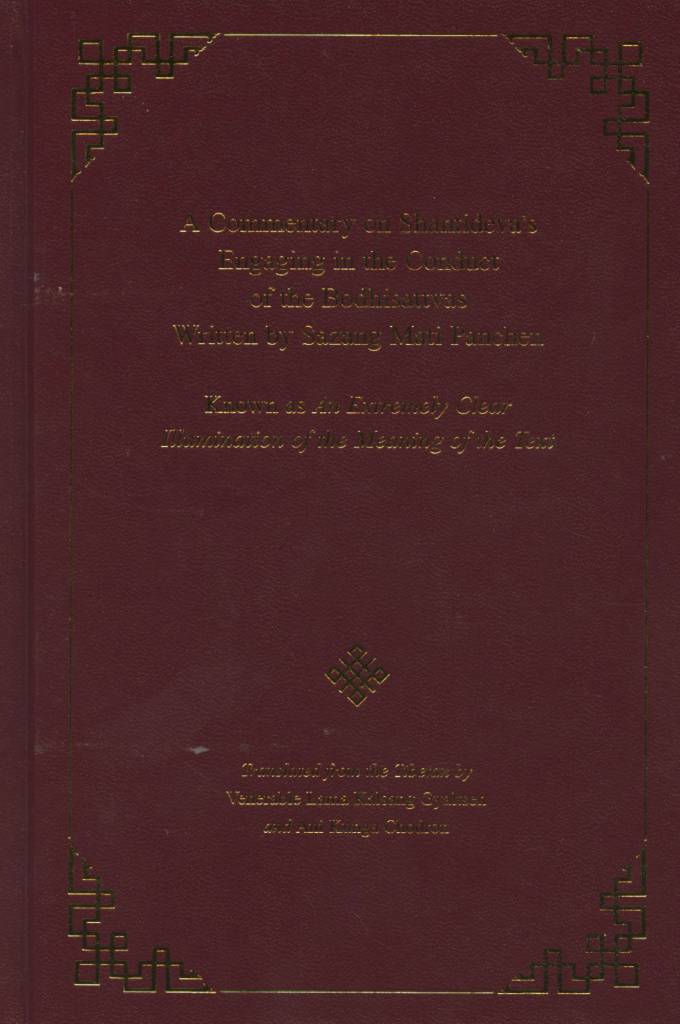
A Commentary on Shantideva's Engaging in the Conduct of the Bodhisattvas (citation)Gyaltsen, Lama Kalsang, and Ani Kunga Chodron, trans. A Commentary on Shantideva's Engaging in the Conduct of the Bodhisattvas Written by Sazang Mati Panchen: Known as An Extremely Clear Illumination of the Meaning of the Text. Walden, NY: Tsechen Kunchab Ling, 2019. Bilingual Edition

(གཉིས་པ་)རྒྱས་བཤད་ལ།

2. Detailed explanation 1.2.3.2

ཀུན་རྫོབ་བྱང་ཆུབ་ཀྱི་སེམས་བསྒོམ་ཚུལ་དང༌། དོན་དམ་བྱང་ཆུབ་ཀྱི་སེམས་བསྒོམ་ཚུལ་ལོ། །

This has two sections:

1. How to meditate relative enlightenment thought,

2. How to meditate ultimate enlightenment thought.
1.2.3.2

དང་པོ་ལ།

1. How to meditate relative enlightenment thought 1.2.3.2.1

བདག་གཞན་མཉམས་པ་བསྒོམ་པ་དང༌། བདག་གཞན་བརྗེ་བ་བསྒོམ་པའོ། །

This has two sections:

1. Meditation on the equality of self and others,

2. Meditation on the exchange of self and others.
1.2.3.2.1

དང་པོ་ལ།

1. Meditation on the equality of self and others 1.2.3.2.1.1

བསྒོམ་པའི་འཐད་པ་མདོར་བསྟན་པ།

རྒྱུ་མཚན་རྒྱས་པར་བཤད་པ།

དེས་ན་བསྒོམ་པར་གདམས་པའོ། །

This has three sections:

1. Overview of the suitability of meditation, 2. Detailed explanation with reasons,

3. Advice to meditate.
1.2.3.2.1.1

(དང་པོ་)མདོར་བསྟན་ནི།

1. Overview of the suitability of meditation 1.2.3.2.1.1.1

བདག་དང་གཞན་དུ་མཉམ་པ་ནི། །

དང་པོ་ཉིད་དུ་འབད་དེ་བསྒོམ། ། བདེ་དང་སྡུག་བསྔལ་མཉམ་པས་ན། །

ཐམས་ཅད་བདག་བཞིན་བསྲུང་བར་བྱ། །

bdag dang gzhan du mnyam pa ni/_/

dang po nyid du 'bad de bsgom/_/ bde dang sdug bsngal mnyam pas na/_/

thams cad bdag bzhin bsrung bar bya/_/

In the very beginning,

Diligently meditate equality of self and other. Because in happiness and suffering we are equivalent,

Protect everyone as oneself.

བདག་དང་གཞན་དུ་མཉམ་པ་ཉིད་ཀྱི་བྱང་ཆུབ་ཀྱི་སེམས་ནི༵་དང་པོ་ཉིད་དུ་འབད་དེ་བསྒོ༵མ་པར་བྱ་སྟེ། དེའང་བདག་གཞན་གཉིས་ཀ་ལ་བདེ་བས་ཕན་འདོགས་པ་དང་སྡུག་བསྔལ་གྱིས་གནོད་པ་བྱེད་པར་མཉམ་པས་ན༵། སེམས་ཅན་ཐམས་ཅད་ཀྱང་བདག་བསྲུང་བ་བཞིན་དུ་བསྲུང་ཞིང་སྐྱོང་བ་ལ་འབད་པར་བྱ༵་དགོས་པའི་ཕྱིར་རོ། །

In the beginning, strongly meditate the enlightenment thought of the equality of self and others, because both self and others are equal in that they are benefited by happiness and suffer from harm. Therefore, make efforts to protect and guard all sentient beings, just as one protects oneself.
Gyaltsap Je (1364 - 1432)
The Entrance for the Children of the Conquerors (citation)Stracke, Fedor, trans. The Entrance for the Children of the Conquerors: A Commentary on the Introduction to the Actions of Bodhisattvas. By Gyaltsab Rinpoche. N.p.: Happy Monks Publication, 2016. https://happymonkspublication.org/product/bodhisattvacharyavatara-chapter-1-10-commentary/. Bilingual Edition

གསུམ་པ་ཞི་གནས་ཇི་ལྟར་སྒོམ་པའི་ཚུལ་ལ་གཉིས།

The Way of Meditating on Calm Abiding 1.1.3

དང་པོ་ལ་གཉིས།

The Way of Meditating on Equalizing Self and Others 1.1.3.1

དང་པོ་ནི།

Brief Explanation 1.1.3.1.1

བདག་དང་གཞན་དུ་མཉམ་པ་ནི། །

དང་པོ་ཉིད་དུ་འབད་དེ་བསྒོམ། ། བདེ་དང་སྡུག་བསྔལ་མཉམ་པས་ན། །

ཐམས་ཅད་བདག་བཞིན་བསྲུང་བར་བྱ། །
bdag dang gzhan du mnyam pa ni/_/

dang po nyid du 'bad de bsgom/_/ bde dang sdug bsngal mnyam pas na/_/

thams cad bdag bzhin bsrung bar bya/_/

At first, strive in meditating

On equalizing self and others. Since they are the same in happiness and suffering

Look after others like yourself.

སྔར་བཤད་པ་དེ་ལ་སོགས་པའི་རྣམ་པ་ཡིས་འདུ་འཛི་ལ་སོགས་པས་དབེན་པའི་བས་མཐའི་གནས་ཀྱི་ཡོན་ཏན་བསམ་པར་བྱས་ནས་འདོད་པ་དོན་དུ་གཉེར་བ་ལ་སོགས་པའི་རྣམ་རྟོག་ཉེ་བར་ཞི་བ་དང་། བྱང་ཆུབ་ཀྱི་སེམས་ནི་བསྒོམ་པར་བྱའོ། །

Having contemplated in the aspects outlined before, and in other aspects, the qualities of remote places isolated from outer excitement and other distractions, one should then pacify the disturbing thoughts that are aspiring to sense and other objects, and meditate on the mind of enlightenment.

ཐབས་གང་གི་སྒོ་ནས་བསྒོམ་ཞེ་ན།

Query: With which method should one meditate?

བདག་དང་གཞན་དུ་མཉམ་པ་ནི་དང་པོ་ཉིད་དུ་འབད་དེ་བསྒོམ་པར་བྱའོ། །

Answer: At first, strive in meditating on equalizing self and others.

ཇི་ལྟར་ཞེ་ན་

Query: How?

བདག་གི་བདེ་བ་ཆེད་དུ་བསྒྲུབ་ཅིང་སྡུག་བསྔལ་ཆེད་དུ་འགོག་པ་བཞིན་དུ་གཞན་གྱི་བདེ་སྡུག་ལ་ཡང་འདོར་ལེན་དེ་ལྟར་བྱེད་པས་གཞན་གྱི་བདེ་བ་བསྒྲུབ་པ་དང་སྡུག་བསྔལ་སེལ་བར་མཉམ་པས་ན་སེམས་ཅན་ཐམས་ཅད་བདག་བཞིན་གཅེས་པར་བཟུང་ནས་[p.314]Spyod 'jug rtsa 'grel (Mtsho sngon mi rigs dpe skrun khang 2001)
Śāntideva, and Rgyal tshab rje dar ma rin chen. Spyod 'jug rtsa 'grel and Byang chub sems dpa'i spyod pa la 'jug pa'i rnam bshad rgyal sras 'jug ngogs. Xining: Mtsho sngon mi rigs dpe skrun khang, 2001
བསྲུང་བར་བྱའོ། །

Answer: Since others have the same acceptance and rejection of happiness and suffering as oneself, and try to establish their happiness and clear their suffering in the same way as one tries to establish one’s happiness and stop one’s suffering, one should look after all sentient beings, cherishing them like oneself.
Minyak Kunzang Sönam (1823 - 1905)
The Great Hūṃ (citation)Duckworth, Douglas, trans. The Great Hūṃ: A Commentary on Śāntideva's Way of the Bodhisattva. By Minyak Kunzang Sönam. New York, NY: Wisdom Publications, 2025. Bilingual Edition

གཉིས་པ་བསམ་གཏན་སྒོམ་ཚུལ་རྒྱས་པར་བཤད་པ་ལ་གཉིས།

An extensive explanation of how to cultivate meditative concentration 8.1.3.2

དང་པོ་ལ་གསུམ།

How to cultivate the equality of self and other 8.1.3.2.1

དང་པོ་ནི་

Concise demonstration 8.1.3.2.1.1

བདག་དང་གཞན་དུ་མཉམ་པ་ནི། །

དང་པོ་ཉིད་དུ་འབད་དེ་བསྒོམ། ། བདེ་དང་སྡུག་བསྔལ་མཉམ་པས་ན། །

ཐམས་ཅད་བདག་བཞིན་བསྲུང་བར་བྱ། །
First one should strive to cultivate

the equality of self and other. Since others are the same in happiness and suffering,

everyone should be protected as myself. (8.90)[p.756]The Great Hum
Duckworth, Douglas, trans. The Great Hūṃ: A Commentary on Śāntideva's Way of the Bodhisattva. By Minyak Kunzang Sönam. New York, NY: Wisdom Publications, 2025.

བྱང་ཆུབ་ཀྱི་སེམས་སྒོམ་ཐབས་ལ་འདིར་བདག་གཞན་མཉམ་པ་དང་[p.527]Byang chub sems dpa'i spyod pa la 'jug pa'i 'grel bshad rgyal sras rgya mtsho'i yon tan rin po che mi zad 'jo ba'i bum bzang
Mi nyag kun bzang bsod nams (མི་ཉག་ཀུན་བཟང་བསོད་ནམས་). byang chub sems dpa'i spyod pa la 'jug pa'i 'grel bshad rgyal sras rgya mtsho'i yon tan rin po che mi zad 'jo ba'i bum bzang [བྱང་ཆུབ་སེམས་དཔའི་སྤྱོད་པ་ལ་འཇུག་པའི་འགྲེལ་བཤད་རྒྱལ་སྲས་རྒྱ་མཚོའི་ཡོན་ཏན་རིན་པོ་ཆེ་མི་ཟད་འཇོ་བའི་བུམ་བཟང།]. [Excellent Vase That Spills Forth an Ocean of the Inexhaustible and Precious Qualities of the Victor's Heirs: An Explanation of the "Way of the Bodhisattva."].
བརྗེ་བ་གཉིས་ཡོད་པ་ལས་བདག་དང་གཞན་དུ་མཉམ་པའི་བྱང་ཆུབ་ཀྱི་སེམས་ནི་དང་པོའམ་ཐོག་མ་ཉིད་དུ་རྩོལ་བ་དྲག་པོའམ་མངོན་ཞེན་ཆེན་པོས་འབད་དེ་བསྒོམ་པར་བྱ་དགོས་ཏེ། བསླབ་བཏུས་ལས།

There are two methods here for cultivating the spirit of awakening—equalizing self and other and exchanging self and other. First, or initially, you should cultivate the spirit of awakening in equalizing self and other with a strong effort or with great passion. The Anthology of Training says:

བདག་གཞན་མཉམ་ཉིད་གོམས་བྱས་པས། ། བྱང་ཆུབ་སེམས་ནི་བརྟན་པར་འགྱུར། །

Through habituating to the equality of self and other,
the spirit of awakening becomes firm.1385Śāntideva, Anthology of Training, 192a; English trans. in Goodman, The Training Anthology of Śāntideva, 331.

ཞེས་པ་ལྟར། དང་པོ་མཉམ་པ་བསྒོམས་ན་དེ་ཉིད་ལ་གོམས་པ་ཕུལ་དུ་ཕྱིན་པ་སྐྱེ་བར་འགྱུར་ལ་དེ་སྐྱེས་ན་བདག་གཞན་བརྗེ་བའི་བློ་ཡང་སྐྱེ་སླ་བས་སོ། །གལ་ཏེ་དང་པོ་མཉམ་པའི་བློ་མ་སྐྱེས་ན་རྣམ་འཚེ་དང་གནོད་སེམས་སྤོང་བའི་བློ་མི་སྐྱེ་ལ་དེ་མ་སྐྱེས་ཤིང་དེ་དག་མ་སྤངས་ན་བརྗེ་བའི་བློ་ཡང་ཇི་བཞིན་པ་མི་སྐྱེ་ཞིང་དེ་ན་སྐྱེས་ན་བདག་གཅེས་འཛིན་འགོག་མི་ཐུབ་པས་གཞན་ཕན་གྱི་བློ་རྣལ་མ་སྐྱེ་ཐབས་མེད་པས་ཐོག་མར་བདག་གཞན་མཉམ་པ་སྒོམ་དགོས་སོ། །མཉམ་པ་ཇི་ལྟར་སྒོམ་ན། བདག་གིས་བདེ་བ་འདོད་ལ་སྡུག་བསྔལ་མི་འདོད་པ་བཞིན་དུ་གཞན་གྱིས་ཀྱང་བདེ་བ་འདོད་ཅིང་སྡུག་བསྔལ་མི་འདོད་པར་མཉམ་པ་དང་།

If you cultivate equality first, and habituate to this to its culmination, then when this equality has arisen, it will be easy for a mindset to occur that exchanges self and other. If an attitude of equality has not arisen, then a mindset that relinquishes violent and hostile attitudes will not arise. If this mindset has not arisen and these attitudes have not been relinquished, then the mind of exchange will not arise properly. Without the mindset of exchange taking place, you will not be able to stop self-cherishing; consequently there will be no way for a genuine, altruistic attitude to occur. Therefore first you should cultivate the equality of self and other.

དེ་བཞིན་དུ་བདག་ལ་བདེ་བས་ཕན་ཞིང་སྡུག་བསྔལ་གྱིས་གནོད་པ་བཞིན་དུ་གཞན་ལའང་བདེ་བས་ཕན་ཞིང་སྡུག་བསྔལ་གྱིས་གནོད་པར་ཡང་མཉམ་པས་ན་སེམས་ཅན་ཐམས་ཅད་ཀྱང་བདག་བཞིན་དུ་གཅེས་པར་བཟུང་ནས་བསྲུང་བར་བྱ་རིགས་ལ། བསྲུང་ཚུལ་ཡང་བདག་གི་བདེ་བ་ཆེད་དུ་གཉེར་ནས་སྒྲུབ་ཅིང་སྡུག་བསྔལ་ཆེད་དུ་འགོག་པ་བཞིན་དུ་གཞན་གྱི་བདེ་སྡུག་དག་ལའང་རང་དང་མཚུངས་པར་འདོར་ལེན་ཚུལ་བཞིན་དུ་བྱེད་པ་སྟེ་བདེ་བ་སྒྲུབ་པ་དང་སྡུག་བསྔལ་འགོག་པའི་སྒོ་ནས་བསྲུང་བར་བྱ་བ་ཡིན་ལ་འོག་ཏུ་སྡུག་བསྔལ་སྲུང་ཞེས་པའི་དོན་ཡང་དེ་ལྟར་རོ། །

How to cultivate equality is like this: As I want to be happy myself and do not want to suffer, others also equally want to be happy and do not want to suffer. Likewise, as happiness benefits me and suffering harms me, it is equally the case that happiness benefits others and suffering harms them. Therefore it makes sense to protect and cherish all sentient beings as I cherish myself. How to protect them is like this: As I seek to accomplish happiness for myself and to eliminate my suffering, likewise to do the same for the happiness and suffering of others is to act in a proper way with regard to adopting and avoiding—to protect through accomplishing happiness and eliminating suffering. This is the meaning of protecting from suffering that will be described below.
Kunzang Palden (1862 - 1943)
The Nectar of Manjushri's Speech (citation)Blankleder, Helena, and Wulstan Fletcher (Padmakara Translation Group), trans. The Nectar of Manjushri's Speech: A Detailed Commentary on Shantideva's Way of the Bodhisattva. By Kunzang Pelden. Boston: Shambhala Publications, 2007. Bilingual Edition

གཉིས་པ་༼བསམ་གཏན་བསྒོམ་ཚུལ་རྒྱས་པར་བཤད་པ་༽ལ།[p.565]Byang chub sems dpa'i spyod pa la 'jug pa rtsa ba dang 'grel pa (1990)
Slob dpon zhi ba lha and Mkhan po kun dpal. Byang chub sems dpa'i spyod pa la 'jug pa rtsa ba dang 'grel pa. Khreng tu'u: Si khron mi rigs dpe skrun khang, 1990. Buda by BDRC Logo.jpg

A Detailed Explanation on How to Train in Meditative Concentration on Bodhichitta 3.2.

དང་པོ་༼བདག་གཞན་མཉམ་པ་བསྒོམ་ཚུལ་༽ལ་

Equalizing Self and Other 3.2.1.

དང་པོ་༼མདོར་བསྟན་༽ནི་

A Brief Explanation 3.2.1.1.

བདག་དང་གཞན་དུ་མཉམ་པ་ནི། །

དང་པོ་ཉིད་དུ་འབད་དེ་བསྒོམ། ། བདེ་དང་སྡུག་བསྔལ་མཉམ་པས་ན། །

ཐམས་ཅད་བདག་བཞིན་བསྲུང་བར་བྱ། །

bdag dang gzhan du mnyam pa ni/_/

dang po nyid du 'bad de bsgom/_/ bde dang sdug bsngal mnyam pas na/_/

thams cad bdag bzhin bsrung bar bya/_/

ཀུན་རྫོབ་བྱང་ཆུབ་ཀྱི་སེམས་བདག་གཞན་མཉམ་པ་དང་བརྗེ་བ་གཉིས་ཡོད་པ་ལས། བདག་གཞན་མཉམ་པ་མ་བསྒོམ་ན་བརྗེ་བ་མི་འོང་བས་ན་བདག་དང་གཞན་དུ་མཉམ་པ་ཉིད་ཀྱི་བྱང་ཆུབ་ཀྱི་སེམས་ནི་དང་པོ་ཉིད་དུ་འབད་དེ་བསྒོམ་པར་བྱ་སྟེ། དེ་མེད་ན་གཞན་ཕན་གྱི་སེམས་རྣམ་དག་མི་སྐྱེ་བས་སོ། །

Strive at first to meditate

Upon the sameness of yourself and others.97See appendix 2. In joy and sorrow all are equal;

Thus be guardian of all, as of yourself.

Two things are to be practiced on the level of relative bodhichitta: meditation on the equality of self and other and meditation on the exchange of self and other. Without training in the former, the latter is impossible. This is why Shantideva says that we should first meditate strenuously on the equality of self and other; for without it, a perfectly pure altruistic attitude cannot arise.

ཇི་ལྟར་བསྒོམ་ན་བདག་རང་དང་གཞན་སེམས་ཅན་གཉིས་ཀ་ཡང་བདེ་བ་འདོད་པ་དང་སྡུག་བསྔལ་མི་འདོད་པ་ལ་མཉམ་པས་ན་གཞན་སེམས་ཅན་ཐམས་ཅད་བདག་རང་ཉིད་ཇི་ལྟ་བ་བཞིན་དུ་བདེ་བ་སྒྲུབ་ཅིང་སྡུག་བསྔལ་སྤང་སྟེ་བསྲུང་བའི་བློ་སྐྱེ་བའི་ཐབས་ལ་འབད་དེ་བསྒོམ་པར་བྱ་དགོས་སོ་དེ་ལྟར་མི་འོང་ངོ་སྙམ་ན། འོང་སྟེ་

All beings, ourselves included, are in exactly the same predicament of wanting to be happy and not wanting to suffer. For this reason we must vigorously train in ways to develop the intention to protect others as much as ourselves, creating happiness and dispelling suffering. We may think that this is impossible, but it isn’t.

འདི་ལྟར་སེམས་ཅན་ཐམས་ཅད་གཞི་མེད་པར་བདག་དང་བདག་གིར་འཛིན་ཅིང་དེའི་དབང་གིས་འདི་ནི་གཞན་ཞེས་གཞི་མེད་པར་གཞན་དུ་འཛིན་པས་འཁྲུལ་པའི་སྣང་བ་བདག་གཞན་དུ་བློས་བཏགས་པ་ཙམ་ལས་གྲུབ་པ་མེད་པས་བདག་མེད་པའི་དོན་རྟོགས་ན་གཞན་ཞེས་པའང་མི་[p.566]Byang chub sems dpa'i spyod pa la 'jug pa rtsa ba dang 'grel pa (1990)
Slob dpon zhi ba lha and Mkhan po kun dpal. Byang chub sems dpa'i spyod pa la 'jug pa rtsa ba dang 'grel pa. Khreng tu'u: Si khron mi rigs dpe skrun khang, 1990. Buda by BDRC Logo.jpg
དམིགས་ཏེ་བདག་ལ་ལྟོས་ནས་གཞན་དུ་འཇོག་པའི་ཕྱིར་རོ། །དེ་ལྟར་རྟོགས་ན་དཔེར་ན་ནམ་མཁའ་ལ་མཚོན་གྱིས་གཅོད་རྒྱུ་མེད་པ་ལྟར་བདག་མེད་ནམ་མཁའ་ལྟ་བུའི་དོན་རྟོགས་ན་བདག་གཞན་ཡང་ཐ་དད་དུ་བཅད་དུ་མེད་པས་ཐམས་ཅད་བདག་བཞིན་བསྲུང་བའི་བློ་དང་བདག་གི་བློ་སྐྱེ་བར་འགྱུར་ཏེ། དོན་མེད་རང་བཞིན་བདག་ལྟ་རྣམ་སྤང་ནས། བདག་ཉིད་ཆེ་ལྟ་དོན་ཆེན་རྙེད་པ་གང༌། །ཞེས་པ་ལྟར་ཡིན་ལ།

Although they have no ultimate grounds for doing so, all beings think[p.283]The Nectar of Manjushri's Speech
Blankleder, Helena, and Wulstan Fletcher (Padmakara Translation Group), trans. The Nectar of Manjushri's Speech: A Detailed Commentary on Shantideva's Way of the Bodhisattva. By Kunzang Pelden. Boston: Shambhala Publications, 2010.
in terms of “I” and “mine.” Because of this, they have a conception of “other,” fixated on as something alien—though this too has no basis in reality. Aside from being merely mental imputations, “I” and “other” are totally unreal. They are both illusory. Moreover, when the nonexistence of “I” is realized, the notion of “other” also disappears, for the simple reason that “other” is only posited in relation to the thought of “I.” Just as it is impossible to cut the sky in two with a knife, when the space-like quality of egolessness is realized, it is no longer possible to make a separation between “I” and “other,” and there arises an attitude of wanting to protect others as oneself and of taking them as one’s own. As it is said, “Whoever casts aside the ordinary, trivial view of self, will discover the profound meaning of great ‘Selfhood.’”174I.e., the state in which the duality of self and other is totally transcended. Here, the interests of oneself and others are indistinguishable and therefore an object of equal concern.

དེས་ན་བདག་གཞན་མཉམ་པའི་དོན་འདིའི་གནད་བདག་གཞན་བློས་བརྟག་པ་ཙམ་ལས་དོན་ལ་གྲུབ་པ་མེད་པས་བདག་མེད་པའི་གནད་འདི་ལ་ཐུག་པ་ཡིན་པར་མཁས་པས་ཀྱང་རྟོགས་པར་དཀའ་བར་སྣང་བས་ན་བདག་མེད་པར་གཏན་ལ་ཕབ་པ་འདི་གལ་ཆེ་བར་གསུངས།

Thus, for the realization of the equality of “I” and “other,” it is essential to grasp that “I” and “other” are merely labels without any basis in reality. This vital point of egolessness is difficult to understand, difficult even for a person of high intelligence. Thus, as the teachings say, it is of great importance that egolessness be clearly demonstrated and assimilated.


[edit]
[edit]
[edit]