9.78

From Bodhicitta

Bodhicaryāvatāra · Verse 9.78


Sources:    

Sanskrit §No information about the source used.

कायो न पादौ न जङ्घा नोरू कायः कटिर्न च। नोदरं नाप्ययं पृष्ठं नोरो बाहू न चापि सः॥

 
Chanted Verse
Recitation by Professor Kashinath Nyaupane
78

The body is not the feet, or the legs, or the thighs, the hips, the abdomen, the back, the chest, or the arms.

Standard Tibetan §Padmakara used the 1990 edition printed by si khron mi rigs dpe skrun khang: Byang chub sems dpa'i spyod pa la 'jug pa rtsa ba dang 'grel pa (1990). Also found in Derge Tengyur D3871, dbu ma, vol. 105, la 1b1–40a7.

ལུས་ནི་རྐང་པ་བྱིན་པ་མིན། །

བརླ་དང་རྐེད་པའང་ལུས་མ་ཡིན། ། ལྟོ་དང་རྒྱབ་ཀྱང་ལུས་མིན་ཏེ། །

བྲང་དང་དཔུང་པའང་ལུས་མ་ཡིན། །

 
Chanted Verse
Recitation by Lopen Karma Phuntsho
78

What we call the body is not feet or shins;

The body, likewise, is not thighs or loins. It’s not the belly nor indeed the back,

And from the chest and arms the body is not formed.

Standard Tibetan §Padmakara used the 1990 edition printed by si khron mi rigs dpe skrun khang: Byang chub sems dpa'i spyod pa la 'jug pa rtsa ba dang 'grel pa (1990). Also found in Derge Tengyur D3871, dbu ma, vol. 105, la 1b1–40a7. - Other translations

The body is neither feet nor shanks,

Nor is it the thighs or the waist. The abdomen and the back are not the body,

And neither are the chest or arms. [78]

Le corps n’est pas les pieds ni les jambes ;

Les cuisses ne sont pas le corps, ni la taille ; Le ventre et le dos ne sont pas le corps ;

La poitrine et les bras ne le sont pas non plus.

Lo que llamamos el cuerpo no es los pies ni las pantorrillas.

El cuerpo no es tampoco los muslos o la cadera. Tampoco es el cuerpo el vientre ni la espalda

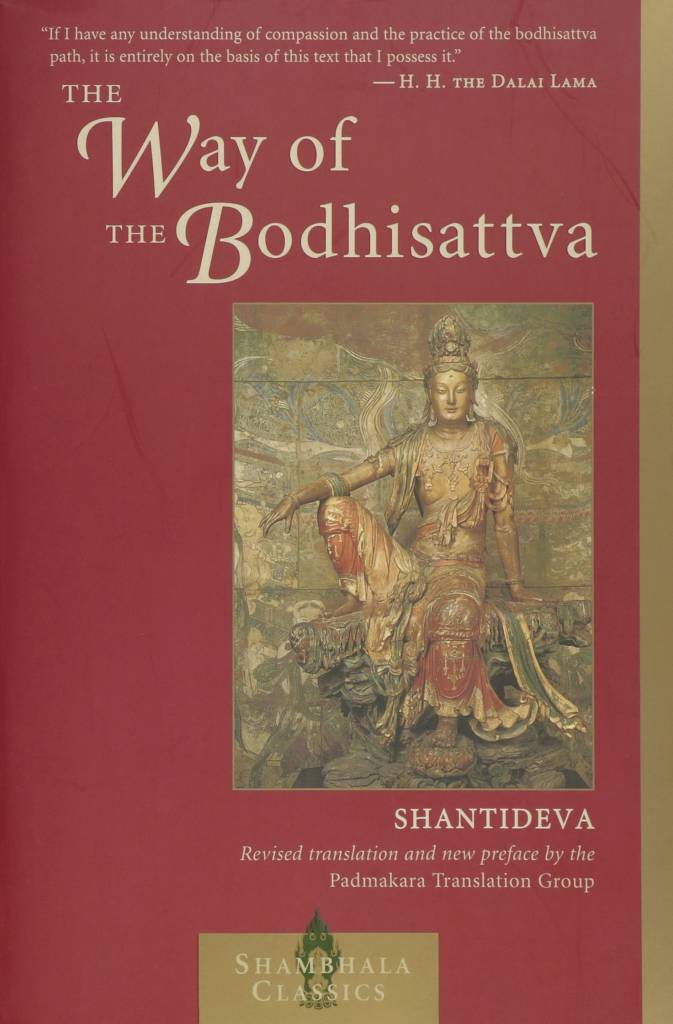
ni el pecho ni tampoco los brazos.[p.166]La Práctica del Bodisatva
Hervás, María Jesús (Padmakara Translation Group, Spain), trans. La Práctica del Bodisatva: Una Traducción del Bodicharyavatara de Shantideva. Translated from the 2006 English translation of Helena Blankleder and Wulstan Fletcher. Novelda, Alicante, Spain: Ediciones Dharma, 2008.

La Práctica del Bodisatva-front.jpg
Padmakara Spain 2008

The body is not the feet or calves,

The thighs and buttocks are also not the body, The stomach and back are also not the body, The chest and upper arms are also not the body,

The rib cage and hands are also not the body,

The body is neither the feet nor calves,

Nor is it the thighs or hips; The belly and back are also not the body.

Nor is the body the chest or shoulders.[p.390]A Commentary on Shantideva's Engaging in the Conduct of the Bodhisattvas
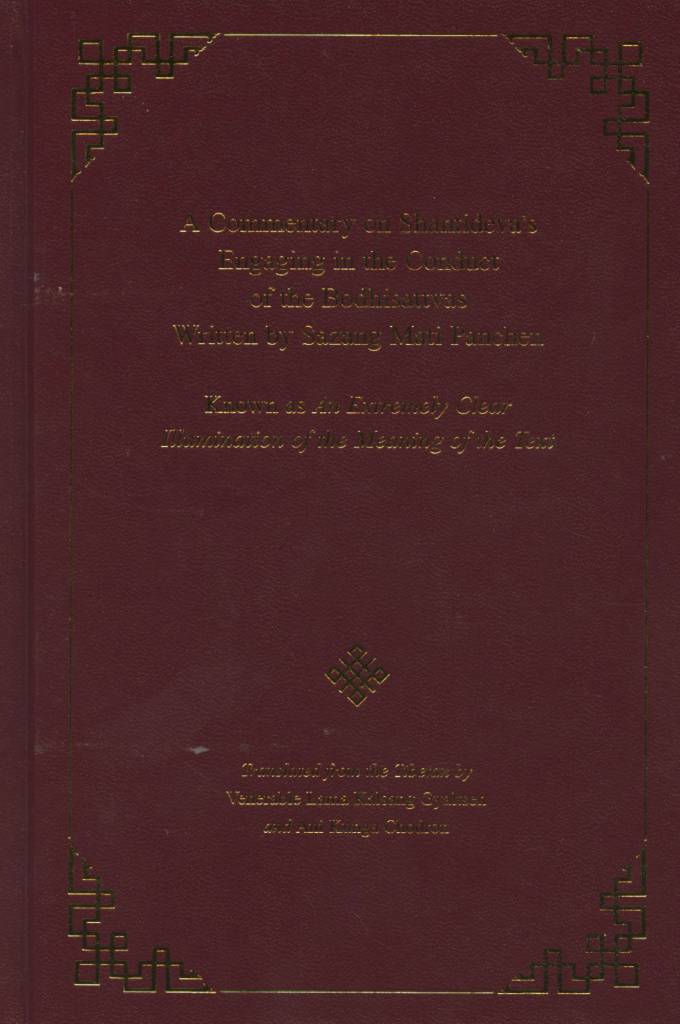
Gyaltsen, Lama Kalsang, and Ani Kunga Chodron, trans. A Commentary on Shantideva's Engaging in the Conduct of the Bodhisattvas Written by Sazang Mati Panchen: Known as An Extremely Clear Illumination of the Meaning of the Text. Walden, NY: Tsechen Kunchab Ling, 2019. First edition published by The Yeshe Dorje Foundation in 2006.

shift + scroll / swipe
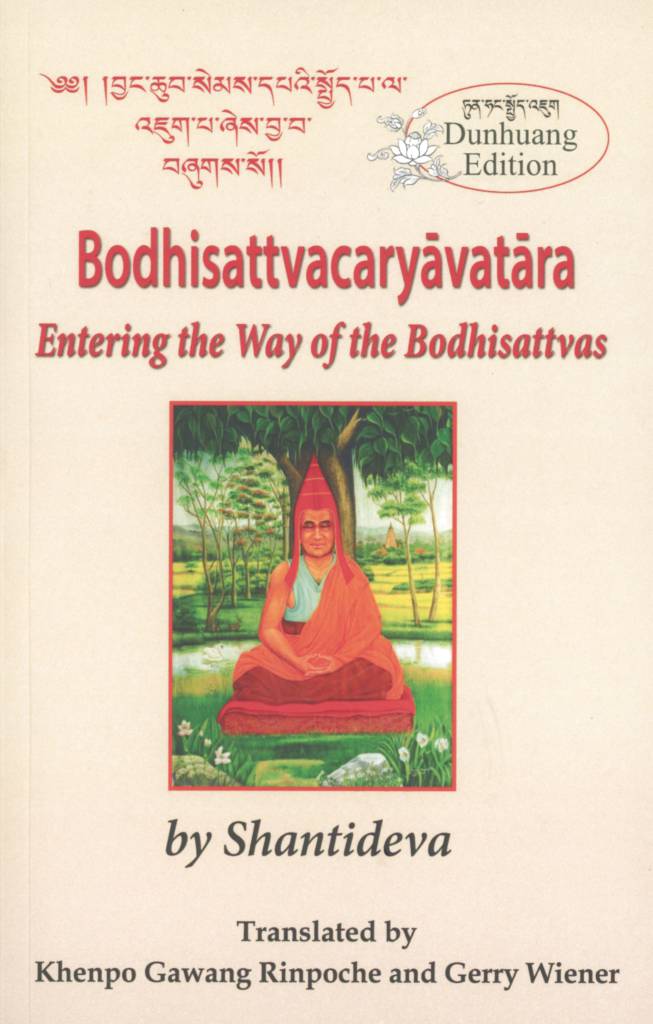
Dūnhuáng §This version is extracted from the book Bodhisattvacaryāvatāra: Entering the Way of the Bodhisattvas (2022, Khenpo Gawang and Wiener), a translation of an edition of the text created from three Dūnhuáng manuscripts. A description and sample pages of these can be found on the Early Tibet Blog. Scans of the actual manuscripts themselves can be found at http://idp.bl.uk

ལུས་ནི་རྐང་པ་བྱིན་པ་མིན། །

བརླ་དང་རྐེད་པའང་ལུས་མ་ཡིན། ། ལུས་ནི་ལྟོ་དང་རྒྱབ་མིན་ཏེ། །

དེ་ནི་ནང་ཁྲོལ་རྣམས་མ་ཡིན། །

alt verse 8.57 tm data

MD: The body is not the leg and calf.

The thigh and waist also are not the body. The belly and back also are not the body.

The inner organs are not the body.

Tsadra Critical Edition §This text was created by comparing four versions of the text from Derge, Cone, Narthang, and Peking Tengyurs from BDRC scans, along with Dunhuang manuscripts IOL Tib J 628, 629, and 630. When Tibetan readings were problematic, the Sanskrit texts from GRETIL and LTB (Oslo) were consulted.

ལུས་ནི་རྐང་པ་བྱིན་པ་མིན། །188ཏུན་ཧོང་ཀ་དང་ཁ་༴ ༩.༧༨ ‘ལུས་ནི་རྐང་པ་བྱིན་པ་མིན། །’ ་་་༩.༧༩ ‘འདི་ལ་ལུས་ནི་གང་ཞིག་ཡིན། །’ བར་མི་འདྲ་བ་འདི་ལྟར་འབྱུང་། ‘ལུས་ནྀ་རྐང་པ་བྱིནད་པ་མྱྀན། །བརླ་དང་རྐེད་པ་ལུས་མ་ཡིན། །ལུས་ནྀ་ལྟོ་དང་རྒྱབ་མྱིན་ཏེ། །དེ་ནི་ནང་གྲོལ་རྣམས་མ་ཡིན། །ལུས་ནི་མགོ་དང་མགྲིན་མྱྀནད་ཏེ། །འདྀ་ལ་ལུས་གཞན་གང་ཞིག་ཡིན། །’

བརླ་དང་རྐེད་པའང་ལུས་མ་ཡིན། ། ལྟོ་དང་རྒྱབ་ཀྱང་ལུས་མིན་ཏེ། །

བྲང་དང་དཔུང་པའང་ལུས་མ་ཡིན། །

[edit]
Sazang Mati (1294 - 1376)
A Commentary on Shantideva's Engaging in the Conduct of the Bodhisattvas (citation)Gyaltsen, Lama Kalsang, and Ani Kunga Chodron, trans. A Commentary on Shantideva's Engaging in the Conduct of the Bodhisattvas Written by Sazang Mati Panchen: Known as An Extremely Clear Illumination of the Meaning of the Text. Walden, NY: Tsechen Kunchab Ling, 2019. Bilingual Edition

(གཉིས་པ་)ཆོས་ཀྱི་བདག་མེད་ལ་འཇུག་ཚུལ་ནི།

2. Engaging in phenomenal selflessness 1.2.2.2.2.2

དྲན་པ་ཉེ་བར་གཞག་པ་བཞི་ལས་བརྩམས་ཏེ་སྟོན་པ་ལ།

Instruction beginning with the four contemplations of mindfulness has two sections:

1. General explanation,

2. Explanation of the text.
1.2.2.2.2.2

(གཉིས་ལས་དང་པོ་)སྤྱི་དོན་གཉིས་ཏེ།

1. General explanation 1.2.2.2.2.2.1

ཐུན་མོང་དུ་བསྟན་པ་དང༌། ཁྱད་པར་དུ་འཕགས་ཚུལ་ལོ། །

General explanation has two sections:

1. Explanation in common,

2. How Mahayana practice is more exalted than common meditation.
1.2.2.2.2.2.1

དང་པོ་ནི་དོན་ལྔས་རིགས་པར་བྱ་སྟེ།

1. Explanation in common 1.2.2.2.2.2.1.1

ཀུན་ལས་བཏུས་སུ། དྲན་པ་ཉེ་བར་གཞག་པ་གང་ཞེ་ན།

First, understand that there are five aspects. The Samucca states:

དམིགས་པ་དང་ངོ་བོ་ཉིད་དང་གྲོགས་དང་སྒོམ་པ་དང་བསྒོམས་པའི་འབྲས་བུར་རིག་པར་བྱའོ། །

One may wonder, "What is the contemplation of mindfulness? ” There are five different aspects: observation, its own nature, supplementary assistants, meditation, and the result of meditation.

ཞེས་པ་ལྟར་རོ། །

དེ་ལ་(དང་པོ་)དམིགས་ཡུལ་ནི།

1. Objects of observation 1.2.2.2.2.2.1.1.1

ཕྱི་ནང་གི་ལུས་དང་ཟག་བཅས་ཀྱི་ཚོར་བ་དང་རྣམ་ཤེས་ཀྱི་སེམས་དང་འཁོར་འདས་ཀྱི་ཆོས་ལ་དམིགས་པ་སྟེ།

The objects of observation are: the external and internal body, contaminated feeling, conscious mind, and all phenomena of both samsara and nirvana.

བྱིས་པ་རྣམས་ལུས་ལ་བདག་གི་རྟེན་གྱི་དངོས་པོ་དང༌། ཚོར་བ་ལ་བདག་གི་ལོངས་སྤྱོད་ཀྱི་དངོས་པོ་དང༌། སེམས་ལ་བདག་གི་རང་བཞིན་གྱི་དངོས་པོ་དང༌། ཆོས་ལ་བདག་ཀུན་ནས་ཉོན་མོངས་པ་དང་རྣམ་པར་བྱང་བར་བྱེད་པའི་དངོས་པོའོ་ཞེས་ཕྱིན་ཅི་ལོག་ཏུ་འཛིན་པས་དེ་རྣམས་སྤང་པར་བྱ་བའི་ཆེད་དུ་བསྟན་པའོ། །

To the childlike, the physical body is perceived as the material foundation of the self, feeling is the experience of matter by the self, mind is the material nature of the self, and phenomena are matter in both the deluded and thoroughly purified states. Since these are misconceptions, this teaching is given in order to abandon them.

(གཉིས་པ་)ངོ་བོ་ཉིད་ནི།

2. Its own nature 1.2.2.2.2.2.1.1.2

དམིགས་ཡུལ་དེ་དག་གི་གནས་ལུགས་ཇི་ལྟ་བར་རྟོགས་པའི་ཤེས་རབ་དང༌། རྟོགས་པའི་དོན་ལ་མི་བརྗེད་པའི་དྲན་པ་ཉེ་བར་གནས་པའོ། །

Its own nature is wisdom that realizes these phenomena exactly and contemplates mindfully on the meaning of what has been realized.

(གསུམ་པ་)གྲོགས་ནི།

3. Supplementary assistants 1.2.2.2.2.2.1.1.3

དྲན་ཤེས་དེ་དག་དང་མཚུངས་པར་ལྡན་ཅིང་ལྷན་ཅིག་ཏུ་སྐྱེས་པའི་[p.-349]རབ་གསལ་སྣང་བ་
སེམས་དང་སེམས་བྱུང་བའི་ཆོས་ཡིད་ཀྱི་རྣམ་པར་ཤེས་པ་དང་ཀུན་འགྲོ་ལྔ་ལ་སོགས་པའོ། །

There are five associated factors: mindfulness, alertness, the simultaneously arising mind that is associated with them, phenomena that are produced from the mind, and the consciousness of awareness.

(བཞི་པ་)སྒོམ་ཚུལ་ནི།

4. How to meditate 1.2.2.2.2.2.1.1.4

རང་གཞན་གྱི་ལུས་ལ་ཆགས་པའི་གཉེན་པོར་གང་ལ་ཆགས་པའི་ལུས་དང༌། དུར་ཁྲོད་ཀྱི་ཀེང་རུས་དང་རྣམ་པར་སྔོས་པ་དང་རྣམ་པར་གནག་པ་དང་རྣམ་པར་བམ་པ་ལ་སོགས་པར་རྟོག་ཡུལ་དུ་སྣང་བའི་ལུས་མི་གཙང་བའི་ངོ་བོར་མཉམ་པ་ཉིད་དུ་རྗེས་སུ་ལྟ་ཞིང་དྲན་པ་ལ་འཇོག་པ་དང༌།

As an antidote to attachment to one’s own and others’ bodies, be mindful and contemplate on the equality of the nature of one’s own body and impure bodies which can be imagined through conceptual thoughts, such as bodies that are seen in the cemetery: skeletons, and putrid corpses that are swollen blue-black, etc.

ཚོར་བ་ལ་སྲེད་པའི་གཉེན་པོར་འདི་ལྟར་གང་ཅི་ཚོར་ཡང་རུང་འདི་ནི་འདིར་སྡུག་བསྔལ་ལོ་ཞེས་གསུངས་པ་ལྟར་ཟག་བཅས་ཀྱི་ཚོར་བ་ཐམས་ཅད་སྡུག་བསྔལ་བར་མཉམ་པ་ཉིད་དུ་ལྟ་ཞིང་དྲན་པ་ལ་འཇོག་པ་དང༌།

As an antidote to craving for feelings, be mindful and contemplate the equality of all contaminated feelings and suffering. The Buddha taught, “As for these, whatever feelings exist, here all of them are suffering.”

སེམས་ལ་རྟག་པར་འཛིན་པའི་གཉེན་པོར།

As an antidote to clinging to the mind as permanent, be mindful and contemplate the equality of the impermanence of one’s own mind and others’ minds, because[p.387]A Commentary on Shantideva's Engaging in the Conduct of the Bodhisattvas
Gyaltsen, Lama Kalsang, and Ani Kunga Chodron, trans. A Commentary on Shantideva's Engaging in the Conduct of the Bodhisattvas Written by Sazang Mati Panchen: Known as An Extremely Clear Illumination of the Meaning of the Text. Walden, NY: Tsechen Kunchab Ling, 2019. First edition published by The Yeshe Dorje Foundation in 2006.
the conscious mind arises and ceases from moment to moment. As it is said:

འདུས་བྱས་ཐམས་ཅད་སྐད་ཅིག་མ། ། མི་གནས་བྱ་བ་ག་ལ་ཡོད། །

All compounded phenomena are momentary.
How could there be non-abiding activity?

ཅེས་པ་ལྟར་རྣམ་པར་ཤེས་པའི་སེམས་ནི་སྐད་ཅིག་གིས་སྐྱེ་འགག་བྱེད་པས་རང་གཞན་གྱི་སེམས་ཐམས་ཅད་མི་རྟག་པར་མཉམ་པ་ཉིད་དུ་རྗེས་སུ་ལྟ་ཞིང་དྲན་པ་ལ་འཇོག་པ་དང༌། ཆོས་ལ་བདག་ཏུ་ལྟ་བའི་གཉེན་པོར། ཆོས་ཐམས་ཅད་ནི་བདག་མེད་པའོ་ཞེས་གསུངས་པ་ལྟར་འཁོར་འདས་ཀྱིས་བསྡུས་པའི་ཆོས་ཐམས་ཅད་བདག་མེད་པར་མཉམ་པ་ཉིད་དུ་རྗེས་སུ་ལྟ་ཞིང་དྲན་པ་ལ་ཉེ་བར་འཇོག་པའོ། །

As an antidote to viewing phenomena as having a self, be mindful and contemplate the equality of the selflessness of all phenomena which are summarized as those in samsara and nirvana. As it is taught, “All phenomena are selfless.”

(ལྔ་པ་)འབྲས་བུ་ནི།

5. Result of meditation 1.2.2.2.2.2.1.1.5

དེ་ལྟར་མི་གཙང་བ་དང་སྡུག་བསྔལ་བ་དང་མི་རྟག་པ་དང་བདག་མེད་པ་རྣམས་བསྒོམས་པས། ལུས་གཙང་བར་འཛིན་པ་དང་ཚོར་པ་བདེ་བར་འཛིན་པ་དང་སེམས་རྟག་པར་འཛིན་པ་དང་ཆོས་བདག་ཡོད་དུ་འཛིན་པའི་ཕྱིན་ཅི་ལོག་བཞི་སྤོང་པ་དང༌། དབུས་མཐར།

Thus meditating on impurity, suffering, impermanence, and selflessness one abandons the four misconceptions of clinging to the body as pure, clinging to feeling as pleasure, clinging to the mind as permanent, and clinging to phenomena as having a self. The Madhyamika text Center and Edge states:

གནས་ངན་ལེན་ཕྱིར་སྲེད་རྒྱུའི་ཕྱིར། །

གཞི་ཡི་ཕྱིར་དང་མ་རྨོངས་ཕྱིར། ། བདེན་པ་བཞི་ལ་འཇུག་བྱ་བས། །

དྲན་པ་ཉེ་བར་གཞག་པ་བསྒོམ། །

Because of taking an inferior state, because of the cause of craving:
Because of a base, and because of nondelusion.
Engage in the four noble truths, and
Meditate the mindfulness contemplations.

ཞེས་པ་ལྟར་ལུས་འདུ་བྱེད་གནས་ངན་ལེན་གྱི་སྡུག་བསྔལ་གྱིས་བསྡུས་པར་རིག་ནས་སྡུག་བསྔལ་ཡོངས་[p.-350]རབ་གསལ་སྣང་བ་
སུ་ཤེས་པ་ལ་འཇུག་ཅིང༌། ཚོར་བ་ཀུན་འབྱུང་སྲེད་པའི་རྒྱུར་རིག་ནས་ཀུན་འབྱུང་སྤོང་པ་ལ་འཇུག་ལ། སེམས་བདག་ཏུ་ཞེན་པའི་གཞིར་རིག་ཅིང་བདག་ཆད་ཀྱིས་དོགས་པའི་སྒོ་ནས་མྱང་འདས་ལ་སྐྲག་པ་མེད་པས་འགོག་པ་མངོན་དུ་བྱེད་པ་ལ་འཇུག་སྟེ། ཆོས་ཉོན་མོངས་རྣམ་བྱང་སྤང་གཉེན་དུ་རིག་ཅིང་མ་རྨོངས་པས་ལམ་སྒོམ་པ་ལ་འཇུག་པས་ན་འཕགས་པའི་བདེན་པ་བཞི་ལ་འཇུག་པ་དང༌། ཟག་བཅས་ཀྱི་ལུས་ལ་སོགས་པ་དང་བྲལ་ནས་ཟག་པ་མེད་པའི་ཡོན་ཏན་རྣམས་རིམ་ཀྱིས་འཐོབ་པ་ལ་སོགས་པའོ། །

As this explains, realize that this body is summarized by the suffering of the inferior compounded state; thus engage in completely realizing suffering. Realize that feeling is the cause of craving for all arising; thus engage in abandoning the all-arising defilements. Realize the mind as the base of clinging to the self; thus engage in manifesting cessation without fear of nirvana due to doubting that the self would be discontinued. Realize that phenomena are what need to be abandoned as they are defiled, and what needs to be adopted is complete freedom from them as the antidote; thus engage in meditation on the path without delusion. Thus engage in the four truths of the Noble One. Having engaged in them, one will be freed from a contaminated body, etc., and gradually attain all uncontaminated good qualities.

(གཉིས་པ་)ཁྱད་པར་འཕགས་ཚུལ་ལ།

2. How Mahayana practice is more exalted than common meditation 1.2.2.2.2.2.1.2

This has two sections:

1. Overview,

2. Detailed explanation.
1.2.2.2.2.2.1.2

(གཉིས་ལས་དང་པོ་)མདོར་བསྟན་ནི།

1. Overview 1.2.2.2.2.2.1.2.1

རྒྱན་ལས།

The Ornament states:

བློ་ལྡན་དྲན་པ་ཉེར་གཞག་པ། །

སྒོམ་པ་རྣམ་པ་བཅུ་བཞི་ཡིས། ། མཚུངས་པ་མེད་པའི་ཕྱིར་ན་དེ། །

དེ་ལས་གཞན་ལས་ཁྱད་པར་འཕགས། །

The mindfulness of the wise
Has fourteen types of meditation,
Which are peerless.
Therefore more exalted than others.

ཞེས་པ་སྟེ་ཐེག་པ་ཆེན་པོ་པ་རྣམས་ཀྱི་དྲན་པ་ཉེ་བར་གཞག་པ་བསྒོམ་པ་ནི་ཐེག་པ་ཆུང་ངུ་བ་རྣམས་དང་མཚུངས་པ་མེད་པའི་ཕྱིར། དོན་རྣམ་པ་བཅུ་བཞིས་ཁྱད་པར་དུ་འཕགས་པ་ཉིད་དོ། །

As this explains, the meditation of the four mindfulness contemplations of the Mahayana vehicle is incomparable to that of the Lower Vehicle. They are more exalted for fourteen reasons.[p.388]A Commentary on Shantideva's Engaging in the Conduct of the Bodhisattvas
Gyaltsen, Lama Kalsang, and Ani Kunga Chodron, trans. A Commentary on Shantideva's Engaging in the Conduct of the Bodhisattvas Written by Sazang Mati Panchen: Known as An Extremely Clear Illumination of the Meaning of the Text. Walden, NY: Tsechen Kunchab Ling, 2019. First edition published by The Yeshe Dorje Foundation in 2006.

(གཉིས་པ་)རྒྱས་བཤད་ནི།

2. Detailed explanation 1.2.2.2.2.2.1.2.2

དོན་རྣམ་པ་བཅུ་བཞི་པོ་གང་ཞེ་ན།

One may wonder, “What are those fourteen reasons by which the Mahayana contemplation of mindfulness is more exalted?” They are:

རྟེན་དང་གཉེན་པོ་དག་དང་ནི། །

དེ་བཞིན་དུ་ནི་འཇུག་པ་དང༌། ། དམིགས་པ་དང་ནི་ཡིད་བྱེད་དང༌། །

ཐོབ་པས་སྒོམ་པ་ཁྱད་པར་འཕགས། །

Relying, antidote,
Likewise engagement,
Observation, mental involvement,
Attainment, therefore meditation is more exalted.

མཐུན་དང་རྗེས་སུ་འཇུག་པ་དང༌། །

ཡོངས་སུ་ཤེས་དང་སྐྱེ་བ་དང༌། ། ཆེན་པོ་དང་ནི་མཆོག་ཉིད་དང༌། །

སྒོམ་དང་ཡང་དག་འགྲུབ་པ་གཞན། །

Harmonious, following accordingly,
Completely understanding, birth,
Greatness, exaltation, meditation,
Perfect accomplishment, and others.

ཞེས་པ་སྟེ།

As this explains, the reasons that Mahayana meditation is more exalted are:

ཐེག་ཆེན་ཟབ་པ་དང་རྒྱ་ཆེ་བའི་ཆོས་ལ་ཐོས་བསམ་སྒོམ་གསུམ་བྱས་པ་ལས་བྱུང་བའི་ཤེས་རབ་རྣམ་དག་ལ་བརྟེན་ནས་སྒོམ་པའི་ཕྱིར་ཡང་ཁྱད་པར་དུ་འཕགས་ཤིང༌། དེ་བཞིན་དུ་སྦྱར་ཏེ་སྔར་ཕྱིན་ཅི་ལོག་བཞིའི་གཉེན་པོ་མི་གཙང་བ་དང་སྡུག་བསྔལ་བ་དང་མི་རྟག་པ་དང་བདག་མེད་པར་སྒོམ་པ་རྣམས་ཀྱང༌། ཆོས་ཀྱི་དབྱིངས་གཙང་བ་དང་བདེ་བ་དང་རྟག་པ་དང་བདག་དམ་པའི་ཕ་རོལ་ཏུ་ཕྱིན་པ་ལ་ལྟོས་ན་འདུ་ཤེས་ཕྱིན་ཅི་ལོག་ཡིན་པས་དེ་དག་གི་[p.-351]རབ་གསལ་སྣང་བ་
ཡང་གཉེན་པོ་བྱེད་པའི་ཕྱིར་དང༌། སྔར་བསྟན་པ་ལྟར་བདག་ཉིད་ཀྱང་འཕགས་པའི་བདེན་པ་བཞི་ལ་འཇུག་ཅིང་གཞན་དག་ཀྱང་རིམ་གྱིས་འཛུད་པར་བྱེད་པའི་ཕྱིར་དང༌། རང་གཅིག་པུའི་ལུས་སོགས་ལ་དམིགས་པ་ཙམ་མ་ཡིན་གྱི་སེམས་ཅན་ཐམས་ཅད་ཀྱི་ལུས་ལ་སོགས་པ་ལ་དམིགས་པའི་ཕྱིར་དང༌། དངོས་པོ་ལ་མཚན་མར་འཛིན་པ་མ་ཡིན་གྱི་ལུས་ལ་སོགས་པ་ཐམས་ཅད་མི་དམིགས་པར་ཡིད་ལ་ཕྱེད་པའི་ཕྱིར་དང༌། ལུས་ལ་སོགས་པ་དང་བྲལ་བ་ཞི་བའི་མཐར་ལྷུང་བ་ཡང་མ་ཡིན་ཞིང་མ་བྲལ་བ་སྲིད་པའི་མཐར་ལྷུང་བ་ཡང་མ་ཡིན་པས་མི་གནས་པའི་མྱ་ངན་ལས་འདས་པ་ཐོབ་པའི་ཕྱིར་དང༌། མི་མཐུན་ཕྱོགས་སེར་སྣ་ལ་སོགས་པའི་གཉེན་པོ་བྱེད་པས་ཕ་རོལ་ཏུ་ཕྱིན་པ་རྣམས་དང་ཡང་མཐུན་པའི་ཕྱིར་དང༌། གནས་སྐབས་སུ་རང་རང་གི་མོས་པ་དང་མཐུན་པར་སྟོན་ཞིང་སྒོམ་པས་འཇིག་རྟེན་པ་དང་ཉན་ཐོས་དང་རང་སངས་རྒྱས་རྣམས་ཀྱི་ཡང་རྗེས་སུ་འཇུག་པའི་ཕྱིར་དང༌། ལུས་ཡང་དག་པ་མ་ཡིན་པའི་ངོ་བོར་སྣང་བ་སྒྱུ་མ་ལྟ་བུ་དང་ཚོར་བ་ལོག་པར་ཉམས་སུ་མྱོང་བ་རྨི་ལམ་ལྟ་བུ་དང༌། སེམས་རང་བཞིན་གྱིས་འོད་གསལ་བ་ནམ་མཁའ་ལྟ་བུ་དང༌། ཆོས་གློ་བུར་དུ་འབྱུང་བ་སྤྲིན་ལ་སོགས་པ་ལྟ་བུར་ཡོངས་སུ་ཤེས་པའི་ཕྱིར་དང༌། བསམས་བཞིན་དུ་སྲིད་པར་སྐྱེ་བ་ན་འཁོར་ལོས་སྒྱུར་བ་ལ་སོགས་པའི་ལུས་དང་ཚོར་བ་ལ་སོགས་པ་ཕུན་སུམ་ཚོགས་པ་ཐོབ་ཅིང་དེ་ལ་ཡང་ཀུན་ནས་ཉོན་མོངས་པ་མེད་པའི་སྐྱེ་བ་ཐོབ་པའི་ཕྱིར་དང༌། རང་བཞིན་གྱིས་དབང་པོ་རྣོ་བ་ཉིད་ཀྱིས་དེའི་དྲན་པ་ཉེར་གཞག་སྒོམ་པ་ཆུང་ངུ་ཡང་དེ་ལས་གཞན་པ་དག་ལས་ཤིན་ཏུ་ཆེན་པོར་འགྱུར་བའི་ཕྱིར་དང༌། བསམ་སྦྱོར་མཐུན་པར་འཇུག་པས་འབྲས་བུ་མཐར་ཐུག་ཐོབ་པ་ན་འདྲེས་ཤིང་ཉེ་བར་འདྲེས་པའི་མཆོག་ཉིད་དུ་འགྱུར་བའི་ཕྱིར་དང༌། ཕུང་པོ་ལྷག་མ་མེད་པའི་མྱ་ངན་ལས་འདས་པ་ཐོབ་པ་ན་ཡང་མི་ཟད་པར་འགྱུར་བའི་སྒོམ་པ་ཕུན་སུམ་ཚོགས་པ་དང་ལྡན་པའི་ཕྱིར་དང༌། གནས་སྐབས་ཀྱི་འབྲས་བུ་བྱང་ཆུབ་སེམས་[p.-352]རབ་གསལ་སྣང་བ་
དཔའི་ས་བཅུ་དང༌།

- Because it relies upon genuine wisdom which arises from study, contemplation and meditation on the vast and profound Dharma;

- Likewise, it is a better antidote to the four misconceptions explained above because the purity, happiness, permanence, and nobility of the perfected self in the realm of reality are more exalted than the meditations on impurity, suffering, impermanence, and selflessness, which are still misconceptions compared to them; - Also because, as previously explained, others can also be gradually placed in the path, due to one’s own engagement in the four noble truths; - Because the bodies of all sentient beings are the object of observation, not only one’s own body; - Because of mental involvement in not perceiving anything, such as the body, etc., which is not only lack of clinging to the characteristics of matter; - Because of the attainment of non-abiding nirvana through not falling into the extreme of peace through freedom from a physical body, etc., and also not falling into the extreme of samsara through freedom; - Because it is harmonious with the six perfections, it is the antidote to their opposite factors such as miserliness, etc.; - Because of following according to the capacity of worldly beings, Shravakas, Prateka Buddhas, etc., the teachings are given according to their individual interests at that time; - Because of completely understanding that: the body is not genuine, but is perceived like a magical apparition; feelings are a mistaken conceptual experience, like a dream; the nature of mind is clear light, like space, and phenomena occur suddenly like clouds; - Because of attaining a birth completely free of defilements, they intentionally take birth as a universal monarch and attain a magnificent[p.389]A Commentary on Shantideva's Engaging in the Conduct of the Bodhisattvas
Gyaltsen, Lama Kalsang, and Ani Kunga Chodron, trans. A Commentary on Shantideva's Engaging in the Conduct of the Bodhisattvas Written by Sazang Mati Panchen: Known as An Extremely Clear Illumination of the Meaning of the Text. Walden, NY: Tsechen Kunchab Ling, 2019. First edition published by The Yeshe Dorje Foundation in 2006.
body a magnificent body and feelings; - Because their meditation is much greater than others, their natural intelligence is extremely sharp, so when they do even a little of the four contemplations of mindfulness, it is more exalted; - Because the merging and complete merging is more exalted, when the result is attained, they engage in harmonious motivation and application; - Because of possessing magnificent meditation which has inexhaustible good qualities even after attaining non-remaining nirvana; - Because of the perfect accomplishment of the temporary result of the Bodhisattva’s tenth bumi, and the final result of fully enlightened Buddhahood.

མཐར་ཐུག་གི་འབྲས་བུ་སངས་རྒྱས་ཀྱིས་ཉིད་ཀྱང་ཡང་དག་པར་འགྲུབ་པའི་ཕྱིར་ན་ཐེག་དམན་གྱི་སྒོམ་ཚུལ་ལས་ཆེས་ཆེར་ཁྱད་པར་དུ་འཕགས་པའོ། །

For these reasons, this method of meditation is far better and more exalted than the meditation methods of the Lesser Vehicle.

(གཉིས་པ་)གཞུང་དོན་ལ།

2. Explanation of the text 1.2.2.2.2.2.2

ལུས་དང༌། ཚོར་བ་དང༌། སེམས་དང༌། ཆོས་ལ་དྲན་པ་ཉེ་བར་གཞག་སྟེ་བདག་མེད་ལ་འཇུག་ཚུལ་ལོ། །

This has four sections:

1. Contemplation of mindfulness of the body, 2. Contemplation of mindfulness of feelings, 3. Contemplation of mindfulness of the mind,

4. Contemplation of mindfulness of phenomena.
1.2.2.2.2.2.2

དང་པོ་ལ་དྲུག་ལས།

1. Contemplation of mindfulness of the body 1.2.2.2.2.2.2.1

This has six sections:

1. Abandoning clinging to the parts as the whole, 2. How it is deluded to hold that it abides in the parts, 3. Showing that the assemblage also lacks truth, 4. Demonstration that the parts are like a distant effigy, 5. Demonstration that the particles are like space,

6. Therefore, how to meditate like a dream.
1.2.2.2.2.2.2.1

(དང་པོ་)ཆ་ཤས་ལུས་སུ་ཞེན་པ་སྤང་པ་ནི།

1. Abandoning clinging to the parts as the whole 1.2.2.2.2.2.2.1.1

ཡང་འགའ་ཞིག་ཡན་ལག་ཅན་གྱི་ལུས་ལ་བདག་ཏུ་འཛིན་ནོ་སྙམ་ན།

Some may wonder: “If the body is the limbs, are they the self?”

ཡན་ལག་ཅན་གྱི་ལུས་རིལ་པོ་རྫས་གཅིག་ཏུ་བདེན་པར་གྲུབ་པ་ནི་ཡོད་པ་མ་ཡིན་ཏེ། ཡན་ལག་སོ་སོ་བར་སྣང་བ་འདི་དག་ལས་གཞན་པའི་ལུས་ནི་མ་དམིགས་ཤིང་འདི་དག་ཀྱང་རེ་རེ་ནས་རྣམ་པར་དཔྱད་ན་ལུས་མ་ཡིན་པའི་ཕྱིར་རོ། །

Madhyamika: A complete body composed of limbs does not truly exist in reality as a single entity because the whole body cannot be perceived as anything other than its separate perceivable parts. Under analysis, the parts also cannot be said to be the body.

ལུས་ནི་རྐང་པ་བྱིན་པ་མིན། །

བརླ་དང་རྐེད་པའང་ལུས་མ་ཡིན། ། ལྟོ་དང་རྒྱབ་ཀྱང་ལུས་མིན་ཏེ། །

བྲང་དང་དཔུང་པའང་ལུས་མ་ཡིན། །

lus ni rkang pa byin pa min/_/

brla dang rked pa'ang lus ma yin/_/ lto dang rgyab kyang lus min te/_/

brang dang dpung pa'ang lus ma yin/_/

The body is neither the feet nor calves,

Nor is it the thighs or hips; The belly and back are also not the body.

Nor is the body the chest or shoulders.[p.390]A Commentary on Shantideva's Engaging in the Conduct of the Bodhisattvas
Gyaltsen, Lama Kalsang, and Ani Kunga Chodron, trans. A Commentary on Shantideva's Engaging in the Conduct of the Bodhisattvas Written by Sazang Mati Panchen: Known as An Extremely Clear Illumination of the Meaning of the Text. Walden, NY: Tsechen Kunchab Ling, 2019. First edition published by The Yeshe Dorje Foundation in 2006.

དེ་ཡང་འདི་ལྟར་ལུས་ནི་རྐང་པ་དང་བྱིན་པ་ལྟ་བུ་རེ་རེའང་མི༵ན་ཞིང༌། བརླ་དང་རྐེད་པ་ལྟ་བུ་རེ་རེའང་ལུས་མིན་ལ༵། ལྟོ་བ་དང་རྒྱབ་རྐྱང་པ་དག་ཀྱང་ལུས་མིན་ཏེ༵། བྲང་གཅིག་པུ་དང་དཔུང་པ་གཅིག་པུའང་ལུས་མ་ཡི༵ན་ནོ། །

To explain this in more detail, the legs and the calves alone are not the body, neither are the thighs or the hips. The belly and back alone are not the body. Also the chest, shoulders, and arms alone are not the body.
Gyaltsap Je (1364 - 1432)
The Entrance for the Children of the Conquerors (citation)Stracke, Fedor, trans. The Entrance for the Children of the Conquerors: A Commentary on the Introduction to the Actions of Bodhisattvas. By Gyaltsab Rinpoche. N.p.: Happy Monks Publication, 2016. https://happymonkspublication.org/product/bodhisattvacharyavatara-chapter-1-10-commentary/. Bilingual Edition

གཉིས་པ་ཆོས་ཀྱི་བདག་མེད་རྒྱས་པར་བཤད་པ་ལ་གསུམ།

Explaining Extensively the Reasoning Establishing the Selflessness of Phenomena 1.1.2.3.2

དང་པོ་ལ་བཞི།

Explaining the Selflessness of Phenomena by Way of the Four Close Placements by Mindfulness 1.1.2.3.2.1

དང་པོ་ལ་བཞི།

Meditating on the Close Placement by Mindfulness on the Body21Jetsun Chokyi Gyaltsen: The definition of close placement (of wisdom) by mindfulness: An exalted knower on the path, that is contained in either mindfulness or wisdom, and which meditates by investigating the general and specific characteristics of the body. 1.1.2.3.2.1.1

དང་པོ་ནི།

Comprehending That Possessing Parts, the Body, as Lacking Inherent Existence 1.1.2.3.2.1.1.1

ལུས་ནི་རྐང་པ་བྱིན་པ་མིན། །

བརླ་དང་རྐེད་པའང་ལུས་མ་ཡིན། ། ལྟོ་དང་རྒྱབ་ཀྱང་ལུས་མིན་ཏེ། །

བྲང་དང་དཔུང་པའང་ལུས་མ་ཡིན། །
lus ni rkang pa byin pa min/_/

brla dang rked pa'ang lus ma yin/_/ lto dang rgyab kyang lus min te/_/

brang dang dpung pa'ang lus ma yin/_/

The body is not the feet or calves,

The thighs and buttocks are also not the body, The stomach and back are also not the body, The chest and upper arms are also not the body,

The rib cage and hands are also not the body,

ལུས་ནི་རང་བཞིན་གྱིས་གྲུབ་པ་མ་ཡིན་པར་ཐལ། དེ་རང་བཞིན་གྱིས་གྲུབ་ན་ལུས་ཀྱི་ཡན་ལག་སོ་སོ་བ་དང་དེ་རྣམས་བསྡོམས་པའི་ཚོགས་པ་དང་དེ་རྣམས་ལས་ངོ་བོ་ཐ་དད་པ་གང་རུང་གཅིག་ལུས་ཀྱི་མཚན་གཞིར་རྙེད་དགོས་པ་ལ་དེ་མི་རྙེད་པའི་ཕྱིར།

It follows the body does not exist inherently - because if it existed inherently, then an example of the body should be findable in the individual limbs of the body, in the collection of the accumulated parts or as a different entity from these, but it is not found.

ཡན་ལག་ཐམས་ཅད་བསྡོམས་པའི་ཚོགས་པ་ལུས་ཡིན་མོད་དེ་ལ་དོགས་པ་ཅི་ཞིག་ཡོད་སྙམ་ན།

Argument: The collection of all the accumulated parts is the body. What doubt is there about this?

ཚོགས་པ་ལ་བརྟེན་ནས་ལུས་སུ་བཏགས་པ་ཡིན་པས་ལུས་ཀྱི་ཡན་ལག་ཚོགས་པ་ལུས་སུ་མི་རིགས་ཏེ་དེ་ལྟ་མ་ཡིན་ན་མཐར་རྡུལ་ཕྲན་ཆ་མེད་ཀྱི་མཐར་ཐུག་པར་ཁས་ལེན་དགོས་པར་འགྱུར་རོ། །

Madhyamaka: Because one labels the body in dependence on the collection, the collection of the parts of the body is unsuitable to be the body. If it is not like this, then one needs to accept a final partless particle.

དེས་ན་ལུས་ཞེས་པའི་ཐ་སྙད་འཇུག་པའི་གཞི་ལུས་དེ་ཁོ་རང་གི་ངོས་ནས་ཇི་ལྟར་ཡོད་བཙལ་བའི་ཚེ་སྐྱེས་བུའི་རྐང་བ་དང་བྱིན་པ་སྐྱེས་བུའི་ལུས་མིན་ལ། བརླ་དང་རྐེད་པའང་ལུས་མ་ཡིན་ལྟོ་དང་རྒྱབ་ཀྱང་ལུས་མིན་ཏེ། དེ་དག་ལ་བརྟེན་ནས་སྐྱེས་བུའི་ལུས་སུ་བཏགས་པའི་ཕྱིར། བྲང་དང་དཔུང་བའང་ལུས་མ་ཡིན་ལ། རྩིབ་ལོགས་དང་ལག་[p.Ch9-397]Spyod 'jug rtsa 'grel (Mtsho sngon mi rigs dpe skrun khang 2001)
Śāntideva, and Rgyal tshab rje dar ma rin chen. Spyod 'jug rtsa 'grel and Byang chub sems dpa'i spyod pa la 'jug pa'i rnam bshad rgyal sras 'jug ngogs. Xining: Mtsho sngon mi rigs dpe skrun khang, 2001
པའང་ལུས་མ་ཡིན་མཆན་ཁུང་དང་ཕྲག་པའང་ལུས་མ་ཡིན་ནང་ཁྲོལ་རྣམས་ཀྱང་སྐྱེས་བུའི་ལུས་དེ་མིན་ལ་མགོ་དང་མགྲིན་པའང་སྐྱེས་བུའི་ལུས་མིན་ན་ཡན་ལག་འདི་རྣམས་ལ་སྐྱེས་བུའི་ལུས་ནི་གང་ཞིག་ཡིན་ཏེ་གང་ཡང་མིན་ལ།

Then, when one analyzes whether and how the basis of engagement for the label that expresses ‘body’ exists from the side of the body itself: The feet and calves of the person are not the body of the person, the thighs and buttocks are also not the body, and also the stomach and back are not the body, because the body of the person is labelled in dependence on these. The chest and upper arms are also not the body, the rib cage and hands are also not the body, the armpits and shoulders are also not the body and the internal organs are also not it. If also the head and neck are not the body, then which of these parts is the body? Not any of them.

དེ་རྣམས་ཚོགས་པ་དང་དེ་རྣམས་ལས་ངོ་བོ་ཐ་དད་པ་ཡང་སྐྱེས་བུའི་ལུས་མ་ཡིན་པས་ལུས་རང་བཞིན་གྱིས་གྲུབ་པ་མེད་དོ། །

Because also their collection is not the body and also nothing of one or of different[p.48]The Entrance for the Children of the Conquerors
Stracke, Fedor, trans. The Entrance for the Children of the Conquerors: A Commentary on the Introduction to the Actions of Bodhisattvas. By Gyaltsab Rinpoche. N.p.: Happy Monks Publication, 2016. https://happymonkspublication.org/product/bodhisattvacharyavatara-chapter-1-10-commentary/.
entity from these is the body of the person, therefore, the body does not exist inherently.
Pawo Rinpoche, 2nd (1504 - 1566)
The Center of the Sunlit Sky (citation)Brunnhölzl, Karl. The Center of the Sunlit Sky: Madhyamaka in the Kagyü Tradition. Including a translation of Pawo Rinpoche's commentary on the knowledge section of Śāntideva's The Entrance to the Bodhisattva’s Way of Life (Bodhicaryāvatāra). Nitartha Institute Series. Ithaca, NY: Snow Lion Publications, 2004. Bilingual Edition

གཉིས་པ་

The Meaning of the Text 3.2.2.

དང་པོ་ལུས་དྲན་ཉེ་ལ་གཉིས།

The Application of Mindfulness of the Body 3.2.2.1.

དང་པོ་ནི།

The Individual Body Parts Are Not the Body 3.2.2.1.1.

ལུས་ནི་རྐང་པ་བྱིན་པ་མིན། །

བརླ་དང་རྐེད་པའང་ལུས་མ་ཡིན། ། ལྟོ་དང་རྒྱབ་ཀྱང་ལུས་མ་ཡིན། །

བྲང་དང་བུང་པའང་ལུས་མ་ཡིན། །

The body is neither feet nor shanks,

Nor is it the thighs or the waist. The abdomen and the back are not the body,

And neither are the chest or arms. [78]

རྐང་པ་བརྒྱད་ཀྱིས་ཆ་ཤས་རེ་རེ་ཞིང་ལུས་མ་ཡིན་པ་དང་ཐ་མས་ལུས་སྒྲོ་བཏགས་སུ་བསྟན་ཏོ། །

The [first] seven1688The Tibetan says “eight,” because the Tibetan translation of verse 79 has five lines. lines [teach] that none of the various distinct parts is the body, and the last [line] teaches that the body [858] is a superimposition.

དེ་ཡང་ཡན་ལག་སྣ་ཚོགས་པའི་འདུས་པ་འདི་ལ་ལུས་ཅེས་བརྗོད་ཅིང་དེར་ཞེན་པར་བྱེད་ན་རེ་ཞིག་བདག་ཉིད་ཀྱིས་བརྟག་པར་རིགས་ཏེ་ཅི་ལུས་ཅེས་བྱ་བ་དེ་གང་ཞིག་ལ་ཟེར། །ལུས་ནི་རྐང་པ་དང་བྱིན་པ་ཡང་མིན་ལ་དེ་བཞིན་དུ། བརླ་དང་རྐེད་པའང་ལུས་མ་ཡིན། །ལྟོ་དང་རྒྱབ་ཀྱང་ལུས་མིན་སྟེ། །བྲང་དང་པུང་པའང་ལུས་མ་ཡིན། །རྩིབས་ལོག་པའང་ལུས་མིན་སྟེ། །མཆན་ཁུང་ཕྲག་པའང་ལུས་མ་ཡིན། །ནང་རོལ་རྣམས་ཀྱང་དེ་མིན་ལ། །དེ་བཞིན་དུ་མགོ་བོ་དང་མགྲིན་པ་དང་དེ་ལས་གཞན་པའི་ཆ་ཤས་སོ་སོའང་ལུས་མིན་པར་རང་གིས་ཀྱང་ངེས་པར་སྣང་ན་ད་ནི་འདི་ལ་ལུས་ཅེས་བྱ་བ་གང་ཞིག་ཡིན་སྟེ་འདི་ནི་མིང་ཙམ་སྟེ་སྒྲོ་བཏགས་པ་ཁོ་ནར་ཟད་ཏོ། །

If you call this assembly of various body parts “body” and cling to it as such [a body], it is reasonable to examine this for a while: [859] What is it that you name[p.719]The Center of the Sunlit Sky
Brunnhölzl, Karl. The Center of the Sunlit Sky: Madhyamaka in the Kagyü Tradition. Including a translation of Pawo Rinpoche's commentary on the knowledge section of Śāntideva's The Entrance to the Bodhisattva’s Way of Life (Bodhicaryāvatāra). Nitartha Institute Series. Ithaca, NY: Snow Lion Publications, 2004.
“body”? The body is neither feet nor shanks, nor is it the thighs or the waist. The abdomen and the back are not the body, and neither are the chest or arms. Hands and sides are not the body, nor are armpits or inner organs. In the same way, also head and neck, and all individual parts other than these, are not the body. So if it appears that you have gained certainty that it is none of these [parts], what is this so-called body? It is nothing but a mere name, just a superimposition.
Minyak Kunzang Sönam (1823 - 1905)
The Profound Reality of Interdependence (citation)Duckworth, Douglas S., trans. The Profound Reality of Interdependence: An Overview of the Wisdom Chapter of the Way of the Bodhisattva. By Künzang Sönam. New York: Oxford University Press, 2019. Bilingual Edition

དེ་ལྟར་བདག་མེད་སྒོམ་ཚུལ་སྔ་ཕྱི་གཉིས་ཀྱིས་བསྟན་པའི་བདག་མེད་ཀྱང་། བསླབ་བཏུས་ཟིན་བྲིས་ལས་སྔ་མ་གང་ཟག་གི་བདག་མེད་དང་། ཕྱི་མ་ཆོས་ཀྱི་བདག་མེད་དང་སྦྱར་ནས་གསུངས་ལ། ཤེར་ལེའི་ཟིན་བྲིས་ལས་དྲན་པ་ཉེར་གཞག་སྟོན་པའི་མདོས་ཀྱང་བདག་མེད་གཉིས་ཀ་སྟོན་པར་གསུངས་སོ། །འདིར་སྤྱོད་འཇུག་རྩ་བའི་དགོངས་པ་ལྟར་ན། སོ་དང་སྐྲ་སེན། 9.57 སོགས་ཀྱིས་ཁམས་དྲུག་གི་སྒོ་ནས་གང་ཟག་གི་བདག་མེད་དང་། ལུས་ནི་རྐང་པ། 9.78 སོགས་ཀྱིས་དྲན་པ་ཉེར་གཞག་བཞིའི་སྒོ་ནས་ཆོས་ཀྱི་བདག་མེད་སྒོམ་པ་བསྟན་ཞིང་འགྲེལ་པ་དག་ལས་ཀྱང་དེ་ལྟར་བཤད་དོ། །དེ་དག་ནི་ཕན་ཚུན་མཚོན་པ་ཡིན་པས་མི་འགལ་ཏེ། གང་ཟག་གི་གདགས་གཞི་ཁམས་དྲུག་སོགས་དང་། ལུས་ཚོར་སོགས་བདེན་པར་མེད་པ་ཆོས་ཀྱི་བདག་མེད་དང༌། བཏགས་ཆོས་གང་ཟག་བདེན་པར་མེད་པ་གང་ཟག་གི་བདག་མེད་ཡིན་པས་གང་ལ་སྦྱར་ཀྱང་ཆོག་གོ །

In this way, the earlier and later ways of meditating on selflessness both teach selflessness, [749] but the notes on the Anthology of Training correlate the earlier one with the selflessness of persons and the later one with the selflessness of phenomena. Yet Tsongkhapa’s Notes on the Wisdom Chapter say that the sūtras that teach the applications of mindfulness teach both selflessnesses.311See Tsongkhapa, Notes on the Wisdom Chapter, 615; see also Tsongkhapa, Bright Mind: Commentary on the Wisdom Chapter of the “Way of the Bodhisattva,” 886–888. Here, in accord with the viewpoint of the root text of the Way of the Bodhisattva, meditation on the selflessness of persons is taught by means of the six elements, [IX.57] The teeth, hair, and nails . . . , 9.57 and [IX.78] The body is not the feet . . . 9.78 It teaches a meditation on the selflessness of phenomena by means of the four applications of mindfulness. The commentaries also explain it this way. These two are mutually illustrative, so there is no conflict. The basis of designation for a person is the six elements, and so on; and the lack of[p.161]The Profound Reality of Interdependence
Duckworth, Douglas S., trans. The Profound Reality of Interdependence: An Overview of the Wisdom Chapter of the Way of the Bodhisattva. By Künzang Sönam. New York: Oxford University Press, 2019.
true existence of the body, feelings, and so on, is the selflessness of phenomena. Since the lack of true existence of the designated object—the person—is the person’s lack of true existence, either way of correlating this is fine.

གོང་གི་གང་ཟག་གི་བདག་མེད་ཀྱང་གང་ཟག་གི་བདག་མེད་ཕྲ་མོ་ཡིན་པར་བསླབ་བཏུས་ཀྱི་ལུང་གི་ཤེས་བྱེད་བཅས་ཟིན་བྲིས་ལས་སོ། །དེ་དག་ནི་མདོ་ཙམ་སྟེ། རྒྱས་པར་ནི། བཟོད་བྱ་ཐོས་པ་བཙལ་བར་བྱ། །སོགས་ཀྱིས་གཙོ་བོར་དེ་ཁོ་ན་ཉིད་ཀྱི་དོན་མང་དུ་ཐོས་པ་བཙལ་ནས། དེ་བསྒོམས་པས་རང་རྒྱུད་ཀྱི་ཉོན་མོངས་སྤོང་ཚུལ་བསྟན་ཏེ། མང་ཐོས་ཀྱི་མི་མཐུན་ཕྱོགས་སེལ་བའི་བཟོད་པ། དེའི་མཐུན་ཕྱོགས་སྒྲུབ་པའི་བརྩོན་འགྲུས། ཉོན་མོངས་པའི་གཉེན་པོའི་རང་བཞིན་གྱི་བསམ་གཏན་དང་ཤེས་རབ་གཉིས་ཏེ་བཞི་དང་། དེ་དག་རེ་རེ་ལའང་དོན་ཚན་མང་དུ་ཕྱེ་ནས་མདོའི་ལུང་གིས་བསྒྲུབས་པ་རྣམས། སྤྱོད་འཇུག་གི་བཟོད་པ་སོགས་ཀྱི་ལེའུ་བཞི་[p.175]Spyod 'jug shes rab le'u'i spyi don rim par phye ba zab mo rten 'byung gi de kho na nyid yang gsal sgron me
Mi nyag kun bzang bsod nams (མི་ཉག་ཀུན་བཟང་བསོད་ནམས་). spyod 'jug shes rab le'u'i spyi don rim par phye ba zab mo rten 'byung gi de kho na nyid yang gsal sgron me [སྤྱོད་འཇུག་ཤེས་རབ་ལེའུའི་སྤྱི་དོན་རིམ་པར་ཕྱེ་བ་ཟབ་མོ་རྟེན་འབྱུང་གི་དེ་ཁོ་ན་ཉིད་ཡང་གསལ་སྒྲོན་མེ།]. [Lamp that Thoroughly Illuminates the Suchness of Profound Dependent Origination: An Overview of the Divisions of the Wisdom Chapter of Entering into the Conduct [of the Bodhisattva]]. Tengyur.
དང་ཅི་རིགས་སྦྱར་དུ་ཡོད་ལ། འདིར་ཡང་ཤེར་ལེའི་སྐབས་ཙམ་བསླབ་སྤྱོད་ཕན་ཚུན་སྦྱར་ནས་བཤད་ན་ལེགས་པར་མངོན་ནོ། །

Tsongkhapa’s notes say that the passages in the Anthology of Training also make known that the former selflessness of persons is also the subtle selflessness of persons.312See Tsongkhapa, Bright Mind, 886–887; Tsongkhapa, Notes on the “Anthology of

Training,” 571. This is merely stated in brief. For details, “Seek out and study the object of forbearance” mainly is to seek out a thorough study of the meaning of reality. Then it shows how afflictions are eliminated based on meditating on it: the forbearance that eliminates the discordant factors of a thorough study; the diligence that accomplishes its conducive conditions; and both the meditative concentration and the wisdom that have the nature of the antidote to the afflictions. Each of these four is separated out and many classifications of their meaning are established for each one in passages from sūtras. They are also correlated in different ways with four chapters from the Way of the Bodhisattva, including the Patience Chapter. Here, it is good to explain the correlations between the Anthology of Training and the Way of the Bodhisattva in just the context of the Wisdom Chapter.

གཉིས་པ་(དགག་བྱའི་བདག་དང་བདག་འཛིན་སོགས་ངོས་གཟུང་བའོ། །)ནི།

Identifying Such Things as the Self That Is the Object of Negation and Self-Apprehension 2.2.3.1.2

འོ་ན་འདིར་བདག་མེད་གཏན་ལ་འབེབས་པ་ལ། གང་ཟག་དང་ཆོས་ཀྱི་སྟེང་དུ་འགོག་རྒྱུའི་བདག་དང་། བདག་འཛིན་དང་། དེ་དག་བཀག་པའི་བདག་མེད་པ་རྣམས་ཇི་ལྟ་བུ་ཞེ་ན།

One might ask, “In the ascertainment of selflessness here, what is the self that is negated with respect to persons and phenomena? What is self-apprehension? And what is selflessness that is the negation of these?”

བཤད་པར་བྱ་སྟེ། ཆོས་གང་ལའང་རྟོག་པའི་དབང་གིས་བཞག་ཙམ་མ་ཡིན་པར་རང་ངོས་ནས་གྲུབ་པར་འཛིན་པ་ནི་བདེན་འཛིན་ལྷན་སྐྱེས་ཡིན་ལ། བདེན་འཛིན་ལྷན་སྐྱེས་དེའི་ཞེན་ཡུལ་ལམ་འཛིན་སྟངས་ཀྱི་ཡུལ་དེ་ལ་དགག་བྱའི་བདག་གམ་རང་བཞིན་ཞེས་བྱ་ལ། དེ་ཉིད་གང་ཟག་གི་སྟེང་དུ་གྲུབ་པ་གང་ཟག་གི་བད་དང་། གང་ཟག་གི་གདགས་གཞིའི་ཕུང་སོགས་ཆོས་ཀྱི་སྟེང་དུ་གྲུབ་པ་ཆོས་ཀྱི་བདག་ཡིན་ལ། དེ་འདྲའི་དགག་བྱའི་བདག་དེ་གང་ཟག་གི་སྟེང་དུ་མེད་པ་གང་ཟག་གི་བདག་མེད་དང་། ཆོས་ཀྱི་སྟེང་དུ་མེད་པ་ཆོས་ཀྱི་བདག་མེད་དུ་འཇོག་སྟེ། བཞི་བརྒྱ་པའི་འགྲེལ་པར།

These will be explained here. The innate apprehension of self is to apprehend any phenomenon to objectively exist without simply being conceptually posited. The conceived object of this innate apprehension of self, or the object of this mode of apprehension, is the self or intrinsic nature that is the object of negation. The existence of that with respect to a person is the self of person, and the existence of that with respect to phenomena (like the aggregates that are the basis of designation for a person) is the self of phenomena. The absence of this kind of self that is the object of negation with respect to a person is the selflessness of persons. Its absence with respect to phenomena is understood to be the selflessness of phenomena. The commentary on the Four Hundred Verses states:

དེ་ལ་བདག་ཅེས་བྱ་བ་ནི། གང་ཞིག་དངོས་པོ་རྣམས་ཀྱི་གཞན་ལ་རག་མ་ལས་པའི་ངོ་བོ་རང་བཞིན་ཏེ། དེ་མེད་པ་ནི་བདག་མེད་པའོ། །དེ་ནི་ཆོས་དང་གང་ཟག་གི་དབྱེ་བས་གཉིས་སུ་རྟོགས་ཏེ། ཆོས་ཀྱི་བདག་མེད་པ་དང་གང་ཟག་གི་བདག་མེད་པ་ཞེས་བྱའོ། །

Here, the “self ” is the intrinsic nature of an entity that does not depend on other entities. The absence of this is the lack of self. This is known to be twofold through a division into phenomena and persons; these are called “the selflessness of phenomena” and “the selflessness of persons.”313Candrakīrti, Commentary on the “Four Hundred Verses,” 190b.[p.162]The Profound Reality of Interdependence
Duckworth, Douglas S., trans. The Profound Reality of Interdependence: An Overview of the Wisdom Chapter of the Way of the Bodhisattva. By Künzang Sönam. New York: Oxford University Press, 2019.

ཞེས་གསུངས། དེ་ནི་ཆོས་རྣམས་རྟོག་པས་བཞག་པ་ལ་མ་ལྟོས་པའམ་རག་མ་ལས་པའི་རང་བཞིན་དེ་དགག་བྱ་ཡིན། ཞེས་པའོ། །

[750] The intrinsic nature of phenomena that does not depend or rely on a conceptual posit is the object of negation.

ལུང་འདིས་དེ་འདྲའི་དགག་བྱ་དེ་གང་ཟག་དང་ཆོས་ཀྱི་སྟེང་དུ་གྲུབ་པར་འཛིན་པ་བདག་འཛིན་གཉིས་ཡིན་པར་ཤུགས་ཀྱིས་བསྟན་ཏོ། །དེས་ན་གང་ཟག་རང་བཞིན་གྱིས་གྲུབ་པ་གང་ཟག་གི་བདག་དང་། གང་ཟག་རང་བཞིན་གྱིས་གྲུབ་པར་འཛིན་པ་གང་ཟག་གི་བདག་འཛིན་དང་། གང་ཟག་རང་བཞིན་གྱིས་གྲུབ་པས་སྟོང་པ་གང་ཟག་གི་བདག་མེད་ཡིན་ལ། དེ་བཞིན་དུ་[p.176]Spyod 'jug shes rab le'u'i spyi don rim par phye ba zab mo rten 'byung gi de kho na nyid yang gsal sgron me
Mi nyag kun bzang bsod nams (མི་ཉག་ཀུན་བཟང་བསོད་ནམས་). spyod 'jug shes rab le'u'i spyi don rim par phye ba zab mo rten 'byung gi de kho na nyid yang gsal sgron me [སྤྱོད་འཇུག་ཤེས་རབ་ལེའུའི་སྤྱི་དོན་རིམ་པར་ཕྱེ་བ་ཟབ་མོ་རྟེན་འབྱུང་གི་དེ་ཁོ་ན་ཉིད་ཡང་གསལ་སྒྲོན་མེ།]. [Lamp that Thoroughly Illuminates the Suchness of Profound Dependent Origination: An Overview of the Divisions of the Wisdom Chapter of Entering into the Conduct [of the Bodhisattva]]. Tengyur.
ཆོས་རང་བཞིན་གྱིས་གྲུབ་པ་ཆོས་ཀྱི་བདག་དང༌། ཆོས་རང་བཞིན་གྱིས་གྲུབ་པར་འཛིན་པ་ཆོས་ཀྱི་བདག་འཛིན་དང་། ཆོས་རང་བཞིན་གྱིས་གྲུབ་པས་སྟོང་པ་ཆོས་ཀྱི་བདག་མེད་དོ། །

This passage implicitly shows that to apprehend this kind of object of negation existing with respect to persons and phenomena is the twofold apprehension of self. Therefore, the intrinsic existence of persons is the self of persons. To apprehend persons as intrinsically existing is the apprehension of the self of persons. The emptiness of a person’s intrinsic existence is the selflessness of person. Likewise, the intrinsic existence of phenomena is the self of phenomena. To apprehend phenomena as intrinsically existing is the apprehension of the self of phenomena. The emptiness of phenomena’s intrinsic existence is the selflessness of phenomena.

འདིའི་གོང་འོག་ཏུ་གང་ཟག་དང་ཆོས་ཞེས་པའི་གང་ཟག་ནི། རང་གི་གདགས་གཞིའི་ཕུང་པོ་ལ་བརྟེན་ནས་བཏགས་པའི་གང་ཟག་ལྷས་བྱིན་ལྟ་བུ་དང་། ཆོས་ཤེས་པ་ནི་ཆོས་དང་གང་ཟག་གཉིས་སུ་ཕྱེ་བའི་ཆོས་གང་ཟག་གི་གདགས་གཞིར་གྱུར་པ་ལྷས་བྱིན་གྱི་མིག་རྣ་ལྟ་བུའི་ཕུང་སོགས་ཀྱི་ཆོས་ལ་གོ་བར་བྱའོ། །དེ་ལ་བདག་འཛིན་གཉིས་ཀྱི་ཞེན་ཡུལ་གྱི་བདག་གཉིས་ནི་རི་བོང་གི་རྭ་ལྟར་ཐ་སྙད་དུའང་མེད་ལ། བདག་འཛིན་གཉིས་ཀྱི་དམིགས་ཡུལ་ནི་གང་ཟག་དང་ཆོས་གཉིས་ཡིན་པས་དེ་གཉིས་དང་། བདག་འཛིན་གཉིས་དང་། བདག་མེད་གཉིས་སོགས་ནི་ཐ་སྙད་དུ་ཡོད་དོ། །

The person in the former and latter expressions of “person” and “phenomena” is a person who is designated in dependence upon its basis of designation, the aggregates, like Upagupta. “Phenomena,” as phenomena bifurcated into persons and phenomena, should be understood as the basis of designation for the person, like the phenomena of Upagupta’s aggregates such as his eyes and ears. The two selves that are the conceived objects (zhen yul) of the twofold apprehension of self are, like the horns of a rabbit, not even conventionally existent. The observed objects (dmigs yul) of the twofold apprehensions of self are both persons and phenomena; so those two, along with the twofold apprehension of self and the twofold selflessness, are conventionally existent.

དེ་ཡང་རང་རྒྱུད་པས་བདག་འཛིན་གཉིས་འཛིན་སྟངས་ཀྱི་སྒོ་ནས་འབྱེད་ཀྱི་དམིགས་ཡུལ་གྱི་སྒོ་ནས་མི་འབྱེད་དེ། གང་ཟག་ལ་དམིགས་ནས་རང་སྐྱ་ཐུབ་པའི་རྫས་ཡོད་དུ་འཛིན་པ་གང་ཟག་གི་བདག་འཛིན་དང༌། དེ་ལ་དམིགས་ནས་བདེན་གྲུབ་ཏུ་འཛིན་པ་ཆོས་ཀྱི་བདག་འཛིན་དུ་འཇོག་པའི་ཕྱིར། ཐལ་འགྱུར་བས་བདག་འཛིན་གཉིས་དམིགས་ཡུལ་གྱི་སྒོ་ནས་འབྱེད་ཀྱི་འཛིན་སྟངས་ཀྱི་སྒོ་ནས་མི་འབྱེད་དེ། གང་ཟག་ལ་དམིགས་ནས་རང་བཞིན་གྱིས་གྲུབ་པར་འཛིན་པ་གང་ཟག་གི་བདག་འཛིན་དང་། ཆོས་ལ་དམིགས་ནས་རང་བཞིན་གྱིས་གྲུབ་པར་འཛིན་པ་ཆོས་ཀྱི་བདག་འཛིན་དུ་འཇོག་པའི་ཕྱིར།

Furthermore, Svātantrikas divide the twofold apprehension of self with respect to the mode of apprehension (’dzin stangs), not with respect to the observed object (dmigs yul). This is because they understand that apprehending the self of persons is to apprehend a person existing as a selfsubsisting substance upon observing a person; and they understand that apprehending the self of phenomena is to apprehend true existence upon observing that. Prāsaṅgikas divide the twofold apprehension of self with respect to the observed object, not with respect to the mode of apprehension. This is because to apprehend intrinsic existence upon observing a person is understood to be apprehending the self of persons, and to apprehend intrinsic existence upon observing phenomena is understood to be apprehending the self of phenomena.

དེ་བཞིན་དུ། རང་རྒྱུད་པས་བདག་མེད་གཉིས་དགག་བྱའི་སྒོ་ནས་འབྱེད་ཀྱི་སྟོང་གཞིའི་སྒོ་ནས་མི་འབྱེད་དེ། གང་ཟག་གི་སྟེང་དུ་རང་སྐྱ་ཐུབ་པའི་རྫས་ཡོད་བཀག་པ་གང་ཟག་གི་བདག་མེད་དང་། གང་ཟག་སོགས་ཀྱི་སྟེང་དུ་བདེན་གྲུབ་བཀག་པ་ཆོས་ཀྱི་བདག་མེད་དུ་འཇོག་པའི་ཕྱིར། ཐལ་འགྱུར་བས་བདག་མེད་གཉིས་སྟོང་གཞིའི་སྒོ་ནས་[p.177]Spyod 'jug shes rab le'u'i spyi don rim par phye ba zab mo rten 'byung gi de kho na nyid yang gsal sgron me
Mi nyag kun bzang bsod nams (མི་ཉག་ཀུན་བཟང་བསོད་ནམས་). spyod 'jug shes rab le'u'i spyi don rim par phye ba zab mo rten 'byung gi de kho na nyid yang gsal sgron me [སྤྱོད་འཇུག་ཤེས་རབ་ལེའུའི་སྤྱི་དོན་རིམ་པར་ཕྱེ་བ་ཟབ་མོ་རྟེན་འབྱུང་གི་དེ་ཁོ་ན་ཉིད་ཡང་གསལ་སྒྲོན་མེ།]. [Lamp that Thoroughly Illuminates the Suchness of Profound Dependent Origination: An Overview of the Divisions of the Wisdom Chapter of Entering into the Conduct [of the Bodhisattva]]. Tengyur.
འབྱེད་ཀྱི་དགག་བྱའི་སྒོ་ནས་མི་འབྱེད་དེ། གང་ཟག་རང་བཞིན་གྱིས་གྲུབ་པས་སྟོང་པ་གང་ཟག་གི་བདག་མེད་དང༌། ཆོས་རང་བཞིན་གྱིས་གྲུབ་པས་སྟོང་པ་ཆོས་ཀྱི་བདག་མེད་དུ་བཞེད་པའི་ཕྱིར།

Similarly, Svātantrikas divide the twofold selflessness by means of the object of negation (dgag bya), not by means of the empty basis (stong gzhi). This is because they understand the selflessness of persons to be the negation of the existence of a self-subsisting substance with respect to a person; and they understand apprehending the selflessness of phenomena to be the negation of[p.163]The Profound Reality of Interdependence
Duckworth, Douglas S., trans. The Profound Reality of Interdependence: An Overview of the Wisdom Chapter of the Way of the Bodhisattva. By Künzang Sönam. New York: Oxford University Press, 2019.
true existence with respect to persons and so on. Prāsaṅgikas divide the twofold selflessness by means of the empty basis, not by means of the object of negation. This is because a person’s emptiness of intrinsic existence is understood to be the selflessness of persons, and phenomena’s emptiness of intrinsic existence is held to be the selflessness of phenomena.

དེའང་རང་རྒྱུད་པ་ལྟར་ན་དགག་བྱའི་བདག་གཉིས་ལ་ཕྲ་རགས་ཀྱི་ཁྱད་པར་ཡོད་ལ་དེའི་ཕྱིར་བདག་འཛིན་གཉིས་ལའང་ཕྲ་རགས་ཀྱི་ཁྱད་པར་ཡོད་ཅིང་། ཐལ་འགྱུར་བའི་ལུགས་ལ་རང་མཚན་གྱིས་གྲུབ་པ་དགག་བྱའི་བདག་ཕྲ་མོར་འཇོག་པས་དགག་བྱའི་བདག་གཉིས་ལ་ཕྲ་རགས་ཀྱི་ཁྱད་པར་མེད་ལ། དེའི་ཕྱིར་བདག་འཛིན་གཉིས་ལའང་ཕྲ་རགས་ཀྱི་ཁྱད་པར་མེད་དོ། །

Further, according to Svātantrikas, there is a difference in the degree of subtlety in terms of the twofold apprehension of self because there is a difference in the degree of subtlety within the two selves that are the objects of negation. In the Prāsaṅgika system, the subtle self to be negated is understood to be [751] something that exists on its own, so there is no difference in the degree of subtlety within the twofold selves to be negated. For this reason, there is no difference in the degree of subtlety in terms of the twofold apprehension of self, either.

སྤྱིར་བདག་མེད་ཕྲ་རགས་ཀྱི་འཇོག་ཚུལ་ལ། གང་ཟག་རྟག་གཅིག་རང་བཞིན་ཅན་དུ་གྲུབ་པས་སྟོང་པ་གང་ཟག་གི་བདག་མེད་རགས་པ་དང་། གང་ཟག་རང་སྐྱ་ཐུབ་པའི་རྫས་ཡོད་ཀྱིས་སྟོང་པ་གང་ཟག་གི་བདག་མེད་ཕྲ་མོར་འཇོག་པ་ཙམ་ལ་རང་རྒྱུད་པ་མན་ཆད་ཀྱི་རང་སྡེ་རྣམས་འདྲ། འོན་ཀྱང་གནས་མ་བུ་སོགས་ཀྱིས་དེ་འདྲའི་གང་ཟག་གི་བདག་མེད་ཕྲ་མོ་མི་འདོད་དོ། །བྱེ་མདོ་གཉིས་ཀྱིས་ཆོས་ཀྱི་བདག་མེད་ཁས་མི་ལེན་པས། བདག་མེད་ཕྲ་མོ་དང་གང་ཟག་གི་བདག་མེད་ཕྲ་མོ་དོན་གཅིག་ཏུ་འདོད། སེམས་ཙམ་པས་རྡུལ་ཕྲན་ཆ་མེད་བསགས་པའི་ཕྱི་རོལ་དོན་གྱིས་སྟོང་པ་ཆོས་ཀྱི་བདག་མེད་རགས་པ་དང་། གཟུགས་དང་གཟུགས་འཛིན་ཚད་མ་རྫས་གཞན་གྱིས་སྟོང་པ་ལྟ་བུ་ཆོས་ཀྱི་བདག་མེད་ཕྲ་མོར་འདོད།

In general, how to understand the subtle and coarse selflessness is like this: Most Buddhist schools of the Svātantrika and below similarly maintain the coarse selflessness of persons to be the emptiness of a person that intrinsically exists as permanent and singular, and maintain the subtle selflessness of persons to be the emptiness of a person existing as a self-subsisting substance. Yet the Vātsīputrīyas do not accept this kind of subtle selflessness of persons. Vaibhāṣikas and Sautrāntikas do not accept the selflessness of phenomena, so they claim that the subtle selflessness and the subtle selflessness of persons have the same meaning. Proponents of Mind-Only claim the coarse selflessness of phenomena to be the emptiness of external objects composed of partless particles; they claim the subtle selflessness of phenomena to be the emptiness of the separate substances of a material form and the source of knowledge apprehending that form, for instance.

རྣལ་འབྱོར་སྤྱོད་པའི་དབུ་མ་རང་རྒྱུད་པས་གཟུང་འཛིན་རྫས་གཞན་གྱིས་སྟོང་པ་ལྟར་བུ་ཆོས་ཀྱི་བདག་མེད་རགས་པ་དང་། ཆོས་རྣམས་བདེན་གྲུབ་ཀྱིས་སྟོང་པ་ཆོས་ཀྱི་བདག་མེད་ཕྲ་མོར་འདོད། མདོ་སྡེ་སྤྱོད་པའི་དབུ་མ་རང་རྒྱུད་པས་ཕྱི་དོན་བཞེད་པའི་ཕྱིར་གཟུགས་དང་གཟུགས་འཛིན་ཚད་མ་རྫས་གཞན་གྱིས་སྟོང་པ་སོགས་མི་འཇོག་ཅིང་། ཆོས་ཀྱི་བདག་མེད་རགས་པ་[p.178]Spyod 'jug shes rab le'u'i spyi don rim par phye ba zab mo rten 'byung gi de kho na nyid yang gsal sgron me
Mi nyag kun bzang bsod nams (མི་ཉག་ཀུན་བཟང་བསོད་ནམས་). spyod 'jug shes rab le'u'i spyi don rim par phye ba zab mo rten 'byung gi de kho na nyid yang gsal sgron me [སྤྱོད་འཇུག་ཤེས་རབ་ལེའུའི་སྤྱི་དོན་རིམ་པར་ཕྱེ་བ་ཟབ་མོ་རྟེན་འབྱུང་གི་དེ་ཁོ་ན་ཉིད་ཡང་གསལ་སྒྲོན་མེ།]. [Lamp that Thoroughly Illuminates the Suchness of Profound Dependent Origination: An Overview of the Divisions of the Wisdom Chapter of Entering into the Conduct [of the Bodhisattva]]. Tengyur.
འཇོག་ཚུལ་སེམས་ཙམ་པ་དང་འདྲ་ལ། ཆོས་ཀྱི་བདག་མེད་ཕྲ་མོ་འཇོག་ཚུལ་རྣལ་འབྱོར་སྤྱོད་པའི་དབུ་མ་པ་དང་འདྲའོ། །དེ་རྣམས་ལ་གང་ཟག་གི་བདག་མེད་ཕྲ་མོ་སྟོང་ཉིད་དུ་འདོད་མི་འདོད་ཀྱི་ཁྱད་པར་ཡོད་དོ། །

Yogācāra-Svātantrika-Mādhyamikas claim that the coarse selflessness of phenomena is the emptiness of the separate substances of perceived and perceiver, for instance; they assert the subtle selflessness of phenomena to be the emptiness of phenomena’s true existence. Sautrāntika-Svātantrika-Mādhyamikas accept external objects, so they do not assert the emptiness of the separate substances of a material form and the source of knowledge apprehending that form. The way they understand the coarse selflessness of phenomena is similar to the way proponents of Mind-Only do, and the way that they understand the subtle selflessness of phenomena is similar to the way of Yogācāra-Madhyamaka. There are also differences among them in terms of whether or not they assert the subtle selflessness of persons as emptiness.

ཐལ་འགྱུར་བའི་ལུགས་ལ། གང་ཟག་རང་སྐྱ་ཐུབ་པའི་རྫས་ཡོད་ཀྱིས་སྟོང་པ་གང་ཟག་གི་བདག་མེད་རགས་པ་དང་། གང་ཟག་རང་བཞིན་གྱིས་གྲུབ་པས་སྟོང་པ་གང་ཟག་གི་བདག་མེད་ཕྲ་མོ་དང་། རྡུལ་ཕྲན་ཆ་མེད་བསགས་པའི་རགས་པ་དང་། དེ་འཛིན་པའི་ཚད་མ་རྫས་གཞན་གྱིས་སྟོང་པ་ཆོས་ཀྱི་བདག་མེད་རགས་པ་དང་། གང་ཟག་གི་གདགས་གཞི་ཕུང་པོ་རང་གི་མཚན་ཉིད་ཀྱིས་གྲུབ་པས་སྟོང་པ་ཆོས་ཀྱི་བདག་མེད་ཕྲ་མོར་འཇོག་གོ །

In the Prāsaṅgika system, the coarse selflessness of persons is the emptiness of a person existing as a self-subsisting substance and the subtle selflessness of[p.164]The Profound Reality of Interdependence
Duckworth, Douglas S., trans. The Profound Reality of Interdependence: An Overview of the Wisdom Chapter of the Way of the Bodhisattva. By Künzang Sönam. New York: Oxford University Press, 2019.
persons is the emptiness of a person existing on its own. The coarse selflessness of phenomena is the emptiness of a separate substance of macro-objects (rags pa) composed of partless particles and the source of knowledge that apprehends them. The subtle selflessness of phenomena is understood to be the emptiness of the aggregates, the basis of designation for the person, existing on their own.

གཉིས་པ་སོ་སོར་བཤད་པ་

Specific Explanations 2.2.3.2

ལ་གཉིས། གང་ཟག་གི་བདག་མེད་སྒྲུབ་པའི་རིགས་པ་བཤད་པ། ཆོས་ཀྱི་བདག་མེད་སྒྲུབ་པའི་རིགས་པ་བཤད་པའོ། །

This section has two parts: (1) explaining the reasoning establishing the selflessness of persons and (2) explaining the reasoning establishing the selflessness of phenomena. 2.2.3.2

དང་པོ་ལ་(གང་ཟག་གི་བདག་མེད་སྒྲུབ་པའི་རིགས་པ་བཤད་པ།)

Explaining the Reasoning Establishing the Selflessness of Persons 2.2.3.2.1

གཉིས་ལས།

This section has two parts: (1) a general presentation and (2) a presentation of specific arguments that negate the self of persons. 2.2.3.2.1

དང་པོ།

General Presentation 2.2.3.2.1.1

དང་པོ་རྩ་ཚིག་ལྟར་གང་ཟག་གི་བདག་མེད་སྤྱིར་བཤད་པ་ལ། སོ་དང་སྐྲ་སེན་བདག་མ་ཡིན། །ཞེས་སོགས་གསུངས། འདིས་གང་ཟག་གི་བདག་འཛིན་ལྷན་སྐྱེས་ཀྱི་ཞེན་ཡུལ་འགོག་ཚུལ་བསྟན་ལ། འོག་ཏུ་མུ་སྟེགས་པས་བཏགས་པའི་བདག་འགོག་པ་ནི་གྲུབ་མཐས་བཏགས་པའི་ཀུན་བཏགས་ཀྱི་བདག་འགོག་ཚུལ་ཡིན་ནོ། །སྐབས་འདིར་སྤྱི་དོན་འགའ་ཞིག་འཆད་པ་ལ་གསུམ། གང་ཟག་གི་བདག་འཛིན་ཀུན་བཏགས་དང་ལྷན་སྐྱེས་ངོས་འཛིན་ཚུལ། བདག་འཛིན་ལྷན་སྐྱེས་ཀྱི་ཞེན་ཡུལ་གྱི་བདག་འགོག་ཚུལ། བདག་འཛིན་ལྷན་སྐྱེས་ཀྱི་དམིགས་ཡུལ་གྱི་བདག་འཇོག་ཚུལ་ལོ། །

The root verses describe the selflessness of persons in general as follows: IX.57 The teeth, hair, and nails are not the self . . . This shows how the innate conceived object of the apprehension of a self of persons is refuted. Later, there is a refutation of the self imputed by non-Buddhists that shows how an imputed self ascribed by philosophical systems is refuted. [752] Here I will explain a brief overview in three parts: (1) how to identify the imputed and innate apprehensions of self, (2) how to negate the self that is the conceived object of the innate apprehension of self, and (3) how to understand the self that is the observed object of the innate apprehension of self.

དང་པོ་(གང་ཟག་གི་བདག་འཛིན་ཀུན་བཏགས་དང་ལྷན་སྐྱེས་ངོས་འཛིན་ཚུལ།)ནི།

How to Identify the Imputed and Innate Apprehensions of Self 2.2.3.2.1.1.1

གང་ཟག་གི་བདག་འཛིན་ལ་སྒྲས་བརྗོད་རིགས་ཀྱིས་ཕྱེ་ན། རིགས་པ་དང་། ཕྲ་བ་གཉིས་ཡོད། གང་ཟག་གི་བདག་འཛིན་རགས་པ་ལའང་། རྗེ་ཁོལ་ལྟར་ཕུང་པོ་དང་མཚན་ཉིད་མི་མཐུན་པའི་རང་སྐྱ་ཐུབ་པའི་རྫས་ཡོད་དུ་འཛིན་པ་ཀུན་[p.179]Spyod 'jug shes rab le'u'i spyi don rim par phye ba zab mo rten 'byung gi de kho na nyid yang gsal sgron me
Mi nyag kun bzang bsod nams (མི་ཉག་ཀུན་བཟང་བསོད་ནམས་). spyod 'jug shes rab le'u'i spyi don rim par phye ba zab mo rten 'byung gi de kho na nyid yang gsal sgron me [སྤྱོད་འཇུག་ཤེས་རབ་ལེའུའི་སྤྱི་དོན་རིམ་པར་ཕྱེ་བ་ཟབ་མོ་རྟེན་འབྱུང་གི་དེ་ཁོ་ན་ཉིད་ཡང་གསལ་སྒྲོན་མེ།]. [Lamp that Thoroughly Illuminates the Suchness of Profound Dependent Origination: An Overview of the Divisions of the Wisdom Chapter of Entering into the Conduct [of the Bodhisattva]]. Tengyur.
བཏགས་ཡིན་ལ། ཕུང་པོའི་བདག་ཉིད་ཅན་གྱི་རང་སྐྱ་ཐུབ་པའི་རྫས་ཡོད་དུ་འཛིན་པ་ནི་ལྷན་སྐྱེས་ཡིན་ནོ། །སྔ་མ་ནི་རང་རྒྱུད་པ་མན་ཆད་ཀྱིས་འདོད་པའི་རང་སྐྱ་ཐུབ་པའི་རྫས་ཡོད་ཀྱི་འཛིན་ཚུལ་ཏེ་དེ་ནི་རྟག་གཅིག་རང་དབང་ཅན་དུ་འཛིན་ཚུལ་དང་ཁྱད་མེད་པས་ཀུན་བཏགས་ཁོ་ན་ཡིན་ལ། ཕྱི་མ་ནི། འཇུག་པ་ལས། རང་དུ་ལྟ་བ་དང་འབྲེལ་ཡོངས་སུ་ཟད། །ཅེས་ས་བཞི་པའི་ངོས་སྐལ་གྱི་སྤང་བྱར་གྱུར་པའི་དེ་འདྲའི་འཇིག་ལྟ་ཡོད་པར་བསྟན་པ་དེ་ཡིན་པས་དེ་ལྷན་སྐྱེས་སུ་འཇོག་དགོས་སོ། །

When the apprehension of a self of persons is divided in terms of its modes of expression, there is the coarse and the subtle. Within the coarse apprehension of a self of persons as well, there is the imputed and the innate. The imputed is to apprehend the existence of a self-subsisting substance that is discordant with the characteristics of the aggregates, like a master of a servant. The innate is to apprehend the existence of a self-subsisting substance that has the nature of the aggregates. The former is not different from the way that Svātantrikas and below assert the existence of a self-subsisting substance in the way that it is apprehended as permanent, singular, and independent; thus, this is only imputed. The latter must be posited as innate because it is taught that there is a view of the transitory collective like that which is the object appropriately[p.165]The Profound Reality of Interdependence
Duckworth, Douglas S., trans. The Profound Reality of Interdependence: An Overview of the Wisdom Chapter of the Way of the Bodhisattva. By Künzang Sönam. New York: Oxford University Press, 2019.
eliminated on the fourth ground. The Introduction to the Middle Way states: “What is connected with a view of self is completely extinguished.”314Candrakīrti, Introduction to the Middle Way, IV.2.

གང་ཟག་གི་བདག་འཛིན་ཕྲ་བ་ལའང༌། གྲུབ་མཐས་བློ་བསྒྱུར་བའམ་རིགས་པས་དཔྱད་པ་ཞུགས་པ་ལ་ལྟོས་ནས་གང་ཟག་རང་གི་མཚན་ཉིད་ཀྱིས་གྲུབ་པ་འཐད་སྙམ་དུ་འཛིན་པ་ཀུན་བཏགས་དང་། དེ་འདྲ་ལ་མ་ལྟོས་པར་ངང་ངམ་ཤུགས་ཀྱིས་གང་ཟག་རང་གི་མཚན་ཉིད་ཀྱིས་གྲུབ་པར་འཛིན་པ་ནི་ལྷན་སྐྱེས་སོ། །བདག་འཛིན་ལྷན་སྐྱེས་ཀྱི་ཞེན་ཡུལ་འགོག་པ་གཙོ་བོ་ཡིན་ལ་ཅིག་ཤོས་འགོག་པ་ནི་དེའི་ཡན་ལག་ཙམ་སྟེ་སྔ་མ་ནི་སྲིད་པའི་རྩ་བ་ཡིན་པའི་ཕྱིར་རོ། །དེ་ལྟར་ཡང་། འཇུག་པ་ལས།

Within the subtle apprehension of a self of persons, as a result of the influence of a philosophical system or having engaged in reasoned analysis, the imputed is the apprehension that holds it to be reasonable for a person to exist on its own. The innate does not rely on anything like that; it is a natural, default (ngang ngam shugs kyis) apprehension of a person existing on its own. The conceived object of the innate apprehension of a self is the main object of negation; negating the imputed is just ancillary because the innate is the root of existence. In this way, the Introduction to the Middle Way says:

ཉོན་མོངས་སྐྱོན་རྣམས་མ་ལུས་འཇིག་ཚོགས་ལ། ། ལྟ་ལས་བྱུང་བར་བློ་ཡི་མཐོང་གྱུར་ཏེ། །

All afflictions and faults without exception are seen by the mind
To arise from the view of the transitory collective.315Candrakīrti, VI.120ab.

ཞེས་ཆགས་སོགས་ཉོན་མོངས་དང་སྐྱེ་རྒ་སོགས་ཀྱི་སྐྱོན་ཐམས་ཅད་ཀྱི་རྩ་བ་འཇིག་ལྟ་ལྷན་སྐྱེས་ཡིན་པར་གསུངས་སོ། །

It says that the root of all problems—the afflictions, such as attachment, birth, and aging—is the innate view of the transitory collective.

འོ་ན། སྔར། ཇི་སྲིད་ཕུང་པོ་ར་འཛིན་ཡོད་པ། །ཞེས་སོགས་ཀྱིས་ཕུང་པོ་བདེན་པར་འཛིན་པའི་ཆོས་ཀྱི་བདག་འཛིན་འཁོར་བའི་རྩ་བར་བསྟན་པ་དང་འགལ་ལོ་སྙམ་ན། མི་འགལ་ཏེ།

One might think, “Does this not conflict with what was said before, that the root of cyclic existence is the apprehension of a self of phenomena that apprehends the aggregates as truly existent, as in ‘As long as the aggregates are apprehended . . . ’?”316Nāgārjuna, Precious Garland, v. 35.

དེ་གཉིས་ལ་འཛིན་སྟངས་མི་འདྲ་བ་མེད་ཅིང་གཉིས་ཀའང་བདེན་འཛིན་ལྷན་སྐྱེས་སུ་གཅིག་པའི་ཕྱིར་རོ། །དེ་ལ་འཇིག་ལྟ་ལྷན་སྐྱེས་ནི། རང་རྒྱུད་ཀྱི་ང་དང་ང་ཡི་བ་གང་རུང་དམིགས་ཡུལ་[p.180]Spyod 'jug shes rab le'u'i spyi don rim par phye ba zab mo rten 'byung gi de kho na nyid yang gsal sgron me
Mi nyag kun bzang bsod nams (མི་ཉག་ཀུན་བཟང་བསོད་ནམས་). spyod 'jug shes rab le'u'i spyi don rim par phye ba zab mo rten 'byung gi de kho na nyid yang gsal sgron me [སྤྱོད་འཇུག་ཤེས་རབ་ལེའུའི་སྤྱི་དོན་རིམ་པར་ཕྱེ་བ་ཟབ་མོ་རྟེན་འབྱུང་གི་དེ་ཁོ་ན་ཉིད་ཡང་གསལ་སྒྲོན་མེ།]. [Lamp that Thoroughly Illuminates the Suchness of Profound Dependent Origination: An Overview of the Divisions of the Wisdom Chapter of Entering into the Conduct [of the Bodhisattva]]. Tengyur.
དུ་བྱས་ནས་དེ་རང་གི་མཚན་ཉིད་ཀྱིས་གྲུབ་པར་འཛིན་པའི་ཤེས་རབ་ཉོན་མོངས་ཅན་དེ་ཡིན་ལ། དེ་ལ་ངར་འཛིན་པའི་འཇིག་ལྟ་དང་། ང་ཡིར་འཛིན་པའི་འཇིག་ལྟ་གཉིས་ཡོད་ལ། དེ་གཉིས་ཀྱི་གཞི་མཐུན་ནི་མི་སྲིད་དོ། །ངར་འཛིན་པའི་འཇིག་ལྟའི་དམིགས་པ་ནི་ཕུང་པོ་ལ་བརྟེན་ནས་བཏགས་པའི་ང་ཙམ་དང་། ང་ཡིར་འཛིན་པའི་འཇིག་ལྟའི་དམིགས་པ་ནི་ང་ཡི་བའི་རང་ལྡོག་ཙམ་ཡིན་ལ། དེ་གཉིས་ཀའི་རྣམ་པ་ནི་དམིགས་པ་དེ་རང་གི་མཚན་ཉིད་ཀྱིས་གྲུབ་པར་འཛིན་པར་འདྲའོ། །

There is no contradiction because there is no difference between these two in terms of their mode of apprehension, and they are both the same in being innate apprehensions of true existence. Regarding this, the innate view of the transitory collective is afflictive insight (shes rab nyon mongs can) that, regarding one’s continuum, takes either “I” or “mine” as an observed object and apprehends it to exist on its own. Thus, there are two: the view of the transitory collective that apprehends “I” and the view of the transitory collective that apprehends “mine.” It is impossible for them to have a common locus. The observed object of the view of the transitory collective that apprehends “I” is the mere “I” that is imputed in dependence upon the aggregates. The observed object of the view of the transitory collective that apprehends “mine” is just the concept (rang ldog) “mine.” A feature of both of these is that the observed object [753] is similarly apprehended as existing on its own.

ང་ཡི་བའི་མཚན་ཉིད་གཞི་ངོས་འཛིན་ལ། རང་རྒྱུད་ཀྱིས་བསྡུས་པའི་མིག་རྣ་སོགས་ང་ཡི་བའི་མཚན་གཞི་ཡིན་ཀྱང་འཇིག་ལྟ་ལྷན་སྐྱེས་ཀྱི་དམིགས་པ་མ་ཡིན་པར་འཆད་པ་དང་། ཡང་། མིག་རྣ་སོགས་ང་ཡི་བའི་གདགས་གཞི་ཡིན་ཀྱང་མཚན་གཞི་མིན་ཏེ་གདགས་གཞི་བཏགས་ཆོས་སུ་མི་འཐད་པའི་ཕྱིར། དེས་ན་མིག་རྣ་སོགས་ང་ཡི་བའི་མཚན་གཞིར་བཤད་པ་ནི། ང་ཡི་བར་བྱེད་རྒྱུའི་མཚན་གཞི་བསྟན་པ་ཡིན་གྱི་ང་ཡི་བ་རང་ཉིད་ཡིན་པར་བསྟན་པ་མིན་ནོ་ཞེས་བཞེད་ཚུལ་མི་འདྲ་བ་བྱུང་། གང་ཟག་གི་བདག་འཛིན་དང་འཇིག་ལྟ་གཉིས་ལ་མུ་བཞིར་བརྩི་བའི་ལུགས་ཡོད་ནའང་། འདིར་ནི་ང་དང་ང་ཡིར་འཛིན་པའི་འཇིག་ལྟ་གཉིས་ཀ་གང་ཟག་གི་བདག་འཛིན་པས་འཇིག་ལྟ་ཡིན་ལ་གང་ཟག་གི་བདག་འཛིན་མ་ཡིན་པ་མི་འདོད་པའི་ལུགས་ལྟར་བྱའོ།། །།

To identify the basis of characteristics (mtshan nyid gzhi) for “mine,” the eyes and ears within one’s continuum are a basis of characteristics for “mine,” but are explained not to be the observed object of the innate view of the transitory collective. Alternatively, the eyes and ears are the basis for designation of “mine,” but are not its basis of characteristics because it is not reasonable for a basis for designation to be the designated object. Therefore, to describe the eyes and[p.166]The Profound Reality of Interdependence
Duckworth, Douglas S., trans. The Profound Reality of Interdependence: An Overview of the Wisdom Chapter of the Way of the Bodhisattva. By Künzang Sönam. New York: Oxford University Press, 2019.
ears as the basis of characteristics for “mine” is to show a basis of characteristics for that which causes the construction of “mine,” it does not show that which is “mine” itself. There are many different types of claims, and a system of four alternatives for categorizing the apprehension of a self of persons in relation to the view of the transitory collective. Nevertheless, here in Prāsaṅgika both the view of a transitory collective that apprehends “I” and “mine” are apprehensions of a self of persons, so we follow the tradition that does not accept that the view of the transitory collective is not an apprehension of a self of persons.

རང་དང་རྒྱུད་ཐ་དད་པའི་གང་ཟག་གཞན་ལ་དམིགས་ནས་རང་གི་མཚན་ཉིད་ཀྱིས་གྲུབ་པར་འཛིན་པ་དེ་གང་ཟག་གི་བདག་འཛིན་ཡིན་ཀྱང་འཇིག་ལྟ་མིན་ཏེ། འཇིག་ལྟ་ཡིན་ན་རང་རྒྱུད་ཀྱི་ང་དང་ང་ཡི་བ་གོང་རུང་ལ་དམིགས་ནས་དང་ངའི་སྙམ་པའི་བློ་ངང་གིས་སྐྱེ་བ་ཞིག་དགོས་པར་འཇུག་པ་རང་[p.181]Spyod 'jug shes rab le'u'i spyi don rim par phye ba zab mo rten 'byung gi de kho na nyid yang gsal sgron me
Mi nyag kun bzang bsod nams (མི་ཉག་ཀུན་བཟང་བསོད་ནམས་). spyod 'jug shes rab le'u'i spyi don rim par phye ba zab mo rten 'byung gi de kho na nyid yang gsal sgron me [སྤྱོད་འཇུག་ཤེས་རབ་ལེའུའི་སྤྱི་དོན་རིམ་པར་ཕྱེ་བ་ཟབ་མོ་རྟེན་འབྱུང་གི་དེ་ཁོ་ན་ཉིད་ཡང་གསལ་སྒྲོན་མེ།]. [Lamp that Thoroughly Illuminates the Suchness of Profound Dependent Origination: An Overview of the Divisions of the Wisdom Chapter of Entering into the Conduct [of the Bodhisattva]]. Tengyur.
འགྲེལ་ལས་བཤད་པས་སོ། །དེས་ན་ངར་འཛིན་པའི་འཇིག་ལྟ་ཡིན་ན་གང་ཟག་གི་བདག་འཛིན་དང་འཇིག་ལྟ་ཡིན་པས་ཁྱབ་ཀྱང་། གང་ཟག་གི་བདག་འཛིན་དང་འཇིག་ལྟ་ཡིན་ན་ངར་འཛིན་པའི་འཇིག་ལྟ་ཡིན་པས་མ་ཁྱབ་ལ། ང་ཡིར་འཛིན་པའི་འཇིག་ལྟ་ལའང་དེ་དང་འདྲ་ཚུལ་ཤེས་པར་བྱའོ། །

Observing another person that is different from one’s continuum and holding this to exist on its own is apprehending a self of persons but not a view of the transitory collective. To be a view of the transitory collective, the mental idea “mine” must naturally arise upon observing either “I” or “mine” regarding one’s continuum. This is stated in the autocommentary on the Introduction to the Middle Way. Therefore, a view of the transitory collective that apprehends “I” is necessarily both an apprehension of the self of persons and a view of the transitory collective. Yet if it is an apprehension of the self of persons and a view of the transitory collective, it is not necessarily a view of the transitory collective that apprehends “I.” One should likewise know this for the view of a transitory collective that apprehends “mine” as well.

གཉིས་པ་(བདག་འཛིན་ལྷན་སྐྱེས་ཀྱི་དམིགས་ཡུལ་གྱི་བདག་འཇོག་ཚུལ་ལོ། །)ནི།

How to Negate the Self That Is the Conceived Object of the Innate Apprehension of Self 2.2.3.2.1.1.2

དེ་ལྟ་བུའི་ང་དང་ང་ཡིར་འཛིན་པའི་འཇིག་ལྟ་ལྷན་སྐྱེས་ཉིད་སྲིད་པའི་རྩ་བར་ཤེས་ནས་དེ་འགོག་དགོས་ལ། དེའི་ཚུལ་ནི། ཐར་འདོད་ཀྱི་གང་ཟག་དེས་ཐོག་མར་སྲིད་པའི་ཉེས་དམིགས་ཤེས་ནས་ཡང་ཡང་སེམས་པ་ན་དེས་ཡིད་སུན་ཏེ་དེ་ལ་འདོར་འདོད་སྐྱེ། དེའང་རྒྱུ་མ་ལོག་ན་འབྲས་བུ་མི་ལྡོག་པར་མཐོང་ནས་དེའི་རྩ་བ་གང་ཡིན་དཔྱོད་པ་ལ་འཇུག དཔྱད་པ་ན་མ་རིག་པའམ་འཇིག་ལྟ་ལྷན་སྐྱེས་ཉིད་སྲིད་པའི་རྩ་བ་ཡིན་ཚུལ་ལ་ངེས་པ་རྙེད་པ་ན་དེ་སྤོང་འདོད་སྐྱེ། དེ་ནས་དེ་སྤོང་བའི་ཐབས་ཚོལ་བ་ན། འཇུག་པ་ལས།

Having understood that the innate view of the transitory collective that apprehends this kind of “I” and “mine” is the root of existence, one must negate it. The way of doing so is first, for a person desiring liberation to acknowledge the faults of existence, and to contemplate them again and again such that one becomes disgusted by them and wants to dispel them. Then, seeing that if its cause is not removed, neither is the effect, one engages in the analysis of what is its root. Through analysis one gains certainty as to the way that ignorance, or the innate view of the transitory collective, is the root of existence and one wishes to dispel it. Then one strives in the methods for dispelling it, as is said in the Introduction to the Middle Way:

བདག་ནི་འདི་ཡི་ཡུལ་དུ་རྟོགས་བྱས་ནས། ། རྣལ་འབྱོར་པ་ཡིས་བདག་ནི་འགོག་པར་བྱེད། །

Realizing that the self is its object
The yogis negate the self.317Candrakīrti, Introduction to the Middle Way, VI.120cd.

ཅེས་པ་ལྟར་ཕྱིན་ཅི་ལོག་གི་འཛིན་པ་དེའི་ཞེན་ཡུལ་རིགས་པས་སུན་ཕྱུང་བའི་སྒོ་ནས་འགོག་དགོས་ལ། སུན་འབྱིན་ཚུལ་ཡང་དེས་གཟུང་བ་ལྟར་གྱི་བདག་རང་བཞིན་གྱིས་གྲུབ་པ་ཡོད་མེད་རིགས་པ་ཡང་དག་གིས་བརྟགས་ནས་དེ་ལྟ་བུའི་བདག་མེད་པར་ཤེས་པས་སྤོང་བ་ཡིན་ཏེ། བཞི་བརྒྱ་པ་ལས།

One should negate the distorted apprehension through undermining its conceived object through reason. How to undermine it is to investigate with genuine reason whether or not the self is intrinsically existent as it is[p.167]The Profound Reality of Interdependence
Duckworth, Douglas S., trans. The Profound Reality of Interdependence: An Overview of the Wisdom Chapter of the Way of the Bodhisattva. By Künzang Sönam. New York: Oxford University Press, 2019.
apprehended to be. Thereby, it is rejected through knowing that there is no such self. The Four Hundred Verses says:

ཡུལ་ལ་བདག་མེད་མཐོང་ན་ནི། ། སྲིད་པའི་ས་བོན་འགག་པར་འགྱུར། །

When seeing that there is no self in the object,
The seed of existence ceases.318Āryadeva, Four Hundred Verses, XIV.25cd (D. 3846), 16a; English trans. in Sonam, Āryadeva’s Four Hundred Stanzas on the Middle Way, 275.

ཞེས་དང་། རྣམ་འགྲེལ་ལས་ཀྱང་།

And the Commentary on Epistemology says:

འདི་ཡུལ་སུན་ཕྱུང་མེད་པར་ནི། ། དེ་སྤོང་བར་ནི་ནུས་མ་ཡིན། །

Without undermining the object,
It cannot be eliminated.319Dharmakīrti, Commentary on Epistemology, II.223cd (D. 4210), 116a.

ཞེས་སོགས་སོ། །དེ་ལྟར་འཇིག་ལྟའི་ཞེན་ཡུལ་སུན་ཕྱུང་བའི་ཚུལ་གྱིས་སྤངས་པ་ན་[p.182]Spyod 'jug shes rab le'u'i spyi don rim par phye ba zab mo rten 'byung gi de kho na nyid yang gsal sgron me
Mi nyag kun bzang bsod nams (མི་ཉག་ཀུན་བཟང་བསོད་ནམས་). spyod 'jug shes rab le'u'i spyi don rim par phye ba zab mo rten 'byung gi de kho na nyid yang gsal sgron me [སྤྱོད་འཇུག་ཤེས་རབ་ལེའུའི་སྤྱི་དོན་རིམ་པར་ཕྱེ་བ་ཟབ་མོ་རྟེན་འབྱུང་གི་དེ་ཁོ་ན་ཉིད་ཡང་གསལ་སྒྲོན་མེ།]. [Lamp that Thoroughly Illuminates the Suchness of Profound Dependent Origination: An Overview of the Divisions of the Wisdom Chapter of Entering into the Conduct [of the Bodhisattva]]. Tengyur.
རྩ་བ་ཆད་པའི་ལྗོན་པ་བཞིན་དུ་ཉེས་སྐྱོན་ཐམས་ཅད་ལྡོག་པར་འགྱུར་ཏེ། བསླབ་བཏུས་ལས།

[754] To thereby relinquish it by undermining the conceived object of the view of the transitory collective, all problems and faults cease, just like cutting the roots of a tree. The Anthology of Training states:

གང་ཟག་སྟོང་པ་ཉིད་ནི་དེ་ལྟར་ཤིན་ཏུ་གྲུབ་པ་ཡིན་ནོ། །དེའི་ཕྱིར་རྩ་བ་ཆད་པས་ཉོན་མོངས་པ་ཐམས་ཅད་ཀུན་ཏུ་མི་འབྱུང་ངོ༌། །འཕགས་པ་དེ་བཞིན་གཤེགས་པའི་གསང་བའི་མདོ་ལས། ཇི་སྐད་དུ། ཞི་བའི་བློ་གྲོས། འདི་ལྟ་སྟེ། དཔེར་ན། ཤིང་རྩ་བ་ནས་བཅད་ན་ཡལ་ག་དང་ལོ་མ་དང་ཡལ་ག་ཕྲ་མོ་ཐམས་ཅད་སྐམ་པར་འགྱུར་རོ། །ཞི་བའི་བློ་གྲོས། དེ་བཞིན་དུ་འཇིག་ཚོགས་ལ་ལྟ་བ་ཉེ་བར་ཞི་ན་ཉོན་མོངས་པ་དང་ཉེ་བའི་ཉོན་མོངས་པ་ཐམས་ཅད་ཞི་བར་འགྱུར་རོ། །

The emptiness of persons is fully established. By this, the entirety of afflictions will not arise because the root is cut. It states in the Mystery of the Tathāgata Sūtra: “Śāntimati, consider this. For example, when you cut a tree by the roots, all the branches, leaves, and stems will wither. Śāntimati, likewise when you completely pacify the view of the transitory collective, all the afflictions and the subsidiary afflictions will be pacified.”320Śāntideva, Anthology of Training, 133a–133b; English trans. in Goodman, Training Anthology of Śāntideva, 233.

ཞེས་གསུངས་པ་ལྟ་བུའོ། །ཞེས་དང་། འཇུག་པ་རང་འགྲེལ་ལས་ཀྱང་དེ་ལྟར་གསུངས་སོ། །

The autocommentary on the Introduction to the Middle Way also explains in this way.

གསུམ་པ་(བདག་འཛིན་ལྷན་སྐྱེས་ཀྱི་དམིགས་ཡུལ་གྱི་བདག་འཇོག་ཚུལ་ལོ། །)ནི།

How to Understand the Self That Is the Observed Object of the Innate Apprehension of Self 2.2.3.2.1.1.3

འཇིག་ལྟ་ལྷན་སྐྱེས་ཀྱི་དམིགས་ཡུལ་གྱི་བདག་གམ་གང་ཟག་ནི་ཐ་སྙད་དུ་ཡོད་ལ། །ཡོད་ཚུལ་ཡང་། ཕུང་པོ་ལ་བརྟེན་ནས་རྟོག་པས་བཏགས་པ་ཙམ་ཡིན་ཏེ། བཞི་བརྒྱ་པར།

The self or person that is the observed object of the innate view of the transitory collective conventionally exists. The way it exists is as a mere conceptual designation depending on the aggregates. The Four Hundred Verses states:

རྟོག་པ་མེད་པར་འདོད་ཆགས་ལ། ། སོགས་ལ་ཡོད་ཉིད་ཡོད་མིན་ན། །

Attachment and so forth without concepts
Do not exist.321Āryadeva, Four Hundred Verses VIII.3ab (D. 3846), 9a; English trans. in Sonam, Āryadeva’s Four Hundred Stanzas on the Middle Way, 186.

ཞེས་པའི་འགྲེལ་པར། རྟོག་པ་ཁོ་ནས་ཡོད་པ་ཉིད་དང་། རྟོག་པ་མེད་པར་ཡོད་པ་ཉིད་མེད་པ་དེ་དག་ནི་གོར་མ་ཆགས་པར་ཐག་པ་བསྡོགས་པ་ལ་སྦྲུལ་ལྟར་རང་གི་ངོ་བོས་མ་གྲུབ་པར་ངེས་སོ། །ཞེས་ཆགས་སོགས་ཆོས་ཐམས་ཅད་ཐག་ཁྲ་ལ་སྦྲུལ་དུ་བཏགས་པ་ལྟར་རྟོག་པས་བཏགས་པ་ཙམ་དུ་གསུངས་ལ།

In the commentary it says, “There are only concepts; without concepts there is no existence. Without a doubt they definitely do not exist essentially, like a rope imputed upon a snake.”322Candrakīrti, Commentary on the “Four Hundred Verses,” 133a. As is said, all phenomena are merely conceptually designated, like a snake imputed upon a colorful rope.[p.168]The Profound Reality of Interdependence
Duckworth, Douglas S., trans. The Profound Reality of Interdependence: An Overview of the Wisdom Chapter of the Way of the Bodhisattva. By Künzang Sönam. New York: Oxford University Press, 2019.

དེ་ནི་དཔེར་ན་མདོག་དབྱིབས་འདྲ་ཞིང་ཡུལ་མི་གསལ་བ་སོགས་ཀྱི་རྐྱེན་ལས་ཐག་ཁྲ་ལ་སྦྲུལ་ལོ་སྙམ་པའི་ཚེ། ཐག་ཁྲའི་སྟེང་གི་སྦྲུལ་ནི་རྟོག་བཏགས་ཙམ་ཡིན་གྱི་ཐག་ཁྲའི་རང་ངོས་ནས་སྦྲུལ་དུ་མེད་དེ། ཐག་ཁྲའི་མདོག་དབྱིབས་ཆ་ཤས་ཚོགས་པ་གང་ཡང་སྦྲུལ་གྱི་མཚན་གཞིར་གཟུང་དུ་[p.183]Spyod 'jug shes rab le'u'i spyi don rim par phye ba zab mo rten 'byung gi de kho na nyid yang gsal sgron me
Mi nyag kun bzang bsod nams (མི་ཉག་ཀུན་བཟང་བསོད་ནམས་). spyod 'jug shes rab le'u'i spyi don rim par phye ba zab mo rten 'byung gi de kho na nyid yang gsal sgron me [སྤྱོད་འཇུག་ཤེས་རབ་ལེའུའི་སྤྱི་དོན་རིམ་པར་ཕྱེ་བ་ཟབ་མོ་རྟེན་འབྱུང་གི་དེ་ཁོ་ན་ཉིད་ཡང་གསལ་སྒྲོན་མེ།]. [Lamp that Thoroughly Illuminates the Suchness of Profound Dependent Origination: An Overview of the Divisions of the Wisdom Chapter of Entering into the Conduct [of the Bodhisattva]]. Tengyur.
མེད་ལ། དེ་དག་ལས་གཞན་ན་ཡང་དེ་འདྲའི་སྦྲུལ་གྱི་མཚན་གཞིར་འཛིན་དུ་མེད་པའི་ཕྱིར། དེ་བཞིན་དུ་ཕུང་པོ་ལ་བཏགས་པའི་གང་ཟག་ལ་འདི་ནི་ངའོ་གང་ཟག་གོ་སྙམ་པའི་བློ་སྐྱེ་བའི་ཚེ། གང་ཟག་ནི་ཕུང་པོ་ལ་བརྟེན་ནས་རྟོག་བཏགས་ཙམ་ལས་རང་ངོས་ནས་གྲུབ་པ་མེད་དེ། ཕུང་པོ་རེ་རེ་བ་དང་། ཚོགས་པ་དང་། རྒྱུན་དང་ཆ་ཤས་སོགས་གང་ཡང་དེའི་མཚན་གཞིར་གཟུང་དུ་མེད་ལ། ཕུང་པོ་ལས་གཞན་ནའང་དེ་གཟུང་དུ་མེད་པའི་ཕྱིར་རོ། །

For example, a colorful rope is thought to be a snake as a consequence of having a similar shape and form as a snake, and the conditions of it not being clear and so on. When this happens, the snake in the rope is merely a conceptual designation. From the side of the colorful rope itself (rang ngos nas), there is no snake. This is because there is no basis of characteristics for a snake that is apprehended at all in the collection of the parts, shape, and color of the colorful rope. Other than those parts as well, there is no basis of characteristics for such an apprehended snake. Likewise, when a person is designated upon the aggregates, there occurs the thought “I” or “person.” When this happens, the person is designated in dependence on the aggregates; it does not exist objectively (rang ngos nas) other than being a mere conceptual designation. This is because there is no basis of characteristics for a person to be apprehended in each of the aggregates, in the collection, in the continuity, or in the parts; and it is not apprehended apart from the aggregates, either.

དེ་ལྟར་ཡང་ཡབ་སྲས་མཇལ་བའི་མདོའི་དགོངས་པ་ལྟར། རིན་ཆེན་ཕྲེང་བ་ལས།

In this way, in accord with the viewpoint of the Meeting of the Father and Son Sūtra, the Precious Garland says:

སྐྱེས་བུ་ས་མིན་ཆུ་མ་ཡིན། །

མེ་མིན་རླུང་མིན་ནམ་མཁའ་མིན། ། རྣམ་ཤེས་མ་ཡིན་ཀུན་མིན་ན། །

དེ་ལས་གཞན་ན་སྐྱེས་བུ་གང༌། །

A being is not earth and not water,
Nor fire, wind, or space.
Neither consciousness, nor all of them.
What is a being other than these?323Nāgārjuna, Precious Garland, v. 80.

གཉིས་པ་ཆོས་བདག་མེད་སྒྲུབ་པའི་རིགས་པ་

Explaining the Reasoning Establishing the Selflessness of Phenomena 2.2.3.2.2

དང་པོ་དྲན་པ་ཉེར་གཞག་བཞིའི་སྒོ་ནས་ཆོས་ཀྱི་བདག་མེད་བཤད་པ་ནི།

Explaining the Selflessness of Phenomena through the Fourfold Application of Mindfulness 2.2.3.2.2.1

ལུས་ནི་རྐང་པ་བྱིན་པ་མིན། །

[IX.78] The body is not the feet or the legs . . .

ཞེས་སོགས་གསུངས། འདི་དག་གིས་ཆོས་ཀྱི་བདག་འཛིན་ཞེན་ཡུལ་དང་བཅས་པ་བཀག་ནས་ཆོས་ཀྱི་བདག་མེད་སྒོམ་པ་བསྟན་ཏོ། །ཆོས་ཀྱི་བདག་འཛིན་ལའང་སྒྲས་བརྗོད་རིགས་ཀྱི་སྒོ་ནས་དབྱེ་ན། །རགས་པ་དང་ཕྲ་མོ་གཉིས་ཡོད། ཆོས་ཀྱི་བདག་འཛིན་རགས་པ་ལའང་། དུས་མཐའི་སྐད་ཅིག་མ་དུས་ཀྱི་ཆ་མེད་དང་། རྡུལ་ཕྲ་རབ་ཕྱོགས་ཀྱི་ཆ་མེད་དུ་འཛིན་པ་ལྟ་བུ་ཀུན་བཏགས་དང་། དོན་སྨྲ་གཉིས་ཀྱིས་འདོད་པའི་རྡུལ་ཕྲན་ཆ་མེད་བསགས་པའི་རགས་པ་དང་། དེ་འཛིན་པའི་ཚད་མས་རྫས་གཞན་དུ་འཛིན་པ་ལྟ་བུ་ལྷན་སྐྱེས་ཡིན་ནོ། །ཆོས་ཀྱི་བདག་འཛིན་ཕྲ་བ་ལའང་། རིགས་པས་དཔྱད་པ་བྱས་ནས་གཟུགས་སོགས་རང་གི་མཚན་ཉིད་ཀྱིས་གྲུབ་པ་འཐད་དོ་སྙམ་དུ་འཛིན་པ་ཀུན་བཏགས་དང་། རིགས་པས་དཔྱད་པ་ཞུགས་པ་ལ་མ་ལྟོས་པར་ངང་ངམ་ཤུགས་ཀྱིས་གཟུགས་སོགས་རང་གི་མཚན་ཉིད་ཀྱིས་གྲུབ་པར་འཛིན་པ་ནི་ལྷན་སྐྱེས་ཡིན་ནོ། །ཀུན་བཏགས་ནི་གྲུབ་མཐས་བློ་བསྒྱུར་ཁོ་ནའི་རྒྱུད་ལ་ཡོད་ལ། ལྷན་སྐྱེས་ནི་གྲུབ་མཐས་བློ་བསྒྱུར་མ་བསྒྱུར་གཉིས་ཀ་ལ་ཡོད་དོ། །དེ་དག་ལས་འདིར་གཙོ་བོར་ཆོས་ཀྱི་བདག་འཛིན་ལྷན་སྐྱེས་ཀྱི་ཞེན་ཡུལ་བཀག་ནས་ཆོས་ཀྱི་བདག་མེད་སྒོམ་ཚུལ་བཤད་པ་ལ་གཉིས། དྲན་པ་[p.221]Spyod 'jug shes rab le'u'i spyi don rim par phye ba zab mo rten 'byung gi de kho na nyid yang gsal sgron me
Mi nyag kun bzang bsod nams (མི་ཉག་ཀུན་བཟང་བསོད་ནམས་). spyod 'jug shes rab le'u'i spyi don rim par phye ba zab mo rten 'byung gi de kho na nyid yang gsal sgron me [སྤྱོད་འཇུག་ཤེས་རབ་ལེའུའི་སྤྱི་དོན་རིམ་པར་ཕྱེ་བ་ཟབ་མོ་རྟེན་འབྱུང་གི་དེ་ཁོ་ན་ཉིད་ཡང་གསལ་སྒྲོན་མེ།]. [Lamp that Thoroughly Illuminates the Suchness of Profound Dependent Origination: An Overview of the Divisions of the Wisdom Chapter of Entering into the Conduct [of the Bodhisattva]]. Tengyur.
ཉེར་བཞག་སྒོམ་ཚུལ་དངོས་དང་། ཞི་ལྷག་སྒོམ་ཚུལ་ལོ། །

This describes meditation on selflessness having negated the apprehension of the self of phenomena together with its conceived objects. There is also a twofold division within “the apprehension of the self of phenomena” in terms of its mode of expression: the coarse and the subtle. Within the coarse apprehension of the self of phenomena as well, there are imputed ones (like apprehending temporally partless moments that are the smallest instants of time, and spatially partless minute particles), and there are innate ones (like apprehending as separate substances the macro-objects that are constituted by partless minute particles, which are asserted by the two realist schools, and the sources of knowledge that apprehend them). Within the subtle apprehension of the self of phenomena, too, there is the imputed, which is an apprehension that holds it to be reasonable for forms and so on to exist on their own having been analyzed by reason; and the innate, which is apprehending forms and so on to exist on their own naturally or by default, without relying upon an engaged reasoned analysis. The imputed is present in the continua of only those whose minds have been influenced by philosophical systems. The innate is present in both those whose minds have been influenced by philosophical systems and those whose minds have not. Here, mainly the[p.197]The Profound Reality of Interdependence
Duckworth, Douglas S., trans. The Profound Reality of Interdependence: An Overview of the Wisdom Chapter of the Way of the Bodhisattva. By Künzang Sönam. New York: Oxford University Press, 2019.
conceived objects of the innate apprehension of the self of phenomena are negated among these, then the way to meditate on the selflessness of phenomena is explained. This has two parts: (1) the actual way of meditating on the fourfold application of mindfulness and (2) the way of meditating on calm abiding and special insight.

དང་པོ་(དྲན་པ་ཉེར་བཞག་སྒོམ་ཚུལ་དངོས་)ལ།

Actual Way of Meditating on the Fourfold Application of Mindfulness 2.2.3.2.2.1.1

དྲན་པ་ཉེར་གཞག་བཞིའི་དམིགས་པ་ནི། ཟག་བཅས་ཀྱི་ལུས་ཚོར་སེམས་ཆོས་བཞི་ཡིན་ཏེ། དེ་བཞིན་རིམ་པར། བྱིས་པ་རྣམས་ཀྱིས་བདག་གི་གནས་དང༌། བདག་གི་ལོངས་སྤྱོད་ཀྱི་བཞི་དང་། བདག་གི་ངོ་བོ་དང་། བདག་ཀུན་བྱང་དུ་འགྱུར་བའི་གཞིར་ཞེན་ནས་བདག་ཏུ་འཛིན་པས་དེ་དག་དགག་པའི་ཕྱིར་རོ། །

The observations of the fourfold application of mindfulness are the fourfold contaminated body, feelings, mind, and phenomena. [777] This is because immature beings apprehend a self after conceiving, respectively, the bases of: a self ’s abode, a self ’s enjoyments, a self ’s essence, and a self ’s thorough affliction and complete purity. For this reason, these are negated.

ངོ་བོ་ནི། ལུས་སོགས་ལ་དམིགས་ནས་རྣམ་པ་རང་སྤྱིའི་མཚན་ཉིད་གཉིས་གཉིས་སུ་བརྟགས་ནས་སྒོམ་པར་བྱེད་པའི་དྲན་ཤེས་གང་རུང་དུ་གྱུར་པའི་ལམ་ཞུགས་ཀྱི་མཁྱེན་པའོ། །དྲན་ཤེས་གཙོ་བོར་སྨོས་ཀྱང་དེ་དག་དང་མཚུངས་ལྡན་གྱི་སེམས་སེམས་བྱུང་རྣམས་ཀྱང་དེར་འཇོག་པར་ཀུན་བཏུས་དང་མཛོད་ལས་བཤད་དོ། །སྒོམ་ཚུལ་ལ། རང་གི་མཚན་ཉིད་ལུས་མི་གཙང་བ། ཚོར་བ་སྡུག་བསྔལ་བ། སེམས་མི་རྟག་པ། ཀུན་བྱང་གི་ཆོས་སྤང་བྱ་དང་བླང་བྱར་སྒོམ་པ་དང་། སྤྱིའི་མཚན་ཉིད་འདུས་བྱས་རྣམས་མི་རྟག་པ། ཟག་བཅས་རྣམས་སྡུག་བསྔལ་བ། ཆོས་རྣམས་སྟོང་ཞིང་བདག་མེད་པར་སྒོམ་པར་མཛོད་ལས་བཤད་དོ། །

The essence of the fourfold application of mindfulness is an understanding that engages the path of either mindfulness or meta-awareness (dran shes gang rung); upon observing the body and so on, it is a meditation that investigates the features of both the general and specific characteristics. Although mindfulness and meta-awareness are mainly mentioned, it is also said in the Compendium of Metaphysics and the Treasury of Metaphysics to include with these the concordant mind and mental states. The way of meditating is to meditate on the specific characteristics of the body as unclean, feelings as suffering, the mind as impermanent, and phenomena as thorough affliction to be rejected and complete purity to be adopted. The general characteristics are meditated on in this way: conditioned phenomena are impermanent; contaminated phenomena are suffering; and phenomena are empty and selfless. This is described in the Treasury of Metaphysics.

དགོས་པ་ནི། གཙང་བདེ་རྟག་དག་ཏུ་འཛིན་པའི་ཕྱིན་ཅི་ལོག་བཞིའི་གཉེན་པོ་བྱེད་པར་མཛོད་ལས་བཤད་ཅིང་། བདེན་བཞིའི་བླང་དོར་ལ་འཇུག་པའི་དགོས་པ་ཡོད་པར་དབུས་མཐའ་ལས་གསུངས་སོ། །སྒྲ་དོན་ནི། ཤིང་གཤགས་པ་ཁྱེའུས་འཛིན་པ་ལྟར་བླང་དོར་གྱི་གནས་ལ་ཤེས་རབ་ཀྱིས་དཔྱད་ནས་དྲན་པས་མི་བརྗེ་པར་འཛིན་ཞིང་འཇོག་པས་དེ་སྐད་ཅེས་བྱའོ། །

The Treasury of Metaphysics describes the purpose as follows: to act as antidotes to the four distorted apprehensions of purity, happiness, permanence, and self. Distinguishing the Middle and the Extremes says that the purpose is to engage in rejecting and adopting with respect to the four truths. It is posited with this term “application of mindfulness” because the meaning of the term is understood from apprehending, without forgetting—like a small child holding a tree branch—through being mindful with wisdom’s discernment into what is to be adopted or rejected.

དེ་དག་གིས་གཙོ་བོར་གང་ཟག་གི་བདག་མེད་ཐུན་མོང་བ་ཙམ་གྱི་དབང་དུ་བྱས་པའི་དྲན་པ་ཉེར་གཞག་སྒོམ་ཚུལ་བསྟན་ལ། སྤྱིར་ལམ་ཞུགས་ཐམས་ཅད་ཀྱིས་དེ་ལྟར་སྒོམ་ཡང་[p.222]Spyod 'jug shes rab le'u'i spyi don rim par phye ba zab mo rten 'byung gi de kho na nyid yang gsal sgron me
Mi nyag kun bzang bsod nams (མི་ཉག་ཀུན་བཟང་བསོད་ནམས་). spyod 'jug shes rab le'u'i spyi don rim par phye ba zab mo rten 'byung gi de kho na nyid yang gsal sgron me [སྤྱོད་འཇུག་ཤེས་རབ་ལེའུའི་སྤྱི་དོན་རིམ་པར་ཕྱེ་བ་ཟབ་མོ་རྟེན་འབྱུང་གི་དེ་ཁོ་ན་ཉིད་ཡང་གསལ་སྒྲོན་མེ།]. [Lamp that Thoroughly Illuminates the Suchness of Profound Dependent Origination: An Overview of the Divisions of the Wisdom Chapter of Entering into the Conduct [of the Bodhisattva]]. Tengyur.
དམིགས་པ་སོགས་ལ་ཁྱད་པར་ནི་ཡོད་དོ། །འོན་ཀྱང་ལུས་ཚོར་སོགས་ཀྱི་རང་མཚན་མི་གཙང་བ་དང་སྡུག་བསྔལ་བ་སོགས་དང་། སྤྱི་མཚན་གང་ཟག་གི་བདག་རགས་པ་བཀག་པའི་བདག་མེད་ཙམ་བསྒོམས་པས་ལུས་སོགས་ལ་བདེན་འཛིན་གྱི་དམིགས་གཏད་བཤིག་ནས་དེ་དག་བདེན་མེད་དུ་གཏན་ལ་འབེབས་མི་ནུས་སོ། །དེས་ན་ལུས་ཚོར་སོགས་ལ་བདེན་འཛིན་གཞིག་པའི་དོན་དུ་དེ་དག་སྤྱིའི་མཚན་ཉིད་རང་བཞིན་མེད་པར་གཏན་ལ་ཕབ་ནས་སྒོམ་དགོས་ལ་དེ་ལྟར་བསྒོམས་པས་ཆོས་ཐམས་ཅད་བདེན་མེད་དུ་རྟོགས་པ་འོང་ཞིང་དེས་ལུས་སོགས་བདེན་པར་འཛིན་པའི་གཉེན་པོ་བྱེད་ཅིང་གཙང་བར་འཛིན་པ་སོགས་ཀྱི་གཉེན་པོའང་བྱེད་དོ། །

These mainly show how to meditate on the application of mindfulness with respect to just the common selflessness of persons. In general, all practices of the path have this kind of meditation, but they have different qualities, such as what is observed. Nevertheless, through meditating on the specific characteristics of the body and feelings (uncleanliness, suffering,[p.198]The Profound Reality of Interdependence
Duckworth, Douglas S., trans. The Profound Reality of Interdependence: An Overview of the Wisdom Chapter of the Way of the Bodhisattva. By Künzang Sönam. New York: Oxford University Press, 2019.
and so on) and their general characteristics (a mere lack of self that negates the coarse self of persons), their lack of true existence cannot be ascertained whereby a fixated apprehension of their true existence collapses. Therefore, in order to dismantle apprehending the true existence of body, feelings, and so on, it is necessary to meditate having ascertained their lack of intrinsic existence that is their general characteristic. By meditating in this way, all phenomena come to be realized as lacking true existence. Thereby, this will act as an antidote to apprehending the body and so forth as truly existent, and will act as an antidote to apprehending their cleanliness and so forth as well.

དེའི་ཕྱིར་བསླབ་བཏུས་སུ་དྲན་པ་ཉེར་གཞག་སྒོམ་ཚུལ་མདོའི་ལུང་དུ་མ་དྲངས་ནས་གསུངས་པའི་སྐབས་སུ། ཀུན་རྫོབ་ཀྱི་རྣམ་པ་ཅན་ལུས་མི་གཙང་བ་ཚོར་བ་སྡུག་བསྔལ་བ་སོགས་སུ་སྒོམ་པ་དང༌། དོན་དམ་གྱི་རྣམ་པ་ཅན་ལུས་ཚོར་སོགས་རང་བཞིན་མེད་པའི་སྟོང་ཉིད་དུ་སྒོམ་ཚུལ་གཉིས་ཀ་གསུངས་ཏེ། འདིར་མདོ་ཙམ་སྨོས་ན། ལུས་དྲན་ཉེའི་སྐབས་སུ། དཔས་བྱིན་གྱིས་ཞུས་པ་དྲངས་པ་ལས།

Therefore, in the Anthology of Training, in the context where many sūtras are cited while the way of meditation on the application of mindfulness is explained, two ways of meditation are taught: the conventional features of body and feelings and so on are meditated on as unclean and suffering, etc.; and the ultimate features of body and feelings and so on are meditated on as emptiness, lacking intrinsic nature. Here, to state this briefly in the context of the application of mindfulness on body, the Inquiry of Vīradatta (Vīradattagṛhapatiparipṛcchā) says:

འདི་ལྟར་མི་གཙང་ཕུང་པོའི་ལུས་ལ་ནི། །

གཟུགས་ཀྱི་ང་རྒྱལ་ཅན་གང་གཅེས་འཛིན་པ། ། བྱིས་པའི་བློ་ཅན་དེ་ནི་མངོན་བཞིན་དུ། ། མི་ཤེས་ངན་སྐྱུག་བུམ་པ་ཐོགས་ཤིང་འགྲོ། ། དེ་ཡི་སྣ་ནས་རྣག་གི་རྣམ་པ་འཛག །

ཁ་ནས་དྲི་མི་ཞིམ་པ་རྟག་ཏུ་འབྱུང༌། །

In this way the body of unclean aggregates
Is held to be precious by those with pride in forms.
Those with immature minds, without evidently knowing,
Take up this pot of vomit
With noses dripping with mucus and
Mouths [778] constantly emitting a foul odor.380Inquiry of Vīradatta (Vīradattagṛhapatiparipṛcchāsūtra, H. 72, vol. 39), 345b–346a, cited in Śāntideva, Anthology of Training, 129b; English trans. in Goodman, Training Anthology of Śāntideva, 224.

ཞེས་སོགས་དང་། ཡང་། ཆོས་ཡང་དག་པར་སྡུད་པར། ལུས་འདི་ནི་ནམ་མཁའ་དང་མཚུངས་སོ་སྙམ་ནས་དེ་ལུས་ལ་ནམ་མཁའ་ལྟར་དྲན་པ་ཉེ་བར་འཇོག་གོ་ཞེས་སོགས་དང་། ལུས་འདི་ནི་སྔོན་གྱི་མཐའ་ནས་ཀྱང་མ་འོངས། ཕྱི་མའི་མཐར་ཡང་མི་འགྲོ། [p.223]Spyod 'jug shes rab le'u'i spyi don rim par phye ba zab mo rten 'byung gi de kho na nyid yang gsal sgron me
Mi nyag kun bzang bsod nams (མི་ཉག་ཀུན་བཟང་བསོད་ནམས་). spyod 'jug shes rab le'u'i spyi don rim par phye ba zab mo rten 'byung gi de kho na nyid yang gsal sgron me [སྤྱོད་འཇུག་ཤེས་རབ་ལེའུའི་སྤྱི་དོན་རིམ་པར་ཕྱེ་བ་ཟབ་མོ་རྟེན་འབྱུང་གི་དེ་ཁོ་ན་ཉིད་ཡང་གསལ་སྒྲོན་མེ།]. [Lamp that Thoroughly Illuminates the Suchness of Profound Dependent Origination: An Overview of the Divisions of the Wisdom Chapter of Entering into the Conduct [of the Bodhisattva]]. Tengyur.
སྔོན་དང་ཕྱི་མའི་མཐའ་ལ་ཡང་མི་གནས་ཏེ་ཞེས་སོགས་གསུངས།

Also, the Compendium of Dharma says: “Thinking, ‘this body is like space’ is the application of mindfulness on the body as like space . . .”381Compendium of Dharma, 71b, cited in Śāntideva, Anthology of Training, 128a–128b; English trans. in Goodman, Training Anthology of Śāntideva, 222. and “This body has not come from any prior limit nor goes to any later limit. It is not located in either a prior or later limit.”382Compendium of Dharma, 70b, cited in Śāntideva, Anthology of Training, 128b; English trans. in Goodman, Training Anthology of Śāntideva, 222.

དེ་བཞིན་དུ། ཚོར་བ་དྲན་ཉེའི་སྐབས་སུ་གཙུག་ན་རིན་པོ་ཆེས་ཞུས་པ་དྲངས་པ་ལས།

Likewise, for the application of mindfulness on feelings, he cites the Inquiry of Ratnacūda:

བྱང་ཆུབ་སེམས་དཔའ་དེ་བདེ་བའི་ཚོར་བ་མྱོང་ཚེ་འདོད་ཆགས་ལ་སྤྱོད་པའི་སེམས་ཅན་ལ་སྙིང་རྗེ་ཆེན་པོ་རྙེད་དེ། དེ་བདག་གི་འདོད་ཆགས་ཀྱི་བག་ལ་ཉལ་སྤོང་ངོ་། །དེ་བཞིན་དུ་སྦྱར་ཏེ། སྡུག་བསྔལ་མྱོང་ཚེ་ཞེ་སྡང་ལ་སྤྱོད་པ་དང་། བཏང་སྙོམས་མྱོང་ཚེ་གཏི་མུག་ལ་སྤྱོད་པ་རྣམས་ལ་སྙིང་རྗེ་སྐྱེ་བ་དང༌། དེ་བདེ་བའི་ཚོར་བ་ལ་མི་རྟག་པར་ཤེས། སྡུག་བསྔལ་གྱི་ཚོར་བ་ལ་ཟུག་རྔུར་ཤེས།

When bodhisattvas experience happiness, they discover great compassion for sentient beings who are attached. They relinquish their latent attachment. Likewise, when they experience suffering, a great compassion arises for those who are angry, and when they experience a neutral feeling, a great compassion arises for those who are stupid. They know the feelings of happiness to be impermanent and the feelings of suffering to be painful.383See Inquiry of Ratnacūda (Ratnacūdasūtra, H. 91, vol. 40), 374a–374b, cited in Śāntideva, Anthology of Training, 130a; English trans. in Goodman, Training Anthology of Śāntideva, 225–226.[p.199]The Profound Reality of Interdependence
Duckworth, Douglas S., trans. The Profound Reality of Interdependence: An Overview of the Wisdom Chapter of the Way of the Bodhisattva. By Künzang Sönam. New York: Oxford University Press, 2019.

ཞེས་སོགས་དང་། ཡང་། ཆོས་ཡང་དག་པར་སྡུད་པ་ལས།

Also, the Compendium of Dharma says:

ཚོར་བ་མྱོང་བར་རབ་བསྟན་པ། །

ཚོར་བ་ལས་གཞན་ཚོར་བ་བོ། ། གུད་ན་ཡོད་པ་མ་ཡིན་ན། ། གང་གིས་དེ་ནི་ཚོར་བར་འགྱུར། ། བྱང་ཆུབ་ཅི་འདྲ་དེ་བཞིན་དུ། ། ཞི་ཞིང་དག་ལ་འོད་གསལ་བར། ། ཚོར་བ་འདི་ལ་མཁས་པ་རྣམས། །

དྲན་པ་དེ་ལྟར་ཉེ་བར་གཞག །

A teaching on the experience of feeling:
There is no other feeler than the feeling.
If it is not separate,
What is it that is feeling?
Awakening is also like this.
The wise apply mindfulness in this way
On the feeling of luminous clarity
Within peace and purity.384Compendium of Dharma, 85b, cited in Śāntideva, Anthology of Training, 130b; English trans. in Goodman, Training Anthology of Śāntideva, 226.

ཅེས་སོགས་གསུངས། སེམས་དྲན་ཉེའི་སྐབས་དཀོན་བརྩེགས་དྲངས་པ་ལས། འོད་སྲུང་སེམས་ནི་འབབ་ཆུའི་རྒྱུན་དང་མཚུངས་ཏེ་མི་གནས་པ་སྐྱེས་ནས་འཇིག་ཅིང་དེངས་པའོ། །སེམས་ནི་རླུང་དང་མཚུངས་ཏེ་རིང་དུ་འགྲོ་ཞིང་གཟུང་དུ་མེད་པར་རྒྱུ་བའོ། །ཞེས་སོགས་དང་། ཡང་། འོད་སྲུང་སེམས་ནི་ནང་ནའང་མེད། ཕྱི་རོལ་ནའང་མེད། གཉིས་ཀ་ནའང་མེད་ཅིང་མི་དམིགས་སོ། །འོད་སྲུང་སེམས་ནི་གཟུགས་མེད་པ། །བསྟན་དུ་མེད་པ། ཐོགས་པ་མེད་པ། ཞེས་སོགས་གསུངས།

In the context of the application of mindfulness on mind, he cites the Jewel Heap: “Kāśyapa, the mind is like the flow of a river; without abiding, it arises, decays, and disperses. The mind is like the wind; traveling far and moving without being apprehended.”385Kāśyapa Chapter, 241a, cited in Śāntideva, Anthology of Training, 130b–131a; English trans. in Goodman, Training Anthology of Śāntideva, 227. Also: “Kāśyapa, the mind is not inside nor is it outside. It is not in both nor is it observed. Kāśyapa, the mind is formless, indemonstrable, unobstructed . . .”386Kāśyapa Chapter, 240b, cited in Śāntideva, Anthology of Training, 130b; English trans. in Goodman, Training Anthology of Śāntideva, 226–227.

ཆོས་དྲན་ཉེའི་སྐབས་སུ་རྒྱ་ཆེར་རོལ་པ་དྲངས་པ་ལས།

For the application of mindfulness on phenomena, he cites the Vast Display:

འདུ་བྱེད་མི་རྟག་བརྟན་པ་མ་ཡིན་ཏེ། །

རྫ་སོ་མ་བཏང་ལྟ་བུར་འཇིག་པའི་བདག ། གཞན་གྱི་རྫས་ནི་བརྙན་པོ་བྱས་[p.224]Spyod 'jug shes rab le'u'i spyi don rim par phye ba zab mo rten 'byung gi de kho na nyid yang gsal sgron me
Mi nyag kun bzang bsod nams (མི་ཉག་ཀུན་བཟང་བསོད་ནམས་). spyod 'jug shes rab le'u'i spyi don rim par phye ba zab mo rten 'byung gi de kho na nyid yang gsal sgron me [སྤྱོད་འཇུག་ཤེས་རབ་ལེའུའི་སྤྱི་དོན་རིམ་པར་ཕྱེ་བ་ཟབ་མོ་རྟེན་འབྱུང་གི་དེ་ཁོ་ན་ཉིད་ཡང་གསལ་སྒྲོན་མེ།]. [Lamp that Thoroughly Illuminates the Suchness of Profound Dependent Origination: An Overview of the Divisions of the Wisdom Chapter of Entering into the Conduct [of the Bodhisattva]]. Tengyur.
དང་མཚུངས། །

བྱེ་མའི་གྲོང་ཁྱེར་ལྟ་བུར་རིང་མི་ཐོགས། །

Conditioned phenomena are impermanent and unreliable,
They are subject to decay, like an unfired clay pot.
They are just like things on loan from others;
Like a city made of sand, they don’t last long.387Vast Display, 144b, cited in Śāntideva, Anthology of Training, 132b; English trans. in Goodman, Training Anthology of Śāntideva, 229.

ཞེས་སོགས་དང་། ཡང་།

Also:

དེ་ནས་མཁས་པ་ལ་ལས་བརྟགས་བྱས་ཏེ། །

འདི་ནི་གང་ནས་འོངས་ལ་གར་སོང་ཞེས། ། ཕྱོགས་དང་ཕྱོགས་མཚམས་ཀུན་ཏུ་བརྟགས་བྱས་ན། །

དེ་ནི་འོང་བའམ་འགྲོ་བ་མི་དམིགས་སོ། །

Thus, some who are wise investigate,
“From where did this come and to where does it go?”
Having looked in all directions,
This has not been seen to come or go.388Vast Display, 145b, cited in Śāntideva, Anthology of Training, 133a; English trans. in Goodman, Training Anthology of Śāntideva, 231.

ཞེས་སོགས་གསུངས་པ་ལྟར་རོ། །ཤེར་ལེའི་རྩ་ཚིག་འདིའི་དངོས་བསྟན་ལ། ལུས་ཚོར་སོགས་བདེན་མེད་དུ་སྒོམ་ཚུལ་གསུངས་ཤིང་། དེ་ལྟར་དུ་ཆོས་རྗེ་རྒྱལ་སྲས་རིན་པོ་ཆེའི་འགྲེལ་པ་ལས་ཀྱང་།

In the explicit teaching of the words of the root text of the Wisdom Chapter, it teaches the way of meditating on the lack of true existence of body, feelings, and so forth. In this way, the lord of doctrine, Gyelsé Rinpoché, cited a sūtra in his commentary:

ཆོས་ཀྱི་བདག་མེད་ལ་འཇུག་པ་ནི། ཆོས་ཐམས་ཅད་འབྱུང་བ་མེད་པར་བསྟན་པ་ལས། འཇམ་དཔལ། ལུས་ནམ་མཁའ་དང་འདྲ་བར་མཐོང་ན་དེ་ནི་ལུས་ལ་ལུས་ཀྱི་རྗེས་སུ་བལྟ་བའི་དྲན་པ་ཉེ་བར་གཞག་པའོ། །དེ་བཞིན་དུ་སྦྱར་ཏེ་ཚོར་བ་མི་དམིགས་ན། སེམས་མིང་ཙམ་དུ་ཤེས་ན། དགེ་བ་དང་མི་དགེ་བའི་ཆོས་མི་དམིགས་ན་ཆོས་ལ་ཆོས་ཀྱི་རྗེས་སུ་བལྟ་བའི་དྲན་པ་ཉེ་བར་གཞག་པའོ། །ཞེས་གསུངས་པ་ལྟ་བུའི་དྲན་པ་ཉེར་གཞག་བཞི་སྟོན་པ་ལས། ཞེས་མདོ་དྲངས་ནས་གསུངས་སོ། །

To engage the selflessness of phenomena, the Instruction on the Non-Arising of All Phenomena (Sarvadharmāpravṛttinirdeśa) says:[p.200]The Profound Reality of Interdependence
Duckworth, Douglas S., trans. The Profound Reality of Interdependence: An Overview of the Wisdom Chapter of the Way of the Bodhisattva. By Künzang Sönam. New York: Oxford University Press, 2019.
“Mañjuśrī, to see the body as like space is the application of mindfulness on body. Likewise, not to observe feelings . . . to know the mind as a mere name . . . not to observe virtuous or unvirtuous phenomena is the application of [779] mindfulness on phenomena.” These are the teachings of the four applications of mindfulness.389Gyelsé Tokmé, Ocean of Good Explanation, 121; Instruction on the Non-Arising of All Phenomena (Sarvadharmāpravṛttinirdeśa, H. 181, vol. 60), 438a.

གཉིས་(ཞི་ལྷག་སྒོམ་ཚུལ་ལོ། །)པ།

Way of Meditating on Calm Abiding and Special Insight 2.2.3.2.2.1.2

སྤྱིར་མི་སྡུག་པ་སོགས་དང་དྲན་པ་ཉེར་གཞག་སྒོམ་པ་རྣམས་ལ་ཞི་ལྷག་གཉིས་ཀའི་ཆ་ཡོད་ནའང་། བསླབ་བཏུས་ལས་སྔར་བཤད་པ་ལྟར་མི་སྡུག་པ་སྒོམ་པ་སོགས་ཀྱིས་གཙོ་བོར་ཞི་གནས་དང་། དྲན་པ་ཉེར་གཞག་བསྒོམས་པས་གཙོ་བོར་ལྷག་མཐོང་བསྟན་ལ་མཛོད་ལས་ཀྱང་དེ་ལྟར་བཤད་དོ། །དྲན་པ་ཉེར་གཞག་བཞི་རྗེས་མཐུན་པ་ལམ་མ་ཞུགས་ནའང་ཡོད་ལ། མཚན་ཉིད་པ་ཐེག་པ་གསུམ་གྱི་ཚོགས་ལམ་ཆུང་དུ་ཡན་ཆད་ན་ཡོད་དོ། །ཞི་ལྷག་གཉིས་ནི་མཚན་ཉིད་པ་ལམ་མ་ཞུགས་ནའང་ཡོད་ལ། ཚོགས་ལམ་གྱི་དུས་སུ་ནི། སྤྱིར་སྟོང་ཉིད་ལ་དམིགས་པའི་ཞི་ལྷག་ཟུང་འབྲེལ་ཐོབ་པ་ཡོད་ནའང་། ཐེག་ཆེན་རིགས་[p.225]Spyod 'jug shes rab le'u'i spyi don rim par phye ba zab mo rten 'byung gi de kho na nyid yang gsal sgron me
Mi nyag kun bzang bsod nams (མི་ཉག་ཀུན་བཟང་བསོད་ནམས་). spyod 'jug shes rab le'u'i spyi don rim par phye ba zab mo rten 'byung gi de kho na nyid yang gsal sgron me [སྤྱོད་འཇུག་ཤེས་རབ་ལེའུའི་སྤྱི་དོན་རིམ་པར་ཕྱེ་བ་ཟབ་མོ་རྟེན་འབྱུང་གི་དེ་ཁོ་ན་ཉིད་ཡང་གསལ་སྒྲོན་མེ།]. [Lamp that Thoroughly Illuminates the Suchness of Profound Dependent Origination: An Overview of the Divisions of the Wisdom Chapter of Entering into the Conduct [of the Bodhisattva]]. Tengyur.
ངེས་ཀྱི་ཚོགས་ལམ་ན་ཇི་སྙེད་པ་ལ་དམིགས་པའི་ཞི་ལྷག་ཟུང་འབྲེལ་གྱི་བསྒོམས་བྱུང་དང་། སྟོང་ཉིད་ལ་དམིགས་པའི་བསྒོམས་བྱུང་གི་ཞི་གནས་ཡོད་ཀྱང་། སྟོང་ཉིད་ལ་དམིགས་པའི་ལྷག་མཐོང་མེད་དེ། དེ་འདྲ་དེས་དེ་ཐོབ་པ་དང་ཐེག་ཆེན་སྦྱོར་ལམ་དུ་འཕོས་པར་འཇོག་པའི་ཕྱིར།

In general, the meditations on repulsiveness and the applications of mindfulness have aspects of both calm abiding and special insight. Nevertheless, as was mentioned above in the Anthology of Training, the meditations on repulsiveness and so forth mainly demonstrate calm abiding, and the meditations on the applications of mindfulness mainly demonstrate special insight. This is stated in the Treasury of Metaphysics as well. There is also a semblance (rjes mthun pa) of the four applications of mindfulness in those who have not entered the path; they are genuinely (mtshan nyid pa) present from the lesser path of accumulation in the three vehicles. There is also genuine calm abiding and special insight in those who have not entered the path. At the time of the path of accumulation, in general there is attainment of the unity of calm abiding and special insight that observes emptiness. Yet on the path of accumulation of one who has a determined Mahāyāna heritage, there is a unity ofcalm abiding and special insight that arises from a meditation that observes whatever there is, and there is calm abiding that arises from a meditation that observes emptiness. Nevertheless, there is no special insight that observes emptiness then because, if this were the case, then that attainment would be posited as one that had moved onto the Mahāyāna path of joining.

ཐེག་ཆེན་ཚོགས་ལམ་པའི་རྒྱུད་ཀྱི་སྟོང་ཉིད་རྟོགས་པའི་བསམ་གཏན་གྱི་དངོས་གཞི་དེ་སྟོང་ཉིད་ལ་དམིགས་པའང་ཡིན། ཞི་ལྷག་ཟུང་འབྲེལ་གྱི་རྣལ་འབྱོར་ཀྱང་ཡིན་མོད། འོན་ཀྱང་དེ་ཙམ་གྱིས་སྟོང་ཉིད་ལ་དམིགས་པའི་ཞི་ལྷག་ཟུང་འབྲེལ་གྱི་རྣལ་འབྱོར་དུ་མི་འཇོག་སྟེ། ཅིའི་ཕྱིར་ན། སྟོང་ཉིད་ལ་དམིགས་པའི་ཞི་གནས་ལ་མཉམ་པར་བཞག་བཞིན་པའི་ངང་ནས་སྟོང་ཉིད་ལ་རིགས་པས་དཔྱད་སྟོབས་ཀྱིས་དྲངས་པའི་ཤིན་སྦྱངས་སྐྱེས་པ་ན་སྟོང་ཉིད་ལ་དམིགས་པའི་ལྷག་མཐོང་ཐོབ་པ་ཡིན་ལ། དེའི་ཚེ་སྟོང་ཉིད་ལ་དམིགས་པའི་ཞི་ལྷག་ཟུང་འབྲེལ་གྱི་རྣལ་འབྱོར་དུ་འཇོག་དགོས་པའི་ཕྱིར།

The observation of emptiness is also the main part (dngos gzhi) of a meditative concentration that realizes emptiness in the continuum on the Mahāyāna path of accumulation. It also is the yoga of the union of calm abiding and special insight. Nevertheless, by just this it is not understood to be the yoga that is the union of calm abiding and special insight that observes emptiness. This is because special insight observing emptiness is attained when pliancy (shin sbyangs) arises that is induced by the force of reasoned analysis into emptiness within the state of meditative equipoise on calm abiding that observes emptiness. At this time, it must be understood to be the yoga that is the union of calm abiding and special insight that observes emptiness.

ཞི་ལྷག་གཉིས་ཀྱི་ངོ་བོ་མདོ་དགོངས་འགྲེལ་ལྟར་ངོས་བཟུང་ན། ཤིན་སྦྱངས་ཀྱིས་ཟིན་པའི་སྒོ་ནས་རང་གི་དམིགས་པ་ལ་རྩེ་གཅིག་པའི་ཏིང་ངེ་འཛིན་དེ་ཞི་གནས་ཀྱི་ངོ་བོ་དང་། ཞི་གནས་ཀྱི་ངང་ནས་དམིགས་པ་ལ་དཔྱད་སྟོབས་ཀྱིས་དྲངས་པའི་ཤིན་སྦྱངས་ཀྱིས་ཟིན་པའི་སོ་སོར་རྟོག་པའི་ཤེས་རབ་ནི་ལྷག་མཐོང་གི་ངོ་བོའོ། །དེ་གཉིས་ཀྱི་ཁྱད་པར་དེ་ལྟར་ཡིན་གྱི་ཞི་ལྷག་གཉིས་རེ་རེ་ལའང་ཇི་ལྟ་ཇི་སྙེད་གཉིས་ཀ་ལ་དམིགས་པ་ཡོད་པའི་ཕྱིར་དེ་གཉིས་ཀྱི་ཁྱད་པར་དམིགས་ཡུལ་སོགས་ཀྱིས་ཕྱེ་བ་མིན་ནོ། །དཀོན་མཆོག་སྤྲིན་ལས་ཀྱང་། ཞི་གནས་ནི་སེམས་རྩེ་གཅིག་པའོ། །ལྷག་མཐོང་ནི་ཡང་དག་པར་སོ་སོར་རྟོག་པའོ། །ཞེས་དང་། མདོ་སྡེའི་རྒྱུན་ལས་ཀྱང་།

The essences of calm abiding and special insight are identified in accord with the Sūtra Explaining the Intent like this: The essence of calm abiding is a meditative stabilization that one-pointedly observes its object while being[p.201]The Profound Reality of Interdependence
Duckworth, Douglas S., trans. The Profound Reality of Interdependence: An Overview of the Wisdom Chapter of the Way of the Bodhisattva. By Künzang Sönam. New York: Oxford University Press, 2019.
held with pliancy; the essence of special insight is discerning wisdom held with pliancy that is induced through the force of an analysis of the observation within the state of calm abiding. These are their distinctive qualities, but each of them has observations of what is and whatever there is, so calm abiding and special insight are not distinguished based on their observed objects, and so on. The Cloud of Jewels (Ratnamegha) states: “Calm abiding is one-pointed mind. Special insight is genuine discernment.”390Cloud of Jewels Sūtra (Ratnameghasūtra, H. 32, vol. 64), 146a–146b. The Ornament of the Mahāyāna Sūtras says:

ཡང་དག་གནས་པ་ལ་བརྟེན་ནས། །

སེམས་ལ་སེམས་ནི་[p.226]Spyod 'jug shes rab le'u'i spyi don rim par phye ba zab mo rten 'byung gi de kho na nyid yang gsal sgron me
Mi nyag kun bzang bsod nams (མི་ཉག་ཀུན་བཟང་བསོད་ནམས་). spyod 'jug shes rab le'u'i spyi don rim par phye ba zab mo rten 'byung gi de kho na nyid yang gsal sgron me [སྤྱོད་འཇུག་ཤེས་རབ་ལེའུའི་སྤྱི་དོན་རིམ་པར་ཕྱེ་བ་ཟབ་མོ་རྟེན་འབྱུང་གི་དེ་ཁོ་ན་ཉིད་ཡང་གསལ་སྒྲོན་མེ།]. [Lamp that Thoroughly Illuminates the Suchness of Profound Dependent Origination: An Overview of the Divisions of the Wisdom Chapter of Entering into the Conduct [of the Bodhisattva]]. Tengyur.
འཇོག་ཕྱིར་དང་། ། ཆོས་རབ་རྣམ་པར་འབྱེད་པའི་ཕྱིར། །

ཞི་གནས་དང་ནི་ལྷག་མཐོང་ཡིན། །

Since based on genuine abiding,
The mind is placed within mind, and
Since phenomena are completely discerned,
These are calm abiding and special insight.391Maitreya, Ornament of the Mahāyāna Sūtras, XIX.67 (Mahāyānasūtrālaṃkāra, D. 4020), 31a; English translation by Dharmachakra Translation Committee, Ornament of the Great Vehicle Sūtras, 707.

ཞེས་སོ། །ཞི་གནས་དང་བདག་མེད་རྟོགས་པའི་ལྷག་མཐོང་གཉིས་ཀ་དགོས་པའི་རྒྱུ་མཚན་ནི། ཞི་གནས་ཡོད་ཀྱང་ལྷག་མཐོང་མེད་ན་ལྟ་བའི་མིག་དང་བྲལ་བས་ཡིན་ལུགས་མཐོང་བ་མི་སྲིད་ལ། བདག་མེད་རྟོགས་པའི་ལྟ་བ་ཡོད་ཀྱང་ཏིང་ངེ་འཛིན་བརྟན་པོ་མེད་ན་རྣམ་རྟོག་གི་རླུང་གིས་དཀྲུགས་པས་ཡིན་ལུགས་ཀྱི་དོན་གསལ་བར་མཐོང་མི་སྲིད་དོ། །དེ་ལྟར་སྒོམ་རིམ་བར་པ་ལས།

The reason why it is necessary to have both calm abiding and special insight that realizes selflessness is this: If there is [780] just calm abiding without special insight, then it is impossible to see the way things are, like being without the eyes of the view. If there is just the view that realizes selflessness without a firm meditative stabilization, then it is impossible to clearly see the way things are due to being disturbed by the winds of concepts. Thus, the middle Stages of Meditation states:

ཞི་གནས་ཀྱི་སྟོབས་ཀྱིས་ནི་མར་མེ་རླུང་མེད་པར་བཞག་པ་བཞིན་དུ་རྣམ་པར་རྟོག་པའི་རླུང་གིས་སེམས་གཡོ་བར་མི་འགྱུར་རོ། །ལྷག་མཐོང་གིས་ནི་ལྟ་བ་ངན་པའི་གྲུབ་མཐའ་དག་སྤངས་པས་གཞན་དག་གིས་མི་ཕྱེད་དེ།

Through the power of calm abiding, the winds of concepts will not agitate the mind, like a butter lamp placed where there is no wind. Through special insight, the bad views of philosophical systems are rejected, so others will not divide you.

ཟླ་བ་སྒྲོན་མེའི་མདོ་ལས་ཇི་སྐད་དུ།

As the Moon Lamp Sūtra (Candrapradīpasūtra) states:

ཞི་གནས་སྟོབས་ཀྱིས་གཡོ་བ་མེད་པར་འགྱུར། ། ལྷག་མཐོང་གིས་ནི་རི་དང་འདྲ་བར་འགྱུར། །

The power of calm abiding brings non-agitation
Through special insight, one becomes like a mountain.392The Moon Lamp Sūtra is another name for the King of Meditative Stabilizations Sūtra. This passage, with slight variation, can be found in Kamalaśīla, Stages of Meditation II, 45a–45b.

ཞེས་གསུངས་པ་ལྟ་བུའོ། །ཞེས་སོ། །བསླབ་བཏུས་ལས་ཀྱང་།

The Anthology of Training also says:

མཉམ་གཞག་ཡང་དག་ཇི་བཞིན་དུ། ། ཤེས་པར་འགྱུར་ཞེས་ཐུབ་པས་གསུངས། །

The Sage said that meditative equipoise
Genuinely knows things as they are.393Śāntideva, Anthology of Training Verses v. 9 (D. 3939), 2a; English trans. in Goodman, Training Anthology of Śāntideva, lxxiv.

Mipam Gyatso (1846 - 1912)
The Wisdom Chapter - The Ketaka Jewel (citation)Fletcher, Wulstan, and Helena Blankleder (Padmakara Translation Group), trans. The Wisdom Chapter: Jamgön Mipham's Commentary on the Ninth Chapter of "The Way of the Bodhisattva." Boulder, CO: Shambhala Publications, 2017. Bilingual Edition

གཉིས་པ་ཆོས་བདག་མེད་ལ།

The explanation of the phenomenal no-self 2.2.1.2

(ལུས་དྲན་པ་ཉེ་བར་བཞག་པ།)[p.85]Spyod 'jug sher 'grel ke ta ka (Si khron mi rigs dpe skrun khang 1993)
Mi pham rgya mtsho. Spyod 'jug sher 'grel ke ta ka. Chengdu: Si khron mi rigs dpe skrun khang, 1993.

The close-mindfulness of the body 2.2.1.2.1

(ཡན་ལག་ཅན་མེད་པར་བསྟན་པ།)

The body is not a discrete whole 2.2.1.2.1.1

ལུས་ནི་རྐང་པ་བྱིན་པ་མིན། །

བརླ་དང་རྐེད་པའང་ལུས་མ་ཡིན། ། ལྟོ་དང་རྒྱབ་ཀྱང་ལུས་མིན་ཏེ། །

བྲང་དང་དཔུང་པའང་ལུས་མ་ཡིན། །
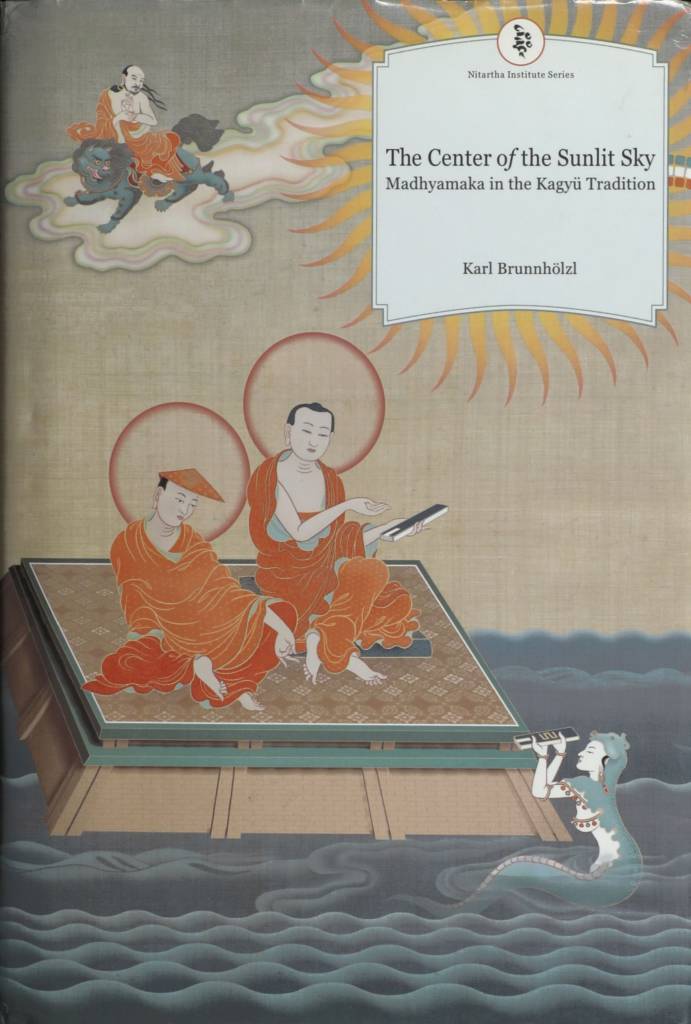
lus ni rkang pa byin pa min/_/

brla dang rked pa'ang lus ma yin/_/ lto dang rgyab kyang lus min te/_/

brang dang dpung pa'ang lus ma yin/_/

What we call the body is not feet or shins;

The body, likewise, is not thighs or loins. It’s not the belly or indeed the back,

And from the chest and arms the body is not formed.

ལུས་ཞེས་པའང་བཏགས་པ་ཙམ་སྟེ་རང་བཞིན་གྱིས་གྲུབ་པ་མེད་དོ། །དེའི་རྒྱུ་མཚན་འདི་ལྟར་སྐྱེ་མཆེད་རྫོགས་པའི་ལུས་ཞེས་རིལ་པོ་གཅིག་པུའི་རྣམ་པར་བཟུང་བ་དེ་ཡོད་ན་ལག་སོགས་ལ་ཡོད་དགོས་ནའང་། བོལ་གོང་སོགས་རྐང་པ་དང་། ཞེས་རྐང་པ་ནི་པུས་མོ་མན་ཆད་ཀྱི་སྤྱི་མིང་ཡིན་ཀྱང་། འདིར་བྱིན་པ་དང་བརླ་སོགས་སུ་སྨོས་པ་དང་། ས་གཞིའི་ངོས་ལ་བརྟེན་པའི་མཐིལ་ཉིད་རྐང་པའི་མིང་ཐོགས་ཡུལ་གཙོ་བོ་ཡིན་པས་སོ། །བྱིན་པ་སྟེ་རྗེ་ངར་དང་། བརླ་དང་། སྐེད་པ་དང་། ལྟོ་བ་དང་། རྒྱབ་དང་། བྲང་དང་། དཔུང་པ་དང་།

The “body” so-called is just a label; it is not something existing in its own right. The reason for saying this is that if a body, apprehended as a single whole, complete with all its sense faculties, existed as such, it would have to be present in its members, for example the hand. But the various body parts, the foot, the instep, and so on, are not the “body.” Although the Tibetan word rkang pa (usually translated as “foot”) is the general name for the part of the leg below the knee, in this present context, the calves and shins are also mentioned since here, “foot” is taken to mean principally the sole, the[p.149]The Wisdom Chapter
Fletcher, Wulstan, and Helena Blankleder (Padmakara Translation Group), trans. The Wisdom Chapter: Jamgön Mipham's Commentary on the Ninth Chapter of "The Way of the Bodhisattva." Boulder, CO: Shambhala Publications, 2017.
part that makes contact with the ground. Accordingly, the calves and shins, the waist and loins, the belly, back, chest, arms, and so on—none of these is the body.
Kunzang Palden (1862 - 1943)
The Nectar of Manjushri's Speech (citation)Blankleder, Helena, and Wulstan Fletcher (Padmakara Translation Group), trans. The Nectar of Manjushri's Speech: A Detailed Commentary on Shantideva's Way of the Bodhisattva. By Kunzang Pelden. Boston: Shambhala Publications, 2007. Bilingual Edition

གཉིས་པ་ཆོས་ཀྱི་བདག་མེད་བསྒོམ་ཚུལ་ལ།

Meditation on the Absence of Self in Phenomena 2.2.2.

དང་པོ་༼ལུས་དྲན་པ་ཉེར་བཞག་བསྒོམ་ཚུལ་༽ལ།

Close Mindfulness of the Body 2.2.2.1.

དང་པོ་༼ལུས་སྤྱིར་བརྟགས་པ་༽ནི།

Examination of the Body in General 2.2.2.1.1.

ལུས་ནི་རྐང་པ་བྱིན་པ་མིན། །

བརླ་དང་རྐེད་པའང་ལུས་མ་ཡིན། ། ལྟོ་དང་རྒྱབ་ཀྱང་ལུས་མིན་ཏེ། །

བྲང་དང་དཔུང་པའང་ལུས་མ་ཡིན། །
lus ni rkang pa byin pa min/_/

brla dang rked pa'ang lus ma yin/_/ lto dang rgyab kyang lus min te/_/

brang dang dpung pa'ang lus ma yin/_/

ལུས་ཞེས་པའང་བཏགས་པ་ཙམ་སྟེ་རང་བཞིན་གྱིས་གྲུབ་པ་མེད་དོ། །དེའི་རྒྱུ་མཚན་འདི་ལྟར་སྐྱེ་མཆེད་རྫོགས་པའི་ལུས་ཞེས་རིལ་པོ་གཅིག་པུའི་རྣམ་པར་བཟུང་བ་དེ་ཡོད་ན་ནི་ལག་སོགས་ལ་ཡོད་[p.686]Byang chub sems dpa'i spyod pa la 'jug pa rtsa ba dang 'grel pa (1990)
Slob dpon zhi ba lha and Mkhan po kun dpal. Byang chub sems dpa'i spyod pa la 'jug pa rtsa ba dang 'grel pa. Khreng tu'u: Si khron mi rigs dpe skrun khang, 1990. Buda by BDRC Logo.jpg
དགོས་ནའང༌། ཡན་ལག་སོ་སོ་བ་ལུས་མིན་ཏེ་འདི་ལྟར་བོལ་གོང་སོགས་རྐང་པ་དང་བྱིན་པ་སྟེ་རྗེ་ངར་ལུས་མིན་ལ། བརླ་དང་རྐེད་པའང་ལུས་མ་ཡིན་ཞིང༌། ལྟོ་བ་དང་རྒྱབ་ཀྱང་ལུས་མིན་ཏེ། བྲང་དང་དཔུང་པའང་ལུས་མ་ཡིན་ལ། །

What we call the body is not feet or shins;

The body, likewise, is not thighs or loins. It’s not the belly nor indeed the back,

And from the chest and arms the body is not formed.

What we call “the body” is a mere imputation; it does not exist inherently. Our reason for saying this is that if a body, which is apprehended as a single (partless) whole complete with all its sense faculties, existed as such, it would have to be present in its members, for example the hand. But the various body parts, the foot, the shins and calves, are not the body. The thighs and hips, the waist and loins, the belly, back, chest and arms, and so on and so forth—none of these is the body.


[edit]
[edit]
[edit]