9.77

From Bodhicitta

Bodhicaryāvatāra · Verse 9.77


Sources:    

Sanskrit §No information about the source used.

दुःखहेतुरहंकार आत्ममोहात्तु वर्धते। ततोऽपि न निवर्त्यश्चेत् वरं नैरात्म्यभावना॥

 
Chanted Verse
Recitation by Professor Kashinath Nyaupane
77

On the other hand, self-centeredness, the cause of sorrow, is intensified by the delusion of selfhood. Since this delusion keeps us from opposing self-centeredness, it is better to cultivate its opposite, selflessness.

Standard Tibetan §Padmakara used the 1990 edition printed by si khron mi rigs dpe skrun khang: Byang chub sems dpa'i spyod pa la 'jug pa rtsa ba dang 'grel pa (1990). Also found in Derge Tengyur D3871, dbu ma, vol. 105, la 1b1–40a7.

སྡུག་བསྔལ་རྒྱུ་ཡི་ང་རྒྱལ་ནི། །

བདག་ཏུ་རྨོངས་པས་འཕེལ་བར་འགྱུར། ། དེ་ལས་ཀྱང་བཟློག་མེད་ཅེ་ན། །

བདག་མེད་བསྒོམ་པ་མཆོག་ཡིན་ནོ། །

 
Chanted Verse
Recitation by Lopen Karma Phuntsho
77

The source of sorrow is the pride of saying “I,”

It’s fostered and increased by false belief in self. To this you may believe that there is no redress,

But meditation on no-self will be the supreme way.

Standard Tibetan §Padmakara used the 1990 edition printed by si khron mi rigs dpe skrun khang: Byang chub sems dpa'i spyod pa la 'jug pa rtsa ba dang 'grel pa (1990). Also found in Derge Tengyur D3871, dbu ma, vol. 105, la 1b1–40a7. - Other translations

Self-centeredness—the cause for suffering—

Increases through the ignorant belief in a self. You might say, “You cannot put an end to this,”

But it is better to meditate on identitylessness. [77]

La souffrance a pour cause l’orgueil

Entretenu par l’erreur du soi. Si vous croyez qu’elle ne peut être abolie,

Rien ne vaut la méditation sur l’inexistence du soi.

La causa del sufrimiento es la presunción de un “yo”,

incrementada por la falsa creencia en ese “yo”. Puede que penséis que eso no tiene remedio,

pero meditar en la no existencia del “yo” es el medio supremo.

La Práctica del Bodisatva-front.jpg
Padmakara Spain 2008

Pride is the cause of suffering,

Which increases due to delusion regarding the self. If, ‘This cannot be reversed,’

The meditation on selflessness is superior.

Pride, which is of the cause of suffering

Will increase through self delusion. If it is said there is no way to avoid it,

Then meditate that selflessness is exalted.

shift + scroll / swipe
Tsadra Critical Edition §This text was created by comparing four versions of the text from Derge, Cone, Narthang, and Peking Tengyurs from BDRC scans, along with Dunhuang manuscripts IOL Tib J 628, 629, and 630. When Tibetan readings were problematic, the Sanskrit texts from GRETIL and LTB (Oslo) were consulted.

སྡུག་བསྔལ་རྒྱུ་ཡི་ང་རྒྱལ་ནི། །

བདག་ཏུ་རྨོངས་པས་འཕེལ་བར་འགྱུར། ། དེ་ལས་ཀྱང་བཟློག་མེད་ཅེ་ན། །

བདག་མེད་བསྒོམ་པ་མཆོག་ཡིན་ནོ། །

[edit]
Sazang Mati (1294 - 1376)
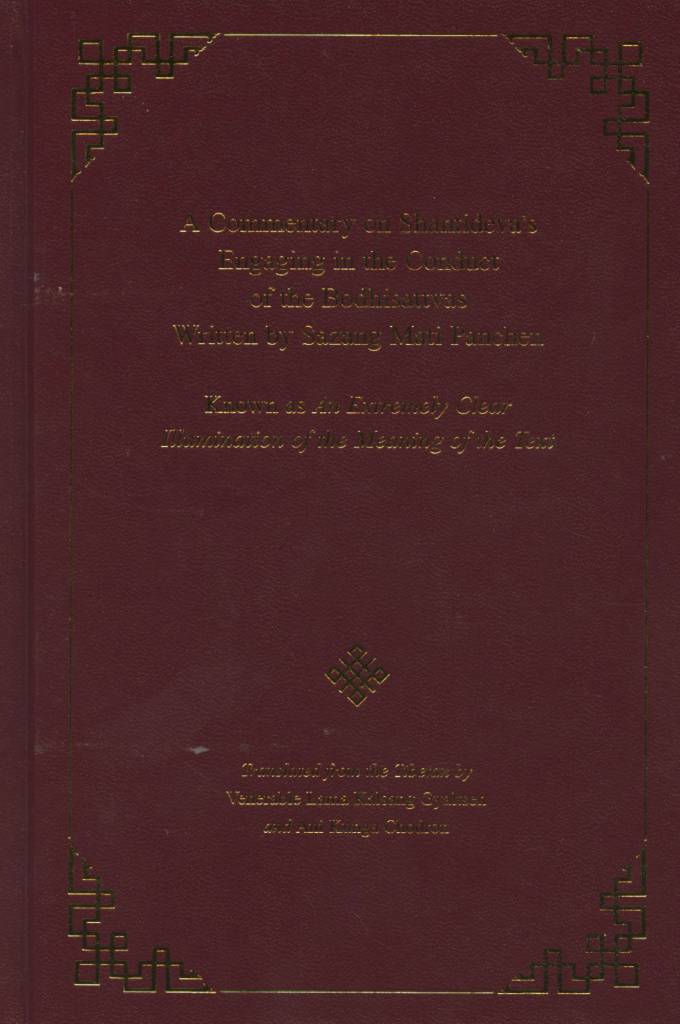
A Commentary on Shantideva's Engaging in the Conduct of the Bodhisattvas (citation)Gyaltsen, Lama Kalsang, and Ani Kunga Chodron, trans. A Commentary on Shantideva's Engaging in the Conduct of the Bodhisattvas Written by Sazang Mati Panchen: Known as An Extremely Clear Illumination of the Meaning of the Text. Walden, NY: Tsechen Kunchab Ling, 2019. Bilingual Edition

སྡུག་བསྔལ་རྒྱུ་ཡི་ང་རྒྱལ་ནི། །

བདག་ཏུ་རྨོངས་པས་འཕེལ་བར་འགྱུར། ། དེ་ལས་ཀྱང་བཟློག་མེད་ཅེ་ན། །

བདག་མེད་བསྒོམ་པ་མཆོག་ཡིན་ནོ། །

sdug bsngal rgyu yi nga rgyal ni/_/

bdag tu rmongs pas 'phel bar 'gyur/_/ de las kyang bzlog med ce na/_/

bdag med bsgom pa mchog yin no/_/

Pride, which is of the cause of suffering

Will increase through self delusion. If it is said there is no way to avoid it,

Then meditate that selflessness is exalted.

འཁོར་བའི་སྡུག་བསྔལ་མཐའ་དག་གི་རྒྱུར་གྱུར་པ་ཡི་ང་རྒྱལ་ལ་སོགས་པ་ཉོན་མོངས་པ་དང་ལས་ངན་པ་ཐམས་ཅད་ནི༵་བདག་དོན་དམ་དུ་བདེན་པར་འཛིན་པའི་རྨོངས་པ་ལ་བརྟེན་ནས་འཕེལ་བར་འགྱུ༵ར་བའི་ཕྱིར། དེ་ལྟ་བུའི་རྨོངས་པ་ནི་བཟློག་པར་བྱ་སྟེ། རྣམ་འགྲེལ་དུ།

What needs to be rejected is the clinging that the self truly exists in the ultimate sense. This is the cause of the suffering of samsara, the source of all other defilements such as pride, and the source of all unwholesome karma. This is the delusion that needs to be rejected, because as the Pramana Virtika states:

བདག་ཡོད་ན་ནི་གཞན་དུ་ཤེས། །

བདག་གཞན་ཆ་ལས་འཛིན་དང་ལྡན། ། དེ་དག་དང་ནི་འབྲེལ་པ་ལས། །

ཉེས་པ་ཐམས་ཅད་འབྱུང་བར་འགྱུར། །

If there is “self" then "other” is recognized.
From self and other arise clinging and hatred.
In connection with these,
All faults occur.

ཞེས་པ་ལྟར་རོ། །བདག་འཛིན་སྤངས་པ་དེ་ལས་ཀྱང་སྡུག་བསྔལ་གྱི་རྒྱུ་ང་རྒྱལ་ལ་སོགས་པ་བཟློག་ནུས་པའི་[p.-348]རབ་གསལ་སྣང་བ་
ངེས་པ་མེད་དོ་ཞེ་ན༵།

They may say: It is not certain that pride, which is the cause of suffering, can be rejected by abandoning self clinging.

Madhyamika:

བདག་ལྟའི་ས་བོན་སྤངས་པའི་ཕྱིར། ། སླར་མི་ལྡོག་པ་ཉིད་ཡིན་ནོ། །

Because of abandoning the seed, which is the view of "self" It will not arise again.

ཞེས་པ་ལྟར་བདག་མེད་སྒོམ་པ་ནི་གཉེན་པོ་རྣམས་ཀྱི་མཐར་ཐུག་མཆོག་ཏུ་གྱུར་བ་ཡིན་པས་ཉེས་པ་མཐའ་དག་སྤོང་པར་ནུས་ཏེ༵། དེ་བཞིན་གཤེགས་པའི་གསང་བའི་མདོ་ལས།

As this explains, meditation on selflessness is the supreme and ultimate antidote that uproots all faults. In the Secret Sutra, the Buddha said:

ཞི་བའི་བློ་གྲོས་འདི་ལྟ་སྟེ། ཤིང་གི་རྩ་བ་བཅད་པས་ཡལ་ག་དང་ལོ་འདབ་ཐམས་ཅད་སྐམ་པར་འགྱུར་རོ། །ཞི་བའི་བློ་གྲོས་དེ་བཞིན་དུ་འཇིགས་ཚོགས་ལ་ལྟ་བ་ཉེ་བར་ཞི་བས་ཉོན་མོངས་པ་ཐམས་ཅད་ཉེ་བར་ཞི་བར་འགྱུར་རོ་ཞེས་གསུངས་པ་ལྟར་ཡིན་ནོ། །

O Shiwei Lodu, it is thus: If the root of the tree is cut, all the branches and leaves dry up. Shiwei Lodu, likewise, by pacifying the view of this collection of disintegrating aggregates, all defilements will be pacified.[p.386]A Commentary on Shantideva's Engaging in the Conduct of the Bodhisattvas
Gyaltsen, Lama Kalsang, and Ani Kunga Chodron, trans. A Commentary on Shantideva's Engaging in the Conduct of the Bodhisattvas Written by Sazang Mati Panchen: Known as An Extremely Clear Illumination of the Meaning of the Text. Walden, NY: Tsechen Kunchab Ling, 2019. First edition published by The Yeshe Dorje Foundation in 2006.

Gyaltsap Je (1364 - 1432)
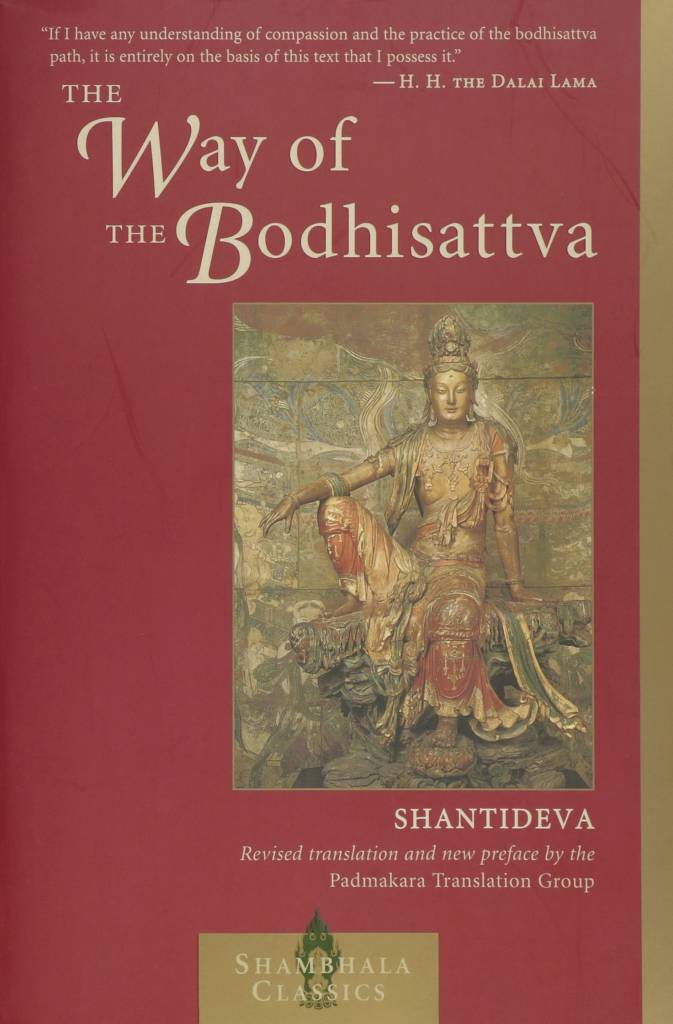
The Entrance for the Children of the Conquerors (citation)Stracke, Fedor, trans. The Entrance for the Children of the Conquerors: A Commentary on the Introduction to the Actions of Bodhisattvas. By Gyaltsab Rinpoche. N.p.: Happy Monks Publication, 2016. https://happymonkspublication.org/product/bodhisattvacharyavatara-chapter-1-10-commentary/. Bilingual Edition

སྡུག་བསྔལ་རྒྱུ་ཡི་ང་རྒྱལ་ནི། །

བདག་ཏུ་རྨོངས་པས་འཕེལ་བར་འགྱུར། ། དེ་ལས་ཀྱང་བཟློག་མེད་ཅེ་ན། །

བདག་མེད་བསྒོམ་པ་མཆོག་ཡིན་ནོ། །
sdug bsngal rgyu yi nga rgyal ni/_/

bdag tu rmongs pas 'phel bar 'gyur/_/ de las kyang bzlog med ce na/_/

bdag med bsgom pa mchog yin no/_/

Pride is the cause of suffering,

Which increases due to delusion regarding the self. If, ‘This cannot be reversed,’

The meditation on selflessness is superior.

འོ་ན་སྔར་རྨོངས་པ་ཡུལ་དང་བཅས་པ་བཀག་པ་ཅི་ཡིན་ཞེ་ན།

Realist: Which mental darkness including the object was refuted earlier?

སྔར་འདིར་ནི་སྡུག་བསྔལ་རྒྱུར་གྱུར་པའི་ཞེས་པའི་སྐབས་སུ་བསྟན་པ་ལྟར། འཁོར་བའི་སྡུག་བསྔལ་གྱི་རྒྱུའི་ང་རྒྱལ་ཏེ་ཉོན་མོངས་ཅན་གྱི་མ་རིག་པ་ནི་བདག་ཏུ་རྨོངས་པས་འཁོར་བའི་སྡུག་བསྔལ་འཕེལ་བར་འགྱུར་བས་དེ་ལྡོག་དགོས་ཤིང་ལྡོག་ནུས་པས་འགལ་བ་མེད་དོ། །

Madhyamaka: As was shown earlier in the statement, ‘It becomes the cause for cyclic existence’, the pride that becomes the cause for cyclic existence, i.e., afflictive ignorance, fantasizes about the self, and the sufferings of cyclic existence increase. There is no contradiction as this pride needs to be stopped, and can be stopped.

ཁོ་ན་རེ། དེ་འདྲ་བའི་རྨོངས་པ་ལྡོག་པ་དེ་ལས་ཀྱང་བདེན་འཛིན་ལྡོག་པ་མེད་པ་སྟེ། ལྡོག་མི་ནུས་ལ་ལན་གཅིག་ལྡོག་ཀྱང་འཁོར་བའི་ཕུང་བོ་ལྟར་སླར་ཡང་འབྱུང་བས་གཏན་ཟད་དུ་འགྱུར་བ་མེད་དོ་ཞེ་ན།

Argument: There is no stopping of true-grasping aside from stopping this kind of mental darkness, and it cannot be stopped. Although one stops it once, because it arises again, similar to the circling aggregates, it cannot be eliminated completely.

བདེན་འཛིན་ལྡོག་མི་ནུས་པ་མ་ཡིན་ཏེ། དེ་དངོས་པོའི་གནས་ལུགས་ལ་ཕྱིན་ཅི་ལོག་ཏུ་ཞུགས་པ་ཡིན་པས་ཤིན་ཏུ་སྟོབས་ཆུང་ཞིང་དམན་ལ་བདག་མེད་སྒོམ་པ་དེ་ལ་བལྟོས་ནས་མཆོག་ཡིན་པའི་ཕྱིར་ཏེ། དངོས་པོའི་དེ་ཁོ་ན་ཉིད་ཕྱིན་ཅི་མ་ལོག་པར་རྟོགས་པ་ཡིན་པས་ཅིག་ཤོས་རྩ་བ་ནས་དྲུངས་འབྱིན་ནུས་པ་ཡིན་ནོ། །

Madhyamaka: It is not impossible to abandon true-grasping. It is distorted with regards to the mode of abiding of functionalities, and hence it is very weak and inferior, and the meditation on selflessness is superior compared to it. Because it realizes the mode of abiding of functionalities faultlessly, the other can be eliminated from the root.[p.47]The Entrance for the Children of the Conquerors
Stracke, Fedor, trans. The Entrance for the Children of the Conquerors: A Commentary on the Introduction to the Actions of Bodhisattvas. By Gyaltsab Rinpoche. N.p.: Happy Monks Publication, 2016. https://happymonkspublication.org/product/bodhisattvacharyavatara-chapter-1-10-commentary/.
Pawo Rinpoche, 2nd (1504 - 1566)
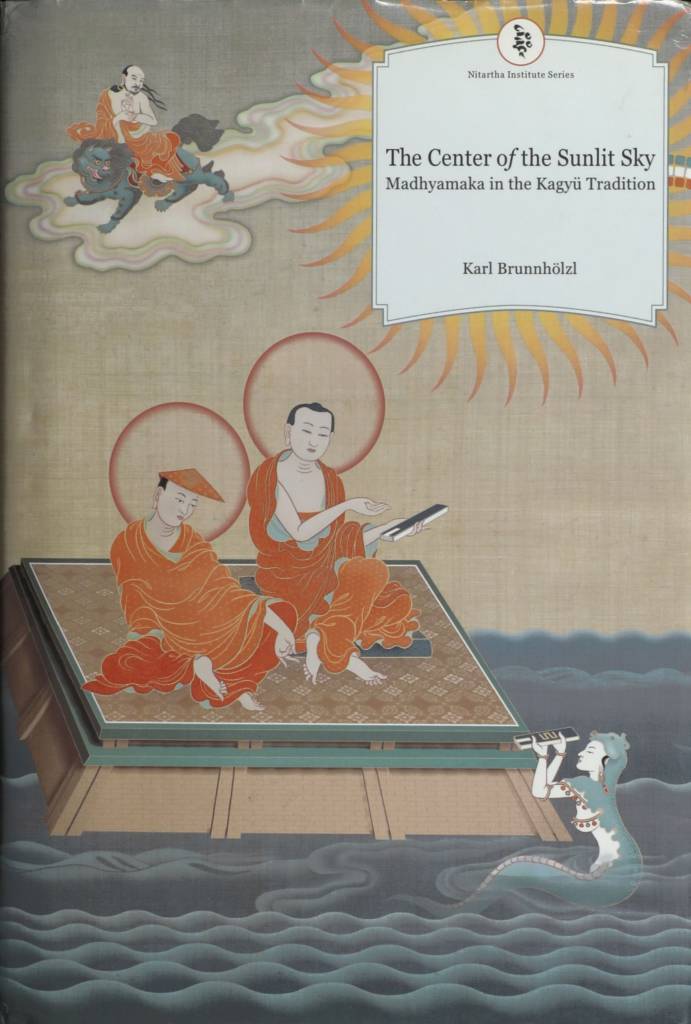
The Center of the Sunlit Sky (citation)Brunnhölzl, Karl. The Center of the Sunlit Sky: Madhyamaka in the Kagyü Tradition. Including a translation of Pawo Rinpoche's commentary on the knowledge section of Śāntideva's The Entrance to the Bodhisattva’s Way of Life (Bodhicaryāvatāra). Nitartha Institute Series. Ithaca, NY: Snow Lion Publications, 2004. Bilingual Edition

སྡུག་བསྔལ་རྒྱུ་ཡི་ང་རྒྱལ་ནི། །

བདག་དུ་རྨོངས་པས་འཕེལ་བར་འགྱུར། ། དེས་ཀྱང་ཟློག་དུ་མེད་ཅེ་ན། །

བདག་མེད་བསྒོམ་པ་མཆོག་ཡིན་ནོ། །

Self-centeredness—the cause for suffering—

Increases through the ignorant belief in a self. You might say, “You cannot put an end to this,”

But it is better to meditate on identitylessness. [77]

དེ་ནས་ཚིགས་བཅད་གཅིག་གིས་བདག་མི་རྙེད་པར་བསྟན། ལྷག་མས་སེམས་ཅན་མེད་ན་སྙིང་རྗེ་མི་འཐད་པའི་རྩོད་པ་སྤངས་པའོ། །

These three verses remove the objection that compassion is not justified if there are no sentient beings.

དེ་ལྟར་དུ་བདག་མེད་ན་བདག་དང་སེམས་ཅན་དང་གང་ཟག་ནི་སྒྲ་རྣམ་གྲངས་པ་ཡིན་པས་སེམས་ཅན་ཡང་མེད་པར་ཁས་བླངས་པར་འགྱུར་ལ་གལ་སྟེ་སེམས་ཅན་ཉིད་ཀྱང་ཡོད་པ་མིན་པ་དེའི་ཚེ་ན་སུས་སུ་ལ་སྙིང་རྗེ་བསྒོམ་པར་བྱ་སྟེ་ཐེག་ཆེན་པ་ཉིད་ཀྱིས་སྙིང་རྗེ་བསྒོམ་བྱའི་གཙོ་བོར་བཤད་པ་དང་འགལ་ལོ་ཞེ་ན། སྤྱིར་ཤེས་རབ་ཀྱིས་མ་སྤྱད་པའི་སྐབས་སུ་འབྲས་བུ་རྫོགས་པའི་སངས་རྒྱས་འཐོབ་པའི་དོན་དུ་སྙིང་རྗེའི་དབང་གིས་གཞན་དོན་དུ་ཁས་བླངས་པའི་དམ་བཅའ་ཙམ་ཡིན་ལ།

You might object, “Thus, since self, sentient being, and person are synonymous terms, if there is no self, this would lead to the claim that there are also no sentient beings. If there are no sentient beings either, then at that point, who should cultivate compassion for whom? This is contradictory to the explanation that compassion is the main object of meditation for you followers of the great vehicle.” In general, in the context of not analyzing with knowledge, this is merely a position that is embraced out of compassion for the welfare of others, that is, for the sake of the result that is the attainment of perfect Buddhahood.[p.711]The Center of the Sunlit Sky
Brunnhölzl, Karl. The Center of the Sunlit Sky: Madhyamaka in the Kagyü Tradition. Including a translation of Pawo Rinpoche's commentary on the knowledge section of Śāntideva's The Entrance to the Bodhisattva’s Way of Life (Bodhicaryāvatāra). Nitartha Institute Series. Ithaca, NY: Snow Lion Publications, 2004.

དཔྱད་པའི་ཚེ་བདག་དང་སེམས་ཅན་དང་སྡུག་བསྔལ་གང་ཡང་རྨི་ལམ་གྱི་དངོས་པོ་ཙམ་དུ་ཡང་མ་གྲུབ་པར་ཤེས་པ་ན་དེ་ལྟར་མ་རྟོགས་པས་བདག་དང་གཞན་དང་སྡུག་བསྔལ་དུ་ལྟ་བའི་གཏི་མུག་གི་ཕུང་པོས་ཀུན་ནས་རྨོངས་པས་བདག་གཞན་སོགས་བདེན་པར་སྒྲོ་བཏགས་ཅིང་འདོགས་པར་བྱེད་པ་གང་ཡིན་པ་འདི་རྣམས་ལ་བརྩེ་བ་བརྒྱ་ཕྲག་དུ་འཕེལ་བར་འགྱུར་རོ། །

However, when one analyzes, one understands that any kind of self, sentient being, and suffering are not even established as mere things in a dream. At this point, [851] lovingkindness for those who do not realize this will increase a hundred times. Since they [do not have] such [realization], they are completely ignorant due to this pile of stupidity that consists of views about themselves, others, and suffering.1670The Ketaka Jewel says: “Bodhisattvas see that there is no self, but the objects of their compassion—all sentient beings—do not realize this. Hence, they continuously and unnecessarily experience the appearances of suffering as if they had a self. Since there are such [beings], [bodhisattvas] develop compassion when they observe them, for the following reason: [Bodhisattvas] are not attached to a personal self and see that others suffer [through their clinging to] such a self despite the fact that they do not have one. Thus, mental states of cherishing others more than oneself blossom naturally, and they also see that it is possible to dispel the suffering of others just like deep sleep.” (’Ju mi pham rgya mtsho 1979, p. 101) Sentient beings are those who superimpose and are superimposed as something real—such as self and others—through this ignorance.

འོ་ན་ཆེད་དུ་བྱ་བའི་ཡུལ་སེམས་ཅན་མེད་ན་དེའི་ཆེད་ཏུ་འབྲས་བུ་སངས་རྒྱས་འཐོབ་པ་དེ་ཡང་སུ་ཡི་དོན་དུ་ཡིན་ཞེ་ན། ཤིན་དུ་བདེན་སྟེ་འོན་ཡང་དེ་ལྟར་མ་ཤེས་པའི་རྨོངས་པ་རྣམས་ལས་བརྩམས་ཏེ་དེ་རྣམས་ཀྱི་དོན་དུ་བྱ་བར་འདོད་ཏོ། །གཞན་དོན་དུ་སངས་རྒྱས་འཐོབ་འདོད་ཀྱང་འབྲས་བུའི་རྨོངས་པ་ཡིན་ནོ་ཞེ་ན་མཐར་ཐུག་དོན་དམ་ལ་བལྟོས་ན་ཡིན་མོད་ཀྱང་སེམས་ཅན་ཐམས་ཅད་ཀྱི་སྡུག་བསྔལ་ཉེ་བར་ཞི་བར་བྱ་བའི་དོན་དུ་འབྲས་བུའི་རྨོངས་པ་འདི་ནི་རྨོངས་པར་ཤེས་ཀྱང་རེ་ཞིག་ལྡོག་པར་མི་བྱ་སྟེ་སྨན་པ་རྣམས་ཀྱང་དུག་གི་རིགས་ཁ་ཅིག་ནད་ཀྱི་གཉེན་པོར་ངེས་པར་བསྟེན་པ་བཞིན་ནོ། །འོན་ཡང་འབྲས་བུའི་རྨོངས་པ་འདི་ནི་ཆེན་ཏུ་མ་སྤངས་ཀྱང་ཅི་ཞིག་ན་མེ་ཏོག་ཡལ་བ་ན་དྲི་ལྟར་མ་རིག་པའི་གཉིད་ལས་སངས་པའི་ཚེ་རང་བཞིན་གྱི་དག་པར་འགྱུར་རོ། །

You might continue, “Without sentient beings who are the objects of one’s intent, for whose sake is the attainment of Buddhahood, the result that is intended for them?” This is true, but we still strive to promote the welfare of these [sentient beings], starting with those on the level of ignorance who do not understand this in such a way.1671The Ketaka Jewel gives the following example: “This is just like people who are afflicted by evil spirits. These persons live in the same surroundings as other people. However, from their perspective, deluded appearances, such as the forms of demons, exist. Thus, [for them,] also the suffering caused by these [appearances] and the relief of being free from such suffering exist.” (Ibid., p. 102) You might argue, “Even if you wish to attain Buddhahood for the sake of others, this is ignorance about the result.” When you consider the final ultimate level, there is no question that this is the case. However, for the sake of completely pacifying the suffering of all sentient beings, for the time being, you should not spurn this ignorance about the result, even though you know that it is ignorance. This is comparable to physicians who definitely rely on certain types of poison as remedies for [certain] diseases. “Anyway, you might deliberately not relinquish this ignorance about the result, but what then?” Just as [its] fragrance [dissipates] when a flower fades away, at the time of awakening from the sleep of basic unawareness, [also this ignorance] will naturally become pure.

འོ་ན་རེ་ཞིག་ལམ་གྱི་རྟེན་དུ་འབྲས་བུའི་རྨོངས་པ་མི་ལྡོག་པ་ལྟར་བདག་འཛིན་ཡང་བསྟེན་པར་འོས་སོ་ཅེ་ན། ཆུར་མཚུངས་ཀྱང་ཡན་ལག་བརྒྱད་ལྡན་བསྟེན་པར་བྱེད་ཀྱི་དུག་ཆུ་དང་རྡོའི་ཆུ་ནི་དེ་ལྟ་མིན་པ་ལྟར་རྨོངས་པར་མཚུངས་ཀྱང་འབྲས་བུའི་རྨོངས་པ་བཞིན་དུ་བདག་འཛིན་ནི་བསྟེན་པར་མི་བྱེད་སྟེ་སྡུག་བསྔལ་མཐའ་དག་གི་རྒྱུའི་ངོ་བོ་བྱེད་པའི་ང་རྒྱལ་ནི་བདག་དུ་རྨོངས་པ་འདི་ལས་འཕེལ་བར་འགྱུར་བའི་ཕྱིར། དེ་བས་ན་ཅིས་ཀྱང་བདག་འཛིན་ལས་ལྡོག་པར་བྱའོ། །དེས་ནས་ཅི་བྱ་ཞེ་ན། ཆོས་ཐམས་ཅད་བདག་མེད་ཅིང་སྤྲོས་པ་ཉེ་བར་ཞི་བ་འདི་ཁོ་ན་སྒོམ་པར་བྱ་སྟེ་འདི་ནི་མཆོག་གི་བྱ་བ་ཕུལ་དུ་བྱུང་བ་ཡིན་ནོ། །

You might argue, “However, just as you do not reverse the ignorance about the result as a temporary support on the path, it is equally fine to rely on the clinging to a self.” [All kinds of water] are equal in that they are water, but [only water] that possesses the eight qualities1672Traditionally, these eight qualities define how good drinking water should be: cool, sweet, light, soft, clear, pleasant, wholesome, and soothing. is used [for drinking], whereas poisonous water or water from rocks is not used in this way. Likewise, though they are equal in that they are ignorance, one does not rely on the clinging to a self in the same way as one does on the ignorance about the result, because self-centeredness1673Skt. māna, Tib. nga rgyal. Usually, this is the word for “pride,” but it can—as in this case—also refer to the clinging to a personal self or “me” which leads to desire for what seems pleasant and aversion to what seems unpleasant. The actions that are motivated by such afflictions then cause the various sufferings of cyclic existence.—the entity that is the cause for all suffering—increases due to this ignorant belief in a self. Thus, you should put an end to this clinging to a self by all means. You might say, “So what should we do?” You should meditate on only this identitylessness of all phenomena and the utter peace of discursiveness. This is the best and most excellent activity.
Mipam Gyatso (1846 - 1912)
The Wisdom Chapter - The Ketaka Jewel (citation)Fletcher, Wulstan, and Helena Blankleder (Padmakara Translation Group), trans. The Wisdom Chapter: Jamgön Mipham's Commentary on the Ninth Chapter of "The Way of the Bodhisattva." Boulder, CO: Shambhala Publications, 2017. Bilingual Edition

སྡུག་བསྔལ་རྒྱུ་ཡི་ང་རྒྱལ་ནི། །

བདག་ཏུ་རྨོངས་པས་འཕེལ་བར་འགྱུར། ། དེ་ལས་ཀྱང་བཟློག་མེད་ཅེ་ན། །

བདག་མེད་བསྒོམ་པ་མཆོག་ཡིན་ནོ། །
sdug bsngal rgyu yi nga rgyal ni/_/

bdag tu rmongs pas 'phel bar 'gyur/_/ de las kyang bzlog med ce na/_/

bdag med bsgom pa mchog yin no/_/

The source of sorrow is the pride of saying “I,”

It’s fostered and increased by false belief in self. You may say that to this there’s no redress,

But getting used to no-self is the supreme way.

འཁོར་བའི་སྡུག་བསྔལ་ཐམས་ཅད་ཀྱི་རྒྱུར་གྱུར་པའི་བདག་ཏུ་འཛིན་པའམ།ངའོ་སྙམ་པའི་ང་རྒྱལ་ནི་བདག་ཡོད་དུ་བཟུང་བའི་རྨོངས་པས་འཕེལ་བར་བྱེད་དེ། དེས་ན་བདག་མེད་པ་ལ་ཡོད་པར་རྨོངས་པ་དེ་ནི་བཟློག་པར་བྱ་སྟེ། རྨོངས་པ་དེ་མེད་ན་བདག་ཏུ་མི་འཛིན་ལ།བདག་འཛིན་དེ་མེད་ན་འཁོར་བར་འཁོར་ཞིང་སྐྱེ་བར་མི་འགྱུར་ཏེ།

The cause of all the suffering of samsara is ego-clinging—the pride of thinking “I am,” fed and enlarged by the ignorance of actively believing in the existence of a personal self.89That is, the innate self-clinging and the imputed self-clinging working together. The ignorance of ascribing existence to the nonexistent self is what is to be overcome. Once it is dispelled, there will be no more clinging to self; and when this has been eliminated, there will be no further turning, and no more birth, in samsara. As Nāgārjuna says,

ནང་དང་ཕྱི་རོལ་ཉིད་དག་ལ། །

བདག་དང་བདག་གི་སྙམ་ཟད་ན། ། ཉེ་བར་ལེན་པ་ཟད་འགྱུར་ཞིང་། །

དེ་ཟད་པས་ན་སྐྱེ་བ་ཟད། །

Regarding the internal and external spheres,
When thoughts of “I” and “mine” have ceased,
Grasping too will be arrested.
Since this ceases, birth will also cease.90Nāgārjuna, Root Stanzas, chap. 18, v. 4, p. 83.

ཅེས་པ་བཞིན་ནོ། །ཁོ་ན་རེ། ཇི་ལྟར་ཁྱོད་བཏགས་པའི་བདག་ལས་བློ་ལྡོག་པར་མི་ནུས་པ་དེ་བཞིན་རང་བཞིན་གྱིས་གྲུབ་པའི་བདག་དེ་ལས་ཀྱང་ཡུལ་ཅན་བློ་གཏན་དུ་བཟློག་པ་མེད་དེ་ཐོག་མེད་ནས་གཤིས་ལ་ཞུགས་པའི་ཕྱིར་རོ་ཞེ་ན།

It will be argued that, just as one cannot turn the mind away from the self as a mere designation, in the same way it is also wholly impossible for the mind to turn away from [the belief in] the inherently existent self. For our natures have been imbued with it from time without beginning.

དེ་གཉིས་མི་མཚུངས་ཏེ་བཏགས་པ་ཙམ་བརྟེན་ནས་འབྱུང་བའི་དབང་གིས་སྣང་བ་ལ་སོ་སྐྱེའི་ངོར་མི་སྣང་བར་སྒྲུབ་བྱེད་ཀྱི་རིགས་པ་མེད་ལ་བཟློག་ཀྱང་མི་དགོས་མོད། རང་བཞིན་གྱིས་གྲུབ་པར་འཛིན་པ་[p.84]Spyod 'jug sher 'grel ke ta ka (Si khron mi rigs dpe skrun khang 1993)
Mi pham rgya mtsho. Spyod 'jug sher 'grel ke ta ka. Chengdu: Si khron mi rigs dpe skrun khang, 1993.
ནི་དངོས་པོའི་གནས་ཚུལ་རྟོགས་པའི་བློ་བདག་མེད་བསྒོམས་པས་སྤོང་ནུས་ཏེ། སྣང་བས་མུན་པ་བཞིན་དུ་ཡང་དག་པའི་ཚད་མ་དང་ལྡན་པ་དེ་ཉིད་སྟོབས་དང་ལྡན་པའི་ཕྱིར་རོ། །དེས་ན་བདག་ཏུ་ལྟ་བ་ནི་དངོས་པོའི་གནས་ཚུལ་ལས་གཞན་དུ་རྐྱེན་གྱིས་རེ་ཞིག་སེམས་གོལ་བ་ཡིན་ལ། དེ་ལུང་དང་རིགས་པའི་ལམ་ལས་བཟློག་སྟེ་དངོས་པོའི་གནས་ཚུལ་ལ་བློ་ཞུགས་པར་བྱས་ན་དེ་སེམས་ཀྱི་གཤིས་ཡིན་པས་དེ་དང་སེམས་བྲལ་དུ་མི་རུང་སྟེ་རྣམ་འགྲེལ་ལས།

Again the two cases are not the same. The sense of self that is just a label arises through the power of interdependence, and it is impossible for reasoning to prove that it does not appear in the experience of ordinary people. Moreover, there is no need to do so.91It is helpful to remember that the pairing the imputed self versus the innate or coemergent self (brtags pa’i bdag and lhan skyes kyi bdag) is not the same as the pairing the self as a mere designation versus the inherently existent self (btags pa’i bdag and rang bzhin kyis grub pa’i bdag). In the first case, a contrast is made between the principally intellectual belief in the self, which is inculcated by false religious and philosophical tenets, is acquired anew in any given existence, and may be demolished by rational investigation, and, on the other hand, the innate sense of self, which is deeply ingrained in the mind, remains constantly active from one life to the next, and can be dislodged only by prolonged meditative practice. In the second pairing—which is the one referred to here—the conviction that the self is truly real is contrasted with the mere unreflective designation of self, which is no more than a convenient label and is useful in interpersonal relations (when we talk to others) and subjective reflection (when we talk to ourselves). The refutation of this mere designation is unnecessary, since it is not the deep-seated clinging that forms the basis of karma and defilement. It is also impossible, for no amount of reasoning will convince people to stop using the personal pronoun “I.” In comparing these two contrasted pairings of notions of the self, it will be found that the imputed self and the coemergent self (first pairing ) are subdivisions of the supposedly inherently existent self (in the second pairing). On the other hand, the mind that understands the nature of things and meditates on no-self is able to remove[p.148]The Wisdom Chapter
Fletcher, Wulstan, and Helena Blankleder (Padmakara Translation Group), trans. The Wisdom Chapter: Jamgön Mipham's Commentary on the Ninth Chapter of "The Way of the Bodhisattva." Boulder, CO: Shambhala Publications, 2017.
belief in the inherently existent self, just as light dispels the darkness. This has the backing of perfectly valid knowledge and has the strength of reality itself. The view of self is a temporary deviation of the mind away from the nature of things and is due to extrinsic circumstances. Through the application of scriptural authority and reasoning, this aberration is overthrown. The mind thus penetrates the nature of phenomena, and since this is also the nature of the mind, the nature of things and the nature of the mind can never be separated. As the Pramāṇavārttika tells us,

སེམས་ཀྱི་རང་བཞིན་འོད་གསལ་ཏེ། ། དྲི་མ་རྣམས་ནི་གློ་བུར་བ། །

The nature of the mind is luminosity;
All veils are adventitious.

ཞེས་སོ། །དེ་ལས་ཀྱང་བཟློག །ཅེས་པ་འདིར་དེ་ལས་ཞེས་པ་བདག་འཛིན་ཟློག་བྱེད་ཀྱི་གཉེན་པོ་དང་། བདག་འཛིན་གྱི་རྒྱུ་སོགས་སུ་རློམས་ནས་འགྲེལ་ཚུལ་ཆེས་མང་བ་ཞིག་བྱུང་ཡང་འབྲེལ་འགྲིགས་པ་དཀའ་ལ། འདིར་འཕགས་ཡུལ་གྱི་གཞུང་བཟང་བཞིན་དུ་ཡུལ་དེ་དག་ལས་ཀྱང་ཞེས་སྦྱར་བར་བྱས་ན་དོན་དུ་འཐད་དོ་སྙམ་པ་ཁོ་བོ་གཅིག་པུའི་རྣམ་རྟོག་གོ །

In the third line of the root verse “You may say that to this there’s no redress,” many commentaries understand the words “to this” to refer to the antidote that overcomes belief in the self, or else to the cause of belief in the self. But this interpretation is difficult to square with what the root text actually says. I therefore think it best to follow the excellent commentaries of the Indian masters and to consider that “this” refers to the self. This, however, is only my own opinion.
Kunzang Palden (1862 - 1943)
The Nectar of Manjushri's Speech (citation)Blankleder, Helena, and Wulstan Fletcher (Padmakara Translation Group), trans. The Nectar of Manjushri's Speech: A Detailed Commentary on Shantideva's Way of the Bodhisattva. By Kunzang Pelden. Boston: Shambhala Publications, 2007. Bilingual Edition

འོ་ན་བདག་ཏུ་རྨོངས་པའང་དགག་པས་ཅི་བྱ་ཟེར་ན། དེ་གཉིས་མི་མཚུངས་ཏེ་འབྲས་བུ་དོན་དུ་གཉེར་བའི་བློ་དེས་ནི་སྡུག་བསྔལ་ཟད་པར་བྱས་ནས་རང་ཡང་[p.684]Byang chub sems dpa'i spyod pa la 'jug pa rtsa ba dang 'grel pa (1990)
Slob dpon zhi ba lha and Mkhan po kun dpal. Byang chub sems dpa'i spyod pa la 'jug pa rtsa ba dang 'grel pa. Khreng tu'u: Si khron mi rigs dpe skrun khang, 1990. Buda by BDRC Logo.jpg
འགག་པར་བྱེད་དེ་ཤིང་ལས་བྱུང་བའི་མེས་ཤིང་བསྲེག་པ་བཞིན་ནོ། །

སྡུག་བསྔལ་རྒྱུ་ཡི་ང་རྒྱལ་ནི། །

བདག་ཏུ་རྨོངས་པས་འཕེལ་བར་འགྱུར། ། དེ་ལས་ཀྱང་བཟློག་མེད་ཅེ་ན། །

བདག་མེད་བསྒོམ་པ་མཆོག་ཡིན་ནོ། །
sdug bsngal rgyu yi nga rgyal ni/_/

bdag tu rmongs pas 'phel bar 'gyur/_/ de las kyang bzlog med ce na/_/

bdag med bsgom pa mchog yin no/_/

འཁོར་བའི་སྡུག་བསྔལ་ཐམས་ཅད་ཀྱི་རྒྱུ་ཡི་ཞེས་རྒྱུར་གྱུར་པའི་བདག་ཏུ་འཛིན་པའམ་ངའོ་སྙམ་པའི་ང་རྒྱལ་ནི་བདག་ཡོད་ཏུ་བཟུང་བའི་རྨོངས་པས་འཕེལ་བར་འགྱུར་ཏེ། དེས་ན་བདག་མེད་པ་ལ་ཡོད་པར་རྨོངས་པ་དེ་ནི་བཟློག་པར་བྱ་སྟེ། རྨོངས་པ་དེ་མེད་ན་བདག་ཏུ་མི་འཛིན་ལ། བདག་འཛིན་དེ་མེད་ན་འཁོར་བར་འཁོར་ཞིང་སྐྱེ་བར་མི་འགྱུར་རོ། །

But that being so, why do we have to remove our ignorance regarding the self? In reply to this objection, it must be said that the two cases are not the same. The mind that seeks to obtain the fruit of enlightenment will extinguish suffering and will also put an end to itself, like wood from which fire springs and which is consumed thereby.

The source of sorrow is the pride of saying “I,”

It’s fostered and increased by false belief in self. To this you may believe that there is no redress,

But meditation on no-self will be the supreme way.

The cause of all the sufferings of samsara is ego-clinging—the pride of thinking, “I am,” which is fed and enlarged by the ignorance of actively believing in the existence of a personal self. The ignorance that ascribes existence to the nonexistent self is what is to be overcome. Once it is dispelled, there will be no more clinging to self, and once that has been eliminated, there will be no further birth, no further turning, in samsara.

ཁོ་ན་རེ། ཇི་ལྟར་ཁྱོད་བཏགས་པའི་བདག་ལས་བློ་ལྡོག་པར་མི་ནུས་པ་དེ་བཞིན་དུ་རང་བཞིན་གྱིས་གྲུབ་པའི་བདག་དེ་ལས་ཀྱང་ཡུལ་ཅན་བློ་གཏན་དུ་བཟློག་པ་མེད་དེ་ཐོག་མེད་ནས་གཤིས་ལ་ཞུགས་པའི་ཕྱིར་རོ་ཅེ་ན།

It will be argued that just as it is impossible to turn the mind away from the merely designated self, in the same way it is wholly impossible for the[p.357]The Nectar of Manjushri's Speech
Blankleder, Helena, and Wulstan Fletcher (Padmakara Translation Group), trans. The Nectar of Manjushri's Speech: A Detailed Commentary on Shantideva's Way of the Bodhisattva. By Kunzang Pelden. Boston: Shambhala Publications, 2010.
mind to overcome [the belief] in the inherently existent self. After all, our natures have been imbued with it from time without beginning.

དེ་གཉིས་མི་མཚུངས་ཏེ་བཏགས་པ་ཙམ་རྟེན་ནས་འབྱུང་བའི་དབང་གིས་སྣང་བ་ལ་སོ་སྐྱེའི་ངོར་མི་སྣང་བར་སྒྲུབ་བྱེད་ཀྱི་རིགས་པ་མེད་ལ་བཟློག་ཀྱང་མི་དགོས་མོད། རང་བཞིན་གྱིས་གྲུབ་པར་འཛིན་པ་ནི་དངོས་པོའི་གནས་ཚུལ་རྟོགས་པའི་བློ་བདག་མེད་པ་བསྒོམ་པ་མཆོག་ཡིན་པས་སྤོང་ནུས་ཏེ། སྣང་བས་མུན་པ་བཞིན་དུ་ཡང་དག་པའི་ཚད་མ་དང་ལྡན་པ་དེ་ཉིད་སྟོབས་དང་ལྡན་པའི་ཕྱིར་རོ། །དེས་ན་བདག་ཏུ་ལྟ་བ་ནི་དངོས་པོའི་གནས་ཚུལ་ལས་གཞན་དུ་སྐྱོན་གྱིས་རེ་ཞིག་སེམས་གོལ་བ་ཡིན་ལ། དེ་ལུང་དང་རིགས་པའི་ལམ་ལས་བཟློག་སྟེ་དངོས་པོའི་གནས་ཚུལ་ལ་བློ་ཞུགས་པར་བྱས་ན་དེ་སེམས་ཀྱི་གཤིས་ཡིན་པས་དེ་དང་སེམས་བྲལ་དུ་མི་[p.685]Byang chub sems dpa'i spyod pa la 'jug pa rtsa ba dang 'grel pa (1990)
Slob dpon zhi ba lha and Mkhan po kun dpal. Byang chub sems dpa'i spyod pa la 'jug pa rtsa ba dang 'grel pa. Khreng tu'u: Si khron mi rigs dpe skrun khang, 1990. Buda by BDRC Logo.jpg
རུང་སྟེ། རྣམ་འགྲེལ་ལས། སེམས་ཀྱི་རང་བཞིན་འོད་གསལ་ཏེ། །དྲི་མ་རྣམས་ནི་གློ་བུར་བ། །ཞེས་པ་བཞིན་ནོ། །

Once again, these two cases are not the same.218It is helpful to remember that the pairing “imputed self versus innate or coemergent self ” (brtags pa’i bdag and lhan skyes kyi bdag) is not the same as the pairing “the self as mere designation versus the inherently existent self ” (btags pa’i bdag and rang bzhin kyis grub pa’i bdag). In the first case, a contrast is made between the intellectual belief in the self, which is inculcated by incorrect religious and philosophical tenets, is acquired anew in any given existence, and may be demolished by reasoning, and, on the other hand, the innate sense of self, which is deeply ingrained in the mind, remains active from one life to the next, and can be dislodged only by prolonged meditative practice. In the second pairing, which is the one referred to in the present context, the conviction that the self is truly real is contrasted with the mere, unreflective, designation of self, which is no more than a convenient label and is useful in interpersonal discourse (when we talk to other people) and subjective reflection (when we talk to ourselves). Refutation of this mere designation is unnecessary, since it is not the deep-seated clinging that forms the basis of karma and defilement. It is also impossible, for no amount of reasoning will convince people to stop using the pronoun “I.” In comparing these two contrasted pairings of notions of the self, it will be found that the imputed self and the coemergent self are subdivisions of the supposedly inherently existent self. The sense of self that is just a label arises through the power of interdependence, and it is impossible for reasoning to prove that it does not appear in the experience of ordinary people. Moreover, there is no need to do so. On the other hand, belief in the inherently existing self may be annihilated by a mind that meditates on No-Self and realizes the nature of phenomena, just as darkness is scattered by the presence of light. This has the backing of perfectly coherent logic as well as reality itself. The view of self is a temporary deviation of the mind away from the nature of things and is due to extrinsic circumstances. Through the application of scriptural authority and reasoning, this aberration is overthrown. The mind thus penetrates the nature of phenomena, and since this is also the nature of the mind, the nature of things and the nature of the mind can never be separated. It is said in the Pramanavart-tika, “The nature of the mind is luminous clarity; all stains are adventitious.”

དེས་ན་བདག་འཛིན་འདི་སྲིད་པའི་རྩ་བ་ཡིན་པས་འདི་མ་སྤངས་བར་དུ་དཀའ་སྤྱད་དང་བསྒོམ་སྒྲུབ། ཇི་ལྟ་བུའི་ཉམས་ལེན་ཅི་བྱས་ཀྱང་འཁོར་བ་ལས་འདའ་མི་ནུས་པས་སྐལ་བཟང་ཐར་འདོད་རྣམས་ཀྱིས་རྟག་ཏུ་ཉམས་ལེན་ཐམས་ཅད་བདག་འཛིན་འདིའི་གཉེན་པོར་འགྲོ་བ་ཞིག་བྱེད་དགོས་གསུངས།

To sum up therefore, belief in selfhood is the root of samsaric existence. As long as this is not eliminated, no matter what practices one undertakes, whether austerities or meditation, one cannot get beyond samsara. Consequently, it has been said that those graced with good fortune who wish for liberation should constantly make their practice a remedy to self-clinging.


[edit]
[edit]