9.101

From Bodhicitta

Bodhicaryāvatāra · Verse 9.101


Sources:    

Sanskrit §No information about the source used.

न चास्ति वेदकः कश्चिद्वेदनातो न तत्त्वतः। निरात्मके कलापेऽस्मिन् क एवं बाध्यतेऽनया॥

 
Chanted Verse
Recitation by Professor Kashinath Nyaupane
101

The mind is not positioned in the sense faculties, nor in form or the other aggregates, nor in the space in between. The mind is found neither internally nor externally, nor anywhere else either.

Standard Tibetan §Padmakara used the 1990 edition printed by si khron mi rigs dpe skrun khang: Byang chub sems dpa'i spyod pa la 'jug pa rtsa ba dang 'grel pa (1990). Also found in Derge Tengyur D3871, dbu ma, vol. 105, la 1b1–40a7.

ཚོར་པོ་འགའ་ཡང་ཡོད་མིན་ཏེ། །

དེས་ན་ཚོར་བ་དེ་ཉིད་མིན། ། དེ་ལྟར་བདག་མེད་ཚོགས་འདི་ལ། །

འདི་ཡིས་ཅི་སྟེ་གནོད་པར་བྱས། །

 
Chanted Verse
Recitation by Lopen Karma Phuntsho
101

The agent of sensation has no real existence,

Thus sensation, likewise, has no being. What damage, therefore, can sensation do to it—

This aggregate deprived of self?

Standard Tibetan §Padmakara used the 1990 edition printed by si khron mi rigs dpe skrun khang: Byang chub sems dpa'i spyod pa la 'jug pa rtsa ba dang 'grel pa (1990). Also found in Derge Tengyur D3871, dbu ma, vol. 105, la 1b1–40a7. - Other translations

There is no experiencer of feelings at all. Therefore, in true reality, there are no feelings. [101ab]

So what in this collection without any identity Could be harmed by them? [101cd][p.728]The Center of the Sunlit Sky
Brunnhölzl, Karl. The Center of the Sunlit Sky: Madhyamaka in the Kagyü Tradition. Including a translation of Pawo Rinpoche's commentary on the knowledge section of Śāntideva's The Entrance to the Bodhisattva’s Way of Life (Bodhicaryāvatāra). Nitartha Institute Series. Ithaca, NY: Snow Lion Publications, 2004.

II n’y a pas de sujet sentant

Ni donc, en réalité, de sensation. Comment celle-ci pourrait-elle affecter

Cette combinaison dépourvue de soi ?

El perceptor de la sensación no tiene existencia real,

por lo que la sensación tampoco la tiene. ¿Cómo esta sensación puede dañar

a estos agregados carentes de “yo”?

La Práctica del Bodisatva-front.jpg
Padmakara Spain 2008

Since there is absolutely no one with feeling,

Then feeling is not suchness. In this way, how can this collection lacking self

Be harmed by this?

If there is no feeler whatsoever, Therefore, there is no feeling itself.[p.399]A Commentary on Shantideva's Engaging in the Conduct of the Bodhisattvas
Gyaltsen, Lama Kalsang, and Ani Kunga Chodron, trans. A Commentary on Shantideva's Engaging in the Conduct of the Bodhisattvas Written by Sazang Mati Panchen: Known as An Extremely Clear Illumination of the Meaning of the Text. Walden, NY: Tsechen Kunchab Ling, 2019. First edition published by The Yeshe Dorje Foundation in 2006.

Therefore how could this selfless composite Be harmed by it?

shift + scroll / swipe
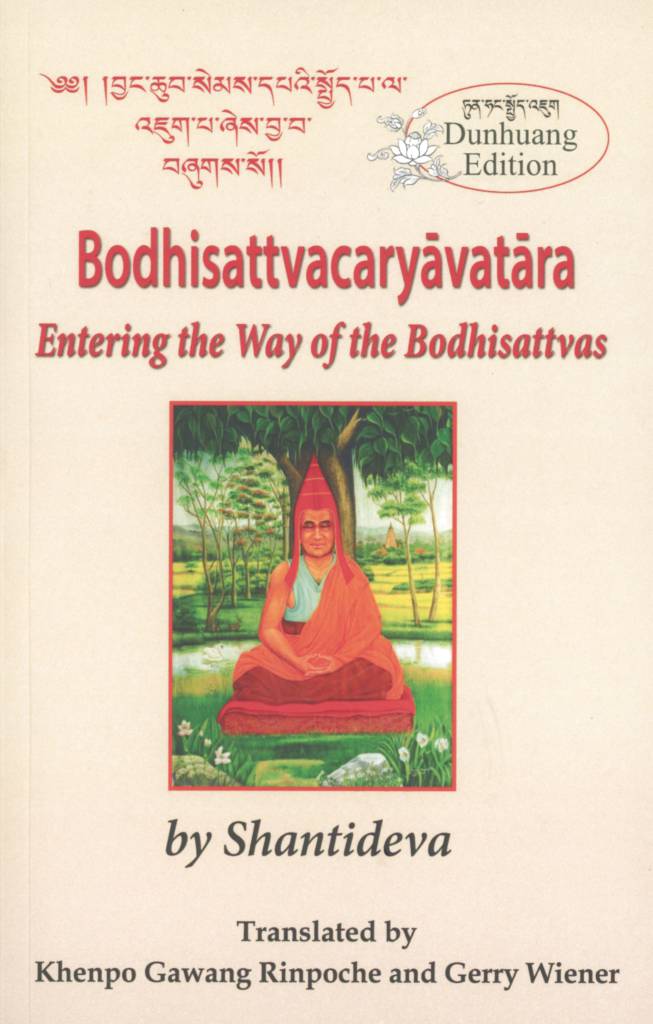
Dūnhuáng §This version is extracted from the book Bodhisattvacaryāvatāra: Entering the Way of the Bodhisattvas (2022, Khenpo Gawang and Wiener), a translation of an edition of the text created from three Dūnhuáng manuscripts. A description and sample pages of these can be found on the Early Tibet Blog. Scans of the actual manuscripts themselves can be found at http://idp.bl.uk

ཚོར་བ་པོ་ཡང་འགའ་མེད་དེ། །

དེ་བས་ཚོར་བ་ཡང་དག་མིན། ། དེ་ལྟར་བདག་མེད་ཚོགས་འདི་ལ། །

སུ་ཞིག་འདི་ཡིས་གནོད་པར་འགྱུར། །

alt verse 8.71 tm data

MD: There is no one who experiences sensation at all,

And therefore, feeling does not ultimately exist. In this way, within this selfless collection,

Who is being harmed by sensation?

Tsadra Critical Edition §This text was created by comparing four versions of the text from Derge, Cone, Narthang, and Peking Tengyurs from BDRC scans, along with Dunhuang manuscripts IOL Tib J 628, 629, and 630. When Tibetan readings were problematic, the Sanskrit texts from GRETIL and LTB (Oslo) were consulted.

ཚོར་པོ་འགའ་ཡང་ཡོད་མིན་ཏེ། །

དེས་ན་ཚོར་བ་དེ་ཉིད་མིན། ། དེ་ལྟར་བདག་མེད་ཚོགས་འདི་ལ། །

འདི་ཡིས་ཅི་སྟེ་གནོད་པར་བྱ། །

[edit]
Sazang Mati (1294 - 1376)
A Commentary on Shantideva's Engaging in the Conduct of the Bodhisattvas (citation)Gyaltsen, Lama Kalsang, and Ani Kunga Chodron, trans. A Commentary on Shantideva's Engaging in the Conduct of the Bodhisattvas Written by Sazang Mati Panchen: Known as An Extremely Clear Illumination of the Meaning of the Text. Walden, NY: Tsechen Kunchab Ling, 2019. Bilingual Edition

ཚོར་བ་པོ་འགའ་་ཡོད་མིན་ཏེ། ། དེས་ན་ཚོར་བ་དེ་ཉིད་མིན། །

If there is no feeler whatsoever, Therefore, there is no feeling itself.[p.399]A Commentary on Shantideva's Engaging in the Conduct of the Bodhisattvas
Gyaltsen, Lama Kalsang, and Ani Kunga Chodron, trans. A Commentary on Shantideva's Engaging in the Conduct of the Bodhisattvas Written by Sazang Mati Panchen: Known as An Extremely Clear Illumination of the Meaning of the Text. Walden, NY: Tsechen Kunchab Ling, 2019. First edition published by The Yeshe Dorje Foundation in 2006.

མྱོང་བ་པོ་མེད་པ་དེས་ན་ཕན་ཚུན་ལྟོས་ནས་འཇོག་པས་མྱང་བྱའི་ཚོར་བའང་དེ་ཁོ་ན་ཉིད་དུ་བདེན་པ་མི༵ན་པར་གྲུབ་པོ།

Therefore, in reality there is no feeler, either one’s own or another’s. Since there is no experiencer, it is also ascertained that feeling does not truly exist in reality, because they have to depend upon each other.

དེ་ལྟར་བདག་མེད་ཚོགས་འདི་ལ། ། འདི་ཡིས་ཅི་སྟེ་གནོད་པར་བྱ། །
Therefore how could this selfless composite Be harmed by it?

དེ་ལྟར་དོན་དམ་དུ་མྱང་བྱ་མྱོང་བྱེད་ལ་སོགས་པའི་བདག་མེད་ཅིང་ཀུན་རྫོབ་ཏུ་རྟེན་འབྲེལ་སྒྱུ་མ་ལྟ་བུའི་ཚོགས་པ་ཙམ་འདི་ལ༵་དཔྱད་ན་སྡུག་བསྔལ་དུ་སྣང་བ་འདི་ཡིས་ཅི་སྟེ་གནོད་པ་བྱས་ཏེ་ཅིའང་བྱས་པ་མེད་ཅིང༌། བདེ་བར་སྣང་བས་ཕན་པ་བྱས་པའང་མེད་པས་དམིགས་མེད་ཀྱི་ངང་དུ་མཉམ་པར་གཞག་པ་བྱ༵་སྟེ། མདོ་ལས།

Thus, ultimately, there is no self, no experiencer, and nothing to be experienced. However, conventionally, these arise interdependently as an assembled magical apparition. Under analysis, how could a perception of suffering cause harm? It cannot do anything. How could the perception of happiness cause benefit? It cannot. Therefore, meditate equipoise in the state which observes neither. A sutra states:

འཇམ་དཔལ་གང་གིས་ཚོར་བ་མི་དམིགས་ན་དེ་ནི་ཚོར་བ་ལ་ཚོར་བའི་རྗེས་སུ་ལྟ་བའི་དྲན་པ་ཉེ་བར་གཞག་པའོ་ཞེས་པ་ལྟར་རོ། །

Manjushri, those who are unable to perceive feeling are contemplating mindfulness of viewing feeling according to feeling itself.

Gyaltsap Je (1364 - 1432)
The Entrance for the Children of the Conquerors (citation)Stracke, Fedor, trans. The Entrance for the Children of the Conquerors: A Commentary on the Introduction to the Actions of Bodhisattvas. By Gyaltsab Rinpoche. N.p.: Happy Monks Publication, 2016. https://happymonkspublication.org/product/bodhisattvacharyavatara-chapter-1-10-commentary/. Bilingual Edition

བཞི་བ་ནི།

Refuting That Their Object-Possessor Exists Inherently 1.1.2.3.2.1.2.4

ཚོར་པོ་འགའ་ཡང་ཡོད་མིན་ཏེ། །

དེས་ན་ཚོར་བ་དེ་ཉིད་མིན། ། དེ་ལྟར་བདག་མེད་ཚོགས་འདི་ལ། །

འདི་ཡིས་ཅི་སྟེ་གནོད་པར་བྱས། །

tshor po 'ga' yang yod min te/_/

des na tshor ba de nyid min/_/ de ltar bdag med tshogs 'di la/_/

'di yis ci ste gnod par byas/_/

Since there is absolutely no one with feeling,

Then feeling is not suchness. In this way, how can this collection lacking self

Be harmed by this?

ཚོར་བ་སེམས་དང་ལྷན་ཅིག་སྐྱེས་པའི་ཕྱིར། ཚོར་བ་སེམས་དེ་ཡིས་རང་བཞིན་གྱིས་མཐོང་བ་མ་ཡིན་ཏེ། རྫས་ཐ་དད་དུས་མཉམ་ལ་འབྲེལ་བ་མེད་པའི་ཕྱིར། ཚོར་བ་ལས་སྔ་བ་དང་ཕྱི་མར་སྐྱེས་པས་ཀྱང་ཚོར་བ་དྲན་པར་འགྱུར་གྱི་མྱོང་བ་མ་ཡིན་ཏེ། དེའི་དུས་ན་འགགས་པ་དང་མ་སྐྱེས་པའི་ཕྱིར་རོ། །

Because feeling is generated simultaneously with mind, it is not seen inherently by the mind because those that are of different substance and simultaneous are unrelated. Although feelings are generated earlier and later, they are remembered but not experienced because, at that time, they have ceased and are not generated.

དོན་བསྡུ་བ་ནི། ཚོར་བ་རང་གིས་རང་གི་བདག་ཉིད་མྱོང་བ་མིན་ཏེ། རང་རིག་བཀག་པས་ཁེགས་པའི་ཕྱིར། རང་བཞིན་གྱིས་གྲུབ་པའི་གཞན་དག་གིས་ཀྱང་མྱོང་བ་མ་ཡིན་ཏེ། མྱོང་བྱ་མྱོང་བྱེད་འབྲེལ་བ་མེད་པའི་ཕྱིར། ཚོར་བྱེད་རང་བཞིན་གྱིས་མ་གྲུབ་པར་མ་ཟད་ཚོར་བ་པོ་འགའ་ཡང་རང་བཞིན་གྱིས་གྲུབ་པ་ཡོད་པ་མིན་ཏེ། གང་ཟག་གི་བདག་འགོག་པའི་སྐབས་སུ་བཀག་ཟིན་པའི་ཕྱིར་རོ། །

Summary: That feelings do not experience themselves is refuted with the refutation of self-knowers. They are also not experienced by an inherently existent another because then that which is experienced and the experiencer are unrelated. Not only does that producing the feeling not exist inherently, there is also absolutely no inherently existent experiencer of feeling. This was already refuted at the time of refuting the self of person.

དེས་ན་ཚོར་བ་དེ་ཁོ་ན་ཉིད་དུ་གྲུབ་པ་མིན་པ་དེ་ལྟར་རང་བཞིན་གྱིས་གྲུབ་པའི་བདག་མེད་པའི་ཕུང་པོའི་ཚོགས་འདི་[p.Ch9-406]Spyod 'jug rtsa 'grel (Mtsho sngon mi rigs dpe skrun khang 2001)
Śāntideva, and Rgyal tshab rje dar ma rin chen. Spyod 'jug rtsa 'grel and Byang chub sems dpa'i spyod pa la 'jug pa'i rnam bshad rgyal sras 'jug ngogs. Xining: Mtsho sngon mi rigs dpe skrun khang, 2001
ལ་ཚོར་བ་བདེ་བས་ཕན་པ་དང་སྡུག་བསྔལ་འདི་ཡིས་ཅི་སྟེ་གནོད་པར་བྱ་བ་སྡུག་བསྔལ་རང་བཞིན་གྱིས་གྲུབ་པ་ཡང་མེད་པས། ཚོར་བ་རང་བཞིན་གྱིས་གྲུབ་པ་ཡང་མེད་པའི་ཚོར་བ་དྲན་པ་ཉེར་གཞག་བསྒོམ་པ་ལ་འབད་པར་རིགས་སོ། །

Then, just as feeling does not exist as suchness, how should the collection of aggregates, that lack an inherently existing self, be benefited by happiness and harmed by suffering? There is no inherently existing suffering. It is suitable to meditate on the close placement of mindfulness on feeling that lacks inherent existence.[p.56]The Entrance for the Children of the Conquerors
Stracke, Fedor, trans. The Entrance for the Children of the Conquerors: A Commentary on the Introduction to the Actions of Bodhisattvas. By Gyaltsab Rinpoche. N.p.: Happy Monks Publication, 2016. https://happymonkspublication.org/product/bodhisattvacharyavatara-chapter-1-10-commentary/.
Pawo Rinpoche, 2nd (1504 - 1566)
The Center of the Sunlit Sky (citation)Brunnhölzl, Karl. The Center of the Sunlit Sky: Madhyamaka in the Kagyü Tradition. Including a translation of Pawo Rinpoche's commentary on the knowledge section of Śāntideva's The Entrance to the Bodhisattva’s Way of Life (Bodhicaryāvatāra). Nitartha Institute Series. Ithaca, NY: Snow Lion Publications, 2004. Bilingual Edition

ཚོར་བོ་འགའ་ཡང་ཡོད་མིན་སྟེ། ། དེས་ན་ཚོར་བ་དེ་ཉིད་མིན། །

There is no experiencer of feelings at all. Therefore, in true reality, there are no feelings. [101ab]

གཉིས་པས་ཚོར་བ་པོ་མེད་པར་བསྟན།

These four lines teach that there is no experiencer of feelings.

ཚོར་བ་རང་གིས་ཚོར་བ་བདག་ཉིད་མྱོང་བའང་མིན་སྟེ་མིག་རང་གིས་རང་མི་མཐོང་བ་ལྟ་བུའི་ཕྱིར། ཚོར་བ་རང་ལས་གཞན་པ་དག་གིས་ཀྱང་མྱོང་བ་མ་ཡིན་སྟེ་གཟུགས་ཀྱིས་སྒྲ་མི་མྱོང་བ་བཞིན་ནོ། །དེ་ལྟར་དཔྱད་པ་ན་ཤེས་རབ་དྲི་མ་མེད་པའི་མདུན་ན་གང་ཞིག་ཚོར་བ་དང་གང་གིས་ཚོར་བ་པོ་དང་ཇི་ལྟར་ཚོར་བ་འགའ་ཡང་ཡོད་པ་མིན་སྟེ་དེས་ན་ཚོར་བ་ནི་མ་དཔྱད་པ་འཁྲུལ་ངོར་སྒྲོ་བཏགས་པས་སྣང་བ་ཡིན་གྱི་དཔྱད་ན་དེ་ཁོ་ན་ཉིད་མིན་ནོ། །

A feeling does not experience itself, because this is comparable to the eye not seeing itself.1703This is analogous to the refutation of self-awareness [verses 17ff.] Nor is this feeling experienced by something other than the feeling itself, just as form does not experience sound. Once one has analyzed in this way, from the perspective of stainless knowledge, there is nothing that is felt, no experiencer who feels, and no way in which feelings are felt at all. Therefore, feelings are [just] appearances through superimposition from the perspective of mistakenness without analysis. When analyzed, however, they are not true reality.

དེ་ལྟར་བདག་མེད་ཚོགས་འདི་ལ། ། འདི་ཡིས་ཅི་སྟེ་གནོད་པ་བྱེད། །

So what in this collection without any identity Could be harmed by them? [101cd][p.728]The Center of the Sunlit Sky
Brunnhölzl, Karl. The Center of the Sunlit Sky: Madhyamaka in the Kagyü Tradition. Including a translation of Pawo Rinpoche's commentary on the knowledge section of Śāntideva's The Entrance to the Bodhisattva’s Way of Life (Bodhicaryāvatāra). Nitartha Institute Series. Ithaca, NY: Snow Lion Publications, 2004.

ཅེས་གསུངས་ཏེ། རྐང་པ་གཉིས་ཀྱིས་བརྗོད་བྱའི་དོན་སྤྱིར་བསྡུས་པའོ། །

These two lines summarize the meaning of the topic in a general way.

དེ་ལྟར་ཆོས་དང་གང་ཟག་གི་བདག་མེད་པ་ལུས་སེམས་ཀྱི་ཚོགས་པ་སྒྱུ་མ་ཙམ་འདི་ལ་སྒྲོ་བཏགས་པའི་ཚོར་བ་འདིས་ཕན་པའམ་གནོད་པར་ཅི་ཞིག་བྱེད་སྟེ་སྒྱུ་མའི་ནམ་མཁའ་ལ་སྒྱུ་མའི་མེ་ཆུས་མི་གནོད་པ་བཞིན་ནོ། །

So what benefit or harm could these superimposed feelings do in this mental and physical collection without any phenomenal or personal identity that is a mere illusion? [867] This is just like illusory space not being harmed by illusory fire or water.

འདི་ནི་ཚོར་བའི་དྲན་ཉེ་ཡང་དག་པར་སྒོམ་པ་ཡིན་སྟེ།

This is the perfect meditation of the application of mindfulness of feelings. [As The Sūtra Requested by Crown Jewel] says:

འཇམ་དཔལ་གང་གིས་ཚོར་བ་ཉིད་མི་དམིགས་ན་དེ་ནི་ཚོར་བ་ལ་ཚོར་བའི་རྗེས་སུ་ལྟ་བའི་དྲན་པ་ཉེ་བར་བཞག་པའོ་ཞེས་སོ། །

Mañjuśrī, those who do not observe these very feelings are the ones who intensely apply their mindfulness to feelings by inspecting feelings.

Mipam Gyatso (1846 - 1912)
The Wisdom Chapter - The Ketaka Jewel (citation)Fletcher, Wulstan, and Helena Blankleder (Padmakara Translation Group), trans. The Wisdom Chapter: Jamgön Mipham's Commentary on the Ninth Chapter of "The Way of the Bodhisattva." Boulder, CO: Shambhala Publications, 2017. Bilingual Edition

ཚོར་པོ་འགའ་ཡང་ཡོད་མིན་ཏེ། །

དེས་ན་ཚོར་བ་དེ་ཉིད་མིན། ། དེ་ལྟར་བདག་མེད་ཚོགས་འདི་ལ། །

འདི་ཡིས་ཅི་སྟེ་གནོད་པར་བྱས། །

tshor po 'ga' yang yod min te/_/

des na tshor ba de nyid min/_/ de ltar bdag med tshogs 'di la/_/

'di yis ci ste gnod par byas/_/

The agent of sensation has no real existence,

Thus sensation, likewise, has no being. What damage, therefore, can sensation do to it—

This aggregate deprived of self?

ཚོར་བ་ལས་གཞན་དུ་གྱུར་པའི་ཤེས་པས་ཀྱང་མི་མྱོང་བར་བཤད་མ་ཐག་པ་ཉིད་ཀྱིས་ཕྱིར་ན། ཚོར་བ་དེ་ཚོར་བ་པོ་འགའ་ཡང་ཡང་དག་པར་མེད་དེ། རྒྱུ་མཚན་དེས་ན་ཚོར་བ་འདི་དེ་ཁོ་ན་ཉིད་དུ་ཡོད་པ་མིན་ནོ། །དེ་ལྟར་མྱོང་བ་པོའི་བདག་མེད་པར་ཕུང་པོའི་[p.98]Spyod 'jug sher 'grel ke ta ka (Si khron mi rigs dpe skrun khang 1993)
Mi pham rgya mtsho. Spyod 'jug sher 'grel ke ta ka. Chengdu: Si khron mi rigs dpe skrun khang, 1993.
ཚོགས་པ་རྨི་ལམ་སྒྱུ་མ་ལྟ་བུ་འདི་ལ་ཚོར་བ་སྡུག་བསྔལ་བ་ཞེས་རང་བཞིན་མ་གྲུབ་པ་འདི་ཡིས་ཇི་སྟེ་གནོད་པར་བྱ་བ་ཡིན་ཏེ།དོན་དུ་ན་ཕན་གནོད་གང་ཡང་མེད་དོ། །ཞེས་སོ། །

On the other hand, as we have just explained, a consciousness that is distinct from the feelings cannot experience them either. That which feels the feelings has no true existence, and therefore the feeling itself has no existence in reality. There being no self to act as the agent of sensation, how can this conglomeration of aggregates, which is like an illusion and a dream vision, be affected by a feeling that has been designated as “suffering” and that has no inherent existence? Indeed, it can be neither helped nor harmed.[p.161]The Wisdom Chapter
Fletcher, Wulstan, and Helena Blankleder (Padmakara Translation Group), trans. The Wisdom Chapter: Jamgön Mipham's Commentary on the Ninth Chapter of "The Way of the Bodhisattva." Boulder, CO: Shambhala Publications, 2017.
Kunzang Palden (1862 - 1943)
The Nectar of Manjushri's Speech (citation)Blankleder, Helena, and Wulstan Fletcher (Padmakara Translation Group), trans. The Nectar of Manjushri's Speech: A Detailed Commentary on Shantideva's Way of the Bodhisattva. By Kunzang Pelden. Boston: Shambhala Publications, 2007. Bilingual Edition

འདི་ལྟར་ཚོར་བ་རང་གིས་བདག་ཉིད་དམ་རང་ཉིད་མྱོང་བར་རིགས་པ་མིན་ཏེ་རང་ལ་རང་བྱེད་པ་འགལ་བའི་ཕྱིར་རང་རིག་པ་བཀག་པ་བཞིན་ཡིན་ལ། ཚོར་བ་ལས་གཞན་དུ་གྱུར་པའི་ཤེས་པ་དག་གིས་ཀྱང་མྱོང་བ་མ་ཡིན་ཏེ། །[p.699]Byang chub sems dpa'i spyod pa la 'jug pa rtsa ba dang 'grel pa (1990)
Slob dpon zhi ba lha and Mkhan po kun dpal. Byang chub sems dpa'i spyod pa la 'jug pa rtsa ba dang 'grel pa. Khreng tu'u: Si khron mi rigs dpe skrun khang, 1990. Buda by BDRC Logo.jpg

ཚོར་པོ་འགའ་ཡང་ཡོད་མིན་ཏེ། །

དེས་ན་ཚོར་བ་དེ་ཉིད་མིན། ། དེ་ལྟར་བདག་མེད་ཚོགས་འདི་ལ། །

འདི་ཡིས་ཅི་སྟེ་གནོད་པར་བྱས། །

tshor po 'ga' yang yod min te/_/

des na tshor ba de nyid min/_/ de ltar bdag med tshogs 'di la/_/

'di yis ci ste gnod par byas/_/

བཤད་མ་ཐག་པ་ཉིད་ཀྱི་ཕྱིར་ན། ཚོར་བ་དེ་ཉིད་མྱོང་བ་པོའམ་ཚོར་བ་པོ་འགའ་ཡང་ཡང་དག་པར་ཡོད་པ་མིན་ཏེ། རྒྱུ་མཚན་དེས་ན་ཚོར་བྱ་འདི་དེ་ཁོ་ན་ཉིད་དུ་ཡོད་པ་མིན་ནོ། །དེ་ལྟར་མྱོང་བ་པོའི་བདག་མེད་པར་ཕུང་པོའི་ཚོགས་པ་རྨི་ལམ་སྒྱུ་མ་ལྟ་བུ་འདི་ལ་ཚོར་བ་སྡུག་བསྔལ་བ་ཞེས་རང་བཞིན་མ་གྲུབ་པ་འདི་ཡིས་ཅི་སྟེ་གནོད་པར་བྱས་པ་ཡིན་ཏེ། དོན་དུ་ཕན་གནོད་གང་ཡང་མེད་དོ། །

Neither can it be right to say that feeling is “self-feeling,” since it is contradictory to say that a sensation acts on itself. This argument is similar to the refutation of the self-knowing mind.

The agent of sensation has no real existence,

Thus sensation, likewise, has no being. What damage, therefore, can sensation do to it—

This aggregate deprived of self?

On the other hand, as we have just explained, the consciousness that is distinct from the feelings cannot experience them either. That which experiences the feelings, the agent of sensation, has no true existence. Thus, such feelings are devoid of intrinsic reality. How then can this agent of experience, self-less and like a mirage or dream-vision, composed of a collection of aggregates, be affected by a feeling designated as “suffering” but which has no inherent existence? In truth, such an agent can neither be helped nor harmed.


[edit]
[edit]