9.90

From Bodhicitta

Bodhicaryāvatāra · Verse 9.90


Sources:    

Sanskrit §No information about the source used.

अस्ति सूक्ष्मतया दुःखं स्थौल्यं तस्य हृतं ननु। तुष्टिमात्रापरा चेत्स्यात्तस्मात् साप्यस्य सूक्ष्मता॥

 
Chanted Verse
Recitation by Professor Kashinath Nyaupane
90

If suffering does not arise when causes of the opposite have arisen, surely the resulting notion of 'a sensation' is in fact a superimposition of our imagination?

Standard Tibetan §Padmakara used the 1990 edition printed by si khron mi rigs dpe skrun khang: Byang chub sems dpa'i spyod pa la 'jug pa rtsa ba dang 'grel pa (1990). Also found in Derge Tengyur D3871, dbu ma, vol. 105, la 1b1–40a7.

སྡུག་བསྔལ་ཕྲ་མོ་ཉིད་དུ་ཡོད། །

འདི་ཡི་རགས་པ་བསལ་མིན་ནམ། ། དེ་ནི་དེ་ལས་གཞན་དགའ་ཙམ། །

ཞེ་ན་ཕྲ་ཉིད་དེ་ཡང་དེའི། །

 
Chanted Verse
Recitation by Lopen Karma Phuntsho
90

Perhaps you say that only subtle pain remains,

Its grosser form has now been overmastered— Or rather it is felt as “mere pleasure.”

But what is subtle still remains itself.

Standard Tibetan §Padmakara used the 1990 edition printed by si khron mi rigs dpe skrun khang: Byang chub sems dpa'i spyod pa la 'jug pa rtsa ba dang 'grel pa (1990). Also found in Derge Tengyur D3871, dbu ma, vol. 105, la 1b1–40a7. - Other translations

You might say, “Isn’t it that suffering exists in a subtle form,

Once its gross form is removed?” If the [feeling] other than that is mere joy, Any subtlety must still pertain to this. [90]1696Pawo Rinpoche’s version of lines 90bc has ’di yis instead of ’di yi and gzhan ’ga’ tsam instead of gzhan dga’ tsam. Thus, his commentary refers to the following reading: You might say, “Suffering exists in a subtle form.” Isn’t it that this removes the gross form [of pleasure]? If it is merely something other,

Any subtlety must still pertain to this.

– La douleur existe alors à l’état subtil, dites-vous,

Car son état manifeste a été écarté, n’est-ce pas ? À moins, encore, qu’il ne s’agisse d’une simple sensation de plaisir ?

– Même subtile, la sensation demeure.

Quizá diréis que el sufrimiento queda de un modo sutil

y su aspecto más burdo ha sido eliminado o más bien que se siente como mero “placer”.

Pero aunque sutil, seguirá ahí.

La Práctica del Bodisatva-front.jpg
Padmakara Spain 2008

Merely subtle suffering exists,

Isn’t the coarse one cleared away? If, ‘It is a mere joy apart from it’,

The subtle itself belongs to it as well

A subtle suffering exists

Although its gross aspect is dispelled. If they say that subtle joy is other than that

Still, the subtle must also be a type of it.

shift + scroll / swipe
Tsadra Critical Edition §This text was created by comparing four versions of the text from Derge, Cone, Narthang, and Peking Tengyurs from BDRC scans, along with Dunhuang manuscripts IOL Tib J 628, 629, and 630. When Tibetan readings were problematic, the Sanskrit texts from GRETIL and LTB (Oslo) were consulted.

སྡུག་བསྔལ་ཕྲ་མོ་ཉིད་དུ་ཡོད། །

འདི་ཡི་རགས་པ་བསལ་མིན་ནམ། ། དེ་ནི་དེ་ལས་གཞན་དགའ་ཙམ། །

ཞེ་ན་ཕྲ་ཉིད་དེ་ཡང་དེའི། །

[edit]
Sazang Mati (1294 - 1376)
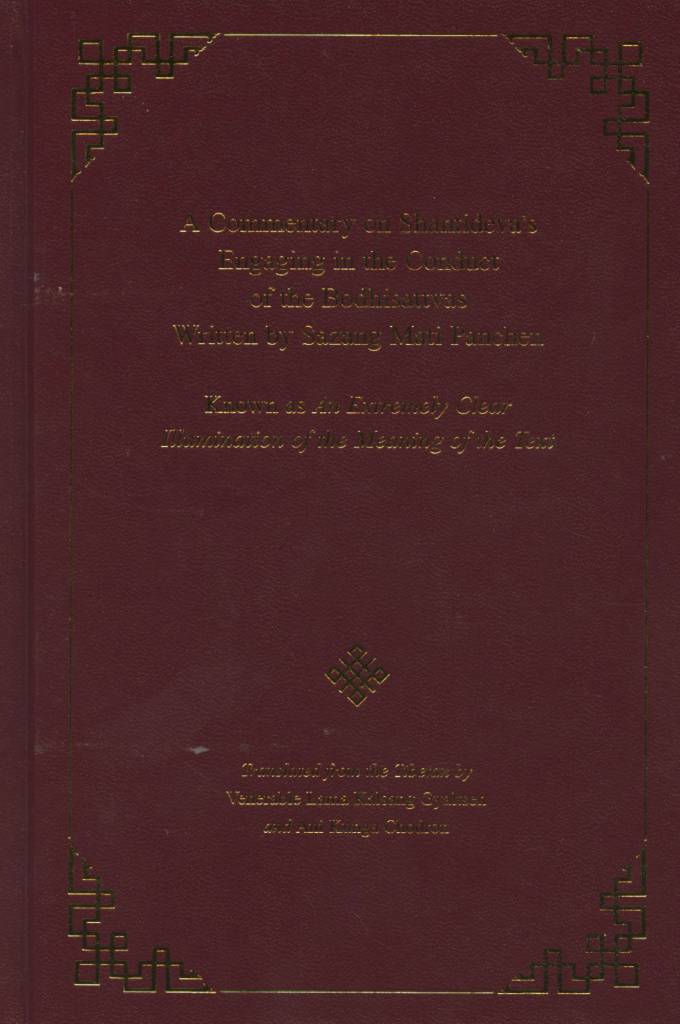
A Commentary on Shantideva's Engaging in the Conduct of the Bodhisattvas (citation)Gyaltsen, Lama Kalsang, and Ani Kunga Chodron, trans. A Commentary on Shantideva's Engaging in the Conduct of the Bodhisattvas Written by Sazang Mati Panchen: Known as An Extremely Clear Illumination of the Meaning of the Text. Walden, NY: Tsechen Kunchab Ling, 2019. Bilingual Edition

སྡུག་བསྔལ་ཕྲ་མོ་ཉིད་དུ་ཡོད། །

འདི་ཡི་རགས་པ་བསལ་མིན་ནམ། ། དེ་ནི་དེ་ལས་གཞན་དགའ་ཙམ། །

ཞེ་ན་ཕྲ་ཉིད་དེ་ཡང་དེའི། །
sdug bsngal phra mo nyid du yod/_/

'di yi rags pa bsal min nam/_/ de ni de las gzhan dga' tsam/_/

zhe na phra nyid de yang de'i/_/

A subtle suffering exists

Although its gross aspect is dispelled. If they say that subtle joy is other than that

Still, the subtle must also be a type of it.

བདེ་བའི་གནས་སྐབས་ན་སྡུག་བསྔལ་དེ་ཉམས་སུ་མ་མྱོང་ཡང་ཕྲ་མོ་ཉིད་དུ་གནས་པར་ཡོ༵ད་དོ་ཞེ་ན།

They may say: Although while experiencing happiness, suffering is not experienced, it exists in a subtle manner.

དེ་ལྟ་ན་ཡང་སྡུག་བསྔལ་འདི་ཡི་རགས་པ་བདེ་བ་སྟོབས་ལྡན་གྱིས་ཟིལ་གྱིས་མནན་ནས་བསལ་པས་སྡུག་བསྔལ་གྱི་ངོ་བོར་མེད་པ་མིན་ན༵མ་ཞེས་དྲིའོ། །

Madhyamika: If that were the case, the gross part of suffering is overwhelmed by powerful feelings of happiness, so isn’t the nature of suffering absent?

བདེན་མོད་འོན་ཀྱང་སྡུག་བསྔལ་ཕྲ་མོ་དེ་ནི་དགའ་བདེ་སྟོབས་ལྡན་དེ་ལས་གཞན་དགའ་བདེ་ཆུང་ངུ་ཙ༵མ་གྱི་ངོ་བོར་ཡོད་དོ་ཞེ་ན།

They may say: Although that could be true, still subtle suffering can be experienced separately from happiness and joy, in the form of a subtle suffering beside a powerful pleasure.

དེ་ལྟ་ན་སྡུག་བསྔལ་ཕྲ་མོ་ཉིད་དེ་ཡང་སྡུག་བསྔལ་དུ་བདེན་པར་ཡོད་པ་མ་ཡིན་པར་འགྱུར་ཏེ།

Madhyamika: If that were the case, that subtle suffering could not truly exist as suffering because it must exist in the manner of subtle joy.[p.395]A Commentary on Shantideva's Engaging in the Conduct of the Bodhisattvas
Gyaltsen, Lama Kalsang, and Ani Kunga Chodron, trans. A Commentary on Shantideva's Engaging in the Conduct of the Bodhisattvas Written by Sazang Mati Panchen: Known as An Extremely Clear Illumination of the Meaning of the Text. Walden, NY: Tsechen Kunchab Ling, 2019. First edition published by The Yeshe Dorje Foundation in 2006.
Gyaltsap Je (1364 - 1432)
The Entrance for the Children of the Conquerors (citation)Stracke, Fedor, trans. The Entrance for the Children of the Conquerors: A Commentary on the Introduction to the Actions of Bodhisattvas. By Gyaltsab Rinpoche. N.p.: Happy Monks Publication, 2016. https://happymonkspublication.org/product/bodhisattvacharyavatara-chapter-1-10-commentary/. Bilingual Edition

གཉིས་པ་ནི།

The Feeling of Happiness Does Not Exist Inherently 1.1.2.3.2.1.2.1.2

སྡུག་བསྔལ་ཕྲ་མོ་ཉིད་དུ་ཡོད། །

འདི་ཡི་རགས་པ་བསལ་མིན་ནམ། ། དེ་ནི་དེ་ལས་གཞན་དགའ་ཙམ། །

ཞེ་ན་ཕྲ་ཉིད་དེ་ཡང་དེའི། །
sdug bsngal phra mo nyid du yod/_/

'di yi rags pa bsal min nam/_/ de ni de las gzhan dga' tsam/_/

zhe na phra nyid de yang de'i/_/

Merely subtle suffering exists,

Isn’t the coarse one cleared away? If, ‘It is a mere joy apart from it’,

The subtle itself belongs to it as well

བདེ་བ་[p.Ch9-401]Spyod 'jug rtsa 'grel (Mtsho sngon mi rigs dpe skrun khang 2001)
Śāntideva, and Rgyal tshab rje dar ma rin chen. Spyod 'jug rtsa 'grel and Byang chub sems dpa'i spyod pa la 'jug pa'i rnam bshad rgyal sras 'jug ngogs. Xining: Mtsho sngon mi rigs dpe skrun khang, 2001
ཡང་རང་བཞིན་གྱིས་ཡོད་ན་བུ་ཤི་བ་སོགས་ཀྱི་མྱ་ངན་གྱིས་གདུང་བ་སོགས་ལ་ཁ་ཟས་ཞིམ་པོ་སོགས་ཟོས་པས་དེའི་ཡིད་ཅི་སྟེ་དགའ་མི་བྱེད་དེ་བདེ་བར་བྱེད་པར་ཐལ། བཟའ་བཏུང་ཞིམ་པོ་སོགས་ཀྱིས་བདེ་བ་རང་བཞིན་གྱིས་གྲུབ་པ་བསྐྱེད་པའི་ཕྱིར།

If happiness also existed inherently, then why does fine food and drink not provide joy in the mind at the time of being overwhelmed by misery because of a dead child? It follows it does make one happy - because fine food, drink and the like generate inherently existing happiness.

ཁོ་ན་རེ་མྱ་ངན་གྱིས་གདུངས་པའི་དུས་བདེ་བ་དེ་སྐྱེས་ཡོད་ཀྱང་སྡུག་བསྔལ་སྟོབས་དང་ལྡན་པས་ཟིལ་གྱིས་མནན་པའི་ཕྱིར་གལ་ཏེ་བདེ་བ་དེ་མྱོང་བ་མ་ཡིན་ནོ་ཞེ་ན།

Argument: Although happiness is generated at the time of being overwhelmed by misery, because the suffering is strong it suppresses the happiness. Perhaps that is why one does not experience happiness.[p.52]The Entrance for the Children of the Conquerors
Stracke, Fedor, trans. The Entrance for the Children of the Conquerors: A Commentary on the Introduction to the Actions of Bodhisattvas. By Gyaltsab Rinpoche. N.p.: Happy Monks Publication, 2016. https://happymonkspublication.org/product/bodhisattvacharyavatara-chapter-1-10-commentary/.

གང་ཞིག་ཉམས་སུ་མྱོང་བའི་བདག་ཉིད་མིན་པ་དེ་ནི་ཚོར་བ་བདེ་བ་ཇི་ལྟར་ཡིན་ཏེ་མ་ཡིན་པར་ཐལ། ཉམས་སུ་མྱོང་བའི་ཕྱིར། དེ་བཞིན་དུ་བདེ་བ་སྟོབས་ལྡན་གྱིས་སྡུག་བསྔལ་རང་བཞིན་གྱིས་གྲུབ་པ་ཟིལ་གྱིས་མནན་པ་ལ་ཡང་ལན་དུ་སྦྱར་རོ། །

Madhyamaka: How can that not in the nature of simultaneous experience be the feeling of happiness? It follows it cannot - because of simultaneous experience. One can relate the answer likewise to the suppressing of inherently existing suffering by strong happiness.

གལ་ཏེ་བདེ་བ་སྟོབས་ལྡན་སྐྱེས་པའི་ཚེ་ཚོར་བ་སྡུག་བསྔལ་ཕྲ་མོ་ཉིད་དུ་ཡོད་པ་མྱོང་བས་ཅུང་ཟད་ཀྱང་མ་མྱོང་བ་མ་ཡིན་ནོ་ཞེ་ན།

Argument: Because at the time of strong happiness there is a subtle feeling of suffering it is not as if one did not experience any suffering.

ཚོར་བ་སྡུག་བསྔལ་ཕྲ་མོ་ཡོད་ན་བདེ་བ་སྟོབས་ལྡན་འདིས་སྡུག་བསྔལ་ལ་གནོད་པ་ཅི་ཞིག་བྱས་ནས་བདེ་བ་སྟོབས་ལྡན་མྱོང་བར་འཇོག བདེ་བ་སྟོབས་ལྡན་དེས་སྡུག་བསྔལ་འདིའི་རགས་པ་བསལ་བ་མིན་ནམ་སྟེ་ཡིན་པར་འདོད་ལ།

Madhyamaka: If there are subtle feelings of suffering, then what harm did the powerful happiness give to the suffering, so that one posits the experience of powerful happiness? Did the powerful happiness not clear away the coarse suffering?

སྡུག་བསྔལ་ཕྲ་མོ་དེ་ནི་བདེ་བ་ཆེན་པོ་དེ་ལས་གཞན་དགའ་བ་ཕྲ་མོ་ཙམ་ཡིན་ནོ་ཞེ་ན།

Argument: This I accept, but this subtle suffering is only a form of subtle joy apart, separate from that great happiness.

བདེ་བ་ཕྲ་བ་ཉིད་དེའང་བདེ་བ་དེའི་མཚན་ཉིད་ལས་མ་འདས་པས་བདེ་བ་ཕྲ་མོ་ཡིན་ན་བདེ་བ་ཡིན་དགོས་པས་སོ། །

Madhyamaka: Since this subtle happiness is not outside the definition of happiness, if it is subtle happiness, it needs to be happiness.

བདེ་ན་མྱ་ངན་གདུང་སོགས་ལ། །ཞེས་པའི་སྐྱོན་སྤོང་བར་འདོད་ནས་གལ་ཏེ་བཟའ་བཏུང་ཞིམ་པ་སོགས་ལས་བདེ་བ་སྐྱེས་པའི་ཚེ་སྡུག་བསྔལ་དང་འགལ་བ་[p.Ch9-402]Spyod 'jug rtsa 'grel (Mtsho sngon mi rigs dpe skrun khang 2001)
Śāntideva, and Rgyal tshab rje dar ma rin chen. Spyod 'jug rtsa 'grel and Byang chub sems dpa'i spyod pa la 'jug pa'i rnam bshad rgyal sras 'jug ngogs. Xining: Mtsho sngon mi rigs dpe skrun khang, 2001
བདེ་བའི་རྐྱེན་སྐྱེས་པས་ན་དེའི་ཚེ་སྡུག་བསྔལ་སྐྱེས་པ་མིན་ནོ་ཞེ་ན།

Argument: Wishing to repudiate the fault of, ‘If it is happiness, then why does fine food and so forth’: Because the contrary condition for suffering, i.e., happiness, is generated from things like fine food and drink, therefore no suffering is generated at this time.

བདེ་སྡུག་གི་ཚོར་བ་རྟོག་པས་མངོན་པར་ཞེན་ཅིང་བཏགས་པ་ཙམ་ཉིད་ཡིན་ཞེས་བྱ་བར་གྲུབ་པ་མིན་ནམ་སྟེ་གྲུབ་པར་ཐལ། བཟའ་བཏུང་གཅིག་ཉིད་རྟོག་པའི་དབང་གིས་བདེ་སྡུག་གཉིས་ཀའི་རྒྱུར་བཏགས་པའི་ཕྱིར།

Madhyamaka: Isn’t the saying, ‘the feelings of happiness and suffering are mere conceptual fabrications and imputations’ established? It follows it is - because one instance of food or drink is labelled as the cause for both happiness and suffering through the power of conceptual thought.
Pawo Rinpoche, 2nd (1504 - 1566)
The Center of the Sunlit Sky (citation)Brunnhölzl, Karl. The Center of the Sunlit Sky: Madhyamaka in the Kagyü Tradition. Including a translation of Pawo Rinpoche's commentary on the knowledge section of Śāntideva's The Entrance to the Bodhisattva’s Way of Life (Bodhicaryāvatāra). Nitartha Institute Series. Ithaca, NY: Snow Lion Publications, 2004. Bilingual Edition

སྡུག་བསྔལ་ཕྲ་མོ་ཉིད་ཏུ་ཡོད། །

འདི་ཡིས་རགས་པ་བསལ་མིན་ནམ། ། དེ་ནི་དེ་ལས་གཞན་འགའ་ཙམ། །

ཞེན་ཕྲ་ཉིད་དེ་ཡང་དེའི། །

You might say, “Isn’t it that suffering exists in a subtle form,

Once its gross form is removed?” If the [feeling] other than that is mere joy, Any subtlety must still pertain to this. [90]1696Pawo Rinpoche’s version of lines 90bc has ’di yis instead of ’di yi and gzhan ’ga’ tsam instead of gzhan dga’ tsam. Thus, his commentary refers to the following reading: You might say, “Suffering exists in a subtle form.” Isn’t it that this removes the gross form [of pleasure]? If it is merely something other,

Any subtlety must still pertain to this.

གཉིས་ཀྱིས་སྡུག་བསྔལ་ཕྲ་མོར་ཡོད་པ་བཀག

These two verses refute the existence of subtle suffering.

གལ་སྟེ་སྡུག་བསྔལ་ཕྲ་མོ་ཉིད་ཏུ་ཡོད་པས་རྒྱུན་ཆད་པ་ཡང་མ་ཡིན་ནོ་ཞེ་ན། འོ་ན་དེའི་ཚེ་སྡུག་བསྔལ་ཕྲ་མོ་མྱོང་ཞིང་ཡོད་པ་འདིས་དེའི་དུས་ཀྱི་བདེ་བ་རགས་པ་ཡང་བསལ་བ་མིན་ནམ་སྟེ་སྡུག་བསྔལ་ཕྲ་མོ་དང་བདེ་བ་རགས་པ་ཤེས་པ་གཅིག་གིས་དུས་ཅིག་ཆར་མྱོང་བ་མི་སྲིད་པའི་ཕྱིར།

You might say, “Suffering exists in a subtle form. Therefore, its continuum is not interrupted.” However, isn’t it that this experience and existence of subtle suffering removes even the gross form of pleasure [that exists] at this same[p.724]The Center of the Sunlit Sky
Brunnhölzl, Karl. The Center of the Sunlit Sky: Madhyamaka in the Kagyü Tradition. Including a translation of Pawo Rinpoche's commentary on the knowledge section of Śāntideva's The Entrance to the Bodhisattva’s Way of Life (Bodhicaryāvatāra). Nitartha Institute Series. Ithaca, NY: Snow Lion Publications, 2004.
time? [In fact, it should,] because it is not possible that subtle suffering and gross pleasure are experienced simultaneously by a single consciousness.

སྡུག་བསྔལ་ཕྲ་མོ་དེ་ནི་བདེ་བ་རགས་པ་དེ་ལས་གཞན་པའི་དུས་འགའ་ཞིག་དུ་སྐྱེ་བས་སྐྱོན་མེད་ཏོ་ཅེ་ན། སྡུག་བསྔལ་ཕྲ་མོ་ཉིད་དེ་ཡང་བདེ་བ་རགས་པ་དེའི་འགལ་རྐྱེན་དུ་གྱུར་པས་ན་སྡུག་བསྔལ་དེ་ཡོད་བཞིན་བདེ་བ་དེ་སྐྱེ་མི་སྲིད་པར་འགྱུར་ལ་སྡུག་བསྔལ་དེ་ནི་དོན་དམ་པར་ཡོད་པས་ནམ་ཡང་བདེ་བ་སྐྱེ་བ་མི་སྲིད་པར་ཐལ་བར་འགྱུར་རོ། །

You might argue, “Since this subtle suffering arises at some time that is other than the [time of] gross pleasure, there is no mistake.” Any subtlety of suffering must still pertain to this gross pleasure in that it is its adverse condition. Due to this, it is impossible that pleasure arises while suffering exists. Rather, it would follow that it is never possible for pleasure to arise, since suffering ultimately exists. You might say, “Suffering does not arise as something permanent by nature; it merely originates from an assembly of causes and conditions.” If this is the case, this can only mean that this [suffering] appears in different situations merely due to an assembly of delusive causes and conditions. Thus, our conceptions of pleasurable, painful, and neutral feelings and our apprehension of them as actualities are nothing but just mistaken imaginations.1697As can be seen, the text of verses 90 and 91 is somewhat rearranged in the commentary, which is partly due to the variants in lines 90bc.

Padma Karpo’s commentary shows the same variants but gives a different explanation: “You might say, ‘At the time of pleasure, suffering exists in a subtle form. However, isn’t it that this gross pleasure removes the gross form [of suffering]? Then, it is merely something other; i.e., its gross form has subsided and its subtle form becomes manifest.’ Any subtlety must still pertain to its respective type. Since it cannot go beyond [its type], it is still suffering or pleasure [respectively].” (p. 157) Almost all other commentators explain this verse by taking the first three lines as the statement of the opponent. Ngülchu Togme’s commentary may exemplify this: “You might say, ‘Since the experience of suffering in a subtle form exists, it is definitely a feeling. However, isn’t it that its gross form is removed by powerful pleasure? It surely is. The nature of this subtle [suffering] is a joy different from that gross pleasure, i.e., a mere slight pleasure.’ Any experience of [such] subtlety would not be suffering, since it must still pertain to this type of pleasure.” (p. 344) See also Künzang Pelden’s commentary (Kun bzang dpal ldan 1990, pp. 90–91), which—as so often—corresponds almost exactly to Mipham Rinpoche’s Ketaka Jewel.

འགྲེལ་ཆུང་ལས་ནི།

The Small Commentary presents [lines 90a–c] as the statement of others:

ཕྲ་མོར་ཡོད་པས་ཚོར་བ་དེ་ཁོ་ནར་ཡོད་ལ་རགས་པ་བསལ་བས་དགའ་བ་ལ་མི་གནོད་པ་ཡང་མི་འགལ་ལོ། །ཚོར་བའི་མཚན་ཉིད་ལས་འདས་པར་ཡང་མི་ཐལ་སྟེ་མྱོང་བའི་ཕྱིར་རོ། །འདི་ལྟར་ད་ནི་དེ་ལས་གཞན་འགའ་ཙམ་སྟེ་སྡུག་བསྔལ་ཕྲ་མོ་དེ་ནི་བདེ་བ་ཆེན་པོ་ལས་གཞན་པ་བདེ་བ་ཕྲ་མོའི་བདག་ཉིད་བདེ་བ་ཕུལ་དུ་ཕྱིན་པས་སྟོང་པའོ་ཞེ་ན།

You might argue, “Since [suffering] exists [here] in a subtle way, it exists as the very feeling [of suffering]. [However,] since [its] gross [aspect] may be dispelled [by gross pleasure], it is also not contradictory to [say] that [suffering] does not remove pleasure. Furthermore, it does not follow that this [subtle suffering] goes beyond the definition of feeling, because it is experienced. In this way, it is merely something other than that [gross pleasure]. The subtle suffering [at the time of gross pleasure] is something other than great pleasure; it has the character of subtle pleasure that is empty of supreme pleasure.” [Thus, lines 90a–c would read as follows:]

སྡུག་བསྔལ་ཕྲ་མོ་ཉིད་ཏུ་ཡོད། །འདི་ཡིས་རགས་པ་བསལ་མིན་ནམ། །དེ་ནི་དེ་ལས་གཞན་འགའ་ཙམ། །ཞེ་ན།

You might say, “Isn’t it that suffering exists in a subtle form,
Once its gross form is removed?
It is merely something other.”

ཞེས་པའི་བར་གཞན་གཞུང་དུ་བྱས་ནས། ཕྲ་ཉིད་དེ་ཡང་དེའི། སོགས་ཀྱིས་བཀག་པར་བསྟན་ཏོ། །

[This commentary says that lines 90d–91d] “Any subtlety must still pertain to this . . . “ teach the refutation [of this statement].
Mipam Gyatso (1846 - 1912)
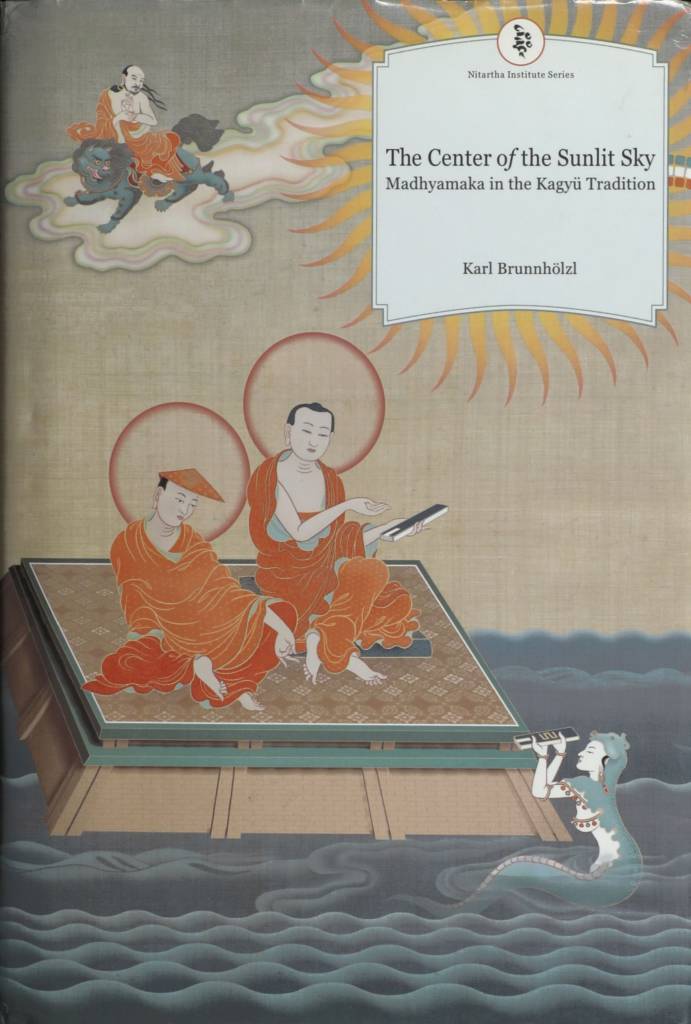
The Wisdom Chapter - The Ketaka Jewel (citation)Fletcher, Wulstan, and Helena Blankleder (Padmakara Translation Group), trans. The Wisdom Chapter: Jamgön Mipham's Commentary on the Ninth Chapter of "The Way of the Bodhisattva." Boulder, CO: Shambhala Publications, 2017. Bilingual Edition

སྡུག་བསྔལ་ཕྲ་མོ་ཉིད་དུ་ཡོད། །

འདི་ཡི་རགས་པ་བསལ་མིན་ནམ། ། དེ་ནི་དེ་ལས་གཞན་དགའ་ཙམ། །

ཞེ་ན་ཕྲ་ཉིད་དེ་ཡང་དེའི། །
sdug bsngal phra mo nyid du yod/_/

'di yi rags pa bsal min nam/_/ de ni de las gzhan dga' tsam/_/

zhe na phra nyid de yang de'i/_/

Perhaps you say that only subtle pain remains,

Its grosser form has now been overmastered— Or rather it is felt as “mere pleasure.”

But what is subtle still remains itself.

དེ་ལ་དེ་དག་འདི་སྙམ་དུ། གཏན་ནས་མ་མྱོང་བ་ཚོར་བར་མི་རུང་བས་ན་དགའ་བ་སྟོབས་ལྡན་མྱོང་བཞིན་པའི་སྐབས་སུ་སྡུག་བསྔལ་གཏན་མ་མྱོང་བ་ནི་མིན་ཀྱང་སྡུག་བསྔལ་ཕྲ་མོ་ཉིད་དུ་ཡོད་པས་དེ་མྱོང་བ་མི་ཤེས་པས་ཡིན་ཏེ། དཔེར་ན་བུ་རམ་གྱི་ཁུ་བ་མང་པོའི་ནང་ན་ཚ་ཆུའི་ཐིགས་པ་ཕྲ་མོ་ལྷུང་བ་བཞིན་ནོ་ཞེ་ན། རྒྱུད་གཅིག་ལ་སྡུག་བསྔལ་ཕྲ་མོ་དང་བདེ་བ་ནུས་མཚུངས་སུ་འགྲོགས་པ་ནི་མེད་དེ། ཡོད་ན་བདེ་སྡུག་གཉིས་དུས་མཉམ་[p.91]Spyod 'jug sher 'grel ke ta ka (Si khron mi rigs dpe skrun khang 1993)
Mi pham rgya mtsho. Spyod 'jug sher 'grel ke ta ka. Chengdu: Si khron mi rigs dpe skrun khang, 1993.
པར་རྒྱུད་གཅིག་ལ་སྣང་དུ་རུང་བ་ལ་དེ་མ་དམིགས་པ་དང་། ཁྱོད་ཀྱི་སྡུག་བསྔལ་འདི་ཡི་རགས་པ་སྟོབས་ཆེན་པོའི་ཆ་ནི་བདེ་བས་བསལ་བར་འདོད་པ་མིན་ནམ། དེ་ལྟར་ན་འདིའི་ཕྲ་བའང་ཅིས་མི་སེལ་ཏེ། དེའི་གཉེན་པོ་སྟོབས་ལྡན་གནས་བཞིན་པ་ཡིན་པའི་ཕྱིར། མེ་སྟོབས་ཆེན་པོས་ཁྱབ་པར་ནོན་པའི་གཞིར་གྲང་རེག་བཞིན་ནོ། །དེའི་ཕྱིར་བདེ་བ་སྟོབས་ཆེན་མྱོང་བཞིན་པ་ན་དེའི་འགལ་ཟླར་གྱུར་པའི་སྡུག་བསྔལ་ཕྲ་བའང་མྱོང་བ་མེད་དོ། །

It could still be objected that when a powerful sense of pleasure supervenes, it is not that pain is not experienced at all, but that it is present in a very subtle form and therefore not recognized or felt, just as when a tiny drop of brine falls into a large quantity of treacle. But it is impossible for a subtle form of pain and a powerful sense of pleasure to coexist within a single mind-stream. If it were possible, it ought to be possible for them to be felt at the same time, whereas this never happens. And since it was contended earlier that the powerful gross aspect of pain may be suppressed by feelings of pleasure, how is it that the subtle aspect is not dispelled likewise, in the face of such a powerful antidote, as when something cold touches a surface that is totally suffused with a fierce heat? Therefore, when a strong sense of pleasure is being experienced, a subtle aspect of pain, which is its contrary, is not felt.

ཡང་ཁོ་ན་རེ། སྡུག་བསྔལ་ཕྲ་མོ་ཡོད་ཀྱང་དེ་ནི་རང་གི་ནུས་པ་འབྱིན་མ་ནུས་པར་བདེ་བ་སྟོབས་ཆེན་པོ་ཁ་བསྒྱུར་ཏེ་སོང་བས་ན། བདེ་བ་ཆེན་པོ་དེ་ལས་གཞན་དགའ་བ་ཙམ་སྟེ་དགའ་བ་ཕྲ་མོའི་རྣམ་པར་མྱོང་བ་ཡིན་ཏེ། ཤེལ་དཀར་པོ་རྡུལ་དམར་པོས་ཁ་བསྒྱུར་ནས་དམར་པོར་སྣང་ཡང་ཤེལ་དཀར་པོ་མེད་པ་ནི་མིན་པ་བཞིན་ནོ་ཞེ་ན། དགའ་བ་ཙམ་དུ་གཏོགས་པའི་ཕྲ་མོ་ཉིད་དེའང་དགའ་བ་དེའི་རིགས་ཡིན་གྱི་སྡུག་བསྔལ་ནམ་ཡང་མ་ཡིན་ན། དེ་དོན་དུ་སྡུག་བསྔལ་ལོ་ཞེས་བཏགས་པས་ཅི་བྱ་སྟེ། སྡུག་བསྔལ་ཉིད་དགའ་བ་ཕྲ་མོར་མྱོང་བའི་དགའ་བ་ཙམ་དང་། དགའ་བ་རང་ཉིད་ཕྲ་མོར་མྱོང་བའི་དགའ་བ་ཙམ་གྱི་ཆ་ཞེས་ཁྱད་པར་ཅི་ཞིག་གིས་འབྱེད་དེ་མེད་བཞིན་ནན་གྱིས་བཙལ་བ་ནམ་མཁའ་ལ་མདུད་པ་བོར་བ་འདིས་ཅི་བྱ། དཔེ་དག་ཀྱང་རང་ཉིད་མ་གྲུབ་པ་སྒྲུབ་བྱེད་དུ་བཀོད་པ་ཡིན་གྱི་དེས་མི་འགྲུབ་བོ། །

Perhaps it could be said that the subtle pain does exist, nevertheless, but that it is prevented from acting like pain. It is transformed by the powerful sense of bliss into a sensation of mere pleasurableness; it is experienced as a sort of subtle pleasure. It nevertheless remains what it is, like a clear crystal stained with vermilion, which looks red but is still a clear crystal underneath. To this, it must be said that the subtle pain classified as “mere pleasurableness” is in fact a form of pleasure; it is not pain at all. What purpose is served by calling it “pain”? And what difference is there in a mere pleasurableness that is “pain experienced as subtle pleasure,” and a mere pleasurableness that is just a subtle form of pleasure? What is the point of racking one’s brains to find such nonexistent distinctions, like trying to tie the sky into knots? The examples, which are themselves incoherent, have been adduced as proofs. But they are unable to prove anything at all![p.155]The Wisdom Chapter
Fletcher, Wulstan, and Helena Blankleder (Padmakara Translation Group), trans. The Wisdom Chapter: Jamgön Mipham's Commentary on the Ninth Chapter of "The Way of the Bodhisattva." Boulder, CO: Shambhala Publications, 2017.
Kunzang Palden (1862 - 1943)
The Nectar of Manjushri's Speech (citation)Blankleder, Helena, and Wulstan Fletcher (Padmakara Translation Group), trans. The Nectar of Manjushri's Speech: A Detailed Commentary on Shantideva's Way of the Bodhisattva. By Kunzang Pelden. Boston: Shambhala Publications, 2007. Bilingual Edition

སྡུག་བསྔལ་ཕྲ་མོ་ཉིད་དུ་ཡོད། །

འདི་ཡི་རགས་པ་བསལ་མིན་ནམ། ། དེ་ནི་དེ་ལས་གཞན་དགའ་ཙམ། །

ཞེ་ན་ཕྲ་ཉིད་དེ་ཡང་དེའི། །
sdug bsngal phra mo nyid du yod/_/

'di yi rags pa bsal min nam/_/ de ni de las gzhan dga' tsam/_/

zhe na phra nyid de yang de'i/_/

དེ་ལ་དེ་དག་འདི་སྙམ་དུ་གཏན་ནས་མ་མྱོང་བ་ཚོར་བར་མི་རུང་བས་ན་དགའ་བ་སྟོབས་ལྡན་མྱོང་བཞིན་པའི་སྐབས་སུ་སྡུག་བསྔལ་གཏན་མ་མྱོང་བ་མིན་ཀྱང་སྡུག་བསྔལ་ཕྲ་མོ་ཉིད་དུ་ཡོད་པས་དེ་མྱོང་བ་མི་ཤེས་པས་ཡིན་ཏེ། དཔེར་ན་བུ་རམ་གྱི་ཁུ་བ་མང་བའི་ནང་ན་ཚྭ་ཆུའི་ཐིག་པ་ཕྲ་མོ་ལྷུང་བ་བཞིན་ནོ་ཞེ་ན། རྒྱུད་གཅིག་ལ་སྡུག་བསྔལ་ཕྲ་མོ་དང་བདེ་བ་ནུས་མཚུངས་སུ་འགྲོགས་པ་མེད་དེ། ཡོད་ན་དུས་མཉམ་པར་རྒྱུད་ལ་སྣང་དུ་རུང་བ་ལ་དེ་མ་དམིགས་པ་དང༌། ཁྱོད་ཀྱི་སྡུག་བསྔལ་འདི་ཡི་རགས་པ་སྟོབས་ཆེན་པོའི་ཆ་ནི་བདེ་བས་བསལ་བར་འདོད་པ་མིན་ནམ། དེ་ལྟར་ན་འདིའི་ཕྲ་བའང་ཅིས་མི་སེལ་ཏེ་དེའི་གཉེན་པོ་སྟོབས་ལྡན་གནས་བཞིན་པ་ཡིན་པའི་ཕྱིར། མེ་སྟོབས་ཆེན་པོས་ཁྱབ་པར་ནོན་པའི་གཞིར་གྲང་རེག་[p.692]Byang chub sems dpa'i spyod pa la 'jug pa rtsa ba dang 'grel pa (1990)
Slob dpon zhi ba lha and Mkhan po kun dpal. Byang chub sems dpa'i spyod pa la 'jug pa rtsa ba dang 'grel pa. Khreng tu'u: Si khron mi rigs dpe skrun khang, 1990. Buda by BDRC Logo.jpg
བཞིན་ནོ། །

Perhaps you say that only subtle pain remains,

Its grosser form has now been overmastered— Or rather it is felt as “mere pleasure.”

But what is subtle still remains itself.

Even if this last point is conceded, however, it could still be argued that when a powerful sense of pleasure supervenes, it is not that pain is not experienced at all, but that it is present in a very subtle form and therefore it is not recognized or felt, just as when a tiny drop of brine falls into a large quantity of molasses. But it is impossible for a subtle form of pain and a powerful sense of pleasure to coexist within a single mind[p.361]The Nectar of Manjushri's Speech
Blankleder, Helena, and Wulstan Fletcher (Padmakara Translation Group), trans. The Nectar of Manjushri's Speech: A Detailed Commentary on Shantideva's Way of the Bodhisattva. By Kunzang Pelden. Boston: Shambhala Publications, 2010.
stream. If it were, it ought to be possible for them to be felt at the same time, whereas this never happens. And since it was contended earlier that the powerful, gross aspect of pain may be suppressed by feelings of pleasure, how is it that the subtle aspect is not dispelled likewise, in the face of such a powerful antidote, as when something cold touches a surface that is totally suffused with a fierce heat?

ཡང་ཁོ་ན་རེ། སྡུག་བསྔལ་ཕྲ་མོ་ཡོད་ཀྱང་དེ་ནི་རང་གི་ནུས་པ་འབྱིན་མ་ནུས་པར་བདེ་བ་ཆེན་པོས་ཁ་བསྒྱུར་ཏེ་སོང་བས་ན་བདེ་བ་ཆེན་པོ་དེ་ལས་གཞན་དགའ་བ་ཙམ་སྟེ་དགའ་བ་ཕྲ་མོའི་རྣམ་པར་མྱོང་བ་ཡིན་ཏེ། ཤེལ་དཀར་པོ་རྡུལ་དམར་པོས་ཁ་བསྒྱུར་ནས་དམར་པོར་སྣང་ཡང་ཤེལ་དཀར་པོ་མེད་པ་ནི་མིན་པ་བཞིན་ནོ་ཞེ་ན། དགའ་བ་ཙམ་དུ་གཏོགས་པའི་ཕྲ་མོ་ཉིད་དེ་ཡང་དགའ་བ་དེའི་རིགས་ཡིན་གྱི་སྡུག་བསྔལ་ནམ་ཡང་མ་ཡིན་ན། དེ་དོན་དུ་སྡུག་བསྔལ་ལོ་ཞེས་བཏགས་པས་ཅི་བྱ་སྟེ། སྡུག་བསྔལ་ཉིད་དགའ་བ་ཕྲ་མོར་མྱོང་བའི་དགའ་བ་ཙམ་དང༌། དགའ་བ་རང་ཉིད་ཕྲ་མོར་མྱོང་བའི་དགའ་བ་ཙམ་གྱི་ཆ་ཞེས་ཁྱད་པར་ཅི་ཞིག་གིས་འབྱེད་དེ་མེད་བཞིན་ནན་གྱིས་བཙལ་བ་མཁའ་ལ་མདུད་པ་བོར་བ་འདིས་ཅི་བྱ། དཔེ་དག་ཀྱང་རང་ཉིད་མ་གྲུབ་པ་སྒྲུབ་བྱེད་དུ་བཀོད་པ་ཡིན་གྱི་དེས་མི་འགྲུབ་བོ། །

Perhaps it could be said that the subtle pain does, nevertheless, exist, but that it is prevented from acting like pain. It is transformed by the powerful sense of bliss into a sensation of mere pleasurableness; it is experienced as a sort of subtle pleasure. It nevertheless remains what it is, like a clear crystal stained with vermilion, which looks red but is still a clear crystal underneath. To this it must be said that the subtle pain classified as mere pleasurableness is a form of pleasure; it is not pain at all. What purpose is served by calling it “pain”? And what difference is there in a mere pleasurableness that is pain experienced as subtle pleasure and a mere pleasurableness that is a subtler form of pleasure? What is the point of racking one’s brains to find such nonexistent distinctions, like trying to tie knots in the sky! These examples are themselves incoherent, yet they have been adduced as proofs. But what can they prove? Nothing at all!


[edit]
[edit]