9.37

From Bodhicitta

Bodhicaryāvatāra · Verse 9.37


Sources:    

Sanskrit §No information about the source used.

बोधिचर्यानुरूप्येण जिनस्तम्भोऽपि साधितः। करोति सर्वकार्याणि बोधिसत्त्वेऽपि निर्वृते॥

 
Chanted Verse
Recitation by Professor Kashinath Nyaupane
37

[Hinayānist] How could worship offered to something which

has no consciousness be fruitful? [Mādhyamika] Because it is taught that it is the same whether

he is present or has attained Enlightenment,

Standard Tibetan §Padmakara used the 1990 edition printed by si khron mi rigs dpe skrun khang: Byang chub sems dpa'i spyod pa la 'jug pa rtsa ba dang 'grel pa (1990). Also found in Derge Tengyur D3871, dbu ma, vol. 105, la 1b1–40a7.

བྱང་ཆུབ་སྤྱོད་པའི་རྗེས་མཐུན་པར། །

རྒྱལ་བའི་མཆོད་སྡོང་བསྒྲུབས་པ་ཡང་། ། བྱང་ཆུབ་སེམས་དཔའ་མྱ་ངན་ལས། །

འདས་ཀྱང་དོན་རྣམས་ཐམས་ཅད་མཛད། །

 
Chanted Verse
Recitation by Lopen Karma Phuntsho
37

Likewise having gained the “shrine of victory”

In accordance with their deeds for sake of Buddhahood, Though Bodhisattvas pass beyond all grief,

They yet can satisfy all ends.

Standard Tibetan §Padmakara used the 1990 edition printed by si khron mi rigs dpe skrun khang: Byang chub sems dpa'i spyod pa la 'jug pa rtsa ba dang 'grel pa (1990). Also found in Derge Tengyur D3871, dbu ma, vol. 105, la 1b1–40a7. - Other translations

Likewise, through following enlightening conduct,

The pillar of the Victor is built too. It continues to promote all welfare

Even after the bodhisattva has passed beyond. [37]

De même, le sanctuaire du Vainqueur

Consacré selon les pratiques de l’Éveil Accomplit tout ce qui sert [les êtres], même

Après que le bodhisattva est passé outre-souffrance.

así también, al alcanzar el “santuario de la victoria”

por el poder de sus acciones para la budeidad, los bodisatvas, aunque hayan pasado más allá de la aflicción,

pueden llevar a cado todos sus objetivos.

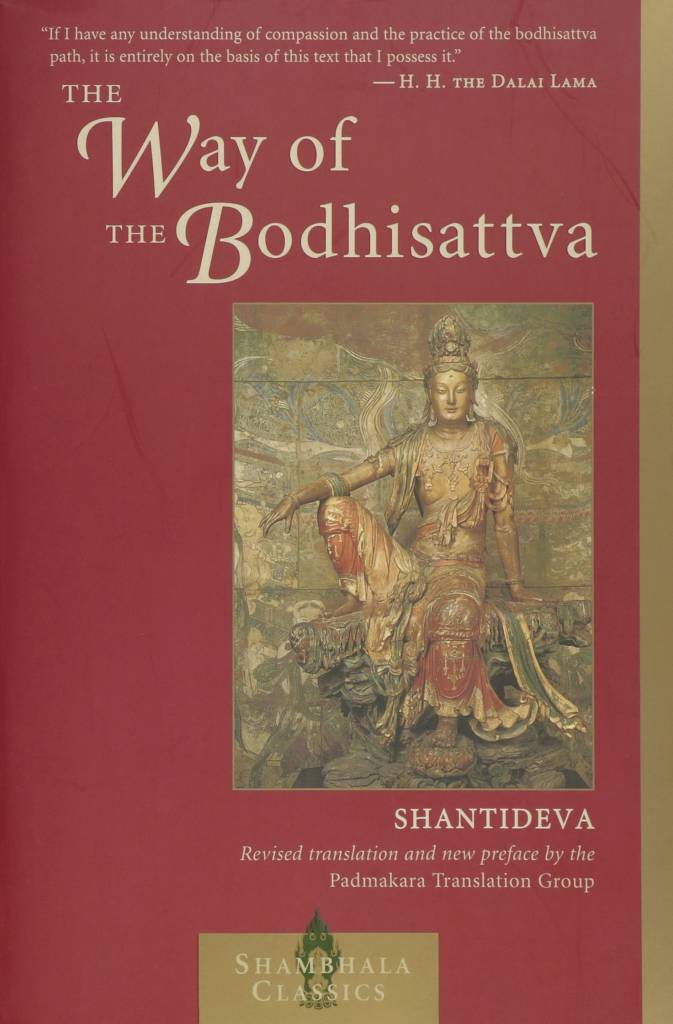
La Práctica del Bodisatva-front.jpg
Padmakara Spain 2008

Having established an offering tree to the conquerors

In accordance with the bodhisattva practices, Although the bodhisattva has gone beyond misery,

They fulfil all purposes.

Practicing the holy shrine of the Buddha

Follows the footsteps of the conduct of the Bodhisattvas; Although Bodhisattvas have already passed into nirvana,

Still they perform activities beneficial to all.

shift + scroll / swipe
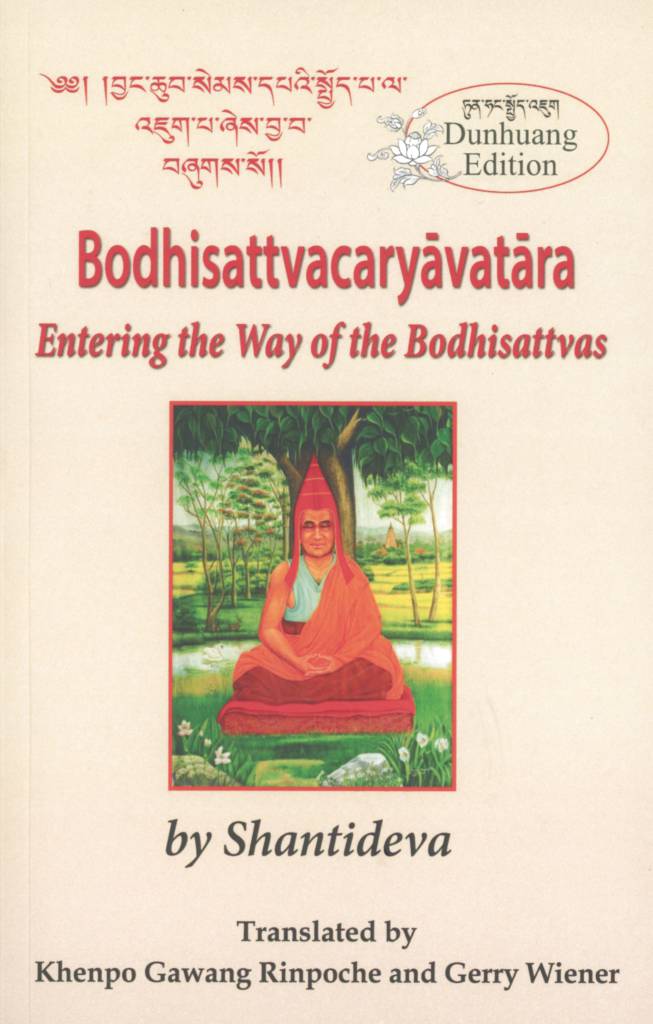
Dūnhuáng §This version is extracted from the book Bodhisattvacaryāvatāra: Entering the Way of the Bodhisattvas (2022, Khenpo Gawang and Wiener), a translation of an edition of the text created from three Dūnhuáng manuscripts. A description and sample pages of these can be found on the Early Tibet Blog. Scans of the actual manuscripts themselves can be found at http://idp.bl.uk

བྱང་ཆུབ་སྤྱོད་པས་ཚུལ་བཞིན་དུ། །

རྒྱལ་བའི་མཆོད་སྡོང་བསྒྲུབས་པ་ཡང་། ། བྱང་ཆུབ་སེམས་དཔའ་འདས་གྱུར་ཀྱང་། །

དོན་རྣམས་ཐམས་ཆད་མཛད་པར་འགྱུར། །

alt verse 8.29 tm data

MD: In a similar way,

Through performing the activities of a bodhisattva, An individual becomes a victorious sacred object of offering. Even though the bodhisattva passes into nirvana,

His or her activity still accomplishes all benefits.

Tsadra Critical Edition §This text was created by comparing four versions of the text from Derge, Cone, Narthang, and Peking Tengyurs from BDRC scans, along with Dunhuang manuscripts IOL Tib J 628, 629, and 630. When Tibetan readings were problematic, the Sanskrit texts from GRETIL and LTB (Oslo) were consulted.

བྱང་ཆུབ་སྤྱོད་པའི་རྗེས་མཐུན་པས། །

རྒྱལ་བའི་མཆོད་སྡོང་སྒྲུབ་པ་ཡང་། ། བྱང་ཆུབ་སེམས་དཔའ་མྱ་ངན་ལས། །

འདས་ཀྱང་དོན་རྣམས་ཐམས་ཅད་མཛད། །

[edit]
Sazang Mati (1294 - 1376)
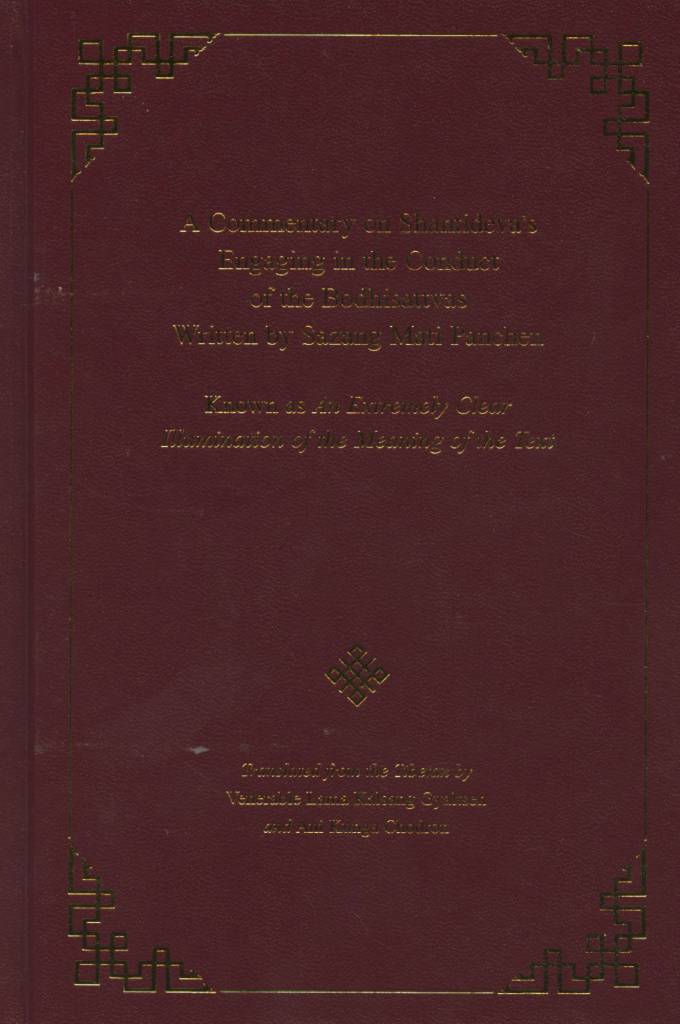
A Commentary on Shantideva's Engaging in the Conduct of the Bodhisattvas (citation)Gyaltsen, Lama Kalsang, and Ani Kunga Chodron, trans. A Commentary on Shantideva's Engaging in the Conduct of the Bodhisattvas Written by Sazang Mati Panchen: Known as An Extremely Clear Illumination of the Meaning of the Text. Walden, NY: Tsechen Kunchab Ling, 2019. Bilingual Edition

བྱང་ཆུབ་སྤྱོད་པའི་རྗེས་མཐུན་པར། །

རྒྱལ་བའི་མཆོད་སྡོང་བསྒྲུབས་པ་ཡང་། ། བྱང་ཆུབ་སེམས་དཔའ་མྱ་ངན་ལས། །

འདས་ཀྱང་དོན་རྣམས་ཐམས་ཅད་མཛད། །
byang chub spyod pa'i rjes mthun par/_/

rgyal ba'i mchod sdong bsgrubs pa yang /_/ byang chub sems dpa' mya ngan las/_/

'das kyang don rnams thams cad mdzad/_/

Practicing the holy shrine of the Buddha

Follows the footsteps of the conduct of the Bodhisattvas; Although Bodhisattvas have already passed into nirvana,

Still they perform activities beneficial to all.

དེ་བཞི༵ན་དུ། སློབ་ལམ་གྱི་སྐབས་སུ་བྱང་ཆུབ་ཆེན་པོ་ཐོབ་པར་[p.-329]རབ་གསལ་སྣང་བ་
འགྱུར་བའི་སྤྱོད་པ་དང་རྗེས་སུ་མཐུན་པར་སྤྱད་ཅིང་སྨོན་ལམ་བཏབ་པ༵ས་འཁོར་བ་ཇི་སྲིད་པར་གཞན་དོན་འགྲུབ་པ་རྒྱལ་བ་ཐམས་ཅད་མཁྱེན་པའི་མཆོད་སྡོང་ཆེན་པོ་བསྒྲུབ་པའ༵ང་སྒྲུབ་པ་པོ་བྱང་ཆུབ་སེམས་དཔའ་དེ་སྤྲོས་པ་མཐའ་དག་ཉེ་བར་ཞི་བའི་མྱ་ངན་ལ༵ས་འདས་པ་ཐོབ་ནས་ཡུན་རིང་པོ་ལོན་ཀྱང་སྔོན་གྱི་སྨོན་ལམ་དང་གདུལ་བྱའི་དགེ་བའི་དབང་གིས་སངས་རྒྱས་ཀྱི་ཕྲིན་ལས་རྒྱུན་མི་འཆད་པས་སེམས་ཅན་གྱི་དོན་རྣམས་ཐམས་ཅད་སྒྲུབ་པར་མཛ༵དཔ་ཉིད་དོ། །

Likewise, during the stage of their training, Bodhisattvas performed the conduct that would attain great enlightenment and made aspirations that they would accomplish the welfare of sentient beings as long as samsara abides. Therefore, they accomplished the great sacred shrine of omniscient Buddhahood. Those practitioners long ago attained nirvana, the pacification of all forms of activity, yet due to the power of their previous aspirations, and disciples’ virtues, these Buddhas’ holy activities unceasingly accomplish the welfare of sentient beings.

སྔོན་གྱི་(ཚངས་པ་)རང་ཉིད་(ཀྱི་)སྨོན་ལམ་དང༌། །

(འདོད་པའི་)ལྷ་རྣམས་ཀྱི་ནི་དགེ་བའི་མཐུས། ། ཇི་ལྟར་ཚངས་པ(འི་སྤྲུལ་བ་འདོད་ཁམས་ཀྱི་ལྷ་ལ་)འབད་མེད་སྣང༌། །

རང་བྱུང་(སངས་རྒྱས་ཀྱི་)སྤྲུལ་སྐུ་(ཕྲིན་ལས་དང་བཅས་པའང་)དེ་བཞིན་ནོ། །

Just as by his own (Brahma's) previous aspirations.
And the power of the virtues of the (desire realms') gods
(An emanation of) Brahma was effortlessly perceived (by the desire realm gods)
So too, is the naturally arising (Buddha’s) emanation body (holy activities).59Parentheses in Sazang Mati Panchen’s original text.

ཞེས་པ་ལྟར་རོ། །

Gyaltsap Je (1364 - 1432)
The Entrance for the Children of the Conquerors (citation)Stracke, Fedor, trans. The Entrance for the Children of the Conquerors: A Commentary on the Introduction to the Actions of Bodhisattvas. By Gyaltsab Rinpoche. N.p.: Happy Monks Publication, 2016. https://happymonkspublication.org/product/bodhisattvacharyavatara-chapter-1-10-commentary/. Bilingual Edition

གསུམ་པ་ལ་གཉིས།

Showing That One Will Receive the Perfect Complete Result of Abandonment 1.1.2.1.2.2.3.2.3

དང་པོ་ནི།

Showing with Example That Although There Are No Conceptual Thoughts, the Hopes of the Students Will Be Fulfilled 1.1.2.1.2.2.3.2.3.1

བྱང་ཆུབ་སྤྱོད་པའི་རྗེས་མཐུན་པར། །

རྒྱལ་བའི་མཆོད་སྡོང་བསྒྲུབས་པ་ཡང་། ། བྱང་ཆུབ་སེམས་དཔའ་མྱ་ངན་ལས། །

འདས་ཀྱང་དོན་རྣམས་ཐམས་ཅད་མཛད། །
byang chub spyod pa'i rjes mthun par/_/

rgyal ba'i mchod sdong bsgrubs pa yang /_/ byang chub sems dpa' mya ngan las/_/

'das kyang don rnams thams cad mdzad/_/

Having established an offering tree to the conquerors

In accordance with the bodhisattva practices, Although the bodhisattva has gone beyond misery,

They fulfil all purposes.

སངས་རྒྱས་ལ་རྟོག་པ་ཐམས་ཅད་ཉེ་བར་ཞི་བ་ཡིན་ན་གདུལ་བྱ་ལ་ཆོས་བསྟན་པར་བྱའོ་སྙམ་པ་ཡང་མེད་པས་སེམས་ཅན་ལ་ཆོས་བསྟན་པ་སོགས་ཀྱི་དོན་མཛད་པ་མི་འཐད་དོ་ཞེ་ན།

Argument: If buddhas have pacified all conceptual consciousnesses, then they also do not think, ‘I shall show the dharma to those to be subdued’ and therefore it is invalid[p.26]The Entrance for the Children of the Conquerors
Stracke, Fedor, trans. The Entrance for the Children of the Conquerors: A Commentary on the Introduction to the Actions of Bodhisattvas. By Gyaltsab Rinpoche. N.p.: Happy Monks Publication, 2016. https://happymonkspublication.org/product/bodhisattvacharyavatara-chapter-1-10-commentary/.
to say they fulfill the purpose of sentient beings by showing the dharma and through other actions.

སྐྱོན་མེད་དེ་རྟོག་པ་མེད་ཀྱང་མི་ལ་ཡིད་བཞིན་ནོར་བུ་དང་ལྷ་ལ་དཔག་བསམ་གྱི་ཤིང་ལ་གསོལ་བ་བཏབ་པས་ཇི་ལྟར་འདོད་པའི་རེ་བ་ཡོངས་སུ་སྐོང་བ་དེ་བཞིན་དུ།

Answer: There is no fault. Although they have no conceptual thoughts, the wish-fulfilling jewel grants humans their wishes and wish-granting trees fulfill the hopes of gods when supplicated.

གདུལ་བྱའི་སངས་རྒྱས་དང་ཕྲད་པ་སོགས་ཀྱི་བསོད་ནམས་བསགས་པའི་མཐུ་དང་སངས་རྒྱས་རྣམས་ཀྱིས་རྟོག་པ་མེད་བཞིན་དུ་སེམས་ཅན་གྱི་དོན་འབད་མེད་ལྷུན་གྲུབ་ཏུ་བྱེད་པར་གྱུར་ཅིག་སྙམ་པའི་སྔོན་གྱི་སྨོན་ལམ་གྱི་དབང་གིས་རྒྱལ་བའི་གཟུགས་ཀྱི་སྐུར་སྣང་ནས་ཆོས་སྟོན་པ་ཤིན་ཏུ་འཐད་པ་ཡིན་ནོ། །

Similarly, the conquerors appear to those to be subdued through the power of their accumulated merit to meet them. Although the buddhas do not have conceptual thoughts, their form bodies appear and teach the dharma through the power of previous prayers such as, ‘May I be able to fulfill the purpose of sentient beings effortlessly and simultaneously.’

སྨོན་ལམ་བཏབ་པ་འདས་ནས་དུས་རིང་བོ་ལོན་པས་དེས་ད་ལྟར་འབྲས་བུ་བསྐྱེད་པ་མི་འཐད་ཅིང་སྨོན་ལམ་འདེབས་མཁན་བྱང་ཆུབ་སེམས་དཔའ་ཡིན་པས་དེའི་འབྲས་བུ་རྒྱལ་བའི་མཛད་པར་མི་འཐད་དོ་ཞེ་ན།

Argument: Because a long time has passed since these prayers were made they cannot generate a result in the present, and as the ones praying were bodhisattvas, it is invalid to posit the enlightened activities of the conquerors as their result.

སྐྱོན་མེད་དེ་དཔེར་ན་བྲམ་ཟེས་དུག་ཞི་[p.Ch9-372]Spyod 'jug rtsa 'grel (Mtsho sngon mi rigs dpe skrun khang 2001)
Śāntideva, and Rgyal tshab rje dar ma rin chen. Spyod 'jug rtsa 'grel and Byang chub sems dpa'i spyod pa la 'jug pa'i rnam bshad rgyal sras 'jug ngogs. Xining: Mtsho sngon mi rigs dpe skrun khang, 2001
བར་བྱེད་པའི་ནམ་མཁའ་ལྡིང་གི་མཆོད་སྡོང་བསྒྲུབས་ནས་བྲམ་ཟེ་འདས་པར་གྱུར་པ་དེ་འདས་ནས་ཡུན་རིང་ལོན་ཡང་མཆོད་སྡོང་དེ་ད་ལྟར་དུག་ལ་སོགས་པ་ཞི་བར་བྱེད་ནུས་པ་བཞིན་དུ་བྱང་ཆུབ་སེམས་དཔས་བྱང་ཆུབ་ཀྱི་སྤྱོད་པ་དང་རྗེས་སུ་མཐུན་པར་ཚོགས་གཉིས་ཀྱི་སྒོ་ནས་རྒྱལ་བའི་མཆོད་སྡོང་བསྒྲུབས་པ་ཡང་། སྒྲུབ་པ་པོ་བྱང་ཆུབ་སེམས་དཔའ་མི་གནས་པའི་མྱ་ངན་ལས་འདས་པ་མངོན་དུ་བྱས་ཀྱང་གདུལ་བྱའི་གནས་སྐབས་དང་མཐར་ཐུག་གི་དོན་རྣམས་ཐམས་ཅད་མཛད་པ་མི་འགལ་ཞིང་འདི་ནི་རྒྱུན་འཇོག་མ་ཤེས་པའི་རྩོད་པའོ། །

Answer: There is no fault. For example, the brahmin may have passed upon having established an offering tree to the poison pacifying garuda, and although a long time has since passed, the poison tree can even now still pacify poisons. Similarly, the bodhisattvas have established an offering tree to the conquerors by way of building up the two accumulations in accordance with the bodhisattva practices, and although the bodhisattvas have manifested the non-abiding nirvana, this does not contradict them fulfilling all the temporary and ultimate purposes of sentient beings. This debate arises from not knowing placement through continuity.
Pawo Rinpoche, 2nd (1504 - 1566)
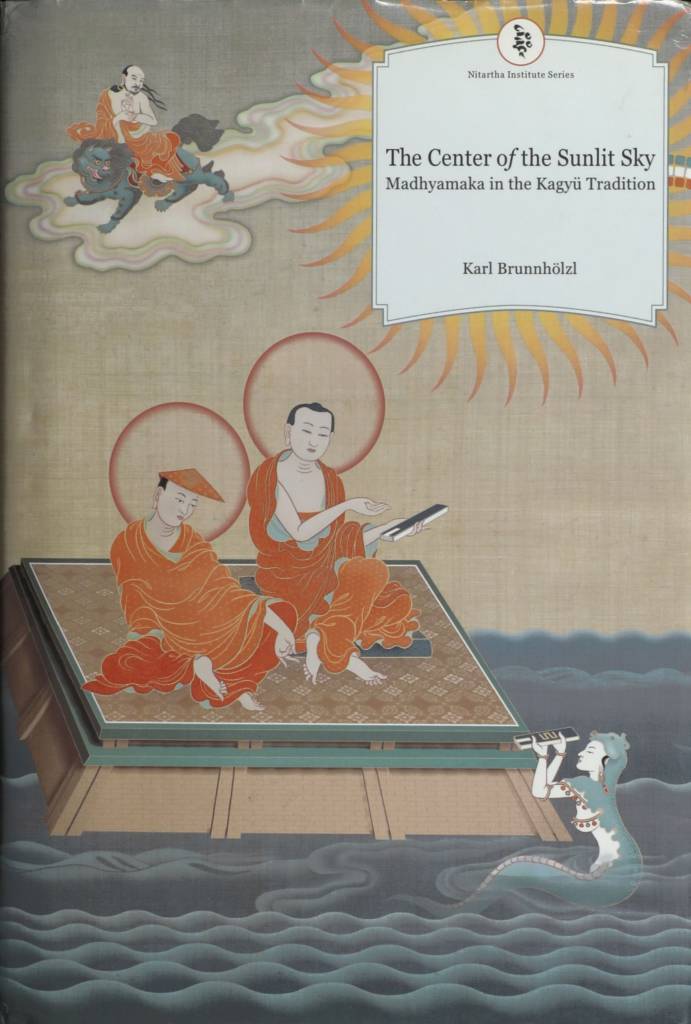
The Center of the Sunlit Sky (citation)Brunnhölzl, Karl. The Center of the Sunlit Sky: Madhyamaka in the Kagyü Tradition. Including a translation of Pawo Rinpoche's commentary on the knowledge section of Śāntideva's The Entrance to the Bodhisattva’s Way of Life (Bodhicaryāvatāra). Nitartha Institute Series. Ithaca, NY: Snow Lion Publications, 2004. Bilingual Edition

ལྔ་པ་ནི།

The Way in Which Enlightened Activity Is Uninterrupted through the Impetus of Aspiration Prayers 2.2.1.5.

བྱང་ཆུབ་སྤྱོད་དང་རྗེས་མཐུན་པར། །

རྒྱལ་བའི་མཆོད་སྡོང་བསྒྲུབས་པ་ཡང་། ། བྱང་ཆུབ་སེམས་དཔའ་མྱ་ངན་ལས། །

འདས་ཀྱང་དོན་རྣམས་ཐམས་ཅད་མཛད། །
Likewise, through following enlightening conduct,

The pillar of the Victor is built too. It continues to promote all welfare

Even after the bodhisattva has passed beyond. [37]

ཅེས་གསུངས་ཏེ། དཔེར་ན་ནམ་མཁའ་ལྡིང་གི་རིག་སྔགས་གྲུབ་པའི་སྐྱེས་བུས་རྒྱ་མཚོའི་འགྲམ་དུ་རིན་པོ་ཆེ་ལས་མཆོད་སྡོང་བྱས་ཏེ་དེའི་རྩེར་མཁའ་ལྡིང་གི་གཟུགས་བྱས་ཏེ་སྔགས་ཀྱིས་བསྒྲུབས་ནས་ཕྱིས་ཅི་ཞིག་ན་སྒྲུབ་པ་པོ་དེ་དུས་ལས་འདས་པར་འགྱུར་ལ་དེ་འདས་ནས་ཡུན་ཤིན་ཏུ་རིང་མོ་ལོ་བྱེ་བ་ཕྲག་མང་པོ་ལོན་ཀྱང་། མཆོད་སྡོང་དེས་གཞན་གྱི་མཐོང་བའི་དུག་དང་རྫི་ཡི་དུག་དང་ཁོང་དུ་སོང་བ་དང་རེག་པའི་དུག་ལ་སོགས་པ་དང་ཀླུ་ནད་ཀྱིས་གཟིར་བ་རྣམས་མཐོང་བ་དང་རེག་པས་ཀྱང་ཞི་བར་བྱེད་པ་ལ་སྔ་མ་དང་ཁྱད་པར་མེད་པ་

For example, an individual who has practiced the awareness-mantra of Garuda may have built a pillar out of jewels on the shore of the ocean and formed an effigy of Garuda on its top.1540Prajñākaramati’s commentary refers here to a wooden pillar consecrated with mantras. After he has built this [pillar] through such a mantra, its constructor passes away some time later. Even when he has been dead for a very long time, such as many millions of years, there is no difference in the state of this pillar [compared to] the time before [when he was alive]: When one sees or touches it, it still neutralizes visible poisons, consumptive poisons, ingestive poisons, or [poisons that work through] contact and [pacifies] the torments through nāga diseases and such.

དེ་བཞིན་དུ་བྱང་ཆུབ་སེམས་དཔས་བྱང་ཆུབ་སྤྱོད་པའི་རྗེས་སུ་མཐུན་པས་རྒྱལ་བའི་མཆོད་སྡོང་བསྒྲུབས་པ་དེ་ཡང་སྔོན་བྱང་ཆུབ་སེམས་དཔར་གང་ལས་མིང་འདོགས་པའི་སེམས་དང་སེམས་བྱུང་གི་རྒྱུན་དེ་ནི་རྡོ་རྗེ་ལྟ་བུའི་ཏིང་ངེ་འཛིན་གྱིས་དེ་ཁོ་ན་ཉིད་རྟོགས་པའི་མོད་ལ་རྣམ་པར་ལོག་ཅིང་འཁོར་བ་དང་མྱང་འདས་ཀྱི་གནས་ལས་འདས་ཏེ་ཆོས་ཀྱི་དབྱིངས་སུ་བྱང་ཆུབ་པས་བདག་གཞན་གྱི་དམིགས་པ་མེད་ཀྱང་སེམས་ཅན་ཐམས་ཅད་ཀྱི་དོན་རྣམས་མ་ལུས་པར་མཛད་པའི་ཕྲིན་ལས་རྟོག་མེད་དུ་འབྱུང་བ་ཡིན་ནོ། །

Likewise, through following enlightening conduct, the pillar of the Victor is built too by the bodhisattva. [796] The continuum of mind and mental events that served as the basis to ascribe the name bodhisattva terminates completely upon the realization of true reality through the vajralike meditative concentration. Thus, [the bodhisattva] has passed beyond the locations of cyclic existence and nirvāṇa. Through such enlightenment in the expanse of dharmas, there is no observation of oneself and others. However, even after [enlightenment], enlightened activity takes place and continues to promote the welfare of all sentient beings without exception in a nonconceptual way.

རྒྱལ་བའི་སྐུ་བསྒྲུབས་ནས་བྱང་ཆུབ་སེམས་དཔའ་སེམས་དང་བཅས་པ་འདས་པར་གྱུར་ཀྱང་གདུལ་བྱ་དང་སྨོན་ལམ་རྣམ་པར་དག་པའི་ཤུགས་གཉིས་ཀྱིས་སེམས་ཅན་ཐམས་ཅད་ཀྱི་དོན་མཛད་པར་འགྱུར་གྱི་ཉན་ཐོས་ལྟར་ཡོངས་སུ་མྱ་ངན་ལས་འདའ་བ་ནི་མ་ཡིན་ནོ་ཞེས་དང་།

[Verse 37:] After the Body of the Victor is accomplished, the bodhisattva who has a mind has passed away. Still, through the twofold force of aspiration prayers and those to be trained, the welfare of all sentient beings [798] will be brought about. Thus, this is not a total nirvāṇa like in the case of the hearers. . . .

རྒྱལ་བའི་སྐུ་མཚན་དཔེར་ལྡན་པ་སྣང་བར་འགྱུར་རོ་གང་ལས་ཅེ་ན་གདུལ་བྱའི་དགེ་བའི་རྩ་བ་ཡོངས་སུ་སྨིན་པ་དང་བཅོམ་ལྡན་འདས་ཀྱི་སྨོན་ལམ་ལས་སོ་ཞེས་དང་།

[Verse 37:] The Body of the Victor that is endowed with the major and minor marks will appear. You might wonder, “From what [does it appear]?” It does so from the fully ripened roots of virtue of those to be trained and the aspiration prayers of the Blessed One . . .

Mipam Gyatso (1846 - 1912)
The Wisdom Chapter - The Ketaka Jewel (citation)Fletcher, Wulstan, and Helena Blankleder (Padmakara Translation Group), trans. The Wisdom Chapter: Jamgön Mipham's Commentary on the Ninth Chapter of "The Way of the Bodhisattva." Boulder, CO: Shambhala Publications, 2017. Bilingual Edition

བྱང་ཆུབ་སྤྱོད་པའི་རྗེས་མཐུན་པར། །

རྒྱལ་བའི་མཆོད་སྡོང་བསྒྲུབས་པ་ཡང་། ། བྱང་ཆུབ་སེམས་དཔའ་མྱ་ངན་ལས། །

འདས་ཀྱང་དོན་རྣམས་ཐམས་ཅད་མཛད། །
byang chub spyod pa'i rjes mthun par/_/

rgyal ba'i mchod sdong bsgrubs pa yang /_/ byang chub sems dpa' mya ngan las/_/

'das kyang don rnams thams cad mdzad/_/

Likewise having gained the “shrine of victory”

In accordance with their deeds for sake of buddhahood, Though Bodhisattvas pass beyond all grief,

They yet can satisfy all ends.

དེའི་ཕྱིར་བྱང་ཆུབ་སེམས་དཔས་བླ་ན་མེད་པའི་བྱང་ཆུབ་ཀྱི་དོན་དུ་ཚོགས་གཉིས་ཀྱི་སྤྱོད་པ་རླབས་པོ་ཆེ་དང་རྗེས་སུ་མཐུན་པར་རྒྱལ་བའི་མཆོད་སྡོང་བསྒྲུབས་པའང་། སྒྲུབ་མཁན་བྱང་ཆུབ་སེམས་དཔའ་དེ་མི་གནས་པའི་དབྱིངས་སུ་མྱ་ངན་ལས་འདས་ནས་ད་ལྟ་འབད་རྩོལ་དང་གཟུང་འཛིན་གྱི་སྤྲོས་པ་ནི་ཉེ་བར་ཞི་ཡང་སེམས་ཅན་མཐའ་དག་གི་གནས་སྐབས་དང་མཐར་ཐུག་གི་དོན་རྣམས་ཐམས་ཅད་མཛད་པ་ཡིན་ནོ། །འདི་དང་མཐུན་པར་འཇུག་པ་ལས་ཀྱང་། རྫ་མཁན་གྱི་འཁོར་ལོ་སྔར་འབད་པས་བསྐོར་བ་ན། ད་ལྟ་རྩོལ་བ་མེད་ཀྱང་འཁོར་ནས་བུམ་སོགས་ཀྱི་རྒྱུ་བྱེད་པར་གྱུར་པ་བཞིན་དུ། སངས་རྒྱས་ལ་འབད་རྩོལ་མེད་ཀྱང་སྨོན་ལམ་དང་། སྐྱེ་བོའི་དགེ་བའི་དབང་གིས་གདུལ་བྱའི་དོན་བྱེད་པར་འཐད་པ་སྒྲུབ་པར་མཛད་དོ། །

A similar thing may be said of the supreme Bodhisattvas, who in accordance with their tremendous exploits in the twofold accumulation directed at enlightenment, achieve the “sacred object” of enlightenment, that is, the level of buddhahood. Although such Bodhisattvas pass beyond suffering in the dharmadhātu, which abides in neither extreme, and although all their labors and dualistic mental activity have completely subsided, they nevertheless effect the temporary and ultimate welfare of all beings. The Madhyamakāvatāra speaks in the same vein. When a potter plies his wheel and labors to get it turning, it later spins without his effort and produces[p.114]The Wisdom Chapter
Fletcher, Wulstan, and Helena Blankleder (Padmakara Translation Group), trans. The Wisdom Chapter: Jamgön Mipham's Commentary on the Ninth Chapter of "The Way of the Bodhisattva." Boulder, CO: Shambhala Publications, 2017.
pots. This demonstrates that it is quite reasonable to say that, in the same way, even though Buddhas make no further exertion, their work for the welfare of beings is accomplished thanks to their own prayers and the virtue of beings.
Kunzang Palden (1862 - 1943)
The Nectar of Manjushri's Speech (citation)Blankleder, Helena, and Wulstan Fletcher (Padmakara Translation Group), trans. The Nectar of Manjushri's Speech: A Detailed Commentary on Shantideva's Way of the Bodhisattva. By Kunzang Pelden. Boston: Shambhala Publications, 2007. Bilingual Edition

བྱང་ཆུབ་སྤྱོད་པའི་རྗེས་མཐུན་པར། །

རྒྱལ་བའི་མཆོད་སྡོང་བསྒྲུབས་པ་ཡང་། ། བྱང་ཆུབ་སེམས་དཔའ་མྱ་ངན་ལས། །

འདས་ཀྱང་དོན་རྣམས་ཐམས་ཅད་མཛད། །

byang chub spyod pa'i rjes mthun par/_/

rgyal ba'i mchod sdong bsgrubs pa yang /_/ byang chub sems dpa' mya ngan las/_/

'das kyang don rnams thams cad mdzad/_/

དེའི་ཕྱིར་བྱང་ཆུབ་སེམས་དཔའ་བླ་ན་མེད་པས་བྱང་ཆུབ་ཀྱི་དོན་དུ་སྤྱོད་པའི་སྟེ་ཚོགས་གཉིས་ཀྱི་སྤྱོད་པ་རླབས་པོ་ཆེ་དང་རྗེས་སུ་མཐུན་པར་རྒྱལ་བའི་མཆོད་སྡོང་སངས་རྒྱས་ཀྱི་གོ་འཕང་ཉིད་བསྒྲུབས་པ་ཡང་སྒྲུབ་མཁན་བྱང་ཆུབ་སེམས་དཔའ་དེ་མི་གནས་པའི་དབྱིངས་སུ་མྱ་ངན་ལས་འདས་ནས་ད་ལྟ་འབད་རྩོལ་དང་གཟུང་འཛིན་གྱི་སྤྲོས་པ་ནི་ཉེ་བར་ཞི་བར་གྱུར་ཀྱང་སེམས་ཅན་མཐའ་དག་གི་གནས་སྐབས་དང་མཐར་ཐུག་གི་དོན་རྣམས་ཐམས་ཅད་མཛད་པ་ཡིན་ནོ། །

Likewise having gained the “shrine of victory”

In accordance with their deeds for sake of Buddhahood, Though Bodhisattvas pass beyond all grief,

They yet can satisfy all ends.

A similar thing may be said for the supreme Bodhisattvas, who, in accordance with their tremendous exploits in the twofold accumulation directed at enlightenment, achieve the sacred object of enlightenment, that is, the level of buddhahood. Although such Bodhisattvas pass beyond suffering into the dharmadhatu, which abides in neither extreme, and although all their labors and dualistic mental activity now completely subside, they nevertheless effect the temporary and ultimate welfare of other beings.


[edit]
[edit]