9.38

From Bodhicitta

Bodhicaryāvatāra · Verse 9.38


Sources:    

Sanskrit §No information about the source used.

अचित्तके कृता पूजा कथं फलवती भवेत्। तुल्यैव पठ्यते यस्मात्तिष्ठतो निर्वृतस्य च॥

 
Chanted Verse
Recitation by Professor Kashinath Nyaupane
38

And, according to scripture, fruit comes from that worship,

whether it is conventionally true or ultimately true, in the same way that worship offered to an existing Buddha is said

to be fruitful.

Standard Tibetan §Padmakara used the 1990 edition printed by si khron mi rigs dpe skrun khang: Byang chub sems dpa'i spyod pa la 'jug pa rtsa ba dang 'grel pa (1990). Also found in Derge Tengyur D3871, dbu ma, vol. 105, la 1b1–40a7.

སེམས་མེད་པ་ལ་མཆོད་བྱས་པས། །

ཇི་ལྟར་འབྲས་བུ་ལྡན་པར་འགྱུར། །[p.108]Byang chub sems dpa'i spyod pa la 'jug pa rtsa ba dang 'grel pa (1990)
Slob dpon zhi ba lha and Mkhan po kun dpal. Byang chub sems dpa'i spyod pa la 'jug pa rtsa ba dang 'grel pa. Khreng tu'u: Si khron mi rigs dpe skrun khang, 1990. Buda by BDRC Logo.jpg
གང་ཕྱིར་བཞུགས་པའམ་མྱ་ངན་འདས། །

མཚུངས་པ་ཉིད་དུ་བཤད་ཕྱིར་རོ། །

 
Chanted Verse
Recitation by Lopen Karma Phuntsho
38

“But how,” you ask, “can offerings made

To beings freed from all discursiveness give fruit?” It’s said that whether Buddhas live or pass beyond,

The offerings made to them are equal in their merit.

Standard Tibetan §Padmakara used the 1990 edition printed by si khron mi rigs dpe skrun khang: Byang chub sems dpa'i spyod pa la 'jug pa rtsa ba dang 'grel pa (1990). Also found in Derge Tengyur D3871, dbu ma, vol. 105, la 1b1–40a7. - Other translations

“Worshipping someone without a mind—

How could that have any result?” The reason is that being alive and having passed into nirvāṇa

Are explained to be exactly the same. [38][p.657]The Center of the Sunlit Sky
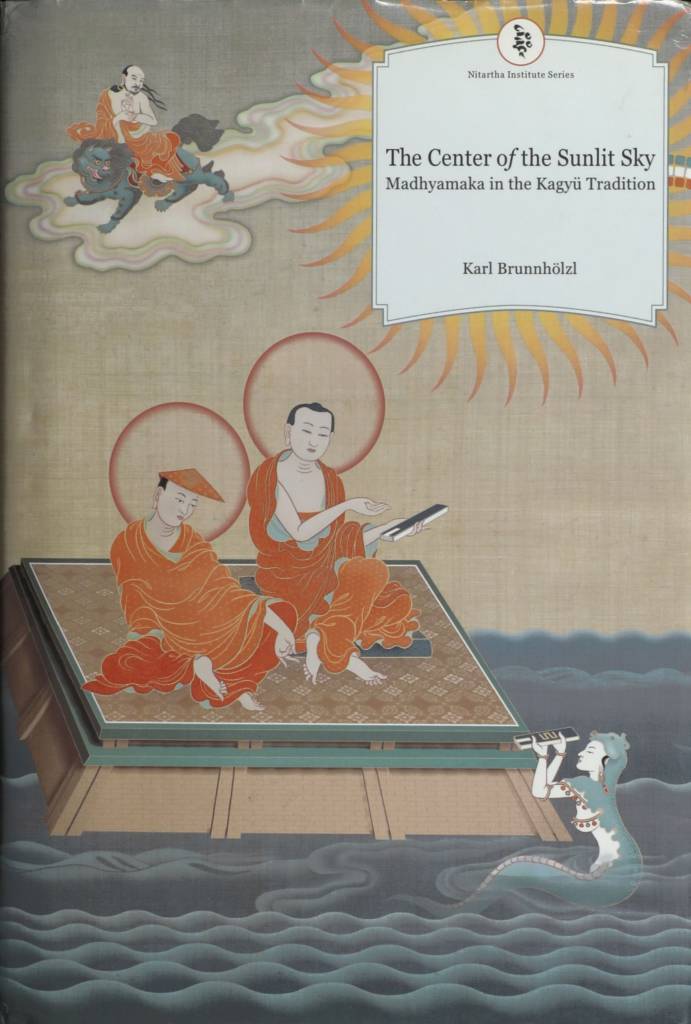
Brunnhölzl, Karl. The Center of the Sunlit Sky: Madhyamaka in the Kagyü Tradition. Including a translation of Pawo Rinpoche's commentary on the knowledge section of Śāntideva's The Entrance to the Bodhisattva’s Way of Life (Bodhicaryāvatāra). Nitartha Institute Series. Ithaca, NY: Snow Lion Publications, 2004.

– Comment les offrandes faites à ce qui n’a pas de pensée

Peuvent-elles avoir des effets ? – On explique que les offrandes [faites aux bouddhas]

Présents ou en nirvâna apportent les mêmes résultats.

“¿Cómo pueden dar fruto —preguntáis— las ofrendas hechas

a quienes ya están libres de pensamientos discursivos?”. Se dice que las ofrendas hechas a los budas,

ya estén vivos o en el nirvana, tienen igual mérito.

La Práctica del Bodisatva-front.jpg
Padmakara Spain 2008

How can one become endowed with a result

From having presented offerings to one lacking mind? Because it is taught that it is the same,

Whether they remain or have gone beyond sorrow.

How could making offerings to an object without mind Bring about results?

Because it was explained as equal Whether still abiding or passed into nirvana.

shift + scroll / swipe
Tsadra Critical Edition §This text was created by comparing four versions of the text from Derge, Cone, Narthang, and Peking Tengyurs from BDRC scans, along with Dunhuang manuscripts IOL Tib J 628, 629, and 630. When Tibetan readings were problematic, the Sanskrit texts from GRETIL and LTB (Oslo) were consulted.

སེམས་མེད་པ་ལ་མཆོད་བྱས་པས། །183ཏུན་ཧོང་ཀ་དང་ཁ་༴ ༩.༣༨ ‘སེམས་མེད་པ་ལ་མཆོད་བྱས་པས། །’ ་་་ ༩.༥༢ ‘འདི་ནི་སྟོང་ཉིད་འབྲས་བུ་ཡིན། །’ བར་ཚིག་ཇི་བཞིན་པ་མེད་ཀྱང་འོག་ནས་འདི་ལྟར་འབྱུང་། ། ‘ལམ་འདྀ་ཉིད་ཀྱྀ་འཚང་རྒྱ་ཞེས། །བརྩན་པའྀ་ལུང་ལས་འབྱུང་བ་ཡང་། །ཡང་དག་མན་ངག་བརྒྱུད་པས་ཤེས། །ཁྱོད་ཀྱྀ་ལུང་གྀས་ཅྀ་ལྟར་འགྲུབ། །དེ་ལ་ཡིད་ཆེས་དེ་འགྲུབ་ན། །ཐེག་ཆེན་ལ་ཡང་ཡྀད་ཆེས་ཀྱིས། །གཉྀ་ག་འདོད་པར་བདེན་ན་ནྀ། རིག་བྱེད་རྣམས་ཀྱང་བདེན་བར་འགྱུར། །གལ་ཏེ་ཕན་ཚུན་འགལ་ཞེ་ན། །འདུལ་ལས་སྩོགས་པ་འང་དོར་དགོས་སོ། །སེམས་ཅན་མྱྀ་མཐུན་དགའ་བྱའྀ་ཕྱིརད། །གསུངས་པ་དེ་ཅྀ་མྱི་འདོད་དམ། །’

ཇི་ལྟར་འབྲས་བུར་ལྡན་པར་འགྱུར། ། གང་ཕྱིར་བཞུགས་པའམ་མྱ་ངན་འདས། །

མཚུངས་པ་ཉིད་དུ་བཤད་ཕྱིར་རོ། །

[edit]
Sazang Mati (1294 - 1376)
A Commentary on Shantideva's Engaging in the Conduct of the Bodhisattvas (citation)Gyaltsen, Lama Kalsang, and Ani Kunga Chodron, trans. A Commentary on Shantideva's Engaging in the Conduct of the Bodhisattvas Written by Sazang Mati Panchen: Known as An Extremely Clear Illumination of the Meaning of the Text. Walden, NY: Tsechen Kunchab Ling, 2019. Bilingual Edition

(ལྔ་པ་)རྟོག་པ་མེད་ཀྱང་བསོད་ནམས་འཐོབ་ཚུལ་ནི།

5. How merit is accomplished even if there is no conceptual thought 1.2.2.1.2.1.2.5

སེམས་མེད་པ་ལ་མཆོད་བྱས་པས། ། ཇི་ལྟར་འབྲས་བུ་ལྡན་པར་འགྱུར། །[p.108]Byang chub sems dpa'i spyod pa la 'jug pa rtsa ba dang 'grel pa (1990)
Slob dpon zhi ba lha and Mkhan po kun dpal. Byang chub sems dpa'i spyod pa la 'jug pa rtsa ba dang 'grel pa. Khreng tu'u: Si khron mi rigs dpe skrun khang, 1990. Buda by BDRC Logo.jpg

How could making offerings to an object without mind Bring about results?

མྱ་ངན་ལས་འདས་པ་ཐོབ་པ་ནི། སེམས་ཡིད་རྣམ་ཤེས་མཐའ་དག་འགགས་ནས་རྟོག་པ་མེད་པའི་ཕྱིར་དེ་ལ་མཆོད་པ་བྱས་པ༵ས་ཇི་ལྟར་བསོད་ནམས་ཀྱི་འབྲས་བུ་དང་ལྡན་པར་འགྱུ༵ར་ཏེ་མི་འགྱུར་རོ་ཞེ་ན། སངས་རྒྱས་ལ་མཆོད་པ་བྱས་པ་ནི་འབྲས་བུ་དང་ལྡན་པར་འགྱུར་ཏེ།

They may say: “Regarding the attainment of nirvana, because all forms of mind, awareness and consciousness have ceased, there is no conceptual thought. Then by making offerings to that, how could the result of merit arise? It would be impossible.” It is stated, “Making offerings to the Buddha incurs a result.

གང་ཕྱིར་བཞུགས་པའམ་མྱ་ངན་འདས། ། མཚུངས་པ་ཉིད་དུ་བཤད་ཕྱིར་རོ། །
Because it was explained as equal Whether still abiding or passed into nirvana.

གང་གི་ཕྱིར་སྙམ་ན། ཀུན་རྫོབ་གཟུགས་ཀྱི་སྐུའི་ངོ་བོར་བཞུགས་པའམ་དོན་དམ་ཆོས་ཀྱི་སྐུའི་ངང་དུ་མྱ་ངན་ལས་འད༵ས་པ་ལ་མཆོད་པ་ཕུལ་བ་ནི་བསོད་ནམས་ཀྱི་འབྲས་བུ་མཚུངས་པ་ཉིད་དུ་བཤད་པའི་ཕྱིར་རོ༵། །ཇི་སྐད་དུ། བྱང་ཆུབ་སེམས་དཔའི་སྡེ་སྣོད་ལས། །

If you wonder how that could be, the Buddha himself explained that whether the Buddha abides in a physical form on the relative level, or in the transcendent state beyond sorrow, which is the state of the ultimate dharmakaya, equal merit results from making offerings. As explained in the Bodhisattva’s Holy Scripture:

གང་ཞིག་བཞུགས་ལ་མཆོད་པ་དང༌། །

གང་ཡང་མྱ་ངན་འདས་པ་ཡི། ། རིང་བསྲེལ་ཡུངས་འབྲུ་ཙམ་མཆོད་པ། །

སེམས་ཀྱང་མཚུངས་ལ་འབྲས་བུའང་མཚུངས། །

Making offerings to those who abide;
Making offerings to the relics of those who entered nirvana
Even of the size of a sesame seed;
One ’s mind is equal, so the result is equal.[p.365]A Commentary on Shantideva's Engaging in the Conduct of the Bodhisattvas
Gyaltsen, Lama Kalsang, and Ani Kunga Chodron, trans. A Commentary on Shantideva's Engaging in the Conduct of the Bodhisattvas Written by Sazang Mati Panchen: Known as An Extremely Clear Illumination of the Meaning of the Text. Walden, NY: Tsechen Kunchab Ling, 2019. First edition published by The Yeshe Dorje Foundation in 2006.

Gyaltsap Je (1364 - 1432)
The Entrance for the Children of the Conquerors (citation)Stracke, Fedor, trans. The Entrance for the Children of the Conquerors: A Commentary on the Introduction to the Actions of Bodhisattvas. By Gyaltsab Rinpoche. N.p.: Happy Monks Publication, 2016. https://happymonkspublication.org/product/bodhisattvacharyavatara-chapter-1-10-commentary/. Bilingual Edition

གཉིས་པ་ནི།

Refuting Arguments with Regards to This 1.1.2.1.2.2.3.2.3.2

སེམས་མེད་པ་ལ་མཆོད་བྱས་པས། །

ཇི་ལྟར་འབྲས་བུ་ལྡན་པར་འགྱུར། །[p.108]Byang chub sems dpa'i spyod pa la 'jug pa rtsa ba dang 'grel pa (1990)
Slob dpon zhi ba lha and Mkhan po kun dpal. Byang chub sems dpa'i spyod pa la 'jug pa rtsa ba dang 'grel pa. Khreng tu'u: Si khron mi rigs dpe skrun khang, 1990. Buda by BDRC Logo.jpg
གང་ཕྱིར་བཞུགས་པའམ་མྱ་ངན་འདས། །

མཚུངས་པ་ཉིད་དུ་བཤད་ཕྱིར་རོ། །

sems med pa la mchod byas pas/_/

ji ltar 'bras bu ldan par 'gyur/_/[p.108]Byang chub sems dpa'i spyod pa la 'jug pa rtsa ba dang 'grel pa (1990)
Slob dpon zhi ba lha and Mkhan po kun dpal. Byang chub sems dpa'i spyod pa la 'jug pa rtsa ba dang 'grel pa. Khreng tu'u: Si khron mi rigs dpe skrun khang, 1990. Buda by BDRC Logo.jpg
gang phyir bzhugs pa'am mya ngan 'das/_/

mtshungs pa nyid du bshad phyir ro/_/

How can one become endowed with a result

From having presented offerings to one lacking mind? Because it is taught that it is the same,

Whether they remain or have gone beyond sorrow.

ཉན་ཐོས་པ་ཁ་ཅིག་ན་རེ། སངས་རྒྱས་ལ་རྟོག་པའི་སེམས་མེད་པ་ལ་མཆོད་པ་བྱས་ནས་ཇི་ལྟར་བསོད་ནམས་ཀྱི་འབྲས་བུ་ལྡན་པར་འགྱུར་ཏེ་མཆོད་པ་ལེན་པའི་རྟོག་པ་ཡང་མེད་པའི་ཕྱིར་རོ་ཞེ་ན།

Argument by a hearer: How can one achieve the result of merit by making offerings to a buddha, who lacks conceptual mind? They also do not possess the thought of having received the offering.

སངས་རྒྱས་ལ་རྟོག་པ་མེད་ཀྱང་མཆོད་པ་བྱས་པས་བསོད་ནམས་འབྱུང་བ་འཐད་པར་ཐལ། རྒྱུ་མཚན་གང་གི་ཕྱིར་ན་སངས་རྒྱས་སྐུ་དངོས་སུ་བཞུགས་པའམ་མྱ་ངན་ལས་འདས་རྗེས་ཀྱི་སྐུ་གདུང་མཆོད་པ་གཉིས་བསོད་ནམས་མཚུངས་པ་ཉིད་དུ་བྱམས་པ་སེང་གེ་སྒྲའི་མདོ་ལས་བཤད་པའི་ཕྱིར་རོ། །

Answer: It follows it is valid that merits are received by making offerings to the buddhas although they lack conceptual consciousness - Why? Because it teaches in the Maitri Lion’s Roar Sutra that it is equally meritorious to make offerings to the body of a buddha that is actually present, as it is to the relics of a buddha who has passed beyond sorrow.[p.27]The Entrance for the Children of the Conquerors
Stracke, Fedor, trans. The Entrance for the Children of the Conquerors: A Commentary on the Introduction to the Actions of Bodhisattvas. By Gyaltsab Rinpoche. N.p.: Happy Monks Publication, 2016. https://happymonkspublication.org/product/bodhisattvacharyavatara-chapter-1-10-commentary/.

མཆོད་རྟེན་བསྐོར་བའི་ཕན་ཡོན་ལས་ཀྱང་།

From the Sutra:

གང་ཞིག་བཞུགས་ལ་མཆོད་པ་དང་། །

མྱ་ངན་འདས་པའི་སྐུ་གདུང་ལ། ། སེམས་ནི་མཉམ་པར་དང་བ་ཡི། །

བསོད་ནམས་ལ་ནི་ཁྱད་པར་མེད། །

Aside from the benefits of circumambulating,
Making offerings to those present and
To the relics of those gone beyond sorrow,
There is no difference in the merits
To a mind of equal clarity.

ཅེས་གསུངས་སོ། །སངས་རྒྱས་ལ་མཆོད་པ་སོགས་ཀུན་རྫོབ་ཏུ་གྲུབ་པ་ནི་དེ་ཁོ་ན་ཉིད་དུའང་རུང་སྟེ་དེར་མཆོད་པ་བྱས་པས་འབྲས་བུ་འབྱུང་བ་སངས་[p.Ch9-373]Spyod 'jug rtsa 'grel (Mtsho sngon mi rigs dpe skrun khang 2001)
Śāntideva, and Rgyal tshab rje dar ma rin chen. Spyod 'jug rtsa 'grel and Byang chub sems dpa'i spyod pa la 'jug pa'i rnam bshad rgyal sras 'jug ngogs. Xining: Mtsho sngon mi rigs dpe skrun khang, 2001
རྒྱས་ཀྱིས་ལུང་ལས་གསུངས་པ་ཡིན་ནོ། །དཔེར་ན་ཁྱོད་རང་བདེན་པའི་སངས་རྒྱས་ལ་ཇི་ལྟར་འབྲས་བུ་དང་བཅས་པ་འདོད་པ་བཞིན་ནོ། །དོན་ནི་དེ་ཁོ་ན་ཉིད་ཀྱི་དོན་ལ་དཔྱད་པ་རེ་ཞིག་བཏང་སྙོམས་སུ་བྱས་ནས་བདེན་ཡང་རུང་རྫུན་ཡང་རུང་ངེད་ལ་དངོས་པོ་དང་མཐུན་པའི་འབྲས་བུ་བྱུང་བ་དེས་ཆོག་ཅེས་པའི་དོན་ནོ། །

The Buddha taught in the scriptures that one will receive a result by making offerings to the buddhas and so forth regardless of whether they exist conventionally or ultimately. For example, like you assert. This can be seen in your assertion of results with regards to a true buddha. The important meaning is that, while treating the analysis into the meaning of suchness with equanimity for the moment, regardless of whether they are true or false, one will receive the result in accordance with the functionality. This is the important meaning.
Pawo Rinpoche, 2nd (1504 - 1566)
The Center of the Sunlit Sky (citation)Brunnhölzl, Karl. The Center of the Sunlit Sky: Madhyamaka in the Kagyü Tradition. Including a translation of Pawo Rinpoche's commentary on the knowledge section of Śāntideva's The Entrance to the Bodhisattva’s Way of Life (Bodhicaryāvatāra). Nitartha Institute Series. Ithaca, NY: Snow Lion Publications, 2004. Bilingual Edition

དྲུག་པ་ནི།

Obtaining Merit through Worshipping Despite the Fact That [the Buddha] Does Not Possess a Mind 2.2.1.6.

སེམས་མེད་པ་ལ་མཆོད་བྱས་པས། །

ཇི་ལྟར་འབྲས་བུ་ལྡན་པར་འགྱུར། ། གང་ཕྱིར་བཞུགས་པའམ་མྱ་ངན་འདས། །

མཚུངས་པ་ཁོ་ནར་བཤད་ཕྱིར་རོ། །

“Worshipping someone without a mind—

How could that have any result?” The reason is that being alive and having passed into nirvāṇa

Are explained to be exactly the same. [38][p.657]The Center of the Sunlit Sky
Brunnhölzl, Karl. The Center of the Sunlit Sky: Madhyamaka in the Kagyü Tradition. Including a translation of Pawo Rinpoche's commentary on the knowledge section of Śāntideva's The Entrance to the Bodhisattva’s Way of Life (Bodhicaryāvatāra). Nitartha Institute Series. Ithaca, NY: Snow Lion Publications, 2004.

ཞེས་གསུངས་ཏེ། དངོས་སྨྲ་བ་ན་རེ། འོ་ན་རྫོགས་པའི་སངས་རྒྱས་ལ་སེམས་མི་མངའ་བ་ཡིན་ན་སེམས་མེད་པ་ལ་མཆོད་པ་བྱས་པས་ཇི་ལྟར་འབྲས་བུ་དང་ལྡན་པའི་དགེ་བའི་ལས་སུ་འགྱུར་ཞེ་ན། གང་གི་ཕྱིར་སངས་རྒྱས་ཞལ་བཞུགས་པ་ལ་གདུགས་ཚོད་སོགས་ཀྱིས་མཆོད་པ་བྱས་པའམ་མྱ་ངན་ལས་འདས་པའི་སྐུ་གདུང་གི་རིང་བསྲེལ་སོགས་ལ་མཆོད་པ་བྱས་པ་ནི། བསོད་ནམས་ཁྱད་མེད་དུ་མཚུངས་པ་ཉིད་དུ་བཤད་པའི་ཕྱིར་ཏེ། མེ་ཏོག་བརྩེགས་པའི་གཟུངས་ལས།

[Buddhist] realists might say, “However, if the perfect Buddha does not have a mind, how could worshipping someone without a mind be a positive action that has any result?” The reason is that worshipping a Buddha who is alive, such as by [offering] a midday meal, and worshipping relic pills from the physical remains of someone who has passed into nirvāṇa are explained to be exactly the same inasmuch as they do not differ in merit. This is the case because The Flower Mound Dhāraṇi1541Skt. Puṣpakūṭadhāraṇi, Tib. me tog brtsegs pa’i gzungs. says:

གང་གིས་སངས་རྒྱས་མཐོང་ནས་དད་པའི་སེམས་ཀྱིས་མཆོད་པ་བྱས་པ་དང་། གང་གིས་དེ་བཞིན་གཤེགས་པའི་རིང་བསྲེལ་གྱི་མཆོད་རྟེན་ལ་མཆོད་པ་བྱས་པའི་བསོད་ནམས་ནི་མཉམ་པར་ཤེས་པར་བྱའོ། །

One should know that the merit of someone who sees the Buddha
and then worships him with confidence and [the merit] of someone
who worships a reliquary of relic pills of the Thus-Gone One are equal.

ཞེས་དང་།

གང་གིས་བཞུགས་པ་ལ་མཆོད་དང་། །

མྱ་ངན་འདས་པའི་སྐུ་གདུང་ལ། ། སེམས་ནི་དད་པ་མཉམ་པ་ཡིས། །

མཆོད་པའི་བསོད་ནམས་མཉམ་པ་འབྱུང་། །

Those who worship someone alive
Or the physical remains of somebody who has passed into nirvāṇa
With attitudes of equal confidence
Will receive equal merit through such worship.

ཞེས་དང་། བྱང་ཆུབ་སེམས་དཔའི་སྡེ་སྣོད་ལས།

[The Sūtra of] the Scriptural Collection of Bodhisattvas1542Skt. Bodhisattvapiṭakānāmasūtra, Tib. byang chub sems dpa’i sde snod ces bya ba’i mdo. This is a part of the vast sūtra collection known as The Jewel Mound Sūtra (Skt. Ratnakūtasūtra, Tib. dkon mchog brtsegs pa’i mdo). says:

གང་ཞིག་བཞུགས་ལ་མཆོད་པ་དང་། །

གང་ཡང་མྱ་ངན་འདས་པ་ཡི། ། རིང་བསྲེལ་ཡུངས་འབྲུ་ཙམ་མཆོད་པ། །

སེམས་ཀྱང་མཚུངས་ལ་འབྲས་བུའང་མཚུངས། །

Those who worship someone alive
And those who worship a relic pill of somebody who has passed
into nirvāṇa
That has the mere size of a mustard seed
Are equal in attitude as well as result.

ཞེས་སོགས་དང་། འདུལ་བ་ལུང་སྨན་གྱི་གཞི་ལས་ཀྱང་གསུངས་པའི་ཕྱིར་རོ། །

The same is also stated in The Basis of Scriptural Medicine of the Vinaya.1543Tib. ’dul ba lung sman gyi gzhi. This is one of the four texts of the Hinayāna’s Vinaya that were taught by Buddha Śākyamuni.

གལ་ཏེ་ཅི། སྒྱུ་མ་ལྟ་བུའི་སངས་རྒྱས་ལ་མཆོད་པས་འབྲས་བུ་འབྱུང་བ་དེ་ཀུན་རྫོབ་ཏུ་ཡིན་ནམ་དོན་དམ་དུ་ཡིན་ཞེས་འདྲི་ན། ལན་ནི། དེ་རེ་ཞིག་ཀུན་རྫོབ་བམ་དེ་ཁོ་ན་ཉིད་གང་དུ་ཡིན་ནའང་རུང་སྟེ། བསོད་ནམས་ཀྱི་ལས་ནི་འབྲས་བུ་གྱ་ནོམ་པ་དང་བཅས་པར་ཐེག་པ་ཆེ་ཆུང་གཉིས་ཀའི་ལུང་ལས་གསུངས་པའི་ཕྱིར་ཡིད་ཆེས་པར་བྱ་བ་ཡིན་གྱི་འདི་ལ་ནི་བདེན་པ་གཉིས་རེ་ཞིག་དཔྱད་མི་དགོས་ཏེ། སྟོན་པ་ཉིད་ཀྱིས་ཀྱང་བདེན་གཉིས་མ་དཔྱད་པར་བཀའ་བསྩལ་བའི་ཕྱིར། རིན་ཆེན་ཕྲེང་བར།

You might ask, “Is it on the seeming or the ultimate level that a result comes about through worshipping an illusionlike Buddha?” The answer is: For the time being, it does not matter whether this refers to the seeming [level] or the true, [797] actual level, because the scriptures of both the greater and the inferior vehicle state that meritorious actions have abundant results. This is something one should trust in. Here, for the time being, the two realities do not need to be analyzed, because even our Teacher himself said such without analyzing the two realities. As The Precious Garland says:[p.658]The Center of the Sunlit Sky
Brunnhölzl, Karl. The Center of the Sunlit Sky: Madhyamaka in the Kagyü Tradition. Including a translation of Pawo Rinpoche's commentary on the knowledge section of Śāntideva's The Entrance to the Bodhisattva’s Way of Life (Bodhicaryāvatāra). Nitartha Institute Series. Ithaca, NY: Snow Lion Publications, 2004.

དོན་འདི་ལ་ནི་རྒྱལ་བ་ལས། ། ལྷག་པའི་ཚད་མ་གཞན་ཡོད་མིན། །

Other than the Victor, who could have a valid cognition
Of this actuality that is superior?1544Lines 391cd.

ཞེས་དང་། རྒྱུད་བླར།

The Sublime Continuum says:

གང་ཕྱིར་རྒྱལ་ལས་ཆེས་མཁས་འགའ་ཡང་འཇིག་རྟེན་འདི་ན་ཡོད་མིན་ཏེ། ། དེ་ཕྱིར་དྲང་སྲོང་རང་ཉིད་ཀྱིས་བཞག་མདོ་སྡེ་གང་ཡིན་དེ་མི་དཀྲུག །

You wonder why? In this world, there is no one who is more skilled than the Victor . . .
Therefore, do not mess up what represents the sūtra collection that was presented by the Seer himself.1545V.20.

ཞེས་པ་ལྟར་རོ། །ཡང་ན་ལན་གྱི་རྣམ་གྲངས་འདི་ཡང་གཟིགས་ཏེ། སེམས་མེད་པ་ལ་མཆོད་པ་བྱས་པས་ཀྱང་ཕན་ཡོན་འབྱུང་སྟེ་མཆོད་རྟེན་དང་གླེགས་བམ་མཆོད་པའི་ཕན་ཡོན་བཞིན་ནོ། །སྒྱུ་མ་ལྟ་བུའི་སངས་རྒྱས་ལ་མཆོད་པ་བྱས་པས་བསོད་ནམས་ཀྱང་སྒྱུ་མ་ཙམ་དུ་འབྱུང་སྟེ། དཔེར་ན་ཁྱེད་ཅག་དངོས་སྨྲ་བ་རྣམས་བདེན་པའི་སངས་རྒྱས་ལ་མཆོད་པ་བྱས་པས་ཇི་ལྟར་འབྲས་བུ་བདེན་པ་དང་བཅས་པ་འབྱུང་བར་འདོད་པ་བཞིན་ནོ། །

One can also see the following alternative formulation of this answer: Worshipping someone who does not have a mind results in benefit too. This is like the benefit of worshipping reliquaries and volumes of texts. Through worshipping illusionlike Buddhas, the merit [from this] arises as a mere illusion. This is just as the assertion by you realists that worshipping a real Buddha will yield the manifestation of a real result.

སྔར་ནི་སྒྱུ་མ་དང་མཉམ་པའི་སེམས་དེ་ལས་བསོད་ནམས་སྐྱེ་བར་བཤད་ལ་ད་ལྟར་མེད་ཏུ་ཟིན་ཡང་ཞེས་བྱ་བ་ནི་འདིར་ཁྱད་པར་རོ་བསོད་ནམས་ཀྱི་འབྲས་བུ་མཚུངས་པ་དེ་ཡང་ལུང་གི་ཚད་མ་ལས་གྲུབ་པ་ཡིན་པས་ཀུན་རྫོབ་ཏུའམ་དོན་དམ་པ་གང་ཡིན་ཡང་སངས་རྒྱས་བཞུགས་པ་ལ་མཆོད་པ་བྱས་པ་དང་འདྲ་བར་འབྲས་བུ་དང་བཅས་པ་ཡིན་ནོ་ཞེས་བཤད་ཏོ། །

[Verses 38–39:] Before it was explained that merit arises from a mind that is equal to an illusion, and [now] it is said, “Although the [bodhisattva] is not here now, . . .” [However,] this case is special. Here, it[p.659]The Center of the Sunlit Sky
Brunnhölzl, Karl. The Center of the Sunlit Sky: Madhyamaka in the Kagyü Tradition. Including a translation of Pawo Rinpoche's commentary on the knowledge section of Śāntideva's The Entrance to the Bodhisattva’s Way of Life (Bodhicaryāvatāra). Nitartha Institute Series. Ithaca, NY: Snow Lion Publications, 2004.
is established through scriptural valid cognition that the result of merit is equivalent. Therefore, whether this applies to the seeming or to the ultimate level, [making offerings to a Buddha who has passed away] yields results in a similar way as when one makes offerings to a Buddha who is alive.1546ACIP TD3874@072A–073A.

དུག་སེལ་བའི་སྨན་པ་སྔགས་ཀྱི་ནུས་པ་ཐོབ་པས་ཤིང་ལ་སོགས་པའི་སྡོང་པོ་སྔགས་ཀྱིས་བསྒྲུབས་ནས་བདག་མེད་ཀྱང་འདིས་དུག་ཐམས་ཅད་སེལ་བར་གྱུར་ཅིག་སྙམ་དུ་བསམས་ནས་ཤི་སྟེ་ཡུན་རིང་ལོན་ཡང་དུག་དང་གདོན་གྱིས་བརླམས་པ་སོགས་སེལ་བ་ལྟར་ཞེས་དང་

[Verse 38:] It is like this: A physician who eliminates poison and has attained the potency of mantra, through that mantra, prepares plants, such as trees [as antidotes to poison]. When he dies, he thinks, “Even if I am not here [anymore], may all poisons still be eliminated through this [remedy].” Then, even if a long time has elapsed [since his death], [the remedy] still eliminates the negative influences of poison, spirits, and so on . . .

Minyak Kunzang Sönam (1823 - 1905)
The Profound Reality of Interdependence (citation)Duckworth, Douglas S., trans. The Profound Reality of Interdependence: An Overview of the Wisdom Chapter of the Way of the Bodhisattva. By Künzang Sönam. New York: Oxford University Press, 2019. Bilingual Edition

ཡང་། གང་ཚེ་དངོས་དང་དངོས་མེད་དག ། 9.34ཅེས་སོགས་གསུངས། འདིས་འཕགས་པའི་མཉམ་གཞག་གི་གཟིགས་ངོར་སྤྲོས་པ་མཐའ་དག་ཞི་བར་བསྟན་ལ། ཚིགས་བཅད་འདི་དང་། འོག་ཏུ། སེམས་མེད་པ་ལ་མཆོད་བྱས་པས། ། 9.38ཞེས་སོགས་དང་། འཇུག་པ་ལས། སེམས་འགགས་པས་དེ་སྐུ་ཡིས་མངོན་སུམ་མཛད། །ཅེས་དང་། [p.123]Spyod 'jug shes rab le'u'i spyi don rim par phye ba zab mo rten 'byung gi de kho na nyid yang gsal sgron me
Mi nyag kun bzang bsod nams (མི་ཉག་ཀུན་བཟང་བསོད་ནམས་). spyod 'jug shes rab le'u'i spyi don rim par phye ba zab mo rten 'byung gi de kho na nyid yang gsal sgron me [སྤྱོད་འཇུག་ཤེས་རབ་ལེའུའི་སྤྱི་དོན་རིམ་པར་ཕྱེ་བ་ཟབ་མོ་རྟེན་འབྱུང་གི་དེ་ཁོ་ན་ཉིད་ཡང་གསལ་སྒྲོན་མེ།]. [Lamp that Thoroughly Illuminates the Suchness of Profound Dependent Origination: An Overview of the Divisions of the Wisdom Chapter of Entering into the Conduct [of the Bodhisattva]]. Tengyur.
རང་འགྲེལ་ལས། མངོན་པར་རྫོགས་པར་བྱང་ཆུབ་པའི་ཕྱིར་སེམས་དང་སེམས་ལས་བྱུང་བའི་རྒྱུ་བ་གཏན་ལོག་པ་ཡིན་ནོ། །ཞེས་པའི་ལུང་སོགས་ལ་བརྟེན་ནས། འཕགས་པའི་མཉམ་གཞག་ན་ཡེ་ཤེས་མེད་པ་དང་། དེའི་ཡུལ་མེད་པར་འདོད་པ་དང་། སངས་རྒྱས་ཀྱི་སར་ཡེ་ཤེས་དང་སེམས་སེམས་བྱུང་གི་རྒྱུ་བ་ཙམ་ཡང་མེད་པ་དང་། སངས་རྒྱས་ཀྱི་ཡེ་ཤིས་ཡུལ་མེད་དུ་འདོད་པ་སོགས་མི་འདྲ་བ་མང་དུ་བྱུང་། འོན་ཀྱང་འཇུག་པའི་རྣམ་བཤད་སོགས་ཀྱི་དགོངས་པ་ལྟར་ན། སངས་རྒྱས་ཀྱི་ཡེ་ཤེས་ལ་ཡུལ་མེད་ན་ཡེ་ཤེས་དེ་ཡུལ་ཅན་མ་ཡིན་པར་ཐལ་བ་དང་། ཡུལ་མཁྱེན་ཚུལ་གྱི་སྒོ་ནས་ཡེ་ཤེས་བཞི་དང་གཉིས་སོགས་གསུངས་པ་མི་འཐད་པ་དང་། ཡུལ་ཤེས་གཉིས་ལྟོས་ཏེ་བཞག་པས་ཡོད་མཉམ་མེད་མཉམ་དུ་གསུངས་པ་མི་འཐད་པ་དང༌། སངས་རྒྱུས་ལ་ཡེ་ཤེས་དང་སེམས་སེམས་བྱུང་གང་ཡང་མེད་ན། སངས་རྒྱས་ཀྱི་ཐུགས་རྒྱུད་ལ་བྱམས་སྙིང་རྗེ་བྱང་ཆུབ་ཀྱི་སེམས་དང་ཏིང་ངེ་འཛིན་གྱི་རྣམ་གྲངས་མང་པོ་དང་། སྟོབས་བཅུའི་ཡེ་ཤེས་མེད་པར་འགྱུར་བ་སོགས་ཀྱི་སྐྱོན་ཡོད་པར་གསུངས་སོ། །

Next, [IX.34] When entities and non-entities . . . 9.34 This shows the pacification of all constructs from the perspective of the vision of a sublime being’s meditative equipoise. Here and in a later [719] verse, [IX.38] “By making offerings to what lacks mind . . . ,” 9.38 and others, such as in the Introduction to the[p.121]The Profound Reality of Interdependence
Duckworth, Douglas S., trans. The Profound Reality of Interdependence: An Overview of the Wisdom Chapter of the Way of the Bodhisattva. By Künzang Sönam. New York: Oxford University Press, 2019.
Middle Way: “The mind stops, there is actualization through the body,”210Candrakīrti, Introduction to the Middle Way, XI.17. and in the autocommentary, “Since there is complete and perfect awakening, the movements of mind and mental states completely cease”;211Candrakīrti, Autocommentary on the “Introduction to the Middle Way,” 255a. many different claims are made based on these passages: some claim that there is no gnosis in a sublime being’s meditative equipoise, and that it has no object. Some claim that at the stage of a buddha, along with mind and mental states there is not even the movement of gnosis; and that a buddha’s gnosis has no object. Nevertheless, according to the viewpoint of Tsongkhapa’s explanation of the Introduction to the Middle Way, if the buddha’s gnosis had no object, then it would absurdly follow that the buddha’s gnosis is not a subject. Also, it would be unreasonable to say that there are four or two gnoses by which objects are known. Also, it would not be reasonable to say that since cognitions and objects are posited relationally, they are both equally existent or equally nonexistent. Also, if there were no mind, mental state, or gnosis whatsoever for a buddha, there would be the problems that there would not be many types of meditative stabilizations, the spirit of awakening, love, or compassion in the continuum of a buddha’s mind; and there would be no gnosis with the ten powers, and so forth.

གཞན་ཡང་། ཀླུ་སྒྲུབ་ཀྱིས། ཡེ་ཤེས་མཉམ་མེད་བསམ་མི་ཁྱབ། །ཅེས་དང་། དཔའ་བོས་ཀྱང་། ཁྱོད་འབའ་ཞིག་གིས་ཡེ་ཤེས་ཀྱིས། །ཤེས་བྱ་ཐམས་ཅད་ཁྱད་ལགས་ཀྱི། །ཞེས་དང་། འཇུག་པ་ལས། རྣམ་ཀུན་མཁྱེན་ཉིད་ཡེ་ཤེས་ནི། །མངོན་སུམ་མཚན་ཉིད་ཅན་དུ་འདོད། །ཅེས་དང་། གཞུང་འདིར། སངས་རྒྱུས་བྱང་ཆུབ་སེམས་དཔའ་དག །ཀུན་ཏུ་ཐོགས་མེད་གཟིགས་པར་ལྡན། །ཞེས་སོགས་ལུང་དུ་མ་ལས་ནི། སངས་རྒྱས་ལ་ཡེ་ཤེས་ཡོད། [p.124]Spyod 'jug shes rab le'u'i spyi don rim par phye ba zab mo rten 'byung gi de kho na nyid yang gsal sgron me
Mi nyag kun bzang bsod nams (མི་ཉག་ཀུན་བཟང་བསོད་ནམས་). spyod 'jug shes rab le'u'i spyi don rim par phye ba zab mo rten 'byung gi de kho na nyid yang gsal sgron me [སྤྱོད་འཇུག་ཤེས་རབ་ལེའུའི་སྤྱི་དོན་རིམ་པར་ཕྱེ་བ་ཟབ་མོ་རྟེན་འབྱུང་གི་དེ་ཁོ་ན་ཉིད་ཡང་གསལ་སྒྲོན་མེ།]. [Lamp that Thoroughly Illuminates the Suchness of Profound Dependent Origination: An Overview of the Divisions of the Wisdom Chapter of Entering into the Conduct [of the Bodhisattva]]. Tengyur.
ཡེ་ཤེས་དེའི་ཡུལ་ཡོད། ཡེ་ཤེས་དེ་བསམ་གྱིས་མི་ཁྱབ་པ་དང་། ཡེ་ཤེས་ཀྱི་ཆ་རེ་རེས་ཀྱང་ཤེས་བྱ་ཐམས་ཅད་ལ་ཁྱབ་པ་དང་། མངོན་སུམ་དུ་གཟིགས་པ་དང་། ཐོགས་པ་མེད་པར་གཟིགས་པ་ཡིན་ནོ་ཞེས་བསྟན་ཏོ། གཞན་ཡང་ཆོས་དབྱིངས་བསྟོད་པ་ལས།

Moreover, Nāgārjuna said: “Unequalled gnosis is inconceivable.”212Nāgārjuna, Praise to the Inconceivable, v. 1 (D. 1128). Also, the hero Mātṛceṭa said: “Only your gnosis encompasses all objects of knowledge.” 213Mātṛcera, Praise Honoring the Honorable One (Varṇārhavarṇastotra, D. 1138), 89b. The Introduction to the Middle Way states: “Omniscient gnosis is held to have the character of perception.”214Candrakīrti, Introduction to the Middle Way, VI.214. Our text here says: V.31ab The buddhas and bodhisattvas have completely unimpeded vision. Many scriptures state that a buddha has gnosis, that this gnosis has an object, that this gnosis is inconceivable, that each aspect of gnosis encompasses all objects of knowledge, that it is direct vision, and that it is unimpeded vision. Furthermore, Praise to the Basic Field of Reality says:

ཇི་ལྟར་མེ་ཡིས་དག་པའི་གོས། །

སྣ་ཚོགས་དྲི་མས་དྲི་མ་ཅན། ། ཇི་ལྟར་མེ་ཡི་ནང་བཅུག་ན། ། དྲི་མ་འཚིག་གྱུར་གོས་མིན་ལྟར། ། དེ་བཞིན་འོད་གསལ་བ་ཡི་སེམས། ། འདོད་ཆགས་ལས་སྐྱེས་དྲི་མ་ཅན། ། ཡེ་ཤེས་མེ་ཡིས་དྲི་མ་སྲེག །

དེ་ཉིད་འོད་གསལ་མ་ཡིན་ནོ། །

When fireproof clothes that are soiled with lots of stains
Are put into a fire, the stains are burned but not the clothes.
Likewise, when the mind of luminous clarity is stained from attachment,
The fire of gnosis burns the stains, but not the luminous clarity.215Nāgārjuna, Praise to the Basic Field of Reality (D. 1118), 64b.

ཞེས་རྡོ་རྒྱུས་ཀྱི་གོས་དྲི་མ་ཅན་མེར་བཅུག་ན་དྲི་མ་འཚིག་ཀྱང་གོས་མི་འཚིག་པ་བཞིན་དུ་ཡེ་ཤེས་ཀྱི་མེས་སེམས་སྟེང་གི་དྲི་མ་བསྲེགས་ནས་མེད་པར་བྱེད་ཀྱང་འོད་གསལ་བའི་སེམས་བསྲེགས་ནས་མེད་པར་མི་བྱེད་ཅེས་གསུངས། དེའི་རྒྱུ་མཚན་ཡང་། སེམས་དང་དྲི་མ་གཉིས་ཐོག་མེད་ནས་ལྷན་ཅིག་སྐྱེས་པ་ཡིན་ཀྱང་། སེམས་རང་བཞིན་གྱིས་འོད་གསལ་བ་དང་། དྲི་མ་རྣམས་སེམས་ཀྱི་རང་བཞིན་ལ་མ་ཞུགས་པའི་འབྲལ་རུང་གློ་བུར་བ་ཡིན་པ་ནི། ཆུ་ཁམས་གསེར་དང་ནམ་མཁའ་ཞེས་པ་ལྟར། ཆུ་དང་ཆུའི་རྟོག་པ་སོགས་བཞིན་དུ་འབྲལ་རུང་དུ་གསུངས་སོ། །དེ་ལས་གཞན་དུ་སེམས་ཀྱི་དྲི་མ་ཟད་པ་ན་སེམས་ཀྱང་འཛད་པར་འདོད་ན་སེམས་རང་བཞིན་གྱིས་འོད་གསལ་བ་དང་དྲི་མ་གློ་བུར་བ་ཡིན་ཞེས་པའི་དོན་ཅིའང་མེད་ཅིང་། གཞན་སྡེ་འགའ་ཞིག་གིས་དེ་ལྟར་འདོད་པ་དང་ཁྱད་འབྱེད་དཀའ་བར་གསུངས་སོ། །

When stained, mineral-treated clothes are put into a fire, the stains are burned but not the clothes. Likewise, the fire of gnosis burns the stains of mind, making them nonexistent, yet the luminous clarity of mind is not burned to nonexistence. The reason for this is that even though the mind and the stains are co-emergent from the beginning, the mind is naturally luminous and clear, while the stains are adventitious without penetrating[p.122]The Profound Reality of Interdependence
Duckworth, Douglas S., trans. The Profound Reality of Interdependence: An Overview of the Wisdom Chapter of the Way of the Bodhisattva. By Künzang Sönam. New York: Oxford University Press, 2019.
the nature of mind; they are removable. It is said to be like “the element of water, gold, and space,”216Maitreya, Distinguishing the Middle and the Extremes, I.16 (D. 4021), 41a; English trans. in Dharmachakra Translation Group, Middle beyond Extremes, 39. as pollutants [720] are removable from water, etc. Otherwise, if you accept that when the stains of mind are eliminated, the mind is eliminated, too, then there is no meaning whatsoever in the statement that “the mind is naturally luminous and clear while the stains are adventitious.” Some other schools accept this, and it is said to be difficult to draw the distinction.

སངས་རྒྱས་ཀྱི་ཡེ་ཤེས་ཡུལ་མེད་དུ་བསྟན་པར་འདོད་པའི་སྔར་གྱི་ལུང་རྣམས་དང༌། གཞན་ཡང་དེ་འདྲའི་རིགས་ཕལ་ཆེ་བའི་དོན་ནི། ཡུལ་མཁྱེན་ཚུལ་གྱི་སྒོ་ནས་དེ་ལྟར་[p.125]Spyod 'jug shes rab le'u'i spyi don rim par phye ba zab mo rten 'byung gi de kho na nyid yang gsal sgron me
Mi nyag kun bzang bsod nams (མི་ཉག་ཀུན་བཟང་བསོད་ནམས་). spyod 'jug shes rab le'u'i spyi don rim par phye ba zab mo rten 'byung gi de kho na nyid yang gsal sgron me [སྤྱོད་འཇུག་ཤེས་རབ་ལེའུའི་སྤྱི་དོན་རིམ་པར་ཕྱེ་བ་ཟབ་མོ་རྟེན་འབྱུང་གི་དེ་ཁོ་ན་ཉིད་ཡང་གསལ་སྒྲོན་མེ།]. [Lamp that Thoroughly Illuminates the Suchness of Profound Dependent Origination: An Overview of the Divisions of the Wisdom Chapter of Entering into the Conduct [of the Bodhisattva]]. Tengyur.
གསུངས་པ་ཙམ་སྟེ། ཇི་ལྟ་ཇི་སྙེད་གཟིགས་པའི་ཡེ་ཤེས་རེ་རེས་ཀྱང་ཤེས་བྱ་ཐམས་ཅད་གཟིགས་མོད་ཀྱང་། ཇི་ལྟ་བ་མཁྱེན་པའི་ཡེ་ཤེས་ཀྱིས་ཇི་ལྟ་བ་གཟིགས་པའི་གཟིགས་ངོར་ཇི་སྙེད་པ་མ་གཟིགས་པ་དང༌། ཇི་སྙེད་པ་མཁྱེན་པའི་ཡེ་ཤེས་ཀྱིས་ཀྱང་ཇི་སྙེད་པ་གཟིགས་པའི་གཟིགས་ངོར་ཇི་ལྟ་བ་མ་གཟིགས་པའི་དོན་ཡིན་པར་གསུངས་སོ། །

The previous passages showing that a buddha’s gnosis does not have an object, and most of the arguments for these types of claims, are stated merely in terms of the way that an object is cognized. Each of the gnoses that knows what is and whatever there is sees all objects of knowledge. Nevertheless, from the perspective of knowing what is, the gnosis that knows what is does not see whatever there is. Also, from the perspective of knowing whatever there is, the gnosis that knows whatever there is does not see what is. This is said to be the meaning.

སངས་རྒྱས་ཀྱི་སར་སེམས་སེམས་བྱུང་གི་རྒྱུ་བ་ལོག་པའི་དོན་ནི། རྣམ་པར་རྟོག་པ་དང་བཅས་པའི་སེམས་སེམས་བྱུང་མེད་པའི་དོན་ཏེ། ཚིག་གསལ་ལས། རྣམ་པར་རྟོག་པ་ནི་སེམས་ཀྱི་རྒྱུ་བ་ཡིན་ན་དེ་དང་བྲལ་བའི་ཕྱིར་དེ་ཁོ་ན་ཉིད་དེ་ནི་རྣམ་པར་རྟོག་པ་མེད་པ་ཡིན་ནོ། །ཇི་སྐད་དུ་མདོ་ལས། གང་ལ་སེམས་ཀྱི་རྒྱུ་བ་ཡང་མེད་ན་ཞེས་མདོ་དྲངས་ནས་བཤད་པ་དང་། འཇུག་པ་ལས་ཀྱང༌། རྣམ་རྟོག་མི་མངའ་ཁྱོད་ཀྱིས་སྲིད་མཐའི་བར། །ཞེས་དང་། རང་འགྲེལ་དུ། སེམས་འགགས་པའི་དོན་རྣམ་རྟོག་འགགས་པ་ལ་མང་དུ་བཤད་ཅིང་། མ་རིག་པའི་རབ་རིབ་དང་བྲལ་བའི་ཡེ་ཤེས་དང་། ཤེས་རབ་ཅེས་ཀྱང་གསུངས་སོ། །ཀླུ་སྒྲུབ་ཀྱིས།

The meaning of the cessation of all mind and mental states at the stage of a buddha is that there is no mind or mental states that are conceptual. Clear Words says: “Conceptuality is the movement of mind. Since it is free from this, reality is nonconceptual.”217Candrakīrti, Clear Words, 120a. It explains this, citing a sūtra that says: “That which does not have the movements of mind . . . .”218Bodhisattva Basket (Bodhisattvapiṭaka, H. 56, vol. 37), 320a; Candrakīrti, Clear Words, 120a. Also, the Introduction to the Middle Way says: “Without concepts, until the end of existence you . . . .”219Candrakīrti, Introduction to the Middle Way, XI.27. In the autocommentary it frequently says that the meaning of the cessation of mind is the cessation of concepts. It also describes gnosis and wisdom that is free from the eye disease of ignorance. Nāgārjuna says:

རྣམ་པར་རྟོག་པ་སྤངས་པའི་སེམས། །

རྣམ་པར་རྟོག་པས་བསྒོས་བྱས་པའི། ། འཁོར་བ་རྣམ་རྟོག་ཙམ་ཉིད་དེ། །

རྣམ་རྟོག་མེད་པ་ཐར་པ་ཡིན། །

The mind that has eliminated concepts
Is liberated without concepts;
Since cyclic existence is just a concept
Infused with concepts.220Nāgārjuna, Praise to the Vajra-Mind, v. 5 (Cittavajrastava, D. 1121), 69b–70a. The Degé edition of the Tibetan translation of Nāgārjuna’s Praise to the Vajra-Mind reads “transferred” (bsngos) where Künzang Sönam’s reads “infused” (bsgos).

ཞེས་རྣམ་རྟོག་སྤངས་པ་དང་རྣམ་པར་མི་རྟོག་པའི་སེམས་ཡོད་པར་གསུངས་པ་སོགས་བསྟོད་ཚོགས་རྣམས་སུ་རྣམ་མཁྱེན་གྱི་ཡེ་ཤེས་དང་ཡེ་ཤེས་དེས་ཡུལ་གཟིགས་པའི་ཆ་ནས་བསྟོད་བསྔགས་མཛད་པ་མང་ངོ༌། །

He proclaims the elimination of concepts and the existence of the nonconceptual mind. Also, in the “Collection of Praises,” there is a lot of praise in terms of omniscient gnosis and the domain of gnosis’s vision.

ཡང་། སེམས་མེད་པ་ལ་མཆོད་བྱས་པས། ། 9.38 [p.128]Spyod 'jug shes rab le'u'i spyi don rim par phye ba zab mo rten 'byung gi de kho na nyid yang gsal sgron me
Mi nyag kun bzang bsod nams (མི་ཉག་ཀུན་བཟང་བསོད་ནམས་). spyod 'jug shes rab le'u'i spyi don rim par phye ba zab mo rten 'byung gi de kho na nyid yang gsal sgron me [སྤྱོད་འཇུག་ཤེས་རབ་ལེའུའི་སྤྱི་དོན་རིམ་པར་ཕྱེ་བ་ཟབ་མོ་རྟེན་འབྱུང་གི་དེ་ཁོ་ན་ཉིད་ཡང་གསལ་སྒྲོན་མེ།]. [Lamp that Thoroughly Illuminates the Suchness of Profound Dependent Origination: An Overview of the Divisions of the Wisdom Chapter of Entering into the Conduct [of the Bodhisattva]]. Tengyur.
ཞེས་སོགས་ཀྱི་རྩོད་ལན་དུ་ཁྱབ་མེད་ཀྱི་ལན་བཏབ་པའང་། རྣམ་པར་རྟོག་པ་དང་བཅས་པའི་སེམས་མེད་པ་བདེན་མོད་ཅེས་ལན་བཏབ་པ་ཡིན་གྱི་སེམས་པརྩམས་ཟ་མེད་པ་བདེན་མོད་ཅེས་ལན་བཏབ་པ་མིན་ནོ། །སངས་རྒྱས་ལ་མཆོད་པ་ཕུལ་བ་དང་དུ་ལེན་འདོད་ཀྱི་རྣམ་རྟོག་མེད་ཀྱང་བསོད་ནམས་ཀྱི་འབྲས་བུ་འབྱུང་བ་ནི། མེ་ཏོག་བརྩེགས་པའི་གཟུངས་ལས།

Next, [IX.38] “By making offerings to what lacks mind . . .” 9.38 Even though there is no entailment in the reply to the objection, it is a reply that says it is true that there is no mind that is conceptual, not a reply [722] that says that it is true that there is no mind. Even though the buddhas do not have concepts of wishing to accept offerings, the results of merit appear. It says so in the Heap of Flowers Dhāraṇī (Puṣpakūṭadhāraṇī):

སེང་གི་རྣམ་པར་རྩེ་བ་གང་ལ་ལ་དག་དེ་བཞིན་གཤེགས་པ་བཞུགས་ཀྱང་རུང་། ཡོངས་སུ་མྱ་ངན་ལས་འདས་ཀྱང་རུང་མཆོད་པར་བྱེད་པ་དེ་དག་ཐམས་ཅད་ནི། འདི་ལྟ་སྟེ། ཐེག་པ་གསུམ་ལས་ཐེག་པ་གཅིག་གི་ཡོངས་སུ་མྱ་ངན་ལས་འདའ་བར་འགྱུར་རོ། །སེང་གེ་རྣམ་པར་རྩེ་བ། གང་གིས་དེ་བཞིན་གཤེགས་པ་མཐོང་ནས་སེམས་དང་བར་འགྱུར་ལ། དང་བའི་སེམས་ཀྱིས་རྙེད་པ་དང་། ན་བཟའ་དང་། ཞལ་ཟས་དང་། གཟིམས་ཆ་དང་། བསྙུན་གསོས་དང་། ཡོ་བྱད་དང་བདེ་བར་སྦྱར་བ་ཐམས་ཅད་ཀྱིས་བསྟི་སྟང་དུ་བྱས་ཤིང་རི་མོར་བྱས་ཏེ་མཆོད་ཅིང་རྗེད་ལ་རིམ་གྲོར་བྱས་པ་དང་། གང་ཞིག་གིས་དེ་བཞིན་གཤེགས་པ་ཡོངས་སུ་མྱ་ངན་ལས་འདས་པའི་རིང་བསྲེལ་ཡུངས་འབྲུ་ཙམ་གྱི་མཆོད་རྟེན་ལ་མཆོད་པ་བྱ་བའི་རྣམ་པར་སྨིན་པ་ནི་མཉམ་པར་ཤེས་པར་བྱ་སྟེ། བྱེ་བྲག་གམ་ཐ་དད་དུ་བྱ་བ་དེ་བཞིན་གཤེགས་པའི་མཆོད་པ་ལ་མེད་དོ། །

Siṃhavikrīḍita, whether a Tathāgata is present, or has completely passed beyond suffering, all offerings to them bring a complete cessation of suffering in one among three vehicles. Siṃhavikrīḍita, one sees a Tathāgata and becomes completely inspired, and with an inspired mind gives belongings, clothes, food, bedding, medicine, material things, and comforts—all this is done with respect, offering, and service. Know that the maturation is equal for one who offers to a stūpa with relics of only a mustard seed of a Tathāgata. There are no distinctions or divisions in offerings to a Tathāgata223Heap of Flowers Dhāraṇī (Puṣpakūṭadhāraṇī, H. 605, vol. 90), 467a–467b.

ཞེས་སོགས་གསུངས་ལ། བྱང་ཆུབ་སེམས་དཔའི་སྡེ་སྣོད་ལས་ཀྱང་།

The Bodhisattva Basket (Bodhisattvapiṭaka) also states:

གང་ཡང་བཞུགས་ལ་མཆོད་པ་དང་། །

གང་ཡང་མྱ་ངན་འདས་པ་ཡི། ། རིང་[p.129]Spyod 'jug shes rab le'u'i spyi don rim par phye ba zab mo rten 'byung gi de kho na nyid yang gsal sgron me
Mi nyag kun bzang bsod nams (མི་ཉག་ཀུན་བཟང་བསོད་ནམས་). spyod 'jug shes rab le'u'i spyi don rim par phye ba zab mo rten 'byung gi de kho na nyid yang gsal sgron me [སྤྱོད་འཇུག་ཤེས་རབ་ལེའུའི་སྤྱི་དོན་རིམ་པར་ཕྱེ་བ་ཟབ་མོ་རྟེན་འབྱུང་གི་དེ་ཁོ་ན་ཉིད་ཡང་གསལ་སྒྲོན་མེ།]. [Lamp that Thoroughly Illuminates the Suchness of Profound Dependent Origination: An Overview of the Divisions of the Wisdom Chapter of Entering into the Conduct [of the Bodhisattva]]. Tengyur.
བསྲེལ་ཡུངས་འབྲུ་ཙམ་མཆོད་པ། ། དེ་བཞིན་གཤེགས་པར་འགྱུར་བར་མཐོང་། །

གང་ཡང་བཞུགས་ལ་མཆོད་པ་དང་། །

One who offers to a residing Tathāgata, and
One who offers to a relic of
A Tathāgata who has passed away,
What is only the size of a mustard seed,
Will be seen to become a Tathāgata.
One who offers to a residing Tathāgata, and[p.125]The Profound Reality of Interdependence
Duckworth, Douglas S., trans. The Profound Reality of Interdependence: An Overview of the Wisdom Chapter of the Way of the Bodhisattva. By Künzang Sönam. New York: Oxford University Press, 2019.

གང་ཡང་མྱ་ངན་འདས་པ་ཡི། །

རིང་བསྲེལ་ཡུངས་འབྲུ་ཙམ་མཆོད་པ། །

སེམས་ཀྱང་མཉམ་ལ་འབྲས་བུ་མཉམ། །

One who offers to a relic of
A Tathāgata who has passed away,
What is only the size of a mustard seed,
Are equal in mind and equal in effect.224Bodhisattva Basket, 379a.

ཞེས་སོགས་གསུངས། བསླབ་བཏུས་ལས་ཀྱང་སྙིང་རྗེ་པདྨ་དཀར་པོའི་མདོ་སོགས་དྲངས་ནས་རྒྱུ་ཆེར་གསུངས་སོ། །

The Anthology of Training states this extensively, citing texts like the Lotus Sūtra.
Mipam Gyatso (1846 - 1912)
The Wisdom Chapter - The Ketaka Jewel (citation)Fletcher, Wulstan, and Helena Blankleder (Padmakara Translation Group), trans. The Wisdom Chapter: Jamgön Mipham's Commentary on the Ninth Chapter of "The Way of the Bodhisattva." Boulder, CO: Shambhala Publications, 2017. Bilingual Edition

སེམས་མེད་པ་ལ་མཆོད་བྱས་པས། །

ཇི་ལྟར་འབྲས་བུ་ལྡན་པར་འགྱུར། །[p.108]Byang chub sems dpa'i spyod pa la 'jug pa rtsa ba dang 'grel pa (1990)
Slob dpon zhi ba lha and Mkhan po kun dpal. Byang chub sems dpa'i spyod pa la 'jug pa rtsa ba dang 'grel pa. Khreng tu'u: Si khron mi rigs dpe skrun khang, 1990. Buda by BDRC Logo.jpg
གང་ཕྱིར་བཞུགས་པའམ་མྱ་ངན་འདས། །

མཚུངས་པ་ཉིད་དུ་བཤད་ཕྱིར་རོ། །
sems med pa la mchod byas pas/_/

ji ltar 'bras bu ldan par 'gyur/_/[p.108]Byang chub sems dpa'i spyod pa la 'jug pa rtsa ba dang 'grel pa (1990)
Slob dpon zhi ba lha and Mkhan po kun dpal. Byang chub sems dpa'i spyod pa la 'jug pa rtsa ba dang 'grel pa. Khreng tu'u: Si khron mi rigs dpe skrun khang, 1990. Buda by BDRC Logo.jpg
gang phyir bzhugs pa'am mya ngan 'das/_/

mtshungs pa nyid du bshad phyir ro/_/

“But how,” you ask, “can offerings made

To beings free from all discursiveness give fruit?” It’s said that whether Buddhas live or pass beyond,

The offerings made to them are equal in their merit.

ཡང་དེ་དག་འདི་སྙམ་དུ། གང་ཕན་ཚུན་མཆོད་པ་དང་ལེན་པའི་བསམ་པས་མཆོད་ན་བསོད་ནམས་འབྱུང་ཡང་། སངས་རྒྱས་ལ་རྣམ་པར་རྟོག་པའམ་སེམས་མེད་པ་ཡིན་ན་དེ་ལ་མཆོད་པ་བྱས་པས་ཇི་ལྟར་ན་བསོད་ནམས་ཀྱི་འབྲས་བུ་དང་ལྡན་པར་འགྱུར་ཞེ་ན། སེམས་མེད་ལ་མཆོད་པའི་འབྲས་བུ་མེད་ན་དེ་བཞིན་གཤེགས་པའི་རིང་བསྲེལ་དང་མཆོད་རྟེན་ལ་མཆོད་པ་ལ་འབྲས་བུ་མེད་དགོས་ནའང་།[p.44]Spyod 'jug sher 'grel ke ta ka (Si khron mi rigs dpe skrun khang 1993)
Mi pham rgya mtsho. Spyod 'jug sher 'grel ke ta ka. Chengdu: Si khron mi rigs dpe skrun khang, 1993.
གང་གི་ཕྱིར་སངས་རྒྱས་དངོས་སུ་བཞུགས་པའམ། དེ་མྱ་ངན་ལས་འདས་པའི་རིང་བསྲེལ་དང་དེའི་སྙིང་པོ་ཅན་གྱི་མཆོད་རྟེན་ལ་མཆོད་པ་བསོད་ནམས་མཉམ་པར་མེ་ཏོག་བརྩེགས་པའི་མདོ་ལ་སོགས་པ་ལས་ཡང་ནས་ཡང་དུ་གསུངས་པའི་ཕྱིར་ན་ཀླན་ཀ་དེ་མི་རིགས་སོ། །

But then again it might be objected that the merit accruing from an offering depends upon the interaction between the one who consciously offers and the one who consciously accepts the offering. But if the Buddha does not have thoughts or intentions, how can something offered to him give rise to merit? Of course, if nothing results from making offerings to inanimate objects, it must follow that nothing will be gained from making offerings to the relics of the Tathāgatas or to stupas. Nevertheless, it is said again and again in scriptures such as the Pushapakuta-sūtra that the merit arising from making offerings to a living Buddha and the merit of making offerings to his mortal remains, or to stupas containing them, after such a Buddha has passed beyond suffering, are one and the same. The objection therefore is out of place.
Kunzang Palden (1862 - 1943)
The Nectar of Manjushri's Speech (citation)Blankleder, Helena, and Wulstan Fletcher (Padmakara Translation Group), trans. The Nectar of Manjushri's Speech: A Detailed Commentary on Shantideva's Way of the Bodhisattva. By Kunzang Pelden. Boston: Shambhala Publications, 2007. Bilingual Edition

ཡང་དེ་དག་འདི་སྙམ་དུ། གང་ཕན་ཚུན་མཆོད་པ་དང་ལེན་པའི་བསམ་པས་མཆོད་ན་བསོད་ནམས་འབྱུང་ཡང༌། །

སེམས་མེད་པ་ལ་མཆོད་བྱས་པས། །

ཇི་ལྟར་འབྲས་བུ་ལྡན་པར་འགྱུར། །[p.108]Byang chub sems dpa'i spyod pa la 'jug pa rtsa ba dang 'grel pa (1990)
Slob dpon zhi ba lha and Mkhan po kun dpal. Byang chub sems dpa'i spyod pa la 'jug pa rtsa ba dang 'grel pa. Khreng tu'u: Si khron mi rigs dpe skrun khang, 1990. Buda by BDRC Logo.jpg
གང་ཕྱིར་བཞུགས་པའམ་མྱ་ངན་འདས། །

མཚུངས་པ་ཉིད་དུ་བཤད་ཕྱིར་རོ། །
sems med pa la mchod byas pas/_/

ji ltar 'bras bu ldan par 'gyur/_/[p.108]Byang chub sems dpa'i spyod pa la 'jug pa rtsa ba dang 'grel pa (1990)
Slob dpon zhi ba lha and Mkhan po kun dpal. Byang chub sems dpa'i spyod pa la 'jug pa rtsa ba dang 'grel pa. Khreng tu'u: Si khron mi rigs dpe skrun khang, 1990. Buda by BDRC Logo.jpg
gang phyir bzhugs pa'am mya ngan 'das/_/

mtshungs pa nyid du bshad phyir ro/_/

སངས་རྒྱས་ལ་རྣམ་པར་རྟོག་པའམ་སེམས་མེད་པ་ཡིན་ན་དེ་ལ་མཆོད་པ་བྱས་པས་ཇི་ལྟར་བསོད་ནམས་ཀྱི་[p.653]Byang chub sems dpa'i spyod pa la 'jug pa rtsa ba dang 'grel pa (1990)
Slob dpon zhi ba lha and Mkhan po kun dpal. Byang chub sems dpa'i spyod pa la 'jug pa rtsa ba dang 'grel pa. Khreng tu'u: Si khron mi rigs dpe skrun khang, 1990. Buda by BDRC Logo.jpg
འབྲས་བུ་དང་ལྡན་པར་འགྱུར་ཞེ་ན། སེམས་མེད་པ་ལ་མཆོད་པའི་འབྲས་བུ་མེད་ན་དེ་བཞིན་གཤེགས་པའི་རིང་བསྲེལ་དང་མཆོད་རྟེན་ལ་མཆོད་པ་ལ་འབྲས་བུ་མེད་དགོས་ནའང༌། གང་གི་ཕྱིར་སངས་རྒྱས་དངོས་སུ་བཞུགས་པའམ་དེ་མྱ་ངན་ལས་འདས་པའི་རིང་བསྲེལ་དང་དེའི་སྙིང་པོ་ཅན་གྱི་མཆོད་རྟེན་ལ་མཆོད་པ་བསོད་ནམས་མཉམ་པར་རམ་མཚུངས་པ་ཉིད་དུ་བྱམས་པ་སེང་གེ་སྒྲའི་མདོ་ལ་སོགས་པ་ལས་ཡང་ནས་ཡང་དུ་བཤད་པའི་ཕྱིར་རོ། །ཇི་སྐད་དུ།

An objection is raised at this point with regard to the making of offerings. The merit accruing from an offering depends on the interaction of one who offers and of someone else who consciously accepts the oblation.

“But how,” you ask, “can offerings made

To beings freed from all discursiveness give fruit?” It’s said that whether Buddhas live or pass beyond,

The offerings made to them are equal in their merit.

But if the Buddhas do not have thoughts or intentions, how can something offered to them give rise to merit? Of course, if nothing results from making offerings to inanimate objects, it must follow that nothing will be gained from making offerings to the relics of the Tathagatas or to stupas. Nevertheless, it is asserted repeatedly in scriptures such as the Maitreyamahasimhanada-sutra that the merit arising from making offerings to a living Buddha and the merit of offering to his or her mortal remains, or to stupas containing them, after such a Buddha has passed into nirvana, are one and the same. As it has been said:

ད་ལྟ་ང་ལ་མཆོད་པ་དང༌། །

མ་འོངས་རིང་བསྲེལ་མཆོད་པ་གཉིས། །

བསོད་ནམས་མཉམ་ཞིང་རྣམ་སྨིན་མཉམ། །

Offerings made to me today,
And those made in the future to my relics:
Both have equal merit and the same result.


[edit]
[edit]