Bodhicaryāvatāra · Verse 9.2


Sources:    

Sanskrit §No information about the source used.

संवृतिः परमार्थश्च सत्यद्वयमिदं मतम्। बुद्धेरगोचरस्तत्त्वं बुद्धिः संवृतिरुच्यते॥

 
Chanted Verse
Recitation by Professor Kashinath Nyaupane
2

Ultimate and conventional truth—truth is thus twofold. The Ultimate does not fall within the scope of intellection. Intellection itself is called "conventional truth."

Standard Tibetan §Padmakara used the 1990 edition printed by si khron mi rigs dpe skrun khang: Byang chub sems dpa'i spyod pa la 'jug pa rtsa ba dang 'grel pa (1990). Also found in Derge Tengyur D3871, dbu ma, vol. 105, la 1b1–40a7.

ཀུན་རྫོབ་དང་ནི་དོན་དམ་སྟེ། །

འདི་ནི་བདེན་པ་གཉིས་སུ་འདོད། ། དོན་དམ་བློ་ཡི་སྤྱོད་ཡུལ་མིན། །

བློ་ནི་ཀུན་རྫོབ་ཡིན་པར་བརྗོད། །

 
Chanted Verse
Recitation by Lopen Karma Phuntsho
2

Relative and ultimate,

These the two truths are declared to be. The ultimate is not within the reach of intellect,

For intellect is said to be the relative.107Tibetan habitually uses two expressions to refer to the relative truth: kun rdzob and tha snyad. Although they are often employed interchangeably as synonyms, these terms have slightly different connotations. Kun rdzob kyi bden pa literally means the ‟all-concealing truth.” It refers to phenomena as they are encountered in everyday life, and to the fact that their appearance (as independently existing entities) conceals their true nature (i.e., their emptiness of such independent and intrinsic being). In so far as the things and situations encountered in life are accepted as genuine in the common consensus (as contrasted with magical illusions, mirages, etc.), they are ‟true,” but only relatively so, since the way they appear does not correspond with their actual status. We have therefore systematically translated kun rdzob kyi bden pa as ‟relative truth.” Tha snyad, on the other hand, means ‟name,” ‟conventional expression.” Tha snyad kyi bden pa (which we have translated as ‟conventional truth”) refers to phenomena insofar as they can be conceived by the ordinary mind and spoken of within the limits of conventional discourse.

Standard Tibetan §Padmakara used the 1990 edition printed by si khron mi rigs dpe skrun khang: Byang chub sems dpa'i spyod pa la 'jug pa rtsa ba dang 'grel pa (1990). Also found in Derge Tengyur D3871, dbu ma, vol. 105, la 1b1–40a7. - Other translations

The seeming and the ultimate— These are asserted as the two realities. [2ab]

The ultimate is not the sphere of cognition. It is said that cognition is the seeming. [2cd]

Nous affirmons qu’il y a deux vérités :

La vérité relative et la vérité absolue. L’absolu n’entre pas dans le champ d’expérience de l’intellect ;

L’intellect, explique-t-on, est la [vérité] relative.

Relativa y última,

así se consideran las dos verdades. La última no está al alcance del intelecto,

porque el intelecto se dice que es la relativa120Los tibetanos habitualmente usan dos expresiones para referirse a la verdad relativa: kun rdzob y tha snyad. Aunque frecuentemente ambas se emplean indistintamente como sinónimos, estos términos tienen ligeras connotaciones diferentes: Kun rdzob kyi bden pa significa literalmente “la verdad que lo oculta todo”. Se refiere al fenómeno tal como lo encontramos en la vida diaria, y al hecho de que las apariencias (como entidades que existen independientemente) ocultan su verdadera naturaleza (es decir, su vacuidad de ser independientes y tener una existencia intrínseca). En tanto que las cosas y las situaciones que encontramos en la vida se acepten como auténticas en el consenso general (a diferencia de las ilusiones mágicas, los espejismos, etc.) son “verdaderas”, pero solo relativamente, puesto que el modo en que aparecen no corresponde a su estado real. Por lo tanto siempre traducimos kun rdzob kyi bden pa como “verdad relativa”. Tha snyad, por otro lado, significa “nombre”, “expresión convencional”. Tha snyad kyi bden pa (que traducimos como “verdad convencional”) se refiere al fenómeno tal como la mente común lo concibe y se puede hablar de él en una conversación corriente..

La Práctica del Bodisatva-front.jpg
Padmakara Spain 2008

The illusory and the ultimate,

These are asserted as the two truths; The ultimate is not an object engaged by awareness,

Awareness is stated to be illusory.

Relative and ultimate,

These the two truths are declared to be.[p.305]The Wisdom Chapter
Fletcher, Wulstan, and Helena Blankleder (Padmakara Translation Group), trans. The Wisdom Chapter: Jamgön Mipham's Commentary on the Ninth Chapter of "The Way of the Bodhisattva." Boulder, CO: Shambhala Publications, 2017.
The ultimate is not the object of the mind.

The mind is said to be the relative.

The Wisdom Chapter-front.jpg
A Pleasurable Discourse (2017)

There are known to be two types of truth:

Relative and ultimate. The ultimate is beyond the scope of the intellect;

The intellect is described as relative.[p.346]A Commentary on Shantideva's Engaging in the Conduct of the Bodhisattvas
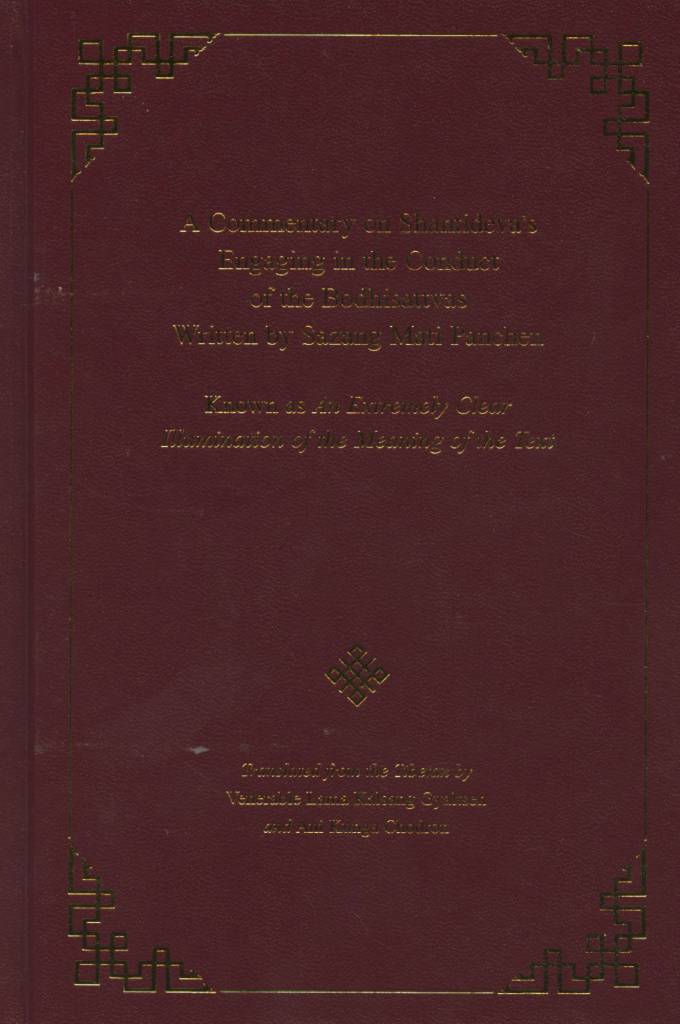
Gyaltsen, Lama Kalsang, and Ani Kunga Chodron, trans. A Commentary on Shantideva's Engaging in the Conduct of the Bodhisattvas Written by Sazang Mati Panchen: Known as An Extremely Clear Illumination of the Meaning of the Text. Walden, NY: Tsechen Kunchab Ling, 2019. First edition published by The Yeshe Dorje Foundation in 2006.

shift + scroll / swipe
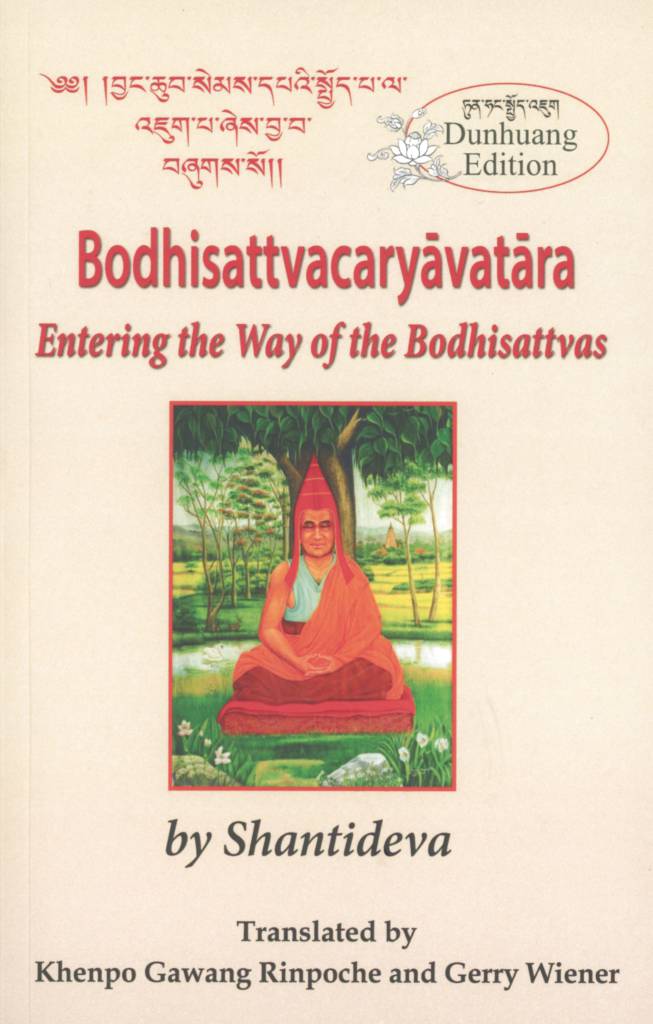
Dūnhuáng §This version is extracted from the book Bodhisattvacaryāvatāra: Entering the Way of the Bodhisattvas (2022, Khenpo Gawang and Wiener), a translation of an edition of the text created from three Dūnhuáng manuscripts. A description and sample pages of these can be found on the Early Tibet Blog. Scans of the actual manuscripts themselves can be found at http://idp.bl.uk

དོན་དམ་དང་ནི་ཀུན་རྫོབ་སྟེ། །

འདི་ནི་བདེན་བ་གཉིས་སུ་བཤད། ། དོན་དམ་བློ་ཡི་སྤྱོད་ཡུལ་མིན། །

བློ་དང་སྒྲ་ནི་ཀུན་རྫོབ་ཡིན། །

alt verse 8.2 tm data

MD: The relative and absolute

Are explained as the two truths. The absolute is not within the sphere Of activity of conceptual mind.

The relative is conceptual mind and terms.

Tsadra Critical Edition §This text was created by comparing four versions of the text from Derge, Cone, Narthang, and Peking Tengyurs from BDRC scans, along with Dunhuang manuscripts IOL Tib J 628, 629, and 630. When Tibetan readings were problematic, the Sanskrit texts from GRETIL and LTB (Oslo) were consulted.

ཀུན་རྫོབ་དང་ནི་དོན་དམ་སྟེ། །

འདི་ནི་བདེན་པ་གཉིས་སུ་འདོད། ། དོན་དམ་བློ་ཡི་སྤྱོད་ཡུལ་མིན། །

བློ་ནི་ཀུན་རྫོབ་ཡིན་པར་བརྗོད། །158ཏུན་ཧོང་ཀ་༴ ‘དོན་དམ་པ་དང་ནྀ་ཀུན་རྫོབ་སྟེ། །འདྀ་ནི་བདེན་པ་གཉིས་སུ་བཤད། །དོན་དམ་བློའི་སྤྱོད་ཡུལ་མྱིན། །བློ་དང་སྒྲ་ནྀ་ཀུན་རྫོབ་ཡིན། །’

[edit]
Sazang Mati (1294 - 1376)
A Commentary on Shantideva's Engaging in the Conduct of the Bodhisattvas (citation)Gyaltsen, Lama Kalsang, and Ani Kunga Chodron, trans. A Commentary on Shantideva's Engaging in the Conduct of the Bodhisattvas Written by Sazang Mati Panchen: Known as An Extremely Clear Illumination of the Meaning of the Text. Walden, NY: Tsechen Kunchab Ling, 2019. Bilingual Edition

(གཉིས་པ་)བསྐྱེད་ཚུལ་ལ།

2. How to develop wisdom 1.2.2

ཡུལ་དང་བཅས་པ་ངོས་གཟུང༌། བདག་མེད་གཉིས་ལ་འཇུག་ཚུལ། མཐར་འཛིན་མཐའ་དག་དགག་པའོ། །

This has three sections:

1. Identifying the object, 2. How to engage in the two types of selflessness,

3. Rejection of clinging to all extremes.
1.2.2

དང་པོ་ལ་

1. Identifying the object 1.2.2.1

ཡུལ་སྟོང་ཉིད་དུ་སྒྲུབ་པ། ཡུལ་ཅན་ལམ་དུ་སྒྲུབ་པའོ། །

This has two sections:

1. Affirmation of the object as empty,

2. Affirmation of the subject as the actual path.
1.2.2.1

དང་པོ་ལ།

1. Affirmation of the object as empty 1.2.2.1.1

བདེན་པ་གཉིས་ཀྱི་རྣམ་གཞག སྒྱུ་མ་ལྟ་བུར་བསྟན་པ། དེ་ལ་རྩོད་པ་སྤང་པའོ། །

This has three sections:

1. Schema of the two truths, 2. Demonstration as a magical apparition,

3. Refutation.
1.2.2.1.1

དང་པོ་ནི།

1. Schema of the two truths 1.2.2.1.1.1

ཀུན་རྫོབ་དང་ནི་དོན་དམ་སྟེ། །

འདི་ནི་བདེན་པ་གཉིས་སུ་འདོད། ། དོན་དམ་བློ་ཡི་སྤྱོད་ཡུལ་མིན། །

བློ་ནི་ཀུན་རྫོབ་ཡིན་པར་བརྗོད། །

kun rdzob dang ni don dam ste/_/

'di ni bden pa gnyis su 'dod/_/ don dam blo yi spyod yul min/_/

blo ni kun rdzob yin par brjod/_/

There are known to be two types of truth:

Relative and ultimate. The ultimate is beyond the scope of the intellect;

The intellect is described as relative.[p.346]A Commentary on Shantideva's Engaging in the Conduct of the Bodhisattvas
Gyaltsen, Lama Kalsang, and Ani Kunga Chodron, trans. A Commentary on Shantideva's Engaging in the Conduct of the Bodhisattvas Written by Sazang Mati Panchen: Known as An Extremely Clear Illumination of the Meaning of the Text. Walden, NY: Tsechen Kunchab Ling, 2019. First edition published by The Yeshe Dorje Foundation in 2006.

རྣམ་ཤེས་ཀྱི་སྤྱོད་ཡུལ་ཀུན་རྫོབ་ཀྱི་བདེན་པ་དང་ནི་ཡེ་ཤེས་ཀྱི་སྤྱོད་ཡུལ་དོན་དམ་པའི་བདེན་པ་སྟེ༵་འདི་དག་ནི་རིམ་པ་བཞིན་དུ་བྱིས་པས་རྟོགས་པ་ལྟར་རེ་ཞིག་མི་བསླུ་བ་དང༌། འཕགས་པས་རྟོགས་པ་ལྟར་གཏན་དུ་མི་སླུ་བས་བདེན་པ་གཉིས་སུ་འདོ༵ད་དོ། །

Objects that are experienced by the consciousness are relative truth. Objects that are experienced by the primordial wisdom are ultimate truth. These are sequentially known as temporarily infallible, like the realization of the childlike, and then forever infallible, like the realization of the Noble Ones.

དེ་ལ་དོན་དམ་པའི་བདེན་པ་ནི་བློ་རྣམ་པར་ཤེས་པ་ཡི་སྤྱོད་ཡུལ་དུ་སྣང་བ་མི༵ན་ཞིང་ཡེ་ཤེས་ཀྱི་སྤྱོད་ཡུལ་དུ་ཆོས་ཉིད་ནམ་ཡང་འགྱུར་བ་མེད་པར་སྣང་བ་ཡིན་ལ། སོ་སོ་སྐྱེ་བོའི་བློ་ཡུལ་དང་བཅས་པ་ནི་ཆོས་ཅན་ཀུན་རྫོབ་འཁྲུལ་བའི་སྣང་བ་ཡིན་པར་འདོ༵ད་དེ། འཇུག་པར།

Ultimate truth is not the object of experience of the intellectual consciousness. It is experienced by primordial wisdom in the manner of ever-unchanging suchness. Objects that are perceived by ordinary beings’ deluded intellect are known as relative phenomena. The Madhyamika Avatara states:

ཡང་དག་མཐོང་ཡུལ་གང་ཡིན་དེ་(ཁོ་ན་)ཉིད་(དོན་དམ་)དེ། ། འཁྲུལ་པ་མཐོང་བ་ཀུན་རྫོབ་བདེན་པར་བརྗོད། །

The object of perfect perception is suchness (the ultimate);
Deluded perception is described as relative truth.

ཅེས་པ་ལྟར་རོ། །

Gyaltsap Je (1364 - 1432)
The Entrance for the Children of the Conquerors (citation)Stracke, Fedor, trans. The Entrance for the Children of the Conquerors: A Commentary on the Introduction to the Actions of Bodhisattvas. By Gyaltsab Rinpoche. N.p.: Happy Monks Publication, 2016. https://happymonkspublication.org/product/bodhisattvacharyavatara-chapter-1-10-commentary/. Bilingual Edition

གཉིས་པ་ལ་གསུམ།

The Method of How to Generate the Wisdom Realizing Suchness 1.1.2

དང་པོ་ལ་གཉིས།

The Presentation of the Two Truths 1.1.2.1

དང་པོ་ལ་གསུམ།

Actual 1.1.2.1.1

དང་པོ་ནི།

The Division into the Two Truths 1.1.2.1.1.1

ཀུན་རྫོབ་དང་ནི་དོན་དམ་སྟེ། །

འདི་ནི་བདེན་པ་གཉིས་སུ་འདོད། ། དོན་དམ་བློ་ཡི་སྤྱོད་ཡུལ་མིན། །

བློ་ནི་ཀུན་རྫོབ་ཡིན་པར་བརྗོད། །

kun rdzob dang ni don dam ste/_/

'di ni bden pa gnyis su 'dod/_/ don dam blo yi spyod yul min/_/

blo ni kun rdzob yin par brjod/_/

The illusory and the ultimate,

These are asserted as the two truths; The ultimate is not an object engaged by awareness,

Awareness is stated to be illusory.

བསླབ་བཏུས་སུ་ཡབ་སྲས་མཇལ་བའི་མདོ་དྲངས་པ་ལས།

The Compendium of Trainings quotes The Sutra of the Meeting of Father and Son :

འདི་ལྟར་དེ་བཞིན་གཤེགས་པས་ཀུན་རྫོབ་དང་དོན་དམ་པ་གཉིས་ཐུགས་སུ་ཆུད་དེ་ཤེས་པར་བྱ་བ་ཡང་ཀུན་རྫོབ་དང་དོན་དམ་པའི་བདེན་པ་འདིར་ཟད་དོ། །

The Tathagata comprehend thus the illusory and the ultimate and exhausted the possibilities for that to be known into illusory truth and ultimate truth.

དེ་ཡང་བཅོམ་ལྡན་འདས་ཀྱིས་སྟོང་པ་ཉིད་དུ་རབ་ཏུ་གཟིགས་རབ་ཏུ་མཁྱེན། ལེགས་པར་མངོན་དུ་བྱས་པས་དེའི་ཕྱིར་ཐམས་ཅད་མཁྱེན་པ་ཞེས་བྱའོ་ཞེས་གསུངས་ཏེ།

Because the Tathagata sees perfectly in emptiness, knows perfectly in emptiness, manifests well in emptiness, therefore he is called All Knowing Transcendental Wisdom.

ཤེས་པར་བྱ་བ་ཡང་ཞེས་པས་ཤེས་བྱ་དབྱེ་གཞི་དང་། འདིར་ཟད་དོ་ཞེས་པས་བདེན་གཉིས་སུ་གྲངས་ངེས་པ་དང༌། བདེན་པ་གཉིས་ཀ་དེ་བཞིན་གཤེགས་པས་ཐུགས་སུ་ཆུད་པའི་ཕྱིར་ཐམས་ཅད་མཁྱེན་པར་བསྟན་ཏོ། །

Then, the explanations stating that the thought of the Introduction to the Bodhisattva’s Deeds is that ultimate truth is not an object of knowledge, or that it cannot be known by any awareness, are wrong explanations.

དེས་ན་དོན་དམ་པའི་བདེན་པ་ཤེས་བྱ་མ་ཡིན་པ་དང་བློ་གང་གིས་ཀྱང་མ་རྟོགས་པར་སྤྱོད་འཇུག་གི་དགོངས་པར་འཆད་པ་ནི་ལོག་པར་འཆད་པའོ། །ཀུན་རྫོབ་ཀྱི་བདེན་པ་དང་དོན་དམ་པའི་བདེན་པ་དང་གཉིས་སུ་འབྱེད་པ་ནི་དབྱེ་བའི་ངོ་བོའོ། །ཕྱེ་བའི་དོན་ལ་ཡང་མི་འདྲ་བ་དུ་མ་ཞིག་འདུག་ཀྱང་འདིར་[p.Ch9-347]Spyod 'jug rtsa 'grel (Mtsho sngon mi rigs dpe skrun khang 2001)
Śāntideva, and Rgyal tshab rje dar ma rin chen. Spyod 'jug rtsa 'grel and Byang chub sems dpa'i spyod pa la 'jug pa'i rnam bshad rgyal sras 'jug ngogs. Xining: Mtsho sngon mi rigs dpe skrun khang, 2001
ནི་གཉིས་ཀ་ལ་ངོ་བོ་ཡོད་ལ་དེ་ལ་ངོ་བོ་གཅིག་དང་ཐ་དད་གང་ཡང་མིན་པ་མི་སྲིད་པའི་ཕྱིར་དང་། ཆོས་ཅན་རྣམས་བདེན་སྟོང་ལས་ངོ་བོ་ཐ་དད་ན་བདེན་གྲུབ་ཏུ་འགྱུར་བ་སོགས་མདོ་སྡེ་དགོངས་འགྲེལ་ལས་བཤད་པའི་གནོད་པ་དེ་དག་འཇུག་ལ། ཐ་མི་དད་ཡིན་ན་ཡང་དེ་ནས་བཤད་པའི་གནོད་པར་འགྱུར་བས་བྱས་མི་རྟག་ལྟར་ངོ་བོ་གཅིག་ལ་ལྡོག་པ་ཐ་དད་དོ། །

The nature of the division is into the twofold division of illusory truth and ultimate truth. Although there can be different connotations to a division, here, it is to be of one nature but to be of different isolate. As both have a nature, it is impossible for them not to be of one or of different nature.5There is a difference between saying one nature and of one nature.

For two phenomena to be of one nature, they need to be two different natures, or entities. The two truths are not only two different natures, but two clearly distinct mutually exclusive natures, which are yet of one nature. If the subject is of different nature from the lack of true existence, then the faults outlined in the Elucidations of the Thought apply, such as that it would become truly existent. Moreover, if they are not different, then the faults explained there apply as well. Therefore, they are of one nature but of different isolate, just like produced and impermanent.

དེས་ན་ཤེས་པར་བྱ་བ་འདི་ནི་དབྱེ་གཞི། དབྱེ་ན་བདེན་པ་གཉིས་སུ་ཡོད་ཅིང་དེར་གྲངས་ངེས་པར་འདོད་དོ། །དབྱེ་བའི་ངོ་བོ་ནི་ཐ་སྙད་པའི་ཚད་མས་རྙེད་པའི་དོན་ཀུན་རྫོབ་བདེན་པ་དང་ནི་དོན་དམ་པའི་ཚད་མས་རྙེད་པའི་དོན་དོན་དམ་པའི་བདེན་པ་སྟེ་གཉིས་སོ། །

So, the basis for division, object of knowledge, is comprehensively divided into the two truths. The nature of the two divisions is that the meaning found by a nominal prime cognition is illusory truth, and the meaning found by an ultimate prime cognition is ultimate truth.[p.6]The Entrance for the Children of the Conquerors
Stracke, Fedor, trans. The Entrance for the Children of the Conquerors: A Commentary on the Introduction to the Actions of Bodhisattvas. By Gyaltsab Rinpoche. N.p.: Happy Monks Publication, 2016. https://happymonkspublication.org/product/bodhisattvacharyavatara-chapter-1-10-commentary/.

གཉིས་པ་ནི།

Definition of the Two Truths 1.1.2.1.1.2

གཞན་གྱི་ལུགས་དགག་པ་དང་། རང་གི་ལུགས་གཞག་པ་གཉིས་ཀྱིས་ཤེས་པར་བྱའོ། །

(Understanding It Through the Refutation of the School of Others and the Presentation of Our School) 1.1.2.1.1.2

དང་པོ་ནི།

The Refutation of the School of Others 1.1.2.1.1.2.1

སྔོན་གྱི་སྟོད་ལུང་རྒྱ་དམར་ལ་སོགས་པ་ཁ་ཅིག དོན་དམ་བློ་ཡི་སྤྱོད་ཡུལ་མིན། །ཞེས་པའི་རྐང་བ་དང་པོ་དམ་བཅའ་དང་། ཕྱི་མ་རྟགས་སུ་བྱས་ནས་དོན་དམ་བདེན་པ་རྟོག་པ་དང་རྟོག་མེད་ཀྱི་ཤེས་པ་གང་གི་ཡང་ཡུལ་དུ་མི་རུང་སྟེ་བློ་དང་བློའི་ཡུལ་ཡིན་ན་ཀུན་རྫོབ་བདེན་པ་ཡིན་པས་ཁྱབ་པ་རྐང་བ་འོག་མས་བསྟན་པས་གྲུབ་བོ་ཞེས་འདོད་པ་ནི། རྣམ་པ་ཐམས་ཅད་དུ་མི་རིགས་ཏེ་ཐེག་ཆེན་འཕགས་པའི་མཉམ་གཞག་ན་བློ་མེད་པར་ཁས་ལེན་ན་རྒྱུང་པན་གྱི་གཞུང་འཛུགས་པར་འགྱུར་ཏེ། དེས་འཆི་ཁ་ཚུན་ཆད་དུ་རིག་པ་ཡོད་ལ་དེ་ནས་རྒྱུན་ཆད་པར་འདོད་ཅིང་། ཁྱེད་ཀྱིས་ཀྱང་སྦྱོར་ལམ་ཐ་མ་ཚུན་ཆད་དུ་བློ་ཡོད་ལ་གནས་ལུགས་ཀྱི་དོན་[p.Ch9-348]Spyod 'jug rtsa 'grel (Mtsho sngon mi rigs dpe skrun khang 2001)
Śāntideva, and Rgyal tshab rje dar ma rin chen. Spyod 'jug rtsa 'grel and Byang chub sems dpa'i spyod pa la 'jug pa'i rnam bshad rgyal sras 'jug ngogs. Xining: Mtsho sngon mi rigs dpe skrun khang, 2001
ལ་མཉམ་པར་བཞག་པའི་ཚེ་མེད་པར་ཁས་བླངས་པའི་ཕྱིར།

Opponents such as the Red Ones from Toelung, using the first line “the ultimate is not an object engaged by awareness” as the statement, and the later line as the reason, have asserted that ultimate truth is unsuitable to be the object of conceptual or non- conceptual consciousness, because if it is awareness of the object of awareness, then there is a pervasion that this object is illusory truth, as shown in the lower lines. This is completely unsuitable, because if one accepts the non-existence of awareness in the meditative equipoise of a superior, then one supports the texts of Those Putting Themselves Afar.5Those that put themselves afar from a happy rebirth: the Hedonists. They posit that while there is consciousness up to the point of death, the continuity is severed upon death, and you would accept likewise that while there is awareness up to and including the last moment of the path of preparation, that it does not exist while in meditative equipoise on the mode of abiding.

གཞན་ཡང་དོན་གང་ཞིག་མངོན་སུམ་དུ་རྟོགས་པས་དྲི་མ་ཟད་པར་བྱེད་པའི་ཤེས་བྱ་ཞིག་ཁས་མི་ལེན་ན། དྲི་མ་ཟད་པ་མི་སྲིད་པས་སངས་རྒྱས་དང་སེམས་ཅན་གང་ཡང་གཞག་ཏུ་མེད་པའི་སྐུར་འདེབས་འབའ་ཞིག་ཏུ་འགྱུར་ལ།

Further, if one does not accept a directly cognized meaning, an object of knowledge that can purify stains, then the elimination of stains becomes impossible, and one will become somebody that singularly denies that a person can be posited as a buddha or bodhisattva.

ཁས་ལེན་ན་དོན་དམ་བདེན་པ་ཡུལ་དང་དེ་རྟོགས་པའི་བློ་མི་འདོད་པ་འགལ། ཀུན་རྫོབ་ཡིན་ན། དོན་དམ་མི་འཇལ་བས་ཁྱབ་པར་འདོད་ན། དོན་དམ་བདེན་པ་རང་ཉིད་ཀྱིས་རང་ཉིད་འཇལ་བ་མི་སྲིད་པས་འཇལ་བྱེད་མེད་པའི་ཕྱིར་གཏན་མེད་དུ་འགྱུར་ལ། དེ་མེད་ན་བདེན་པ་གཉིས་ཀྱི་དབྱེ་བ་བྱས་པ་ལ་དགོས་པ་ཅི་ཞིག་ཡོད།

If one accepts such a phenomenon, then to have ultimate truth as phenomenon but to have no awareness that realizes it, becomes a contradictory illusory phenomenon. If one asserts that the ultimate is never comprehended, then, since the ultimate cannot comprehend itself, it has nothing that understands it, and thus becomes baseless. If it is like that, then what is the purpose of positing the division of the two truths?

གཞན་ཡང་ཀུན་རྫོབ་བདེན་པས་སྟོང་པ་ཡིན་ན་བདེན་སྟོང་ཉིད་དོན་དམ་བདེན་པར་ཁས་བླངས་པ་ལ་གནོད་པ་ཅུང་ཟད་ཀྱང་མེད་ལ་དེ་མིན་ན་ཀུན་རྫོབ་བདེན་གྲུབ་ཏུ་འགྱུར་ཏེ།

Further, if the illusory is empty of being true, then there is nothing to harm the acceptance that the truth of emptiness is ultimate truth, but lacking that, illusory truth becomes truly existent.

རྩོད་ཟློག་ལས།

From the Refutation of Arguments6Nagarjuna.:

རང་བཞིན་མེད་པ་ཉིད་ལོག་ན། ། རང་བཞིན་ཉིད་དུ་རབ་གྲུབ་འགྱུར། །

If the mere lack of nature is reversed,
Then it is established as existing in this very nature.

ཞེས་གསུངས་པས་སོ། །

གཉིས་པ་ནི།

The Presentation of Our School 1.1.2.1.1.2.2

རྐང་བ་དང་བོས་དོན་དམ་བདེན་པའི་མཚན་ཉིད་དང་། གཉིས་པས་ཀུན་རྫོབ་བདེན་པའི་མཚན་ཉིད་སྟོན་པ་ཡིན་ལ་བློ་སྔ་ཕྱི་གཉིས་གཉིས་སྣང་ཅན་གྱི་བློ་ཡིན་གྱི་བློ་ཙམ་མིན་ལ། དེ་ཡང་འཇོལ་ཚུལ་གྱི་དབང་དུ་བྱས་པ་ཡིན་ནོ། །

The first line shows the definition of ultimate truth and the second line shows the definition of illusory truth. Both the earlier and later awareness are dualistic awareness, and not mere awareness, which is from the point of view of the way of comprehension.

དེས་ན་འདི་ལྟར་སྦྱར་ཏེ་གང་ཟག་དང་ཕུང་བོ་རང་བཞིན་གྱིས་དབེན་པ་མཚན་གཞི་དོན་དམ་བདེན་པར་མཚོན་ལ། རང་ཉིད་དངོས་སུ་རྟོགས་པའི་བློ་མངོན་སུམ་ཚད་མ་དེ་ལ་རང་ཉིད་གཉིས་སུ་སྣང་བའི་སྒོ་ནས་དེའི་སྤྱོད་ཡུལ་དུ་འགྱུར་བ་[p.Ch9-349]Spyod 'jug rtsa 'grel (Mtsho sngon mi rigs dpe skrun khang 2001)
Śāntideva, and Rgyal tshab rje dar ma rin chen. Spyod 'jug rtsa 'grel and Byang chub sems dpa'i spyod pa la 'jug pa'i rnam bshad rgyal sras 'jug ngogs. Xining: Mtsho sngon mi rigs dpe skrun khang, 2001
མིན་པ་གང་ཞིག་རང་འཇལ་བའི་མངོན་སུམ་ཚད་མ་དེས་ཤེས་པར་བྱ་བ་ཡིན་པའོ། །

Then, it has to be related like this: The examples, the lack of inherent existence of the person and the aggregates, exemplify ultimate truth, and do not become an object of engagement of the awareness that is a prime direct perception comprehending them[p.7]The Entrance for the Children of the Conquerors
Stracke, Fedor, trans. The Entrance for the Children of the Conquerors: A Commentary on the Introduction to the Actions of Bodhisattvas. By Gyaltsab Rinpoche. N.p.: Happy Monks Publication, 2016. https://happymonkspublication.org/product/bodhisattvacharyavatara-chapter-1-10-commentary/.
explicitly by way of them appearing in a dualistic manner. However, they are known by the prime direct perception comprehending them.

འདི་ནི་འཇུག་པ་ལས།

It is like stated in the Introduction to the Middle Way7Chandrakirti:

རབ་རིབ་མཐུ་ཡིས་སྐྲ་ཤད་ལ་སོགས་པའི། །

ངོ་བོ་ལོག་པ་གང་ཞིག་རྣམ་བརྟགས་པ། ། དེ་ཉིད་བདག་ཉིད་གང་དུ་མིག་དག་པས། །

མཐོང་དེ་དེ་ཉིད་དེ་བཞིན་འདིར་ཤེས་གྱིས། །

Mistaken identities such as hairs, etc. [6.29]
Imagined due to defective faculties,
Similarly to pure eyes seeing their nature
One should know suchness here.

ཞེས་བཤད་པ་དང་དོན་འདྲ་བ་ཡིན་ནོ། །གང་ཟག་དང་ཕུང་བོ་མཚན་གཞི་ཀུན་རྫོབ་བདེན་པ་ཡིན་པར་བརྗོད་དེ། རང་ཉིད་དངོས་སུ་རྟོགས་པའི་བློ་མངོན་སུམ་ཚད་མ་དེ་ལ་རང་ཉིད་གཉིས་སུ་སྣང་བའི་སྒོ་ནས་རྟོགས་པར་བྱ་བའོ། །འདི་དག་གི་མཐའ་གཅོད་རྒྱས་པར་ནི་རྗེ་ཉིད་ཀྱིས་མཛད་པའི་འཇུག་པའི་རྣམ་བཤད་ལས་ཤེས་པར་བྱའོ། །

The examples of the person and the aggregates are called illusory truths because the awareness that is a prime direct perception realizing it explicitly has to do so in a dualistic manner. One should become acquainted with a more elaborate analysis of this from the commentary on the Introduction to the Middle Way composed by Je Rinpoche himself.

བདེན་གཉིས་ཀྱི་མཚན་ཉིད་འདི་ལྟར་ཞིབ་ཏུ་བཤད་དགོས་པ་ནི་སངས་རྒྱས་ཀྱི་ཇི་ལྟ་བ་མཁྱེན་པའི་ཡེ་ཤེས་དེ་ཉིད་ཀྱིས་ཇི་སྙེད་པ་མཁྱེན། ཇི་སྙེད་པ་མཁྱེན་པ་དེས་ཇི་ལྟ་བ་མཁྱེན་ཡང་ཇི་ལྟ་བ་ཆུ་ལ་ཆུ་བཞག་དང་། ཇི་སྙེད་པ་ལ་གཉིས་སྣང་དང་བཅས་པས་མཁྱེན་པ་རྣམས་ལ་ཡང་ཁྱབ་པའི་དབང་དུ་བྱས་པའོ། །

Therefore, the need to know thus in detail the detailed definitions of the two truths pervades also the two transcendental wisdoms of a buddha. This is so because although the transcendental wisdom of a buddha knowing suchness understands the world of multiplicity, and the transcendental understanding of the world of multiplicity understands suchness, the understanding of suchness is like water into water, and the understanding of the world of multiplicity is in a dualistic manner.

ཁ་ཅིག་དབུ་མ་ལ་འཇུག་པའི་རྣམ་བཤད་ཀྱི་དོན་ཞིབ་ཏུ་མ་རྟོགས་པར་སངས་རྒྱས་ཀྱི་ཡེ་ཤེས་དེ་ཉིད་ལ་རང་ཉིད་སྣང་བར་འདོད་པ་ནི་རིགས་པ་དང་འགལ་ཏེ། སྣང་ཚུལ་གཉིས་ལས་མ་འདས་པས་ཐ་དད་དུ་སྣང་ན་སངས་རྒྱས་ཀྱི་ཡེ་ཤེས་སྣང་ཡུལ་ལ་འཁྲུལ་བ་མི་སྲིད་པས་རང་ཉིད་རང་དང་ཐ་དད་དུ་ཁས་ལེན་དགོས་ལ། ཆུ་ལ་ཆུ་བཞག་གི་ཚུལ་དུ་སྣང་ན་དེ་ཉིད་དོན་དམ་བདེན་པར་ཐལ་བ་ལྡོག་ཏུ་མེད་དོ། །སངས་རྒྱས་ཀྱི་ཡེ་ཤེས་རང་ཉིད་ལས་ལྡོག་པ་[p.Ch9-350]Spyod 'jug rtsa 'grel (Mtsho sngon mi rigs dpe skrun khang 2001)
Śāntideva, and Rgyal tshab rje dar ma rin chen. Spyod 'jug rtsa 'grel and Byang chub sems dpa'i spyod pa la 'jug pa'i rnam bshad rgyal sras 'jug ngogs. Xining: Mtsho sngon mi rigs dpe skrun khang, 2001
ཐ་དད་པའི་རང་དང་གྲུབ་བདེ་ངོ་བོ་གཅིག་པ་མཐའ་དག་ལ་སྣང་ནས་རྟོགས་ལ། ཤུགས་རྟོགས་ཀྱི་ཐ་སྙད་འདོགས་སམ་མི་འདོགས་ཀྱང་རུང་རང་ཉིད་ལ་རང་ཉིད་མི་སྣང་ཡང་རྟོགས་པའོ། །

Argument by an opponent who does not understand the meaning of the commentary on the Introduction to the Middle Way at all: It is illogical to assert that a buddha’s transcendental wisdom appears to itself as there are only two ways for it to appear. If it appears as different, then, since it is impossible for a buddha’s transcendental wisdom to be mistaken with regards to the appearing object, one would need to accept that it is different from itself. If it appears as water into water, then it would irrefutably be ultimate truth. A buddha’s transcendental wisdom realizes everything that is established as one entity with itself but is of different isolate on the basis of appearance, and regardless of whether it realizes the name implicitly or not, it realizes itself although not appearing to itself.

སོ་སོའི་སྐྱེ་བོའི་སྔོ་འཛིན་མངོན་སུམ་ཚད་མ་ལྟ་བུ་ཡིན་ན་རང་རིག་པའི་མངོན་སུམ་མི་སྲིད་པས་རང་ལ་རང་ཉིད་མི་སྣང་ཡང་། རང་དང་གྲུབ་བདེ་ངོ་བོ་གཅིག་པའི་ཆ་གཞན་རང་ལ་སྣང་ནས་རྟོགས་པར་གཞག་མི་རིགས་པའི་ཕྱིར། སྔོན་པོ་དངོས་སུ་རྟོགས་པ་ལ་ལྟོས་པའི་ཤུགས་རྟོགས་འབའ་ཞིག་ཡིན་ལ་དེ་འདྲ་བའི་ཤུགས་རྟོགས་སངས་རྒྱས་ལ་མི་སྲིད་པའི་དོན་དུ་ཤེས་པར་བྱའོ། །

Answer: If it is the prime direct perception apprehending blue of an ordinary individual, then it does not appear to itself as it is impossible for it to be a self-knowing direct perception. It is also unsuitable to be posited as realizing, on the basis of appearance, the other parts that are established as being of one entity with it. It is singularly an implicit realization in dependence on the explicit realization of blue, and one should know that such an implicit realization is impossible for a buddha.[p.8]The Entrance for the Children of the Conquerors
Stracke, Fedor, trans. The Entrance for the Children of the Conquerors: A Commentary on the Introduction to the Actions of Bodhisattvas. By Gyaltsab Rinpoche. N.p.: Happy Monks Publication, 2016. https://happymonkspublication.org/product/bodhisattvacharyavatara-chapter-1-10-commentary/.
Pawo Rinpoche, 2nd (1504 - 1566)
The Center of the Sunlit Sky (citation)Brunnhölzl, Karl. The Center of the Sunlit Sky: Madhyamaka in the Kagyü Tradition. Including a translation of Pawo Rinpoche's commentary on the knowledge section of Śāntideva's The Entrance to the Bodhisattva’s Way of Life (Bodhicaryāvatāra). Nitartha Institute Series. Ithaca, NY: Snow Lion Publications, 2004. Bilingual Edition

གཉིས་པ་ལ་གཉིས།

The Identification of Knowledge 2

དང་པོ་ལ་བཞི།

The Proof That the Objects to Be Known—the Two Realities—Are Emptiness 2.1.

དང་པོ་ནི།

The Classification of the Two Realities 2.1.1.

ཀུན་རྫོབ་དང་ནི་དོན་དམ་སྟེ། ། འདི་ནི་བདེན་པ་གཉིས་སུ་འདོད། །

The seeming and the ultimate— These are asserted as the two realities. [2ab]

ཅེས་གསུངས་ཏེ། འདི་དག་གི་རང་བཞིན་རྒྱས་པར་ལེའུ་བཞི་པའི་སྤྱི་དོན་དུ་བསྟན་ཟིན་ལ། འདིར་ནི་མདོར་བསྡུ་ན་

The nature of these [two realities] has already been taught extensively in the general topics of the fourth chapter. Still, a brief summary is given here:

གང་ཤེས་པར་བྱ་བ་ནི་ཀུན་རྫོབ་ཀྱི་བདེན་པ་དང་དོན་དམ་པའི་བདེན་པ་སྟེ་རེ་ཞིག་ཤེས་བྱ་འདི་ནི་བདེན་པ་གཉིས་སུ་ངེས་པར་བདག་ཉིད་ཆེན་པོ་ཞི་བའི་ལྷ་ཉིད་འདོད་ཏོ་ཅེས་ཞལ་གྱིས་འཆེས་པའོ། །

That which is to be understood are the seeming reality and the ultimate reality: These temporary knowable objects are definitely accepted as the two realities by the great being Śāntideva himself when he says “asserted.

དེ་ལ་ཀུན་ནི་མང་པོའི་སྒྲ་སྟེ་རྣམ་པ་སྣ་ཚོགས་པར་སྣང་བའི་དོན་ཏེ་རྫོབ་ནི་བརྫུན་པའི་དོན་སྟེ་ཇི་ལྟར་སྣང་བ་དེར་མི་བདེན་པས་གསོབ་དང་གསོག་དང་ཡ་མ་རླ་ཙམ་དུ་ཟད་པའི་དོན་ཏོ། །

In this context, [the etymology of “seeming” [literally “all-deceptive”] is as follows:] “All” is a plural and has the meaning of [all phenomena] that appear in various forms. “Deceptive” has the meaning of delusive: This means that since [appearances] are not real in the way that they appear, they are nothing but mere vanities, nullities, and insignificances.

འོ་ན་ཅིའི་ཕྱིར་ཀུན་རྫོབ་དེ་བདེན་པར་བཞག་ཞེ་ན་རེ་ཞིག་འཇིག་རྟེན་གཞུག་པའི་ཐ་སྙད་ཀྱི་དོན་དུ་སྟེ་འཇིག་རྟེན་པ་རྣམས་ཇི་ལྟར་སྣང་བ་དེར་བདེན་པར་ཞེན་པའི་ཕྱིར་དང་གནས་སྐབས་པའི་རིགས་ངོར་ཡང་རྒྱུ་འབྲས་མི་འཁྲུལ་པར་དོན་བྱེད་ནུས་པར་སྣང་བའི་ཕྱིར་རེ་ཞིག་པའི་བདེན་པར་བཞག་གོ །འདི་ཡང་གཏན་དུ་བའི་བདེན་པ་ནི་མ་ཡིན་སྟེ་དཔྱད་མི་བཟོད་པའི་ཕྱིར་དང་འཕགས་པ་རྣམས་ཀྱི་མཉམ་བཞག་གི་ཡུལ་དུ་མི་སྣང་བའི་ཕྱིར་རོ། །

You might wonder, “Why then is the seeming presented as a reality?” This is [done] provisionally for the sake of conventions in order to guide the world. It is presented as a provisional reality, because worldly people cling to [appearances] as being real in just the way that they appear, and also because causes and results appear to perform their functions unmistakenly from the perspective of provisional reasoning. It is not a stable reality, [however,] because it does not withstand analysis and because it does not appear as an object of the meditative equipoise of the noble ones.

ཀུན་རྫོབ་ལ་བལྟོས་ན་དངོས་པོའི་གནས་ཚུལ་དུ་ཞུགས་པའི་ཕྱིར་དང་དོན་དུ་གཉེར་བྱ་ཡིན་པའི་ཕྱིར་དོན་ཞེས་བྱ་ལ་ཐར་འདོད་ལ་ཉེ་བར་མཁོ་ཞིང་འབྲས་བུ་སངས་རྒྱས་ལ་མི་སླུ་བའི་ཕྱིར་དམ་པ་སྟེ་གཞི་མཐུན་པའི་སྒྲའོ། །

[The etymology of “ultimate” [literally “supreme object”] is as follows:] It is called “object” because one engages in the fundamental nature in dependence on the seeming, and because it is what is to be strived for. It is “supreme” because it is essential for those who wish for liberation and undeceiving with respect to the result, which is Buddhahood. Thus, it is a term for [such] a common locus.

འདིས་ནི་དོན་དམ་པར་བདེན་པ་ཞེས་ཁྱད་གཞི་དང་ཁྱད་ཆོས་ཀྱི་སྒྲར་འདོད་པ་ཡང་བསལ་བ་ཡིན་ནོ། །འདི་ནི་ཆོས་ཐམས་ཅད་ཀྱི་རང་བཞིན་གཉུག་མར་གནས་པ་ཡིན་ཞིང་འཕགས་པ་རྣམས་ཀྱི་མཉམ་བཞག་ཟབ་མོའི་ཡུལ་ཡིན་པའི་ཕྱིར་ཀུན་རྫོབ་ལ་བལྟོས་ཏེ་གཏན་དུ་བའི་བདེན་པར་བཞག་གོ །མ་ལྟོས་པར་ངོ་བོ་ཉིད་ཀྱིས་ནི་མ་ཡིན་སྟེ་སངས་རྒྱས་ཉིད་ཀྱིས་བདེན་པའམ་བརྫུན་པའི་ཆོས་མ་གཟིགས་པའི་ཕྱིར་རོ། །

Through this [etymology], [645] the assertion [of others] that “ultimately real” is a term for a basis of attribution and an attribute is also eliminated. This [ultimate reality] is what abides as the actual nature of all phenomena. It is the object of the profound meditative equipoise of noble ones. Therefore, it is presented as a stable reality in dependence on the seeming. [However,] it is not [such a stable reality] independently through its nature, because the Buddhas themselves behold neither real nor delusive phenomena.

དང་ཡིག་ནི་ཀུན་རྫོབ་དང་དེ་ལས་གཞན་པའི་དོན་དམ་ཞེས་འབྱེད་པའི་སྒྲ་ཡང་ཡིན་ལ་འདི་གཉི་གའང་བདེན་པ་ཙམ་དུ་མཚུངས་སོ་ཞེས་བསྡུ་བའི་སྒྲ་ཡང་ཡིན་ནོ། །

[The word “and” [in line 2a] is both a term that differentiates “the seeming and the ultimate which is other than that” and a collective term [indicating that] “both of these are equal insofar as they are just realities.”][p.622]The Center of the Sunlit Sky
Brunnhölzl, Karl. The Center of the Sunlit Sky: Madhyamaka in the Kagyü Tradition. Including a translation of Pawo Rinpoche's commentary on the knowledge section of Śāntideva's The Entrance to the Bodhisattva’s Way of Life (Bodhicaryāvatāra). Nitartha Institute Series. Ithaca, NY: Snow Lion Publications, 2004.

གཉིས་པ་ནི།

Their Definitions 2.1.2.

དོན་དམ་བློ་ཡི་སྤྱོད་ཡུལ་མིན། ། བློ་ནི་ཀུན་རྫོབ་ཡིན་པར་བརྗོད། །

The ultimate is not the sphere of cognition. It is said that cognition is the seeming. [2cd]

ཅེས་གསུངས་ཏེ། འོ་ན་འདིར་བདེན་གཉིས་ཀྱི་ཟླས་ཕྱེ་བའི་དོན་དམ་པའི་བདེན་པ་དེ་གང་ཀུན་རྫོབ་ཀྱི་བདེན་པ་དེ་གང་ཞེ་ན།

You might say, “However, in this dichotomy of the two realities, what is ultimate reality and what is seeming reality?”

གང་སངས་རྒྱས་རྣམས་བྱོན་ཡང་རུང་མ་བྱོན་ཡང་རུང་སྟེ་སངས་རྒྱས་ཀྱིས་ཀྱང་བཅོས་སུ་མེད་པ།

[The first one] is that for which it does not matter whether Buddhas have arrived or not; it is what could not be contrived even by the Buddha. He taught:

ངས་ཀྱང་མ་གཟིགས་མི་གཟིགས་གཟིགས་པར་མི་འགྱུར་རོ་

Even I did not behold it, do not behold it, and will not behold it.

ཞེས་སྟོན་པ་ཆོས་ཐམས་ཅད་ཀྱི་རང་བཞིན་རྣལ་མ་རྟོག་བཅས་རྟོག་མེད་མངོན་སུམ་རྗེས་དཔག་སོགས་སྐྱེ་འཕགས་དང་སློབ་མི་སློབ་གང་གི་ཡང་ཤེས་པའི་སྤྱོད་ཡུལ་དུ་མ་གྱུར་མི་འགྱུར་འགྱུར་མི་སྲིད་པའི་ཆོས་ཀྱི་དབྱིངས་ཇི་བཞིན་པ་ཉིད་འདི་ནི་དོན་དམ་པའི་བདེན་པ་ཞེས་ཐ་སྙད་ཏུ་བྱས་སོ། །

Thus, the native nature of all phenomena was not, is not, and cannot become the sphere of the consciousnesses of any ordinary beings, noble ones, learners, or nonlearners whatsoever, be they conceptual or nonconceptual [consciousnesses], perceptions, or inferential cognitions. For this expanse of dharmas just as it is, the conventional term “ultimate reality” is used.

ཅི་ཤེས་པ་གང་གི་ཡང་ཡུལ་མ་ཡིན་ན་དེ་ལ་དམིགས་པར་ཡང་མི་ནུས་པས་དེ་དོན་དམ་པར་ཡང་ཇི་ལྟར་བཞག་ཞེ་ན། སྤྱིར་ཐ་སྙད་རྣམ་པར་འདོགས་པ་འདི་ཐམས་ཅད་ཀྱང་ཆོས་དེ་མངོན་སུམ་པར་དམིགས་ནས་འདོགས་པ་ནི་མ་ཡིན་སྟེ་ཨུཏྤལ་སྔོན་པོ་ཞེས་ཐ་སྙད་འདོགས་པའི་ཚེ་དེ་དམིགས་པ་པོ་ནི་དབང་ཤེས་དེ་ཡིན་ཡང་དེ་ནི་ཨུཏྤལའི་མིང་གི་ཁྱད་པར་དང་སྔོན་པོའི་ཁ་དོག་གི་ཁྱད་པར་རྟོག་པར་མི་བྱེད་སྟེ་མངོན་སུམ་རྟོག་མེད་དུ་ཉམས་སུ་མྱོང་བ་ཙམ་དུ་ཟད་པའི་ཕྱིར།

You might object, “What do you mean? If it is not an object of any consciousness whatsoever, one is not even able to focus on it. Therefore, how can it at the same time be presented as the ultimate?” In general, in all this labeling with conventional terms, it is not the case that the direct observer of a given phenomenon is doing the labeling. [For example,] when one labels [something] with the conventional term “blue utpala,”1485An utpala is a type of blue lotus flower. the observer of that is a [visual] sense consciousness. But this [consciousness itself] does not conceive of the attribute that is the name “utpala” or the attribute “blue color,” [646] because it is nothing but mere direct and nonconceptual experiencing.

ཐ་སྙད་འདོགས་པ་པོ་ནི་དེའི་རྗེས་སུ་འབྲེང་བའི་འཛིན་རྟོག་སྟེ་དེས་སྔར་མྱོང་གི་དབང་ཤེས་རྟོག་མེད་དེ་འཛིན་རྟོག་རང་ཉིད་ཡིན་པར་རློམ་ཞིང་ཡུལ་ཨུཏྤལ་ཙམ་དེ་གཞན་དུ་བཟུང་ནས་མིང་དང་ཁ་དོག་དུ་རྟོག་ལ་འདི་ནི་བདག་གིས་མཐོང་ངོ་ཞེས་རློམ་པ་སྟེ། རྫ་མཁན་གྱིས་བྱས་པའི་རྫ་ལ་ཤིང་མཁན་གྱིས་བདག་གིས་བྱས་སོ་ཞེས་རློམ་པ་བཞིན་ནོ། །

That which labels with conventional terms is a subsequent apprehending conception of this [direct experience]. This [involves] the presumption that the preceding nonconceptual sense consciousness—the [actual] experiencer—is the apprehending conception itself. By apprehending the object—the mere utpala [flower]—as something else, the [subsequent conception] conceives of it as name and color while presuming, “I see this.” [This] is like a carpenter who presumes, “I have made this” with respect to a clay pot that was made by a potter.

ཀུན་རྫོབ་ཏུ་རྒྱུན་ལ་རྣམ་པར་དཔྱད་པའི་ཚེ་ཡང་མཐོང་དུས་ཀྱི་ཨུཏྤལ་དེ་ཡང་གཞན་འཛིན་དུས་ཀྱི་ཨུཏྤལ་དེ་ཡང་གཞན་ཡིན་ལ་དེ་ཉམས་སུ་མྱོང་བའི་དབང་ཤེས་དེ་ཡང་གཞན་འཛིན་རྟོག་དེ་ཡང་གཞན་ཡིན་པ་ཆུའི་རྒྱུན་ལྟ་བུར་ཟད་ལ་མངོན་སུམ་དེས་རྟོག་པར་མི་བྱེད་རྟོག་པ་དེས་ཡུལ་མ་མྱོང་ན་འདིར་ཨུཏྤལ་ཇི་ལྟ་བུ་ཞིག་ལ་ཤེས་པ་སུ་ཞིག་གིས་དམིགས་ཏེ་དཔྱད་ན་འཁྲུལ་པ་འབའ་ཞིག་དུ་མཐོང་བར་ཟད་པའི་ཕྱིར།

Also, when one thoroughly analyzes a continuum on the seeming level, [one finds that] the utpala at the time when it is seen and the utpala at the time when it is [conceptually] apprehended are different entities. Furthermore, the sense consciousness that experiences it and the apprehending conception are different entities [as well]. They are just like a stream of water. If perception does not conceive of the object and conception does not experience it, which consciousness focuses on what kind of utpala? [This is the point here,] because, if one analyzes, this is nothing but seeing utter mistakenness.[p.623]The Center of the Sunlit Sky
Brunnhölzl, Karl. The Center of the Sunlit Sky: Madhyamaka in the Kagyü Tradition. Including a translation of Pawo Rinpoche's commentary on the knowledge section of Śāntideva's The Entrance to the Bodhisattva’s Way of Life (Bodhicaryāvatāra). Nitartha Institute Series. Ithaca, NY: Snow Lion Publications, 2004.

དཔེར་ན་ཚངས་པའི་འཇིག་རྟེན་ལ་དཔྱོད་པའི་ཚེ་ཚངས་པའི་འཇིག་རྟེན་ནི་འདི་ལྟ་བུ་ཞིག་གོ་སྙམ་དུ་བརྟགས་པའི་རང་གི་བློ་དོན་སྤྱིའི་རྣམ་པ་ཅན་དེ་ལ་ཚངས་པའི་འཇིག་རྟེན་དུ་ཞེན་ནས་དཔྱོད་པར་ཟད་ཀྱི་དེའི་ཚེ་ཡང་ཚངས་པའི་འཇིག་རྟེན་འདིར་མི་འོང་དཔྱོད་པ་པོ་ཚངས་པའི་འཇིག་རྟེན་དུ་མི་འགྲོ་བས་རང་བློ་ལ་རང་བློས་དཔྱད་པ་ལ་བདག་གིས་ཚངས་པའི་འཇིག་རྟེན་ལ་དཔྱོད་པར་འཁྲུལ་བ་ཡིན་ནོ། །དེས་ན་དོན་དམ་ལ་དམིགས་པའང་འདི་ལྟ་བུར་ཟད་ལ་དེའི་ཕྱིར་ཡང་དོན་དམ་བློ་ཡི་སྤྱོད་ཡུལ་མིན་པ་ཉིད་ཏོ། །

For example, when one [mentally] analyzes the Brahmā world, [such an investigation] is nothing but an analysis through imagining [this world within] one’s own cognition that thinks, “The Brahmā world is something like this.” [Thus,] this [cognition] possesses the aspect of an object generality in the form of the Brahmā world. However, through that, the Brahmā world does not come here, and neither does the analyst go to the Brahmā world. Hence, this [type of analysis] mistakes the analysis of one’s own mind through one’s own mind for [an actual analysis when one directly faces the Brahmā world and thus may say,] “I analyze the Brahmā world.” Consequently, [even] focusing on the ultimate is also nothing but this kind of [mistakenness]. Therefore, the ultimate is definitely not the sphere of cognition.

འོ་ན་ཀུན་རྫོབ་ཀྱང་དེ་ལྟར་ཟད་པས་བློའི་སྤྱོད་ཡུལ་མ་ཡིན་ནོ་ཞེ་ན་ཤིན་དུ་བདེན་སྟེ་དེའི་ཕྱིར་ཆོས་ཐམས་ཅད་བདེན་པ་གཅིག་དུ་ཡང་གསུངས་ལ་བདེན་རྫུན་ཞེས་བྱ་བ་ཉིད་མི་དམིགས་པར་ཡང་གསུངས་མོད་ཀྱི་འོན་ཀྱང་བྱིས་པ་རྣམས་སྐྲག་པ་སྤང་བའི་ཕྱིར་རེ་ཞིག་ཡུལ་ཡུལ་ཅན་གྱི་རྣམ་འཇོག་འཇིག་རྟེན་ལ་གྲགས་པ་ཙམ་རང་སོར་བཞག་སྟེ་ཀུན་རྫོབ་ཀྱི་བདེན་པ་ཞེས་ཐ་སྙད་བྱས་ནས་བྱིས་པ་རྣམས་དཀྲི་བར་བྱེད་པ་ཡིན་ནོ། །

You might say, “However, since the seeming is also nothing different, it is not the sphere of cognition.” [Ultimately,] this is very true indeed. Therefore, it is definitely stated that all phenomena have one single reality and that just this that is called “real” or “delusive” is not observed. Nevertheless, in order for naïve beings to be able to leave their fear behind, the provisional presentation of subject and object [647] is [given as] something that leaves the status quo of mere common worldly consensus as it is. Thus, naïve beings are guided by using the conventional term “seeming reality.”

ཅིའི་ཕྱིར་དོན་དམ་བློ་ཡི་སྤྱོད་ཡུལ་མིན་ཞེ་ན་བློའམ་ཤེས་པ་ནི་ཀུན་རྫོབ་ཉིད་ཡིན་པར་འདོད་ལ་ཀུན་རྫོབ་ཀྱིས་དོན་དམ་ཡུལ་དུ་བྱེད་མི་སྲིད་པའི་ཕྱིར་རོ། །

You might wonder, “Why is the ultimate not the sphere of cognition?” Because it is asserted that cognition, or consciousness, is the very seeming and it is impossible for the seeming to take the ultimate as its object.

དོན་དམ་བློ་ཡི་ཡུལ་མིན་པར་གང་གིས་ངེས་ན་འདི་ནི་བསམ་གྱིས་མི་ཁྱབ་པ་ཆོས་ཉིད་ཀྱི་རིགས་པས་ངེས་ཏེ་འཕགས་ཆེན་རྣམས་ཀྱིས་ཆོས་ཀྱི་དབྱིངས་ལ་མཉམ་པར་བཞག་པ་ན་ཡང་ཇི་ཙམ་དུ་བཞག་པ་དེ་ཙམ་གྱིས་ཕྲ་ཞིང་བསམ་གྱིས་མི་ཁྱབ་པར་གྱུར་ཏེ་མཉམ་པར་བཞག་བྱ་འཇོག་བྱེད་ཉིད་ཞི་བར་འགྱུར་གྱི་ཆོས་དབྱིངས་ཀྱི་མཐའ་རྟོགས་པར་མི་ནུས་པའི་ཕྱིར་དང་དེ་བཞིན་གཤེགས་པ་ཡང་ཆོས་དབྱིངས་ཀྱི་ཚད་གསུང་བར་མི་མཛད་པའི་ཕྱིར་རོ། །

[You continue,] “Through what is it certain that the ultimate is not an object of cognition?” This is certain through the reasoning of the inconceivable nature of phenomena. When the great noble ones settle in meditative equipoise within the expanse of dharmas, then this becomes all the more subtle and inconceivable the more they settle [within it]. This is so for the following reasons: That very something that is settled in meditative equipoise and the one who settles it will subside, while one is not able to realize a limit of the expanse of dharmas. Even the Thus-Gone Ones do not state any extent of the expanse of dharmas.

དེ་ལྟར་ཆོས་ཀྱི་དབྱིངས་སྨྲ་བསམ་བརྗོད་པའི་ཡུལ་མ་ཡིན་པར་གཟིགས་པ་དེ་ཉིད་ལ་ཆོས་ཉིད་ཁོང་དུ་ཆུད་ཅེས་དང་དོན་དམ་པའི་བདེན་པ་གཟིགས་ཅེས་ཐ་སྙད་དུ་བྱས་ཅིང་ཡུལ་དང་ཡུལ་ཅན་གྱི་སྤྲོས་མཚན་མ་དམིགས་པའི་ཤེས་པ་དེ་ཉིད་ལ་སོ་སོ་རང་རིག་པའི་ཡེ་ཤེས་ཀྱི་ཐ་སྙད་ཏུ་མཛད་ནས་ཡུལ་ཡུལ་ཅན་དུ་འཛིན་པས་ནི་ཆོས་ཉིད་མི་མཐོང་ལ་ཡུལ་ཡུལ་ཅན་མི་དམིགས་པར་ཤེས་ན་ཆོས་ཉིད་ལ་འཇུག་པའི་ཕྱིར་སོ་སོ་རང་རིག་པའི་ཡེ་ཤེས་ཀྱིས་ཆོས་ཉིད་རྟོགས་ཅེས་གཞན་ལས་ཐ་སྙད་ཏུ་མཛད་པ་ཡིན་གྱི་བློས་ཇི་ལྟར་བཏགས་པའི་ཡུལ་ཡུལ་ཅན་དང་རྟོགས་བྱ་རྟོགས་བྱེད་ལྟར་ནི་རྣམ་པ་ཐམས་ཅད་ཏུ་གནས་པ་མ་ཡིན་ལ་ཡུལ་ཡུལ་ཅན་དང་རྟོགས་བྱ་རྟོགས་བྱེད་ཀྱང་སྒྲོ་བཏགས་པ་ཁོ་ན་ལས་ཡིན་གྱི་རང་གི་ངོ་བོ་ཉིད་ཀྱིས་ནི་ནམ་དུ་ཡང་དེ་ལྟར་ཡོད་པ་མིན་ནོ། །

Thus, it is seen that the expanse of dharmas is not an object of speech, reflection, or expression. It is for just this [type of seeing] that the conventional terms “penetrating the nature of phenomena” and “beholding ultimate reality” are used. The conventional term “personally experienced wisdom” is then used for the very knowledge that does not observe the characteristics of discursiveness in terms of subject and object. Thus, the nature of phenomena is not seen through apprehending a subject and an object. Rather, if one knows that subject and object are not observable, one engages in the nature of phenomena. Therefore, [the expression] “personally experienced wisdom realizes the nature of phenomena” is a conventional term that is used based on something else. However, in no way does this abide in the mode of subject, object, something to be realized, and a realizer in[p.624]The Center of the Sunlit Sky
Brunnhölzl, Karl. The Center of the Sunlit Sky: Madhyamaka in the Kagyü Tradition. Including a translation of Pawo Rinpoche's commentary on the knowledge section of Śāntideva's The Entrance to the Bodhisattva’s Way of Life (Bodhicaryāvatāra). Nitartha Institute Series. Ithaca, NY: Snow Lion Publications, 2004.
the way that these are imputed by cognition. Subject, object, something to be realized, and a realizer are merely entities that are based on superimposition; they are never entities that exist in this way through a nature of their own.

བི་བྷུ་ཏིས།

[In] Vibhūticandra’s [commentary,] the following statement [about line 2c] appears:

དོན་དམ་པ་ནི་རྣམ་པ་ཐམས་ཅད་མཁྱེན་པའི་ཡེ་ཤེས་ཀྱིའང་སྤྱོད་ཡུལ་མིན་སྟེ་རང་བཞིན་དང་བློ་བུར་གྱི་དྲི་མས་དག་པ་དོན་དམ་པ་ལ་དམིགས་པའི་རྡོ་རྗེ་ལྟ་བུའི་ཏིང་ངེ་འཛིན་སངས་རྒྱས་ཡིན་ལ་དེ་ལ་རྣམ་པའི་ཤས་ཀྱང་མེད་ཏོ་ཞེས་སྣང་མོད་ཀྱང་

The ultimate is not even the sphere of omniscient wisdom. The vajralike meditative concentration that focuses on the ultimate that is [both] naturally [pure] and pure of adventitious stains is Buddhahood. In it, not even a fraction of an aspect exists.1523ACIP TD3880@258A.

རྡོ་རྗེ་ལྟ་བུའི་ཏིང་ངེ་འཛིན་སངས་རྒྱས་མ་ཡིན་སྟེ་འདིས་ས་བཅུ་པའི་རྒྱུད་ཀྱི་སྒྲིབ་པ་བཅོམ་པ་ཕྱིན་སངས་རྒྱས་སུ་འཇོག་པའི་ཕྱིར། ཆོས་ཐམས་ཅད་སངས་རྒྱས་ཀྱི་ངོ་བོར་འཇོག་བའི་གནས་སྐབས་ཀྱང་འདི་མ་ཡིན་ནོ། །

However, the vajralike meditative concentration is not Buddhahood, because it is what vanquishes the obscurations of the continuum of the tenth ground, and [only the state] thereafter is presented as Buddhahood. This [vajralike meditative concentration] is also not the phase in which all phenomena are presented as the nature of Buddhahood.

དཀའ་འགྲེལ་ཆུང་ངུ་ལས་ནི།

The Small Commentary on the Difficult Points1530Tib. dka’ ’grel chung ngu. In the Tengyur, there are five pañjikās (Tib. dka’ ’grel) on the Bodhicaryāvatāra:

Prajñākaramati’s Bodhicaryāvatārapañjikā (P5273, 281 fols.) an anonymous Bodhisattvacaryāvatāravivṛttipañjikā (P5274, 72 fols.) Vairocanarakṣita’s Bodhisattvacaryāvatārapañjikā (P5277, 75 fols.) an anonymous Bodhisattvacaryāvatāraprajñāparicchedapañjikā (P5278, 25 fols.) Vibhūticandra’s Bodhisattvacaryāvatāratātparyapañjikāviśeṣadyotanī (P5282, 115 fols.). Pawo Rinpoche’s text calls P5273 The Great Commentary; P5282 is always referred to as “Vibhūti”; and P5278 is explicitly called The Small Commentary on the Knowledge Chapter Only. Moreover, all the quotes from these texts can be clearly located. This leaves P5274 and P5277 as the possible sources for quotes from what Pawo Rinpoche calls The Small Commentary on the Difficult Points. The first short quote from this text (p. 127 in Pawo Rinpoche’s commentary) accords pretty much with a corresponding passage in P5274. However, none of the other quotes can be found in either of these two commentaries, nor in any of the remaining ones in the Tengyur. Unanimously, all further available sources, such as Butön’s History of Buddhism (Lokesh Chandra ed., vol 24, p. 949) and his commentary on the Bodhicaryāvatāra, as well as all Western authors list only the ten commentaries as found in the Bibliography. None of the Tibetan or Western scholars whom I consulted could resolve this issue either. There is some possibility that Pawo Rinpoche still had access to one of the numerous lost Indian commentaries. (It seems to be ruled out that he was just quoting from a very different edition or translation of P5274 and P5277, since most of the passages quoted in his text are much longer than and quite different in content from what these two commentaries say on the corresponding verses.) There is also an anonymous, fragmentary commentary in Sanskrit that was found in the Durbar Library in Kathmandu, Nepal, by Cecil Bendall. L. de La Vallée Poussin used this as yet unpublished and unanalyzed manuscript for his edition of Prajñākaramati’s Bodhicaryāvatārapañjikā, referring to it as Bodhicaryāvatāraṭippānī. In any case, style and context of the passages from the Small Commentary in question suggest a translated Indian commentary, thus ruling out the possibility that Pawo Rinpoche refers to the now lost commentary by Ngog Lotsāwa (A khu shes rab rgya mtsho’s list, no. 11077). comments:

བློའི་སྤྱོད་ཡུལ་མ་ཡིན་པ་ནི་མཚན་ཉིད་ཐམས་ཅད་དང་བྲལ་བ་ལ་བརྗོད་སྟེ་མཚན་ཉིད་འགའ་ཞིག་ཡོད་ན་ཐམས་ཅད་མཁྱེན་པའི་བློའི་སྤྱོད་ཡུལ་ཡིན་པས་ཁྱབ་པའི་ཕྱིར་སྟེ།

[As for lines 2cd:] Not to be the sphere of cognition is the expression for being free from all defining characteristics. The reason for this is: If there were any defining characteristics, they would necessarily be the sphere of the mental state of omniscience. [However, omniscience does not see any defining characteristics.]

ཡོད་མེད་དངོས་པོ་མཁྱེན་པ་པོ། །

ཀུན་མཁྱེན་པས་ཀྱང་གང་མ་གཟིགས། ། དེ་ཡི་དངོས་པོ་ཇི་འདྲ་ཞིག །

ཤིན་དུ་ཞི་བའི་ལྟ་བས་དཔྱོད། །

A knower of entities and nonentities
Is not even seen by the All-Knowing One.
What kind of entity
Would be analyzed by the view of utter peace?

ཅེས་སོ། །དེས་ན་དོན་དམ་པའི་མཚན་ཉིད་ནི་ངོ་བོ་ཉིད་ཐམས་ཅད་དང་བྲལ་བ་ཡིན་སྟེ་མཚན་ཉིད་མེད་པ་ཉིད་ཏུ་བརྗོད་པའི་ཕྱིར། དཔེར་ན་ཆོས་དང་བྲལ་བ་ཉིད་དེའི་ཆོས་མ་ཡིན་ནམ་ཞེས་པ་ལྟ་བུའོ་ཞེས་དང་། བློའི་ཡུལ་ཐམས་ཅད་ནི་ཀུན་རྫོབ་ཀྱི་བདེན་པའི་མཚན་ཉིད་དུ་བརྗོད་པར་ལྟའོ་ཞེས་དང་།

Therefore, the definition of the ultimate is freedom from all [kinds of] nature, because it is expressed as the very nonexistence of defining characteristics. For example, it is like [saying], “Is the very freedom from qualities not the quality of [phenomena]?” To say “all objects of cognition” is regarded as stating the definition of seeming reality.

དོན་དམ་རྣམ་བཅད་ཏུ་ཤེས་བྱ་ཡིན་ཡང་ཡོངས་དཔྱོད་ཏུ་ཤེས་བྱ་མ་ཡིན་པའོ་ཞེས་དང་།

[As for line 2c:] The ultimate is a knowable object in terms of negative determination. However, it is not a knowable object in terms of positive determination.

Minyak Kunzang Sönam (1823 - 1905)
The Profound Reality of Interdependence (citation)Duckworth, Douglas S., trans. The Profound Reality of Interdependence: An Overview of the Wisdom Chapter of the Way of the Bodhisattva. By Künzang Sönam. New York: Oxford University Press, 2019. Bilingual Edition

གཉིས་པ། རྒྱས་པར་བཤད་པ།

Extensive Explanation 2.2

གཅིག བདེན་གཉིས་ཀྱི་རྣམ་གཞག་བཤད་པ།

Explaining the Structure of the Two Truths 2.2.1

བདེན་གཉིས་ཀྱི་དབྱེ་བ་དང་མཚན་ཉིད་བཤད་པ། དང་པོ་བདེན་གཉིས་ཀྱི་དབྱེ་བ་དང་མཚན་ཉིད་ནི།

The Definitions and Divisions of the Two Truths 2.2.1.1

ཀུན་རྫོབ་དང་ནི་དོན་དམ་སྟེ། །

[IX.2] The conventional and the ultimate . . .

ཞེས་སོགས་གསུངས། དེ་ལ་བདེན་གཉིས་ཀྱི་འཇོག་ཚུལ་བྱེ་སྨྲའི་ལུགས་ལ། བཅོམ་པའམ་བློས་ཆ་ཤས་སོ་སོར་བསལ་བ་གང་རུང་གིས་རང་འཛིན་གྱི་བློ་འདོར་དུ་རུང་བའི་ཆོས་དེ་ཀུན་རྫོབ་བདེན་པ་ཡིན་ལ། དེ་ནི་བུམ་པ་ཐོ་བས་བཅོམ་པ་དང་། ཆུའི་ཁ་དོག་དྲི་རོ་སོགས་བློས་སོ་སོར་བསལ་བ་ན་རང་འཛིན་གྱི་བློ་མི་འཇུག་པ་ལྟ་བུའོ། །བཅོམ་བསལ་གང་རུང་གིས་རང་འཛིན་གྱི་བློ་མི་འདོར་བའི་ཆོས་དེ་དོན་དམ་བདེན་པ་སྟེ། རྡུལ་ཕྲན་ཕྱོགས་ཀྱི་ཆ་མེད་དང༌། ཤེས་པ་སྐད་ཅིག་ཆ་མེད་ལྟ་བུའོ། །དེ་ལྟར་མཛོད་ལས།

[661] In the way of presenting the two truths according to the Vaibhāṣika’s system, a conventional truth is a phenomenon, apprehended by cognition, that can be eliminated through separating it into parts, either by demolishing it physically or analyzing it mentally. For instance, a pot is demolished by a hammer, and water can be analyzed into its color, scent, taste, and so on, such[p.45]The Profound Reality of Interdependence
Duckworth, Douglas S., trans. The Profound Reality of Interdependence: An Overview of the Wisdom Chapter of the Way of the Bodhisattva. By Künzang Sönam. New York: Oxford University Press, 2019.
that the mind does not engage it. In contrast, an ultimate truth is a phenomenon that cannot be eliminated by a cognition apprehending it, either by physical demolition or mental analysis. For instance, an ultimate truth is like a partless minute particle or a partless moment of cognition. In this way, the Treasury of Metaphysics (Abhidharmakośa) says:

གང་ལ་བཅོམ་དང་བློ་ཡིས་གཞན། །

བསལ་ན་དེ་བློ་མི་འཇུག་པ། ། བུམ་ཆུ་བཞིན་དུ་ཀུན་རྫོབ་ཏུ། །

ཡོད་དེ་དོན་དམ་ཡོད་གཞན་ནོ། །

That which is not engaged by cognition when demolished or mentally analyzed
Is conventionally existent, like a pot and water; what is ultimately existent is otherwise.48Vasubandhu, Treasury of Metaphysics, VI.4 (Abhidharmakośa, D. 4089), 18b.

ཞེས་སོ། །ལུང་གི་རྗེས་འབྲང་གི་མདོ་སྡེ་པས་ཀྱང་དེ་ལྟར་འདོད་དོ། །

The Sautrāntikas following scripture also accept this.

རིགས་པའི་རྗེས་འབྲང་གི་མདོ་སྡེ་པའི་ལུགས་ལ། སྒྲ་རྟོག་གིས་བཏེགས་པ་ལ་མ་ལྟོས་པར་རང་ངོས་ནས་རིགས་པས་དཔྱད་བཟོད་དུ་གྲུབ་པ་དེ་དོན་དམ་བདེན་པའི་ངོ་བོ་ཡིན་ལ། དོན་དམ་བདེན་པ། དངོས་པོ། རང་མཚན། དོན་བྱེད་ནུས་པའི་ཆོས་[p.26]Spyod 'jug shes rab le'u'i spyi don rim par phye ba zab mo rten 'byung gi de kho na nyid yang gsal sgron me
Mi nyag kun bzang bsod nams (མི་ཉག་ཀུན་བཟང་བསོད་ནམས་). spyod 'jug shes rab le'u'i spyi don rim par phye ba zab mo rten 'byung gi de kho na nyid yang gsal sgron me [སྤྱོད་འཇུག་ཤེས་རབ་ལེའུའི་སྤྱི་དོན་རིམ་པར་ཕྱེ་བ་ཟབ་མོ་རྟེན་འབྱུང་གི་དེ་ཁོ་ན་ཉིད་ཡང་གསལ་སྒྲོན་མེ།]. [Lamp that Thoroughly Illuminates the Suchness of Profound Dependent Origination: An Overview of the Divisions of the Wisdom Chapter of Entering into the Conduct [of the Bodhisattva]]. Tengyur.
སོགས་དོན་གཅིག སྒྲ་རྟོག་གིས་བཞག་ཙམ་དུ་གྲུབ་པའི་ཆོས་དེ་ཀུན་རྫོབ་བདེན་པའི་ངོ་བོ་ཡིན་ལ། ཀུན་རྫོབ་བདེན་པ། དངོས་མེད། སྤྱི་མཚན། དོན་བྱེད་མི་ནུས་པའི་ཆོས་སོགས་དོན་གཅིག་གོ །དེ་ལྟར་རྣམ་འགྲེལ་ལས།

In the system of Sautrāntikas following reasoning, the essence of ultimate truth is that which objectively withstands analysis by reasoning and is not dependent on linguistic or conceptual designation. Here, “ultimate truth” (don dam bden pa), “entity” (dngos po), “particular” (rang mtshan), “efficacious phenomenon” (don byed nus pa’i chos), etc., have the same meaning. The essence of conventional truth is a phenomenon that exists merely as a linguistic or conceptual posit. Here, “conventional truth” (kun rdzob bden pa), “non-entity” (dngos med), “universal” (spyi don), “unefficacious phenomenon” (don byed mi nus pa’i chos), etc., have the same meaning. As it is said in the Commentary on Epistemology (Pramāṇavārttika):

དོན་དམ་དོན་བྱེད་ནུས་པ་གང་། །

དེ་འདིར་དོན་དམ་ཡོད་པ་ཡིན། ། གཞན་ནི་ཀུན་རྫོབ་ཡོད་པ་སྟེ། །

དེ་དག་རང་སྤྱིའི་མཚན་ཉིད་བཤད། །

That which performs an ultimate function here is an ultimate existent.
The others exist as conventional; these are said to be particulars and universals.49Dharmakīrti, Commentary on Epistemology III.3 (Pramāṇavārttika, D. 4210), 118b.

ཅེས་སོ། །

དང་པོ་བདེན་གཉིས་ཀྱི་དབྱེ་གཞི་ལ།

Basis of Division of the Two Truths 2.2.1.1.1

སྣང་ཙམ་དང་། བདེན་པ་དང་། རྟེན་འབྲེལ་སྣ་ཚོགས་པ་དང་། སྒྲོ་མ་བཏགས་པའི་ཡུལ་སོགས་འཇོག་ཟེར་བ་ཡོད་ཀྱང་། འདིར་ནི་ཤེས་བྱ་ཙམ་དབྱེ་གཞིར་བྱ་དགོས་ཏེ། བསླབ་བཏུས་སུ་ཡབ་སྲས་མཇལ་བའི་མདོ་དྲངས་པ་ལས།

The basis of the division of the two truths has been posited as mere appearance, truth, the interdependent manifold, the domain without superimposition,[p.46]The Profound Reality of Interdependence
Duckworth, Douglas S., trans. The Profound Reality of Interdependence: An Overview of the Wisdom Chapter of the Way of the Bodhisattva. By Künzang Sönam. New York: Oxford University Press, 2019.
and so forth; nevertheless, here the basis necessarily is just objects of knowledge (shes bya). It says in the Meeting of the Father and Son Sūtra (Pitāputrasamāgamasūtra), cited in the Anthology of Training:

འདི་ལྟར་དེ་བཞིན་གཤེགས་པས་ཀུན་རྫོབ་དང་དོན་དམ་པ་གཉིས་ཐུགས་སུ་ཆུད་དེ་ཤེས་པར་བྱ་བའང་ཀུན་རྫོབ་དང་དོན་དམ་པའི་བདེན་པ་འདིར་ཟད་དེ། དེའང་བཅོམ་ལྡན་འདས་ཀྱིས་སྟོང་པ་ཉིད་རབ་ཏུ་གཟིགས། རབ་ཏུ་མཁྱེན། ལེགས་པར་མངོན་དུ་བྱས་པས་དེའི་ཕྱིར་ཐམས་ཅད་མཁྱེན་པ་ཞེས་བྱའོ། །

Thus, the Tathāgatas realize the two truths, the conventional and the ultimate, the objects of knowledge. The conventional and the ultimate truths are all there is. Moreover, since the Blessed Ones see emptiness, fully know it, and actualize it, they are called “omniscient.”50Meeting of the Father and Son Sūtra (Pitāputrasamāgamasūtra, H. 60, vol. 38), 182a; Śāntideva, Anthology of Training (Śikṣāsamuccaya), 142b; English trans. in Goodman, Training Anthology of Śāntideva, 244.

ཞེས་གསུངས། མདོ་ཚིག་དེའི། ཤེས་པར་བྱ་བའང་ཞེས་པས་ཤེས་བྱ་དབྱེ་གཞིར་བསྟན། འདིར་ཟད་དེ་ཞེས་པས་བདེན་གཉིས་ཀྱི་གྲངས་ངེས་པ་བསྟན། དེ་བཞིན་གཤེགས་པས་ཀུན་རྫོབ་དང་དོན་དམ་པ་གཉིས་ཐུགས་སུ་ཆུད་དེ་ཞེས་པས་རྣམ་མཁྱེན་གྱིས་བདེན་གཉིས་གཟིགས་ཤིང་གཞལ་བྱར་བསྟན་པས་དོན་དམ་བདེན་པ་བློ་གང་གིས་ཀྱང་རྟོགས་བྱ་མིན་པ་དང་ཤེས་བྱ་མིན་པར་བཤད་པ་རྣམས་ཀྱང་ཁེགས་སོ། །

The words of this sūtra, “objects of knowledge,” show the basis of division. “All there is” shows the definite number of two truths. “The Tathāgatas realize the two truths” shows that omniscience sees and discerns the two truths; this repudiates claims that the ultimate truth cannot be understood by any mind or that it is not an object of knowledge.

གཉིས་པ་བདེན་གཉིས་ཀྱི་གྲངས་ངེས་ནི།[p.27]Spyod 'jug shes rab le'u'i spyi don rim par phye ba zab mo rten 'byung gi de kho na nyid yang gsal sgron me
Mi nyag kun bzang bsod nams (མི་ཉག་ཀུན་བཟང་བསོད་ནམས་). spyod 'jug shes rab le'u'i spyi don rim par phye ba zab mo rten 'byung gi de kho na nyid yang gsal sgron me [སྤྱོད་འཇུག་ཤེས་རབ་ལེའུའི་སྤྱི་དོན་རིམ་པར་ཕྱེ་བ་ཟབ་མོ་རྟེན་འབྱུང་གི་དེ་ཁོ་ན་ཉིད་ཡང་གསལ་སྒྲོན་མེ།]. [Lamp that Thoroughly Illuminates the Suchness of Profound Dependent Origination: An Overview of the Divisions of the Wisdom Chapter of Entering into the Conduct [of the Bodhisattva]]. Tengyur.

Definite Number of Two Truths 2.2.1.1.2

ཤེས་བྱ་ལ་བདེན་པ་གཉིས་སུ་གྲངས་ངེས་པ་ཡིན་ཏེ། ཤེས་བྱ་ལ་བདེན་པ་གཉིས་སུ་དབྱེར་ཡོད། དེ་ལ་བདེན་པ་གཉིས་ལས་གྲངས་མང་མི་དགོས་ཤིང་ཉུང་ན་མི་འདུ་བ་ཡིན་པའི་ཕྱིར། དེར་གྲངས་ངེས་པ་རིགས་པས་གྲུབ་པའི་ཚུལ་ནི། དབྱེ་གཞིའི་ཤེས་བྱ་ཡིན་ན་བདེན་གཉིས་གང་རུང་ཞིག་ཡིན་དགོས་ཀྱི། དེ་གཉིས་གང་རུང་མིན་པའི་གཉིས་ཡིན་དང་གཉིས་མིན་གྱི་ཕུང་གསུམ་པ་ཞིག་མི་སྲིད་དེ། བདེན་པ་གཉིས་ཕན་ཚུན་སྤངས་ཏེ་གནས་པའི་དངོས་འགལ་ཡིན་པའི་ཕྱིར། དེ་ལྟར་ཡིན་ཏེ། བློ་གང་གི་ངོར་གཞི་དེ་ཀུན་རྫོབ་བདེན་པ་ཡིན་པར་ཡོངས་གཅོད་ལ་གྲུབ་ན་གཞི་དེ་དོན་དམ་བདེན་པ་ཡིན་པ་རྣམ་བཅད་ལ་ཁེགས་ཤིང་། གཞི་དེ་དོན་དམ་བདེན་པ་ཡིན་པར་ཡོངས་གཅོད་ལ་གྲུབ་ན་གཞི་དེ་ཀུན་རྫོབ་བདེན་པ་ཡིན་པ་རྣམ་བཅད་ལ་ཁེགས་དགོས་པར་དབུ་མ་སྣང་བ་ལས་གསུངས་པ་ལྟར་ཡིན་པའི་ཕྱིར།

The two truths are definitely two because there is a twofold division within objects of knowledge. There is no need for more to be enumerated, and no fewer can encompass them. [662] The way this definite number is established by reason is as follows: If the basis of division is objects of knowledge, then anything must be either one of the two truths. It is impossible for there to be something that is a third category—both or neither—that is neither of the two truths. This is because the two truths are mutually exclusive; they are in direct contradiction. This is the case because anything that has been conclusively determined (yongs gcod) by cognition to be a conventional truth is necessarily precluded (rnam bcad) from being an ultimate truth. And contrarily, anything that has been conclusively determined by cognition to be an ultimate truth is necessarily precluded from being a conventional truth, as was stated in the Light of the Middle Way.51See Kamalaśīla, Light of the Middle Way (Madhyamakāloka, D. 3887), 177a–177b.

དེ་ལྟར་གྲངས་ངེས་ཚུལ་ལུང་གིས་ཀྱང་གྲུབ་སྟེ། ཡབ་སྲས་མཇལ་བའི་མདོ་སྡེར་དྲངས་པ་དང་། གཞན་ཡང་མདོ་དེ་ལས།

The definite number is established in this way by scripture as well, as has been cited in the Meeting of the Father and Son Sūtra. Furthermore, this sūtra says:

འཇིག་རྟེན་མཁྱེན་པས་གཞན་ལ་མ་གསན་པར། །

བདེན་པ་འདི་གཉིས་ཉིད་ཀྱིས་སྟོན་པར་མཛད། ། གང་ཞིག་ཀུན་རྫོབ་དེ་བཞིན་དོན་དམ་སྟེ། །

བདེན་པ་གསུམ་པ་གང་ཡང་མ་མཆིས་སོ། །

The knower of the world taught just two truths;
Do not listen to another.
There is the conventional and likewise, the ultimate;
There is no other third truth.52Meeting of the Father and Son Sūtra, 183b.[p.47]The Profound Reality of Interdependence
Duckworth, Douglas S., trans. The Profound Reality of Interdependence: An Overview of the Wisdom Chapter of the Way of the Bodhisattva. By Künzang Sönam. New York: Oxford University Press, 2019.

ཞེས་དང་། རྩ་ཤེས་ལས་ཀྱང་། སངས་རྒྱས་རྣམས་ཀྱིས་ཆོས་བསྟན་པ། །ཞེས་སོགས་གསུངས། བདེན་བཞི་བདེན་གཉིས་སུ་བསྡུ་ཚུལ་ཡང་། འདིར་ནི་འགོག་བདེན་དོན་དམ་བདེན་པ་དང་། བདེན་པ་གཞན་གསུམ་ཀུན་རྫོབ་བདེན་པ་ཡིན་ནོ། །དེ་ལྟར་གྲངས་ངེས་དང་བསྡུ་ཚུལ་བཅས་འཇུག་པ་རང་འགྲེལ་ལས་སོ། །[p.28]Spyod 'jug shes rab le'u'i spyi don rim par phye ba zab mo rten 'byung gi de kho na nyid yang gsal sgron me
Mi nyag kun bzang bsod nams (མི་ཉག་ཀུན་བཟང་བསོད་ནམས་). spyod 'jug shes rab le'u'i spyi don rim par phye ba zab mo rten 'byung gi de kho na nyid yang gsal sgron me [སྤྱོད་འཇུག་ཤེས་རབ་ལེའུའི་སྤྱི་དོན་རིམ་པར་ཕྱེ་བ་ཟབ་མོ་རྟེན་འབྱུང་གི་དེ་ཁོ་ན་ཉིད་ཡང་གསལ་སྒྲོན་མེ།]. [Lamp that Thoroughly Illuminates the Suchness of Profound Dependent Origination: An Overview of the Divisions of the Wisdom Chapter of Entering into the Conduct [of the Bodhisattva]]. Tengyur.

Also, it says in the Fundamental Verses of the Middle Way: “The Buddhas taught the dharma . . .”53Nāgārjuna, Fundamental Verses of the Middle Way, XXIV.8: “The Buddhas taught the dharma in reliance on two truths: the conventional truths of the world and the ultimate truth.” How the four truths are subsumed within the two truths here is that the truth of cessation is the ultimate truth and the other three are conventional truths. The autocommentary on the Introduction to the Middle Way shows the definite number and the way of subsuming the four truths in this way.

གསུམ་པ་བདེན་གཉིས་ཀྱི་གོ་རིམ་ངེས་པ་ནི་

Definite Sequence of the Two Truths 2.2.1.1.3

འདིར་བདེན་གཉིས་གཏན་ལ་འབེབས་ཚུལ་གྱི་དབང་དུ་བྱས་ན། ཀ་བུམ་སོགས་ཀུན་རྫོབ་བདེན་པ་ཡིན་པར་ཚད་མས་ངེས་པ་ལ་དོན་དམ་བདེན་པ་ཚད་མས་ངེས་པ་སྔོན་དུ་འགྲོ་དགོས་པ་ཡིན་ཏེ། འདིར་བདེན་གཉིས་གཏན་ལ་འབེབས་ཚུལ་གྱི་དབང་དུ་བྱས་ན། ཀ་བུམ་སོགས་ཀུན་རྫོབ་བདེན་པ་ཡིན་པར་ཚད་མས་ངེས་པ་ལ་དོན་དམ་བདེན་པ་ཚད་མས་ངེས་པ་སྔོན་དུ་འགྲོ་དགོས་པ་ཡིན་ཏེ། ཀ་བུམ་སོགས་ཀུན་རྫོབ་བདེན་པ་ཡིན་པར་ཚད་མས་ངེས་ནས་དོན་དམ་བདེན་པ་ཚད་མས་མ་ངེས་པའི་གང་ཟག་མི་སྲིད་པའི་ཕྱིར་ཏེ། ཀ་བུམ་སོགས་ཀུན་རྫོབ་བདེན་པའི་དོན་དུ་བློས་འགྲུབ་པ་ལ་དེ་དག་བརྫུན་པར་གྲུབ་དགོས་ཤིང་། དེ་འགྲུབ་པ་བདེན་གྲུབ་ཚད་མས་ཁེགས་པ་ལ་ལྟོས་དགོས་པའི་ཕྱིར།

As for the way of ascertaining the two truths here, to ascertain a conventional truth (such as a pillar or a pot) with a source of knowledge, one must have ascertained the ultimate truth with a source of knowledge. This is because it is impossible for someone who has not correctly ascertained the ultimate truth to have correctly ascertained the conventional truth. This is because to cognize something like a pot or pillar as an object that is a conventional truth, it must be established to be unreal, and to establish that depends on the negation of true existence by a source of knowledge.

བརྫུན་པའམ་ཀུན་རྫོབ་བདེན་པ་ཡིན་པའི་ཀ་བུམ་སོགས་བློས་འགྲུབ་པ་ཙམ་ལ་ནི་དེ་ལྟར་དབུ་མའི་ལྟ་བ་རྙེད་པ་ག་ལ་དགོས་ཏེ། གང་ཟག་རང་དགའ་བ་རྣམས་ཀྱི་བློས་ཀྱང་དེ་དག་མཐོང་ཞིང་འགྲུབ་པའི་ཕྱིར། དེ་དག་གིས་ཀ་བུམ་སོགས་བརྫུན་པ་མཐོང་ཡང་བརྫུན་པར་འགྲུབ་མི་དགོས་ཏེ། སྒྱུ་མའི་ལྟད་མོ་བས་སྒྱུ་མའི་རྟ་གླང་མཐོང་བ་ན་བརྫུན་པ་མཐོང་ཡང་སྣང་བ་དེ་བརྫུན་པར་འགྲུབ་མི་དགོས་པ་བཞིན་ནོ་ཞེས་འཇུག་པའི་རྣམ་བཤད་ལས་སོ། །རྩ་ཤེས་ལས།

Just cognizing something like a pillar or pot that is unreal or a conventional truth is not sufficient for having arrived at the view of Madhyamaka, because the minds of unreflective (rang dga’ ba) people also see and cognize them. That is, while unreal things like pillars and pots are seen by unreflective people, they are not necessarily established to be unreal because it is like when the illusion of a horse or bull is seen in a magic show, the audience has not necessarily established that those appearances are unreal while seeing them. This is stated in Tsongkhapa’s explanation of the Introduction to the Middle Way. It is said as follows in the Fundamental Verses of the Middle Way:

ཐ་སྙད་ལ་ནི་མ་བརྟེན་པར། ། དམ་པའི་དོན་ནི་རྟོགས་མི་ནུས། །

Without relying on the conventional
The ultimate cannot be realized.54Nāgārjuna, Fundamental Verses of the Middle Way, XXIV.10ab.

ཞེས་དང་། འཇུག་པ་ལས།

And the Introduction to the Middle Way says:

ཐ་སྙད་བདེན་པ་ཐབས་སུ་གྱུར་པ་དང་། ། དོན་དམ་བདེན་པ་ཐབས་བྱུང་གྱུར་པ་སྟེ། །

The conventional truth is the method and
The ultimate truth is what arises from the method.55Candrakīrti, Introduction to the Middle Way, VI.80ab.

ཞེས་པ་རྣམས་ནི་ཆུ་འདོད་པས་སྣོད་ལྟར་ཐ་སྙད་ཀུན་རྫོབ་ཀྱི་རྣམ་གཞག་མ་ལོག་པ་ལ་བརྟེན་ནས་དོན་དམ་རྟོགས་དགོས་པའི་དོན་ཡིན་པའི་སྔ་མ་དང་མི་འགལ་ལོ། །

These statements do not contradict what was said previously, for it is necessary to realize the ultimate by relying on the unmistaken framework of the customs of conventional truth, as when using a vessel when you want water.[p.48]The Profound Reality of Interdependence
Duckworth, Douglas S., trans. The Profound Reality of Interdependence: An Overview of the Wisdom Chapter of the Way of the Bodhisattva. By Künzang Sönam. New York: Oxford University Press, 2019.

བཞི་པ་བདེན་གཉིས་ངོ་བོ་གཅིག་དང་ཐ་དད་ཀྱི་ཚུལ་ནི།

Way the Two Truths Are Essentially the Same, and How They Are Different 2.2.1.1.4

འཇུག་པ་ལས།

[663] The Introduction to the Middle Way states:

དངོས་ཀུན་ཡང་དག་བརྫུན་པ་མཐོང་བ་ཡིས། ། དངོས་རྙེད་ངོ་བོ་གཉིས་ནི་འཛིན་པར་འགྱུར། །

The Buddha said that all entities found by veridical and deceptive perceptions
Are apprehended as two natures.56Candrakīrti, Introduction to the Middle Way, VI.23ab.

ཞེས་ཐ་སྙད་དུ་[p.29]Spyod 'jug shes rab le'u'i spyi don rim par phye ba zab mo rten 'byung gi de kho na nyid yang gsal sgron me
Mi nyag kun bzang bsod nams (མི་ཉག་ཀུན་བཟང་བསོད་ནམས་). spyod 'jug shes rab le'u'i spyi don rim par phye ba zab mo rten 'byung gi de kho na nyid yang gsal sgron me [སྤྱོད་འཇུག་ཤེས་རབ་ལེའུའི་སྤྱི་དོན་རིམ་པར་ཕྱེ་བ་ཟབ་མོ་རྟེན་འབྱུང་གི་དེ་ཁོ་ན་ཉིད་ཡང་གསལ་སྒྲོན་མེ།]. [Lamp that Thoroughly Illuminates the Suchness of Profound Dependent Origination: An Overview of the Divisions of the Wisdom Chapter of Entering into the Conduct [of the Bodhisattva]]. Tengyur.
ཆོས་རེ་རེས་ཀྱང་ངོ་བོ་གཉིས་གཉིས་འཛིན་པར་གསུངས་པ་ལྟར་ཆོས་ཐམས་ཅད་ལ་ངོ་བོ་ཡོད་ལ། ངོ་བོ་ཡོད་ན་ངོ་བོ་གཅིག་ཐ་དད་གང་རུང་ཡིན་དགོས་པ་ནི། ཡོད་ན་གཅིག་ཐ་དད་གང་རུང་ཡིན་དགོས་པའི་རིགས་པས་གྲུབ་བོ། །དེའི་ཕྱིར་འདིར་བདེན་གཉིས་ངོ་བོ་གཅིག་ལ་ལྡོག་པ་ཐ་དད་ཅིང་མེད་ན་མི་འབྱུང་བའི་བདག་གཅིག་འབྲེལ་གྲུབ་པ་བྱས་པ་དང་། མི་རྟག་པ་ལྟ་བུ་དང་། དུང་དང་དུང་གི་དཀར་པོ་ལྟ་བུར་འདོད་པ་ཡིན་ཏེ། བྱང་ཆུབ་སེམས་འགྲེལ་ལས།

Conventionally, each phenomenon is said to be apprehended with two natures, so all phenomena have natures. If they have these natures, they need to be either the same or different. The necessity for existent things to be either the same or different is established by reason. Therefore, here the two truths are essentially the same yet conceptually distinct (ngo bo gcig la ldog pa tha dad). They have a relationship of essential identity for which without one there is not the other. This relationship is held to be like that of a product and an impermanent phenomenon, or like a conch and the white of the conch, as it is stated in the Commentary on the Spirit of Awakening (Bodhicittavivaraṇa):

ཀུན་རྫོབ་ལས་ནི་ཐ་དད་པར། །

དེ་ཉིད་དམིགས་པ་མ་ཡིན་ཏེ། ། ཀུན་རྫོབ་སྟོང་པ་ཉིད་དུ་བཤད། ། སྟོང་ཉིད་ཁོ་ན་ཀུན་རྫོབ་ཡིན། ། མེད་ན་མི་འབྱུང་ངེས་པའི་ཕྱིར། །

བྱས་དང་མི་རྟག་པ་བཞིན་ནོ། །

Apart from the conventional
The ultimate (de nyid) is not observed;
The conventional is said to be emptiness.
Emptiness itself is the conventional because
Without one there is certainly not the other—
Like a product and an impermanent phenomenon.57Nāgārjuna, Commentary on the Spirit of Awakening (Bodhicittavivaraṇa, D. 1801), 40b–41a.

ཞེས་གསུངས་པའི་ཕྱིར། དེས་ན་ཆོས་ཅན་རྣམས་ཆོས་ཉིད་བདེན་སྟོང་ལས་ངོ་བོ་ཐ་དད་ན་བདེན་གྲུབ་ཏུ་འགྱུར་བའི་ཕྱིར་བདེན་པར་མེད་པ་དང་ཀུན་རྫོབ་ཏུ་ཡོད་པ་གཉིས་ངོ་བོ་གཅིག་ལ་ལྡོག་པ་ཐ་དད་ཡིན་ནོ། །དེའང་ཀུན་རྫོབ་ཏུ་ཡོད་པ་དེ་ཉིད་བདེན་སྟོང་དང་ངོ་བོ་གཅིག་ཡིན། བདེན་སྟོང་དུ་ཡོད་པ་དེ་ཉིད་ཀུན་རྫོབ་ཏུ་ཡོད་པ་དང་ངོ་བོ་གཅིག་ཡིན་ཏེ། ཀུན་རྫོབ་ཏུ་ཡོད་པ་ལས་ཀྱང་བདེན་སྟོང་ངོ་བོ་གཞན་མ་ཡིན། བདེན་སྟོང་ལས་ཀྱང་ཀུན་རྫོབ་ཏུ་ཡོད་པ་ངོ་བོ་གཞན་མ་ཡིན་པའི་ཕྱིར། ཚུལ་དེ་གཟུགས་ལྟ་བུ་ལ་མཚོན་ཏེ་ཆོས་ཐམས་ཅད་ལ་ཤེས་པར་བྱ་བ་སྟེ། ཤེས་རབ་སྙིང་པོ་ལས། གཟུགས་སྟོང་པའོ། །སྟོང་པ་ཉིད་གཟུགས་སོ། །གཟུགས་ལས་ཀྱང་སྟོང་པ་ཉིད་གཞན་མ་ཡིན། སྟོང་པ་ཉིད་ལས་ཀྱང་གཟུགས་གཞན་མ་ཡིན་ནོ། །ཞེས་ཚིག་བཞིས་དོན་སྔ་མ་བཞི་རིམ་པར་བསྟན་ལ། དེ་[p.30]Spyod 'jug shes rab le'u'i spyi don rim par phye ba zab mo rten 'byung gi de kho na nyid yang gsal sgron me
Mi nyag kun bzang bsod nams (མི་ཉག་ཀུན་བཟང་བསོད་ནམས་). spyod 'jug shes rab le'u'i spyi don rim par phye ba zab mo rten 'byung gi de kho na nyid yang gsal sgron me [སྤྱོད་འཇུག་ཤེས་རབ་ལེའུའི་སྤྱི་དོན་རིམ་པར་ཕྱེ་བ་ཟབ་མོ་རྟེན་འབྱུང་གི་དེ་ཁོ་ན་ཉིད་ཡང་གསལ་སྒྲོན་མེ།]. [Lamp that Thoroughly Illuminates the Suchness of Profound Dependent Origination: An Overview of the Divisions of the Wisdom Chapter of Entering into the Conduct [of the Bodhisattva]]. Tengyur.
བཞིན་དུ་ཚོར་བ་སོགས་ལའང་སྦྱར་ནས་གསུངས།

Therefore, if phenomena (chos can) were essentially distinct from their basic nature (chos nyid)—their emptiness of true existence—they would be truly existent. For this reason, (1) lacking true existence and (2) being conventionally existent are essentially the same yet conceptually distinct. Furthermore, that which conventionally exists is essentially the same as that which is empty of true existence, and that which exists while empty of true existence itself is essentially the same as that which conventionally exists. This is because that which is empty of true existence is not essentially other than that which conventionally exists, and that which conventionally exists is not essentially other than that which is empty of true existence. All phenomena, illustrated by form, can be known in this way, as the Heart Sūtra states: “Form is empty; emptiness is form. Emptiness is not other than form; form is also not other than emptiness.”58Heart Sūtra (Bhagavatīprajñāpāramitāhṛdaya, H. 499, vol. 88), 45b. These four lines show the meaning of the four stated previously, and feeling, etc., can be applied here as well.[p.49]The Profound Reality of Interdependence
Duckworth, Douglas S., trans. The Profound Reality of Interdependence: An Overview of the Wisdom Chapter of the Way of the Bodhisattva. By Künzang Sönam. New York: Oxford University Press, 2019.

གཞན་འཁྲུལ་པ་ཡང་མདོ་དགོངས་འགྲེལ་ལས། བདེན་གཉིས་ལྡོག་པ་ཙམ་ཡང་ཐ་དད་དུ་མེད་པའི་གཅིག་ཡིན་པ་ལ་གནོད་བྱེད་བཞི་དང་། ངོ་བོ་ཐ་དད་ཡིན་པ་ལའང་གནོད་བྱེད་བཞི་གསུངས་ཤིང་། དེའི་དགོངས་པ་སེམས་ཙམ་པ་དག་གིས་འཆད་པ་ན། བདེན་གཉིས་ངོ་བོ་གཅིག་ལ་ལྡོག་པ་ཐ་དད་དུ་བཞེད་པ་བཞིན་འདིར་ཡང་དེ་ལྟར་འདོད་དོ། །

Moreover, the Sūtra Explaining the Intent says that if the two truths were the same, and not even conceptually distinct, then there would be four problems; and that if they were essentially the same, there would be four problems as well.59The two sets of four problems are mentioned in chapter 3 of the Sūtra Explaining the Intent. See English language version of the Tibetan edition, in Powers, Wisdom of the Buddha, 36–45. Its viewpoint is explained this way by proponents of Mind-Only; and here, too, Mādhyamikas accept that the two truths are essentially the same yet conceptually distinct.

དེ་ལ་བདེན་གཉིས་ལྡོག་པ་ཙམ་ཡང་ཐ་དད་དུ་དབྱེ་རྒྱུ་མེད་པར་གཅིག་ཡིན་ན་སྐྱོན་བཞི་འབྱུང་ཚུལ་ནི། གཞི་བུམ་པ་ལྟ་བུ་དང་སྦྱར་ན། བུམ་པ་དང་བུམ་པ་བདེན་སྟོང་ལྡོག་པ་གཅིག་ཡིན་ན། བུམ་པ་བདེན་སྟོང་དོན་དམ་བདེན་པའི་ཆ་དེ་སོ་སྐྱེའི་མངོན་སུམ་གྱིས་གཞལ་བྱར་ཐལ་བ། བུམ་པ་བདེན་སྟོང་དེར་དམིགས་ནས་ཆགས་སོགས་སྐྱེ་བ་ཡོད་པར་ཐལ་བ། རྣལ་འབྱོར་པས་བུམ་པ་མཐོང་བ་ལས་ལོགས་སུ་བུམ་པ་བདེན་སྟོང་གཏན་ལ་འབེབས་པའི་འབད་རྩོལ་བྱས་པ་ལ་དགོས་པ་མེད་པར་ཐལ་བ། བུམ་པ་བདེན་སྟོང་ལའང་དབྱིབས་དང་ཁ་དོག་སོགས་ཡོད་པར་ཐལ་བའི་སྐྱོན་དང་བཞིའོ། །

This is how four problems result if the two truths were the same, and not divisible even conceptually. To illustrate this with something like a pot, if a pot and the pot’s emptiness of true existence were conceptually the same, there would be four problems. It would absurdly follow that (1) the aspect of ultimate truth, the pot’s emptiness of true existence, would be an object perceived by ordinary beings; (2) afflictions like attachment would arise when perceiving the emptiness of the true existence of a pot; (3) it would not be necessary for yogis to strive to ascertain the emptiness of the true existence of a pot that is different from a perception of a pot; and (4) the emptiness of the true existence of a pot would also have phenomenal features like shape and color.

བུམ་པ་དང་བུམ་པ་བདེན་སྟོང་གཉིས་ངོ་བོ་ཐ་དད་ཡིན་ན། བུམ་པ་དང་བུམ་པ་བདེན་སྟོང་འཇལ་བའི་ཚད་མས་བུམ་པ་བདེན་འཛིན་གྱི་སྒྲོ་འདོགས་མི་ཆོད་པར་ཐལ་བ། བུམ་པ་བདེན་སྟོང་བུམ་པའི་ཆོས་ཉིད་མ་ཡིན་པར་ཐལ་བ། བུམ་པ་བདེན་སྟོང་བུམ་པ་བདེན་གྲུབ་ཀྱི་དགག་གཞི་མ་ཡིན་པར་ཐལ་བ། སངས་རྒྱས་འཕགས་པའི་རྒྱུད་ལ་བུམ་པ་བདེན་འཛིན་དང་བུམ་པ་བདེན་མེད་རྟོགས་པའི་ཤེས་རབ་གཉིས་ཅིག་ཅར་དུ་འཇུག་པར་ཐལ་བའི་སྐྱོན་དང་བཞི་ཡོད་དོ། །

[664] If a pot and the pot’s emptiness of true existence were essentially different, then there would be four problems. It would absurdly follow that (1) the source of knowledge that apprehends a pot and the pot’s emptiness of true existence would not eliminate the superimposition that apprehends the pot as truly existent; (2) the emptiness of the pot’s true existence would not be the pot’s basic nature; (3) the emptiness of the pot’s true existence would not be the basis of negation for the pot’s true existence; and (4) the continuum of a sublime buddha would simultaneously have the apprehension of the pot as truly existent and the wisdom that realizes the pot as lacking true existence.

འོ་ན་དགོངས་འགྲེལ་ལས།

One might wonder, “But the Sūtra Explaining the Intent states:

འདུ་བྱེད་ཁམས་དང་དོན་དམ་མཚན་ཉིད་ནི། །

གཅིག་དང་ཐ་དད་བྲལ་བའི་མཚན་ཉིད་དེ། ། གཅིག་དང་ཐ་དད་[p.31]Spyod 'jug shes rab le'u'i spyi don rim par phye ba zab mo rten 'byung gi de kho na nyid yang gsal sgron me
Mi nyag kun bzang bsod nams (མི་ཉག་ཀུན་བཟང་བསོད་ནམས་). spyod 'jug shes rab le'u'i spyi don rim par phye ba zab mo rten 'byung gi de kho na nyid yang gsal sgron me [སྤྱོད་འཇུག་ཤེས་རབ་ལེའུའི་སྤྱི་དོན་རིམ་པར་ཕྱེ་བ་ཟབ་མོ་རྟེན་འབྱུང་གི་དེ་ཁོ་ན་ཉིད་ཡང་གསལ་སྒྲོན་མེ།]. [Lamp that Thoroughly Illuminates the Suchness of Profound Dependent Origination: An Overview of the Divisions of the Wisdom Chapter of Entering into the Conduct [of the Bodhisattva]]. Tengyur.
ཉིད་དུ་གང་རྟོགས་པ། །

དེ་དག་ཚུལ་མིན་ལྟ་ལ་ཞུགས་པ་ཡིན། །

The character of the conditioned realm and the ultimate
Is a character free from being the same or different;
Thus, those who conceive them as the same or different
Have entered into an improper view.60Sūtra Explaining the Intent, chap. 3. See Powers, Wisdom of the Buddha, 48–49.

ཞེས་བདེན་གཉིས་གཅིག་དང་ཐ་དད་གང་ཡང་མིན་པར་གསུངས་པ་ཇི་ལྟར་ཡིན་སྙམ་ན།

This says that the two truths are neither the same nor different. How is this to be understood?”

འདི་ནི་ལྡོག་པ་ཙམ་ཡང་སོ་སོར་མེད་པའི་གཅིག་དང༌། ངོ་བོ་ཙམ་ཡང་མི་གཅིག་པའི་ཐ་དད་པར་བཟུང་ན་བཤད་མ་ཐག་པའི་སྐྱོན་རྣམས་འབྱུང་བས་ལོག་པར་ཞུགས་པར་བསྟན་པའོ། །དེས་ན་མདོ་འདིས་ཀྱང་བདེན་གཉིས་ངོ་བོ་གཅིག་ལ་ལྡོག་པ་ཐ་དད་དུ་བསྟན་ཏོ། །ཐ་དད་དོན་མིན་དོན་གཅིག་མིན། །ཞེས་པ་ལྟ་བུ་ནི་བདེན་གྲུབ་ཀྱི་གཅིག་དང་ཐ་དད་གང་ཡང་མིན་པའི་དོན་ཏེ་འཆད་ཚུལ་གཞན་ནོ། །

This refers to being the same without any conceptual distinction, or being different without also being just essentially the same. The aforementioned problems result if they are understood in these ways, so they are explained to be improper. Therefore, this sūtra, too, teaches the two truths to be essentially[p.50]The Profound Reality of Interdependence
Duckworth, Douglas S., trans. The Profound Reality of Interdependence: An Overview of the Wisdom Chapter of the Way of the Bodhisattva. By Künzang Sönam. New York: Oxford University Press, 2019.
the same yet conceptually distinct. There is another way to explain this as well, as in “Neither different nor the same,”61This is from the homage in the prologue of Nāgārjuna’s Fundamental Verses of the Middle Way, which states: “I pay homage to the best of speakers, the perfectly awakened one who taught dependent arising—the pacification of conceptual constructs—without ceasing or arising, not annihilated nor eternal, neither

coming nor going, and neither different nor the same.” (D. 3824), 1b. that is, neither truly established as different nor truly established as the same.

ལྔ་པ་བདེན་གཉིས་ཀྱི་མཚན་ཉིད་ནི།

The Definitions of the Two Truths 2.2.1.1.5

འཇུག་པ་ལས།

The Introduction to the Middle Way states:

ཡང་དག་མཐོང་ཡུལ་གང་ཡིན་དེ་ཉིད་དེ། ། མཐོང་བ་བརྫུན་པ་ཀུན་རྫོབ་བདེན་པར་གསུངས། །

The object of veridical perception is reality (de nyid);
Deceptive perception is conventional truth.62Candrakīrti, Introduction to the Middle Way, VI.23cd.

ཞེས་པ་ལྟར་མཐོང་བ་བརྫུན་པ་ཐ་སྙད་དཔྱོད་བྱེད་ཀྱི་ཚད་མས་རྙེད་དོན་དེ་ཀུན་རྫོབ་བདེན་པའི་མཚན་ཉིད་དང་། ཡང་དག་པའི་མཐོང་བ་མཐར་ཐུག་དཔྱོད་བྱེད་ཀྱི་ཚད་མས་རྙེད་དོན་དེ་དོན་དམ་བདེན་པའི་མཚན་ཉིད་དོ། །མཚན་ཉིད་འདི་ལྟར་བཞག་པ་ནི་སྤྱིར་བཏང་ཙམ་སྟེ། མཉམ་རྗེས་གཅིག་ཏུ་མ་སོང་བའི་རྒྱུན་མཐའ་མན་ཆད་ཀྱིས་ཡུལ་འཇལ་ཚུལ་ཐམས་ཅད་ལ་ཁྱབ་ནའང་། སངས་རྒྱས་འཕགས་པའི་ཇི་ལྟ་ཇི་སྙེད་མཁྱེན་པའི་ཡེ་ཤེས་རེ་རེས་ཀྱང་བདེན་པ་གཉིས་ཀ་ཅིག་ཅར་དུ་འཇལ་ཚུལ་དང་བཅས་པ་ལ་མ་ཁྱབ་པས་སོ། །

The definition of the conventional truth is an object of deceptive perception that is found by a source of knowledge investigating the conventional, and the definition of the ultimate truth is an object of veridical perception that is found by a source of knowledge investigating the consummate reality. This is just the general way to understand these definitions; it encompasses all the objects observed by beings who have not reached the end of the continuum (rgyun mtha’)—those who have not integrated meditative equipoise and postmeditation. Yet it does not include the way of knowing for a sublime buddha, for whom each gnosis—the gnosis that knows what is and the gnosis that knows whatever there is (ji lta ji snyed mkhyen pa’i ye shes)—perceives both truths simultaneously.

དེས་ན་དེའང་བསྡུ་བའི་དབང་དུ་བྱས་ན། ཐ་སྙད་དཔྱོད་བྱེད་ཀྱི་ཚད་མ་རང་ཉིད་ལ་ཐ་སྙད་དཔྱོད་པའི་ཚད་མར་སོང་བས་རྙེད་དོན་དེ་ཀུན་རྫོབ་བདེན་པའི་མཚན་ཉིད། མཐར་ཐུག་དཔྱོད་པའི་ཚད་མ་རང་ཉིད་ལ་མཐར་ཐུག་དཔྱོད་པའི་ཚད་མར་སོང་བས་རྙེད་དོན་དེ་དོན་དམ་བདེན་པའི་མཚན་ཉིད། ཅེས་སྦྱར།

Therefore, to present them to encompass the buddhas as well, the definition of the conventional truth is an object found by a source of knowledge investigating the conventional with respect to one’s own source of knowledge investigating the conventional, and the definition of the ultimate truth is an object found by a source of knowledge investigating the consummate reality with respect to one’s own source of knowledge investigating the consummate reality.

ཀུན་རྫོབ་བདེན་པའི་མཚན་གཞི་ནི། ཤེས་[p.32]Spyod 'jug shes rab le'u'i spyi don rim par phye ba zab mo rten 'byung gi de kho na nyid yang gsal sgron me
Mi nyag kun bzang bsod nams (མི་ཉག་ཀུན་བཟང་བསོད་ནམས་). spyod 'jug shes rab le'u'i spyi don rim par phye ba zab mo rten 'byung gi de kho na nyid yang gsal sgron me [སྤྱོད་འཇུག་ཤེས་རབ་ལེའུའི་སྤྱི་དོན་རིམ་པར་ཕྱེ་བ་ཟབ་མོ་རྟེན་འབྱུང་གི་དེ་ཁོ་ན་ཉིད་ཡང་གསལ་སྒྲོན་མེ།]. [Lamp that Thoroughly Illuminates the Suchness of Profound Dependent Origination: An Overview of the Divisions of the Wisdom Chapter of Entering into the Conduct [of the Bodhisattva]]. Tengyur.
བྱ་ཐ་སྙད་པ་བུམ་པ་སོགས་དང་། ཤེས་པ་ཐ་སྙད་པ་བུམ་འཛིན་རྟོག་པ་སོགས་དང་། རྗོད་བྱེད་ཐ་སྙད་པ་བུམ་པའི་མིང་ལྟ་བུ་སོགས་ཡིན། ཀུན་རྫོབ་བདེན་པ། ཐ་སྙད་བདེན་པ། ཀུན་རྫོབ་པ། སླུ་བའི་ཆོས། སྣང་ཚུལ་དང་གནས་ཚུལ་མི་མཐུན་པའི་ཆོས་རྣམས་དོན་གཅིག་གོ །དོན་དམ་བདེན་པའི་མཚན་གཞི་ནི། བུམ་པ་རང་བཞིན་གྱིས་སྟོང་པ་ལྟ་བུ་སོགས་ཡིན། དོན་དམ་བདེན་པ། གནས་ལུགས་མཐར་ཐུག སྟོང་ཉིད།མི་སླུ་བའི་ཆོས། སྣང་ཚུལ་དང་གནས་ཚུལ་མཐུན་པའི་ཆོས་རྣམས་དོན་གཅིག་གོ །

An illustration (mtshan gzhi) of a conventional truth is a conventional object of knowledge like a pot, a conventional cognition like a conceptual apprehension of a pot, and a conventional means of expression like the name “pot.” The following have the same meaning: “conventional truth” (kun rdzob bden pa), “customary truth” (tha snyad bden pa), “the conventional” (kun rdzob pa), “deceptive phenomena” (slu ba’i chos), and “phenomena whose mode of appearance and mode or reality are different” (snang tshul dang gnas tshul mi mthun pa’i chos). An illustration of an ultimate truth is, for instance, a pot’s emptiness of intrinsic nature. The following have the same meaning: “ultimate truth” (don dam bden pa), “consummate reality” (gnas lugs mthar thug), [665] “emptiness” (stong nyid), “non-deceptive phenomena” (mi slu ba’i chos), and “phenomena that appear in accord with the way they are” (snang tshul dang gnas tshul mthun pa’i chos).[p.51]The Profound Reality of Interdependence
Duckworth, Douglas S., trans. The Profound Reality of Interdependence: An Overview of the Wisdom Chapter of the Way of the Bodhisattva. By Künzang Sönam. New York: Oxford University Press, 2019.

དྲུག་པ་བདེན་གཉིས་ཀྱི་དབྱེ་བ་

Divisions of the Two Truths 2.2.1.1.6

དང་པོ་ཀུན་རྫོབ་བདེན་པའི་དབྱེ་བ་ལ། །

Divisions of Conventional Truth 2.2.1.1.6

དབུ་མ་རང་རྒྱུད་པས། ཤེས་པ་རང་གི་མཚན་ཉིད་ཀྱིས་གྲུབ་པར་སྣང་བ་ནི་སྣང་བ་ལྟར་དུ་གྲུབ་པར་འདོད་པས་ཤེས་པ་ཡིན་ན་ཡང་དག་ཀུན་རྫོབ་ཡིན་དགོས་པའི་ཕྱིར་ཡུལ་ཅན་ལ་ཡང་ལོག་གཉིས་མི་ཕྱེ་ཡང་། ཡུལ་ལ་རང་སྣང་བའི་བློ་ལ་སྣང་བ་ལྟར་གྱི་དོན་བྱེད་ནུས་མི་ནུས་ཀྱི་སྒོ་ནས་ཡང་ལོག་གཉིས་སུ་འབྱེད་དེ། བདེན་གཉིས་ལས།

Svātantrikas accept that an appearance of cognition existing on its own (rang gi mtshan nyid kyis grub pa) exists the way it appears, so a cognition is necessarily a correct conventional truth. Thus, they do not divide subjects into correct and incorrect. Yet they divide objects into correct and incorrect based on whether their appearance to cognition performs a function in accord with the way it appears. Distinguishing the Two Truths says:

སྣང་དུ་འདྲ་ཡང་དོན་བྱེད་དག །

ནུས་པའི་ཕྱིར་དང་མི་ནུས་ཕྱིར། ། ཡང་དག་ཡན་ལག་མ་ཡིན་པའི། །

ཀུན་རྫོབ་ཀྱི་ནི་དབྱེ་བ་བྱས། །

While appearing similarly,
Since one is efficacious and the other is not,
There is a division of the conventional
Into correct and incorrect.63Jñānagarbha, Distinguishing the Two Truths (Satyadvaya, D. 3881), 2a.

ཞེས་གསུངས་པའི་ཕྱིར། ཐལ་འགྱུར་བའི་ལུགས་ལ། ཀུན་རྫོབ་བདེན་པའི་དབྱེ་ཚུལ་ནི། འཇུག་པ་ལས།

In the Prāsaṅgika system, conventional truth is divided as follows: The Introduction to the Middle Way states:

མཐོང་བ་བརྫུན་པའང་རྣམ་པ་གཉིས་འདོད་དེ། །

དབང་པོ་གསལ་དང་དབང་པོ་སྐྱོན་ལྡན་ནོ། ། སྐྱོན་ལྡན་དབང་ཅན་རྣམས་ཀྱི་ཤེས་པ་ནི། ། དབང་པོ་ལེགས་གྱུར་ཤེས་ལྟོས་ལོག་པར་འདོད། ། གནོད་པ་མེད་པའི་དབང་པོ་དྲུག་རྣམས་ཀྱིས། ། གཟུང་བ་གང་ཞིག་འཇིག་རྟེན་གྱི་རྟོགས་ཏེ། ། འཇིག་རྟེན་ཉིད་ལས་བདེན་ཡིན་ལྷག་མ་ནི། །

འཇིག་རྟེན་ཉིད་ལས་ལོག་པར་རྣམ་པར་གཞག །

There are two types of deceptive perceptions:
Those with clear faculties and those with impaired faculties.
The cognitions of those with impaired faculties
Are held to be incorrect in relation to those with good faculties.
What is apprehended by the six unimpaired faculties
Is understood by the world;
It is truth for the world only.
The rest is regarded as incorrect by the world only.64Candrakīrti, Introduction to the Middle Way, VI.24–25.

ཅེས་གསུངས་ཏེ། [p.33]Spyod 'jug shes rab le'u'i spyi don rim par phye ba zab mo rten 'byung gi de kho na nyid yang gsal sgron me
Mi nyag kun bzang bsod nams (མི་ཉག་ཀུན་བཟང་བསོད་ནམས་). spyod 'jug shes rab le'u'i spyi don rim par phye ba zab mo rten 'byung gi de kho na nyid yang gsal sgron me [སྤྱོད་འཇུག་ཤེས་རབ་ལེའུའི་སྤྱི་དོན་རིམ་པར་ཕྱེ་བ་ཟབ་མོ་རྟེན་འབྱུང་གི་དེ་ཁོ་ན་ཉིད་ཡང་གསལ་སྒྲོན་མེ།]. [Lamp that Thoroughly Illuminates the Suchness of Profound Dependent Origination: An Overview of the Divisions of the Wisdom Chapter of Entering into the Conduct [of the Bodhisattva]]. Tengyur.
ཚིགས་བཅད་སྔ་མས་ཡུལ་ཅན་ལ་ཡང་ལོག་གཉིས་དང་། ཕྱི་མས་ཡུལ་ལ་ཡང་ལོག་གཉིས་སུ་དབྱེ་ཚུལ་བསྟན་ལ། དེའང་འཇིག་རྟེན་ཤེས་ངོ་ལ་ལྟོས་ཏེ་ཀུན་རྫོབ་ལ་ཡང་ལོག་གཉིས་སུ་འབྱེད་ཀྱི། རང་ལུགས་ལ་ཡང་དག་ཀུན་རྫོབ་མེད་པའི་ཕྱིར་ཀུན་རྫོབ་ལ་ཡང་ལོག་གཉིས་སུ་མི་འབྱེད་དོ། །

The first stanza presents the division between correct and incorrect in terms of subjects, and the latter stanza presents the division between correct and incorrect in terms of objects. Moreover, the correct and incorrect are distinguished based on the perspective of the world. Since there is no correct conventional truth in the Prāsaṅgika’s system, there is no division of the conventional into correct and incorrect.

དེའི་རྒྱུ་མཚན་ཡང་། ཀུན་རྫོབ་ལ་ཇི་ལྟར་སྣང་བ་ལྟར་གྲུབ་མ་གྲུབ་གཉིས་སུ་དབྱེ་མི་རིགས་པའི་ཕྱིར་ཏེ། ཀུན་རྫོབ་ཡིན་ན་སྣང་བ་ལྟར་མ་གྲུབ་པས་ཁྱབ་པའི་ཕྱིར་རོ། །དེས་ན་ཀུན་རྫོབ་པའི་ཆོས་རྣམས་ཐ་སྙད་ཙམ་དུའང་གནས་ཚུལ་གཞན་དུ་གནས་ནས་སྣང་ཚུལ་གཞན་དུ་སྣང་བའི་བརྫུན་པ་ཡིན་ཞིང་། དབང་ཤེས་རྣམས་ཀྱང་སྣང་ཡུལ་ལ་འཁྲུལ་པ་ཁོ་ན་ཡིན་པས་ཀུན་རྫོབ་པའི་ཡུལ་ཡུལ་ཅན་གང་ལའང་ཡང་ལོག་གཉིས་སུ་མི་འབྱེད་དོ། །

The reason for this is that it is does not make sense to divide the conventional into that which does and does not exist the way it appears because whatever is conventional necessarily does not exist the way it appears. Therefore, conventional phenomena are unreal appearances whose mode of appearance is different from their mode of reality, even conventionally. Further, since[p.52]The Profound Reality of Interdependence
Duckworth, Douglas S., trans. The Profound Reality of Interdependence: An Overview of the Wisdom Chapter of the Way of the Bodhisattva. By Künzang Sönam. New York: Oxford University Press, 2019.
the sensory consciousnesses are necessarily mistaken with regard to their perceived objects, there is no distinction made between correct and incorrect in terms of objects or subjects.

དེ་ལྟར་ན་དབང་ཤེས་འདི་དག་ཐ་སྙད་ཙམ་དུའང་འཁྲུལ་ན་ཐ་སྙད་དུ་གཟུགས་སོགས་འཇལ་བྱེད་ཀྱི་ཚད་མར་འཇོག་པ་མི་འཐད་དོ་སྙམ་ན།

One might wonder, “If the sense faculties are mistaken, even conventionally, then it is not reasonable to posit sources of knowledge that warrant conventional phenomena like forms.”

གཞལ་བྱ་བདེན་པ་འཇོག་པ་ལ་འཇལ་བྱེད་མ་འཁྲུལ་པ་དགོས་ཀྱང་། གཞལ་བྱ་བརྫུན་པ་འཇོག་པ་ལ་འཇལ་བྱེད་འཁྲུལ་པས་འཇོག་པ་ཤིན་ཏུ་འཐད་པར་བཞེད་དོ། །རང་རྒྱུད་པ་མན་ཆད་ཀྱི་ལུགས་ལ། ཚད་པ་ཡིན་ན་རང་གང་ལ་ཚད་མར་སོང་བའི་གཞལ་བྱ་ལ་མ་འཁྲུལ་པས་ཁྱབ་པར་འདོད་ཀྱང་། འདིར་ནི་སོ་སྐྱེའི་རྒྱུད་ཀྱི་ཚད་མ་དང༌། འཕགས་རྒྱུད་ཀྱི་གཉིས་སྣང་འཁྲུལ་པའི་བག་ཆགས་ཀྱིས་བསླད་པའི་ཐ་སྙད་དཔྱོད་ཀྱི་ཚད་མ་རྣམས་རང་གང་ལ་ཚད་མར་སོང་བའི་གཞལ་བྱ་ལ་འཁྲུལ་ཤེས་ཡིན་པར་བཞེད་པས་འཁྲུལ་ཤེས་དང་ཚད་མ་མི་འགལ་བར་བཞེད་དོ། །

If you understand real things to be warranted, then you would need an unmistaken means of evaluating them, but if you understand unreal things to be warranted, it is completely reasonable to posit a mistaken means of evaluating them. In the Svātantrika tradition and below, it is asserted that a reliable source of knowledge is necessarily not mistaken regarding its warranted object. Nevertheless, here in Prāsaṅgika, for a source of knowledge in the continuum of an ordinary being, and for a conventional source of knowledge in the continuum of a sublime being who is impaired by predispositions for the distortions of dualistic appearance, whatever is an epistemically warranted object is held to be necessarily a distorted cognition. Thus, a distorted cognition and a source of knowledge are held to be non-contradictory.

རང་རྒྱུད་པས་ཡང་དག་ཀུན་རྫོབ་འཇོག་པའང་ཐ་སྙད་ཏུ་རང་གི་མཚན་ཉིད་ཀྱིས་[p.34]Spyod 'jug shes rab le'u'i spyi don rim par phye ba zab mo rten 'byung gi de kho na nyid yang gsal sgron me
Mi nyag kun bzang bsod nams (མི་ཉག་ཀུན་བཟང་བསོད་ནམས་). spyod 'jug shes rab le'u'i spyi don rim par phye ba zab mo rten 'byung gi de kho na nyid yang gsal sgron me [སྤྱོད་འཇུག་ཤེས་རབ་ལེའུའི་སྤྱི་དོན་རིམ་པར་ཕྱེ་བ་ཟབ་མོ་རྟེན་འབྱུང་གི་དེ་ཁོ་ན་ཉིད་ཡང་གསལ་སྒྲོན་མེ།]. [Lamp that Thoroughly Illuminates the Suchness of Profound Dependent Origination: An Overview of the Divisions of the Wisdom Chapter of Entering into the Conduct [of the Bodhisattva]]. Tengyur.
གྲུབ་པ་ཁས་ལེན་པ་ལ་ཐུག་ཅིང་། ཐལ་འགྱུར་བས་ཐ་སྙད་དུའང་གཞལ་བྱ་བརྫུན་པར་འཇོག་ཅིང་རང་ལུགས་ལ་ཡང་དག་ཀུན་རྫོབ་ཁས་མི་ལེན་པའང་ཐ་སྙད་དུ་ཡང་རང་གི་མཚན་ཉིད་ཀྱིས་གྲུབ་པ་མི་བཞེད་པའི་གནད་ཀྱིས་ཡིན་ནོ། །

Svātantrikas accept a correct conventional truth; this is a product of their accepting [666] something that conventionally exists on its own (rang gi mtshan nyid kyis grub pa). Prāsaṅgikas, however, maintain that objects are unreal even conventionally and do not accept a correct conventional truth. This also is a product of the essential point here: not accepting anything to exist on its own, even conventionally.

འོ་ན་འཇིག་རྟེན་ཤེས་ངོ་ལ་ལྟོས་པའི་ཡང་ལོག་གི་ཁྱད་པར་གང་ཡིན་སྙམ་ན། སྤྱིར་བཏང་ཙམ་ལ། འཕྲལ་གྱི་འཁྲུལ་རྒྱུས་མ་བསླད་པའི་ཤེས་པ་ཡུལ་དང་བཅས་པ་དེ་འཇིག་རྟེན་ཤེས་ངོ་ལ་ལྟོས་ཏེ་ཡང་དག་པ་དང་། དེས་བསླད་པའི་ཤེས་པ་ཡུལ་དང་བཅས་པ་དེ་འཇིག་རྟེན་ཤེས་ངོ་ལ་ལྟོས་ཏེ་ལོག་པའི་ཀུན་རྫོབ་ཡིན་ལ།

One might wonder what then is the difference between the correct and incorrect in relation to the perspective of the world. Simply in general, a cognition that is not impaired by a temporary distorting cause, together with its object, is said to be correct in relation to the world. A cognition that is impaired by a temporary distorting cause, together with its object, is said to be an incorrect conventional truth in relation to the world.

འཕྲལ་གྱི་འཁྲུལ་རྒྱུ་ལའང་། དབང་པོ་གཟུགས་ཅན་ལ་གནོད་པ། རབ་རིབ། མིག་སེར། ཐང་ཕྲོམ་ཟོས་པ་སོགས་འཁྲུལ་རྒྱུ་ནང་ན་ཡོད་པ་དང་། མེ་ལོང་། སྨིག་རྒྱུ། བྲག་ཕུག་སྟོང་པའི་སྒྲ་སོགས་འཁྲུལ་རྒྱུ་ཕྱི་ན་ཡོད་པ་དང་། ཡིད་དབང་ལ་གནོད་པའི་རྒྱུ་གྲུབ་མཐའ་ངན་པ། གཏན་ཚིགས་ལྟར་སྣང་། རྨི་ལམ་སོགས་ཡིན་ལ། དེ་དག་གིས་འཁྲུལ་ཤེས་བསྐྱེད་པའི་ཚུལ་ཡང་། རབ་རིབ་ཀྱིས་སྐྲ་ཤད་འཛག་སྣང་གི་དབང་ཤེས་འཁྲུལ་པའི་རྒྱུ་བྱེད་པ་དང་། མིག་སེར་གྱིས་དུང་དཀར་སེར་པོར་སྣང་བའི་དབང་ཤེས་འཁྲུལ་པའི་རྒྱུ་བྱེད་པ་སོགས་སོ། །

Moreover, among temporary distorting causes, there are internal causes of distortion—like defects in the physical faculties, eye disorders, jaundice,ingested psychoactive herbs, etc.; external causes of distortion—like mirrors, mirages, sounds in empty caves, etc.; and causes that impair the mental faculty—like bad philosophies, bogus arguments, and dreams. As for the way that these produce mistaken cognitions, eye disorders cause the mistaken sensory cognition of falling hairs, and jaundice causes the mistaken sensory cognition of a white conch to appear as yellow.[p.53]The Profound Reality of Interdependence
Duckworth, Douglas S., trans. The Profound Reality of Interdependence: An Overview of the Wisdom Chapter of the Way of the Bodhisattva. By Künzang Sönam. New York: Oxford University Press, 2019.

དེ་གཉིས་ཀྱི་ཁྱད་པར་ཞིབ་ཏུ་དབྱེ་ན། ཡུལ་ཅན་ཤེས་པ་གང་ཞིག་སྟོང་ཉིད་རྟོགས་མ་མྱོང་བའི་གང་ཟག་གི་རྒྱུད་ཀྱི་ཐ་སྙད་པའི་ཚད་མས་ལོག་ཤེས་སུ་རྟོགས་མི་ནུས་པ་དེ་འཇིག་རྟེན་ཤེས་ངོ་ལ་ལྟོས་ཏེ་ཡུལ་ཅན་ཡང་དག་པ་དང་། ཤེས་པ་གང་ཞིག་སྟོང་ཉིད་རྟོགས་མ་མྱོང་པའི་གང་ཟག་གི་རྒྱུད་ཀྱི་ཐ་སྙད་པའི་ཚད་མས་ལོག་ཤེས་སུ་རྟོགས་ནུས་པ་དེ་འཇིག་རྟེན་ཤེས་ངོ་ལ་ལྟོས་ཏེ་ཡུལ་ཅན་ལོག་པ་ཡིན་ལ། དེ་གཉིས་ཀྱི་མཚན་གཞི་ནི་རིམ་པར། གཟུགས་འཛིན་མིག་ཤེས་དང་། གཟུགས་[p.35]Spyod 'jug shes rab le'u'i spyi don rim par phye ba zab mo rten 'byung gi de kho na nyid yang gsal sgron me
Mi nyag kun bzang bsod nams (མི་ཉག་ཀུན་བཟང་བསོད་ནམས་). spyod 'jug shes rab le'u'i spyi don rim par phye ba zab mo rten 'byung gi de kho na nyid yang gsal sgron me [སྤྱོད་འཇུག་ཤེས་རབ་ལེའུའི་སྤྱི་དོན་རིམ་པར་ཕྱེ་བ་ཟབ་མོ་རྟེན་འབྱུང་གི་དེ་ཁོ་ན་ཉིད་ཡང་གསལ་སྒྲོན་མེ།]. [Lamp that Thoroughly Illuminates the Suchness of Profound Dependent Origination: An Overview of the Divisions of the Wisdom Chapter of Entering into the Conduct [of the Bodhisattva]]. Tengyur.
བརྙན་འཛིན་པའི་ཤེས་པ་ལྟ་བུའོ། །ཡུལ་གྱི་ཀུན་རྫོབ་གང་ཞིག་སྟོང་ཉིད་རྟོགས་མ་མྱོང་བའི་གང་ཟག་གི་རྒྱུད་ཀྱི་ཐ་སྙད་པའི་ཚད་མས་སྣང་བ་ལྟར་མ་གྲུབ་པར་རྟོགས་མི་ནུས་པ་དེ་འཇིག་རྟེན་ཤེས་ངོ་མ་ལྟོས་ཏེ་ཡུལ་ཡང་དག་པ་དང་། ཡུལ་གྱི་ཀུན་རྫོབ་གང་ཞིག་སྟོང་ཉིད་རྟོགས་མ་མྱོང་བའི་གང་ཟག་གི་རྒྱུད་ཀྱི་ཐ་སྙད་པའི་ཚད་མས་སྣང་བ་ལྟར་མ་གྲུབ་པར་རྟོགས་ནུས་པ་དེ་འཇིག་རྟེན་ཤེས་ངོ་ལ་ལྟོས་ཏེ་ཡུལ་ལོག་པ་ཡིན་ལ། དེ་གཉིས་ཀྱི་མཚན་གཞི་ནི་རིམ་པར། གཟུགས་དང་། གཟུགས་བརྙན་ལྟ་བུའོ། །

The difference between these two in detail is this: An accurate subject is a subjective cognition that, from the perspective of the world, cannot be understood to be a mistaken cognition by a conventional source of knowledge in the continuum of someone who has not realized emptiness. An inaccurate subject is a subjective cognition that, from the perspective of the world, can be understood to be a mistaken cognition by a conventional source of knowledge in the continuum of someone who has not realized emptiness. Illustrations of these are, respectively, a visual cognition apprehending a visible form and a visual cognition apprehending a reflection. A correct object is that which, from the perspective of the world, cannot be understood not to exist the way it appears by a conventional source of knowledge in the continuum of someone who has not realized emptiness. An incorrect object is that which, from the perspective of the world, can be understood not to exist the way it appears by a conventional source of knowledge in the continuum of someone who has not realized emptiness. Illustrations of these are, respectively, a visible form and a reflection.

དོན་དེ་དག་བསྡུ་ན། དེ་ཁོ་ན་ཉིད་ལ་བློ་ཁ་མ་ཕྱོགས་པའི་ཐ་སྙད་པའི་ཚད་མས་ལོག་པར་རྟོགས་ནུས་པའི་ཡུལ་ཡུལ་ཅན་ཐམས་ཅད་འཇིག་རྟེན་ཤེས་ངོའི་ལོག་པ་དང་། དེ་འདྲའི་ཚད་མས་ལོག་པར་རྟོགས་མི་ནུས་པའི་ཡུལ་ཡུལ་ཅན་རྣམས་ནི་འཇིག་རྟེན་ཤེས་ངོའི་ཡང་དག་ཏུ་འཇོག་ལ། འཇིག་རྟེན་ཤེས་ངོ་ཞེས་པའི་ཤེས་པ་དེའང་ཐ་སྙད་པའི་ཚད་མ་གང་ཡིན་ལ་མི་བྱེད་ཀྱི། དེ་ཁོ་ན་ཉིད་ལ་བློ་ཁ་མ་ཕྱོགས་པའི་འཇིག་རྟེན་པའི་བློ་རང་དགའ་བ་དང་། དེ་ལ་ལྟོས་པའི་ཐ་སྙད་པའི་ཚད་མ་ཞིག་ལ་བྱའོ། །དེས་ན་འཇིག་རྟེན་ཤེས་ངོའི་ཡང་དག་པ་ཡིན་ན་ཡང་དག་པ་དང་བདེན་པ་ཡིན་མི་དགོས་ཤིང་། འཇིག་རྟེན་ཤེས་ངོ་ལ་ལྟོས་ཏེ་ཡང་དག་ཀུན་རྫོབ་འཇོག་ཅེས་པའང་དེའི་ཤེས་ངོར་ལྟོས་ཏེ་ཡང་དག་དང་སྤྱིར་ཀུན་རྫོབ་ཡིན་པས་དེ་ལྟར་བཤད་ཀྱི། དེའི་ཤེས་ངོར་ལྟོས་ཏེ་ཡང་དག་དང་ཀུན་རྫོབ་ཀྱི་གཞི་མཐུན་ཡོད་པར་བཤད་པ་ནི་མིན་ནོ། །

To summarize the meaning here, what is incorrect from the perspective of the world is all the subjects and objects that can be understood as incorrect by a conventional source of knowledge of a mind not oriented toward reality. What is correct from the perspective of the world is all the subjects and objects that cannot be understood to be incorrect by this kind of source of knowledge. Therefore, “cognition from the perspective of the world” does not refer to just any conventional source of knowledge; rather, it refers to an unreflective (rang dga’ ba) mundane cognition that is not oriented to reality, and a conventional source of knowledge in relation to that. Thus, being correct from the perspective of the world does not entail being correct and true. Even though it is said to be a correct conventional truth in relation to the perspective of the world, [667] it is in relation to that perspective that it is correct and, in general, conventional. Nevertheless, this does not mean that there is a common basis for what is correct and what is conventional from this mundane perspective.

འདིར་ཐལ་འགྱུར་བ་རང་ལུགས་ལ་ཐ་སྙད་དུའང་ཡང་དག་པ་ཁས་མི་ལེན་ཞེས་པའི་ཡང་དག་པ་དེ་རང་གི་མཚན་ཉིད་ཀྱིས་གྲུབ་པ་ལ་བྱེད་དགོས་ཏེ། སྐབས་འདིའི་དབུ་མའི་ལུགས་ཞེས་པ་དེ་རིགས་ཤེས་ལ་ལྟོས་ནས་ཞེས་པ་དང་། འཕགས་པའི་གཟིགས་[p.36]Spyod 'jug shes rab le'u'i spyi don rim par phye ba zab mo rten 'byung gi de kho na nyid yang gsal sgron me
Mi nyag kun bzang bsod nams (མི་ཉག་ཀུན་བཟང་བསོད་ནམས་). spyod 'jug shes rab le'u'i spyi don rim par phye ba zab mo rten 'byung gi de kho na nyid yang gsal sgron me [སྤྱོད་འཇུག་ཤེས་རབ་ལེའུའི་སྤྱི་དོན་རིམ་པར་ཕྱེ་བ་ཟབ་མོ་རྟེན་འབྱུང་གི་དེ་ཁོ་ན་ཉིད་ཡང་གསལ་སྒྲོན་མེ།]. [Lamp that Thoroughly Illuminates the Suchness of Profound Dependent Origination: An Overview of the Divisions of the Wisdom Chapter of Entering into the Conduct [of the Bodhisattva]]. Tengyur.
ངོ་ལ་ལྟོས་ཏེ་ཞེས་པ་དག་དང་དོན་འདྲ་བར་འཇུག་པའི་རྣམ་བཤད་ལས་གསུངས་པའི་ཕྱིར། དེ་དག་ལ་ལྟོས་ནས་ཀ་བུམ་སོགས་ཡང་དག་པར་བཞག་ན་དེ་དག་རང་མཚན་གྱིས་གྲུབ་པར་འཇོག་པ་ལས་འོས་མེད་པའི་ཕྱིར་རོ། །འཇིག་རྟེན་ཤེས་ངོ་ལ་ལྟོས་ཏེ་ཡང་ལོག་གི་ཁྱད་པར་ཁས་ལེན་ཞེས་པའི་ཡང་དག་པ་དེ་འཇིག་རྟེན་པའི་ཐ་སྙད་ལ་ལྟོས་པའི་བདེན་པ་ཙམ་ལ་བྱེད་དགོས་པར་གསུངས་པས། དེ་ནི་རྫས་བརྐུས་པ་ལ་བརྐུས་སོ་ཞེས་སྨྲ་བ་དང་། རི་མོར་བྲིས་པའི་དབང་ཕྱུག་གི་ལྷ་སྐུ་ལ་དབང་ཕྱུག་གི་སྐུར་འཛིན་པ་ལྟ་བུ་དག་སྟེ། ཐ་སྙད་པའི་ཚད་མ་རང་དགའ་བའི་ངོར་ཡང་དག་པ་དང་བདེན་པར་འཇོག་དགོས་པ་དང་། དེ་ལས་གཞན་དུ་རྫས་བརྐུས་པ་ལ་མ་བརྐུས་སོ་ཞེས་པ་དང་། དབང་ཕྱུག་གི་ལྷ་སྐུ་ལ་ཁྱབ་འཇུག་གི་སྐུར་འཛིན་པ་ལྟ་བུ་དག་ནི་འཇིག་རྟེན་པའི་ཐ་སྙད་ལ་ལོག་པ་དང་བརྫུན་པར་འཇོག་པ་ལྟར་རོ། །

Here the sense of “correct” in “the Prāsaṅgika system does not accept the correct, even conventionally” necessarily refers to something that exists on its own. This is because what is meant by “the Madhyamaka system” in this context is similar to “what is based on an intelligent cognition (rigs shes)” or “what is based on the perspective of a sublime being’s vision,” as is stated in Tsongkhapa’s explanation of the Introduction to the Middle Way. Based on this, to posit something like a pillar or pot as correct is nothing less than to posit it as existing on its own. It is said that “asserting the difference between correct and incorrect in relation to the perspective of the world” must be interpreted as being merely[p.54]The Profound Reality of Interdependence
Duckworth, Douglas S., trans. The Profound Reality of Interdependence: An Overview of the Wisdom Chapter of the Way of the Bodhisattva. By Künzang Sönam. New York: Oxford University Press, 2019.
true based on mundane conventions for what is correct. Thus, when a substance is stolen, it is said to be true that it is stolen, and when the body of the god Īśvara is painted, it is held to be the body of Īśvara; one must posit truth and correctness from an unreflective perspective, a conventional source of knowledge. Otherwise, when a substance is stolen, to say “it was not stolen,” or to maintain that a painting of the body of the god Īśvara is the body of Viṣṇu is to be incorrect and wrong according to mundane conventions.

གཉིས་པ་དོན་དམ་བདེན་པའི་དབྱེ་བ་ལ།

Divisions of Ultimate Truth 2.2.1.1.6.2

ངོ་བོའི་སྒོ་ནས་སམ་སྟོང་གཞིའི་སྒོ་ནས་དབྱེ་ན། གང་ཟག་གི་བདག་གིས་སྟོང་པའི་སྟོང་ཉིད་དང༌། ཆོས་ཀྱི་བདག་གིས་སྟོང་པའི་སྟོང་ཉིད་གཉིས། དེ་ལས་དབྱེ་ན་དངོས་པོ་དང་། དངོས་མེད་དང་། རང་གི་ངོ་བོ་དང་། གཞན་གྱི་ངོ་བོ་སྟོང་པ་ཉིད་དེ་སྟོང་ཉིད་བཞི། དེ་ལས་དབྱེ་ན་སྟོང་ཉིད་བཅུ་དྲུག་དང་། བཅོ་བརྒྱད་དང་། ཉི་ཤུར་དབྱེ་བ་སོགས་ཡོད།

There is a twofold division of the ultimate in terms of the basis of emptiness or in terms of essence: the emptiness that is the emptiness of a personal self and the emptiness that is the emptiness of a self of phenomena. Within these, there is a fourfold division of emptiness: the emptiness of entities, the emptiness of nonentities, the emptiness of intrinsic nature, and the emptiness of extrinsic nature. There are further divisions, including divisions into sixteen emptinesses, eighteen, twenty, and so on.

དོན་དམ་ལ་སྒྲས་བརྗོད་རིགས་ཀྱིས་དབྱེ་ན། བདེན་གཉིས་ལས།

As for a division of the ultimate in terms of its mode of expression (sgra brjod rigs), Distinguishing the Two Truths states:

སྐྱེ་བ་ལ་སོགས་བཀག་པ་ཡང་། །

ཡང་དག་པ་དང་མཐུན་པའི་ཕྱིར། །

དོན་དམ་ཡིན་པར་ཁོ་བོ་འདོད། །

Since the negation of arising and so on
Concords with what is correct
We assert it to be ultimate.65Jñānagarbha, Distinguishing the Two Truths v. 9ab (D. 3881), 2a. Künzang Sönam’s third line is not found the Degé edition of the Tibetan translation of Jñānagarbha’s.

ཅེས་སོགས་ཀྱི་སྐབས་ནས་བཤད་པ་ལྟར། འདིར་ཡང་། དོན་དམ་དངོས་དང་། མཐུན་པའི་དོན་དམ་གཉིས་ཡོད་པར་བཞེད་[p.37]Spyod 'jug shes rab le'u'i spyi don rim par phye ba zab mo rten 'byung gi de kho na nyid yang gsal sgron me
Mi nyag kun bzang bsod nams (མི་ཉག་ཀུན་བཟང་བསོད་ནམས་). spyod 'jug shes rab le'u'i spyi don rim par phye ba zab mo rten 'byung gi de kho na nyid yang gsal sgron me [སྤྱོད་འཇུག་ཤེས་རབ་ལེའུའི་སྤྱི་དོན་རིམ་པར་ཕྱེ་བ་ཟབ་མོ་རྟེན་འབྱུང་གི་དེ་ཁོ་ན་ཉིད་ཡང་གསལ་སྒྲོན་མེ།]. [Lamp that Thoroughly Illuminates the Suchness of Profound Dependent Origination: An Overview of the Divisions of the Wisdom Chapter of Entering into the Conduct [of the Bodhisattva]]. Tengyur.
ལ། དེའི་དབྱེ་ཚུལ་ཡང་། ཡུལ་ཅན་དོན་དམ་དང་ཡུལ་དོན་དམ་གཉིས། དང་པོ་ལ་ཡུལ་ཅན་གྱི་དོན་དམ་དངོས་དང་། ཡུལ་ཅན་གྱི་མཐུན་པའི་དོན་དམ་གཉིས་ཡོད། དང་པོ་དང་ཡུལ་ཅན་གྱི་རྣམ་གྲངས་མ་ཡིན་པའི་དོན་དམ་གཉིས་དོན་གཅིག་ལ། མཚན་གཞི་ནི་སྟོང་ཉིད་མངོན་སུམ་དུ་རྟོགས་པའི་མངོན་སུམ་གྱི་ཚད་མ་ལྟ་བུ། གཉིས་པ་དང་ཡུལ་ཅན་གྱི་རྣམ་གྲངས་པའི་དོན་དམ་གཉིས་དོན་གཅིག་ལ། མཚན་གཞི་ནི། སྟོང་ཉིད་དོན་སྤྱིའི་ཚུལ་གྱིས་རྟོགས་པའི་རྗེས་དཔག་ཚད་མ་ལྟ་བུའོ། །

As stated in this context, two ultimates are accepted here as well: the actual ultimate (don dam dngos) and the concordant ultimate (mthun pa’i don dam). These are also divided into the subjective ultimate (yul can don dam) and the objective ultimate (yul don dam). The subjective ultimate, too, is divided into the actual subjective ultimate and the concordant subjective ultimate; the former, and “the non-figurative subjective ultimate” (yul can gyi rnam grangs ma yin pa’i don dam) have the same meaning. An illustration is, for instance, a perceptual source of knowledge that directly realizes emptiness. The latter concordant subjective ultimate and “the figurative subjective ultimate” (yul can gyi rnam grangs pa’i don dam) have the same meaning. An illustration is, for instance, an inferential source of knowledge that realizes emptiness conceptually (don spyi’i tshul).

ཡུལ་གྱི་དོན་དམ་ལའང་། ཡུལ་གྱི་དོན་དམ་དངོས་དང་། ཡུལ་གྱི་མཐུན་པའི་དོན་དམ་གཉིས་ཡོད། དང་པོ་དང་ཡུལ་གྱི་རྣམ་གྲངས་མ་ཡིན་པའི་དོན་དམ་གཉིས་དོན་གཅིག་ལ། མཚན་གཞི་ནི། མྱུ་གུ་བདེན་མེད་ལྟ་བུའི་མེད་དགག་དེ་འཇོག གཉིས་པ་དང་ཡུལ་གྱི་རྣམ་གྲངས་པའི་དོན་དམ་གཉིས་དོན་གཅིག་ལ། མཚན་གཞི་ནི། མྱུ་གུ་དང་མྱུ་གུ་བདེན་མེད་ཀྱི་ཚོགས་དོན་ལྟ་བུའི་མ་ཡིན་དགག་དེ་འཇོག་གོ །དེ་ལྟར་ཡུལ་དང་ཡུལ་ཅན་གྱི་དོན་དམ་བདེན་པ་དངོས་དང་རྗེས་མཐུན་པ་གཉིས་རེ་སྟེ་བཞི་ཡོད་པ་ལས། ཡུལ་གྱི་དོན་དམ་བདེན་པ་དངོས་དེ་དོན་དམ་བདེན་པ་མཚན་ཉིད་པ་ཡིན་ལ། གཞན་གསུམ་ནི་དོན་དམ་བདེན་པ་བཏགས་པ་བ་ཡིན་ནོ། །དེའི་ཕྱིར་སྒྲས་བརྗོད་རིགས་ཀྱིས་དབྱེ་བ་ཞེས་བརྗོད་དོ། །

There is also a twofold division of the objective ultimate: (1) the actual objective ultimate and (2) the concordant objective ultimate. The former and the non-figurative objective ultimate [668] have the same meaning. An illustration is a non-implicative negation, such as a sprout’s lack of true existence. The latter concordant objective ultimate and the figurative objective[p.55]The Profound Reality of Interdependence
Duckworth, Douglas S., trans. The Profound Reality of Interdependence: An Overview of the Wisdom Chapter of the Way of the Bodhisattva. By Künzang Sönam. New York: Oxford University Press, 2019.
ultimate have the same meaning. An illustration is an implicative negation, such as the conjoined meaning of a sprout and its lack of true existence. Thus, there are four subdivisions of subjective, objective, actual, and concordant ultimates. The genuine (mtshan nyid pa) ultimate truth is the actual objective ultimate; the other three are nominal (btags pa ba) ultimate truths. For this reason, this is said to be a division “in terms of its mode of expression.”

བདུན་པ་བདེན་གཉིས་ཀྱི་སྒྲ་བཤད་པ་ལ་

Etymology of the Two Truths 2.2.1.1.7

ཀུན་རྫོབ་བདེན་པའི་སྒྲ་བཤད་པ་ནི།

Etymology of “Conventional Truth” 2.2.1.1.7.1

ཡུལ་བུམ་པ་ལྟ་བུ་ལ། ཀུན་རྫོབ་བདེན་པ་ཞེས་བརྗོད་དེ། བློ་ཀུན་རྫོབ་པ་གཏི་མུག་གམ་བདེན་འཛིན་གྱི་ངོར་བདེན་པས་སོ། །ཡང་ཀུན་རྫོབ་དང་། བདེན་པའི་སྒྲ་དོན་སོ་སོར་བཤད་ན། ཡུལ་ཅན་བདེན་འཛིན་ལྟ་བུ་ལ། ཀུན་[p.38]Spyod 'jug shes rab le'u'i spyi don rim par phye ba zab mo rten 'byung gi de kho na nyid yang gsal sgron me
Mi nyag kun bzang bsod nams (མི་ཉག་ཀུན་བཟང་བསོད་ནམས་). spyod 'jug shes rab le'u'i spyi don rim par phye ba zab mo rten 'byung gi de kho na nyid yang gsal sgron me [སྤྱོད་འཇུག་ཤེས་རབ་ལེའུའི་སྤྱི་དོན་རིམ་པར་ཕྱེ་བ་ཟབ་མོ་རྟེན་འབྱུང་གི་དེ་ཁོ་ན་ཉིད་ཡང་གསལ་སྒྲོན་མེ།]. [Lamp that Thoroughly Illuminates the Suchness of Profound Dependent Origination: An Overview of the Divisions of the Wisdom Chapter of Entering into the Conduct [of the Bodhisattva]]. Tengyur.
རྫོབ་ཅེས་བརྗོད་དེ། གནས་ལུགས་ཀྱི་དོན་མཐོང་བ་ལ་སྒྲིབ་པར་བྱེད་པས་སོ། །འདི་ནི་ཀུན་རྫོབ་ཀྱི་སྐད་དོད་སཾ་པྲ་སྟིལ་ངེས་ཚིག་གིས་བཤད་པ་བྱས་པས་ཀུན་ནས་བསྒྲིབས་པའམ་འགེབས་པ་ལ་འཇུག་པའི་དབང་དུ་བྱས་པའོ། །དེ་ནི་བདེན་འཛིན་ལ་ཀུན་རྫོབ་ཏུ་བྱས་པའི་སྒྲ་བཤད་ཡིན་ལ། གཞན་ཡང་བརྫུན་པ་ལ་ཀུན་རྫོབ་ཏུ་བྱས་པ་དང༌། ཐ་སྙད་ལ་ཀུན་རྫོབ་ཏུ་བྱས་པའི་སྒྲ་བཤད་ཚུལ་དང་བཅས་ཀུན་རྫོབ་ཀྱི་སྒྲ་བཤད་ཚུལ་གསུམ་ཚིག་གསལ་དུ་གསུང་སོ། །འོན་ཀྱང་ཕྱི་མ་གཉིས་ནི་ཀུན་རྫོབ་ཀྱི་སྒྲ་བཤད་ཚུལ་ཙམ་ཡིན་གྱི། གཟུགས་སོགས་བློ་ཀུན་རྫོབ་པ་གང་གི་ངོར་བདེན་པར་འཇོག་པའི་ཀུན་རྫོབ་ངོས་གཟུང་བ་མིན་ལ། སྔ་མ་ནི་དེ་ཡིན་པས་སྐབས་དོན་གྱི་གཙོ་བོའོ། །

An object like a pot is said to be a conventional truth because it is a truth from the perspective a deluded, conventional mind, or from a perspective that apprehends true existence. Alternatively, to describe the words “conventional” and “truth” individually: a subject that apprehends something as truly existent is said to be conventional because it obscures seeing the reality of the thing. Here, the word for conventional is saṃvṛti, which has an etymology that conveys that which is completely obscuring or concealing. This describes the word “conventional” with reference to the apprehension of true existence. Furthermore, what is unreal (brdzun pa) is said to be conventional; what is customary (tha snyad) is described as conventional, too. Clear Words describes a threefold explanation of the term.66Candrakīrti explains three meanings of saṃvṛti as “concealing/ obscuring,” “relative/

dependent,” and “convention/ custom.” See Candrakīrti, Clear Words (Prasannapadā, D. 3860), 163a. Nevertheless, the latter two are simply explanations of the word “conventional”; they do not identify the conventional as everything that is understood to be truly existent by a conventional mind, like forms and so forth. The first one does, so this is the principal meaning in the context here.

བདེན་པ་ཞེས་པའི་སྒྲ་དོན་ནི། གཟུགས་སོགས་ཀུན་རྫོབ་ཀྱི་ཆོས་རྣམས་བདེན་འཛིན་དེའི་ངོར་བདེན་པས་བདེན་པ་ཞེས་བརྗོད་པ་ཙམ་དུ་ཟད་དོ། །འདི་ནི་བློ་དང་དོན་གཉིས་ལས་དེ་འདྲའི་བློ་ལ་ལྟོས་ནས་བདེན་པ་ཞེས་བརྗོད་ཀྱི་དོན་ལ་མི་བདེན་པའོ། །དེ་ལྟར་ཡང་། འཇུག་པ་ལས།

As for the meaning of “truth,” conventional phenomena like forms are only said to be true due to being true from a perspective that apprehends true existence. Among cognitions and objects, they are said to be true in dependence on that kind of cognition; they are not objectively true. It is stated as follows in the Introduction to the Middle Way:

གཏི་མུག་རང་བཞིན་སྒྲིབ་ཕྱིར་ཀུན་རྫོབ་སྟེ། །

དེས་གང་བཅོས་མ་བདེན་པར་སྣང་དེ་ནི། །

ཀུན་རྫོབ་བདེན་ཞེས་ཐུབ་པ་དེས་གསུངས་ཏེ། །

The Sage said that the conventional truth is
That which is artificial, appearing as if true.
Since delusion conceals the actual nature, it is conventional.67Candrakīrti, Introduction to the Middle Way, VI.28abc.

ཞེས་དང་། རང་འགྲེལ་ལས། ཉོན་མོངས་པ་ཅན་གྱི་མ་རིག་པའི་དབང་གིས་ཀུན་རྫོབ་ཀྱི་བདེན་པ་རྣམ་པར་གཞག་གོ །ཞེས་གསུངས། འདིས་ཀུན་རྫོབ་འཇོག་བྱེད་བདེན་འཛིན་ཡིན་པར་བསྟན་པ་ཡིན་གྱི་གཟུགས་སོགས་བློ་ཀུན་རྫོབ་པ་གང་གི་ངོར་བདེན་པར་འཇོག་པའི་བདེན་འཛིན་ངོས་གཟུང་བ་ཡིན་ནོ། །འོན་ཀྱང་བདེན་འཛིན་དེའི་ངོར་བདེན་པ་ཙམ་ཡིན་ཚད་ཀུན་རྫོབ་བདེན་པར་མི་འཇིག་སྟེ། ཆོས་ཉིད་དང་། བདག་གཉིས་ལྟ་བུའོ། །[p.39]Spyod 'jug shes rab le'u'i spyi don rim par phye ba zab mo rten 'byung gi de kho na nyid yang gsal sgron me
Mi nyag kun bzang bsod nams (མི་ཉག་ཀུན་བཟང་བསོད་ནམས་). spyod 'jug shes rab le'u'i spyi don rim par phye ba zab mo rten 'byung gi de kho na nyid yang gsal sgron me [སྤྱོད་འཇུག་ཤེས་རབ་ལེའུའི་སྤྱི་དོན་རིམ་པར་ཕྱེ་བ་ཟབ་མོ་རྟེན་འབྱུང་གི་དེ་ཁོ་ན་ཉིད་ཡང་གསལ་སྒྲོན་མེ།]. [Lamp that Thoroughly Illuminates the Suchness of Profound Dependent Origination: An Overview of the Divisions of the Wisdom Chapter of Entering into the Conduct [of the Bodhisattva]]. Tengyur.
ཀུན་རྫོབ་བདེན་པ་ཞེས་པའི་ཚིག་ཟུར་གྱི་ཀུན་རྫོབ་ནི་བདེན་འཛིན་མ་རིག་པ་དང་། ཐ་སྙད་བདེན་པ་ཤེས་པའི་ཚིག་ཟུར་གྱི་ཐ་སྙད་ནི་ཀུན་རྫོབ་བདེན་པ་ཐམས་ཅད་ལ་གོ་ཆོག་པའི་ཕྱིར་ཁྱབ་ཆེ་ཆུང་ཡོད་དོ། །

The autocommentary says, “Conventional truth is posited due to the force of afflictive ignorance.”68Candrakīrti, Autocommentary on the “Introduction to the Middle Way” (Madhyamakāvatārabhāṣya, D. 3862), 255a. This does not say that apprehending true existence[p.56]The Profound Reality of Interdependence
Duckworth, Douglas S., trans. The Profound Reality of Interdependence: An Overview of the Wisdom Chapter of the Way of the Bodhisattva. By Künzang Sönam. New York: Oxford University Press, 2019.
is the reason for something to be posited as conventional; rather, it identifies the reason as being the apprehension of true existence that understands forms and so on as true from the perspective of any conventional mind. Nevertheless, everything that is held to be merely true from a perspective that apprehends true existence is not posited as conventional truth, for instance, like the basic nature and the twofold self. “Conventional” (kun rdzob) in the term “conventional truth” refers to the ignorance that apprehends true existence. “Customary” (tha snyad) in the term “customary truth” refers to all conventional truths, so there is a difference in extension between them.

དེ་བཞིན་དུ་ཀུན་རྫོབ་བདེན་པ་ཞེས་པའི་ཀུན་རྫོབ་དང༌། ཀུན་རྫོབ་ཏུ་ཡོད་ཅེས་པའི་ཀུན་རྫོབ་གཉིས་མིང་འདྲ་ཡང་དོན་མི་གཅིག་སྟེ། སྔ་མ་བདེན་འཛིན་ལྷན་སྐྱེས་ལ་བྱ་སྟེ། ཀུན་རྫོབ་ཀྱི་ཆོས་རྣམས་བློ་ཀུན་རྫོབ་པ་བདེན་འཛིན་ལྷན་སྐྱེས་ཀྱི་ངོར་བདེན་པས་ཀུན་རྫོབ་བདེན་པ་ཞེས་བརྗོད་པའི་ཕྱིར། ཕྱི་མ་ཀུན་རྫོབ་དཔྱོད་བྱེད་ཀྱི་ཚད་མ་ལ་བྱ་སྟེ། ཀུན་རྫོབ་དཔྱོད་བྱེད་ཀྱི་ཚད་མས་ཡོད་པར་རྙེད་པས་ཀུན་རྫོབ་ཏུ་ཡོད་པར་བཞག་པའི་ཕྱིར་རོ། །

Likewise, [669] the “conventional” in “conventional truth” (kun rdzob bden pa) and the “conventional” in “conventionally exists” (kun rdzob tu yod) are the same word with different meanings. The former refers to the innate apprehension of true existence because all conventional phenomena are said to be “conventional truths” due to being true from the perspective of a conventional mind with an innate apprehension of true existence. The latter refers to a source of knowledge that investigates the conventional because what is found by a source of knowledge investigating the conventional is posited to conventionally exist.

དོན་དམ་བདེན་པའི་སྒྲ་བཤད་པ་ལ།

Etymology of “Ultimate Truth” 2.2.1.1.7.2

དབུ་མ་རང་རྒྱུད་པ་ཕལ་ཆེར་གྱིས། དོན་དམ་པ་ཞེས་པའི་དམ་པ་ཇི་ལྟ་བ་གཟིགས་པའི་འཕགས་པའི་མཉམ་གཞག་ཡེ་ཤེས་དང༌། དོན་ཞེས་པ་དེའི་ཡུལ་ཡིན་པ་ལ་བཤད་ནས་ཡུལ་ཡུལ་ཅན་གཉིས་ཀའི་སྟེང་ནས་སྒྲ་བཤད་མཛད་ཀྱང་། འདིར་ཐལ་འགྱུར་བའི་ལུགས་ལ། ཚིག་གསལ་ལས། དོན་ཡང་དེ་ཡིན་ལ་དམ་པའང་ཡིན་པས་དོན་དམ་པའོ། །དེ་ཉིད་བདེན་པ་ཡིན་པས་དོན་དམ་བདེན་པའོ། །ཞེས་པ་ལྟར། དོན་དང་དམ་པ་སོ་སོར་ཕྲལ་ནས་མི་འཆད་པར། ཡུལ་གྱི་སྟེང་ནས་གཞི་མཐུན་པའི་བསྡུ་བར་མཛད་ནས་སྒྲ་བཤད་བྱེད་དེ། བུམ་པའི་ཆོས་ཉིད་ལྟ་བུ་ལ་དོན་དམ་བདེན་པ་ཞེས་བརྗོད་པའི་རྒྱུ་མཚན་ཡོད་དེ། དོན་ཡང་ཡིན། དམ་པའང་ཡིན། བདེན་པའང་ཡིན་པས་དེ་ལྟར་བརྗོད་པའི་ཕྱིར།

Most Svātantrikas give an etymology of the term “ultimate” with reference to both the subject and object, describing it as the object (don) of the gnosis of a sublime being’s meditative equipoise that sees the paramount (dam pa) way things are. Here in the Prāsaṅgika system, however, it is explained without separating the object and the paramount; an etymology of the term is given with reference to an object comprising their common basis, as is stated in Clear Words: “It is an object and it is also paramount, so it is the ultimate (don dam pa). That itself is a truth (bden pa), so it is the ultimate truth (don dam bden pa).”69Candrakīrti, Clear Words, 163b. Thus, there is a reason why something like the basic nature (chos nyid) of a pot is said to be ultimate: it is so called because it is an object, it is paramount, and it is also a truth.

དོན་ཡིན་ཏེ། མཐར་ཐུག་དཔྱོད་པའི་རིགས་ཤེས་ཀྱིས་རྙེད་དོན་ཡིན་པའི་ཕྱིར། དམ་པ་ཡིན་ཏེ། གནས་ལུགས་མཐར་ཐུག་ཡིན་པའི་ཕྱིར། བདེན་པ་ཡིན་ཏེ། སྣང་ཚུལ་དང་གནས་ཚུལ་མཐུན་པའི་མི་བསླུ་བ་[p.40]Spyod 'jug shes rab le'u'i spyi don rim par phye ba zab mo rten 'byung gi de kho na nyid yang gsal sgron me
Mi nyag kun bzang bsod nams (མི་ཉག་ཀུན་བཟང་བསོད་ནམས་). spyod 'jug shes rab le'u'i spyi don rim par phye ba zab mo rten 'byung gi de kho na nyid yang gsal sgron me [སྤྱོད་འཇུག་ཤེས་རབ་ལེའུའི་སྤྱི་དོན་རིམ་པར་ཕྱེ་བ་ཟབ་མོ་རྟེན་འབྱུང་གི་དེ་ཁོ་ན་ཉིད་ཡང་གསལ་སྒྲོན་མེ།]. [Lamp that Thoroughly Illuminates the Suchness of Profound Dependent Origination: An Overview of the Divisions of the Wisdom Chapter of Entering into the Conduct [of the Bodhisattva]]. Tengyur.
ཡིན་པའི་ཕྱིར་རོ། །དེ་ལ་ཐ་སྙད་དུའང་བདེན་པས་སྟོང་ཞེས་པའི་བདེན་པ་དང་། དོན་དམ་བདེན་པ་ཞེས་པའི་ཚིག་ཟུར་གྱི་བདེན་པ་གཉིས་དོན་མི་འདྲ་སྟེ། སྔ་མ་ཆོས་དེ་གནས་ཚུལ་ལ་གྲུབ་པ་ལ་བརྗོད་ལ་དེ་ཐ་སྙད་དུའང་ཡོད་པར་འདི་བས་མི་བཞེད་ཅིང་། ཕྱི་མ་མི་བསླུ་བ་ལ་འཇུག་ལ་དེ་ནི་སྣང་གནས་མཐུན་པའི་ཆོས་རྣམས་ཏེ་ཐ་སྙད་དུ་ཡོད་པའི་ཕྱིར་རོ། །

It is an object because it is an object found by an intelligent cognition (rigs shes) investigating the consummate. It is paramount because it is the consummate reality. It is a truth because its appearance and reality incontrovertibly accord. Furthermore, the term “truth” in the sense of being empty of true existence, even conventionally, and “truth” in the sense of ultimate truth have a different meaning. This is because the former truth refers to a phenomenon that exists in reality, which Prāsaṅgikas do not accept even conventionally. The latter truth refers to what is incontrovertible because phenomena that appear in accord with how they are conventionally exist.[p.57]The Profound Reality of Interdependence
Duckworth, Douglas S., trans. The Profound Reality of Interdependence: An Overview of the Wisdom Chapter of the Way of the Bodhisattva. By Künzang Sönam. New York: Oxford University Press, 2019.

བརྒྱད་པ་བདེན་གཉིས་ཀྱི་གནས་ཚུལ་མ་ཤེས་པའི་ཉེས་པ་ནི།

Problems with Not Knowing the Reality of the Two Truths 2.2.1.1.8

ཆོས་རྣམས་བདེན་གྲུབ་ཏུ་ཡོད་པར་ཞེན་པའི་སྒྲོ་འདོགས་ཀྱི་ལྟ་ངན་ལ་བརྟེན་ནས་སྟོང་ཉིད་དོན་དམ་བདེན་པ་མ་ཤེས་ན་སྲིད་པ་ལས་གྲོལ་བའི་ཐར་པ་འཐོབ་མི་ནུས་ཤིང་། དེ་རྣམས་ཀུན་རྫོབ་ཙམ་དུའང་མེད་པར་ཞེན་པའི་སྐུར་འདེབས་ཀྱི་ལྟ་ངན་ལ་བརྟེན་ནས་ལས་འབྲས་ཀྱི་འཇོག་ཚུལ་མ་ཤེས་ན་ངན་འགྲོའི་སྡུག་བསྔལ་ལས་གྲོལ་བའི་མཐོ་རིས་ཙམ་ཡང་འཐོབ་མི་ནུས་ཏེ། རྩ་ཤེས་ལས།

If one does not understand the ultimate truth of emptiness, based on a mistaken, superimposing view that conceives phenomena to truly exist, one is not able to attain liberation and become free from existence. If one does not understand the framework of causality, based on a mistaken, denigrating view that conceives these phenomena to not exist even conventionally, one is not able to attain even the liberation from the sufferings of the lower realms in the higher realms. The Fundamental Verses of the Middle Way states:

གང་དག་བདེན་པ་འདི་གཉིས་ཀྱི། །

རྣམ་དབྱེ་རྣམ་པར་མི་ཤེས་པ། ། དེ་དག་སངས་རྒྱས་བསྟན་པ་ཡི། །

ཟབ་མོའི་དེ་ཉིད་རྣམ་མི་ཤེས། །

Those who do not know
The division of the two truths
Do not know the profound reality
Of the Buddha’s teaching.70Nāgārjuna, Fundamental Verses of the Middle Way, XXIV.9.

ཞེས་དང་། འཇུག་པར།

Also, the Introduction to the Middle Way says:

བདེན་གཉིས་རྣམ་དབྱེ་གང་གིས་མི་ཤེས་པ། ། དེ་ནི་རྣམ་རྟོག་ལོག་པའི་ལམ་ངན་ཞུགས། །

Those who do not know the division of the two truths
Have entered the mistaken path of distorted conception.71Candrakīrti, Introduction to the Middle Way, VI.80cd.

ཞེས་དང༌། གཞན་ཡང་རིགས་པ་དྲུག་ཅུ་པ་དང་རིན་ཆེན་ཕྲེང་བའི་ལུང་སྔར་དྲངས་པ་ལྟར་རོ། །

Furthermore, it is also stated in this way in Reason in Sixty Verses and in the Precious Garland, cited above.

དགུ་པ་བདེན་གཉིས་ཀྱི་གནས་ཚུལ་ཤེས་པའི་ཕན་ཡོན་ནི།

Benefits of Knowing the Reality of the Two Truths 2.2.1.1.9

བདེན་གཉིས་ལེགས་པར་གཏན་ལ་ཕབ་པ་ལས་ཚོགས་གཉིས་དང་། དེ་ལས་སྐུ་གཉིས་འབྱུང་སྟེ། བདེན་གཉིས་ལས།

[670] By properly ascertaining the two truths, the two accumulations are gathered; and from this, the two embodiments of buddhahood (sku) emerge. It is said in Distinguishing the Two Truths:

བདེན་གཉིས་རྣམ་དབྱེ་ཤེས་པ་དག །

ཐུབ་པའི་བཀའ་ལ་མི་རྨོངས་ཏེ། ། དེ་དག་མ་ལུས་ཚོགས་བསགས་ནས། །

ཕུན་ཚོགས་ཕ་རོལ་འགྲོ་བར་འགྱུར། །

Those who understand the division of the two truths
Are not confused about the words of the Sage.
They all gather the accumulations and
Cross over to perfection.72Jñānagarbha, Distinguishing the Two Truths, v. 2 (D. 3881), 1b.

Mipam Gyatso (1846 - 1912)
The Wisdom Chapter - The Ketaka Jewel (citation)Fletcher, Wulstan, and Helena Blankleder (Padmakara Translation Group), trans. The Wisdom Chapter: Jamgön Mipham's Commentary on the Ninth Chapter of "The Way of the Bodhisattva." Boulder, CO: Shambhala Publications, 2017. Bilingual Edition

གཉིས་པ་ཤེས་རབ་ཀྱི་ཕར་ཕྱིན་ཉིད་བཤད་པ་ལ།[p.6]Spyod 'jug sher 'grel ke ta ka (Si khron mi rigs dpe skrun khang 1993)
Mi pham rgya mtsho. Spyod 'jug sher 'grel ke ta ka. Chengdu: Si khron mi rigs dpe skrun khang, 1993.

An explanation of the perfection of wisdom 2

གཞི་བདེན་སྟོང་དུ་རྣམ་པར་གཞག་པ།

Positing the ground: the emptiness of true existence 2.1

དངོས་བཤད་པ།

The statement of our position 2.1.1

རྟོགས་བྱ་བདེན་གཉིས་ངོས་བཟུང་བ།

Identifying what is to be understood: the two truths 2.1.1.1

ཀུན་རྫོབ་དང་ནི་དོན་དམ་སྟེ། །

འདི་ནི་བདེན་པ་གཉིས་སུ་འདོད། ། དོན་དམ་བློ་ཡི་སྤྱོད་ཡུལ་མིན། །

བློ་ནི་ཀུན་རྫོབ་ཡིན་པར་བརྗོད། །

kun rdzob dang ni don dam ste/_/

'di ni bden pa gnyis su 'dod/_/ don dam blo yi spyod yul min/_/

blo ni kun rdzob yin par brjod/_/

Relative and ultimate,

These the two truths are declared to be. The ultimate is not the object of the mind.

The mind is said to be the relative.2The translation of the root text has been slightly modified. The resulting, more literal, rendering can now serve more easily as a support for alternative interpretations.

འདི་ལྟར་ཀུན་བྱང་གིས་བསྡུས་པའི་ཆོས་འདི་དག་ཐམས་ཅད་ལ་ཆོས་ཅན་ཇི་སྙེད་པ་སྣང་ཙམ་ཀུན་རྫོབ་ཀྱི་བདེན་པ་དང་། ཆོས་ཉིད་ཇི་ལྟ་བ་སྟོང་ཉིད་དོན་དམ་གྱི་བདེན་པ་གཉིས་སུ་གནས་པར་འདོད་དེ། ཡབ་སྲས་མཇལ་བའི་མདོ་ལས།

It is said that all the phenomena of both samsara and nirvana subsist in the manner of two truths: the relative truth, which is the mere appearance of things in all their multiplicity, and the ultimate truth, which is the true status of these same things, namely, emptiness. As it is said in the Pitāputrasamāgama-sūtra,

འཇིག་རྟེན་མཁྱེན་པའི་བདེན་པ་འདི་གཉིས་ཏེ། །

ཁྱེད་ཀྱིས་གཞན་ལས་མ་གསན་རང་གིས་རིག ། དེ་ནི་ཀུན་རྫོབ་བདེན་དང་དོན་དམ་སྟེ། །

བདེན་པ་གསུམ་པ་གང་ཡང་མ་མཆིས་སོ། །

These two truths taught by you, O Knower of the World,
You heard from no one else but grasped them by yourself:
The all-concealing truth together with the ultimate—
No third truth can there be of any kind.

ཞེས་གསུངས་པ་བཞིན་ནོ། །དེ་ལ་ཀུན་རྫོབ་ནི་སྐྱེ་སོགས་ཀྱི་རང་བཞིན་དུ་མེད་བཞིན་དེར་སྣང་བ་སྒྱུ་མ་དང་རྨི་ལམ་སྐྲ་ཤད་ལྟ་བུའི་སྣང་ཚུལ་འདི་ཡིན་ལ། སྣང་བ་དེའི་རང་བཞིན་བརྟགས་ན་སྐྱེ་སོགས་ཀྱིས་རྣམ་པར་དབེན་པའི་གནས་ཚུལ་དོན་དམ་པ་ཡིན་ཏེ། འཇུག་པ་ལས།

The relative or all-concealing truth refers to the fact that while phenomena have no real existence—in being by nature without origin and so on—they nevertheless appear in the manner of hallucinations, dreams, or optical illusions. This “appearing mode” is their relative truth. When one examines the nature of these appearances, however, their “abiding mode,” the way they actually are, devoid of origin and so forth, constitutes their ultimate truth. As it is said in the Madhyamakāvatāra,

དངོས་ཀུན་ཡང་དག་རྫུན་པ་མཐོང་བ་ཡིས། །

དངོས་རྙེད་ངོ་བོ་གཉིས་ནི་འཛིན་པར་འགྱུར། ། ཡང་དག་མཐོང་ཡུལ་གང་དེ་དེ་ཉིད་དེ། །

མཐོང་བ་རྫུན་པ་ཀུན་རྫོབ་བདེན་པར་གསུངས། །

All objects may be seen in truth or in delusion;
They thus possess a twin identity.
The Buddha said the ultimate is what is seen correctly;
The wrongly seen is all-concealing truth.3Chandrakirti, Madhyamakavatara, chap. 6, v. 23, p. 71.

ཞེས་[p.7]Spyod 'jug sher 'grel ke ta ka (Si khron mi rigs dpe skrun khang 1993)
Mi pham rgya mtsho. Spyod 'jug sher 'grel ke ta ka. Chengdu: Si khron mi rigs dpe skrun khang, 1993.
སོ། །དེས་ན་དེ་ལྟ་བུའི་བདེན་པ་གཉིས་པོ་དེའང་དོན་དམ་པར་ཐ་དད་པ་དང་། ཀུན་རྫོབ་ཏུ་གཅིག་ཡིན་ན་སྐྱོན་བཞི་བཞི་དག་གིས་གནོད་པར་འགྱུར་བ་དགོངས་པ་ངེས་པར་འགྲེལ་བའི་མདོ་ལས་གསུངས་པ་བཞིན་དུ་ཤེས་པར་བྱ་ཞིང་།

It is therefore incorrect to say that the two truths are distinct on the ultimate level or that they are one and the same on the relative level. Both[p.82]The Wisdom Chapter
Fletcher, Wulstan, and Helena Blankleder (Padmakara Translation Group), trans. The Wisdom Chapter: Jamgön Mipham's Commentary on the Ninth Chapter of "The Way of the Bodhisattva." Boulder, CO: Shambhala Publications, 2017.
these claims are invalidated by four unwanted consequences, which may be understood from the teaching of the Saṃdhinirmocana-sūtra.4If, on the ultimate level, the two truths were distinct, it would follow that (1) when the Āryas actually realize the ultimate truth, they would still have to realize the relative truth; (2) ultimate truth would not be the ultimate nature of phenomena on the relative level; (3) when the empty nature of relative truth (for example, the aggregates) is realized, it would not suffice as an understanding of the ultimate truth; (4) the realization of the ultimate and relative truth would be mutually exclusive in a single mind. By contrast, if on the relative level, the two truths were the same, it would follow that (1) when ordinary people perceive sense objects, they would also perceive their ultimate truth; (2) since relative phenomena are not beyond conceptual elaborations, the ultimate truth would not be either; (3) since ordinary perception lies within the sphere of defiled emotion, the ultimate truth would not be free of defilement; (4) it would be impossible to show that ultimate truth is different from the relative truth that ordinary beings perceive.

དོན་དམ་པ་དེ་ལའང་སྐྱེ་བ་དང་གནས་པ་སོགས་བཀག་པའི་སྐྱེ་མེད་དང་གནས་མེད་སོགས་མེད་དགག་ཙམ་གྱི་སྟོང་པ་ནི་སྟོང་ཉིད་ཆེན་པོ་མཐའ་བཞི་དང་བྲལ་བ་ལ་འཇུག་པའི་སྒོ་ཙམ་ཡིན་པས་རྣམ་གྲངས་པའི་དོན་དམ་མམ། མཐུན་པའི་དོན་དམ་ཞེས་བརྡ་མཛད་དེ། རྒྱན་ལས།

Now regarding the ultimate truth, an emptiness that is just a nonimplicative negation (med dgag): the understanding that phenomena are without origin and without abiding (the simple denial, in other words, that they come into being, that they remain in being, and so on) is no more than a point of entry into Great Emptiness, the freedom from all four ontological extremes. It is therefore referred to as the “figurative ultimate” (rnam grangs pa’ i don dam) or “concordant ultimate” (mthun pa’ i don dam). As it is written in the Madhyamakālaṃkāra,

དམ་པའི་དོན་དང་མཐུན་པའི་ཕྱིར། ། འདི་ནི་དམ་པའི་དོན་ཞེས་བྱ། །

Since with the ultimate it is attuned,
It is referred to as the ultimate.5Shantarakshita, Madhyamakalankara, v. 70, p. 62.

ཞེས་གསུང་སྟེ། རེ་ཞིག་ཐོག་མ་མེད་པ་ནས་དངོས་པོར་ཞེན་པ་གོམས་པ་རྣམས་ལ་མཐའ་བཞི་དང་བྲལ་བའི་ཡེ་ཤེས་སྐྱེ་བའི་སྐབས་མེད་པས་ཐོག་མར་དངོས་ཀུན་དོན་དམ་པར་མེད་པ་ཙམ་གྱིས་རབ་ཏུ་ཕྱེ་བའི་སེམས་བྱུང་ཤེས་རབ་བསྐྱེད་དགོས་པས་ན། རང་རྒྱུད་པའི་གཞུང་ཐམས་ཅད་དུ་ནི། མདོ་དང་བསྟན་བཅོས་སུ་གཟུགས་སོགས་མེད་པར་བཀག་པའི་རྣམ་པ་ཐམས་ཅད། བདེན་ཡོད་ཙམ་འགོག་པའི་མེད་རྐྱང་རྣམ་གྲངས་པའི་དོན་དུ་བཤད་པ་མཛད་ནས། དེ་ལས་སླར་མེད་པ་ཉིད་ཀྱང་གནས་ལུགས་མཐར་ཐུག་གི་དོན་དུ་མི་བཞེད་དེ། རྒྱན་ལས།

Because from beginningless time, beings are accustomed to cling to phenomena as really existent things, they have no occasion to engender the primordial wisdom that is beyond all four ontological extremes. This is why it is at first necessary to cultivate the kind of wisdom that is a mental factor able to understand clearly that, on the ultimate level, all phenomena are simply without existence. Accordingly, all the texts of the Svātantrikas say that, when the sutras and shastras refute form and so on as being nonexistent, the nonexistence in question is simply the contrary of true existence and is referred to as the figurative ultimate. But it is not said that the ultimate nature of phenomena is simply nonexistence. As the Madhyamakālaṃkāra says,

སྐྱེ་ལ་སོགས་པ་མེད་པའི་ཕྱིར། ། སྐྱེ་བ་མེད་ལ་སོགས་མི་སྲིད། །

Production and the rest have no reality.
Thus nonproduction and the rest are equally impossible.6Ibid., v. 71, p. 62.

ཅེས་དང་། བདེན་གཉིས་ལས།

The Two Truths says the same thing:

ཡང་དག་ཏུ་ན་བཀག་མེད་གསལ། །

Clearly, in the ultimate, there is no refutation.

ཞེས་པ་བཞིན་ནོ། ། དེ་[p.8]Spyod 'jug sher 'grel ke ta ka (Si khron mi rigs dpe skrun khang 1993)
Mi pham rgya mtsho. Spyod 'jug sher 'grel ke ta ka. Chengdu: Si khron mi rigs dpe skrun khang, 1993.
ལྟ་ནའང་གནས་སྐབས་ལམ་གཏན་ལ་འབེབས་པའི་སྐབས་སུ་དོན་དམ་པར་སྐྱེ་བ་མེད་ཀྱང་ཀུན་རྫོབ་ཏུ་སྐྱེ་བ་ལྟར་སྣང་བ་འགོག་མི་ནུས་པས་ཆོས་རྣམས་ནི་ཀུན་རྫོབ་ཏུ་རང་གི་མཚན་ཉིད་འཛིན་པར་ཐ་སྙད་དཔྱོད་པའི་ཚད་མས་གྲུབ་ཅིང་། དེ་སྣང་བ་ལྟར་དོན་དམ་པར་མ་གྲུབ་པས་དགག་བྱ་ལ་དོན་དམ་གྱི་ཁྱད་པར་སྦྱར་ཏེ་དོན་དམ་པར་མེད་ལ་ཀུན་རྫོབ་པར་བསླུ་མེད་དུ་ཡོད་དོ་ཞེས་འཆད་པར་བྱེད་དེ། དེ་ལྟར་བདེན་གཉིས་སོ་སོ་རང་ས་ན་མ་ཉམས་པར་བཞག་པ་འདི་ལྟ་བུ་ནི་ལས་དང་པོ་པའི་བློ་ངོར་ཅིས་ཀྱང་བདེ་བ་ཡིན་ཏེ། སློབ་དཔོན་ལེགས་ལྡན་འབྱེད་ཀྱིས།

When the path is being established on a provisional basis, however, although phenomena are without origin on the ultimate level, it is impossible to refute their appearance on the relative level as things that do originate. Relatively, phenomena do have characteristics, and they are established by the kind of valid cognition that investigates conventional existence. Ultimately, however, such phenomena are not established as existing in the way[p.83]The Wisdom Chapter
Fletcher, Wulstan, and Helena Blankleder (Padmakara Translation Group), trans. The Wisdom Chapter: Jamgön Mipham's Commentary on the Ninth Chapter of "The Way of the Bodhisattva." Boulder, CO: Shambhala Publications, 2017.
that they appear, which is why the rider “on the ultimate level” is always added as a qualification of phenomena that are refuted. It is therefore said [by the Svātantrikas] that phenomena do not exist on the ultimate level but are “unfailing” on the relative level. It is thus that each of the two truths is posited quite correctly on its own level; and, from the point of view of beginners, this is a far easier way to proceed.7Compare Mipham’s remark in his commentary to the Madhyamakālaṃkāra: “The intelligent should ask themselves whether they would be able to realize the profound view of the glorious Chandrakīrti (the Middle Way of primordial wisdom in meditative equipoise) without relying on the path set forth according to the present [that is, Svātantrika] approach.” Mipham, Teaching to Delight, 297. As Master Bhāvaviveka has said,

ཡང་དག་ཀུན་རྫོབ་རྣམས་ཀྱི་སྐས། །

མེད་པར་ཡང་དག་ཁང་ཆེན་གྱི། ། སྟེང་དུ་འགྲོ་བར་བྱ་བ་ནི། །

མཁས་ལ་རུང་བ་མ་ཡིན་ནོ། །

Those who spurn the ladders of conventionality
And try to scale the pinnacles,
The roofs and gables of the palace
Of the ultimate, are not to be accounted wise!

ཞེས་གསུངས་པ་བཞིན་ནོ། །འོན་ཀྱང་གནས་ལུགས་མཐར་ཐུག་པའི་དབང་དུ་ན་ཀུན་རྫོབ་ཏུ་ཡོད་པ་དང་། དོན་དམ་པར་མེད་པ་ཞེས་ཡོད་པ་དང་མེད་པའི་མཚན་ཉིད་གཉིས་སོ་སོར་ཕྱོགས་སུ་ཆད་དེ་གནས་པ་མ་ཡིན་ཏེ། གང་སྣང་བའི་གཟུགས་ལ་སོགས་པ་འདི་ཉིད་སྟོང་ཞིང་། གང་སྟོང་བཞིན་པ་དེ་ཉིད་གཟུགས་སོགས་སུ་སྣང་བ་ཡིན་པས་ན་སྣང་སྟོང་ཟུང་དུ་འཇུག་པའི་ཆོས་ཀྱི་དབྱིངས་སྒྲོ་འདོགས་སོ་གཉིས་དང་བྲལ་བ་མངོན་དུ་མ་བྱས་པ་དེ་སྲིད་ཤེར་ཕྱིན་མཚན་ཉིད་པ་མ་ཡིན་པས།

On the other hand, to say, with regard to their ultimate condition, that phenomena exist relatively but do not exist ultimately—in other words, to separate the two characteristics of existence and nonexistence each on its own side—is incorrect. Whatever appears (form and so on) is empty; whatever is empty appears (as form and so on). Therefore, for as long as the dharmadhatu, the union of appearance and emptiness, free from the thirty-two misconceptions, is not realized, this is not yet the authentic prajñāpāramitā.

དཔལ་ལྡན་ཟླ་བ་དང་ཞི་བ་ལྷ་ལ་སོགས་པ་ནི། དང་པོ་ནས་མཐའ་བཞི་བྲལ་བའི་ཡེ་ཤེས་སོ་སོ་རང་རིག་པ་ཉིད་རྩལ་དུ་[p.9]Spyod 'jug sher 'grel ke ta ka (Si khron mi rigs dpe skrun khang 1993)
Mi pham rgya mtsho. Spyod 'jug sher 'grel ke ta ka. Chengdu: Si khron mi rigs dpe skrun khang, 1993.
འདོན་པར་མཛད་དེ། འདི་ལྟར་ཀུན་རྫོབ་ཏུ་རང་མཚན་གྱིས་གྲུབ་པ་དེའང་བཀག་པས་བདེན་གཉིས་སོ་སོར་འཛིན་པ་ཁེགས་ཏེ་སྣང་སྟོང་ཟུང་དུ་འཇུག་པར་འགྱུར་བས་དོན་དམ་པའི་གནས་ཚུལ་ལ་རྗེས་སུ་སོན་པའི་ལྟ་བ་ཁས་ལེན་ཀུན་བྲལ་དུ་སོང་བའི་གནད་ཀྱིས་ཡོད་པ་དང་མེད་པའི་ཕྱོགས་ཐམས་ཅད་ཐལ་འགྱུར་གྱིས་འཇིལ་བར་མཛད་པ་དེའི་ཕྱིར་ཐལ་འགྱུར་བ་ཞེས་མཚན་དུ་ཆགས་སོ།།

This is why, from the very beginning, the glorious Chandrakīrti, Shantideva, and others place emphasis on primordial wisdom, self-knowing awareness, free from the four ontological extremes. Through the refutation of “existence according to characteristics” on the relative level, the holding of the two truths as separate is also eliminated; and appearance and emptiness are united. By means of the view that goes right to the mode of being of the ultimate truth, wherein no assertions are made, all positions, whether of existence or nonexistence, are demolished by means of consequential arguments. On account of which, Chandrakīrti, Shantideva, and those like them came to be known as Prāsaṅgikas or “consequentialists.”

མཁས་མཆོག་བུ་སྟོན་ལ་སོགས་པས་ནི་ཐལ་རང་གི་ཁྱད་པར་འདི་བོད་ཀྱི་རྟོག་བཟོར་ཟད་དེ།རྒྱ་གར་དུ་མ་བྱུང་བར་མཛད་མོད།མཐར་ཐུག་གི་དོན་ལ་ཁྱད་པར་ཅི་ཡང་མེད་ཀྱང་གཞུང་འཆད་ཚུལ་གྱི་དབང་དུ་ཁྱད་པར་ཡོད་དེ།སངས་རྒྱས་བསྐྱངས་ཀྱི་གཞུང་ལ་ལེགས་ལྡན་གྱིས་དགག་བྱ་ལ་དོན་དམ་པའི་ཁྱད་པར་མ་སྦྱར་བའི་སྐྱོན་བརྗོད་པ་ཟླ་བས་སུན་ཕྱུང་བ་ལྟ་བུའོ། །དེས་ན་ཐལ་རང་གི་ཤིང་རྟ་ཆེན་པོ་དེ་དག་མཐར་ཐུག་གི་དགོངས་པའི་གནད་ལ་ཁྱད་པར་ཅི་ཡང་མེད་ཀྱང་རྣམ་གྲངས་དང་རྣམ་གྲངས་མིན་པའི་དོན་དམ་རྩལ་དུ་བཏོན་ཏེ་འཆད་ཚུལ་ཙམ་ཡིན་ཏེ།རྒྱས་པར་དབུ་མ་རྒྱན་གྱི་རྣམ་བཤད་དུ་བལྟ་བར་བྱའོ། །

The supreme scholar Butön and others have pointed out that the distinction between Prāsaṅgikas and Svātantrikas was an entirely Tibetan invention. It was certainly not used in India. As far as the understanding of the ultimate meaning is concerned, there is no difference at all between the Prāsaṅgikas and Svātantrikas. They do however diverge in their methods of textual exegesis. This can be seen in Chandrakīrti’s refutation of Bhāvaviveka’s saying that in the commentary of Buddhapālita there was the fault of failing to add the rider “on the ultimate level” to the object of refutation[p.84]The Wisdom Chapter
Fletcher, Wulstan, and Helena Blankleder (Padmakara Translation Group), trans. The Wisdom Chapter: Jamgön Mipham's Commentary on the Ninth Chapter of "The Way of the Bodhisattva." Boulder, CO: Shambhala Publications, 2017.
. With regard to the key points of the ultimate view, there is however no difference at all between the great founders of the Prāsaṅgika and Svātantrika approaches. They diverge only in the way that they emphasize and explain either the figurative, or approximate, ultimate truth or the nonfigurative, actual, ultimate truth. I have discussed all this at some length in my explanation of the Madhyamakālaṃkāra, which the reader is invited to consult.

དེས་ན་ཐལ་འགྱུར་བའི་སྐབས་འདིར་ཟུང་འཇུག་སྤྲོས་པ་དང་བྲལ་བའི་དབུ་མ་ཆེན་པོ་ཉིད་རྩལ་དུ་འདོན་པས་འདིའི་ལུགས་ལ་རྣམ་གྲངས་དང་རྣམ་གྲངས་མིན་པའི་དོན་དམ་གཉིས་སུ་དབྱེ་བ་མེད་པར་ཤེས་པར་བྱའོ།།

In the present, Prāsaṅgika context, therefore, emphasis is placed on the great Madhyamaka itself, the union of appearance and emptiness beyond all conceptual elaboration. And it should be understood that, for this reason, no distinction is made here between the figurative ultimate and the nonfigurative ultimate.

ཁ་ཅིག་གིས་འཕགས་པའི་ཡེ་ཤེས་ནི་རྣམ་གྲངས་མིན་པའི་དོན་དམ་མཚན་ཉིད་པ་ཡིན་ལ་[p.10]Spyod 'jug sher 'grel ke ta ka (Si khron mi rigs dpe skrun khang 1993)
Mi pham rgya mtsho. Spyod 'jug sher 'grel ke ta ka. Chengdu: Si khron mi rigs dpe skrun khang, 1993.
དེ་ནི་སྤྲོས་པ་དང་བྲལ་བ་ཡིན་ཞིང་། སོ་སྐྱེའི་སྟོང་ཉིད་བསྒོམ་པ་ཐམས་ཅད་མཐུན་པའི་དོན་དམ་མེད་དགག་ཙམ་དུ་བསྒོམ་པར་གསུངས་ཀྱང་། འདིར་སྟོང་པ་ཉིད་སྟོན་པའི་སྐབས་སུ་གཟུགས་ལ་སོགས་པ་དགག་པ་ནི་མེད་དགག་ཁོ་ན་ཡིན་ཏེ།མ་ཡིན་པ་བཀག་ཀྱང་མཐར་གཏུགས་ན་དངོས་པོར་ཞེན་པས་སྟོང་ཉིད་ཀྱི་དོན་དུ་མི་རུང་བས་མེད་པར་དགག་པ་ཡིན་བཞིན་དུ།རྟེན་འབྱུང་བསླུ་མེད་དུ་སྣང་བས་སྣང་སྟོང་ཟུང་དུ་འཇུག་པས་ན་དགག་སྒྲུབ་ཀྱི་འཛིན་སྟངས་ཞིག་པ་ཞིག་དགོས་ཏེ། ཇི་སྐད་དུ།

Some say that the primordial wisdom of the Āryas constitutes the authentic nonfigurative ultimate, the freedom from conceptual elaboration, whereas all meditations on emptiness on the part of ordinary beings are meditations on the concordant (figurative) ultimate, which is no more than a nonimplicative negation. In the present context, when emptiness is being referred to, the refutation of form and so on is exclusively a nonimplicative negation. Indeed, if it were otherwise (if the refutation were being made in terms of an implicative negation), then, even though phenomena were refuted, the end result would be a clinging to really existent things, on which account, an implicative negation is not fitting as the meaning of emptiness. All the same, while phenomena are refuted in the manner of a nonimplicative negation, these same phenomena nevertheless continue to appear unfailingly by virtue of interdependence. In other words, their appearance and emptiness coincide. One must therefore overcome one's way of thinking about things exclusively in terms of assertion or denial. As it is said,

ཆོས་རྣམས་སྟོང་པ་འདི་ཤེས་ན། །

ལས་དང་འབྲས་བུ་རྟེན་པ་གང་། ། ངོ་མཚར་བས་ཀྱང་འདི་ངོ་མཚར། །

རྨད་བྱུང་བས་ཀྱང་འདི་རྨད་བྱུང་། །

Instead, to grasp the emptiness of things
And still depend upon the karmic law of cause and fruit—
It’s this that is more wonderful than wonderful,
More marvelous than marvelous!8Bodhicittavivāraṇa, v. 88.

ཞེས་དང་། རིམ་ལྔ་ལས།

And likewise we find in the Panchakrama,

སྣང་བ་དང་ནི་སྟོང་པ་དག །

སོ་སོའི་ཆར་ནི་ཤེས་གྱུར་ནས། ། གང་དུ་ཡང་དག་འདྲེས་གྱུར་པ། །

ཟུང་དུ་འཇུག་པར་དེ་བཤད་དོ། །

When voidness and appearance both
Are seen as each the aspect of the other,
They blend together perfectly
And thus are said to be united.[p.85]The Wisdom Chapter
Fletcher, Wulstan, and Helena Blankleder (Padmakara Translation Group), trans. The Wisdom Chapter: Jamgön Mipham's Commentary on the Ninth Chapter of "The Way of the Bodhisattva." Boulder, CO: Shambhala Publications, 2017.

ཞེས་པ་བཞིན་ནོ། །ཁ་ཅིག་འདི་སྔགས་ལམ་གྱི་སྒོམ་ཡིན་གྱི།མདོའི་མིན་ནོ་ཟེར་ཡང་། མཐའ་བཞི་དང་བྲལ་བའི་ཟུང་འཇུག་དེ་ཡིད་དཔྱོད་ཀྱིས་བསྒོམ་པ་དང་། ཐབས་ཀྱིས་བཙན་ཐབས་སུ་ཤར་བའི་ཁྱད་པར་ཙམ་ལས་ཆོས་ཀྱི་དབྱིངས་ལ་མི་འདྲ་བ་ཡོད་པ་མ་ཡིན་ནོ། །དེས་ན་གནས་ལུགས་ལ་དཔྱོད་པའི་སོ་སོའི་སྐྱེ་བོའི་དཔྱད་སྒོམ་གྱིས་མཐའ་བཞི་ཅིག་ཆར་ཁེགས་པ་མིན་ཀྱང་། རེས་འཇོག་གི་ཚུལ་དུ་བཞི་ཆར་བཀག་ནས་དམིགས་མེད་ཀྱི་དོན་ཟུང་འཇུག་གི་དབྱིངས་ལ་གོ་མྱོང་སྐྱེ་བར་[p.11]Spyod 'jug sher 'grel ke ta ka (Si khron mi rigs dpe skrun khang 1993)
Mi pham rgya mtsho. Spyod 'jug sher 'grel ke ta ka. Chengdu: Si khron mi rigs dpe skrun khang, 1993.
མ་བྱས་ན། ནས་ཀྱི་ས་བོན་ལས་འབྲས་ཀྱི་མྱུ་གུ་བཞིན་དུ་འཕགས་པའི་ཡེ་ཤེས་ཀྱང་རྒྱུ་མེད་དུ་སྐྱེ་བར་མི་འགྱུར་བས་ཚོགས་སྦྱོར་དུ་ཡང་ཅི་སྟེ་མི་བསྒོམ།

Some object that this refers to the kind of meditation proper to the path of mantra and is out of place in a sutra context. But while there is a difference between analytical meditation on the union that is free from the four onto-logical extremes, and the abrupt arising of [the realization of] that union through skillful means, there is no difference in the dharmadhātu (realized by both the sutra and tantra paths). Granted, the analytical meditation of ordinary beings who investigate the ultimate nature does not result in the simultaneous refutation of the four extremes. But if, through the alternate refutation of the four extremes, one fails to give rise to at least some understanding or taste of the absence of all reference, the expanse of the union (of appearance and emptiness), the primordial wisdom of the Āryas, will not just happen by itself, arising uncaused like a shoot of rice coming from a barley seed. Why therefore should one not meditate on it even on the paths of accumulation and joining?

དེ་ཕྱིར་དངོས་པོའི་གནས་ཚུལ་དོན་དམ་པ་ནི་ཡོད་པ་དང་། མེད་པ་དང་།གཉིས་ཀ་དང་། གཉིས་མིན་གྱི་མཐའ་ཀུན་དང་བྲལ་བས་ན་བློ་ཡི་སྤྱོད་ཡུལ་མིན་ཏེ། བློ་དང་སྒྲ་ནི་ཀུན་རྫོབ་ཡིན་གྱི་དོན་དམ་པ་མ་ཡིན་པའི་ཕྱིར་རོ། །བློས་འདི་དང་འདིའོ་ཞེས་དམིགས་ཤིང་འདུ་བྱེད་པ་དང་། སྒྲས་འདི་དང་འདིའོ་ཞེས་གང་བརྗོད་པ་སེམས་དང་ངག་གི་སྤྱོད་ཡུལ་དུ་གྱུར་པའི་ཆོས་དེ་ནི་བརྟགས་ན་རྣམ་པར་དབེན་པས་སྒྱུ་མ་བཞིན་དུ་སྟོང་པ་ཡིན་གྱི་དཔྱད་བཟོད་པ་ནམ་ཡང་མི་སྲིད་དོ། །དེས་ན་བཅོམ་ལྡན་འདས་ཀྱིས་མདོ་ལས།

Accordingly, the ultimate nature of things, being free from all onto-logical extremes—of existence, nonexistence, both, and neither—is not the object of the mind’s experience. For [ordinary] mind and language belong to the relative. They are not ultimate. All that the ordinary mind conceives and all that language expresses—all such phenomena, which are objects of thought and word—are found, when examined, to be nonexistent. They are empty like mirages; they can never withstand analysis. Therefore the Lord, the Blessed One, has said in one of the sutras:9That is, Āryasaṃvṛtiparamārthasatyanirdeśasūtra.

ལྷའི་བུ་གལ་ཏེ་དོན་དམ་པའི་བདེན་པ་ལུས་དང་ངག་དང་ཡིད་ཀྱི་སྤྱོད་ཡུལ་དུ་གྱུར་ན་དོན་དམ་པའི་གྲངས་སུ་མི་འགྲོ་ཞིང་། ཀུན་རྫོབ་ཀྱི་བདེན་པ་ཉིད་དུ་འགྱུར་རོ། །ལྷའི་བུ་འོན་ཀྱང་དོན་དམ་པའི་བདེན་པ་ནི་ཐ་སྙད་ཐམས་ཅད་ལས་འདས་པ་དང་། ཡང་དག་པར་མ་སྐྱེས་པ་དང་། མ་འགགས་པ་དང་། བརྗོད་པར་བྱ་བ་དང་། རྗོད་པར་བྱེད་པ་དང་། ཤེས་བྱ་དང་། ཤེས་པ་དང་བྲལ་བ་ཡིན་ཏེ། ཇི་སྲིད་དུ་རྣམ་པ་ཐམས་ཅད་ཀྱི་མཆོག་དང་ལྡན་པའི་ཐམས་ཅད་མཁྱེན་པའི་ཡེ་ཤེས་ཀྱི་ཡུལ་ལས་འདས་པ་ནི་དོན་དམ་པའི་བདེན་པ་ཡིན་ནོ། །

If the ultimate truth, O Devaputra, were to become the object of body, speech, or mind, it could not be accounted ultimate; it would be relative. On the contrary, O Devaputra, the ultimate truth transcends all expression; it is utterly unoriginate and has no cessation; it is utterly beyond signifier and signified, known and knower. Inasmuch as it transcends even the object of primordial wisdom, which is omniscient and altogether supreme, it is the ultimate truth itself.

ཞེས་དང་། རྒྱན་ལས་ཀྱང་།

And it is also written in the Madhyamakālaṃkāra:

ཡང་དག་ཏུ་ནི་སྤྲོས་པ་ཡི། ། ཚོགས་རྣམས་ཀུན་[p.12]Spyod 'jug sher 'grel ke ta ka (Si khron mi rigs dpe skrun khang 1993)
Mi pham rgya mtsho. Spyod 'jug sher 'grel ke ta ka. Chengdu: Si khron mi rigs dpe skrun khang, 1993.
ལས་དེ་གྲོལ་ཡིན། །

And yet the actual ultimate is free
From constructs and elaborations.10Shantarakshita, Madhyamakalankara, v. 70, p. 62.

And,[p.86]The Wisdom Chapter
Fletcher, Wulstan, and Helena Blankleder (Padmakara Translation Group), trans. The Wisdom Chapter: Jamgön Mipham's Commentary on the Ninth Chapter of "The Way of the Bodhisattva." Boulder, CO: Shambhala Publications, 2017.

རྣམ་པར་རྟོག་ལ་བརྟེན་ན་ཡང་། ། ཀུན་རྫོབ་ཏུ་འགྱུར་ཡང་དག་མིན། །

Even [nonproduction] entertained conceptually,
Is relative and is not ultimate.11Ibid., v. 72, p. 62.

ཞེས་སོ། །དེ་ལ་འདིར་ཆོས་ཉིད་ཤེས་བྱ་མིན་པར་བརྗོད་པ་ནི། ཆོས་ཉིད་སྤྲོས་པ་ཐམས་ཅད་ལས་འདས་པས་ན་དེ་ནི་བློས་དམིགས་པར་བྱར་མེད་པས་ཡིན་ཏེ། གང་ཡུལ་དང་ཡུལ་ཅན་དུ་མ་གྱུར་ཅིང་མཚན་མ་གང་དུའང་མ་གྲུབ་པ་དེ་ལ་ཡང་དག་པར་ན་ཇི་ལྟར་ཤེས་བྱ་ཞེས་བརྗོད་དེ།

Now when it is said that the dharmatā or ultimate nature is not an object of knowledge, this means that since the dharmatā transcends all conceptual constructs, it is not conceivable. Indeed, how could something that is neither subject nor object and is totally devoid of characteristics be called an object of knowledge? As it is said,

ནམ་མཁའ་མཐོང་ཞེས་སེམས་ཅན་ཚིག་ཏུ་རབ་བརྗོད་པ། །

ནམ་མཁའ་ཇི་ལྟར་མཐོང་སྟེ་དོན་འདི་བརྟག་པར་གྱིས། ། དེ་ལྟར་ཆོས་མཐོང་བ་ཡང་དེ་བཞིན་གཤེགས་པས་བསྟན། །

མཐོང་བ་དཔེ་གཞན་གྱིས་ནི་བསྙད་པར་ནུས་མ་ཡིན། །

People say, “I see a space.”
They certainly express themselves in words like these.
But how can space be seen? Examine what this means.
Thus, the Tathāgata said, the dharmatā is seen.
No other image can express this vision.12Saṃcayagāthā, chap. 12, v. 10.

ཞེས་པ་བཞིན་ནོ། །འོ་ན་དོན་དམ་པ་དེ་འཕགས་པའི་བློས་ཀྱང་སྤྱོད་ཡུལ་མིན་ན།དེ་ལ་དམིགས་པས་སྤངས་རྟོགས་ཀྱི་ཡོན་ཏན་འབྱུང་བ་ཡང་མི་འཐད་ལ།འཕགས་པའི་མཉམ་བཞག་གིས་དེ་མི་ཤེས་ན་དེ་ཆོས་ཀྱི་དབྱིངས་ཀྱི་ཡུལ་ཅན་མིན་པར་འགྱུར་ཞིང་། ཆོས་ཀྱི་དབྱིངས་ནི་བསམ་མིན་གྱི་བྱེད་པོ་དང་འདྲ་བ་ཉིད་དུ་ཁས་བླངས་ཤིང་། གཞན་ཡང་བདེན་གཉིས་ཀྱི་དབྱེ་གཞི་ཤེས་བྱ་མིན་པར་འགྱུར་བ་སོགས་ཀྱིས་གནོད་པས་བློ་གཉིས་སྣང་གི་སྤྱོད་ཡུལ་མིན་ཞེས་ཁྱད་པར་མཛད་ནའང་། འདི་ནི་མིང་ཙམ་གྱིས་ངལ་བ་སྟེ།

Now if the ultimate is not even the object of an Ārya’s mind, it would make no sense to claim that it is through focusing on the ultimate that all the qualities of elimination and realization occur. If it is not cognized by the meditation of Āryas, this meditation ceases to be the subject that cognizes the dharmadhātu. But to say this is to affirm that the dharmadhātu is like the inconceivable Creator,13That is, utterly nonexistent. and objects of knowledge cease to be the basis for the division between the two truths. All such considerations invalidate the previous assertion. This being so, even if one specifies that the dharmadhātu is not the object of the dualistic mind, one is just tiring oneself with mere names.

ཇི་སྐད་དུ།

As it is said,

གང་ཚེ་སྐྱེ་མེད་དེ་ཉིད་ཡིན་ཞིང་བློ་ཡང་སྐྱེ་བ་དང་བྲལ་བ། །

དེ་ཚེ་དེ་རྣམ་རྟེན་ལས་དེ་ཡིས་དེ་ཉིད་རྟོགས་པ་ལྟ་བུ་སྟེ། ། ཇི་ལྟར་སེམས་ནི་གང་[p.13]Spyod 'jug sher 'grel ke ta ka (Si khron mi rigs dpe skrun khang 1993)
Mi pham rgya mtsho. Spyod 'jug sher 'grel ke ta ka. Chengdu: Si khron mi rigs dpe skrun khang, 1993.
གི་རྣམ་པ་ཅན་དུ་གྱུར་པ་དེ་ཡི་ཡུལ། །

དེ་ཡོངས་ཤེས་པ་དེ་བཞིན་ཐ་སྙད་ཉེ་བར་བརྟེན་ནས་རིག་པ་ཡིན། །

Suchness is unborn, and mind itself is also free from birth;
And when the mind is tuned to this, it is as though it knows the ultimate reality.
For since you say that consciousness cognizes when it takes the aspect of a thing,
It’s right for us to speak in such a way.14Chandrakirti, Madhyamakavatara, chap. 11, v. 13.

ཞེས་གསུངས་པ་ལྟར་ཐ་སྙད་དུ་ནི་འཕགས་པའི་མཉམ་བཞག་ཡུལ་ཅན་དང་། ཆོས་ཀྱི་དབྱིངས་ཡུལ་དུ་བྱས་པ་ལ་བརྟེན་ནས་ཤེས་བྱ་ཡིན་ནོ་ཞེས་བརྗོད་རུང་གི །དོན་དམ་པར་གཟུང་འཛིན་མེད་པའི་མཉམ་བཞག་གིས་འདི་གཟུང་བྱའམ་ཤེས་བྱ་ཡིན་ཟེར་ན་ཚིག་དེ་དངོས་ཤུགས་མི་འགལ་ལམ།

From the conventional point of view, we can say that the meditative equipoise of the Āryas is the subject and the dharmadhātu is the object. And it is on such a basis that the dharmadhātu can be considered an object of knowledge. It is quite acceptable to speak in such terms. If, however, one[p.87]The Wisdom Chapter
Fletcher, Wulstan, and Helena Blankleder (Padmakara Translation Group), trans. The Wisdom Chapter: Jamgön Mipham's Commentary on the Ninth Chapter of "The Way of the Bodhisattva." Boulder, CO: Shambhala Publications, 2017.
says that, on the ultimate level, the dharmadhātu is an object of apprehension, or that it is an object of knowledge for the kind of meditation that is free from subject–object duality, is this not both a direct and an indirect contradiction?15See Karma Phuntsho, Mipham’s Dialectics, 165: “Would not the claim be inconsistent in [its] direct and implied [meanings] if one says that in reality this [ultimate truth] is the object apprehended or known by the equipoise, which is without any apprehended object or apprehending subject?” In fact, the Tibetan expression for “equipoise” (mnyam par bzhag) is defined as the state in which subject and object are “placed evenly,” meaning that they are not distinguished.

ཡང་བདེན་གཉིས་ཀྱི་དབྱེ་གཞི་ཤེས་བྱ་ཡིན་པས་དོན་དམ་ཤེས་བྱར་ཁས་བླངས་པ་དེ་ཡང་རྣམ་གཅོད་དུ་ཡིན་ལ། འདིར་ཤེས་བྱ་མིན་པ་ནི་ཡོངས་གཅོད་དུ་ཡིན་པས་མི་འགལ་ཏེ། ཡོངས་གཅོད་དུའང་ཤེས་བྱར་ཁས་ལེན་ན་སྟོང་ཉིད་དངོས་པོར་ཞལ་གྱིས་བཞེས་པར་འགྱུར་བས། ཕྱོགས་སྨྲ་བ་གཉིས་སོ་སོ་ནས་ཀྱང་མིང་ལ་ངལ་བས་ཅི་བྱ་སྟེ་དོན་ལ་རྟོན་པར་བྱའོ།།

Again, given that the basis for differentiating the two truths is provided by objects of knowledge, it can be said, by way of a “negative determination” (rnam bcad) that the ultimate truth is an object of knowledge. This, however, does not conflict with the earlier statement that the ultimate truth is not an object of knowledge—an assertion made from the standpoint of a “positive determination” (yongs gcod).16In his commentary on the Madhyamakālaṃkāra (see Teaching to Delight, 274–76), Mipham discusses in some detail the difference between positive and negative determinations as used in the logico-epistemological tradition of Dignāga and Dharmakīrti. This is a complicated subject of which—in the given context—we suggest the following, somewhat tentative, account. In brief, it is said that when the mind determines the existence and character of a given thing, two avenues of cognition are open to it. The first is positive determination (yongs gcod), that is, a direct experience, or detection, of an actual object through the operation of the sense powers. The second is negative determination (rnam bcad) whereby the mind constructs a mental image of an object (whether real or imaginary), through the manipulation of ideas. A positive determination is so called (or rather, so translated) in reference to the effect that an object has in presenting itself positively to the mind on which it impinges by altogether excluding from the receiving consciousnesses all that is not itself. A negative determination, on the other hand, refers to the way that the mind actively creates for itself the idea of a thing by excluding all that is not that thing. Viewed from the standpoint of the cognizing mind, a positive determination involves the (in a sense, passive) detection of a conventionally existing, specifically characterized thing (rang mtshan). By contrast, a negative determination consists of the active formation of a mental image, a generally characterized thing (spyi mtshan), through the imaginative exclusion of all that is not that thing. In short, whereas positive determination refers to existing things, negative determination has to do with the ideas of things. The point being made here is that, as a matter of theoretical formulation, it is perfectly possible, by a process of negative determination, to construct a mental image of the ultimate truth (that is, the figurative ultimate). By this means, one arrives at an idea of the ultimate truth as contrasted with the conventional truth, which, in being an idea, is indeed an object of knowledge. By contrast, the ultimate in itself (the nonfigurative ultimate)—since it transcends all ontological extremes—can never become an object of knowledge in the ordinary sense, presenting itself to the mind by means of a positive determination in the manner of a conventional, specifically characterized thing. If one were to claim, as a matter of positive determination, that the dharmadhātu is an object of knowledge, this would amount to saying that emptiness is a truly existing thing. But what is the point of tiring oneself over words that are being used from two quite different points of view? One should instead rely on the meaning intended.
Kunzang Palden (1862 - 1943)
The Nectar of Manjushri's Speech (citation)Blankleder, Helena, and Wulstan Fletcher (Padmakara Translation Group), trans. The Nectar of Manjushri's Speech: A Detailed Commentary on Shantideva's Way of the Bodhisattva. By Kunzang Pelden. Boston: Shambhala Publications, 2007. Bilingual Edition

གཉིས་པ་༼རྒྱས་པར་བཤད་པ་༽ལ།[p.621]Byang chub sems dpa'i spyod pa la 'jug pa rtsa ba dang 'grel pa (1990)
Slob dpon zhi ba lha and Mkhan po kun dpal. Byang chub sems dpa'i spyod pa la 'jug pa rtsa ba dang 'grel pa. Khreng tu'u: Si khron mi rigs dpe skrun khang, 1990. Buda by BDRC Logo.jpg

Detailed Explanation 2

དང་པོ་༼ལྟ་བས་གཏན་ལ་ཕབ་པ་༽ལ་ཡང༌།

Wisdom Established by Means of the View 2.1.

དང་པོ་༼བདེན་གཉིས་རྣམ་པར་བཞག་པ་༽ལ།

An Outline of the Two Truths 2.1.1.

དང་པོ་༼བདེན་གཉིས་ཀྱི་དབྱེ་བ་༽ནི།

Distinguishing the Two Truths 2.1.1.1.

ཀུན་རྫོབ་དང་ནི་དོན་དམ་སྟེ། །

འདི་ནི་བདེན་པ་གཉིས་སུ་འདོད། ། དོན་དམ་བློ་ཡི་སྤྱོད་ཡུལ་མིན། །

བློ་ནི་ཀུན་རྫོབ་ཡིན་པར་བརྗོད། །

kun rdzob dang ni don dam ste/_/

'di ni bden pa gnyis su 'dod/_/ don dam blo yi spyod yul min/_/

blo ni kun rdzob yin par brjod/_/

འདི་ལྟར་འཁོར་འདས་ཀྱིས་བསྡུས་པའི་ཆོས་འདི་དག་ཐམས་ཅད་ལ་སྣང་ཚུལ་ཆོས་ཅན་ཇི་སྙེད་པ་སྣང་ཙམ་ཀུན་རྫོབ་ཀྱི་བདེན་པ་དང་ནི། གནས་ཚུལ་ཆོས་ཉིད་ཇི་ལྟ་བ་སྟོང་ཉིད་དོན་དམ་གྱི་བདེན་པ་སྟེ་

Relative and ultimate,

These the two truths are declared to be. The ultimate is not within the reach of intellect,

For intellect is said to be the relative.107Tibetan habitually uses two expressions to refer to the relative truth: kun rdzob and tha snyad. Although they are often employed interchangeably as synonyms, these terms have slightly different connotations. Kun rdzob kyi bden pa literally means the ‟all-concealing truth.” It refers to phenomena as they are encountered in everyday life, and to the fact that their appearance (as independently existing entities) conceals their true nature (i.e., their emptiness of such independent and intrinsic being). In so far as the things and situations encountered in life are accepted as genuine in the common consensus (as contrasted with magical illusions, mirages, etc.), they are ‟true,” but only relatively so, since the way they appear does not correspond with their actual status. We have therefore systematically translated kun rdzob kyi bden pa as ‟relative truth.” Tha snyad, on the other hand, means ‟name,” ‟conventional expression.” Tha snyad kyi bden pa (which we have translated as ‟conventional truth”) refers to phenomena insofar as they can be conceived by the ordinary mind and spoken of within the limits of conventional discourse.

All phenomena, of both samsara and nirvana, have two modes. There is the “appearing mode,” the mere appearance of things, in all their multiplicity. This is the relative truth. Then there is the “abiding mode,” the way these things really are, their emptiness. This is the ultimate truth.

འདི་དག་ནི་རིམ་པ་ལྟར་དེ་དང་དེའི་ངོར་བསླུ་བ་མེད་པས་བདེན་པ་གཉིས་སུ་གནས་པར་འདོད་ལ། དེ་ཡང་དོན་དམ་པར་ཐ་དད་པ་དང༌། ཀུན་རྫོབ་ཏུ་གཅིག་ཡིན་ན་སྐྱོན་བཞི་བཞི་དག་གིས་གནོད་པར་འགྱུར་བ་དང་གཅིག་དང་ཐ་དད་བྲལ་བའི་མཚན་ཉིད་དུ། དགོངས་པ་ངེས་འགྲེལ་ལས་གསུངས་པ་བཞིན་ཤེས་པར་བྱའོ། །

These two aspects are, on their respective levels, incontrovertible, and this is why they are regarded as two truths. It is incorrect to say that the two truths are distinct on the ultimate level or that they are one and the same on the relative level. Both these claims are invalidated by four unwanted consequences.188If, on the ultimate level, the two truths are taken to be distinct, it follows that (1) when the Aryas actually realize the ultimate truth they would still have to realize the relative truth; (2) ultimate truth would not be the ultimate nature of phenomena on the relative level; (3) when the empty nature of relative truth (e.g., the aggregates) is realized, it would not suffice as an understanding of ultimate truth; (4) the realization of the ultimate and relative truth would be mutually exclusive in a single mind. By contrast, if, on the relative level, the two truths are taken to be the same, it follows that (1) when ordinary people perceive sense objects, they would also perceive the ultimate truth; (2) since relative phenomena are not beyond conceptual elaborations, the ultimate truth would not be either; (3) since ordinary perception lies within the sphere of defiled emotion, the ultimate truth would not be free of defilements; (4) it would be impossible to show that ultimate truth is different from the relative truth that ordinary beings perceive. In fact, as it is said in the Sandhinirmochana-sutra, the two truths should be understood as being neither identical nor distinct.

གཉིས་པ་༼བདེན་གཉིས་ཀྱི་མཚན་ཉིད་༽ནི།

Definition of the Two Truths 2.1.1.2.

དེའི་ཕྱིར་དངོས་པོའི་གནས་ཚུལ་དོན་དམ་པ་ནི་ཡོད་པ་དང་མེད་པ་དང་གཉིས་ཀ་དང་གཉིས་མིན་གྱི་མཐའ་ཀུན་དང་བྲལ་བས་ན་བློ་ཡི་སྤྱོད་ཡུལ་མིན་ཏེ་ཡོད་མེད་ལ་སོགས་པར་རྟོག་པའི་བློ་དང་[p.622]Byang chub sems dpa'i spyod pa la 'jug pa rtsa ba dang 'grel pa (1990)
Slob dpon zhi ba lha and Mkhan po kun dpal. Byang chub sems dpa'i spyod pa la 'jug pa rtsa ba dang 'grel pa. Khreng tu'u: Si khron mi rigs dpe skrun khang, 1990. Buda by BDRC Logo.jpg
བརྗོད་པའི་སྒྲ་ནི་ཀུན་རྫོབ་ཡིན་པར་བརྗོད་ཀྱི་དོན་དམ་པ་མ་ཡིན་པའི་ཕྱིར་རོ། །དེས་ན། བློ་འདས་སྨྲ་བསམ་བརྗོད་མེད་དོན་དམ་བདེན་པའི་མཚན་ཉིད་དང༌། བློ་འཁྲུལ་པ་ཡུལ་དང་བཅས་པ་ཀུན་རྫོབ་བདེན་པའི་མཚན་ཉིད་དུ་རིག་པར་བྱའོ། །

It follows from what has just been said that the way of being of things, their ultimate truth—since it is free from all ontological extremes of existence, nonexistence, both existence and nonexistence, and neither existence nor nonexistence—is not the object of the ordinary mind. Indeed the intellect that thinks that things exist or do not exist and the language that speaks in these terms are said to be relative (“all-concealing”) and not ultimate. It should therefore be understood that the ultimate truth transcends the ordinary mind and cannot be expressed in thought or word. By contrast, the relative truth is defined as the deluded mind and its object.

མདོར་ན་གནས་ལུགས་མཐར་ཐུག་པའི་དབང་དུ་ན་ཀུན་རྫོབ་ཏུ་ཡོད་པ་དང་དོན་དམ་པར་མེད་པ་ཞེས་ཡོད་པ་དང་མེད་པའི་མཚན་ཉིད་གཉིས་སོ་སོར་ཕྱོགས་སུ་ཆད་དེ་གནས་པ་མ་ཡིན་ཏེ། གཟུགས་སྟོང་པའོ། །སྟོང་པ་ཉིད་གཟུགས་སོ། །གཟུགས་ལས་སྟོང་པ་ཉིད་གཞན་མ་ཡིན། སྟོང་པ་ཉིད་ལས་ཀྱང་གཟུགས་གཞན་མ་ཡིན་ནོ་ཞེས་གསུངས་པས་ན་སྣང་སྟོང་ཟུང་དུ་འཇུག་པའི་ཆོས་ཀྱི་དབྱིངས་སྒྲོ་འདོགས་ཀྱི་མཐའ་བཞི་དང་བརྒྱད་དང་སོ་གཉིས་དང་བྲལ་བས་སྨྲ་བསམ་བརྗོད་དུ་མེད་པས་བློ་ལས་འདས་པའི་ཡེ་ཤེས་སོ་སོ་རང་རིག་པ་ཉིད་ཤེས་རབ་ཀྱི་ཕ་རོལ་ཏུ་ཕྱིན་པ་མཐར་ཐུག་པ་རྣམ་གྲངས་མ་ཡིན་པའི་དོན་དམ་པའི་བདེན་པ་ཡིན་ལ། བློས་འདི་དང་འདིའོ་ཞེས་དམིགས་ཤིང་འདུ་བྱེད་པ་དང༌། སྒྲས་འདི་དང་འདིའོ་ཞེས་གང་བརྗོད་པ་སེམས་དང་ངག་གི་སྤྱོད་ཡུལ་དུ་གྱུར་པའི་ཆོས་དེ་ནི་བརྟགས་ན་རྣམ་པར་དབེན་པས་སྒྱུ་མ་བཞིན་དུ་སྟོང་པ་ཡིན་གྱི་དཔྱད་བཟོད་པ་ནམ་ཡང་མི་སྲིད་དོ། །དེས་ན་བཅོམ་ལྡན་འདས་ཀྱིས་མདོ་ལས།

Briefly, from the point of view of the ultimate mode of being, the two truths are not cut off and separated from each other with existence referring to the relative truth and nonexistence referring to the ultimate. For[p.316]The Nectar of Manjushri's Speech
Blankleder, Helena, and Wulstan Fletcher (Padmakara Translation Group), trans. The Nectar of Manjushri's Speech: A Detailed Commentary on Shantideva's Way of the Bodhisattva. By Kunzang Pelden. Boston: Shambhala Publications, 2010.
the scriptures say, “Form is emptiness; emptiness is form. Emptiness is none other than form; and form is none other than emptiness.” This being so, the dharmadhatu, the union of appearance and emptiness, is beyond the four, eight, and thirty-two extremes of misconception. It is inexpressible in thought and word. It is mind-transcending primordial wisdom, self-cognizing awareness. It is the perfection of wisdom, Prajnaparamita, the actual ultimate truth in itself. On the other hand, whatever the ordinary mind conceives and whatever language expresses: All such things, which thus become the object of thought and word, if examined, are found to be nonexistent. They are empty like mirages and it is never possible for them to withstand analysis. Therefore the Lord Buddha has said in one of the sutras:

ལྷའི་བུ་གལ་ཏེ་དོན་དམ་པའི་བདེན་པ་ལུས་དང་ངག་དང་ཡིད་ཀྱི་སྤྱོད་ཡུལ་དུ་གྱུར་ན་དེ་[p.623]Byang chub sems dpa'i spyod pa la 'jug pa rtsa ba dang 'grel pa (1990)
Slob dpon zhi ba lha and Mkhan po kun dpal. Byang chub sems dpa'i spyod pa la 'jug pa rtsa ba dang 'grel pa. Khreng tu'u: Si khron mi rigs dpe skrun khang, 1990. Buda by BDRC Logo.jpg
དོན་དམ་པའི་གྲངས་སུ་མི་འགྲོ་ཞིང༌། ཀུན་རྫོབ་ཀྱི་བདེན་པ་ཉིད་དུ་འགྱུར་རོ། །ལྷའི་བུ་འོན་ཀྱང་དོན་དམ་པའི་བདེན་པ་ནི་ཐ་སྙད་ཐམས་ཅད་ལས་འདས་པ་དང༌། ཡང་དག་པར་མ་སྐྱེས་པ་དང༌། མ་འགགས་པ་དང༌། བརྗོད་པར་བྱ་བ་དང༌། རྗོད་པར་བྱེད་པ་དང༌། ཤེས་བྱ་དང༌། ཤེས་བྱེད་དང་བྲལ་བ་ཡིན་ཏེ། ཇི་སྲིད་དུ་རྣམ་པ་ཐམས་ཅད་ཀྱི་མཆོག་དང་ལྡན་པའི་ཐམས་ཅད་མཁྱེན་པའི་ཡེ་ཤེས་ཀྱི་ཡུལ་ལས་འདས་པ་ནི་དོན་དམ་པའི་བདེན་པ་ཡིན་ནོ། །

If the ultimate truth, Devaputra, were to become the object of body, speech, or mind, it could not be accounted ultimate; it would be relative. The ultimate truth, O Devaputra, transcends all expression; it is utterly unoriginate and has no cessation; it is utterly beyond signifier and signified, the knower and the known. Insofar as it is not even the object of primordial wisdom, which is omniscient and altogether supreme, it is the ultimate truth itself.

ཞེས་སོ། །དེ་ལ་འདིར་ཆོས་ཉིད་ཤེས་བྱ་མིན་པར་བརྗོད་པ་ནི། ཆོས་ཉིད་སྤྲོས་པ་ཐམས་ཅད་ལས་འདས་པས་ན། དེ་ནི་བློས་དམིགས་པར་བྱར་མེད་པས་ཡིན་ཏེ། གང་ཡུལ་དང་ཡུལ་ཅན་དུ་མ་གྱུར་ཅིང་མཚན་མ་གང་དུའང་མ་གྲུབ་པས་ཡང་དག་པར་ན་ཇི་ལྟར་ཤེས་བྱ་ཞེས་བརྗོད་དེ།

Now when it is said that the dharmata (or ultimate nature) is not an object of knowledge, this means that since the dharmata transcends all conceptual constructs, it is not conceivable. Indeed, how could something that is neither subject nor object and is totally devoid of characteristics be properly called an object of knowledge? As it has been said:

ནམ་མཁའ་མཐོང་ཞེས་སེམས་ཅན་ཚིག་ཏུ་རབ་བརྗོད་པ། ནམ་མཁའ་ཇི་ལྟར་མཐོང་སྟེ་དོན་འདི་བརྟག་པར་གྱིས། །དེ་ལྟར་ཆོས་མཐོང་བ་ཡང་དེ་བཞིན་གཤེགས་པས་བསྟན། །མཐོང་བ་དཔེ་གཞན་གྱིས་ནི་བསྙད་པར་ནུས་མ་ཡིན། །

People say, “I see a space.”
They certainly express themselves in words like these.
But how can space be seen? Examine what this means.
In such a way, the Buddha spoke of “seeing” the dharmata.
No other image can express such vision.

ཞེས་པ་བཞིན་ནོ། །དེ་ལྟ་ནའང་ཐ་སྙད་དུ་ནི་འཕགས་པའི་མཉམ་བཞག་ཡུལ་ཅན་དང༌། ཆོས་ཀྱི་དབྱིངས་ཡུལ་དུ་བྱས་པ་ལ་བརྟེན་ནས་ཤེས་བྱ་ཡིན་ནོ་ཞེས་བརྗོད་དུ་རུང་སྟེ། ཇི་སྐད་དུ།

But though this is the case, when speaking in ordinary terms of how Aryas rest in meditation, it is quite all right to speak in terms of subject and object, and to consider the dharmadhatu as an object of knowledge. For as it has been said in the Madhyamakavatara:[p.317]The Nectar of Manjushri's Speech
Blankleder, Helena, and Wulstan Fletcher (Padmakara Translation Group), trans. The Nectar of Manjushri's Speech: A Detailed Commentary on Shantideva's Way of the Bodhisattva. By Kunzang Pelden. Boston: Shambhala Publications, 2010.

གང་ཚེ་སྐྱེ་མེད་དེ་ཉིད་ཡིན་ཞིང་བློ་ཡང་སྐྱེ་བ་དང་བྲལ་བ། །

དེ་ཚེ་དེ་རྣམས་རྟེན་ལས་དེ་ཡིས་དེ་ཉིད་རྟོགས་པ་ལྟ་བུ་སྟེ། ། ཇི་ལྟར་སེམས་ནི་གང་གི་རྣམ་པ་ཅན་དུ་གྱུར་[p.624]Byang chub sems dpa'i spyod pa la 'jug pa rtsa ba dang 'grel pa (1990)
Slob dpon zhi ba lha and Mkhan po kun dpal. Byang chub sems dpa'i spyod pa la 'jug pa rtsa ba dang 'grel pa. Khreng tu'u: Si khron mi rigs dpe skrun khang, 1990. Buda by BDRC Logo.jpg
པ་དེ་ཡིས་ཡུལ། །

དེ་ཡོངས་ཤེས་པ་དེ་བཞིན་ཐ་སྙད་ཉེ་བར་བརྟེན་ནས་རིག་པ་ཡིན། །

Suchness is unborn, and mind itself is also free from birth;
And when the mind is tuned to this, it is as though it knows the ultimate reality.
For since you say that consciousness cognizes when it takes the aspect of a thing,
It’s right for us to speak in such a way.189See Introduction to the Middle Way, chap. 11, v. 13.

ཞེས་གསུངས་པ་ལྟར་རོ། །ཡང་བདེན་གཉིས་ཀྱི་དབྱེ་གཞི་ཤེས་བྱ་ཡིན་པས་དོན་དམ་ཤེས་བྱར་ཁས་བླང་བ་དེ་ཡང་རྣམ་གཅོད་དུ་ཡིན་ལ། འདིར་ཤེས་བྱ་མིན་པ་ནི་ཡོངས་གཅོད་དུ་ཡིན་པས་མི་འགལ་ཏེ་དོན་ལ་རྟོན་པར་བྱའོ། །

Again, given that the basis for the division into two truths consists of phenomena as objects of knowledge, the ultimate truth in this context is referred to as an object of knowledge; this assertion is made from the standpoint of exclusion. This does not conflict with the earlier contention that the ultimate truth is not an object of knowledge—an assertion made from the standpoint of detection.190To affirm that the ultimate truth is an object of knowledge from the standpoint of detection amounts to asserting that emptiness is a truly existent thing (dngos po). A discussion of the terms “exclusion” and “detection” (rnam bcad, yongs gcod) can be found in Mipham Rinpoche’s commentary on the Madhyamakalankara. See Adornment of the Middle Way, p. 275. For one should have recourse to the intended meaning of the teachings.
Drakar Lobzang Palden (1866 – 1928)
The Wisdom Chapter - A Pleasurable Discourse (citation)Fletcher, Wulstan, and Helena Blankleder (Padmakara Translation Group), trans. The Wisdom Chapter: Jamgön Mipham's Commentary on the Ninth Chapter of "The Way of the Bodhisattva." Boulder, CO: Shambhala Publications, 2017. Bilingual Edition

ཀུན་རྫོབ་དང་ནི་དོན་དམ་སྟེ།།

འདི་ནི་བདེན་པ་གཉིས་སུ་འདོད།། དོན་དམ་བློ་ཡིས་སྤྱོད་ཡུལ་མིན།།

བློ་ནི་ཀུན་རྫོབ་ཡིན་པར་འདོད།།

Relative and ultimate,

These the two truths are declared to be.[p.305]The Wisdom Chapter
Fletcher, Wulstan, and Helena Blankleder (Padmakara Translation Group), trans. The Wisdom Chapter: Jamgön Mipham's Commentary on the Ninth Chapter of "The Way of the Bodhisattva." Boulder, CO: Shambhala Publications, 2017.
The ultimate is not the object of the mind.

The mind is said to be the relative.

ཅེས་རྐང་པ་དང་པོ་གཉིས་ཀྱིས་ཤེས་བྱ་དབྱེ་གཞི་བྱས་ནས་དེ་བདེན་པ་གཉིས་སུ་གྲངས་ངེས་པར་བསྟན། ཕྱི་མ་གཉིས་ཀྱིས་བདེན་གཉིས་སོ་སོའི་ངོ་བོ་བསྟན་པའོ། །

The first two lines undoubtedly teach the enumeration of the two truths, taking knowable phenomena as the basis for the distinction. The second two lines reveal the nature of each of these two truths.

འདིར་དེང་སང་གི་སྤྱོད་འཇུག་ཊཱི་ཀ་བྱེད་པ་ཁ་ཅིག་གིས་ལུང་འདིའི་དོན་འགྲེལ་བ་ན། དེའི་ཕྱིར་དངོས་པོའི་གནས་ཚུལ་དོན་དམ་པ་ནི་ཡོད་པ་དང་། མེད་པ་དང་། གཉིས་ཀ་དང་། གཉིས་མིན་གྱི་མཐའ་ཀུན་དང་བྲལ་བས་བློ་ཡིས་སྤྱོད་ཡུལ་མ་ཡིན་ཏེ། བློ་དང་སྒྲ་ནི་ཀུན་རྫོབ་པ་ཡིན་གྱི་དོན་དམ་པ་མ་ཡིན་པའི་ཕྱིར་རོ་ཞེས་ཚིག་རྐང་སྔ་མ་དམ་བཅའ་དང་ཕྱི་མ་རྟགས་སུ་བྱས་ཏེ་འགྲེལ་པ་ནི་མི་འཐད་དེ། ཀུན་རྫོབ་བདེན་པ་ཡིན་ན་དོན་དམ་མི་འཇལ་བས་མ་ཁྱབ་པའི་ཕྱིར། མ་གྲུབ་ན་དོན་དམ་བདེན་པ་ཆོས་ཅན། གཏན་མེད་པར་ཐལ། བློའི་གཞལ་བྱ་མ་ཡིན་པའི་ཕྱིར། འདོད་ན། བདེན་གཉིས་ངོ་བོ་གཅིག་ལ་ལྡོག་པ་ཐ་དད་མ་ཡིན་པར་ཐལ། གཅིག་ཤོས་མ་གྲུབ་པའི་ཕྱིར། འདོད་མི་ནུས་ཏེ་བྱང་ཆུབ་སེམས་འགྲེལ་ལས།

Now recently, when the author of a certain commentary on the Bodhicaryāvatāra commented on this passage, he explained it as meaning that “the ultimate nature of things, being free from all ontological extremes—existence, nonexistence, both, and neither—is not the object of the mind. For mind and language belong to the relative. They are not ultimate.” His way of commenting, whereby line 3 is taken to be a proposition and line 4 an evidential sign, is incorrect. For it does not automatically follow that if something is a relative truth, it cannot assess the absolute. If this were not so [if the mind on the relative level were unable to assess the absolute], it would follow that the ultimate truth would have no existence whatever, for it would not be the object of the mind’s assessment. And if our opponent [Mipham] asserted this, it would follow that the two truths are not two different aspects of a single reality [ngo bo gcig la ldog pa tha dad], for one of them (the ultimate) would not be established. But this he cannot accept, for it is said in the Bodhicittavivāraṇa:

ཀུན་རྫོབ་སྟོང་པ་ཉིད་དུ་བཤད།།

སྟོང་ཉིད་ཁོ་ན་ཀུན་རྫོབ་ཡིན།། མེད་ན་མི་འབྱུང་ངེས་པའི་ཕྱིར།།

བྱས་[p.413]དང་མི་རྟག་དག་བཞིན་ནོ།།

The relative has been explained as emptiness,
And emptiness is but the relative.
Without the one, the other does not manifest,
Just like impermanence and fabricatedness.

ཞེས་བདེན་གཉིས་ངོ་གཅིག་ལ་ལྡོག་པ་ཐ་དད་པ། མེད་ན་མི་འབྱུང་ངམ་བདག་གཅིག་གི་འབྲེལ་པར་ངེས་ཤིང་། བྱས་དང་མི་རྟག་བཞིན་ཡིན་པ་གསལ་བར་གསུངས་པའི་ཕྱིར་དང་།

Here it is clearly stated that the two truths are different aspects of a single reality—in the sense that if one does not occur, the other does not arise. They are moreover related to a single entity, as in the case of something that is concomitantly fabricated and impermanent.

གཞན་ཡང་དེ་ཆོས་ཅན། བློའི་ཡུལ་ཡིན་པར་ཐལ། འཕགས་པའི་མཉམ་བཞག་ཡེ་ཤེས་ཀྱིས་གཞལ་བྱ་ཡིན་པའི་ཕྱིར། འཇུག་འགྲེལ་ལས། དེ་ལ་དོན་དམ་པ་ནི་ཡང་དག་པར་གཟིགས་པ་རྣམས་ཀྱི་ཡེ་ཤེས་ཀྱི་ཁྱད་པར་གྱིས་ཡུལ་ཉིད་ཀྱི་བདག་གི་རང་གི་ངོ་བོ་རྙེད་པ་ཡིན་གྱི་ཞེས་དང་། མདོ་ལས། བཅོམ་ལྡན་འདས་ཀྱིས་སྟོང་པ་ཉིད་རབ་ཏུ་གཟིགས་རབ་ཏུ་མཁྱེན། ཞེས་དང་། ཚིག་གསལ་ལས་ཀྱང་། དེ་མེད་ན་བྱང་སེམས་རྣམས་ཀྱིས་ཕ་རོལ་ཏུ་ཕྱིན་པའི་ལམ་སྒོམ་པ་དོན་མེད་པར་ཐལ་བ་སོགས་ཀྱི་རིགས་པ་སྟེ་ལུང་རིགས་ཀྱིས་གནོད་པ་བཟློག་ཏུ་མེད་དོ། །ཡང་ཁྱོད་ཀྱིས་དེའི་འོག་ཏུ་

Moreover, it follows that the ultimate truth is the object of the mind, because it is the object of assessment for the wisdom of the meditative equipoise of the noble ones. As it is said in the autocommentary to the Madhyamakāvatāra, “The ultimate truth is the discovery of the very nature of the object by the exalted wisdom of those who see correctly.” Furthermore, the sutras say that the Bhagavan “sees emptiness completely; he knows it completely.” And again it is said in the Prasannapadā that if it[p.306]The Wisdom Chapter
Fletcher, Wulstan, and Helena Blankleder (Padmakara Translation Group), trans. The Wisdom Chapter: Jamgön Mipham's Commentary on the Ninth Chapter of "The Way of the Bodhisattva." Boulder, CO: Shambhala Publications, 2017.
did not exist, it would be futile for the Bodhisattvas to train on the path of the pāramitās. There is therefore no doubt at all that Mipham’s position is refuted by scripture and reasoning. Mipham says immediately afterward:


[edit]
[edit]
[edit]