9.17

From Bodhicitta

Bodhicaryāvatāra · Verse 9.17


Sources:    

Sanskrit §No information about the source used.

चित्तमेव यदा माया तदा किं केन दृश्यते। उक्तं च लोकनाथेन चित्तं चित्तं न पश्यति॥

 
Chanted Verse
Recitation by Professor Kashinath Nyaupane
17

The Author Replies: If the illusion is nothing but mind, then what is perceived by what? Furthermore, the World Protector has declared that the mind does not perceive the mind.

Standard Tibetan §Padmakara used the 1990 edition printed by si khron mi rigs dpe skrun khang: Byang chub sems dpa'i spyod pa la 'jug pa rtsa ba dang 'grel pa (1990). Also found in Derge Tengyur D3871, dbu ma, vol. 105, la 1b1–40a7.

གང་ཚེ་སེམས་ཉིད་སྒྱུ་མ་ན། །

དེ་ཚེ་གང་ཞིག་གང་གིས་མཐོང་། ། འཇིག་རྟེན་གྱི་ནི་མགོན་པོས་ཀྱང་། །

སེམས་ཀྱིས་སེམས་མི་མཐོང་ཞེས་གསུངས། །

 
Chanted Verse
Recitation by Lopen Karma Phuntsho
17

But if the mirage is the mind itself,

What is then perceived by what? The Guardian of the World himself has said

That mind cannot be seen by mind.

Standard Tibetan §Padmakara used the 1990 edition printed by si khron mi rigs dpe skrun khang: Byang chub sems dpa'i spyod pa la 'jug pa rtsa ba dang 'grel pa (1990). Also found in Derge Tengyur D3871, dbu ma, vol. 105, la 1b1–40a7. - Other translations

Once mind itself is the illusion,

Then what is seen by what? The protector of the world has declared,

“Mind does not see mind.” [17]

– Si l’esprit [lui-même] est illusoire,

Qu’est-ce qui est perçu, et par quoi ? Le Protecteur des mondes déclare

Que « l’esprit ne se perçoit pas lui-même

Pero, si esas ilusiones engañosas son la mente misma,

¿qué es entonces lo percibido y qué es lo que lo percibe? El Protector del mundo dijo

que la mente no se percibe a sí misma.

La Práctica del Bodisatva-front.jpg
Padmakara Spain 2008

When the mere mind is an illusion, At that time what is seen by what?[p.16]The Entrance for the Children of the Conquerors
Stracke, Fedor, trans. The Entrance for the Children of the Conquerors: A Commentary on the Introduction to the Actions of Bodhisattvas. By Gyaltsab Rinpoche. N.p.: Happy Monks Publication, 2016. https://happymonkspublication.org/product/bodhisattvacharyavatara-chapter-1-10-commentary/.

Even the protector of the worlds said That mind does not see mind.

If the mind is a magical apparition, Then what is perceived by whom?

The Protector of Worldly Beings said that The mind cannot be perceived by the mind.

shift + scroll / swipe
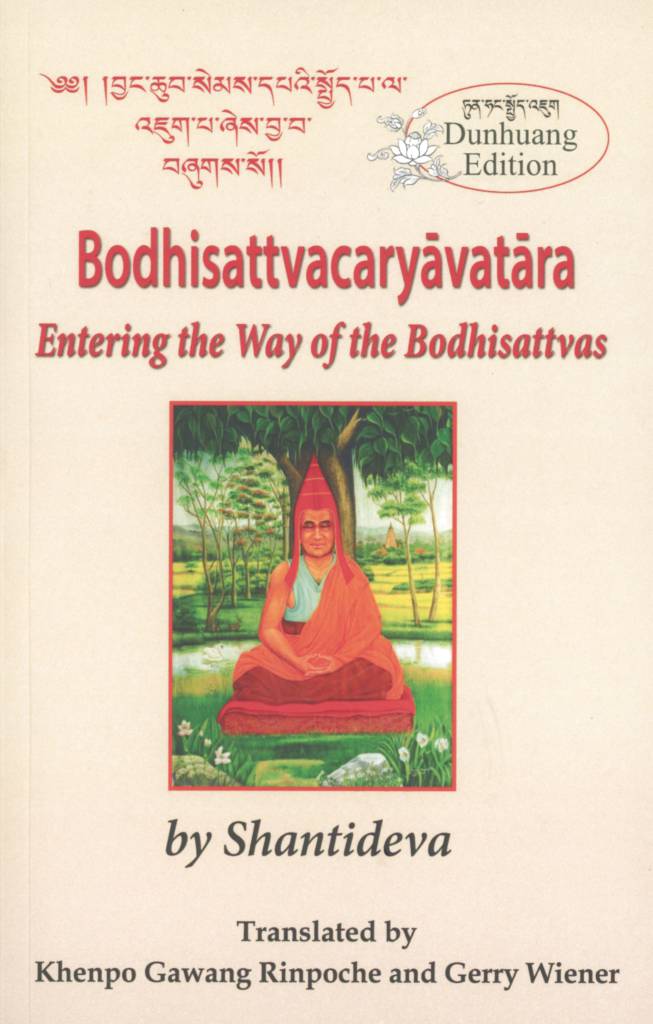
Dūnhuáng §This version is extracted from the book Bodhisattvacaryāvatāra: Entering the Way of the Bodhisattvas (2022, Khenpo Gawang and Wiener), a translation of an edition of the text created from three Dūnhuáng manuscripts. A description and sample pages of these can be found on the Early Tibet Blog. Scans of the actual manuscripts themselves can be found at http://idp.bl.uk

གང་ཚེ་སེམས་ཉིད་སྒྱུ་མ་ན། །

དེས་ན་གང་ཞིག་གང་གིས་དམིགས། ། རལ་གྲི་སོ་ནི་རང་ལ་རང་། །

ཇི་ལྟར་མི་གཅོད་དེ་བཞིན་ཡིད། །[p.249]Entering the Way of the Bodhisattvas (2022, Khenpo Gawang and Wiener)
Gawang, Khenpo, and Gerry Wiener, trans. Bodhisattvacaryāvatāra: Entering the Way of the Bodhisattvas by Shantideva - Dunhuang Edition. Memphis, TN: Jeweled Lotus Publishing, 2022.

alt verse 8.15 tm data
This version differs from it's counterparts.

MD: If mind itself is an illusion,

Then who is the seer and what is seen? Just as the edge of a sword cannot cut itself,

So, mind cannot see itself.[p.250]Entering the Way of the Bodhisattvas (2022, Khenpo Gawang and Wiener)
Gawang, Khenpo, and Gerry Wiener, trans. Bodhisattvacaryāvatāra: Entering the Way of the Bodhisattvas by Shantideva - Dunhuang Edition. Memphis, TN: Jeweled Lotus Publishing, 2022.

Tsadra Critical Edition §This text was created by comparing four versions of the text from Derge, Cone, Narthang, and Peking Tengyurs from BDRC scans, along with Dunhuang manuscripts IOL Tib J 628, 629, and 630. When Tibetan readings were problematic, the Sanskrit texts from GRETIL and LTB (Oslo) were consulted.

གང་ཚེ་སེམས་ཉིད་སྒྱུ་མ་ན། །

དེ་ཚེ་གང་ཞིག་གང་གིས་མཐོང་། ། འཇིག་རྟེན་གྱི་ནི་མགོན་པོས་ཀྱང་། །

སེམས་ཀྱིས་སེམས་མི་མཐོང་ཞེས་གསུངས། །168ཏུན་ཧོང་ཀ་ལ་ཚིག་རྐང་མཐའ་མ་གཉིས་མེད།

[edit]
Sazang Mati (1294 - 1376)
A Commentary on Shantideva's Engaging in the Conduct of the Bodhisattvas (citation)Gyaltsen, Lama Kalsang, and Ani Kunga Chodron, trans. A Commentary on Shantideva's Engaging in the Conduct of the Bodhisattvas Written by Sazang Mati Panchen: Known as An Extremely Clear Illumination of the Meaning of the Text. Walden, NY: Tsechen Kunchab Ling, 2019. Bilingual Edition

གང་ཚེ་སེམས་ཉིད་སྒྱུ་མ་ན། ། དེ་ཚེ་གང་ཞིག་གང་གིས་མཐོང་། །

If the mind is a magical apparition, Then what is perceived by whom?

གང་གི་ཚེ་སེམས་ཉིད་སྒྱུ་མ་ལྟ་བུར་སྣང་བ་ཡིན་པས་དེ་དག་ངོ་བོ་དབྱེར་མེད་ཀྱི་གཅིག་ཡིན་ན༵། དེའི་ཚེ་ཡུལ་གང་ཞིག་བློ་གང་གིས་མཐོ༵ང་སྟེ། མཐོང་བྱ་མཐོང་བྱེད་གཉིས་མེད་པའི་ཕྱིར་རོ། །

Madhyamika: If the mind itself is perceived as a magical apparition, then there is no differentiation in their nature and they would be a single entity. In that case, what object would be perceived by what mind? It would imply that there would be no duality between the seer and the seen.

འཇིག་རྟེན་གྱི་ནི་མགོན་པོས་ཀྱང་། ། སེམས་ཀྱིས་སེམས་མི་མཐོང་ཞེས་གསུངས། །

The Protector of Worldly Beings said that The mind cannot be perceived by the mind.

སེམས་ཀྱི་ངོ་བོ་གཅིག་གིས་དེ་ཉིད་མཐོང་བར་ཡང་འགལ་ཏེ། འཇིག་རྟེན་ཐམས་ཅད་ཀྱི་ནི་མགོན་དང་སྐྱབས་ཆེན་པོར་གྱུར་པའི་སངས་རྒྱས་ཀྱིས་ཀྱ༵ང༌། གཙུག་ན་རིན་པོ་ཆེས་ཞུས་པའི་མདོ་ལས། སེམས་དེ་ཉིད་ཀྱིས་སེམས་དེ་ཉིད་མི་མཐོང་ཞེས་གསུ༵ངས་པའི་ཕྱིར་རོ། །

It is contradictory for the mind, which is the same nature as itself, to perceive itself. The Buddha, who is the object of refuge of every sentient being, stated in the Sutra Requested by Precious Crown Jewel that mind itself cannot see the mind.
Gyaltsap Je (1364 - 1432)
The Entrance for the Children of the Conquerors (citation)Stracke, Fedor, trans. The Entrance for the Children of the Conquerors: A Commentary on the Introduction to the Actions of Bodhisattvas. By Gyaltsab Rinpoche. N.p.: Happy Monks Publication, 2016. https://happymonkspublication.org/product/bodhisattvacharyavatara-chapter-1-10-commentary/. Bilingual Edition

གཉིས་པ་ལ།

Refuting It 1.1.2.1.2.2.2.2.2.2

དང་པོ་ནི།

The Non-dual Mind Is Not Seen by Anyone 1.1.2.1.2.2.2.2.2.2.1

གང་ཚེ་སེམས་ཉིད་སྒྱུ་མ་ན། ། དེ་ཚེ་གང་ཞིག་གང་གིས་མཐོང་། །

gang tshe sems nyid sgyu ma na/_/ de tshe gang zhig gang gis mthong /_/

When the mere mind is an illusion, At that time what is seen by what?[p.16]The Entrance for the Children of the Conquerors
Stracke, Fedor, trans. The Entrance for the Children of the Conquerors: A Commentary on the Introduction to the Actions of Bodhisattvas. By Gyaltsab Rinpoche. N.p.: Happy Monks Publication, 2016. https://happymonkspublication.org/product/bodhisattvacharyavatara-chapter-1-10-commentary/.

གང་གི་ཚེ་སེམས་ཉིད་སྒྱུ་མ་ལྟ་བུའི་དོན་དུ་སྣང་བ་ཡིན་གྱི་ཕྱི་རོལ་གྱི་དོན་མེད་ན་དེའི་ཚེ་དོན་དང་བྲལ་བའི་ཤེས་པ་གང་ཞིག་ཚད་མ་གང་གིས་མཐོང་སྟེ་མཐོང་བྱེད་མེད་པར་འགྱུར་རོ། །

If at the time, when an illusory-like meaning appears to the mere mind, it does not exist as an external object, what prime cognition sees the mind that lacks an external object? There is nothing that sees it.

གཉིས་པ་རང་རིག་དགག་པ་ལ།

Refuting the Self-Knower As the Answer to the Question 1.1.2.1.2.2.2.2.2.2.2

ཤེས་པ་འདི་ལ་ཁ་ཕྱིར་ཕྱོགས་གཟུང་བའི་རྣམ་པ་དང་། ནང་ཁོ་ནར་ཕྱོགས་པའི་འཛིན་པའི་རྣམ་པ་གཉིས་ཡོད་ལ་ཕྱི་མ་རང་རིག་པའི་མངོན་སུམ་ཡིན་པས་དེས་ཤེས་པ་ཐམས་ཅད་དམིགས་པ་ཡིན་ནོ་ཞེ་ན།

The Mind Only argue: Consciousness can be of two types: In the aspect of being directed outwards and in the aspect of only being directed inwards. The latter is the selfknowing direct perception. All consciousnesses are the object of that self-knower.

དེ་ལ་ལུང་གིས་དགག་པ་དང་། རིགས་པས་དགག་པ་དང་། རང་རིག་ཡོད་པའི་སྒྲུབ་བྱེད་དགག་པ་དང༌། བཏགས་ཡོད་རྣམས་དངོས་པོ་བདེན་གྲུབ་ཀྱི་རྟེན་ཅན་དུ་འདོད་པ་དགག་པའོ། །

Refuting this with quotation; with logic; refuting the arguments for the existence of a self knower; refuting that imputed objects are based on truly existent functionalities.

དང་པོ་ནི།

Refuting This with Quotation 1.1.2.1.2.2.2.2.2.2.2.1

འཇིག་རྟེན་གྱི་ནི་མགོན་པོས་ཀྱང་། ། སེམས་ཀྱིས་སེམས་མི་མཐོང་ཞེས་གསུངས། །

jig rten gyi ni mgon pos kyang /_/ sems kyis sems mi mthong zhes gsungs/_/

Even the protector of the worlds said That mind does not see mind.

ཤེས་པ་དེ་ཉིད་ཀྱིས་དེ་ཉིད་གཉིས་སྣང་ནུབ་པའི་ཚུལ་གྱིས་མྱོང་ཞིང་རིག་པ་མི་འཐད་དེ། འཇིག་རྟེན་གྱི་ནི་མགོན་པོས་ཀྱང་གཙུག་ན་རིན་པོ་ཆེའི་མདོ་ལས་རལ་གྲིའི་སོ་དེ་ཉིད་ཀྱིས་རལ་གྲིའི་སོ་དེ་ཉིད་གཅོད་པར་མི་ནུས་པ་སོགས་དཔེར་བཞག་[p.Ch9-360]Spyod 'jug rtsa 'grel (Mtsho sngon mi rigs dpe skrun khang 2001)
Śāntideva, and Rgyal tshab rje dar ma rin chen. Spyod 'jug rtsa 'grel and Byang chub sems dpa'i spyod pa la 'jug pa'i rnam bshad rgyal sras 'jug ngogs. Xining: Mtsho sngon mi rigs dpe skrun khang, 2001
ནས་སེམས་ཀྱིས་སེམས་མི་མཐོང་ཞེས་གསུངས་སོ། །

It is invalid for this very mind to experience and know itself in a non-dual manner. Even the protector of the worlds stated this in the Sutra of the Precious Crown Ornament with examples such as that the edge of the knife cannot cut that very knife itself, and that mind does not see mind.

དཔེར་ན་རལ་གྲིའི་སོ་ནི་རང་ལ་རང་གིས་ཇི་ལྟར་ཡང་མི་གཅོད་པ་དེ་བཞིན་དུ་ཡིད་ཀྱིས་ཡིད་མི་མཐོང་ངོ་། །རང་རིག་ཁས་ལེན་པ་རྣམས་ཀྱིས་འཛིན་པའི་རྣམ་པ་ཉིད་རང་ཉིད་ཀྱིས་རང་ཉིད་རིག་པར་ཁས་ལེན་པས་དེའི་རིག་བྱ་དང་རིག་བྱེད་ལ་རྣམ་པ་མི་འདྲ་བར་འཆར་རྒྱུ་རྡུལ་ཙམ་ཡང་མེད་པས་ལྡོག་པ་ཐ་དད་ཀྱང་མེད་པའི་གཅིག་ཏུ་ཁས་ལེན་དགོས་པས་

For example, just like the edge of the blade cannot cut itself in any way, so can the mind not see the mind. Those who accept a self-knower accept that the very apprehending aspect knows itself. As there is not even one atom of difference in the arising aspect of the knower and that known, they need to accept them as one without any extra other part.

དེ་ལྟ་བུའི་རང་རིག་ཁས་བླངས་ན་རལ་གྲིའི་སོ་རང་གིས་རང་གཅོད་པ་སོགས་ཁས་ལེན་དགོས་ཤིང༌། ཚད་མས་གཞལ་བྱ་ལ་ལྟོས་མེད་དུ་གཞལ་བྱ་འཇལ་བ་སོགས་ཁས་ལེན་དགོས་པ་ཡིན་ནོ། །

If one accepts such a self-knower, then one needs to accept examples such as that the blade of the knife cutting itself, or that prime cognition comprehends the object of comprehension independently of such an object.
Pawo Rinpoche, 2nd (1504 - 1566)
The Center of the Sunlit Sky (citation)Brunnhölzl, Karl. The Center of the Sunlit Sky: Madhyamaka in the Kagyü Tradition. Including a translation of Pawo Rinpoche's commentary on the knowledge section of Śāntideva's The Entrance to the Bodhisattva’s Way of Life (Bodhicaryāvatāra). Nitartha Institute Series. Ithaca, NY: Snow Lion Publications, 2004. Bilingual Edition

གང་ཚེ་སེམས་ཉིད་སྒྱུ་མ་ན། །

དེ་ཚེ་གང་ཞིག་གང་གིས་མཐོང་། ། འཇིག་རྟེན་གྱི་ནི་མགོན་པས་ཀྱང་། །

སེམས་ཀྱིས་སེམས་མི་མཐོང་ཞེས་གསུངས། །

Once mind itself is the illusion,

Then what is seen by what? The protector of the world has declared,

“Mind does not see mind.” [17]

གང་ཚེ་སོགས་ཚིགས་བཅད་ཕྱེད་དང་གཉིས་ཀྱིས་རང་རིག་སྦྱིར་བཀག

These one and a half verses refute self-awareness in general.

ཞེས་གསུངས་ཏེ། ཕྱི་རོལ་གྱི་དོན་མེད་ན་ཕྱི་རོལ་དོན་གྱི་རྣམ་པ་ཡོད་པར་འགལ་ཏེ། རི་བོང་གི་རྭ་མེད་ལ་དེའི་རྣམ་པ་ཡོད་པའི་ཁྱད་པར་མི་འཐད་པ་བཞིན་ནོ། །དེ་ལྟ་མོད་ཀྱིས་སེམས་དེ་ཉིད་ཀྱང་བལྟོས་པ་དང་བཅས་པ་དཔྱད་མི་བཟོད་པ་སྒྱུ་མ་ལྟ་བུ་ཡིན་ཏེ། གཟུགས་ནས་རྣམ་མཁྱེན་གྱི་བར་དང་མྱ་ངན་ལས་འདས་པ་ལས་ཆེས་ལྷག་པའི་ཆོས་ཡོད་ན་དེ་ཡང་སྒྱུ་མ་ལྟ་བུར་གསུངས་པའི་ཕྱིར། དེས་ན་གང་གི་ཚེ་སེམས་དེ་ཉིད་ཀྱང་སྒྱུ་མ་ལྟ་བུ་ཡིན་ན་དེའི་ཚེ་མཐོང་བྱ་གང་ཞིག་མཐོང་བྱེད་གང་གིས་མཐོང་སྟེ། སེམས་ལས་གཞན་པའི་མཐོང་རྒྱུ་མེད་ལ་སེམས་རང་གིས་རང་མི་མཐོང་བའི་ཕྱིར།

If outer objects do not exist, it is contradictory that aspects of outer objects exist. It is certainly the case that this is just as unreasonable as the difference between the nonexistence of the horns of a rabbit and the existence of their aspect. [Moreover,] the mind itself too entails dependence, does not withstand analysis, and is like an illusion, because it was declared that [everything] from form up through omniscience is [that way], and if there existed a phenomenon superior to nirvāṇa, then this [phenomenon] as well would be illusionlike. Therefore, once even mind itself is illusionlike, then what object to be seen is seen by what seer? [There is no such object,] because there is nothing to be seen other than mind, and mind does not see itself.

འདི་ནི་རིགས་པས་ཀྱང་གྲུབ་སྟེ། རང་ཉིད་རང་ལ་བྱ་བྱེད་འགལ་བའི་ཕྱིར་དང་། རྣལ་འབྱོར་ཅན་གྱིས་རང་གི་སེམས་ལ་ནང་དུ་བརྟགས་པ་ན་མཐོང་བྱ་དང་མཐོང་བ་པོ་དུས་མཉམ་དུ་གཞི་གཅིག་ལ་མི་འདུ་ཞིང་ཇི་ཙམ་བརྟགས་པ་དེ་ཙམ་གྱིས་ཟབ་ཅིང་ཕྲ་ལ་མཐར་མཐོང་བྱ་མཐོང་བྱེད་ཀྱི་སྤྲོས་པ་ཉིད་ཞི་བ་སྲད་བུས་མར་མེའི་ཞེང་དང་སྦོམས་ཀྱི་ཚད་གཞལ་བ་ན་ཚད་མ་ལོངས་པར་སྲད་བུ་ཉིད་འཚིག་པ་ལྟར་འགྱུར་བའི་ཕྱིར།

This is also established through reasoning, because it is contradictory that a given thing is itself [both] object and agent, and because something to be seen and a seer do not meet in the same place simultaneously when those who are involved in yoga internally examine their own minds. This becomes more profound and subtle in direct proportion to the extent to which it is examined, until finally the very discursiveness of something to be seen and something that sees subsides. This is like when one [tries to] gauge the proportions of the width and the circumference of [the flame of] a butter lamp with a thread, during which the thread itself is burned. Thus, this leaves one unable to determine the size [of the flame].

ཅེས་གསུངས་ཏེ། ལུང་གིས་ཀྱང་གྲུབ་སྟེ། འཇིག་རྟེན་གྱི་ནི་མགོན་པོས་ཀྱང་

This is established through scripture too, because the protector of the world has declared in The Sūtra Requested by Crown Jewel:[p.634]The Center of the Sunlit Sky
Brunnhölzl, Karl. The Center of the Sunlit Sky: Madhyamaka in the Kagyü Tradition. Including a translation of Pawo Rinpoche's commentary on the knowledge section of Śāntideva's The Entrance to the Bodhisattva’s Way of Life (Bodhicaryāvatāra). Nitartha Institute Series. Ithaca, NY: Snow Lion Publications, 2004.

སེམས་ཀྱིས་སེམས་མི་མཐོང་ ཞེས་གཙུག་ན་རིན་ཆེན་གྱི་མདོ་ལས་གསུངས་ལ།

Mind does not see mind.1495As quoted in Candrakīrti’s Lucid Words (ACIP TD3860@021A).

རལ་གྲིའི་སོ་ནི་རང་ལ་རང་ཇི་ལྟར་མི་གཅོད་པ་དེ་བཞིན་དུ་ཡིད་ཀྱང་རང་ཉིད་གཅིག་པུ་མཐོང་ཡུལ་མཐོང་མཁན་མཐོང་བ་གསུམ་གར་དུ་ཅིག་ཆར་འགྱུར་བ་ནི་གནས་མ་ཡིན་པར་གསུངས་པའི་ཕྱིར་ཏེ། ལང་གཤེགས་ལས།

He stated that, just as the blade of a sword cannot cut itself, so it is also with the single mind that [cannot] simultaneously be the triad of the object to be seen, the seer, and the seeing. This is so because he said in [The Sūtra of ] the Arrival in Laṅka:

ཇི་ལྟར་རལ་གྲིས་རང་སོ་དང་། །

ཇི་ལྟར་སོར་མོ་རང་རྩེ་ལ། ། མི་གཅོད་རེག་པར་མི་བྱེད་པ། །

དེ་བཞིན་སེམས་ཀྱིས་སེམས་མི་མཐོང་། །

Just as a sword and its own blade [659]
Or just as a finger and its own tip
Do not cut or touch [themselves],
Likewise, mind does not see mind.1496X.335 (gātha 568). The same appears in prose right after the above sentence in The Sūtra Requested by Crown Jewel.

ཞེས་གསུངས་པའི་ཕྱིར།

Minyak Kunzang Sönam (1823 - 1905)
The Profound Reality of Interdependence (citation)Duckworth, Douglas S., trans. The Profound Reality of Interdependence: An Overview of the Wisdom Chapter of the Way of the Bodhisattva. By Künzang Sönam. New York: Oxford University Press, 2019. Bilingual Edition

གལ་ཏེ་དེ་ཉིད་དུ་གཞན་ཡོད། །

རྣམ་པ་དེ་ནི་སེམས་ཉིད་ཡིན། ། གང་ཚེ་སེམས་ཉིད་སྒྱུ་མ་ན། ། དེ་ཚེ་གང་ཞིག་གང་གིས་མཐོང་། །

འཇིག་རྟེན་གྱི་ནི་མགོན་པོས་ཀྱང་། །

[IX.16cd-17a] If it is said, “They have another existence;

Their form is that of the mind itself.” When the mind itself is an illusion What is seen by what?

The protector of the world said . . .

ཞེས་སོགས་གསུངས། གཞུང་འདི་དག་གིས་སྔ་མའི་ལན་དགག་པ་དང་། དྲིས་པའི་ལན་གྱིས་རང་རིག་འགོག་ཚུལ་བསྟན་ལ།

འདི་ནི་འཇུག་པ་ལས།

On this the Introduction to the Middle Way says:

གང་ཚེ་གཟུང་མེད་འཛིན་པ་ཉིད་བྲལ་ཞིང་། །

གཉིས་ཀྱིས་སྟོང་པའི་གཞན་དབང་དངོས་ཡོད་ན། ། འདི་ཡི་ཡོད་པ་གང་གིས་ཤེས་པར་འགྱུར། །

མ་བཟུང་བར་ཡང་ཡོད་ཅེས་བྱ་མི་རུང་། །

When there is nothing apprehended nor an apprehender
Yet the nondual entity of the dependent nature exists,
By what is its existence known?
It is not appropriate to say, “It exists without being apprehended.”185Candrakīrti, Introduction to the Middle Way, VI.72.

ཞེས་སེམས་ཙམ་པ་ཁྱོད་ཀྱིས་གཟུང་འཛིན་གཉིས་སྟོང་གི་ཤེས་པ་རང་བཞིན་གྱིས་གྲུབ་པར་འདོད་ནའང་དེ་འགྲུབ་བྱེད་ཀྱི་ཚད་མས་མ་བཟུང་བར་ནི་དེ་ཡོད་ཅེས་བྱ་བ་མི་རིགས་པས་དེ་ཚད་མ་གང་གིས་ཤེས་ཞེས་དྲིས་པ་ན། ཕྱོགས་སྔ་མ་ན་རེ། དེ་ཤེས་པ་དོན་གཞན་གྱིས་མི་འཛིན་ཡང་རང་རིག་གིས་དེ་འཛིན་པའི་ཕྱིར་དེ་ཡོད་དོ་ཞེས་ཟེར་བའི་ལན་དུ། རང་རིག་འགོག་ཚུལ་བསྟན་པ་དང་འདྲའོ། །

Proponents of Mind-Only assert the intrinsic existence of cognition without apprehender-apprehended duality. Yet without being apprehended by a source of knowledge to establish it, it is not reasonable to say that it exists. When asked the question of what source of knowledge there is for knowing this, they respond that knowing this is not apprehending another object; it exists because it is apprehended by self-awareness. [710] In response to this, there is a similar teaching on how self-awareness is refuted.

དེ་ལ་འདིར་རང་རིག་འདོད་ཚུལ་དང་དེ་འགོག་ཚུལ་བཤད་པ་ལ་བཞི། རང་རིག་འདོད་མཁན་གྱི་ཕྱོགས་ངོས་གཟུང་བ། དེ་དག་གིས་བསྒྲུབ་བྱའི་རང་རིག་གི་གོ་དོན། དེ་དག་གིས་རང་རིག་ཡོད་པར་སྒྲུབ་ཚུལ། འདིར་རང་རིག་འགོག་ཚུལ་ཐུན་མོང་མ་ཡིན་པ་བཤད་པའོ། །

On this topic, I will explain here in four parts the way self-awareness is asserted and the way it is refuted: (1) identifying the position of those who accept self-awareness, (2) the meaning of self-awareness that they establish,[p.109]The Profound Reality of Interdependence
Duckworth, Douglas S., trans. The Profound Reality of Interdependence: An Overview of the Wisdom Chapter of the Way of the Bodhisattva. By Künzang Sönam. New York: Oxford University Press, 2019.
(3) how they establish the existence of self-awareness, and (4) the unique way of refuting self-awareness here.

དང་པོ་(རང་རིག་འདོད་མཁན་གྱི་ཕྱོགས་ངོས་གཟུང་བ།)ནི།

Identifying the Position of Those Who Accept Self-Awareness 2.2.1.3.2.2.3.1

མདོ་སྡེ་པ། སེམས་ཙམ་པ། ཞི་འཚོ་[p.108]Spyod 'jug shes rab le'u'i spyi don rim par phye ba zab mo rten 'byung gi de kho na nyid yang gsal sgron me
Mi nyag kun bzang bsod nams (མི་ཉག་ཀུན་བཟང་བསོད་ནམས་). spyod 'jug shes rab le'u'i spyi don rim par phye ba zab mo rten 'byung gi de kho na nyid yang gsal sgron me [སྤྱོད་འཇུག་ཤེས་རབ་ལེའུའི་སྤྱི་དོན་རིམ་པར་ཕྱེ་བ་ཟབ་མོ་རྟེན་འབྱུང་གི་དེ་ཁོ་ན་ཉིད་ཡང་གསལ་སྒྲོན་མེ།]. [Lamp that Thoroughly Illuminates the Suchness of Profound Dependent Origination: An Overview of the Divisions of the Wisdom Chapter of Entering into the Conduct [of the Bodhisattva]]. Tengyur.
ཡབ་སྲས་འཕགས་སེང་སོགས་ཀྱིས་རང་རིག་འདོད་ལ། འདིར་ཕྱོགས་སྔའི་གཙོ་བོ་སེམས་ཙམ་པ་ཡིན་པར་གཞུང་གི་སྐབས་ཀྱིས་ཤེས་སོ། །འོན་ཀྱང་ལུང་གི་རྗེས་འབྲང་གི་མདོ་སྡེ་པ་དང་། ས་སྡེའི་རྗེས་འབྲང་གི་སེམས་ཙམ་པ་འགའ་ཞིག་བཅས་ཀྱིས་རང་རིག་འདོད་པའི་གསལ་ཁ་མ་བྱུང་ཞེས་བཞེད་པའང་ཡོད་དོ། །

Sautrāntikas, proponents of Mind-Only, Śāntarakṣita, father and son Kamalaśīla, Haribhadra, and others accept self-awareness. Here, the main opponent is a proponent of Mind-Only, as is known from our text in this context. However, it has also been said that some Sautrāntikas following scripture, along with some of the proponents of Mind-Only following the Yogācāra Grounds (Yogācārabhūmi) do not clearly assert self-awareness.

གཉིས་པ་(དེ་དག་གིས་བསྒྲུབ་བྱའི་རང་རིག་གི་གོ་དོན།)ནི།

The Meaning of Self-Awareness That They Establish 2.2.1.3.2.2.3.2

རྟོག་གེ་འབར་བ་ལས།

The Blaze of Reason puts forward the position of the opponent, saying:

སེམས་ཙམ་པས་རྣམ་ཤེས་ནི་གཉིས་སུ་སྣང་སྟེ། རང་སྣང་བ་དང་ཡུལ་དུ་སྣང་བའོ། །ཡུལ་དུ་སྣང་བའི་རྣམ་ཤེས་ནི་ཕྱི་རོལ་གྱི་ཡུལ་གྱི་རྣམ་པར་གྱུར་ནས་རང་སྣང་བའི་རྣམ་ཤེས་ཀྱི་ཡུལ་དུ་འགྱུར་རོ་ཞེས་ཕྱོགས་སྔའི་འདོད་པ་བཀོད་པ་སྟེ།

Proponents of Mind-Only claim that consciousness appears dualistically: it appears as itself and it appears as an object. Consciousness that appears as an object takes on the representation of an external object that is the object of consciousness that appears as itself.186This passage with slightly different wording can be found in Bhāviveka, Blaze of Reason, 205a; see English trans. in Eckel, Bhāviveka and His Buddhist Opponents, 234.

རང་སྣང་བ་ཞེས་པ་འཛིན་རྣམ་དང་། ཡུལ་དུ་སྣང་བ་ཞེས་པ་གཟུང་སྣམ་དང་། ཡུལ་གྱི་རྣམ་པར་གྱུར་པའི་གཟུང་རྣམ་དེ་ཉིད་འཛིན་རྣམ་གྱི་ཡུལ་དུ་བཤད་པས་འཛིན་རྣམ་གྱིས་གཟུང་རྣམ་མྱོང་བ་རང་རིག་གི་དོན་དུ་བཤད་དོ། །དེས་ན་རང་རིག་ཅེས་པ་ནི་འཛིན་རྣམ་ཡན་གར་བ་སྟེ་གཞན་རིག་གི་ཤེས་པ་ཐམས་ཅད་ཀྱི་སྟེང་ན་རང་ཉིད་གསལ་ཙམ་དང་རིག་ཙམ་པ་ཕྱི་རོལ་གྱི་ཡུལ་ལ་ལྟོས་མེད་དུ་ཁ་ནང་ཁོ་ནར་ཕྱོགས་ཤིང་ཡུལ་ཡུལ་ཅན་གྱི་གཉིས་སྣང་ཐམས་ཅད་ལོག་པ་ཞིག་ལ་འཇོག་གོ །

What “appears as itself ” (rang snang) is the representation of a subject (’dzin rnam) and what “appears as an object” is the representation of an object (bzung rnam). The representation of the object, which is the objective form, is explained to be the object for the representation of the subject. The experience of the objective representation by the subjective representation is said to be the meaning of self-awareness. Therefore, self-awareness is the subjective representation alone. It itself is the mere clarity and mere awareness within all object-cognitions (gzhan rig). Without depending on any external object, it is oriented only within; all dualistic appearances of subjects and objects are excluded from it.

རང་རིག་གི་སྐྱེ་ཚུལ་ནི། སྔོ་འཛིན་མིག་ཤེས་སྐྱེས་པའི་ཚེ་དེའི་སྟེང་ན་ཡུལ་ཅན་སྔོ་འཛིན་མིག་ཤེས་ཀྱི་རྣམ་པ་མ་ཤར་བར་ཡུལ་སྔོན་པོའི་རྣམ་པ་ཤར་བའི་གསལ་རིག་གཅིག་དང་། ཡུལ་སྔོན་པོའི་རྣམ་པ་མ་ཤར་བར་ཡུལ་ཅན་སྔོ་འཛིན་མིག་ཤེས་ཀྱི་རྣམ་པ་ཤར་ཞིང་རིག་བྱ་རིག་བྱེད་ཀྱི་གཉིས་སྣང་ནུབ་པའི་མྱོང་བ་གསལ་རིག་གཅིག་དང་གཉིས་སྐྱེ་སྟེ། དཔེར་ན། ཤེལ་གོང་དང་ས་ལ་རས་སྔོན་པོའི་སྟེང་དུ་བཞག་པའི་ཚེ། ཤེལ་གྱི་ངོ་ན་རས་སྔོན་པོས་ཁ་བསྒྱུར་བའི་དྭངས་[p.109]Spyod 'jug shes rab le'u'i spyi don rim par phye ba zab mo rten 'byung gi de kho na nyid yang gsal sgron me
Mi nyag kun bzang bsod nams (མི་ཉག་ཀུན་བཟང་བསོད་ནམས་). spyod 'jug shes rab le'u'i spyi don rim par phye ba zab mo rten 'byung gi de kho na nyid yang gsal sgron me [སྤྱོད་འཇུག་ཤེས་རབ་ལེའུའི་སྤྱི་དོན་རིམ་པར་ཕྱེ་བ་ཟབ་མོ་རྟེན་འབྱུང་གི་དེ་ཁོ་ན་ཉིད་ཡང་གསལ་སྒྲོན་མེ།]. [Lamp that Thoroughly Illuminates the Suchness of Profound Dependent Origination: An Overview of the Divisions of the Wisdom Chapter of Entering into the Conduct [of the Bodhisattva]]. Tengyur.
ཆ་གཅིག་དང་། མ་བསྒྱུར་བའི་ཤེལ་གོང་རང་དྭངས་པའི་དྭངས་ཆ་ཞིག་དང་གཉིས་ཅིག་ཅར་དུ་སྐྱེ་བ་བཞིན་ནོ་ཞེས་འདོད་དོ། །དེ་ལྟར་གསལ་རིག་གཉིས་ལས་སྔ་མ་ནི་གཞན་རིག་གམ་གཟུང་རྣམ་ཡིན་ལ། ཕྱི་མ་ནི་རང་རིག་གམ་འཛིན་རྣམ་དུ་འཇོག་སྟེ། རྣམ་འགྲེལ་ལས།

The way self-awareness is held to arise is as follows. When a visual cognition apprehending blue occurs, on the one hand there is simply the clear awareness of a blue appearance, without an appearance of a subjective representation of the visual cognition that apprehends blue. On the other hand, the subjective representation appears without the objective representation of blue appearing; there is a clear appearance of the experience of the dissolution of the dualistic appearance of the cognized object and the cognizer. For example, it is like when a crystal ball is put on a blue cloth on the ground. On the one hand, there is an aspect of clarity within the crystal that has changed to blue; on the other, there is an aspect of clarity that has not transformed, the[p.110]The Profound Reality of Interdependence
Duckworth, Douglas S., trans. The Profound Reality of Interdependence: An Overview of the Wisdom Chapter of the Way of the Bodhisattva. By Künzang Sönam. New York: Oxford University Press, 2019.
self-radiance of the crystal; both simultaneously arise. The former clear awareness is an other object-awareness (gzhan rig), or the objective representation. The latter is self-awareness, or the subjective representation. The Commentary on Epistemology says regarding the former:

དོན་དུ་སྣང་བ་དང་ལྡན་ཤེས། ། དེ་ནི་ཕྱི་རོལ་མངོན་ཕྱོགས་སྣང་། །

Appearing as an object, and the cognition with that –
This is an appearance oriented toward the external.187Dharmakīrti, Commentary on Epistemology, III.427ab (D. 4210), 134b.

ཞེས་སྔ་མ་དང་།

And for the latter:

བློ་ལ་འཛིན་པར་བྱེད་པའི་བློ། ། རྟག་ཏུ་བདག་ལ་ནང་མངོན་ཕྱོགས། །

The mind that apprehends the mind
Is always oriented inwardly toward itself.188Dharmakīrti, Commentary on Epistemology, III.427cd (D. 4210), 134b.

ཞེས་དང་།

And,

རིག་བྱ་རིག་བྱེད་རྣམ་པའང་མེད། ། ཅེས་པས་ཕྱི་མ་བསྟན་ཏོ། །

There is no representation of either cognized object or cognizer.189Dharmakīrti, Commentary on Epistemology, III.330 (D. 4210), 131a.

གསུམ་པ་(དེ་དག་གིས་རང་རིག་ཡོད་པར་སྒྲུབ་ཚུལ།)ནི།

How They Establish the Existence of Self-Awareness 2.2.1.3.2.2.3.3

རང་རིག་འདོད་མཁན་རྣམས་ལ་རང་རིག་སྒྲུབ་བྱེད་ཀྱི་རིགས་པ་མང་ཡང་། གཙོ་བོ་ནི་དྲན་པའི་རྟགས་ཀྱིས་རང་རིག་སྒྲུབ་པ་འདི་ཡིན་ཏེ། རྣམ་འགྲེལ་ལས། དྲན་པ་ལས་ཀྱང་བདག་རིག་གྲུབ། །ཅེས་གསུངས། སྒྲུབ་ཚུལ་ཡང་སྔོ་འཛིན་མིག་ཤེས་ལ་རང་མྱོང་བའི་རང་རིག་ཡོད་དེ། ཞེས་མི་སྒྲུབ་སྟེ། ཕྱི་རྒོལ་གྱི་ངོར་རྟགས་ཆོས་གཉིས་ལྡན་གྱི་དཔེ་མི་རྙེད་པའི་ཕྱིར།

[711] Those who assert self-awareness have many arguments for establishing self-awareness. Mainly, the reason of memory is used to establish selfawareness. The Commentary on Epistemology says: “Self-awareness is established from memory.”190Dharmakīrti, Commentary on Epistemology, III.485 (D. 4210), 137a. The way this is established is as follows. It is not established by saying, “for a visual cognition apprehending blue there is selfawareness” because from the perspective of the opponent, there is no example that has both the property of the evidence and what is to be established.

འོ་ན་ཇི་ལྟར་གྲུབ་ཅེ་ན། སྔོ་འཛིན་མིག་ཤེས་ཆོས་ཅན། ཁྱོད་མྱོང་བྱེད་ཡོད་དེ། ཁྱོད་དྲན་པ་ཡོད་པའི་ཤེས་པ་ཡོད་པའི་ཕྱིར། ཞེས་པའི་རྟགས་ལ་བརྟེན་ནས་མྱོང་བ་ཡོད་པར་སྒྲུབ་སྟེ། སྔོ་འཛིན་མིག་ཤེས་ཀྱིས་སྔོན་པོ་མཐོང་བའི་རྗེས་སུ། སྔོན་པོ་མཐོང་སྙམ་དུ་ཡུལ་དྲན་ལ། ཡུལ་དྲན་པ་ནི་ཡུལ་མྱོང་བས་ཡིན་ལ། ཡུལ་མྱོང་མཁན་ནི་སྔོ་འཛིན་མིག་ཤེས་དེའི་སྟེང་གི་གཞན་རིག་དེ་ཡིན་ཞིང་། ངས་མཐོང་ངོ་སྙམ་དུ་ཡུལ་ཅན་དྲན་ལ། ཡུལ་ཅན་དྲན་པ་ནི་ཡུལ་ཅན་མྱོང་བས་ཡིན་ལ། ཡུལ་ཅན་མྱོང་མཁན་ནི་སྔོ་འཛིན་མིག་ཤེས་དེའི་སྟེང་གི་རང་རིག་དེ་ཡིན་ནོ། །

One might wonder how then it is established. The existence of this experience is established based on evidence: consider a visual cognition apprehending blue; it has an experiencer because there is a cognition that remembers its existence. After a visual cognition sees blue, there is a memory of seeing a blue object. The memory of an object is the result of having experienced an object. The experiencer of the object is an other object-awareness with respect to a visual cognition that sees blue. The memory “I saw it” is a memory of a subject, which is the result of having experienced being a subject. The experiencer of the subject is self-awareness with respect to a visual cognition that sees blue.

གལ་ཏེ་ཡུལ་སྔོན་པོ་མྱོང་བ་སྔོན་དུ་མ་སོང་ན་[p.110]Spyod 'jug shes rab le'u'i spyi don rim par phye ba zab mo rten 'byung gi de kho na nyid yang gsal sgron me
Mi nyag kun bzang bsod nams (མི་ཉག་ཀུན་བཟང་བསོད་ནམས་). spyod 'jug shes rab le'u'i spyi don rim par phye ba zab mo rten 'byung gi de kho na nyid yang gsal sgron me [སྤྱོད་འཇུག་ཤེས་རབ་ལེའུའི་སྤྱི་དོན་རིམ་པར་ཕྱེ་བ་ཟབ་མོ་རྟེན་འབྱུང་གི་དེ་ཁོ་ན་ཉིད་ཡང་གསལ་སྒྲོན་མེ།]. [Lamp that Thoroughly Illuminates the Suchness of Profound Dependent Origination: An Overview of the Divisions of the Wisdom Chapter of Entering into the Conduct [of the Bodhisattva]]. Tengyur.
སྔོན་པོ་དྲན་པའི་དྲན་ཤེས་སྐྱེ་མི་སྲིད་པ་བཞིན་དུ་ཡུལ་ཅན་སྔོ་འཛིན་མྱོང་བ་སྔོན་དུ་མ་སོང་ན་སྔོ་འཛིན་མིག་ཤེས་དྲན་པ་མི་འཐད་ཅེས་འདོད། དེ་ལྟར་ན་དྲན་པའི་རྟགས་ཀྱིས་རང་རིག་འགྲུབ་སྟེ། རྟགས་དེ་ལ་བརྟེན་ནས་མྱོང་བ་ཡོད་པར་འགྲུབ་ལ་མྱོང་བ་ལ་རང་མྱོང་དང་གཞན་སྐྱོང་གཉིས་སུ་ཁ་ཚོན་ཆོད་ཅིང་། གཞན་མྱོང་རིགས་པས་ཁེགས་པས་ན་རང་མྱོང་ལས་འོས་མེད་ཀྱི་རིགས་པས་རང་མྱོང་ཡོད་པར་གྲུབ་ལ། དེ་རང་ཉིད་ལ་རང་ཉིད་རྒྱུང་ཆད་དུ་སྣང་བ་མི་སྲིད་པས་གཉིས་སྣང་ནུབ་པའི་རང་མྱོང་དེ་རང་རིག་ཡིན་ནོ་ཞེས་སྒྲུབ་བོ། །

If a blue object had not been previously experienced, it would not be possible for a memory of blue to occur. Likewise, if there had not previously been a subjective experience of apprehending blue, it would not be possible to remember a visual cognition apprehending blue. This is what they say to[p.111]The Profound Reality of Interdependence
Duckworth, Douglas S., trans. The Profound Reality of Interdependence: An Overview of the Wisdom Chapter of the Way of the Bodhisattva. By Künzang Sönam. New York: Oxford University Press, 2019.
establish self-awareness from the evidence of memory. Based on this evidence, the existence of an experience is established; there are only two options for an experience: a self-experience (rang myong) or an other-experience (gzhan myong). Since an other experience is refuted by reason, nothing but a self-experience is reasonable; thereby, this argument establishes the existence of self-experience. Since it is impossible for oneself to appear to oneself as distant and cut-off, self-awareness is established as a self-experience in which dualistic appearances have dissolved.

གཞན་མྱོང་རིགས་པས་ཁེགས་ཚུལ་ཡང་། གལ་ཏེ་མྱོང་བྱེད་རྫས་གཞན་ཡོད་ན་རང་ལས་གཞན་པའི་ཤེས་པ་དུས་མཉམ་དང་ཕྱིས་འབྱུང་གང་གིས་མྱོང་ཡང་སྐྱོན་གཉིས་འབྱུང་བར་འཇུག་པ་རང་འགྲེལ་དུ་གསུངས་པ་ལས། མྱོང་བྱེད་ཐུག་མེད་དུ་ཐལ་བའི་སྐྱོན་ནི། སྔོ་འཛིན་མིག་ཤེས་ལྟ་བུ་རང་མྱོང་བྱེད་ཀྱི་ཤེས་པ་རྫས་གཞན་ཡོད་ན་དེ་ལའང་རང་མྱོང་བྱེད་ཀྱི་ཤེས་པ་རང་ལས་རྫས་ཐ་དད་པ་གཞན་དགོས་སམ་མི་དགོས། མི་དགོས་ན་སྔ་མ་ལའང་མི་དགོས་པར་མཚུངས་ལ། དགོས་ན་དེ་ལའང་གཞན་དགོས་པས་ཐུག་མེད་དུ་ཐལ་བའི་སྐྱོན་འབྱུང་ངོ༌། །

How an other-experience is negated with reason is stated in the autocommentary on the Introduction to the Middle Way. If the experiencer were a different substance from the cognition of the experience, whether it be the case that the cognition different from the experiencer were to occur simultaneously or be experienced by a later cognition, there would be two problems. Firstly, there would be the problem that the experiencer would fall into an infinite regress: If the experiencer of cognition were of a different substance from the cognition, like a visual cognition apprehending blue, would another experiencer of cognition of a different substance be necessary or not to experience that cognition? If not, then a substantially different experiencer of cognition was not necessary in the first place. If it were necessary, then that cognition would need another, and there would be the problem of an infinite regress.

ཡང་ཤེས་པ་ཕྱི་མ་ཡུལ་གཞན་ལ་མི་འཕོ་བར་ཐལ་བའི་སྐྱོན་ཡོད་དེ། སྔོན་འཛིན་མིག་ཤེས་ལྟ་བུ་ཕྱི་མ་ཕྱི་མས་རང་གི་ཉེར་ལེན་དུ་གྱུར་པའི་ཤེས་པ་སྔ་མ་སྔ་མ་གཟུང་དོན་བྱས་ནས་ཉམས་སུ་མྱོང་ན་ཤེས་པ་ཕྱི་མ་རྣམས་སྔོན་པོ་སོགས་ཡུལ་གང་ལའང་མི་འཕོ་བར་ཐལ་བར་འགྱུར་ཏེ། རང་ལ་ཉེ་བའི་ཤེས་པ་གཟུང་དོན་དུ་བྱེད་པ་བོར་ནས་རིང་བའི་ཕྱི་རོལ་གྱི་ཡུལ་སྔོན་པོ་སོགས་གཟུང་དོན་དུ་བྱེད་པ་མི་རིགས་པའི་ཕྱིར་རོ། །དེ་ལྟར་ཚད་མ་ཀུན་བཏུས་ལས་ཀྱང་།

Secondly, there would be the problem that a later cognition could not convey (’pho ba) another object. This is because, if it were the case that the experience of subsequent visual cognitions apprehending blue occurred by way of taking the former cognitions that are their primary causes (rang gi nyer len du gyur pa) as their apprehended objects, then it would follow that the subsequent cognitions would not convey any object (like blue) at all. This follows because it is not reasonable to take a distant external object like blue as an object, having relinquished taking the proximate cognition as an object. The Compendium of Epistemology says:

ཤེས་[p.111]Spyod 'jug shes rab le'u'i spyi don rim par phye ba zab mo rten 'byung gi de kho na nyid yang gsal sgron me
Mi nyag kun bzang bsod nams (མི་ཉག་ཀུན་བཟང་བསོད་ནམས་). spyod 'jug shes rab le'u'i spyi don rim par phye ba zab mo rten 'byung gi de kho na nyid yang gsal sgron me [སྤྱོད་འཇུག་ཤེས་རབ་ལེའུའི་སྤྱི་དོན་རིམ་པར་ཕྱེ་བ་ཟབ་མོ་རྟེན་འབྱུང་གི་དེ་ཁོ་ན་ཉིད་ཡང་གསལ་སྒྲོན་མེ།]. [Lamp that Thoroughly Illuminates the Suchness of Profound Dependent Origination: An Overview of the Divisions of the Wisdom Chapter of Entering into the Conduct [of the Bodhisattva]]. Tengyur.
པ་གཞན་གྱིས་ཉམས་མྱོང་ན། །

ཐུག་མེད་དེ་ལའང་དྲན་པ་དེ། ། དེ་ནི་ཡུལ་གཞན་ལ་འཕོ་བ། །

མེད་འགྱུར་དེ་ཡང་མཐོང་ཕྱིར་རོ། །

If experience occurs by another cognition
There is an infinite regress; moreover, memory
Would not convey another object,
Even while it is seen.191Dignāga, Compendium of Epistemology (Pramāṇasamuccaya) I.11–12 (D. 4203), 2a; English trans. in Hattori, Dignāga on Perception, 30.

ཞེས་དང་། རྣམ་འགྲེལ་ལས་ཀྱང་།

[712] The Commentary on Epistemology says:

གལ་ཏེ་སྔ་བློ་དེ་ཉིད་ན། ། ཡུལ་གཞན་ལ་ནི་འཕོ་མི་འགྱུར། །

If the former cognition is there,
It would not convey another object.192Dharmakīrti, Commentary on Epistemology, III.513 (D. 4210), 138a.[p.112]The Profound Reality of Interdependence
Duckworth, Douglas S., trans. The Profound Reality of Interdependence: An Overview of the Wisdom Chapter of the Way of the Bodhisattva. By Künzang Sönam. New York: Oxford University Press, 2019.

ཞེས་སོ། །གལ་ཏེ་སྔོ་འཛིན་མིག་ཤེས་སྔ་མ་གཅོད་པའི་སྔོ་འཛིན་མིག་ཤེས་ཕྱི་མ་དང་། སྔོན་པོ་གཅོད་པའི་སྔོ་འཛིན་མིག་ཤེས་གཉིས་ཅིག་ཅར་དུ་སྐྱེ་བས་ཡུལ་གཞན་ལ་མི་འཕོ་བའི་སྐྱོན་མེད་དོ་ཞེ་ན།

One might think, “If both (1) a later visual cognition of blue that discerns a former visual cognition of blue, and (2) the visual cognition of blue that discerns blue arise simultaneously, then there is no problem of not conveying another object.”

དེ་ལྟ་ན་གང་ཟག་གཅིག་གི་རྒྱུད་ལ་མིག་གི་རྣམ་ཤེས་རིགས་མཐུན་རྫས་ཐ་དད་པ་གཉིས་དུས་གཅིག་ཏུ་སྐྱེ་བར་འགྱུར་ན་དེ་མི་རིགས་ཏེ། མདོ་ལས། སེམས་ཅན་རྣམས་ནི་རྣམ་པར་ཤེས་པའི་རྒྱུད་གཅིག་པ་སྟེ་རེ་རེ་པའོ། །ཞེས་སོ། །ལུང་འདིས་གང་ཟག་གཅིག་གི་རྒྱུད་ལ་རྣམ་ཤེས་རིགས་མི་མཐུན་རྫས་ཐ་དད་པ་དུ་མ་ཅིག་ཅར་དུ་སྐྱེ་བ་འགོག་པ་མིན་ནོ། །

It is not reasonable for two substantially different visual cognitions of a similar type to simultaneously arise in the continuum of one person. A sūtra says, “The continua of sentient beings’ consciousnesses are distinct.” This passage does not deny the simultaneous arising of many separate substances of dissimilar types of cognition in the continuum of one person.

བཞི་པ་རང་རིག་འགོག་ཚུལ་ཐུན་མོང་མ་ཡིན་པ་འཆད་པ་

The Unique Way of Refuting Self-Awareness Here 2.2.1.3.2.2.3.4

དང་པོ་(བསྒྲུབ་བྱ་འགོག་པ།)ནི།

Refuting What Is Established 2.2.1.3.2.2.3.4.1

ཕྱོགས་སྔ་མ་ཁྱེད་ཅག་གིས་དཔྱད་པ་བྱས་ནས་སྔར་བཤད་པ་ལྟར་གྱི་རང་རིག་འཇོག་པ་མི་འཐད་དེ། གཙུག་ན་རིན་པོ་ཆེའི་མདོ་དང་ལང་གཤེགས་སོགས་ལས་བཀག་པའི་ལུང་གིས་ཀྱང་རང་རིག་མེད་པར་གྲུབ་པའི་ཕྱིར། རིགས་པས་བརྟགས་ནའང་། ཡུལ་དང་ཡུལ་ཅན་གྱི་རྣམ་པ་ཅན་དུ་བྱས་ན་གཉིས་སུ་འགྱུར་ལ། རིག་བྱ་རིག་བྱེད་ཐ་དད་པའི་རྣམ་པ་གཏན་ནས་མེད་པར་འདོད་པ་ལྟར་བྱས་ན་ནི། །ཤེས་པ་ཇི་ལྟར་གསལ་ཡང་རང་ཉིད་ཀྱིས་རང་ཉིད་གཉིས་སྣང་ནུབ་པའི་ཚུལ་གྱིས་གཅོད་མི་སྲིད་དེ། དཔེར་ན། རལ་གྲི་ཇི་ལྟར་རྣོ་ཡང་རང་གིས་[p.112]Spyod 'jug shes rab le'u'i spyi don rim par phye ba zab mo rten 'byung gi de kho na nyid yang gsal sgron me
Mi nyag kun bzang bsod nams (མི་ཉག་ཀུན་བཟང་བསོད་ནམས་). spyod 'jug shes rab le'u'i spyi don rim par phye ba zab mo rten 'byung gi de kho na nyid yang gsal sgron me [སྤྱོད་འཇུག་ཤེས་རབ་ལེའུའི་སྤྱི་དོན་རིམ་པར་ཕྱེ་བ་ཟབ་མོ་རྟེན་འབྱུང་གི་དེ་ཁོ་ན་ཉིད་ཡང་གསལ་སྒྲོན་མེ།]. [Lamp that Thoroughly Illuminates the Suchness of Profound Dependent Origination: An Overview of the Divisions of the Wisdom Chapter of Entering into the Conduct [of the Bodhisattva]]. Tengyur.
རང་མི་གཅོད། སོར་མོ་ཇི་ལྟར་རིང་ཡང་རང་གིས་རང་ལ་མི་རེག སྐྱེས་བུ་ཇི་ལྟར་རྩལ་ཆེ་ཡང་རང་ཉིད་རང་གི་ཕྲག་པ་ལ་མི་ཞོན། མེ་ཇི་ལྟར་ཚ་ཡང་རང་གིས་རང་མི་སྲེག་པ་སོགས་བཞིན་ཏེ། དེ་དག་ལ་རིག་བྱ་རིག་བྱེད། གཅད་བྱ་གཅོད་བྱེད། རེག་བྱ་རེག་བྱེད་སོགས་ཐ་དད་དུ་མ་གྲུབ་ཅིང་། ཐ་མི་དད་བཞིན་དུ་རང་གིས་རང་ལ་བྱེད་པ་རང་བཞིན་གྱིས་འཇུག་ན་བྱ་བྱེད་ལས་གསུམ་ཐམས་ཅད་གཅིག་ཏུ་ཐལ་བའི་སྐྱོན་འབྱུང་བར་འཇུག་པ་རང་འགྲེལ་ལས་བཤད་པའི་ཕྱིར་རོ། །རྩ་བར་ཡང་།

The way the opponents have understood self-awareness based on the previously described analysis is not reasonable. This is because scriptures that refute self-awareness, such as the Inquiry of Ratnacūda (Ratnacūdasūtra) and the Descent to Laṅka, have established that it does not exist. When investigated with reason, too, when objective and subjective representations are made, it is dualistic. Yet when it is held that what is cognized is not at all different from the cognizer, it is impossible for cognition to discern itself, no matter how clear it is, by way of the dissolution of dualistic appearances. For example, no matter how sharp a knife is, it cannot cut itself. No matter how long a finger is, it cannot point to itself. No matter how physically fit a person is, she cannot climb on her own shoulders. No matter how hot a fire is, it cannot burn itself. The cognized and the cognizer, the cut and the cutter, and the touched and the toucher are not established as separate. While not separate, if something were to intrinsically act upon itself, then it would absurdly follow that all agents, actions, and patients would become a singularity. This problem is described in the autocommentary on the Introduction to the Middle Way. In the root text it says:

བྱེད་པོ་ལས་དང་བྱ་བ་གཅིག་མིན་པས། ། དེ་ཉིད་ཀྱིས་དེ་འཛིན་པར་རིགས་མ་ཡིན། །

Since the agent, patient, and action are not the same,
It is not reasonable for something to apprehend itself.193Candrakīrti, Introduction to the Middle Way, VI.76cd.

ཞེས་གསུངས་ལ། གཞུང་འདིར་ཡང་།

Our text here says as well:

འཇིག་རྟེན་གྱི་ནི་མགོན་པོས་ཀྱང་། །

[IX.17] The protector of the world . . .[p.113]The Profound Reality of Interdependence
Duckworth, Douglas S., trans. The Profound Reality of Interdependence: An Overview of the Wisdom Chapter of the Way of the Bodhisattva. By Künzang Sönam. New York: Oxford University Press, 2019.

ཞེས་སོགས་གསུངས་སོ། །

གཉིས་པ་(སྒྲུབ་བྱེད་འགོག་པ།)ནི།

Refuting the Means of Establishment 2.2.1.3.2.2.3.4.2

ཁྱེད་ཅག་གིས་དྲན་པའི་རྟགས་ཀྱིས་རང་རིག་སྒྲུབ་པ་མི་འཐད་དེ། རང་མཚན་གྱིས་གྲུབ་པའི་དྲན་པ་རྟགས་སུ་འགོད་ན། དེ་ནི་རང་རིག་ཡོད་པར་སྒྲུབ་པའི་རྟགས་ཡང་དག་མིན་ཏེ། རང་རིག་མ་གྲུབ་པ་བཞིན་དུ་དེ་འདྲའི་དྲན་པའང་ཁོ་བོ་ཅག་ལ་མ་གྲུབ་པའི་ཕྱིར། དེ་ལྟར་སྒྲུབ་པ་ནི་སྒྲུབ་བྱེད་བསྒྲུབ་བྱ་དང་མཚུངས་པའི་སྐྱོན་ཡོད་དེ། སྒྲ་མི་རྟག་པར་སྒྲུབ་པ་ལ་མིག་ཤེས་ཀྱིས་གཟུང་བྱ་རྟགས་སུ་བཀོད་པ་བཞིན་ནོ། །དེ་ལྟར་འཇུག་པ་ལས།

It is not reasonable to establish self-awareness through citing memory as evidence. If the evidence of memory that exists on its own is cited, this is not correct evidence for establishing the existence of self-awareness. This is because, just as self-awareness is not established for us, neither is this kind of memory. This kind of proof commits the fallacy of begging the question: what is to be proved is the same as the means of proof. It is like citing as evidence to prove the impermanence of sound that it is apprehended by a visual cognition. [713] The Introduction to the Middle Way says:

གལ་ཏེ་ཕྱི་དུས་དྲན་པ་ལས་གྲུབ་ན། །

མ་གྲུབ་བསྒྲུབ་པར་བྱ་ཕྱིར་བརྗོད་པ་ཡི། །

མ་གྲུབ་པའི་ནི་སྒྲུབ་པར་བྱེད་པ་མིན། །

If it is claimed to be proved by a later memory,
Since what is unproven is what is to be proven,
There is no means of proof; what is claimed is not established.194Candrakīrti, Introduction to the Middle Way, VI.73.

ཞེས་སོ། །འཇིག་རྟེན་པའི་ཐ་སྙད་ཀྱི་དབང་དུ་བྱས་པའི་དྲན་པ་རྟགས་སུ་འགོད་ན་ནི། དེ་རང་རིག་ཡོད་པར་སྒྲུབ་པའི་རྟགས་ཡང་དག་མིན་ཏེ། དེ་འདྲའི་དྲན་པ་ཡོད་ན་རང་རིག་ཡོད་པས་མ་ཁྱབ་པའི་ཕྱིར། དཔེར་ན། ཆུ་ཡོད་ན་ཆུ་ཤེལ་དང་། མེ་ཡོད་ན་མེ་[p.113]Spyod 'jug shes rab le'u'i spyi don rim par phye ba zab mo rten 'byung gi de kho na nyid yang gsal sgron me
Mi nyag kun bzang bsod nams (མི་ཉག་ཀུན་བཟང་བསོད་ནམས་). spyod 'jug shes rab le'u'i spyi don rim par phye ba zab mo rten 'byung gi de kho na nyid yang gsal sgron me [སྤྱོད་འཇུག་ཤེས་རབ་ལེའུའི་སྤྱི་དོན་རིམ་པར་ཕྱེ་བ་ཟབ་མོ་རྟེན་འབྱུང་གི་དེ་ཁོ་ན་ཉིད་ཡང་གསལ་སྒྲོན་མེ།]. [Lamp that Thoroughly Illuminates the Suchness of Profound Dependent Origination: An Overview of the Divisions of the Wisdom Chapter of Entering into the Conduct [of the Bodhisattva]]. Tengyur.
ཤེལ་ཡོད་པས་མ་ཁྱབ་པ་བཞིན་ནོ་ཞེས་འཇུག་པ་རང་འགྲེལ་ལས་སོ། །

If the evidence of memory is cited based on its mundane, conventional use, it is not a correct reason for establishing the existence of self-awareness. This is because the existence of this kind of memory does not entail the existence of self-awareness. For example, the presence of water does not entail the existence of a water-crystal, and the presence of fire does not entail the existence of a fire-crystal, as was mentioned in the autocommentary on the Introduction to the Middle Way.195See Candrakīrti, Autocommentary on the “Introduction to the Middle Way,” 273a.

དེ་ལྟར་དྲན་པ་གཉིས་ཀ་གང་རྟགས་སུ་བཀོད་ཀྱང་རང་རིག་སྒྲུབ་པའི་རྟགས་ཡང་དག་མིན་ཏེ། སྔ་མ་ལ་མ་གྲུབ་པའི་སྐྱོན་དང༌། ཕྱི་མ་ལ་མ་ཁྱབ་པའི་སྐྱོན་ཡོད་དོ། །ཕྱིས་ཀྱི་དྲན་པའི་རྟགས་ལས་སྔར་གྱི་ཤེས་པ་ལ་མྱོང་བ་ཙམ་ཡོད་པར་གྲུབ་ནའང་དེས་རང་རིག་མི་འགྲུབ་སྟེ། མྱོང་བ་ལ་མདོ་སེམས་གཉིས་ཀྱིས་བཞེད་པ་ལྟར་རང་མྱོང་དང་གཞན་མྱོང་གཉིས་སུ་མ་ངེས་པའི་ཕྱིར།

Thus, citing either of the two kinds of memory as evidence is not a correct reason for establishing self-awareness. The former memory established on its own has the shortcoming of not being established; and the latter memory in its mundane, conventional use has the shortcoming of no entailment. The evidence of a later memory establishes merely that a previous cognition was experienced; it does not establish self-awareness. This is because, being an experience is undetermined as either a self-experience or an other-experience according to the assertions of both Sautrāntikas and proponents of Mind-Only.

འདིར་མིང་གིས་བཏགས་ཙམ་གྱིས་མྱོང་བ་ཡོད་པར་འདོད་ཀྱང་རང་མྱོང་དང་གཞན་མྱོང་གང་ཡང་ཡོད་པར་མི་འདོད་དེ། དཔེར་ན། མིང་གིས་བཏགས་ཙམ་གྱི་སྐྱེ་བ་ཡོད་ཀྱང་བདག་སྐྱེ་དང་གཞན་སྐྱེ་གང་ཡང་མི་འདོད་པ་དང་། ཐ་སྙད་དུ་མར་མེ་གསལ་བའི་རང་བཞིན་དུ་འདོད་ཀྱང་རང་གིས་གསལ་བ་དང་གཞན་གྱིས་གསལ་བ་གང་དུའང་ཁས་མི་ལེན་པ་བཞིན་ནོ། །འདིར་རང་མྱོང་མི་འདོད་དེ། ཐ་སྙད་ཙམ་དུ་ང་རང་གིས་ང་རང་རིག་ཞེས་པ་ཙམ་འདོད་ཀྱང་དེ་ལ་རང་སྐྱོང་གི་དོན་མི་ཚང་ཞིང་། རང་གཞན་གང་གིས་མྱོང་དཔྱོད་ནས་རང་མྱོང་འཇོག་ན་དེ་འདྲའི་རང་རིག་འདིར་འགོག་པའི་སྐབས་ཡིན་པའི་ཕྱིར། གཞན་མྱོང་ཡང་མེད་དེ། ཡོད་ན་སྔར་བཤད་པ་ལྟར་གྱི་སྐྱོན་ཡོད་པར་མ་ཟད། དཔྱད་ནས་གཞན་མྱོང་འཇོག་ན་རང་མཚན་གྱིས་གཞན་མྱོང་ཡོད་དགོས་ལ། དེ་ལྟ་ན་མྱོང་དྲོན་གཉིས་རང་བཞིན་གྱིས་གཞན་ཡིན་པའི་ཕྱིར་ངས་སྔར་མཐོང་སྙམ་དུ་ཕྱིས་དྲན་མི་སྲིད་པའི་སྐྱོན་ཡོད་པའི་ཕྱིར། །

Here in Prāsaṅgika, experience is asserted to exist as merely a nominal designation, yet no self-experience or other-experience is asserted at all. For example, even though nominally designated production is accepted, neither self-production nor production from other is accepted. Also, a lamp is conventionally said to have the nature of luminosity, but it is not asserted to be either self-luminous or other-luminous. Here, self-experience is not accepted. Merely asserting conventionally that “I am aware myself ” is not the complete meaning of self-experience; when self-experience is asserted after analyzing experience in terms of either self-experience or other-experience,[p.114]The Profound Reality of Interdependence
Duckworth, Douglas S., trans. The Profound Reality of Interdependence: An Overview of the Wisdom Chapter of the Way of the Bodhisattva. By Künzang Sönam. New York: Oxford University Press, 2019.
then it is this kind of self-awareness that is negated in this context here. Other-experience is also nonexistent because if it did exist, there would be the problems mentioned above. Moreover, if other-experience is posited after analysis, it would necessarily be the case that other-experience would exist on its own. If that were the case, since experience and memory would be intrinsically other, then there would be the problem that it would not be possible to have a later memory like “I saw it before.”
Mipam Gyatso (1846 - 1912)
The Wisdom Chapter - The Ketaka Jewel (citation)Fletcher, Wulstan, and Helena Blankleder (Padmakara Translation Group), trans. The Wisdom Chapter: Jamgön Mipham's Commentary on the Ninth Chapter of "The Way of the Bodhisattva." Boulder, CO: Shambhala Publications, 2017. Bilingual Edition

གང་ཚེ་སེམས་ཉིད་སྒྱུ་མ་ན། །

དེ་ཚེ་གང་ཞིག་གང་གིས་མཐོང་། ། འཇིག་རྟེན་གྱི་ནི་མགོན་པོས་ཀྱང་། །

སེམས་ཀྱིས་སེམས་མི་མཐོང་ཞེས་གསུངས། །

gang tshe sems nyid sgyu ma na/_/

de tshe gang zhig gang gis mthong /_/ 'jig rten gyi ni mgon pos kyang /_/

sems kyis sems mi mthong zhes gsungs/_/

But if the mirage is the mind itself,

What is then perceived by what? The Guardian of the World himself has said

That mind cannot be seen by mind.

Kunzang Palden (1862 - 1943)
The Nectar of Manjushri's Speech (citation)Blankleder, Helena, and Wulstan Fletcher (Padmakara Translation Group), trans. The Nectar of Manjushri's Speech: A Detailed Commentary on Shantideva's Way of the Bodhisattva. By Kunzang Pelden. Boston: Shambhala Publications, 2007. Bilingual Edition

གང་ཚེ་སེམས་ཉིད་སྒྱུ་མ་ན། །

དེ་ཚེ་གང་ཞིག་གང་གིས་མཐོང་། ། འཇིག་རྟེན་གྱི་ནི་མགོན་པོས་ཀྱང་། །

སེམས་ཀྱིས་སེམས་མི་མཐོང་ཞེས་གསུངས། །

gang tshe sems nyid sgyu ma na/_/

de tshe gang zhig gang gis mthong /_/ 'jig rten gyi ni mgon pos kyang /_/

sems kyis sems mi mthong zhes gsungs/_/

གང་ཚེ་སེམས་དེ་ཉིད་དམིགས་བྱ་ཡུལ་སྒྱུ་མ་ལྟ་བུའི་དོན་ཡིན་ན། དེ་ཚེ་ཡུལ་གང་ཞིག་ཡུལ་ཅན་གང་གིས་མཐོང་སྟེ། དེ་གཉིས་གཅིག་ཡིན་པས་མཐོང་[p.639]Byang chub sems dpa'i spyod pa la 'jug pa rtsa ba dang 'grel pa (1990)
Slob dpon zhi ba lha and Mkhan po kun dpal. Byang chub sems dpa'i spyod pa la 'jug pa rtsa ba dang 'grel pa. Khreng tu'u: Si khron mi rigs dpe skrun khang, 1990. Buda by BDRC Logo.jpg
མི་ཤེས་སོ། །ཇི་ལྟར་མི་མཐོང་སྙམ་ན། འཇིག་རྟེན་ཐམས་ཅད་ཀྱི་ནི་མགོན་པོས་ཏེ་མགོན་པོ་སངས་རྒྱས་བཅོམ་ལྡན་འདས་ཀྱིས་ཀྱང་སེམས་ཀྱིས་སེམས་རང་གིས་རང་ནི་མི་མཐོང་ངོ་ཞེས་གསུངས་ཏེ། །

But if the mirage is the mind itself,

What is then perceived by what? The Guardian of the World himself has said

That mind cannot be seen by mind.

The problem here, as the Madhyamikas point out, is that if the perceived illusory object is the mind, what object is seen by what subject? If the two are identical, no seeing can take place. And why? The Lord Buddha, the guardian of the whole world, has himself said that the mind cannot see the mind.


[edit]
[edit]