9.16

From Bodhicitta

Bodhicaryāvatāra · Verse 9.16


Sources:    

Sanskrit §No information about the source used.

यदा मायैव ते नास्ति तदा किमुपलभ्यते। चित्तस्यैव स आकारो यद्यप्यन्योऽस्ति तत्त्वतः॥

 
Chanted Verse
Recitation by Professor Kashinath Nyaupane
16

The Author Replies: If, as you claim, the illusion itself does not exist, what is apprehended by the mind? The Objector Replies: The illusory object is a representation of the errant mind itself, although, in terms of its reality, it is different from the mind.

Standard Tibetan §Padmakara used the 1990 edition printed by si khron mi rigs dpe skrun khang: Byang chub sems dpa'i spyod pa la 'jug pa rtsa ba dang 'grel pa (1990). Also found in Derge Tengyur D3871, dbu ma, vol. 105, la 1b1–40a7.

གང་ཚེ་ཁྱོད་ལ་སྒྱུ་མ་ཉིད། །

མེད་ནའང་དེ་ཚེ་ཅི་ཞིག་དམིགས། ། གལ་ཏེ་དེ་ཉིད་དུ་གཞན་ཡོད། །

རྣམ་པ་དེ་ནི་སེམས་ཉིད་ཡིན། །

 
Chanted Verse
Recitation by Lopen Karma Phuntsho
16

But if, for you, these same illusions have no being,

What, indeed, is there to be perceived? “But objects have another mode of being,” you will say,

“That very mode is but the mind itself.”

Standard Tibetan §Padmakara used the 1990 edition printed by si khron mi rigs dpe skrun khang: Byang chub sems dpa'i spyod pa la 'jug pa rtsa ba dang 'grel pa (1990). Also found in Derge Tengyur D3871, dbu ma, vol. 105, la 1b1–40a7. - Other translations

When, according to you, the illusion itself does not exist, What is observed? [16ab]

You might say, “It is an aspect of mind itself, Even though there is something other in terms of its own state.” [16cd]

– Si pour vous l’illusion elle-même

N’existe pas, qu’est-ce qui est perçu ? – En réalité, les objets existent autrement :

Ce sont des images purement psychiques.

Y si, según vosotros, las ilusiones engañosas no existen,

¿qué es lo que es percibido? “Los objetos existen pero de otro modo —diréis—,

ese otro modo no es más que la misma mente”.

La Práctica del Bodisatva-front.jpg
Padmakara Spain 2008

When for you the illusion is non-existent, At that time, what becomes the object?

In case: “It exists in another way. The aspect is mind itself.”

If for you, not even magical apparitions exist, Then what could be perceived?

If there is “other" in the state of suchness, That form is the mind.

shift + scroll / swipe
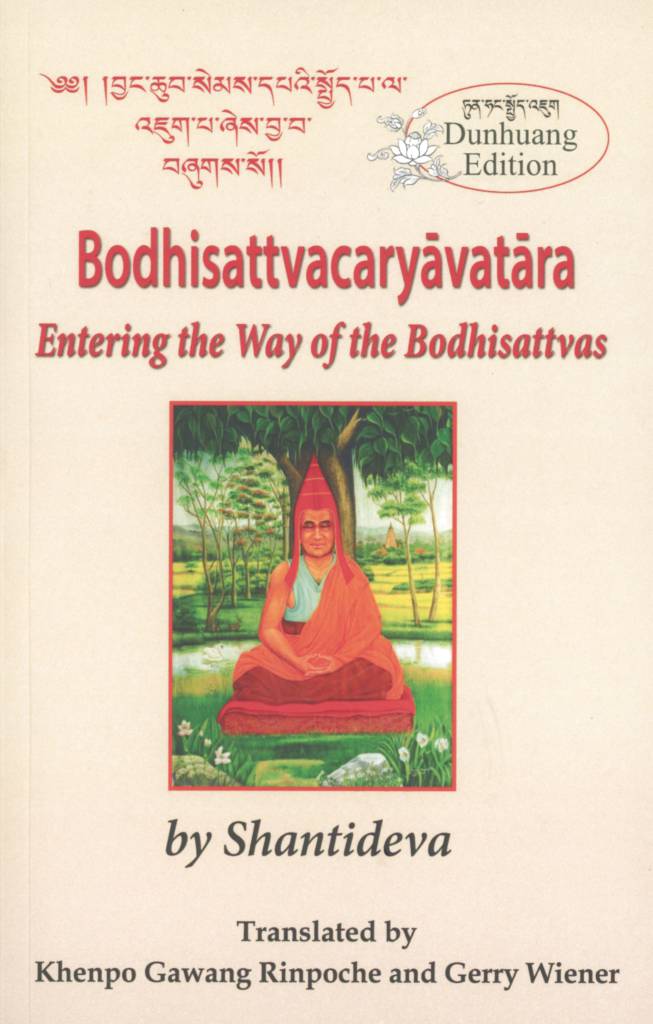
Dūnhuáng §This version is extracted from the book Bodhisattvacaryāvatāra: Entering the Way of the Bodhisattvas (2022, Khenpo Gawang and Wiener), a translation of an edition of the text created from three Dūnhuáng manuscripts. A description and sample pages of these can be found on the Early Tibet Blog. Scans of the actual manuscripts themselves can be found at http://idp.bl.uk

གང་ཚེ་འཁྲུལ་པ་ཡང་མེད་ན། །

སྒྱུ་མ་གང་གིས་དམིགས་པར་འགྱུར། ། གང་ཚེ་ཁྱོད་ལ་སྒྱུ་མ་ཡང་། །

མེད་ན་དེ་ཚེ་ཅི་ཞིག་དམིགས། །

alt verse 8.14 tm data
This version differs from it's counterparts.

True Aspectarian (TA): If there is no mind of confusion,

Then who sees illusion? MD: If illusion is non-existent when it appears to you,

Then what is seen by mind?

Tsadra Critical Edition §This text was created by comparing four versions of the text from Derge, Cone, Narthang, and Peking Tengyurs from BDRC scans, along with Dunhuang manuscripts IOL Tib J 628, 629, and 630. When Tibetan readings were problematic, the Sanskrit texts from GRETIL and LTB (Oslo) were consulted.

གང་ཚེ་ཁྱོད་ལ་སྒྱུ་མ་ཉིད། །

མེད་ནའང་དེ་ཚེ་ཅི་ཞིག་དམིགས། ། གལ་ཏེ་དེ་ཉིད་དུ་གཞན་ཡོད། །

རྣམ་པ་དེ་ནི་སེམས་ཉིད་ཡིན། །167ཏུན་ཧོང་ཀ་ལ་ཚིག་རྐང་མཐའ་མ་གཉིས་མེད།

[edit]
Sazang Mati (1294 - 1376)
A Commentary on Shantideva's Engaging in the Conduct of the Bodhisattvas (citation)Gyaltsen, Lama Kalsang, and Ani Kunga Chodron, trans. A Commentary on Shantideva's Engaging in the Conduct of the Bodhisattvas Written by Sazang Mati Panchen: Known as An Extremely Clear Illumination of the Meaning of the Text. Walden, NY: Tsechen Kunchab Ling, 2019. Bilingual Edition

(གཉིས་པ་)ལན་ལ།

2. Response 1.2.2.1.1.3.2.1.2

མཚུངས་ཚུལ་མདོར་བསྟན། བརྒལ་ལན་རྒྱས་པར་བཤད་པ། སྐབས་དོན་བསྡུ་བའོ། །

This has three sections:

1. Overview with a similarity, 2. Detailed refutation,

3. Concluding statement.
1.2.2.1.1.3.2.1.2

དང་པོ་ནི།

1. Overview with a similarity 1.2.2.1.1.3.2.1.2.1

གང་ཚེ་ཁྱོད་ལ་སྒྱུ་མ་ཉིད། ། མེད་ནའང་དེ་ཚེ་ཅི་ཞིག་དམིགས། །

If for you, not even magical apparitions exist, Then what could be perceived?

གང་གི་ཚེ་སེམས་ཙམ་པ་ཁྱོད་ཀྱི་ལུགས་ལའང་ཕྱི་རོལ་གྱི་དོན་སྒྱུ་མ་ལྟ་བུ་ཉི༵ད་བདེན་པར་གྲུབ་པ་མེད་ན་དེའི་ཚེ་ཤེས་པ་ལ་ཡུལ་ཅི་ཞིག་དམི༵གས་[p.-321]རབ་གསལ་སྣང་བ་
ཏེ་དམིགས་བྱའི་ཡུལ་མ་གྲུབ་པའི་ཕྱིར་རོ། །

Madhyamika: Mind Only School, if you agree that external objects like magical apparitions do not truly exist, then what object does the awareness perceive, because there is nothing that can be perceived as an object?

(གཉིས་པ་)བརྒལ་ལན་ལ།

2. Detailed refutation 1.2.2.1.1.3.2.1.2.2

སྒྱུ་མ་སེམས་སུ་འདོད་པ་དགག་པ་དང༌། དོན་སེམས་གཉི་ག་མིན་པ་དགག་པའོ། །

This has two parts:

1. Rejection of the argument that mind is a magical apparition,

2. Rejection of the argument that the mind is neither subject nor object.
1.2.2.1.1.3.2.1.2.2

དང་པོ་ལ་ལྔ་ལས།

1. Rejection of the argument that mind is a magical apparition 1.2.2.1.1.3.2.1.2.2.1

This has five sections:

1. Rejection based on scriptural quotation and reasoning, 2. Discarding an erroneous example, 3. Lack of direct evidence for the challenge, 4. Rejection of belief in imputed evidence,

5. Therefore clinging to true existence is rejected.
1.2.2.1.1.3.2.1.2.2.1

(དང་པོ་)ལུང་དང་རིགས་པས་དགག་པ་ནི།

1. Rejection based on scriptural quotation and reasoning 1.2.2.1.1.3.2.1.2.2.1.1

གལ་ཏེ་དེ་ཉིད་དུ་གཞན་ཡོད། ། རྣམ་པ་དེ་ནི་སེམས་ཉིད་ཡིན། །

If there is “other" in the state of suchness, That form is the mind.

གལ་ཏེ་ཕྱི་རོལ་གྱི་དོན་མེད་ཀྱང་དེ་ཁོ་ན་ཉིད་དུ་གཞན་ཤེས་པའི་ངོ་བོར་ཡོ༵ད་པས་དམིགས་བྱ་མ་གྲུབ་པའི་སྐྱོན་མེད་ཅིང༌། གཟུང་བྱའི་རྣམ་པར་སྣང་བ་དེ་ནི་སེམས་ཉིད་ཡི༵ན་ནོ་ཞེ་ན།

Mind Only School: Although there is no external object, in the state of suchness, there exists a nature that can apprehend “other,” so there is no fault of an absence of an object to perceive. What is apprehended as the form of an object is the mind itself.[p.355]A Commentary on Shantideva's Engaging in the Conduct of the Bodhisattvas
Gyaltsen, Lama Kalsang, and Ani Kunga Chodron, trans. A Commentary on Shantideva's Engaging in the Conduct of the Bodhisattvas Written by Sazang Mati Panchen: Known as An Extremely Clear Illumination of the Meaning of the Text. Walden, NY: Tsechen Kunchab Ling, 2019. First edition published by The Yeshe Dorje Foundation in 2006.
Gyaltsap Je (1364 - 1432)
The Entrance for the Children of the Conquerors (citation)Stracke, Fedor, trans. The Entrance for the Children of the Conquerors: A Commentary on the Introduction to the Actions of Bodhisattvas. By Gyaltsab Rinpoche. N.p.: Happy Monks Publication, 2016. https://happymonkspublication.org/product/bodhisattvacharyavatara-chapter-1-10-commentary/. Bilingual Edition

གཉིས་པ་ལ་

Refuting It 1.1.2.1.2.2.2.2

དང་པོ་ནི།

Similar Argument 1.1.2.1.2.2.2.2.1

གང་ཚེ་ཁྱོད་ལ་སྒྱུ་མ་ཉིད། ། མེད་ནའང་དེ་ཚེ་ཅི་ཞིག་དམིགས། །

gang tshe khyod la sgyu ma nyid/_/ med na'ang de tshe ci zhig dmigs/_/

When for you the illusion is non-existent, At that time, what becomes the object?

གང་གི་ཚེ་སེམས་ཙམ་པ་ཁྱོད་ལ་གཟུང་བྱ་ཕྱི་རོལ་གྱི་དོན་དུ་སྣང་བ་སྣང་བ་ལྟར་དུ་གྲུབ་ན་ཕྱི་རོལ་གྱི་དོན་ཡོད་པས་སྒྱུ་མ་ལྟ་བུ་དང་དེ་དམིགས་བྱེད་མེད་པར་འགྱུར་ལ། སྣང་བ་ལྟར་དུ་མ་གྲུབ་ན་རང་བཞིན་གྱིས་མེད་པས་ཁྱོད་ལྟར་ན་གཏན་[p.Ch9-359]Spyod 'jug rtsa 'grel (Mtsho sngon mi rigs dpe skrun khang 2001)
Śāntideva, and Rgyal tshab rje dar ma rin chen. Spyod 'jug rtsa 'grel and Byang chub sems dpa'i spyod pa la 'jug pa'i rnam bshad rgyal sras 'jug ngogs. Xining: Mtsho sngon mi rigs dpe skrun khang, 2001
མེད་དུ་འགྱུར་དགོས་ལ་གཟུང་བྱ་དོན་དུ་སྣང་བ་སྒྱུ་མ་ལྟ་བུ་ཉིད་མེད་ནའང་དེའི་ཚེ་གཟུང་བྱ་ཅི་ཞིག་དམིགས་ཏེ་གཟུགས་སྒྲ་སོགས་འཛིན་བྱེད་ཀྱང་མེད་པར་འགྱུར་རོ། །

If the object held by you, the Mind Only, existed in the way it appears when it is held, i.e., as an outer object, then it would exist externally. In that case, that similar to an illusion and the mind taking it as its object, become non-existent. If it does not exist in the way it appears, it does not exist inherently, and in that case, according to you, it would have to be non-existent. If there is no apprehended illusory object appearing as an external object, at that time what is taken as object at that time? Even the appre- henders of the five objects of forms, sounds and so forth become non-existent.

གཉིས་པ་ལ་

Refuting the Answer 1.1.2.1.2.2.2.2.2

དང་པོ་ནི།

Expressing the View 1.1.2.1.2.2.2.2.2.1

གལ་ཏེ་དེ་ཉིད་དུ་གཞན་ཡོད། ། རྣམ་པ་དེ་ནི་སེམས་ཉིད་ཡིན། །

gal te de nyid du gzhan yod/_/ rnam pa de ni sems nyid yin/_/

In case: “It exists in another way. The aspect is mind itself.”

ཁོ་ན་རེ་གལ་ཏེ་ཕྱི་རོལ་དོན་དུ་སྣང་བ་སྣང་བ་ལྟར་གྱི་དོན་དེ་ཉིད་དུ་མེད་ཀྱང་དེ་ལས་གཞན་དུ་ཡོད་དེ་གཟུགས་སོགས་ཀྱི་རྣམ་པ་དེ་ནི་སེམས་ཉིད་ཀྱི་རྫས་ཡིན་ནོ་ཞེ་ན།

Mind Only: Although it does not exist in the very way it appears, as external object, it exist in a different way, because the aspects of form and the like are the substance of mind itself.
Pawo Rinpoche, 2nd (1504 - 1566)
The Center of the Sunlit Sky (citation)Brunnhölzl, Karl. The Center of the Sunlit Sky: Madhyamaka in the Kagyü Tradition. Including a translation of Pawo Rinpoche's commentary on the knowledge section of Śāntideva's The Entrance to the Bodhisattva’s Way of Life (Bodhicaryāvatāra). Nitartha Institute Series. Ithaca, NY: Snow Lion Publications, 2004. Bilingual Edition

གང་ཚེ་ཁྱོད་ལ་སྒྱུ་མ་ཉིད། ། མེད་ན་དེ་ཚེ་ཅི་ཞིག་དམིགས། །

When, according to you, the illusion itself does not exist, What is observed? [16ab]

ཞེས་གསུངས་ཏེ། གང་ཚེ་ཁྱོད་ལ་སོགས་རྐང་པ་གཉིས་ཀྱིས་དེ་ལ་མཚུངས་པ་བརྗོད།

These two lines express the equal applicability of this [reasoning].

དེ་ལ་སྨྲས་པ། སེམས་ཙམ་པ་ཁྱོད་ཉིད་ཕྱི་རོལ་གྱི་དོན་མེད་པར་འདོད་པའི་ཕྱིར་གང་གི་ཚེ་ཁྱོད་ལ་སྒྱུ་མ་ཉིད་ཀྱང་མེད་ན་སྒྱུ་མའི་དཔེ་ཅི་ཞིག་དམིགས་ཞེས་ཁྱབ་པ་ལ་མཚུངས་པ་བསྒྲེས་སོ། །

We answer you Mere Mentalists: When, according to you, even the illusion itself does not exist, what example of an illusion is observed, since you yourselves assert that outer objects do not exist? Thus, the entailment [of your objection in lines 15cd] [658] applies equally [to your own position].1493In other words, the Mere Mentalists say themselves that external objects and—even more so—illusions do not really exist. Therefore, one can equally fling their objection (“Once there is no subject, what would observe the object?”) back at them: “Once there is no object, what would be observed?”[p.633]The Center of the Sunlit Sky
Brunnhölzl, Karl. The Center of the Sunlit Sky: Madhyamaka in the Kagyü Tradition. Including a translation of Pawo Rinpoche's commentary on the knowledge section of Śāntideva's The Entrance to the Bodhisattva’s Way of Life (Bodhicaryāvatāra). Nitartha Institute Series. Ithaca, NY: Snow Lion Publications, 2004.

གལ་ཏེ་དེ་ཉིད་དུ་གཞན་ཡོད། ། རྣམ་པ་དེ་ནི་སེམས་ཉིད་ཡིན། །

You might say, “It is an aspect of mind itself, Even though there is something other in terms of its own state.” [16cd]

གལ་སྟེ་སོགས་རྐང་པ་གཉིས་ཀྱིས་རྣམ་བདེན་པའི་འདོད་པ་བཀོད།

These two lines present the assertion of the Real Aspectarians.1494This is one of the two subschools of the Mere Mentalists, the other being the False Aspectarians.

དེ་ལ་གལ་ཏེ་རྣམ་བདེན་པ་ན་རེ། སྒྱུ་མ་སོགས་ཕྱི་རོལ་གྱི་དོན་དུ་མེད་ཀྱང་སྒྱུ་མ་ལ་སོགས་པའི་དཔེའི་དེ་ཉིད་ཙམ་དུ་ནི་དེར་སྣང་བའི་རྣམ་པ་གཞན་ཡོད་དེ། རྣམ་པ་དེ་ནི་སྣང་བ་པོའི་སེམས་དེ་ཉིད་དུ་བདེན་པ་ཡིན་ནོ་ཞེ་ན།

The Real Aspectarians might say, “Illusions and such do not exist as outer objects. However, there is something other in terms of the plain own state of these examples, such as illusions, that is, an aspect that appears as this [illusion]. It is an aspect that is [only] real as that for which [the illusion] appears, that is, mind itself.”
Minyak Kunzang Sönam (1823 - 1905)
The Profound Reality of Interdependence (citation)Duckworth, Douglas S., trans. The Profound Reality of Interdependence: An Overview of the Wisdom Chapter of the Way of the Bodhisattva. By Künzang Sönam. New York: Oxford University Press, 2019. Bilingual Edition

གཉིས་པ་དེའི་ལན་ལ།

Response to the Dispute 2.2.1.3.2.2

གང་ཚེ་ཁྱོད་ལ་སྒྱུ་མ་ཉིད། ། མེད་ནའང་དེ་ཚེ་ཅི་ཞིག་དམིགས། །

[IX.16ab] When illusion does not exist, What is there to be perceived?

ཞེས་བ་གསུངས། འདིས་མགོ་མཚུངས་ཀྱི་རིགས་པས་སེམས་ཙམ་པ་འགོག་ཚུལ་བསྟན་ལ། སྐབས་འདིར་མཁོ་བའི་སྤྱི་དོན་འགའ་ཞིག་འཆད་པ་ལ་གསུམ། སེམས་ཙམ་དུ་གསུངས་པའི་མདོའི་དགོངས་པ་འགྲེལ་ཚུལ། ཐལ་འགྱུར་བ་རང་ལུགས་ལ་ཕྱི་དོན་ཐ་སྙད་དུ་ཁས་ལེན་ཚུལ། ཀུན་གཞི་འགོག་ཚུལ་ཐུན་མོང་མ་ཡིན་པའོ། །

[704] This shows how the proponents of Mind-Only are refuted with a parallel argument. I will present some requisite aspects in this context by way[p.101]The Profound Reality of Interdependence
Duckworth, Douglas S., trans. The Profound Reality of Interdependence: An Overview of the Wisdom Chapter of the Way of the Bodhisattva. By Künzang Sönam. New York: Oxford University Press, 2019.
of an overview in three parts: (1) how the viewpoint of sūtras that proclaim mind only is explained, (2) how external objects are asserted in the system of Prāsaṅgika, and (3) the unique way of refuting the basic consciousness.

དང་པོ་(སེམས་ཙམ་དུ་གསུངས་པའི་མདོའི་དགོངས་པ་འགྲེལ་ཚུལ།)ནི།

How the Viewpoint of Sūtras That Proclaim Mind Only Is Explained 2.2.1.3.2.2.1

ས་བཅུ་པའི་མདོའི། ཁམས་གསུམ་པོ་འདི་ནི་སེམས་ཙམ་མོ་ཞེས་པའི་ཙམ་སྒྲས་ཕྱི་དོན་འགོག་པ་མིན་ཏེ། དེ་ནི། འཇིག་རྟེན་སྣ་ཚོགས་ལས་ལས་སྐྱེས། །ཞེས་པ་ལྟར་ཁམས་གསུམ་པོ་ལས་ཀྱིས་བྱས་ལ། ལས་ནི་སེམས་པ་དང་བསམ་པ་གཉིས་སུ་ངེས་པས་ཁམས་གསུམ་སེམས་ཀྱིས་བྱས་པར་གྲུབ་ལ། དེའི་ཕྱིར་སེམས་ལས་གཞན་པའི་དབང་ཕྱུག་སོགས་ཀྱི་བྱེད་པ་པོ་གཞན་དགག་པའི་ཕྱིར་ཙམ་སྒྲ་སྨོས་པ་ཡིན་ཏེ། མདོ་དེ་ཉིད་ལས།

The “only” in the statement from the Sūtra on the Ten Grounds that “the three realms are mind only”155Sūtra on the Ten Grounds, 145b. is not a negation of external objects. Rather, it shows that the three realms are produced by karma, as in the statement: “The various worlds arise from karma.”156This passage is cited in Sthiramati, The Meaning of Reality: An Extensive Commentary on the “Treasury of Metaphysics” (Abhidharmakoṣabhāṣyaṭīkātattvārtha, D. 4421), 97b. Since karma is determined within the twofold intention (sems pa) and intended (bsam pa), the three realms are created by mind. Therefore, in order to negate another creator that is different from mind, like Īśvara, the word “only” is used. This Sūtra on the Ten Grounds itself establishes this, saying that the twelve links depend on the mind:

ཁམས་[p.98]Spyod 'jug shes rab le'u'i spyi don rim par phye ba zab mo rten 'byung gi de kho na nyid yang gsal sgron me
Mi nyag kun bzang bsod nams (མི་ཉག་ཀུན་བཟང་བསོད་ནམས་). spyod 'jug shes rab le'u'i spyi don rim par phye ba zab mo rten 'byung gi de kho na nyid yang gsal sgron me [སྤྱོད་འཇུག་ཤེས་རབ་ལེའུའི་སྤྱི་དོན་རིམ་པར་ཕྱེ་བ་ཟབ་མོ་རྟེན་འབྱུང་གི་དེ་ཁོ་ན་ཉིད་ཡང་གསལ་སྒྲོན་མེ།]. [Lamp that Thoroughly Illuminates the Suchness of Profound Dependent Origination: An Overview of the Divisions of the Wisdom Chapter of Entering into the Conduct [of the Bodhisattva]]. Tengyur.
གསུམ་པོ་འདི་ནི་སེམས་ཙམ་སྟེ་སྲིད་པའི་ཡན་ལག་བཅུ་གཉིས་པོ་གང་དག་དེ་བཞིན་གཤེགས་པས་རབ་ཏུ་ཕྱེ་སྟེ་བཀའ་སྩལ་པ་ཐམས་ཅད་ཀྱང་སེམས་གཅིག་ལ་བརྟེན་པ་དག་གོ་ཞེས་ཡན་ལག་བཅུ་གཉིས་པོ་སེམས་གཅིག་ལ་བརྟེན་པར་གསུངས་པའི་ཕྱིར།

The three realms are mind only; the Tathāgatas reveal that the twelve links of existence, all the teachings, depend on the mind alone.157Sūtra on the Ten Grounds, 145b.

དེས་ན་ཙམ་སྒྲས་ཕྱི་དོན་མི་འགོག་པར་སེམས་ལས་གཞན་པའི་བྱེད་པ་པོ་འགོག་པར་བསྟན་ཏོ་ཞེས་མདོ་རང་གིས་སྒྲུབ་པར་མཛད་ལ། བྱེད་པོ་གཞན་འགོག་པ་ཡིན་པར་མདོ་གཞན་གྱིས་ཀྱང་བསྟན་ཏེ། ལང་གཤེགས་ལས།

Therefore, the word “only” does not exclude external objects; it excludes a creator other than mind. This is established by the sūtra itself. Other sūtras also refute a creator other than mind; the Descent to Laṅka says:

གང་ཟག་རྒྱུད་དང་ཕུང་པོ་དང་། །

དེ་བཞིན་རྐྱེན་དང་རྡུལ་དག་དང་། ། གཙོ་བོ་དབང་ཕྱུག་བྱེད་པོ་རྣམས། །

སེམས་ཙམ་དུ་ནི་ངས་བཤད་དོ། །

The person, the continuum, the aggregates,
And likewise conditions and particles,
The creators—the primal basis (gtso bo) and Īśvara –
I assert as mind only.158Descent to Laṅka Sūtra, 137a.

ཞེས་མུ་སྟེགས་བྱེད་པ་ཁ་ཅིག་གིས་གང་ཟག་དང་རྒྱུན་སོགས་འཇིག་རྟེན་གྱི་བྱེད་པ་པོར་སྨྲས་པ་དེ་དག་དེ་མ་ཡིན་པར་གཟིགས་ནས་སེམས་ཙམ་ཞིག་བྱེད་པ་པོར་གསུངས་སོ། །དེས་ན་འཇིག་རྟེན་འགྲུབ་པ་ལ། གཟུགས་སེམས་གཉིས་ཀྱི་ནང་ནས་སེམས་ཉིད་གཙོ་བོར་བསྟན་པ་ཡིན་གྱི་སེམས་ཙམ་པ་ཁྱོད་འདོད་པ་ལྟར། ཕྱི་དོན་བཀག་ནས་སེམས་ཙམ་དུ་བསྟན་པ་མིན་ནོ། །ཞེས་ལེགས་ལྡན་གྱིས་ལན་འདེབས་ལ། དེ་དང་མཐུན་པར་ཟླ་བའི་ཞབས་ཀྱིས་ཀྱང་ལན་འདེབས་པར་མཛད་དོ། །དོན་འདི་དག་འཇུག་པ་ལས། མངོན་གྱུར་མངོན་ཕྱོགས་བྱང་ཆུབ་སེམས་དཔའ་ཡིས། །ཞེས་སོགས་ཚིགས་བཅད་བདུན་གྱིས་བསྟན་ཏོ། །

Some non-Buddhists claim that things like the continuum and the person are the creator of the world; seeing that this is not the case, it is said that the creator is mind only. Also, Bhāviveka responded that in the formation of the world, among material forms and mind, the mind is most important. Yet this is not making a claim in the way that proponents of Mind-Only do, such that mind only is taught after negating external objects. Candrakīrti also responded in tune with this, addressing these topics with seven stanzas in his Introduction to the Middle Way, beginning with: “Bodhisattvas oriented to the manifest . . .”159Candrakīrti, Introduction to the Middle Way, VI.84–90.

ཡང་། ལང་གཤེགས་ཀྱི་ལུང་། ཕྱི་རོལ་སྣང་བ་ཡོད་མིན་ཏེ། །ཞེས་སོགས་སེམས་ཙམ་གྱིས་འདྲེན་པ་ལ། ལེགས་ལྡན་གྱིས་མདོ་དེས་ཀྱང་ཕྱི་དོན་བཀག་ནས་སེམས་ཙམ་དུ་སྟོན་པ་མིན་གྱི་ཕྱི་རོལ་རྣམ་མེད་དུ་འཛིན་པ་བཀག་ནས་རྣམ་བཅས་སུ་བསྟན་པ་ཡིན་ནོ་ཞེས་ལན་འདེབས་ལ། ཟླ་བས་[p.99]Spyod 'jug shes rab le'u'i spyi don rim par phye ba zab mo rten 'byung gi de kho na nyid yang gsal sgron me
Mi nyag kun bzang bsod nams (མི་ཉག་ཀུན་བཟང་བསོད་ནམས་). spyod 'jug shes rab le'u'i spyi don rim par phye ba zab mo rten 'byung gi de kho na nyid yang gsal sgron me [སྤྱོད་འཇུག་ཤེས་རབ་ལེའུའི་སྤྱི་དོན་རིམ་པར་ཕྱེ་བ་ཟབ་མོ་རྟེན་འབྱུང་གི་དེ་ཁོ་ན་ཉིད་ཡང་གསལ་སྒྲོན་མེ།]. [Lamp that Thoroughly Illuminates the Suchness of Profound Dependent Origination: An Overview of the Divisions of the Wisdom Chapter of Entering into the Conduct [of the Bodhisattva]]. Tengyur.
ནི་མདོ་དེས་ཕྱི་དོན་བཀག་ནས་སེམས་ཙམ་དུ་གསུངས་མོད་ཀྱང་མདོ་དེ་དྲང་དོན་ཡིན་ནོ་ཞེས་ལན་འདེབས་པར་མཛད་པས་མི་འདྲའོ། །

Also, regarding the passage in the Descent to Laṅka that says “there are no external appearances . . . ”160Descent to Laṅka Sūtra, 185b. cited by proponents of Mind-Only, Bhāviveka responded by saying that this sūtra is not teaching mind only after refuting external objects, but rather is refuting the apprehension of an external world that is[p.102]The Profound Reality of Interdependence
Duckworth, Douglas S., trans. The Profound Reality of Interdependence: An Overview of the Wisdom Chapter of the Way of the Bodhisattva. By Künzang Sönam. New York: Oxford University Press, 2019.
featureless (rnam med) and showing the presence of phenomenal features (rnam bcas). Candrakīrti’s response is different. He says that this sūtra certainly states that there is mind only after negating external objects; yet the sūtra is provisional in meaning.

མདོ་དེ་དྲང་དོན་དུ་འགྲེལ་ཚུལ་ལ། རིགས་པ་ནི། དོན་ཤེས་ཡོད་མེད་མཚུངས་པར་སྒྲུབ་པའི་རིགས་པ་དང༌། དང་པོ་ཤེས་བྱ་ཕྱི་དོན་མེད་པར་དངོས་སུ་བསྟན་ན་ཤེས་པ་རང་བཞིན་གྱིས་མེད་པའང་འགྲུབ་སླ་བ་ལ་དགོངས་སོ་ཞེས་པའི་རིགས་པས་སྒྲུབ་པར་མཛད་ལ། ལུང་ནི་ལང་གཤེགས་ཉིད་ལས།

Reasoning and scriptural evidence show that this sūtra is provisional in meaning. As for reasoning, there is the argument that establishes objects and cognitions as coextensively present or absent. [705] Also, if objects of knowledge are explicitly taught not to be external objects, then it is easy to establish that cognition does not intrinsically exist either. Thereby, reason establishes this. As for scriptures, the Descent to Laṅka itself says:

ཇི་ལྟར་ནད་པ་ནད་པ་ལ། །

སྨན་པ་སྨན་རྣམས་གཏོང་བ་ལྟར། ། སངས་རྒྱས་དེ་བཞིན་སེམས་ཅན་ལ། །

སེམས་ཙམ་དུ་ཡང་རབ་ཏུ་གསུངས། །

In the way that a physician gives medicine to patients,
The Buddha taught mind only to sentient beings.161Descent to Laṅka Sūtra, 116a.

ཞེས་ལང་གཤེགས་ཀྱི་ལུང་སྔ་མས་ཕྱི་དོན་མེད་པར་སེམས་ཙམ་དུ་བསྟན་པ་ལུང་ཕྱི་མ་འདིས་དྲང་དོན་དུ་འགྲེལ་པར་མཛད་དོ། །དེར་མ་ཟད་སྐབས་འདིར་འཇུག་པ་རང་འགྲེལ་ལས་དངོས་སུ་བསྟན་པའི་དྲང་དོན་དུ་འགྲེལ་རྒྱུའི་མདོ་གཞན་ཡང་། དགོངས་འགྲེལ་ལས་གསུངས་པ་འདི་རྣམས་ཏེ། བཅོམ་ལྡན་འདས་ཏིང་ངེ་འཛིན་གྱི་སྤྱོད་ཡུལ་གྱི་གཟུགས་བརྙན་དེ། ཞེས་སོགས་ཕྱི་རོལ་མེད་པར་སྟོན་པའི་མདོ་དང༌། ཆོས་རྣམས་ཀྱི་མཚན་ཉིད་ངོ་བོ་ཉིད་མེད་པ་གང་ཞེ་ན། ཞེས་སོགས་གཞན་དབང་དང་ཡོངས་གྲུབ་རང་མཚན་གྱིས་གྲུབ་པར་སྟོན་པའི་མདོ་དང་། ལེན་པའི་རྣམ་པར་ཤེས་པ་ཟབ་ཅིང་ཕྲ། །ཞེས་སོགས་ཡིད་ཤེས་ལས་ངོ་བོ་ཐ་དད་པའི་ཀུན་གཞི་ཡོད་པར་སྟོན་པའི་མདོ་དང་། ཞི་བ་བགྲོད་པ་གཅིག་པུ་བ་ནི། །ཞེས་སོགས་མཐར་ཐུག་ཐེག་པ་གསུམ་དུ་སྟོན་པའི་མདོ་སྟེ་མདོ་ཚན་བཞི་ཡོད་པ་ལས།

An earlier passage from the Descent to Laṅka said that there are no external objects, just mind alone; this latter passage explains this as provisional in meaning. Furthermore, in this context, other sūtras explained as provisional in meaning are explicitly mentioned in the autocommentary on the Introduction to the Middle Way; there are four kinds found in the Sūtra Explaining the Intent: (1) passages that teach that there are no external objects, such as “a reflection is the domain of the Blessed One’s meditative stabilization” 162Sūtra Explaining the Intent, 50b; English trans. in Powers, Wisdom of the Buddha, 151. The passage in the Sūtra Explaining the Intent does not mention “Blessed One” (bcom ldan ’das). (2) passages that teach the dependent and consummate natures to exist on their own, as in “if it is asked, ‘What is this essencelessness that is the characteristic of phenomena?’ ”;163Sūtra Explaining the Intent, 26b; English trans. in Powers, Wisdom of the Buddha, 99. (3) passages that teach the existence of a basic consciousness that is essentially different from the mental consciousness, as in “the appropriating consciousness is profound and subtle”;164Sūtra Explaining the Intent, 21b; English trans. in Powers, Wisdom of the Buddha, 77. and (4) passages that teach that there are three consummate vehicles, as in “those who only go to peace.”165Sūtra Explaining the Intent, 30b; English trans. in Powers, Wisdom of the Buddha, 113.

དང་པོ་དྲང་དོན་དུ་འགྲེལ་བྱེད་ནི། སྔར་དྲངས་པའི་ལང་གཤེགས་ཀྱི་ལུང་། ཇི་ལྟར་ནད་པ་སོགས་དང་། གཉིས་པ་དྲང་དོན་དུ་[p.100]Spyod 'jug shes rab le'u'i spyi don rim par phye ba zab mo rten 'byung gi de kho na nyid yang gsal sgron me
Mi nyag kun bzang bsod nams (མི་ཉག་ཀུན་བཟང་བསོད་ནམས་). spyod 'jug shes rab le'u'i spyi don rim par phye ba zab mo rten 'byung gi de kho na nyid yang gsal sgron me [སྤྱོད་འཇུག་ཤེས་རབ་ལེའུའི་སྤྱི་དོན་རིམ་པར་ཕྱེ་བ་ཟབ་མོ་རྟེན་འབྱུང་གི་དེ་ཁོ་ན་ཉིད་ཡང་གསལ་སྒྲོན་མེ།]. [Lamp that Thoroughly Illuminates the Suchness of Profound Dependent Origination: An Overview of the Divisions of the Wisdom Chapter of Entering into the Conduct [of the Bodhisattva]]. Tengyur.
འགྲེལ་བྱེད་ནི། ལང་གཤེགས་ལས། བློ་གྲོས་ཆེན་པོ་སྟོང་པ་ཉིད་དང་། མི་སྐྱེ་བ་དང་། ཞེས་སོགས་དང་། གསུམ་པ་དྲང་དོན་དུ་འགྲེལ་བྱེད་ནི། རྟག་བརྟན་གྱི་སྙིང་པོ་སྟོན་པའི་མདོ་དྲང་དོན་དུ་འགྲེལ་བྱེད་དེ་ཉིད་ཡིན་ལ། དེ་ནི་ལང་གཤེགས་ལས། བཅོམ་ལྡན་འདས་ཀྱིས་མདོ་བརྗོད་པ་ལས། བཅོམ་ལྡན་འདས་ཀྱིས་དེ་བཞིན་གཤེགས་པའི་སྙིང་པོ་གསུངས་པ་ཞེས་སོགས་དང་། བཞི་བ་དྲང་དོན་དུ་འགྲེལ་བྱེད་ནི། ཀླུ་སྒྲུབ་ཀྱིས་མདོ་བཏུས་སུ་རྒྱུས་པར་དྲངས་པའི་ཕྱིར་འཇུག་པ་རང་འགྲེལ་དུ་མ་དྲངས་ཀྱང་དོན་ལ། མདོ་སྡེ་པད་དཀར་ལས། དེད་དཔོན་ཐབས་ལ་མཁས་པས་ཚོང་པའི་ཚོགས་རིན་པོ་ཆེའི་གླིང་དུ་རིམ་གྱིས་བཀྲི་བའི་དཔེས་མཐར་ཐུག་ཐེག་པ་གཅིག་ཏུ་བསྟན་པ་སོགས་ཡིན་ཏེ། མདོ་བཏུས་ལས། ཐེག་པ་གཅིག་ཏུ་ཟད་པར་ནི་མདོ་སྡེ་དུ་མ་ལས་གསུངས་པའི་ཕྱིར་རོ། །ཞེས་སོགས་གསུངས། དོན་འདི་དག་འཇུག་པ་ལས། མདོ་སྡེ་གང་ལས་ཕྱི་རོལ་སྣང་ཡོད་མིན། །ཞེས་སོགས་ཚིགས་བཅད་གསུམ་གྱིས་བསྟན་ཏོ། །

The first is explained to be provisional in meaning in the text from the Descent to Laṅka cited above, “In the way that a physician . . .”166Descent to Laṅka Sūtra, 116a. See above p. 102. The second is explained to be provisional in meaning in the Descent to Laṅka: “Mahāmati, emptiness and nonarising . . .”167Descent to Laṅka Sūtra, 135a. The third is explained to be provisional in meaning in the same text, which says that sūtras that teach a permanent and steadfast essence are provisional in meaning; the Descent to Laṅka states: “From among the sūtras spoken by the Blessed One, the Blessed One taught the buddha-nature . . .”168Descent to Laṅka Sūtra, 135b. The fourth is extensively explained by Nāgārjuna to be provisional in meaning through citations in the Anthology of Sūtras. While not cited in the autocommentary on the Introduction to the Middle Way, its meaning is found in the Lotus Sūtra (Saddharmapuṇḍarīkasūtra) teaching a[p.103]The Profound Reality of Interdependence
Duckworth, Douglas S., trans. The Profound Reality of Interdependence: An Overview of the Wisdom Chapter of the Way of the Bodhisattva. By Künzang Sönam. New York: Oxford University Press, 2019.
single consummate vehicle through the parable of a skillful captain leading a group of merchants to an island of jewels. The Anthology of Sūtras says: “There is only one vehicle; this is exclaimed in many sūtras.”169Nāgārjuna, Anthology of Sūtras (Sūtrasamuccaya, D. 3934), 188b. These meanings are stated in three stanzas in the Introduction to the Middle Way: “Sūtras that teach that there are no external appearances . . .”170Candrakīrti, Introduction to the Middle Way, VI.94–96.

གཉིས་པ་རང་ལུགས་ལ་ཕྱི་དོན་ཐ་སྙད་དུ་ཁས་ལེན་ཚུལ་ནི།

How External Objects Are Asserted in the System of Prāsaṅgika 2.2.1.3.2.2.2

ཐལ་འགྱུར་བས་ནི་སེམས་ཙམ་པ་ལྟར་ཕྱི་དོན་ཐ་སྙད་དུའང་མ་གྲུབ་ཅིང་ཤེས་པ་བདེན་པར་གྲུབ་བོ་ཞེས་མི་སྨྲ་བར་དོན་ཤེས་གཉིས་ཡོད་མེད་མཚུངས་པར་སྒྲུབ་བོ། །སྒྲུབ་ཚུལ་ཡང་། འཇིག་རྟེན་གྱི་ཐ་སྙད་ལས་ནི། ཕུང་པོ་ལྔས་བསྡུས་པའི་དོན་ཤེས་མན་གཉིས་ཀ་ཡོད་པར་གྲགས་ཤིང་། བཏགས་དོན་རིགས་པས་བཙལ་ན་ནི་དོན་ཤེས་གཉིས་ཀའང་འཇོག་མི་ནུས་ལ། དེ་ཁོ་ན་ཉིད་མངོན་སུམ་དུ་རྟོགས་པའི་སློབ་པ་འཕགས་པའི་མཉམ་གཞག་གི་གཟིགས་ངོར་ནི་ཕུང་པོ་ལྔ་ཆར་ཡང་མི་འབྱུང་བར་མཚུངས་པའི་ཕྱིར་[p.101]Spyod 'jug shes rab le'u'i spyi don rim par phye ba zab mo rten 'byung gi de kho na nyid yang gsal sgron me
Mi nyag kun bzang bsod nams (མི་ཉག་ཀུན་བཟང་བསོད་ནམས་). spyod 'jug shes rab le'u'i spyi don rim par phye ba zab mo rten 'byung gi de kho na nyid yang gsal sgron me [སྤྱོད་འཇུག་ཤེས་རབ་ལེའུའི་སྤྱི་དོན་རིམ་པར་ཕྱེ་བ་ཟབ་མོ་རྟེན་འབྱུང་གི་དེ་ཁོ་ན་ཉིད་ཡང་གསལ་སྒྲོན་མེ།]. [Lamp that Thoroughly Illuminates the Suchness of Profound Dependent Origination: An Overview of the Divisions of the Wisdom Chapter of Entering into the Conduct [of the Bodhisattva]]. Tengyur.
ཞེས་རིགས་པ་དང་། ལུང་ཡང་། ཡུམ་གྱི་མདོ་ལས་ནི་ཕུང་པོ་ལྔ་ཆར་ཡང་རང་བཞིན་གྱིས་གྲུབ་པས་སྟོང་པར་གསུངས་ཤིང་། མངོན་པའི་གཞུང་ལས་ནི་ཕུང་པོ་ལྔ་ཆར་ཡང་རང་སྤྱིའི་མཚན་ཉིད་ལ་སོགས་པའི་སྒོ་ནས་མཉམ་པར་གཏན་ལ་ཕབ་པས་དོན་ཤེས་གཉིས་ལ་ཡོད་མེད་འབྱེད་མི་རིག་པར་སྒྲུབ་བོ། །

Prāsaṅgikas do not, like the proponents of Mind-Only, claim that there are no external objects even conventionally, or that cognition truly exists; rather, Prāsaṅgikas establish the coextensive presence or absence of objects and cognitions. The way this is established is by reasoning and scripture. By reasoning, the objects and cognitions within the five aggregates are [706] both acknowledged to exist in mundane convention. Neither object nor cognition can be posited when the designated object is sought with reason; and from the perspective of a sublime being training in the realization that directly realizes reality, the five aggregates equally do not appear. As for scripture, the Mother Sūtras say that all five aggregates are empty of intrinsic existence, and the Abhidharma texts ascertain those five aggregates equally by means of their general and specific characteristics. So it is established that it does not make sense to separate existence and nonexistence within the pair of objects and cognitions.

དེ་ལྟར་ཡང་། འཇུག་པ་ལས།

Furthermore, the Introduction to the Middle Way says:

འཇིག་རྟེན་པ་ཡི་དེ་ཉིད་ལ་གནས་ལ། །

ཕུང་པོ་འཇིག་རྟེན་གྲགས་ཏེ་ལྔ་ཆར་ཡོད། ། དེ་ཉིད་ཡེ་ཤེས་འཆར་བར་འདོད་པ་ན། ། རྣལ་འབྱོར་པ་ལ་དེ་ལྔ་འབྱུང་མི་འགྱུར། ། གཟུགས་མེད་ན་ནི་སེམས་ཡོད་མ་འཛིན་ཅིག ། སེམས་ཡོད་ཉིད་ནའང་གཟུགས་མེད་མ་འཛིན་ཅིག ། དེ་དག་ཤེས་རབ་ཚུལ་མདོར་སངས་རྒྱས་ཀྱིས། །

མཚུངས་པར་སྤུངས་ཤིང་མངོན་པའི་ཆོས་ལས་གསུངས། །

In the reality of the world
The five aggregates acknowledged in the world exist;
For the yogis, whose desired gnosis of reality has arisen,
The five do not arise.
If there are no forms, do not maintain that mind exists;
If the mind exists, do not say that forms do not.
The Buddha said that these are equally relinquished in
the sūtras teaching the mode of wisdom
And equally existent in the Abhidharma doctrines.171Candrakīrti, Introduction to the Middle Way, VI.91–92.

ཞེས་དོན་ཤེས་ཡོད་མེད་མཚུངས་པར་གསུངས་ཤིང་། བྱང་ཆུབ་སེམས་འགྲེལ་ལས་ཀྱང་དེ་ཇི་ལྟ་བ་བཞིན་གསུངས་ལ། བཞི་བརྒྱ་པར་ཡང་།

It states the coextensive presence or absence of objects and cognitions. The Commentary on the Spirit of Awakening says this, too.172See Nāgārjuna, Commentary on the Spirit of Awakening (D. 1800), 39b; (Bodhicittavivaraṇa, D. 1801), 44a. Also, the Four Hundred Verses states:

གཅིག་ཡོད་གཅིག་མེད་ཅེས་བྱ་བ། །

དེ་ཉིད་མིན་ཞིང་འཇིག་རྟེན་པའང་མིན། ། དེས་ན་འདི་ཡོད་འདི་མེད་ཅེས། །

བརྗོད་པ་ཉིད་དུ་ནུས་མ་ཡིན། །

To say, “one exists and the other does not,”
Is neither the way of reality nor the world.[p.104]The Profound Reality of Interdependence
Duckworth, Douglas S., trans. The Profound Reality of Interdependence: An Overview of the Wisdom Chapter of the Way of the Bodhisattva. By Künzang Sönam. New York: Oxford University Press, 2019.

So one cannot say, “This exists but that does not.”173Āryadeva, Four Hundred Verses, XVI.24 (D. 3846), 18a; English trans. in Sonam, Āryadeva’s Four Hundred Stanzas on the Middle Way, 299.

ཞེས་དོན་ཤེས་གཉིས་ལ་ཡོད་མེད་ཁྱད་འབྱེད་པ་ནི། འཇིག་རྟེན་པའི་ཐ་སྙད་དང་དོན་དམ་པའི་རྣམ་གཞག་གང་ཡང་མིན་པར་གསུངས་སོ། །གཞུང་འདིར་ཡང་།

It says that distinguishing existence and nonexistence within the pair of objects and cognitions is neither the framework of mundane convention nor the ultimate. Our text here as well states:

གལ་ཏེ་དེ་ཉིད་དུ་གཞན་ཡོད། །

རྣམ་པ་དེ་ནི་སེམས་ཉིད་ཡིན། ། གང་ཚེ་སེམས་ཉིད་སྒྱུ་མ་ན། ། དེ་ཚེ་གང་ཞིག་གང་གིས་མཐོང་། །

འཇིག་རྟེན་གྱི་ནི་མགོན་པོས་ཀྱང་། །

[IX.16cd-17a] If it is said, “They have another existence;

Their form is that of the mind itself.” When the mind itself is an illusion What is seen by what?

The protector of the world said . . .

ཞེས་སོགས་གསུངས། གཞུང་འདི་དག་གིས་སྔ་མའི་ལན་དགག་པ་དང་། དྲིས་པའི་ལན་གྱིས་རང་རིག་འགོག་ཚུལ་བསྟན་ལ།

འདི་ནི་འཇུག་པ་ལས།

On this the Introduction to the Middle Way says:

གང་ཚེ་གཟུང་མེད་འཛིན་པ་ཉིད་བྲལ་ཞིང་། །

གཉིས་ཀྱིས་སྟོང་པའི་གཞན་དབང་དངོས་ཡོད་ན། ། འདི་ཡི་ཡོད་པ་གང་གིས་ཤེས་པར་འགྱུར། །

མ་བཟུང་བར་ཡང་ཡོད་ཅེས་བྱ་མི་རུང་། །

When there is nothing apprehended nor an apprehender
Yet the nondual entity of the dependent nature exists,
By what is its existence known?
It is not appropriate to say, “It exists without being apprehended.”185Candrakīrti, Introduction to the Middle Way, VI.72.

ཞེས་སེམས་ཙམ་པ་ཁྱོད་ཀྱིས་གཟུང་འཛིན་གཉིས་སྟོང་གི་ཤེས་པ་རང་བཞིན་གྱིས་གྲུབ་པར་འདོད་ནའང་དེ་འགྲུབ་བྱེད་ཀྱི་ཚད་མས་མ་བཟུང་བར་ནི་དེ་ཡོད་ཅེས་བྱ་བ་མི་རིགས་པས་དེ་ཚད་མ་གང་གིས་ཤེས་ཞེས་དྲིས་པ་ན། ཕྱོགས་སྔ་མ་ན་རེ། དེ་ཤེས་པ་དོན་གཞན་གྱིས་མི་འཛིན་ཡང་རང་རིག་གིས་དེ་འཛིན་པའི་ཕྱིར་དེ་ཡོད་དོ་ཞེས་ཟེར་བའི་ལན་དུ། རང་རིག་འགོག་ཚུལ་བསྟན་པ་དང་འདྲའོ། །

Proponents of Mind-Only assert the intrinsic existence of cognition without apprehender-apprehended duality. Yet without being apprehended by a source of knowledge to establish it, it is not reasonable to say that it exists. When asked the question of what source of knowledge there is for knowing this, they respond that knowing this is not apprehending another object; it exists because it is apprehended by self-awareness. [710] In response to this, there is a similar teaching on how self-awareness is refuted.

དེ་ལ་འདིར་རང་རིག་འདོད་ཚུལ་དང་དེ་འགོག་ཚུལ་བཤད་པ་ལ་བཞི། རང་རིག་འདོད་མཁན་གྱི་ཕྱོགས་ངོས་གཟུང་བ། དེ་དག་གིས་བསྒྲུབ་བྱའི་རང་རིག་གི་གོ་དོན། དེ་དག་གིས་རང་རིག་ཡོད་པར་སྒྲུབ་ཚུལ། འདིར་རང་རིག་འགོག་ཚུལ་ཐུན་མོང་མ་ཡིན་པ་བཤད་པའོ། །

On this topic, I will explain here in four parts the way self-awareness is asserted and the way it is refuted: (1) identifying the position of those who accept self-awareness, (2) the meaning of self-awareness that they establish,[p.109]The Profound Reality of Interdependence
Duckworth, Douglas S., trans. The Profound Reality of Interdependence: An Overview of the Wisdom Chapter of the Way of the Bodhisattva. By Künzang Sönam. New York: Oxford University Press, 2019.
(3) how they establish the existence of self-awareness, and (4) the unique way of refuting self-awareness here.

དང་པོ་(རང་རིག་འདོད་མཁན་གྱི་ཕྱོགས་ངོས་གཟུང་བ།)ནི།

Identifying the Position of Those Who Accept Self-Awareness 2.2.1.3.2.2.3.1

མདོ་སྡེ་པ། སེམས་ཙམ་པ། ཞི་འཚོ་[p.108]Spyod 'jug shes rab le'u'i spyi don rim par phye ba zab mo rten 'byung gi de kho na nyid yang gsal sgron me
Mi nyag kun bzang bsod nams (མི་ཉག་ཀུན་བཟང་བསོད་ནམས་). spyod 'jug shes rab le'u'i spyi don rim par phye ba zab mo rten 'byung gi de kho na nyid yang gsal sgron me [སྤྱོད་འཇུག་ཤེས་རབ་ལེའུའི་སྤྱི་དོན་རིམ་པར་ཕྱེ་བ་ཟབ་མོ་རྟེན་འབྱུང་གི་དེ་ཁོ་ན་ཉིད་ཡང་གསལ་སྒྲོན་མེ།]. [Lamp that Thoroughly Illuminates the Suchness of Profound Dependent Origination: An Overview of the Divisions of the Wisdom Chapter of Entering into the Conduct [of the Bodhisattva]]. Tengyur.
ཡབ་སྲས་འཕགས་སེང་སོགས་ཀྱིས་རང་རིག་འདོད་ལ། འདིར་ཕྱོགས་སྔའི་གཙོ་བོ་སེམས་ཙམ་པ་ཡིན་པར་གཞུང་གི་སྐབས་ཀྱིས་ཤེས་སོ། །འོན་ཀྱང་ལུང་གི་རྗེས་འབྲང་གི་མདོ་སྡེ་པ་དང་། ས་སྡེའི་རྗེས་འབྲང་གི་སེམས་ཙམ་པ་འགའ་ཞིག་བཅས་ཀྱིས་རང་རིག་འདོད་པའི་གསལ་ཁ་མ་བྱུང་ཞེས་བཞེད་པའང་ཡོད་དོ། །

Sautrāntikas, proponents of Mind-Only, Śāntarakṣita, father and son Kamalaśīla, Haribhadra, and others accept self-awareness. Here, the main opponent is a proponent of Mind-Only, as is known from our text in this context. However, it has also been said that some Sautrāntikas following scripture, along with some of the proponents of Mind-Only following the Yogācāra Grounds (Yogācārabhūmi) do not clearly assert self-awareness.

གཉིས་པ་(དེ་དག་གིས་བསྒྲུབ་བྱའི་རང་རིག་གི་གོ་དོན།)ནི།

The Meaning of Self-Awareness That They Establish 2.2.1.3.2.2.3.2

རྟོག་གེ་འབར་བ་ལས།

The Blaze of Reason puts forward the position of the opponent, saying:

སེམས་ཙམ་པས་རྣམ་ཤེས་ནི་གཉིས་སུ་སྣང་སྟེ། རང་སྣང་བ་དང་ཡུལ་དུ་སྣང་བའོ། །ཡུལ་དུ་སྣང་བའི་རྣམ་ཤེས་ནི་ཕྱི་རོལ་གྱི་ཡུལ་གྱི་རྣམ་པར་གྱུར་ནས་རང་སྣང་བའི་རྣམ་ཤེས་ཀྱི་ཡུལ་དུ་འགྱུར་རོ་ཞེས་ཕྱོགས་སྔའི་འདོད་པ་བཀོད་པ་སྟེ།

Proponents of Mind-Only claim that consciousness appears dualistically: it appears as itself and it appears as an object. Consciousness that appears as an object takes on the representation of an external object that is the object of consciousness that appears as itself.186This passage with slightly different wording can be found in Bhāviveka, Blaze of Reason, 205a; see English trans. in Eckel, Bhāviveka and His Buddhist Opponents, 234.

རང་སྣང་བ་ཞེས་པ་འཛིན་རྣམ་དང་། ཡུལ་དུ་སྣང་བ་ཞེས་པ་གཟུང་སྣམ་དང་། ཡུལ་གྱི་རྣམ་པར་གྱུར་པའི་གཟུང་རྣམ་དེ་ཉིད་འཛིན་རྣམ་གྱི་ཡུལ་དུ་བཤད་པས་འཛིན་རྣམ་གྱིས་གཟུང་རྣམ་མྱོང་བ་རང་རིག་གི་དོན་དུ་བཤད་དོ། །དེས་ན་རང་རིག་ཅེས་པ་ནི་འཛིན་རྣམ་ཡན་གར་བ་སྟེ་གཞན་རིག་གི་ཤེས་པ་ཐམས་ཅད་ཀྱི་སྟེང་ན་རང་ཉིད་གསལ་ཙམ་དང་རིག་ཙམ་པ་ཕྱི་རོལ་གྱི་ཡུལ་ལ་ལྟོས་མེད་དུ་ཁ་ནང་ཁོ་ནར་ཕྱོགས་ཤིང་ཡུལ་ཡུལ་ཅན་གྱི་གཉིས་སྣང་ཐམས་ཅད་ལོག་པ་ཞིག་ལ་འཇོག་གོ །

What “appears as itself ” (rang snang) is the representation of a subject (’dzin rnam) and what “appears as an object” is the representation of an object (bzung rnam). The representation of the object, which is the objective form, is explained to be the object for the representation of the subject. The experience of the objective representation by the subjective representation is said to be the meaning of self-awareness. Therefore, self-awareness is the subjective representation alone. It itself is the mere clarity and mere awareness within all object-cognitions (gzhan rig). Without depending on any external object, it is oriented only within; all dualistic appearances of subjects and objects are excluded from it.

རང་རིག་གི་སྐྱེ་ཚུལ་ནི། སྔོ་འཛིན་མིག་ཤེས་སྐྱེས་པའི་ཚེ་དེའི་སྟེང་ན་ཡུལ་ཅན་སྔོ་འཛིན་མིག་ཤེས་ཀྱི་རྣམ་པ་མ་ཤར་བར་ཡུལ་སྔོན་པོའི་རྣམ་པ་ཤར་བའི་གསལ་རིག་གཅིག་དང་། ཡུལ་སྔོན་པོའི་རྣམ་པ་མ་ཤར་བར་ཡུལ་ཅན་སྔོ་འཛིན་མིག་ཤེས་ཀྱི་རྣམ་པ་ཤར་ཞིང་རིག་བྱ་རིག་བྱེད་ཀྱི་གཉིས་སྣང་ནུབ་པའི་མྱོང་བ་གསལ་རིག་གཅིག་དང་གཉིས་སྐྱེ་སྟེ། དཔེར་ན། ཤེལ་གོང་དང་ས་ལ་རས་སྔོན་པོའི་སྟེང་དུ་བཞག་པའི་ཚེ། ཤེལ་གྱི་ངོ་ན་རས་སྔོན་པོས་ཁ་བསྒྱུར་བའི་དྭངས་[p.109]Spyod 'jug shes rab le'u'i spyi don rim par phye ba zab mo rten 'byung gi de kho na nyid yang gsal sgron me
Mi nyag kun bzang bsod nams (མི་ཉག་ཀུན་བཟང་བསོད་ནམས་). spyod 'jug shes rab le'u'i spyi don rim par phye ba zab mo rten 'byung gi de kho na nyid yang gsal sgron me [སྤྱོད་འཇུག་ཤེས་རབ་ལེའུའི་སྤྱི་དོན་རིམ་པར་ཕྱེ་བ་ཟབ་མོ་རྟེན་འབྱུང་གི་དེ་ཁོ་ན་ཉིད་ཡང་གསལ་སྒྲོན་མེ།]. [Lamp that Thoroughly Illuminates the Suchness of Profound Dependent Origination: An Overview of the Divisions of the Wisdom Chapter of Entering into the Conduct [of the Bodhisattva]]. Tengyur.
ཆ་གཅིག་དང་། མ་བསྒྱུར་བའི་ཤེལ་གོང་རང་དྭངས་པའི་དྭངས་ཆ་ཞིག་དང་གཉིས་ཅིག་ཅར་དུ་སྐྱེ་བ་བཞིན་ནོ་ཞེས་འདོད་དོ། །དེ་ལྟར་གསལ་རིག་གཉིས་ལས་སྔ་མ་ནི་གཞན་རིག་གམ་གཟུང་རྣམ་ཡིན་ལ། ཕྱི་མ་ནི་རང་རིག་གམ་འཛིན་རྣམ་དུ་འཇོག་སྟེ། རྣམ་འགྲེལ་ལས།

The way self-awareness is held to arise is as follows. When a visual cognition apprehending blue occurs, on the one hand there is simply the clear awareness of a blue appearance, without an appearance of a subjective representation of the visual cognition that apprehends blue. On the other hand, the subjective representation appears without the objective representation of blue appearing; there is a clear appearance of the experience of the dissolution of the dualistic appearance of the cognized object and the cognizer. For example, it is like when a crystal ball is put on a blue cloth on the ground. On the one hand, there is an aspect of clarity within the crystal that has changed to blue; on the other, there is an aspect of clarity that has not transformed, the[p.110]The Profound Reality of Interdependence
Duckworth, Douglas S., trans. The Profound Reality of Interdependence: An Overview of the Wisdom Chapter of the Way of the Bodhisattva. By Künzang Sönam. New York: Oxford University Press, 2019.
self-radiance of the crystal; both simultaneously arise. The former clear awareness is an other object-awareness (gzhan rig), or the objective representation. The latter is self-awareness, or the subjective representation. The Commentary on Epistemology says regarding the former:

དོན་དུ་སྣང་བ་དང་ལྡན་ཤེས། ། དེ་ནི་ཕྱི་རོལ་མངོན་ཕྱོགས་སྣང་། །

Appearing as an object, and the cognition with that –
This is an appearance oriented toward the external.187Dharmakīrti, Commentary on Epistemology, III.427ab (D. 4210), 134b.

ཞེས་སྔ་མ་དང་།

And for the latter:

བློ་ལ་འཛིན་པར་བྱེད་པའི་བློ། ། རྟག་ཏུ་བདག་ལ་ནང་མངོན་ཕྱོགས། །

The mind that apprehends the mind
Is always oriented inwardly toward itself.188Dharmakīrti, Commentary on Epistemology, III.427cd (D. 4210), 134b.

ཞེས་དང་།

And,

རིག་བྱ་རིག་བྱེད་རྣམ་པའང་མེད། ། ཅེས་པས་ཕྱི་མ་བསྟན་ཏོ། །

There is no representation of either cognized object or cognizer.189Dharmakīrti, Commentary on Epistemology, III.330 (D. 4210), 131a.

གསུམ་པ་(དེ་དག་གིས་རང་རིག་ཡོད་པར་སྒྲུབ་ཚུལ།)ནི།

How They Establish the Existence of Self-Awareness 2.2.1.3.2.2.3.3

རང་རིག་འདོད་མཁན་རྣམས་ལ་རང་རིག་སྒྲུབ་བྱེད་ཀྱི་རིགས་པ་མང་ཡང་། གཙོ་བོ་ནི་དྲན་པའི་རྟགས་ཀྱིས་རང་རིག་སྒྲུབ་པ་འདི་ཡིན་ཏེ། རྣམ་འགྲེལ་ལས། དྲན་པ་ལས་ཀྱང་བདག་རིག་གྲུབ། །ཅེས་གསུངས། སྒྲུབ་ཚུལ་ཡང་སྔོ་འཛིན་མིག་ཤེས་ལ་རང་མྱོང་བའི་རང་རིག་ཡོད་དེ། ཞེས་མི་སྒྲུབ་སྟེ། ཕྱི་རྒོལ་གྱི་ངོར་རྟགས་ཆོས་གཉིས་ལྡན་གྱི་དཔེ་མི་རྙེད་པའི་ཕྱིར།

[711] Those who assert self-awareness have many arguments for establishing self-awareness. Mainly, the reason of memory is used to establish selfawareness. The Commentary on Epistemology says: “Self-awareness is established from memory.”190Dharmakīrti, Commentary on Epistemology, III.485 (D. 4210), 137a. The way this is established is as follows. It is not established by saying, “for a visual cognition apprehending blue there is selfawareness” because from the perspective of the opponent, there is no example that has both the property of the evidence and what is to be established.

འོ་ན་ཇི་ལྟར་གྲུབ་ཅེ་ན། སྔོ་འཛིན་མིག་ཤེས་ཆོས་ཅན། ཁྱོད་མྱོང་བྱེད་ཡོད་དེ། ཁྱོད་དྲན་པ་ཡོད་པའི་ཤེས་པ་ཡོད་པའི་ཕྱིར། ཞེས་པའི་རྟགས་ལ་བརྟེན་ནས་མྱོང་བ་ཡོད་པར་སྒྲུབ་སྟེ། སྔོ་འཛིན་མིག་ཤེས་ཀྱིས་སྔོན་པོ་མཐོང་བའི་རྗེས་སུ། སྔོན་པོ་མཐོང་སྙམ་དུ་ཡུལ་དྲན་ལ། ཡུལ་དྲན་པ་ནི་ཡུལ་མྱོང་བས་ཡིན་ལ། ཡུལ་མྱོང་མཁན་ནི་སྔོ་འཛིན་མིག་ཤེས་དེའི་སྟེང་གི་གཞན་རིག་དེ་ཡིན་ཞིང་། ངས་མཐོང་ངོ་སྙམ་དུ་ཡུལ་ཅན་དྲན་ལ། ཡུལ་ཅན་དྲན་པ་ནི་ཡུལ་ཅན་མྱོང་བས་ཡིན་ལ། ཡུལ་ཅན་མྱོང་མཁན་ནི་སྔོ་འཛིན་མིག་ཤེས་དེའི་སྟེང་གི་རང་རིག་དེ་ཡིན་ནོ། །

One might wonder how then it is established. The existence of this experience is established based on evidence: consider a visual cognition apprehending blue; it has an experiencer because there is a cognition that remembers its existence. After a visual cognition sees blue, there is a memory of seeing a blue object. The memory of an object is the result of having experienced an object. The experiencer of the object is an other object-awareness with respect to a visual cognition that sees blue. The memory “I saw it” is a memory of a subject, which is the result of having experienced being a subject. The experiencer of the subject is self-awareness with respect to a visual cognition that sees blue.

གལ་ཏེ་ཡུལ་སྔོན་པོ་མྱོང་བ་སྔོན་དུ་མ་སོང་ན་[p.110]Spyod 'jug shes rab le'u'i spyi don rim par phye ba zab mo rten 'byung gi de kho na nyid yang gsal sgron me
Mi nyag kun bzang bsod nams (མི་ཉག་ཀུན་བཟང་བསོད་ནམས་). spyod 'jug shes rab le'u'i spyi don rim par phye ba zab mo rten 'byung gi de kho na nyid yang gsal sgron me [སྤྱོད་འཇུག་ཤེས་རབ་ལེའུའི་སྤྱི་དོན་རིམ་པར་ཕྱེ་བ་ཟབ་མོ་རྟེན་འབྱུང་གི་དེ་ཁོ་ན་ཉིད་ཡང་གསལ་སྒྲོན་མེ།]. [Lamp that Thoroughly Illuminates the Suchness of Profound Dependent Origination: An Overview of the Divisions of the Wisdom Chapter of Entering into the Conduct [of the Bodhisattva]]. Tengyur.
སྔོན་པོ་དྲན་པའི་དྲན་ཤེས་སྐྱེ་མི་སྲིད་པ་བཞིན་དུ་ཡུལ་ཅན་སྔོ་འཛིན་མྱོང་བ་སྔོན་དུ་མ་སོང་ན་སྔོ་འཛིན་མིག་ཤེས་དྲན་པ་མི་འཐད་ཅེས་འདོད། དེ་ལྟར་ན་དྲན་པའི་རྟགས་ཀྱིས་རང་རིག་འགྲུབ་སྟེ། རྟགས་དེ་ལ་བརྟེན་ནས་མྱོང་བ་ཡོད་པར་འགྲུབ་ལ་མྱོང་བ་ལ་རང་མྱོང་དང་གཞན་སྐྱོང་གཉིས་སུ་ཁ་ཚོན་ཆོད་ཅིང་། གཞན་མྱོང་རིགས་པས་ཁེགས་པས་ན་རང་མྱོང་ལས་འོས་མེད་ཀྱི་རིགས་པས་རང་མྱོང་ཡོད་པར་གྲུབ་ལ། དེ་རང་ཉིད་ལ་རང་ཉིད་རྒྱུང་ཆད་དུ་སྣང་བ་མི་སྲིད་པས་གཉིས་སྣང་ནུབ་པའི་རང་མྱོང་དེ་རང་རིག་ཡིན་ནོ་ཞེས་སྒྲུབ་བོ། །

If a blue object had not been previously experienced, it would not be possible for a memory of blue to occur. Likewise, if there had not previously been a subjective experience of apprehending blue, it would not be possible to remember a visual cognition apprehending blue. This is what they say to[p.111]The Profound Reality of Interdependence
Duckworth, Douglas S., trans. The Profound Reality of Interdependence: An Overview of the Wisdom Chapter of the Way of the Bodhisattva. By Künzang Sönam. New York: Oxford University Press, 2019.
establish self-awareness from the evidence of memory. Based on this evidence, the existence of an experience is established; there are only two options for an experience: a self-experience (rang myong) or an other-experience (gzhan myong). Since an other experience is refuted by reason, nothing but a self-experience is reasonable; thereby, this argument establishes the existence of self-experience. Since it is impossible for oneself to appear to oneself as distant and cut-off, self-awareness is established as a self-experience in which dualistic appearances have dissolved.

གཞན་མྱོང་རིགས་པས་ཁེགས་ཚུལ་ཡང་། གལ་ཏེ་མྱོང་བྱེད་རྫས་གཞན་ཡོད་ན་རང་ལས་གཞན་པའི་ཤེས་པ་དུས་མཉམ་དང་ཕྱིས་འབྱུང་གང་གིས་མྱོང་ཡང་སྐྱོན་གཉིས་འབྱུང་བར་འཇུག་པ་རང་འགྲེལ་དུ་གསུངས་པ་ལས། མྱོང་བྱེད་ཐུག་མེད་དུ་ཐལ་བའི་སྐྱོན་ནི། སྔོ་འཛིན་མིག་ཤེས་ལྟ་བུ་རང་མྱོང་བྱེད་ཀྱི་ཤེས་པ་རྫས་གཞན་ཡོད་ན་དེ་ལའང་རང་མྱོང་བྱེད་ཀྱི་ཤེས་པ་རང་ལས་རྫས་ཐ་དད་པ་གཞན་དགོས་སམ་མི་དགོས། མི་དགོས་ན་སྔ་མ་ལའང་མི་དགོས་པར་མཚུངས་ལ། དགོས་ན་དེ་ལའང་གཞན་དགོས་པས་ཐུག་མེད་དུ་ཐལ་བའི་སྐྱོན་འབྱུང་ངོ༌། །

How an other-experience is negated with reason is stated in the autocommentary on the Introduction to the Middle Way. If the experiencer were a different substance from the cognition of the experience, whether it be the case that the cognition different from the experiencer were to occur simultaneously or be experienced by a later cognition, there would be two problems. Firstly, there would be the problem that the experiencer would fall into an infinite regress: If the experiencer of cognition were of a different substance from the cognition, like a visual cognition apprehending blue, would another experiencer of cognition of a different substance be necessary or not to experience that cognition? If not, then a substantially different experiencer of cognition was not necessary in the first place. If it were necessary, then that cognition would need another, and there would be the problem of an infinite regress.

ཡང་ཤེས་པ་ཕྱི་མ་ཡུལ་གཞན་ལ་མི་འཕོ་བར་ཐལ་བའི་སྐྱོན་ཡོད་དེ། སྔོན་འཛིན་མིག་ཤེས་ལྟ་བུ་ཕྱི་མ་ཕྱི་མས་རང་གི་ཉེར་ལེན་དུ་གྱུར་པའི་ཤེས་པ་སྔ་མ་སྔ་མ་གཟུང་དོན་བྱས་ནས་ཉམས་སུ་མྱོང་ན་ཤེས་པ་ཕྱི་མ་རྣམས་སྔོན་པོ་སོགས་ཡུལ་གང་ལའང་མི་འཕོ་བར་ཐལ་བར་འགྱུར་ཏེ། རང་ལ་ཉེ་བའི་ཤེས་པ་གཟུང་དོན་དུ་བྱེད་པ་བོར་ནས་རིང་བའི་ཕྱི་རོལ་གྱི་ཡུལ་སྔོན་པོ་སོགས་གཟུང་དོན་དུ་བྱེད་པ་མི་རིགས་པའི་ཕྱིར་རོ། །དེ་ལྟར་ཚད་མ་ཀུན་བཏུས་ལས་ཀྱང་།

Secondly, there would be the problem that a later cognition could not convey (’pho ba) another object. This is because, if it were the case that the experience of subsequent visual cognitions apprehending blue occurred by way of taking the former cognitions that are their primary causes (rang gi nyer len du gyur pa) as their apprehended objects, then it would follow that the subsequent cognitions would not convey any object (like blue) at all. This follows because it is not reasonable to take a distant external object like blue as an object, having relinquished taking the proximate cognition as an object. The Compendium of Epistemology says:

ཤེས་[p.111]Spyod 'jug shes rab le'u'i spyi don rim par phye ba zab mo rten 'byung gi de kho na nyid yang gsal sgron me
Mi nyag kun bzang bsod nams (མི་ཉག་ཀུན་བཟང་བསོད་ནམས་). spyod 'jug shes rab le'u'i spyi don rim par phye ba zab mo rten 'byung gi de kho na nyid yang gsal sgron me [སྤྱོད་འཇུག་ཤེས་རབ་ལེའུའི་སྤྱི་དོན་རིམ་པར་ཕྱེ་བ་ཟབ་མོ་རྟེན་འབྱུང་གི་དེ་ཁོ་ན་ཉིད་ཡང་གསལ་སྒྲོན་མེ།]. [Lamp that Thoroughly Illuminates the Suchness of Profound Dependent Origination: An Overview of the Divisions of the Wisdom Chapter of Entering into the Conduct [of the Bodhisattva]]. Tengyur.
པ་གཞན་གྱིས་ཉམས་མྱོང་ན། །

ཐུག་མེད་དེ་ལའང་དྲན་པ་དེ། ། དེ་ནི་ཡུལ་གཞན་ལ་འཕོ་བ། །

མེད་འགྱུར་དེ་ཡང་མཐོང་ཕྱིར་རོ། །

If experience occurs by another cognition
There is an infinite regress; moreover, memory
Would not convey another object,
Even while it is seen.191Dignāga, Compendium of Epistemology (Pramāṇasamuccaya) I.11–12 (D. 4203), 2a; English trans. in Hattori, Dignāga on Perception, 30.

ཞེས་དང་། རྣམ་འགྲེལ་ལས་ཀྱང་།

[712] The Commentary on Epistemology says:

གལ་ཏེ་སྔ་བློ་དེ་ཉིད་ན། ། ཡུལ་གཞན་ལ་ནི་འཕོ་མི་འགྱུར། །

If the former cognition is there,
It would not convey another object.192Dharmakīrti, Commentary on Epistemology, III.513 (D. 4210), 138a.[p.112]The Profound Reality of Interdependence
Duckworth, Douglas S., trans. The Profound Reality of Interdependence: An Overview of the Wisdom Chapter of the Way of the Bodhisattva. By Künzang Sönam. New York: Oxford University Press, 2019.

ཞེས་སོ། །གལ་ཏེ་སྔོ་འཛིན་མིག་ཤེས་སྔ་མ་གཅོད་པའི་སྔོ་འཛིན་མིག་ཤེས་ཕྱི་མ་དང་། སྔོན་པོ་གཅོད་པའི་སྔོ་འཛིན་མིག་ཤེས་གཉིས་ཅིག་ཅར་དུ་སྐྱེ་བས་ཡུལ་གཞན་ལ་མི་འཕོ་བའི་སྐྱོན་མེད་དོ་ཞེ་ན།

One might think, “If both (1) a later visual cognition of blue that discerns a former visual cognition of blue, and (2) the visual cognition of blue that discerns blue arise simultaneously, then there is no problem of not conveying another object.”

དེ་ལྟ་ན་གང་ཟག་གཅིག་གི་རྒྱུད་ལ་མིག་གི་རྣམ་ཤེས་རིགས་མཐུན་རྫས་ཐ་དད་པ་གཉིས་དུས་གཅིག་ཏུ་སྐྱེ་བར་འགྱུར་ན་དེ་མི་རིགས་ཏེ། མདོ་ལས། སེམས་ཅན་རྣམས་ནི་རྣམ་པར་ཤེས་པའི་རྒྱུད་གཅིག་པ་སྟེ་རེ་རེ་པའོ། །ཞེས་སོ། །ལུང་འདིས་གང་ཟག་གཅིག་གི་རྒྱུད་ལ་རྣམ་ཤེས་རིགས་མི་མཐུན་རྫས་ཐ་དད་པ་དུ་མ་ཅིག་ཅར་དུ་སྐྱེ་བ་འགོག་པ་མིན་ནོ། །

It is not reasonable for two substantially different visual cognitions of a similar type to simultaneously arise in the continuum of one person. A sūtra says, “The continua of sentient beings’ consciousnesses are distinct.” This passage does not deny the simultaneous arising of many separate substances of dissimilar types of cognition in the continuum of one person.

བཞི་པ་རང་རིག་འགོག་ཚུལ་ཐུན་མོང་མ་ཡིན་པ་འཆད་པ་

The Unique Way of Refuting Self-Awareness Here 2.2.1.3.2.2.3.4

དང་པོ་(བསྒྲུབ་བྱ་འགོག་པ།)ནི།

Refuting What Is Established 2.2.1.3.2.2.3.4.1

ཕྱོགས་སྔ་མ་ཁྱེད་ཅག་གིས་དཔྱད་པ་བྱས་ནས་སྔར་བཤད་པ་ལྟར་གྱི་རང་རིག་འཇོག་པ་མི་འཐད་དེ། གཙུག་ན་རིན་པོ་ཆེའི་མདོ་དང་ལང་གཤེགས་སོགས་ལས་བཀག་པའི་ལུང་གིས་ཀྱང་རང་རིག་མེད་པར་གྲུབ་པའི་ཕྱིར། རིགས་པས་བརྟགས་ནའང་། ཡུལ་དང་ཡུལ་ཅན་གྱི་རྣམ་པ་ཅན་དུ་བྱས་ན་གཉིས་སུ་འགྱུར་ལ། རིག་བྱ་རིག་བྱེད་ཐ་དད་པའི་རྣམ་པ་གཏན་ནས་མེད་པར་འདོད་པ་ལྟར་བྱས་ན་ནི། །ཤེས་པ་ཇི་ལྟར་གསལ་ཡང་རང་ཉིད་ཀྱིས་རང་ཉིད་གཉིས་སྣང་ནུབ་པའི་ཚུལ་གྱིས་གཅོད་མི་སྲིད་དེ། དཔེར་ན། རལ་གྲི་ཇི་ལྟར་རྣོ་ཡང་རང་གིས་[p.112]Spyod 'jug shes rab le'u'i spyi don rim par phye ba zab mo rten 'byung gi de kho na nyid yang gsal sgron me
Mi nyag kun bzang bsod nams (མི་ཉག་ཀུན་བཟང་བསོད་ནམས་). spyod 'jug shes rab le'u'i spyi don rim par phye ba zab mo rten 'byung gi de kho na nyid yang gsal sgron me [སྤྱོད་འཇུག་ཤེས་རབ་ལེའུའི་སྤྱི་དོན་རིམ་པར་ཕྱེ་བ་ཟབ་མོ་རྟེན་འབྱུང་གི་དེ་ཁོ་ན་ཉིད་ཡང་གསལ་སྒྲོན་མེ།]. [Lamp that Thoroughly Illuminates the Suchness of Profound Dependent Origination: An Overview of the Divisions of the Wisdom Chapter of Entering into the Conduct [of the Bodhisattva]]. Tengyur.
རང་མི་གཅོད། སོར་མོ་ཇི་ལྟར་རིང་ཡང་རང་གིས་རང་ལ་མི་རེག སྐྱེས་བུ་ཇི་ལྟར་རྩལ་ཆེ་ཡང་རང་ཉིད་རང་གི་ཕྲག་པ་ལ་མི་ཞོན། མེ་ཇི་ལྟར་ཚ་ཡང་རང་གིས་རང་མི་སྲེག་པ་སོགས་བཞིན་ཏེ། དེ་དག་ལ་རིག་བྱ་རིག་བྱེད། གཅད་བྱ་གཅོད་བྱེད། རེག་བྱ་རེག་བྱེད་སོགས་ཐ་དད་དུ་མ་གྲུབ་ཅིང་། ཐ་མི་དད་བཞིན་དུ་རང་གིས་རང་ལ་བྱེད་པ་རང་བཞིན་གྱིས་འཇུག་ན་བྱ་བྱེད་ལས་གསུམ་ཐམས་ཅད་གཅིག་ཏུ་ཐལ་བའི་སྐྱོན་འབྱུང་བར་འཇུག་པ་རང་འགྲེལ་ལས་བཤད་པའི་ཕྱིར་རོ། །རྩ་བར་ཡང་།

The way the opponents have understood self-awareness based on the previously described analysis is not reasonable. This is because scriptures that refute self-awareness, such as the Inquiry of Ratnacūda (Ratnacūdasūtra) and the Descent to Laṅka, have established that it does not exist. When investigated with reason, too, when objective and subjective representations are made, it is dualistic. Yet when it is held that what is cognized is not at all different from the cognizer, it is impossible for cognition to discern itself, no matter how clear it is, by way of the dissolution of dualistic appearances. For example, no matter how sharp a knife is, it cannot cut itself. No matter how long a finger is, it cannot point to itself. No matter how physically fit a person is, she cannot climb on her own shoulders. No matter how hot a fire is, it cannot burn itself. The cognized and the cognizer, the cut and the cutter, and the touched and the toucher are not established as separate. While not separate, if something were to intrinsically act upon itself, then it would absurdly follow that all agents, actions, and patients would become a singularity. This problem is described in the autocommentary on the Introduction to the Middle Way. In the root text it says:

བྱེད་པོ་ལས་དང་བྱ་བ་གཅིག་མིན་པས། ། དེ་ཉིད་ཀྱིས་དེ་འཛིན་པར་རིགས་མ་ཡིན། །

Since the agent, patient, and action are not the same,
It is not reasonable for something to apprehend itself.193Candrakīrti, Introduction to the Middle Way, VI.76cd.

Mipam Gyatso (1846 - 1912)
The Wisdom Chapter - The Ketaka Jewel (citation)Fletcher, Wulstan, and Helena Blankleder (Padmakara Translation Group), trans. The Wisdom Chapter: Jamgön Mipham's Commentary on the Ninth Chapter of "The Way of the Bodhisattva." Boulder, CO: Shambhala Publications, 2017. Bilingual Edition

གསུམ་པ་སེམས་ཙམ་པའི་རྩོད་པང་ལ།

A refutation of the objections of the Chittamatrins 2.1.2.1.1.3

དང་པོ་རྣམ་བདེན་པའི་རྩོད་པང་།

A refutation of the objections of the True Aspectarians 2.1.2.1.1.3.1

རྣམ་རིག་སྨྲ་བ་རྣམས་ན་རེ། འདི་ལྟར་ཕྱི་ནང་གི་དངོས་པོར་སྣང་བ་འདི་དག་ནི་སྐྲ་ཤད་དང་རྨི་ལམ་གྱི་སྣང་བ་བཞིན་དུ་ཕྱི་དོན་དུ་བདེན་པར་མེད་ཀྱང་ནང་གི་བག་ཆགས་ཀྱི་ཁྱད་པར་ལས་གནས་དོན་ལུས་ཀྱི་སྣང་བ་སྣ་ཚོགས་པར་སྨིན་པ་ཞིག་སྟེ་དེའི་ཕྱིར་ཕྱི་རོལ་གྱི་དོན་ནི་མེད་ཀྱང་སེམས་ནི་ཡོད་དེ། རྨི་ལམ་ན་ཡང་སྔོ་སོགས་ཀྱི་ཉམས་མྱོང་འཛིན་པར་གྲུབ་པས་སོ་སྙམ་དུ་བསམས་ཏེ། ཁྱོད་དབུ་མ་པ་ལྟར་ན། གང་ཚེ་འཁྲུལ་པའི་ཡུལ་ཕྱི་དོན་མེད་པར་མ་ཟད། འཁྲུལ་པའི་བློ་ཡང་ཡོད་པ་མིན་ན། ཡུལ་སྒྱུ་མ་ལྟ་བུ་གང་གིས་དམིགས་པར་འགྱུར་ཏེ་ཡུལ་ཅན་མེད་པས་སོ་ཟེར་ན་རེ་ཞིག་མགོ་བསྒྲེ་བའི་དབང་དུ་བྱས་ཏེ།

The Vijñanavadins23Tib.rnam rig smra ba (those who say that all is consciousness). This is another name for the Cittamātra or Mind-Only school. For more details on the True Aspectarians, a subdivision of this school, see Mipham, Teaching to Delight, 240. say that whatever appears to be real, whether in the outer world or within oneself, is like an optical illusion or dream. It has no reality outside the mind. The perception of a physical environment, mental states, and bodies is due to the ripening of distinct inner habitual tendencies. So although external things do not exist, the mind does; and even in dreams, it experiences objects such as the color blue and so on. How, they ask, can the Madhyamikas say that external objects are mere illusions and have no existence, and then say that the deluded mind does not exist either? For if the mind has no existence, what is the illusory object observed by— since there is no mind? The Madhyamikas use the same argument in reply.

གང་ཚེ་ཁྱོད་ལ་སྒྱུ་མ་ཉིད། །

མེད་ནའང་དེ་ཚེ་ཅི་ཞིག་དམིགས། ། གལ་ཏེ་དེ་ཉིད་དུ་གཞན་ཡོད། །

རྣམ་པ་དེ་ནི་སེམས་ཉིད་ཡིན། །

gang tshe khyod la sgyu ma nyid/_/

med na'ang de tshe ci zhig dmigs/_/ gal te de nyid du gzhan yod/_/

rnam pa de ni sems nyid yin/_/

But if, for you, these same illusions have no being,

What, indeed, is there to be perceived? “But objects have another mode of being,” you will say,

“That very mode is but the mind itself.”

གང་ཚེ་སེམས་ཙམ་པ་ཁྱོད་ལ་སྒྱུ་མ་ལྟ་བུའི་ཡུལ་དོན་ཏུ་གྲུབ་པ་མེད་ན། དེ་ཚེ་བློ་ཡོད་དུ་ཟིན་ཀྱང་དམིགས་བྱ་ཅི་ཞིག་དམིགས་ཏེ། དམིགས་བྱ་ཡུལ་དང་དམིགས་བྱེད་ཡུལ་ཅན་གཉིས་ལས་གང་ཡང་རུང་བ་མེད་ན་དམིགས་པར་མི་སྲིད་པས་སོ། །གལ་ཏེ་བདག་ཅག་གི་ལུགས་ལ་ཡུལ་གཏན་ནས་མེད་པ་མ་ཡིན་ཏེ། རྨི་ལམ་གྱི་རྟ་གླང་བཞིན་དུ་ཡུལ་དོན་གྱི་གོ་ས་དེ་ཉིད་དུ་དོན་བེམ་པོ་ལས་གཞན་དུ་གྱུར་པའི་[p.25]Spyod 'jug sher 'grel ke ta ka (Si khron mi rigs dpe skrun khang 1993)
Mi pham rgya mtsho. Spyod 'jug sher 'grel ke ta ka. Chengdu: Si khron mi rigs dpe skrun khang, 1993.
དམིགས་བྱ་ཞིག་ཡོད་དོ། །དེ་གང་ཞེ་ན། ཡུལ་གྱི་རང་བཞིན་དུ་སྣང་བའི་གཟུང་བའི་རྣམ་པ་དེ་ནི་སེམས་ཉིད་ཡིན་གྱི་དོན་ནི་མ་ཡིན་ནོ་ཞེ་ན།

But, the Madhyamikas say, if the Chittamatrins assert that the illusory object has no reality as an extramental thing, then, even if they claim that[p.97]The Wisdom Chapter
Fletcher, Wulstan, and Helena Blankleder (Padmakara Translation Group), trans. The Wisdom Chapter: Jamgön Mipham's Commentary on the Ninth Chapter of "The Way of the Bodhisattva." Boulder, CO: Shambhala Publications, 2017.
the mind does exist, what object is there for it to observe? For if either the observable object or the observing subject is lacking, observation is impossible. [The Cittamātra True Aspectarians] reply to this by saying that in their tradition, outer objects are not considered to be completely nonexistent. As with horses and oxen seen in dreams, the mind perceives not a material object but a mental object instead. This apprehended aspect is apparently an external thing, but it is in fact the mind itself, not something extramental.
Kunzang Palden (1862 - 1943)
The Nectar of Manjushri's Speech (citation)Blankleder, Helena, and Wulstan Fletcher (Padmakara Translation Group), trans. The Nectar of Manjushri's Speech: A Detailed Commentary on Shantideva's Way of the Bodhisattva. By Kunzang Pelden. Boston: Shambhala Publications, 2007. Bilingual Edition

གསུམ་པ་༼སེམས་ཙམ་པ་རྣམས་ཀྱི་རྩོད་སྤོང་༽ནི།

Refutation of the Objections of the Chittamatrins 2.1.2.1.3.

གང་ཚེ་འཁྲུལ་པའང་ཡོད་མིན་ན། །སྒྱུ་མ་གང་གིས་དམིགས་པར་འགྱུར། སེམས་ཙམ་རྣམ་བདེན་པ་ན་རེ། འདི་ལྟར་ཕྱི་ནང་གི་དངོས་པོར་སྣང་བ་འདི་དག་ནི་སྐྲ་ཤད་དང་རྨི་ལམ་གྱི་སྣང་བ་[p.638]Byang chub sems dpa'i spyod pa la 'jug pa rtsa ba dang 'grel pa (1990)
Slob dpon zhi ba lha and Mkhan po kun dpal. Byang chub sems dpa'i spyod pa la 'jug pa rtsa ba dang 'grel pa. Khreng tu'u: Si khron mi rigs dpe skrun khang, 1990. Buda by BDRC Logo.jpg
བཞིན་ཏུ་ཕྱི་དོན་དུ་གྲུབ་པ་མེད་ཀྱང༌། ནང་གི་བག་ཆགས་ཀྱི་ཁྱད་པར་ལས་གནས་དོན་ལུས་ཀྱི་སྣང་བ་སྣ་ཚོགས་པར་སྨིན་པ་ཞིག་སྟེ་དེའི་ཕྱིར་ཕྱི་རོལ་གྱི་དོན་ནི་མེད་ཀྱང་སེམས་ནི་ཡོད་དེ། རྨི་ལམ་ན་ཡང་སྔོ་སོགས་ཀྱི་ཉམས་མྱོང་འཛིན་པར་གྲུབ་པས་སོ་སྙམ་དུ་བསམ་སྟེ། ཁྱོད་དབུ་མ་པ་ལྟར་ན། གང་ཚེ་འཁྲུལ་བའང་སྟེ་འཁྲུལ་པའི་ཡུལ་ཕྱི་དོན་མེད་པར་མ་ཟད་འཁྲུལ་པའི་བློ་ཡང་ཡོད་པ་མིན་ན་ཡུལ་སྒྱུ་མ་ལྟ་བུ་གང་གིས་དམིགས་པར་འགྱུར་ཏེ་སེམས་མེད་པས་སོ་ཟེར་ན།

The True Aspectarians, a subdivision of the Chittamatra school,201See Adornment of the Middle Way, p. 240. say that all things, which appear to be real—whether in the outer or inner sphere—are like optical illusions or dreams. They have no reality outside the mind. Our perception of a physical environment, mental states, and other beings is due to the ripening of various specific habitual tendencies. Therefore, even though external things do not exist, the mind itself does; and even in dreams, it experiences objects, such as color. How, they ask, can the Madhyamikas say that external objects are mere illusions and do not exist[p.327]The Nectar of Manjushri's Speech
Blankleder, Helena, and Wulstan Fletcher (Padmakara Translation Group), trans. The Nectar of Manjushri's Speech: A Detailed Commentary on Shantideva's Way of the Bodhisattva. By Kunzang Pelden. Boston: Shambhala Publications, 2010.
and then say that the deluded mind itself does not exist either? For if it has no existence, what is it (since there is no mind) that observes the illusory object?

རེ་ཞིག་མགོ་བསྒྲེ་བའི་དབང་དུ་བྱས་ཏེ། །

གང་ཚེ་ཁྱོད་ལ་སྒྱུ་མ་ཉིད། །

མེད་ནའང་དེ་ཚེ་ཅི་ཞིག་དམིགས། ། གལ་ཏེ་དེ་ཉིད་དུ་གཞན་ཡོད། །

རྣམ་པ་དེ་ནི་སེམས་ཉིད་ཡིན། །

gang tshe khyod la sgyu ma nyid/_/

med na'ang de tshe ci zhig dmigs/_/ gal te de nyid du gzhan yod/_/

rnam pa de ni sems nyid yin/_/

གང་ཚེ་སེམས་ཙམ་པ་ཁྱོད་ལ་ཡང་སྒྱུ་མ་ལྟ་བུའི་ཡུལ་ཉིད་དོན་དུ་གྲུབ་པ་མེད་ནའང༌། དེ་ཚེ་བློ་ཡོད་དུ་ཟིན་ཀྱང་དམིགས་བྱ་ཡུལ་ཅི་ཞིག་དམིགས་ཏེ་ཡུལ་དང་ཡུལ་ཅན་གཉིས་ལས་གང་རུང་མེད་ན་དམིགས་པར་མི་སྲིད་པས་སོ། །ཁོ་ན་རེ། གལ་ཏེ་བདག་ཅག་གི་ལུགས་ལ་ཡུལ་གཏན་མེད་མ་ཡིན་ཏེ་རྨི་ལམ་གྱི་རྟ་གླང་བཞིན་དུ་ཡུལ་དོན་གྱི་གོ་ས་དེ་ཉིད་དུ་དོན་བེམ་པོ་ལས་གཞན་དུ་གྱུར་པའི་དམིགས་བྱ་ཡུལ་ཞིག་ཡོད་དོ། །དེ་གང་ཞེ་ན་ཡུལ་གྱི་རང་བཞིན་དུ་སྣང་བའི་གཟུང་བའི་རྣམ་པ་དེ་ནི་སེམས་ཉིད་ཡིན་གྱི་དོན་ནི་མ་ཡིན་ནོ་ཞེ་ན། །

The Madhyamikas respond with the same argument.

But if, for you, these same illusions have no being,

What, indeed, is there to be perceived? “But objects have another mode of being,” you will say,

“That very mode is but the mind itself.”

If, they say, the Chittamatrins assert that the illusory object has no reality, then, even if they claim that the mind itself exists, what is it that could be perceived? For if either of the two poles, subject or object, is lacking, it is impossible for perception to occur. The Chittamatrins reply, however, that, according to their theory, things are not held to be completely nonexistent. They are like objects, horses or oxen, for example, seen in dreams. Instead of a material object, the mind perceives a mental object in its place. This apprehended aspect is apparently an exterior thing but is in fact the mind itself, not something extramental.


[edit]
[edit]