9.104

From Bodhicitta

Bodhicaryāvatāra · Verse 9.104


Sources:    

Sanskrit §No information about the source used.

ज्ञेयात्पूर्वं यदि ज्ञानं किमालम्ब्यास्य संभवः। ज्ञेयेन सह चेज्ज्ञानं किमालम्ब्यास्य संभवः॥

 
Chanted Verse
Recitation by Professor Kashinath Nyaupane
104

If cognition existed before the cognizable object arose, then by depending on what object did the cognition come into existence? If cognition arose simultaneously with its object, by depending on what object did it come into existence?

Standard Tibetan §Padmakara used the 1990 edition printed by si khron mi rigs dpe skrun khang: Byang chub sems dpa'i spyod pa la 'jug pa rtsa ba dang 'grel pa (1990). Also found in Derge Tengyur D3871, dbu ma, vol. 105, la 1b1–40a7.

ཤེས་བྱ་ལས་སྔར་ཤེས་ཡོད་ན། །

དེ་ནི་ཅི་ལ་དམིགས་ནས་སྐྱེ། ། ཤེས་དང་ཤེས་བྱ་ལྷན་ཅིག་ན། །

དེ་ནི་ཅི་ལ་དམིགས་ནས་སྐྱེ། །

 
Chanted Verse
Recitation by Lopen Karma Phuntsho
104

If consciousness precedes the cognized object,

With regard to what does it arise? If consciousness arises at the same time as its object,

Again, regarding what does it arise?

Standard Tibetan §Padmakara used the 1990 edition printed by si khron mi rigs dpe skrun khang: Byang chub sems dpa'i spyod pa la 'jug pa rtsa ba dang 'grel pa (1990). Also found in Derge Tengyur D3871, dbu ma, vol. 105, la 1b1–40a7. - Other translations

If consciousness came before the knowable object,

Based on what would it arise?[p.731]The Center of the Sunlit Sky
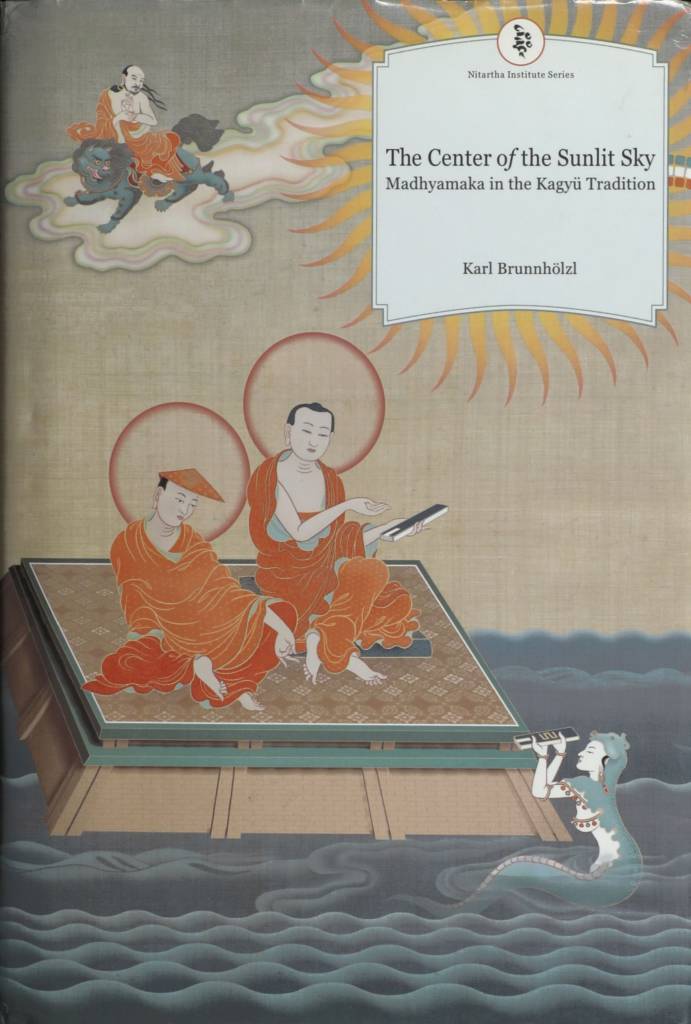
Brunnhölzl, Karl. The Center of the Sunlit Sky: Madhyamaka in the Kagyü Tradition. Including a translation of Pawo Rinpoche's commentary on the knowledge section of Śāntideva's The Entrance to the Bodhisattva’s Way of Life (Bodhicaryāvatāra). Nitartha Institute Series. Ithaca, NY: Snow Lion Publications, 2004.
If it were together with the knowable object,

Based on what would it arise? [104]

Si la conscience est antérieure à son objet,

Quel est son point d’appui pour naître ? Si elle lui est simultanée,

Quel est-il encore ?

Si la consciencia precede al objeto cognoscible,

¿a qué se debe su aparición? Si la consciencia surge al mismo tiempo que su objeto,

de nuevo, ¿a qué se debe su aparición?

La Práctica del Bodisatva-front.jpg
Padmakara Spain 2008

If consciousness exists before the object of knowledge,

In reference to which object is it generated? If consciousness and the object of knowledge are simultaneous,

In reference to which object is it generated?

If the knower is prior to the known,

Upon what observation does it arise? If the knower and known are simultaneous,

Upon what observation does it arise?

shift + scroll / swipe
Dūnhuáng §This version is extracted from the book Bodhisattvacaryāvatāra: Entering the Way of the Bodhisattvas (2022, Khenpo Gawang and Wiener), a translation of an edition of the text created from three Dūnhuáng manuscripts. A description and sample pages of these can be found on the Early Tibet Blog. Scans of the actual manuscripts themselves can be found at http://idp.bl.uk

དེ་ནི་ཆུང་ཟད་ཡོད་མིན་དེས། །

སེམས་ཅན་རང་བཞིན་མྱ་ངན་འདས། ། ཤེས་བྱ་ལས་ནི་ཤེས་སྔ་ན། །

དེ་ནི་ཅི་ལ་དམིགས་ཏེ་སྐྱེ། །

alt verse 8.74 tm data

ཤེས་དང་ཤེས་བྱ་ལྷན་གཅིག་ན། །

དེ་ནི་ཅི་ལ་དམིགས་ཏེ་སྐྱེ། ། ཤེས་བྱ་དུས་ན་དེ་ཡོད་ན། །

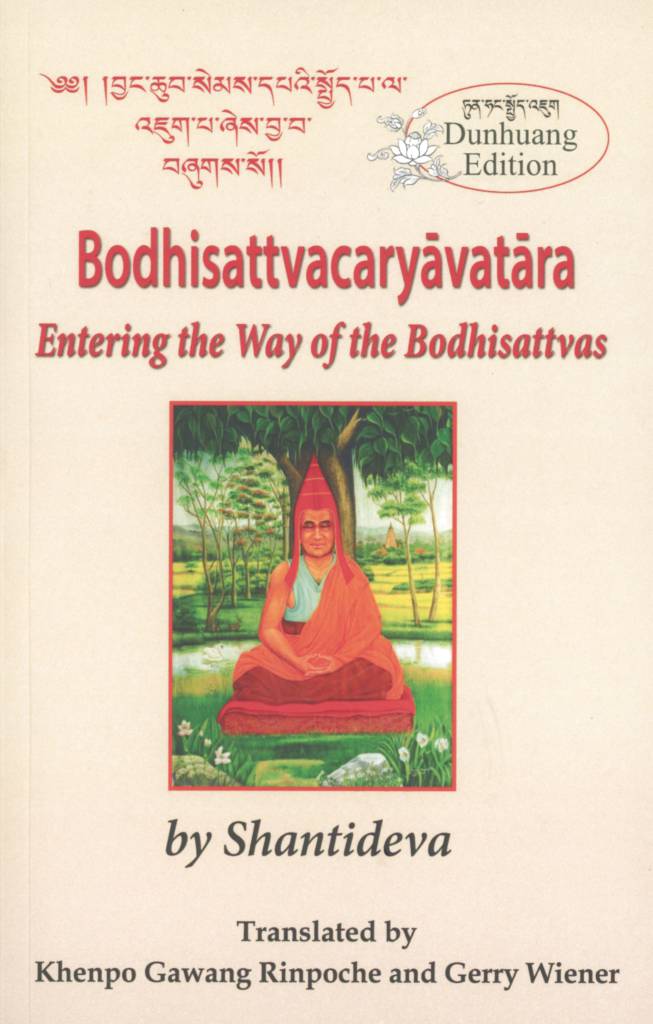
ཤེས་བྱས་དེ་ལ་ཅི་ཞིག་བྱ། །[p.273]Entering the Way of the Bodhisattvas (2022, Khenpo Gawang and Wiener)
Gawang, Khenpo, and Gerry Wiener, trans. Bodhisattvacaryāvatāra: Entering the Way of the Bodhisattvas by Shantideva - Dunhuang Edition. Memphis, TN: Jeweled Lotus Publishing, 2022.

alt verse 8.75 tm data

MD: Since it does not truly exist even a little,

Sentient beings are inherently nirvana. If consciousness exists prior to the appearance of the object,

Then, how does it give rise to observing it?

MD: If consciousness and its object arise simultaneously,

Then, how does the observation arise? If consciousness arises after the time of the object,

Then, what does the object do to the consciousness?[p.274]Entering the Way of the Bodhisattvas (2022, Khenpo Gawang and Wiener)
Gawang, Khenpo, and Gerry Wiener, trans. Bodhisattvacaryāvatāra: Entering the Way of the Bodhisattvas by Shantideva - Dunhuang Edition. Memphis, TN: Jeweled Lotus Publishing, 2022.

Tsadra Critical Edition §This text was created by comparing four versions of the text from Derge, Cone, Narthang, and Peking Tengyurs from BDRC scans, along with Dunhuang manuscripts IOL Tib J 628, 629, and 630. When Tibetan readings were problematic, the Sanskrit texts from GRETIL and LTB (Oslo) were consulted.

ཤེས་བྱ་[p.105-1-34b]ལས་སྔར་ཤེས་ཡོད་ན། །

དེ་ནི་ཅི་ལ་དམིགས་ནས་སྐྱེ། ། ཤེས་དང་ཤེས་བྱ་ལྷན་ཅིག་ན། །

དེ་ནི་ཅི་ལ་དམིགས་ནས་སྐྱེ། །

[edit]
Sazang Mati (1294 - 1376)
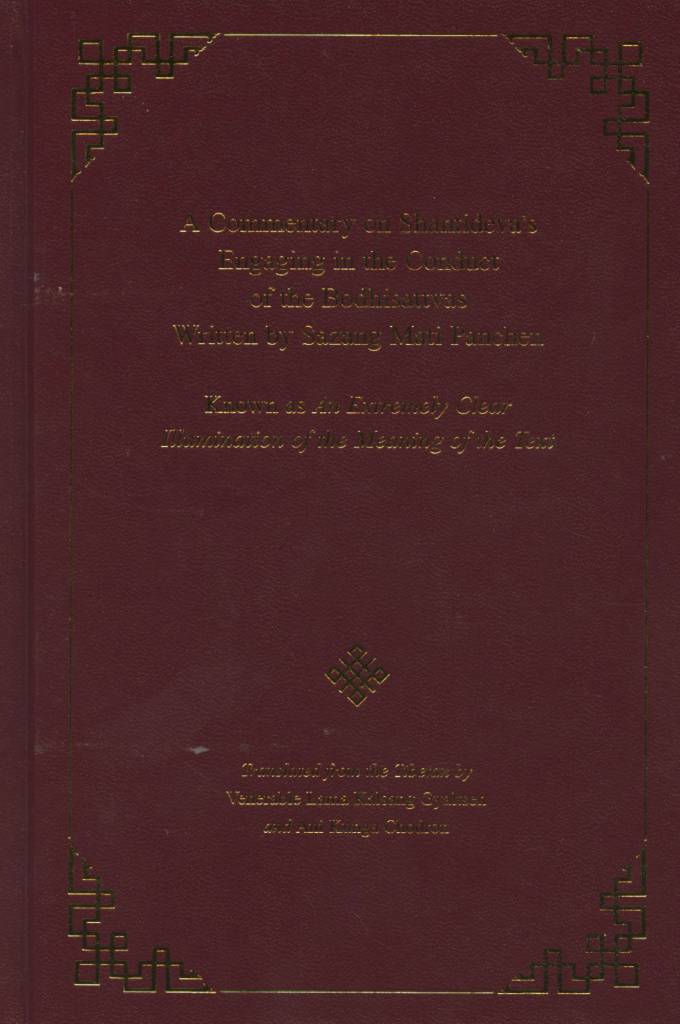
A Commentary on Shantideva's Engaging in the Conduct of the Bodhisattvas (citation)Gyaltsen, Lama Kalsang, and Ani Kunga Chodron, trans. A Commentary on Shantideva's Engaging in the Conduct of the Bodhisattvas Written by Sazang Mati Panchen: Known as An Extremely Clear Illumination of the Meaning of the Text. Walden, NY: Tsechen Kunchab Ling, 2019. Bilingual Edition

(གཉིས་པ་)དབང་ཤེས་སྐྱེ་མེད་དུ་བསྒྲུབ་པ་ནི།

2. Affirmation that the consciousnesses of the sense organs are unarisen 1.2.2.2.2.2.2.3.2

དེ་ཡང་དུས་གསུམ་ལ་བརྟགས་ན་དོན་དམ་པར་སྐྱེ་བ་མེད་དེ། ཤེས་པར་བྱ་བའི་ཡུལ་གཟུགས་སོགས་ལས་སྔ་བར་མིག་ཤེས་ལ་སོགས་པ་ཡོད་ན༵།

They may say: Although the mental consciousness does not truly exist, the consciousnesses of the five sense organs do exist because they arise from the five objects such as form, etc.

དབང་ཤེས་དེ་ནི་ཡུལ་ཅི་ལ་དམིགས་ནས་སྐྱེ༵་སྟེ། དམིགས་ཡུལ་གཟུགས་སོགས་མ་སྐྱེས་ནས་མེད་པའི་ཕྱིར་རོ། །

Madhyamika: In reality, these are also unarisen, if analyzed by the past, present, and future.

ཤེས་བྱ་ལས་སྔར་ཤེས་ཡོད་ན། །

དེ་ནི་ཅི་ལ་དམིགས་ནས་སྐྱེ། ། ཤེས་དང་ཤེས་བྱ་ལྷན་ཅིག་ན། །

དེ་ནི་ཅི་ལ་དམིགས་ནས་སྐྱེ། །

shes bya las sngar shes yod na/_/

de ni ci la dmigs nas skye/_/ shes dang shes bya lhan cig na/_/

de ni ci la dmigs nas skye/_/

If the knower is prior to the known,

Upon what observation does it arise? If the knower and known are simultaneous,

Upon what observation does it arise?

མིག་ཤེས་ལ་སོགས་པ་དང་ཤེས་བྱ་གཟུགས་སོགས་ལྷན་ཅིག་ཏུ་ཡོད་ན༵། དབང་ཤེས་དེ་ནི་ཡུལ་ཅི་ལ་དམིགས་ནས་སྐྱེ༵་སྟེ་དུས་མཉམ་དུ་གནས་པ་རྒྱུ་འབྲས་སུ་མི་རུང་བའི་ཕྱིར་རོ། །

If the eye consciousness, etc. existed prior to the object (such as form), then by focusing on what object did the consciousness of that sense organ arise? The object of focus (form, etc.) does not exist because it has not yet arisen. If the eye consciousness, etc. arises simultaneously with the object (such as form), then by focusing on what object did that sense consciousness arise? There is none because simultaneous coexistence does not constitute cause and result.
Gyaltsap Je (1364 - 1432)
The Entrance for the Children of the Conquerors (citation)Stracke, Fedor, trans. The Entrance for the Children of the Conquerors: A Commentary on the Introduction to the Actions of Bodhisattvas. By Gyaltsab Rinpoche. N.p.: Happy Monks Publication, 2016. https://happymonkspublication.org/product/bodhisattvacharyavatara-chapter-1-10-commentary/. Bilingual Edition

གཉིས་པ་ནི།

Showing That the Five Sense Consciousnesses Do Not Exist Inherently 1.1.2.3.2.1.3.2

ཤེས་བྱ་ལས་སྔར་ཤེས་ཡོད་ན། །

དེ་ནི་ཅི་ལ་དམིགས་ནས་སྐྱེ། ། ཤེས་དང་ཤེས་བྱ་ལྷན་ཅིག་ན། །

དེ་ནི་ཅི་ལ་དམིགས་ནས་སྐྱེ། །
shes bya las sngar shes yod na/_/

de ni ci la dmigs nas skye/_/ shes dang shes bya lhan cig na/_/

de ni ci la dmigs nas skye/_/

If consciousness exists before the object of knowledge,

In reference to which object is it generated? If consciousness and the object of knowledge are simultaneous,

In reference to which object is it generated?

ཤེས་བྱ་ཡུལ་ལས་སྔར་དབང་ཤེས་ཡོད་ན་དེ་ནི་ཅི་ལ་དམིགས་ནས་སྐྱེ་སྟེ་དམིགས་རྐྱེན་སྔོན་དུ་མ་སོང་བའི་[p.Ch9-407]Spyod 'jug rtsa 'grel (Mtsho sngon mi rigs dpe skrun khang 2001)
Śāntideva, and Rgyal tshab rje dar ma rin chen. Spyod 'jug rtsa 'grel and Byang chub sems dpa'i spyod pa la 'jug pa'i rnam bshad rgyal sras 'jug ngogs. Xining: Mtsho sngon mi rigs dpe skrun khang, 2001
ཕྱིར། ཤེས་དང་ཤེས་བྱ་དུས་ལྷན་ཅིག་ན་དབང་ཤེས་དེ་ནི་ཅི་ལ་དམིགས་ནས་སྐྱེ་སྟེ་དབང་ཤེས་མ་སྐྱེས་ན་དམིགས་རྐྱེན་མ་སྐྱེས་པས་བསྐྱེད་མི་ནུས། དམིགས་རྐྱེན་སྐྱེས་ན་ཤེས་པའང་སྐྱེས་ཟིན་པས་སྐྱེད་བྱེད་དུ་དགོས་པ་མེད་པའི་ཕྱིར་རོ། །

If the sense consciousness exists before the object of knowledge, then, as it is not preceded by a focal condition, in reference to which object is it generated? If the consciousness and the object of knowledge are simultaneous, then in reference to which object is it generated? When the sense consciousness is not generated, the focal condition is not generated, so it cannot be generated, and once the focal condition is generated the consciousness is also generated and does not need a generator anymore.

འོན་ཏེ་དབང་ཤེས་ཤེས་བྱའི་ཕྱིས་ཡོད་ན་དེའི་ཚེ་དབང་པོའི་ཤེས་པ་རྐྱེན་གང་ལས་རང་བཞིན་གྱིས་སྐྱེ་སྟེ་

Well then, if the sense consciousness exists subsequently to the object of knowledge, at that time from what condition is the sense consciousness inherently generated?[p.57]The Entrance for the Children of the Conquerors
Stracke, Fedor, trans. The Entrance for the Children of the Conquerors: A Commentary on the Introduction to the Actions of Bodhisattvas. By Gyaltsab Rinpoche. N.p.: Happy Monks Publication, 2016. https://happymonkspublication.org/product/bodhisattvacharyavatara-chapter-1-10-commentary/.

མི་འཐད་པའི་ཕྱིར།

This is not valid.

སྐད་ཅིག་སྔ་མ་ཞིག་པ་ལས་སྐྱེ་ན་ས་བོན་ཚིག་པ་ལས་མྱུ་གུ་སྐྱེ་བར་འགྱུར་བ་དང༌། སྔ་མ་མ་ཞིག་པ་ལས་སྐྱེ་ན་དུས་གཞན་གྱིས་བར་དུ་ཆོད་མ་ཆོད་གཉིས་ལས་དང་པོ་ལྟར་ན་དངོས་སུ་སྐྱེ་བ་མི་སྲིད་པར་འགྱུར། ཕྱི་མ་ལྟར་ན་བདག་ཉིད་ཐམས་ཅད་ཀྱིས་ཐམས་ཅད་དུ་མ་ཆོད་པ་ཡིན་ན་དུས་གཅིག་ཏུ་འདྲེས་པར་འགྱུར་ལ། ཆོད་མ་ཆོད་ཆ་གཉིས་མེད་ན་བདེན་པར་གྲུབ་པ་ཉམས་པས་བདེན་མེད་དུ་གྲུབ་བོ། །

If it is generated from the disintegration of the previous moment, then a sprout is generated from a burnt seed. If it is generated without the disintegration of the preceding, is it generated with another moment in-between or not? In the first case it becomes impossible to be generated directly. In the latter case, as there is no interval in relation to its full nature, they become mixed within the one moment. If the interval relates only to one part and not to the whole, then its true existence dissolves, and it becomes non-truly existent.
Pawo Rinpoche, 2nd (1504 - 1566)
The Center of the Sunlit Sky (citation)Brunnhölzl, Karl. The Center of the Sunlit Sky: Madhyamaka in the Kagyü Tradition. Including a translation of Pawo Rinpoche's commentary on the knowledge section of Śāntideva's The Entrance to the Bodhisattva’s Way of Life (Bodhicaryāvatāra). Nitartha Institute Series. Ithaca, NY: Snow Lion Publications, 2004. Bilingual Edition

གཉིས་པ་ནི།

Objects Are Not Established 3.2.2.3.2.

ཤེས་བྱ་ལས་སྔར་ཤེས་ཡོད་ན། །

དེ་ནི་ཅི་ལ་དམིགས་ལས་སྐྱེ། ། ཤེས་དང་ཤེས་བྱ་ལྷན་ཅིག་ན། །

དེ་ནི་ཅི་ལ་དམིགས་ནས་སྐྱེ། །

If consciousness came before the knowable object,

Based on what would it arise?[p.731]The Center of the Sunlit Sky
Brunnhölzl, Karl. The Center of the Sunlit Sky: Madhyamaka in the Kagyü Tradition. Including a translation of Pawo Rinpoche's commentary on the knowledge section of Śāntideva's The Entrance to the Bodhisattva’s Way of Life (Bodhicaryāvatāra). Nitartha Institute Series. Ithaca, NY: Snow Lion Publications, 2004.
If it were together with the knowable object,

Based on what would it arise? [104]

ཅེས་གསུངས་ཏེ། ཕྱི་མ་ལ་ཡང་ཤེས་བྱ་སྔ་བ་དང་དུས་མཉམ་པ་དང་ཤེས་བྱ་འཕྱི་བའི་སྐྱོན་རྐང་པ་གཉིས་གཉིས་ཀྱིས་བསྟན་ཏོ། །

Here, the mistakes of [consciousness existing] earlier than, simultaneously with, or later than its knowable object are each taught by two lines.

གལ་སྟེ་ཤེས་པ་ཡང་དག་པར་ཡོད་སྟེ་ཡུལ་ཤེས་བྱ་རང་བཞིན་གྱིས་ཡོད་པའི་ཕྱིར་སྙམ་ན་འོ་ན་ཤེས་བྱ་དང་ཤེས་པ་སྔོན་དུ་གང་བྱུང་ཞེས་དྲི་བར་བྱའོ། །གལ་སྟེ་ཤེས་པ་སྔ་ན་ཤེས་བྱ་ལས་སྔར་ཤེས་པ་ཡོད་པར་འགྱུར་ལ་དེ་ལྟ་ན་ཤེས་པ་དེ་ནི་ཅི་ལ་དམིགས་ནས་སྐྱེ་སྟེ་ཤེས་བྱ་ལས་གཞན་པའི་ཡུལ་མེད་ལ་ཤེས་བྱ་ནི་བྱུང་མ་ཟིན་པའི་ཕྱིར། ཤེས་པ་དང་ཤེས་བྱ་ལྷན་ཅིག་དུས་མཉམ་དུ་བྱུང་ངོ་ཞེ་ན། ཤེས་པ་དེ་ནི་ཅི་ལ་དམིགས་ནས་སྐྱེ་སྟེ་དུས་མཉམ་པ་ནི་བྱ་བྱེད་འགལ་བས་ན་གཞལ་བར་མི་བྱེད་པའི་ཕྱིར། འོན་སྟེ་ཤེས་བྱ་ཕྱིས་ཡོད་ན། དེ་ཚེའང་ཤེས་པ་གང་ལས་སྐྱེ། །

You might think, “Consciousness actually exists, because [its] objects—knowable objects—exist by their nature.” However, then we should ask: What comes first, consciousness or knowable object? You might say, “Consciousness is first.” If it were the case that consciousness came before the knowable object, based on what would this consciousness arise? [In fact, it does not arise,] because it cannot have any other object than its [specific] knowable object, and this knowable object has not arisen yet. If you were to say, “It occurs [870] together with the knowable object at the same time,” based on what would this consciousness arise? [It does not arise,] because it cannot evaluate [any object], since simultaneity contradicts any [interaction between] agent and object.1711See lines 99cd. If it came after the knowable object, from what would consciousness arise then?

དེ་ལྟར་ན་ཆོས་རྣམས་ཐམས་ཅད་ཀྱི་སྐྱེ་འགག་གནས་པ་དང་ཡུལ་ཡུལ་ཅན་སོགས་ནི་བག་ཆགས་གོམས་པའི་འཁྲུལ་རྒྱུན་ལ་ཞེན་སྟེ་སྒྲོ་བཏགས་པར་ཟད་ཀྱི་ཡང་དག་པའི་ཤེས་པའི་ངོར་དེ་དག་ཡོད་པ་མིན་ནོ། །

Thus, arising, abiding, and ceasing of all phenomena as well as subject, object, and so forth are nothing but imputations through clinging to the stream of mistakenness that is our habituation to latent tendencies. However, these [phenomena] do not exist from the perspective of correct consciousness.

དེ་ལྟར་སེམས་གཟོད་ནས་དག་པར་མཐོང་བ་ནི་སེམས་དྲན་ཉེ་སྟེ་གཙུག་ན་རིན་ཆེན་གྱི་མདོ་ལས།

According [to these verses above], mind is pure from the very start. To see this is the application of mindfulness of mind. The Sūtra [Requested by] Crown Jewel says:

དེ་སེམས་ཀུན་དུ་ཚོལ་བ་ན་སེམས་དེ་ནི་ནང་དང་ཕྱི་དང་གཉི་ག་དང་ཕུང་ཁམས་སྐྱེ་མཆེད་རྣམས་ལ་ཡང་དག་པར་རྗེས་སུ་མི་མཐོང་ངོ་ཞེས་

When you search for the mind everywhere, you do not really see the mind on the inside, nor on the outside, nor on both [sides], nor in the aggregates, the sources, or the constituents either.

དང་

and [p.732]The Center of the Sunlit Sky
Brunnhölzl, Karl. The Center of the Sunlit Sky: Madhyamaka in the Kagyü Tradition. Including a translation of Pawo Rinpoche's commentary on the knowledge section of Śāntideva's The Entrance to the Bodhisattva’s Way of Life (Bodhicaryāvatāra). Nitartha Institute Series. Ithaca, NY: Snow Lion Publications, 2004.

འཇམ་དཔལ་གང་གིས་སེམས་མིང་ཙམ་དུ་ཤེས་ན་དེ་ནི་སེམས་ལ་སེམས་ཀྱིས་རྗེས་སུ་ལྟ་བའི་དྲན་པ་ཉེ་བར་བཞག་པའོ་

Mañjuśrī, if someone understands the mind as a mere name, this is someone who intensely applies the mindfulness in which mind inspects mind.

ཞེས་སོ། །དགེ་བའི་ལྷས་ནི་

[As for lines 104–105ab,] Kalyāṇadeva says:

གཟུགས་སོགས་ནི་སྐད་ཅིག་ཡིན་པའི་ཕྱིར་ཆ་ཤས་མེད་པས་ཅིག་ཆར་འཇུག་ལ། ཆ་ཤས་དང་བཅས་ན་ཡང་དངོས་པོ་མེད་པའི་ཕྱིར་སེམས་ཀྱི་སྐད་ཅིག་མ་སྔ་མ་ནི་མེད་པ་ཉིད་ཏོ་ཤེས་པ་དང་ཤེས་བྱ་ལྷན་ཅིག་སྲང་གི་མདའ་ལྟར་ཡོད་ཏུ་ཟིན་ཡང་གཅིག་གི་རྒྱུ་གཅིག་མ་ཡིན་པས་ཡང་དག་པར་དེ་གཉི་ག་ཡང་མེད་པ་ཡིན་ནོ་ཞེས་སོ། །

Since knowable objects, such as form, are momentary, they do not have parts [that could be apprehended by a later moment of mind], because they perish and are gone instantaneously. Even if they had parts, an earlier moment of mind [that could perceive them now] does not exist, because [an earlier moment] is a nonentity [now]. Consciousness and knowable object do exist simultaneously, just like the beams of a scale, but none is the cause for the other. Therefore, actually, both of them do not exist.1713ACIP TD3874@081A–081B.

ཤེར་ལེའི་འགྲེལ་ཆུང་ལས་ནི།

[As for line 105b,] The Small Commentary on the Knowledge Chapter says:

དེ་ཚེ་ཤེས་པ་གང་ལས་སྐྱེ་སྟེ་གདོད་མ་ནས་མ་སྐྱེས་པའི་ཕྱིར་ཞེས་སོ། །

From what would consciousness arise anyway, since it is unborn in the first place?1714ACIP TD3876@172B.

Mipam Gyatso (1846 - 1912)
The Wisdom Chapter - The Ketaka Jewel (citation)Fletcher, Wulstan, and Helena Blankleder (Padmakara Translation Group), trans. The Wisdom Chapter: Jamgön Mipham's Commentary on the Ninth Chapter of "The Way of the Bodhisattva." Boulder, CO: Shambhala Publications, 2017. Bilingual Edition

གཉིས་པ་རྣམ་ཤེས་ལྔ་རང་བཞིན་མེད་པར་བསྟན་པ།

The five consciousnesses are without inherent existence 2.2.1.2.3.2

ཤེས་བྱ་ལས་སྔར་ཤེས་ཡོད་ན། །

དེ་ནི་ཅི་ལ་དམིགས་ནས་སྐྱེ། ། ཤེས་དང་ཤེས་བྱ་ལྷན་ཅིག་ན། །

དེ་ནི་ཅི་ལ་དམིགས་ནས་སྐྱེ། །
shes bya las sngar shes yod na/_/

de ni ci la dmigs nas skye/_/ shes dang shes bya lhan cig na/_/

de ni ci la dmigs nas skye/_/

If consciousness precedes the cognized object,

With regard to what does it arise? If consciousness arises at the same time as its object,

Again, regarding what does it arise?

ཤེས་བྱ་གཟུགས་ལ་སོགས་པ་ལས་སྔར་མིག་ཤེས་[p.99]Spyod 'jug sher 'grel ke ta ka (Si khron mi rigs dpe skrun khang 1993)
Mi pham rgya mtsho. Spyod 'jug sher 'grel ke ta ka. Chengdu: Si khron mi rigs dpe skrun khang, 1993.
སོགས་ཡོད་ན་ཤེས་པ་དེ་ནི་ཡུལ་ཅི་ལ་དམིགས་ནས་སྐྱེ་སྟེ། དེའི་ཚེ་ཡུལ་མེད་པས་ཡུལ་ཅན་སྐྱེ་བ་མེད་དོ། །ཤེས་དང་ཤེས་བྱ་ལྷན་ཅིག་ཏུ་སྐྱེ་ནའང་ཤེས་པ་དེ་ཅི་ལ་དམིགས་ནས་སྐྱེ་སྟེ། ཤེས་པ་མ་སྐྱེས་པར་དམིགས་རྐྱེན་མི་སྐྱེ་བས་སྐྱེད་མི་ནུས་ལ། དམིགས་རྐྱེན་སྐྱེས་ན་ཤེས་པའང་སྐྱེས་ཟིན་པས་སྐྱེད་བྱེད་དུ་མི་འོས་པས་འབྲེལ་མེད་དུ་གྱུར་པའི་ཕྱིར་རོ། །

If the mind, for example, a visual consciousness, exists prior to its object of cognition (in this case, a visible form), in respect of what object is this consciousness produced? For at that earlier moment, no object had presented[p.162]The Wisdom Chapter
Fletcher, Wulstan, and Helena Blankleder (Padmakara Translation Group), trans. The Wisdom Chapter: Jamgön Mipham's Commentary on the Ninth Chapter of "The Way of the Bodhisattva." Boulder, CO: Shambhala Publications, 2017.
itself—with the result that no subject was generated. If, on the other hand, the consciousness and the object of cognition arise simultaneously, once again, in respect of what object is consciousness produced? If there is no consciousness present, the condition for perception does not occur, with the result that no consciousness can be generated. For if a perceptual condition has arisen, there must have already been a consciousness present, perceiving it. It is thus inappropriate to say that the object is the origin of that consciousness, since both terms are, in that case, (causally) unrelated.
Kunzang Palden (1862 - 1943)
The Nectar of Manjushri's Speech (citation)Blankleder, Helena, and Wulstan Fletcher (Padmakara Translation Group), trans. The Nectar of Manjushri's Speech: A Detailed Commentary on Shantideva's Way of the Bodhisattva. By Kunzang Pelden. Boston: Shambhala Publications, 2007. Bilingual Edition

གཉིས་པ་༼སེམས་སྐྱེ་བ་མེད་པར་བསྟན་པ་༽ནི།

The Mind Is Unborn 2.2.2.3.2.

ཤེས་བྱ་ལས་སྔར་ཤེས་ཡོད་ན། །

དེ་ནི་ཅི་ལ་དམིགས་ནས་སྐྱེ། ། ཤེས་དང་ཤེས་བྱ་ལྷན་ཅིག་ན། །

དེ་ནི་ཅི་ལ་དམིགས་ནས་སྐྱེ། །
shes bya las sngar shes yod na/_/

de ni ci la dmigs nas skye/_/ shes dang shes bya lhan cig na/_/

de ni ci la dmigs nas skye/_/

ཤེས་བྱ་གཟུགས་ལ་སོགས་པ་ལས་སྔར་མིག་ཤེས་སོགས་སེམས་ཡོད་ན་ཤེས་པ་དེ་ནི་ཡུལ་ཅི་ལ་དམིགས་ནས་སྐྱེ་སྟེ། དེའི་ཚེ་ཡུལ་མེད་པས་ཡུལ་ཅན་སྐྱེ་བ་མེད་དོ། །ཤེས་དང་ཤེས་བྱ་ལྷན་ཅིག་ཏུ་སྐྱེ་ནའང་ཤེས་པ་དེ་ནི་ཅི་ལ་དམིགས་ནས་སྐྱེ་སྟེ། ཤེས་པ་མ་སྐྱེས་པར་དམིགས་རྐྱེན་མི་སྐྱེ་བས་སྐྱེད་མི་ནུས་ལ། དམིགས་རྐྱེན་སྐྱེས་ན་ཤེས་པའང་སྐྱེས་ཟིན་པས་སྐྱེད་བྱེད་དུ་མི་འོས་པས་འབྲེལ་མེད་དུ་འགྱུར་བའི་ཕྱིར་རོ། །

If consciousness precedes the cognized object,

With regard to what does it arise? If consciousness arises at the same time as its object,

Again, regarding what does it arise?

If the mind, for example a visual consciousness, exists prior to its object of cognition (in this case a visible form), in respect of what object is this consciousness produced? For at that earlier moment, no object had presented itself, with the result that no subject could be generated. If, on the other hand, the consciousness and the object of cognition arise simultaneously, once again, in respect of what object is consciousness produced? If there is no consciousness present, a perceptual condition does not occur, and so it is unable to generate the consciousness. For if a perceptual condition has arisen, there must have already been a consciousness present, perceiving it. It is thus inappropriate to say that the object is the origin of that consciousness, since both terms are in that case (causally) unrelated.


[edit]
[edit]
[edit]