9.103

From Bodhicitta

Bodhicaryāvatāra · Verse 9.103


Sources:    

Sanskrit §No information about the source used.

यन्न काये न चान्यत्र न मिश्रं न पृथक् क्वचित्। तन्न किंचिदतः सत्त्वाः प्रकृत्या परिनिर्वृताः॥

 
Chanted Verse
Recitation by Professor Kashinath Nyaupane
103

That which is not found in the body, nor elsewhere, nor in both places at the same time or separately, is nothing at all. Therefore, sentient beings are by nature in the state of perfect peace.

Standard Tibetan §Padmakara used the 1990 edition printed by si khron mi rigs dpe skrun khang: Byang chub sems dpa'i spyod pa la 'jug pa rtsa ba dang 'grel pa (1990). Also found in Derge Tengyur D3871, dbu ma, vol. 105, la 1b1–40a7.

གང་ཞིག་ལུས་མིན་གཞན་དུའང་མིན། །

འདྲེས་མིན་ལོགས་སུའང་འགར་མེད་པ། ། དེ་ནི་ཅུང་ཟད་མིན་དེའི་ཕྱིར། །

སེམས་ཅན་རང་བཞིན་མྱ་ངན་འདས། །

 
Chanted Verse
Recitation by Lopen Karma Phuntsho
103

It is not in the body, yet is nowhere else.

It does not merge with it nor stand apart— Something such as this does not exist, not even slightly.

Beings by their nature are beyond the reach of suffering.

Standard Tibetan §Padmakara used the 1990 edition printed by si khron mi rigs dpe skrun khang: Byang chub sems dpa'i spyod pa la 'jug pa rtsa ba dang 'grel pa (1990). Also found in Derge Tengyur D3871, dbu ma, vol. 105, la 1b1–40a7. - Other translations

What exists neither in the body nor elsewhere,

Neither intermingled nor separate, That is just nothing.

Therefore, sentient beings are by nature completely liberated. [103]

Ce qui ne se trouve ni dans le corps

Ni ailleurs, ni mêlé ni isolé, Cela n’est absolument rien. Par conséquent,

Les êtres se trouvent naturellement outre-souffrance.

No está en el cuerpo, pero tampoco en otra parte.

Ni impregna el cuerpo, ni está aislada de él. Algo así no tiene ni la más mínima existencia.

Los seres por naturaleza están más allá del alcance del sufrimiento.

La Práctica del Bodisatva-front.jpg
Padmakara Spain 2008

It is not the body; it does not exist apart,

It does not mix and it also does not stand alone. Because of not existing in the slightest, therefore

Sentient beings are naturally gone beyond misery.

Something that has no body, nor anything else,

That is neither mixed, nor anywhere, Is nothing whatsoever.

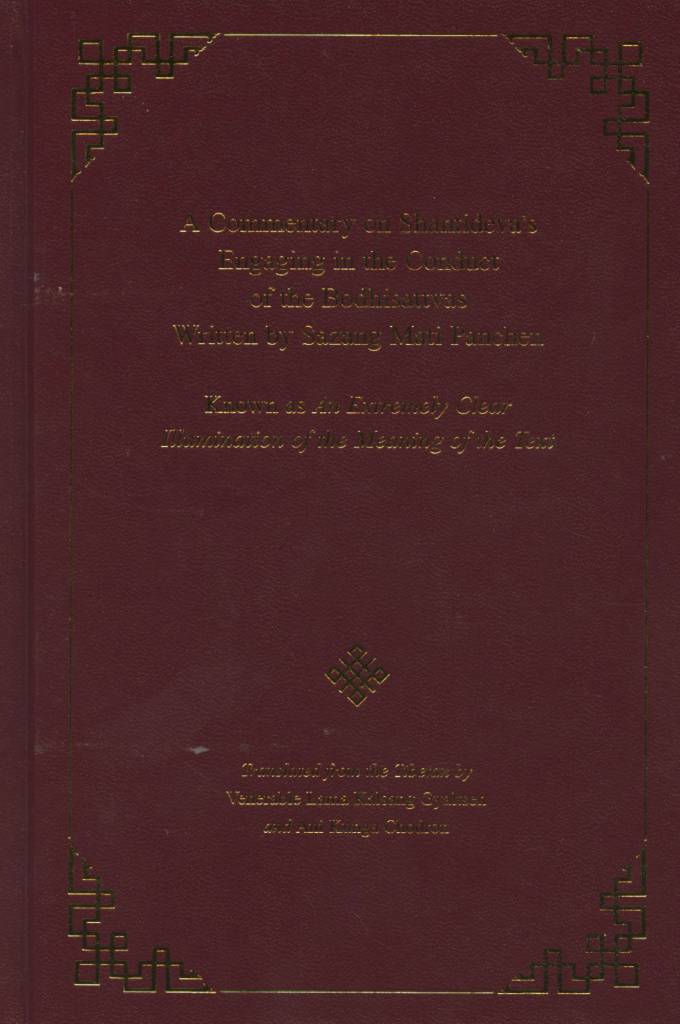
Therefore, sentient beings' nature is nirvana.[p.400]A Commentary on Shantideva's Engaging in the Conduct of the Bodhisattvas
Gyaltsen, Lama Kalsang, and Ani Kunga Chodron, trans. A Commentary on Shantideva's Engaging in the Conduct of the Bodhisattvas Written by Sazang Mati Panchen: Known as An Extremely Clear Illumination of the Meaning of the Text. Walden, NY: Tsechen Kunchab Ling, 2019. First edition published by The Yeshe Dorje Foundation in 2006.

shift + scroll / swipe
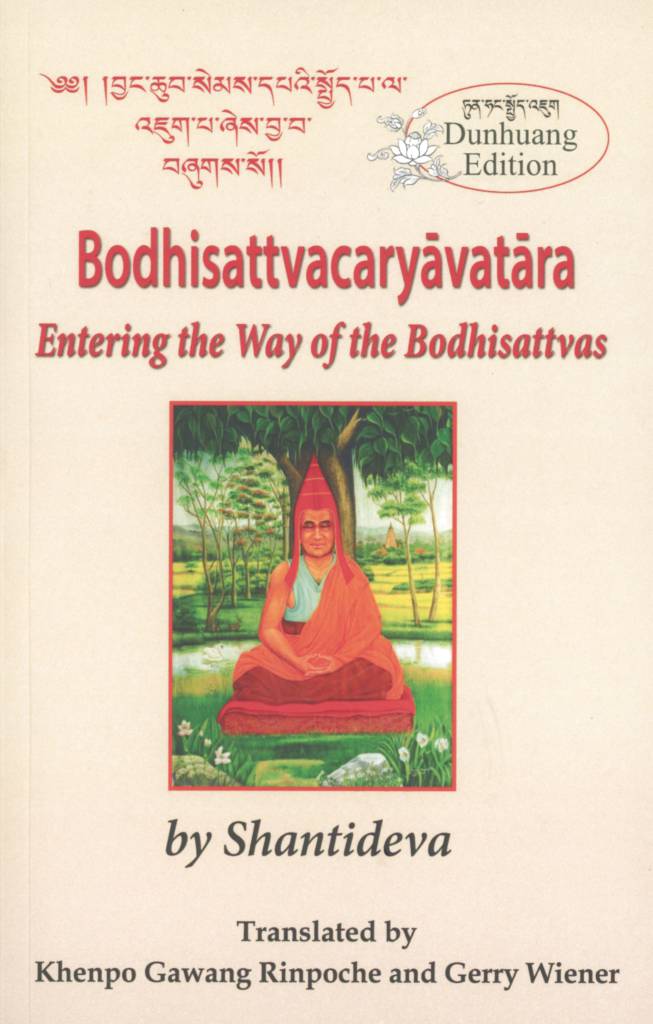
Dūnhuáng §This version is extracted from the book Bodhisattvacaryāvatāra: Entering the Way of the Bodhisattvas (2022, Khenpo Gawang and Wiener), a translation of an edition of the text created from three Dūnhuáng manuscripts. A description and sample pages of these can be found on the Early Tibet Blog. Scans of the actual manuscripts themselves can be found at http://idp.bl.uk

ནང་ནའང་ཡོད་མིན་ཕྱི་ནའང་མེད། །

གཞན་ནའང་སེམས་ནི་ཡོད་མ་ཡིན། ། ལུས་ལ་གང་མེད་གཞན་ནའང་མེད། །

འདྲེས་མིན་ཐ་དད་མ་ཡིན་གང་། །

alt verse 8.73 tm data

དེ་ནི་ཆུང་ཟད་ཡོད་མིན་དེས། །

སེམས་ཅན་རང་བཞིན་མྱ་ངན་འདས། ། ཤེས་བྱ་ལས་ནི་ཤེས་སྔ་ན། །

དེ་ནི་ཅི་ལ་དམིགས་ཏེ་སྐྱེ། །

alt verse 8.74 tm data

MD: Mind does not exist whatsoever in the body

Nor somewhere else. It is not mixed with the body Nor is it separate from the body.

So, what is it?

MD: Since it does not truly exist even a little,

Sentient beings are inherently nirvana. If consciousness exists prior to the appearance of the object,

Then, how does it give rise to observing it?

Tsadra Critical Edition §This text was created by comparing four versions of the text from Derge, Cone, Narthang, and Peking Tengyurs from BDRC scans, along with Dunhuang manuscripts IOL Tib J 628, 629, and 630. When Tibetan readings were problematic, the Sanskrit texts from GRETIL and LTB (Oslo) were consulted.

གང་ཞིག་ལུས་མིན་གཞན་དུ་མིན། །

འདྲེས་མིན་ལོགས་སུའང་འགར་མེད་པ། ། དེ་ནི་ཅུང་ཟད་མིན་དེའི་ཕྱིར། །

སེམས་ཅན་རང་བཞིན་མྱ་ངན་འདས། །

[edit]
Sazang Mati (1294 - 1376)
A Commentary on Shantideva's Engaging in the Conduct of the Bodhisattvas (citation)Gyaltsen, Lama Kalsang, and Ani Kunga Chodron, trans. A Commentary on Shantideva's Engaging in the Conduct of the Bodhisattvas Written by Sazang Mati Panchen: Known as An Extremely Clear Illumination of the Meaning of the Text. Walden, NY: Tsechen Kunchab Ling, 2019. Bilingual Edition

གང་ཞིག་ལུས་མིན་གཞན་དུའང་མིན། །

འདྲེས་མིན་ལོགས་སུའང་འགར་མེད་པ། ། དེ་ནི་ཅུང་ཟད་མིན་དེའི་ཕྱིར། །

སེམས་ཅན་རང་བཞིན་མྱ་ངན་འདས། །

gang zhig lus min gzhan du'ang min/_/

'dres min logs su'ang 'gar med pa/_/ de ni cung zad min de'i phyir/_/

sems can rang bzhin mya ngan 'das/_/

Something that has no body, nor anything else,

That is neither mixed, nor anywhere, Is nothing whatsoever.

Therefore, sentient beings' nature is nirvana.[p.400]A Commentary on Shantideva's Engaging in the Conduct of the Bodhisattvas
Gyaltsen, Lama Kalsang, and Ani Kunga Chodron, trans. A Commentary on Shantideva's Engaging in the Conduct of the Bodhisattvas Written by Sazang Mati Panchen: Known as An Extremely Clear Illumination of the Meaning of the Text. Walden, NY: Tsechen Kunchab Ling, 2019. First edition published by The Yeshe Dorje Foundation in 2006.

ཡང་སེམས་གང་ཞིག་ལུས་ཀྱི་ངོ་བོར་ཡང་ཡོད་པ་མིན་ཏེ། ལུས་ལས་གཞན་དུ་ཕྱི་རོལ་གྱི་དངོས་པོར་ཡང་ཡོད་པ་མི༵ན་ལ། ཕྱི་ནང་དེ་དག་འདྲེས་པའི་དངོས་པོར་ཡང་ཡོད་པ་མིན་ཞིང་དེ་དག་ལོགས་སུ་འགར་བཙལ་ཡང་བདེན་པར་གྲུབ་པ་མེད་དེ། སེམས་ཀུན་རྫོབ་གློ་བུར་བ༵་དེ་ནི་དཔྱད་ན་ཅུང་ཟད་ཀྱང་གྲུབ་པ་མིན་པ་དེའི་ཕྱི༵ར་དང༌། དོན་དམ་ཆོས་ཉིད་ནི་ནམ་ཡང་འགྱུར་བ་མེད་པས་སེམས་ཅན་རྣམས་ནི་སེམས་ཀྱི་རང་བཞིན་འོད་གསལ་མྱ་ངན་ལས་འད༵ས་པའི་སྙིང་པོ་ཅན་དུ་གྲུབ་སྟེ། ཡུམ་ལས།

Again, the mind itself does not exist in the nature of the physical body. It does not exist in external material form other than the body. Nor does it exist as a mixture of the external and internal. There is no other place to search for the mind, and nothing can be found to truly exist. The conventional temporary mind itself cannot be found whatsoever under careful analysis. Because of that, and because of the unchanging nature of the ultimate, the nature of the minds of sentient beings is ascertained to be clear light, which is the essence of nirvana, the state beyond sorrow. The Mother of Perfection states:

སེམས་ནི་སེམས་མ་མཆིས་པ་སྟེ་སེམས་ཀྱི་རང་བཞིན་ནི་འོད་གསལ་བའོ་ཞེས་པ་ལྟར་རོ། །

Mind does not exist as mind. The nature of the mind is clear light.

Gyaltsap Je (1364 - 1432)
The Entrance for the Children of the Conquerors (citation)Stracke, Fedor, trans. The Entrance for the Children of the Conquerors: A Commentary on the Introduction to the Actions of Bodhisattvas. By Gyaltsab Rinpoche. N.p.: Happy Monks Publication, 2016. https://happymonkspublication.org/product/bodhisattvacharyavatara-chapter-1-10-commentary/. Bilingual Edition

གསུམ་པ་སེམས་དྲན་པ་ཉེར་གཞག་བསྒོམ་པ་ལ་གཉིས།

The Close Placement by Mindfulness on the Mind23Jetsun Chokyi Gyaltsen: The definition of close placement (of wisdom) by mindfulness on mind is: An exalted knower on the path, that is contained in either mindfulness or wisdom, and which meditates by investigating the general and specific characteristics of mind. 1.1.2.3.2.1.3

དང་པོ་ནི།

Showing That Mental Consciousness Does Not Exist Inherently 1.1.2.3.2.1.3.1

གང་ཞིག་ལུས་མིན་གཞན་དུའང་མིན། །

འདྲེས་མིན་ལོགས་སུའང་འགར་མེད་པ། ། དེ་ནི་ཅུང་ཟད་མིན་དེའི་ཕྱིར། །

སེམས་ཅན་རང་བཞིན་མྱ་ངན་འདས། །
gang zhig lus min gzhan du'ang min/_/

'dres min logs su'ang 'gar med pa/_/ de ni cung zad min de'i phyir/_/

sems can rang bzhin mya ngan 'das/_/

It is not the body; it does not exist apart,

It does not mix and it also does not stand alone. Because of not existing in the slightest, therefore

Sentient beings are naturally gone beyond misery.

ཡིད་ནི་རང་བཞིན་གྱིས་གྲུབ་པ་མེད་དེ། དབང་པོ་དྲུག་པོ་རྣམས་ལ་ཡང་རང་བཞིན་གྱིས་མི་གནས། གཟུགས་སོགས་ཡུལ་དྲུག་ལ་རང་བཞིན་གྱིས་གནས་པ་མིན་ལ་དེ་དག་གི་བར་ནའང་སྟེ་དེ་གཉིས་ཚོགས་པ་པ་་ལའང་གནས་པ་མིན་ཏེ། དབུ་མ་ལ་འཇུག་པ་ལས་གསུངས་པ་ལྟར་གྱི་ཤིང་རྟའི་དཔྱད་པ་བདུན་དྲན་པར་བྱའོ། །

Mind does not exist inherently because it does not abide inherently on the six sense powers; it does not abide inherently on the six objects of form, sound, scents, tastes, tactile sensations and objects of mental consciousness, and it also does not abide inbetween these two or on the collection of these two. Remember the seven-fold analysis of the chariot as explained in the Introduction to the Middle Way.

མུ་སྟེགས་པས་ནང་གི་བྱེད་པའི་སྐྱེས་བུས་བཏགས་པའི་ནང་ནའང་སེམས་རང་བཞིན་གྱིས་གནས་པ་མིན་ལ། ཕྱི་ལག་པ་སོགས་ལའང་གནས་པ་མིན་ཞིང་ཕྱི་ནང་ལས་གཞན་དུའང་ནི་རང་བཞིན་གྱིས་རྙེད་པ་མ་ཡིན་ལ་གང་ཞིག་ལུས་མིན་ཞིང་དེ་ལས་གཞན་དུའང་བདེན་པ་མིན་ལ། སེམས་དེ་ལུས་དང་འདྲེས་པ་མིན་ཞིང་ལུས་ལས་ལོགས་སུའང་ཡན་གར་བ་རང་བཞིན་གྱིས་གྲུབ་པ་མེད་པ་དེ་ནི་ཅུང་ཟད་ཀྱང་རང་བཞིན་གྱིས་གྲུབ་པ་ཡོད་པ་མིན་པ་དེའི་ཕྱིར་སེམས་རང་བཞིན་གྱིས་སྟོང་པ་དེ་ཉིད་རང་བཞིན་མྱ་ངན་ལས་འདས་པའོ། །

The mind also does not abide inherently in the internally elaborated person labelled by the non-Buddhists, not on the outer hands and other limbs, and it cannot be found to abide inherently in another way apart from inside and outside. It is not the body or truly something else other than the body, the mind is not mixed with the body, and it also does not abide as some inherent object apart from the body. Because it does not exist inherently in the slightest way, the emptiness of inherent existence of the mind is naturally gone beyond sorrow.
Pawo Rinpoche, 2nd (1504 - 1566)
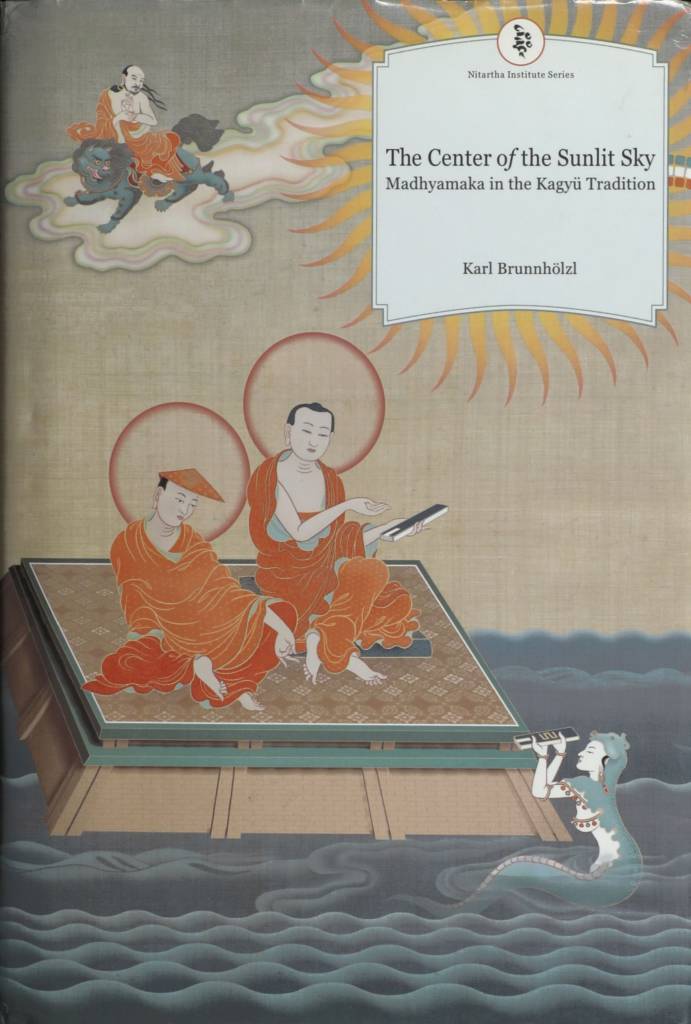
The Center of the Sunlit Sky (citation)Brunnhölzl, Karl. The Center of the Sunlit Sky: Madhyamaka in the Kagyü Tradition. Including a translation of Pawo Rinpoche's commentary on the knowledge section of Śāntideva's The Entrance to the Bodhisattva’s Way of Life (Bodhicaryāvatāra). Nitartha Institute Series. Ithaca, NY: Snow Lion Publications, 2004. Bilingual Edition

གསུམ་པ་སེམས་དྲན་ཉེ་ལ་ཡང་གཉིས།

The Application of Mindfulness of Mind 3.2.2.3.

དང་པོ་ནི།

Mind Is Not Established 3.2.2.3.1.

གང་ཞིག་ལུས་མིན་གཞན་དུ་མིན། །

འདྲེས་མིན་ལོགས་སུ་འགར་མེད་པ། ། དེ་ནི་ཅུང་ཟད་མིན་དེའི་ཕྱིར། །

སེམས་ཅན་རང་བཞིན་མྱ་ངན་འདས། །

What exists neither in the body nor elsewhere,

Neither intermingled nor separate, That is just nothing.

Therefore, sentient beings are by nature completely liberated. [103]

དེའི་ཡང་རྐང་པ་དང་པོ་དྲུག་གིས་སེམས་དཔྱད་མི་བཟོད་པ་དང་། ཐ་མ་གཉིས་ཀྱིས་གཟོད་ནས་དག་པར་བསྟན་།

The first six lines teach that mind does not withstand analysis, and the last two lines teach that it is pure from the very start.

དེ་ཡང་ཚོར་བ་ཡོད་སྟེ་ཚོར་བ་པོ་སེམས་ཡོད་པས་སོ་སྙམ་ན། སེམས་སམ་ཡིད་དེ་ཉིད་ནི་ནང་མིག་སོགས་ཀྱི་དབང་པོ་རྣམས་ལ་མི་གནས་ཅིང་ཕྱི་གཟུགས་སོགས་ཀྱི་ཡུལ་ལ་ཡང་མིན་ལ་དེ་གཉིས་ཀྱི་བར་ནའང་གནས་པ་མིན་སྟེ་དེས་ན་གང་ནའང་མི་གནས་པ་དེ་ནི་ངོ་བོ་ཉིད་ཀྱིས་ཡོད་པ་མ་ཡིན་ནོ། །

You might think, “Feelings exist, because the experiencer of feelings the mind exists.” Cognizance or mind does not dwell in the senses, [869] nor in objects, such as form, nor does it dwell in between these two. Hence, what does not dwell anywhere at all is not something that exists by its very nature. So who [or what] is the mind? If you examine this question, the mind is also not found inside (as a sense faculty), nor is the mind an outside object, nor is it anywhere else than inside or outside as a mind that is something different [from sense faculties and objects].

སུ་ཞིག་སེམས་ཡིན་ཞེས་བརྟགས་ན་ནང་དབང་པོ་ཡང་སེམས་མིན་ལ་ཕྱི་ཡུལ་ཡང་སེམས་མིན་ཞིང་ཕྱི་ནང་དེ་ལས་གཞན་དུ་ཡང་ནི་སེམས་ཐ་དད་པར་རྙེད་པ་མིན་སྟེ་སུ་ཡང་སེམས་ཡིན་པ་པོ་མ་མཐོང་ན་ད་ནི་སེམས་ཅེས་གང་ཞིག་ལ་འདོགས། གལ་སྟེ་ཡིད་ཉིད་དབང་པོ་ཡིན་ན་དབང་པོ་ལ་མི་གནས་པ་ག་ལ་ཡིན་སྙམ་ན། སྤྱིར་ཡིད་དབང་དང་ཡིད་རྟོག་སོགས་ནི་ཁྱད་གཞི་ཡིད་ལ་དམིགས་ནས་དེའི་རྟོག་མེད་མངོན་སུམ་གྱི་སྐབས་ལ་དབང་པོ་དང་དེའི་རྗེས་སུ་འཇུག་པའི་འཛིན་རྟོག་ལ་ཡིད་རྟོག་དུ་བཞག་མོད། དེའི་ཚེ་ཡང་ཁྱད་གཞི་ཡིད་ཁྱད་ཆོས་ཡིད་དབང་ལ་གནས་སོ་ཞེས་མི་རུང་སྟེ་ལུས་ལག་པ་ལ་གནས་སོ་ཞེས་བྱར་མི་རུང་བ་བཞིན་ནོ། །ཡིད་ཉིད་ཡིད་དབང་དུ་འདོད་ན་རང་ཉིད་ལ་རང་གནས་པ་ཇི་ལྟར་རུང་། གང་ལ་གང་གནས་པ་ནི་ཐ་དད་པའི་ཆོས་ལ་ཡིན་གྱི་ཐ་མི་དད་པ་ལ་གནས་པ་ཇི་ལྟར་བཞག །

Thus, if nobody sees the one who is the mind, what is it now that is labeled “mind”? You might think, “If mental cognition itself is a sense faculty, how could it be that it does not dwell in the sense faculties?” In general, it is of course the case that such [terms] as “mental sense faculty”1709Skt. mana indriya, Tib. yid dbang. and “mental conception”1710Skt. manokalpanā, Tib. yid rtog. [are used] with reference to “mental cognition” as their basis of attribution. During [mental cognition]’s [initial] phase of [manifesting as] nonconceptual perception, it is presented as “the [mental] sense faculty,” while its ensuing operation [as] apprehending conceptions is presented as “mental conception.” However, even in such cases it is not adequate to say, “The basis of attribution (mental cognition) dwells in the attribute (the mental sense faculty).” This is just as inadequate as saying, “The body dwells in the hand.” If you assert that mental cognition itself is the mental sense faculty, how could it be adequate that something dwells in itself? That something dwells in something [can only] refer to phenomena that are different, but how could you present [such a notion of] dwelling with respect to [phenomena] that are not different?

དེས་ན་གང་ཞིག་ཡིད་དེ་ནི་ལུས་ཀྱང་མིན་ལ་ལུས་ལས་གཞན་དུའང་མིན་ཞིང་ལུས་དང་འདྲེས་པའང་མིན་ལ་ལུས་ལས་ལོགས་སུ་ཡང་འགར་ཡང་མཐོང་དུ་མེད་སྟེ་དེ་ནི་རང་གི་ངོ་བོ་ཅུང་ཟད་ཏུ་ཡང་མཐོང་བ་མིན་པ་དེའི་ཕྱིར་སེམས་ཅན་གྱི་སེམས་ཀྱི་རང་བཞིན་གཟོད་མ་ནས་མྱ་ངན་ལས་འདས་པ་སྤྲོས་པས་མ་གོས་པ་ཉིད་ཏོ། །

Thus, that mental cognition which exists neither in the body nor anywhere other than the body, neither intermingled with the body nor in a way that it could be seen separately from the body, is not seen as anything at all that has a nature of its own. Therefore, right from the start, the minds of sentient beings are by nature completely liberated and unaffected by discursiveness.
Mipam Gyatso (1846 - 1912)
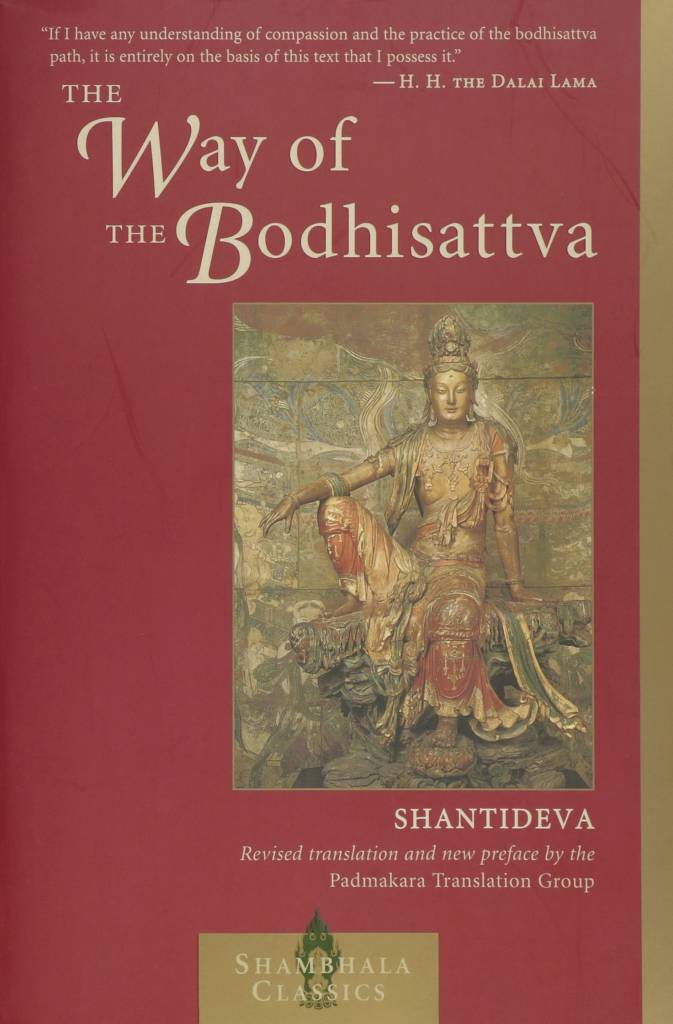
The Wisdom Chapter - The Ketaka Jewel (citation)Fletcher, Wulstan, and Helena Blankleder (Padmakara Translation Group), trans. The Wisdom Chapter: Jamgön Mipham's Commentary on the Ninth Chapter of "The Way of the Bodhisattva." Boulder, CO: Shambhala Publications, 2017. Bilingual Edition

གང་ཞིག་ལུས་མིན་གཞན་དུའང་མིན། །

འདྲེས་མིན་ལོགས་སུའང་འགར་མེད་པ། ། དེ་ནི་ཅུང་ཟད་མིན་དེའི་ཕྱིར། །

སེམས་ཅན་རང་བཞིན་མྱ་ངན་འདས། །
gang zhig lus min gzhan du'ang min/_/

'dres min logs su'ang 'gar med pa/_/ de ni cung zad min de'i phyir/_/

sems can rang bzhin mya ngan 'das/_/

It is not in the body, yet is nowhere else.

It does not merge with it nor stand apart— Something such as this does not exist, not even slightly.

Beings by their nature are beyond the reach of suffering.

ཡིད་ཀྱི་ཤེས་པ་ནི།ནང་གི་དབང་པོ་ལ་མི་གནས་ཤིང་། ཕྱིའི་གཟུགས་སོགས་ཡུལ་ལ་མི་གནས། དེ་གཉིས་ཀྱིས་བར་ནའང་གནས་པ་མིན་ལ། ནང་ལུས་ཀྱི་དབུས་དང་། ཕྱི་ལུས་ཀྱི་ཡན་ལག་རྣམས་ལའང་སེམས་མི་རྙེད་དོ། །བརྗོད་མ་ཐག་པ་རྣམས་ལས་གཞན་དུ་ཡང་ནི་རྙེད་པ་མིན་ཞིང་། གང་ཞིག་ལུས་ཉིད་ནི་ཡིད་མིན་ལ། ལུས་ལ་འདྲེས་ཤིང་ཞུགས་པར་གྱུར་པའང་མིན་ཏེ། ལུས་ལས་ལོགས་སུ་གྲུབ་པ་འགའ་ཡང་མེད་པ་དེ་ནི། ཅུང་ཟད་ཀྱང་གྲུབ་པ་མེད་པ་དེའི་ཕྱིར་སེམས་ཅན་རང་ཉིད་རང་བཞིན་གྱིས་མྱ་ངན་ལས་འདས་པའོ། །

The mental consciousness is not located in the inner sense faculties, nor in outer sense objects like form. Neither is it to be found somewhere in between these two poles of experience. It is not found within the torso, or in the body’s outer limbs; neither can it be found elsewhere, apart from the items just mentioned. Whatever is body is not mind. The mind does not mingle and merge with the body, but neither does it have any existence apart from the body. Because, therefore, it is without the slightest existence in itself, “beings are, by their very nature, beyond the reach of suffering.”98This corresponds to the first of the two kinds of nirvana distinguished in the commentary to stanza 15. See Kunzang Pelden, Nectar of Manjushri’s Speech, 326.
Kunzang Palden (1862 - 1943)
The Nectar of Manjushri's Speech (citation)Blankleder, Helena, and Wulstan Fletcher (Padmakara Translation Group), trans. The Nectar of Manjushri's Speech: A Detailed Commentary on Shantideva's Way of the Bodhisattva. By Kunzang Pelden. Boston: Shambhala Publications, 2007. Bilingual Edition

གང་ཞིག་ལུས་མིན་གཞན་དུའང་མིན། །

འདྲེས་མིན་ལོགས་སུའང་འགར་མེད་པ། ། དེ་ནི་ཅུང་ཟད་མིན་དེའི་ཕྱིར། །

སེམས་ཅན་རང་བཞིན་མྱ་ངན་འདས། །
gang zhig lus min gzhan du'ang min/_/

'dres min logs su'ang 'gar med pa/_/ de ni cung zad min de'i phyir/_/

sems can rang bzhin mya ngan 'das/_/

གང་ཞིག་ལུས་ཉིད་[p.700]Byang chub sems dpa'i spyod pa la 'jug pa rtsa ba dang 'grel pa (1990)
Slob dpon zhi ba lha and Mkhan po kun dpal. Byang chub sems dpa'i spyod pa la 'jug pa rtsa ba dang 'grel pa. Khreng tu'u: Si khron mi rigs dpe skrun khang, 1990. Buda by BDRC Logo.jpg
ནི་སེམས་མིན་ལ། ལུས་ལས་གཞན་དུ་ཕྱི་རོལ་གྱི་དངོས་པོར་ཡང་མིན་ཞིང༌། ལུས་ལ་འདྲེས་ཤིང་ཞུགས་པར་གྱུར་པའང་མིན་ཏེ། ལུས་ལས་ལོགས་སུའང་གྲུབ་པ་འགར་ཞེས་འགའ་ཡང་མེད་པ་དེ་ནི་ཅུང་ཟད་ཀྱང་གྲུབ་པ་མིན་པ་དེའི་ཕྱིར་སེམས་ཅན་རང་ཉིད་རང་བཞིན་མྱ་ངན་ལས་འདས་པ་ཡིན་ཏེ། དཀོན་མཆོག་བརྩེགས་པ་ལས། སེམས་ནི་ནང་ན་ཡང་མེད། ཕྱི་རོལ་ན་ཡང་མེད་གཉིས་ཀ་ན་ཡང་མེད་ཅིང་མི་དམིགས་སོ། །ཞེས་སོགས་ནས། འོད་སྲུང་སེམས་ནི་སངས་རྒྱས་ཐམས་ཅད་ཀྱིས་ཀྱང་མ་གཟིགས། མི་གཟིགས་གཟིགས་པར་མི་འགྱུར་རོ། །ཞེས་པ་སོགས་དང༌། ཡུམ་ལས། སེམས་ནི་སེམས་མ་མཆིས་པ་སྟེ་སེམས་ཀྱི་རང་བཞིན་ནི་འོད་གསལ་བའོ། །ཞེས་པ་ལ་སོགས་པ་བཞིན་ནོ། །

It is not in the body, yet is nowhere else.

It does not merge with it nor stand apart— Something such as this does not exist, not even slightly.

Beings by their nature are beyond the reach of suffering.

Whatever is body is not mind. But while the mind is not to be found separate from a body, as it were in exterior objects, neither does it mingle and merge with the body. But since it can have no independent existence, not even slightly, apart from the body, the root verse says, “Beings by their[p.366]The Nectar of Manjushri's Speech
Blankleder, Helena, and Wulstan Fletcher (Padmakara Translation Group), trans. The Nectar of Manjushri's Speech: A Detailed Commentary on Shantideva's Way of the Bodhisattva. By Kunzang Pelden. Boston: Shambhala Publications, 2010.
nature are beyond the reach of suffering.” As it is said in the Ratnakuta, “The mind is not within; the mind is not without; neither is it both. You cannot point to it.” And later, “The mind, O Kashyapa—even all the Buddhas have never seen it! They do not see it and they never shall!” And as the Prajnaparamita-sutra in eight thousand verses says, “The mind indeed is not a ‘mind’; the nature of the mind is lucent clarity.”


[edit]
[edit]