Bodhicaryāvatāra · Verse 2.25


Sources:    

Sanskrit §No information about the source used.

सर्वचैत्यानि वन्देऽहं बोधिसत्त्वाश्रयांस्तथा। नमः करोम्युपाध्यायानभिवन्द्यान् यतींस्तथा॥

 
Chanted Verse
Recitation by Professor Kashinath Nyaupane
25

I pay homage to all the shrines and sacred sites associated with the lives of the bodhisattvas. I bow before all teachers, and before all venerable ascetics as well.

Standard Tibetan §Padmakara used the 1990 edition printed by si khron mi rigs dpe skrun khang: Byang chub sems dpa'i spyod pa la 'jug pa rtsa ba dang 'grel pa (1990). Also found in Derge Tengyur D3871, dbu ma, vol. 105, la 1b1–40a7.

བྱང་ཆུབ་སེམས་ཀྱི་གཞི་རྣམས་དང་། །

མཆོད་རྟེན་རྣམས་ལ་བདག་ཕྱག་འཚལ། ། མཁན་པོ་དེ་བཞིན་སློབ་དཔོན་དང་། །

བརྟུལ་ཞུགས་མཆོག་ལ་ཕྱག་འཚལ་ལོ། །

 
Chanted Verse
Recitation by Lopen Karma Phuntsho
25

To shrines and all supports

Of bodhichitta I bow down; To abbots who transmit the vows, to every learned master,

And to all sublime practitioners of Dharma.[p.41]The Way of the Bodhisattva (2006)
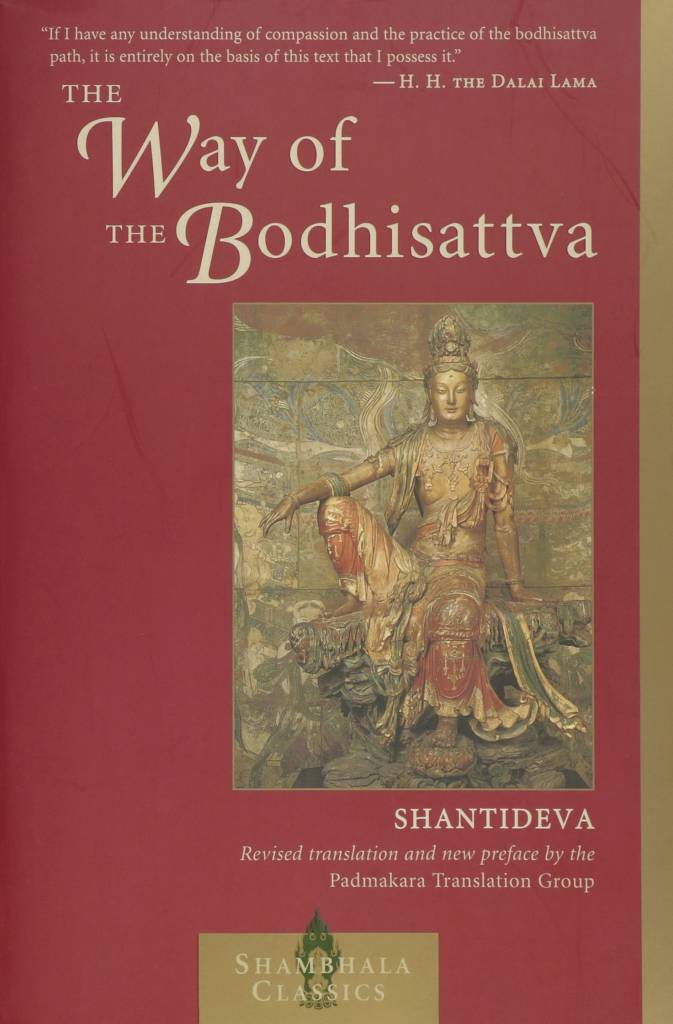
Blankleder, Helena, and Wulstan Fletcher (Padmakara Translation Group), trans. The Way of the Bodhisattva: A Translation of the Bodhicharyāvatāra. By Śāntideva. Rev. ed. Shambhala Classics. Boston: Shambhala Publications, 2006.

Standard Tibetan §Padmakara used the 1990 edition printed by si khron mi rigs dpe skrun khang: Byang chub sems dpa'i spyod pa la 'jug pa rtsa ba dang 'grel pa (1990). Also found in Derge Tengyur D3871, dbu ma, vol. 105, la 1b1–40a7. - Other translations

Aux supports de l’esprit d’Éveil et aux stoûpas

Je rends l’hommage de mes prosternations, De même qu’aux abbés et à ceux qui enseignent,

Ainsi qu’aux adeptes de l’ascèse suprême.

A los soportes de la bodichita

y los lugares para las ofrendas38Los soportes de la bodichita (tib. byang chub sems kyi gzhi rnams) se refiere a las imágenes de Buda, los textos mahayana, los lugares relacionados con la vida del Buda (Lumbini, Sarnath, Bodhgaya, Kushinagar...), los lugares donde el darma se expone y se puede oír, lugares donde se ha generado bodichita... Los lugares para las ofrendas (tib. mchod rten) se refiere a las estupas, los altares y cualquier representación del Cuerpo, la Palabra y la Mente iluminada. V. el comentario de Kempo Kunpel: The Nectar of Manjushri’s Speech o Perles d’ambroisie, Vol. I. rindo homenaje. A los abades, así como a los maestros

y a los practicantes supremos rindo homenaje.

La Práctica del Bodisatva-front.jpg
Padmakara Spain 2008

To the bases of the awakened mind And to stupas I prostrate.

I prostrate to abbots and likewise to preceptors And to the supreme adepts.

I prostrate to the bases of enlightenment thought,

And to the holy stupas. I prostrate to the abbots, and likewise

To the masters, and also excellent practitioners.

shift + scroll / swipe
Dūnhuáng §This version is extracted from the book Bodhisattvacaryāvatāra: Entering the Way of the Bodhisattvas (2022, Khenpo Gawang and Wiener), a translation of an edition of the text created from three Dūnhuáng manuscripts. A description and sample pages of these can be found on the Early Tibet Blog. Scans of the actual manuscripts themselves can be found at http://idp.bl.uk

བྱང་ཆུབ་སེམས་ཀྱི་གཞི་རྣམས་དང་། །

མཆོད་རྟེན་ཀུན་ལ་བདག་ཕྱག་འཚལ། ། མཁན་པོ་དེ་བཞིན་སློབས་དཔོན་དང༌། །

བརྟུལ་བཞུགས་མཆོག་ལ་ཕྱག་འཚལ་ལོ། །[p.31]Entering the Way of the Bodhisattvas (2022, Khenpo Gawang and Wiener)
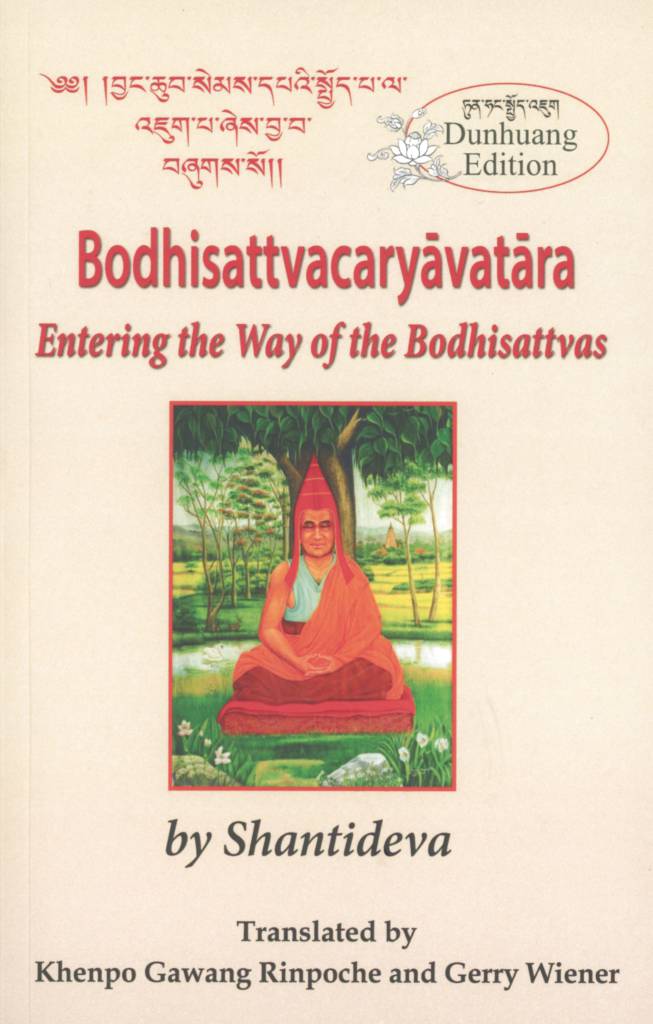
Gawang, Khenpo, and Gerry Wiener, trans. Bodhisattvacaryāvatāra: Entering the Way of the Bodhisattvas by Shantideva - Dunhuang Edition. Memphis, TN: Jeweled Lotus Publishing, 2022.

alt verse 2.25 tm data

To the foundations of bodhichitta,

And to all stupas, I prostrate. To the preceptors and likewise to the acharyas,

And to those of supreme yogic discipline, I prostrate.[p.32]Entering the Way of the Bodhisattvas (2022, Khenpo Gawang and Wiener)
Gawang, Khenpo, and Gerry Wiener, trans. Bodhisattvacaryāvatāra: Entering the Way of the Bodhisattvas by Shantideva - Dunhuang Edition. Memphis, TN: Jeweled Lotus Publishing, 2022.

Tsadra Critical Edition §This text was created by comparing four versions of the text from Derge, Cone, Narthang, and Peking Tengyurs from BDRC scans, along with Dunhuang manuscripts IOL Tib J 628, 629, and 630. When Tibetan readings were problematic, the Sanskrit texts from GRETIL and LTB (Oslo) were consulted.

བྱང་ཆུབ་སེམས་ཀྱི་གཞི་རྣམས་[p.105-1-4b]དང་། །

མཆོད་རྟེན་རྣམས་ལ་21སྣར་ཐང་དང་པེ་ཅིང་༴ ‘ཀུན་ལའང་’ ཏུན་ཧོང་ཀ་༴ ‘ཀུན་ལ་’བདག་ཕྱག་འཚལ། ། མཁན་པོ་དེ་བཞིན་སློབ་དཔོན་དང་། །

བརྟུལ་ཞུགས་མཆོག་ལ་ཕྱག་འཚལ་ལོ། །

[edit]
Sazang Mati (1294 - 1376)
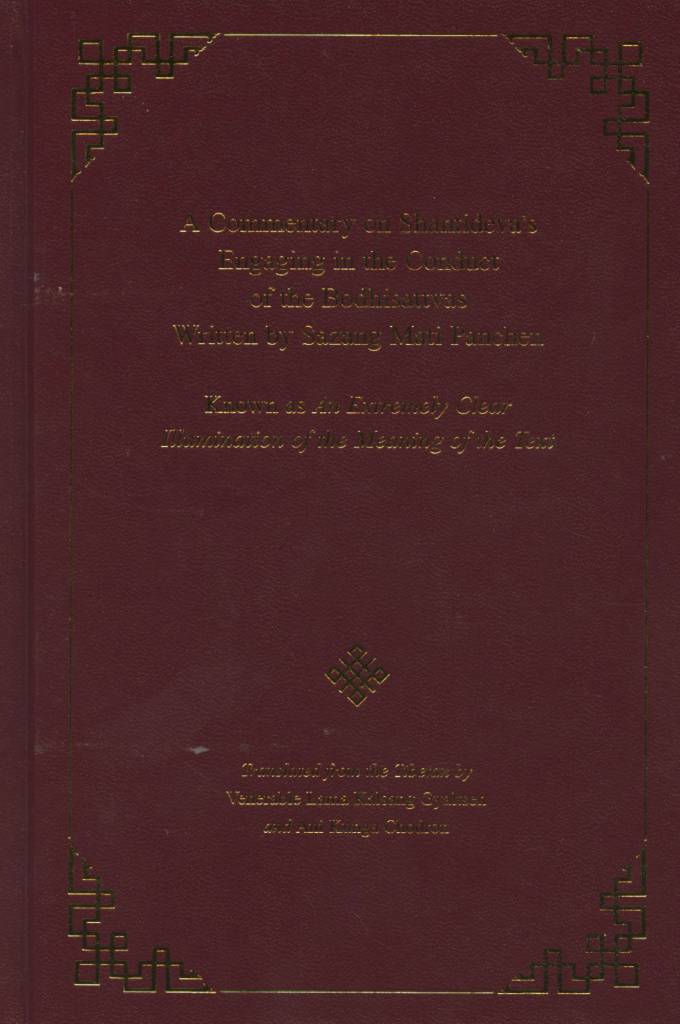
A Commentary on Shantideva's Engaging in the Conduct of the Bodhisattvas (citation)Gyaltsen, Lama Kalsang, and Ani Kunga Chodron, trans. A Commentary on Shantideva's Engaging in the Conduct of the Bodhisattvas Written by Sazang Mati Panchen: Known as An Extremely Clear Illumination of the Meaning of the Text. Walden, NY: Tsechen Kunchab Ling, 2019. Bilingual Edition

བྱང་ཆུབ་སེམས་ཀྱི་གཞི་རྣམས་དང་། །

མཆོད་རྟེན་རྣམས་ལ་བདག་ཕྱག་འཚལ། ། མཁན་པོ་དེ་བཞིན་སློབ་དཔོན་དང་། །

བརྟུལ་ཞུགས་མཆོག་ལ་ཕྱག་འཚལ་ལོ། །

byang chub sems kyi gzhi rnams dang /_/

mchod rten rnams la bdag phyag 'tshal/_/ mkhan po de bzhin slob dpon dang /_/

brtul zhugs mchog la phyag 'tshal lo/_/

I prostrate to the bases of enlightenment thought,

And to the holy stupas. I prostrate to the abbots, and likewise

To the masters, and also excellent practitioners.

ཞེས་པ་ལྟར་རོ། །གཞན་ཡང་བྱང་ཆུབ་ཏུ་སེམས་བསྐྱེད་པ་ཉིད་ཀྱི་རྟེན་པའི་གཞི་གནས་ཁྱད་པར་ཅན་རྣམས་ད༵ང༌། གནས་ཆེན་པོ་བརྒྱད་ལ་སོགས་པ་ན་བཞུགས་པའི་མཆོད་རྟེན་ཀུན་ལའང་བདག་ཉིད་ཕྱག་འཚ༵ལ་ཞིང༌། ལུང་ནོད་པའི་ཡུལ་མཁན་པོ་དང༌། དེ་བཞིན་དུ་ཐར་པའི་དོན་སྟོན་པའི་སློབ་དཔོན་དང༵་ཚངས་སྤྱོད་ཀྱི་སྡོམ་པ་ལ་སོགས་པའི་བརྟུལ་ཞུགས་མཆོག་ལ་གནས་པ་རྣམས་ལའང་གུས་པས་ཕྱག་འཚལ་ལོ༵། །

I also respectfully prostrate to the special holy places that are a basis for developing enlightenment thought such as the stupas in the eight holy places; to the abbots who bestow the transmission of vows; to the masters who taught the path of liberation; and to those who maintain pure moral conduct.
Gyaltsap Je (1364 - 1432)
The Entrance for the Children of the Conquerors (citation)Stracke, Fedor, trans. The Entrance for the Children of the Conquerors: A Commentary on the Introduction to the Actions of Bodhisattvas. By Gyaltsab Rinpoche. N.p.: Happy Monks Publication, 2016. https://happymonkspublication.org/product/bodhisattvacharyavatara-chapter-1-10-commentary/. Bilingual Edition

གཉིས་པ་ནི།

To the Basis for Generating Bodhicitta 1.1.1.1.2.2.2

བྱང་ཆུབ་སེམས་ཀྱི་གཞི་རྣམས་དང་། ། མཆོད་རྟེན་རྣམས་ལ་བདག་ཕྱག་འཚལ། །

byang chub sems kyi gzhi rnams dang /_/ mchod rten rnams la bdag phyag 'tshal/_/

To the bases of the awakened mind And to stupas I prostrate.

བྱང་ཆུབ་ཀྱི་སེམས་ཀྱི་གཞི་ནི་སེམས་དེ་འབྱུང་བའི་རྒྱུ་སྟེ་

The basis of bodhicitta refers to the causes from which that mind is generated:

ཐེག་པ་ཆེན་པོའི་སྡེ་སྣོད་དང་། སེམས་སྐྱེ་བའི་རྐྱེན་བྱེད་པའི་གང་ཟག་དང་གང་དུ་བསྐྱེད་པའི་ས་ཕྱོགས་རྣམས་དང་སངས་རྒྱས་ཀྱི་སྐུ་གཟུགས་སོགས་མཆོད་རྟེན་

•The three Mahayana baskets7The Mahayana Sutra Basket, Mahayana Abhidharma Basket and Mahayana Vinaya Basket.;

•The people that become a condition for generating that mind; •The place where it is generated; •The body of the Buddha and so forth; •Stupas;

རྣམས་ལ་བདག་ཕྱག་འཚལ་ལོ། །

To these I prostrate.[p.12]The Entrance for the Children of the Conquerors
Stracke, Fedor, trans. The Entrance for the Children of the Conquerors: A Commentary on the Introduction to the Actions of Bodhisattvas. By Gyaltsab Rinpoche. N.p.: Happy Monks Publication, 2016. https://happymonkspublication.org/product/bodhisattvacharyavatara-chapter-1-10-commentary/.

གསུམ་པ་ནི།

To Abbots, Preceptors and so forth 1.1.1.1.2.2.3

མཁན་པོ་དེ་བཞིན་སློབ་དཔོན་དང་། ། བརྟུལ་ཞུགས་མཆོག་ལ་ཕྱག་འཚལ་ལོ། །
mkhan po de bzhin slob dpon dang /_/ brtul zhugs mchog la phyag 'tshal lo/_/

I prostrate to abbots and likewise to preceptors And to the supreme adepts.

སོ་ཐར་གྱི་ཚིགས་སྔ་ཕྱི་རྫོགས་པར་བྱེད་པ་ལ་སོགས་པའི་མཁན་པོ་དང་དེ་བཞིན་དུ་གང་ལ་སྡོམ་པ་སྦྱིན་པ་ལ་སོགས་པའི་སློབ་དཔོན་དང་། ཐར་བའི་ལམ་ལ་འབད་པའི་བརྟུལ་ཞུགས་མཆོག་གི་ཁུར་འཛིན་པ་རྣམས་ལ་ཡང་ཕྱག་འཚལ་ལོ། །

I prostrate to the abbots that connect and complete the earlier and later words of individual liberation; likewise I prostrate to the preceptors that bestow the vows and to the supreme adepts that carry the burden of training in the supreme disciplines of the path to liberation.[p.13]The Entrance for the Children of the Conquerors
Stracke, Fedor, trans. The Entrance for the Children of the Conquerors: A Commentary on the Introduction to the Actions of Bodhisattvas. By Gyaltsab Rinpoche. N.p.: Happy Monks Publication, 2016. https://happymonkspublication.org/product/bodhisattvacharyavatara-chapter-1-10-commentary/.
Minyak Kunzang Sönam (1823 - 1905)
The Great Hūṃ (citation)Duckworth, Douglas, trans. The Great Hūṃ: A Commentary on Śāntideva's Way of the Bodhisattva. By Minyak Kunzang Sönam. New York, NY: Wisdom Publications, 2025. Bilingual Edition

བྱང་སེམས་སྐྱེ་བའི་གཞི་སོགས་ལ་ཕྱག་འཚལ་བ་ནི།

Next is a prostration to the foundations of the arising of the spirit of awakening:

བྱང་ཆུབ་སེམས་ཀྱི་གཞི་རྣམས་དང་། །

མཆོད་རྟེན་རྣམས་ལ་བདག་ཕྱག་འཚལ། ། མཁན་པོ་དེ་བཞིན་སློབ་དཔོན་དང་། །

བརྟུལ་ཞུགས་མཆོག་ལ་ཕྱག་འཚལ་ལོ། །
I bow down to the foundations of the spirit of awakening

and to the stūpas. Also, I pay homage to the preceptors, masters,

and supreme practitioners. (2.25)

བྱང་ཆུབ་སེམས་ཀྱི་གཞི་སྟེ་ཡུལ་གང་ལ་བརྟེན་ནས་བྱང་ཆུབ་ཀྱི་སེམས་དེ་འབྱུང་ཞིང་སྐྱེ་བའི་རྒྱུ་ཐེག་པ་ཆེན་པོའི་སྡེ་སྣོད་དང་སངས་རྒྱས་ཀྱི་སྐུ་གཟུགས་དང༌། ཐེག་པ་ཆེན་པོའི་བཤེས་གཉེན་སོགས་སེམས་དེ་སྐྱེ་བའི་བདག་པོའི་རྐྱེན་བྱེད་པའི་གང་བྲག་དང༌། བྱང་ཆུབ་ཏུ་ཐུགས་བསྐྱེད་པའི་ས་ཕྱོགས་དང་སྐྱེས་རབས་སོགས་སུ་བཤད་པའི་སྐྱེ་བའི་གནས་སོགས་ཏེ།

The foundations of the spirit of awakening are the domains which are relied upon that are the causes for the arising and development of the spirit of awakening. These are the Mahāyāna corpus, the embodied form of the buddha, and the persons who serve as dominant conditions for the arising of the spirit—those such as Mahāyāna spiritual friends. Also, there are special places like the places where the spirit of awakening was generated, as well as the places of birth described in the Birth Stories and so on, as it is said in the two verses:

རྫོགས་སངས་གང་དུ་བལྟམས་པ་དང༌། ། གང་དུ་བྱང་ཆུབ་ལ་རེག་དང་། །

The place where the perfect Buddha was born,
and where he reached awakening.246Four Verses (Caturgāthā, H. 328), 314a.

ཞེས་སོགས་ཚིགས་བཅད་གཉིས་ཀྱིས་བསྟན་པ་ལྟར་གྱི་གནས་ཁྱད་པར་ཅན་རྣམས་དང༌།

བང་རིམ་བུམ་པ་ཁ་ཁྱེར་སྲོག་ཤིང་ངམ་འཁོར་ལོ་གདུགས་ལ་སོགས་པའི་དབྱིབས་ཀྱི་རྣམ་པར་འདུ་བྱས་ཤིང་ཆོས་སྐུའི་རིང་བསྲེལ་སྐུ་གདུང་གི་རིང་བསྲེལ་སྐུ་གདུང་ཡུངས་འབྲུ་ཙམ་གྱི་རིང་བསྲེལ་སྐུ་བལ་གྱི་རིང་བསྲེལ་ཏེ་རིང་བསྲེལ་རྣམ་པ་བཞིའམ་དེ་བཞི་གང་རུང་གི་སྙིང་པོ་ཅན་གྱི་མཆོད་རྟེན་གནས་ཆེན་པོ་བརྒྱད་ན་བཞུགས་པ་ལྟ་བུ་ལ་སོགས་པ་རྣམས་ལའང་བདག་གིས་ལུས་མང་པོར་སྤྲུལ་ཏེ་ཕྱག་འཚལ་བ་སྟེ། སྟེང་དང་འོག་དང་བར་དག་དང༌། །ཞེས་སོགས་ལྟར་རོ། །

Also, there are stūpas—made in a shape with steps, with a round portion, a platform, a life-axis or wheel, and a parasol. Stūpas such as these are in the eight great places, each containing any of the four kinds of relics—relics of[p.118]The Great Hum
Duckworth, Douglas, trans. The Great Hūṃ: A Commentary on Śāntideva's Way of the Bodhisattva. By Minyak Kunzang Sönam. New York, NY: Wisdom Publications, 2025.
the embodiment of truth, relics of a corpse, relics of a corpse the size of a mustard seed, and relics of clothing. I emanate many bodies and bow down to these, as is said, “To those high, low, and in the middle.”2247Four Verses, 314a.

སོ་ཐར་གྱི་ཚིགས་སྔ་ཕྱིའི་མཁན་པོ་དང་དེ་བཞིན་དུ་བསླབ་སྡོམ་སོགས་སྦྱིན་པའི་སློབ་དཔོན་དང༌། ཐར་བའི་དོན་དུ་འབད་ཅིང་བརྩོན་པའི་བརྟུལ་ཞུགས་མཆོག་དང་ལྡན་པ་ཉན་ཐོས་རང་རྒྱལ་བྱང་སེམས་སོ་སྐྱེ་རྣམས་དང་ཞེས་པའམ། ཡང་ན་སྐྱབས་སྡོམ་དང་དགེ་བསྙེན་གྱི་སྡོམ་པ་སོགས་བརྟུལ་ཞུགས་མཆོག་གི་ཁུར་འཛིན་པ་རྣམས་ལའང་ཕྱག་འཚལ་ལོ་ཞེས་པའོ། །ཆོས་བཅུ་བའི་མདོ་ལས་གསུངས་པའི་སེམས་བསྐྱེད་སྐྱེ་བའི་རྒྱུ་བཞི་ཡང་བྱང་ཆུབ་སེམས་ཀྱི་གཞི་ཡིན་པར་བ་སུ་ངས་པ། དེ་བཞི་ནི་རང་ལ་སེམས་བསྐྱེད་པར་བསྐུལ་མཁན་སོགས་ཏེ། དེ་དག་ཕལ་ཆེར་ནི་གོང་གི་སེམས་བསྐྱེད་སྐྱེ་བའི་བདག་རྐྱེན་བྱེད་པའི་གང་ཟག་ཅེས་པ་དེས་བསྡུས་པའོ། །[p.76]Byang chub sems dpa'i spyod pa la 'jug pa'i 'grel bshad rgyal sras rgya mtsho'i yon tan rin po che mi zad 'jo ba'i bum bzang
Mi nyag kun bzang bsod nams (མི་ཉག་ཀུན་བཟང་བསོད་ནམས་). byang chub sems dpa'i spyod pa la 'jug pa'i 'grel bshad rgyal sras rgya mtsho'i yon tan rin po che mi zad 'jo ba'i bum bzang [བྱང་ཆུབ་སེམས་དཔའི་སྤྱོད་པ་ལ་འཇུག་པའི་འགྲེལ་བཤད་རྒྱལ་སྲས་རྒྱ་མཚོའི་ཡོན་ཏན་རིན་པོ་ཆེ་མི་ཟད་འཇོ་བའི་བུམ་བཟང།]. [Excellent Vase That Spills Forth an Ocean of the Inexhaustible and Precious Qualities of the Victor's Heirs: An Explanation of the "Way of the Bodhisattva."].

I also prostrate to the preceptors of the earlier and later declarations of pratimokṣa,248The “earlier declaration” refers to the novice pratimokṣa vows and the “later” to full ordination. This was explained to me by Khenpo Jampa Dönden. as well as to the masters who give the vows and trainings, and to those supreme practitioners who strive and endeavor for liberation, the śrāvakas, pratyekabuddhas, and bodhisattvas who are ordinary beings. Alternatively, the ones who carry the burden of supreme practitioners are those who uphold the vows of refuge and the vows of lay Buddhists; I prostrate to them. The four causes for the arising of the spirit of awakening mentioned in the Ten Qualities Sūtra are also said to be the foundation of the spirit of awakening. These are the preceptors who incite you to generate the spirit, and so on.249See Ten Qualities Sūtra, 274a–b. Cited in Śāntideva, Anthology of Training, 7a; English trans. in Goodman, The Training Anthology of Śāntideva, 10. These are mostly comprised within the persons who are dominant conditions for generating the spirit of awakening.

མཆོད་རྟེན་བརྒྱད་ནི། སྐུ་འཁྲུངས་དུས་སུ་པདྨ་སྤུངས་པའི་མཆོད་རྟེན་སེར་སྐྱའམ་ལུམ་བིར་ཟས་གཙང་གིས་བཞེངས་པ་སྟེ་འདི་ལ་བཀྲ་ཤིས་འབྱུང་བའམ་བདེ་གཤེགས་འབྱུང་བའང་ཟེར། སངས་རྒྱས་དུས་སུ་བདུད་འདུལ་ལམ་བྱང་ཆུབ་མཆོད་རྟེན་གཟུགས་ཅན་སྙིང་པོས་བཞེངས་པ། སྟོན་པ་དྲུག་བཏུལ་དུས་སུ་ཆོ་འཕྲུལ་མཆོད་རྟེན་ཛེ་ཏའི་ཚལ་དུ་ལི་ཙ་བི་རྣམས་ཀྱིས་བཞེངས་པ་སྟེ་འདི་ལ་མུ་སྟེགས་འདུལ་མཛད་མཆོད་རྟེན་ཡང་ཟེར། དབྱེན་ཟླུམ་མཆོད་རྟེན་འོད་མའི་ཚལ་དུ་མ་གྷ་དྷ་པས་བཞེངས་པ། ལྷ་བབས་མཆོད་རྟེན་གྲོང་ཁྱེར་གསལ་ལྡན་དུ་དེར་གནས་པ་དག་གིས་བཞེངས་པ་སྟེ་འདི་ལ་ལྷས་མཆོད་པའི་མཆོད་རྟེན་ཡང་ཟེར། ཆོས་འཁོར་བསྐོར་ཚེ་བཀྲ་ཤིས་སྒོ་མང་ཝ་ར་ཎ་སིར་ལྔ་སྡེས་བཞེངས་པ་སྟེ་འདི་ལ་ཡེ་ཤེས་མཆོད་རྟེན་ཡང་ཟེར། སྐུ་ཚེའི་འདུ་བྱེད་བྱིན་གྱིས་བརླབས་ཚེ་རྣམ་རྒྱལ་མཆོད་རྟེན་ཡངས་པ་ཅན་དུ་བཞེངས་པ། མྱང་འདས་མཆོད་རྟེན་རྩ་ཅན་དུ་གྱད་རྣམས་ཀྱིས་བཞེངས་པ་སྟེ་བརྒྱད་དོ། །

These are the eight stūpas: When the Buddha was born, there was a lotus heap stūpa in Kapilavastu or Lumbini that [74] Śuddhodana built. This is called the “auspicious arising” or the “Tathāgata’s arising.” Upon his becoming a buddha, a demon-taming or awakening stūpa was erected by Bimbisāra. The Licchavis built a miraculous stūpa in Jeta grove when he tamed the six teachers. It is also called “the stūpa of taming the heretics.” The stūpa of reconciliation was built by the people of Magadha in a bamboo grove. The stūpa of the descent from heaven was built in Kāśī by the people who lived there. It is also called “the stūpa of the god’s offering.” When he turned the wheel of Dharma, his five students there built the stūpa of the many doors of auspiciousness in Varanasi. It is also called “the stūpa of gnosis.” When he blessed the conditioning of embodied life, the victory stūpa was constructed in Vaiśālī. The stūpa of nirvāṇa was constructed in Kuśinagarī by the Mallās. These are the eight.

དེ་ལྟར་གྲགས་ཆེན་བརྒྱད་དུ་བཤད་ཀྱང་སྤྱིར་མཆོད་རྟེན་ལ། འདུན་པ་སླར་ལོག་པའི་མཆོད་རྟེན། དབུ་སྐྲ་བྲེགས་ཤིང་ངུར་སྨྲིག་བླངས་པའི་མཆོད་རྟེན། ཕྱག་སོར་ལྔར་སེང་གེ་ལྔ་སྤྲུལ་ནས་གླང་ཆེན་སྨྱོན་པ་བཏུལ་བ་ན་གྲོང་ཁྱེར་འདུལ་མཛད་མཆོད་རྟེན། སྤྲེའུས་སྦྲང་རྩི་ཕུལ་ཏེ་ཤི་ནས་ལྷར་སྐྱེས་སྐབས་ཐུགས་རྗེ་འབྱུང་བའི་མཆོད་རྟེན། ལེགས་སྐྱེས་མས་འོ་ཐུག་དྲངས་པ་ན་ཉེར་ཞི་རྒྱལ་བའི་མཆོད་རྟེན། རིགས་ཅན་གསུམ་གྱི་དོན་མཛད་པ་ན་རྣམ་དག་མཆོད་རྟེན་སོགས་མང་དུ་ཡོད་པར་གསུངས་སོ། །

While these are renowned as the eight great ones, in general there are said to be many stūpas. There is the stūpa of Chandaka’s return; the stūpa of shaving the head and taking saffron robes; the stūpa of taming the city, when he tamed the intoxicated elephant by emanating five lions with his five fingers; the stūpa of arising from compassion, when the monkey that offered honey (Madhudātar) died and went to heaven; the stūpa of victory and subsiding, when Sujātā offered milk porridge on the path; and the stūpa of purity, when performing the benefit of beings with the three heritages.

ཕྱག་འཚལ་བའི་ཚུལ་ཞིབ་པར་ཕུང་པོ་གསུམ་པའི་མདོ་ལས་འབྱུང་བ་ལྟར་བྱ་དགོས་ལ། དེ་ལྟར་གུས་པས་ཕྱག་འཚལ་ན་ལུས་ཀྱི་ས་ཇི་ཙམ་ནོན་པའི་རྡུལ་གྱི་གྲངས་མཉམ་གྱི་འཁོར་སྒྱུར་དུ་སྐྱེ་བའི་དགེ་རྩ་བ་གསོག་ཅིང་དེ་གྲོགས་ལ་ཁོང་ཁྲོ་སྐྱེས་པ་སོགས་ཀྱིས་འཇོམས་པར་ལུང་རྣམ་འབྱེད་དུ་གསུངས་ལ། བསླབ་བཏུས་ཀྱི་བསོད་ནམས་སྤེལ་བའི་སྐབས་སུ་ཕྱག་མཆོད་ཡི་རང་སོགས་ཀྱི་ཕན་ཡོན་རྒྱ་ཆེར་བཤད་དོ། །

The Three Heaps Sūtra explains in detail how to do prostrations, and they[p.119]The Great Hum
Duckworth, Douglas, trans. The Great Hūṃ: A Commentary on Śāntideva's Way of the Bodhisattva. By Minyak Kunzang Sönam. New York, NY: Wisdom Publications, 2025.
should be performed accordingly.250See, for instance, Three Heaps Sūtra, 155b–156b. The Delineation of Scripture states that when prostrations are done respectfully, roots of virtue equal to the amount of dust motes under the body are gathered for being born as a universal emperor, and the arising of hatred and so on is crushed along with this.251On this passage from a “Sarvāstivādin text,” see Śāntideva, Anthology of Training, 84a; English trans. in Goodman, The Training Anthology of Śāntideva, 144–45. The Anthology of Training, in the context of developing merit, describes at great length the vast benefits of prostrations, offering, and rejoicing.
Kunzang Palden (1862 - 1943)
The Nectar of Manjushri's Speech (citation)Blankleder, Helena, and Wulstan Fletcher (Padmakara Translation Group), trans. The Nectar of Manjushri's Speech: A Detailed Commentary on Shantideva's Way of the Bodhisattva. By Kunzang Pelden. Boston: Shambhala Publications, 2007. Bilingual Edition

བྱང་ཆུབ་སེམས་ཀྱི་གཞི་རྣམས་དང་། །

མཆོད་རྟེན་རྣམས་ལ་བདག་ཕྱག་འཚལ། ། མཁན་པོ་དེ་བཞིན་སློབ་དཔོན་དང་། །

བརྟུལ་ཞུགས་མཆོག་ལ་ཕྱག་འཚལ་ལོ། །

byang chub sems kyi gzhi rnams dang /_/

mchod rten rnams la bdag phyag 'tshal/_/ mkhan po de bzhin slob dpon dang /_/

brtul zhugs mchog la phyag 'tshal lo/_/

དེ་བཞིན་དུ་གང་བྱང་ཆུབ་སེམས་ཀྱི་གཞི་ཞེས་སངས་རྒྱས་ཀྱི་སྐུ་གཟུགས་དང༌། ཐེག་ཆེན་གྱི་སྡེ་སྣོད་དང་སྟོན་པའི་སྐུ་བལྟམ་པའི་གནས་ལ་སོགས་དང༌། སེམས་བསྐྱེད་གླིང་སོགས་ཆོས་འཆད་ཉན་བྱེད་པའི་གནས་གཞི་རྣམས་དང༌། སྐུ་གསུང་ཐུགས་ཀྱི་རྟེན་དང་མཆོད་རྟེན་གང་ཇི་སྙེད་ཡོད་པ་རྣམས་ལའང་བདག་ཉིད་ཕྱག་འཚལ་ཞིང༌། སོ་ཐར་གྱི་མཁན་པོ་དང་དེ་ལུང་ནོད་པ་ལའང་གསུངས། དེ་བཞིན་དུ་དགེ་ཚུལ་སློང་གི་ལས་སློབ་དང་ཀློག་སློབ་པ་པོ་ལ་སོགས་པའི་སློབ་དཔོན་རྣམས་དང༌། བརྟུལ་ཞུགས་ཞེས་བྱ་བ་སྔ་མ་བརྟུལ་ཏེ་རྗེས་མ་ལ་ཞུགས་པས་བརྟུལ་ཞུགས་ཏེ་སྟོན་པའི་རྗེས་འཇུག་རྟགས་ཙམ་འཛིན་པ་ཡན་ཆད་བརྟུལ་ཞུགས་མཆོག་སྟེ་གོས་དཀར་ལྕང་ལོའི་སྡེ་དང་རབ་བྱུང་ངུར་སྨྲིག་གི་སྡེ་རྣམས་ལ་མི་ཕྱེད་དད་པས་ཀུན་ནས་བསླངས་ཏེ་སྒོ་གསུམ་གུས་པས་ཕྱག་འཚལ་ལོ་ཞེས་ལུས་ངག་ཡིད་གསུམ་གྱི་ཕྱག་གི་ནང་ནས་ཡིད་གཙོ་བས་ཁ་ཡེངས་མིག་ཡེངས་ཀྱི་ངང་ནས་ཕྱག་མང་པོ་འཚལ་བ་བས་སེམས་ཐོག་ནས་ཕྱག་གཅིག་ཙམ་འཚལ་བ་ཆོད་ཆེ་ཞིང་ཕན་ཡོན་ཆེའོ།

To shrines and all supports

Of bodhichitta I bow down; To abbots who transmit the vows, to every learned master,

And to all sublime practitioners of Dharma.[p.41]The Way of the Bodhisattva (2006)
Blankleder, Helena, and Wulstan Fletcher (Padmakara Translation Group), trans. The Way of the Bodhisattva: A Translation of the Bodhicharyāvatāra. By Śāntideva. Rev. ed. Shambhala Classics. Boston: Shambhala Publications, 2006.

In the same way, we too bow down to what is referred to as the support of bodhichitta, that is, images of the Buddhas, collections of the Mahayana scriptures, the places where the Teacher was born and so on, the places where bodhichitta is cultivated, and all the places where the Dharma is proclaimed and heard. We bow to stupas and whatever representations of the enlightened body, speech, and mind exist. Likewise, we bow down to all teachers: preceptors who teach and transmit the pratimoksha vows (of individual liberation), those who give reading transmissions, and those who instruct the bhikshus and shramaneras,88Bhikshus (dge slong) are men who have taken the full monastic ordination of two hundred and fifty-three precepts. Shramaneras (dge tshul), are men who have the lesser monastic ordination of thirty-three precepts. Women who hold these ordinations are called bhikshunis (dge slong ma) with three hundred and sixty-four precepts, and shramaneris (dge tshul ma) with thirty-three precepts. For a detailed discussion of the pratimoksha vows, see Treasury, pp. 197–201. and even those who teach people how to read and so forth. We bow down to the supreme Dharma practitioners who have put their old ways behind them and embraced a new way of life: to the sangha of the yogis, white-robed and long-haired, as well as to the sangha of the saffron-robed renunciants, and even to those who merely assume the outward demeanor of Buddha’s disciples. With perfect devotion and respect in thought, word, and deed we bow down to them all. Of the different kinds of homage (physical, verbal, and mental), it is the mental homage that is the most important. Consequently, one prostration performed with an undistracted mind is much more effective and of much greater benefit than many prostrations performed while one is chatting and looking around.[p.80]The Nectar of Manjushri's Speech
Blankleder, Helena, and Wulstan Fletcher (Padmakara Translation Group), trans. The Nectar of Manjushri's Speech: A Detailed Commentary on Shantideva's Way of the Bodhisattva. By Kunzang Pelden. Boston: Shambhala Publications, 2010.

དེ་ཡང་ལུས་དྲང་[p.231]Byang chub sems dpa'i spyod pa la 'jug pa rtsa ba dang 'grel pa (1990)
Slob dpon zhi ba lha and Mkhan po kun dpal. Byang chub sems dpa'i spyod pa la 'jug pa rtsa ba dang 'grel pa. Khreng tu'u: Si khron mi rigs dpe skrun khang, 1990. Buda by BDRC Logo.jpg
པོར་བསྲངས་བས་རྩ་རླུང་སེམས་རྣམས་དྲངས་བར་འགྱུར་བར་དྲང་པོ་བཞི་ལྡན་གྱི་སྒོ་ནས་རང་གི་གཡས་སུ་ཕ་གཡོན་དུ་མ་མདུན་དུ་དགྲ་བགེགས་དང་མཐའ་སྐོར་དུ་སེམས་ཅན་ཐམས་ཅད་ས་གཞིའི་ངོས་ལ་རྡུལ་འཁྲིགས་པ་བཞིན་དུ་ཡོད་པར་བསམ་སྟེ་ཐམས་ཅད་ཀྱིས་ལུས་གུས་པས་ལག་གཉིས་ཀྱི་ཐལ་མོའི་བར་དུ་ནོར་བུ་བཟུང་བར་བསམས་སྟེ། ཐར་མདོ་ལས།

When the bodily posture is straight, the subtle channels are also straight, as are also the wind-energies and the mind. Therefore, with these four items straight, we should visualize our father on our right, our mother on our left, our enemies and obstacle-makers in front, and on all sides beings as numerous as the particles of dust upon the face of the earth. All of them are holding a jewel between their reverently joined hands. It is said in the Mahamoksha-sutra:

པདྨ་ཁ་འབུས་ཕྱེས་འདྲ་བའི། ། ལག་གཉིས་སྤྱི་བོར་ཐལ་སྦྱར་ཏེ། །

Like an opening lotus bud,
Join your hands above your head.

ཞེས་གསུངས་པ་ལྟར། ལེགས་པར་སྦྱར་བ་སྤྱི་མགྲིན་སྙིང་ཀ་གསུམ་དུ་རིམ་པར་གཏུགས་པ་ན་དེ་བཞིན་གཤེགས་པ་རྣམས་ཀྱི་སྐུ་གསུང་ཐུགས་ཀྱི་ཡོན་ཏན་དྲན་ཞིང་དེ་དང་དེར་ཕྱག་འཚལ་བས་རང་གཞན་སེམས་ཅན་ཐམས་ཅད་ཀྱི་ལུས་ངག་ཡིད་གསུམ་གྱི་སྒྲིབ་པ་ཐམས་ཅད་དང་བྲལ་ནས་དབུ་གཙུག་ཏོར་བལྟར་མི་མངོན་པ་དང༌། གསུང་ཆོས་ཀྱི་དུང་དང༌། ཐུགས་དཔལ་གྱི་བེའུའམ་སྐུ་གསུང་ཐུགས་མི་ཟད་པ་རྒྱན་གྱི་འཁོར་ལོའི་ཡོན་ཏན་ཐམས་ཅད་ཐོབ་པར་ཤོག་ཅིག་ཅེས་བསམ་ནས་ལུས་ཐམས་ཅད་ཀྱིས་ས་ལ་ཕབ་པའམ་མ་ལྔ་ས་ལ་ཕབ་པ་ན་བསམ་པར་བྱ་བ་མདོ་ལས་གསུངས་པ་འདི་ལྟར་པུས་མོ་གཡས་པའི་ལྷ་ང་ས་ལ་འཛུགས་པ་ན་སེམས་ཅན་ཐམས་ཅད་གཡས་ཕྱོགས་དྲང་པོའི་ལམ་ལ་གནས་པར་ཤོག་ཅིག་ཅེས་བརྗོད་ཅིང་བསམ་པར་བྱའོ། །པུས་མོ་གཡོན་པའི་ལྷ་ང་ས་ལ་འཛུགས་པ་ན་སེམས་ཅན་གང་སུ་དག་གཡོན་ཕྱོགས་འཁྱོགས་པོའི་ལམ་ལ་གནས་པ་ཐམས་ཅད་འཕགས་པའི་ལམ་ཡང་དག་པ་ལ་གནས་པར་གྱུར་ཅིག་ཅེས་བརྗོད་ཅིང་བསམ་མོ། །ལག་པ་གཡས་པ་ས་ལ་འཛུགས་[p.232]Byang chub sems dpa'i spyod pa la 'jug pa rtsa ba dang 'grel pa (1990)
Slob dpon zhi ba lha and Mkhan po kun dpal. Byang chub sems dpa'i spyod pa la 'jug pa rtsa ba dang 'grel pa. Khreng tu'u: Si khron mi rigs dpe skrun khang, 1990. Buda by BDRC Logo.jpg
པ་ན་ཇི་ལྟར་དེ་བཞིན་གཤེགས་པ་བྱང་ཆུབ་ཀྱི་སྙིང་པོ་ཤིང་དྲུང་དུ་བཞུགས་ཏེ་བསོད་ནམས་བརྒྱ་ལས་གྲུབ་པའི་ཕྱག་གཡས་ས་ལ་བསྣུན་ནས་བདུད་སྡེ་དཔུང་དང་བཅས་པ་བརྟུལ་ཏེ་བྱང་ཆུབ་བརྙེས་པ་དེ་བཞིན་དུ་སེམས་ཅན་ཐམས་ཅད་ཀྱིས་ཀྱང་བདུད་དང་ཕྱིར་བརྒོལ་བ་ཐམས་ཅད་ཆོམ་པར་གྱུར་ཅིག །བྱང་ཆུབ་ཀྱི་སྙིང་པོ་ལ་འདུག་ཅིང་ལག་པས་ས་ཆེན་པོ་ལ་བསྣུན་ནས་སངས་རྒྱས་ཀྱི་ཡེ་ཤེས་ཐོབ་པར་ཤོག་ཅིག་ཅེས་བརྗོད་ཅིང་བསམ་མོ། །དེའི་ལག་པ་གཡོན་པ་ས་ལ་འཛུགས་པ་ན་སེམས་ཅན་གང་སུ་དག་བྱིས་པའི་ཆོས་ལ་གནས་ཏེ། གཡོན་ཕྱོགས་སུ་འཛིན་པ་གདུལ་དཀའ་བ་དེ་དག་བསྡུ་བའི་དངོས་པོ་བཞིས་ཤིན་ཏུ་སྡུད་པར་གྱུར་ཅིག་ཅེས་བརྗོད་ཅིང་བསམ་མོ། །དེའི་གདོང་དང་དཔྲལ་བ་ས་ལ་གཏུགས་པ་ན་སེམས་ཅན་ཐམས་ཅད་ང་རྒྱལ་མ་མཆིས་པ་འདིས་བླ་མ་ལ་རིམ་གྲོ་བགྱིད་པ་རྙེད་ཅིང་སྤྱི་གཙུག་བལྟར་མི་མངོན་པར་འཐོབ་པ་དང༌། དགེ་བའི་ཆོས་ཐམས་ཅད་འཕགས་པར་གྱུར་ཅིག་ཅེས་བརྗོད་ཅིང་བསམ་མོ། །

Then, as we place our hands successively to the crown of our heads, to our throats, and to our hearts, we call to mind the qualities of the body, speech, and mind of the Tathagatas, and as we prostrate to them, we make the wish that beings purify their physical, verbal, and mental defilements and gain the invisible ushnisha upon their heads, the Dharma-conch of enlightened speech, and the unending knot of the enlightened mind. In other words, we wish that ourselves and others gain all the qualities of the “wheel of inexhaustible ornaments” of the enlightened body, speech, and mind. Then our entire body falls to the ground, or else our five limbs make contact with it. As our right knee touches the ground, we should wish and say, in conformity with the sutra, “May all beings proceed upon the right-hand path of integrity.” As our left knee touches it, we should wish and say, “May all who are on the left-hand path of falsehood enter the true and noble path.” When our right hand touches the ground, we should wish and say, “Just as when the Buddha, seated under the bodhi tree, pressed the ground with his right hand (which was itself the product of a hundred merits), subduing all negative forces and gaining enlightenment, may all beings overcome evil and adversity, and sitting under the bodhi tree, may they also press the earth with their hands and attain the primordial wisdom of buddhahood.” When our left hand touches the ground, we should wish and say, “May I, by means of the four ways of attracting disciples, gather to myself all beings who are lost in the ordinary state of spiritual immaturity, who cling to negativity, and who are hard to benefit.” When our face and forehead touch the ground, we should wish and say, “May beings, divested of their pride, serve their teachers, gain the invisible ushnisha, and be ennobled by every virtuous quality.”

དེ་ལྟར་ཡན་ལག་ལྔས་ཕྱག་འཚལ་བ་འདིས། སེམས་ཅན་ཐམས་ཅད་ཀྱི་སྒྲིབ་པ་ལྔ་སེལ་བར་གྱུར་ཅིག །དབང་པོ་ལྔ་ཡོངས་སུ་རྫོགས་པར་གྱུར་ཅིག །འདོད་པའི་ཡོན་ཏན་ལྔ་ཡོངས་སུ་ཤེས་པར་གྱུར་ཅིག །མངོན་པར་ཤེས་པ་ཉམས་པ་མེད་པ་ལྔ་ཐོབ་པར་གྱུར་ཅིག །མིག་ལྔ་ཡོངས་སུ་དག་པར་གྱུར་ཅིག །འགྲོ་བ་རྒྱུད་ལྔར་སྐྱེས་པ་རྣམས་འགྲོ་བ་ལྔ་ལས་ཁྱད་པར་དུ་འཕགས་པར་གྱུར་ཅིག །ཚུལ་ཁྲིམས་ཁྱད་པར་དུ་འཕགས་པ་དང༌། ཏིང་ངེ་འཛིན་ཁྱད་[p.233]Byang chub sems dpa'i spyod pa la 'jug pa rtsa ba dang 'grel pa (1990)
Slob dpon zhi ba lha and Mkhan po kun dpal. Byang chub sems dpa'i spyod pa la 'jug pa rtsa ba dang 'grel pa. Khreng tu'u: Si khron mi rigs dpe skrun khang, 1990. Buda by BDRC Logo.jpg
པར་དུ་འཕགས་པ་དང༌། ཤེས་རབ་ཁྱད་པར་དུ་འཕགས་པ་དང༌། རྣམ་པར་གྲོལ་བ་ཁྱད་པར་འཕགས་པ་དང༌། རྣམ་པར་གྲོལ་བའི་ཡེ་ཤེས་མཐོང་བ་ཁྱད་པར་དུ་འཕགས་པར་གྱུར་ཅིག་ཅེས་བརྗོད་ཅིང་བསམ་པར་བྱའོ་ཞེས་གསུངས་སོ། །

While performing the prostration in five points, we should wish and say,[p.81]The Nectar of Manjushri's Speech
Blankleder, Helena, and Wulstan Fletcher (Padmakara Translation Group), trans. The Nectar of Manjushri's Speech: A Detailed Commentary on Shantideva's Way of the Bodhisattva. By Kunzang Pelden. Boston: Shambhala Publications, 2010.
“May the five defilements that afflict beings be dispelled! May they bring the five powers to perfection!89dbang po lnga. This refers to the five powers that affect the development of enlightened qualities in the path of joining: confidence, diligence, mindfulness, concentration, and wisdom. See Treasury, p. 302. May beings come to recognize the five sense objects for what they are! May they gain the five kinds of preternatural knowledge completely unimpaired! May they possess the five kinds of eye in all their purity!90See Treasury, p. 297. May they be supreme among all those born in the five classes of beings! May their ethics be supreme! May their concentration be supreme! May their wisdom be supreme! May their deliverance be supreme! May their knowledge of primordial wisdom of deliverance likewise be supreme!”

དེའི་ཕན་ཡོན་ཡང་། ཇི་སྐད་དུ། ལུས་བཏུད་དབང་ཆེན་བར་གྱི་རྡུལ་དག་དང༌། མཉམ་པའི་འཁོར་ལོས་བསྒྱུར་རྒྱལ་གྲངས་ཐོབ་ཞིང༌། །མཐར་ཐུག་ཞི་བ་མཆོག་གི་གོ་འཕང་འཐོབ། །ཅེས་སོ། །

Regarding the benefits of performing prostrations it has been said that “through prostration you will be born a chakravartin as many times as there are atoms [beneath your outstretched body] from the surface of the earth down to the foundation of the universe;91I.e., the great golden foundation that underlies the universe. See Myriad Worlds, pp. 109ff. and then finally you will attain to supreme peace.”


[edit]
[edit]