Explore/Chapter 1 - The Excellence and Benefits of Bodhicitta
- Chapter 1 - The Excellence and Benefits of Bodhicitta
- Chapter 10 - Dedication
- Chapter 2 - Confession of Negativity
- Chapter 3 - Taking Hold of Bodhicitta
- Chapter 4 - Conscientiousness
- Chapter 5 - Vigilant Introspection
- Chapter 6 - Patience
- Chapter 7 - Diligence
- Chapter 8 - Meditative Concentration
- Chapter 9 - Wisdom
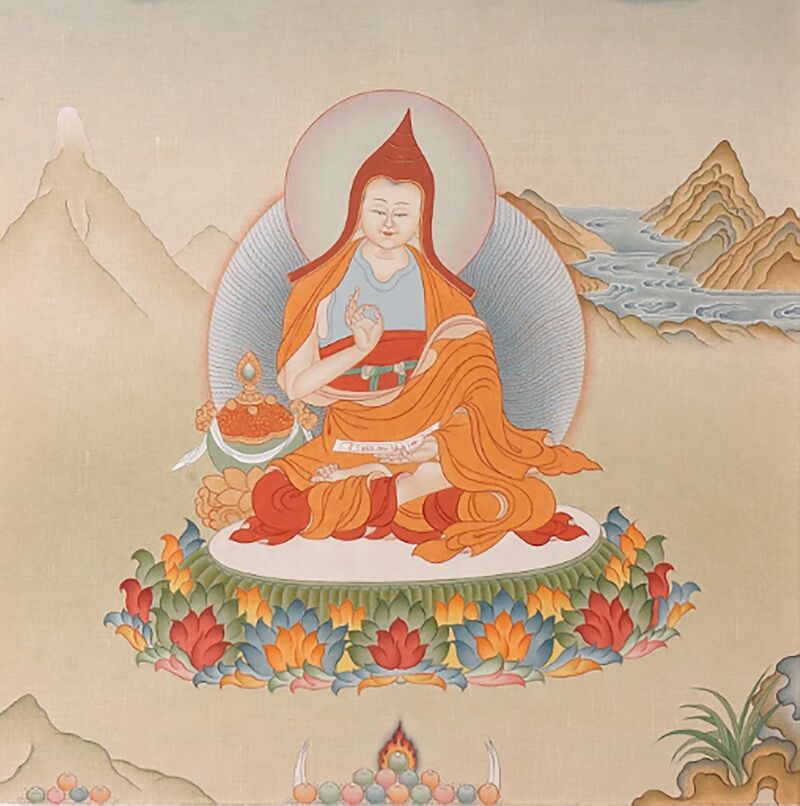
In chapter 1 of the Bodhicaryāvatāra, Śāntideva describes the excellence and benefits of bodhicitta (byang chub sems), the mind that wishes to attain enlightenment for the benefit of all sentient beings, in order to inspire us to take up the path of the bodhisattva.
Listen to the first verses of the text:
Concise Summary of Essential Points
The first chapter of The Way of the Bodhisattva (Bodhicaryāvatāra) sets the scene for the whole text. The main theme throughout this work is the conduct and activities of the bodhisattva. The central pillar of all those activities is bodhicitta (byang chub sems), and this first chapter begins with an explanation of the benefits of this incredible mind of bodhicitta.
There are several definitions for what exactly bodhicitta is. The literal meaning of bodhicitta is "awakening mind." The Eighth Dungkar Rinpoche Lobsang Trinley (1927–1997) offers a simple explanation of what this means. In his Introduction to the Way of the Bodhisattva, he explains that bodhicitta requires a combination of two mental factors—one that wishes to attain buddhahood and one that pursues the welfare of others. From this comes the wish to attain the state of buddhahood, not for one's own purpose but for the purpose of all others.
Right at the beginning of the text, Śāntideva pays homage and bows down to the buddhas and bodhisattvas, who have fully cultivated this mind of enlightenment.
To develop an interest in anything, we have to be able to see the qualities and advantages of it, and to inspire us to take an interest in this path, Śāntideva offers us an explanation of the qualities and benefits of bodhicitta. He is speaking here to those who have not yet developed this awakening thought in their mindstreams. He encourages us to see the greatness of this special mental state and to develop the wish to personally give rise to it. He wants us to yearn for this mind as hungry people crave food and the thirsty crave water.
In this opening chapter, Śāntideva draws our attention to how precious and rare virtuous thoughts are in this world:
Just as on a dark night black with clouds, The sudden lightning glares and all is clearly shown, Likewise rarely, through the Buddhas’ power, Virtuous thoughts rise, brief and transient, in the world.
Page(s) 32
Blankleder, Helena, and Wulstan Fletcher (Padmakara Translation Group), trans. The Way of the Bodhisattva: A Translation of the Bodhicharyāvatāra. By Śāntideva. Rev. ed. Shambhala Classics. Boston: Shambhala Publications, 2006.
ཇི་ལྟར་མཚན་མོ་མུན་ནག་སྤྲིན་རུམ་ན* ནས། in the source text. ། །
གློག་འགྱུ་སྐད་ཅིག་རབ་སྣང་སྟོན་པ་ལྟར། ། དེ་བཞིན་སངས་རྒྱས་མཐུ་ཡིས་བརྒྱ་ལམ་ན། །
འཇིག་རྟེན་བསོད་ནམས་བློ་གྲོས་ཐང་འགའ་འབྱུང་། །ji ltar mtshan mo mun nag sprin rum na* nas/[ in the source text.] /_/
glog 'gyu skad cig rab snang ston pa ltar/_/ de bzhin sangs rgyas mthu yis brgya lam na/_/
'jig rten bsod nams blo gros thang 'ga' 'byung /_/With this beautiful analogy, Śāntideva points to how difficult it is for samsaric beings to find a positive way forward. Ensnared in the net of our karma and negative emotions, we are constantly distracted and unaware of our true nature. At best, this leads us to waste away our lives in idle pleasure, but at worst it is a breeding ground for negative states of mind. Surrounded by these dark clouds, it is already difficult for us to make constructive choices for the long-term happiness of ourselves and others. Rarely does that brilliant flash of lightning, the thought of virtue, break through the dark. With this rarity comes the responsibility to expend all our effort to engage in every kind of virtue, and especially to develop this bodhicitta.
To encourage us to cultivate bodhicitta, one of the main goals of the chapter is to remind us of the virtue and merit that we accrue from developing the awakening mind:
If with kindly generosity One merely has the wish to soothe The aching heads of other beings, Such merit knows no bounds.
Page(s) 34
Blankleder, Helena, and Wulstan Fletcher (Padmakara Translation Group), trans. The Way of the Bodhisattva: A Translation of the Bodhicharyāvatāra. By Śāntideva. Rev. ed. Shambhala Classics. Boston: Shambhala Publications, 2006.
སེམས་ཅན་རྣམས་ཀྱི་ཀླད་ནད་ཙམ། །
བསལ་ལོ་སྙམ་དུ་བསམས་ན་ཡང་། ། ཕན་འདོགས་བསམ་པ་དང་ལྡན་ཏེ། །
བསོད་ནམས་དཔག་མེད་ལྡན་གྱུར་ན། །sems can rnams kyi klad nad tsam/_/
bsal lo snyam du bsams na yang /_/ phan 'dogs bsam pa dang ldan te/_/
bsod nams dpag med ldan 'gyur na/_/No need to speak, then, of the wish To drive away the endless pain Of each and every living being, Bringing them unbounded excellence.
Page(s) 34
Blankleder, Helena, and Wulstan Fletcher (Padmakara Translation Group), trans. The Way of the Bodhisattva: A Translation of the Bodhicharyāvatāra. By Śāntideva. Rev. ed. Shambhala Classics. Boston: Shambhala Publications, 2006.
སེམས་ཅན་རེ་རེའི་མི་བདེ་བ། །
དཔག་ཏུ་མེད་པ་བསལ་འདོད་ཅིང་། ། རེ་རེའང་ཡོན་ཏན་དཔག་མེད་དུ། །
བསྒྲུབ་པར་འདོད་པ་སྨོས་ཅི་དགོས། །sems can re re'i mi bde ba/_/
dpag tu med pa bsal 'dod cing /_/ re re'ang yon tan dpag med du/_/
bsgrub par 'dod pa smos ci dgos/_/The mere wish of ordinary beings to help just a single person with a simple medical ailment or simple difficulty in their life will bring boundless merit. If that is the case for a common kind of beneficial wish, then what need is there to speak of the merit that accrues from the cultivation of bodhicitta? This mind aims to clear away every single suffering of countless sentient beings and wishes to accomplish for them both temporary and ultimate welfare and happiness. It is said that this mind has merit equal to the number of sentient beings in relation to which it is developed. Since beings are limitless, the merit accumulated by cultivating bodhicitta on the basis of them would be completely immeasurable. Śāntideva concludes the chapter by paying homage to those who have developed this precious mind, a wish-fulfilling jewel, which is a wellspring of peace and joy.
To them in whom this precious jewel of mind
Is born—to them I bow!
I go for refuge to those springs of happiness
Who bring their very enemies to perfect bliss.[p.37]The Way of the Bodhisattva (2006)
Blankleder, Helena, and Wulstan Fletcher (Padmakara Translation Group), trans. The Way of the Bodhisattva: A Translation of the Bodhicharyāvatāra. By Śāntideva. Rev. ed. Shambhala Classics. Boston: Shambhala Publications, 2006.
Page(s) 36
Blankleder, Helena, and Wulstan Fletcher (Padmakara Translation Group), trans. The Way of the Bodhisattva: A Translation of the Bodhicharyāvatāra. By Śāntideva. Rev. ed. Shambhala Classics. Boston: Shambhala Publications, 2006.
གང་ལ་སེམས་ཀྱི་དམ་པ་རིན་ཆེན་དེ། །
སྐྱེས་པ་དེ་ཡི་སྐུ་ལ་ཕྱག་འཚལ་ཞིང་། ། གང་ལ་གནོད་པ་བྱས་ཀྱང་བདེ་འབྲེལ་བ། །
བདེ་བའི་འབྱུང་གནས་དེ་ལ་སྐྱབས་སུ་མཆི། །gang la sems kyi dam pa rin chen de/_/
skyes pa de yi sku la phyag 'tshal zhing /_/ gang la gnod pa byas kyang bde 'brel ba/_/
bde ba'i 'byung gnas de la skyabs su mchi/_/He instructs us to take refuge in the bodhisattvas because they are the ones who can benefit even those who harm them. Such bodhisattvas remain utterly compassionate, even when they are assailed by enemies. Not only do they not return the harm, but through the power of their aspirational prayers and their mind of awakening, they seize this occasion to forge a connection with those attacking or hurting them. Through this karmic link, they will contribute to those beings' immediate and long-term happiness.
Notes
Additional resources
Learn About Śāntideva's Texts
The Way of the Bodhisattva
The Compendium of Training
Recommended Texts Related to Chapter 1
Recommended Books Related to Chapter 1
In this practical handbook, Ven. Lobsang Gyatso describes the classical methods for developing the mind of enlightenment and, based on his experience as a meditator and a teacher, examines a wide range of obstacles to its development. His concern is to clarify the goal and the means to its achievement. Anyone who wishes to understand the heart of Buddhist practice will benefit from reading this book. (Source: Shambhala Publications) This text originally appeared in Tibetan under the title Sems kyi zla shun, published by the Institute of Buddhist Dialectics toward the end of 1991. Unlike Gen-la's other English works, this book was not based on an oral teaching delivered to a foreign audience. Instead it was written for Tibetans with some knowledge of Buddhadharma. (Source: Preface of book)
The English translation Rinpoche uses throughout is that by Stephen Batchelor, published by the Library of Tibetan Works and Archives. Since Rinpoche frequently makes reference to Tibetan words and phrasing, the Tibetan translation of the Sanskrit original is included in Wylie transliteration in Appendix I.
Appendices II to IV consist of material presented during the period of these teachings that was not strictly a part of the oral explanation of the Bodhisattvacharyavatara, yet may be of interest to the reader. They include a discussion by Rinpoche of the Seven-Limb Practice, and a Dharma talk by Kyabje Rilbur Rinpoche, one of Gelek Rinpoche's own teachers.
Rinpoche did not introduce a traditional outline in giving this teaching. For those interested, an outline of this sort may be found in Geshe Kelsang Gyatso's Meaningful to Behold. The headings and subheadings in this present volume have been added by the editor for ease of reference, and to help delineate changes of topic. Footnotes and a glossary provide some background information; the first use of each term mentioned in the glossary is printed in bold.
The transcription of these teachings from tapes was done by Hartmut Sagolla, who has spent countless hours transcribing a great number of Rinpoche's teachings. Much editorial advice and support was given by Marianne Soeters, to whom all Jewel Heart owes a debt of gratitude for the efforts she has put in as editor to make transcripts of Rinpoche's teachings available in useful form. Marianne also provided the glossaries from which most of the entries in the glossary in this volume were drawn. (Anne Warren, acknowledgements, i-iii)Recommended Articles Related to Chapter 1
Recommended Videos Related to Chapter 1
Lesson 1. The Excellence of Bodhicitta
Online Course hosted by The Buddhist Society 18th February 2021 during lockdown
Ringu Tulku Rinpoche will analyse the Bodhicaryāvatāra, often translated as A Guide to the Bodhisattva's Way of Life, an 8th-century masterpiece from Indian scholar and yogi Shantideva. In each of the ten lessons, H.E. Ringu Tulku Rinpoche will focus on one of the ten chapters of the Bodhicaryāvatāra.
The Bodhicaryāvatāra is regarded as one of the most important Tibetan Buddhist texts and is studied extensively by Tibetan Buddhist practitioners everywhere. Rinpoche delivers his understanding of the text in a way that makes it fully accessible to anyone who is looking for support and help in these times.
Course Outline
Lesson 1. The Excellence of Bodhicitta - Thursday 18th February at 12pm
Lesson 2. Confession - Thursday 25th February at 12pm
Lesson 3. Taking Hold of Bodhicitta - Thursday 11th March at 12pm
Lesson 4. Carefulness - Thursday 25th March at 12pm
Lesson 5. Vigilance - Thursday 22nd April at 12pm
Lesson 6. Patience - Thursday 6th May at 12pm
Lesson 7. Diligence - Thursday 20th May at 12pm
Lesson 8. Meditation - Thursday 3rd June at 12pm
Lesson 9. Wisdom - Thursday 17th June at 12pm
The texts:
The Entrance for the Children of the Conquerors: A Commentary on the Introduction to the Actions of Bodhisattvas by Gyaltsab RinpocheA Guide to the Bodhisattva's Way of Life translated by Stephen Batchelor. (Source Accessed Nov 8, 2021)
The first three chapters of the text are in focus:
The Excellence of Bodhicitta, Confession, and Taking Hold of Bodhicitta.
- Discussion of Chapter 1: 14:43 to 1:03:50
- Discussion of Chapter 2: 1:03:50 to 1:33:50
- Discussion of Chapter 3: 1:33:50 to 1:53:57
