No edit summary |
No edit summary |
||
| (18 intermediate revisions by 3 users not shown) | |||
| Line 1: | Line 1: | ||
{{EditorialContent | {{EditorialContent | ||
|EditorialAuthor=Phuntsho, Karma | |||
|subclass=Key Concepts | |subclass=Key Concepts | ||
|theme=The Path of the Bodhisattva | |theme=The Path of the Bodhisattva | ||
| Line 5: | Line 6: | ||
|featured-books=The Way of the Bodhisattva (2006); Arya Nagarjuna's Praise to Satisfying Sentient Beings (and) A Commentary on the Awakening Mind (14th Dalai Lama 2015); Gateway to Knowledge: The Treatise Entitled The Gate for Entering the Way of a Pandita, Vol. 3 | |featured-books=The Way of the Bodhisattva (2006); Arya Nagarjuna's Praise to Satisfying Sentient Beings (and) A Commentary on the Awakening Mind (14th Dalai Lama 2015); Gateway to Knowledge: The Treatise Entitled The Gate for Entering the Way of a Pandita, Vol. 3 | ||
|featured-texts=Bodhicaryāvatāra; Sattvārādhanastava; Madhyamakāvatāra; Ratnagotravibhāga Mahāyānottaratantraśāstra; Mahāyānasūtrālaṃkāra; Rājaparikathāratnavāli; Mkhas pa'i tshul la 'jug pa'i sgo | |featured-texts=Bodhicaryāvatāra; Sattvārādhanastava; Madhyamakāvatāra; Ratnagotravibhāga Mahāyānottaratantraśāstra; Mahāyānasūtrālaṃkāra; Rājaparikathāratnavāli; Mkhas pa'i tshul la 'jug pa'i sgo | ||
| | |jumbo-image=File:Everest-louis-the goal-squooshed-unsplash (1).jpg | ||
|jumbo-text=The bodhisattva's primary aim is benefiting all sentient beings through compassion and wisdom, ultimately establishing them in perfect enlightenment. Explore the nature of buddhahood—the enlightened bodies, wisdoms, qualities, and spontaneous activities that enable a buddha to fulfill both one's own welfare and that of all beings. | |||
|main-text====Benefitting Sentient Beings=== | |||
===Benefitting Sentient Beings=== | |||
The primary objective of the bodhisattva path is explicit in the definition of bodhicitta, the defining characteristic of a bodhisattva. Bodhicitta is composed of two components: compassion and wisdom. Through compassion, the bodhisattva feels the suffering of sentient beings and earnestly seeks to eliminate it. Through wisdom, the bodhisattva pursues the most enduring solution—a permanent state of peace and genuine happiness, free from suffering. Buddhahood, the state of perfect enlightenment, is thought to be such a state of genuine and lasting happiness. The bodhisattva works to benefit all sentient beings in every way possible while ultimately aiming to establish them in the state of perfect enlightenment. | The primary objective of the bodhisattva path is explicit in the definition of bodhicitta, the defining characteristic of a bodhisattva. Bodhicitta is composed of two components: compassion and wisdom. Through compassion, the bodhisattva feels the suffering of sentient beings and earnestly seeks to eliminate it. Through wisdom, the bodhisattva pursues the most enduring solution—a permanent state of peace and genuine happiness, free from suffering. Buddhahood, the state of perfect enlightenment, is thought to be such a state of genuine and lasting happiness. The bodhisattva works to benefit all sentient beings in every way possible while ultimately aiming to establish them in the state of perfect enlightenment. | ||
| Line 27: | Line 23: | ||
Numerous statements, stories, and arguments in the sūtras and commentarial treatises underscore that the main objective of bodhisattva practice is to benefit sentient beings. Maitreya and Śāntideva mention that buddhas and bodhisattvas would even happily dive into the deepest hell realm of Unrelenting Pain for the sake of sentient beings.<ref>See ''Mahāyānasūtrālaṅkara'', 5.26. See also ''The Way of the Bodhisattva'', [[Texts/Bodhicaryāvatāra/Verses/6.120|6.120]] and [[Texts/Bodhicaryāvatāra/Verses/8.107|8.107]].</ref> | Numerous statements, stories, and arguments in the sūtras and commentarial treatises underscore that the main objective of bodhisattva practice is to benefit sentient beings. Maitreya and Śāntideva mention that buddhas and bodhisattvas would even happily dive into the deepest hell realm of Unrelenting Pain for the sake of sentient beings.<ref>See ''Mahāyānasūtrālaṅkara'', 5.26. See also ''The Way of the Bodhisattva'', [[Texts/Bodhicaryāvatāra/Verses/6.120|6.120]] and [[Texts/Bodhicaryāvatāra/Verses/8.107|8.107]].</ref> | ||
With this primary motive—to benefit sentient beings, place them in the state of everlasting happiness, and permanently free them from suffering—bodhisattvas earnestly seek the means to accomplish these goals. While there are many ways to benefit sentient beings, not all of them can lead to a permanent state of happiness and the complete eradication of suffering and | With this primary motive—to benefit sentient beings, place them in the state of everlasting happiness, and permanently free them from suffering—bodhisattvas earnestly seek the means to accomplish these goals. While there are many ways to benefit sentient beings, not all of them can lead to a permanent state of happiness and the complete eradication of suffering and its causes. As perfect enlightenment is seen as the only reliable and effective way to help sentient beings enjoy everlasting happiness and permanently uproot suffering and its causes, a bodhisattva aims to establish all sentient beings in that very state. Moreover, enlightenment is the most powerful state from which to provide effective, impartial help to all beings. Thus, a bodhisattva seeks buddhahood as the ultimate goal that accomplishes the welfare of both self and others. | ||
Depending on their caliber and courage, a bodhisattva aims to take all sentient beings to buddhahood before oneself, at the same time as oneself, or after oneself. The first type, considered to be of superior caliber, is said to take three countless eons to reach buddhahood, while the second, | Depending on their caliber and courage, a bodhisattva aims to take all sentient beings to buddhahood before oneself, at the same time as oneself, or after oneself. The first type, considered to be of superior caliber, is said to take three countless eons to reach buddhahood, while the second, or middling type, is said to take seven countless eons. The last, or inferior type, takes thirty-three countless eons. Many bodhisattvas of the highest caliber, who have reached the last stage of the path, are said to voluntarily delay their own buddhahood in hopes of leading other sentient beings to enlightenment first. | ||
Irrespective of their calibre, speed, or duration, a bodhisattva goes through the four paths of learning: the path of accumulation, the path of application, the path of seeing, and the path of practice. Having progressed through the ten stages and attained the various qualities, a bodhisattva in the final moments of the tenth stage, called Cloud of Dharma, enters the meditative absorption called Diamond-like Stabilization (''vajropamasamādhi'', | Irrespective of their calibre, speed, or duration, a bodhisattva goes through the four paths of learning: the path of accumulation, the path of application, the path of seeing, and the path of practice. Having progressed through the ten stages and attained the various qualities, a bodhisattva in the final moments of the tenth stage, called Cloud of Dharma, enters the meditative absorption called Diamond-like Stabilization (''vajropamasamādhi'', རྡོ་རྗེ་ལྟ་བུའི་ཏིང་ངེ་འཛིན་). Through this, he or she eradicates the most subtle traces of the obscuration of the knowable (''jñeyāvaraṇam'', ཤེས་བྱའི་སྒྲིབ་པ་), which constitutes the last propensities of dualistic thoughts and conceptual constructs. All forms of ordinary mentation and cognitive processes come to an end, like fire being extinguished due to exhaustion of fuel. Candrakīrti describes this process using the fire metaphor. | ||
{{QuoteCite | {{QuoteCite | ||
|quote-text=When | |quote-text=When all the dry firewood of knowables is burnt | ||
Such peace is the ''dharmakāya'' of the buddhas. | Such peace is the ''dharmakāya'' of the buddhas. | ||
There is neither production nor cessation. | There is neither production nor cessation. | ||
As the mind ceases, the enlightened body is directly realized.<ref>ཤེས་བྱའི་བུད་ཤིང་སྐམ་པོ་མ་ལུས་པ། །བསྲེགས་པས་ཞི་དེ་རྒྱལ་རྣམས་ཆོས་སྐུ་སྟེ། །དེ་ཚེ་སྐྱེ་བ་མེད་ཅིང་འགག་པ་མེད། །སེམས་འགགས་པས་དེ་སྐུ་ཡིས་མངོན་སུམ་མཛད། ། Candrakīrti, ''Madhyamakāvatāra'' (''Dbu ma la 'jug pa''), in Derge Tengyur D3861, dbu ma, vol. 102, 'a, 216b, http://purl.bdrc.io/resource/MW23703_3861.</ref> | As the mind ceases, the enlightened body is directly realized.<ref>ཤེས་བྱའི་བུད་ཤིང་སྐམ་པོ་མ་ལུས་པ། །བསྲེགས་པས་ཞི་དེ་རྒྱལ་རྣམས་ཆོས་སྐུ་སྟེ། །དེ་ཚེ་སྐྱེ་བ་མེད་ཅིང་འགག་པ་མེད། །སེམས་འགགས་པས་དེ་སྐུ་ཡིས་མངོན་སུམ་མཛད། ། Candrakīrti, ''Madhyamakāvatāra'' (''Dbu ma la 'jug pa''), in Derge Tengyur D3861, dbu ma, vol. 102, 'a, 216b, http://purl.bdrc.io/resource/MW23703_3861.</ref> | ||
}} | }} | ||
At this point, the bodhisattva finally attains the path of non-learning and the eleventh stage, called Universal Light (''samantaprabha'', | At this point, the bodhisattva finally attains the path of non-learning and the eleventh stage, called Universal Light (''samantaprabha'', ཀུན་ཏུ་འོད་), thus becoming a fully enlightened buddha. He or she reaches the final goal and destination of the bodhisattva's long journey, and the process of spiritual transformation is completed. | ||
===Buddhahood=== | ===Buddhahood=== | ||
Many Mahāyāna sūtras and commentarial writings discuss the state of perfect enlightenment, or buddhahood, as the resultant goal of the bodhisattva path, although they differ in their theories of buddhahood. A quick overview of the nature, types, intrinsic characteristics, qualities, and activities of the fully enlightened buddha is presented below based on the theories of buddhahood in the writings of Maitreya, Nāgārjuna, Candrakīrti, Śāntideva, and the Tibetan commentaries on the writings of these Indian authors. These authors present the resultant state of buddhahood as one in which a bodhisattva fulfills the purposes of both oneself and others. The fulfillment of one's purpose or objective is presented through the actualization of the ''dharmakāya'', or | Many Mahāyāna sūtras and commentarial writings discuss the state of perfect enlightenment, or buddhahood, as the resultant goal of the bodhisattva path, although they differ in their theories of buddhahood. A quick overview of the nature, types, intrinsic characteristics, qualities, and activities of the fully enlightened buddha is presented below based on the theories of buddhahood in the writings of Maitreya, Nāgārjuna, Candrakīrti, Śāntideva, and the Tibetan commentaries on the writings of these Indian authors. These authors present the resultant state of buddhahood as one in which a bodhisattva fulfills the purposes of both oneself and others. The fulfillment of one's own purpose or objective is presented through the actualization of the ''dharmakāya'', or truth body (ཆོས་སྐུ་), and the fulfillment of others' purpose is presented through the projection of corporeal bodies (''rūpakāya'', གཟུགས་སྐུ་). In this way, buddhahood is often discussed in the schema of the two types of enlightenment bodies. Maitreya states in his ''Ultimate Continuum'': | ||
{{QuoteCite | {{QuoteCite | ||
|quote-text=One's own welfare and the welfare of others consist of the ultimate ''kāya'' | |quote-text=One's own welfare and the welfare of others consist of the ultimate ''kāya'' | ||
And the seeming ''kāya'' that is based on it, respectively.<ref>This is found in chapter 3, verse 1ab: རང་དོན་གཞན་དོན་དོན་དམ་སྐུ་དང་ནི། །དེ་ལ་བརྟེན་པ་ཀུན་རྫོབ་སྐུ་ཉིད་དེ། ། Maitreya, ''Ratnagotravibhāga Mahāyānottaratantraśāstra'' (''Theg pa chen po rgyud bla ma'i bstan bcos''), in Derge Tengyur D4024, sems tsam, vol. 123, phi, 65b, http://purl.bdrc.io/resource/MW23703_4024. See this verse on the [https://buddhanature.tsadra.org/index.php/Texts/Ratnagotravibh%C4%81ga_Mah%C4%81y%C4%81nottaratantra%C5%9B%C4%81stra/Root_Verses/Verse_III.1 Tsadra Buddha-Nature site]</ref> | And the seeming ''kāya'' that is based on it, respectively.<ref>This is found in chapter 3, verse 1ab: རང་དོན་གཞན་དོན་དོན་དམ་སྐུ་དང་ནི། །དེ་ལ་བརྟེན་པ་ཀུན་རྫོབ་སྐུ་ཉིད་དེ། ། Maitreya, ''Ratnagotravibhāga Mahāyānottaratantraśāstra'' (''Theg pa chen po rgyud bla ma'i bstan bcos''), in Derge Tengyur D4024, sems tsam, vol. 123, phi, 65b, http://purl.bdrc.io/resource/MW23703_4024. See this verse on the [https://buddhanature.tsadra.org/index.php/Texts/Ratnagotravibh%C4%81ga_Mah%C4%81y%C4%81nottaratantra%C5%9B%C4%81stra/Root_Verses/Verse_III.1 Tsadra Buddha-Nature site]</ref> | ||
}} | }} | ||
What Maitreya calls the ultimate ''kāya'', or real enlightened body, refers to the ''dharmakāya'', or truth body, and the seeming ''kāya'', or relative enlightened body, refers to the corporeal forms which are manifested from the state of buddhahood. In the chapter on buddhahood in ''The Ultimate Continuum'', Maitreya discusses the state of perfect enlightenment through eight points: | What Maitreya calls the ultimate ''kāya'', or real enlightened body, refers to the ''dharmakāya'', or truth body, and the seeming ''kāya'', or relative enlightened body, refers to the corporeal forms which are manifested from the state of buddhahood. In the chapter on buddhahood in ''The Ultimate Continuum'', Maitreya discusses the state of perfect enlightenment through eight points: its nature, causes, results, functions, qualities, expressions, temporal eternity, and inconceivability. (1) In its nature, buddhahood is pure in being both naturally pristine and totally free from adventitious impurities. (2) In terms of causes, buddhahood is brought about by the cultivation of the wisdom discerning ultimate truth in a meditative absorption and by the compassionate engagement during post-meditative periods. Explaining the cause, Nāgārjuna in his ''Garland of Jewels'' states that out of the two forms of accumulations, the accumulation of pristine wisdom leads to the attainment of the ''dharmakāya'' and the accumulation of merit leads to the attainment of the ''rūpakāya'', or corporeal forms.<ref>སངས་རྒྱས་རྣམས་ཀྱི་གཟུགས་སྐུ་ནི། །བསོད་ནམས་ཚོགས་ལས་བྱུང་བ་སྟེ། །ཆོས་ཀྱི་སྐུ་ནི་མདོར་བསྡུ་ན། །རྒྱལ་པོ་ཡེ་ཤེས་ཚོགས་ལས་འཁྲུངས། ། Nāgārjuna, ''Rājaparikathāratnavāli'' (''Rgyal po la gtam du bya ba rin chen phreng ba''), in Derge Tengyur D4158, spring yig, vol. 172, ge, 115a, http://purl.bdrc.io/resource/MW23703_4158.</ref> | ||
With regard to (3) the resultant aspect of buddhahood, this state is presented as a result that is not generated but revealed—purified of adventitious defilements, obscurations, and their subtle traces. The agency of buddhahood to fulfill both one’s and others' welfare is described as (4) the function or instrumentality of buddhahood. Devoting a whole chapter on (5) the qualities of buddhahood, Maitreya classifies these qualities into the thirty-two enlightened qualities of being free from impurities ( | With regard to (3) the resultant aspect of buddhahood, this state is presented as a result that is not generated but revealed—purified of adventitious defilements, obscurations, and their subtle traces. The agency of buddhahood to fulfill both one’s and others' welfare is described as (4) the function or instrumentality of buddhahood. Devoting a whole chapter on (5) the qualities of buddhahood, Maitreya classifies these qualities into the thirty-two enlightened qualities of being free from impurities (བྲལ་བའི་ཡོན་ཏན་), associated with the ''dharmakāya'', and the thirty-two enlightened qualities which are cultivated (སྨིན་པའི་ཡོན་ཏན་). The former includes ten powers, four modes of being fearless, and eighteen unique qualities of the Buddha, and the latter refers to the thirty-two marks of the Buddha's body. The state of perfect enlightenment endowed with such boundless qualities is then (6) expressed or taxonomically presented through the three enlightened modes of the ''dharmakāyā'' (truth body), ''saṃbhogakāya'' (enjoyment body), and ''nirmāṇakāya'' (emanation body). These modes and qualities are not impermanent or temporally bound but are qualified by (7) the feature of being eternal and permanent as well as by being beyond ordinary conception and thought. Thus, they are (8) inconceivable and ineffable realities which only the enlightened Buddha can fully fathom and experience. | ||
===Enlightened Bodies, Wisdom, and Activities=== | ===Enlightened Bodies, Wisdom, and Activities=== | ||
In the most common presentation of buddhahood, we find it presented through the three or four enlightened bodies, four wisdoms, and the enlightened activities of the Buddha. Enlightened bodies are initially classified into ''dharmakāya'', or truth body, and '' | In the most common presentation of buddhahood, we find it presented through the three or four enlightened bodies, four wisdoms, and the enlightened activities of the Buddha. Enlightened bodies are initially classified into ''dharmakāya'', or truth body, and ''rūpakāya'', or corporeal body. The former is further divided into ''svabhāvikakāya'' (ངོ་བོ་ཉིད་སྐུ་), or nature body, and ''jñānadharmakāya'' (ཡེ་ཤེས་ཆོས་སྐུ་), or pristine wisdom truth body. The first refers to the open and empty nature of buddhahood, which is free from all impurities. It is normally defined as the sphere of reality that is endowed with twofold purities (དག་པ་གཉིས་ལྡན་གྱི་དབྱིངས་): natural purity and purity from adventitious stains. The pristine wisdom body refers to the cognitive and conscious aspect of the Buddha's spirit. It is often referred to as the all-knowing pristine wisdom (ཐམས་ཅད་མཁྱེན་པའི་ཡེ་ཤེས་) of the Buddha. These two bodies—representing the empty, open aspect and the cognitive aspect of buddhahood respectively—make up the inner formless spirit of the Buddha. | ||
The Buddha's powerful inner spirit manifests in a pure physical form within a heavenly realm perceptible only to fully enlightened buddhas and advanced bodhisattvas on the pure stages. This is the '' | The Buddha's powerful inner spirit manifests in a pure physical form within a heavenly realm perceptible only to fully enlightened buddhas and advanced bodhisattvas on the pure stages. This is the ''saṃbhogakāya'' (ལོངས་སྤྱོད་རྫོགས་སྐུ་), or enjoyment body. It is physically characterized by the thirty-two marks and eight tokens of an enlightened being and is described as being endowed with the five specificities (ངེས་པ་ལྔ་ལྡན་). The five specific features are (1) abiding in the specific pure realm of Akaniṣṭha, (2) having a specific form with the thirty-two marks, (3) being surrounded by a specific retinue of only advanced bodhisattvas, (4) giving only specific teachings on Mahāyāna, and (5) doing so in perpetuity. | ||
From the celestial form of the enjoyment body appear countless emanations to help ordinary sentient beings, like the reflections of the moon shining in multiple water bodies according to the quality of the water. These bodies are known as ''nirmāṇakāya''s ( | From the celestial form of the enjoyment body appear countless emanations to help ordinary sentient beings, like the reflections of the moon shining in multiple water bodies according to the quality of the water. These bodies are known as ''nirmāṇakāya''s (སྤྲུལ་སྐུ་), or emanation bodies. The best of the emanation bodies, known as the supreme emanation body (''paramanirmāṇakāya'', མཆོག་གི་སྤྲུལ་སྐུ་), also bears the thirty-two marks and eighty tokens and displays the twelve phases of the Buddha's deeds in the world. The second type of emanation is the emanation body by birth (''janmanirmāṇakāya'', སྐྱེ་བ་སྤྲུལ་སྐུ་), which includes the many kinds of births buddhas take as saints, leaders, animals, etc. Emanations as artists or artisans associated with arts and crafts are known as artisan emanations (བཟོ་སྤྲུལ་སྐུ་). The numerous forms buddhas take to benefit sentient beings—such as bridges, lamps, trees, paintings, statues, etc.—are known as variegated emanations (སྣ་ཚོགས་སྤྲུལ་སྐུ་). | ||
In the Mahāyāna theory of buddhahood, all these bodies of the Buddha, including the physical manifestations, are considered to be essentially pristine wisdom. There is no materiality and opaque substance with spatial and temporal limitations. Even what appear as physical bodies with shapes and forms are in essence illusory embodiments of pristine wisdom. Thus, the whole world of the buddhas is presented through the various types of pristine wisdom. | In the Mahāyāna theory of buddhahood, all these bodies of the Buddha, including the physical manifestations, are considered to be essentially pristine wisdom. There is no materiality and opaque substance with spatial and temporal limitations. Even what appear as physical bodies with shapes and forms are in essence illusory embodiments of pristine wisdom. Thus, the whole world of the buddhas is presented through the various types of pristine wisdom. | ||
:(1) The mirror-like wisdom (''ādarśajñāna'', | :(1) The mirror-like wisdom (''ādarśajñāna'', མེ་ལོང་ཡེ་ཤེས་) is the pure openness of the innate nature of the mind and the purified state of the store-consciousness one has as an ordinary sentient being. | ||
:(2) The wisdom of equality (''samatājñānam'', | :(2) The wisdom of equality (''samatājñānam'', མཉམ་ཉིད་ཡེ་ཤེས་) is the nature of the mind being free from prejudices, partiality, and bias. It is the purified version of the egocentric distorted mind in ordinary sentient beings. | ||
:(3) The discriminating wisdom (''pratyavekṣaṇājñāna'', | :(3) The discriminating wisdom (''pratyavekṣaṇājñāna'', སོར་རྟོག་ཡེ་ཤེས་) is the mind's innate ability to discern and realize. It is the purified version of the mental consciousness in ordinary sentient beings. | ||
:(4) The all-accomplishing wisdom (''kṛtyānuṣṭhānajñānam'', | :(4) The all-accomplishing wisdom (''kṛtyānuṣṭhānajñānam'', བྱ་སྒྲུབ་ཡེ་ཤེས་) is the positive zeal and dynamism in the true nature of the mind to do good and benefit sentient beings. It is the purified version of the sensory consciousness in ordinary sentient beings. | ||
:(5) To this, one may also add, particularly in the Vajrayāna context, another type of wisdom called the wisdom of ''dharmadhātu'' (''dharmadhātujñāna'', | :(5) To this, one may also add, particularly in the Vajrayāna context, another type of wisdom called the wisdom of ''dharmadhātu'' (''dharmadhātujñāna'', ཆོས་དབྱིངས་ཡེ་ཤེས་), which is the pure luminous foundation of all things. | ||
Buddhahood, in brief, is composed of the four types of enlightened bodies and five kinds of pristine wisdom, which lead to the enlightened activities. | Buddhahood, in brief, is composed of the four types of enlightened bodies and five kinds of pristine wisdom, which lead to the enlightened activities. | ||
Any virtuous and beneficial activities that arise from these different forms of enlightened bodies are considered the enlightened activities of the Buddha. They are said to be as extensive as space and are given the two unique characteristics of being totally spontaneous and invariably continuous. As all thoughts, concepts, sense of individuality, agency, and action dissolve in the state of perfect enlightenment, there is no intentional will to act nor any deliberate or contrived action. The enlightened actions of the buddhas occur without premeditated intention, plan, or effort. Because of the immense investment made by the Buddha as a bodhisattva while on the path to enlightenment, the activities of the Buddha naturally ensue spontaneously. Thus, examples such as the wish-fulfilling gem and wish-granting tree from Indian cultural lore are commonly used to illustrate the thought-free and effortless activities of the Buddha. Candrakīrti compares it to a potter's wheel turning long after the potter has given the wheel a push, | Any virtuous and beneficial activities that arise from these different forms of enlightened bodies are considered the enlightened activities of the Buddha. They are said to be as extensive as space and are given the two unique characteristics of being totally spontaneous and invariably continuous. As all thoughts, concepts, sense of individuality, agency, and action dissolve in the state of perfect enlightenment, there is no intentional will to act nor any deliberate or contrived action. The enlightened actions of the buddhas occur without premeditated intention, plan, or effort. Because of the immense investment made by the Buddha as a bodhisattva while on the path to enlightenment, the activities of the Buddha naturally ensue spontaneously. Thus, examples such as the wish-fulfilling gem and wish-granting tree from Indian cultural lore are commonly used to illustrate the thought-free and effortless activities of the Buddha. Candrakīrti compares it to a potter's wheel turning long after the potter has given the wheel a push. Similarly, Śāntideva likens it to a monument that has been injected with the power of a Garuda spell in the past yet continues to help cure illnesses long after the person who created it has passed away. | ||
===Elements of Perfect Enlightenment=== | ===Elements of Perfect Enlightenment=== | ||
| Line 81: | Line 77: | ||
====Twenty-one Undefiled Dharmas==== | ====Twenty-one Undefiled Dharmas==== | ||
# The thirty-seven dharmas of enlightenment ( | # The thirty-seven dharmas of enlightenment (བྱང་ཆུབ་ཕྱོགས་ཀྱི་ཆོས་སོ་བདུན་) | ||
# The four immeasurable thoughts ( | # The four immeasurable thoughts (ཚད་མེད་བཞི་) | ||
# The eight modes of liberation ( | # The eight modes of liberation (རྣམ་པར་ཐར་པ་བརྒྱད་) | ||
# The nine states of meditative absorption for successive abiding ( | # The nine states of meditative absorption for successive abiding (མཐར་གྱིས་གནས་པའི་སྙོམས་འཇུག་དགུ་) | ||
# The eight sense spheres of suppression ( | # The eight sense spheres of suppression (ཟིལ་གྱིས་གནོན་པའི་སྐྱེ་མཆེད་བརྒྱད་) | ||
# The ten totalities ( | # The ten totalities (ཟད་པར་བཅུ་) | ||
# Elimination of defiling emotions ( | # Elimination of defiling emotions (ཉོན་མོངས་མེད་པ་) | ||
# Effortless knowing ( | # Effortless knowing (སྨོན་ནས་མཁྱེན་པ་) | ||
# The six forms of clairvoyance ( | # The six forms of clairvoyance (མངོན་ཤེས་དྲུག་) | ||
# The four forms of discernment ( | # The four forms of discernment (སོ་སོར་ཡང་དག་པའི་རིག་པ་བཞི་) | ||
# The four forms of purity ( | # The four forms of purity (དག་པ་བཞི་) | ||
# The ten masteries ( | # The ten masteries (དབང་བཅུ་) | ||
# The ten powers/strengths ( | # The ten powers/strengths (སྟོབས་བཅུ་) | ||
# The four forms of fearlessness ( | # The four forms of fearlessness (མི་འཇིགས་པ་བཞི་) | ||
# The eighteen distinct traits ( | # The eighteen distinct traits (མ་འདྲེས་པ་བཅོ་བརྒྱད་) | ||
# Absence of reserve ( | # Absence of reserve (སྲུང་བ་མེད་པ་) | ||
# The three forms of mindfulness ( | # The three forms of mindfulness (དྲན་པ་ཉེ་བར་བཞག་པ་གསུམ་) | ||
# Infallibility ( | # Infallibility (བསྙེལ་བ་མི་མངའ་བ་) | ||
# Total eradication of habitual propensities ( | # Total eradication of habitual propensities (བག་ཆགས་ཡང་དག་པར་བཅོམ་པ་) | ||
# Great compassion ( | # Great compassion (ཐུགས་རྗེ་ཆེན་པོ་) | ||
# Omniscience in knowing all aspects ('' | # Omniscience in knowing all aspects (རྣམ་པ་ཐམས་ཅད་མཁྱེན་པ་)<ref>See Erik Pema Kunsang, trans., ''Gateway to Knowledge: The Treatise Entitled The Gate for Entering the Way of a Pandita'', by Mipham Rinpoche (Bouddhanath: Rangjung Yeshe, 2002), 3:229-40.</ref> | ||
Maitreya, in ''The Ultimate Continuum'', highlights thirty-two qualities of the ''dharmakāya'' and calls them qualities of being free ( | Maitreya, in ''The Ultimate Continuum'', highlights thirty-two qualities of the ''dharmakāya'' and calls them qualities of being free (བྲལ་བའི་ཡོན་ཏན་) from impurities. These include the ten powers or strengths, four forms of fearlessness, and the eighteen unique and distinct features of the Buddha. | ||
====Ten Powers==== | ====Ten Powers==== | ||
| Line 109: | Line 105: | ||
The ten powers or strengths include: | The ten powers or strengths include: | ||
# Knowledge of what is possible and impossible ( | # Knowledge of what is possible and impossible (གནས་དང་གནས་མ་ཡིན་པ་མཁྱེན་པ་) | ||
# Knowledge of the results of actions ( | # Knowledge of the results of actions (རྣམ་སྨོན་མཁྱེན་པ་) | ||
# Knowledge of the different aspirations of beings ( | # Knowledge of the different aspirations of beings (འགྲོ་བའི་མོས་པ་སྣ་ཚོགས་མཁྱེན་པ་) | ||
# Knowledge of all types of dispositions ( | # Knowledge of all types of dispositions (ཁམས་སྣ་ཚོགས་མཁྱེན་པ་) | ||
# Knowledge of the different calibers ( | # Knowledge of the different calibers (དབང་པོ་སྣ་ཚོགས་མཁྱེན་པ་) | ||
# Knowledge of all the paths ( | # Knowledge of all the paths (ལམ་སྣ་ཚོགས་མཁྱེན་པ་) | ||
# Knowledge of all the different states of meditative concentration ( | # Knowledge of all the different states of meditative concentration (བསམ་གཏན་སྣ་ཚོགས་མཁྱེན་པ་) | ||
# Knowledge of previous lives of oneself and others ( | # Knowledge of previous lives of oneself and others (སྔོན་གྱི་གནས་སྣ་ཚོགས་མཁྱེན་པ་) | ||
# Knowledge of transference, death, and rebirth ( | # Knowledge of transference, death, and rebirth (འཆི་འཕོ་བ་དང་སྐྱེ་བ་མཁྱེན་པ་) | ||
# Knowledge of the path and results for exhaustion of defilements ('' | # Knowledge of the path and results for exhaustion of defilements (ཟག་པ་ཟད་པའི་ལམ་དང་འབྲས་བུ་མཁྱེན་པ་)<ref>Kunsang, ''Gateway to Knowledge'', 3:234-35.</ref> | ||
====Four Fearlessnesses==== | ====Four Fearlessnesses==== | ||
| Line 124: | Line 120: | ||
The four forms of fearlessnesses are: | The four forms of fearlessnesses are: | ||
# Fearlessness in asserting one’s own perfect realization ( | # Fearlessness in asserting one’s own perfect realization (རང་དོན་རྟོགས་པ་ཕུན་ཚོགས་ལ་མི་འཇིགས་པ་) | ||
# Fearlessness in asserting one’s own perfect abandonment ( | # Fearlessness in asserting one’s own perfect abandonment (རང་དོན་སྤངས་པ་ཕུན་ཚོགས་ལ་མི་འཇིགས་པ་) | ||
# Fearlessness for the sake of others in revealing the path to liberation ( | # Fearlessness for the sake of others in revealing the path to liberation (གཞན་དོན་ལྨ་སྟོན་པ་ལ་འཇིགས་པ་) | ||
# Fearlessness for the sake of others in revealing potential hindrances on the path ('' | # Fearlessness for the sake of others in revealing potential hindrances on the path (གཞན་དོན་ལམ་གྱི་གེགས་སྟོན་པ་ལ་མི་འཇིགས་པ་)<ref>Kunsang, ''Gateway to Knowledge'', 3:236.</ref> | ||
====Eighteen Distinctive Characteristics==== | ====Eighteen Distinctive Characteristics==== | ||
| Line 134: | Line 130: | ||
Six associated with the behavior of the Buddha. | Six associated with the behavior of the Buddha. | ||
# Bodily actions are infallible ( | # Bodily actions are infallible (སྐུ་ལ་འཁྲུལ་པ་མི་མངའ་བ་) | ||
# Speech is without prattle ( | # Speech is without prattle (གསུང་ལ་ཅ་ཅོ་མི་མངའ་བ་) | ||
# Mind does not lose mindfulness ( | # Mind does not lose mindfulness (ཐུགས་ལ་དྲན་པ་ཉམས་པ་མི་མངའ་བ་) | ||
# Mind is never without meditative concentration ( | # Mind is never without meditative concentration (མཉམ་པར་མ་བཞག་པའི་ཐུགས་མི་མངའ་བ་) | ||
# Mind does not harbor diverse ideas ( | # Mind does not harbor diverse ideas (འདུ་ཤེས་སྣ་ཚོགས་པ་མི་མངའ་བ་) | ||
# Mind has no uncritical indifference ( | # Mind has no uncritical indifference (མ་བརྟག་པའི་བཏང་སྙོམས་མི་མངའ་བ་) | ||
Six associated with the realization of the Buddha. | Six associated with the realization of the Buddha. | ||
# The intention to benefit sentient beings does not wane ( | # The intention to benefit sentient beings does not wane (སེམས་ཅན་ལ་ཕན་པའི་འདུན་པ་ཉམས་པ་མི་མངའ་བ་) | ||
# The enthusiasm to help others does not wane ( | # The enthusiasm to help others does not wane (གཞན་དོན་ལ་སྤྲོ་བའི་བརྩོན་འགྲུས་ཉམས་པ་མི་མངའ་བ་) | ||
# The mindfulness to recall all things does not wane ( | # The mindfulness to recall all things does not wane (ཆོས་ཀུན་མི་བརྗེད་པའི་དྲན་པ་ཉམས་པ་མི་མངའ་བ་) | ||
# The wisdom to discern all things does not wane ( | # The wisdom to discern all things does not wane (ཆོས་ཀུན་རྣམ་པར་འབྱེད་པའི་ཤེས་རབ་ཉམས་པ་མི་མངའ་བ་) | ||
# The freedom from two forms of obscuration does not wane ( | # The freedom from two forms of obscuration does not wane (སྒྲིག་གཉིས་ལས་རྣམ་པར་གྲོལ་བ་ཉམས་པ་མི་མངའ་བ་) | ||
# The fully liberated pristine wisdom does not wane ( | # The fully liberated pristine wisdom does not wane (རྣམ་པར་གྲོལ་བའི་ཡེ་ཤེས་ཉམས་པ་མི་མངའ་བ་) | ||
Three associated with the activities of the Buddha. | Three associated with the activities of the Buddha. | ||
# The Buddha’s physical actions are led and followed by pristine wisdom ( | # The Buddha’s physical actions are led and followed by pristine wisdom (སྐུའི་ལས་ཐམས་ཅད་ཡེ་ཤེས་སྔོན་དུ་འགྲོ་ཞིང་ཡེ་ཤེས་རྗེས་སུ་འབྲངས་བ་) | ||
# The Buddha’s verbal actions are led and followed by pristine wisdom ( | # The Buddha’s verbal actions are led and followed by pristine wisdom (གསུང་གི་ལས་ཐམས་ཅད་ཡེ་ཤེས་སྔོན་དུ་འགྲོ་ཞིང་ཡེ་ཤེས་རྗེས་སུ་འབྲངས་བ་) | ||
# The Buddha’s mental actions are led and followed by pristine wisdom ( | # The Buddha’s mental actions are led and followed by pristine wisdom (ཐུགས་ཀྱི་ལས་ཐམས་ཅད་ཡེ་ཤེས་སྔོན་དུ་འགྲོ་ཞིང་ཡེ་ཤེས་རྗེས་སུ་འབྲངས་བ་) | ||
Three associated with the pristine wisdom of the Buddha | Three associated with the pristine wisdom of the Buddha | ||
# The Buddha’s pristine wisdom is unattached and unobstructed in knowing past times ( | # The Buddha’s pristine wisdom is unattached and unobstructed in knowing past times (འདས་པའི་དུས་ལ་མ་ཆགས་མ་ཐོགས་པའི་ཡེ་ཤེས་ཀྱི་གཟིགས་པ་འཇུག་པ་) | ||
# The Buddha’s pristine wisdom is unattached and unobstructed in knowing future times ( | # The Buddha’s pristine wisdom is unattached and unobstructed in knowing future times (མ་འོངས་པའི་དུས་ལ་མ་ཆགས་མ་ཐོགས་པའི་ཡེ་ཤེས་ཀྱི་གཟིགས་པ་འཇུག་པ་) | ||
# The Buddha’s pristine wisdom is unattached and unobstructed in knowing present times ('' | # The Buddha’s pristine wisdom is unattached and unobstructed in knowing present times (ད་ལྟ་བའི་དུས་ལ་མ་ཆགས་མ་ཐོགས་པའི་ཡེ་ཤེས་ཀྱི་གཟིགས་པ་འཇུག་པ་)<ref>Kunsang, ''Gateway to Knowledge'', 3:236–37.</ref> | ||
====Thirty-two Physical Marks==== | ====Thirty-two Physical Marks==== | ||
The thirty-two physical marks of the fully enlightened Buddha are presented in many Buddhist texts, and their enumeration slightly varies in different traditions. The following enumeration is given in Mipham's ''Entry to the Ways of the Learned'': | The thirty-two physical marks of the fully enlightened Buddha are presented in many Buddhist texts, and their enumeration slightly varies in different traditions. The following enumeration is given in Mipham's ''Entry to the Ways of the Learned'': | ||
# On the palms of his hands and the soles of his feet are the designs of a thousand-spoked wheel that protrudes, as if stamped from a mold. | # On the palms of his hands and the soles of his feet are the designs of a thousand-spoked wheel that protrudes, as if stamped from a mold. | ||
| Line 173: | Line 169: | ||
# No protrusions are visible on his ankles and knees. | # No protrusions are visible on his ankles and knees. | ||
# The hairs on his body grow in an upward direction. | # The hairs on his body grow in an upward direction. | ||
# His calves are round, full, and beautiful like those of the | # His calves are round, full, and beautiful like those of the ''enaya'' deer. | ||
# His arms are long and beautiful, and when extended they can cover his kneecaps, even without bending his body. | # His arms are long and beautiful, and when extended they can cover his kneecaps, even without bending his body. | ||
# Like an elephant or a stallion, his genitals, i.e., private parts, redraw up within a sheath. | # Like an elephant or a stallion, his genitals, i.e., private parts, redraw up within a sheath. | ||
| Line 187: | Line 183: | ||
# The protuberance, which is round, shiny black, and coiled clockwise, is not evident to the sight. | # The protuberance, which is round, shiny black, and coiled clockwise, is not evident to the sight. | ||
# His tongue, which is naturally large enough to cover his whole face, is long and beautiful. | # His tongue, which is naturally large enough to cover his whole face, is long and beautiful. | ||
# His voice, endowed with the melodiousness of Brahma, has these five aspects of clarity: it is intelligible and brings full comprehension, is worthy of listening to and without unpleasant intonations, has depth and resonance, is generous and pleasant to hear, and is unruffled. Alternatively, these can be subdivided into sixty, or into the sixty aspects of melodious speech. | # His voice, endowed with the melodiousness of Brahma, has these five aspects of clarity: it is intelligible and brings full comprehension, is worthy of listening to and without unpleasant intonations, has depth and resonance, is generous and pleasant to hear, and is unruffled. Alternatively, these can be subdivided into sixty, or into the ''sixty aspects of melodious speech''. . . | ||
# His two cheeks are beautiful, round, full, and resemble the surface of a mirror or the jaws of a lion. | # His two cheeks are beautiful, round, full, and resemble the surface of a mirror or the jaws of a lion. | ||
# All his teeth, including the four incisors, have a very white color. | # All his teeth, including the four incisors, have a very white color. | ||
| Line 193: | Line 189: | ||
# The teeth are evenly set and are not divided by gaps. | # The teeth are evenly set and are not divided by gaps. | ||
# He has a complete number of forty teeth; twenty each above and below. | # He has a complete number of forty teeth; twenty each above and below. | ||
# While his eyes, beautiful like sapphire gems, show the primary feature. The particular aspects are these five: the | # While his eyes, beautiful like sapphire gems, show the primary feature. The particular aspects are these five: the iris in the middle of his eyes are round and shiny black, like a bee, and his eyes have an extremely black pupil at their center; around them, the whites of the eyes, to the right and the left, are extremely white; the two corners have a red hue; the color of the center of the eyes is bluish at the surface; and in their depth they are yellowish like the color of gold. His eyelashes are like those of a supreme heifer, chief among cows. | ||
# The hairs on his upper and lower eyelids are beautifully curved and untangled, like the eyelashes of a cow or calf. | # The hairs on his upper and lower eyelids are beautifully curved and untangled, like the eyelashes of a cow or calf.<ref>Kunsang, ''Gateway to Knowledge'', 3:239–42.</ref> | ||
|imageposition=50% 37% | |||
|media=<div class="row tsdwiki-border-redfade justify-content-center" style="margin-top: -1rem;"><div class="col-md-6">{{YouTube|id=iwkMwIuk3LE|caption=Ringu Tulku: <em>What Is the Ultimate Goal on the Buddhist path? — Answers for Beginners</em>}}</div><div class="col-md-6">{{YouTube|id=h4dftKIP6iA|caption=H.E. Dagyab Rinpoche: <em>Our Goal Is Not Enlightenment</em>}}</div><div class="col-md-6">{{YouTube|id=YphLMQsI6TE|caption=Matthieu Ricard: <em>Putting Compassion into Action</em>}}</div></div> | |||
<div class="row | |||
}} | |||
}}</div> | |||
}} | }} | ||
Latest revision as of 21:55, 7 October 2026
- Buddha-Nature
- Compassion
- Defining Bodhicitta
- Emptiness
- Equalizing & Exchanging Self and Others
- Equanimity
- History of Bodhicitta Teachings
- How to Develop Bodhicitta
- Interdependent Origination
- Lineage of the Profound View
- Lineage of the Vast Conduct
- Mahāyāna
- Mind Training
- Non-Self
- Seven-Point Instructions of Cause and Effect
- The Bodhisattva Ideal
- The Bodhisattva Path
- The Bodhisattva Vow
- The Bodhisattva's Goal
- The Four Immeasurables
- The Six Perfections
- The Three Higher Trainings
- The Two Accumulations
- The Two Truths
- Tonglen: The Practice of Sending and Receiving
- Types of Bodhicitta
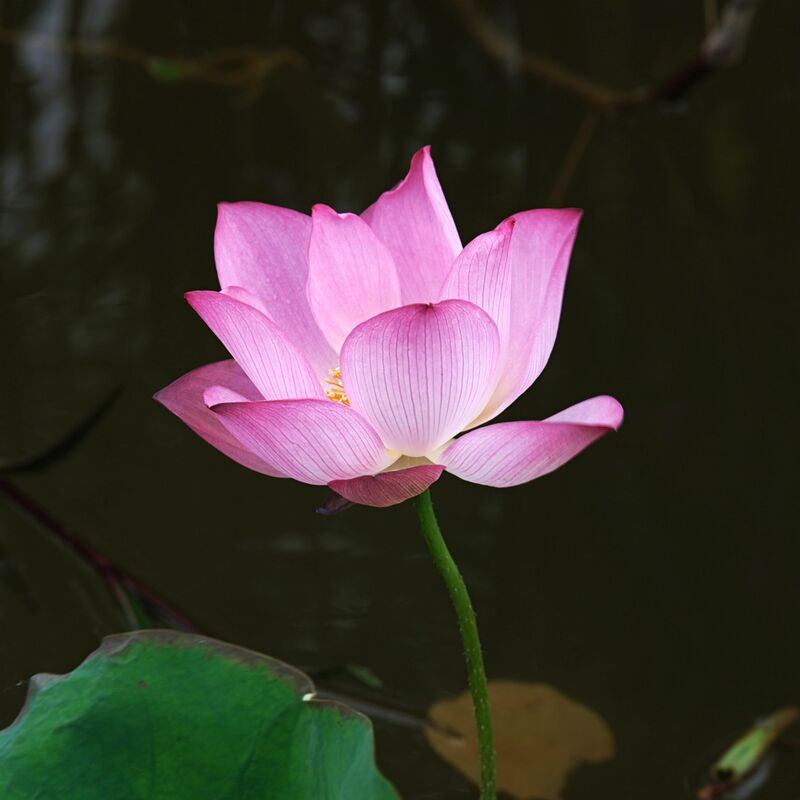
The bodhisattva's primary aim is benefiting all sentient beings through compassion and wisdom, ultimately establishing them in perfect enlightenment. Explore the nature of buddhahood—the enlightened bodies, wisdoms, qualities, and spontaneous activities that enable a buddha to fulfill both one's own welfare and that of all beings.
Benefitting Sentient Beings
The primary objective of the bodhisattva path is explicit in the definition of bodhicitta, the defining characteristic of a bodhisattva. Bodhicitta is composed of two components: compassion and wisdom. Through compassion, the bodhisattva feels the suffering of sentient beings and earnestly seeks to eliminate it. Through wisdom, the bodhisattva pursues the most enduring solution—a permanent state of peace and genuine happiness, free from suffering. Buddhahood, the state of perfect enlightenment, is thought to be such a state of genuine and lasting happiness. The bodhisattva works to benefit all sentient beings in every way possible while ultimately aiming to establish them in the state of perfect enlightenment. The main goal of the bodhisattva endeavor, therefore, is the welfare of all sentient beings. Śāntideva makes this explicit in The Way of the Bodhisattva.
Directly, then, or indirectly, Do nothing that is not for others’ sake. And solely for their welfare dedicate Your every action to the gaining of enlightenment.
Page(s) 75
Blankleder, Helena, and Wulstan Fletcher (Padmakara Translation Group), trans. The Way of the Bodhisattva: A Translation of the Bodhicharyāvatāra. By Śāntideva. Rev. ed. Shambhala Classics. Boston: Shambhala Publications, 2006.
དངོས་སམ་ཡང་ན་བརྒྱུད་ཀྱང་རུང་། །
སེམས་ཅན་དོན་ལས་གཞན་མི་སྤྱད། ། སེམས་ཅན་ཁོ་ནའི་དོན་གྱི་ཕྱིར། །
ཐམས་ཅད་བྱང་ཆུབ་ཕྱིར་བསྔོའོ། །dngos sam yang na brgyud kyang rung /_/
sems can don las gzhan mi spyad/_/ sems can kho na'i don gyi phyir/_/
thams cad byang chub phyir bsngo'o/_/We find the same spirit expressed in Nāgārjuna's Praise of Pleasing Sentient Beings, which Atiśa and Tsultrim Gyalwa translated into Tibetan. In it, the Buddha is quoted as saying:
I have achieved this spiritual attainment because I have benefitted sentient beings. I hold this body solely for the sake of sentient beings.[1]
Atiśa illustrates compassionate bodhisattva action with the examples of Nāgārjuna giving his head away, Āryadeva his eyes, and Aśvaghoṣa and Jetāri their limbs to tigers. The Jātaka stories also revolve around a bodhisattva's efforts to benefit sentient beings through various practices.
Numerous statements, stories, and arguments in the sūtras and commentarial treatises underscore that the main objective of bodhisattva practice is to benefit sentient beings. Maitreya and Śāntideva mention that buddhas and bodhisattvas would even happily dive into the deepest hell realm of Unrelenting Pain for the sake of sentient beings.[2]
With this primary motive—to benefit sentient beings, place them in the state of everlasting happiness, and permanently free them from suffering—bodhisattvas earnestly seek the means to accomplish these goals. While there are many ways to benefit sentient beings, not all of them can lead to a permanent state of happiness and the complete eradication of suffering and its causes. As perfect enlightenment is seen as the only reliable and effective way to help sentient beings enjoy everlasting happiness and permanently uproot suffering and its causes, a bodhisattva aims to establish all sentient beings in that very state. Moreover, enlightenment is the most powerful state from which to provide effective, impartial help to all beings. Thus, a bodhisattva seeks buddhahood as the ultimate goal that accomplishes the welfare of both self and others.
Depending on their caliber and courage, a bodhisattva aims to take all sentient beings to buddhahood before oneself, at the same time as oneself, or after oneself. The first type, considered to be of superior caliber, is said to take three countless eons to reach buddhahood, while the second, or middling type, is said to take seven countless eons. The last, or inferior type, takes thirty-three countless eons. Many bodhisattvas of the highest caliber, who have reached the last stage of the path, are said to voluntarily delay their own buddhahood in hopes of leading other sentient beings to enlightenment first.
Irrespective of their calibre, speed, or duration, a bodhisattva goes through the four paths of learning: the path of accumulation, the path of application, the path of seeing, and the path of practice. Having progressed through the ten stages and attained the various qualities, a bodhisattva in the final moments of the tenth stage, called Cloud of Dharma, enters the meditative absorption called Diamond-like Stabilization (vajropamasamādhi, རྡོ་རྗེ་ལྟ་བུའི་ཏིང་ངེ་འཛིན་). Through this, he or she eradicates the most subtle traces of the obscuration of the knowable (jñeyāvaraṇam, ཤེས་བྱའི་སྒྲིབ་པ་), which constitutes the last propensities of dualistic thoughts and conceptual constructs. All forms of ordinary mentation and cognitive processes come to an end, like fire being extinguished due to exhaustion of fuel. Candrakīrti describes this process using the fire metaphor.
When all the dry firewood of knowables is burnt Such peace is the dharmakāya of the buddhas. There is neither production nor cessation. As the mind ceases, the enlightened body is directly realized.[3]
At this point, the bodhisattva finally attains the path of non-learning and the eleventh stage, called Universal Light (samantaprabha, ཀུན་ཏུ་འོད་), thus becoming a fully enlightened buddha. He or she reaches the final goal and destination of the bodhisattva's long journey, and the process of spiritual transformation is completed.
Buddhahood
Many Mahāyāna sūtras and commentarial writings discuss the state of perfect enlightenment, or buddhahood, as the resultant goal of the bodhisattva path, although they differ in their theories of buddhahood. A quick overview of the nature, types, intrinsic characteristics, qualities, and activities of the fully enlightened buddha is presented below based on the theories of buddhahood in the writings of Maitreya, Nāgārjuna, Candrakīrti, Śāntideva, and the Tibetan commentaries on the writings of these Indian authors. These authors present the resultant state of buddhahood as one in which a bodhisattva fulfills the purposes of both oneself and others. The fulfillment of one's own purpose or objective is presented through the actualization of the dharmakāya, or truth body (ཆོས་སྐུ་), and the fulfillment of others' purpose is presented through the projection of corporeal bodies (rūpakāya, གཟུགས་སྐུ་). In this way, buddhahood is often discussed in the schema of the two types of enlightenment bodies. Maitreya states in his Ultimate Continuum:
One's own welfare and the welfare of others consist of the ultimate kāya And the seeming kāya that is based on it, respectively.[4]
What Maitreya calls the ultimate kāya, or real enlightened body, refers to the dharmakāya, or truth body, and the seeming kāya, or relative enlightened body, refers to the corporeal forms which are manifested from the state of buddhahood. In the chapter on buddhahood in The Ultimate Continuum, Maitreya discusses the state of perfect enlightenment through eight points: its nature, causes, results, functions, qualities, expressions, temporal eternity, and inconceivability. (1) In its nature, buddhahood is pure in being both naturally pristine and totally free from adventitious impurities. (2) In terms of causes, buddhahood is brought about by the cultivation of the wisdom discerning ultimate truth in a meditative absorption and by the compassionate engagement during post-meditative periods. Explaining the cause, Nāgārjuna in his Garland of Jewels states that out of the two forms of accumulations, the accumulation of pristine wisdom leads to the attainment of the dharmakāya and the accumulation of merit leads to the attainment of the rūpakāya, or corporeal forms.[5]
With regard to (3) the resultant aspect of buddhahood, this state is presented as a result that is not generated but revealed—purified of adventitious defilements, obscurations, and their subtle traces. The agency of buddhahood to fulfill both one’s and others' welfare is described as (4) the function or instrumentality of buddhahood. Devoting a whole chapter on (5) the qualities of buddhahood, Maitreya classifies these qualities into the thirty-two enlightened qualities of being free from impurities (བྲལ་བའི་ཡོན་ཏན་), associated with the dharmakāya, and the thirty-two enlightened qualities which are cultivated (སྨིན་པའི་ཡོན་ཏན་). The former includes ten powers, four modes of being fearless, and eighteen unique qualities of the Buddha, and the latter refers to the thirty-two marks of the Buddha's body. The state of perfect enlightenment endowed with such boundless qualities is then (6) expressed or taxonomically presented through the three enlightened modes of the dharmakāyā (truth body), saṃbhogakāya (enjoyment body), and nirmāṇakāya (emanation body). These modes and qualities are not impermanent or temporally bound but are qualified by (7) the feature of being eternal and permanent as well as by being beyond ordinary conception and thought. Thus, they are (8) inconceivable and ineffable realities which only the enlightened Buddha can fully fathom and experience.
Enlightened Bodies, Wisdom, and Activities
In the most common presentation of buddhahood, we find it presented through the three or four enlightened bodies, four wisdoms, and the enlightened activities of the Buddha. Enlightened bodies are initially classified into dharmakāya, or truth body, and rūpakāya, or corporeal body. The former is further divided into svabhāvikakāya (ངོ་བོ་ཉིད་སྐུ་), or nature body, and jñānadharmakāya (ཡེ་ཤེས་ཆོས་སྐུ་), or pristine wisdom truth body. The first refers to the open and empty nature of buddhahood, which is free from all impurities. It is normally defined as the sphere of reality that is endowed with twofold purities (དག་པ་གཉིས་ལྡན་གྱི་དབྱིངས་): natural purity and purity from adventitious stains. The pristine wisdom body refers to the cognitive and conscious aspect of the Buddha's spirit. It is often referred to as the all-knowing pristine wisdom (ཐམས་ཅད་མཁྱེན་པའི་ཡེ་ཤེས་) of the Buddha. These two bodies—representing the empty, open aspect and the cognitive aspect of buddhahood respectively—make up the inner formless spirit of the Buddha.
The Buddha's powerful inner spirit manifests in a pure physical form within a heavenly realm perceptible only to fully enlightened buddhas and advanced bodhisattvas on the pure stages. This is the saṃbhogakāya (ལོངས་སྤྱོད་རྫོགས་སྐུ་), or enjoyment body. It is physically characterized by the thirty-two marks and eight tokens of an enlightened being and is described as being endowed with the five specificities (ངེས་པ་ལྔ་ལྡན་). The five specific features are (1) abiding in the specific pure realm of Akaniṣṭha, (2) having a specific form with the thirty-two marks, (3) being surrounded by a specific retinue of only advanced bodhisattvas, (4) giving only specific teachings on Mahāyāna, and (5) doing so in perpetuity.
From the celestial form of the enjoyment body appear countless emanations to help ordinary sentient beings, like the reflections of the moon shining in multiple water bodies according to the quality of the water. These bodies are known as nirmāṇakāyas (སྤྲུལ་སྐུ་), or emanation bodies. The best of the emanation bodies, known as the supreme emanation body (paramanirmāṇakāya, མཆོག་གི་སྤྲུལ་སྐུ་), also bears the thirty-two marks and eighty tokens and displays the twelve phases of the Buddha's deeds in the world. The second type of emanation is the emanation body by birth (janmanirmāṇakāya, སྐྱེ་བ་སྤྲུལ་སྐུ་), which includes the many kinds of births buddhas take as saints, leaders, animals, etc. Emanations as artists or artisans associated with arts and crafts are known as artisan emanations (བཟོ་སྤྲུལ་སྐུ་). The numerous forms buddhas take to benefit sentient beings—such as bridges, lamps, trees, paintings, statues, etc.—are known as variegated emanations (སྣ་ཚོགས་སྤྲུལ་སྐུ་).
In the Mahāyāna theory of buddhahood, all these bodies of the Buddha, including the physical manifestations, are considered to be essentially pristine wisdom. There is no materiality and opaque substance with spatial and temporal limitations. Even what appear as physical bodies with shapes and forms are in essence illusory embodiments of pristine wisdom. Thus, the whole world of the buddhas is presented through the various types of pristine wisdom.
- (1) The mirror-like wisdom (ādarśajñāna, མེ་ལོང་ཡེ་ཤེས་) is the pure openness of the innate nature of the mind and the purified state of the store-consciousness one has as an ordinary sentient being.
- (2) The wisdom of equality (samatājñānam, མཉམ་ཉིད་ཡེ་ཤེས་) is the nature of the mind being free from prejudices, partiality, and bias. It is the purified version of the egocentric distorted mind in ordinary sentient beings.
- (3) The discriminating wisdom (pratyavekṣaṇājñāna, སོར་རྟོག་ཡེ་ཤེས་) is the mind's innate ability to discern and realize. It is the purified version of the mental consciousness in ordinary sentient beings.
- (4) The all-accomplishing wisdom (kṛtyānuṣṭhānajñānam, བྱ་སྒྲུབ་ཡེ་ཤེས་) is the positive zeal and dynamism in the true nature of the mind to do good and benefit sentient beings. It is the purified version of the sensory consciousness in ordinary sentient beings.
- (5) To this, one may also add, particularly in the Vajrayāna context, another type of wisdom called the wisdom of dharmadhātu (dharmadhātujñāna, ཆོས་དབྱིངས་ཡེ་ཤེས་), which is the pure luminous foundation of all things.
Buddhahood, in brief, is composed of the four types of enlightened bodies and five kinds of pristine wisdom, which lead to the enlightened activities.
Any virtuous and beneficial activities that arise from these different forms of enlightened bodies are considered the enlightened activities of the Buddha. They are said to be as extensive as space and are given the two unique characteristics of being totally spontaneous and invariably continuous. As all thoughts, concepts, sense of individuality, agency, and action dissolve in the state of perfect enlightenment, there is no intentional will to act nor any deliberate or contrived action. The enlightened actions of the buddhas occur without premeditated intention, plan, or effort. Because of the immense investment made by the Buddha as a bodhisattva while on the path to enlightenment, the activities of the Buddha naturally ensue spontaneously. Thus, examples such as the wish-fulfilling gem and wish-granting tree from Indian cultural lore are commonly used to illustrate the thought-free and effortless activities of the Buddha. Candrakīrti compares it to a potter's wheel turning long after the potter has given the wheel a push. Similarly, Śāntideva likens it to a monument that has been injected with the power of a Garuda spell in the past yet continues to help cure illnesses long after the person who created it has passed away.
Elements of Perfect Enlightenment
Although considered inconceivable and ineffable, many different categories, elements, and features are used to present the state of perfect enlightenment, particularly the state of dharmakāya. Mipham, in his Entry to the Ways of the Learned, presents buddhahood through twenty-one sets of undefiled dharmas (zag pa med pa’i sde tshan nyer gcig).
Twenty-one Undefiled Dharmas
- The thirty-seven dharmas of enlightenment (བྱང་ཆུབ་ཕྱོགས་ཀྱི་ཆོས་སོ་བདུན་)
- The four immeasurable thoughts (ཚད་མེད་བཞི་)
- The eight modes of liberation (རྣམ་པར་ཐར་པ་བརྒྱད་)
- The nine states of meditative absorption for successive abiding (མཐར་གྱིས་གནས་པའི་སྙོམས་འཇུག་དགུ་)
- The eight sense spheres of suppression (ཟིལ་གྱིས་གནོན་པའི་སྐྱེ་མཆེད་བརྒྱད་)
- The ten totalities (ཟད་པར་བཅུ་)
- Elimination of defiling emotions (ཉོན་མོངས་མེད་པ་)
- Effortless knowing (སྨོན་ནས་མཁྱེན་པ་)
- The six forms of clairvoyance (མངོན་ཤེས་དྲུག་)
- The four forms of discernment (སོ་སོར་ཡང་དག་པའི་རིག་པ་བཞི་)
- The four forms of purity (དག་པ་བཞི་)
- The ten masteries (དབང་བཅུ་)
- The ten powers/strengths (སྟོབས་བཅུ་)
- The four forms of fearlessness (མི་འཇིགས་པ་བཞི་)
- The eighteen distinct traits (མ་འདྲེས་པ་བཅོ་བརྒྱད་)
- Absence of reserve (སྲུང་བ་མེད་པ་)
- The three forms of mindfulness (དྲན་པ་ཉེ་བར་བཞག་པ་གསུམ་)
- Infallibility (བསྙེལ་བ་མི་མངའ་བ་)
- Total eradication of habitual propensities (བག་ཆགས་ཡང་དག་པར་བཅོམ་པ་)
- Great compassion (ཐུགས་རྗེ་ཆེན་པོ་)
- Omniscience in knowing all aspects (རྣམ་པ་ཐམས་ཅད་མཁྱེན་པ་)[6]
Maitreya, in The Ultimate Continuum, highlights thirty-two qualities of the dharmakāya and calls them qualities of being free (བྲལ་བའི་ཡོན་ཏན་) from impurities. These include the ten powers or strengths, four forms of fearlessness, and the eighteen unique and distinct features of the Buddha.
Ten Powers
The ten powers or strengths include:
- Knowledge of what is possible and impossible (གནས་དང་གནས་མ་ཡིན་པ་མཁྱེན་པ་)
- Knowledge of the results of actions (རྣམ་སྨོན་མཁྱེན་པ་)
- Knowledge of the different aspirations of beings (འགྲོ་བའི་མོས་པ་སྣ་ཚོགས་མཁྱེན་པ་)
- Knowledge of all types of dispositions (ཁམས་སྣ་ཚོགས་མཁྱེན་པ་)
- Knowledge of the different calibers (དབང་པོ་སྣ་ཚོགས་མཁྱེན་པ་)
- Knowledge of all the paths (ལམ་སྣ་ཚོགས་མཁྱེན་པ་)
- Knowledge of all the different states of meditative concentration (བསམ་གཏན་སྣ་ཚོགས་མཁྱེན་པ་)
- Knowledge of previous lives of oneself and others (སྔོན་གྱི་གནས་སྣ་ཚོགས་མཁྱེན་པ་)
- Knowledge of transference, death, and rebirth (འཆི་འཕོ་བ་དང་སྐྱེ་བ་མཁྱེན་པ་)
- Knowledge of the path and results for exhaustion of defilements (ཟག་པ་ཟད་པའི་ལམ་དང་འབྲས་བུ་མཁྱེན་པ་)[7]
Four Fearlessnesses
The four forms of fearlessnesses are:
- Fearlessness in asserting one’s own perfect realization (རང་དོན་རྟོགས་པ་ཕུན་ཚོགས་ལ་མི་འཇིགས་པ་)
- Fearlessness in asserting one’s own perfect abandonment (རང་དོན་སྤངས་པ་ཕུན་ཚོགས་ལ་མི་འཇིགས་པ་)
- Fearlessness for the sake of others in revealing the path to liberation (གཞན་དོན་ལྨ་སྟོན་པ་ལ་འཇིགས་པ་)
- Fearlessness for the sake of others in revealing potential hindrances on the path (གཞན་དོན་ལམ་གྱི་གེགས་སྟོན་པ་ལ་མི་འཇིགས་པ་)[8]
Eighteen Distinctive Characteristics
The eighteen distinct unique characteristics of the Buddha are:
Six associated with the behavior of the Buddha.
- Bodily actions are infallible (སྐུ་ལ་འཁྲུལ་པ་མི་མངའ་བ་)
- Speech is without prattle (གསུང་ལ་ཅ་ཅོ་མི་མངའ་བ་)
- Mind does not lose mindfulness (ཐུགས་ལ་དྲན་པ་ཉམས་པ་མི་མངའ་བ་)
- Mind is never without meditative concentration (མཉམ་པར་མ་བཞག་པའི་ཐུགས་མི་མངའ་བ་)
- Mind does not harbor diverse ideas (འདུ་ཤེས་སྣ་ཚོགས་པ་མི་མངའ་བ་)
- Mind has no uncritical indifference (མ་བརྟག་པའི་བཏང་སྙོམས་མི་མངའ་བ་)
Six associated with the realization of the Buddha.
- The intention to benefit sentient beings does not wane (སེམས་ཅན་ལ་ཕན་པའི་འདུན་པ་ཉམས་པ་མི་མངའ་བ་)
- The enthusiasm to help others does not wane (གཞན་དོན་ལ་སྤྲོ་བའི་བརྩོན་འགྲུས་ཉམས་པ་མི་མངའ་བ་)
- The mindfulness to recall all things does not wane (ཆོས་ཀུན་མི་བརྗེད་པའི་དྲན་པ་ཉམས་པ་མི་མངའ་བ་)
- The wisdom to discern all things does not wane (ཆོས་ཀུན་རྣམ་པར་འབྱེད་པའི་ཤེས་རབ་ཉམས་པ་མི་མངའ་བ་)
- The freedom from two forms of obscuration does not wane (སྒྲིག་གཉིས་ལས་རྣམ་པར་གྲོལ་བ་ཉམས་པ་མི་མངའ་བ་)
- The fully liberated pristine wisdom does not wane (རྣམ་པར་གྲོལ་བའི་ཡེ་ཤེས་ཉམས་པ་མི་མངའ་བ་)
Three associated with the activities of the Buddha.
- The Buddha’s physical actions are led and followed by pristine wisdom (སྐུའི་ལས་ཐམས་ཅད་ཡེ་ཤེས་སྔོན་དུ་འགྲོ་ཞིང་ཡེ་ཤེས་རྗེས་སུ་འབྲངས་བ་)
- The Buddha’s verbal actions are led and followed by pristine wisdom (གསུང་གི་ལས་ཐམས་ཅད་ཡེ་ཤེས་སྔོན་དུ་འགྲོ་ཞིང་ཡེ་ཤེས་རྗེས་སུ་འབྲངས་བ་)
- The Buddha’s mental actions are led and followed by pristine wisdom (ཐུགས་ཀྱི་ལས་ཐམས་ཅད་ཡེ་ཤེས་སྔོན་དུ་འགྲོ་ཞིང་ཡེ་ཤེས་རྗེས་སུ་འབྲངས་བ་)
Three associated with the pristine wisdom of the Buddha
- The Buddha’s pristine wisdom is unattached and unobstructed in knowing past times (འདས་པའི་དུས་ལ་མ་ཆགས་མ་ཐོགས་པའི་ཡེ་ཤེས་ཀྱི་གཟིགས་པ་འཇུག་པ་)
- The Buddha’s pristine wisdom is unattached and unobstructed in knowing future times (མ་འོངས་པའི་དུས་ལ་མ་ཆགས་མ་ཐོགས་པའི་ཡེ་ཤེས་ཀྱི་གཟིགས་པ་འཇུག་པ་)
- The Buddha’s pristine wisdom is unattached and unobstructed in knowing present times (ད་ལྟ་བའི་དུས་ལ་མ་ཆགས་མ་ཐོགས་པའི་ཡེ་ཤེས་ཀྱི་གཟིགས་པ་འཇུག་པ་)[9]
Thirty-two Physical Marks
The thirty-two physical marks of the fully enlightened Buddha are presented in many Buddhist texts, and their enumeration slightly varies in different traditions. The following enumeration is given in Mipham's Entry to the Ways of the Learned:
- On the palms of his hands and the soles of his feet are the designs of a thousand-spoked wheel that protrudes, as if stamped from a mold.
- The soles of his feet are even and well-set, like the belly of a tortoise.
- The fingers on his hands and the toes on his feet are, like the swan, connected with a web [made of light].
- His arms and legs are smooth and firm.
- The seven parts of his body are rounded—the wrists of his hands and ankles of his feet, the two shoulders and his neck, making seven, are rounded by being full, curved, and without indentations.
- His fingers and toes are long.
- These four—the ball and heel of each foot—are prominent and broad.
- Taller than the ordinary man, his body is about seven cubits, large and straight, firm like a diamond, and endowed with the strength of Vishnu.
- No protrusions are visible on his ankles and knees.
- The hairs on his body grow in an upward direction.
- His calves are round, full, and beautiful like those of the enaya deer.
- His arms are long and beautiful, and when extended they can cover his kneecaps, even without bending his body.
- Like an elephant or a stallion, his genitals, i.e., private parts, redraw up within a sheath.
- His skin is the color of gold, clear and radiant, and has a beautiful shine.
- His skin is thin and smooth.
- Each hair on his body is fine and smooth, singular, and curls to the right.
- The place between his eyebrows is adorned with a coiled hair that is supple, smooth, and white, and which, by nature, has the length of one or three cubits. Coiled clockwise, its size is like the kyurura fruit, and it resembles a protrusion of silver.
- The torso is expansive like a lion.
- The top of the two shoulders are round like golden vases.
- The two palms are round and full without any indentations.
- His tongue has the quality that whatever taste is experienced becomes most delicious.
- His body, with proportions like the nyagrodha tree, is upright, balanced, and beautiful.
- The protuberance, which is round, shiny black, and coiled clockwise, is not evident to the sight.
- His tongue, which is naturally large enough to cover his whole face, is long and beautiful.
- His voice, endowed with the melodiousness of Brahma, has these five aspects of clarity: it is intelligible and brings full comprehension, is worthy of listening to and without unpleasant intonations, has depth and resonance, is generous and pleasant to hear, and is unruffled. Alternatively, these can be subdivided into sixty, or into the sixty aspects of melodious speech. . .
- His two cheeks are beautiful, round, full, and resemble the surface of a mirror or the jaws of a lion.
- All his teeth, including the four incisors, have a very white color.
- All the teeth are equal in length and width.
- The teeth are evenly set and are not divided by gaps.
- He has a complete number of forty teeth; twenty each above and below.
- While his eyes, beautiful like sapphire gems, show the primary feature. The particular aspects are these five: the iris in the middle of his eyes are round and shiny black, like a bee, and his eyes have an extremely black pupil at their center; around them, the whites of the eyes, to the right and the left, are extremely white; the two corners have a red hue; the color of the center of the eyes is bluish at the surface; and in their depth they are yellowish like the color of gold. His eyelashes are like those of a supreme heifer, chief among cows.
- The hairs on his upper and lower eyelids are beautifully curved and untangled, like the eyelashes of a cow or calf.[10]
Notes
- ↑ ང་ཉིད་སེམས་ཅན་ཕན་འདོགས་གྱུར་པས་གྲུབ་འདི་བརྙེས་པ་སྟེ། །སེམས་ཅན་ཁོ་ནའི་དོན་དུ་ང་ཡིས་སྐུ་འདི་ཡང་དག་བཟུང་། ། Nāgārjuna, Sattvāradhānastava (Sems can mgu bar bya ba'i bstod pa), in Derge Tengyur D1125, Bstod tshogs, ka, vol. 1:74b, http://purl.bdrc.io/resource/MW23703_1125.
- ↑ See Mahāyānasūtrālaṅkara, 5.26. See also The Way of the Bodhisattva, 6.120 and 8.107.
- ↑ ཤེས་བྱའི་བུད་ཤིང་སྐམ་པོ་མ་ལུས་པ། །བསྲེགས་པས་ཞི་དེ་རྒྱལ་རྣམས་ཆོས་སྐུ་སྟེ། །དེ་ཚེ་སྐྱེ་བ་མེད་ཅིང་འགག་པ་མེད། །སེམས་འགགས་པས་དེ་སྐུ་ཡིས་མངོན་སུམ་མཛད། ། Candrakīrti, Madhyamakāvatāra (Dbu ma la 'jug pa), in Derge Tengyur D3861, dbu ma, vol. 102, 'a, 216b, http://purl.bdrc.io/resource/MW23703_3861.
- ↑ This is found in chapter 3, verse 1ab: རང་དོན་གཞན་དོན་དོན་དམ་སྐུ་དང་ནི། །དེ་ལ་བརྟེན་པ་ཀུན་རྫོབ་སྐུ་ཉིད་དེ། ། Maitreya, Ratnagotravibhāga Mahāyānottaratantraśāstra (Theg pa chen po rgyud bla ma'i bstan bcos), in Derge Tengyur D4024, sems tsam, vol. 123, phi, 65b, http://purl.bdrc.io/resource/MW23703_4024. See this verse on the Tsadra Buddha-Nature site
- ↑ སངས་རྒྱས་རྣམས་ཀྱི་གཟུགས་སྐུ་ནི། །བསོད་ནམས་ཚོགས་ལས་བྱུང་བ་སྟེ། །ཆོས་ཀྱི་སྐུ་ནི་མདོར་བསྡུ་ན། །རྒྱལ་པོ་ཡེ་ཤེས་ཚོགས་ལས་འཁྲུངས། ། Nāgārjuna, Rājaparikathāratnavāli (Rgyal po la gtam du bya ba rin chen phreng ba), in Derge Tengyur D4158, spring yig, vol. 172, ge, 115a, http://purl.bdrc.io/resource/MW23703_4158.
- ↑ See Erik Pema Kunsang, trans., Gateway to Knowledge: The Treatise Entitled The Gate for Entering the Way of a Pandita, by Mipham Rinpoche (Bouddhanath: Rangjung Yeshe, 2002), 3:229-40.
- ↑ Kunsang, Gateway to Knowledge, 3:234-35.
- ↑ Kunsang, Gateway to Knowledge, 3:236.
- ↑ Kunsang, Gateway to Knowledge, 3:236–37.
- ↑ Kunsang, Gateway to Knowledge, 3:239–42.
