8.107

From Bodhicitta

Bodhicaryāvatāra · Verse 8.107


Sources:    

Sanskrit §No information about the source used.

एवं भावितसंतानाः परदुःखसमप्रियाः। अवीचिमवगाहन्ते हंसाः पद्मवनं यथा॥

 
Chanted Verse
Recitation by Professor Kashinath Nyaupane
107

The bodhisattvas, who have cultivated this chain of phenomena that we call "myself," and for whom the most extreme sorrow is the same as pleasure, descend into the Avichi hell like swans diving into a lotus pond.

Standard Tibetan §Padmakara used the 1990 edition printed by si khron mi rigs dpe skrun khang: Byang chub sems dpa'i spyod pa la 'jug pa rtsa ba dang 'grel pa (1990). Also found in Derge Tengyur D3871, dbu ma, vol. 105, la 1b1–40a7.

དེ་ལྟར་རྒྱུད་ནི་གོམས་གྱུར་པ། །

གཞན་གྱི་སྡུག་བསྔལ་ཞི་དགའ་བས། ། པདྨའི་མཚོ་རུ་ངང་པ་ལྟར། །

མནར་མེད་པར་ཡང་འཇུག་པར་འགྱུར། །

 
Chanted Verse
Recitation by Lopen Karma Phuntsho
107

Those whose minds are practiced in this way,

Whose joy it is to soothe another’s ills, Will venture into hell of Unrelenting Pain

As swans sweep down upon a lotus lake.

Standard Tibetan §Padmakara used the 1990 edition printed by si khron mi rigs dpe skrun khang: Byang chub sems dpa'i spyod pa la 'jug pa rtsa ba dang 'grel pa (1990). Also found in Derge Tengyur D3871, dbu ma, vol. 105, la 1b1–40a7. - Other translations

Lorsqu’on habitue son esprit de la sorte,

On prend plaisir à apaiser la souffrance des autres Au point de pénétrer dans les Tourments insurpassables

Comme un cygne dans un lac de lotus.

Aquellos que han cultivado así sus mentes,

como su alegría consiste en apaciguar el dolor de otros, se adentrarían en el infierno de las Torturas Máximas

como un cisne lo hace en un lago con lotos.

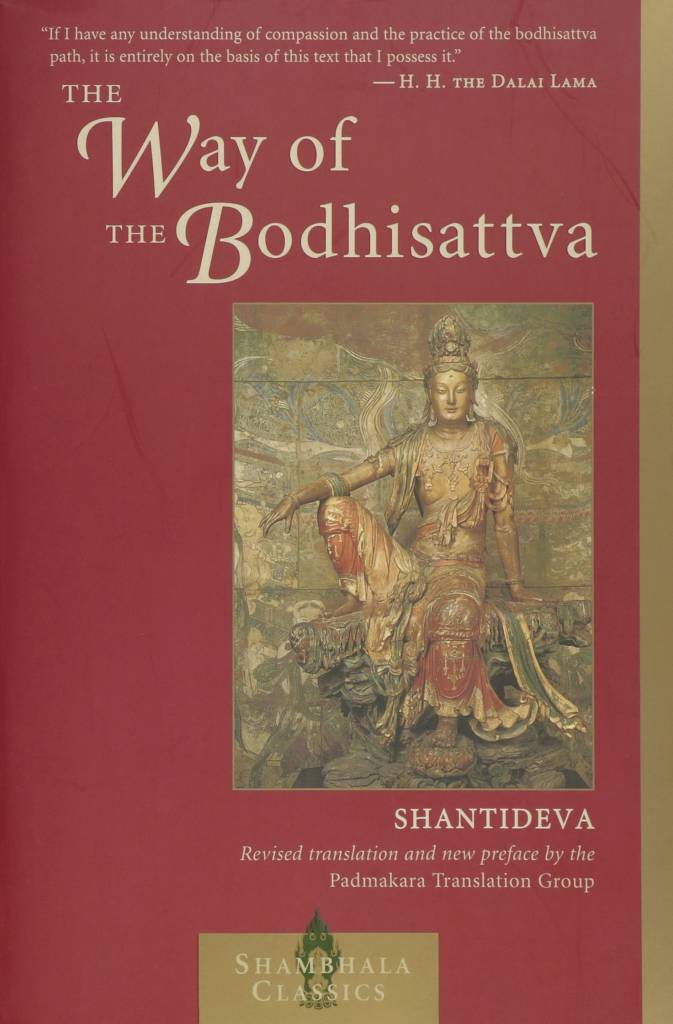
La Práctica del Bodisatva-front.jpg
Padmakara Spain 2008

When the continuum becomes thus acquainted

One takes joy in pacifying the suffering of others. As if it were a lotus pond

One will even enter the hell without respite.

Thus, in order to further accustom their minds to

Delight in the pacification of others' suffering, Even entering Avici hell is like

A swan entering a lotus lake.

shift + scroll / swipe
Tsadra Critical Edition §This text was created by comparing four versions of the text from Derge, Cone, Narthang, and Peking Tengyurs from BDRC scans, along with Dunhuang manuscripts IOL Tib J 628, 629, and 630. When Tibetan readings were problematic, the Sanskrit texts from GRETIL and LTB (Oslo) were consulted.

དེ་ལྟར་རྒྱུད་ནི་གོམས་གྱུར་པ། །

གཞན་གྱི་སྡུག་བསྔལ་ཞི་དགའ་བས། ། པདྨའི་མཚོ་རུ་ངང་པ་ལྟར། །

མནར་མེད་པ་ཡང་འཇུག་པར་འགྱུར། །

[edit]
Sazang Mati (1294 - 1376)
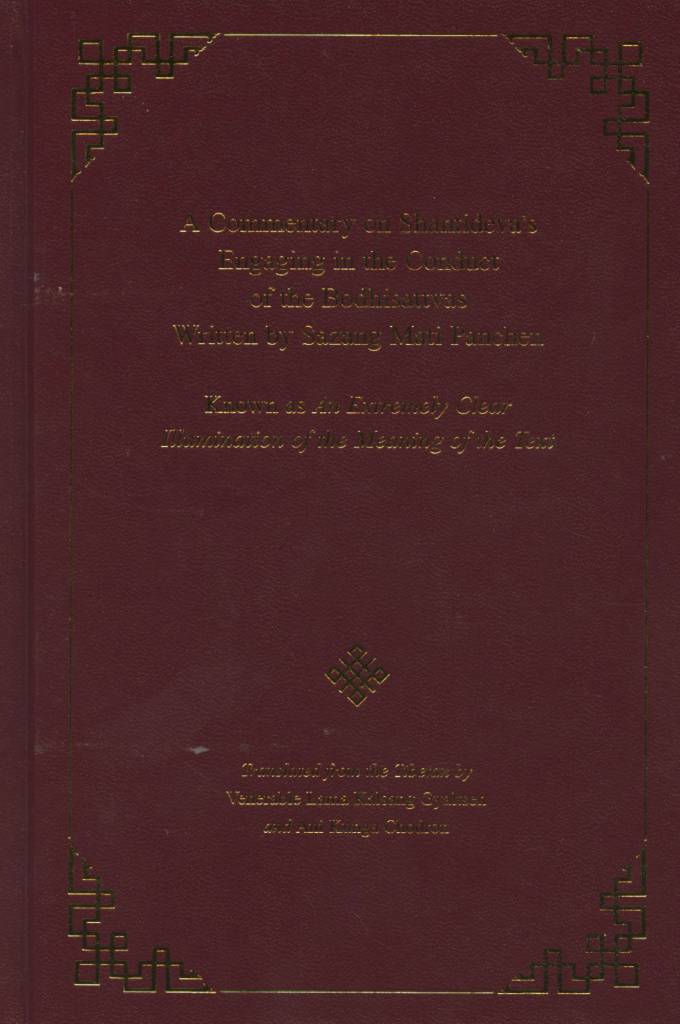
A Commentary on Shantideva's Engaging in the Conduct of the Bodhisattvas (citation)Gyaltsen, Lama Kalsang, and Ani Kunga Chodron, trans. A Commentary on Shantideva's Engaging in the Conduct of the Bodhisattvas Written by Sazang Mati Panchen: Known as An Extremely Clear Illumination of the Meaning of the Text. Walden, NY: Tsechen Kunchab Ling, 2019. Bilingual Edition

(བཞི་པ་)ཕན་ཡོན་ནི།

4. Benefit of meditating equality 1.2.3.2.1.1.2.4

དེ་ལྟར་རྒྱུད་ནི་གོམས་གྱུར་པ། །

གཞན་གྱི་སྡུག་བསྔལ་ཞི་དགའ་བས། ། པདྨའི་མཚོ་རུ་ངང་པ་ལྟར། །

མནར་མེད་པར་ཡང་འཇུག་པར་འགྱུར། །

de ltar rgyud ni goms gyur pa/_/

gzhan gyi sdug bsngal zhi dga' bas/_/ pad+ma'i mtsho ru ngang pa ltar/_/

mnar med par yang 'jug par 'gyur/_/

Thus, in order to further accustom their minds to

Delight in the pacification of others' suffering, Even entering Avici hell is like

A swan entering a lotus lake.

གོང་དུ་བསྟན་པ་དེ་ལྟར་རྒྱུད་ནི་གཞན་ཕན་ལ་གོམས་པར་གྱུར་པ༵་ན་གཞན་སེམས་ཅན་ཐམས་ཅད་ཀྱི་སྡུག་བསྔལ་མཐའ་དག་ཞི་བ་ལ་མངོན་པར་དགའ་[p.-272]རབ་གསལ་སྣང་བ་
བ༵ས་དཔེར་ན་མེ་ཏོག་པདྨ་མང་པོས་བརྒྱན་པའི་མཚོ་ཡིད་དུ་འོང་བ་ལ་ངང་བ་རྣམས་སྤྲོ་བས་འཇུག་པ་ལྟ༵ར་མནར་མེད་པའི་དམྱལ་བར་ཡང་གཞན་དོན་ལ་སྤྲོ་བས་འཇུག་ནུས་པར་འགྱུ༵ར་ཏེ། རྒྱན་ལས།

Thus if the mind continuum becomes familiar with benefiting others, it finds great joy in pacifying every suffering of all other sentient beings. Just as geese delightedly enter a beautiful lake filled with lotus flowers, Bodhisattvas even delightedly enter Avici Hell in order to benefit others. The Ornament states:

བྱང་ཆུབ་སེམས་དཔའ་སྡུག་བསྔལ་མེད། །

བརྩེ་བས་སྡུག་བསྔལ་འགྱུར་བ་གང༌། ། དེ་ལ་དང་པོ་ཀུན་ཏུ་སྐྲག །

རེག་ནས་ཤིན་ཏུ་མངོན་དགར་འགྱུར། །

Bodhisattvas lack suffering;
Having compassion, what could become suffering?
What at first feels extremely frightening,
Through familiarity later becomes greatly delightful.

Gyaltsap Je (1364 - 1432)
The Entrance for the Children of the Conquerors (citation)Stracke, Fedor, trans. The Entrance for the Children of the Conquerors: A Commentary on the Introduction to the Actions of Bodhisattvas. By Gyaltsab Rinpoche. N.p.: Happy Monks Publication, 2016. https://happymonkspublication.org/product/bodhisattvacharyavatara-chapter-1-10-commentary/. Bilingual Edition

གསུམ་པ་ལ་ལྔ།

The Benefits of Meditating on It 1.1.3.1.2.3

དང་པོ་ནི།

Those Dedicated Only to the Purpose of Others Do Not Have Great Sufferings 1.1.3.1.2.3.1

དེ་ལྟར་རྒྱུད་ནི་གོམས་གྱུར་པ། །

གཞན་གྱི་སྡུག་བསྔལ་ཞི་དགའ་བས། ། པདྨའི་མཚོ་རུ་ངང་པ་ལྟར། །

མནར་མེད་པར་ཡང་འཇུག་པར་འགྱུར། །

de ltar rgyud ni goms gyur pa/_/

gzhan gyi sdug bsngal zhi dga' bas/_/ pad+ma'i mtsho ru ngang pa ltar/_/

mnar med par yang 'jug par 'gyur/_/

When the continuum becomes thus acquainted

One takes joy in pacifying the suffering of others. As if it were a lotus pond

One will even enter the hell without respite.

སྔར་བཤད་པ་དེ་ལྟར་རང་གི་རྒྱུད་ནི་བདག་གཞན་མཉམ་པ་བསྒོམ་པ་གོམས་པར་གྱུར་པ་ན་གཞན་གྱི་སྡུག་བསྔལ་ཞི་བར་དགའ་བས་དེ་སེལ་བར་འདོད་པ་ལ་པདྨའི་མཚོ་རུ་ངང་བ་འཇུག་པ་ལྟར། རང་གི་སྡུག་བསྔལ་ཁྱད་དུ་བསད་ནས་སྤྲོ་བཞིན་དུ་མནར་མེད་པར་ཡང་འཇུག་པར་འགྱུར་བས་གཞན་དོན་ལ་འཇུག་པ་ལ་ཡིད་ཀྱི་སྡུག་བསྔལ་མེད་དོ། །

If one’s continuum becomes habituated to the meditation of equalizing self and other as explained before, then one takes joy in pacifying the sufferings of others. In order to destroy the sufferings of others one will disregard one’s own sufferings and happily enter even the hell without respite as if it were a lotus pond. One will not have any mental suffering working for the purpose of others.
Minyak Kunzang Sönam (1823 - 1905)
The Great Hūṃ (citation)Duckworth, Douglas, trans. The Great Hūṃ: A Commentary on Śāntideva's Way of the Bodhisattva. By Minyak Kunzang Sönam. New York, NY: Wisdom Publications, 2025. Bilingual Edition

གསུམ་པ་དེ་ལྟར་གོམས་པའི་ཕན་ཡོན་ནི།

The benefits of cultivating this way 8.1.3.2.1.2.3

དེ་ལྟར་རྒྱུད་ནི་གོམས་གྱུར་པ། །

གཞན་གྱི་སྡུག་བསྔལ་ཞི་དགའ་བས། ། པདྨའི་མཚོ་རུ་ངང་པ་ལྟར། །

མནར་མེད་པར་ཡང་འཇུག་པར་འགྱུར། །

Thus those whose continua are habituated

delight in alleviating others’ suffering; they will even plunge into Utter Torment

like swans into a lotus lake. (8.107)

གོང་དུ་བཤད་ཟིན་པ་དེ་ལྟར་བདག་གཞན་མཉམ་པ་སྒོམ་པ་ལ་རང་གི་སེམས་ཀྱི་རྒྱུད་ནི་ཆེས་ཆེར་གོམས་པར་གྱུར་པ་དེའི་ཚེ་འབད་མེད་ལྷུན་གྲུབ་ཀྱི་ཚུལ་དུ་གཞན་སེམས་ཅན་ཀུན་གྱི་སྡུག་བསྔལ་མཐའ་དག་ཞི་བ་ལ་མཐའ་གཅིག་ཏུ་མངོན་པར་དགའ་བས་དེ་ཞི་བའི་ཐབས་སུ་འགྱུར་བ་མཐོང་ན། དཔེར་ན་མེ་ཏོག་པད་མའི་ཚོགས་ཀྱིས་ཡོངས་སུ་གང་བའི་ཆུ་མཚོ་ཡིད་དུ་འོང་བ་རུ་བྱ་ངང་པ་རྣམས་དགའ་ཞིང་སྤྲོ་བའི་ཚུལ་གྱིས་འཇུག་པ་ལྟར་དུ་གཞན་སྡུག་བསྔལ་ལས་གདོན་པའི་ཕྱིར་རང་ལ་སྡུག་བསྔལ་ཆེན་པོ་བྱུང་བ་ལའང་བདེ་བར་སེམས་པའི་སྒོ་ནས་དམྱལ་བའི་ནང་ནས་ཀྱང་རབ་ཏུ་མི་བཟད་པའི་སྡུག་བསྔལ་དང་ལྡན་པའི་མནར་མེད་པར་ཡང་རང་གི་ངང་གི་སྤྲོ་བཞིན་དུ་འཇུག་ནུས་པར་འགྱུར་ཏེ། སྙིང་རྗེའི་གཞན་དབང་དུ་གྱུར་པ་དག་གཅིག་ཏུ་གཞན་དོན་འབའ་ཞིག་ལ་གཞོལ་བས་ཡིད་ཀྱི་སྡུག་བསྔལ་ཅུང་ཟད་ཀྱང་མེད་ལ་གཞན་གྱི་སྡུག་བསྔལ་སེལ་བའི་དོན་དུ་སྡུག་བསྔལ་ཆེན་པོས་ཀྱང་གནོད་པར་མི་འགྱུར་བའི་ཕྱིར། དེ་ལྟར་རྒྱན་ལས།

When their mental continua have become greatly habituated to cultivating the equality of self and other in this way as was just described, they will completely and thoroughly delight in alleviating all of the suffering of every other sentient being, doing so in a way that is spontaneous and effortless [505] and seeing this as a method for peace. For example, swans joyously enter and take delight in a beautiful lake that is filled with lotuses. Similarly, even if there will be great suffering, they will be able to enter even the hell of Utter Torment, a place of horrible suffering among the hells, with a joyous mind and a natural delight in order to expel others’ suffering. This is because[p.771]The Great Hum
Duckworth, Douglas, trans. The Great Hūṃ: A Commentary on Śāntideva's Way of the Bodhisattva. By Minyak Kunzang Sönam. New York, NY: Wisdom Publications, 2025.
those driven by compassion do not have the slightest mental pain through engaging solely for the benefit of others; they are not harmed by even the greatest suffering for the sake of dispelling others’ suffering. Thus the Ornament of the Mahāyāna Sūtras states:

གཞན་ངོན་བརྩོན་ལྡན་སྙིངརྗེའི་བདག་ཉིད་ནི། །

གང་ཚེ་མནར་མེད་པ་ལ་དགར་འཛིན་པ། ། དེ་འདྲ་བ་དག་སྲིད་ན་གཞན་རྟེན་ཕྱིར། །

སྡུག་བསྔལ་འབྱུང་བ་རྣམས་ཀྱིས་ག་ལ་འཇིགས། །

Those with the nature of compassion striving for the welfare
of others regard it as joyful when encountering Utter Torment.
When this is possible for the sake of others
how could they be afraid of an occurrence of suffering?1393Maitreya, Ornament of the Mahāyāna Sūtras, 5.26, 5b.

ཞེས་དང༌།

And,

བྱང་ཆུབ་སེམས་དཔའ་སྡུག་བསྔལ་མེད། །

བརྩེ་བས་སྡུག་བསྔལ་འགྱུར་བ་གང་། ། དེ་ལ་དང་པོ་ཀུན་ཏུ་སྐྲག །

རེག་ནས་ཤིན་ཏུ་མངོན་དགར་འགྱུར། །

Bodhisattvas do not suffer;
the suffering that occurs through love
at first is seen with fear,
yet there is sheer joy when it is encountered.1394Maitreya, Ornament of the Mahāyāna Sūtras, 18.46, 27a.

ཞེས་སོགས་དང༌། བྱང་ཆུབ་སེམས་འགྲེལ་ལས་ཀྱང་།

Also, the Commentary on the Spirit of Awakening states:

གང་ཞིག་གོམས་པས་བརྟན་པ་ནི། །

གཞན་གྱི་སྡུག་བསྔལ་གྱིས་བྱེད་རྣམས། ། བསམ་གཏན་བདེ་བ་དོར་ནས་ཀྱང་། ། མནར་མེད་པར་ཡང་འཇུག་པར་བྱེད། ། འདི་ནི་ངོ་མཚར་འདི་བསྔགས་འོས། །

འདི་ནི་དམ་པའི་ཚུལ་ལུགས་མཆོག །ཅེས་སོ། །

Those who become stable through habituation
fear the suffering of others.
They dismiss the bliss of meditative concentration
to enter Utter Torment;
this is amazing and laudable—
this is the supreme way of the Dharma.1395Nāgārjuna, Commentary on the Spirit of Awakening, 41b.

དེ་ལྟ་བུའི་གཞན་དོན་གྱི་དགའ་བ་ནི་བདེ་བ་མཆོག་ཏུ་གྱུར་པ་མིན་པས་དེ་ལ་ཅིའི་ཕྱིར་དགའ་བས་འཇུག་ཐར་པའི་བདེ་བ་ནི་མཆོག་ཡིན་པས་དེ་བདག་ཉིད་ཀྱིས་དོན་དུ་གཉེར་བྱ་ཡིན་ནོ་སྙམ་ན། རང་དོན་ཡལ་བར་དོར་ནས་སྙིངརྗེའི་དབང་གིས་གཞན་དོན་ཁོ་ན་བསྒྲུབས་པ་ལས་སེམས་ཅན་རྣམས་ནི་[p.539]Byang chub sems dpa'i spyod pa la 'jug pa'i 'grel bshad rgyal sras rgya mtsho'i yon tan rin po che mi zad 'jo ba'i bum bzang
Mi nyag kun bzang bsod nams (མི་ཉག་ཀུན་བཟང་བསོད་ནམས་). byang chub sems dpa'i spyod pa la 'jug pa'i 'grel bshad rgyal sras rgya mtsho'i yon tan rin po che mi zad 'jo ba'i bum bzang [བྱང་ཆུབ་སེམས་དཔའི་སྤྱོད་པ་ལ་འཇུག་པའི་འགྲེལ་བཤད་རྒྱལ་སྲས་རྒྱ་མཚོའི་ཡོན་ཏན་རིན་པོ་ཆེ་མི་ཟད་འཇོ་བའི་བུམ་བཟང།]. [Excellent Vase That Spills Forth an Ocean of the Inexhaustible and Precious Qualities of the Victor's Heirs: An Explanation of the "Way of the Bodhisattva."].
རྒྱུ་ལས་ཉོན་གྱི་འཆིང་བ་དང་འབྲས་བུ་སྲིད་པའི་སྡུག་བསྔལ་ལས་རྣམ་པར་གྲོལ་བ་ན། སྙིང་རྗེའི་བདག་ཉིད་ཅན་གྱི་བྱང་ཆུབ་སེམས་དཔའ་དེ་རང་གི་འདོད་པའི་དོན་ལེགས་པར་གྲུབ་པས་ཐུགས་རྒྱུད་དགའ་བའི་རྒྱ་མཚོ་མཐའ་ཡས་པས་ལེགས་པར་གང་བར་གྱུར་པ་གང་ཡིན་པ་དེ་ཉིད་ཀྱིས་ནི་ཆོག་པ་མིན་ནམ་སྟེ་གཞན་ལས་ཁྱད་པར་དུ་འཕགས་པའི་བདེ་དགའ་ཐུགས་རྒྱུད་ལ་སྐྱེས་པ་དེས་ངོམས་ཤིང་ཆོག་པ་ཡིན་གྱི་རང་གཅིག་པུས་ཞི་བདེ་ཙམ་ཐོབ་པ་ནི་བདེ་བའི་རོ་དང་བྲལ་བས་དེ་ལྟ་བུའི་ཐར་པ་འདོད་པས་ཅི་ཞིག་བྱ་ཞེས་པ་སྟེ། རྒྱ་དཔེ་དང་འགྲེལ་ཆེན་སོགས་སུ། རོ་བྲལ་ཐར་པས་ཅི་ཞིག་བྱ། །ཞེས་གསུངས་པ་ལྟར་བཤད་པའོ། །འདིས་གཞན་ལ་ཕན་བདེ་སྐྱེད་པའི་དགའ་བདེ་ནི་མཆོག་ཏུ་ཁྱད་པར་དུ་འཕགས་པ་ཡིན་པས་དེ་ལ་ལྟོས་ན་རང་གཅིག་པུའི་ཞི་བདེ་ནི་བདེ་བ་མཆོག་གི་རོ་བཅུད་དང་བྲལ་བ་ཡིན་ཞེས་བསྟན་ཏོ། །

You might think, “This kind of joy in the welfare of others is not the supreme happiness, so why is it entered joyfully? The bliss of liberation is best, so this should be sought after by oneself.” The bodhisattvas relinquish their own welfare and accomplish only the welfare of others out of compassion, whereby they liberate sentient beings from the cause, the binds of karma and afflictions, and the effect, the suffering in existence. Since the aims that these compassionate bodhisattvas wish for are completely accomplished through this, their hearts become filled with an infinite ocean of joy; isn’t this enough? The joy and happiness that is born in their hearts from this exceeds other joys; it brings satisfaction and is sufficient. Yet the attainment[p.772]The Great Hum
Duckworth, Douglas, trans. The Great Hūṃ: A Commentary on Śāntideva's Way of the Bodhisattva. By Minyak Kunzang Sönam. New York, NY: Wisdom Publications, 2025.
of only one’s own mere peace lacks the flavor of happiness, so what is the use of wishing for this kind of liberation? The Sanskrit manuscripts and texts like the great commentary describe it in this way: “What is the use of flavorless liberation?” (8.108d). This shows that the joy of bringing benefit and happiness to others is exceptional and supreme. Compared to this, just one’s own peace alone lacks the rich flavor of supreme happiness.

གཞན་དོན་གྱི་དགའ་བོས་ཆོག་པའི་རྒྱུ་མཚན་ནི། སེམས་ཅན་རྣམས་ཀྱིས་ཕ་དང་མ་གྲངས་མེད་བྱས་ཤིང་དྲིན་ཆེན་པོས་ཡང་ཡང་བསྐྱངས་པའི་ལན་དུ་རང་གིས་ཀྱང་ཕར་ལ་ཕན་བཏགས་ནས་ཕན་བདེ་ལ་འགོད་ནུས་ན་དྲིན་ལན་གཟོ་ཐུབ་པ་ཡིན་པས་དེས་ཚིམ་ཞིང་ཆོག་གི་རང་གཅིག་པུའི་ཞི་བདེ་གཉེར་བ་དང་དེ་ཐོབ་པ་ཙམ་ནི་ཐེག་ཆེན་ལམ་གྱིས་གོལ་སའམ་གེགས་བྱེད་ཆེས་ཆེ་བ་ཡིན་པས་དེས་ཅི་བྱ་སྟེ་དགོས་པ་གཏན་ནས་མེད་པས་སོ། །གཞན་དོན་བྱས་པ་དེས་ཐར་པ་ཡང་ཞར་ལ་ཐོབ་པར་འགྱུར་ཏེ།

The reason why the joy in others’ welfare is sufficient is this: sentient beings have been your mother and father countless times. Over and over they have raised you with kindness. In response to this, if you can benefit them and establish them in [506] happiness, you can repay their kindness. There is contentment through this; this is sufficient. Yet pursuing just your own peace and happiness and merely achieving this is to stray far from the Mahāyāna path; this is a great obstacle. So what use is it? There is no point to it at all. Liberation happens as an outgrowth of working for the welfare of others; it says this in the great commentary:

འགྲོ་བ་མ་ལུས་རང་བཞིན་མངོན་སུམ་མཛད་གང་གི །

དེ་བཞིན་གཤེགས་པ་ཉིད་ནི་ཞར་ལ་འབྱུང་བ་སྟེ། ། གཞན་དབང་གྱུར་པ་ཁྱོད་ཀྱི་ཡོན་ཏན་རྣམས་ལས་ནི། །

ཅུང་ཟད་ཙམ་ཞིག་ཚིག་གིས་བརྗོད་བྱེད་སྙན་ངག་མཁན། །ཞེས་སོ་ཞེས་འགྲེལ་ཆེན་དུ་གསུངས་པ་ལྟར་རོ། །

Without exception those who directly and naturally act for others
become tathāgatas as an outgrowth of this.
Driven by others, your good qualities are
expressed a bit with these words by the poet.1396Prajñākaramati, Commentary on the Way of the Bodhisattva, 170b.

Kunzang Palden (1862 - 1943)
The Nectar of Manjushri's Speech (citation)Blankleder, Helena, and Wulstan Fletcher (Padmakara Translation Group), trans. The Nectar of Manjushri's Speech: A Detailed Commentary on Shantideva's Way of the Bodhisattva. By Kunzang Pelden. Boston: Shambhala Publications, 2007. Bilingual Edition

གསུམ་པ་༼དེ་ལྟར་གོམས་པའི་ཕན་ཡོན་༽ནི།[p.579]Byang chub sems dpa'i spyod pa la 'jug pa rtsa ba dang 'grel pa (1990)
Slob dpon zhi ba lha and Mkhan po kun dpal. Byang chub sems dpa'i spyod pa la 'jug pa rtsa ba dang 'grel pa. Khreng tu'u: Si khron mi rigs dpe skrun khang, 1990. Buda by BDRC Logo.jpg

The Benefits of Such a Practice 3.2.1.2.3.

དེ་ལྟར་རྒྱུད་ནི་གོམས་གྱུར་པ། །

གཞན་གྱི་སྡུག་བསྔལ་ཞི་དགའ་བས། ། པདྨའི་མཚོ་རུ་ངང་པ་ལྟར། །

མནར་མེད་པར་ཡང་འཇུག་པར་འགྱུར། །

de ltar rgyud ni goms gyur pa/_/

gzhan gyi sdug bsngal zhi dga' bas/_/ pad+ma'i mtsho ru ngang pa ltar/_/

mnar med par yang 'jug par 'gyur/_/

དེ་ལྟར་བདག་གཞན་མཉམ་པ་ལ་རང་གི་རྒྱུད་ནི་གོམས་པར་གྱུར་པ་ན། སེམས་ཅན་གཞན་གྱི་སྡུག་བསྔལ་ཞི་བར་བྱེད་པ་ལ་མངོན་པར་དགའ་བར་གྱུར་པས་དེའི་ཐབས་ལའང་དཔེར་ན་པདྨའི་མཚོ་རུ་སྟེ་པདྨ་སྣ་ཚོགས་པས་བརྒྱན་པའི་མཚོ་ཡིད་དུ་འོང་བ་ལ་ངང་པ་རྣམས་དགའ་ཞིང་སྤྲོ་བས་འཇུག་པ་ལྟར་དུ་དམྱལ་བ་མནར་མེད་པར་ཡང་གཞན་དོན་དུ་དགའ་ཞིང་སྤྲོ་བས་འཇུག་པར་འགྱུར་རོ། །

Those whose minds are practiced in this way,

Whose joy it is to soothe another’s ills, Will venture into hell of Unrelenting Pain

As swans sweep down upon a lotus lake.

Shantideva remarks that those who have grown used to the view of the equality of self and other, whose happiness it is to soothe the pain of others, will venture for their sake even into the Hell of Unrelenting Pain with the joy and delight of swans that sweep down happily on to a beautiful lake adorned with lotuses.


[edit]
[edit]