- Buddha-Nature
- Compassion
- Defining Bodhicitta
- Emptiness
- Equalizing & Exchanging Self and Others
- Equanimity
- History of Bodhicitta Teachings
- How to Develop Bodhicitta
- Interdependent Origination
- Lineage of the Profound View
- Lineage of the Vast Conduct
- Mahāyāna
- Mind Training
- Non-Self
- Seven-Point Instructions of Cause and Effect
- The Bodhisattva Ideal
- The Bodhisattva Path
- The Bodhisattva Vow
- The Bodhisattva's Goal
- The Four Immeasurables
- The Six Perfections
- The Three Higher Trainings
- The Two Accumulations
- The Two Truths
- Tonglen: The Practice of Sending and Receiving
- Types of Bodhicitta
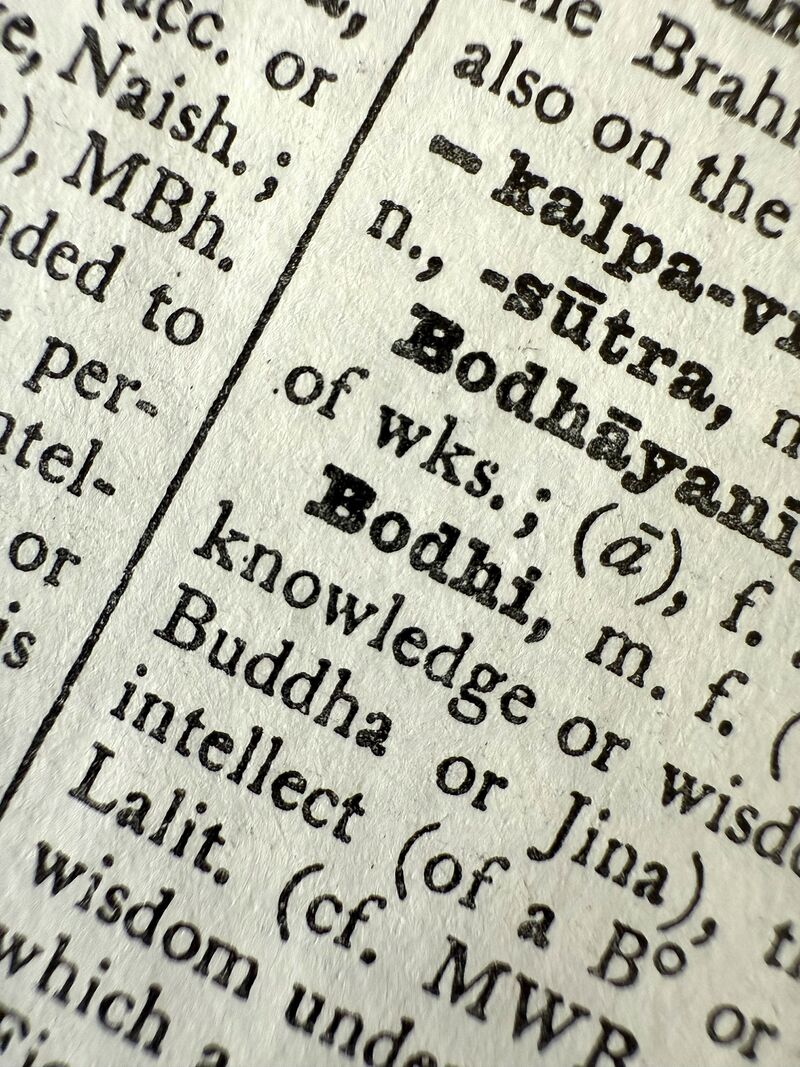
Bodhicitta, the mind of enlightenment or awakening (byang chub kyi sems), is an altruistic intention, suffused with compassion, that aspires to free all beings from suffering and is motivated by the determination to work toward the attainment of complete enlightenment in order to help others reach that same state.
The Bodhicitta to Be Defined
Bodhicitta, as we have seen, is the mind or thought of awakening or enlightenment. Bodhi is a Sanskrit term which refers to awakening or knowledge. In the specific Buddhist context, it refers to the state of enlightenment, which is attained through the cultivation of wisdom. There are three levels of bodhi, or enlightenment:
- The enlightenment of the hearers (śrāvaka, ཉན་ཐོས་), who are disciples of the Buddha seeking individual liberation.
- The enlightenment of the solitary realizers (pratyekabuddha, རང་སངས་རྒྱས་), who seek individual liberation on their own in eras when there is no buddha.
- The enlightenment of the Buddha. This enlightenment is often called the perfect, complete enlightenment (samyaksaṃbuddha, ཡང་དག་པར་རྫོགས་པའི་སངས་རྒྱས་).
The term bodhi in bodhicitta generally refers to the third type—that is, the perfect, complete enlightenment of the Buddha. Citta refers to the mind or thought encompassing the inner world of thoughts, emotions, and impulses. In the most common translations, bodhicitta is rendered as the mind of enlightenment or thought of awakening.
However, the term bodhicitta has many different meanings. Dorji Wangchuk, in his book The Resolve to Become a Buddha: A Study on the Bodhicitta Concept in Indo-Tibetan Buddhism, presents five different uses of the word bodhicitta.[1]
- 1. Ethico-spiritual bodhicitta. In the most common usage, bodhicitta refers to the altruistic resolve to become a buddha for the benefit of all beings. It is the compassionate and volitional core of the Mahāyāna path, encompassing both the aspirational and engaging aspects.
- 2. Gnoseological bodhicitta. Bodhicitta can refer to the knowledge or meditative insight that experiences the ultimate truth. It is the pristine wisdom realizing the true nature of things.
- 3. Ontological bodhicitta. The term bodhicitta, in its deepest sense, is also used to refer to the ultimate reality or nature of being that an enlightened insight apprehends.
- 4. Psycho-physiological bodhicitta. In the context of the tantric or Vajrayāna form of Buddhism, the term is used to refer to male semen and blood, often presented as the white and red bodhicitta, which is associated with the great bliss of enlightenment.
- 5. Semeiological bodhicitta. Bodhicitta can also denote visual, vocal, or other symbols that express one or more of the four preceding types of bodhicitta. Such symbols include the full moon, jewel, vajra, diadem, syllables, light balls, and deities such as Vajrasattva.
Bodhicitta, as it is used on this website, refers primarily to the first two types, with the third type being marginally covered in the context of the ultimate reality that a bodhisattva must realize. This website does not discuss the last two types.
What Dorji Wangchuk calls "ethico-spiritual bodhicitta" corresponds to what is known in the classical texts as relative or conventional bodhicitta (saṁvṛti bodhicitta, ཀུན་རྫོབ་བྱང་ཆུབ་ཀྱི་སེམས་), and what he calls "gnoseological bodhicitta" corresponds to what is called ultimate or absolute bodhicitta (paramārtha bodhicitta, དོན་དམ་བྱང་ཆུབ་ཀྱི་སེམས་). They are also known respectively as the generation of the relative mind (saṁvṛticittotpāda, ཀུན་རྫོབ་སེམས་བསྐྱེད་) and the generation of the ultimate mind (paramārthacittotpāda, དོན་དམ་སེམས་བསྐྱེད་) because "generation of the mind" (cittotpāda, སེམས་བསྐྱེད་) is a synonym of bodhicitta. The following sections discuss the definitions (lakṣaṇa, མཚན་ཉིད་) or the essential characteristics of these two types of bodhicitta.
Defining Relative Bodhicitta
Relative bodhicitta generally refers to the wish to take all sentient beings out of the cycle of suffering to the perfect enlightenment of the Buddha or the desire to attain the state of perfect enlightenment of the Buddha for the sake of all sentient beings. In this respect, it is not just any type of kindness and benevolence. It has as its scope of benefit the entire world of sentient beings, and it aims to attain for them not some ordinary state of happiness but the highest form of enduring happiness and peace in the state of the Buddha. The most articulate and commonly cited definition of relative bodhicitta comes from Maitreya's Ornament of Direct Realization. Defining bodhicitta in the first chapter of this work, Maitreya writes:
Cittotpāda is the wish to attain the perfect full enlightenment for the sake of others.[2]
Bodhicitta, according to this definition, is composed of two features representing wisdom and compassion. Compassion aims at sentient beings and feels their suffering, while wisdom aims at the state of perfect enlightenment and recognizes it as a viable and lasting freedom from suffering. Almost all descriptions of relative bodhicitta subsequent to Maitreya's work follow this definition. In his Ornament of Mahāyāna Sūtras, Maitreya further describes bodhicitta as having two features:
Bodhicitta is a bodhisattva intention, a mental factor with two features.[3]
The two features are often identified as the two mental factors that accompany bodhicitta. They are compassion (karuṇa, སྙིང་རྗེ་) focused on sentient beings and the wish or aspiration (chanda, འདུན་པ་) aimed at perfect enlightenment as a goal. Explaining Maitreya's definition, Asaṅga, who is said to have received the teachings from Maitreya, states in his Stages of the Bodhisattva that bodhicitta has two aims.
Therefore, the cultivation of the mind [of enlightenment] aims at enlightenment and also at the welfare of sentient beings.[4]
In this work, Asaṅga describes bodhicitta as an aspiration and claims that it is the first and foremost aspiration made by a beginner bodhisattva. A bodhisattva, according to Asaṅga, should cultivate the thought and chant the words: "O, May I attain the complete perfect enlightenment of the Buddha. May I work for the welfare of the sentient beings and place them in the ultimate nirvāṇa and the state of the pristine wisdom of the Buddha."[5]
Bodhicitta, in this respect, is the prathamacitta, or the initial intention of a bodhisattva to seek perfect enlightenment. We find this in the story of the Buddha's former life as the ascetic Sumedha when he cultivates the desire to reach buddhahood in the presence of Buddha Dīpaṃkāra. The earnest aspiration (Sanskrit: praṇidhāna, Pāli: paṇidhāna, Tibetan: སྨོན་ལམ་) gradually becomes a strong noble resolve (Sanskrit: adhyāśaya, Pāli: ajjhāsaya, Tibetan: ལྷག་བསམ་) and a commitment to seek perfect enlightenment or benefit others. The historical Buddha is said to have cultivated and strengthened bodhicitta as such an aspiration during numerous lifetimes covering countless eons, repeatedly generating bodhicitta in the presence of many buddhas.
In this manner, relative bodhicitta is often generated through the ritual of taking the bodhisattva vow in the presence of a buddha, bodhisattva, holy objects, or a teacher as a preceptor. Kamalaśīla writes in The Middle Stages of Meditation:
There are two kinds of bodhicitta: relative and ultimate. Relative bodhicitta is the first instance of cultivating the thought that desires unsurpassed perfect enlightenment with the wish to liberate all sentient beings [from suffering] out of compassion and the wish to become a buddha in order to benefit the world. For this, one must cultivate bodhicitta through the ritual of the bodhisattva vow shown in the chapter on discipline with the help of a learned person who is observing the bodhisattva vow.[6]
Taking the bodhisattva vow marks an important milestone in the cultivation of bodhicitta and the bodhisattva path. What starts as a vague wish to attain perfect enlightenment for the sake of all sentient beings becomes a strong resolve through the ritual of taking the bodhisattva vow. During the ritual of taking the vow in the powerful presence of enlightened beings and holy objects, one pledges to generate the thought to take all sentient beings to the state of perfect enlightenment and follow the paths and practices required to do so in the same way as the buddhas in the past have done. Śāntideva describes this generation of bodhicitta and taking of the bodhisattva vow in the following verses from The Way of the Bodhisattva:
Just as all the Buddhas of the past Have brought forth the awakened mind, And in the precepts of the Bodhisattvas Step-by-step abode and trained,
Page(s) 50
Blankleder, Helena, and Wulstan Fletcher (Padmakara Translation Group), trans. The Way of the Bodhisattva: A Translation of the Bodhicharyāvatāra. By Śāntideva. Rev. ed. Shambhala Classics. Boston: Shambhala Publications, 2006.
ཇི་ལྟར་སྔོན་གྱི་བདེ་གཤེགས་ཀྱིས། །
བྱང་ཆུབ་ཐུགས་ནི་བསྐྱེད་པ་དང་། ། བྱང་ཆུབ་སེམས་དཔའི་བསླབ་པ་ལ། །
དེ་དག་རིམ་བཞིན་གནས་པ་ལྟར། །ji ltar sngon gyi bde gshegs kyis/_/
byang chub thugs ni bskyed pa dang /_/ byang chub sems dpa'i bslab pa la/_/
de dag rim bzhin gnas pa ltar/_/Likewise, for the benefit of beings, I will bring to birth the awakened mind, And in those precepts, step-by-step, I will abide and train myself.
Page(s) 50
Blankleder, Helena, and Wulstan Fletcher (Padmakara Translation Group), trans. The Way of the Bodhisattva: A Translation of the Bodhicharyāvatāra. By Śāntideva. Rev. ed. Shambhala Classics. Boston: Shambhala Publications, 2006.
དེ་བཞིན་འགྲོ་ལ་ཕན་དོན་དུ། །
བྱང་ཆུབ་སེམས་ནི་བསྐྱེད་བགྱི་ཞིང་། ། དེ་བཞིན་དུ་ནི་བསླབ་པ་ལའང་། །
རིམ་པ་བཞིན་དུ་བསླབ་པར་བགྱི། །de bzhin 'gro la phan don du/_/
byang chub sems ni bskyed bgyi zhing /_/ de bzhin du ni bslab pa la'ang /_/
rim pa bzhin du bslab par bgyi/_/Asaṅga, in his Stages of the Bodhisattva, uses a different liturgy for generating bodhicitta and taking the bodhisattva vow, formatted as a dialogue. A core part of it is the stanza from The Questions of Ugraḥ:
O Noble Son. Do you, in this way, wish to deliver those who have not crossed, liberate those who have not been liberated, provide relief to those who are without relief, place those beings who have not attained complete nirvana in that state of complete nirvana, and not disrupt the lineage of the Buddhas? You must generate firm conviction in this and have a steadfast commitment.[7]
Later commentators interpreted this passage as follows: "to deliver those who have not crossed" refers to delivering sentient beings from unhappy lower realms to happy upper realms. "To liberate those who have not been liberated" means liberating sentient beings, including those in happy realms, from the cycle of existence. "To provide relief to those who are without relief" means exhorting saints who have reached individual nirvāṇa to rise again and helping them enter the Mahāyāna path. Finally, "to place those beings who have not attained complete nirvāṇa in that state of complete nirvāṇa" refers to helping those beings already on the Mahāyāna path complete it and reach the perfect state of the Buddha.
Thus, bodhicitta is not only the wish to take all sentient beings to the final state of perfect enlightenment but also the commitment to help them throughout the entire process of spiritual and existential progress. Śāntideva also spells this out in his liturgy for completing the bodhisattva vow:
And so, today, within the sight of all protectors,
I summon beings, calling them to Buddhahood.
And, till that state is reached, to every earthly joy!
May gods and demigods and all the rest rejoice![p.53]The Way of the Bodhisattva (2006)
Blankleder, Helena, and Wulstan Fletcher (Padmakara Translation Group), trans. The Way of the Bodhisattva: A Translation of the Bodhicharyāvatāra. By Śāntideva. Rev. ed. Shambhala Classics. Boston: Shambhala Publications, 2006.
Page(s) 52
Blankleder, Helena, and Wulstan Fletcher (Padmakara Translation Group), trans. The Way of the Bodhisattva: A Translation of the Bodhicharyāvatāra. By Śāntideva. Rev. ed. Shambhala Classics. Boston: Shambhala Publications, 2006.
བདག་གིས་དེ་རིང་སྐྱོབ་པ་ཐམས་ཅད་ཀྱི། །
སྤྱན་སྔར་འགྲོ་བ་བདེ་གཤེགས་ཉིད་དང་ནི། ། བར་དུ་བདེ་ལ་མགྲོན་དུ་བོས་ཟིན་གྱིས། །
ལྷ་དང་ལྷ་མིན་ལ་སོགས་དགའ་བར་གྱིས། །bdag gis de ring skyob pa thams cad kyi/_/
spyan sngar 'gro ba bde gshegs nyid dang ni/_/ bar du bde la mgron du bos zin gyis/_/
lha dang lha min la sogs dga' bar gyis/_/Is Bodhicitta a Mind or Mental Factor?
In the citations above, bodhicitta is variously presented as mind, intention, wish, desire, and resolve. What type of mental state or event, then, is bodhicitta in the context of Buddhist psychological categorization? While discussing the nature of bodhicitta, some scholars assert bodhicitta to be a mental factor (caitasika, སེམས་བྱུང་), while others argue it is a primary mind (citta, སེམས་). A mental factor is a state or aspect of the mind or consciousness, whereas mind itself refers to primary consciousnesses such as the visual, auditory, gustatory, olfactory, tactile and mental consciousnesses. In its specific application, the term mind (manas, ཡིད་) is used to refer to the sixth consciousness, or the mental consciousness that is associated with conceptual thought processes. In contrast, mental factors are states or aspects of the mind such as mindfulness, discernment/wisdom, concentration, sensation, etc. There are some fifty-one such mental factors, including neutral, positive, and negative states of the mind.
Maitreya and Asaṅga clearly identify bodhicitta with a mental factor that arises from the mind rather than mind itself. Maitreya identified bodhicitta as desire in The Ornament of Direct Realization and as intention in The Ornament of Mahāyāna Sūtras. Asaṅga identified it with aspiration, which is a form of desire. Śāntideva does not present a direct definition of bodhicitta in either of his two works: The Way of the Bodhisattva and The Compendium of Training. However, he clearly refers to bodhicitta as "the mind" (tat cittaṃ, སེམས་དེ་)[8] and appears to generally take it as a primary consciousness. Most later scholars, including Āryavimuktisena and Haribhadra, who wrote commentaries on Maitreya's seminal definition of bodhicitta, took bodhicitta to be the mental consciousness. They argued that bodhicitta is a primary mind accompanied by specific mental factors such as the desire, intention, or aspiration to reach perfect enlightenment, as presented by Maitreya and Asaṅga. Atiśa writes in his Open Basket of Jewels: Special Instructions on the Middle Way:
In its essence, it is the mental consciousness which has a specific object and which arises simultaneously with desire and compassion, with a specific object. It is like the good earth which produces all harvests of positive dharma. Thus, the bodhicitta arising with desire is compared to the earth.[9]
However, these different positions on taking bodhicitta as a primary mind or a mental factor were a non-issue for Longchenpa. In his Treasury of Wishfulfilling Jewel, he reasons that mental factors arise simultaneously with the primary mind. When this occurs, the primary mind mainly takes as its object the main identity of the object, while the mental factors mainly take as their objects the specific characteristics of the object.[10] Thus, in arousing bodhicitta, the mind of enlightenment, one would also simultaneously give rise to the mental factor (i.e., the wish or desire) to take all sentient beings to perfect enlightenment. In this way, Longchenpa takes the different presentations of bodhicitta as mind and as mental factors to be noncontradictory and as saying the same thing.
Despite this difference in theoretical categorization, there is no disagreement among scholars in defining relative bodhicitta as a desire or wish to take sentient beings to the state of perfect enlightenment. This holds true whether one wishes to first reach such a state in order to take others there, or wishes to place others in such a state before oneself. Bodhicitta is taken to be the thought of benefitting all sentient beings without exception by taking them to the highest state of lasting joy and happiness and permanent freedom from suffering. Compassion, which serves as the impetus to solve the problem of suffering, engenders the thought, while wisdom, which discerns reality, guides it to find a lasting solution. Thus, bodhicitta, as the eleventh-century Tibetan thinker Rongzom puts it, is a cultivation of a thought combining wisdom and compassion.[11]
In practice, bodhicitta is often cultivated as an aspiration through the employment of numerous prayers, pledges, and wishes, including the following common thought or resolve:
I shall place all sentient beings as vast as space in the state of the unsurpassable, perfect, and fully enlightened Buddha.
All Tibetan Buddhist practice and teaching sessions begin with the teacher reminding the students to cultivate bodhicitta. It is considered the best type of positively charged intention that can turn an action or project into a highly virtuous undertaking. The intention, which is the aspiring mind of enlightenment, becomes the engaged mind of enlightenment when accompanied by practices such as giving, discipline, patience, diligence, meditation, and wisdom.
Defining Ultimate Bodhicitta
On the ultimate level, bodhicitta as the mind of enlightenment refers to the awakened mind or pristine wisdom of the enlightened beings. In this case, bodhicitta is not the mind seeking awakening or a thought wishing to reach enlightenment but rather the mind or awareness that constitutes the final enlightenment. To be awakened is to be in the full awareness of the way things are, the ultimate truth. Enlightened beings from the first supramundane level of the bodhisattva path are said to have direct vision of the ultimate truth and remain in that awareness in their meditative equipoise.
This direct realization or immersive experience of the ultimate truth or the pristine wisdom of enlightened beings is known as ultimate bodhicitta or the ultimate mind of enlightenment. The Buddha points this out in The Bodhisattva Basket Sūtra.
Moreover, O Śāriputra, the mind is awakened in its nature, and hence it is called bodhicitta.[12]
In the context of Mahāyāna philosophy, the ultimate nature of the mind is free from conceptual constructs and mental fabrication. In its true nature, the mind is primordially pure, free, lucid, and open awareness, unaffected by dualistic thoughts and defiling emotions. To become fully awakened as a buddha is to actualize this natural state of the mind and remain in it perpetually and effortlessly. Such luminous awareness or spiritual experience of the true nature of the mind is called ultimate bodhicitta, the awakened mind.
This nature of the mind is also presented as emptiness that is free from all points of apprehension and all forms of conceptual elaboration. It is only realized by the pristine wisdom or awareness that transcends dualistic thought, conceptual construction, and mental fabrication. Ultimate bodhicitta is such awareness and realization of emptiness. Kamalaśīla explains this in The Middle Stages of Meditation.
Having generated relative bodhicitta, one must strive to cultivate ultimate bodhicitta. Ultimate bodhicitta transcends the world, is free from all elaborations, very clear, ultimate in scope, stainless, immovable, and unshaken, like a butter lamp when there is no wind.[13]
In the Middle Way philosophy espoused by Kamalaśīla, the realization of the ultimate truth or emptiness is considered to be a transcendental, clear, nonconceptual experience free of all mental cogitation. It is often compared to empty space because it has no point of fixation, and to a bright butter lamp undisturbed by wind because it is calm, tranquil, lucid self-awareness without subject-object duality.
In The Ornament of Mahāyāna Sūtras, Asaṅga describes it as an outcome of closely following the Buddha’s teachings and engaging in a great deal of spiritual practice.
Having followed the fully enlightened Buddha, And gathered accumulations of merit and pristine wisdom, A pristine wisdom free from concepts is born. That is asserted to be the ultimate.[14]
The pristine wisdom of sublime beings that realizes emptiness or the ultimate truth is considered to be a deep internal awareness that is clear and conscious, yet without any object or apprehension. All thoughts are pacified and mental activities dropped in this state. Yet, it is said to be a lucid, luminous, ineffable, and inexpressible experience of emptiness and bliss. Ultimate bodhicitta is such a mystical experience that it is often paradoxically described as "seeing without seeing" and "knowing without the sense of knowing." The luminous mind becomes merged with emptiness or the open sphere of reality.
In this respect, the ontic state of emptiness or the sphere of reality, which is considered inseparable from the awareness that experiences it, is also referred to as bodhicitta. Nāgārjuna, in The Commentary on the Mind of Enlightenment, presents bodhicitta as a synonym for the nature of emptiness or reality.
As suchness and the correct end, As the signless and as the ultimate, As the mind of enlightenment and thatness, As emptiness, it is also explained.[15]
The term bodhicitta in this case refers to the nature of reality, and it constitutes what Dorji Wangchuk calls the ontological bodhicitta. A sublime bodhisattva remains in the state of reality and experiences emptiness during meditative absorptions. Thus, they are said to generate ultimate bodhicitta during meditation sessions. When they arise from the meditation and engage in normal activities in the post-meditation phase, they are said to generate relative bodhicitta. A bodhisattva starts to actualize ultimate bodhicitta after reaching the path of seeing or the first level of the sublime bodhisattva path known as Supreme Joy. On the subsequent nine levels of the sublime bodhisattva path, he or she strengthens this experience through persistent practice. When the bodhisattva reaches the state of perfect enlightenment and becomes a buddha, they remain unmoved and uninterrupted in the immersive experience of ultimate bodhicitta. On this stage, they finally fully attain ultimate bodhicitta or the awakened mind.
While relative bodhicitta is initially cultivated with contrived effort and reinforced through the ritual of the bodhisattva vow, ultimate bodhicitta is attained through realizing the true nature of phenomena. Thus, relative bodhicitta is considered to be a coarse, conventional form of bodhicitta, and ultimate bodhicitta is considered to be a subtle form of bodhicitta. Ultimate bodhicitta does not exist in the minds of ordinary sentient beings, although some ordinary beings who are on the bodhisattva path may have a precursor that is similar to it. Relative bodhicitta ceases to exist in the state of the Buddha, as there are no contrived conceptual thought processes in the state of perfect enlightenment free from conceptual construction.
Yet, the two forms of bodhicitta are seen as complementary aspects of the Mahāyāna path. The genuine realization of the empty, open, and luminous nature of the mind—that is, the arising of ultimate bodhicitta—is said to lead to an intense experience of compassion for sentient beings who do not see this nature and are still caught in the slumber of ignorance and the cycle of suffering. Nāgārjuna states this in The Commentary on the Mind of Enlightenment:
If the yogi, in this manner, Meditates on emptiness. There is no doubt there will rise A mind passionate about the welfare of others.[16]
Atiśa cites another popular verse to this effect in his Open Basket of Jewels: Special Instructions on the Middle Way:
If one realizes from the depth of one's heart The point of non-arising from the beginning, Compassion will rise naturally for those Who are sinking in the mire of cyclic existence.[17]
Thus, it is commonly claimed that the realization of ultimate bodhicitta will enhance relative bodhicitta and vice versa. For this reason, the two types of bodhicitta are sometimes combined in the notion of emptiness endowed with compassion as its essence (སྟོང་ཉིད་སྙིང་རྗེའི་སྙིང་པོ་ཅན་), a concept that epitomizes the synergy of wisdom and compassion.
Notes
- ↑ See Dorji Wangchuk, The Resolve to Become a Buddha: A Study of the Bodhicitta Concept in Indo-Tibetan Buddhism (Tokyo: The International Institute for Buddhist Studies, 2007), 196.
- ↑ སེམས་བསྐྱེད་པ་ནི་གཞན་དོན་ཕྱིར། །ཡང་དག་རྫོགས་པའི་བྱང་ཆུབ་འདོད། ། Maitreya, Abhisamayālaṃkāra (Shes rab kyi pha rol tu phyin pa'i man ngag gi bstan bcos mngon par rtogs pa'i rgyan gyi tshigs su bcad pa), in Derge Tengyur D3786, vol. 80, sher phyin, ka, fol. 2b, http://purl.bdrc.io/resource/MW23703_3786.
- ↑ བྱང་ཆུབ་སེམས་དཔའི་སེམས་པ་སྟེ། །དོན་གཉིས་ལྡན་པའི་སེམས་འབྱུང་བ། ། Maitreya, Mahāyānasūtrālaṃkāra (Theg pa chen po mdo sde rgyan), in Derge Tengyur D4020, vol. 123, sems tsam, phi, fol. 4b, see ལྔ་པ། སེམས་བསྐྱེད་པའི་ལེའུ། (Chapter 5: Generating the Awakening Mind), http://purl.bdrc.io/resource/MW23703_4020.
- ↑ དེ་ལྟ་བས་ན་སེམས་བསྐྱེད་པ་དེ་ནི་བྱང་ཆུབ་ལ་དམིགས་པ་དང་། སེམས་ཅན་གྱི་དོན་ལ་དམིགས་པ་ཡིན་ནོ། ། Asaṅga, Bodhisattvabhūmi (Byang chub sems dpa'i sa), in Derge Tengyur D4037, vol. 129, sems tsam, wi, fol. 7b, http://purl.bdrc.io/resource/MW23703_4037.
- ↑ ཀྱེ་མ་བདག་བླ་ན་མེད་པ་ཡང་དག་པར་རྫོགས་པའི་བྱང་ཆུབ་མངོན་པར་རྫོགས་པར་འཚང་རྒྱ་བར་གྱུར་ཅིག །སེམས་ཅན་ཐམས་ཅད་ཀྱི་དོན་ཡང་བྱེད་ཅིང་ཤིན་ཏུ་མཐར་ཐུག་པའི་མྱ་ངན་ལས་འདས་པ་དང་། དེ་བཞིན་གཤེགས་པའི་ཡེ་ཤེས་ལ་འགོད་པར་གྱུར་ཅིག Asaṅga, Bodhisattvabhūmi (Byang chub sems dpa'i sa), in Derge Tengyur D4037, vol. 129, sems tsam, wi, fol. 7a, http://purl.bdrc.io/resource/MW23703_4037.
- ↑ བྱང་ཆུབ་ཀྱི་སེམས་དེ་ནི་རྣམ་པ་གཉིས་ཏེ། ཀུན་རྫོབ་དང་། དོན་དམ་པའོ། །དེ་ལ་ཀུན་རྫོབ་པ་ནི་སྙིང་རྗེས་སེམས་ཅན་མཐའ་དག་མངོན་པར་འདོན་པར་དམ་བཅས་ནས་འགྲོ་བ་ལ་ཕན་གདགས་པའི་ཕྱིར་སངས་རྒྱས་སུ་གྱུར་ཅིག་སྙམ་དུ་བླ་ན་མེད་པ་ཡང་དག་པར་རྫོགས་པའི་བྱང་ཆུབ་འདོད་པའི་རྣམ་པས་སེམས་དང་པོ་བསྐྱེད་པའོ། །དེ་ཡང་ཚུལ་ཁྲིམས་ཀྱི་ལེའུ་ལས་བསྟན་པའི་ཆོ་ག་བཞིན་དུ་བྱང་ཆུབ་སེམས་དཔའི་སྡོམ་པ་ལ་གནས་པ་མཁས་པ་ཕ་རོལ་པོ་ལས་སེམས་བསྐྱེད་པར་བྱའོ།། Kamalaśīla, Bhāvanākrama (Bsgom pa'i rim pa), in Derge Tengyur D3916, vol. 110, dbu ma, ki, fol. 44a, http://purl.bdrc.io/resource/MW23703_3916.
- ↑ རིགས་ཀྱི་བུ་ཁྱོད་ཉོན་ཅིག །ཁྱོད་འདི་ལྟར་སེམས་ཅན་མ་རྒལ་བ་རྣམས་བསྒྲལ་བ་དང་། མ་གྲོལ་བ་རྣམས་དགྲོལ་བ་དང་། དབུགས་མ་ཕྱིན་པ་རྣམས་དབུགས་དབྱུང་བ་དང་། ཡོངས་སུ་མྱ་ངན་ལས་མ་འདས་པ་རྣམས་ཡོངས་སུ་མྱ་ངན་ལས་འདའ་བ་དང་། སངས་རྒྱས་ཀྱི་གདུང་རྒྱུན་མི་འཆད་པར་འདོད་དམ། དེ་ལ་ཁྱོད་ཀྱིས་སེམས་བསྐྱེད་པ་བརྟན་པ་དང་། ཡི་དམ་བརྟན་པར་ཡང་བྱའོ།། Asaṅga, Bodhisattvabhūmi (Byang chub sems dpa'i sa), in Derge Tengyur D4037, vol. 129, sems tsam, fol. 82b, http://purl.bdrc.io/resource/MW23703_4037.
- ↑ Śāntideva, Bodhicaryāvatāra (Byang chub sems dpa'i spyod pa la 'jug pa), in Derge Tengyur D3871, vol. 105, dbu ma, la, fol. 2b (1.18), http://purl.bdrc.io/resource/MW23703_3871.
- ↑ འདུན་པ་དང་སྙིང་རྗེ་དང་མཚུངས་པར་ལྡན་པའི་ཡིད་ཀྱི་རྣམ་པར་ཤེས་པ་ཡུལ་ཁྱད་པར་ཅན་ལ་དམིགས་པ་ནི་ངོ་བོ་སྟེ། དཀར་པོའི་ཆོས་ཀྱི་ལོ་ཏོག་མ་ལུས་པ་བསྐྱེད་པའི་ས་གཞི་བཟང་པོ་ལྟ་བུ་སྟེ། འདུན་པ་ས་ལྟ་བུའི་བྱང་ཆུབ་ཀྱི་སེམས་སོ། ། Atiśa, Ratnakaraṇḍodghāṭamadhyamakopadeśa (Dbu ma'i man ngag rin po che'i za ma tog kha phye ba zhes bya ba), in Derge Tengyur D3930, vol. 110, dbu ma, ki, fol. 100a, http://purl.bdrc.io/resource/MW23703_3930.
- ↑ སེམས་བསྐྱེད་པས་ནི་སེམས་བྱུང་ཞར་ལ་བསྐྱེད། །སེམས་ནི་དོན་གྱི་ངོ་བོ་རང་སྟོབས་རིག །སེམས་བྱུང་དོན་གྱི་ཁྱད་པར་རང་སྟོབས་རིག ། Longchenpa, Yid bzhin mdzod rtsa ba, in Mdzod bdun (a 'dzom par ma) (Dkar mdzes bod rigs rang skyong khul dpal yul rdzong a 'dzom chos sgar: A 'dzom chos sgar), 1:38a3–4 (Chapter 19.9), http://purl.bdrc.io/resource/MW1PD8_31FD92.
- ↑ དེ་ལ་བྱང་ཆུབ་ཀྱི་སེམས་ནི་འདིར་ཤེས་རབ་དང་སྙིང་རྗེས་བསྡུས་པའི་སེམས་བསྐྱེད་པའོ།། Rongzom Chökyi Zangpo, Theg pa chen po'i tshul la 'jug pa, in Rong zom chos bzang gi gsung 'bum (Khreng tu'u: Si khron mi rigs dpe skrun khang, 1999), 1:500, http://purl.bdrc.io/resource/MW21617_178B0B.
- ↑ Bodhisattvapiṭakasūtra ('Phags pa byang chub sems dpa'i sde snod ces bya ba theg pa chen po'i mdo), in Derge Kangyur D56, vol. 40–41, dkon brtsegs, kha, fol. 283b, http://purl.bdrc.io/resource/MW4CZ5369_0056; http://purl.bdrc.io/resource/MW4CZ5369_0056.
- ↑ དེ་ལྟར་ཀུན་རྫོབ་པའི་བྱང་ཆུབ་ཀྱི་སེམས་བསྐྱེད་ནས་དོན་དམ་པའི་བྱང་ཆུབ་ཀྱི་སེམས་བསྐྱེད་པའི་ཕྱིར་འབད་པར་བྱའོ། །དོན་དམ་པའི་བྱང་ཆུབ་ཀྱི་སེམས་དེ་ནི་འཇིག་རྟེན་ལས་འདས་པ། སྤྲོས་པ་མཐའ་དག་དང་བྲལ་བ། ཤིན་ཏུ་གསལ་བ། དོན་དམ་པའི་སྤྱོད་ཡུལ། དྲི་མ་མེད་པ། མི་གཡོ་བ། རླུང་མེད་པའི་མར་མེའི་རྒྱུན་ལྟར་མི་གཡོ་བའོ། ། Kamalaśīla, Bhāvanākrama (Bsgom pa'i rim pa), in Derge Tengyur D3916, vol. 110, dbu ma, ki, fol. 44a, http://purl.bdrc.io/resource/MW23703_3916.
- ↑ རྫོགས་པའི་སངས་རྒྱས་རབ་བསྙེན་བྱས། །བསོད་ནམས་ཡེ་ཤེས་ཚོགས་རབ་བསགས། །ཆོས་ལ་མི་རྟོག་ཡེ་ཤེས་ནི། །སྐྱེས་ཕྱིར་དེ་ནི་དམ་པར་འདོད། ། Asaṅga, Mahāyānasūtrālaṃkārakārikā (Theg pa chen po mdo sde'i rgyan zhes bya ba'i tshig le'ur byas pa), in Derge Tengyur D4020, vol. 123, sems tsam, phi, fol. 4b, see ལྔ་པ། སེམས་བསྐྱེད་པའི་ལེའུ། (Chapter 5: Generating the Awakening Mind), http://purl.bdrc.io/resource/MW23703_4020.
- ↑ དེ་བཞིན་ཉིད་དང་ཡང་དག་མཐའ། །མཚན་མ་མེད་དང་དོན་དམ་ཉིད། །བྱང་ཆུབ་སེམས་མཆོག་དེ་ཉིད་དང་། །སྟོང་ཉིད་དུ་ཡང་བཤད་པ་ཡིན། ། Nāgārjuna, Bodhicittavivaraṇa (Byang chub sems kyi 'grel pa), in Derge Tengyur D1801, vol. 35, rgyud, ngi, fol. 41a, http://purl.bdrc.io/resource/MW23703_1801.
- ↑ དེ་ལྟར་སྟོང་པ་ཉིད་འདི་ནི། །རྣལ་འབྱོར་པ་ཡིས་བསྒོམ་བྱས་ན། །གཞན་གྱི་དོན་ལ་ཆགས་པའི་བློ། །འབྱུང་བར་འགྱུར་བར་ཐེ་ཚོམ་མེད། ། Nāgārjuna, Bodhicittavivaraṇa (Byang chub sems kyi 'grel pa), in Derge Tengyur D1801, vol. 35, rgyud, ngi, fol. 41a, http://purl.bdrc.io/resource/MW23703_1801. Another master by the name Sukhavajra has this verse almost verbatim in his Meditation on the Reality of Phenomena: དེ་ལྟར་རྣལ་འབྱོར་པ་རྣམས་ཀྱིས། །སྟོང་པ་ཉིད་ནི་བསྒོམ་བྱས་ན། །བློ་ནི་གཞན་དོན་ལ་དགའ་བར། །འགྱུར་བ་ཉིད་དུ་ཐེ་ཚོམ་མེད། ། See Sukhavajra, *Mūlaprakṛtisthabhāvanā-nāma (Dngos po'i gnas lugs bsgom pa), in Derge Tengyur D2294, vol. 52, rgyud, zhi, fol. 210a, http://purl.bdrc.io/resource/MW23703_2294.
- ↑ གདོད་ནས་སྐྱེ་མེད་དོན་དེ་ནི། །བློ་ཡིས་གཏིང་ནས་རྟོགས་གྱུར་ནས། །འཁོར་བའི་འདམ་དུ་བྱིང་བ་ལ། །སྙིང་རྗེ་ངང་གིས་སྐྱེ་བར་འགྱུར། ། Atiśa, Ratnakaraṇḍodghāṭanāmamadhyamakopadeśa (Dbu ma'i man ngag rin po che'i za ma tog kha phye ba), in Derge Tengyur D3930, vol. 110, dbu ma, ki, fol. 97b, http://purl.bdrc.io/resource/MW23703_3930.
