Ratnakaraṇḍodghāṭanāmamadhyamakopadeśa

From Bodhicitta
Texts/Ratnakaraṇḍodghāṭanāmamadhyamakopadeśa

🤓 Admin Zone 🛠️ hidden to non-admins
रत्नकरण्डोद्घाटनाममध्यमकोपदेश
Ratnakaraṇḍodghāṭanāmamadhyamakopadeśa
དབུ་མའི་མན་ངག་རིན་པོ་ཆེའི་ཟ་མ་ཏོག་ཁ་ཕྱེ་བ
dbu ma'i man ngag rin po che'i za ma tog kha phye ba
Personal Instructions on the Middle Way called "An Open Basket of Jewels" (84000)
Text


Please note that many items in our library are simply pages that represent a detailed library catalog entry and citation of someone else's work, presentation, or performance. Read our General Disclaimer for more information.

Description

Atiśa's Open Basket of Jewels: Special Instructions on the Middle Way (Ratnakaraṇḍodghāṭamadhyamakopadeśa)m is one of the primary works among his collected writings and perhaps the most extensive of his extant writings composed in India. The text outlines a number of significant features regarding his theory and practice of Mahāyāna Buddhism in general, as well as his understanding of Madhyamaka in particular. The term ratnakaraṇḍodghāṭa refers to an open karaṇḍa, a "basket or covered box," made of jewels (ratna) or containing jewels. In this instance, the jeweled box or box of jewels is the text itself, containing over 120 citations from sūtras and tantras, as well as śāstras and hymns attributed to seminal Buddhist figures such as Nāgārjuna and Āryadeva. The citations of these sources indicate that Atiśa had access, possibly in a temple or monastic library or depository,

to a great number of Indian Buddhist texts when he composed this work.

Date and Place of Authorship

According to the colophon of the canonical version of Open Basket of Jewels, the text was written in the great temple of Vikramaśīla, under the patronage of King Devapāla. The colophon explains that Atiśa composed the work at the requests of his Tibetan disciple and translation partner Tsultrim Gyalwa. The colophon also mentions that the translation was redacted by Atiśa, Tsultrim Gyalwa, and the layperson Tsöndrü Sengé. Therefore the text must have been composed before Atiśa left for Tibet circa 1040, as Tsöndrü Sengé passed away in Nepal on the journey to Tibet (Chattopadhyaya 1981, 302). This information also demonstrates the pedagogical relationship Atiśa had with his Tibetan students in India, in that Atiśa composed Open Basket of Jewels as an introduction for them to understand his Madhyamaka lineage, its source texts, and its primary practices. (Apple, Jewels of the Middle Way, 63)

Reference
ma hA paN+Di ta dpal mar me mdzad ye shes. ratnakaraṇḍodghāṭanāmamadhyamakopadeśa [रत्नकरण्डोद्घाटनाममध्यमकोपदेश]. dbu ma'i man ngag rin po che'i za ma tog kha phye ba [དབུ་མའི་མན་ངག་རིན་པོ་ཆེའི་ཟ་མ་ཏོག་ཁ་ཕྱེ་བ]. [Personal Instructions on the Middle Way called "An Open Basket of Jewels" (84000)]. Tengyur, RKTST 3271 http://www.rkts.org/cat.php?id=3271&typ=2.
Interconnections
1 Full translations
Books2018About this item
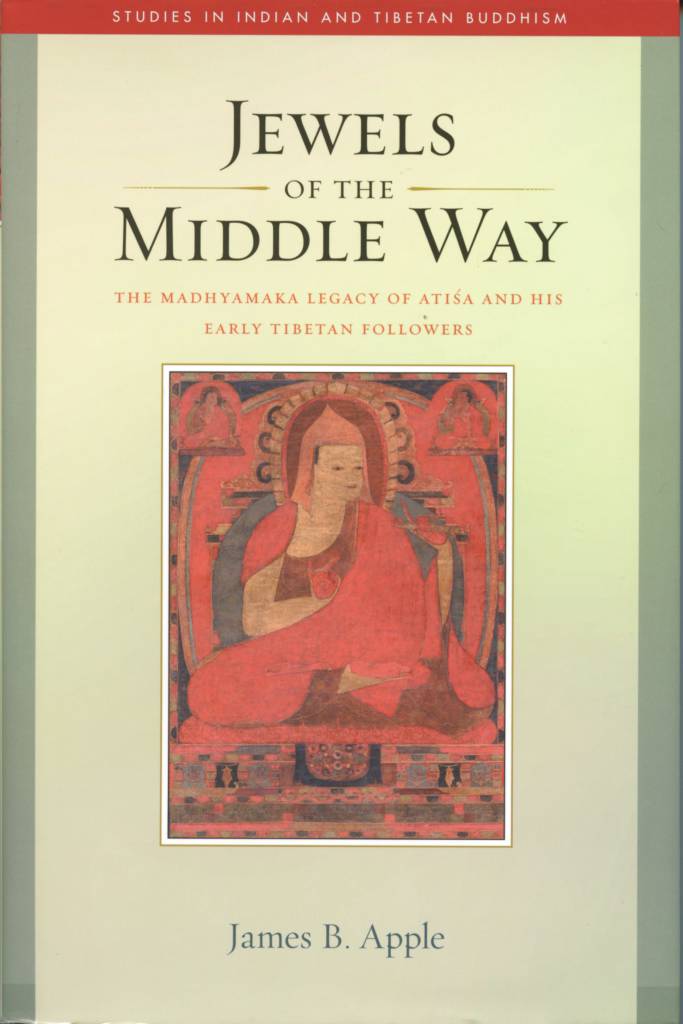
This book presents a detailed contextualization of the Madhyamaka (Middle Way) school in India and Tibet, along with translations of several texts in the Bka’ gdams gsung ’bum (Collected Works of the Kadampas), recently recovered Tibetan manuscripts that are attributed to Atiśa and Kadampa commentators. These translations cohere around Atiśa’s Madhyamaka view of the two realities and his understanding of the practice and the nature of the awakening mind. The book is organized in three parts based on the chronology of Atiśa’s teaching of Madhyamaka in India and Tibet: (1) Lineage Masters, the Mind of Awakening, and the Middle Way; (2) Articulating the Two Realities; and (3) How Mādhyamikas Meditate. Each part focuses on a specific text, or set of texts, specifically related to Atiśa’s Middle Way. The authorship and date of composition for each work is discussed along with an outline of the work’s textual sources followed by an analysis of the content. (Source: Wisdom Publications)
1 Partial translations
Books2019About this item
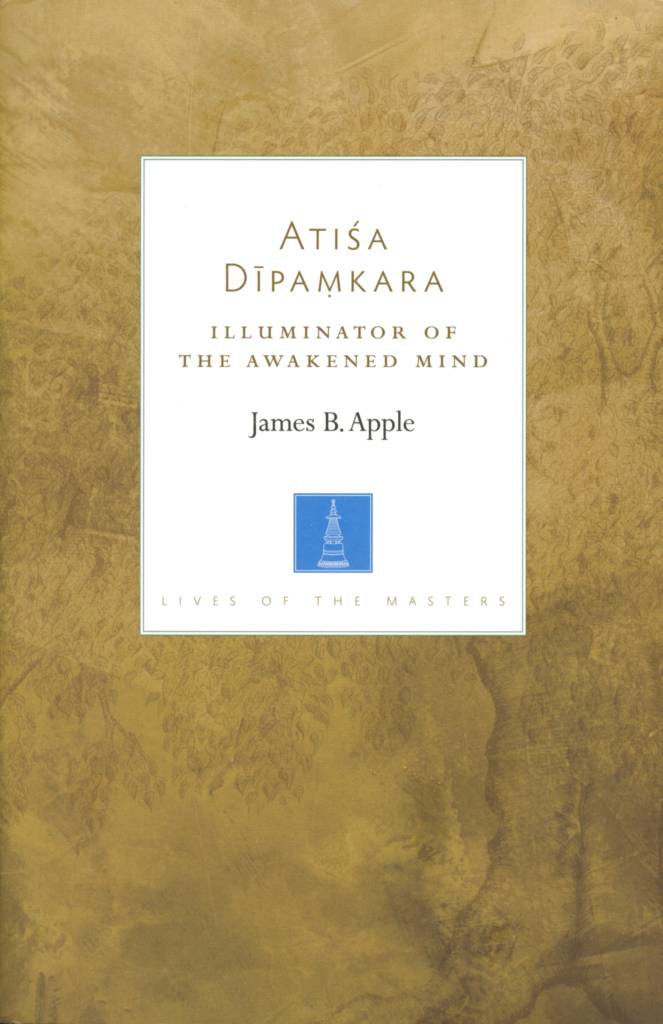
This book contains useful translations of parts of eleven of Atiśa's works, along with an introduction to the times and places of his life, with a succinct biography.

Few figures in the history of Buddhism in Tibet have had as far-reaching and profound an influence as the Indian scholar and adept Atiśa Dīpaṃkara (982–1054). Originally from Bengal, Atiśa was a tantric Buddhist master during Vajrayana Buddhism’s flowering in India and traveled extensively, eventually spending the remaining twelve years of his life revitalizing Buddhism in Tibet. Revered by all the schools of Tibetan Buddhism, Atiśa and his students founded what came to be known as the Kadam school, whose teachings have influenced countless Buddhist masters. These teachings, cherished by all major traditions, are preserved by the Geluk in particular, the school of the Dalai Lamas.

Although Atiśa was an influential practitioner and scholar of Tantra, he is best known for introducing many of the core Mahayana teachings that are widely practiced throughout the Tibetan Buddhist world, including the Stages of the Path to Awakening and Mind Training (lojong), as well as having contributed to highly influential commentaries on Madhyamaka that synthesize various schools of thought. This succinct biography of Atiśa’s life, together with a collection of translations, represents for the first time the full range of Atiśa’s contribution to Buddhism. As the most comprehensive work available on this essential Buddhist figure, this book is an indispensable resource for scholars and Buddhist practitioners alike. (Source: Shambhala Publications)

1 Scholarship
Books2018About this item
This book presents a detailed contextualization of the Madhyamaka (Middle Way) school in India and Tibet, along with translations of several texts in the Bka’ gdams gsung ’bum (Collected Works of the Kadampas), recently recovered Tibetan manuscripts that are attributed to Atiśa and Kadampa commentators. These translations cohere around Atiśa’s Madhyamaka view of the two realities and his understanding of the practice and the nature of the awakening mind. The book is organized in three parts based on the chronology of Atiśa’s teaching of Madhyamaka in India and Tibet: (1) Lineage Masters, the Mind of Awakening, and the Middle Way; (2) Articulating the Two Realities; and (3) How Mādhyamikas Meditate. Each part focuses on a specific text, or set of texts, specifically related to Atiśa’s Middle Way. The authorship and date of composition for each work is discussed along with an outline of the work’s textual sources followed by an analysis of the content. (Source: Wisdom Publications)
1 A topic of
Books2018About this item
This book presents a detailed contextualization of the Madhyamaka (Middle Way) school in India and Tibet, along with translations of several texts in the Bka’ gdams gsung ’bum (Collected Works of the Kadampas), recently recovered Tibetan manuscripts that are attributed to Atiśa and Kadampa commentators. These translations cohere around Atiśa’s Madhyamaka view of the two realities and his understanding of the practice and the nature of the awakening mind. The book is organized in three parts based on the chronology of Atiśa’s teaching of Madhyamaka in India and Tibet: (1) Lineage Masters, the Mind of Awakening, and the Middle Way; (2) Articulating the Two Realities; and (3) How Mādhyamikas Meditate. Each part focuses on a specific text, or set of texts, specifically related to Atiśa’s Middle Way. The authorship and date of composition for each work is discussed along with an outline of the work’s textual sources followed by an analysis of the content. (Source: Wisdom Publications)