9.74

From Bodhicitta

Bodhicaryāvatāra · Verse 9.74


Sources:    

Sanskrit §No information about the source used.

यथैव कदलीस्तम्भो न कश्चिद्भागशः कृतः। तथाहमप्यसद्भूतो मृग्यमाणो विचारतः॥

 
Chanted Verse
Recitation by Professor Kashinath Nyaupane
74

If you argue: for whom is there compassion if no being exists?, [our response is] For anyone projected through the delusion which is embraced for the sake of what has to be done.

Standard Tibetan §Padmakara used the 1990 edition printed by si khron mi rigs dpe skrun khang: Byang chub sems dpa'i spyod pa la 'jug pa rtsa ba dang 'grel pa (1990). Also found in Derge Tengyur D3871, dbu ma, vol. 105, la 1b1–40a7.

དཔེར་ན་ཆུ་ཤིང་སྡོང་པོ་དག །

ཆ་ཤས་ཕྱེ་ན་འགའ་མེད་པ། ། དེ་བཞིན་རྣམ་པར་དཔྱད་པ་ཡིས། །

བཙལ་ན་བདག་ཀྱང་ཡང་དག་མིན། །

 
Chanted Verse
Recitation by Lopen Karma Phuntsho
74

For instance, we may take banana trees—

Cutting through the fibers, finding nothing. Likewise analytical investigation

Will find no “I,” no underlying self.[p.148]The Way of the Bodhisattva (2006)
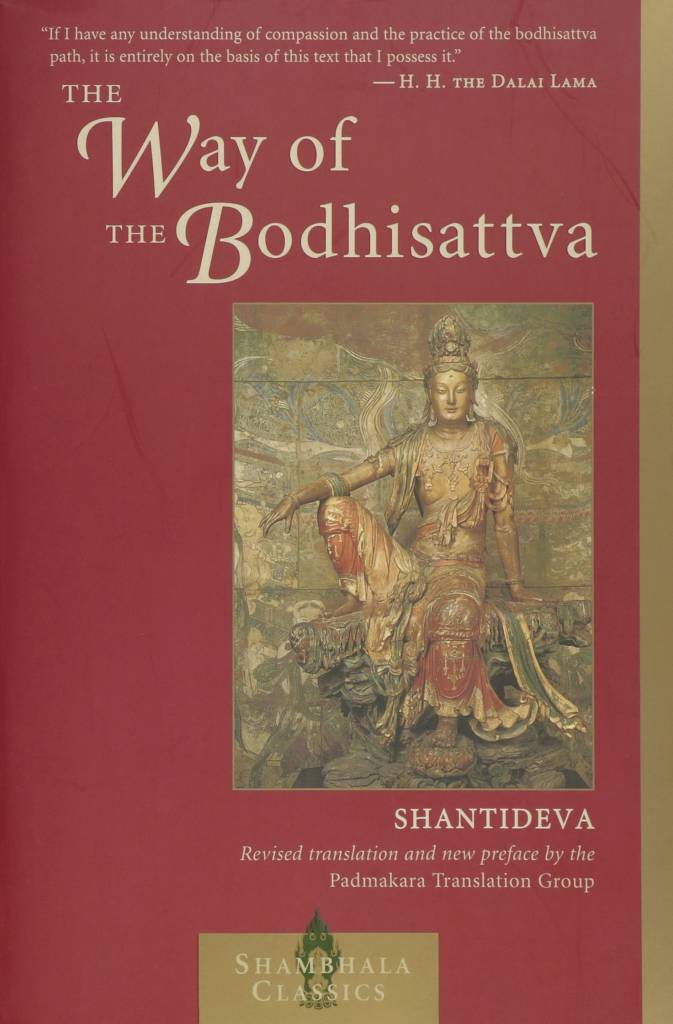
Blankleder, Helena, and Wulstan Fletcher (Padmakara Translation Group), trans. The Way of the Bodhisattva: A Translation of the Bodhicharyāvatāra. By Śāntideva. Rev. ed. Shambhala Classics. Boston: Shambhala Publications, 2006.

Standard Tibetan §Padmakara used the 1990 edition printed by si khron mi rigs dpe skrun khang: Byang chub sems dpa'i spyod pa la 'jug pa rtsa ba dang 'grel pa (1990). Also found in Derge Tengyur D3871, dbu ma, vol. 105, la 1b1–40a7. - Other translations

For example, there is nothing

If you take the trunk of a banana tree apart. Likewise, if you search for it with thorough analysis,

The self is not really true either. [74][p.710]The Center of the Sunlit Sky
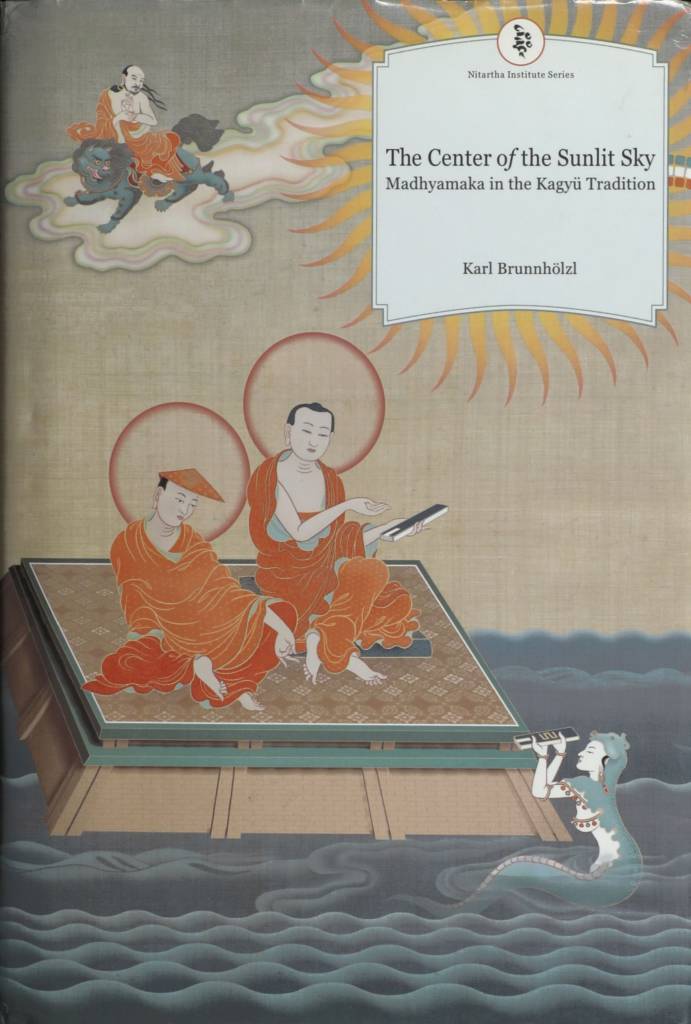
Brunnhölzl, Karl. The Center of the Sunlit Sky: Madhyamaka in the Kagyü Tradition. Including a translation of Pawo Rinpoche's commentary on the knowledge section of Śāntideva's The Entrance to the Bodhisattva’s Way of Life (Bodhicaryāvatāra). Nitartha Institute Series. Ithaca, NY: Snow Lion Publications, 2004.

Exfoliez [le stipe d’]un bananier :

Vous ne trouverez pas de cœur. Analysez le soi :

Vous ne trouverez rien de réel.

Por ejemplo, si cogemos el tallo del platanero

y separamos todas sus capas, no queda nada. Del mismo modo, si lo analizamos exhaustivamente

no encontraremos ningún “yo” real.

La Práctica del Bodisatva-front.jpg
Padmakara Spain 2008

For example, like the banana tree,

When taken apart nothing is there. Similarly, when looking with analysis

Also the self is not absolute.

Just as the plantain tree itself cannot be found

By splitting it into parts, Likewise, the self genuinely cannot be found

Through analysis.

shift + scroll / swipe
Tsadra Critical Edition §This text was created by comparing four versions of the text from Derge, Cone, Narthang, and Peking Tengyurs from BDRC scans, along with Dunhuang manuscripts IOL Tib J 628, 629, and 630. When Tibetan readings were problematic, the Sanskrit texts from GRETIL and LTB (Oslo) were consulted.

དཔེར་ན་ཆུ་ཤིང་སྡོང་པོ་དག །

ཆ་ཤས་ཕྱེ་ན་འགའ་མེད་པ། ། དེ་བཞིན་རྣམ་པར་དཔྱད་པ་ཡིས། །

བཙལ་ན་བདག་ཀྱང་ཡང་དག་མིན། །

[edit]
Sazang Mati (1294 - 1376)
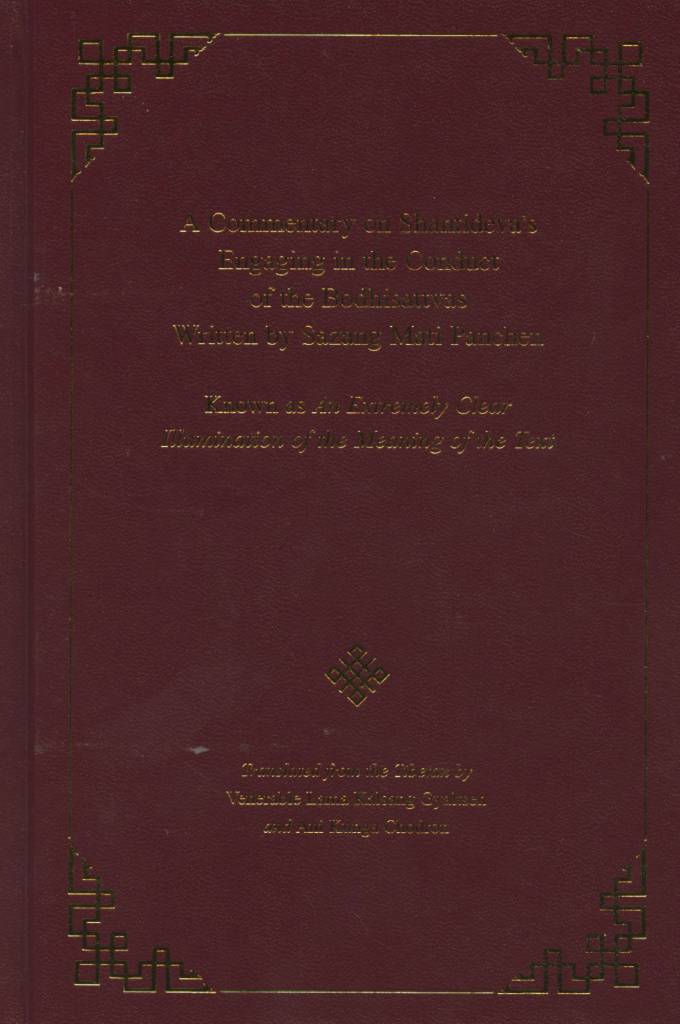
A Commentary on Shantideva's Engaging in the Conduct of the Bodhisattvas (citation)Gyaltsen, Lama Kalsang, and Ani Kunga Chodron, trans. A Commentary on Shantideva's Engaging in the Conduct of the Bodhisattvas Written by Sazang Mati Panchen: Known as An Extremely Clear Illumination of the Meaning of the Text. Walden, NY: Tsechen Kunchab Ling, 2019. Bilingual Edition

དཔེར་ན་ཆུ་ཤིང་སྡོང་པོ་དག །

ཆ་ཤས་ཕྱེ་ན་འགའ་མེད་པ། ། དེ་བཞིན་རྣམ་པར་དཔྱད་པ་ཡིས། །

བཙལ་ན་བདག་ཀྱང་ཡང་དག་མིན། །
dper na chu shing sdong po dag_/

cha shas phye na 'ga' med pa/_/ de bzhin rnam par dpyad pa yis/_/

btsal na bdag kyang yang dag min/_/

Just as the plantain tree itself cannot be found

By splitting it into parts, Likewise, the self genuinely cannot be found

Through analysis.

མདོར་བསྡུས་ཏེ་དཔེར་བརྗོད་ན་ཆུ་ཤིང་གི་སྡོང་པོ་ད༵ག་ལ་ཆ་ཤས་སུ་ཕྱེ་ཞིང་ཤུན་པ་རྣམས་རིམ་གྱིས་བསལ་ན་ཆ་ཤས་ཅན་གྱི་དངོས་པོ་འགའ་ཡང་མེད་པ༵་དེ་བཞིན་དུ་ཕུང་པོ་ཁ་ཡར་པ་དང་ཚོགས་པ་ལ་རྣམ་པར་བརྟགས་ཤིང་དཔྱད་པ་ཡི༵ས་ལེགས་པར་ཡོངས་སུ་བཙལ་ན་བདག་ཀྱང་དོན་དམ་དུ་ཡང་དག་པར་ཡོད་པ་མི༵ན་པར་གྲུབ་བོ། །

In short, to use a metaphor, searching for the self is like peeling away the layers of bark from certain trees. No matter how many layers are peeled, the essential or inherent layer that is the tree is never found. Likewise, under careful analysis of the assembly of various aggregates that are separate entities, a truly existent self can never be found. Thus it is ascertained that on the ultimate level, no self exists.
Gyaltsap Je (1364 - 1432)
The Entrance for the Children of the Conquerors (citation)Stracke, Fedor, trans. The Entrance for the Children of the Conquerors: A Commentary on the Introduction to the Actions of Bodhisattvas. By Gyaltsab Rinpoche. N.p.: Happy Monks Publication, 2016. https://happymonkspublication.org/product/bodhisattvacharyavatara-chapter-1-10-commentary/. Bilingual Edition

གཉིས་པ་ནི།

Answer 1.1.2.3.1.3.1.2

དཔེར་ན་ཆུ་ཤིང་སྡོང་པོ་དག །

ཆ་ཤས་ཕྱེ་ན་འགའ་མེད་པ། ། དེ་བཞིན་རྣམ་པར་དཔྱད་པ་ཡིས། །

བཙལ་ན་བདག་ཀྱང་ཡང་དག་མིན། །
dper na chu shing sdong po dag_/

cha shas phye na 'ga' med pa/_/ de bzhin rnam par dpyad pa yis/_/

btsal na bdag kyang yang dag min/_/

For example, like the banana tree,

When taken apart nothing is there. Similarly, when looking with analysis

Also the self is not absolute.

རྒྱུ་ལས་བྱེད་པའི་བྱ་བའི་དུས་དང་འབྲས་བུ་ལོངས་སྤྱོད་པའི་དུས་ཀྱི་གཞི་གང་ཟག་རྫས་ཐ་དད་དང་འབྲས་བུ་མྱོང་བའི་དུས་དེར་བདག་སྟེ་ལས་བྱེད་པ་པོ་མེད་པར་ཡང་འུ་བུ་ཅག་གཉིས་ཀ་ལ་གྲུབ་པས། མས་[p.Ch9-393]Spyod 'jug rtsa 'grel (Mtsho sngon mi rigs dpe skrun khang 2001)
Śāntideva, and Rgyal tshab rje dar ma rin chen. Spyod 'jug rtsa 'grel and Byang chub sems dpa'i spyod pa la 'jug pa'i rnam bshad rgyal sras 'jug ngogs. Xining: Mtsho sngon mi rigs dpe skrun khang, 2001
འབྲས་ཀྱི་འབྲེལ་བ་སྟོན་པའི་སྐབས་འདིར་ཁྱེད་ཀྱིས་རྩོད་པ་དོན་མེད་མ་ཡིན་ནམ་རྒྱུ་ལས་བྱེད་དུས་ན་འབྲས་བུ་མྱོང་བ་མེད་མྱོང་དུས་ན་ལས་བྱེད་པ་པོ་མེད་པར་ཁྱོད་ཀྱིས་ཀྱང་ཁས་བླངས་པའི་ཕྱིར། དེ་སྐྱོན་དུ་འགྱུར་ན་ཁྱོད་རང་ལ་ཡང་མཚུངས་པའི་ཕྱིར་དང་། རྒྱུ་ལྡན་ཏེ་རྒྱུ་གསོག་དུས་ན་འབྲས་བུ་མྱོང་བ་དང་བཅས་ཞེས་མཐོང་བ་འདི་ནི་སྲིད་པ་མ་ཡིན་པའི་ཕྱིར་རོ། །

Since it is established for both of us that the persons who are the basis at the causal time of creating the action, and at the resultant time of experiencing the result are of different substance, and that at the time of experiencing the result the self who created the karma does not exist, isn’t your debate here at this time of explaining the relationship between karmic cause and effect pointless? You also accept that at the causal time of creating the karma the experience of the result is not there, and that at the time of experiencing the result, the creator of the karma is not there. If this becomes a fault, then it also applies to you. Additionally, your observation that the one endowed with the cause at the time of creating the cause is endowed with the experience of the result, this observation is impossible.

འོ་ན་ཁྱོད་རང་གི་ལུགས་ཇི་ལྟར་ཡིན་ཞེ་ན།

Particularists: How is it then in your school?

ཕུང་པོའི་རྒྱུན་གཅིག་ལ་ནི་བརྟེན་ནས་སུ་ལས་བྱེད་པ་པོ་དང་འབྲས་བུ་མྱོང་བ་པོ་ཞེས་བྱ་བར་བསྟན་པ་སྟེ་གདགས་སོ། །རྒྱུན་ཞེས་པ་ནི་ཆ་ཤས་སུ་གྱུར་པའི་སྐད་ཅིག་སྔ་ཕྱི་བར་གསུམ་ཉེ་བར་བླང་བྱར་ཡོད་པའི་ཆོ་ཅན་ཉེ་བར་ལེན་པ་པོ་སྟེ་མདོར་ན་གང་ཟག་འདིས་ལས་ཀྱང་བྱས་འབྲས་བུ་ཡང་མྱོང་ཞེས་པ་འཐད་ཀྱི་རྒྱུ་འབྲས་དུས་གཅིག་པ་སུས་ཀྱང་གཞག་མི་ནུས་སོ། །

Madhyamaka: In dependence on one continuum of aggregates we refer to the agent who creates the karma and the engager of the result. That called a continuum is the taker, which possesses parts, possessing that taken, the parts of the earlier, intermediate and later moments. In brief, it is valid to say this person creates karma, as well as experiences karma, and nobody is able to isolate18Changed from posit. cause and effect at any one time.

འདས་པ་དང་མ་འོངས་པའི་སེམས་བདག་མིན་ཏེ་དེ་ནི་ཞིག་པ་དང་མ་སྐྱེས་པས་བདག་ཏུ་མེད་པའི་ཕྱིར། འོན་ཏེ་སྐྱེས་པའི་སེམས་ད་ལྟར་བ་བདག་ཡིན་ན་སྐད་ཅིག་གཉིས་པར་དེ་ཞིག་ན་ཡང་ཁྱོད་འདོད་པའི་བདག་མེད་དེ། དཔེར་ན་ཆུ་ཤིང་གི་སྡོང་བོ་དག་ཆ་ཤས་སུ་ཕྱེ་ན་རང་བཞིན་གྱིས་གྲུབ་པ་འགའ་ཡང་མེད་པ་དེ་བཞིན་དུ་རང་བཞིན་གྱིས་གྲུབ་མ་གྲུབ་རིགས་པས་རྣམ་པར་དཔྱད་པ་ཡིས་བཙལ་ན་བདག་ཀྱང་ཡང་དག་པར་གྲུབ་པ་མིན་ཏེ་འོག་ནས་འཆད་པའི་བདག་མེད་སྒྲུབ་པའི་རིགས་པས་གནོད་པའི་ཕྱིར་རོ། །

The past and future minds are not the self or exist as self because they disintegrate and do not generate and therefore do not exist as self. Then, if the generated present mind were the self, as it disintegrates in the next moment, again the self asserted by you does not exist. For example, when the banana tree is separated into its parts, there[p.45]The Entrance for the Children of the Conquerors
Stracke, Fedor, trans. The Entrance for the Children of the Conquerors: A Commentary on the Introduction to the Actions of Bodhisattvas. By Gyaltsab Rinpoche. N.p.: Happy Monks Publication, 2016. https://happymonkspublication.org/product/bodhisattvacharyavatara-chapter-1-10-commentary/.
is nothing there that exists inherently. Likewise, if one searches with the logical analysis whether something is established inherently or not, then also the self does not exist in an absolute manner, because such a self is harmed by the reasoning that establishes the selflessness of person that is explained below.
Pawo Rinpoche, 2nd (1504 - 1566)
The Center of the Sunlit Sky (citation)Brunnhölzl, Karl. The Center of the Sunlit Sky: Madhyamaka in the Kagyü Tradition. Including a translation of Pawo Rinpoche's commentary on the knowledge section of Śāntideva's The Entrance to the Bodhisattva’s Way of Life (Bodhicaryāvatāra). Nitartha Institute Series. Ithaca, NY: Snow Lion Publications, 2004. Bilingual Edition

དཔེར་ན་ཆུ་ཤིང་སྡོང་པོ་དག །

ཆ་ཤས་ཕྱེ་ན་འགའ་མེད་པ། ། དེ་བཞིན་རྣམ་པར་དཔྱད་པ་ཡིས། །

བཙལ་ན་བདག་ཡང་ཡང་དག་མིན། །

For example, there is nothing

If you take the trunk of a banana tree apart. Likewise, if you search for it with thorough analysis,

The self is not really true either. [74][p.710]The Center of the Sunlit Sky
Brunnhölzl, Karl. The Center of the Sunlit Sky: Madhyamaka in the Kagyü Tradition. Including a translation of Pawo Rinpoche's commentary on the knowledge section of Śāntideva's The Entrance to the Bodhisattva’s Way of Life (Bodhicaryāvatāra). Nitartha Institute Series. Ithaca, NY: Snow Lion Publications, 2004.

ཕྱེད་ཕྱི་མས་ད་ལྟ་བ་བདག་མ་ཡིན་པར་བསྟན།

This verse teaches that the self is unfindable.

དེ་ལ་རང་སྡེ་གནས་མ་བུ་པ་ན་རེ། བདག་ནི་ཕུང་པོ་ལས་དེ་ཉིད་དང་གཞན་གང་དུ་ཡང་བརྗོད་ཏུ་མེད་ཏོ་ཅེས་ཟེར་རོ། །དེ་ཡང་མ་ཡིན་སྟེ་དཔེར་ན་ཆུ་ཤིང་གི་སྡོང་པོ་དག་ལ་སྟ་རེས་བཅད་ཅིང་དུམ་བུར་བྱས་ལ་དེ་རེ་རེ་ཡང་ཆ་ཤས་སུ་རྣམ་པར་ཕྱེ་སྟེ་ད་ནི་འདི་རྣམས་གང་ལ་ཆུ་ཤིང་གི་སྡོང་པོ་གནས་སྙམ་དུ་བརྟགས་ན་ཆ་ཤས་དེ་དག་མ་གཏོགས་ཆ་ཤས་ཅན་གྱི་སྡོང་པོ་འགའ་ཡང་མེད་པར་མཐོང་ལ་ཆ་ཤས་དེ་དག་ཡང་རེ་རེ་ཞིང་སྡོང་པོ་མ་ཡིན་པར་མཐོང་ནས་ཆུ་ཤིང་གི་སྡོང་པོར་ཞེན་པ་རྣམ་པར་ལོག་པ་དེ་བཞིན་དུ་ཕྱི་ནང་གི་ཕུང་པོ་ཐམས་ཅད་ལ་རིགས་པས་རྣམ་པར་དཔྱད་པ་ཡིས་བཙལ་ན་དེ་ཉིད་དང་གཞན་དུ་བརྗོད་ཏུ་མེད་པའི་བདག་དེ་ཉིད་ཀྱང་ཡང་དག་པ་མིན་པར་མཐོང་སྟེ་བདག་ཞེས་བྱ་བ་གང་ཡང་མཐོང་བར་མི་འགྱུར་རོ། །

Here, the followers of Vātsīputra in our own faction say, “The self cannot be expressed as anything at all that would be the same as or other than the aggregates.” This is not the case either: For example, you may cut up the trunk of a banana tree, slice it into pieces, and also take each one of these [pieces] completely apart. Then you might wonder, “Now, in which of these [parts] is the trunk of the banana tree?” If [you look closely], you will see that apart from these parts there is nothing whatsoever that is a trunk that possesses the parts. You see furthermore that also each one of these parts is not the trunk. Thus, your clinging to the trunk of a banana tree has become completely reversed. Likewise, if you search with thorough analysis through reasoning in all the inner and outer aggregates, you will see that this very self that is inexpressible as the same as or something other [than these aggregates] is not really true either. Rather, you will not see any socalled self whatsoever.
Mipam Gyatso (1846 - 1912)
The Wisdom Chapter - The Ketaka Jewel (citation)Fletcher, Wulstan, and Helena Blankleder (Padmakara Translation Group), trans. The Wisdom Chapter: Jamgön Mipham's Commentary on the Ninth Chapter of "The Way of the Bodhisattva." Boulder, CO: Shambhala Publications, 2017. Bilingual Edition

དཔེར་ན་ཆུ་ཤིང་སྡོང་པོ་དག །

ཆ་ཤས་ཕྱེ་ན་འགའ་མེད་པ། ། དེ་བཞིན་རྣམ་པར་དཔྱད་པ་ཡིས། །

བཙལ་ན་བདག་ཀྱང་ཡང་དག་མིན། །
dper na chu shing sdong po dag_/

cha shas phye na 'ga' med pa/_/ de bzhin rnam par dpyad pa yis/_/

btsal na bdag kyang yang dag min/_/

For instance, we may take banana trees—

Cutting through the fibers, finding nothing. Likewise analytical investigation

Will find no “I,” no underlying self.

དཔེར་ན་ཆུ་ཤིང་ནི་སྡོང་པོ་རློན་པ་སྲ་བའི་ཆ་མེད་པ་ཁོང་སྟོང་གསོབ་ཅན་དེ་ཆ་ཤས་ཕྱེ་ན་སྙིང་པོ་སྲ་མཁྲེག་གི་ཆ་འགའ་ཡང་མི་རྙེད་པར་ཕར་ཕར་མེད་འགྲོ་བ་བཞིན། རྣམ་པར་དཔྱད་པས་བཙལ་ན་བདག་ཀྱང་དེ་ཁོ་ན་ཉིད་དུ་གྲུབ་པ་མེད་དོ། །[p.80]Spyod 'jug sher 'grel ke ta ka (Si khron mi rigs dpe skrun khang 1993)
Mi pham rgya mtsho. Spyod 'jug sher 'grel ke ta ka. Chengdu: Si khron mi rigs dpe skrun khang, 1993.

It is just as when one cuts open a banana tree, which is full of sap but is hollow and without solidity. Gradually cutting through the fibers, one finds nothing substantial, and eventually the tree disintegrates. So too, if one searches analytically, one will find that the self has no reality, no ultimate existence.
Kunzang Palden (1862 - 1943)
The Nectar of Manjushri's Speech (citation)Blankleder, Helena, and Wulstan Fletcher (Padmakara Translation Group), trans. The Nectar of Manjushri's Speech: A Detailed Commentary on Shantideva's Way of the Bodhisattva. By Kunzang Pelden. Boston: Shambhala Publications, 2007. Bilingual Edition

ཞེས་པ་བཞིན་རྒྱུད་བདག་ཡིན་པ་འགོག་པའི་དོན་ཏོ། །

དཔེར་ན་ཆུ་ཤིང་སྡོང་པོ་དག །

ཆ་ཤས་ཕྱེ་ན་འགའ་མེད་པ། ། དེ་བཞིན་རྣམ་པར་དཔྱད་པ་ཡིས། །

བཙལ་ན་བདག་ཀྱང་ཡང་དག་མིན། །
dper na chu shing sdong po dag_/

cha shas phye na 'ga' med pa/_/ de bzhin rnam par dpyad pa yis/_/

btsal na bdag kyang yang dag min/_/

དཔེར་ན་ཆུ་ཤིང་སྡོང་པོ་རློན་པ་སྲ་བའི་ཆ་མེད་པ་ཁོང་སྟོང་གསོབ་ཅན་དེ་དག་ཆ་ཤས་ཕྱེ་ན་སྙིང་པོ་སྲ་མཁྲེག་གི་ཆ་འགའ་ཡང་མི་རྙེད་པར་ཕར་ཕར་མེད་འགྲོ་བ་དེ་བཞིན་དུ་རིགས་པས་རྣམ་པར་དཔྱད་པ་ཡིས་བཙལ་ན་བདག་ཀྱང་ཡང་དག་མིན་ཞེས་དེ་ཁོ་ན་ཉིད་དུ་གྲུབ་པ་མེད་དོ། །

Thus the theory that the mental continuum is the self is refuted.

For instance, we may take banana trees—

Cutting through the fibers, finding nothing. Likewise analytical investigation

Will find no “I,” no underlying self.[p.148]The Way of the Bodhisattva (2006)
Blankleder, Helena, and Wulstan Fletcher (Padmakara Translation Group), trans. The Way of the Bodhisattva: A Translation of the Bodhicharyāvatāra. By Śāntideva. Rev. ed. Shambhala Classics. Boston: Shambhala Publications, 2006.

It is just as when one cuts open a banana tree, which is full of sap but is hollow and without any firmness or body to it. Gradually cutting through the fibers, one finds nothing substantial, and eventually the tree disintegrates. So too, if one searches analytically, one will find that the self has no reality, no ultimate existence.


[edit]
[edit]